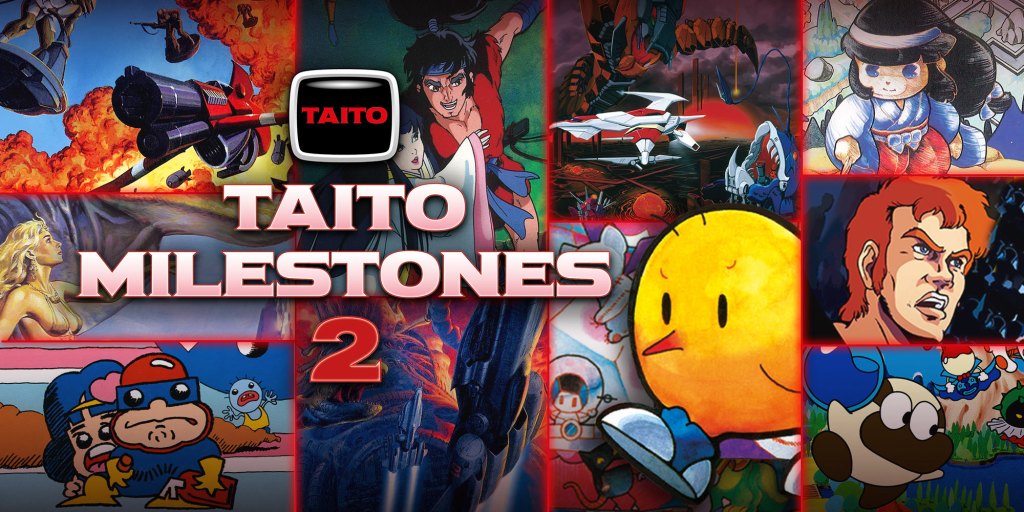
When ININ Games released the first Taito Milestones early last year, I didn’t realize how much of an innovator the old Japanese arcade company was. I’d heard of titles like Qix, Elevator Action and Chack ‘n Pop but now having played them myself (with a healthy dose of understanding the context of their vintage), Taito definitely went off the beaten path, whether they were coming up with original games or iterating on old standbys.
But as great as Hamster’s emulation is, and how fascinating the games are, Taito Milestones was pretty bereft of anything in the way of preserving anything beyond that. It was by no means the end of the world, but in a post-Atari 50 landscape, my expectations of what these kinds of game collections can be have skyrocketed.
Unfortunately, Taito Milestones 2 follows in the footsteps of the original compilation, so much so that the user interface and even the theme music that plays in the menu (singular) is exactly the same. While I’m bummed that nobody bothered to do anything more than gather the next set of Taito games, said games are just as interesting and more often than not have aged better, to the point where it’s easier for new folks to jump in without being perplexed.
Since there there aren’t any real bells and whistles beyond the games themselves, I’ll go over the library included here:
Ben Bero Beh

Ben Bero Beh is a Japan-only release that puts you in the shoes of a goofy looking super hero who enters burning buildings to rescue people. While he may dress the part, Ben (I’m assuming that’s his name) is actually a glorified firefighter. Don’t get me wrong – firefighters are heroes! But maybe he could have been one from the get-go – although I suppose that’s not appealing enough to potentially become a mascot.
The game is a single-screen affair that moves stiffly as you dodge obstacles and put out fires with an extinguisher on your way to the rescue. It has its charms, but Ben Bero Beh is definitely one of the weaker offerings here.
Kiki Kaikai
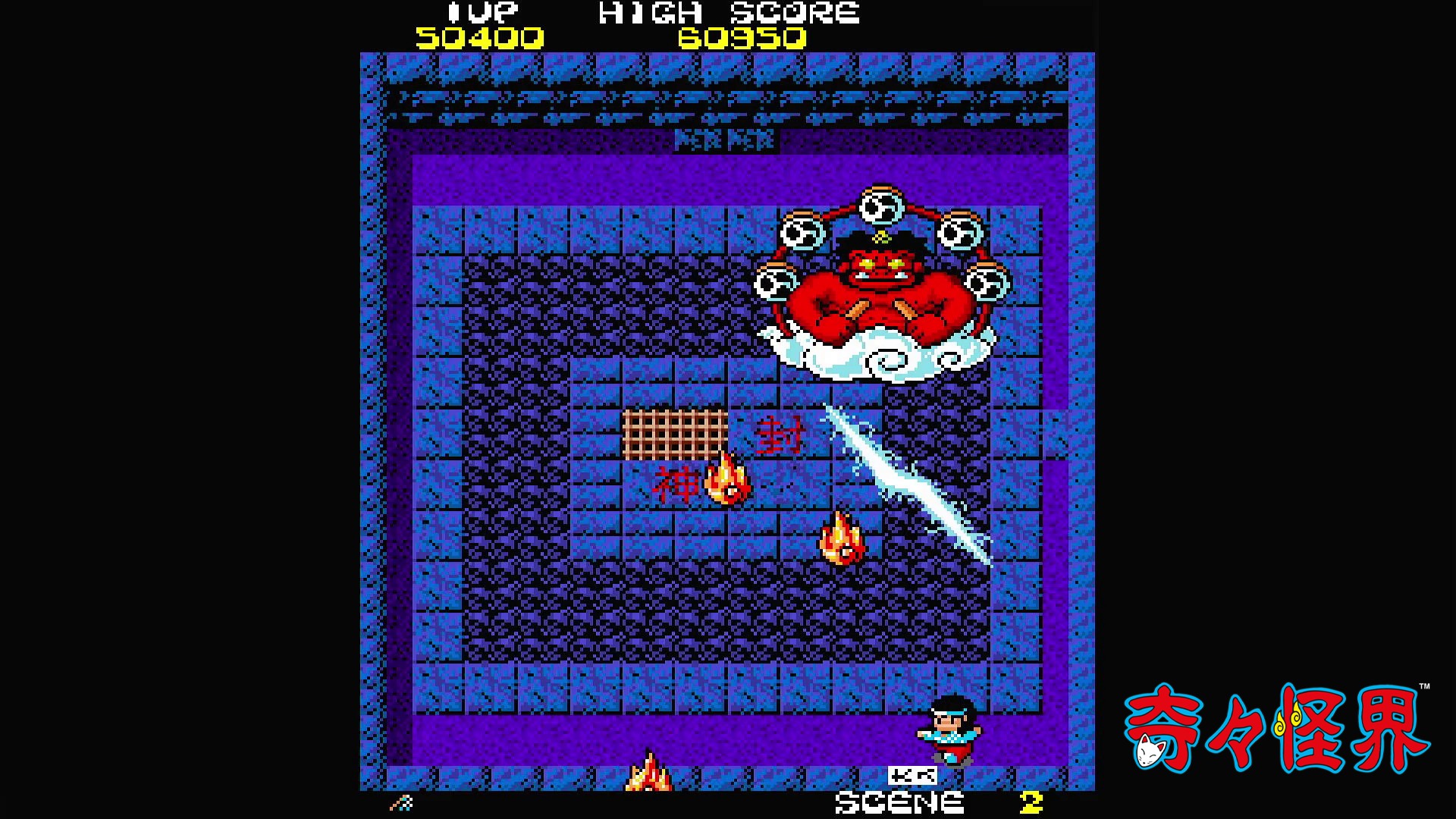
For the uninitiated, Kiki Kaikai is the game that eventually spawned the cult classic Pocky & Rocky series. While it looks like a top-down action game, it’s actually more of a shoot ‘em up. Granted you get to move around in what feels like a more free-moving cadence, but the truth of the matter is that enemies come at you in the Feudal Japanese-inspired levels in very specific waves.
I appreciate when developers do stuff like this; as a kid, Kiki Kaikai would have surely fooled me enough to overlook the fact that it’s actually a play on a genre I didn’t really care for back in the day. Our heroine is way more charming then any spaceship, anyways.
The Legend of Kage
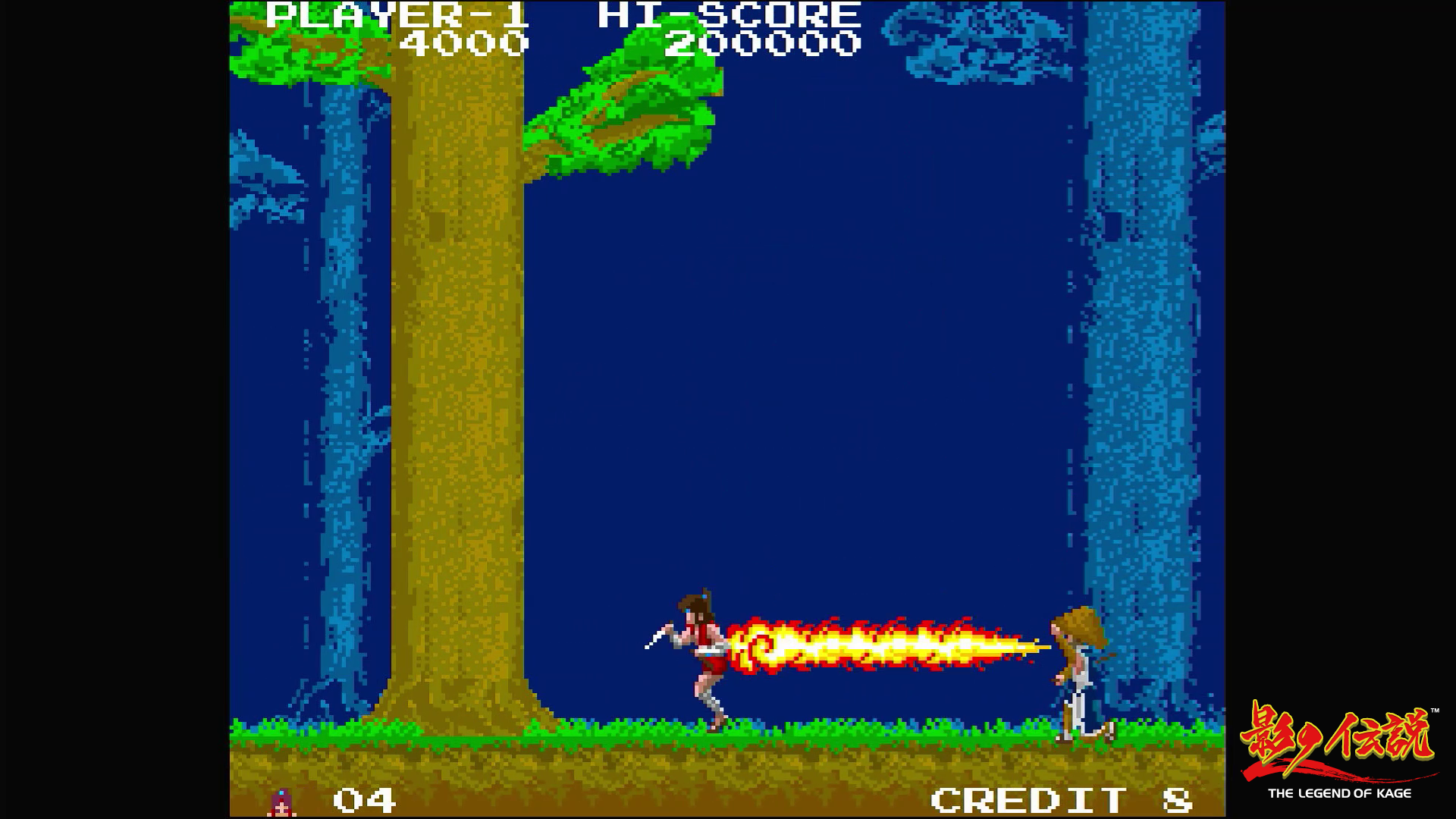
I’d heard through the grapevine that The Legend of Kage was pretty good, but I can now personally confirm all those raisins were correct.
On its own, it’s a super fun action platforming game in which the samurai you play jumps egregiously high through forests and castles, slashing bad guys and tossing shurikens with aplomb. It’s fast-paced and supremely satisfying in a way that it makes the player feel empowered.
Add to this a rudimentary leveling system and the clever use of seasonal changes to denote changes in loops, and you have a bona fide classic.
Darius II
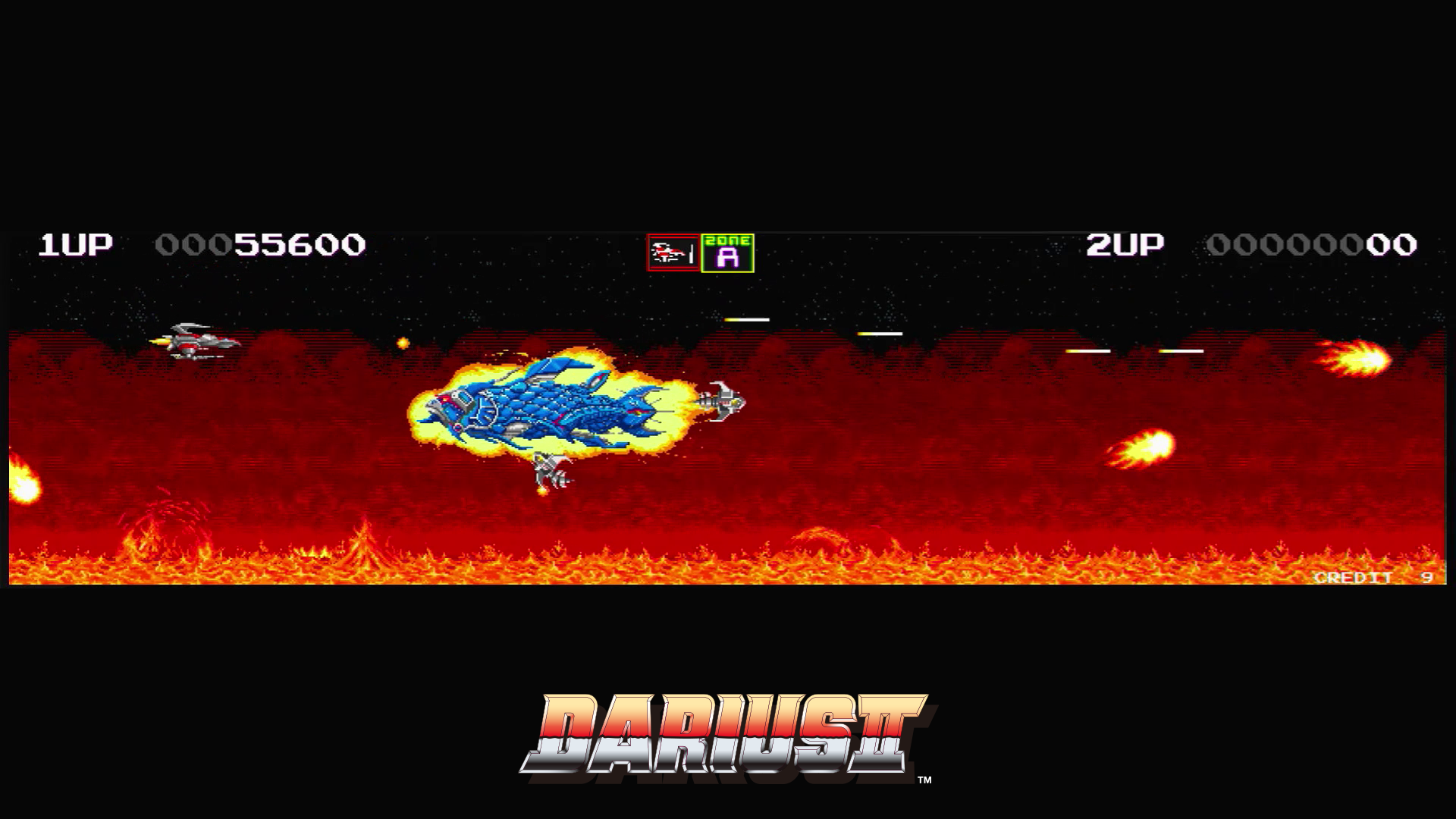
I’ve played this one before on the Darius Cozmic Collection, and while it has lost its gimmick of using two screens to display its side-scrolling shoot ‘em up action, it’s still a lot of fun to play. For fans of the genre there are lots of routes you can choose for high scoring and variety’s sake.
The NewZealand Story
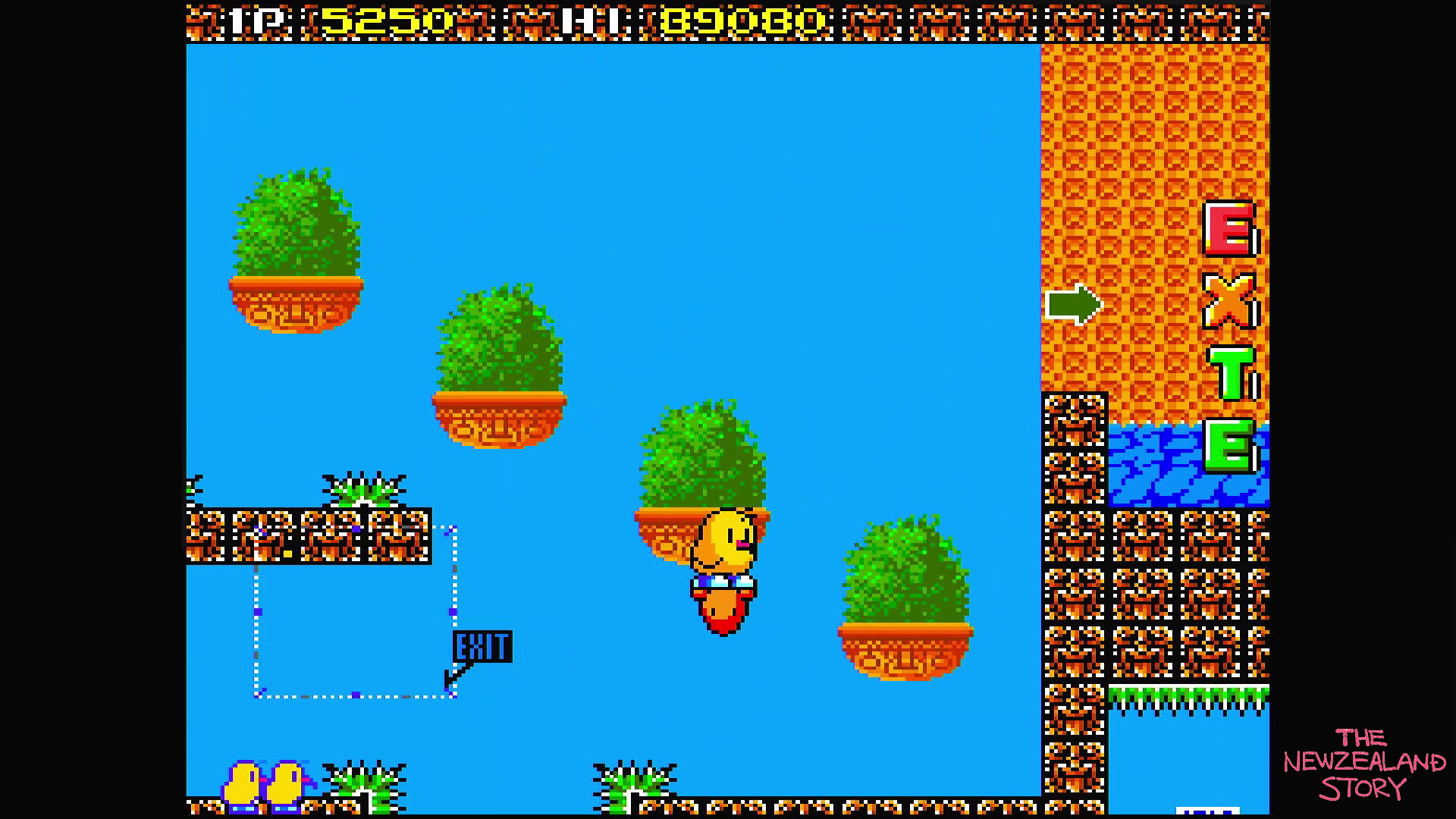
Wannabe mascot Ben notwithstanding, Taito is very, very good at making ridiculously cute heroes, and that trend continues with The NewZealand Story. In it you play an adorable kiwi who must save his kidnapped friends by hopping-and-bopping through a bunch of platformer levels.
While I wouldn’t say that NewZealand Story is easy, it definitely gives players a much better chance of surviving than, say, Bubble Bobble, which is a rare quality to have in an arcade game. It’s by no means mind-blowing, but it’s still a great way to pass an afternoon.
Liquid Kids

While we’re on disgustingly cute mascot platformers, Liquid Kids is also a lot of fun, and uses the rushing-water-in-a-popped bubble from Bubble Bobble as its entire gimmick.
Solitary Fighter

It seems pretty obvious that Taito would try its hand at fighting games during the Street Fighter II/Mortal Kombat era, but nonetheless, I was still surprised by this entry. It has all the personality of a paper plate, but the fighting closely resembles that of Pit Fighter in that you can move around in all directions while a crowd cheers you on (or pushes you back into the match).
It’s pretty basic even by the standards of the time, but it’s still ace as a multi-player game just because of all the randomness that can occur.
Gun Frontier
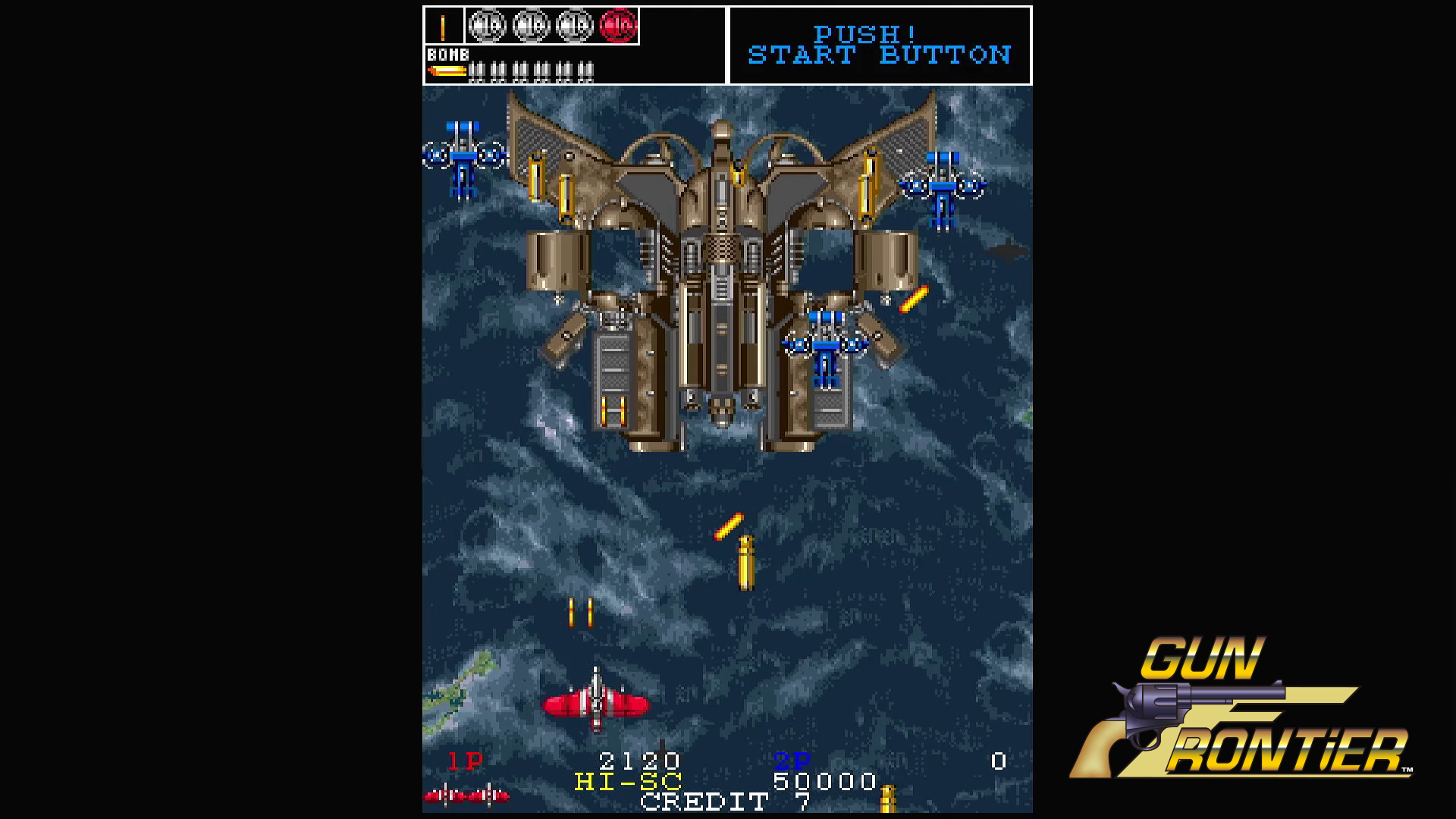
The most interesting thing about Gun Frontier isn’t even in the game (or in this collection for that matter). It’s actually based around space settlers/cowboys who are looking to move onto another planet, but are met with aggression, although little of that story makes it through to the main game. So in other words, it’s a very competent vertical shoot ‘em up.
Metal Black
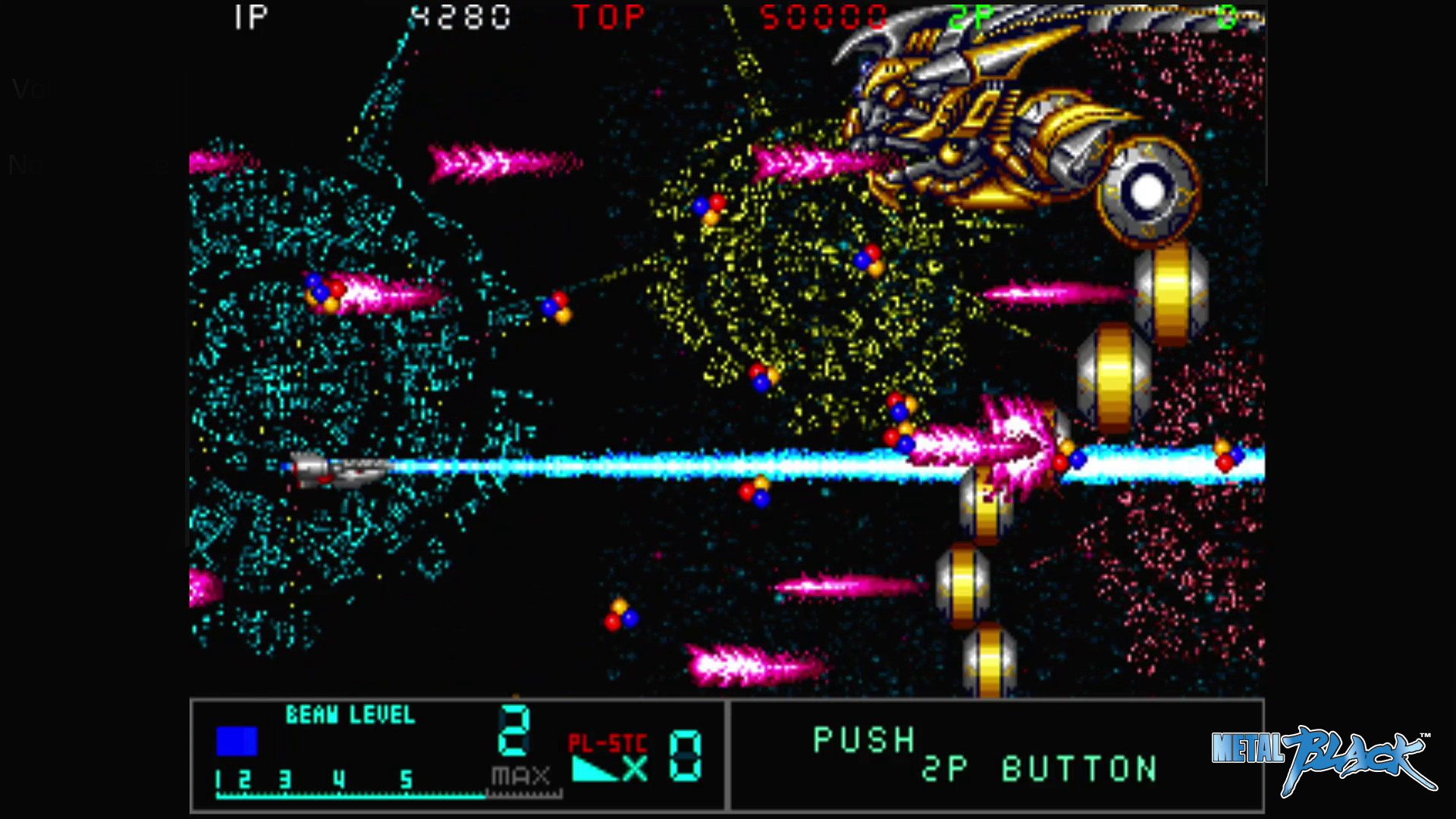
I wish I had more to say about Metal Black beyond it also being a competent (albeit side-scrolling) shooter with admittedly gorgeous backgrounds.
Dinorex

Dinorex might be the worst game on Taito Milestones 2, but it’s also possibly the most entertaining. Don’t mistake entertaining for fun – my 8-year-old loves him some dinosaurs, so of course he was on board with this poor man’s rendition of Primal Rage.
There are quite a few lizards to choose from, but they all control slowly and awfully, and if dinosaurs actually sounded like they do in this game, than perhaps I’m OK that they went extinct. However, it was still fun to randomly ram your opponent through the dirt, and the game definitely manages to make you feel like a big, mean dino. Still, I don’t recommend this – unless you’re gonna invite my kid over to play it with you.
While not everything in Taito Milestones 2 is fun, every game is interesting in some capacity. I just wish there was more in the way of context; things such as tales from the games’ development, promotional artwork or even arcade flyers. I hate bringing up money, but ININ is charging a pretty penny for these games, and I feel like a fair amount to pay would be literally half the price, especially considering the collection’s lack of bells and/or whistles.
Whether you’re an amateur games historian or are curious to play some old classics… wait until it goes on sale.
Taito Milestones 2 was developed by ININ Games/Taito, and it’s available on Switch.
Disclosure statement: review code for Taito Milestones 2 was provided by PR Hound. A Most Agreeable Pastime operates as an independent site, and all opinions expressed are those of the author.
Follow A Most Agreeable Pastime on Twitter and Facebook, if you like.
 A MOST AGREEABLE PASTIME
Leave a Reply