This is just a quick post to inform you that the first three issues of A Profound Waste of Time are being reprinted – so grab them if you can.
The Kickstarter for the APWOT reprint is currently about halfway through, and is due to end on 3 July. I highly recommend you treat yourself to these beautiful tomes now they’re back in print.
Put together by Caspian Whistler, the journals are of incredibly high quality, and they’re packed with fascinating articles by the great and the good of games journalism. In short, they’re flipping fantastic, and you should buy them immediately.
I’ve had another busy year spent writing about video games. And, as is tradition, it’s time to take a retrospective look back and see what words I’ve managed to churn out over the past 12 months, if only to make myself feel a tiny bit productive. The above picture shows all of the magazines and books I had words in this year, and below is a complete list of everything I wrote in 2024.
The Art of Still Wakes the Deep
Near the start of the year, I was asked to write The Art of Still Wakes the Deep, which is being jointly published by Lost in Cult and Cook and Becker. It’s not out until next year, but I completed the bulk of the writing between July and September, which involved interviewing some of the many, many lovely people at The Chinese Room who worked on the game.
Although it’s called The Art of Still Wakes the Deep, the book actually covers all aspects of the game’s production – and it was particularly interesting to speak with the actors and learn just how much effort was put into the voice performances. They even had full-cast rehearsals, which is basically unheard of in video games.
The book is tentatively due out in Spring 2025, and you can preorder the standard and deluxe versions via this link.
Oh, and the publisher Secret Mode was even kind enough to send me a rather natty Still Wakes the Deep Christmas jumper…
Look at the amazing Still Wakes the Deep Christmas merch I got from @thechineseroom.co.uk and @wearesecretmode.bsky.social!Ive just finished writing The Art of Still Wakes the Deep, which is an in-depth (pun?) look at how the game was made. Preorder it here! http://www.cookandbecker.com/en/artwork/3…
I contributed several thousand words to The Console Chronicles from Lost in Cult and Time Extension, which is an utterly enormous book that charts the entire history of video game consoles. I wrote the chapters on the Magnavox Odyssey, Pong, the Atari 2600 and the story of the 32-bit generation (when the PlayStation took the world by storm), but this is just a small part of the book as a whole, which is wonderfully comprehensive.
The original campaign edition from Lost in Cult shipped in the summer and is now sold out, but you can order the retail version of The Console Chronicles (with the yellow cover) from Amazon and various other bookshops.
A Handheld History 1988-1995
A follow-up to Lost in Cult’s A Handheld History from 2023, A Handheld History 1988-1995 takes a more in-depth look at the early years of handheld consoles, and I contributed two chapters on some fairly deep cuts. One chapter takes a look at branded consoles like the Japan-exclusive Coca-Cola Game Gear, which came with the Sonic-a-like game Coca-Cola Kid, while the other examines the oft-overlooked Gargoyle’s Quest from Capcom, which is a spinoff from Ghosts ‘n’ Goblins that casts a demon as the star.
The Horror: Mansion
Another title from Lost in Cult, The Horror: Mansion is an anthology dedicated to horror video games that feature… well, mansions. In the chapter ‘Pop-Up Horror’, I revisited the CD-ROM version of Jan Pienkowski’s Haunted House, which was one of my absolute favourite books as a kid.
Edge
It’s been a busy year for me on Edge magazine, as I penned features on the history and future of Atari (‘Breakout’), the unseen work done by co-development studios (‘Out of the Shadows’), the lives of solo indie developers (‘Flying Solo’, which is online here) and the new Broken Sword games from Revolution Software (‘Full Circle’). Spending the day hanging out with Charles Cecil from Revolution was particularly fun – and convenient, too, since the studio is just a short hop from my house in York.
I also chatted with Mark Webley and Gary Carr about the founding of Two Point Studios from the ashes of Lionhead, and I got some interesting insights into the cutthroat world of mobile gaming from Paul Gouge, founder of the Golf Clash studio Playdemic. But the highlight of the year was undoubtedly a video call with Atari founder Nolan Bushnell for the Breakout feature. It’s the only time I’ve ever been palpably nervous during an interview: Nolan is basically the closest thing that video gaming has to royalty, and I never dreamed I would have the chance to chat with him.
In addition to the above features that have my name proudly emblazoned upon them, I’ve written quite a few anonymous articles for Edge over the year. To be specific, I wrote one preview, two reviews and five of the lead ‘Knowledge’ articles at the start of the news section, which meant interviewing many of the great and good of the games industry, like former PlayStation head Shawn Layden.
The Guardian
Another busy year for Guardian articles, including a feature on the return of video game manuals that I particularly enjoyed writing. I did a load of the summer games previews once more, but probably the highlight for me was seeing an extract from my book, Curious Video Game Machines, being published on the Guardian site back in October. Hopefully a whole new load of people will have discovered the book as a result – fingers crossed!
I did three ‘In The Chair’ interview features for Retro Gamer this year: one with Richard Browne, who was a producer at a number of famous games companies in the 1990s, like Psygnosis and Microprose, and has a huge catalogue of amazing anecdotes; one with Mark Webley, formerly of Bullfrog and Lionhead and now head of Two Point Studios; and one with David Wise, who spent nearly two decades at Rare composing soundtracks for classics like Donkey Kong Country.
I also did some in-depth features on the stories behind Wizardry, Burnout 3 and – for Retro Gamer’s 20th anniversary – the making of Fable, which launched in the year the magazine began. That feature involved a video chat with Peter Molyneux, which provided some amazing quotes.
The Making of Wizardry: Proving Grounds of the Mad Overlord (issue 267)
In The Chair With David Wise (issue 264)
In The Chair With Mark Webley (issue 261)
The Making of Burnout 3: Takedown (issue 259)
The Making of Fable (issue 257)
In The Chair With Richard Browne (issue 256)
Eurogamer
Just the one article for Eurogamer this year, but it’s a good one. I bumped into Chris Mandra at the Debug Indie Game Awards back at the start of 2024, and I was astonished to discover that Direct Drive for the Playdate handheld was his first video game, even though he’s nearly in his sixties. His story of breaking into the games industry late in life was utterly inspiring.
Time Extension
When I sat down to chat with Nolan Bushnell for the Edge feature on Atari at the start of the year, I couldn’t resist asking him about the Atari Video Music while I had the chance. This bizarre, wood-panelled piece of electronics features in my book, Curious Video Game Machines: back in 1977, it was the world’s first commercial music visualiser, able to display shapes that change in time with a piece of music.
I got to speak to Chris Kohler from Digital Eclipse for this Rock Paper Shotgun feature about the making of Llamasoft: The Jeff Minter Story. Digital Eclipse are doing amazing work with their interactive game documentaries, and I’m supremely jealous that Chris Kohler gets to make them: I would LOVE to have his job.
Nintendo Life
I wrote two features for Nintendo Life this year: one on the Final Fantasy VII ‘demake’ for the Famicom, and one on the little-known game Metal Slader Glory and the role it played in bringing Nintendo and HAL Laboratory closer together. (I also got invited onto the Tokyo Game Life podcast to talk about the latter.)
Both of these features got picked out as some of Nintendo Life’s ‘Best of 2024’, and I reckon they turned out pretty well. Plus, I’m never happier than when I’m poking my nose into the dusty, forgotten corners of video gaming.
I wrote a ton of articles for CreativeBloq this year – including chatting with the BAFTA Breakthrough nominees, which was great. I even snuck out a review on one of the most enjoyably creepy games I’ve ever played…
And finally, I wrote three articles for Atelier Insights this year, which were deep dives into eye tracking, game engines and brain-computer interfaces for gaming. The latter was particularly trippy, including a Skyrim mod that monitors your concentration level and makes your magic more powerful according to how hard you’re focusing. If these kinds of things become mainstream, the future of gaming is going to be WILD.
That’s about it! But if you want to discover more things I’ve written, you can take a look at some previous years below. Happy New Year, and here’s to a productive 2025!
I appear as a guest on the Tokyo Game Life podcast this week, talking about the rather obscure Famicom title Metal Slader Glory. This visual novel was released by HAL Laboratory right at the end of the Famicom’s lifespan, a year after the launch of Super Famicom, and it had a somewhat protracted four-year development.
Although visually astonishing, it flopped hard, and its long development and subsequent failure was one of the factors contributing to HAL Laboratory’s financial woes at the start of the 1990s, which led the company to flee into the arms of Nintendo. Although Nintendo didn’t buy HAL outright, it certainly helped to put HAL on its feet, as well as taking on marketing duties for its games, and the two firms remain inextricably linked today. Satoru Iwata was installed as HAL’s CEO after the rescue deal, and subsequently went on to become head of Nintendo itself several years later. It was during his turn at the helm of HAL that the firm created the mega-hit series Kirby, Earthbound/Mother and Super Smash Bros., helping to turn around the company’s fortunes.
The introduction to the visual novel Metal Slader Glory.
Looking back, it’s interesting to examine the role of Metal Slader Glory in all this, and to wonder what might have happened if HAL had never taken on this ill-fated game. Would it have weathered the financial storm, or was that inevitable? Would Satoru Iwata have become CEO? Would HAL have such a close relationship with Nintendo now if Metal Slader Glory had never happened?
Exciting news! An extract from Curious Video Game Machines – the book I wrote last year – has been published online in The Guardian, and you can read it right here:
The extract is from a chapter on the Galaksija, a wonderfully clever little computer designed by Voja Antonic in 1983. It was difficult to get hold of computers in Yugoslavia at the time as a result of the country’s strict import laws, so Voja came up with the idea of a low-cost computer you could build yourself, then published the instructions for how to make one in a magazine.
A Galaksija, mid-construction. Image: Boris Stanojević, Dejan Ristanović, Voja Antonić
I’ve already seen a welcome boost in book sales thanks to the extract being published – and if you’d like to read the book yourself, you can order it direct from the UK publisher right here, as well as via Amazon UK, WH Smith, Waterstones, Blackwell’s, Hive, and various other book stores.
Just look at this game. Look at those screenshots. Gorgeous, isn’t it? Like a playable Studio Ghibli film. But beautiful as it is, I’m just not sure there’s quite enough depth below those stunning visuals.
Here’s the plot. Europa, a moon around Jupiter, has been terraformed using artificially intelligent machines, which have evolved to fill every ecological niche. But the machines have been programmed to prevent any harm coming to the planet: so when humans turn up to occupy the freshly terraformed Europa, mining and logging and generally stripping the moon of its resources, the machines resist.
You play a young boy called Zee, although his one camera lens-like eye immediately gives you a clue he might not be just a normal boy. Zee starts his journey in an idyllic cottage, near to which his father, Adam, is buried. As you begin to explore the landscape, you discover notes from Adam, which fill you in on what has happened so far, and they eventually give clues about who you are. (I have to give a shoutout here to Earl Fisher, who does the voice for Adam – he sounds exactly how you’d imagine Santa Claus would sound, eminently fatherly and wise, and he was a joy to listen to throughout.) In the meantime, you’re on a journey to The Island, the last bastion of humanity, which floats impossibly above the moon’s surface.
The similarities to a Studio Ghibli film are hard to miss. For a start, the floating island could be straight out of Laputa: Castle in the Sky, and the giant, rusting robots that litter the planet’s surface bear a stiking resemblance to the long-limbed mecha fellows from the same film. The plot, too, could be straight out of a Ghibli classic, focusing as it does on nature and the way humans have interrupted its balance, just as in films like Nausicaa: Valley of the Wind and Princess Mononoke. It’s Ghibli through and through. Even the gentle piano soundtrack bears the Ghibli hallmarks.
This isn’t a bad thing, per se. We all love Ghibli films after all, and the artistry on show here is quite wonderful. I think my main problem is that Europa struggles to really introduce any ideas of its own. The gameplay reminded me a lot of Journey, with its lack of combat, combined with the way you spend much of the game sliding down hills and floating in the air. Zee has a backpack that’s powered by an energy called Zephyr, and holding down the trigger button will see him levitate into the air, depleting Zephyr as he rises. Many of the levels involve swooping over the moon’s surface, gathering more Zephyr from floating bubbles of the stuff, trying to keep in the air for as long as possible.
Along the way, there are those notebook pages to collect, as well as crystals that increase your Zephyr capacity and 40 glowing emeralds – although the latter are more collectibles for the sake of it. Every now and then you’ll be faced with a door that blocks your progress, and typically you’ll have to hunt around and activate a certain number of glowing blocks to open it, or collect a certain number of energy wisps. Sometimes there will be a bit of very light puzzling, involving, say, blocks that disappear when you jump, or blocks that can be rotated.
And that’s about it. All of this stuff has been done before in other games, and none of it is particularly exciting. Floating around and skimming across lakes was fun at first, but it quickly becomes routine, and Europa fails to build on any of its mechanics in a meaningful way. The next door puzzle is much like the one before.
There’s also a complete lack of challenge. Zee can’t die, and the few laser cannons dotted around the landscape only wind him for a few moments. The only real barrier to progress are swarms of insect robots that sap your energy mid-flight, causing you to plummet to the ground. These guys are more of an annoyance than anything though, and since they’re almost impossible to avoid, I questioned why they were there at all, except to irritate the player. The puzzles are barely puzzles, and really the game involves gliding from one very pretty landscape to the next. It’s all over in just three or four hours, depending on how much you decide to hunt for those slightly pointless emeralds, but even with Europa‘s slim runtime, I still found myself regularly getting bored as my attention wandered.
It is undeniably pretty though. And if you’re in the mood for simply switching your brain off and having beautiful images beamed into your eyes for a while, then you’re in luck: I can imagine it would be the perfect chillout game for a rough morning after a particularly hedonistic night before. But for me, it was just a bit too slight. There’s nothing to get your teeth into here, no clever gameplay mechanic, no surprise rug pulls or sudden changes of direction. It feels like too much attention was paid to the graphics and not enough to what you actually do in this world.
If you’re after something in the style of Studio Ghibli, you’re much better off playing the excellent Planet of Lana, which puts a bit of meat on the bones of that Ghibli look. Ah, it’s a shame. I’ve been very much looking forward to Europa, but ultimately it falls a little flat, ending up as very much a pass-the-time kind of game rather than an essential play.
Europa was developed by Novadust Entertainment/Helder Pinto and published by Future Friends Games, and it’s available on PC and Switch. We played the PC version.
Disclosure statement: review code forEuropa was provided by Future Friends Games. A Most Agreeable Pastime operates as an independent site, and all opinions expressed are those of the author.
Follow A Most Agreeable Pastime on Twitter and Facebook, if you like.
I’ve just got back from the WASD video-game show at the Old Truman Brewery in London, and once again it was a fantastic event that gave me lots of opportunities to chat with developers and discover new indie games. Here’s my pick of the most interesting games I saw.
Conscript
Conscript developer Jordan Mochi told me that this game has been some seven years in the making, and that he was inspired by the PlayStation 1 games of his childhood, as well as his passion for history (which he studied at university). The game is set in World War I, and sees a lone French soldier navigating the trenches during the battle of Verdun. It takes the form of an old-school survival horror along the lines of the original Resident Evil, but there’s nothing fantastical or supernatural here – the horrors are all very real. The sluggish clunkiness of the aiming and reloading makes for some brilliant tension as you’re chased by enemies: there’s a demo on Steam, so have a go yourself to see what I mean.
Wax Heads has been co-created by Murray Somerwolff, who was formerly at the Swedish studio Triple Topping, and who worked on one of my absolute favourite games of 2020, Welcome to Elk (which I called an “astonishingly inventive journey” in my review). He told me that Wax Heads is inspired by films like Be Kind Rewind and High Fidelity, and it’s all about the community that builds around a small record store. As a new employee, your job is to find and recommend records for the customers, with higher scores being awarded for recommending music that fits with their tastes. It’s charming and clever, and it looks fantastic – keep an eye on this one, and check out the Steam demo, too.
The Curios section of WASD is by far my favourite part of the show, and along with Wax Heads, I found the brilliant Turnip Mountain nestled in there. The work of solo developer Luke Sanderson, it stars a turnip with two arms, which are controlled by the two analogue sticks. Pressing the right shoulder button lets you grip with the right hand, and likewise the left shoulder button controls the grip of the left hand. You’re presented with a series of walls to scale, which involves gripping with one hand and then pressing down on the respective stick to haul yourself up, before gripping with the other hand and doing the same.
It takes a little bit of getting used to, and Luke was stood behind players all day watching to see whether they could work out how to climb (I heard him quietly shout ‘Yes!’ behind me when I managed to scale the first wall). But pretty soon the controls become second nature, and gripping and hauling is a really fun mechanic. The game itself reminded me a lot of the wonderful Celeste, with a series of puzzle-like clambering challenges that gradually increase in difficulty. Definitely one to watch – and there’s a demo on Steam to try in the meantime.
Another game in the Curios section, I found myself playing Sol Cesto for far longer than I meant to, drawn in by its clever take on probabilities and brilliantly oddball graphics. It’s essentially a dungeon crawler where you’re presented with a 4 x 4 grid of squares, some containing enemies or spikes and some containing treasure chests or items. But you can’t click to move to an individual square – you can only click on a row, and your character has a 25% chance of landing on each square. If you land on an enemy, you can defeat them if your attack level is equal to or higher than theirs, but if not, you’ll take damage. The aim is to make five moves, after which the door to the next level will open.
However, you can manipulate the probabilities with upgrades that, for example, increase the chance of landing on a treasure chest square. Plus there are collectible items that do things like wipe out all of the enemies on one row, and there’s a rechargable sun icon that lets you select a column rather than a row. It’s all very clever, and had me scratching my head trying to work out the optimum move, while the element of chance gave a frisson of excitement to every click. There’s a demo on Steam, give it a try yourself!
Tim Sheinman has been churning out detective-style games like Rivals and Conspiracy for a while now, but his latest title is a completely different kettle of fish. The Deadly Path is a quickfire, rogue-like strategy game that takes its cues from Bullfrog’s Dungeon Keeper, where you’re excavating a dungeon and having to defend it from heroes.
The clever bit is that it’s pared back to the bare minimum. You can only do three things: excavate a new tile, construct a new building or place a minion in a construction. Plus there’s none of the ponderous gameplay you might be used to in a strategy title, since everything is done against the clock, and each game might last only a few minutes. Everything you create requires upkeep, whether that’s gold to maintain a building or meat to feed your minions, and that upkeep has to be paid with alarmingly frequent regularity. You can fail to meet the goals once, but fail a second time and it’s game over. This leads to a brilliantly frenetic pace as you constantly monitor the balance of your evil settlement, while frantically weighing up what to do next.
Yet another brilliant title in the Curios section, Demonology 101 by Ludipe was made as part of a game jam, and it sees you summoning demons and trying to guess their name so you can control them. There’s a list of facts for each demon which you have to match with what they say to you, but it’s made trickier by the fact that some demons always lie, while others only tell the truth, and some will impersonate others. It’s free to download on itch.io and only very short, but well worth a few minutes of your time.
Heaven has been destroyed by an army of phantoms, and it’s up to the angel Cassiel to travel back in time to stop its destruction – but the only way to do it is to find a powerful relic created by God, The Holy Gosh Darn.
In terms of humour and puzzles, this game feels a lot like a classic point and click adventure, but here you have direct control over the character and everything is done in real time – there’s a clock counting down to heaven’s destruction in the corner. However, you can skip backwards and forwards in time at any point, which you’ll need to do in order to, say, convince Saint Peter to tell you his deepest secret so you can go back in time and tell him it in the past to convince him that you’re actually able to travel through time. All very Day of the Tentacle, and all very promising indeed: play the demo for yourself to see what I mean.
Probably the strangest demo I played at WASD, Crackernuts has been created by scanning and animating hand-made maquettes, giving it a wonderfully creepy feel. It’s based on the Scottish fairy tale Kate Crackernuts, an incredibly odd story in which a magical woman called the henwife swaps a girl’s head with that of a goat.
The demo I played was only very short, and Crackernuts is still in the early stages, but it’s easily one of the most memorable things from the show.
I found Pieced Together absolutely charming. It had the vibe of something like Unpacking, but here the aim is to create a scrapbook by sticking down various pictures and objects related to a theme – like a trip to the dinosaur museum or the first day at school. By creating these collages, you piece together the life of an 11 year old girl, and the developers told me that the full story explores the nature of friendship and the emotional difficulties of growing up. The simple act of sticking things down is almost therapeutic, and the heartfelt story that you slowly reveal while doing so is the icing on the cake.
As you may have heard, Lara Croft has been voted the most iconic video game character of all time, ahead of the 20th Bafta Game Awards. Mario came in second, followed by Agent 47 from the Hitman games in third, Sonic in fourth, and Sackboy from the LittleBigPlanet games in fifth.
I was asked to talk to Trish Adudu on BBC CWR about Lara’s win, and you can listen to a clip from the show below. To be honest, I was quite surprised to see Lara top the poll, seeing as there hasn’t been a mainline Tomb Raider game since 2018. But it was a pleasant surprise, since I remain a huge fan of the character and the games, and clearly Lara is held dear in the popular consciousness. Long live Lara!
There’s no denying that Chronique des Silencieux is a real looker. The colourful artwork is superb, and the hand-drawn animated cut scenes are to die for. But these stunning looks hide a flawed and frustrating experience. The fact that it shows sparks of brilliance makes this all the more galling – I wanted to love this game, but it throws too many annoyances in the way.
Chronique des Silencieux is a hybrid between a point and click adventure and a detective game, which sees you play a teenager called Eugene arriving in the town of Bordeux after the death of his mother. He’s there to meet with his uncle Flavio, but it seems Flavio has got into a spot of trouble and is being held in the local police station. It soon transpires that Flavio is a pimp at a local brothel called Pays de Galles, which is run by the formidable Madame Solange, and Eugene soon meets with her and the working girls under her watch. It turns out Flavio is in jail for brawling with a local thug called One-Armed Hervé, and matters take a turn for the worse when Hervé turns up dead, and Flavio becomes a suspect. I should note here that the fact Hervé was murdered while Flavio was in jail doesn’t seem to provide enough of an alibi, which is the first sign that this game’s logic might not be entirely sound. Regardless, Eugene is now on a mission to uncover what’s been going on and attempt to free his uncle.
You do this in the classic point and click fashion of talking to absolutely everyone you can find, at the same time as picking up all sorts of scraps of paper and other odds and ends. The clever bit is that you can form connections between conversations and objects by dragging a beautifully animated piece of red string between them, with successful connections unlocking new paths of exploration. And I have to leap in here to say that this piece of string is probably the best thing in the entire game. I love how it jiggles about convincingly, and as a device for simulating reasoning, it’s utterly charming. String! Who knew it could be so wonderful.
However, a less successful reasoning simulation is provided by padlocks. Early on, Madame Solange clams up, and her unwillingness to talk is represented by two locks, much like the ‘psylocks’ in the Ace Attorney games. To unlock these devices, you must place two characters or objects either side of the padlock, and then link them with a ‘key’, which takes the form of a verb like ‘Avenge’, ‘Kill’ or ‘Finance’, the idea being that you could make a supposition that so-and-so killed whathisname, or something along those lines.
In practice this just makes for a rather inelegant and frustrating interface, much like in the verb-based text adventures of old, where you might find yourself typing in things like ‘PICK UP STICK’, ‘GET STICK’, ‘GRAB OBJECT’ and then eventually realise that the game wanted you to specifically type ‘PICK UP POLE’. Likewise, in Chronique des Silencieux, I often found myself way ahead of Eugene in terms of my understanding of what was going on, yet trying to communicate that understanding to the game was often a case of trial and error.
Once you’ve managed to painstakingly prise open those padlocks, the prologue concludes with a lengthy session of deduction, where Madame Solange makes a number of statements, and then you have to connect these (with that lovely string) to conversations or objects you have gathered during your investigation. And this is where the game falls apart.
On the one hand, I appreciate the ambition of the developer, Pierre Feuille Studio. They have clearly been inspired by the Ace Attorney games to some extent, and they have attempted to address one key frustration with that series, which is that often the deduction feels too simplistic, merely a case of selecting a fairly obvious object from a meagre selection to link to an obviously related statement. At times this can feel a little trifling, perhaps even an insult to the player’s intelligence.
But on the other hand, the solution here goes to the other extreme, whereby you’re presented with pages and pages of conversations, along with a whole briefcase full of papers, each with numerous statements that can be individually selected. Then, on the other side, you have five possible statements from Madame Solange that can be linked to, plus only two attempts to get it right before the game chivvies you along to the next scene and deducts points from your end-of-chapter score. It’s nigh-on impossible, especially when there are many cases in which numerous different links could be plausible, or where the actual answer seems only vaguely related. I applaud the attempt to introduce some complexity, but it feels like this game was in desperate need of a ruthless editor to come in and trim down the options and text. It’s too much! As the old adage goes, sometimes less is more.
That sentiment extends to the prologue itself, which goes on for literally hours, only for the first chapter – the game proper – to begin some five years into the future. It wasn’t long after this that I finally gave up playing, after some five hours in total. I hit a brick wall in my investigations, seemingly exhausting all possible options early on in the chapter, and the game’s anaemic hint system stubbornly refused to provide any help.
More to the point, I realised I wasn’t having much fun. In addition to the rather hit-and-miss deduction system, Chronique des Sliencieux throws all sorts of other annoyances in the player’s way, not least the fact that it takes forever to walk around the large and mostly empty town. This sort of problem was solved years ago in point and click adventures – like in The Excavation of Hob’s Barrow from 2022, which let you instantly move to any previously visited area – and it’s baffling that the developers haven’t done something similar here. In addition, the script is absolutely chock full of spelling mistakes and grammatical errors. I can forgive the odd mistake here and there, but for Chronique des Silencieux to have so many when the entire game is based around text just feels shoddy. Plus there are the bugs: I encountered various weird graphical anomolies on my playthrough, along with one full crash, although numerous hotfixes are being rolled out to address the bugs that are being raised.
It’s a shame, really. I found the characters in Chronique des Silencieux to be charming and interesting, and I genuinely wanted to see where the plot was going, with hints at a grander narrative as Eugene sets up on his own as a detective. The style, too, is sublime, with that colourful, characterful artwork and animation. But the flawed detective system, too ambitious for its own good, simply drained my goodwill for the game, and the many other annoyances completely sucked it dry.
Chronique des Silencieux was developed by Pierre Feuille Studio, and it’s available on PC.
Disclosure statement: review code forChronique des Silencieux was provided by Strange Signals. A Most Agreeable Pastime operates as an independent site, and all opinions expressed are those of the author.
Follow A Most Agreeable Pastime on Twitter and Facebook, if you like.
Welcome to Random Access Memory, where we delve into our collective unconscious and extract recollections of video games from our dim and distant past. This time, Graeme Currie recalls Ozone, a 1989 shareware platformer for the Atari ST. If you’d like to submit your own memories of a cherished game, get in touch via the Contact form at the top of the page.
This rare game turned out to be a great one.
Ozone was created in 1989 by Nick Harper, who made a few other games for the Atari ST as well. After being knocked back by publishers, Nick decided to release this platformer as shareware, and eventually the full game was give away on a cover disk for ST Format.
Ozone is a platform game where you control a little alien-like guy with orange hair, who has the simple objective of getting to the level’s exit. It sounds easy, but it comes with a few challenges, such as using items at the right place.
Messages appear telling you all sorts of different things, some good and others misleading. On one level, it tells you to collect and use the key, but once you do that, you release a lot of enemies who want to kill you. The enemies in the game include pigeons, snails, wasps and other strange-looking creatures. Don’t waste your ammunition on the snail, however, as it takes an enormous number of hits to kill; instead, time your jumps to get by him.
There are six different items you can collect across various levels, but usually you need to be very careful where and when to use the items, as you only get one chance. You will notice jewels which will give you extra points once collected, and usually these are found in clusters. Extra lives, energy and ammunition are also usually hidden somewhere, and in general the levels are very well designed and look charming.
I remember playing this game as a kid and not knowing what to do, as I was thinking that you had to go higher in the level. But one day, when I came home from school, my dad told me he had figured out that you had to flip the switch which activated the exit hut. I was so happy to see the second level, as we had spent a lot of time on trying to finish the first one. The second level wasn’t too hard, but when it came to the third level, you had to use the item you had collected at the right location. If you don’t do this exactly right, you become stuck.
Another thing I used to love doing as a kid was watching the Jelly Tot creatures on the Ozone title screen as they leapt around. Once they become trapped, they kill themselves. I don’t think the ones in the game kill themselves, as you see them jumping around everywhere.
There are two bonus levels in the game, the object of which is to just play around and figure out how the items work. There is a small mission in the bonus games, such as collecting gems or destroying those tiny creatures that look like Jelly Tots, with the first bonus level being the latter. The bonus levels are like the chillout levels where you can just relax and not worry about the time. If the time runs out on a regular level, then you lose a life. The levels later on in the game get very difficult, and involve using switches to get a certain code. The shorter time limits also become a bit of an issue.
The last level of the game is just like a big maze where you enter into different areas through doors. It gets tricky as you will end up confusing yourself, not knowing which door leads to the exit. In my opinion the third to last level is the hardest, as you have a lot of things you have to collect and return to the start of the level. But thankfully you can skip to the level you want by entering codes at the title screen.
All in all, Ozone is a great game that still gives me enjoyment exploring the different areas.
Follow A Most Agreeable Pastime on Twitter and Facebook, if you like.
It’s good to take stock at the end of a hectic year. As a freelancer, I don’t get a yearly review, so writing these annual posts is my way of looking back and evaluating how things have been going. And 2023 has been pretty good, all told.
I’ve written dozens of articles for Edge, The Guardian, Time Extension and Retro Gamer, spent several months doing news for WhyNow Gaming, and contributed to the magazines Game Informer, Amiga Addict and Debug for the first time. And most excitingly of all, my first book was published in the form of Curious Video Game Machines. In short, I’ve been very, very busy.
Curious Video Game Machines
Technically I didn’t write Curious Video Game Machines in 2023 – I finished the initial draft back in 2022, and all I did this year was make a few final edits and approve changes to the cover, before spending an agonising few months waiting for it to be printed.
The book was finally released in November, and since then I’ve been attempting to make people aware of its existence through non-stop promotion. Among other things, I went on the BBC Radio York breakfast show (which you can listen to here), I appeared on the Retro Asylum podcast, I was interviewed for Retro Gamer (you can see the resulting article in issue 254) and I gave a talk about the book at The Cave in Gloucestershire, the wonderful retro gaming museum run by RMC Retro. The talk will be on YouTube at some point in the future, but in the meantime you can see a snippet of it in this video from Ctrl-Alt-Rees, where he explains how he fixed up his wonderful old Atari consoles to bring along to the show.
So far, the book sales seem to be going well. In fact, my publisher – White Owl – announced that Curious Video Game Machines is their bestselling book of 2023!
Next up is the US launch in January – it will be interesting to see how Curious Video Game Machines performs in the States. And the promotion will continue with a few more things I’ve got lined up in the New Year…
I’ve been lucky enough to write a ton of stuff for the wonderful Edge magazine over the past 12 months, including my first feature article for them – ‘Augmented Development’, all about the use of artificial intelligence by game studios. [Edit: I just realised this was in fact my second feature for Edge – I forgot about the feature on video game preservation from 2022!] In fact, I’ve written eight features for Edge this year, which I’ve listed below:
Time Extend: Alone in the Dark (issue 393)
Feature: The Shape of Things to Come (issue 390)
The Making Of… A Space for the Unbound (issue 389)
Feature: Play the movie (issue 387)
Studio Profile: Triband Games (issue 387)
Studio Profile: Wadjet Eye (issue 382)
The Making Of… Citizen Sleeper (issue 381)
Feature: Augmented Development (issue 381)
My favourite was ‘The Shape of Things to Come’, where I interviewed various games-industry luminaries about their predictions for the future as part of Edge’s 30th anniversary issue. I remember buying the very first issue of Edge back in 1993, so to be a part of its 30th anniversary celebrations was very special.
In addition to the above named features, I’ve written quite a number of anonymous articles for Edge over the year, including three previews, one review and seven ‘Knowledge’ articles – two of which were the lead pieces.
The Guardian
I spent a long time over the summer writing previews of upcoming games for The Guardian, which gave me the chance to speak to the developers behind titles like Sword of the Sea, Still Wakes the Deep and Cocoon. Chatting with developers is probably my favourite part of the job, so this was a fantastic assignment.
I did quite a few features, too, including a retrospective on the Nintendo Famicom to celebrate its 40th anniversary. But the one that people seemed to love the most (and which I thoroughly enjoyed writing), was the story of Sky Skipper, an incredibly rare Nintendo arcade machine that was lovingly restored by a team of dedicated collectors.
Here’s a full list of my articles for The Guardian this year:
I only wrote a handful of articles for Retro Gamer in 2023, but The Weird World of Atari 2600 Accessories was one of my favourites from the whole year. It was a tough one to do – tracking down information about strange and rare accessories for this console was difficult, and finding images I had the rights to use took forever. But the resulting article looks fantastic, all done in the style of an old Atari catalogue. The art ed really knocked it out of the park on this one.
I also had a lot of fun chatting with Raph Koster, who worked as a creative director on Ultima Online and Star Wars Galaxies – he has some tremendous stories. Definitely track down that interview if you can.
Here’s the full list of articles I did for Retro Gamer in 2023:
In The Chair With Raph Koster (issue 254)
Ultimate Guide: Katamari Damacy (issue 252)
Ultimate Guide: Gran Turismo (issue 250)
The Weird World of Atari 2600 Accessories (issue 245)
Time Extension
I was pleased to see that over the past couple of weeks, no fewer than three of my articles for Time Extension have been republished as part of their ‘Best of 2023‘ list. My feature on the making of the 1990s BattleTech Centers was apparently one of the most read articles on the site this year, and it really is a fascinating story. These arcade pods were way ahead of their time, featuring multiple screens, immersive controls and online battles back when the World Wide Web was barely a thing.
I was incredibly sad to hear of the closure of Wireframe magazine right at the start of 2023. I wrote numerous reviews and features for this indie-focused mag over the years, and it was a really superb publication.
However, Wireframe lives on, after a fashion. The arts and culture site WhyNow bought the rights to the Wireframe name and back catalogue, and relaunched it as a new site called WhyNow Gaming, helmed by former Wireframe editor Ryan Lambie.
I bumped into Ryan at WASD in April, and he asked for some help pulling together news articles for the new site. The upshot is that between April and November, I wrote over 250 articles for WhyNow Gaming, all of which you can find here. Most of them were fairly short news stories, although I’ve listed some of the more substantial reviews, previews and features below.
Some of my best memories were actually from the slow news days, when I got to write things like a retrospective on the weird PS2 game Gregory Horror Show. But there was definitely plenty of excitement at times, like with the whole Unity ‘Runtime Fee’ saga, which seemed to offer a new twist every day.
Sadly, I’m no longer doing the news round: WhyNow made some cuts in November, and decided to merge their gaming content into the Film Stories website, where Ryan continues to write daily news stories. It’s not clear what will happen to the existing WhyNow Gaming site, which hasn’t been updated since the start of November.
Debug
This year saw the launch of a new indie-focused magazine in the form of Debug, and the editor asked me to review the wonderful Cocoon for issue 3, which I was more than pleased to do (it really is a fantastic game, easily one of the best of the year). It’s so heartening to see new games magazines launching!
Amiga Addict
While writing the Retro Gamer feature on the Weird World of Atari Accessories, I stumbled across the story behind the Guru Meditation Error – the error message you used to get on old Amiga computers. It’s all linked to an Atari accessory that Amiga made in its early days, called the Joyboard.
I decided to write up the story for Amiga Addict magazine, which also gave me the chance to have a chat with Ian Bogost, who created the Guru Meditation game for the Joyboard a few years ago. I love these strange old retro-gaming tales!
If you ever wondered where those giant diagonal lifts came from, now you know.
Game Informer
Here’s another first for 2023: I wrote my first feature for the US magazine Game Informer, and it was all about the brilliant Immortality, one of my favourite games of 2022.
Creative Bloq
Yet another first – I penned several video-game-related features for the art and design website Creative Bloq this year, which you can see below:
And finally, I wrote another couple of Insight pieces for l’Atelier: one on the evolution of AI development tools, and the other on the ways that the arcade is making a comeback through retro-themed venues and virtual reality.
I’m calling this a mini review because I’ve only spent a couple of hours with Make Way so far, so it doesn’t feel fair calling it a full review. But things are so busy at the moment that I might not have the time to do a full playthrough in the near future, and I am keen to tell you about this game – because it’s rather special.
I didn’t end up getting around to doing a write-up of my favourite games from EGX this year – as I said, I’ve been very busy recently – but Make Way was easily my standout game from the October show, and my experiences with it since it came out at the start of December have confirmed that it’s really rather good indeed.
The concept is simple: think of the classic racer Micro Machines, but where you build the track as you go. Up to four players compete either online or in local multiplayer, and at the start of the race, you all grab a piece of track and scramble to connect them up. Then you race on the track you’ve just created and wait for the points to be totted up, before choosing more pieces to extend the track even further, and race again.
This continues, with the track getting wilder and longer, until one of you reaches a certain point threshold (3000 in a four-player game), and a winner is declared. If more than one person reaches the 3000-point threshold at the same time, a sudden death faceoff ensues, where the barriers around the track are removed.
Like its Micro Machines inspiration, anyone who is pushed off the bottom of the screen by racers zooming ahead is eliminated. But unlike Micro Machines, the action doesn’t stop when this happens. Any player who has plunged off the side of the track or been pushed off the screen will magically reappear at the next checkpoint, and there are lots of these at regular intervals, so the pace never drops, and no one is out of action for long. Even better, players get points every time they pass a checkpoint, along with a little bonus for coming first, so even if you’re constantly being shunted off the track, there are plenty of point-scoring opportunities to get back into contention.
The track building works brilliantly, with all sorts of fun pieces to choose from, like a loop the loop, a worryingly narrow bridge, and a nasty couple of pieces with big holes in them. There are loads more track sections and obstacles to unlock along the way, too, and the beauty of the collaborative track building is that you only have yourselves to blame if together you contruct a nightmare of a course. I remember when playing at EGX that we made some hellish thing with a sheer drop after a slippery hairpin, and not one of us could get past it at first. But eventually, after many scenes of us all sliding to oblivion and restarting at the previous checkpoint, I managed to slowly creep around the nightmare corner to the next checkpoint, causing us all to spontaneously cheer with delight.
Delight is the word – playing Make Way in local multiplayer is an absolute riot, and it’s simple enough for anyone to pick up and play. There’s also the option of steering assist for younger or less experienced participants, which can balance the playing field nicely. In short, it’s an absolute blast, and you’ll be laughing your socks off in no time.
There are a couple of rough edges: I noticed the occasional frame-rate drop, for example. But overall, the Scottish indie studio Ice Beam Games has done a phenomenal job in putting this together, especially in making the track-building mechanic work so quickly and flawlessly.
I haven’t tried the online mode yet, but on the strength of the local multiplayer mode alone, I can heartily recommend Make Way – especially for Christmas gatherings with the family. Get this game, grab four controllers, and start smiling.
Make Way was developed by Ice Beam Gamesand published by Secret Mode, and it’s available on PC, Xbox One, Xbox Series X|S, PS4, PS5, and Switch. We played the PC and Switch versions.
Disclosure statement: review code forMake Way was provided by Secret Mode. A Most Agreeable Pastime operates as an independent site, and all opinions expressed are those of the author.
Follow A Most Agreeable Pastime on Twitter and Facebook, if you like.
I’ve found myself increasingly drawn to city-builder games of late. I think it’s the cold and wet weather outside, pushing me towards longer, slower experiences. I dabbled with the Farthest Frontier in early access, and I’m very much looking forward to Manor Lords and Frostpunk 2 launching next year. I had to uninstall Cities: Skylines though, otherwise I’d never get anything done. I am, therefore, struggling to work out exactly why I bounced off SteamWorld Build in quite the way I did.
SteamWorld Build is a hybrid city-builder/tower defence game. You construct and maintain a Wild West-themed frontier town on the planet’s surface, inhabited by steam-powered robots. Meanwhile you’re digging mines below to obtain resources, but these need defending from the threats they contain. The mines are also needed to find and secure parts to a rocket ship your steambots need to build, but more on that shortly.
(Ed’s note: The screenshots here are press shots from the PlayStation version, rather than the PC one.)
Your robot frontier folk are led out into the desert by a GLaDOS-like, spherical computer called Core, who is so transparently sinister it’s a wonder that the bots didn’t immediately drop it down the nearest mineshaft. Instead, they follow its guidance and start mining for long-buried technology which will allow them to leave the planet and head out into the stars. As such, it’s up to you to manage the co-dependent town and mines, ensuring residents are happy and the mines continue to operate.
It’s this axis which the game evolves around; unlocking technology is based around having enough of certain classes of residents, and you won’t be able to access lower levels of the mine without certain tech. The class of resident can only be obtained by upgrading the homes of more lowly residents who have all their needs met. While the town has its own economy, certain resources required for upgrades can only be gathered by mining. You need to keep that cycle running, as if it stops, then so does your progress.
Now, it has to be said that I’ve not played any of the earlier games in the genre-hopping SteamWorld series. As such, I wasn’t really clear on why the robot cowboys were just blindly going along with Core’s increasingly insistent demands to dig deeper, especially as doing so was accompanied by odd messages regarding some sort of past disaster. Why were we all so intent on building a rocket in the first place? It wasn’t until the final cut-scene in which the whole planet explodes that I really understood the imperative. There was mention of “escape” and “safety” in the introduction, but I would’ve preferred something a bit more explicit regarding the imminent planetary Armageddon. [Ed’s note: the end of SteamWorld Dig 2 provides a bit of context to all this planetary destruction…]
I think it’s this conflict between mechanics and story that caused me to struggle to find a place in my heart for SteamWorld Build. It’s not a case of ludonarrative dissonance, per se, although the idea of working to build up a sustainable community for the sole purpose of ditching it as soon as possible does grate somewhat. It’s more a question of intent. When I play city-builder games, it’s with the aim of building and developing a living system which I improve over time. Almost a balancing act – add new things without breaking what’s come before.
Adding a storyline to that experience shifts the focus. Where usually imperfections in the system become a problem to be designed out, here they felt like hurdles – inconveniences in the way of the plot. Even here, where the story is relatively lightweight. I think I might have enjoyed it more if the story elements weren’t included, and I was just asked to build a western-themed robot city because, well, they’ve got to live somewhere right? Instead, I found myself impatiently waiting for resources to tick up to the required number.
To be clear, SteamWorld Build is by no means a bad game. It’s perfectly well made. There’s a lot of charm to the design of the buildings and the visuals in general. It’s technically solid and everything here works exactly as expected. I just didn’t vibe with it. I found myself getting annoyed at having to move buildings around to make space for new ones as they get unlocked. I was aggravated by the inability to sell all the gold I mined for much needed cash. The tower defence aspects of the mines felt overly straightforward.
I almost feel bad. But then what is a review if not one person’s opinion, and I’d be doing a disservice if what I write is anything other than what I feel. I’m sure if SteamWorld Build sound like your bag, then you’ll probably have a great time with it. However, I’ll have to put this in the “not for me” pile.
SteamWorld Build was developed by The Station and published by Thunderful, and it’s available on PC PS5, PS4, Xbox Series X/S, Xbox One and Switch. We played the PC version.
Disclosure statement: review code forSteamWorld Build was provided by Thunderful. A Most Agreeable Pastime operates as an independent site, and all opinions expressed are those of the author.
Follow A Most Agreeable Pastime on Twitter and Facebook, if you like.
It’s part of the chapter on Virtuality, the pioneering British company that developed and sold arcade VR machines in the early 1990s, but wound down a few years later. It would be another decade or so before VR video games would reemerge.
If you’d like to read the full chapter, as well as all of the other bits, you can order Curious Video Game Machines direct from the UK publisher right here, where there’s currently a hefty discount to celebrate the book’s launch. Alternatively, you can order the book through Amazon UK, WH Smith, Waterstones, Blackwell’s, Hive, and various other book stores.
I’m pleased to say that my first book, Curious Video Game Machines, is out now!
You can order it direct from the UK publisher right here, where there’s currently a hefty discount to celebrate the book’s launch. Alternatively, you can order the book through Amazon UK, WH Smith, Waterstones, Blackwell’s, Hive, and various other book stores.
Curious Video Game Machines features deep dives on super rare and obscure consoles and computers such as the Casio Loopy, CUBO CD32, Daewoo Zemmix, Enterprise 64, RDI Halycon, Super Cassette Vision Lady’s, ActionMax, Interton VC 4000 and Galaksija, as well as slightly more familiar machines, such as the Virtuality VR systems of the early 1990s, early Atari VCS development kits and Namco’s beloved Prop Cycle arcade game. There’s even a chapter on holographic video games, like Sega’s Time Traveler, as well as the many bootleg versions of the Nintendo Famicom.
In short, there’s a lot of weird and wonderful stuff in there, and I think you will rather enjoy it. And if you want to find out more, then have a listen to me rambling on about Curious Video Game Machines on this episode of the Retro Asylum podcast.
You can follow me on Twitter for regular updates, and if you’re near York in the UK, it would be wonderful to see you at the Retro Gaming Quiz Night I’m hosting on 6th December to celebrate the launch of the book.
And if you do buy the book, please tell all your friends about it, and leave a review on Amazon if you can – it massively helps with discovery. If it sells well enough, I’m hoping I’ll get to write a sequel – there are plenty more curious video game machines out there to discover…
Follow A Most Agreeable Pastime on Twitter and Facebook, if you like.
There’s a fantastic-looking book currently on Kickstarter, all about the weird and wonderful world of tabletop electronic games.
From Coin-Ops to Table-Tops: The Essential Electronic Games features some gorgeous photography of a wide selection of electronic tabletop games from the 1970s and 1980s, like Grandstand’s Scramble and the Pac-Man ‘tribute’ Puck Monster.
These little LED versions of arcade games used to be everywhere. I personally have fond memories of playing Grandstand’s Astro Wars in the 1980s, a barely disguised rip-off of Taito’s Space Invaders that had some killer (read: very loud) sound effects. Computers and consoles were expensive, so if you wanted arcade games in your home on a modest budget, these electronic games were pretty much your only option. But they all disappeared at some point in the 1990s, as handheld consoles like the Game Boy gradually took their place.
It’s brilliant that someone has gone to the trouble of cataloguing all of these beauties and giving them the love they deserve. Electronic games like Astro Wars were a really important segment of the gaming industry in the early days, but now they’ve all but been forgotten, and they rarely get mentioned in books about video-game history.
From Coin-Ops to Table-Tops is being written by Mike Diver, who I met for the first time at Develop in Brighton this year, and who has penned a number of other video-game books – not least the excellent Retro Gaming: A Byte-Sized History of Video Games, which I have on the shelf right next to me. I can’t wait to read this new one from him – although the Kickstarter needs to get over the line first. The campaign for From Coin-Ops to Table-Tops is now in its final few days, and as I write, it’s just shy of its £25,000 goal.
If you’re in the UK – and in Yorkshire in particular – then it would be wonderful if you could come along to celebrate the launch of my book Curious Video Game Machines on Wednesday 6th December.
I’m holding a Retro Gaming Quiz Night to mark the book’s birth into the world, and naturally they’ll be copies of the book on sale, too.
All are welcome to come along and test their knowledge of classic video games, with prizes on offer for the winning teams. Can you tell your Vectrex from your ZX Spectrum? Could you pick out Bubsy the Bobcat in a line up? Do you know the full name of Tails from Sonic the Hedgehog 2? (It’s Miles Prower, if you’re wondering.)
The event will be held at Rise @ Bluebird, 201 Acomb Road, York at 7.30pm on Wednesday 6th December. Please spread the word, and I hope to see you there!
PS. If you’re looking to preorder the book, you can get it directly from the UK publisher here, or if you’re in the US, you can order it from Casemate here. Curious Video Game Machines is also available on Amazon and through all good bookshops. In fact, I encourage you to order it through your favourite independent bookshop, they’ll be happy to help 😉
Follow A Most Agreeable Pastime on Twitter and Facebook, if you like.
When ININ Games released the first Taito Milestones early last year, I didn’t realize how much of an innovator the old Japanese arcade company was. I’d heard of titles like Qix, Elevator Action and Chack ‘n Pop but now having played them myself (with a healthy dose of understanding the context of their vintage), Taito definitely went off the beaten path, whether they were coming up with original games or iterating on old standbys.
But as great as Hamster’s emulation is, and how fascinating the games are, Taito Milestones was pretty bereft of anything in the way of preserving anything beyond that. It was by no means the end of the world, but in a post-Atari 50 landscape, my expectations of what these kinds of game collections can be have skyrocketed.
Unfortunately, Taito Milestones2 follows in the footsteps of the original compilation, so much so that the user interface and even the theme music that plays in the menu (singular) is exactly the same. While I’m bummed that nobody bothered to do anything more than gather the next set of Taito games, said games are just as interesting and more often than not have aged better, to the point where it’s easier for new folks to jump in without being perplexed.
Since there there aren’t any real bells and whistles beyond the games themselves, I’ll go over the library included here:
Ben Bero Beh
Ben Bero Beh is a Japan-only release that puts you in the shoes of a goofy looking super hero who enters burning buildings to rescue people. While he may dress the part, Ben (I’m assuming that’s his name) is actually a glorified firefighter. Don’t get me wrong – firefighters are heroes! But maybe he could have been one from the get-go – although I suppose that’s not appealing enough to potentially become a mascot.
The game is a single-screen affair that moves stiffly as you dodge obstacles and put out fires with an extinguisher on your way to the rescue. It has its charms, but Ben Bero Beh is definitely one of the weaker offerings here.
Kiki Kaikai
For the uninitiated, Kiki Kaikai is the game that eventually spawned the cult classic Pocky & Rocky series. While it looks like a top-down action game, it’s actually more of a shoot ‘em up. Granted you get to move around in what feels like a more free-moving cadence, but the truth of the matter is that enemies come at you in the Feudal Japanese-inspired levels in very specific waves.
I appreciate when developers do stuff like this; as a kid, Kiki Kaikai would have surely fooled me enough to overlook the fact that it’s actually a play on a genre I didn’t really care for back in the day. Our heroine is way more charming then any spaceship, anyways.
The Legend of Kage
I’d heard through the grapevine that The Legend of Kage was pretty good, but I can now personally confirm all those raisins were correct.
On its own, it’s a super fun action platforming game in which the samurai you play jumps egregiously high through forests and castles, slashing bad guys and tossing shurikens with aplomb. It’s fast-paced and supremely satisfying in a way that it makes the player feel empowered.
Add to this a rudimentary leveling system and the clever use of seasonal changes to denote changes in loops, and you have a bona fide classic.
Darius II
I’ve played this one before on the Darius Cozmic Collection, and while it has lost its gimmick of using two screens to display its side-scrolling shoot ‘em up action, it’s still a lot of fun to play. For fans of the genre there are lots of routes you can choose for high scoring and variety’s sake.
The NewZealand Story
Wannabe mascot Ben notwithstanding, Taito is very, very good at making ridiculously cute heroes, and that trend continues with The NewZealand Story. In it you play an adorable kiwi who must save his kidnapped friends by hopping-and-bopping through a bunch of platformer levels.
While I wouldn’t say that NewZealand Story is easy, it definitely gives players a much better chance of surviving than, say, Bubble Bobble, which is a rare quality to have in an arcade game. It’s by no means mind-blowing, but it’s still a great way to pass an afternoon.
Liquid Kids
While we’re on disgustingly cute mascot platformers, Liquid Kids is also a lot of fun, and uses the rushing-water-in-a-popped bubble from Bubble Bobble as its entire gimmick.
Solitary Fighter
It seems pretty obvious that Taito would try its hand at fighting games during the Street Fighter II/Mortal Kombat era, but nonetheless, I was still surprised by this entry. It has all the personality of a paper plate, but the fighting closely resembles that of Pit Fighter in that you can move around in all directions while a crowd cheers you on (or pushes you back into the match).
It’s pretty basic even by the standards of the time, but it’s still ace as a multi-player game just because of all the randomness that can occur.
Gun Frontier
The most interesting thing about Gun Frontier isn’t even in the game (or in this collection for that matter). It’s actually based around space settlers/cowboys who are looking to move onto another planet, but are met with aggression, although little of that story makes it through to the main game. So in other words, it’s a very competent vertical shoot ‘em up.
Metal Black
I wish I had more to say about Metal Black beyond it also being a competent (albeit side-scrolling) shooter with admittedly gorgeous backgrounds.
Dinorex
Dinorex might be the worst game on Taito Milestones 2, but it’s also possibly the most entertaining. Don’t mistake entertaining for fun – my 8-year-old loves him some dinosaurs, so of course he was on board with this poor man’s rendition of Primal Rage.
There are quite a few lizards to choose from, but they all control slowly and awfully, and if dinosaurs actually sounded like they do in this game, than perhaps I’m OK that they went extinct. However, it was still fun to randomly ram your opponent through the dirt, and the game definitely manages to make you feel like a big, mean dino. Still, I don’t recommend this – unless you’re gonna invite my kid over to play it with you.
While not everything in Taito Milestones 2 is fun, every game is interesting in some capacity. I just wish there was more in the way of context; things such as tales from the games’ development, promotional artwork or even arcade flyers. I hate bringing up money, but ININ is charging a pretty penny for these games, and I feel like a fair amount to pay would be literally half the price, especially considering the collection’s lack of bells and/or whistles.
Whether you’re an amateur games historian or are curious to play some old classics… wait until it goes on sale.
Taito Milestones 2 was developed by ININ Games/Taito, and it’s available on Switch.
Disclosure statement: review code for Taito Milestones 2was provided by PR Hound. A Most Agreeable Pastime operates as an independent site, and all opinions expressed are those of the author.
Follow A Most Agreeable Pastime on Twitter and Facebook, if you like.
At long, long last, I can finally reveal something I’ve been working on for absolutely ages. It’s called Curious Video Game Machines, and it’s a book all about rare and unusual consoles, computers and coin-ops. Here’s the blurb to show you what I mean:
The story of video games is often told as the successive rise of computers and consoles from famous names like Atari, Commodore, Nintendo, Sega, Sony and Microsoft. But beyond this familiar tale, there’s a whole world of weird and wonderful gaming machines that seldom get talked about.
Curious Video Game Machines reveals the fascinating stories behind a bevy of rare and unusual consoles, computers and coin-ops – like Kimtanktics, a 1970s wargame computer made out of calculator parts, or the suite of Korea-exclusive consoles made by car manufacturer Daewoo. Then there’s the Casio Loopy, a 1990s console that doubled up as a sticker printer, the RDI Halcyon, a 1985 LaserDisc-based machine that could recognise your voice, and the Interton VC 4000, a German console made by a hearing-aid company, as well as a range of bizarre arcade machines, from early attempts at virtual reality to pedal-powered flying contraptions.
There are tales of missed opportunities, like the astonishingly powerful Enterprise 64 computer, which got caught in development hell and arrived too late to make an impact on the British microcomputer market. And there are tales of little-known triumphs, like the Galaksija DIY computer kit that introduced a whole generation of Yugoslavians to computing before the country became engulfed by war.
Featuring exclusive interviews with creators, developers and collectors, Curious Video Game Machines finally shines a light on the forgotten corners of video-game history.
I started working on Curious Video Game Machines more than two years ago, and now the book is finally available to preorder, with a release date at the end of November. I’m so excited to share it with the world!
You can preorder the book direct from the publisher here(with a limited-time introductory discount), or find it on Amazon UK here, as well as on Hiveand at various other bookshops. You can also preview the first couple of chapters on Google Books.
CURIOUS VIDEO GAME MACHINE OF THE WEEK This week it’s the RDI Halcyon, a LaserDisc console from 1985 that, amazingly, could recognise your voice. Sort of. Read on to find out more. (1/9) pic.twitter.com/jzc9xYw00x
I’ll be posting lots more about Curious Video Game Machines over the coming months, and I’ll also be highlighting a different machine every week over on my Twitter page. The first of these – on the RDI Halcyon – is above.
That’s it for now, but I’ll leave you with this little video from Rees, whose amazing Atari knowledge was invaluable when writing the book…
Follow A Most Agreeable Pastime on Twitter and Facebook, if you like.
The concept of exploration is intimately entwined with video games as a medium, but rare is the game that uses it as its sole conceit. There’s a systemic purpose to it that makes it so compelling; there are power-ups that add layers to the game play, Easter eggs that make you feel part of an in-joke or simply an entrance to a new area. While these are all parts of video games that I enjoy and actively seek out, I often find that admiring the design and aesthetics of the world that was created to be more interesting than the ingrained dopamine-pleasing gameplay loop itself.
So color me surprised when I played SomeHumbleOnion’s Smushi Come Home and discovered that someone made a game where the journey was just as enjoyable as getting to the destination, to use a very tired cliché.
Our hero Smushi lives a pretty peaceful life on an island with a handful of smaller fungi that he dotes on, until he gets caught by a large bird and summarily dumped in the middle of an unknown forest. Not one to pout or scare easily, he takes off into the unknown in the hopes of finding his way back home. It’s refreshing to play something that doesn’t really have any antagonism to it; he’ll meet challenging people along the way, sure, but it’s usually a misunderstanding that you can resolve by solving a puzzle or finding a bauble. Rather, Smushi Comes Home is all about poking in all kinds of nooks and crannies to either be given a knick-knack or to simply enjoy the incredible design of the forest.
For the most part it’s a scalable affair; you can do the minimum requisites in order to get yourself closer to home or you can plumb the depths of each area and be rewarded with stuff like fungal biology note cards, new caps to wear and the ability to lengthen your wall climb or parasail. Everything facilitates making the ability to dink around more approachable and sometimes quicker. It’s not necessary through; there isn’t a fail state to be had. Just you hiking around, taking in the sights and being rewarded for your tenacity in exploring.
The nice thing is that SomeHumbleOnion is very good at pacing the game in a way that doesn’t drag on with fluff but holds your attention long enough to be satisfying before you reach your goal. Everything presented here feels just right, and neither feels truncated nor like it overstays its welcome.
It seems lazy to compare this to the most recent Zelda games, but they share the same sense of complete control over your character in such a way that it makes it feel great to go to the outer reaches and just… check things out. I can become enthralled by myriad checklists as much as the next guy, but it can be really nice to just exist in a game world and admire its design. If Smushi ever gets lost again, I’ll help him find his way back anytime.
Smushi Come Home was developed by SomeHumbleOnion and published by Mooneye Studios, and it’s available on PC and Switch. We played the Switch version.
Disclosure statement: review code forSmushi Come Home was provided by Mooneye Studios. A Most Agreeable Pastime operates as an independent site, and all opinions expressed are those of the author.
Follow A Most Agreeable Pastime on Twitter and Facebook, if you like.
I’ve always admired people who become fans of quirky, niche developers. They develop a taste for a certain aesthetic or design philosophy that carries over to each new title the studio makes, and remain relatively unconcerned by a game’s overall quality or even playability. Vision and execution aren’t necessarily tied together for these folks, they just dig the vibe.
The only reason I bring this up is because after playing Gimmick!Special Edition, a hidden gem of the late NES era that Bitwave Games revitalized for current consoles, I realized that that’s how I feel about its developer, Sunsoft. Huh.
The name Gimmick is very on the nose; my first instinct when I started futzing with it was that it reminded me of games like Bionic Commando and DuckTales, which tried diligently to change up something, anything from the tried and true platformer genre by adopting a slightly askew traversal option to help it stand out. If you want to get really granular (and I do!), Gimmick’s “hop on the star you just threw for a boost” mechanic feels like a more fleshed out version of the bubble hop from Bubble Bobble.
The conceit of Gimmick is that our little round, green hero can grow a star on the top of his head, which he can then throw. It takes it a second to produce and, once thrown, you can’t make another one until it connects with an enemy or careers off-screen. It’s not a particularly intuitive system, and even when I did get the hang of this unusual attack method, the star didn’t always go where I intended. I often found myself getting bopped by an enemy because the star missed. Part of the fun of platformers is gaining a sense of mastery over the mechanics, meaning you can put your focus on tackling the challenge of the level design. But here I found myself bungling even simple maneuvers because of Gimmick‘s errant physics.
You can also ride the star by jumping on it, which enables you to find the secret areas and doo-dads that are necessary to get to the final stage. But again, the star’s unpredictability means that making a successful mount can be a little hit and miss. Thankfully, this re-release adds quality of life improvements like save states and rewinding so that you can keep trying over and over…and over again.
Even though Gimmick‘s, well, gimmick, doesn’t quite succeed, I can still appreciate what the game was attempting to do. There were so many platformers at the time of its initial release that it had to do something to stick out. What it lacks in mechanical polish, it makes up for in every other area. Like I said, Sunsoft games have a certain je ne sais quoi that makes them affable. Even though the theming is wildly different from stage to stage, each level has the same cute veneer that somehow ties them together, and they’re all fun to explore. It doesn’t hurt that this is a late-era 8-bit game from a time when developers had learned how to milk the NES for all its worth.
There’s a reason Gimmick wasn’t released outside of Japan and, uh, Scandinavia. Even though the overall presentation and game are solid, the steep learning curve really holds it back from being a classic. Instead, it remains a hidden gem for fans of Sunsoft’s distinctive aesthetic.
Gimmick! Special Edition was developed by Sunsoft/City Connection and published by Bitwave Games, and it’s available on PS4, PC, Switch and Xbox. We played the Switch version.
Disclosure statement: review code for Gimmick! Special Editionwas provided by Bitwave Games. A Most Agreeable Pastime operates as an independent site, and all opinions expressed are those of the author.
Follow A Most Agreeable Pastime on Twitter and Facebook, if you like.
I’ve written ad nauseum about the oddly pervasive Americanisation of Australia’s video game history. The impact it’s had on the perception of those who perhaps weren’t there is a strange thing to witness, as the Nintendo Entertainment System and some of its more rubbish fare like Star Tropics, or the Super Nintendo and an attached reverence for the not-even-released in PAL territories Earthbound are referenced almost as something of official canon, effectively rewriting the experiences of those of us who were walking the Earth, Walkman in tow, during the 1990’s.
Now I say Americanisation, but really what I mean is the Japanification. Because while Duke Nukem and Commander Keen were absolutely mainstays on many a Compaq 386 around these parts, the more dare I say ‘otaku’ wares coming from Japan like Dragons Quest and Final Fantasy were almost non-starters in the Australian market. And for those who did enjoy the occasional sojourn into the digital orient, it was more likely to be Mario or Wonder boy, than Sid and Ness. Basically, there’s ne’er a JRPG in sight amongst our collective cultural memory of the time.
Memories, of course, are fallible. And it’s this fallibility that has seen the ‘Merican domination of the video games media – particularly in the realm of podcasts – muscle its way into our history. All of this white noise has made it incredibly difficult to sort fact from fiction. And just like the ARIA charts, the country that Taylor Swift built has taken over the country.
But it’s when I find myself inexorably drawn to the so-called Euro-jank – in and of itself a thoroughly Yankee-doodle-dandy term – that it all starts to fall into place. You see Western Europe – and I’ll include the United Kingdom in that broad church as much as they desperately want not to be European – has a very particular style. At first, it’s not obvious. A Piranha Bites RPG ditty looks nothing like the brilliantly bleak Blasphemous. But look a bit harder, then go down to the library and borrow any random Tintin, Asterix and Obelix, or Diabolik comic, and you’ll see that it they all have a certain je ne ses quoia that makes them quintessentially European.
It’s a quality that I’m convinced was well and truly set in motion in the early days of Europe’s thriving Amiga 500 demo scene. We all know the Bitmap Brothers, and likely have a tremendous affinity for the art style of the early gaming superstars. But look closely and it’s far from orthodox. The depictions of your Speedball 2 compadres, while beautiful, are askew in a way that feels distinctive yet disconcerting in a way one might expect looking at Francisco Goya’s 18th century painting The Witch’s Sabbath for too long. Similarly, there is something truly maniacal about Digital Illusions’ design on classics Pinball Dreams and Pinball Fantasies, in a don’t look into the eyes of the Billion Dollar Game Show host for too long kind of way. Clive Barker eat your heart out.
What I’m saying here is that Turrican is a work of art not just for what it achieved technically – after all Factor 5 was fueled by witchcraft and sorcery – but also its European-ness. In an era where German, French, and Italian developers can’t outspend their US competition, it’s the art and design that is often left to carry players through the less-than-stellar technical aspects of a game through to the very end. As someone who was absorbed by the world presented in Vampire: the Masquerade – Swansong, I am the embodiment of the idea of being captured by and drawn to an unorthodox art style hanging on the bones of a ropey technical experience.
With the budget though, you get things like Guerilla’s Horizon Zero Dawn, something that looks like nothing else on the market. The colour palette and what looks like a science fiction spin that has taken design inspiration from neolithic and bronze age Europe, backed by a big bag of coin, comes together to be what is without a doubt one of the most visually stunning video games in modern video games. It may draw from other cultures in some places, such is the nature of its narrative, but it still feels steeped in European design sensibilities.
European is a loaded term, absolutely. But the fact is, despite being home to dozens of unique cultures, languages, and histories, Europe has a shared history of the visual arts that transcends national boundaries – and often inspired by lands afar conquered by the ‘great’ imperial powers of centuries past. And while Europe has been shaped by the amalgam of cultures, conflicts, conquests, and cooperation over many centuries there does appear to be a thread that makes something quintessentially European. Anyone who goes to the Louvre – or indeed almost any other major collecting institution around the world – will be able to tell you how special it is to see the works of the European masters in the flesh. van Gogh, Botticelli, Rembrandt may have been separated by state borders, and in some cases many centuries, but they still capture and embody European-ness.
That same intangible, indescribable, irrational something draws me to some video games from that far away cultural melting pot we call Europa. Now if you don’t mind, I’m off to play more Troddlers.
When I sit down and think about it, my gaming habits have been mostly shaped by option value – if by chance I decide I want to play something in the future I will pay a premium in order to do so. It’s absolutely non-sensical in this day and age, but it’s also a habit borne from growing up in a time where games were finite. Finite in production, finite in consumption.
Case in point: if I wanted to go back and legitimately play any games I missed from my formative years – Game Boy, Amiga 500, PlayStation – it would cost me an arm and a leg. During COVID-19 lockdown, I did in fact plug some of those gaps, and paid a pretty penny for games I was curious about because of something I’d read in the nineties, that for some reason had stuck in the old noggin’ for whatever reason. Felt good at the time – Po’ed welcome to the family.
“That sounds alright though, dunnit? I mean will all have a vice or sommut” I hear a voice from somewhere in the North of England say. And yeah. It is alright. If that wasn’t the tip of the iceberg.
The problem is that I don’t really consider myself a collector. But I do have a games collection. Some of them I care about, most of them I don’t. And realistically, with the odds we’ll all be dead within the decade increasing at a steady rate if not by drowning definitely by nuclear war, who has time to give a right royal about whether I ever get around to playing Clive Barker’s Jericho.
Not me. And the doozies don’t stop there. Ninety-Nine Nights and its rightly maligned sequel? Chorus? The Surge, which admittedly looks interesting, but enough to put into my console and actually play?
Sure, I don’t really play that many video games these days. But as someone who spent three hours last night taking Brutal Deluxe to the top of the Championship in Speedball II, sucked every possible hour out of the bonkers but seriously slow and grindy Yakuza: Like a Dragon, and has just played Devil May Cry 3 for the umpteenth time, I’m certainly not immune to playing a game or two at the expense of other life priorities.
But that threshold has moved and the reality is I am not likely to ever play Elden Ring let alone boot up the trusty PlayStation 3 to shoot shite in Painkiller: Hell and Damnation, which is by all accounts a less good version of the brainless PC game from the mid-noughties. If I were to spin the chair around and tell it to you straight, the odds are higher that I will buy an anniversary vinyl release of the first Spice Girls record, than play anything on the PlayStation 3 or Xbox 360 again.
So why keep them? There’s always going to be that part of my brain that says “mate, what if you want to play Castlevania: Lords of Shadow 2 one night?” And to that part of my brain, I say this: “What about tomorrow morning? Do you have any idea how hard that is for me? Do you care?”
The option to play? Get f**ked. It’s time to stop pretending physical video games are precious commodities, and time to start ridding the house of these unloved pieces of plastic. Because I’ll be damned in the choice-paralysis causing clutter stops me from throwing myself into Like a Dragon: Infinite Wealth when the time comes
In 2016 I wrote that I wanted to be part of a zeitgeist.
A couple of weeks ago I travelled 1500 kms to see 1990’s alt-rock legends Smashing Pumpkins, Jane’s Addiction, and Australia’s own pub punks Amyl and the Sniffers, live. It was a pilgrimage of sorts, to chase that zeitgeist, travelling from the city I’ve spent my working life in, to the one where I grew up and turns out have outgrown. It’s been six years since I’ve returned home and live music really is the only thing that would get me that far afield, and out that late at night. And so there I was – donning a pair of well-worn shoes, a pair of old jeans probably overdue a wash, and a Bad Religion shirt – making my way across my hometown of Adelaide to stand not 25 metres away from people that wrote the soundtrack to much of my teenage life.
It was all cheers as mainstays Billy Corgan and James Iha walked on stage, the former donning the most gothic outfit you’re likely to find outside of Ville Valo’s wardrobe, and the latter something straight from a man that’s stumbled into a mid-west trader. My applause (and an audible “yeah!”) however was reserved for drummer Jimmy Chamberlin – jazz drummer extraordinaire and only remaining original member I hadn’t seen live. And it was worth the wait as he played each skin, each symbol, and each snare with an level of unrivalled control and timing.
There is something really special about live music. Standing there in the dark with hundreds – maybe thousands – of strangers united only by the way the cacophony of sounds tickles their eardrums is a conceptually strange but moving experience. The seemingly involuntary body convulsions in the dark, the echo of the occasional missed note from the crowd, all made for something that felt more hive-like than we care to admit.
It wasn’t until the lights dimmed, and the tempo slowed as the almost baroque-sounding We Only Come Out At Night was played, that the emotions got the best of me. A solitary tear ran down my cheek. There I was, a grown man, crying in the dark. But it wasn’t embarrassing – far from it – it was an experience that becomes life’s canon. Just as Soma opened my eyes to the beauty and potential of music in the early 90’s, the Smashing Pumpkins again managed to create another memory that shapes who I am.
And it had me thinking: is there a video games equivalent of live music? In a medium that is largely enjoyed in isolation, particularly since the downfall of the arcade, can video games deliver that same sense of communal appreciation and emotion? It can tell stories – like those in Yakuza and Like A Dragon that remind us of the importance of friendship and humanity, – but can that transcend the individual experience and become something more shared? I suddenly became hyper aware of the time spent playing video games through the lens of whether I could be doing something better.
As I watched the trailer for the umpteenth time, and the number of views grew from people just like me, it became clear that the trailer to a series that has practically grown up alongside me is a social phenomenon. There were people like me all around the world that had spine shivers when Shang Tsung appeared, when Sub-Zero and Scorpion stood side by side, and when there was a passing glimpse of the horror that sat beneath Mileena’s mask. This is a part of video game, pop-culture, and ultimately human history that defined many childhoods.
While we may not have been all standing in the same room, having the experience at the same time, there was an implicit sense of community and belonging to something. It may not be the same as buying Led Zeppelin II on vinyl in 1969, seeing Oasis at Knebworth in 1996, or for me seeing the Smashing Pumpkins play Eye in Adelaide in 2023. But it is something worthwhile and something that can and should mean something to those invested in it.
To critique 2016 self; videogames can be a zeitgeist. It just took the Mortal Kombat 1 trailer for me to realise it.
There’s something eclectic and exciting about games made by solo developers. I hate the word auteur; it implies a sense of control rather than artistic vision. Rather, I like the idea of one person cracking their knuckles and making what they can with the tools they have. You know, something with imagination! I admire solo pioneers from the early days of gaming, like Jeff Minter, Howard Scott Warshaw and Ed Logg (to name a few). They had (and still have) an uncompromising vision that was often left unchecked because their only aim was to make something fun yet sellable.
I think of this pioneering spirit every time I see one of Adam Nickerson’s games.
Nickerson got some attention a while back when he posted a thread on Twitter about how one of his games, Ding Dong XL, had made it onto a Nintendo platform. While that in itself is inherently cool, what really struck me is how he delved into his past and pointed out all the things that led to where he is today. Apropos of that thread, I’ve downloaded every game he’s made since, because they are all mechanically simple, visually engaging and addictive as hell. Along with original stuff like Orbt XL and Super Bit Blaster XL, he has dabbled with Atari’s IPs in the Rechargedseries – which conveniently circles me back to the pioneers I mentioned in the opening of this review.
Oh, that’s right – I’m writing a review!
Nickerson’s latest game, Poosh XL, was released recently and, in a shocking turn of events, he has made yet another satisfying one-button arcade game that triggers a ravenous ‘one more try’ appetite, and the related condition of ‘give me the controller so I can have a go at it’ jealousy.
Poosh XL has you semi-controlling a neon circle by gauging two things: the rotation of an arrow and the strength of a meter. It reminds me a bit of old-school golf games, only here you have to think quickly in order to move, because if you don’t, the constantly moving stages will wipe you out. That’s all well and good, but you also have obstacles to contend with that rotate, glide or just get in your way. It’s a race for survival. A nerve-wracking but entertaining race that elicits the feeling that you could always do better on the next run. Then you’re suddenly starting all over. And over. And over.
Games like Poosh XL tend to be the kind that I’ll play as a chaser to something bigger or as a quick hit of gaming, but the strength of its design has had me playing it over and over again rather than doing what I set out to do in the first place. Furthermore, there are specific challenges that function as both a knowledge check of your abilities and as a tutorial for slicker moves that you didn’t realize you could do. Rather than giving you unlockables at incremental scores, like in previous Nickerson games, rewards are locked behind challenges instead, which further incentivized me to try them.
There are plenty of developers out there who make arcade games like Poosh XL, but so few of them offer up the instant gratification of knowing what to do right away and finding the cadence that draws you in. I haven’t been disappointed by any of Adam Nickerson’s releases and Poosh XL might be his best yet.
Poosh XL was developed by Adamvision Studios, and it’s available on Nintendo Switch, iOS, Android and PC. We played the Switch version.
Disclosure statement: review code for Poosh XLwas provided by Adamvision Studios. A Most Agreeable Pastime operates as an independent site, and all opinions expressed are those of the author.
Follow A Most Agreeable Pastime on Twitter and Facebook, if you like.
What do you call a game that was inspired by a game, which itself was a homage to yet another game?
No, seriously. Enquiring minds need to know!
Kraino Origins by GameAtomic (and published on Switch by Elden Pixels) unabashedly feels like Yacht Club Games’ Shovel Knight – which in turn was inspired by NES classics such as Zelda II, Castlevania III and DuckTales. This isn’t a knock on Kraino: it’s just an observation that’s too blatant to ignore. If imitation is the sincerest form of flattery, then the Shovel Knight’s armor just turned beet red.
Kraino Origins has you playing as a dapper top-hatted skeleton who’s out for revenge against his maker, Dr. Batcula. Doing so requires him to hop, bop and slash his way through eight stages (and a handful of speed run levels) in a neon-gothic world filled with the kind of baddies that might feel at home in Castlevania or Ghosts ‘N’ Goblins. Although this small number of stages makes for a somewhat succinct title, each level has plenty going on, and it’s always preferable to have a shorter, fuller experience than one which has been unnecessarily padded out to increase the runtime. Kraino Origins is perhaps not as polished as Shovel Knight, but the level formats are similiar in that they feature plenty of secrets hidden behind walls and subsequent action puzzles, as well as doo-dads to buy from a magnanimous shopkeeper. Plus there’s a checkpoint system that has you going back to the place of your demise to collect the money you dropped upon death.
Beyond the thematic and structural similarities, Kraino himself handles in a similar way to the titular Shovel Knight. Rather than carrying a shovel (which would be egregious, really) he totes a different yard tool – a scythe. Swinging it feels a bit loose – whacking enemies causes a small but noticeable kickback that adds to the feeling of floatiness – but you get the hang of the controls pretty quickly nonetheless. Padding out Kraino’s move set is a useful and satisfying ‘pogo’ attack and a smattering of side weapons like axes and fireballs, which feel familiar but are also pretty handy.
Even though Kraino Origins doesn’t feel wholly original, this hardly matters in the grand scheme of things, because it’s also wholly enjoyable. Furthermore, it’s an experience that values your time by being pleasingly concise: had it gone on any longer than the couple of nights it took me to beat it, the game might have felt stretched thin and worn out its welcome.
Kraino Origins accomplishes what it sets out to be – an entertainingly good platformer made by somebody who knows what they like and, by extension, what fans of the 8-bit platformer genre like, too.
Kraino Origins was developed by GameAtomic, and it’s available on Nintendo Switch, iOS and PC. We played the Switch version.
Disclosure statement: review code for Kraino Originswas provided by Plan of Attack. A Most Agreeable Pastime operates as an independent site, and all opinions expressed are those of the author.
Follow A Most Agreeable Pastime on Twitter and Facebook, if you like.
Welcome to Random Access Memory, where we delve into our collective unconscious and extract recollections of video games from our dim and distant past. This time, Graeme Currie recalls the somewhat obscure but brilliant 1994 Atari ST game Tri-Heli II, published by Budgie UK. If you’d like to submit your own memories of a cherished game, get in touch via the Contact form at the top of the page.
Tri-Heli II has a very simple objective: collect the diamond and return it back to your base. You have to do this twice, as you can only pick up one diamond at a time, and there are normally a maximum of three diamonds located underground. You have to blast the ground to reach them, and once you deliver them back to your base, your weapons are refilled. Despite this simple objective, the game is hard to master, as some of those diamonds are located in particularly hard to reach places . Plus, while you’re digging, planes will appear and try to repair any damage done to the ground, meaning you have to be a swift excavator lest all your hard work is undone.
There are other things to watch out for, too. Water can flood certain areas of the map, and there is also some material that cannot be destroyed, meaning you’ll have to plan ahead to dig around it. In fact, you might have to make a very elaborate tunnel indeed to get at those diamonds. Trickiest of all, if you touch any part of the land, you lose a life. Because of the randomness of the game, there might be times where a diamond is located in an extremely hard to reach place; it might even be impossible, although this is rare. Most diamonds are reachable, it’s just about using the right approach.
If you are having to dig a long hole, one strategy is to destroy a lot of the land elsewhere first to keep the plane busy while you start tunnelling. And if enemies start appearing, one tactic is to destroy them by blasting the ground that they land on, all the while remembering to go back to your base to refill your ammo.
I remember my Dad really got into Tri-Heli II as well. The two of us got a long way into the game, and the further you progress, the harder and faster it gets. It also reminds me of Missile Command, as one of the enemies that appears shoots missiles that are similar to the ones in the old Atari arcade game. The graphics look really great with the moon and stars in the background, and the colour theme changes every few levels.
All in all, Tri-Heli II is a fantastic little game if you have a few minutes to spare (or longer, if you’re particularly good at it). The objective may be simple, but it’s fiendishly tricky to master, and very fun to play.
Follow A Most Agreeable Pastime on Twitter and Facebook, if you like.
Before I start my review of Frozax Games’ Tents and Trees, I need to apologize to my mother.
You see, as a kid I would look at puzzle games with derision; my mom would play stuff like Tetris or Pipe Dreams, and I would summarily turn my nose up to it. It’s very similar to the disdain I would have towards educational or children’s games, which wasn’t actually based on any real metric other than ‘they weren’t for me ergo they must be bad’. Which, let’s face it, was dumb. Now that I am the same age now that my mother was when I first got into videogames, I can finally say – I get it. I get it, and I’m sorry.
With that off my chest, let me say this. Tents and Trees is a brilliantly simple logic puzzle game that has quickly become a regular part of my nightly wind down, and will remain part of it.
Tents and Trees is, for lack of a better term, a modification on the tried-and-tested nonogram formula. For the uninitiated, nonograms take place on a grid with numbers on the left and topside of the board that you need to use to deduce where to color in squares and where to leave them blank. Using the square count and the numbers in each row and column, you will suss out various strategies to fill out the board. If that’s a lot for your brain to grok, the best corollary is that Tents and Trees is like Picross, but with a couple of added rules.
The first rule is that each tent must be pitched next to a tree. The other is that you can’t put one up next to another tent. Using these two concepts, you fill in the grid accordingly until you solve the puzzle. Much like a nonogram, there are numbers that will help you glean positions. While adding rules in theory would make the game more complex, it actually makes it easier, because you can also figure out more open spaces to mark off by attrition. Between this fact and the endearing theming of the game (with more themes to unlock as you progress), I found Tents and Trees to be much more relaxing than your average logic puzzle.
There are tons of puzzles with ever expanding boards and, if that’s not enough, a daily puzzle challenge to keep you going for a really long time. Again, there are unlockable themes and music tracks as well as achievements if you need added motivation beyond the satisfaction of solving a puzzle. Personally, I’m set for a long time; I don’t binge puzzles and kind of soak and revel in what’s on offer. It’s a great game to play as a sort of chaser to other games, or as a kind of bedtime snack before I turn the lights out.
This is why I needed to address my bad behavior as a child – my mom was onto something as she bopped along to Alexey Pajitnov’s magnum opus on a nightly basis. Solving a puzzle is an intrinsic way to get a little dopamine hit for a good night’s sleep. Tents and Trees is so ingenious I wish someone would make little puzzle books of it for airports and newsstands, because its design should be ubiquitous. I can’t think of higher praise than simply wanting more people to experience it.
Tents and Trees was developed by Frozax Games, and it’s available on Nintendo Switch, iOS, Android and Kindle. We played the Switch version.
Disclosure statement: review code for Tents and Trees was provided by Frozax Games. A Most Agreeable Pastime operates as an independent site, and all opinions expressed are those of the author.
Follow A Most Agreeable Pastime on Twitter and Facebook, if you like.
The second year of WASD saw the show move from its old venue of Tobacco Docks to the Truman Brewery in Brick Lane, a great big old industrial building with a maze of rooms. At first I missed the airy, more open layout of Tobacco Docks, but I quickly became convinced this new location was a better venue for the show. Whereas last year’s WASD felt a bit empty and sparse at times, the echoing halls of the Truman Brewery gave the show a real buzz, a real sense of atmosphere, and it was a more lively event overall. There certainly seemed to be more people – I actually had to queue up for quite a while to play some of the games, which is something I definitely didn’t have to do last time around.
The big game on show was Street Fighter 6, and there were also booths showing off the System Shock remake and the long, long-awaited Dead Island 2. Plus there were plenty of PSVR2 units available, and I was impressed with the system, particularly the new controllers, when I had a quick go on C-Smash VRS. But my main reason for attending was to seek out new and interesting indie games, and I’m pleased to say I found some absolute gems.
Viewfinder
Viewfinder was without doubt the game that caused the most buzz at WASD – every journo friend I spoke to mentioned it as a highlight, and it reminded me of the mind-bending perspective shifting of Superliminal. The idea is that you can use a Polaroid camera to take photographs of the environment, then when you hold up the photo, it becomes a physical, 3D space that you can actually walk into. So if there’s a gap you need to cross, for example, you can take a photo of a bridge and place the photo over the gap – and voila, there’s a fully 3D bridge you can walk across.
The demo also introduced the same trick with drawings, so you could walk into a child’s sketch of a house, for example, or explore a pixelly castle. It’s incredibly clever, and I can’t wait to play the full game to see what other tricks it pulls.
Gunbrella, from the makers of the wonderful Gato Roboto, is already one of the games I’m looking forward to most in 2023, and I thoroughly enjoyed the demo I played at the Devolver booth. The movement is what makes it so fun – opening up your brolly boosts you in any direction, so you can fairly fly around the levels, leaping off walls and sailing over enemies. And tapping the brolly button at just the right time lets you reflect enemy bullets, which is essential for getting past certain enemies. It’s ingenious, and a huge amount of fun.
Here, the Grim Reaper is the head of Death Incorporated, but his top executives, the Sorrows, have gone on the rampage, scooping up souls from across the Earth. Faced with an enormous pile of paperwork as a result, Death snaps and sets out to put the Sorrows in line. This roguelite looks truly gorgeous, with some beautiful, characterful animation and wonderful controls, which see Death whizzing about the screen effortlessly, taking down enemies with combinations of his scythe and other weapons. Have a Nice Death has just come out on PC and Switch, and it’s well worth a try if you’re a fan of 2D action games like Dead Cells.
The Entropy Centre takes its cues from Portal, but instead of creating holes through space, here your gun rewinds time. For example, pointing it at a pile of rubble will rewind it to become a wall, and there are various clever puzzles that involve carrying boxes and then rewinding their path to activate switches and open doors. This game has been out for a little while now, but the developers have just released a level editor which now lets you create your own mind-bending puzzles.
The next game from Inkle, the studio behind the brilliant 80 Days and Heaven’s Vault, sees you exploring the Scottish Highlands from a 2D perspective. It looks gorgeous, and I loved the way it really gives a sense of adventure as you plot your course based on scraps of map, choosing which path to take and encountering different scenes and stories along different routes. This one is shaping up to be very special.
I had a surprising amount of fun with Bleak Sword DX, an incredibly minmalist dark fantasy adventure that sees you facing off against pixelly nightmare creatures in a tiny playing area. The game was originally released for Apple Arcade in 2019, but this new version is coming to consoles and PC later this year.
Diluvian Winds is a 2D strategy game where the aim is to attract travellers with your lighthouse, and then fortify your settlement against ferocious natural disasters, such as hurricane winds and tidal waves. The travellers are all anthropomorphic animals like otters and mice, and each has special skills that can aid your embattled village. There’s a demo out now on Steam, and the game is set to enter Early Access soon, but the full game isn’t scheduled for release until next year.
Like A Fold Apart, Paper Trail sees you folding the corners of the screen to create new paths and solve puzzles. It’s an endearing mechanic, and the art style here is particularly gorgeous, with wonderful use of colour. A few of the puzzles in the demo had me scratching my head until I finally worked out a way forward by matching a few certain folds, and I can see this being a thoughtful, thoroughly engaging way to spend a few meditative hours.
I’m a big fan of rooting through gaming’s history. I’m at the point in my life where I’m pretty sure I’ve experienced or observed most of the pivotal or influential games that have shaped the medium and turned it into what it is today. We all know the importance of, say, Super Mario Bros. or Ocarina of Time, so these days I tend to focus on the weird and esoteric: the nearly forgotten games, and even ones deemed mediocre.
I also lived in a generation for whom games weren’t plentiful: especially for a kid whose parents didn’t have a lot of money, which equated to receiving something new to play only once or twice a year, usually as a holiday or birthday gift. Sometimes you’d get a game and it wasn’t very good, but because it was all you had, you loved the hell out of it anyway. I ascribe to the notion that every game is somebody out there’s favorite. I also live by the philosophy that there’s value in almost all experiences as long as you aren’t expecting brilliance. Sometimes games are just OK and that’s…OK.
I bring all this up because I’ve had the pleasure of exploring the depths of Jaleco’s Ninja JaJaMaru series, a janky but entertaining platforming franchise that never made it outside of Japan for what are probably valid reasons (although a few did get localised under different names: Ninja JaJaMaru-kun became Ninja II in Europe, for example). However, in this age of expansive memory and an increased interest in archival re-releases, new license holder City Connection and publisher ININ Games saw fit to bring the majority of that catalog out.
There are eight games in all, spread across several different collections, so let’s go through what’s on each one (NB. the prices are for the Switch versions, but some are cheaper on PC or PS4). The first, Ninja JaJaMaru: The Lost RPGs (PS4, Switch, PC; £9.99/$12.99; digital only), features two RPG titles that have never been released in English before:
Oira JaJaMaru! Sekai Daibouken (1990, Game Boy, now Game Boy Color), aka Ninja JajaMaru: The Great World Adventure
Super Ninja-Kid (1994, Super Famicom/SNES)
There’s also a modern reimagining of the original game with lots of extra bells and whistles called Ninja JaJaMaru: The Great Yokai Battle+Hell(PS4, Switch, PC; £17.99/$19.99; digital only). This is also available as Ninja JaJaMaru: The Great Yokai Battle +Hell – Deluxe Edition (PS4, Switch, PC; £24.99/$29.99; digital and physical), which contains all of the games on the Retro Collection in addition to Ninja JaJaMaru: The Great Yokai Battle+Hell.
Finally, there’s JaJaMaru: Legendary Ninja Collection(PS4, Switch; £36.21; physical only), which includes all of the above eight games. This collection is only available through Strictly Limited Games, and there’s also a Collector’s Edition for £72.41, which includes things like a soundtrack CD, posters, postcards and a book. Plus, Stictly Limited is manufacturing limited-edition cartridges for Super Ninja-Kid on the SNES, Ninja JaJaMaru: Ninja Skill Book on the NES and Ninja JajaMaru: The Great World Adventure on the Game Boy Color.
Phew, that’s a lot of releases! Rather than take a deep dive into every individual collection, I thought I’d just jot down a few noteworthy tidbits on this surprisingly vast series of games starring an adorable little ninja. Let’s begin!
Ninja JaJaMaru-kun
Like much of Jaleco’s library, Ninja jajaMaru-kun feels a bit like warmed-up leftovers of different games: an attempt to catch some of the lightning that fell out of someone else’s bottle.
Here, you chase down various spirits in feudal Japanese-inspired locales and bop a certain number of them to move on to the next level. It definitely feels familiar, and it took me a few plays to realize what it was aping – the original Mario Bros.
While it’s fun for a while, and I appreciate the change in motif from your standard plumbing adventures, the controls are stiff and finnicky, which drags the experience down.
JaJaMaru’s Big Adventure
JaJaMaru’s Big Adventure has a similar evolutionary path to the last game – this time it tries its darnedest to be a competent Super Mario Bros. clone. Unfortunately, it misses the mark. The level design is pretty rote and uninspired, and the unforgiving controls were carried over from Ninja jajaMaru-kun. It’s interesting to play from a historical viewpoint, but there are dozens of better Super Mario Bros. clones out there.
Ninja JaJaMaru: Operation Milky Way
Since I’ve already used two Mario allegories, I may as well stick to my theme – this is Ninja JaJaMaru’s Super Mario Bros. 2 moment. Whereas the Big Adventure iterated on the first game, Operation Milky Way kind of shoves its characters into what feels like a completely different game. Luckily, this one sticks its landing – it’s a lot of fun and has a curious but engaging play style.
This time you can play as either the titular ninja or the princess you usually rescue, don an old-fashioned space helmet and blast off to some… uh, intergalactic adventures. It doesn’t make sense, but neither does this really matter. Both characters play the same: you can jump on enemies, there are power-up blocks and you have an interesting dash that you have to rev up first before take-off so that you can leap over larger chasms.
Again, this game is way better than it has any right to be, and it’s possibly the highlight of the collection.
Super Ninja-Kid
If you hadn’t already spotted the clue in the title, this is Ninja JaJaMaru’s big leap to 16-bit!
While it has a similar aesthetic to the first few games, it looks so much better on new hardware. What’s more, the controls have been ironed out a bit and, while still a little rigid, are much more manageable, to the point where controlling the little ninja becomes second nature.
The neat thing about this game is that its level design has more verticality to it than most platformers do: the only thing I can compare it to is Kid Icarus. Super Ninja-Kid doesn’t light the world on fire by any means, but it digs its own niche and fills it nicely at that.
Ninja JaJaMaru: The Great World Adventure
This is the series’ obligatory Game Boy outing. It leans into the lineage begat from Big Adventure in that our little hero looks like his NES counterpart, but it tosses the wonky controls into the bin for a floatier, more contemporary experience.
While short, Great WorldAdventure does a lot of interesting things with its boss battles (the first boss has you beat it while it sucks your life away, making it a weird timed experience) as well as level design (it has a cool stage where gravity will take you either to the top or bottom of the screen) that you didn’t see very often at the time, especially on an 8-bit handheld.
Ninja JaJaMaru: Ninja Skill Book
Ninja JaJaMaru does Dragon Quest! This RPG feels like a very weird diversion compared with the platformers in the Retro Collection… But then again, our favorite comparator, Mario, took the plunge into experience points and active time battles eventually, too.
Ninja Skill Book almost feels like a ROM hack at times, but that isn’t meant to be a derogatory statement. It doesn’t go out of its way to stand out from the crowd beyond its feudal Japanese visuals, but it’s competent and engaging despite that.
Ninja JaJaMaru: The Legend of the Golden Castle
Ninja JaJaMaru does Secret of Mana! Just when I had my head wrapped around Jaleco using this franchise for an old-fashioned RPG, they turn around and make the follow-up more action oriented! While you still scour the countryside looking for adventure and gabbing with townsfolk for hints, instead of getting into random battles you enter overhead areas where you bash foes with a kunai that looks more like a yo-yo.
The change-up is really nice if I’m being honest. When all was said and done, I was compelled to play Legend of the Golden Castle far more than Ninja Skill Book .
Ninja JaJaMaru: The Great Yokai Battle + Hell
Much like Pac-Man: Championship Edition, The Great Yokai Battle is a remixed love letter to the original Ninja JaJaMaru-kun. You’re hopping and bopping through those weird platforming/maze stages trying to rack up enough kills to move on to the next level.
Thankfully the controls are tight! You can play with a friend, too, which makes the game doubly engaging because I will always champion the couch co-op experience. There are also plenty of unlockables and surprises to look forward to, meaning that I played this for a lot longer than I would have otherwise.
While all these titles have the same basic, utilitarian UI design seen in other ININ games – which I’m not a big fan of – they still have the modern options you’d expect, like rewinding and save states. More importantly, it’s nice to have all these games preserved in such a well-thought out, nicely translated package. They put a smile on my face for sure – but I bet at least one person in Japan was really stoked, because it’s likely that one of the games on these compilations was their absolute childhood favorite.
The various Ninja JaJaMaru collections have been developed by ININ Games and City Connection, and they are available on PS4, Nintendo Switch and PC. We played the Switch versions.
Disclosure statement: review code was provided by PR Hound. A Most Agreeable Pastime operates as an independent site, and all opinions expressed are those of the author.
Follow A Most Agreeable Pastime on Twitter and Facebook, if you like.
I don’t play online games. I cannot think of anything worse than coming home from a day spent with people I don’t like, to enjoying a favourite pastime of mine with people I don’t like. It may not be becoming of a human being to admit not being a fan of humanity, but that’s the truth and I’m sticking with it.
So while online games have come and gone, they’ve completely passed me by. I was more upset by the decline and fall of Microsoft Comic Chat than the end of Star Wars Galaxies, and more inconsolable when Encarta kicked the bucket than when Tabula Rasa sank into the great below. I have zero relationship with games as an online phenomenon and that’s the way I like it.
Well, almost zero. Because there was about a month there in 2010 where Battlefield: Bad Company 2 on the trusty PlayStation 3 was the Sandy to my Danny Zuko. It was the one that I wanted to play day and night, dawn to dusk, twilight to starlight.
I’m not sure why, though. I’m not a massive fan of gun-to-gun combat, nor do I care about any type of modern combat, short of it having a healthy dose of either frivolity or fiction. But something about the online in Bad Company 2 rose the tent, as it were. The shootie-shootie-bang-bang felt good, sounded good, and the game looked spectacular for console-exclusive plebians like me.
It probably also helped that I was playing online, without a headset, with similarly-minded headset‑less people from other parts of Asia. With someone who has a friends list totalling zero on any console, that made all the difference. No Oohrah star-spangled banner gun-toting ‘Merica cats squealing into my ears telling me the guns aren’t accurate, that I’m shooting wrong, or that I’d have died on the real battlefield. I have never held a gun, barely seen a gun, and video games are a way to escape idiocy, not embrace it. And Bad Company 2 for a brief period there was a great escape.
Which is why it’s a weird experience to know I’ll never go back and relive that bottle-o-magic ever again. Every other game I’ve ever loved – or even loathed for that matter – are still sitting somewhere on a shelf just waiting for the day I choose to dive back in and have another go. Battlefield Bad Company 2 is and will likely forever stay my one and only. And for a total of what will likely be a day, I’ll be a bit sad about it. As they say life goes on, it was fun while it lasted, and live fast die young.
In any case, I was never really going to play Bad Company 2 again anyway, so that fleeting dalliance was only likely to ever be that. Fleeting.
Welcome to Random Access Memory, where we delve into our collective unconscious and extract recollections of video games from our dim and distant past. This time, Graeme Currie remembers the classic Jeff Minter game Llamatron from 1991. If you’d like to submit your own memories of a cherished game, get in touch via the Contact form at the top of the page.
I played Llamatron on the Atari ST, but there were also versions released on the Amiga and PC at around the same time, and they’re all very similar. It’s essentially a remake of Robotron: 2084, but done in Jeff Minter’s inimitable, chaotic, ungulate-themed style.
Llamatron has a simple objective – kill all the enemies on the screen to access the next level – but it has a knack of keeping you endlessly coming back for more. Playing as the eponymous Llamatron, you can shoot bullets in eight directions, and there are various ‘Beasties’ to collect on each level – like sheep, goats and camels – which provide more-powerful yellow bullets for a short time. There are many different types of enemies, some of which can’t be killed, such as the lasers, and there are various items to collect in addition to the Beasties, such as three-way bullets and the ‘Floyd bonus’, which is shaped like the cover of Pink Floyd’s Dark Side of the Moon album cover and gives you extra points. If you’re doing well, you have the chance to collect the warp, which skips you ahead five levels, and picking up the heart gets the animals to come towards you so you can collect them more easily. After every five levels you will come across a level full of sentient brains, which will try to turn your nice animals into zombies who will attempt to kill you. I used to think the brains looked like popcorn – that was probably before I started to wear glasses.
You have the option to play alongside a computer-controlled droid, and there are also two-player modes which can be team based or against each other. The sound effects are wonderfully quirky, too, such as the memorable ‘Oh yeah’ speech sample.
When I first came across this game as a kid, I couldn’t get too far: I remember getting to level seven and not being able to finish it. After a while I discovered that you can play the game with a droid to help you, and that helped me to get a lot further in the game. I remember laughing at the level where you have to kill a toilet, and once you do, the turds escape everywhere; killing each turd usually gets you an extra life. I remember thinking the creator of the game had a great sense of humour.
My brother and I used to love playing the team mode, where one controls the regular Llama and the other person controls the Camel at the same time, but if one of you dies, you both lose a life. The droid helps you big time by shooting enemies and collecting the animals; there are some levels where you must collect all the animals before you can complete the level.
Dad and I used to play each other a lot using the hot-seat game mode. I remember one time I got so excited I moved my chair, and the leg landed on my dad’s foot. He was in agony! Dad and I used to always like beating each other’s score: we had a lot of fun competing with one another.
In fact, I still play Llamatron and find it fun to this day. I’ve played this game so much that I know immediately what level comes next. There are 100 levels, but after you complete the final one you go back to the first level, although this time the game is harder. It gets to the stage where the enemies are so hard and fast that you can’t react quick enough to kill them.
Still, the more you play, the better you get: and in my opinion, this game never gets boring.
Follow A Most Agreeable Pastime on Twitter and Facebook, if you like.
It feels like we’ve definitely hit a renaissance when it comes to large, open 3D platformers. Well, OK, renaissance is probably a bit hyperbolic, but there’s definitely been a resurgence. I think it might be a generational thing; developers are of an age where their childhoods were touched by the likes of Super Mario 64, Banjo-Kazooie and Donkey Kong 64. I am totally here for it; I really enjoy exploratory platforming, and while the more recent examples (Yooka-Laylee, etc.) don’t really deviate too far from the formula, they do hone in on what makes them fun and fine-tune the experience to match.
Developer Dinosaur Bytes now enters the fray with Clive ‘N’ Wrench, an obvious homage to Rare’s Banjo-Kazooie, this time starring a costume-changing rabbit and his buddy, a literal monkey on his back. The set-up involves travelling through time in a souped-up refrigerator to stop an evil doctor from grabbing all the McGuffins and ruling the world. All you need to know as a player is that it gives the game the opportunity to visit weirder than normal stages with vastly different, and in my opinion more interesting, level designs.
Rather than dabbling in tried-and-tested time-travel thematics, Clive ‘N’ Wrench reaches into a completely different bag of ideas that are curious but interesting because of it. You’ll visit stages you’d kind of expect from a time-travelling caper, like ancient Rome and pyramidal Egypt, but where the game truly shines are places like a Honey I Shrunk the Kids-esque house and early 20th century New Orleans. It goes a long way towards making the game feel less stock standard than its contemporaries, which in turn makes the levels more engaging while you’re hunting down all the doodads within. Clive ‘N’ Wrench eschews the traditional hub structure by using a clever clock design and adding a “mud room” area to explore before getting to the level proper. I like how Clive’s outfit changes instantly to fit into the era as you cross into each zone.
Clive ‘N’ Wrench straddles the line between giving you a lot of opportunities to explore each area for the various collectibles without adding so much that it beats you over the head like a cudgel with a dizzying amount of things to do. It strikes a great balance between having you check everything out without the padding of backtracking and over-collecting. Although the protagonist’s movement is a little kludgy, you’re still in control at all times and feel like getting anywhere is possible under the right circumstances. Assuming its apparent lineage, I was expecting your move set to expand as the adventure went on, but I appreciate the decision to keep it simple and concise throughout. The button layout isn’t always the best, so the thought of adding something else would have been cumbersome.
I hate the part where I say “but”… but there’s a “but.” For as enjoyable as Clive ‘N’ Wrench is for the most part, it is marred by a few technical glitches, bugginess and some overly long load times. These bear mentioning, even though they didn’t really deter me from having a good time… but then there are the boss fights. They’re tough in a frustrating way, because while the aforementioned floatiness to the controls doesn’t hinder the regular platforming much, it becomes readily apparent when you’re trying to be precise in dodging attacks and performing your own. The boss stages all play out in the traditional “three phase” set up, but there isn’t much of a reprieve between rounds and no health pick-ups to help you limp along in your bungling. I’m all for a stiff challenge, but I had to retry so many times that my enthusiasm for seeing the next world was curbed by how discouraging it was to get there.
Even so, once I got stuck into the platforming proper once more, searching for knick-knacks and Easter eggs all the while, I was back to being charmed and excited again. Even with the blemishes, Clive ‘N’ Wrench is a wonderful homage to the evolutionary change in platformers from the late 90s/early 00s, and it’s well worth your time if you’re a fan of them like I was – and still am.
Clive ‘N’ Wrench was developed by Dinosaur Bytesand published by NumSkull Games, and it’s available on PS4, PS5, Nintendo Switch and PC. We played the Switch version.
Disclosure statement: review code for Clive ‘N’ Wrench was provided by Bastion. A Most Agreeable Pastime operates as an independent site, and all opinions expressed are those of the author.
Follow A Most Agreeable Pastime on Twitter and Facebook, if you like.

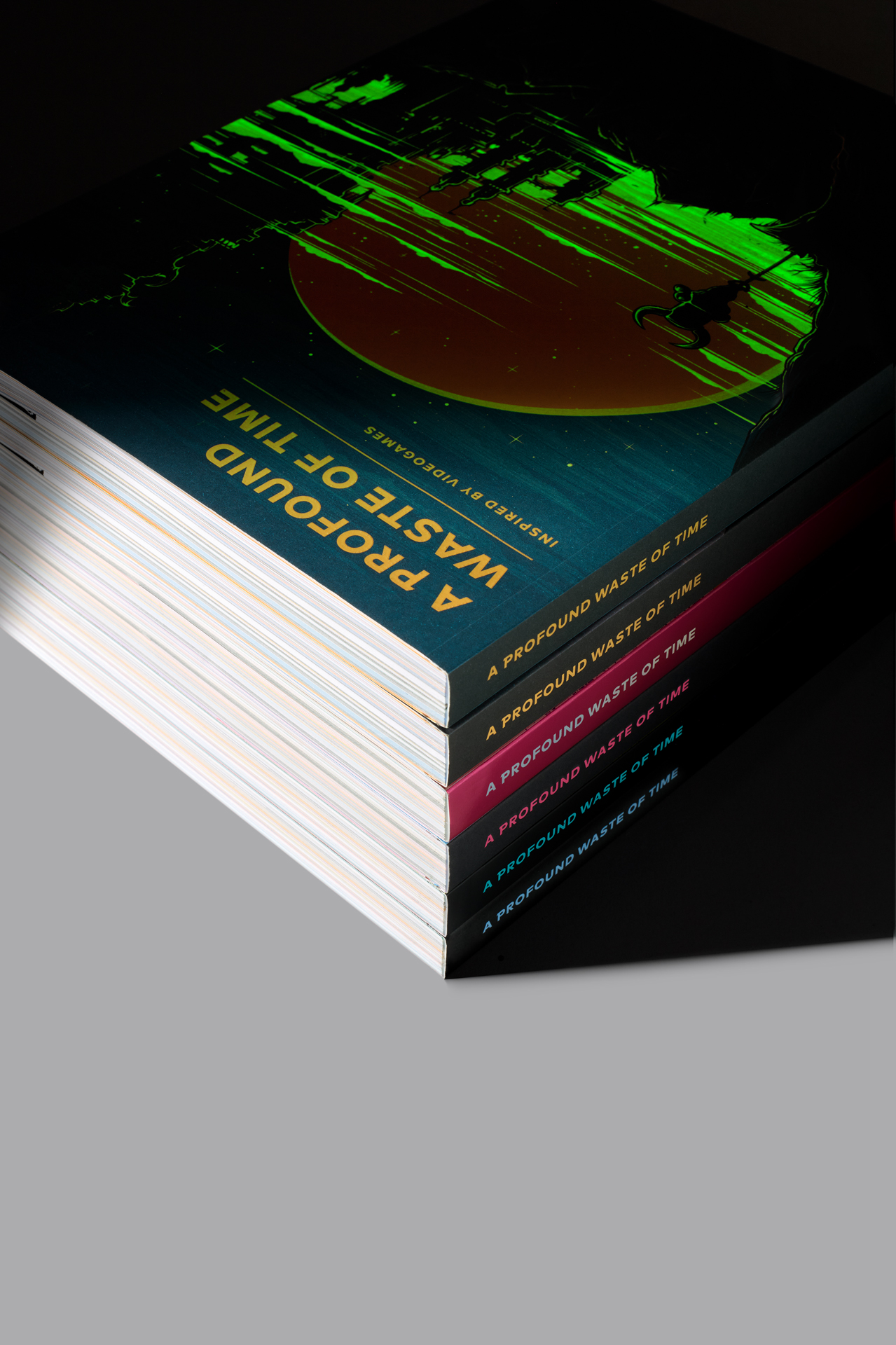
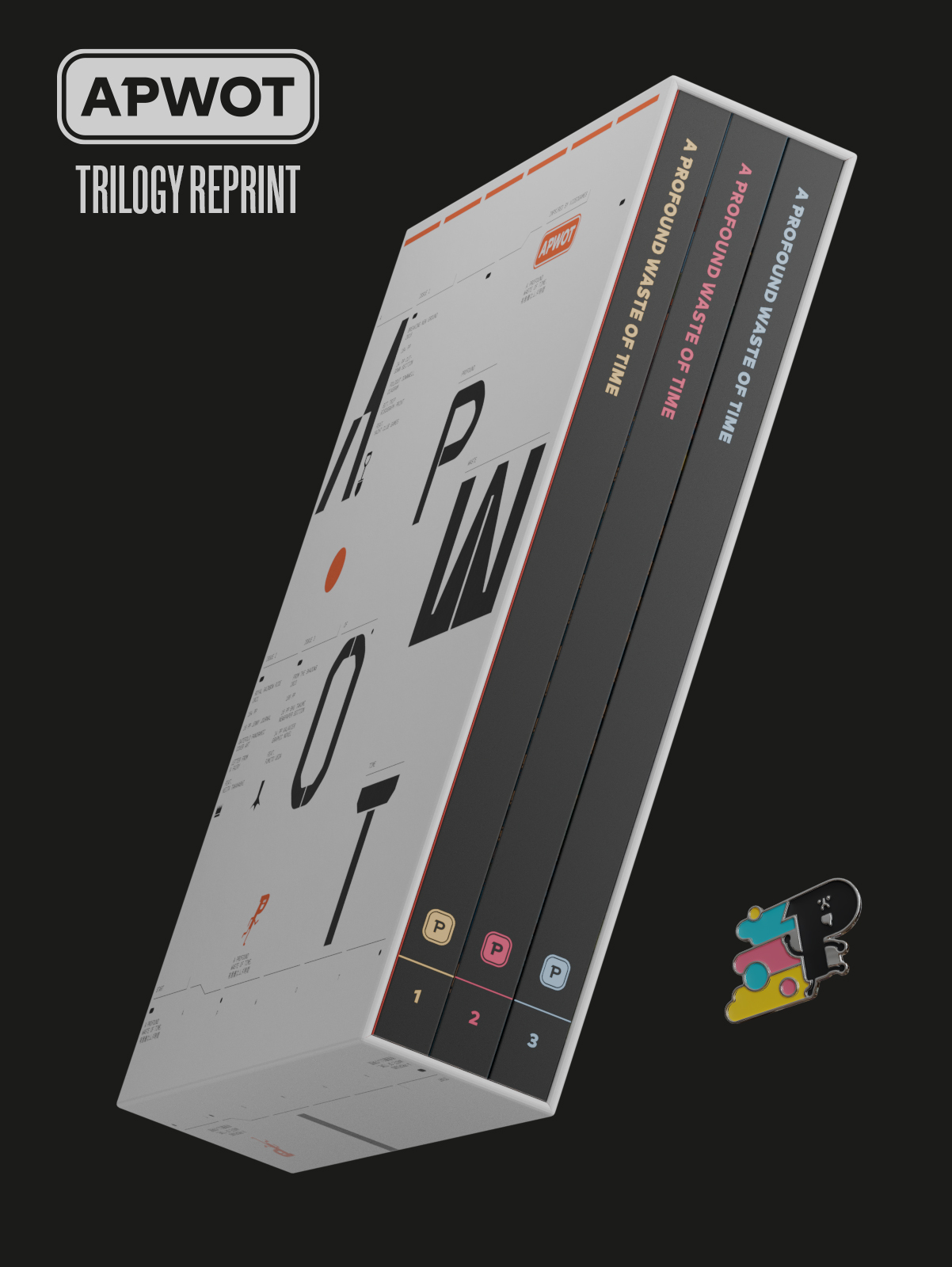

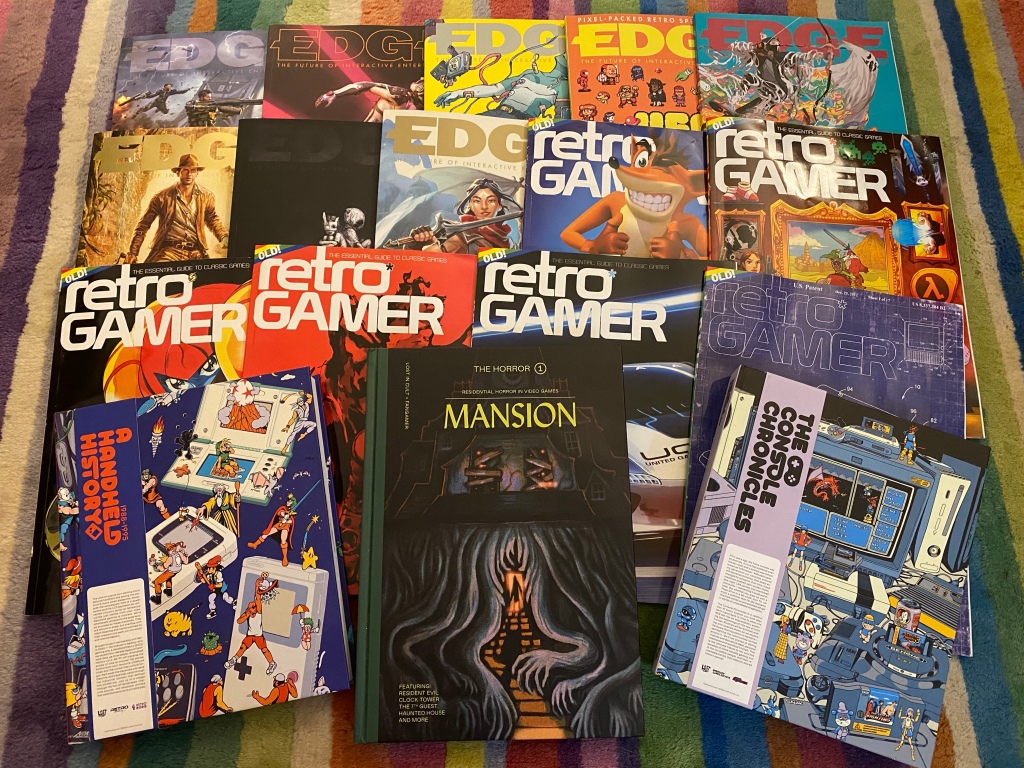
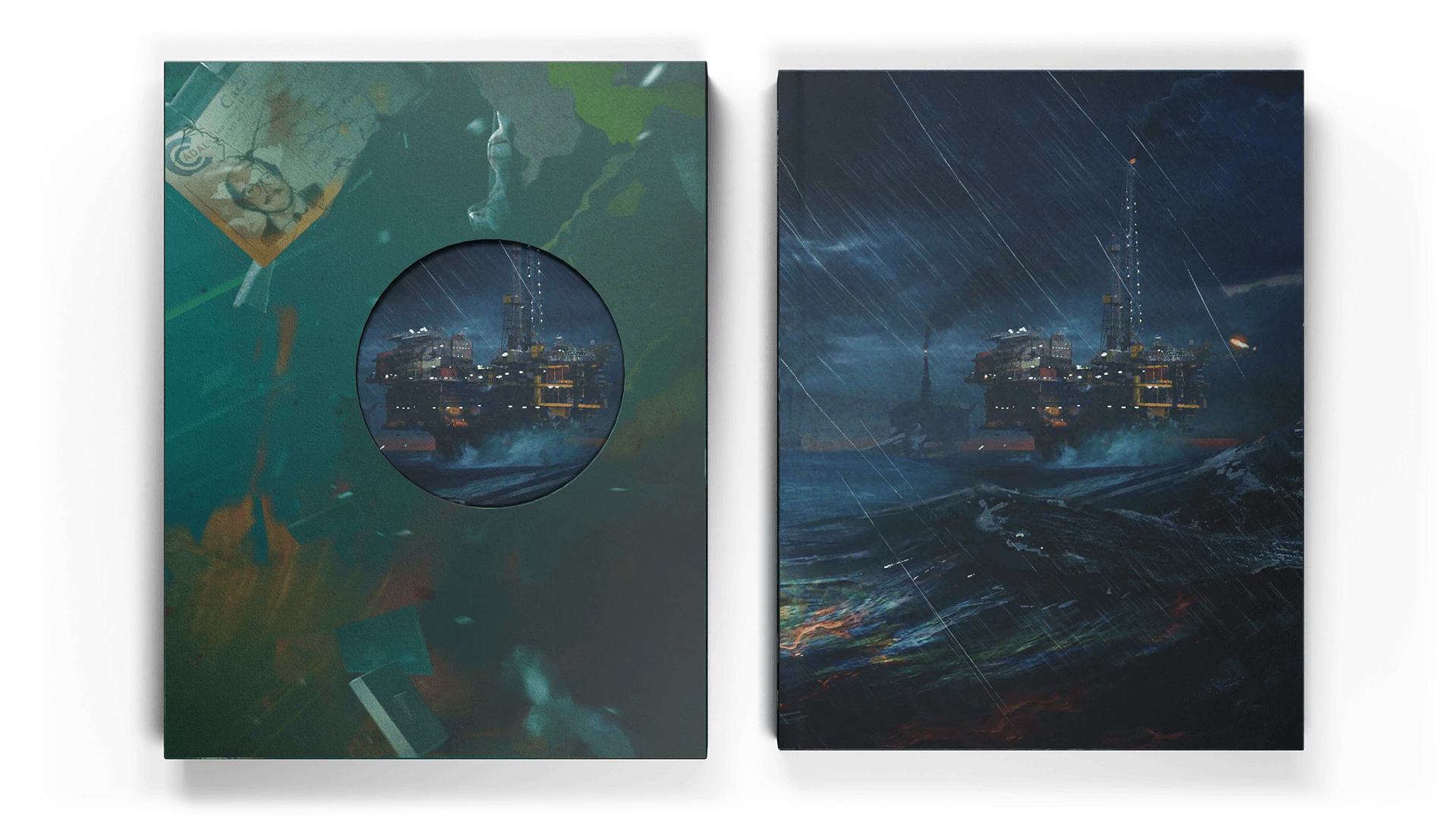


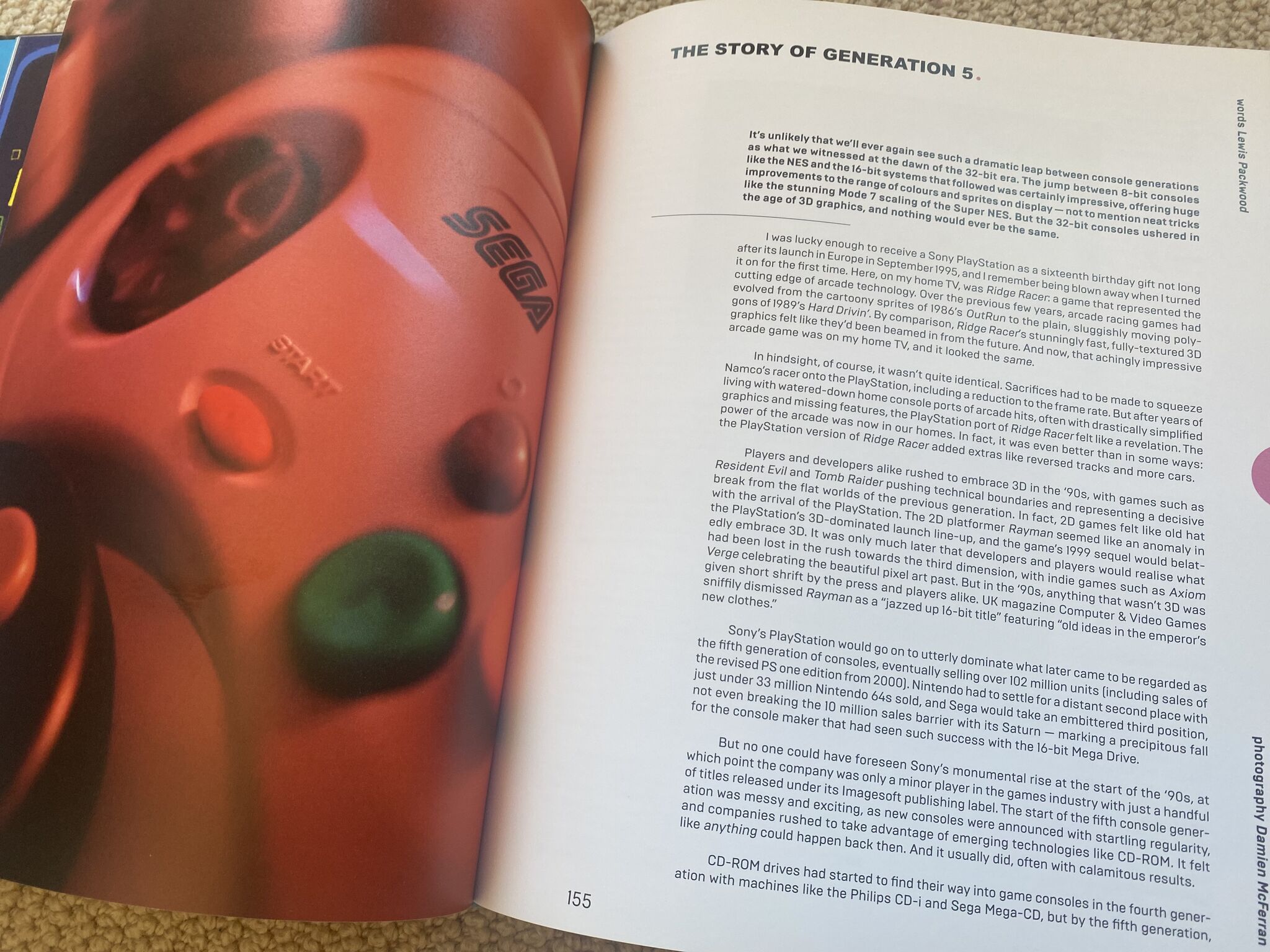


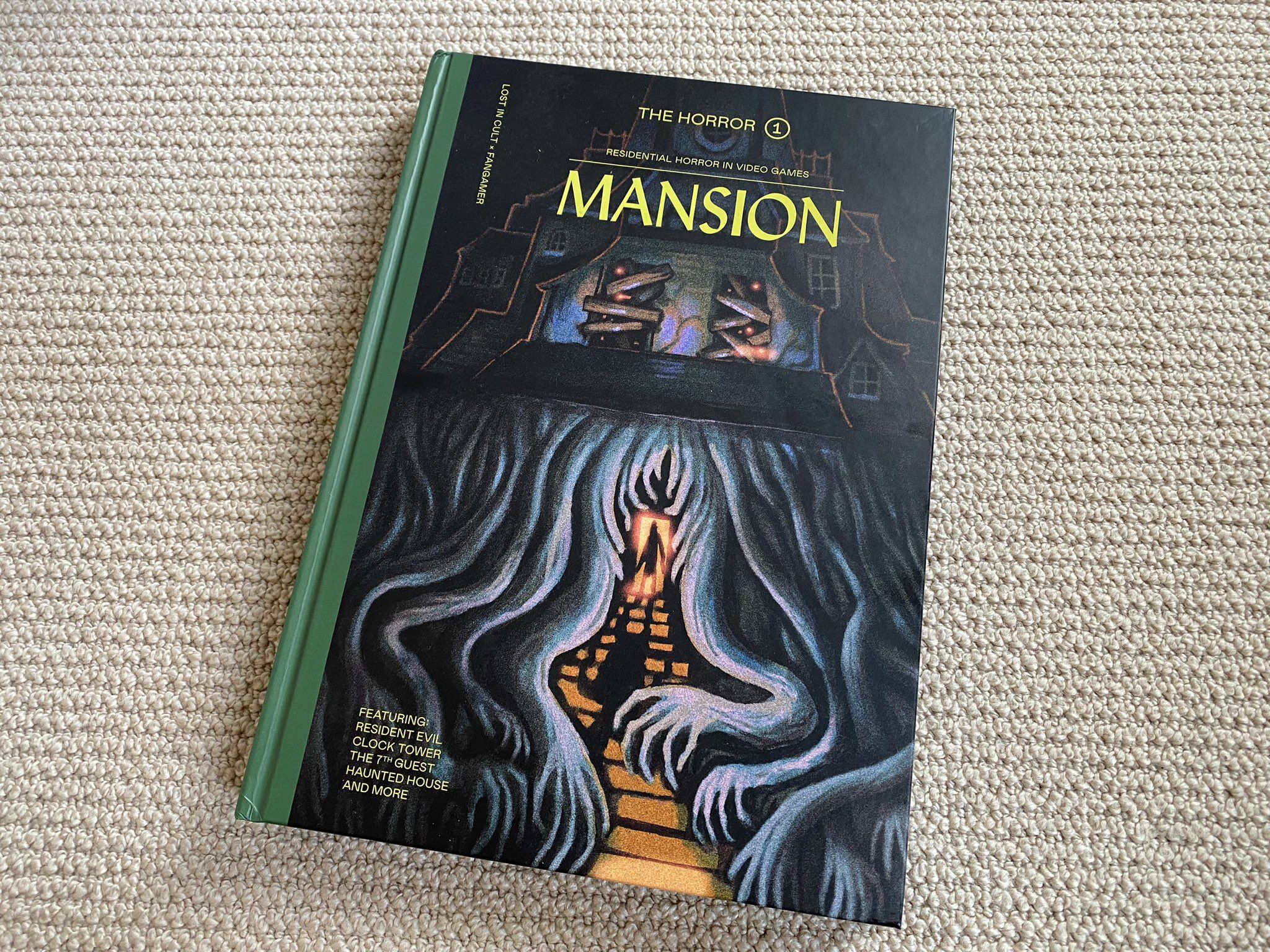



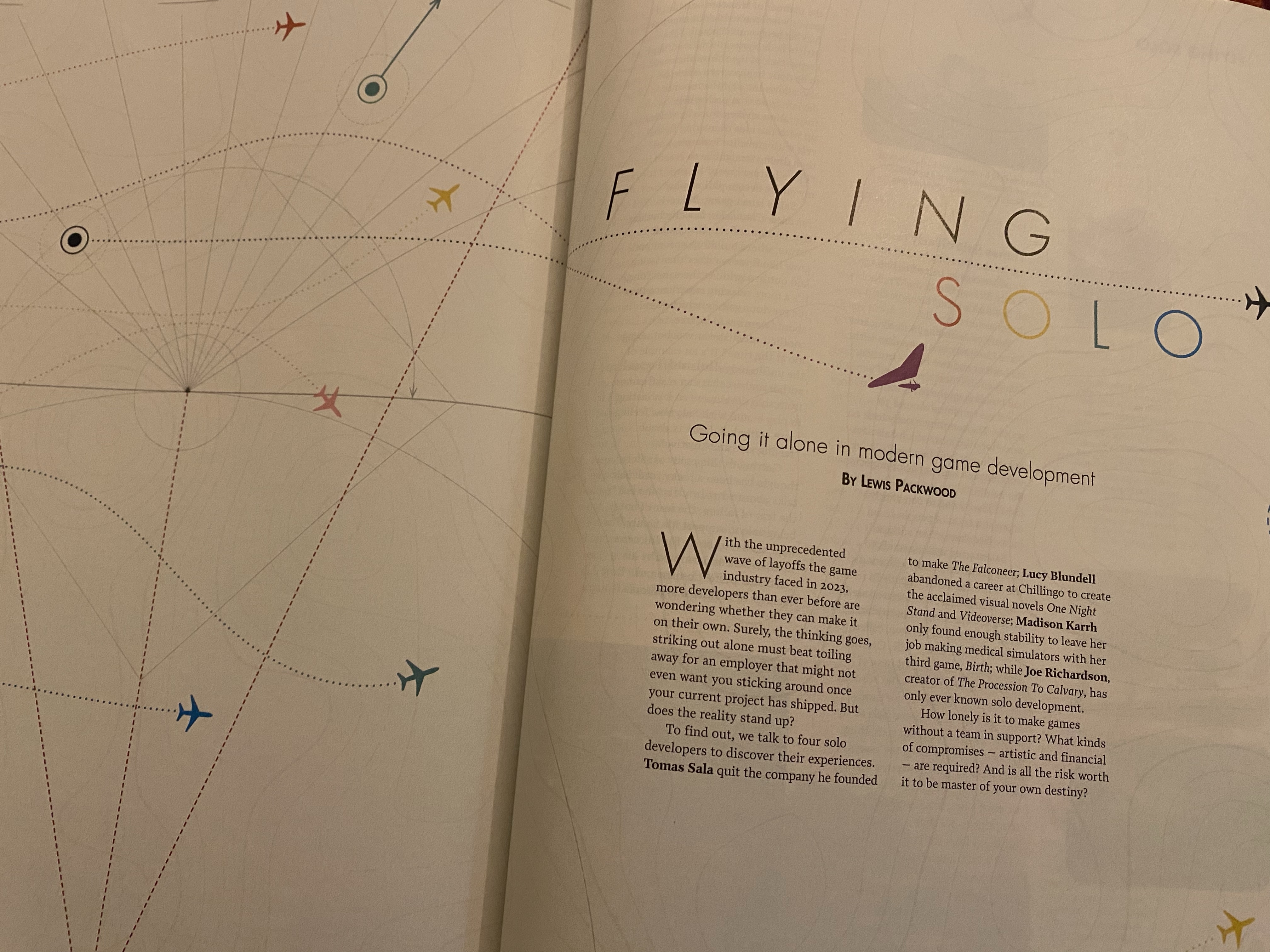


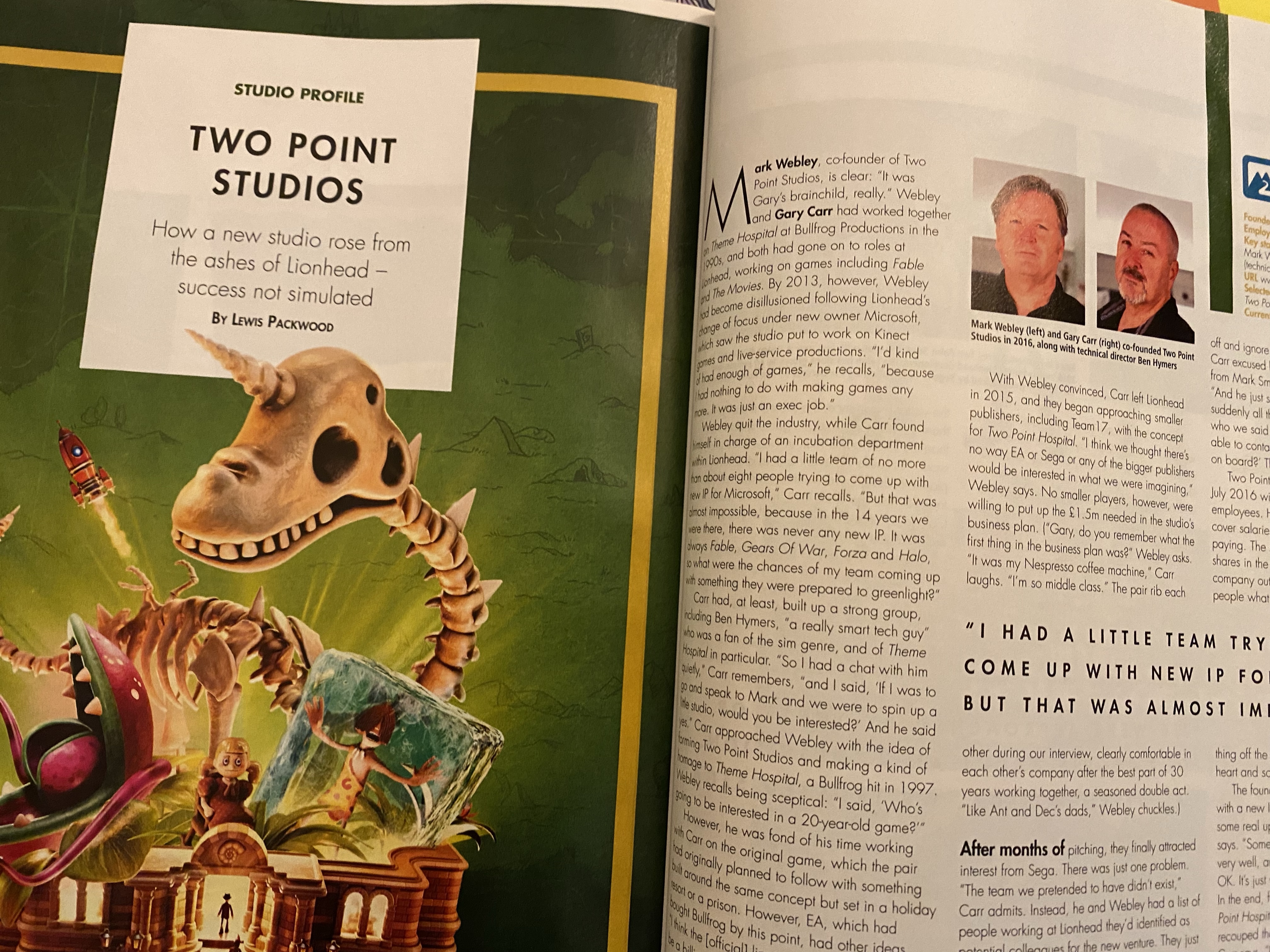

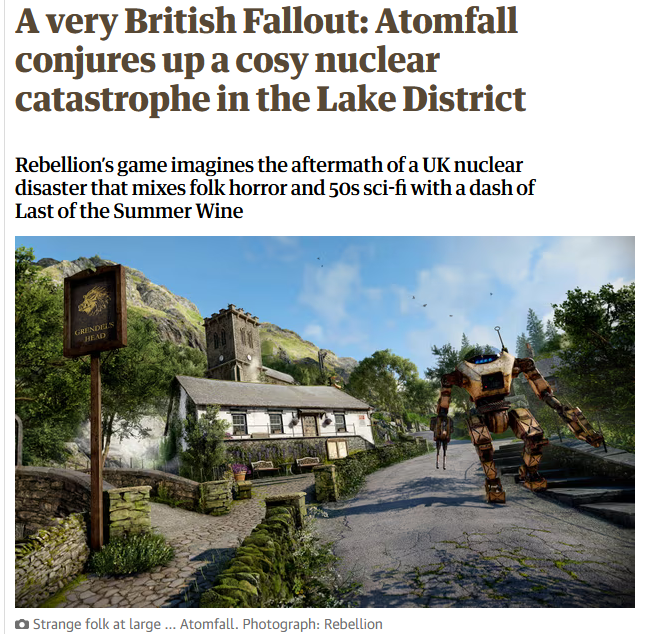



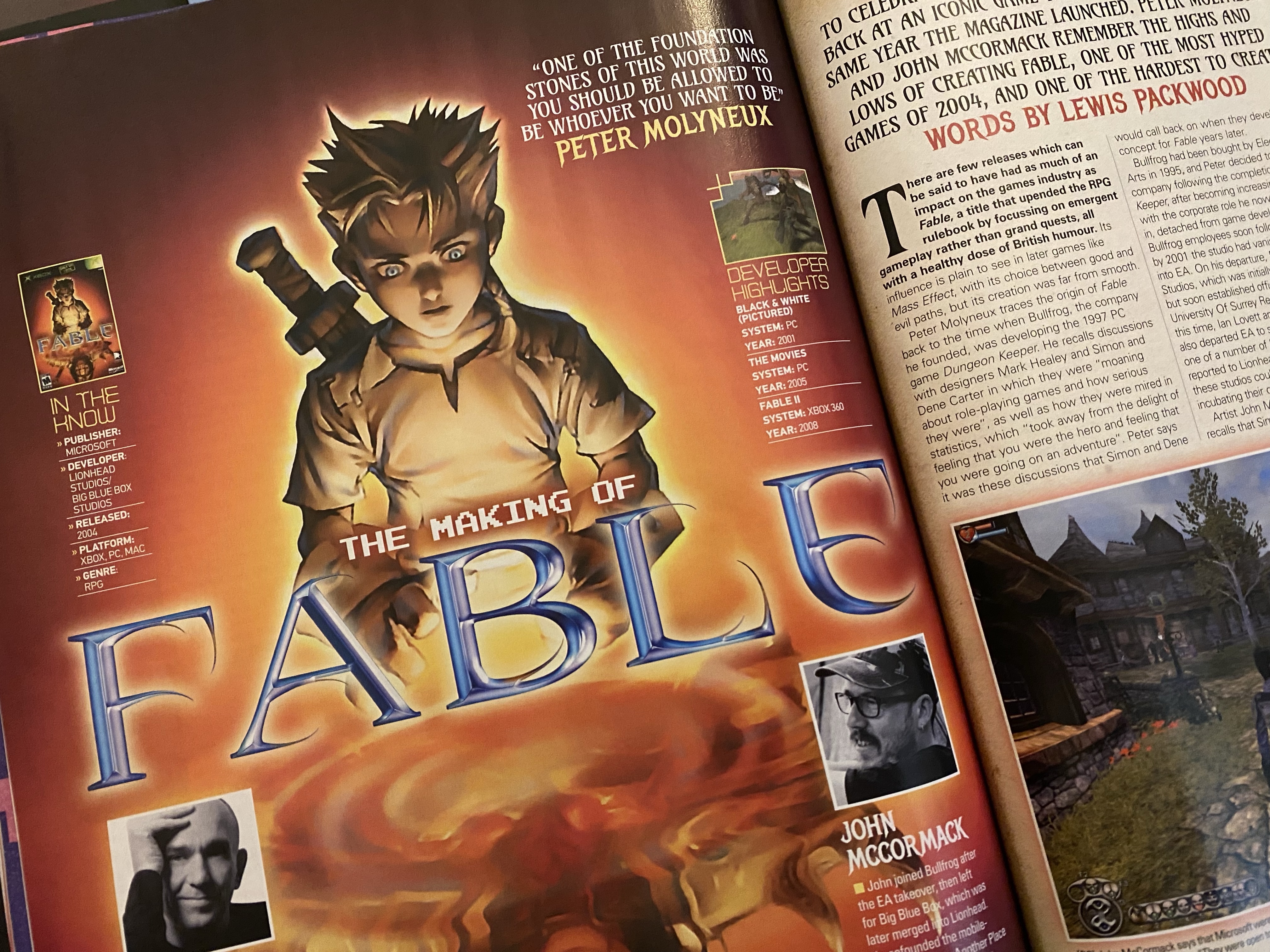











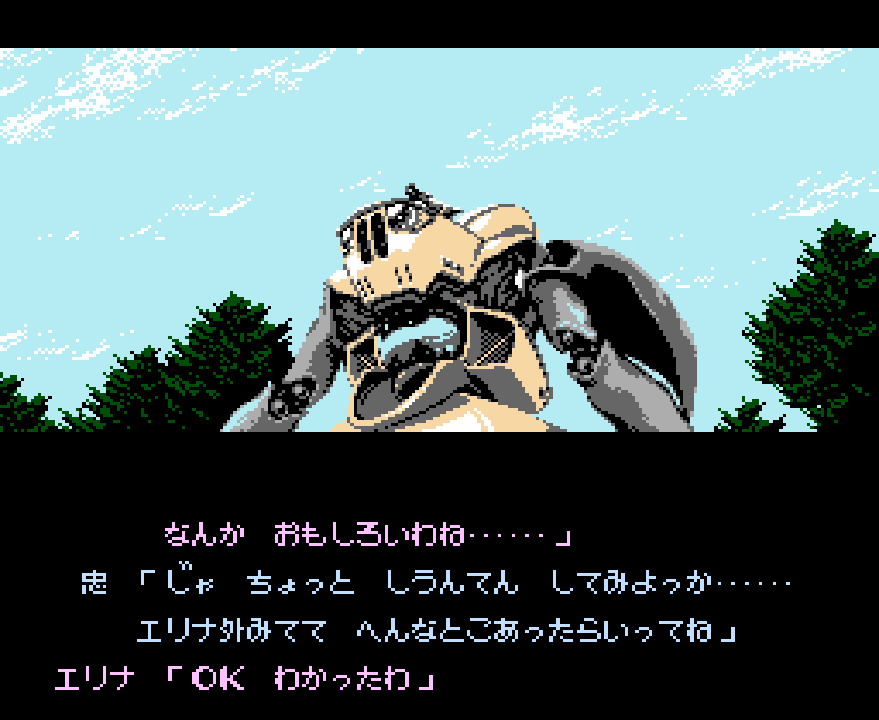
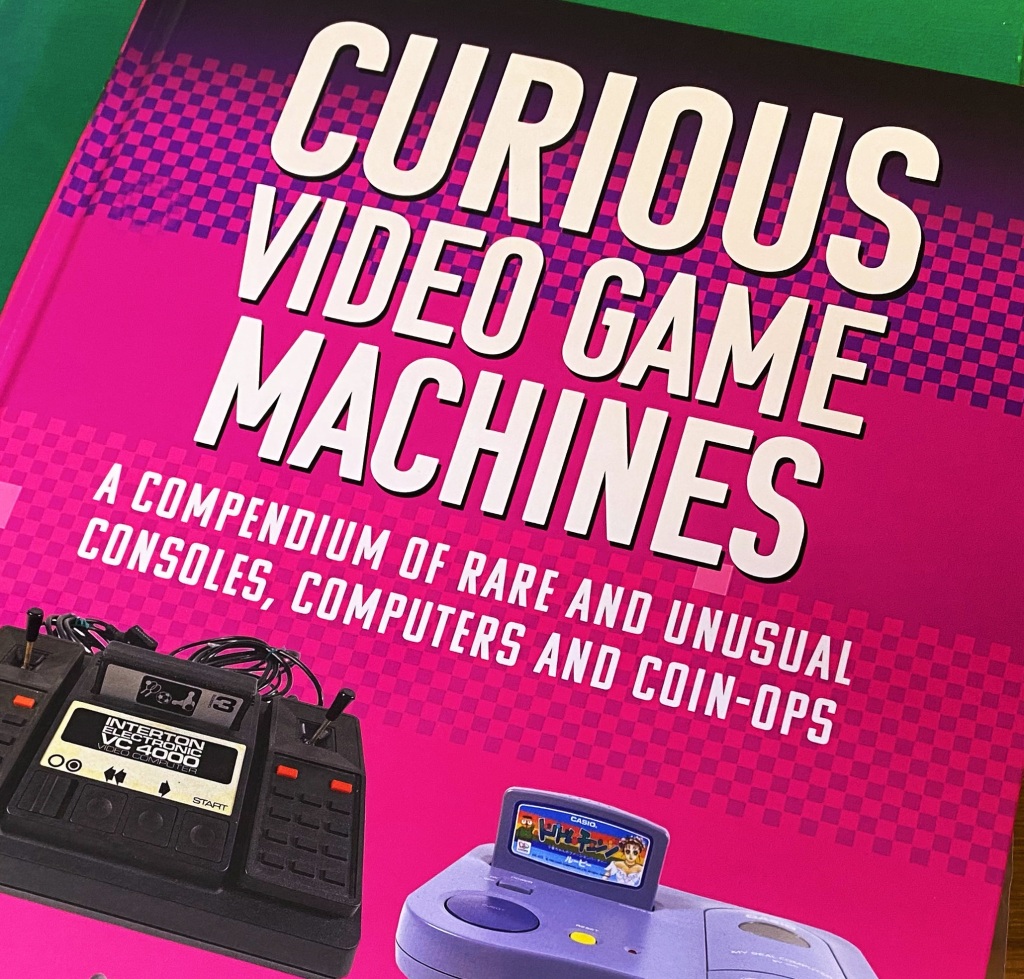
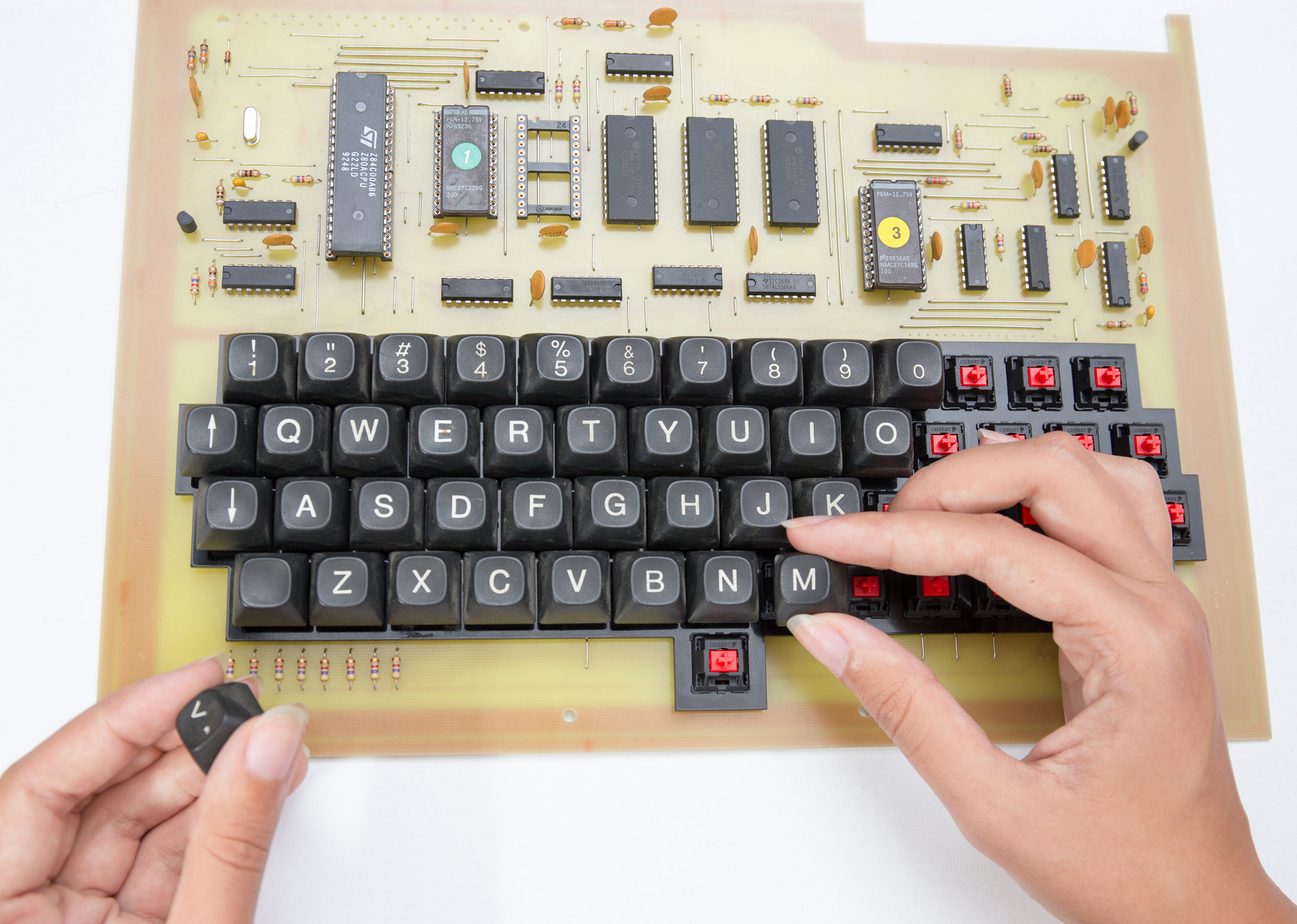
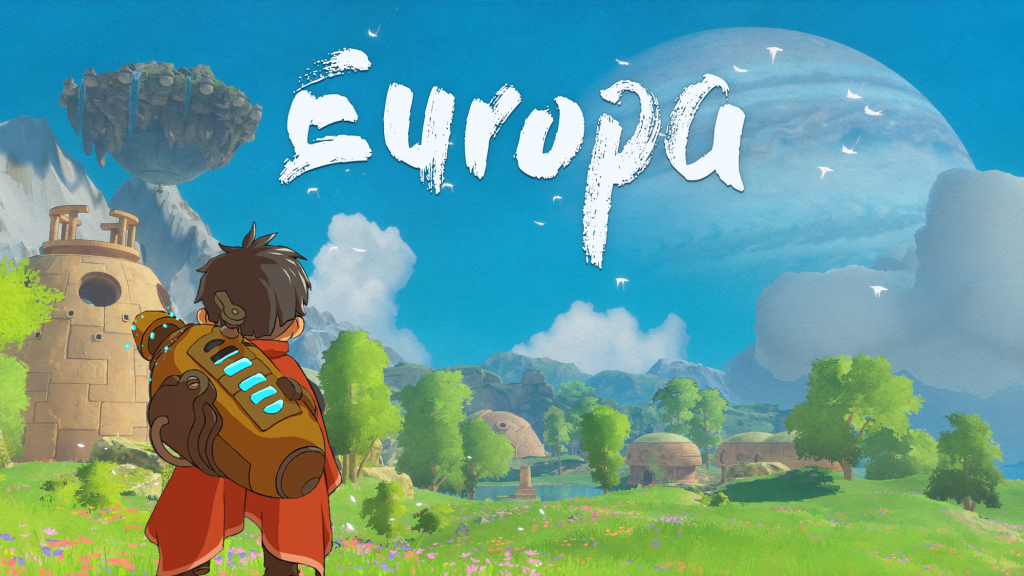
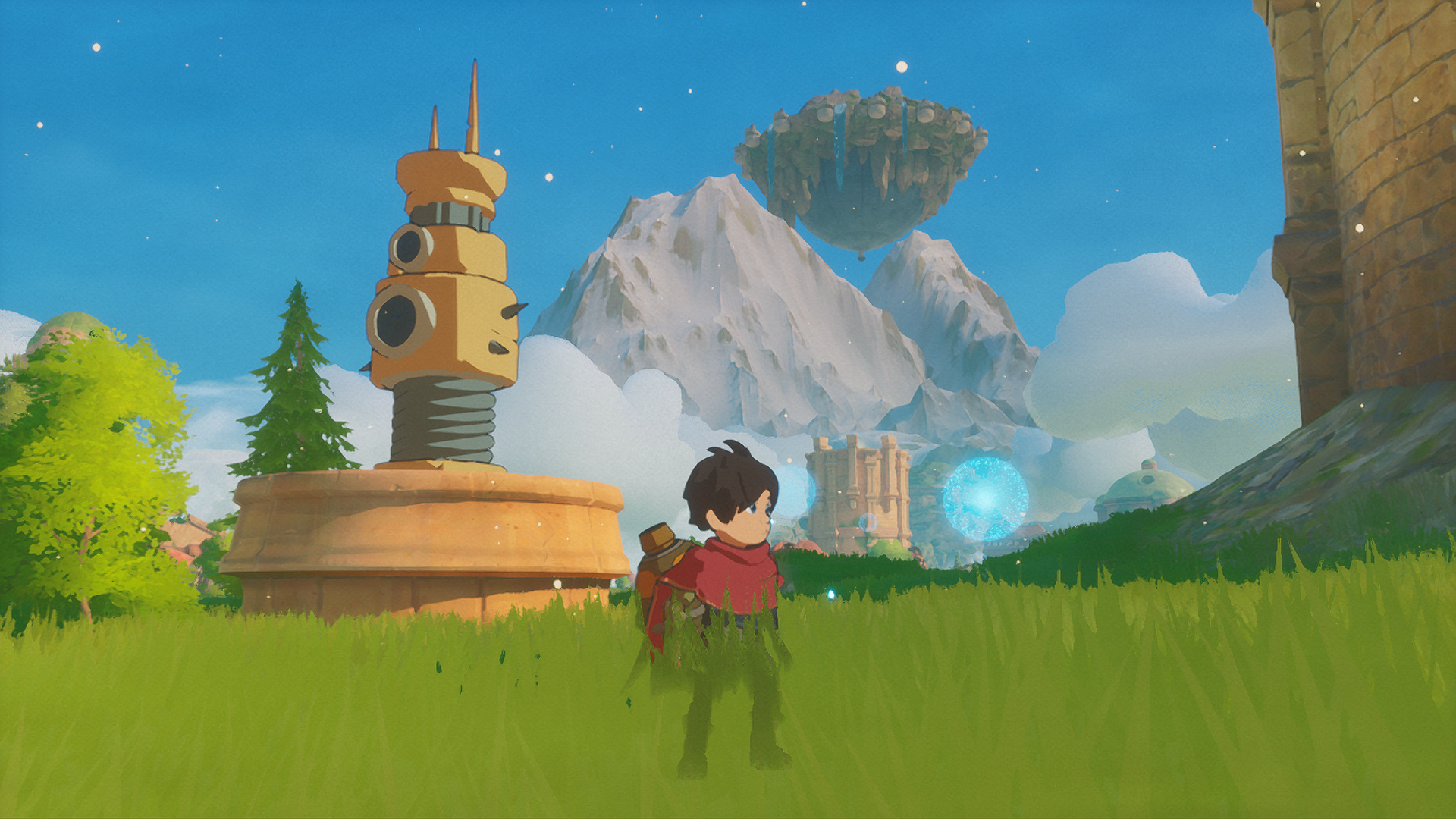
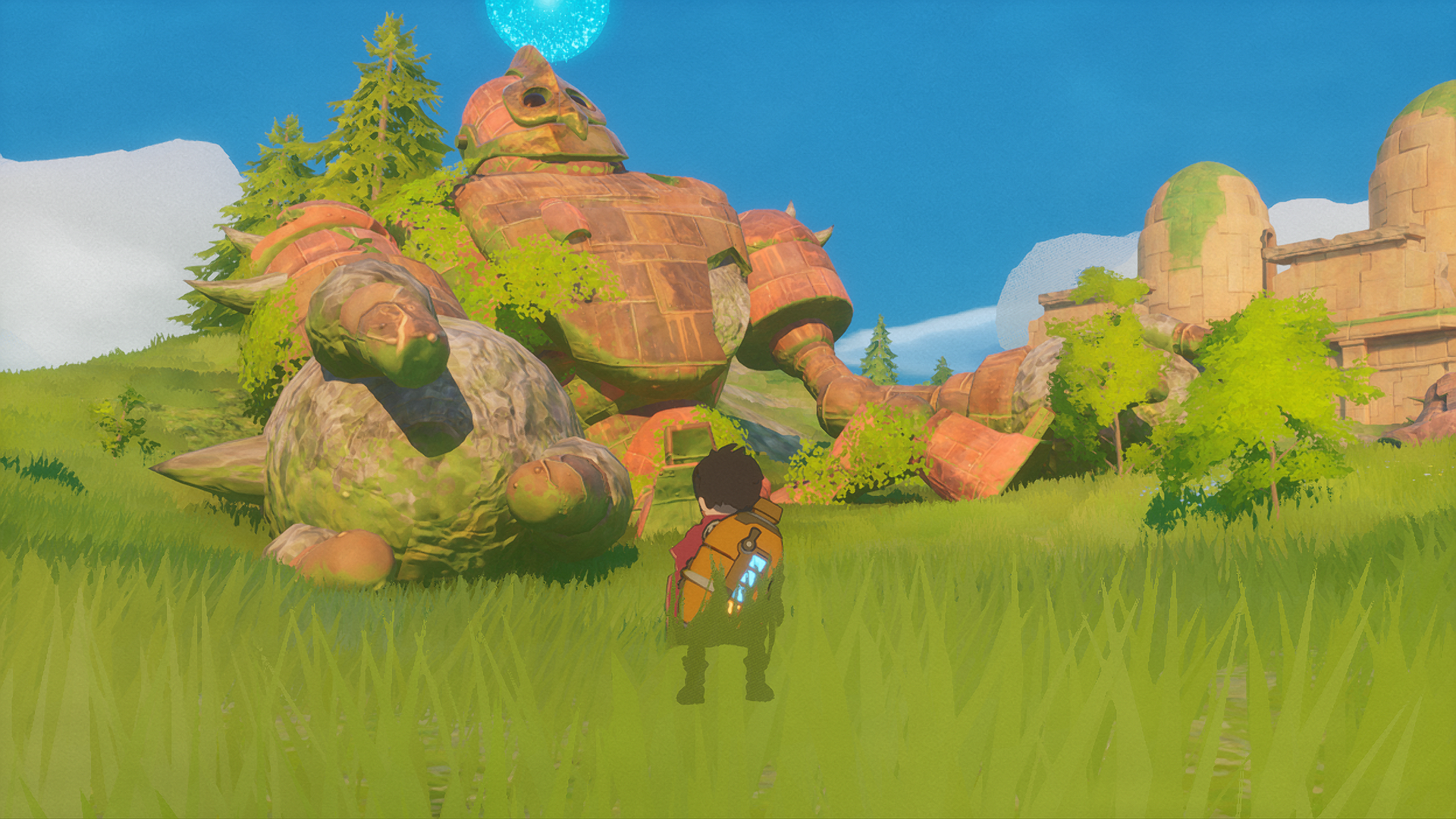
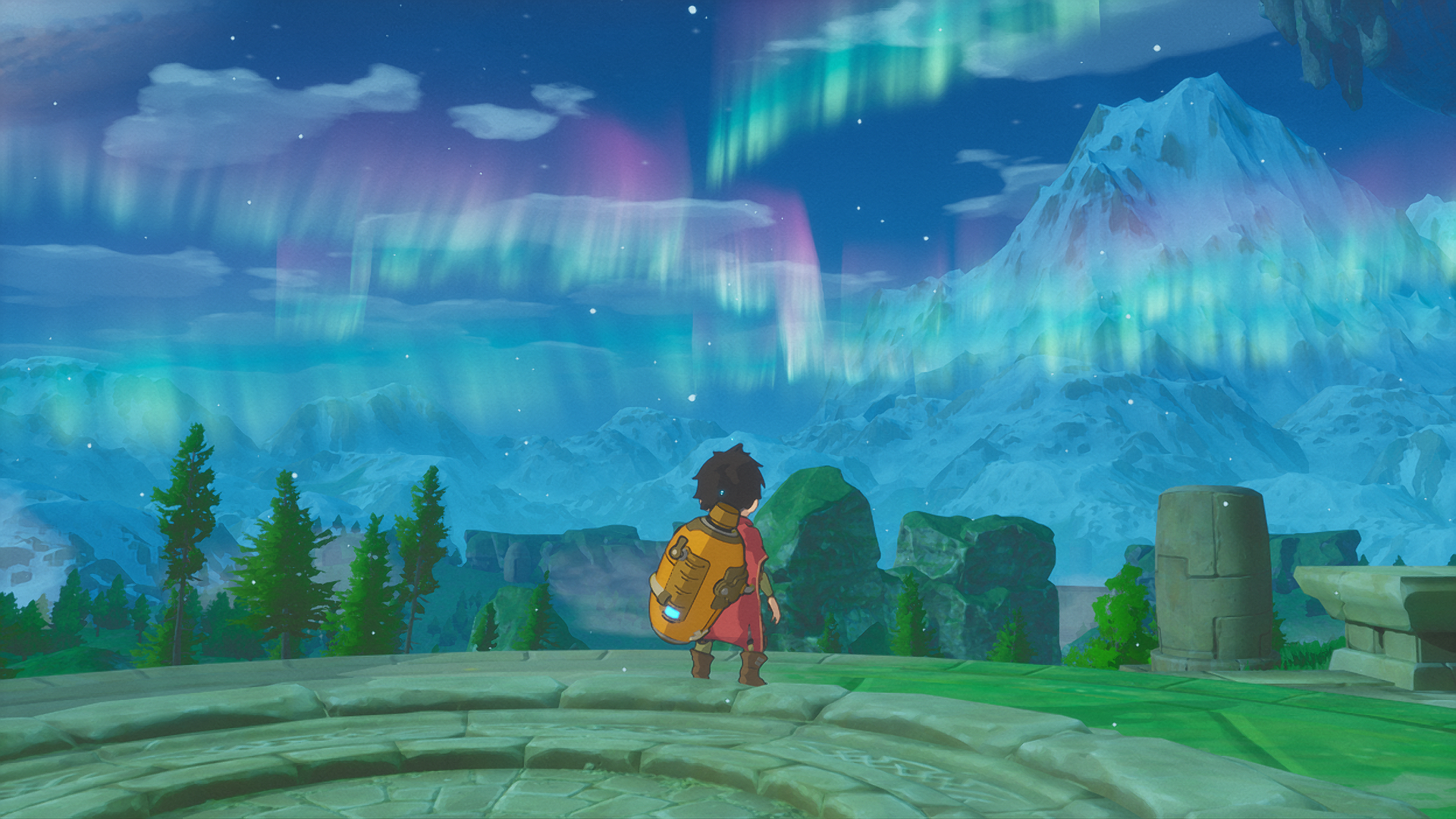
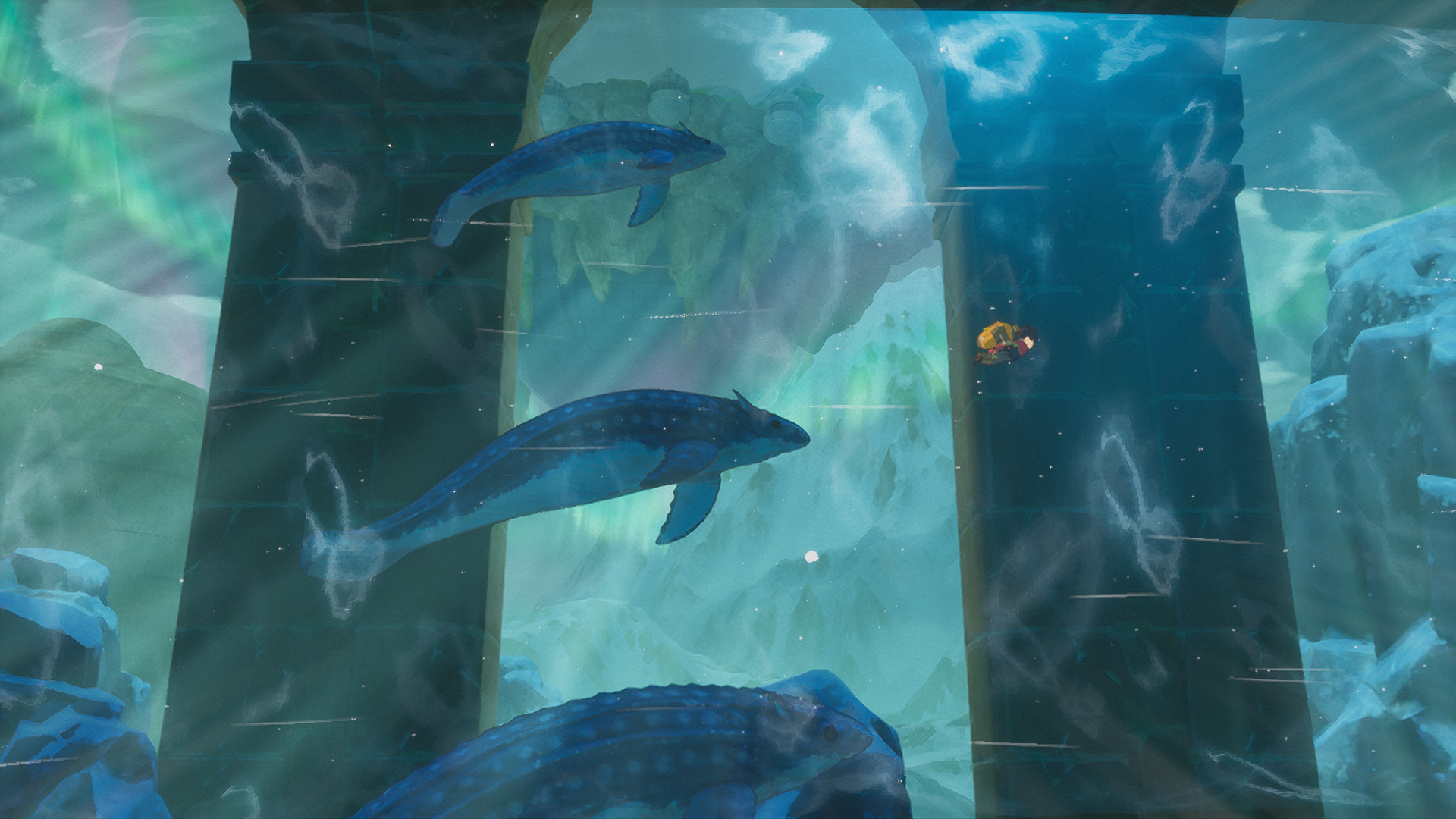
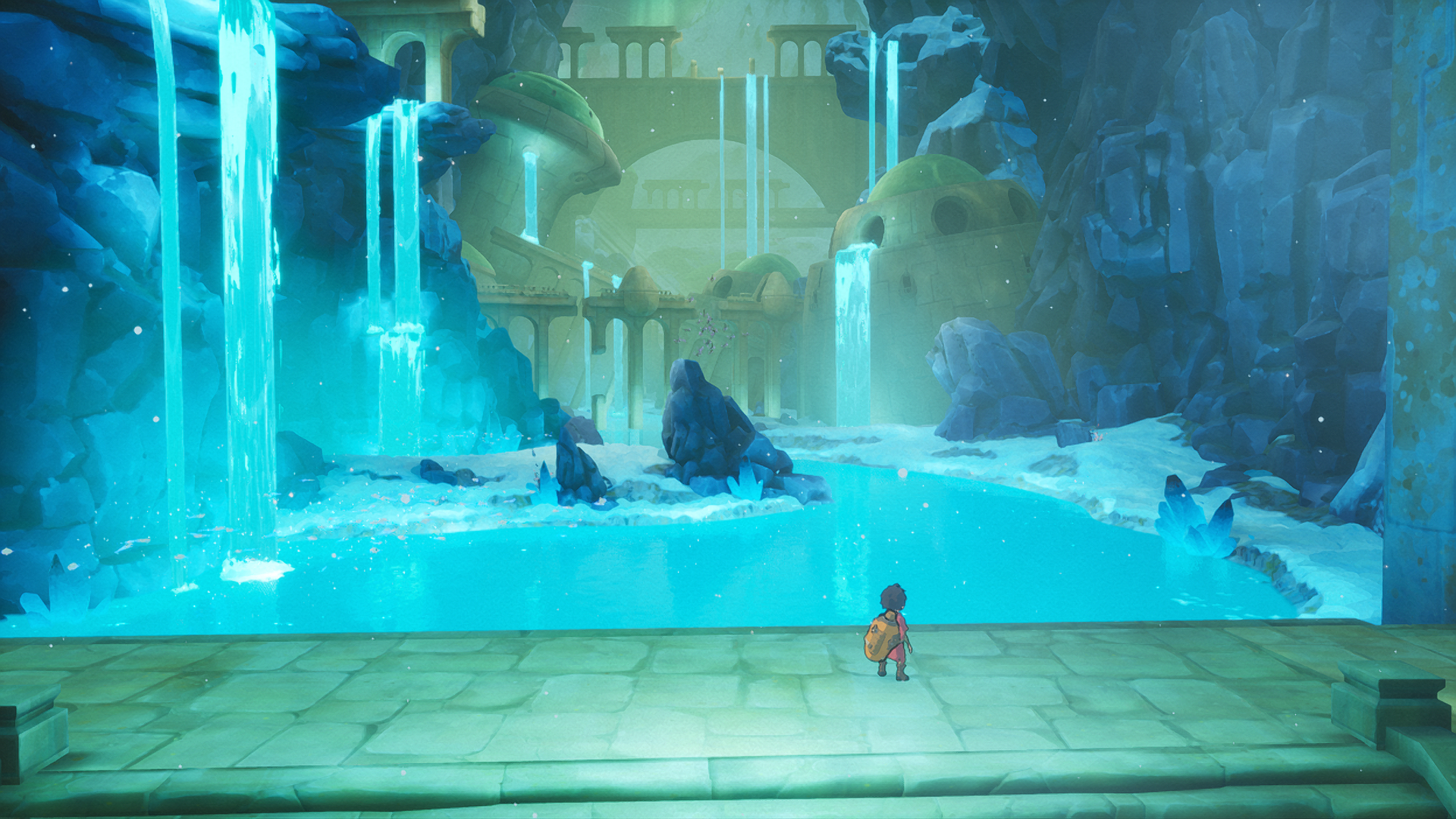
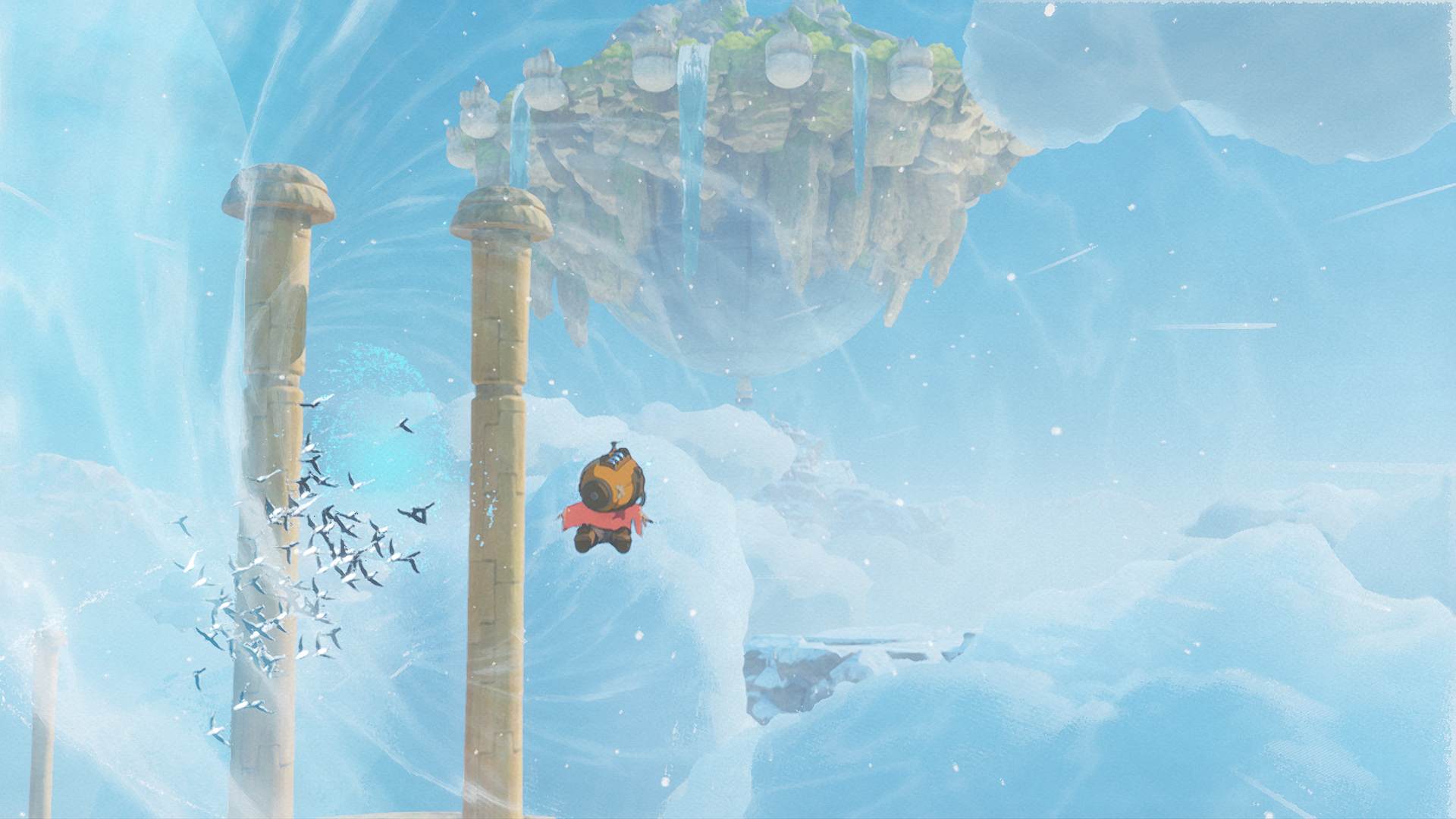
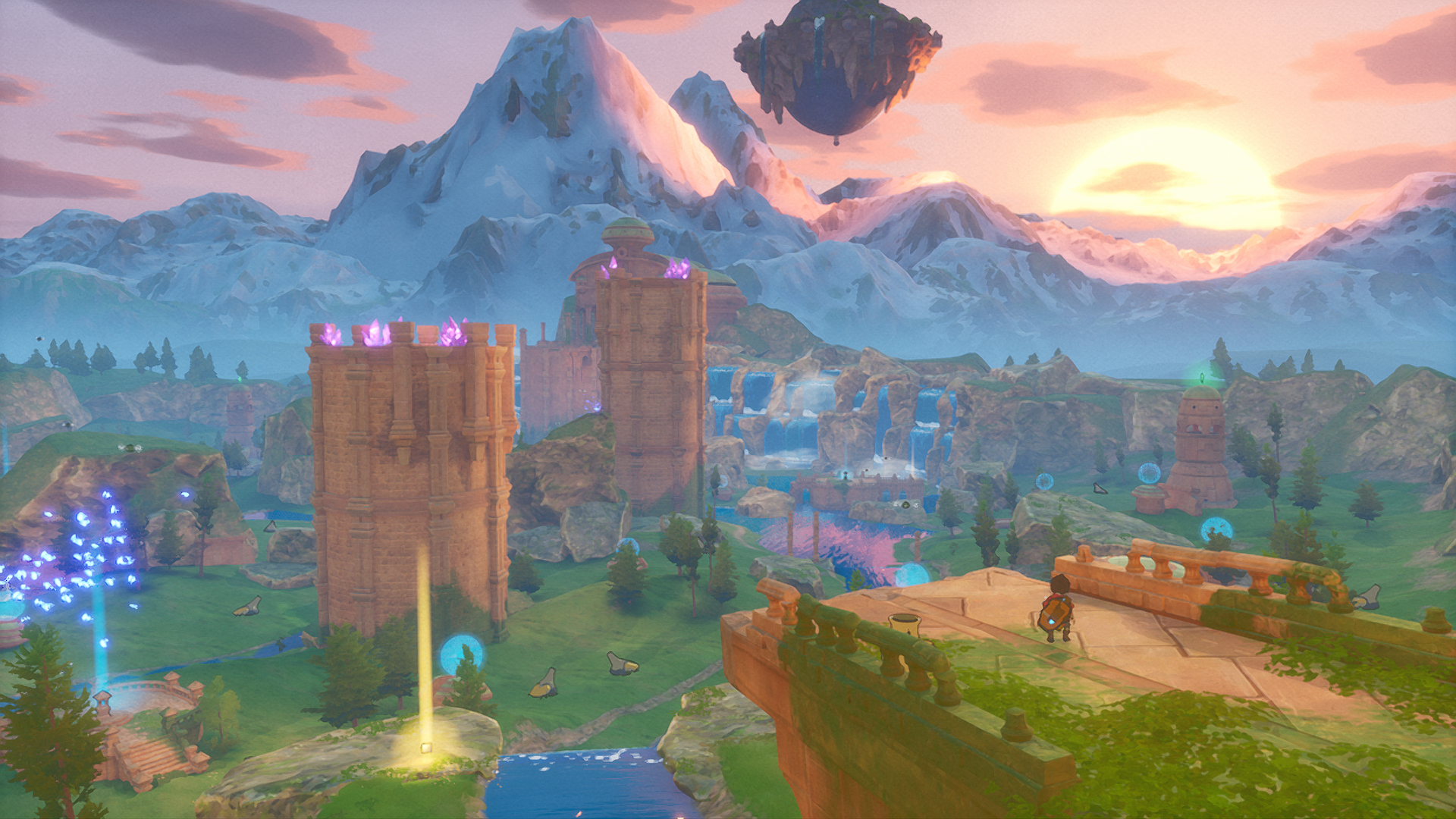


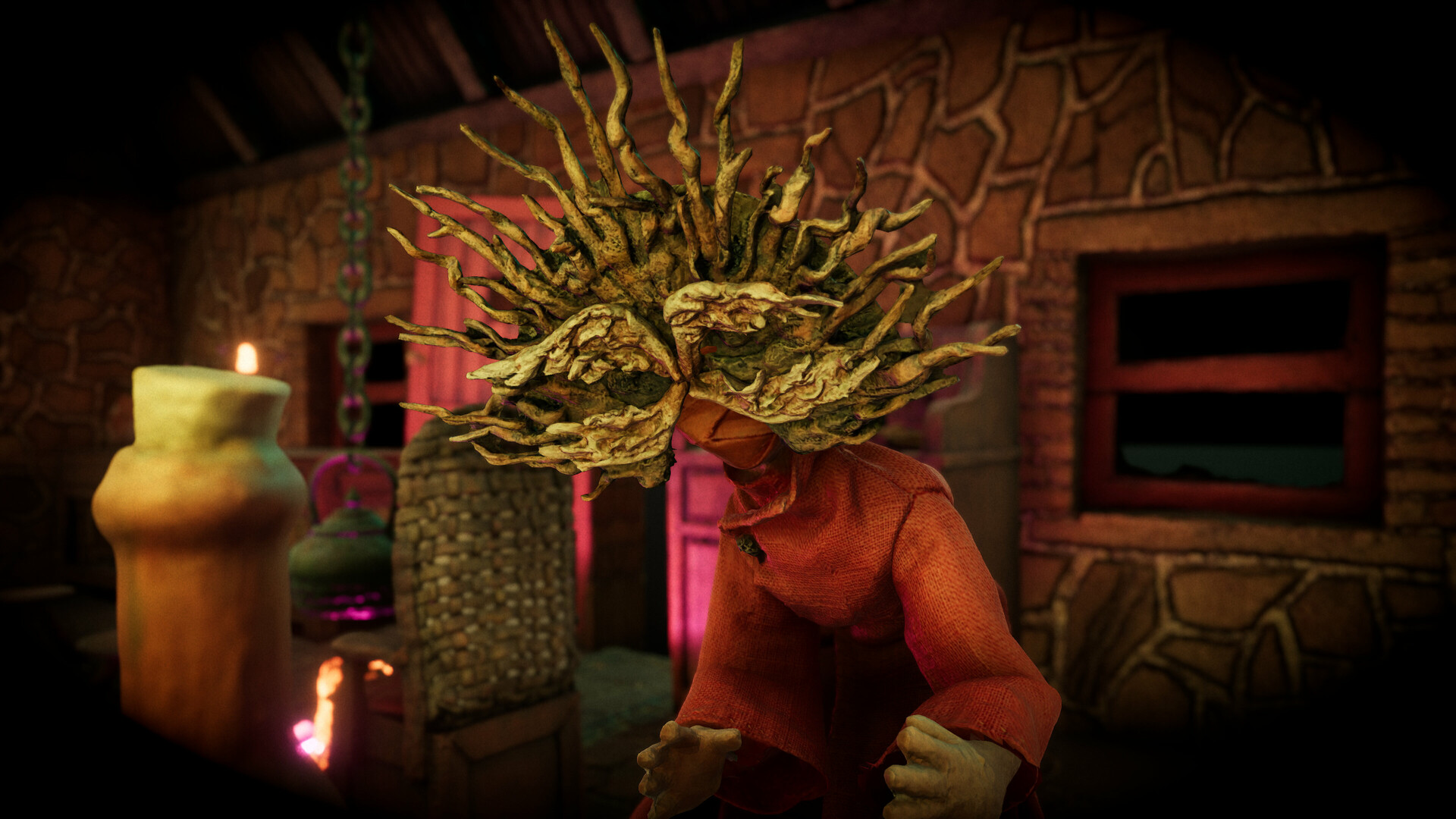

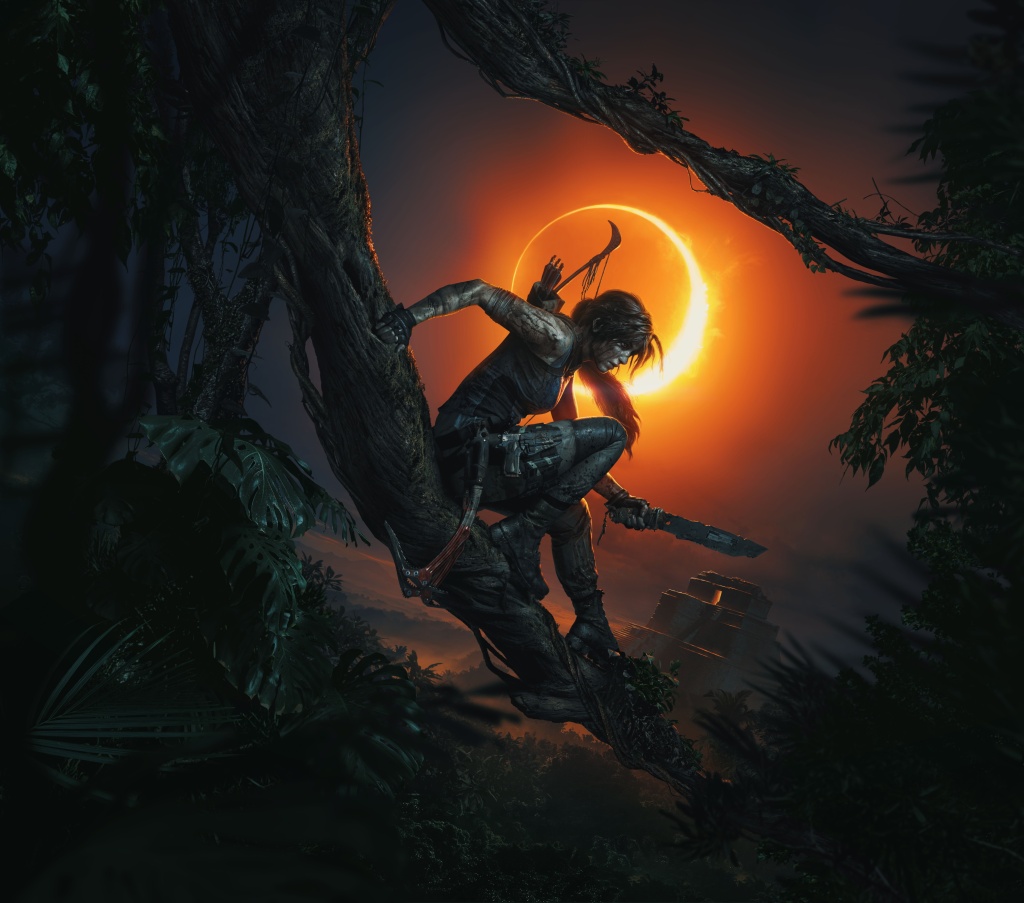
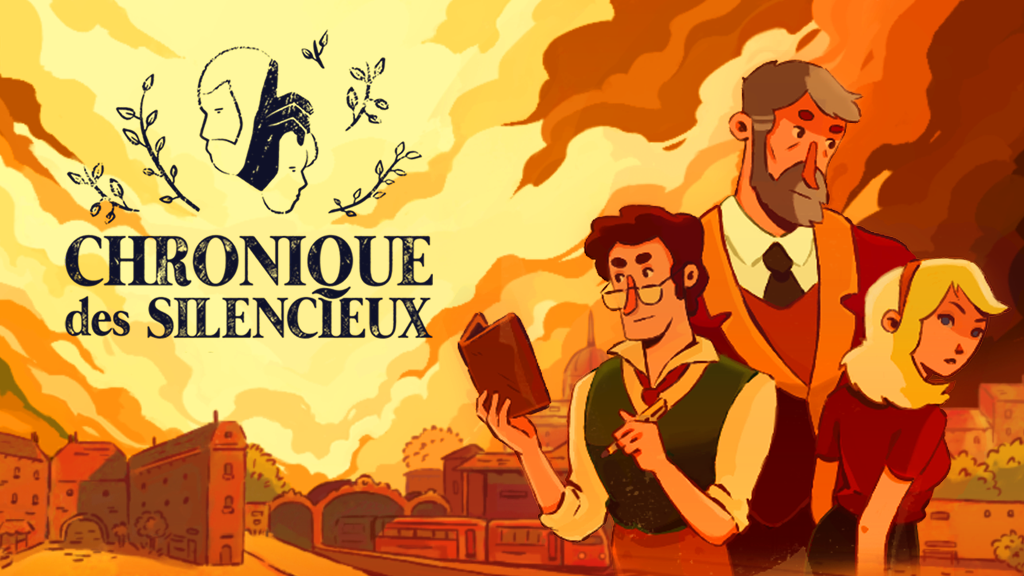

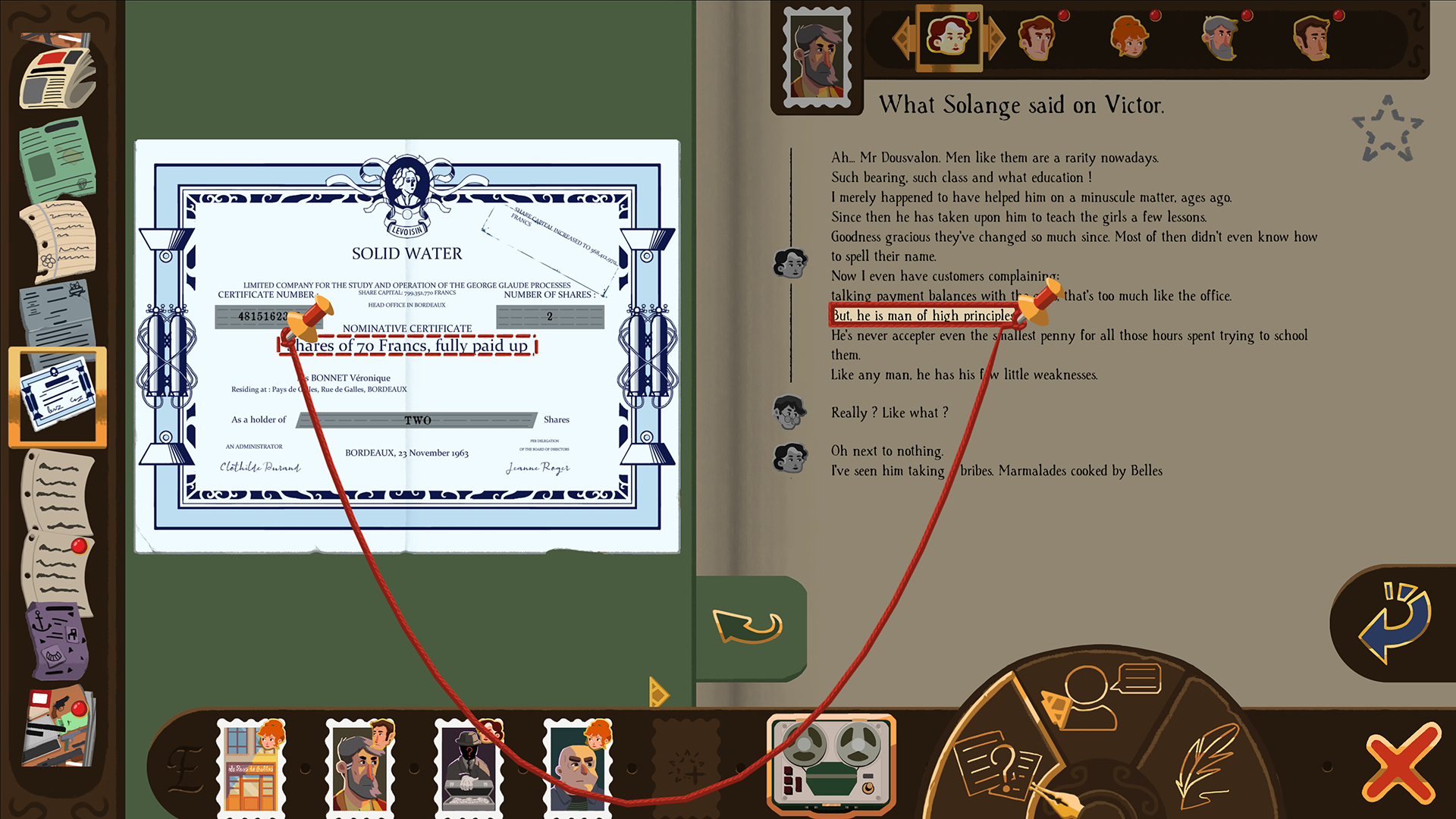


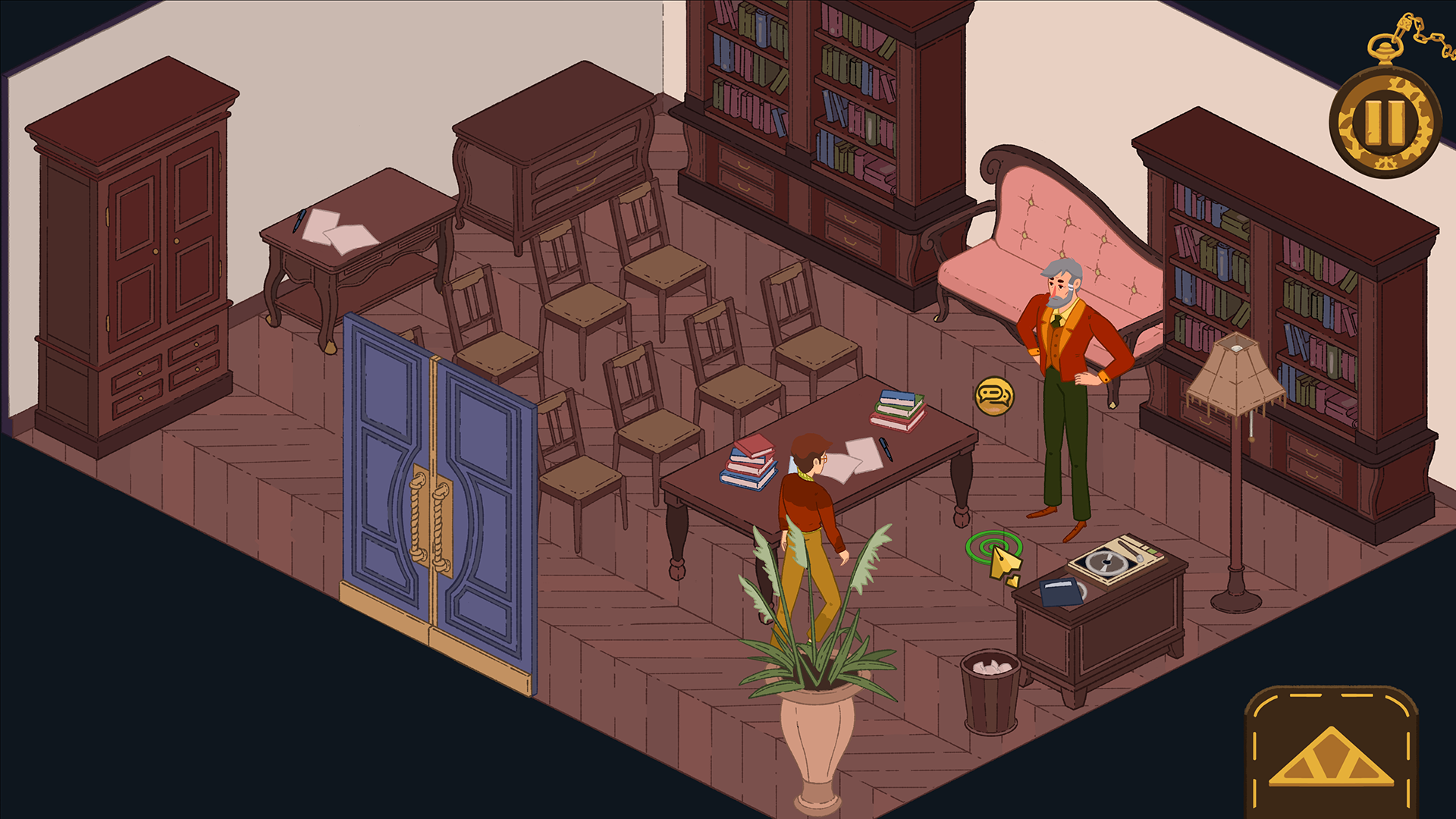
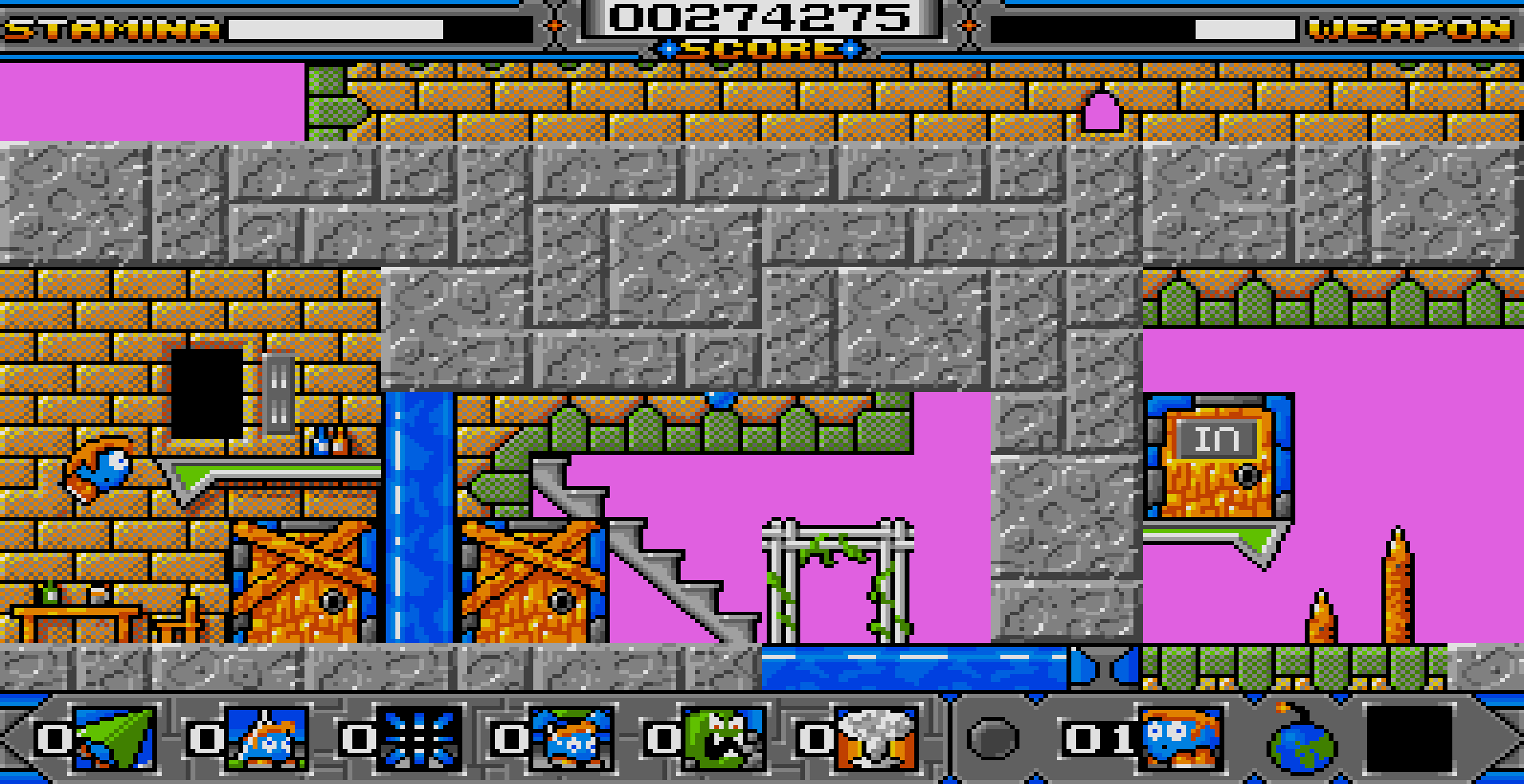

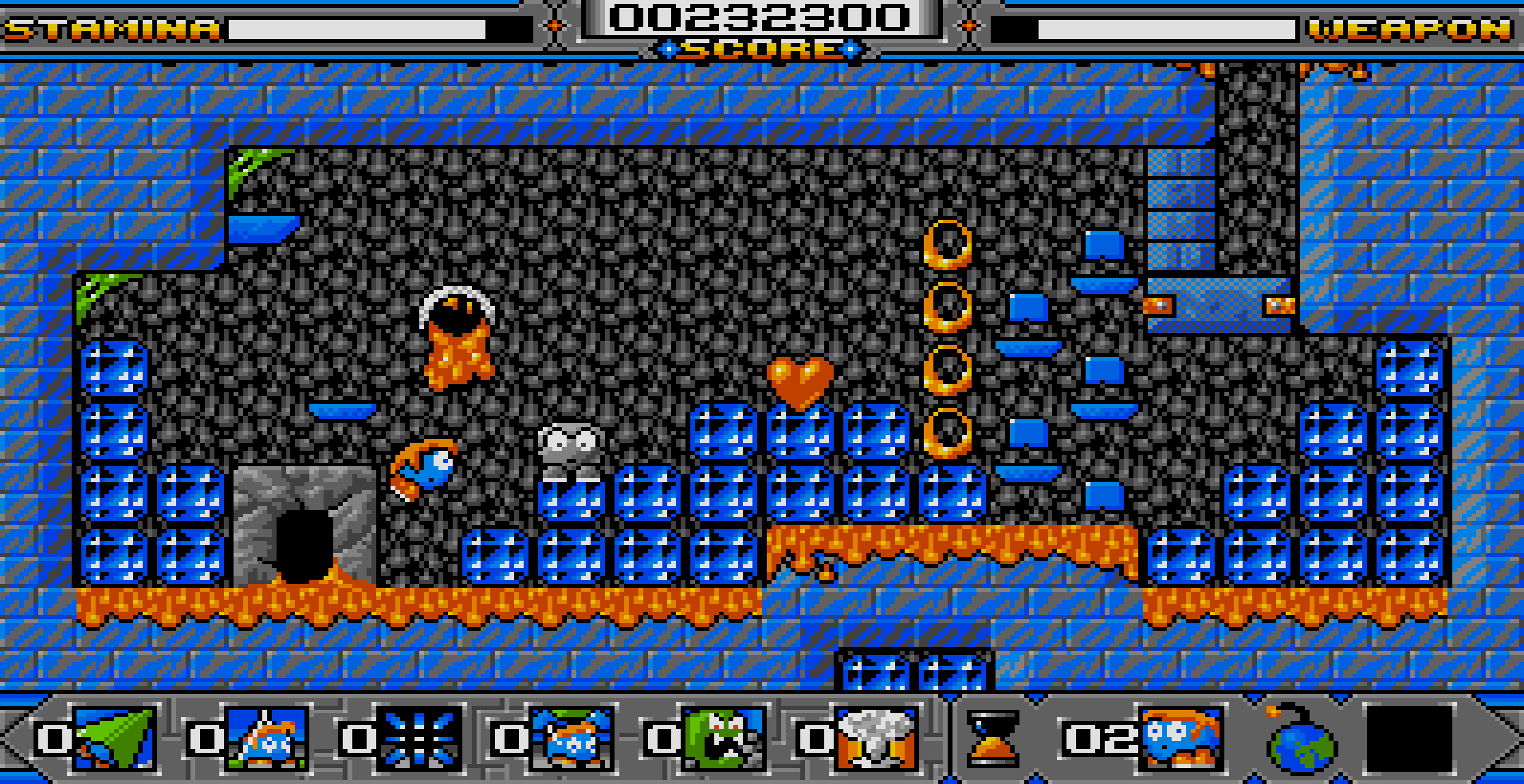
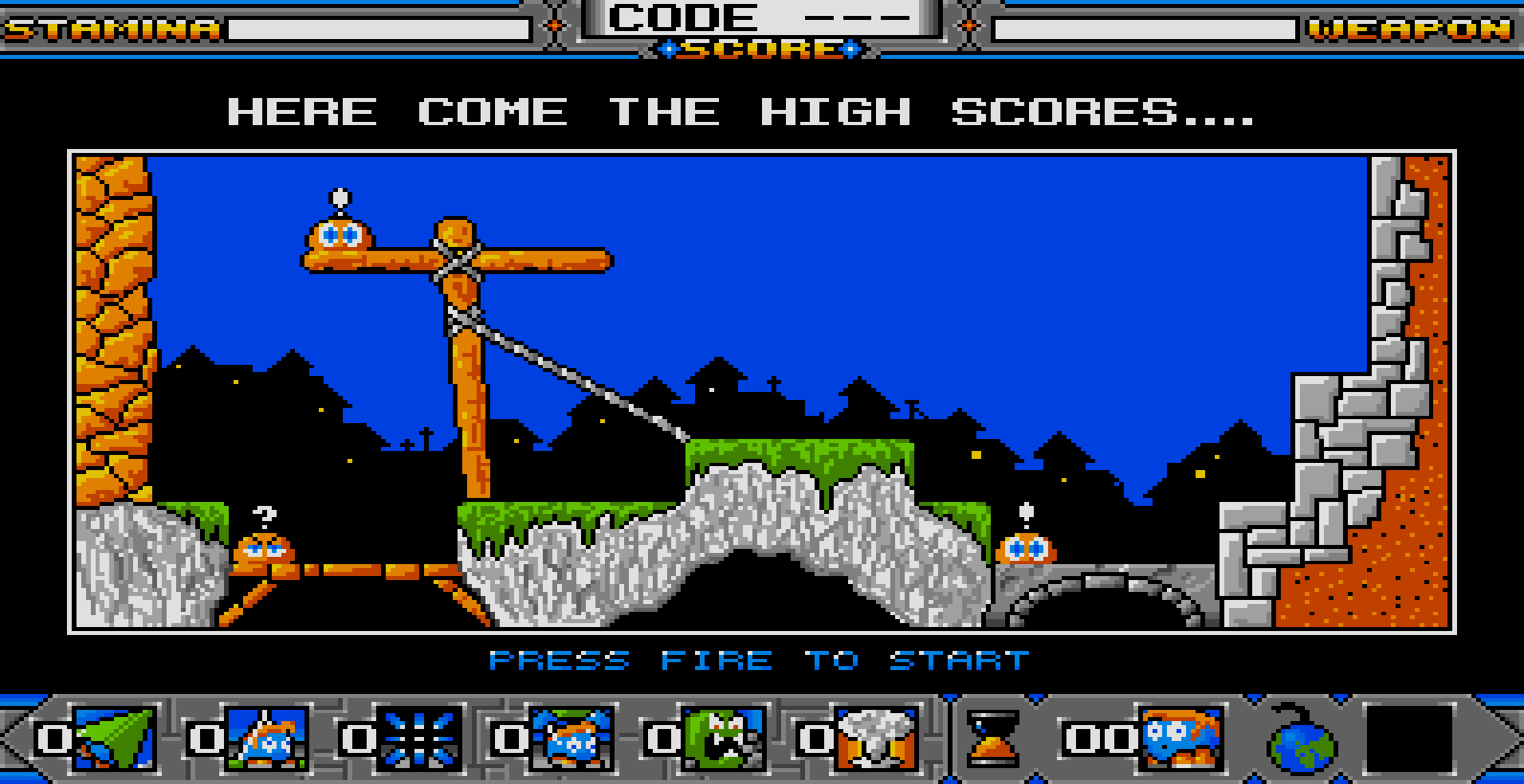
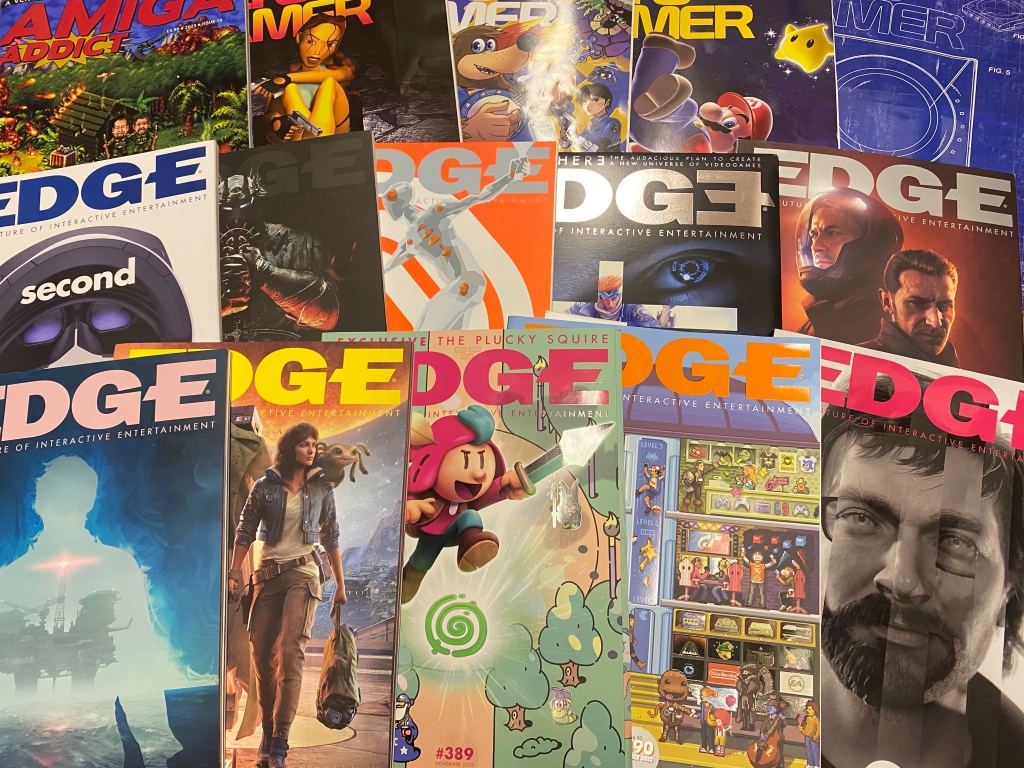













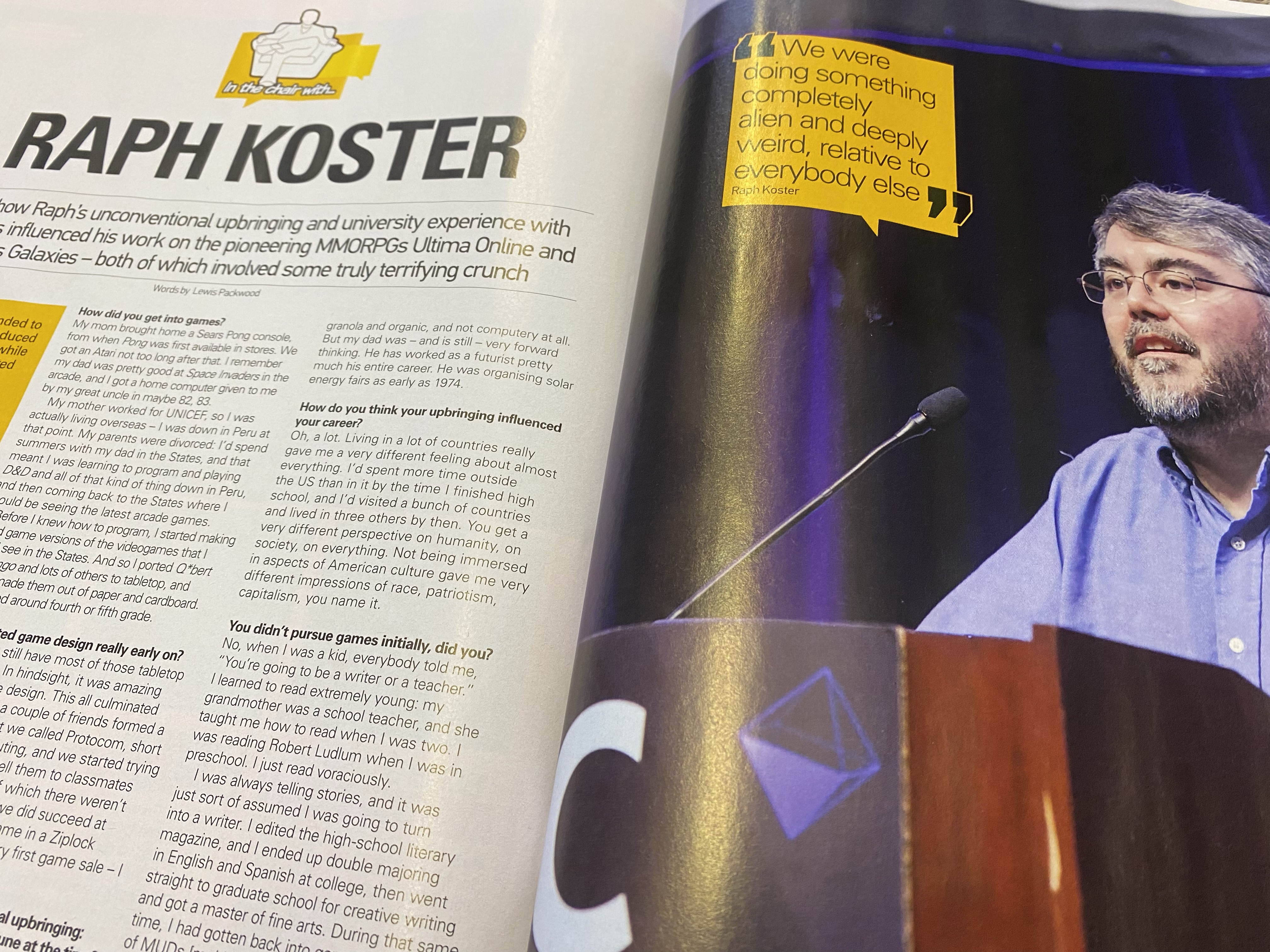







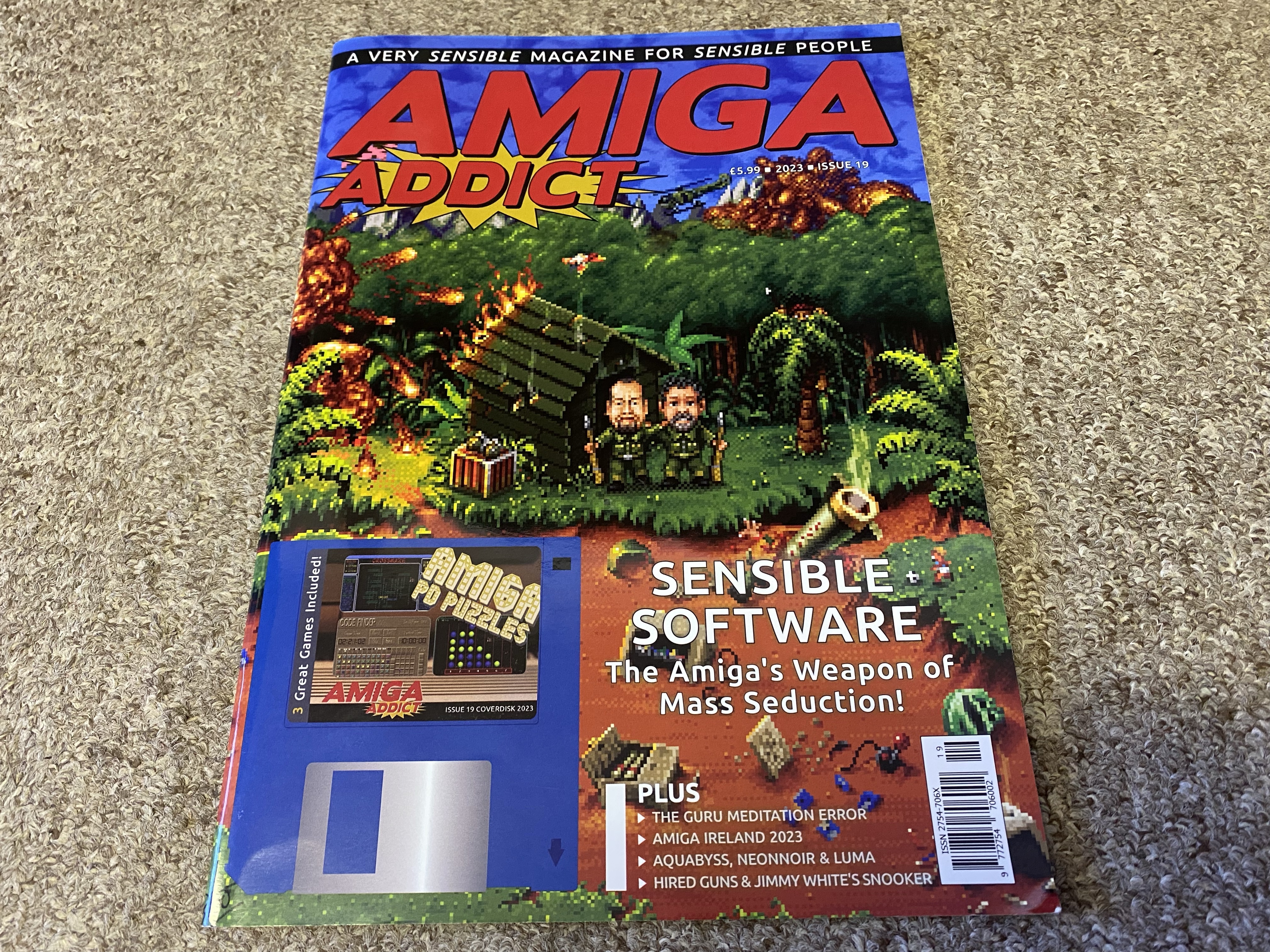


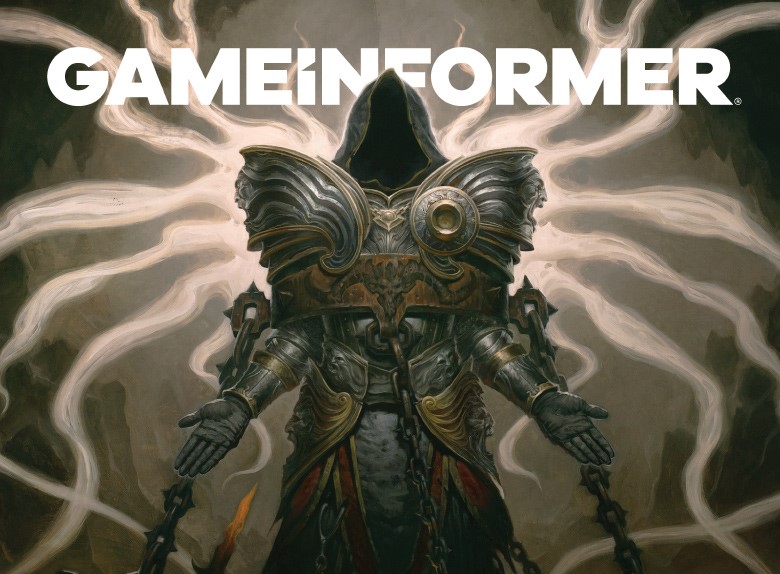



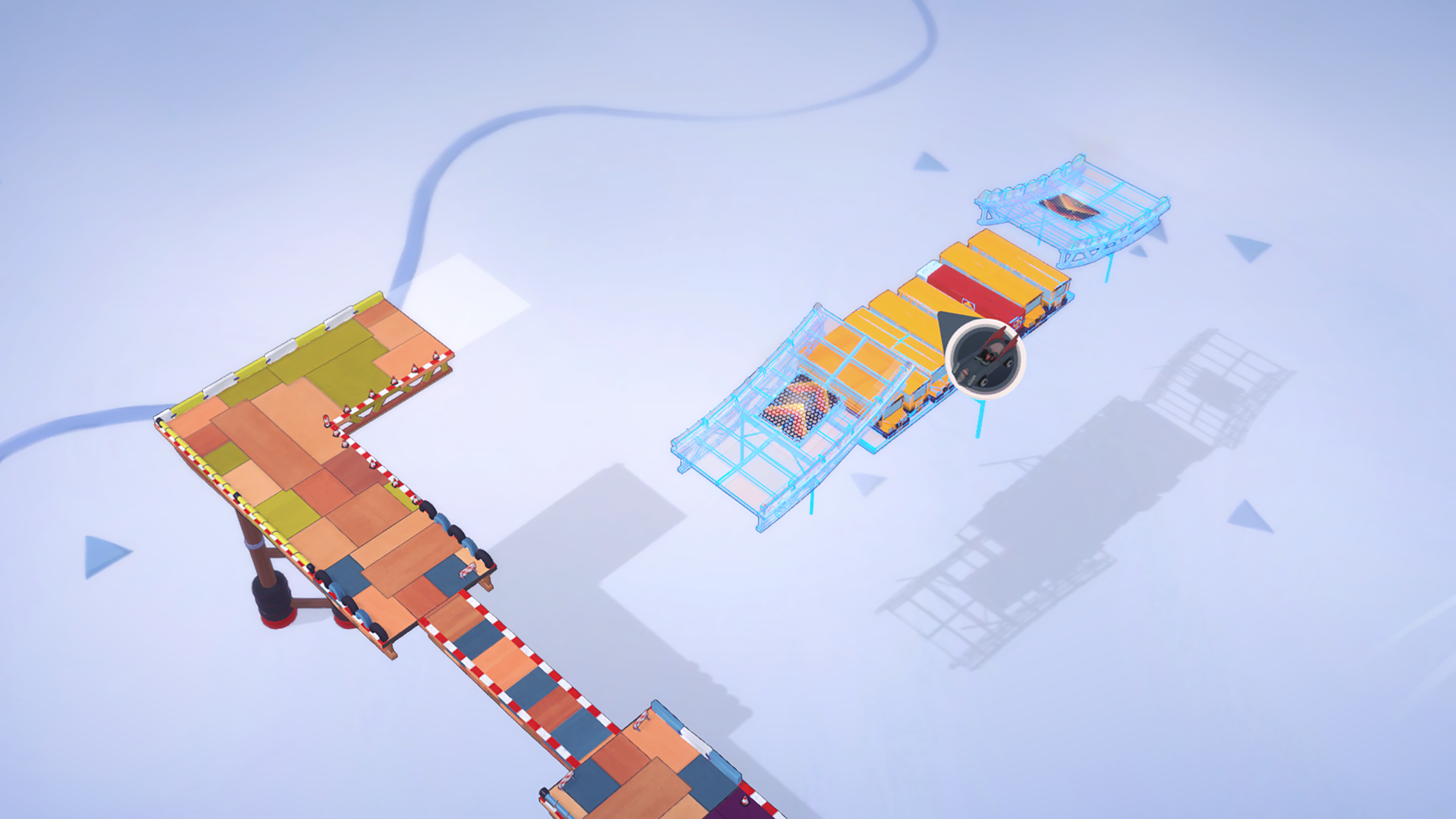
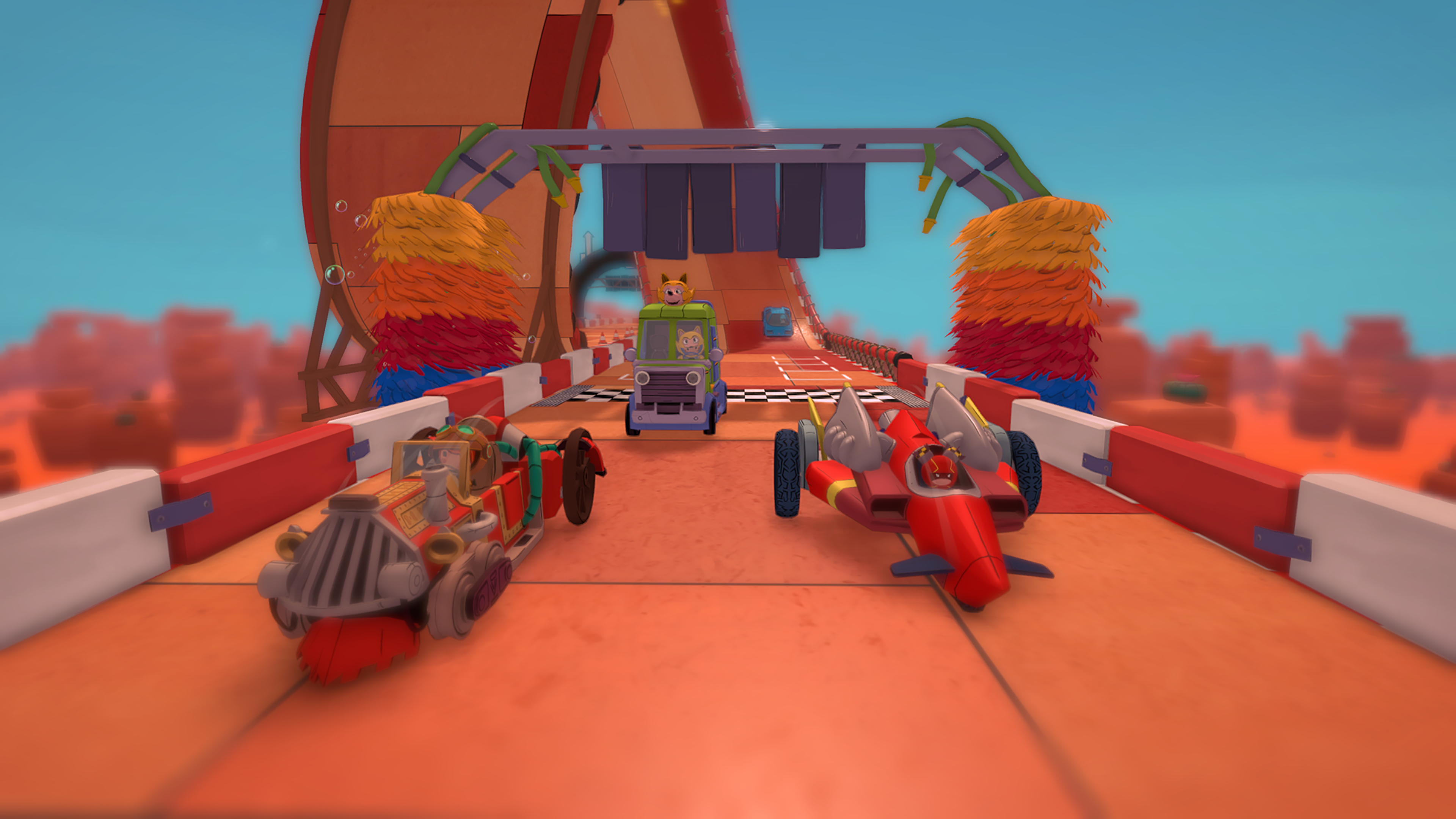


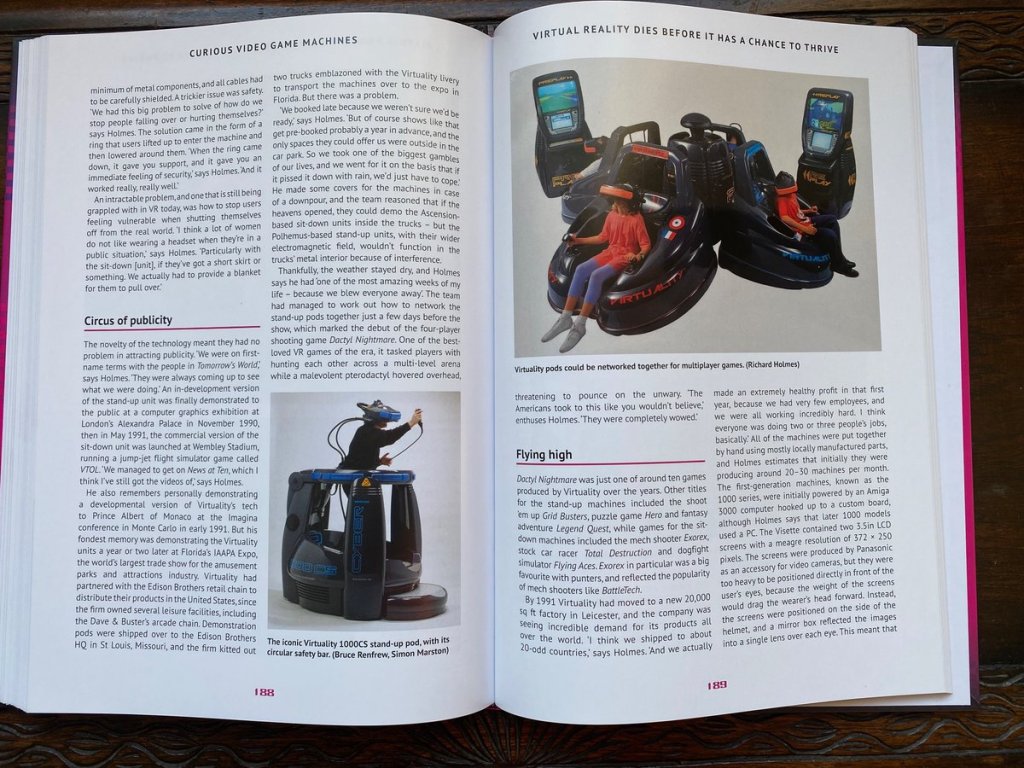


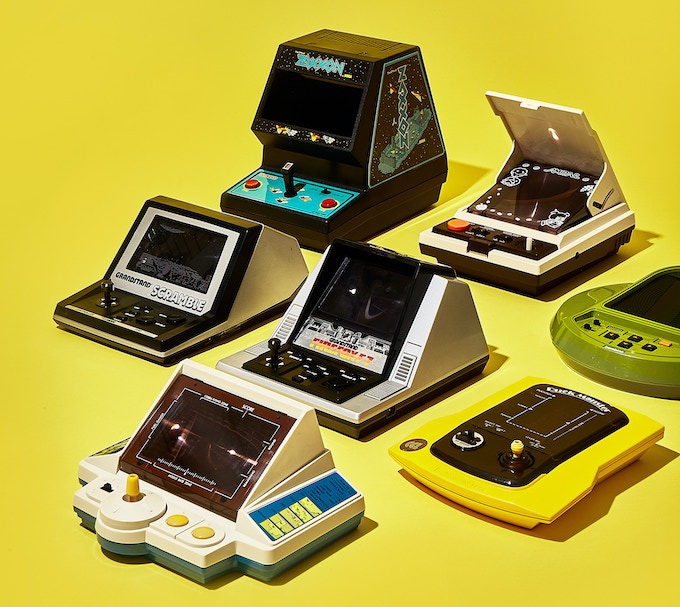




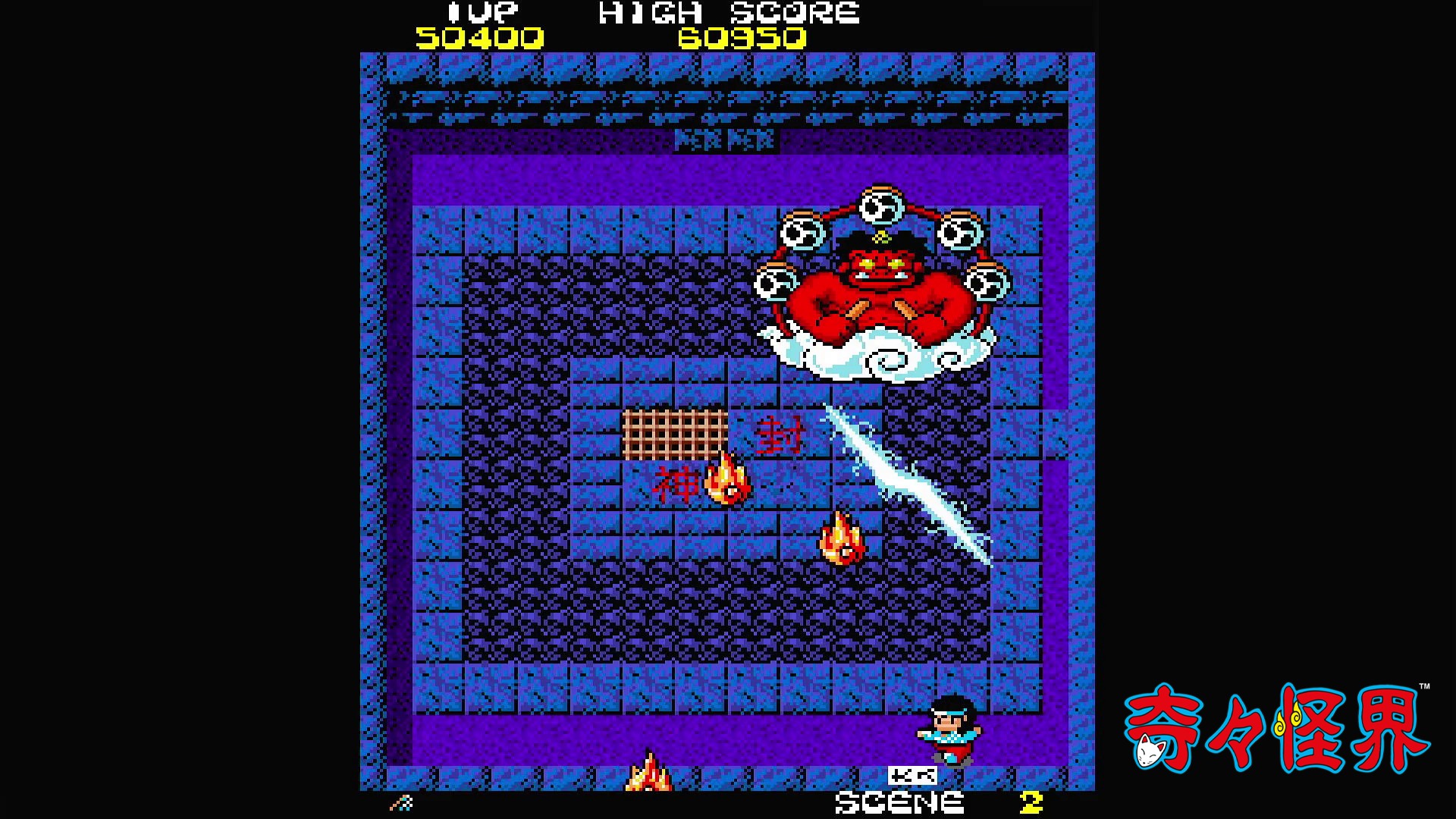
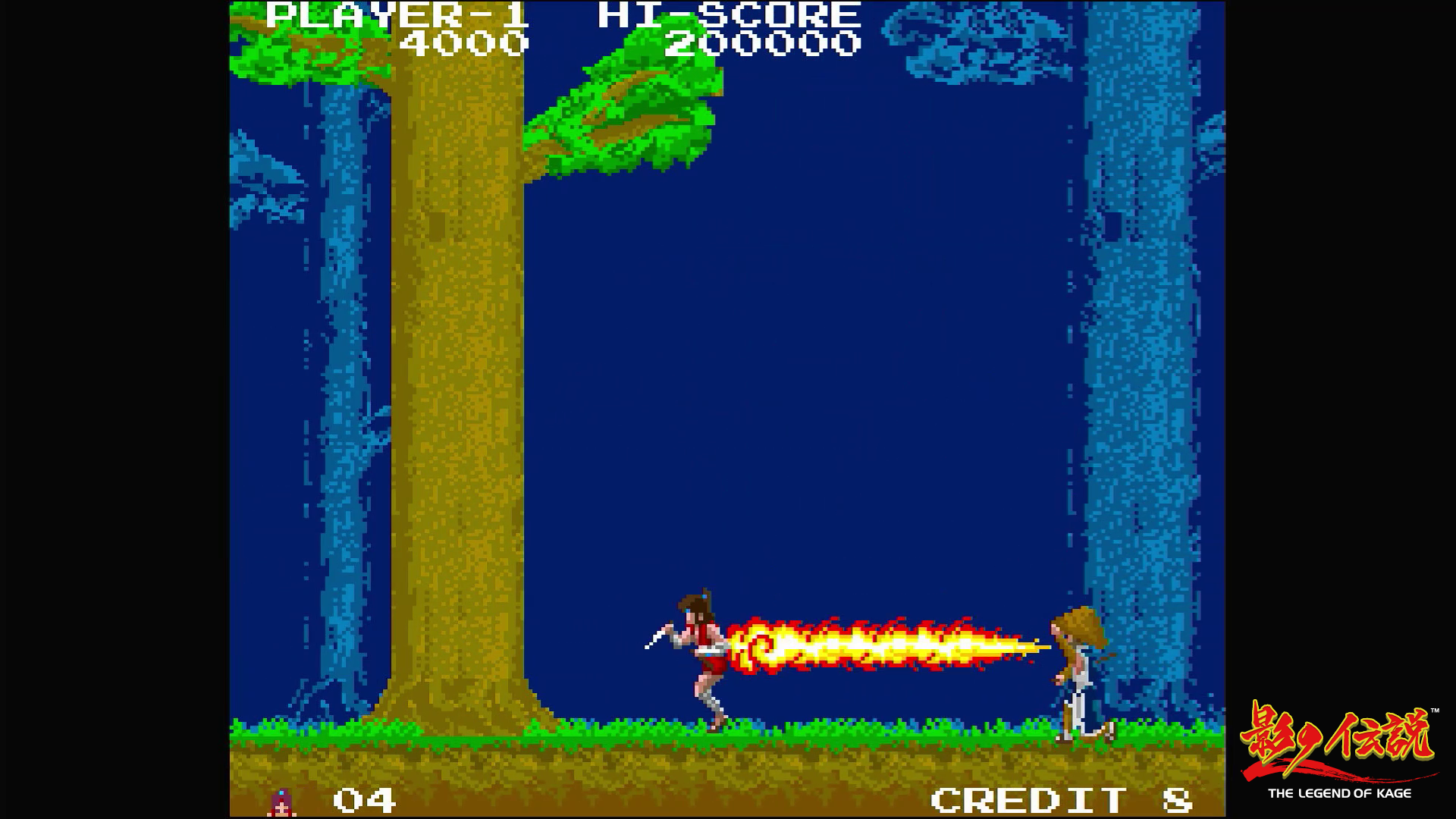

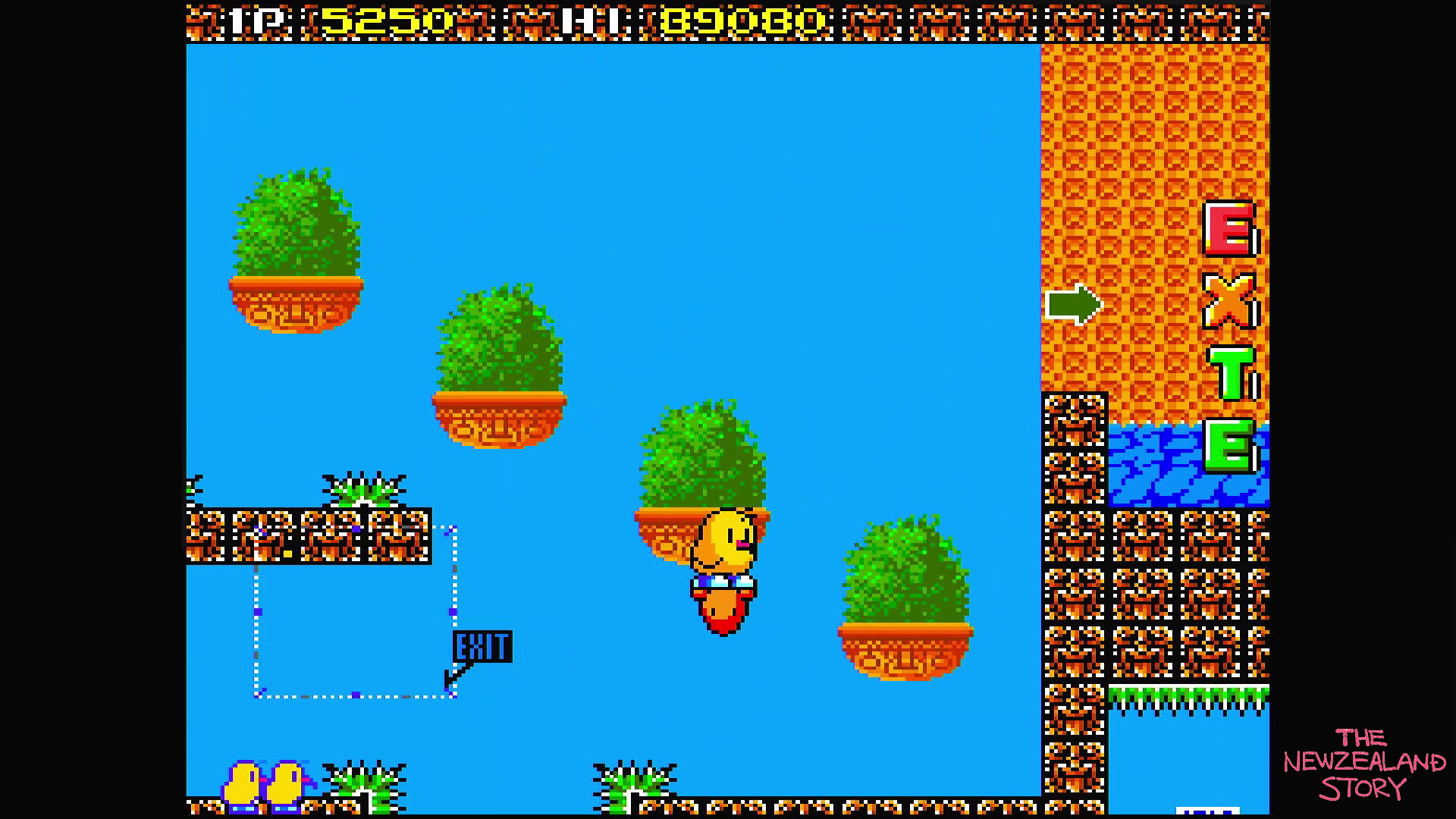


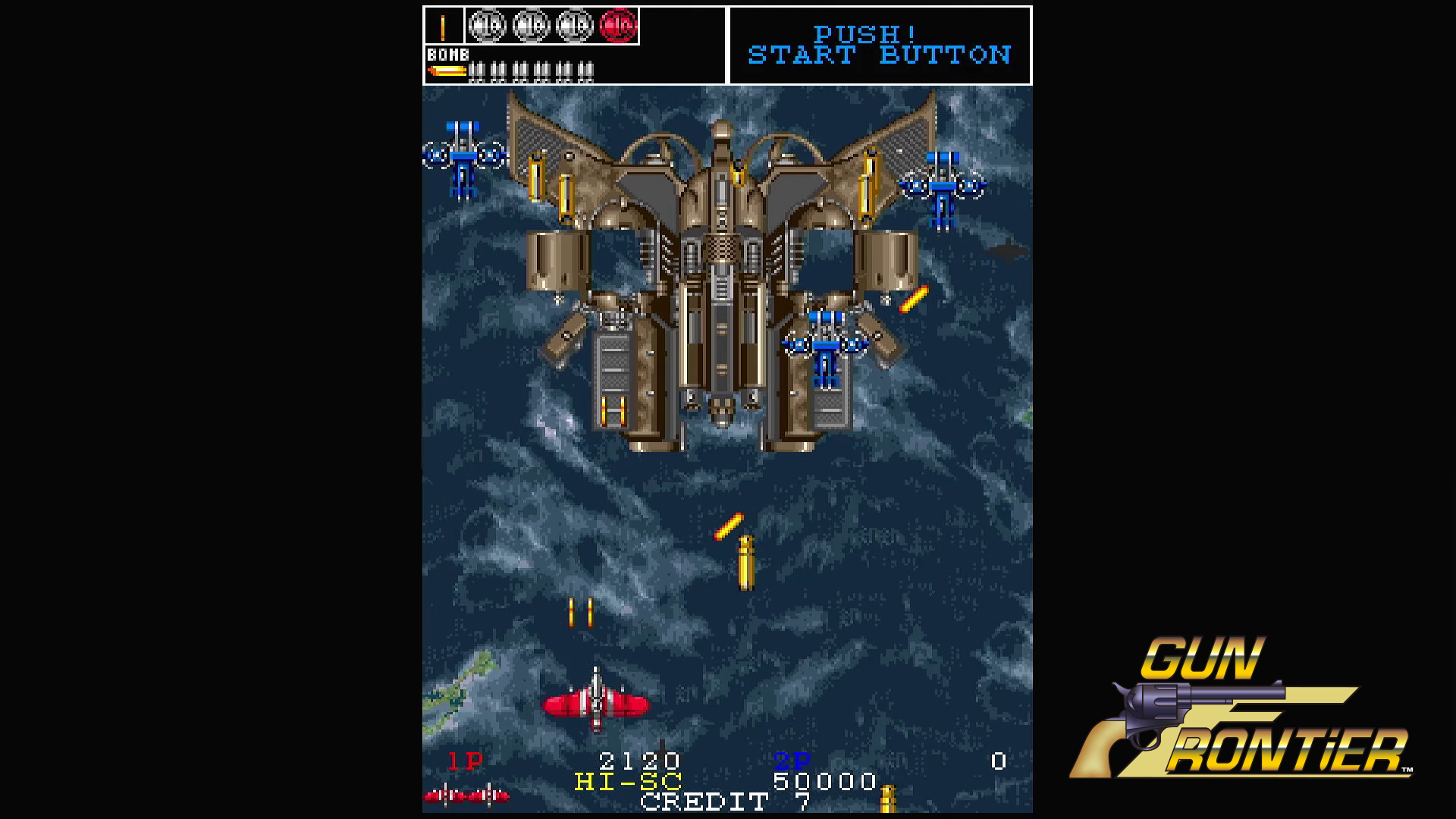
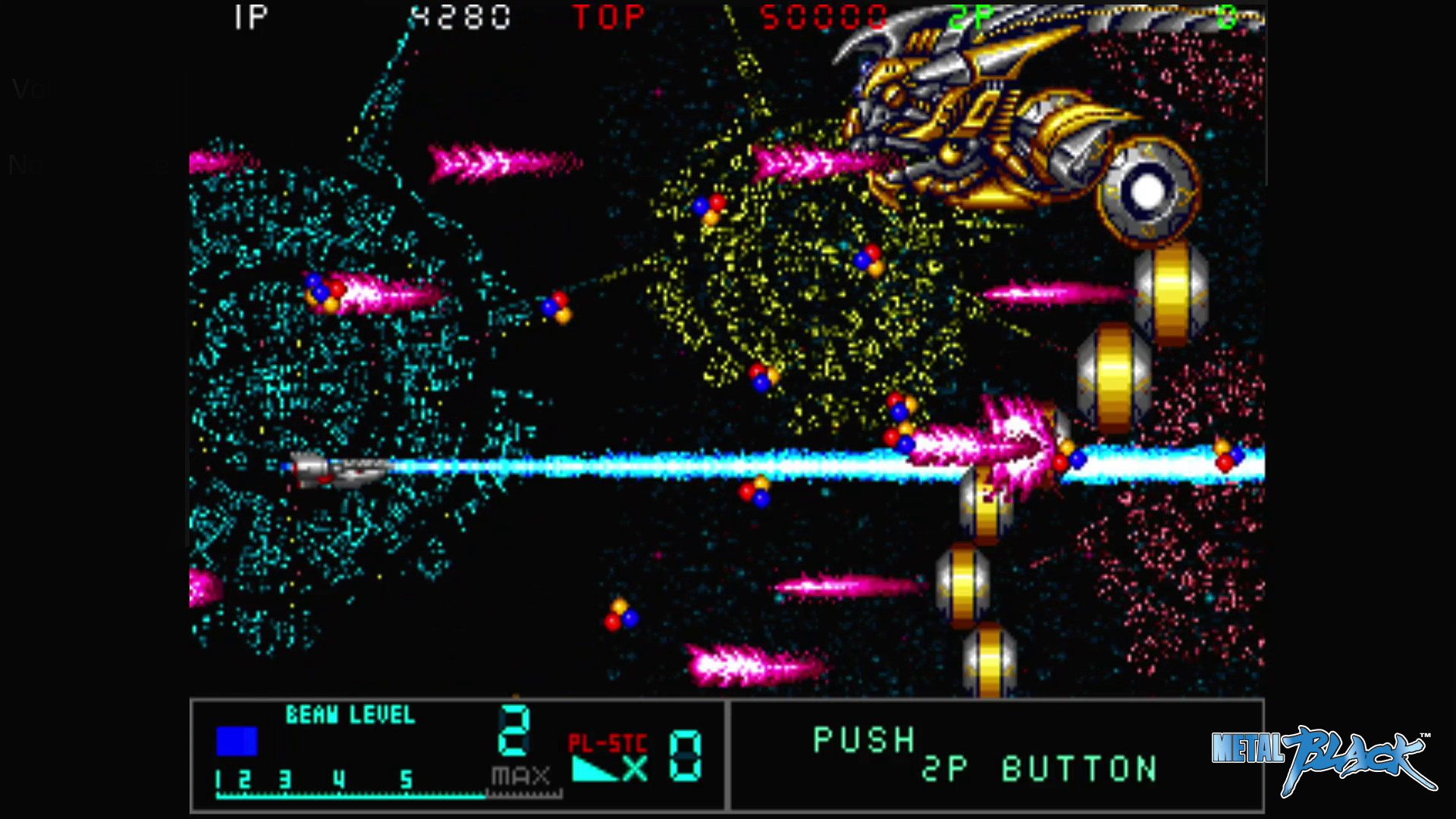

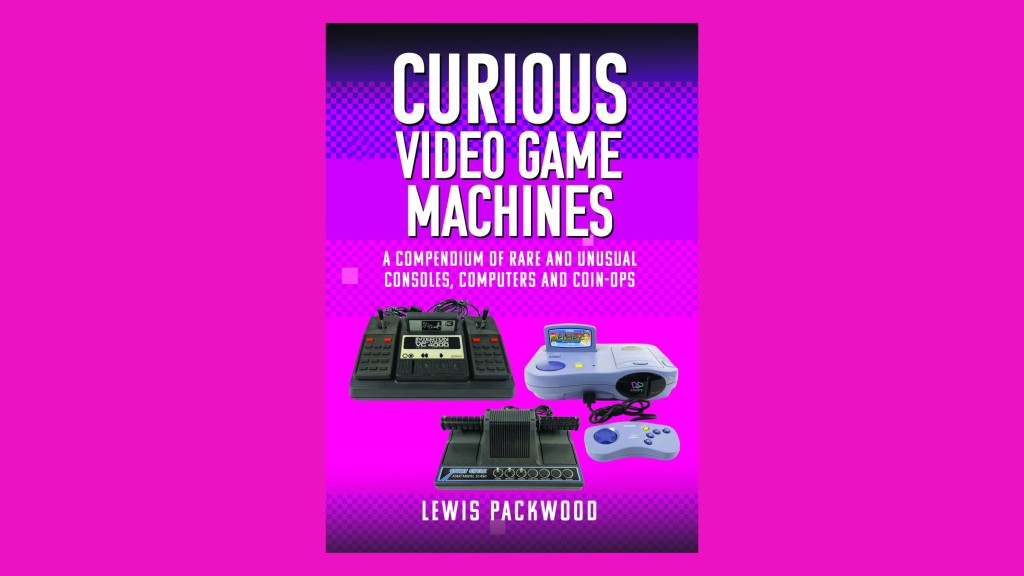
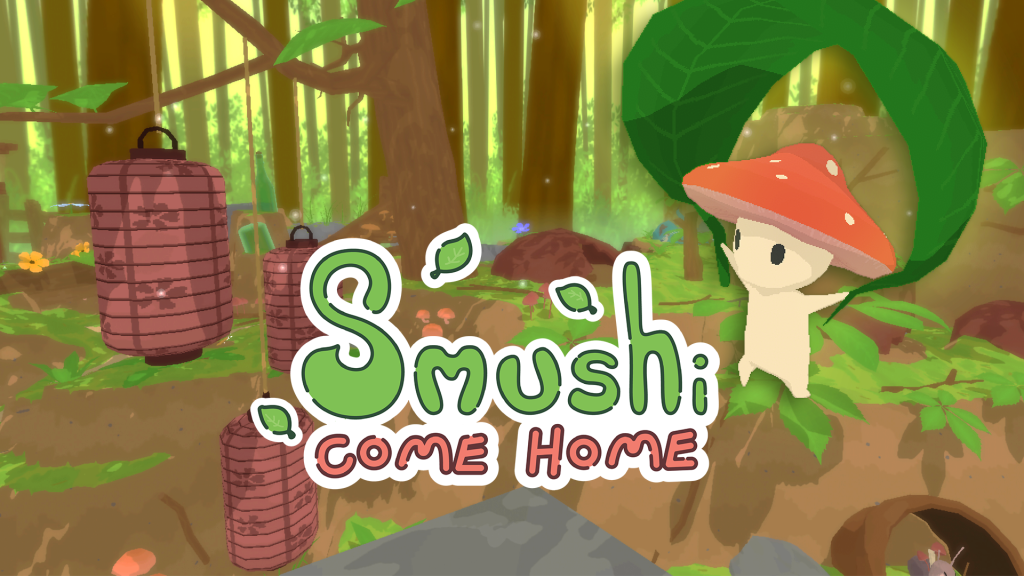


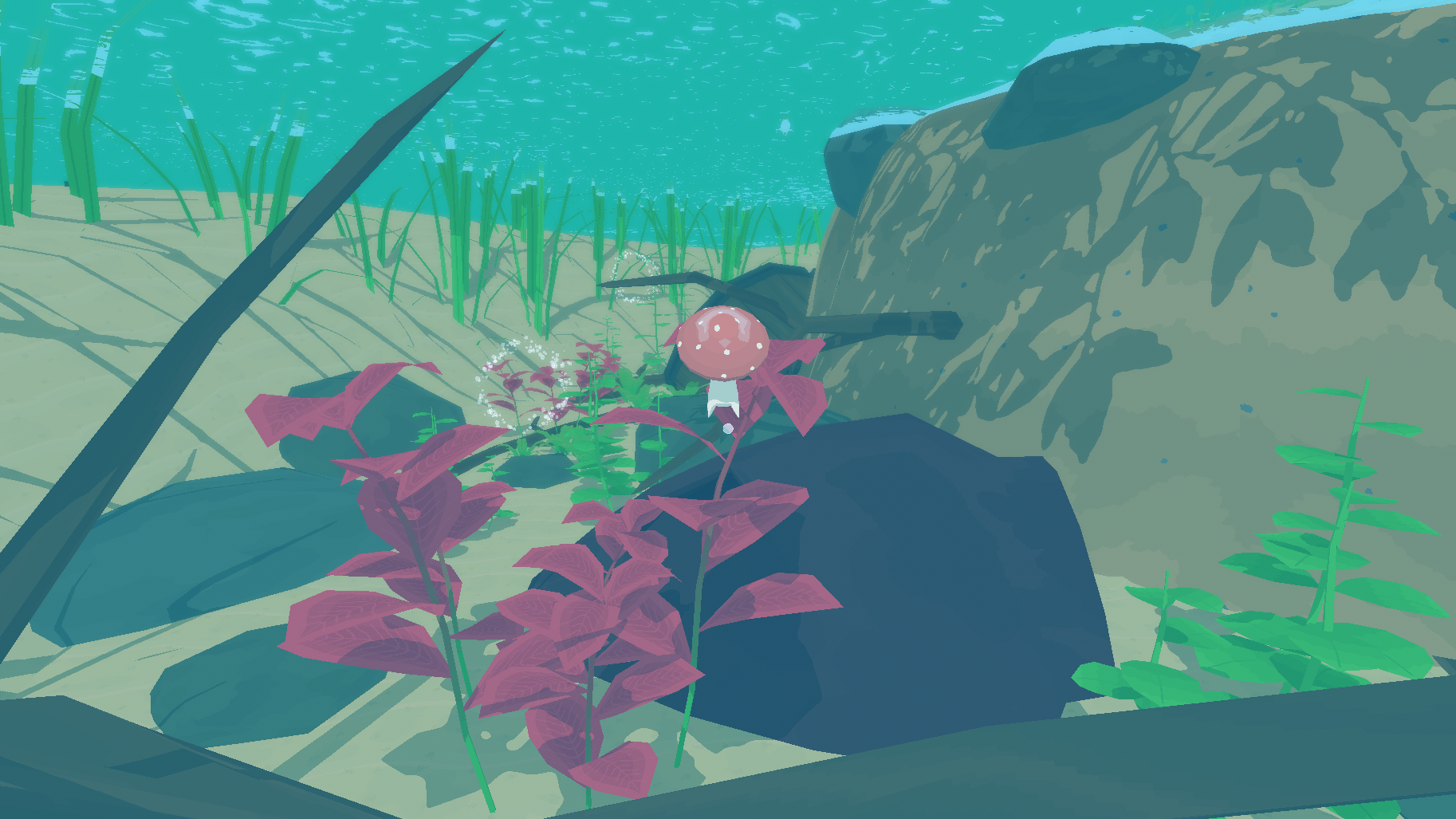

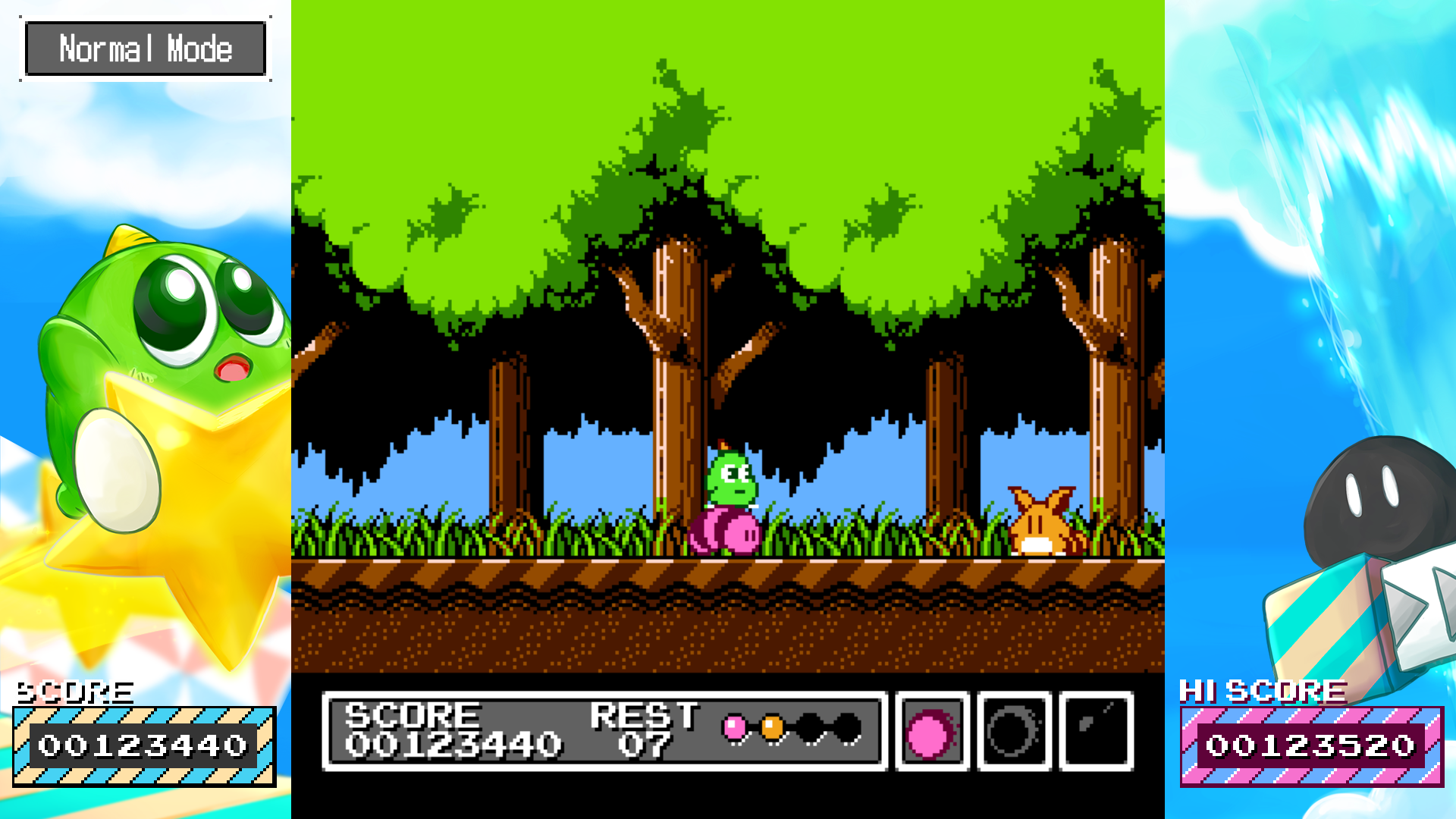

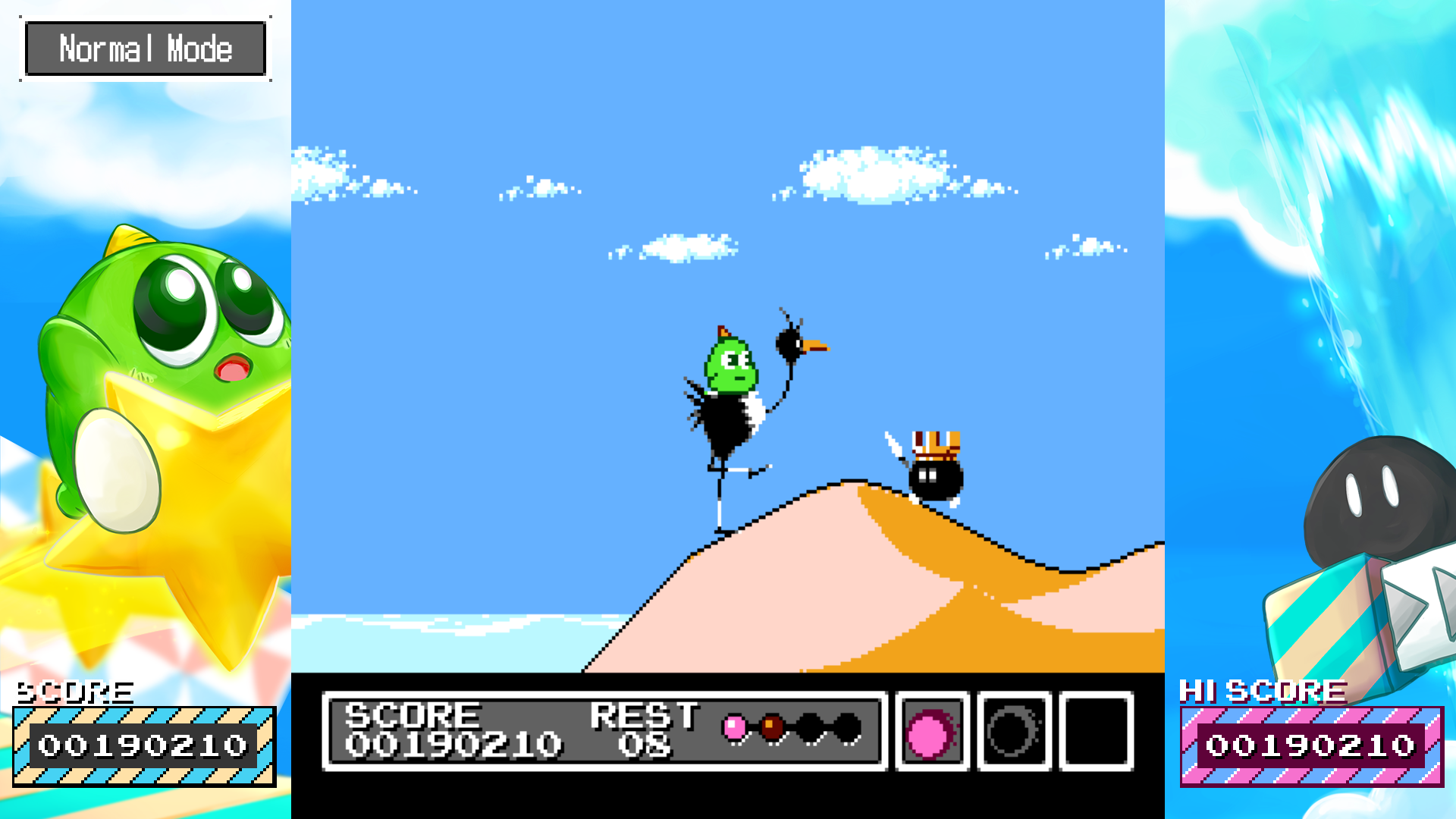








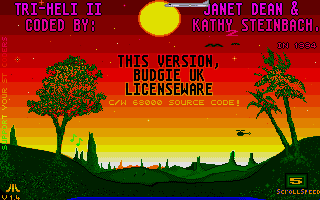






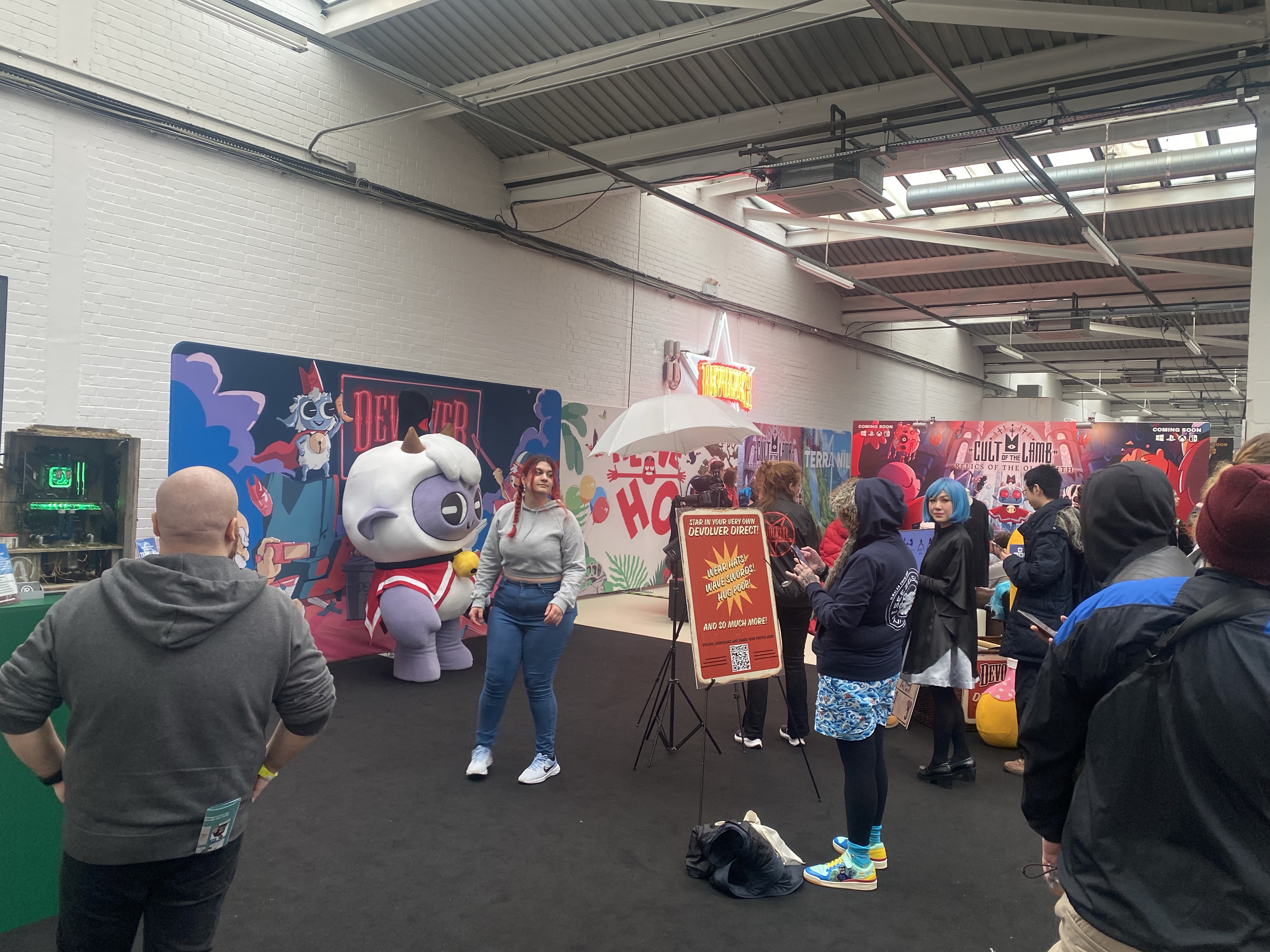

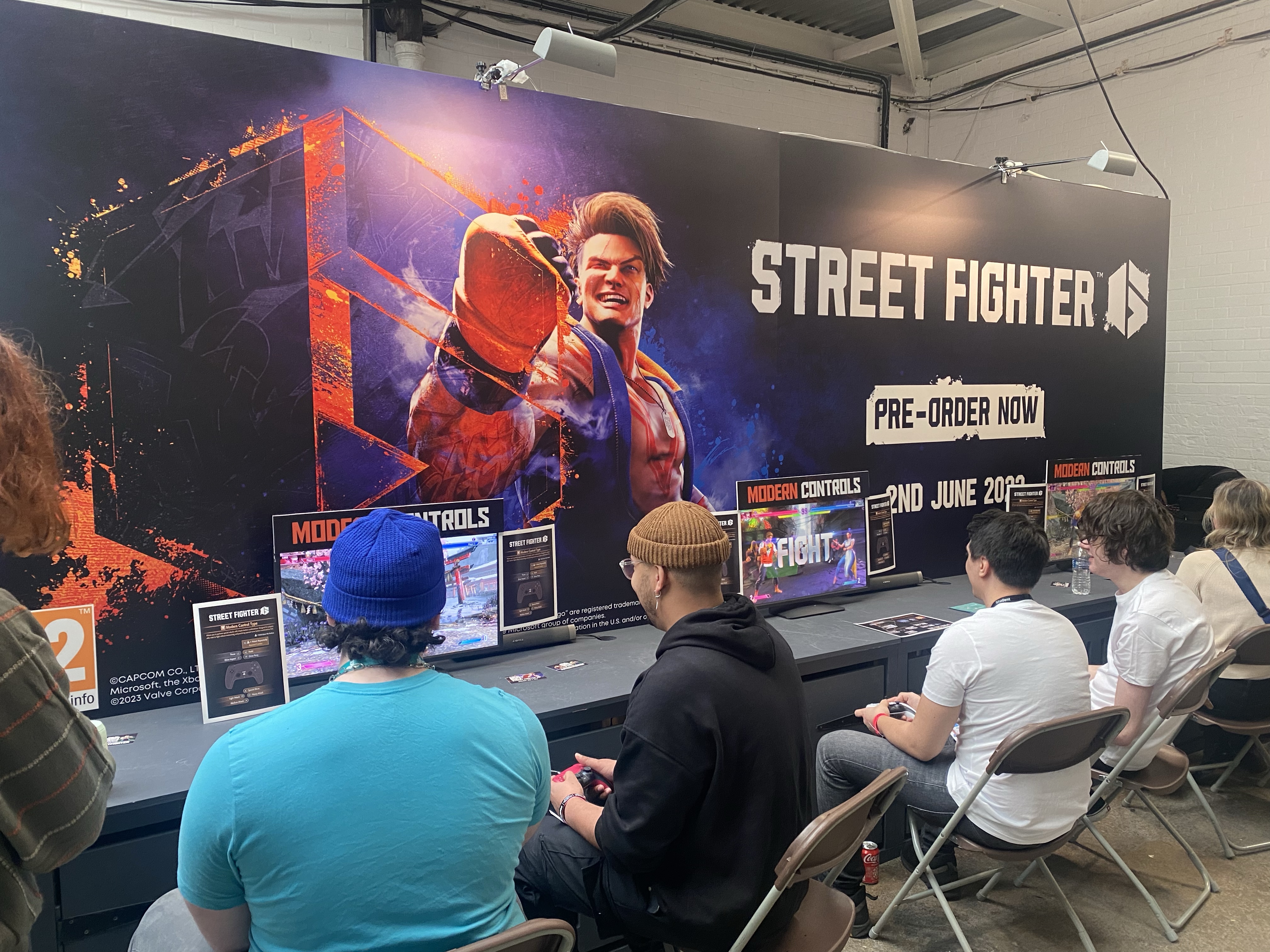



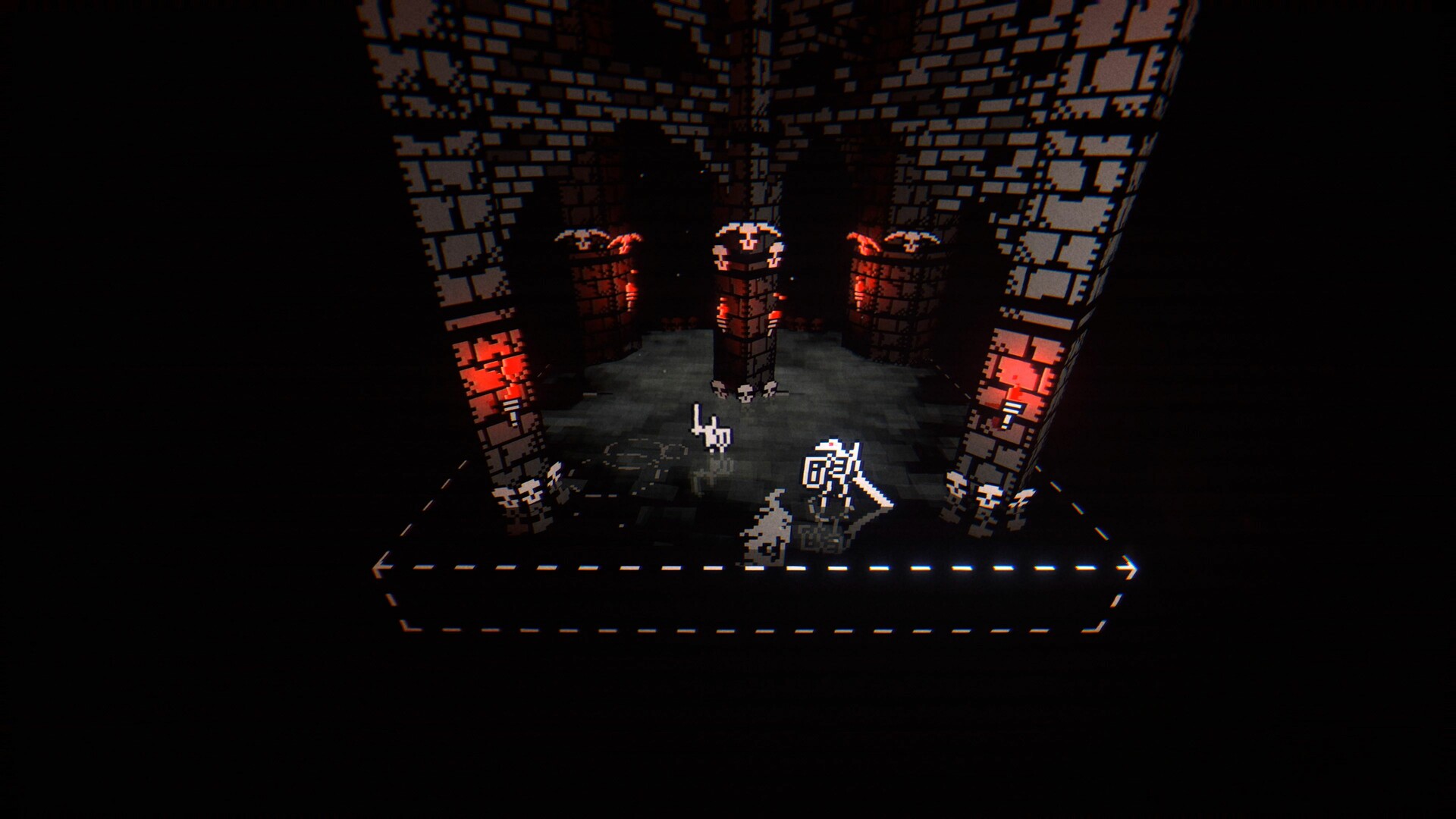














 A MOST AGREEABLE PASTIME