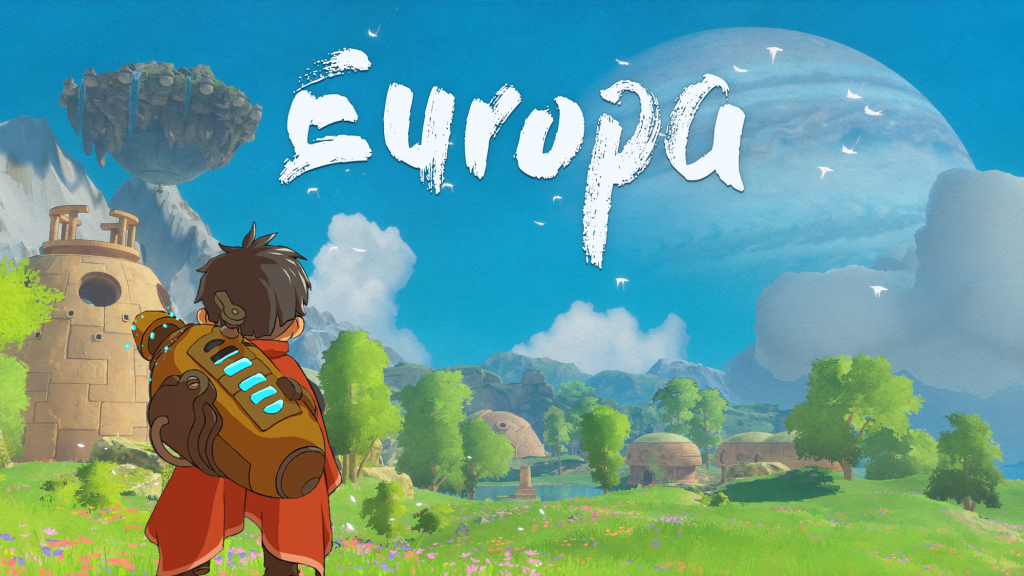
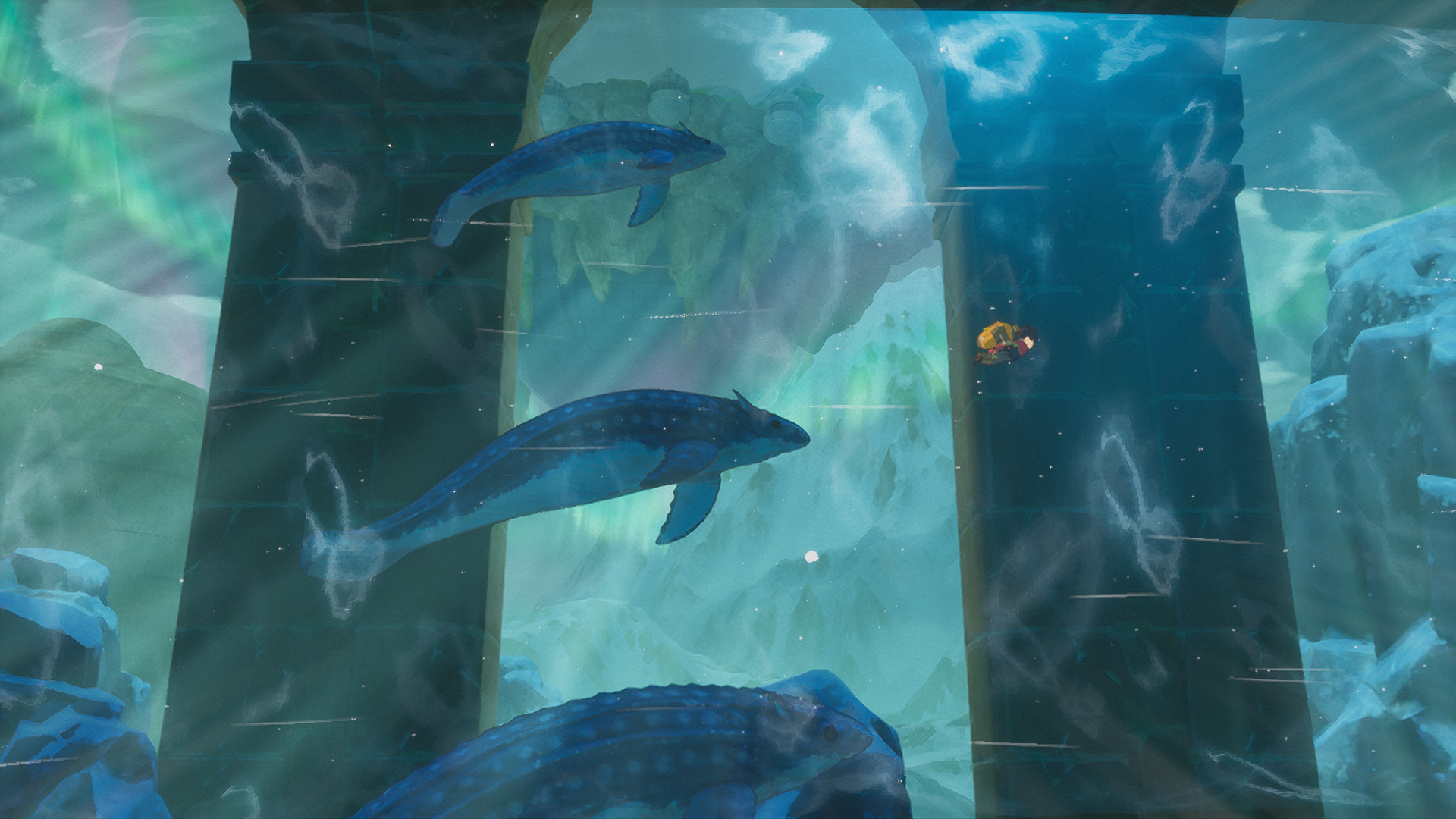
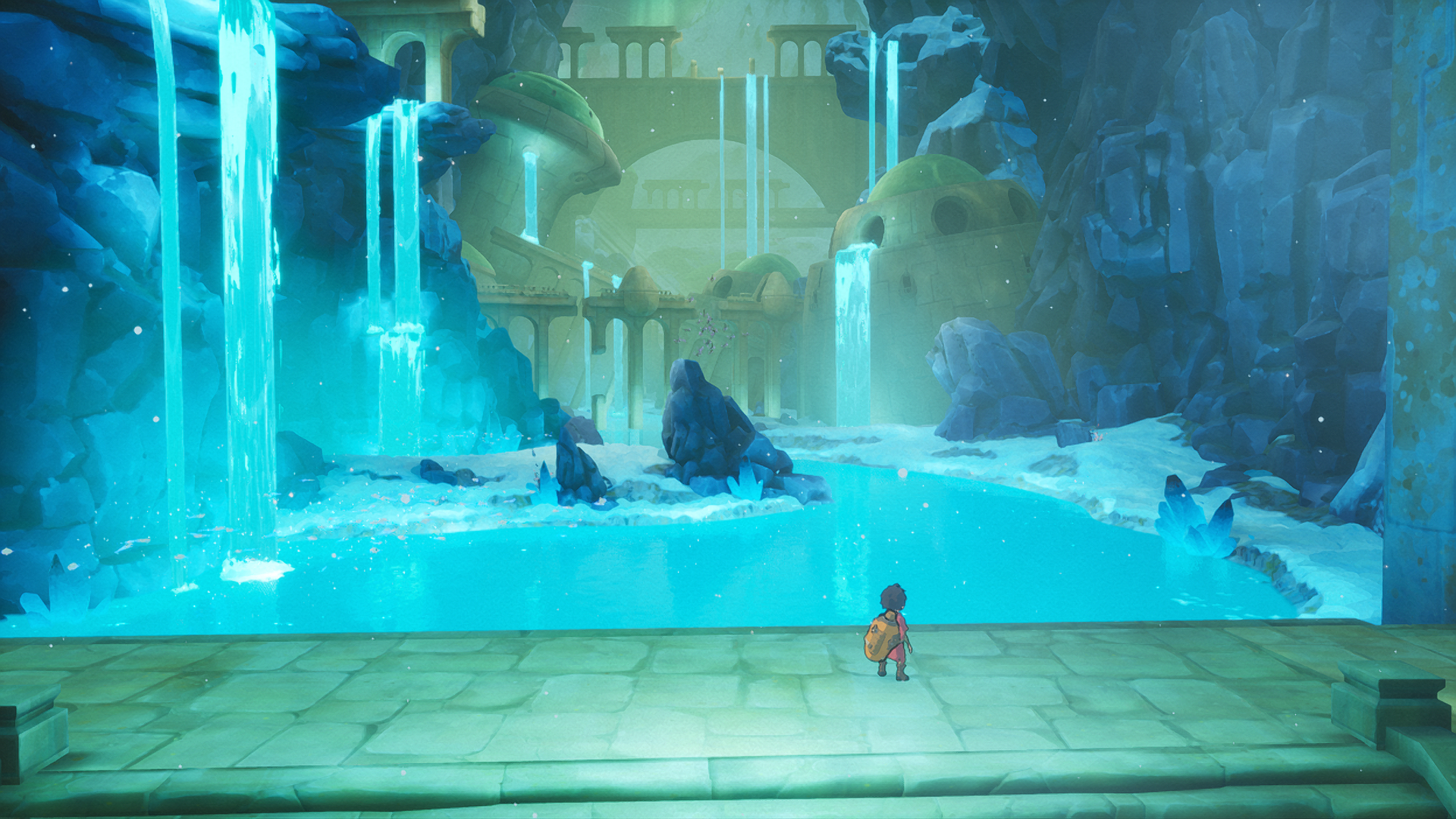
Just look at this game. Look at those screenshots. Gorgeous, isn’t it? Like a playable Studio Ghibli film. But beautiful as it is, I’m just not sure there’s quite enough depth below those stunning visuals.
Here’s the plot. Europa, a moon around Jupiter, has been terraformed using artificially intelligent machines, which have evolved to fill every ecological niche. But the machines have been programmed to prevent any harm coming to the planet: so when humans turn up to occupy the freshly terraformed Europa, mining and logging and generally stripping the moon of its resources, the machines resist.
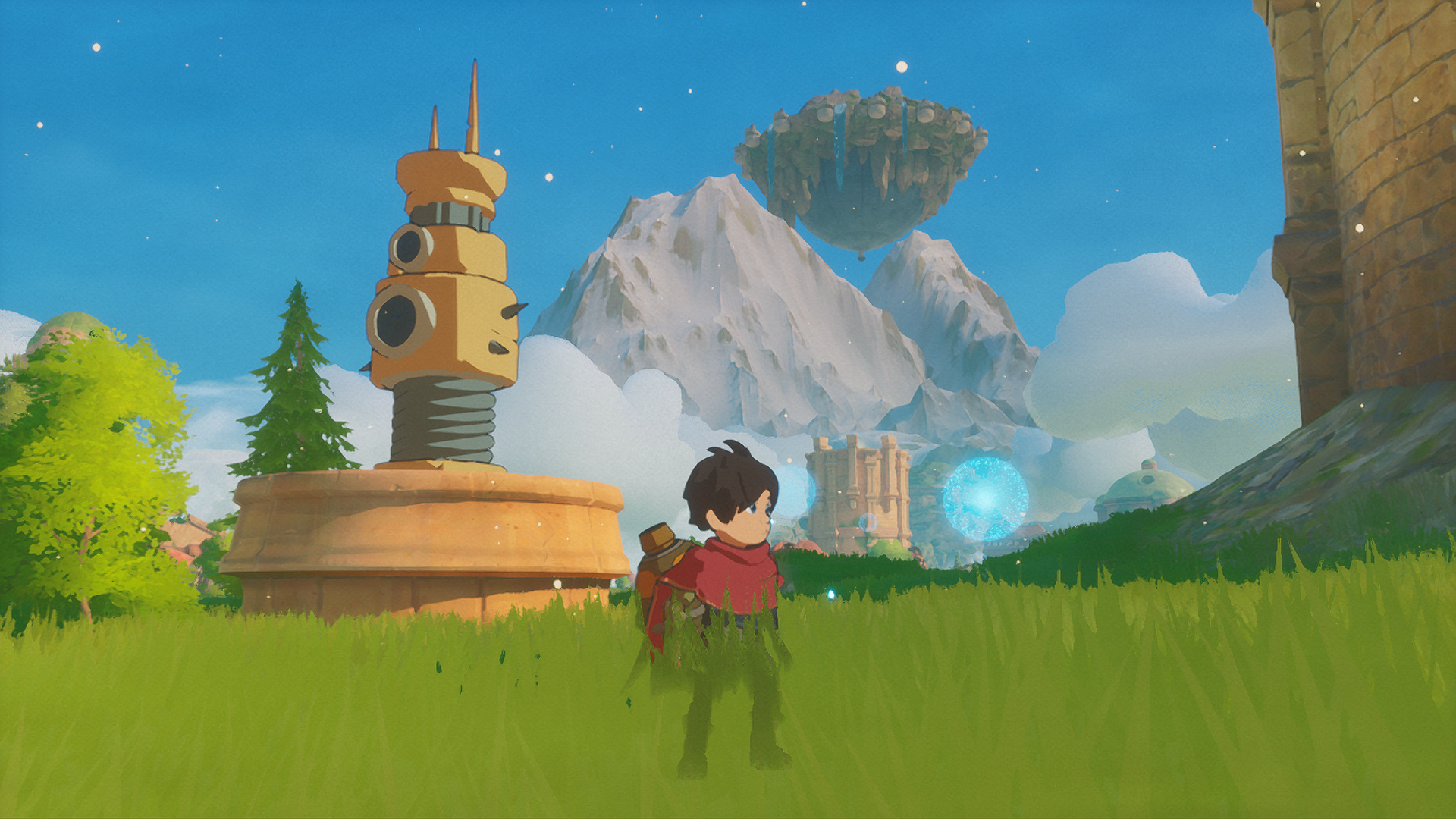
You play a young boy called Zee, although his one camera lens-like eye immediately gives you a clue he might not be just a normal boy. Zee starts his journey in an idyllic cottage, near to which his father, Adam, is buried. As you begin to explore the landscape, you discover notes from Adam, which fill you in on what has happened so far, and they eventually give clues about who you are. (I have to give a shoutout here to Earl Fisher, who does the voice for Adam – he sounds exactly how you’d imagine Santa Claus would sound, eminently fatherly and wise, and he was a joy to listen to throughout.) In the meantime, you’re on a journey to The Island, the last bastion of humanity, which floats impossibly above the moon’s surface.
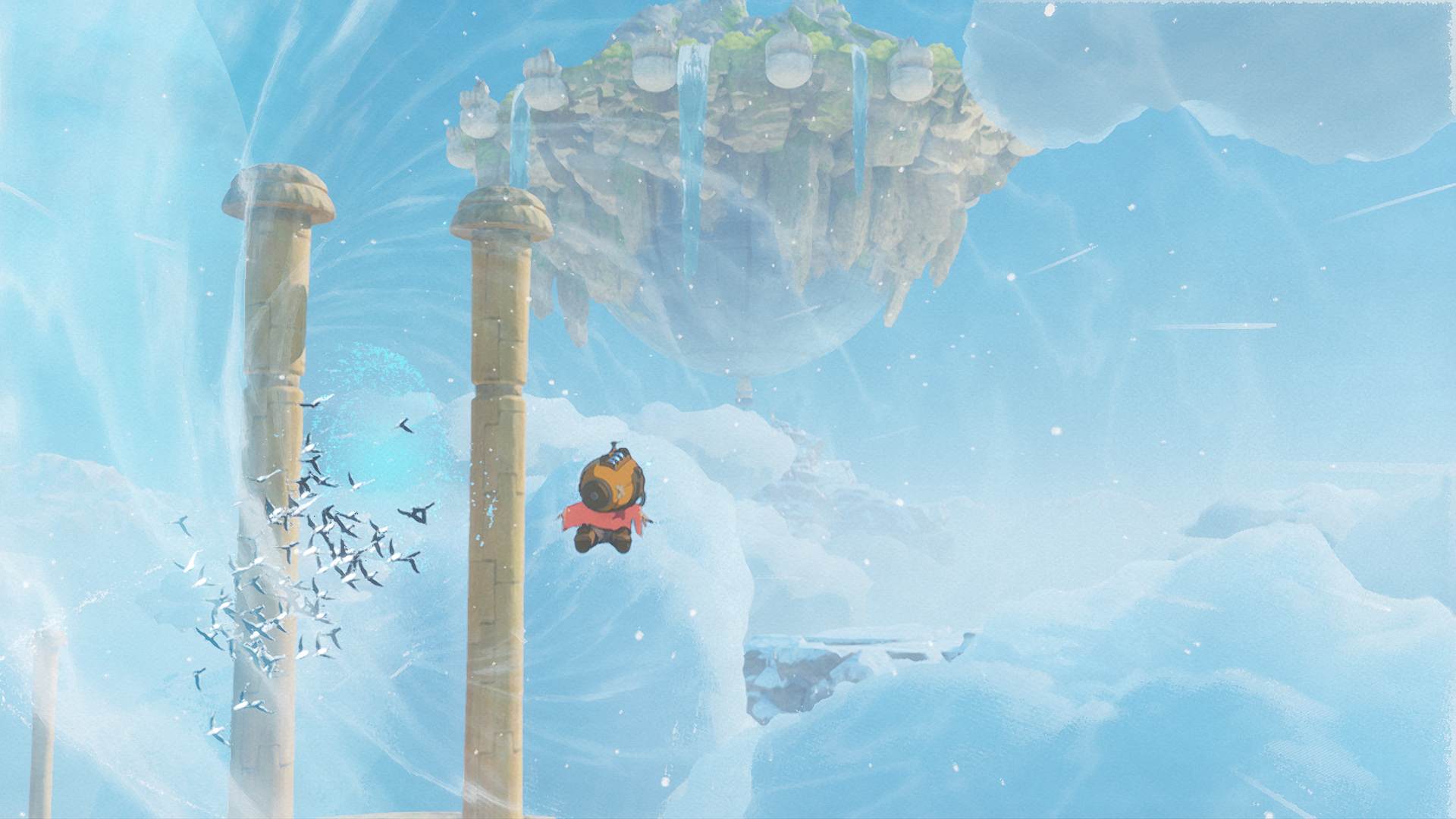
The similarities to a Studio Ghibli film are hard to miss. For a start, the floating island could be straight out of Laputa: Castle in the Sky, and the giant, rusting robots that litter the planet’s surface bear a stiking resemblance to the long-limbed mecha fellows from the same film. The plot, too, could be straight out of a Ghibli classic, focusing as it does on nature and the way humans have interrupted its balance, just as in films like Nausicaa: Valley of the Wind and Princess Mononoke. It’s Ghibli through and through. Even the gentle piano soundtrack bears the Ghibli hallmarks.
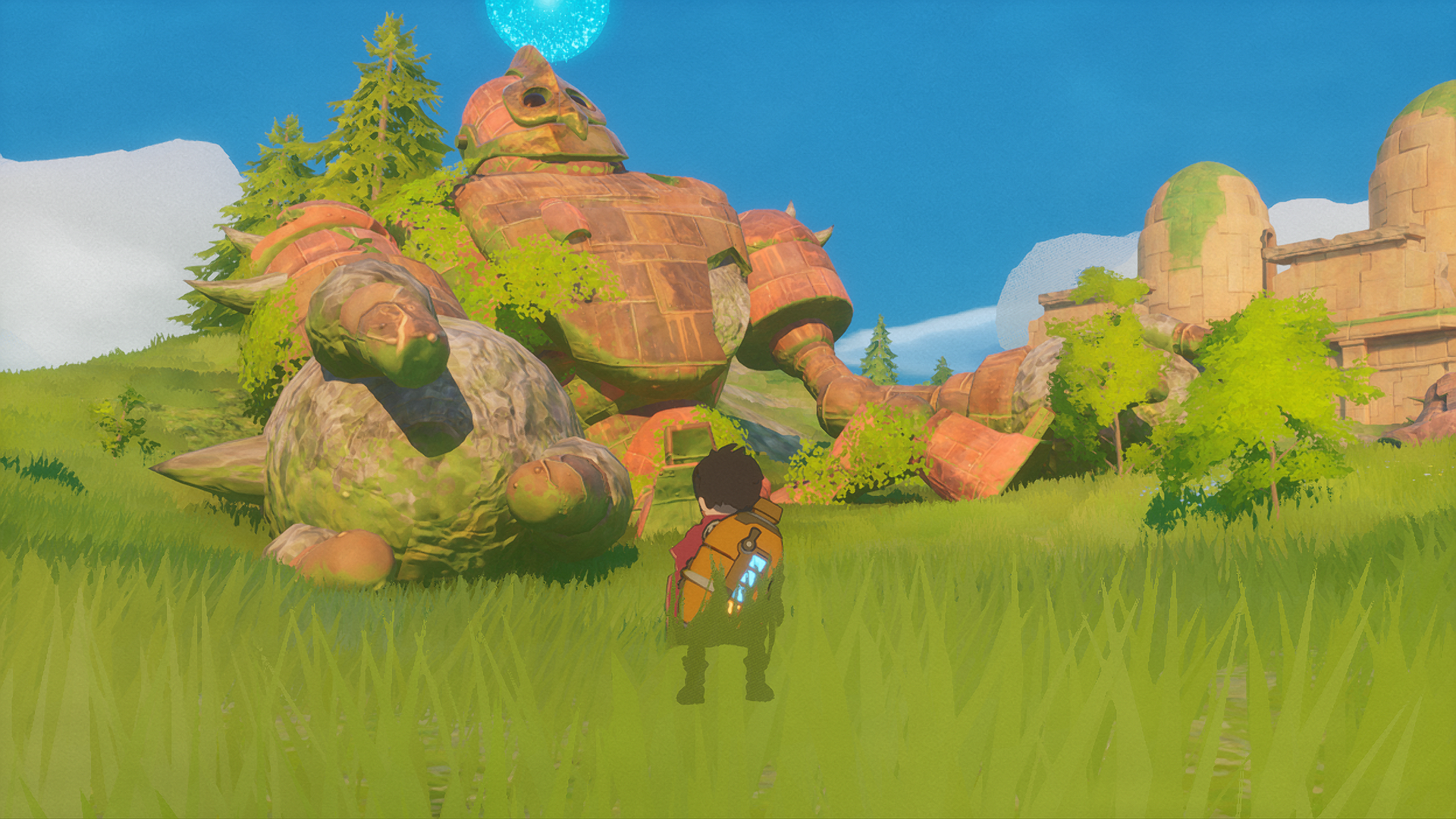
This isn’t a bad thing, per se. We all love Ghibli films after all, and the artistry on show here is quite wonderful. I think my main problem is that Europa struggles to really introduce any ideas of its own. The gameplay reminded me a lot of Journey, with its lack of combat, combined with the way you spend much of the game sliding down hills and floating in the air. Zee has a backpack that’s powered by an energy called Zephyr, and holding down the trigger button will see him levitate into the air, depleting Zephyr as he rises. Many of the levels involve swooping over the moon’s surface, gathering more Zephyr from floating bubbles of the stuff, trying to keep in the air for as long as possible.
Along the way, there are those notebook pages to collect, as well as crystals that increase your Zephyr capacity and 40 glowing emeralds – although the latter are more collectibles for the sake of it. Every now and then you’ll be faced with a door that blocks your progress, and typically you’ll have to hunt around and activate a certain number of glowing blocks to open it, or collect a certain number of energy wisps. Sometimes there will be a bit of very light puzzling, involving, say, blocks that disappear when you jump, or blocks that can be rotated.
And that’s about it. All of this stuff has been done before in other games, and none of it is particularly exciting. Floating around and skimming across lakes was fun at first, but it quickly becomes routine, and Europa fails to build on any of its mechanics in a meaningful way. The next door puzzle is much like the one before.
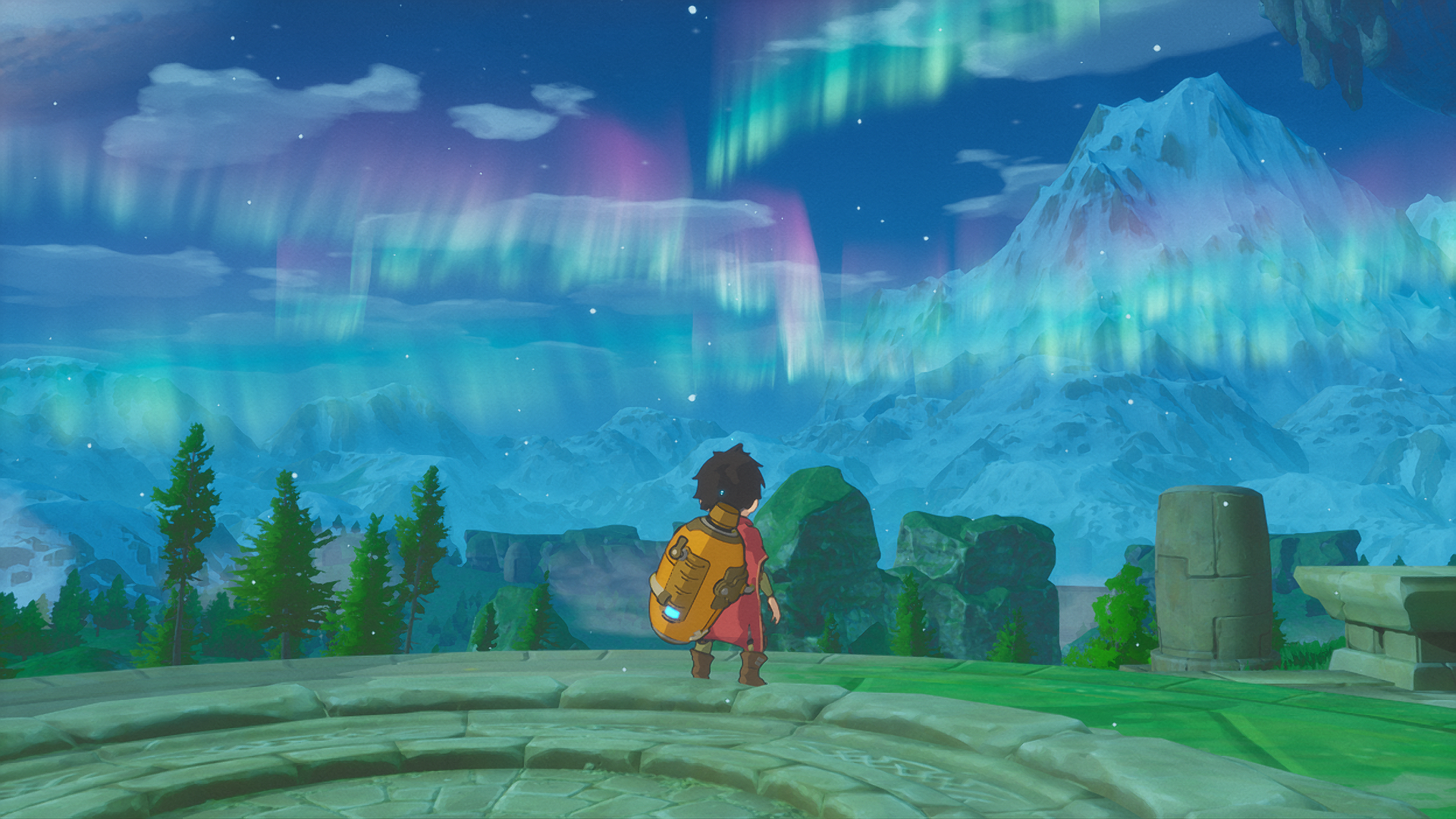
There’s also a complete lack of challenge. Zee can’t die, and the few laser cannons dotted around the landscape only wind him for a few moments. The only real barrier to progress are swarms of insect robots that sap your energy mid-flight, causing you to plummet to the ground. These guys are more of an annoyance than anything though, and since they’re almost impossible to avoid, I questioned why they were there at all, except to irritate the player. The puzzles are barely puzzles, and really the game involves gliding from one very pretty landscape to the next. It’s all over in just three or four hours, depending on how much you decide to hunt for those slightly pointless emeralds, but even with Europa‘s slim runtime, I still found myself regularly getting bored as my attention wandered.
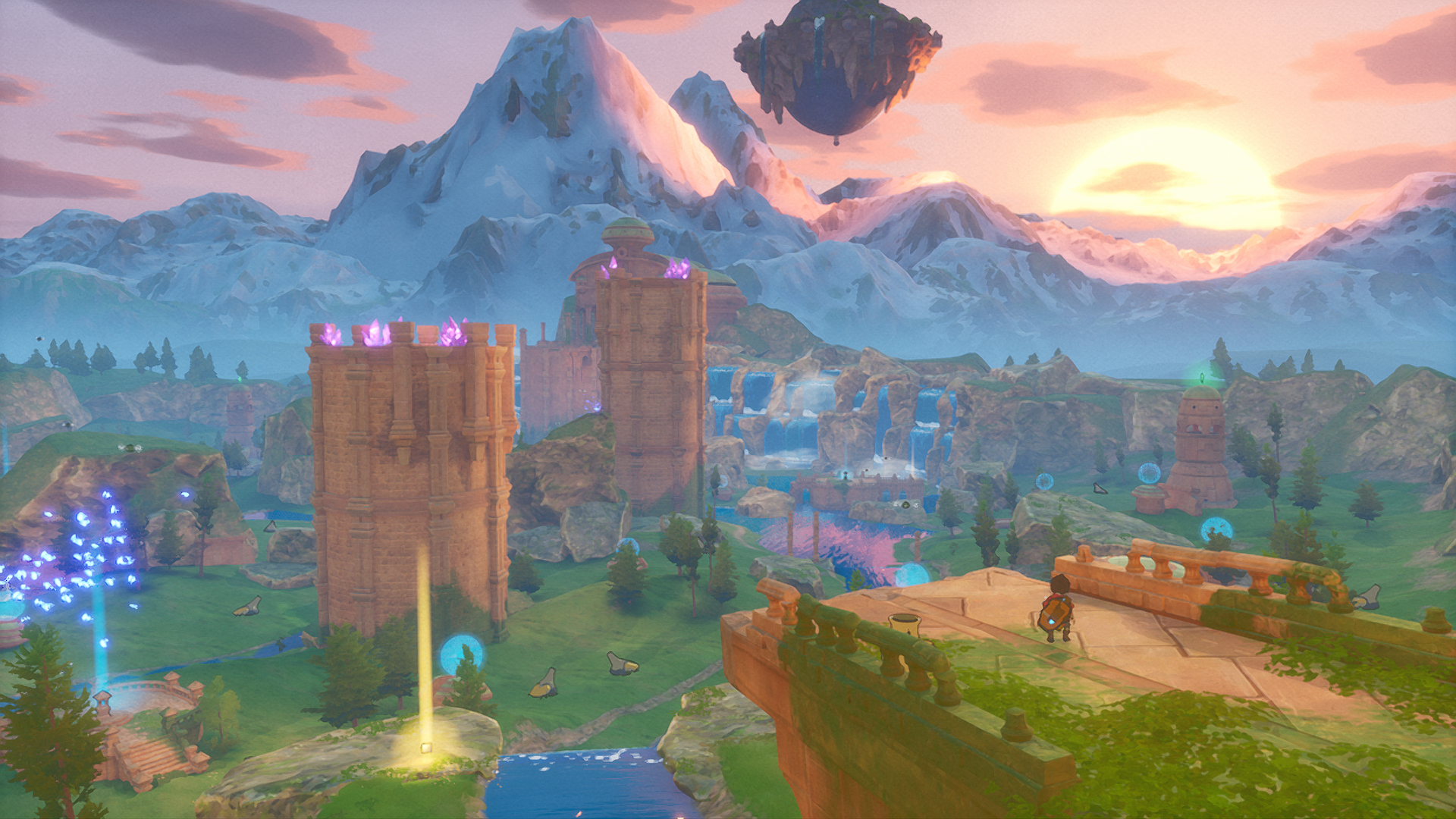
It is undeniably pretty though. And if you’re in the mood for simply switching your brain off and having beautiful images beamed into your eyes for a while, then you’re in luck: I can imagine it would be the perfect chillout game for a rough morning after a particularly hedonistic night before. But for me, it was just a bit too slight. There’s nothing to get your teeth into here, no clever gameplay mechanic, no surprise rug pulls or sudden changes of direction. It feels like too much attention was paid to the graphics and not enough to what you actually do in this world.
If you’re after something in the style of Studio Ghibli, you’re much better off playing the excellent Planet of Lana, which puts a bit of meat on the bones of that Ghibli look. Ah, it’s a shame. I’ve been very much looking forward to Europa, but ultimately it falls a little flat, ending up as very much a pass-the-time kind of game rather than an essential play.
Europa was developed by Novadust Entertainment/Helder Pinto and published by Future Friends Games, and it’s available on PC and Switch. We played the PC version.
Disclosure statement: review code for Europa was provided by Future Friends Games. A Most Agreeable Pastime operates as an independent site, and all opinions expressed are those of the author.
Follow A Most Agreeable Pastime on Twitter and Facebook, if you like.


 A MOST AGREEABLE PASTIME
Leave a Reply