I reviewed Jon Shafer’s At the Gates for Rock Paper Shotgun the other day. It’s from the lead designer of Civilization V, so I was expecting great things. But unfortunately I found it incredibly slow and, well, pretty dull.
If you have the patience for REALLY slow 4X games, then you might get more out of it. But one thing I didn’t mention in my review is that the AI is pretty dimwitted, with other factions not really bothering to attach or expand, so the only real challenge is surviving and slowly (very slowly) building up your tribe. You can check out the review through the link below:
While indie developers are often quick to cite that their games are ‘retro’ and ‘8-bit’, it often just means they’re repurposing classic elements into their design with a dash of pixelated visuals. What happens, then, when a developer says they’re going 8-bit and means just that – when every element from the presentation to the flow is meant to elicit the feeling of playing old NES games? You get Alwa’s Awakening.
Alwa’s Awakening clearly calls back to an older generation of games; I spotted elements taken from beloved but fairly obscure classics like Faxanadu, Legacy of the Wizard and Solstice, warts and all. Alwa’s Awakening feels intentionally simple, to go along with this theme of pegging it into a specific time in gaming.
The game begins with a girl named Zoe, who finds herself stranded in the land of Alwa and given the quest of saving it from the four Protectors, a gaggle of be-robed oppressors. The game is in essence a Metroidvania, but one that feels natural and uncomplicated. There’s a nice sense of flow when moving to new areas, with an interconnectedness that brought me joy in not only exploring, but also in figuring out the lay of the land and understanding it. It has this lovely sense of place, and after a while I didn’t need the wonderful map to find my way around, it just became intuitive.
Alwa’s Awakening also doesn’t saddle you with a large inventory to figure out, which might be a drag for some, but for me it kept the game brisk and interesting. You begin by nabbing a wand that you can later supplement with powers such as the ability to conjure blocks to guard yourself or to summon bubbles to float you to out-of-reach places. These are found in the four corners of Alwa in obvious places such as temples, but the game isn’t without its secrets, too. Foremost among them are little blue orbs that always sit out of reach until you figure out which power you need to use to get to them – in turn, the orbs will help take a chunk of health from a boss for every ten you secure.
For the most part I enjoyed the straightforwardness of Alwa’s Awakening. But there were times when I had hoped for more goodies and hidden trinkets to discover. The solutions to most puzzles are readily apparent – they often just require a bit of backtracking when you get the right power-up for the job. Boss battles are tried-and-true in that they each have very clear patterns that will fluster you at first, but once you suss out what you’re supposed to do, they become something of a cakewalk. Still, the game does a good job of toeing the line between being challenging yet accessible, which isn’t something developers are often successful with.
I usually can’t resist a good pixelated game, let alone one in the vein of Metroid, but even then Alwa’s Awakening stands out in its genre – it’s a breath of fresh air in an overcrowded field. Not only is it inviting in its design and engaging in its gameplay loops, it also manages to satisfy nostalgic cravings for the 8-bit adventures of old.
Alwa’s Awakening was developed by Elden Pixels and is available on PC, Switch and PS4. We reviewed the Switch version.
Disclosure statement: Review code for Alwa’s Awakening was provided by Elden Pixels. A Most Agreeable Pastime operates as an independent site, and all opinions expressed are those of the author.
Do you like ninjas? I like ninjas. I mean, they were pretty nasty people in real life, and generally seen as highly dishonourable in Japanese society, samurais who had sunk to the lowest rung. But yeah, let’s forget all that, what’s not to love about kickass warriors with cool swords?
Katana ZERO from Askiisoft sees you as a sort-of modern-day ninja, tasked with busting into places and assassinating various n’er-do-wells at the behest of your shadowy paymasters. And most importantly, looking really cool while doing it.
Most baddies can be downed with one swipe of your sword, but they can also take you out in one hit, so each level is a case of scoping out the room and planning the most efficient route of attack. But then you start coming up against bad guys with guns, and things get a little complicated. Luckily, however, you can slow down time with the flick of a button and DEFLECT BULLETS BACK AT YOUR FOES. Which, needless to say, is incredibly satisfying indeed.
The game essentially plays like a series of action puzzles, with you working out the best order to confront the different baddy types – and how to utilise the environment by lobbing the lamps and handy cleavers lying around. But beyond that, there’s an intriguing plot surrounding your mysterious past and a shady drug, which goes to some unexpected places. And it’s funny, too – some of the bad guy dialogue is highly amusing.
With its beautiful pixel art and stylish animation, Katana ZERO is definitely one to look out for when it’s released in March. And intriguingly it’s not the only slow-motion assassinate-’em-up coming from publisher Devolver Digital this year – the excellent looking My Friend Pedro follows a similar premise. It seems assassin fans will be well catered for in 2019.
Preview code for Katana ZERO was provided by Devolver Digital. It will be released on March for PC and Mac. You can wishlist it now on Steam.
Follow A Most Agreeable Pastime on Twitter: @MostAgreeable
Happy New Year! Well, perhaps it’s a little late for that, seeing as we’re more than two full weeks into January. But please do excuse our tardiness, we’ve been tremendously busy putting together this enormous list of our most anticipated games of 2019. And my, what a glorious platter of gaming treats there is ready to be served up over the coming year. If there are any you think we’ve missed, please let us know in the comments below!
Here’s to your health, cheers! Now let’s get on with it…
Animal Crossing
TBA 2019 – Switch
Map Schwartzberg: I put a lot of hours into Animal Crossing: New Leaf, so the idea of having a new, streamlined experience on the Switch seems like heaven. My boys are now old enough that they’ll likely move into my little hamlet and we’ll (hopefully!) work together to make it a wonderful place. Animal Crossing sticks out because so many games are interested in exciting and titillating players that’s its nice to lay back and enjoy more leisurely pleasures while paying a large mortgage to a cute and cruel raccoon.
Anthem
22 February 2019 – PC, Xbox One, PS4
James Keen, Esq.: Anticipation is probably the wrong word to describe my feelings regarding Anthem. Anxiety would be more apt. I actually have no real interest in Anthem, and my worry is that I’m not the only one who feels that way about EA’s answer to Destiny. Anthem‘s developer, BioWare, is responsible for many of my favourite games of all time. EA, however, are notoriously trigger-happy when it comes to closing studios whose games don’t meet expectations. Given the last Mass Effect game didn’t land well at all, I am a bit concerned…
Blazing Chrome
Early 2019 – PC, PS4, Switch
Lucius P. Merriweather: Konami may have apparently forgotten about Contra, but luckily the Brazilian devs JoyMasher haven’t. Blazing Chrome is a love letter to the series, specifically Contra Hard Corps on the MegaDrive, and it looks utterly glorious. JoyMasher have captured the 16-bit graphics perfectly, and the gameplay they’ve shown off so far looks fantastic.
Code Vein
TBA 2019 – PC, Xbox One, PS4
Lucius P. Merriweather: An anime Dark Souls all about vampires? Sign me up! In Bandai Namco’s Code Vein, the world has ended, with cities destroyed by the ‘Thorns of Judgement’ and humans turned into wandering husks with a thirst for blood. A tiny band of survivors stay alive using ‘gifts of power’ in exchange for sacrificing their memories – and gaining a taste for blood. And presumably there will be plenty of revelations along the way as to how humanity ended up in this sorry mess in the first place.
Control
TBA 2019 – PS4, Xbox One, PC
Lucius P. Merriweather: Remedy Entertainment – the folks behind Alan Wake – have come up with another intriguing supernatural thriller in the form of Control. The premise is a little bit Men in Black – a secret government agency called the Federal Bureau of Control is there to protect society from supernatural forces, as well as manipulate them for their own ends. But something has invaded the bureau’s headquarters (The Oldest House, a building that’s far bigger on the inside), and as new bureau director Jesse Faden, you have to delve into its mysteries. There’s a strong Metroidvania vibe, and I love the esoteric weirdness of the parts we’ve seen so far – like a man who can’t take his eyes off a fridge because he’s convinced something awful will happen if he does.
Creaks
TBA 2019 – PC, Consoles
Lucius P. Merriweather: There was a great preview of Creaks in the latest EDGE magazine – it’s a game I’d never heard of until I read that piece. It’s a 2D puzzle platformer from Czech studio Amanita Design, and it has a wonderful line-drawn look – I’ve been trying to think what it reminds me of. Perhaps Raymond Briggs (Fungus the Bogeyman) crossed with Robert Crumb? The plot sees your character investigate a mysterious hole in the wall of house, only to discover a mysterious realm where household objects like chests of drawers become terrifying creatures when the step out of the light. Reminds me a little of that crazy book House of Leaves. Definitely one to watch.
Cyberpunk 2077
TBA – PC?, Xbox One?, PS4?
James Keen, Esq.: You might have heard of this one already. It could possibly come out in 2019. Maybe. Please?
Disco Elysium
TBA 2019 – PC
Lucius P. Merriweather: Just look at that art style – gorgeous, isn’t it? This RPG has been in the works for years now, and it’s looking better and better with every preview. The game’s plot is fairly simple – you’re a washed-up cop investigating a murder – but its scope is enormous. Every situation opens up multiple possibilities, and you have enormous choice as to how your character develops – and how other characters react to you in turn. So becoming a chemical-addled drunk might see you being given the brush off by some NPCs, but it might also allow you to make unexpected insights and bring to light obscure connections in the case. And on top of all that, the music is being provided by the excellent band British Sea Power. If ZA/UM Studio can pull it off, Disco Elysium could be something very special indeed. Check out my preview of the game from last year for more.
Draugen
TBA 2019 – PC, PS4, Xbox One
Lucius P. Merriweather: Red Thread, the studio behind Dreamfall Chapters, is making this Nordic thriller set in the 1920s. The plot sees a chap called Edward head to the fjords in pursuit of his missing sister, accompanied by the enigmatic Lissie, his ward. Little much else is known about the plot at this point, except that Edward may turn out to be an unreliable narrator… But based on the gorgeous graphics and the studio’s pedigree, this is one to watch. Check out the beautiful trailer.
Fire Emblem: Three Houses
Spring 2019 – Switch
Professor GreilMercs: Nintendo announced the next entry in the Fire Emblem series, Fire Emblem: Three Houses, at last year’s E3, but we haven’t heard any news about the title since then. This will be the first console release in the beloved tactics series in more than a decade, and the E3 trailer tantalizingly showed glimpses of a whole new setting, story and characters. We also caught sight of some intriguing new and expanded mechanics, such as more open 3D exploration and units on the map representing a battalion rather than an individual during combat. The game was originally scheduled to release in the spring of this year, and if that’s still the case hopefully we won’t have to wait too much longer for a closer look.
Knights and Bikes
TBA 2019 – PC, PS4
Lucius P. Merriweather: The debut game from British studio Foam Sword sees you taking on the roles of a pair of children exploring a fictional British island on their bikes. Double Fine are on publishing duties, and Knights and Bikes is already giving off some delicious nostalgia vibes with its combination of old-fashioned camping holidays and Famous Five-style adventure.
Night Call
Early 2019 – PC, Consoles
Lucius P. Merriweather: I did a preview of Night Call for PC Gamer a little while back – it’s a sweepingly stylish hard-boiled film noir, but with the twist that the would-be detective protagonist is actually a taxi driver. The aim is to glean clues from passengers and investigate locations linked with a murder – but also to make enough money from fares that you can still pay your bills. Intriguing.
Observation
Spring 2019 – PC, PS4
James Keen, Esq.: Have you ever wanted to play a game as HAL 9000 from 2001: A Space Odyssey? No, neither had I, but then I saw the trailer for Observation, the latest game from No Code Studios. You play as S.A.M., the on-board AI of a near-future space station. Some sort of catastrophe as befallen the station, resulting in the disappearance of all but one of the crew. Using the station’s cameras and systems, it’s up to you to work out what is happening. The limited size of the station has allowed No Code to produce incredibly atmospheric and detailed environments. Observation looks set to demonstrate that there’s nothing more dreadful than the unknown. A sci-fi/horror/puzzle game never looked so appealing.
Ooblets
TBA 2019 – PC, Xbox One
Lucius P. Merriweather: The developers of Ooblets claim to be inspired by Pokémon, Harvest Moon and Animal Crossing, and accordingly this game features farming, amiable chatting with town folk and lots and lots of Ooblet training and battling. And just look at those adorable little Ooblets! Like Knights and Bikes, it’s being published by Double Fine, who seem to have the market for adorably twee games completely sewn up in 2019.
Outer Wilds
TBA 2019 – PC, Xbox One
Lucius P. Merriweather: Not to be confused with The Outer Worlds from Obsidian (see below), Outer Wilds is a space-exploration game with a Majora’s Mask-style rewindy time mechanic. And space banjos. There’s a diddy solar system to explore full of tiny planets, but a supernova is set to wipe it out in 20 minutes – and when disaster strikes, you’re sent back to the start of the cycle. But luckily, the things you do on each playthrough can have permanent effects as you gradually work out how to stop the sun from exploding. There’s no combat either – it’s just lots of exploring, chatting and puzzle solving… followed by fiery death.
The Outer Worlds
TBA 2019 – PC, Xbox One, PS4
James Keen, Esq.: Obsidian have been making excellent, narrative-driven RPGs for a long time now. What makes The Outer Worlds an especially exciting prospect though is Obsidian’s working on this with Private Division – a subsidiary of Take Two. As a result, they now have resources to really push the boat out. This was underlined by the recent announcement trailer which showcased some terrific looking visuals, alongside a bright and breezy attitude. It looks like The Outer Worlds will play like a cross between Fallout and Mass Effect; all the more welcome given the current state of those franchises. The Outer Worlds could be something very special indeed.
Phoenix Point
June 2019 – PC, Mac
Lucius P. Merriweather: All hail Sir Julian Gollop, king of the turn-based tactic game! The mind behind X-COM: Enemy Unknown and one of my all-time favourite 3DS games, Ghost Recon: Shadow War, is back with another turn-based treat. And Phoenix Point bears more than a passing resemblance to Firaxis’s XCOM reboot, although peer a little closer and there are some neat refinements. The crab-like aliens you face adapt to your play style, for example – if you keep hitting the same weak spot on their body, they’ll gradually evolve more protection in that area in subsequent encounters. Golloping galoshes, what a clever idea!
Phogs
TBA 2019 – Platforms TBA
Lucius P. Merriweather:Phogs – or PHOGS! to give it its proper moniker – is an adorable puzzle game from Bit Loom Games that I thoroughly enjoyed playing at EGX Rezzed last year. You play a sort-of stretchy sausage dog with a head at either end, and each analogue stick on the joypad moves a different head. But the genius part is that you can share a controller with a friend and solve puzzles together by coordinating your dog heads – and hilarity ensues.
Psychonauts 2
TBA 2019 – PC, Mac, Linux, PS4, Xbox One
Lucius P. Merriweather:I loved the original Psychonauts, with its bizarre art style and genius level design in which you dive into the thoughts of various NPCs. Seeing the inside of the Milkman’s brain is something I’ll never forget. Psychonauts 2 has been in development since at least 2015, but it’s finally set for release later this year. I can’t wait to see what Tim Schafer and Double Fine come up with.
Rebel Galaxy Outlaw
Early 2019 – PC
James Keen, Esq.: I’ve long had a soft-spot for space sims. Recently however, these games have tended to be vast sandboxes as opposed to more story-driven predecessors like Freelancer or Tachyon: The Fringe. Rebel Galaxy Outlaw aims to buck that trend. A “sort-of prequel” to Rebel Galaxy, the game follows Juno Markev’s hunt for her husband’s killer. Promising to put fun dogfighting ahead of realistic physics, Rebel Galaxy Outlawlooks to be a colourful, space-cowboy-style romp. There’ll be lots of side quests and activities, alongside GTA-style radio stations with over 20 hours of music. The PC version will launch exclusively on the Epic Game Store – perhaps a sign of things to come? (More at rebel-galaxy.com)
Resident Evil 2 Remake
25 January 2019 – PC, PS4, Xbox One
Lucius P. Merriweather: Can you believe it’s been more than 20 years since the original Resident Evil 2 was released? My god, I am old.
We don’t have long to wait for this luscious remake to drop, and the previews so far have been utterly glowing. It seems Capcom have completely reworked the whole game, so there will be plenty of surprises for players of the original… i.e., me and my creaky old bones. CREEEEEEAK.
Sable
TBA 2019 – PC, Consoles
Lucius P. Merriweather: I interviewed Greg and Daniel from Shedworks about their upcoming game Sable last year. And yes, they do work in a shed. And it has spiders. But despite these obstacles, they’ve come up with a truly beautiful-looking game inspired by the French comics luminary Moebius. Fingers crossed the game lives up to its stunning visuals.
Sea of Solitude
Early 2019 – PC, Xbox One, PS4
Lucius P. Merriweather: When people get too lonely, they turn into monsters. That’s the quirky premise behind Sea of Solitude, and we’ll see how it holds when it’s released in a few months. We don’t know much else about the game right now, except that loneliness makes for some darn pretty-looking monsters with lovely swirly animation.
The Settlers
Autumn 2019 – PC
Lucius P. Merriweather: I played the bejesus out of The Settlers on the Amiga some 25-odd years ago, and now it’s back – and considerably more pretty. There have been loads of Settlers sequels over the years, but none quite matched up to the first one in my opinion, so it will be interesting to see whether the new game captures the magic of the original. The marked lack of a number after the title certainly indicates a degree of going back to the series’ roots.
The Sinking City
21 March 2019 – PC, PS4, Xbox One
Lucius P. Merriweather: Now here’s an interesting thing. Frogwares, the developers behind the Sherlock Holmes games, were originally developing Call of Cthulhu for Focus Home Interactive, but then, for whatever reason, that deal went awry and the game ended up being made by Cyanide Studio instead (check out my review of their effort here). But clearly Frogwares carried on making a Lovecraftian horror game, and The Sinking City is the result. The trailer looks intriguing, and it will be fascinating to compare this with Cyanide Studio’s rival eldritch horror-inspired game when it rolls out in March.
Star Wars Jedi: Fallen Order
TBA 2019 – PC, Xbox One, PS4
James Keen, Esq.: It’s a single-player Star Wars game, apparently. Under development by Respawn, Star Wars Jedi: Fallen Order is slated for a 2019 release. However at this stage, there is almost nothing else confirmed about it. Not a single screenshot. Not even an official logo. Still, we’re long since due a really good Star Wars game and Respawn did well with Titanfall 2. Worth keeping an eye on for sure, but best filed under “don’t hold your breath”.
Sunless Skies
31 January 2019 – PC, Linux, Mac
Lucius P. Merriweather: I reviewed Sunless Sea for PS4 a few months back, and it ended up being one of my picks for the best games of 2018 – so naturally I have high hopes for the sequel. This time, rather than sailing a ship across an underground sea, you’re driving an interplanetary locomotive across space, because hey, why not? I’ve just received review code for Sunless Skies, so expect a review at the end of January.
Tunic
TBA 2019 – PC, Xbox One
Lucius P. Merriweather:Wireframe magazine just did a massive cover feature on Tunic, and expectations for this gorgeous isometric RPG are high. There’s a whiff of Zelda about it so strong that it could knock a Great Dane out cold at 20 paces – and if even a little of Zelda’s brilliance rubs off on Tunic, it will be a fantastic game indeed.
Untitled Goose Game
Early 2019 – PC, Mac, Switch
Lucius P. Merriweather: HONK, HONK! I’m a naughty goose! HONK, I’m stealing your hat! Sorry, got a bit carried away there. You see, I am very excited for this curious take on farmyard politics from Australian developer House House. It basically boils down to being a horrible goose whose only quest is to annoy humans. And what’s not to like about that?
Untitled Project from Bertil Hörberg
TBA 2019 – Platforms TBA
Professor GreilMercs: It’s a testament to the strength of Swedish developer Bertil Hörberg’s only two indie games released thus far that one of the games I’m most looking forward to in 2019 is his current project. Gunman Clive 1 and 2 were standout retro Mega Man-style games that made a big splash on 3DS’s eShop, and Hörberg has tantalized fans via Twitter, promising that his new game will be released in 2019 and that “some things in [it] will be very very silly…” Aside from a development screenshot or two, details are scarce. But if the polish, creativity, and pure fun of the Gunman Clive games are anything to go by (two twists in the first Gunman Clive game are still among the most memorable of any game I’ve ever played), his new game will also be one you won’t want to miss.
Wolfenstein: Youngblood
TBA 2019 – PC, Xbox One, PS4
Lucius P. Merriweather: I’ve thoroughly enjoyed MachineGames’ take on Wolfenstein – particularly some of the bonkers plot twists in Wolfenstein II – so anticipation is high for this third game, which features B.J. Blazkowicz’s twin daughters in the starring role(s). This time we’ve moved into the 1980s, and it appears the Nazis are STILL running the show. Those damn Nazis.
Yoshi’s Crafted World
29 March 2019 – Switch
Map Schwartzberg: Yoshi’s Woolly World is amazing in that it married this wonderfully fluffy art style with a solid and scalable platformer. Yoshi’s Crafted World looks to take the undeniably cute dinosaur out of your grandma’s knitting basket and into the world of arts and crafts. What’s really got me excited is how Nintendo plans to incorporate playing each stage in a different direction and angle to open up new possibilities and reasons to go back to stages.
You may have already seen the story on Kotaku about EA cancelling another Star Wars game. It seems that after EA shut down Visceral and canned the Amy Hennig-helmed Uncharted-style Star Wars game they were working on, they ‘pivoted’ it into an open-world game made by EA Vancouver. Only now that’s apparently been shelved, too.
EA obtained an exclusive 10-year licence to produce Star Wars games back in 2013, and since then they’ve released just two Star Wars games: Battlefront 1 and 2. The latter missed its sales targets, partly due to the furore over its controversial loot boxes.
Since 2013, Disney has released four Star Wars films. So where are all the Star Wars games?
A lack of Star Wars titles is obviously not the end of the world, but it IS frustrating for Star Wars fans like me. Battlefront really wasn’t my cup of tea – multiplayer online shooters definitely aren’t my thing – but I was confident that there would be more Star Wars games coming soon. So where are they? I’ve been thoroughly enjoying the new films, but there’s been a glaring lack of games to accompany them.
I can’t help but feel that EA has squandered the Star Wars licence – and I imagine that Disney isn’t too happy about it either. Star Wars games haven’t exactly been renowned for their quality over the years – with a few notable exceptions – but at least they actually got released.
The worst part is that there have been hints of how brilliant things could have been. Star Wars 1313 looked amazing but got cancelled when Disney closed LucasArts. I suppose it could have been rescued if EA picked it up and carried on development, but that didn’t happen – and to be fair it might have been too difficult to switch development to a different studio. But then the Amy Hennig Star Wars game looked brilliant, and THAT got cancelled a long way into development because… well I don’t really know why. The Kotaku investigation into it revealed lots of reasons, but the most cynical point of view is that EA wasn’t particularly invested in single-player games with fewer opportunities for monetisation.
It’ll be interesting to see what reasons are given for the cancellation of this latest game. But it seemed ambitious – perhaps foolhardy – to try to retool a single player game into an open world one using a different studio.
I played the X-Wing VR mission that comes as a free add-on to Star Wars Battlefront just the other day, and it was AMAZING. But it’s only 20 minutes long, and it’s frustrating that it hasn’t been made into a full, standalone game. Maybe it will, who knows? At least we have the mysterious Star Wars Jedi: Fallen Order coming later this year from EA, that’s something. Even though we have little idea of what it actually is.
I’m sure I’m not alone in being frustrated at EA’s lacklustre handling of the Star Wars licence. And I’ll bet Disney is regretting giving them exclusive rights – it would have made much more sense to licence the IP to individual developers, like they’ve done with Marvel. That could still happen of course, if they go back on the deal. But for now EA have until 2023 to make good use of one of the most valuable licences in gaming. And their efforts have been somewhat underwhelming so far.
Follow A Most Agreeable Pastime on Twitter: @MostAgreeable
I said: “Spider-Man will undoubtably be a big hit based on the brand alone, although the positive reviews help. But the big question is, will it outsell God Of War, Sony’s other big 2018 exclusive? Unlike God of War, it’s going up against some strong competition, and there isn’t a current Marvel film in cinemas to increase interest and boost sales.”
Verdict: I should never have doubted Spidey’s appeal.
Shadow of the Tomb Raider
I said: “Shadow of the Tomb Raider, meanwhile, will no doubt sell well for Square Enix, but I’ve a feeling it won’t shift as many copies as the previous entry – there doesn’t seem to be much hype around it.”
What happened: It didn’t do that well. Physical sales were 70% down on the 2013 Tomb Raider reboot.
And although it sold slightly more than Rise of the Tomb Raider at
launch, that previous game was an Xbox exclusive at the time. Oof.
Verdict: Bang on.
Assassin’s Creed Odyssey
I said: “It’ll sell by the boatload, but probably won’t dislodge CoD and FIFA from the top of the charts.”
I said: “Super Mario Party will no doubt sell more than previous entries thanks to its suitability to the Switch and local multiplayer, but it’s still very much a mid-tier Nintendo franchise, so it’s unlikely to get anywhere near the sales of Ninty’s other two big hitters.”
I said: “The latest Call of Duty will sell by the bucketload. This series has dominated the Christmas charts for the last decade, and that shows no signs of stopping. Infinite Warfare may have underwhelmed punters a couple of years back, but that seems to have been a blip rather than a downturn in the series’ fortunes if the sales of Call of Duty: WW2 last year are anything to go by. Still, it will be interesting to see whether the lack of a traditional single-player campaign this time around will affect sales.”
What happened: Well, physical launch sales were down 50% on COD: WW2, but it also set new records for downloads, and it ended up as the third best-selling game of 2018 in the UK, behind FIFA 19 and RDR2. So clearly the lack of single player wasn’t a big issue.
Verdict: Business as usual.
Starlink: Battle for Atlas
I said: “Starlink, on the other hand, seems like a risky prospect. The toys-to-life market seems to be very much on the wane, with Disney Infinity and Lego Dimensions already giving up the ghost, so is there still an audience for a game about buying toy spaceships? It reminds me of the failed relaunch of Guitar Hero and Rock Band a couple of years back, which showed that people had clearly got tired of toy instruments. It doesn’t help that previews of the game have been a bit muted. I have a feeling that this one may very well crash and burn.”
What happened: It crashed and burned. It only managed number 14 in the charts at launch, and then quickly disappeared out of the top 40 entirely. I recently saw the £60 starter set discounted to £20.
Verdict: Sadly, I called it.
Soul Caliber VI
I said: “Then there’s Soul Caliber VI – I’ve a strong feeling that this will sell well initially but then disappear out of the charts quite quickly.”
What happened: Well, physical sales were 55% down on its predecessor, although that game came out in 2012 so it was all physical back then. Still, it only managed number 8 in the charts, dropping to number 25 the following week.
Verdict: The soul just about manages to still burn. But it’s sputtering.
Red Dead Redemption 2
I said: “The hype for this game is through the roof, and it could easily outsell the usual big hitters. That said, it’s unlikely to replicate the phenomenal success of GTAV, which still regularly tops the charts years after its release.”
What happened: Just that. Red Dead Redemption 2 became the second-best selling game of the year, but didn’t come close to GTAV’s two million sales at launch.
Verdict: An easy win.
Hitman 2 and Darksiders 3
I said: “[Soul Calibur VI] looks good, but it may well get smothered in the end of year sales rush. Likewise for Hitman 2 and Darksiders 3 – it strikes me that they would do much better if released at a quieter time of year, rather than competing with Call of Duty and Red Dead Redemption 2.“
What happened: And so it proved to be true. Darksiders 3 made a dismal debut at number 32 in the charts, with sales 84% down on the previous entry (although that doesn’t include digital sales). Hitman 2 just about managed to scrape into the top 10, but then barrelled down the charts alarmingly quickly.
Verdict: Publishers still just can’t resist packing in games at the end of the year, can they?
Spyro Reignited Trilogy
I said: “Judging by the stupendous success of the Crash Bandicoot Trilogy, which has barely left the top ten for the best part of a year, Spyro Reignited Trilogy could be Christmas 2018’s unexpected runaway hit. A few people have some reservations about the new art style, but nostalgia clearly sells, so I expect this game will do phenomenally well.“
What happened: It
did do well, but not Crash Bandicoot well. Spyro ended up at number 12
in the end of year chart, while Crash was at number 7. But then Crash
had a lot longer to soak up sales.
Verdict: Maybe a little optimistic.
Fallout 76
I said: “There’s also Fallout 76, which is an interesting one. It’s been mostly well received and looks set to be a success, but I wonder whether the switch to an MMO style game will lose fans or attract more players. Certainly from my point of view, it doesn’t appeal as much because of this – but then again the ongoing nature of the game might keep players coming back for longer, and might make Bethesda more money in the long run. But it launches just a couple of weeks after Red Dead Redemption 2, so I’ve a feeling that game will eat into Fallout 76’s sales – especially if players are put off by the MMO aspects.“
What happened: Fallout
76 launched to generally dire reviews and sold poorly, although it
managed to scrape number 20 in the end of year charts. It was selling at a third off just a week after release.
Verdict: I didn’t predict just how disastrous this game would be. And let’s not even start with canvas bag-gate.
Pokémon Let’s Go Pikachu/Let’s Go Eevee
I said: “But the Pokemon games are a bit of conundrum – will the entry-level nature of the game’s put veteran players off or attract a huge new audience off the back of Pokemon Go? I’m betting on the latter, but it will be interesting to see whether they match the sales of the 3DS mainline entries.“
What happened: The games sold very well, making 11th in the end of year UK charts for combined overall sales, but they didn’t match the sales of the last mainline entries – physical launch sales were down 60% on Pokemon Sun and Moon.
Verdict: The huge new audience didn’t quite emerge as predicted.
Battlefield V
I said: “EA has recently pushed back the release of Battlefield V from October to November – a sensible move considering that it was sandwiched between Call of Duty and Red Dead Redemption 2. But word on the street is thatpreorders of Battlefield V are down on expectations– so another benefit of pushing back the release is that it will give EA time to drum up more interest in the game.“
What happened: It only managed number 4 on its debut week, with physical sales 63% down on Battlefield 1, and ended up taking 13th place on the UK 2018 charts.
Verdict: Not enough interest drummed up.
Super Smash Bros. Ultimate
I said: “Nintendo have three big releases: Super Mario Party, Pokémon Let’s Go Pikachu/Let’s Go Eevee and Super Smash Bros. Ultimate. The latter will no doubt sell massively, eclipsing the sales of the Wii U entry thanks to massive hype and extreme levels of fan wish fulfilment.”
What happened: It did even better than expected. It became the fastest selling Smash game ever, exceeding the Wii U instalment by over 300% and ending up the 15th best selling game of the year in the UK, just behind Assassin’s Creed Odyssey.
In fact, the Xbox One version is basically finished, but the distributor advised Lionel Gallat, the game’s creator, that releasing it during the Christmas rush would be a Bad Idea. Very sound advice if you ask me, so many great little games get lost amidst the deluge of AAA games in the run up to Christmas.
So instead the game will be released on PS4 and Xbox One simultaneously in February. Can’t wait! We’ll sort out a review nearer the time.
Follow A Most Agreeable Pastime on Twitter: @MostAgreeable
Indie Gamer Chick has a fun new plan for 2019 – on the first Friday of every month, she’s encouraging people to try a brand new indie game and then tweet about it using the hashtag #DiscoverIndies. The only rule is that it has to be a game you’ve never heard of before.
It’s a great idea, and I’m going to be searching online stores for indie treats later today – look out for my tweets on @MostAgreeable. And please share the indie games you discover!
Well Christmas was a bit of a washout for me. I spent most of the break with flu, snivelling miserably under the duvet. But on the plus side, my extended convalescence gave me plenty of time to finish off a few PS4 games.
I got Batman: Enemy Within for Christmas, and it was bittersweet playing through this old Telltale game. I love the way they’ve reinterpreted the characters, particularly the relationship between Harley Quinn and The Joker. Overall I think it was a big improvement on the first Batman Telltale series, although apparently it only sold about half as much – and of course, there will never be another one. Sometimes there’s no justice in the world.
Brothers: A Tale of Two Sons. Ow, my feelings!
I also checked out Brothers: A Tale of Two Sons, which I picked up a while back. It was originally released for Xbox 360, and this shows in the fairly basic character models, but there are some beautiful vistas – it reminds me a lot of Fable. The game is very slow to start, and the control scheme – whereby you control each of the sons independently using each stick and the R2/L2 buttons – is a bit like trying to rub your belly and pat your head at the same time. But I eventually got used to it, and the wordless adventure gets better and better as it goes along. Oof, and that ending! Right in the feels.
I also got around to playing the hilariously cruel platformer Limbo. The poor nameless protagonist gets skewered in all sorts of brutal and unexpected ways, causing shocked laughter to emanate from my lips on several occasions. It’s a short game but fun – although I also finished Playdead’s follow up, Inside, and that’s in a whole other league entirely. It’s bursting with ideas – great little puzzles and scenes come one after the other, with new facets introduced constantly. And it’s brilliantly, bravely weird, with one of the most memorable game endings I can recall. I was still thinking about it days later, trying to piece together the things I’d seen. Highly recommended.
Just what the hell is going on in Inside?
Now that Sundered has got its free Eldritch edition update, I went back and played through the final half of the game after putting it to one side earlier this year. I agree with Map’s criticisms in his review – the procedural generation tends to create large, boring levels, and the fact that you get sent back to the start every time you die (albeit with upgrades intact) is frankly irritating. Especially if you’re stuck on a boss and face a long trek back to it upon every failure. But I like the idea of random hordes that can descend at any time, signalled by a gong sound that set my heart racing every time I heard it. And it looks stunning, too.
I found that the constant trips back to the start were tolerable if I just played the game in short bursts, and I actually enjoyed the second half a lot more – with some powerful perks and upgrades to hand during the end game, I could breeze through most enemies, and even beat one of the big bosses on my first go. So yeah, not the best Metroidvania around, but quite good fun in moderation. It could definitely do with a few more enemy types though – I think I’ve been spoiled by Hollow Knight’s impressive bestiary.
Gravity Rush 2 is damn good fun – as long as you avoid the dull side missions.
I went back to finish Gravity Rush 2 as well. Falling through the air in any direction of your choosing is still as fantastically fun as ever, although overall I didn’t enjoy the game quite as much as the first one. Partly that’s down to the lack of online functions now that Sony has callously switched them off. Whereas once the city was teeming with challenges and treasure hunts from other players, now it’s a ghost town. There are still a few side missions, but frankly they’re almost all incredibly tedious and annoying – don’t get me started on the forced stealth missions – and the mining expeditions are about as interesting as mining in real life (that is, a lot of toil for scarce reward). But I enjoyed the story missions, and the ending was very good indeed – finally some of the mysteries that have bugged me since the first game have been laid to rest.
The Vanishing of Ethan Carter is a fairly short but damn fine walking simulator with Lovecraftian themes, as you investigate the strange disappearance of a boy in rural America. It’s one of the most beautiful games I’ve ever played, and one of the few in which I’ve regularly stopped to take photos of the view. Brilliant plot, too – it’s another game with a very satisfying ending.
I can’t say the same about Firewatch though, I’m afraid. People have raved about this game, and I was really looking forward to playing through it, but it completely left me cold. I just don’t get it. It’s one of those things where I just can’t seem to see what others see. Is this a case of the Emperor’s new clothes? Or am I just weird? I don’t want to say too much more for fear of spoilers, but… yeah, I don’t get it. Why is this good?
Lara gets punctured through the gut with a metal pole at one point, but simply carries on. What a trooper.
Tomb Raider – the 2013 version – was almost the same story. I came close to giving up on it a couple of hours in, appalled at how it didn’t feel like a Tomb Raider game whatsoever. In fact, the tombs are optional, which seems to somewhat go against the spirit of the series. And Lara apparently spends most of her time getting badly hurt – I’m guessing it’s an attempt to make her appear more human rather than a cone-breasted superhero, but it comes across more like torture porn at times. And the killings! So many killings… There’s far more gunplay than puzzle solving, that’s for sure.
But the next day I went back to it and, once I’d accepted that this isn’t really anything like the Tomb Raider games of old, I actually started enjoying it. In fact, by the end it had really won me over, and I was already thinking about buying the next two games in the series. It does it’s own thing, and it’s actually pretty good fun if you put your expectations to one side.
Yoku’s Island Express – dung beetles have never been so much fun.
Last of all, I picked up Yoku’s Island Express in the January sales, and blasted through it in a couple of days. What an amazing game! Whoever thought of combining pinball with Metroidvania is some kind of genius – it works phenomenally well. And it’s such a joyous game, from the jaunty music to the lush graphics and the fantastically fun fast-travel system. I don’t want to say much more except buy this game and experience the joy for yourself.
And that’s about it from me – what games did you play this Christmas?
Follow A Most Agreeable Pastime on Twitter: @MostAgreeable
I paid a rare visit to GAME today, and spotted something I couldn’t resist: Yoku’s Island Express on PS4 for £9.99. This pinball/Metroidvania crossover is one of the games I missed out on in 2018, but it’s high on my ‘to play’ list for 2019. Several people have already told me it’s brilliant, so I have high hopes for it.
Have you picked up any bargains in the January sales?
Follow A Most Agreeable Pastime on Twitter: @MostAgreeable
I’ve wanted the two Bayonetta amiibo for a while, but they sold out immediately on release, and they’ve been impossible to get for a while now. But thankfully, Amazon just got some more in stock, so I snapped them up right away.
One features Bayonetta in her costume from the first game, while the other has her in her threads from Bayonetta 2, short haircut and all. And the detail on both is fantastic.
I particularly like the poses, both with their clothes flowing out in dramatic fashion. They’re brilliant amiibo figures, I’m really pleased with these two.
Follow A Most Agreeable Pastime on Twitter: @MostAgreeable
I don’t know about you, but I’ve got a fairly hefty games backlog. But having said that, it’s nowhere near as bad as it used to be. Partly that’s because I’m a lot more ruthless these days in getting rid of games if they don’t grab me. And I’m much more picky in the games I buy. There are plenty of genres that I instinctively steer clear of.
Sports games – I’m not totally averse to sport in real life, but I’m not exactly a massive fan, either. I think the last sports game I played and enjoyed was Brutal Sports Football on the Atari Jaguar. And I’m not sure that really counts as a sport, what with all the swords and beheadings.
Bullet-hell shoot ’em ups – Yeah, the clue is in the name really. If the genre is described as hell, it’s pretty much guaranteed to be the opposite of fun and relaxing.
Is this fun?
Most Pokemon games – I quite liked the first Pokemon game I played, but it’s been downhill since then as I realised that a) they’re all the same and b) they’re incredibly grindy. I got into Pokemon Go for a while, enjoying it’s stripped back nature, but the grind got me in the end.
Real-time strategy games – I happily played my way through Dune II and various other real-time strategy games on the Amiga, but nowadays I find them too stressful. Have you ever seen professional gamers play Starcraft? It makes me tired just watching it. I might make an exception for the new Settlers game though, I loved that series back in the day.
Fighting games – Again, I loved games like Street Fighter II, Soul Calibur and Dead or Alive 2 when I was a bit younger, but nowadays I just find them difficult and frustrating. The last fighting game I bothered to properly play – as in religiously learning all the moves – was Soul Calibur 2. And I can’t see myself ever doing that again with another fighting game.
Massive open-world games (most of them, anyway) – Do you find open-world games stressful? I often do, bewildered by the forest of markers that litter the map, denoting side quests, challenges and god knows what else. I enjoyed playing Mad Max earlier this year, but the cornucopia of map markers bewildered me at first – until I decided to methodically clear them all, area by area. Maybe I’m just weird. But this sort of thing is what puts me off playing games like GTA V and Assassin’s Creed. I’ll make the odd exception – but one big map mopper per year is enough.
Horror games – Yeah, I’m a coward. I make the exception for Resident Evil, though. And I liked ZombiU, even if I had to play it with all the lights on.
Punishing Rogue-likes – Starting over again from the beginning again every time you die is definitely something I don’t miss from the 8-bit era. Dead Cells is about the only Rogue-like I’ve enjoyed, but even then the thought of starting over again repeatedly stopped me going back to finish it.
Pretty much any online games that aren’t Monster Hunter – Oh, and No Man’s Sky. That’s pretty good fun with friends. Everything else though… meh, not for me.
Kirby games… and most 2D platformers, actually – I don’t get Kirby games. But some people utterly LOVE them. I’ve played a few, and I always end up scratching my head and trying to understand the appeal. Then again, after playing through so many 2D platformers back in the 90s, they have to be really unique and different to warrant my attention these days. I even gave up on New Super Mario Bros. U.
I don’t get it.
Stealth games – I’m crap at being stealthy. I bounced off the first Metal Gear Solid for this reason, and the only stealth game I’ve really enjoyed since has been Dishonored – although chiefly because it allowed me to ignore the stealth and go crazy with magic powers and stabbing. I recently tried Deus Ex: Mankind Divided to see whether it might change my mind. It didn’t. Beautiful game, though.
What I do like
Point-and-click adventures – I played loads of these back in the day, and I’m pleased to say they’re undergoing something of a resurgence – we had two in our top ten games of 2018. Even better, obtuse puzzle solutions seem to be a thing of the past. Hurrah!
Turn-based strategy games – I could happily sit and play XCOM all day, and often have. Likewise Valkyria Chronicles. I love having space to think in these games, planning out strategies and adapting to changing situations. Maybe I’m getting old, but I much prefer this methodical gameplay to more fast-paced stuff.
I’m-a sneaking on the roof / Gonna get those bad guys / But I’m taking my sweet time / ‘Cos I’m old.
RPGs – Love ’em. Whether it’s Zelda, Mass Effect or some kooky JRPG, I’ll gladly play any RPG you have to offer. Except Final Fantasy. For some reading I just can’t get into those games, even after trying a fair few. Maybe it’s the overblown cut scenes – I spent more time watching Final Fantasy X than playing it.
Metroidvanias – 2018 saw a plethora of Metroidvanias being released, and I couldn’t be happier. Just give me a map to fill in and abilities to collect and I’m as happy as a pig in sh… in a pile of missile upgrades.
Weird indie games – I’m nearly 40, and sometimes I get a bit tired of seeing the same old games being trotted out again and again. So god bless the indie developers and their weird imaginations. Probably the game I’m most looking forward to in 2019 is about a naughty goose.
HONK HONK!
Action adventure games – This is such a broad genre that I hesitate to include it. But games like Gravity Rush and Tomb Raider would fall into this category, and I can’t get enough of those. Bayonetta, too – how would you categorise that? Let’s stick it under this heading.
So there we go, the games I’m sure to love and the games I’m probably going to hate. Makes it a bit easier to manage the backlog, for sure. How about you? What genres leave you cold, and which get you salivating?
What a year it’s been. I don’t know about you, but it feels like 2018 has been an absolute corker of a year for video games. Choosing a top ten has been tough – and these are just the games we’ve had time to play. There are plenty more very good-looking games that slipped through the net this year.
James Keen Esq., Percival Smythe-Pipton and I picked out our personal highlights from 2018, and it makes for an interesting – some might say eccentric – list of titles. But then that’s only to be expected from a gaggle of weary old fogies seeing out their dying days in a Victorian manor. Here are our choices, listed in alphabetical order – and of course, our first pick is as Victorian as they come. Onwards!
Percival Smythe-Pipton: I love a good city builder. I mean, who doesn’t like urban planning, resource management, tech-tree research, and providing an icy burial ground for citizens who died horrible deaths from overwork? Such is life in Frostpunk.
A planet-wide environmental disaster has left the late-Victorian period world in the grip of a new ice age, and you have to help your tiny speck of civilisation survive. This type of game is nothing new, and there have been many variations on the real-time strategy theme over the years, but there’s never quite been anything like this. Your resources are (very) limited, your people are incredibly flimsy, time moves relentlessly forward, and the environment exists only to kill you with temperatures of minus 100 C.
Amidst all of this you are expected to keep everything going and grow your small collection of tents and huts into a city. It’s Dark Souls hard – oh yes, I went there – and the whole ‘when you die, you die’ mechanic can be incredibly frustrating, especially when you’ve been at it for a couple of hours. However, this is made up for by the richness of detail and thought that has gone into making it. The gothic steampunk design is lovely, with each building and citizen realised as a tiny work of art. When the big chills blow in, a hoarfrost spreads across your screen and lingers on the edges, the snow piles around your buildings and cutting winds whip at flags and scraps of cloth. You begin to feel bloody cold just by watching it. In addition, you have no easy choices at leader, particularly when it comes to your tech-tree. I always suspected that I would dislike signing off on child-labour laws, but at least I now know for sure.
Frostpunk is a lovely, if brutal, twist on a genre that risked getting a bit tired, and a recent flurry (lolz) of free content is an unexpected boon for the grimdark frozen wastes.
James Keen Esq.: ‘Tis the season to be sat indoors, huddled up with blankets and tea. This makes it the perfect time of year to properly appreciate Frostpunk.
11 Bit Studios’ follow up to This War Of Mine retains that game’s sense of attrition and foreboding, but relocates it to a Victorian-era tundra. Although the bulk of the city-building gameplay will feel familiar to SimCity and Skylines veterans, that’s not the only challenge. Frostpunk also forces you to make ethically questionable decisions. Just how far will you bend your morality to survive? What are you prepared to sacrifice? After all, a storm is coming.
Frostpunk is a testing, thought-provoking strategy game. Its aesthetic and audio are great at evoking a sense of mounting doom. My biggest criticism of it at launch was that it was a little light on content. Since then though, 11 Bit has done a great job of expanding the core experience with a series of free add-ons. This includes an ‘Endless Mode’ released last month, which allows players to just build a city without any game-ending story restrictions. For my money, this is the best strategy game of 2018.
Gris
James Keen Esq.:Gris is probably the most beautiful game ever made. Nomada Studio’s first game could accurately be described as a relatively short puzzle-platformer. In truth though, that would be completely missing the point.
The protagonist is a young girl who has apparently experienced some sort of traumatic event. The game leaves its meaning open to interpretation, but to me, Gris is her dream-like journey through the grieving process. You guide the girl through a strange, grey, shattered world, seeking to restore its colour.
I found the journey utterly captivating. Gris not only looks incredible, the music and sound design are excellent, too. The lonely echo of the girl’s footsteps, the way the music (provided by the band Berlinist) swells and fades: it’s all great. Gris conveys so much without saying anything. It credits the player with the intelligence to make up their own mind about its meaning. A lesser title could be accused of focusing on style over substance, but Gris is executed so exquisitely that such criticisms fall flat. Elaborating on the underlying mechanics would almost get in the way of what Gris is trying to achieve.
Technically Hollow Knight was released last year, but it was the port from PC to Switch this summer that really caused the game’s popularity to explode. That was followed by PS4 and Xbox One ports in September, complete with all of the generous DLC updates as part of the Voidheart edition. But even without the DLC add-ons – which are generally super-hard, optional bosses – there is just so much here to do.
The world of Hallownest is huge, and the game has an insane level of polish coupled with a wealth of content. There are dozens and dozens of enemy types, each with unique attacks, and so many beautiful little touches that elevate the game up to being something really special – like when you press the map button and your character takes out a tiny map. There’s not much that’s truly new in Hollow Knight – we’ve seen things like double jumps and charged attacks many times before, for example – but it’s all done with such incredible style and attention to detail that I can say without doubt that it’s the best Metroidvania ever made.
Monster Hunter: World
Lucius Merriweather: I never got around to reviewing Monster Hunter: World in 2018 – because I was far too busy playing it. I’ve been into Monster Hunter games for a while, but MHW took the series’ formula and raised it up to a new level of excellence. Everything was overhauled to make it more user friendly, and for the first time we had huge levels that weren’t separated by loading screens, which made an enormous difference to the gameplay.
And it looks gorgeous. After playing many of the prequels on tiny handheld screens, it was astonishing to fight monsters in glorious HD. MHW was also the game that finally persuaded me to subscribe to PlayStation Plus and play online. And as ever, the Monster Hunter community was a delight to be around – this is probably the most friendly online game in existence.
I honestly can’t think of anything to fault with Monster Hunter: World. Capcom rebuilt the series from scratch, and completely knocked it out of the park. Not only that, there’s been a steady stream of free updates, including new monsters and armour, and next year will see the release of a big new expansion in Iceborne. All in all, MHW is undoubtedly my game of the year – and it well deserves its phenomenal 10 million+ sales.
Percival Smythe-Pipton: Putting this in as an entry for the best games of 2018 feels like a bit of cheat, as I’ve been playing it since February 2017. Spurred on by reading the occasional review and glimpsing the odd bit of gameplay on YouTube, last year I decided to take the plunge (lol) into Unknown World’s oceanic adventure. And this was way back when the game was in early access – a risk almost on par with exploring those foreboding depths.
Subnautica is a striking and enjoyably complex game with a simple premise: your starship has crashed on and an unknown alien world. Now survive. Said world is a vast ocean, stretching as far as the eye can see and as deep as the mind can tolerate. Now, I’m afraid of the sea – and what’s in it – so you would be justified in wondering why I would be so masochistic as to play a game about being stranded in the ocean. The reason? It’s absolutely beautiful, both in design and function.
Your starter zone, The Safe Shallows, looks like a snorkeller’s dream, with dozens of bright fish, sparkling corals and oxygen-bubble-producing plants that look like brains. Go a bit further and deeper, and you enter dark kelp forests lit by glowing seed pods – and the light glinting off the teeth of things that want to eat you. These give way to vast fields of red grass, which further give way to deep dark trenches of glowing mushrooms and abyssal magma vents. And that’s just if you head north.
Your motive for exploring all of this is a light-touch story line that nevertheless creates a compelling mystery. Also, you need to forage for raw materials and blueprints to use in your research and base-building efforts, the pursuit of which is almost too enjoyable. Subnautica is a textbook example of alpha gameplay done right; a work in progress aided by a group of supportive players providing feedback to dedicated and receptive developers, leading to a nearly 99% bug-free official release in early 2018. Oh, and there’s not a gun in sight.
Lucius Merriweather:Sunless Sea is a slow burner. In fact, it’s such a slow burner that I was almost tempted to give up on it after a couple of hours. Not much happens, almost everything is presented as text rather than action, and the game’s systems seem utterly impenetrable at first, with little in the way of help for the player.
But I persisted, and my god I’m glad I did. The choice of using text to describe the Lovecraftian horrors of the Unterzee turns out to be inspired, as your imagination does a much better job of crafting its terrifying inhabitants than mere pictures ever could. And the writing is just so good. Rarely have I played a game in eager anticipation of the next dollop of flavour text, but here I found myself hanging off every word of exposition.
And the game just keeps on giving. Long after I thought I’d explored every inch of the Unterzee, I kept coming across new and compelling mysteries – if you’ll pardon the pun, Sunless Sea has unexpected depth. The game has been out for a while on PC, but it was only released on PS4 this year – and it seems like sales have been slow. Using the My PS4 Life video I was sent, I calculated that only around 2,750 people bought this game on PS4. For shame! Buy it now, it’s amazing!
Unavowed
James Keen Esq.:Unavowed is a point-and-click adventure game from Wadjet Eye Games in which you play a recently recruited member of the titular organisation. The Unavowed are dedicated to protecting the ‘normal’ world from supernatural threats, and your character is deeply entangled in one of these menaces. Unravelling your exact involvement provides the impetus for the story.
Unavowed’s pixel-art style harks back to genre classics like Monkey Island, although thankfully none of its puzzles have the ‘rubber chicken with a pulley’ obtuseness of those past titles. On its own, all of this would make for a perfectly acceptable game. However, what elevates Unavowed is its writing.
Dave Gilbert’s dialogue crackles with wit and irreverence. In many ways it’s reminiscent of Buffy the Vampire Slayer at its best. The voice acting is generally terrific too. Your fellow Unavowed members swap stories, share opinions and crack jokes. And there’s a genuine heft to the story as well, throughout which you have to make a series of tough decisions. When it comes to the paranormal, The Unavowed are judge, jury and occasionally executioner. Beware though, as some of those choices may come back to haunt you.
I loved every twist and turn Unavowed took. I found myself spending whole chunks of time just talking to my companions; getting to know them, learning their histories. Not only that, the music is really well crafted and lends depth to these conversations. The fact that the core development team could all fit in a single car makes Unavowed‘s achievements even more remarkable.
Lucius Merriweather: Hey look, we have two point-and-click adventures on our best games of the year list! And yes, the year is 2018 and not 1993.
Unforeseen Incidents starts in a town under quarantine due to an outbreak of the mysterious Yellowtown Fever. A dying woman asks you to contact a journalist, and from then on you’re embroiled in a cracking conspiracy that yields all sorts of unexpected twists and turns. I was gripped right to the end.
It’s funny, too – I genuinely laughed out loud at some of the jokes. And there’s a lovely Twin Peaks vibe that’s emphasised in the wonderful score and the odd cheeky reference. Unforeseen Incidents also manages to nail the part that many point and clicks struggle with: puzzles. Rather than hopeless clicking and combining to see what works, most puzzles require a series of logical deductions that result in a satisfying eureka moment. And the art! This game has a stunning sense of style. I want to wear it on a T-shirt.
Unforeseen Incidents is simply the best point-and-click adventure I’ve ever played, and Backwoods is already working on their next game, Resort. I can’t wait to see what they come up with.
Lucius Merriweather: I can’t stop playing Valkyria Chronicles 4. I’ve bought and enjoyed every single bit of DLC that’s been released, and just last night I popped the game’s Platinum Trophy. I hardly ever bother trying to go for these tricky trophies, so that gives you an indication of just how much I love this game.
This turn-based tactical RPG goes back to the first game in the series for inspiration, and is all the better for it. Gameplay is very similar to its prequel, but with some clever additions like mortars and an APC that give you an immense amount of options when it comes to clearing a level. Often I’d finish a chapter only to go back and play through it again looking for a more efficient way to complete it.
And the plot! Wow, for an overtly cheery and colourful game, this thing goes to some very dark places indeed. I may have actually gasped at one point. If you like XCOM and you’re looking for another turn-based game to play, then you can’t go wrong with Valkyria Chronicles 4 – and it’s completely self-contained, too, so there’s no need to have played any of the previous entries in the series. And speaking of the series, hopefully this isn’t the last we’ll see of it – sales seem to have been fairly slow, but hopefully there’s still enough of a fanbase for Sega to justify making more
World of WarCraft: Battle for Azeroth
Percival Smythe-Pipton: Boy howdy, I do love me some WoW! However, charming colloquialism aside, I am not completely obsessed to the point where I am forgiving of its every flaw. As a player since early 2010, I found myself, along with a large number of others, very disappointed with WoW‘s fifth expansion, 2014’s Warlords of Draenor. Long story short, I was out of the game for four years.
I passed on the sixth expansion, 2016’s well-received Legion, due to a combo of real-life responsibilities and an increasingly jaded attitude towards the long-running MMORPG. But then fast-forward to 2017, and Blizzard goes and drops a big old bomb at the yearly BlizzConn event in the exquisite shape of a surprise trailer for the next expansion. It looked very good, it sounded very good, and by all accounts it was going to be very good, so I decided to get back in and give it a go. I haven’t been disappointed.
The expanded world, now including the island nations of Kul’Tiras and Zandalar, has been beautifully designed and scored, with each area and sub-area given its own unique aesthetic. A number of character-class changes have thrown up some nice little alterations for gameplay mechanics, and a game-wide ‘stat squish’ means that you no longer have to count your damage/health in telephone numbers. While the gameplay is essentially the same, it has been re-directed, giving you access to a wide array of quests, warfronts, invasions and battlegrounds. This is a lot more content, at least in my opinion, than you got in some of the previous expansions. There’s now something for everyone, with raids and PvP for hardcore players, repeatable world quests and warfronts for the less extreme but still dedicated (yo), and a satisfyingly rich main questline for the casual drop-in, drop-out players. World of Warcraft has become fun again, and no longer a chore.
Honourable Mentions from Lucius
428: Shibuya Scramble(review) – the best visual novel I’ve ever played, it was a toss-up between including this or Unforeseen Incidents, but the latter just squeaked it in the end.
Chasm (review) – a beautiful and thoroughly enjoyable Metroidvania let down by a few problems, like its wonky difficulty curve. Still worth a play though – after you’ve played Hollow Knight, of course.
Dandara (review) – another of 2018’s amazing Metroidvanias with a clever mechanic of leaping from floor to ceiling and a unique style.
Dead Cells (review) – I almost added this to the top ten, but in the end its Rogue-like constant restarting means I’ve been reluctant to go back and finish it. Still a brilliant game though – the combat is the best I’ve ever experienced in a 2D game.
Vampyr – I’ve just finished this (review coming soon), and it creates a beautifully atmospheric version of WWI London with a fascinating cast of characters. Well worth a play.
And that’s your lot! What did you think of our list? What games would you include? Let us know in the comments!
Follow A Most Agreeable Pastime on Twitter: @MostAgreeable
I came into Sundered: Eldrich Edition with a couple of expectations.
First, I adored developer Thunder Lotus’s first game, Jotun, so much that I just had to see what else they’ve made. Jotun (review here) managed to take a stark and quiet world and make it beautiful, punctuating it with awe-inspiring battles against screen-filling gods. Based on Jotun, I was expecting similar graphical wonders from Sundered.
Second, this year has seen a bevvy of Metroidvania games that somehow all managed to be unique and interesting, and I feared that Sundered wouldn’t have enough gas in the tank to stand out in a year that gave us Hollow Knight, Chasm and Dead Cells.
I discovered that my expectations were kind of right on both accounts.
Sundered is as enigmatic and oppressive as its predecessor, Jotun. And this new Eldritch Edition is also available as a free update to the PC, Xbox One and PS4 versions, adding new areas, a new boss and local co-op multiplayer for up to four players.
The game opens with protagonist Esche pushing against a hard desert wind, only to find herself transported to a weird ‘elsewhere’. From then on, she must make her way around an ever-shifting world in search of powerful shards, which she can either destroy to gain points for levelling up or ‘corrupt’ to gain extra abilities. This choice essentially amounts to following a ‘good’ or ‘evil’ path, respectively, leading to one of four endings. But if I’m being honest, the story bounced off me rather quickly, and I pushed forward because of the gameplay rather than the plot. I wanted the story to be mysterious in a way that intrigued me, but instead it was cryptic to the point of opacity.
Where the game shines is in its movement, traversal and combat. It feels very fluid and satisfying right from the start. The pace is similar to Jotun, actually: each movement feels deliberate, and your strategies will often hinge on the eternally useful roll move to whisk you out of danger. There’s a certain crunch to the combat that feels empowering when pulling off combos successfully, and an artfulness to jumping and dodging attacks.
Artfulness is a good word to describe it, because Sundered features a stunning hand-drawn animation style that reminds me of the old Lord of the Rings cartoon or Wizards. Everything comes to a head with staggering boss battles, another of Thunder Lotus’s signature features. The bosses are brutal, to say the least. And dying sends you right back to the ‘Sanctuary’ at the center of the map, where you can upgrade your health, armor and so on using the points you collected on your last run. This also means that every death results in a long trek back to the point where you died – and the procedurally generated parts of the map reconfigure, too. Your mileage may vary depending on how you feel about that last sentence.
I was of two minds on world design as well. Some parts of the map are fixed, while the parts in between are generated afresh with each run. But having a semi-randomly generated world is a precarious choice, because if you don’t get it just right, it can become boring. This is my biggest hang-up with Sundered. It was a valiant effort, but the world’s lack of personality, the plethora of dead zones between battles and the inherent sloppiness of randomization meant I didn’t find it very engaging. Getting to the next objective is imperative not only to drive the game forward, but because everything in between is a bit, well, boring.
Sundered has its moments, and I think just seeing what was around the next corner was enough to compel me to keep playing, but I don’t see myself coming back to it. With the plot flying over my head and the world design feeling half-baked, the gratifying combat just isn’t strong enough to carry the experience for me. At the very least I’m glad to see Thunder Lotus stepping out into different genres. Maybe next time they’ll knock it out of the park again.
Sundered: Eldritch Edition is available for PC, PS4, Xbox One and Switch. We reviewed the Switch version.
Disclosure statement: Review code for Sundered was provided by Thunder Lotus Games. A Most Agreeable Pastime operates as an independent site, and all opinions expressed are those of the author.
Follow A Most Agreeable Pastime on Twitter:@MostAgreeable
Right To Rule is an upcoming multiplayer game with a twist. In it, players compete to become ruler of the Kingdom of Drakenheim. However, rather than have prospective monarchs command armies or just straight up murder each other, Right To Rule is effectively a race based on elements usually associated with single-player RPGs.
Players will need to accumulate points by completing various quests across the island nation. While doing so, they’ll find loot, level-up skills, fight monsters and interact with NPCs. The game promises to accommodate various playstyles and character classes too.
Right To Rule is being developed by Frostbox Studios, a US-European team of three friends. As this is their first project, I was curious about how they’re finding the realities of indie development, as well as wanting to learn more details about their plans for the game, so I asked them a few questions over e-mail.
Firstly, what roles do you all play in the team? What are your backgrounds and previous experience?
Mikey Sahota: I am the Level Designer for this project, I create the towns, villages and the various scenes around the map and try to stick to the style we have set for the game as best as I can to keep the look consistent. My other duties include making the game as graphically optimised as possible so that it will run on a range of different computer setups. I studied Video Game Development in college and after I met Ian and Tanguy, we started learning a game engine together and started practicing making video games. Each of us chose a specialisation and this is where I chose 3D modelling for level design.
Ian Stypulkoski: I mostly do programming for Right To Rule alongside Tanguy, but also make 3D models for the game, usually just small props or sometimes bigger ones if I’m designing a larger area. I have followed the Unreal Engine 4 the longest out of us three so I usually help with whatever engine specific problems the others may face. I studied Computer Science in high school and college, so I learned programming that way, and I also have been learning UE4 as well as 3D modelling on my own for a while now.
Tanguy Deleu: I am the Lead Programmer for Right To Rule. I primarily decide on the architecture of the code and I’ve programmed several features for the game such as the inventory system, interaction system and conversation system amongst others. I also do code review and management and provide technical support regarding programming when requested. I’ve studied Applied Computer Science at the Erasmus University College in Brussels with a specialisation in Software Engineering.
How did you all meet? What are the practicalities of working together given the geographical distances involved?
MS: We all met online over multiple gaming communities. Tanguy and I met in our first gaming community when we were 12 and 13, respectively, and four years later we started our own gaming community on Garry’s Mod. This is where we met Ian, he accidentally joined our server after mistaking our name for another. We had no players and Ian re-joined the server later that day out of sympathy to check on the progress of our community, since then we have all been very close friends.
We have always discussed starting a video game company together, brainstorming all types of different game ideas (mostly overly ambitious ones) and after a few years of learning everything, we finally found a game idea we are passionate about and have committed to completely.
IS: The fact that we are so far away has never really affected us much. We made some mistakes early on when trying to share the project, but since Tanguy got us using Git we have not ran into any problems. We all jump onto Discord almost every day to discuss the game and work on it together.
How do you balance developing Right To Rule with your other work commitments?
MS: Since registering our business and committing to Right To Rule, I have been working on the game as soon as I finish my day job and dedicating my weekends to the project. During the weekday, as Ian has finished college, he has been working on the game full time while we have been unable to, due to our work commitments.
TD: Personally, I cannot work on Right To Rule every day but do try to work on it as much as I can. I also do not see working on the game as some kind of job – we treat it as a hobby, it’s our free time, this is what we love doing.
As I understand it, Right To Rule is a kind of multiplayer competitive RPG. That’s quite an original concept; what were your inspirations for the game? Is the title a nod to Mount & Blade: Warband?!
MS: We took inspiration from a range of our favourite RPG games such as The Elder Scrolls franchise, RuneScape, and The Guild II – we discussed what we liked most about some of the mechanics in these games and based our own design off of these, combining and changing them to fit the gameplay we were trying to establish.
We didn’t have Mount & Blade in mind when coming up with the title of “Right To Rule”, it came naturally as we were explaining all the ways to literally gain the right to rule and become the king of the land – we liked the phrasing so much that we thought it was a good fit for the title of our game.
Can you talk in a bit more detail about how Right To Rule will play?
TD: We intend to have at least 12 players in a match competing with each other – however, we are looking to increase it if the game in general will be able to support it.
In the beginning of the game you would take quests to get XP and items to gain advantages over your opponents. The more efficient and experienced you are, the bigger your edge over other players will be. We want to make players succeed based on their skill, and as little as possible on random factors.
For quests, we are aiming to make them fun and challenging. By this we mean we are trying to stray away from generic quests such as “Kill X of this”, “Gather X of that” and have some sort of story build up. The rewards of these quests can range from special items to exclusive access to a previously restricted area, which might be advantageous to the player.
We are also planning to randomise the quests that are available each match; we hope to increase replayability with this.
There are several ways to end a match:
The time limit runs out.
A player completes a Royal Quest (a lengthy, difficult match-ending quest).
The King is assassinated.
When any of these things happen, the player with the most Right To Rule points becomes the King’s successor and wins the match.
The progress of your character, such as items and levelling, do not persist between each game. The only thing that does are cosmetic items such as skins for weapons, your character, and your own personal lobby area known as your castle. At the end of the match, you have a chance to get a random cosmetic item which you will keep between matches. Depending on what you did during the match you can get rewards to decorate your castle (trophies, window paintings, room types, rugs). Outside of the normal game mode, you can walk around in your castle and other players will be able to visit your castle too; that is the somewhat social aspect of Right To Rule.
I know you’ll be showing Right To Rule at PAX East next year. Where are you currently sitting on the nervous/excited spectrum?! What parts of the game are you planning on showing off?
MS: We are eager to attend PAX East, not only will it be the first time we will be together in person as a group, but it is also the first time we get to show off our video game to a public audience. The only thing we are really nervous about is ensuring we have a playable demo which is up to the standards of how we are envisioning it. We are all working extra hard to achieve this goal. Our booth has been confirmed too: Booth #24102.
IS: We plan to show off a small demo of our game showing off three main combat playstyles: Warrior, Archer and Sorcerer. You will get to choose your path and spend skill points into skills that cater to your playstyle. There is not a right or wrong way to attribute skill points. The demo will also feature a small portion of the map that will be featured at the game’s release, only including the city, farmland, and the church along with a crypt found beneath.
After the PAX East event, we will be releasing a larger scale map with more areas and more play styles which we are excited about, such as a Bard who will use instruments as his weapon, along with other non-combat playstyles.
Multiplayer games are obviously very dependent on a healthy player-base. How do you plan to build, engage and maintain that?
IS: We hope to spread the word of our game by attending events such as PAX as well as sharing progress of development on social media, giving out keys for an alpha or beta build, and overall by making a fun and enjoyable experience that we would be proud to show off to everyone. We want to keep players interested in it by continuously adding new content such as quests, weapons, areas to the map, and even skill trees and playstyles. With the implementation of these we could also do special seasonal events throughout the year.
I suppose the other biggest challenge with running an online game is the ongoing costs e.g. maintaining servers, player moderation, updates. Is that a concern given you’re a small team? Did it ever put you off RTR as a concept, or is it just one more hurdle to overcome?!
IS: We have not ever felt concerned regarding the size of our team with those issues as we have been very dedicated towards the game and we work very hard to get it to the point where we want it and we plan on working on it throughout its lifetime. Multiplayer has often made the development of the game much more difficult as opposed to a single player game, but we see all of these problems as you said, mere hurdles we work to overcome to make the game we want to make.
What kind of business model are you planning to implement? Do you have a price point in mind? What platforms will you be releasing on?
MS: The game is planned to be retailed at $20-$25 on Steam, considering the distribution price incurred by Steam to have the game on their Market. The estimated release date is Summer of 2019.
The intended release is aimed at PC and Linux, however we are open to the idea of supporting other available platforms, if there is enough demand for it.
***
As first projects go, Right To Rule is certainly ambitious. Indie development is notoriously tricky even for experienced teams, more so for multiplayer games. However, this strikes me as a genuinely original and intriguing concept. An online RPG which is social, but without the Warcraftian demands on your free time. A competitive multiplayer game which doesn’t require great twitch reflexes. What’s more, I love that this whole project was borne out of three friends’ passion for games. I’m sure most people reading this have chucked ideas around for potentially great games, but not many of us actually go out and learn how to build one. Also, the fact that this has been the catalyst for them planning to meet face-to-face for the first time is just lovely.
As mentioned above, Right To Rule will be at booth #24102 at PAX East in Boston, MA from March 28th to March 31st next year. If that’s a bit out of your way, you can get further info and updates from Frostbox Studios’ website or their Facebook page.
Follow A Most Agreeable Pastime on Twitter: @MostAgreeable
Sometime last year, I decided to revisit Fallout 2. It had been many years since I had first played it, and in truth I never finished the story, so I looked forward to revisiting a classic example of a genre I love. Then I got killed in the tutorial – which is when I remembered that those old RPGs were actually pretty difficult. I recalled this occasion about two hours into Mutant Year Zero: Road To Eden.
My first clue that I was headed for some old-school, no-holds-barred ruthlessness should have been the difficulty screen at the start, which ranged from “Normal” to “Very Hard”. The warning signs may not have sunk in at that point, but I certainly got the message after watching my ragtag team of mutants get smashed into the irradiated dirt for the umpteenth time.
That said, the fact is that I kept coming back for more – and not just because I had a review to write.
Mutant Year Zero: Road To Eden (or Mutant Year Zero as I will insist on calling it from now on) is the latest title from The Bearded Ladies Consulting, a development team based in Malmö, Sweden. Based on a pen-and-paper RPG, the game is set after the fall of human civilisation, which is brought about by a veritable smorgasbord of apocalypses. At the outset you’re put in control of a couple of anthropomorphic animal mutants by the name of Bormir (a boar) and Dux (a duck). The unimaginatively named duo live in The Ark, seemingly the last bastion of civilisation in the otherwise savage wasteland. They make up a team of Stalkers, groups of scavenger-warriors who explore the wasteland in search of supplies and fight back its less-than-friendly inhabitants.
Not all is well in The Ark though. One of the Stalker teams has gone off in search of a mythical haven called Eden. As the leader of that team happens to be the only person who knows how to maintain and repair the machinery The Ark relies on, your team is sent out after them. This requires you to venture forth, explore and fight through interconnected areas of the wasteland, which are uncovered as you go.
Outside combat, the game functions largely like a traditional RPG. Your party of characters level up as they gain experience and each have their own skill trees. New gear and weapons can be recovered from the wasteland or bought at The Ark. Additional player characters can be recruited as you progress, but your active team is capped at three. This is quite flexible though, as team members and equipment can be swapped out on the fly, except during combat.
Combat itself takes the form of the tried and tested XCOM formula. Action points, half and full cover, and hit percentages are all present and correct. It is largely pretty standard, but the game does a good job of making it very clear which enemies can be hit and the chance of doing so before you move a character, which is most welcome.
Mutant Year Zero’s twist on the idea is that it encourages stealth and pre-combat scouting. In theory, if you can isolate stragglers, you can use silenced weapons to take them down without alerting their friends. The big problem I found with this is that the silenced weapons available aren’t really punchy enough to get the job done. Once you’re a few hours in, only the weakest enemies have low enough health for stealth kills to be an option. Even then, reliable “stealth kills” involve your squad running up to the target one at a time and shooting them in the face.
Scouting however, is very much a good idea. I don’t know if I mentioned this, but Mutant Year Zero’s combat is quite unforgiving. In all honesty, I started out on hard but dropped it to normal pretty early on. I am not sorry. On hard difficulty your squad only recover half of their health after combat. The only way I could restore full health was with a medipack, which are limited in number. As a result, I found myself frequently going into fights under strength. It got to a point where I just couldn’t progress any further. That’s not to say it’s impossible, as I’m certain it’s not. Perhaps I was just falling into habits I developed playing XCOM rather than adapting.
Once I dropped the difficulty down a notch though, I started having fun. I still found it a challenge, and there were times I got my arse kicked anyway, but I felt like it was at least manageable again.
This is just as well, because Mutant Year Zero has a lot going for it. For starters, it looks lovely. There are some particularly nice lighting effects in the sunnier environments, and I like the way items glow in the torchlight in the darker places. All the areas are unique and specifically designed, meaning multiple tactical options are built in to each encounter. There’s a good sense of humour running throughout too, and some of the item descriptions gave me a chuckle. There may be one too many jokes based on the “duck sounds like fuck” premise for my liking, though.
Also, the fact that Mutant Year Zero is a genuine challenge is actually quite refreshing. I may have suffered, but the benefit was a very real sense of satisfaction with every victory.
One other minor thing worth noting is a slightly odd decision relating to the controls. On PC, outside combat the mouse spins the camera around, with movement controlled by the WASD keys. In combat though, WASD spins the camera and the mouse is used for movement! Using a gamepad negates all of this, and the game does feel designed with that in mind.
Although there’s enough world-building done via cut scenes and notes to give you the required context for the story, I would’ve preferred if there was a bit more depth. While there is some dialogue between your squad mates, it’s quite limited. You get the impression that Bormir is a gruff, serious leader type and Dux is a wise-cracking (wise-quacking?) cynic, but there’s no real development of that. This is largely because almost all the NPCs you meet are too busy trying to kill you to engage in much chit-chat. While there are a handful of characters in The Ark, there’s no real interaction except for buying things from them. For what is at least in part a role-playing game, there isn’t much of a chance to actually role play.
Essentially, Mutant Year Zero is a mutant hybrid of old Fallout and XCOM, without really playing like either of them. It is clearly designed to be a challenging experience, and as far as I’m concerned it achieves that aim. Although I struggled with the harder difficulties, it never felt arbitrarily punishing. Tough, yes, but not deliberately unfair. Maybe if I restarted now I’d find it a little easier.
Also, there’s enough good stuff outside of combat to keep you going. There are other mysteries that are hinted at as you play, too. For example, just why are Bormir and Dux the only animal mutants in The Ark? The road to Eden is littered with such encouraging breadcrumbs that inspire you onwards. There’s always another discovery or revelation waiting.
Overall, Mutant Year Zero is a tough but engaging tactical RPG. It’s got lots of potential for multiple playthroughs, too. If that sounds interesting to you, I recommend you check it out.
Mutant Year Zero: Road To Eden is available for PS4, Xbox One and PC. We reviewed the PC version.
Disclosure statement: Review code for Mutant Year Zero was provided by Evolve PR. A Most Agreeable Pastime operates as an independent site, and all opinions expressed are those of the author.
Follow A Most Agreeable Pastime on Twitter: @MostAgreeable
Here in The Manor, I’ve managed to play a huge number of games released in 2018. We’ve been lucky enough to get review code for a lot of them, but there are still loads of games that came out this year that I haven’t had time to play.
There have been some cracking Metroidvanias released in 2018, like Chasm and Hollow Knight. But there are still more that I haven’t got around to playing. Death’s Gambit is a classic-looking Metroidvania with medieval styling, and Guacamelee 2 looks wonderful – although I still need to play the first one. One of the most interesting Metroidvania-style games to come out this year was Yoku’s Island Express, a pinball exploration game featuring a dung beetle. That one’s definitely high on my ‘to-play’ list. The Messenger also looks brilliant. Man, this was a great year for Metroidvanias.
In terms of big-budget releases, Spider-Man looks wonderful fun. I have fond memories of playing the PS1 Spider-Man game, and the PS4 version is like a spider-fan’s dream come true. I’ll be keeping a keen eye out for that one in future sales. Just Cause 4 is another game that looks like a brilliant laugh – I even preordered it, but ended up cancelling when I realised my games backlog was just far too big. I’ve still got games from a year ago that I haven’t got around to playing yet!
There’s an absolute ton of indie games from 2018 that passed me by but that I hope to catch up on over the next few months. Owlboy got a physical release on PS4, and looks utterly gorgeous. Celestewon big at The Game Awards recently, and I love its clever variable difficulty system. Then there’s Forgotten Anne, which I picked out as one of the games I was most looking forward to in 2018, but I was incredibly busy when it came out and never got round to trying it out. Soon, my pretty, soon.
Into the Breach is a cracking turn-based strategy game for PC from the makers of FTL, and it looks right up my street. But I’m going to wait for the forthcoming mobile version, as it looks like the perfect fit for gaming on the go. Ghost of a Tale is an absolutely beautiful mouse-based adventure that was years in the making, so that’s very high on my list. And The Banner Saga 3 finally rounded out the trilogy – Map Schwartzberg reviewed allthreegames for Switch this year, but as for me, I still have the first two ready and waiting to play on my PS4 hard drive. Really looking forward to playing through these.
There have been a couple of great-looking re-releases, too. Castlevania Requiem bundles Symphony of the Night and Rondo of Blood together, two Castlevania games I’ve always wanted to play. And Resonance of Fate 4K/HD looks brilliant – it’s just a shame it came out the week before the chart steamroller that is Red Dead Redemption 2.
Finally, now that I’ve splashed out on PlayStation VR, I’ve got my eye on a few phenomenal VR games from 2018. I’ve already got Astro Bot: Rescue Mission, which got amazing reviews when it was released a few months back. I’m hoping to play through that over the Christmas holidays. Then there’s Tetris Effect, which looks wonderfully trippy, and not forgetting the beautiful Moss, another stunning game featuring a mouse protagonist. 2018 was the year for beautiful mouse games, it seems. Oh, and there’s the awesome Beat Saber, which I tried at Play Expo Blackpool and instantly fell in love with.
So there we go, a huge list of great games that I still need to try – it’ll be a mammoth task to play through them all, but hopefully I can get through at least some of them in the coming months. Really, 2018 has been a phenomenal year in gaming – and I haven’t even talked about the games I HAVE had a chance to play this year. We’ll be listing our Most Agreeable Games of 2018 in the next couple of weeks, so keep an eye out for that.
So that’s my list of games that got away in 2018 – what’s yours?
Follow A Most Agreeable Pastime on Twitter: @MostAgreeable
I’m sure you’ve probably read the stories that have been circulating about working conditions at Rockstar as the company rushed to finish Red Dead Redemption 2. It all kicked off when company co-founder Dan Houser bragged “we were working 100-hour weeks” several times in 2018 in an interview with Vulture. Cue much shock and outrage across social media – that’s the equivalent of working around 14 hours a day, seven days a week. Who would force employees to work such ridiculous hours?
Interviews with dozens of Rockstar employees revealed a picture of mandatory overtime and 60-hour ‘crunch’ working hours lasting a year or more. The working conditions seem to vary between employees and offices, with Rockstar Lincoln and Rockstar New York apparently seeing the longest hours, whereas other employees said their working hours were reasonable. One of the most remarkable revelations came in the Eurogamer article, which revealed that staff at Rockstar Lincoln had been asked to sign a waiver to bypass UK employment law, which states that night workers should not work more than 8 hours in a 24 hour period. The overall picture is that crunch seems to be pretty bad at Rockstar.
A GamesIndustry.biz podcast highlighted poor project management as one reason for Rockstar’s extended crunch, pointing out that some studios, like Criterion, have a no-crunch policy – so if they can do it, Rockstar certainly can. Rockstar has been working on Red Dead Redemption 2 for around 8 years, and some 3,000 people were involved in making it. Surely that’s enough time and resources to get a great game finished without resorting to a year or more of brutal overtime? Clearly something has gone wrong with the management of the project if such lengthy hours are needed for so long.
I’ve done my fair share of long hours in publishing. As a freelancer, I’ve worked on books and magazines with really tight deadlines, and I’ve sometimes had to pull several late nights or weekends in a row to get publications out on time. But often these extra hours are my own fault, resulting from me underestimating how long a project will take or taking on too much work. I’ve gradually got better at managing my time and workload over the years: management like this is a skill, and if your employees are working long hours all of the time, then those skills need to be improved. It might mean saying no to things you really want to do – like not adding last-minute features to a game or, in my case, turning down a really interesting or well-paid project because you already have several on the go.
I know how brutal long hours can be in terms of their physical and social impact. It affects relationships and grinds you down – I’ve been completely exhausted after just a couple of days of extremely long hours. I can’t imagine what it would be like doing those hours for a year.
I was so appalled by the stories that came out of working conditions at Rockstar that I contemplated cancelling my preorder of RDR2. And this is a game I’ve been looking forward to for years – we named the first Red Dead Redemption as our game of the generation a few years back. But I decided against cancelling for two reasons. First, I wanted to support my local independent game store. And second, the Rockstar developers interviewed by Kotaku and Eurogamer said that they really wanted people to still buy the game – and their bonuses are linked to sales. After working so hard on RDR2, they’re excited about people playing and enjoying it.
But when I started playing the game myself, I couldn’t help but become fixated on the insane level of detail. How long did it take someone to give that horse eyelashes? How long did it take to get the snow to deform realistically? To be honest, it spoiled my enjoyment of the game – I was constantly thinking about the hardships that Rockstar employees went through to make it. It’s ironic that their long hours spent polishing the game to perfection are the exact reason I struggled to enjoy it.
I’ve put RDR2 on the back burner for now – after those first couple of hours of playing on release day, I’ve yet to go back to it. I can’t stop thinking about all the hardship that went into making it. No game is worth constant 60-hour working weeks. And it’s shocking to me that someone thought it was.
This shouldn’t be allowed to happen again. There are already efforts to unionise the games industry, and the sooner it happens, the better. Developers may well enjoy their work, but they shouldn’t be compelled to work extremely long hours – and even if they want to stay late, their managers should be encouraging them to keep a healthy work-life balance.
Games should be fun, after all.
Follow A Most Agreeable Pastime on Twitter: @MostAgreeable
I haven’t bought many amiibo for a while – the latest designs haven’t really grabbed my attention, and Nintendo’s amiibo output seems to have slowed down of late. But the just-released Ridley amiibo is a stunner.
As a long-time Metroid fan, it was a must-buy for me, and the detail on it is fantastic. Everything from his golden eyes to his twisted claws.
I love the base, too. And his wings! This one already has pride of place in my amiibo collection.
Check out Ridley hanging with his Metroid buddies.
I’ve got quite the amiibo collection now… but there’s always room for more!
Follow A Most Agreeable Pastime on Twitter: @MostAgreeable
If you can imagine Super Monkey Ball but in VR, you’re not far off the experience of playing Arca’s Path. The aim is to guide a little polygonal ball along a winding track, but the big difference is that rather than a controller, you use your head to guide your spherical companion. A triangle icon shows where you’re looking, then you simply turn your head to look at the point where you want the ball to go, and off it obediently tumbles. If you want it to go slower, you look at a point just in front of the ball, and if you want to stop it completely, you look directly at it.
It might sound weird, but the control system becomes intuitive very quickly, and after not too long I was guiding my rotund friend around twisting tracks with ease. It’s really impressive just how responsive the system is, too: which is just as well, as it meant that any time I plunged into the abyss, I had only myself to blame rather than the controls.
There’s a story to Arca’s Path, although to be honest it doesn’t really need one. The game opens with a young girl – presumably Arca – scrabbling through a junk pile on the edge of a futuristic city, when she comes across some sort of VR headset. After putting it on, she’s transported into the game world, and much rolling of balls ensues. And that’s about it, every few levels you get another cut scene showing Arca’s latest escapade via still, cartoony images that are quite at odds with the chunky polygons of the main levels… but there’s no real reason for them to be there. I mean, does a game about trundling a ball around even need a plot?
In terms of the levels themselves, they start off incredibly easy, with walled tracks that give you no chance of plunging into the infinite pit below. But gradually, more and more elements are introduced, like moving platforms, switches and jumps. There are also crystals to collect, which are often hidden down side paths or in hard-to-reach places, and finding all of them on a level unlocks a time trial… which is a bit disappointing, really. You’d think you’d be able to replay a level against the clock as a matter of course. I didn’t really feel any incentive to go out of my way to collect crystals because I knew the reward was so dull – why can’t the collectibles unlock, I don’t know, extra levels, or artwork, or lore, or basically anything except a version of exactly the same level you’ve just done but with a clock in it?
And frankly, I wasn’t in any hurry to replay the levels. I’m sad to say it, but Arca’s Path is just plain boring. After finishing chapter 1, which constitutes the first six levels, I had no urge to continue. And after taking a look at the Trophies for this game, it seems I’m not the only one: at the time of writing, 88% of players had finished chapter 1, but only 22% had bothered to finish chapter 2. That’s a massive drop off.
But, dear reader, I persevered. Because I’m a games reviewer, and that’s what I do. And did it get any better? Well, a tiny bit. A few very simple puzzles were introduced, which involved shifting blocks around, but the levels remained incredibly easy. Even late into the game, most of the tracks still have rails, and I could finish most levels on my first attempt. By the end of level 15, my patience eventually wore thin and I just couldn’t take any more. Getting that far took around two hours – and a quick glance at the level select screen reveals that there are only 25 levels in total. Yet even though I knew there were just ten levels to go, I couldn’t bring myself to go back and finish them off. That’s a very bad sign indeed.
I had a quick blast on one of the time trials just to see what it was like, and I have to say it was marginally more entertaining than the main game, simply because racing against the clock raises the adrenaline levels somewhat. But even then we’re talking about going from ‘incredibly dull’ to just ‘slightly dull’. Even the look of the game is boring: the pastel shades and copious plants reminded me of a waiting room in a mid-range spa. But a spa playing utterly awful music – seriously, the music is so bad I had to turn it off halfway through. I can’t even remember the last time I did that in a game. The sound effects aren’t much better: the rolling of the ball makes a horrible noise like the whine of a child’s toy motorbike. I found it incredibly irritating.
Do you know what this game reminds me of? Those little plastic mazes you used to get that contain a tiny silver ball. They were entertaining for about five minutes, then quickly got thrown in a drawer and forgotten about until mum did one of her big clear outs. That’s Arca’s Path. I hate writing bad reviews like this, because I know that a group of people have worked hard to make this game. But the simple truth is this – it’s not very much fun.
Perhaps it needs more monkeys?
Arca’s Path VR is available for PSVR, Oculus Rift and Vive. We reviewed the PSVR version.
Disclosure statement: Review code for Arca’s Path VR was provided by Rebellion. A Most Agreeable Pastime operates as an independent site, and all opinions expressed are those of the author.
Follow A Most Agreeable Pastime on Twitter: @MostAgreeable
Hollow Knight is one of the best, if not THE best, Metroidvania games I’ve ever played. This fact is made all the more remarkable by the knowledge that this is Team Cherry’s inaugural game. On their first go, this Australian team has managed to create one of the best ever Metroidvania games, and certainly one of the best games I’ve played in years, full stop.
Jammy b*stards.
Hollow Knight was released on PC in 2017 and on Switch in June 2018, but this latest version for PS4 and Xbox One – the Voidheart Edition – came out in September and includes all of the previously released DLC. And it’s just so, so good. Be prepared, for I’m about to gush praise into your pleading eyes like a wordy hosepipe of good tidings.
In terms of structure, Hollow Knight doesn’t deviate too far from the well-worn Metroidvania template. There’s a huge map to explore, and as you gain abilities, you can delve into previously inaccessible areas. The abilities you unlock are fairly standard, like a double jump, a dash move and charged attacks, but like everything in the game, they’re just so well-implemented, with such an absurd amount of polish, that it’s simply a joy to play.
I’ll give you an example of how this game goes above and beyond what you may expect. Like countless games before it, Hollow Knight features an arena, where you fight waves of baddies to gain a reward. We’ve seen things like this before in every game from Fire Emblem to Monster Hunter, but Hollow Knight takes the idea and runs with it, piling on more and more features to make something truly special. For a start, there’s a neat little area under the arena where the fighters are resting in-between bouts – you’ll find them slumped on benches, panting and sweating, which is a great touch. And in the arena itself, you come across completely unique enemies that are found nowhere else in the game. Not only that, the arena warps and changes between waves, with walls closing in, platforms appearing and spikes popping up, and there are even moments of humour, which the animated crowd reacts to with laughter. And if you follow a certain character’s quest line, they’ll even make a cameo appearance.
Team Cherry could have got away with simply ticking the arena feature box by adding in several waves of the regular enemies you fight throughout the game. But they didn’t – they made something unique that surprises you at every turn, especially when you’re faced by enemies you’ve never seen before. And this level of polish – and this constant defying of expectations – carries on through the entire game.
I’ll give you another example. There are dozens of baby grubs trapped in jars throughout Hallownest, the insect kingdom in which the game is set. You’ll get used to smashing the jars to free them, but later on in the game, something completely different and surprising happens when you smash one of the jars. And then eventually you can unlock an area that reveals why all of these grubs are in jars in the first place – and if you die in that area, something quite amusing happens. I’m trying to be vague so as not to spoil the surprise when you play it, but the point is that it’s yet another Nice Touch in a game that’s absolutely jam-packed with Nice Touches.
In terms of plot, you’re mostly kept in the dark at first. Your character turns up at the deserted village of Dirtmouth, and as the player you’re not even sure who you’re playing. All you know is that below Dirtmouth is a huge kingdom called Hallownest, where something has gone VERY WRONG INDEED. The game is then a quest to discover exactly what happened and put it right. There are very few lore explanations, however – most of the storytelling is done through the environment, which works exceptionally well. Each area you discover is unique and packed with loads of background details that provide hints about what exactly went down there. And there are dozens of characters to meet, each providing brief snippets of conversation that often give hints at Hallownest’s past. It’s up to the player to put it all together, to work out the mystery – and that’s just fine by me, as it provides a great incentive for exploring.
And exploring is incredibly rewarding. There are secrets tucked into every corner of the map – and even the map itself is a secret to uncover. A mapmaker called Cornifer can be found scribbling away at various points in the game, and you can buy a map of the local landscape if you can find him in the area you’re investigating. But until then, your map is frustratingly blank – which provides a great feeling of venturing into the unknown. And Hallownest is BIG – even after playing the game for dozens of hours, I was still constantly being surprised by stumbling across previously unexplored nooks and crannies.
Hollow Knight is practically a perfect Metroidvania game. Where other games in the genre have fallen down, Hollow Knight shows how it should be done. For example, whereas equippable perks in Iconoclasts seemed superfluous, here they’re essential. The various charms you collect each offer useful abilities, like regenerating health or more powerful spells, and I was constantly experimenting with different combinations of them in order to beat tricky bosses. And whereas Chasm became far too easy by the end once your character was fully levelled up, Hollow Knight keeps the level of challenge up throughout. Partly that’s down to its relatively freeform nature – there are some areas that can be reached in multiple ways, and you might stumble across places with enemies that are far too powerful for your weedy knight. But that’s fine, because you can always explore somewhere else and come back later when you’ve upgraded your weapon and health. Throughout the game you’ll have loads of choices about where to go – another reason why exploration is so fun.
The graphics are also just blimmin’ fantastic. I love the heavily stylised insects you meet, and the locations are eminently memorable, from soaring glass towers to genuinely scary dark caverns. I want to cover my walls with artwork from this game. And the animation is just beautiful, and full of wonderful touches – like when you click the map button and your avatar whips out a paper map and starts studying it.
If I have one criticism of Hollow Knight, it’s that it can get brutally, insanely hard during the end game. Some of the later bosses are ridiculously fast and powerful, and the trickier ones took dozens of tries before I could beat them. Then again, it was very rewarding when I came up with a strategy to deal with them – but if you were present in my house during some of those bouts, you may have been shocked by the language that was coming out of my mouth.
But the thing is, all of the really difficult bosses are completely optional. You can easily finish the game without being tested too hard. It’s only if you want to go for 100% completion (well, actually it’s 112% completion with the DLC) that you’ll run up against the really tough foes. Oh, and getting the ‘good’ ending means fighting an alternative final boss who I found infuriating at first – and unlocking that second boss also means fighting through the utterly brutal platforming of the White Palace, full of spinning saws and stabby spikes. Oh my god, the White Palace. Don’t talk to me about the White Palace.
Seriously, screw the White Palace.
Basically, what I’m saying is that there’s a point very late on when fighting the bosses goes from ‘enjoyable but very difficult’ to ‘masochistic’ – and the point that I bailed from my plan for a Platinum Trophy was when I discovered the boss rush section in which you fight ten bosses in a row. No thanks, I’m done here. But no doubt a certain percentage of gamers will revel in the rock-hard challenge.
Another caveat is that a few of the secrets are almost impossible to find without a guide. Towards the end I looked at an online map to see what was left to find, and I was surprised by just how much was hidden away – I would never have found it without that map. Likewise, the game doesn’t always explain itself very well – I was carrying around dozens of rancid eggs for most of the game with no idea about what they were for. It turns out that you can give them to a certain character to restore your ‘shade’ automatically, which would have been very useful to know early on. (When you die, your ‘shade’ (i.e. ghost) gets left behind in the area where you were killed, and you have to fight it to recover your money and soul (i.e. mana) – but if you die while fighting it, all your money is permanently lost. That happened a few times, to my howls of frustration.)
This bit is seriously creepy.
These points are really just tiny niggles though – Hollow Knight is an absolute masterclass in how to make a Metroidvania, and it’s easily one of my games of the year. The fact that I’ve been happily playing it for over 50 hours, long after I’ve finished the main story, is testament to that. Buy Hollow Knight, you won’t regret it.
Hollow Knight is available for PS4, Xbox One, Switch and PC. We reviewed the PS4 version.
Disclosure statement: Review code for Hollow Knight was provided by Team Cherry. A Most Agreeable Pastime operates as an independent site, and all opinions expressed are those of the author.
Follow A Most Agreeable Pastime on Twitter: @MostAgreeable
When you see a venerated video game series get rebooted or remastered, the hope is always that it can somehow manage to capture what made the original source material special – or at the very least pay homage to it well enough that fans will get excited. But Monster Boy and the Cursed Kingdom from Game Atelier goes one better. It’s not just an encapsulation of the magic behind the complex Wonder Boy series – it takes the formula and massively improves it.
The game begins with hero Jin fishing on a dock when some explosions rock his world. Then Jin’s uncle comes careening through the sky with a mad look about him. After giving chase, you discover that he’s been wreaking havoc with some untapped magic and has turned the denizens of Monster World into a bunch of anthropomorphic animals… before promptly turning you into one as well. What follows is a massive platforming adventure with light role-playing elements, clever stage design and one of the most infectious presentations I’ve seen in a long while.
At first blush you might assume this game falls into the Metroidvania genre, but Monster Boy operates in such a different way that I wouldn’t necessarily categorize it under that heading. Although you discover different items that help you along and a variety of animal transformations that change the gameplay, there’s little in the way of sections that bar your progress until you get a certain ability, and little need for backtracking. Monster World is laid out on a beautiful map, but it isn’t as open as it appears, instead feeling like a massive collections of levels strung together by a town hub. This isn’t a bad thing in the slightest; in fact I’d say it was to this game’s benefit, as it made everything feel snappy and kept the pace going in such a way that you don’t feel hamstrung by backtracking or power-up hunting.
What Monster Boy does so wonderfully is to create a bunch of set pieces that require deft platforming, satisfying combat and a good amount of puzzling to work your way through. You begin the game as a pig with the ability to sniff out clues, but you quickly find yourself with a literal zoo of unique and equally useful transformations. There’s a snake form, which is good for going into small places, a frog with a tongue that’s useful in traversal, a flying dragon body with an obviously useful move set and a sturdy lion with a helpful charge. The game does a great job of acclimating you to these different abilities, then ushering in situations where you’ll have to use multiple transformations to get through. These situations don’t feel organic, which is why I’m reticent to call this a Metroidvania, but they are nonetheless gratifying and smartly designed.
They only true hang up I have with Monster Boy in the Cursed Kingdom is that inventory management can be a bit of a chore, with the need to pause and scroll through radial menus – but it wasn’t anywhere near as meddlesome as, say, changing to the iron boots in Ocarina of Time. I just found myself getting so swept up in the moment that having to pause the action felt like a disappointment. Luckily, you can shut off the radial menus when choosing power-ups/forms in-game, and instead cycle through them with the triggers and shoulder buttons.
I’ve played my fair share of Wonder Boy games, but they often lost me halfway through because of their obtuseness or difficulty spikes. Monster Boy and the Cursed Kingdom, however, with its large world, fun character powers and cute visual style, is not only a grandiose adventure, but also infectious and entertaining from front to back.
Monster Boy and the Cursed Kingdom is available for PS4, Xbox One, Switch and PC. We reviewed the Switch version.
Disclosure statement: Review code for Monster Boy and the Cursed Kingdom was provided by FDG Entertainment. A Most Agreeable Pastime operates as an independent site, and all opinions expressed are those of the author.
Follow A Most Agreeable Pastime on Twitter: @MostAgreeable
You’ve probably heard about Untitled Goose Game, right? The forthcoming indie title from Australian developers House House in which you play as a really, really irritating goose? Yep, that one. It looks so much fun. I, for one, can’t wait to be a naughty goose come 2019.
To make the wait more bearable, House House have created some seriously lovely goose-themed merchandise – the highlight of which is surely the goose socks, which also double up as goose hand puppets.
Oh, and look at that white-on-white T-shirt with a fuzzy goose! Man, I NEED that right now.
If you’re after some limited-edition goosewear, head to shop.goose.game. But beware that this pop-up shop won’t be around for long.
Follow A Most Agreeable Pastime on Twitter: @MostAgreeable
I’d never heard of 428: Shibuya Scramble until just a few months ago, when @GamesAsylum mentioned on Twitter that it was getting a re-release. Most intriguing of all is the fact that when the game originally came out for the Wii back in 2008, it scored a rare 40/40 in the much-respected Japanese magazine Famitsu. Just to put that into context, only around 25 games have received a perfect score in Famitsu‘s history – in the same year, Super Smash Bros. Brawl and Metal Gear Solid 4 were the only other games to get full marks.
Despite its critical success, 428: Shibuya Scramble hasn’t been released outside Japan – until now, that is. A port for PS4 and PC emerged in September, marking the first time the game has been translated into English. Suitably intrigued by 428′s stellar reputation, I asked for a review copy – but I had little idea of what to expect, apart from the fact I’d be playing a visual novel. Having now finished 428: Shibuya Scramble, I can confirm that it’s a very special game indeed. In fact, I’ve never played another game quite like it.
This guy is GREAT.
To give you a bit of background, it was produced by Koichi Nakamura, who later went on to become president of Spike Chunsoft, the game’s publisher (although the original 2008 version was published by Sega). You may have heard of Nakamura: he designed The Portopia Serial Murder Case in collaboration with Yuji Horii, who then went on to create the legendary Dragon Quest and Chrono Trigger series. (I touched on this in my article about the multi-million-selling J.B. Harold games.) Released in 1983, Portopia is regarded by many as the first ever visual novel. And straight after 428, Nakamura went on to develop the critically acclaimed Zero Escape series, comprising 999: Nine Persons, Nine Hours, Nine Doors, Zero Escape: Virtue’s Last Reward and Zero Time Dilemma. Basically, if the visual novel were a country, Nakamura would be its king.
Initially, though, I was a little nonplussed by 428. You start off with a choice between just two characters – Achi, a former gang member with a strong sense of justice, and Kano, a rookie detective investigating a kidnapping case. As implied by the title, all of the stories take place in Shibuya in Tokyo, site of the famously busy five-way pedestrian crossing that sees around 2,500 people surge across the road each time the lights change. The game opens with a tense standoff in which the police are waiting to pounce on a kidnapper during a ransom exchange by the crossing. But predictably, things don’t go as planned.
I found myself a little bored at first, just scrolling through reams of text overlaid on pictures of the protagonists. But the pictures themselves certainly make the game unique – as far as I can gather, the developers filmed the entire story with actors on location and then selected still frames to illustrate the game. But occasionally – and delightfully – at a few key points you’re treated to full video, which really helps to bring the characters to life. Then again, the photos themselves are a little blurry, probably as a result of the limited storage capacity of the original Wii release. I found the fuzziness a bit off-putting at first, but I soon learned to look past it.
As I clicked my way through page after page of text during the first hour, I started to wonder why this game has such a good reputation. It comes across as a fairly rote story about a kidnapping, with little in the way of interaction other than making an A/B decision at a few points, as well as selecting highlighted words to read a bit more information on certain plot points. But if you persevere through the slow start, it rapidly gets very interesting indeed.
The events of 428: Shibuya Scramble take place over a single day, and after the first slot, 10am to 11am, you suddenly get access to another three characters: Minorikawa the freelance journalist, Tama the mascot in a furry cat costume and Osawa the virologist, whose daughter has been kidnapped. Minorikawa in particular is a highlight, full of manic energy and liable to kick off tense confrontations at the drop of a hat. And Tama’s story is genuinely funny, as she finds herself embroiled in a scam to sell a bogus diet drink. And it’s at this point that the game really takes off, with some wonderful writing and delightfully convoluted plot twists.
The main aim is to guide all four protagonists successfully through each hour of the day, which is harder than it sounds. Making a wrong decision could cause that character to run into a dead end – a ‘Bad Ending’ – which range from things like them being shot or stabbed to more light-hearted things like them deciding to enter a food-eating contest. My favourite was when one of the characters just gives up their job and becomes a farmer after re-evaluating their life priorities. There are 95 Bad Endings in total, and hitting one isn’t as frustrating as you might think – they’re often pretty funny and sometimes reveal more about the character or plot. And certain things become unlocked at the end of the game if you manage to hit all of the Bad Endings, so you might even want to seek out as many as you can.
The game is also more complex than it sounds, because a seemingly inconsequential decision by one character can have dire repercussions for another. For example, you can choose for Tama to give someone a diet drink near the start of the game, which seems innocuous enough, but it has massive consequences for Kano later on. You might get one character through to the end of that hour, but then discover that something they did stops another character from progressing, so you’ll find yourself scanning up and down the timeline trying to work out which decisions to change to make sure that everyone can progress. This is fairly easy at first, as each Bad Ending has an optional hint that points to which decision needs to be revised, but these hints are taken away during the final hour. And speaking of the final hour, my god things escalate quickly. It gets really exciting towards the end – I don’t want to spoil it for you, but events take off in very unexpected directions, and plot threads weave together in a spectacular way. It does get a bit tough though – I had to resort to an online guide twice when I just couldn’t see a way to progress.
The plot is an absolute barnstormer – wonderfully gripping, wilfully silly and an absolute delight to delve into. It’s heavily on the side of melodramatic, relying on hoary old tropes like mistaken identity, but it works brilliantly because the game gleefully embraces its ridiculousness and just runs with it. Some of the best bits of writing come in the little notes you access through selectable highlighted words – the game breaks the fourth wall at at least one point, and there’s a delightful, whimsical sub-story about a theatre troupe that’s told entirely through the gaming equivalent of footnotes.
The sheer scope of the game – the thousands of photos and pages of dialogue following multiple timelines and protagonists – is incredibly impressive, and I can’t think how you’d even go about making something like this. Probably with a very big wall, lots of Post-It notes and bits of string, and a lot of patience. And it’s not even over when the credits roll – there’s an enormous amount of extra material to got through, covering multiple side-stories from the perspective of other characters that you meet during the game, as well as a second, true ending to unlock and a hidden dungeon-crawling adventure to discover. And you’ll want to discover it all, because it’s all just so fun and well-written. By the time the credits rolled, I was intimately involved in the lives of the five main characters, not to mention the many others who star in smaller roles – Kajiwara the banana-toting detective is a particular joy. The game has a playful, abstract sense of humour that’s all its own.
I can without doubt say that 428: Shibuya Scramble is the best visual novel I’ve ever played – and it has an added personal significance for me, too. I lived in western Japan from 2004 to 2006, just a couple of years before the game was made, and I visited Shibuya several times. Seeing the Shibuya shopping centres and landmarks I got to know so well pushed the game up another level, catering to a nostalgia for the country I left a long time ago. And it’s a wonderful time capsule of Shibuya in the mid-2000s. I went back to Tokyo a few years ago, and many of the things depicted in this game have already changed – but here they’re preserved just as I remember them when I was living in the country.
But even if you don’t have any personal connections with Japan, this game comes highly recommended. Granted, if you don’t have much patience with reading through page after page of text, this might not be your cup of tea, but if you’ve enjoyed games like the Phoenix Wright series and Steins;Gate, then this is a must buy. The only caveat is that it’s a little on the expensive side: the launch price of £44.99 is a bit much for a ten-year-old Wii game, even if it’s a very good one. Then again, I’ve already seen it reduced to £30 or less – and at that price, I can’t recommend it highly enough.
428: Shibuya Scramble is available for PS4 and PC. We reviewed the PS4 version.
Disclosure statement: Review code for 428: Shibuya Scramble was provided by Koch Media. A Most Agreeable Pastime operates as an independent site, and all opinions expressed are those of the author.
Follow A Most Agreeable Pastime on Twitter: @MostAgreeable
In truth, the title of this article is both a rhetorical question and a cry for help. Usually around this time of year when there’s footy on the TV and rain and darkness outside, I fire up my Football Manager 2014 save file and jump back in. And every year I wonder why.
The Football Manager series is a triumph of substance over style. A singularly unsexy game, its endless statistics necessitate a presentation style which could politely be described as ‘functional’, and is in stark contrast to the slick, swooshing menus of EA’s FIFA series. Yet Football Manager may be unparalleled when it comes to replicating the raw, irrational emotion that football evokes.
For the uninitiated, Football Manager is (as the name suggests) a football management simulator, where players take charge of a football club and try not to run it into the ground. In it, you’re responsible for transfers, tactics and team selection, as well as handling other more day-to-day issues like maintaining squad morale, player development and injuries (oh, the injuries). Come match days, games are played out in a real-time simulator, during which you can make substitutions and other tactical changes. There are also a lot of press conferences and team talks and so on, although these can usually best be handled by selecting the second option from the response list.
Essentially that’s it. At its heart Football Manager is just a giant spreadsheet, vast and unknowable. Numbers for player abilities, numbers for how well they did in a game, numbers for how happy the club’s board is. At its worst, so much of what happens – from outcomes of games to how your players develop as their careers progress – feels less dependent on your input and more down to the vagaries of an arcane and fickle random number generator. When you replay the same match with the same teams and tactics on the same day five times and get five different results, you begin to question how effective what you’re doing actually is. I can’t even remember why I bought the game in the first place. Stupid game.
This, though, is part of what makes Football Manager such a great simulation. At many points, you end up acting as a fan as much as a manager. Every sports fan will have moments when they question why they bother investing the amount of time, money and emotion their team or player of choice demands of them. They will look at their sport, break down its rules to its simplest form and shake their head in self-disbelief. “They’re just kicking balls around”, they’ll mutter while complaining again about how the players are overpaid for doing so. But that’s not why they watch or why they come back. They come back for the wins and trophies, the new records and the outstanding performances.
While Football Manager has no narrative, it is terrific at creating stories. Tales borne out of cruel last-minute defeats and of glorious victories. Like when my team lost the FA cup final to a fluke goal in the last minute of extra time, or when my team overturned a 5-0 first leg defeat to win 6-5 on aggregate – a perfect example of the quirky maths at the game’s heart if ever there was one. I say “my team” there deliberately because I can’t help but become attached to the squad I’ve built. I think this is in part down to the combination of large amounts of information being provided and the absence of any sophisticated visuals; my brain can’t help but fill in the gaps and project personalities and relationships that don’t actually exist.
Although the game starts with real-life players and team rosters accurate at the time of release, as seasons wear on the game generates its own pool of young players to back-fill as the real players enter retirement. Scouting and recruiting the more talented CG players is, for me at least, a big part of the fun, and watching as your squad improves and performs better over time is oddly rewarding.
Because selecting players is often the only thing you have absolute control over, it’s very satisfying when it works out well. When you win an important game, there is a real sense of accomplishment. On the other hand, as you don’t control players during matches, you’re forced to act and feel more like a spectator – and that lack of direct control can be immensely frustrating when things are going badly.
It’s these stories and my attachment to my team which is why I’m still playing the 2014 iteration of Football Manager. While more recent releases have improved on the presentation and added multiple new features (the random Brexit generator of 2017 onwards is especially interesting), I can’t leave my squad behind. I could use the database editor to add them all in to a new version, but aside from the fact it would take bloody ages, deep down I’d know they aren’t the same; they’d be good players but walking shadows nonetheless. It means the Champions Cup (FM doesn’t have a licence for the Champions League) my team won would never have happened. My Uruguayan wonder winger Jose Fernandez, on whom many a victory has depended, would never have existed. Ultimately, I’m in too deep. I’ve over-committed. The thought of starting over from scratch is too much to bear. I will forever remain a one-club man. Unless I’m sacked, obviously.
Yes, it may not be great to look at, and just describing it here is enough to make me question all over again why I play it at all, but it’s the level of emotional engagement Football Manager generates that is key to the game’s continuing success – and why there’s usually at least one FM game in or around the top end of the Steam consecutive player count. People care about their teams, and they want to find that next star midfielder, win the league or avoid relegation. It taps into that same well of illogical enthusiasm as actual sport; I’ve rage quit from Football Manager 2014 far more than any FPS or multiplayer game, and I have literally leapt to my feet in joy, too. If that isn’t the sign of a successful sports simulator, then I don’t know what is.
Follow A Most Agreeable Pastime on Twitter: @MostAgreeable
What ho, chums! I have some exciting news – The Manor has finally joined the VR revolution!
I spied an early Black Friday deal a few days earlier, to whit, a PlayStation VR bundle with two Move controllers, Astro Bot: Rescue Mission, Resident Evil VII and two months of Now TV for the bargain basement price of £229.99. Readers, I couldn’t resist. Before I knew it, I’d clicked on the ‘buy’ button, frantically reasoning that I could probably sell my snowboard to raise the cash. The old board has been sat in a shed for around five years now, and I think it’s time to bite the bullet and recognise my best snowboarding days are behind me – we had some good times, old girl, but it’s time to move on and see other people.
I was blown away by playing Polybius and Beat Saber in VR at Play Expo Blackpool the other week, and ever since then I’ve been keeping an eye on PSVR prices. In the run up to Black Friday, stores have been discounting the basic PSVR kit to £179.99, and that sub-£200 price point really is the sweet spot. At the launch price of £300, you’re basically forking out the cost of a brand new console, but at £180 it enters into the realms of being an accessory – albeit still an expensive one. I was willing to pay a bit more to get those all-important Move controllers, though – they’re essential for getting the most out of the VR experience. More on that in a bit.
PSVR has led to much joy and high jinks in The Manor.
Setting up the PSVR wasn’t too hard, but it does result in an ugly tangle of wires emanating from the little black box that provides a boost to the PS4’s processing power. I stared aghast at the spaghetti of cables I’d unleashed once I’d got it all plugged in, and quickly shoved the mess to the back of my TV cabinet. Out of sight, out of mind. Although I dread the thought of going through all that flotsam and jetsam again if I want to lug it over to my relatives’ house for Christmas.
The only thing that proved a bit stubborn was the PlayStation Camera – it stolidly refused to be recognised by the PS4 until I’d plugged it in and out a couple of times. Thankfully it seems to have made friends with the console now, so hopefully that will be the last of the issues.
Ocean Descent. I leapt a mile.
The VR headset itself is a doddle to put on, although it can take a little while to get the lenses lined up with your eyes. You need a minute or two of jiggling to get it sitting in the sweet spot – outside that, it gets a little blurry. And I like that the headset easily accommodates glasses – but the downside if you’re a glasses wearer is that you might find your panes getting misted up with sweat after playing for a while. I found myself periodically removing the kit to give my glasses a good wipe, followed by the customary headset-alignment jiggling when I put it back on.
All this faffing is more than worth it for the utterly amazing experience of VR – after just an evening’s play, I was hooked, already scanning about for more VR games to try. It’s just so much damn fun. I’m already eagerly anticipating showing it off to friends, just to see their reactions to it.
Danger Ball, aka VR Pong.
So far I’ve played through all of the games on PlayStation VR Worlds, the game that came with the kit and that essentially functions as a series of tech demos to show what the system can do. The first one I played was Ocean Descent, in which you’re lowered into the depths inside a shark cage. And inevitably, a shark shows up. Despite the fact that there’s no interaction except looking around, it’s a great example of just how immersive virtual reality can be. You’d better believe that I jumped a mile when that shark showed up. Even though part of my brain knew it wasn’t real, the lizard part of my brain was telling me to flee for the hills.
And that goes for all the games on show really. I found it quite easy to forget that I was sat on my sofa in my living room, instead being totally transported into these virtual worlds. And it’s amazing what a great job the PSVR does at that, considering it’s far less powerful than the Oculus Rift or Vive. I’ve tried those more powerful headsets at trade shows, and the PSVR is notably more pixelly by comparison, but it’s easy to forget about that once you’re lost in the game world.
VR Luge – the best bit is weaving underneath trucks.
Danger Ball was the next game I tried, which is a pretty fun 3D take on Pong, where you move the paddle with your head. It’s lightweight but enjoyable and surprisingly compelling – and I couldn’t help but flinch every time I missed the ball and it came hurtling towards me.
VR Luge is a fast-paced plunge down a hill atop a plank with wheels, again controlled just by moving your head. Like the first Ridge Racer, there’s only one track, but you can open up more bits of it by finishing races. It’s pretty good fun, but the highlight of the VR Worlds package is undoubtedly The London Heist.
This game puts you in the shoes of a London gangster in a robbery that goes spectacularly wrong. It’s fairly short, but it packs a lot into its svelte running time, and it’s revelatory when played with Move controllers. You can reach out and grab objects in the game world – taking a mobile phone offered by one of the characters and then holding it to my ear to hear who was speaking was a breathtaking moment. I was IN that world. As a showcase for just how immersive VR can be, The London Heist is a tour de force.
Being able to grab objects in The London Heist is amazing.
And the sound is the thing that probably makes it so convincing. The 3D audio magically projects voices from the vicinity of the person speaking – and it really does feel like magic. You’ll hear the sound of someone enter to your right, then swivel your head round and there they are. It blew me away. And after playing through VR gun battles in which I’m actually holding the gun in my hand, first-person shooters seem quaint by comparison. This really feels like the future.
But it’s not all good news. Scavenger’s Odyssey rounds out the package, and it starts off as a really fun 3D shooter – the only ‘proper’ full-fledged game in the compilation. You control an alien tank thing, using the dual analogue sticks to move it around, while aiming the guns by moving your head. There’s a jump button that lets you leap across gaps and leap up onto walls, as well as a grappling hook to tether nearby objects and fling them about. It’s by far the most complicated and involved game in the collection.
Scavenger’s Odyssey is technically stunning – but it made me feel ill.
But the problems start a few levels into the game, when you run across a giant alien bug. To dodge its shots, I was leaping onto walls and dodging left and right – and that’s when the nausea kicked in. Motion sickness really killed the game for me, and I had to strip the headset off straight away. I felt nauseous for ages afterwards, too. That’s the big drawback with VR – it really doesn’t work well with fast-paced games. And it’s not like I even get motion sickness normally – I’ve never had it while travelling in real life, even on a ferry in rough seas.
I haven’t tried Resident Evil VII in VR yet, and I wonder whether that will also have me feeling like vomming up my dinner – we’ll see. But otherwise I’m extremely happy with my purchase of PSVR – and I’m already scouting about for more games to try. If you’ve got any recommendations, let me know!
Follow A Most Agreeable Pastime on Twitter: @MostAgreeable
Although at this point people are starting to bemoan the deluge of indie games that has flooded the Nintendo Switch’s eShop, the indie tide is good news for those of us who don’t tend to own multiple platforms. More to the point, it gives a second chance to games that perhaps got missed first time around – like Splosion Man, which was first released for Xbox Live Arcade back in 2009. Although weirdly, it’s that game’s 2011 sequel – Ms. Splosion Man – that’s getting a re-release on Switch, with the original apparently being skipped over.
Still, that makes sense in a way – like the Pac-Man sequel Ms. Pac-Man, Ms. Splosion Man is more refined and robust than its progenitor, and much quicker to grab your attention.
The game actually begins where Splosion Man ends, with the hero of the first game being captured by the mad scientists that begat him – only for said geniuses to accidentally create another vicious and explosive being with a scattershot sense of humor. And a big pink bow on her head. And a penchant for shoes. OK, so she’s kind of a stereotyped female character. But with all the hilarious one-liners, quirky sense of humor and solid platforming, who cares?
The single-player campaign is played out through 50 stages, across which Ms. Splosion Man wreaks havoc and makes painfully dated references. Rather than jumping, our heroine gets about by exploding, which launches her in whichever direction you choose. You can follow this up with two more mid-air pops – and this makes up the entirety of her move set. But this simple set-up works because the game challenges you with ingenious stage design rather than complex controls. The developers do a great job of gradually setting up new environmental hazards for you to learn how to deal with, before sweeping the tutorial rug out from under you and kicking your ass.
Thankfully, the game never feels forced or unfair, with most solutions becoming clear after a couple of tries. And Ms. Splosion Man brings a lot of replayability in the form of goal times. Blasting through a level at top speed not only makes you look cool as you string together moves, but also gets you really studying the level design, looking for optimum paths and tricks like a speed runner.
What elevates Ms. Splosion Man beyond initial expectations is the fact that along with the beefy story mode, there’s another 50 levels that you can play cooperatively. The simplicity of control is still there, but you now have levels that require players to share explosions, alternate hitting switches and pull off synchronized moves. It’s a lot of fun, but there can be a little frustration at times because you’ll be redoing things more often – two players means twice as many chances for mistakes. Most of the time the screw ups will illicit giggles, but after the tenth time of waiting for your two-player partner to get through the same obstacle, the fun kind of dips.
In addition to the extensive co-op mode, Ms. Splosion Man harbours a bevy of unlockables, from achievements to concept art to weird videos that defy description. These are certainly worth going back to previous levels to unlock.
Ms. Splosion Man is Twisted Pixel’s greatest game, so it seems a no-brainer that it’s their first release on Nintendo’s indie-hit machine. It’s rare for a developer to make something that is not only blindingly funny, but also solid to play – and chock full of content to boot. With all this fun on offer, Ms. Splosion Man is one of the easiest Switch indie recommendations I can make.
Ms. Splosion Man is available for Switch, Xbox Live Arcade (hey, remember that?), PC and iOS. We reviewed the Switch version.
Disclosure statement: Review code for Ms. Splosion Man was provided by Twisted Pixel. A Most Agreeable Pastime operates as an independent site, and all opinions expressed are those of the author.
Follow A Most Agreeable Pastime on Twitter: @MostAgreeable
I enjoyed Call of Cthulhu far more than I expected to. It’s a little rough around the edges in some places, but it tells a rollicking good tale, and it really nails the eerie atmosphere of H.P. Lovecraft’s writing.
And speaking of Lovecraft, let’s just take a moment to remember that the man is a bit of a divisive figure, to put it mildly. I’ve read and enjoyed many of his stories, but it’s widely known that he was a horrible racist in real life (look up his eldest cat’s name – or rather, don’t). Sam Greer argued in a recent Eurogamer article that his depiction of scary ‘others’ was a direct result of his racism and fear of black people – in other words, the whole Cthulhu Mythos is basically a metaphor for racism.
[LLOYD GROSSMAN] Who would live in a house like this? Let’s go THROUGH THE… Aaaaaaargh [DIES]When I was studying English Literature at university 20-odd years ago, we were taught to analyse texts in isolation, to treat the text as a standalone object and to avoid projecting our knowledge of the author’s life onto it. But attitudes in critical theory have changed since then, and nowadays many theorists think the author and text should be treated as a whole. That makes unqualified enjoyment of Lovecraft’s work somewhat problematic.
The mythos that Lovecraft creates has been built on by many subsequent authors, and nowadays Lovecraftian can refer to a whole genre rather than specifically the works of Lovecraft himself. Indeed, Call of Cthulhu bears little resemblance to Lovecraft’s story of the same name, instead merely transposing some recurring Lovecraftian elements, like the Necronomicon and Cthulhu itself, onto a new narrative. In fact, the game is based on the highly lauded 1981 pen-and-paper RPG rather than any of Lovecraft’s works per se. Lovecraft’s creations now exist in a realm somewhat divorced from the author himself – so does that make it OK to enjoy them, knowing what we now know about the author’s troubling views?
Call of Cthulhu is very, very green. But it’s a nice green.
I’m still wrestling with this, to be honest. I think we should steer clear of lionising Lovecraft, but at the same time I think his stories are fascinating and compelling. Perhaps his ideas originated from hateful thinking, but it’s still a big leap to say that a tentacled Elder God is inherently racist. Meanwhile, the concept that humans are mere playthings of cosmic horrors beyond imaging is chilling and compelling – and more importantly for this review, great video-game fodder.
Loads of games are obviously inspired by Lovecraft’s creations: I reviewed Sunless Sea on PS4 just the other week, and that game is Lovecraftian through and through, right down to the sanity meter and many-tentacled giant creatures. But very few games that are actually based directly on Lovecraft’s texts have been any good. Happily, Call of Cthulhu bucks that trend.
The environments generally look very lovely indeed.
For a start, it nails the atmosphere of Lovecraft’s stories. These usually involve an investigator uncovering some kind of supernatural horror and slowly being driven mad by the uncomprehendable truth – which is exactly what happens here. Edward Pierce, a World War I veteran and private detective, visits the island of Blackwater to investigate a mysterious fire, and quickly gets in over his head. Edward’s sanity decreases according to which events you witness during the course of the investigation, and his sanity level at the finale partly determines the ending.
I liked the way that the game reflects Edward’s deteriorating mind – at several points you’re not sure whether what you’re seeing is real or just a figment of Edward’s imagination. And the game stays true to its source material in that there’s no real combat – after all, Lovecraft’s protagonists don’t go around fighting evil with a shotgun, they do it through thorough research. Accordingly, you spend most of the game searching for books and clues, and trying to get suspects to spill the beans through interrogation.
The all-important allocation of character points.
You start the game by allocating character points to skills like Investigation, Eloquence, Strength and Spot Hidden, the last of which allows you to see hidden objects in the game – the higher your rank, the further away you’ll be able to see certain things. And these character points have a big impact on the game – if you have high Strength, for example, you can unlock aggressive questions in conversations, which lead to different answers. And which of the four endings you unlock is partly determined by which stats you’ve maxed out.
One of the things I really liked is that at several points in the game you have a choice in how to overcome an obstacle. In the second chapter, for example, you can gain access to a warehouse by sweet talking some locals into helping you or constructing a winch to heave aside an iron grating. And the reconstruction scenes are pretty neat – they’re similar to the detective bits in the Batman: Arkham games, whereby you piece together clues to work out what happened.
Darkwater is a suitably creepy setting.
But above all, I loved the creepy atmosphere that Call of Cthulhu conjures. The settings are beautifully imagined and wonderfully eerie, particularly the whaling docks and the spooky art gallery you find later on. It’s lovely. But having said that, you can tell this is a game made by a very small team: Cyanide Studio is a tiny developer just outside Paris that employs around 75 people. As such, this is a rare AA game in a gaming world that is more and more split between flashy, unbelievably expensive AAA titles and tiny, experimental indie games. Mid-budget games like Call of Cthulhu are a dying breed these days.
In that sense, I can forgive the obvious recycling of assets on some levels and the generally small scope of the game – I finished it in around 11 hours. But the wobbling and bobbling character models are slightly harder to look past – they twitch and flail while delivering dialogue in the manner of manic maquettes, which has the tendency to pull you out of the creepy atmosphere the game otherwise works so hard to generate. And those tombstone teeth! Man, they’re almost comical. Not to mention the weird hair models that sometimes resemble a fuzzy halo or precariously balanced bird’s nest.
The character models jerk about bizarrely when they talk.
Here’s the thing. I really enjoyed Call of Cthulhu and its twisting, satisfying plot – but then I didn’t have to pay for it. And if I’d forked out the recommended retail price of £49.99, I’d certainly have been more disappointed – this is a mid-budget game, and really it deserves a mid-budget price. If you’re a fan of Lovecraftian creations, then I’d definitely recommend checking out this wonderfully atmospheric game – just not for the RRP.
Call of Cthulhu is available for PS4, Xbox One and PC. We reviewed the PS4 version.
Disclosure statement: Review code for Call of Cthulhu was provided by Indigo Pearl. A Most Agreeable Pastime operates as an independent site, and all opinions expressed are those of the author.
Follow A Most Agreeable Pastime on Twitter: @MostAgreeable
There are so many 8-bit-inspired games at this point that you could almost jokingly call it a genre. Don’t get me wrong, I love pixellated graphics, chip-tune soundtracks and solid platforming, but these days you can’t wade through any digital storefront without stubbing your toe on an 8-bit wannabe.
But while most developers are dipping their buckets in the same tired well, Christophe Galati, the designer behind Save Me Mr Tako!, is sipping from a refreshing and cool bottle of mountain-spring water. In the end it’s the same old 8-bit style, but with a simple change of perception it seems new and different.
Save Me Mr Tako! Takes its inspirations specifically from Nintendo’s charming little Game Boy. It creates a lot of depth and detail in its four-toned aesthetic, and you can change the color palette to fit your mood. At the click of a shoulder button, I often found myself using red hues for a forest or blue tones for wintery mountains. Or you can go with black and white, inverted colors or even puke green, if you want.
But this theme goes beyond visuals; you can see Galati took inspiration not just from the hardware but from its library. The game’s overworld is a series of doors on a plain that smacks of Kirby; a beach scene eerily feels like The Legend of Zelda: Link’s Awakening. It’s more than just a mere “love letter;” it feels like it embodies the entirety of what the Game Boy was about.
That’s all for naught if the game itself doesn’t hold up. In that regard, I can give Save Me Mr. Tako! a solid recommendation as well. The game is a through and through platformer, with well-designed and concise stages and a floaty but very controllable jump. Our cute cephalopod hero starts with a base attack that has him stunning enemies with blobs of ink, allowing him to use them as platforms for a short time to reach new areas and secrets. Also akin to the aforementioned pink muse, Mr Tako collects various hats that give him powers (and an extra hit point), as well has make him even more sickeningly adorable than he already is.
Nothing in Save Me Mr Tako! feels built around any of these ancillary powers. As someone who has grown up mashing A to jump for three decades, I’ve been attuned to that kind of design. There are a few instances where there is a specific hat you need, but for the most part they’re meant to be experimented with. There aren’t any overt explanations for anything, so your best recourse is to don a hat and go play with it. Some will become go-tos; others will get you through particularly sticky wickets. Some you won’t use beyond the time you initially get them.
No matter which topper you wear, the hats are a necessity if only for the extra hit point they provide. Just like Mario of yore, a single hit will take you back to the start of the level (or a checkpoint, Christophe isn’t a savage), so you have to be mindful of what you’re doing. Save Me Mr Tako! isn’t hard per se, but it doesn’t pull its punches, either. Every lost life was my own fault, either because I was hurrying out of frustration or making miscalculations. But rather than shouldering a hit and moving on, I had to start over. Boss battles can be tough, but pattern recognition will save your bacon where a life bar won’t.
I don’t have any particular fondness for the Game Boy beyond the few games I’ve downloaded well beyond its heyday. What I lack in nostalgia is made up for in an appreciation of how lovingly crafted Save Me Mr Tako! is. Its whimsical monochromatic design is so charming that, at least while I was playing it, I maybe felt what it was like to be one of those kids who owned a brick with buttons. Even if it didn’t warmly envelope me in its sentimentality, it’s a great platformer in its own right. Luckily, I got the best of both worlds.
Save Me Mr Tako! is available for Nintendo Switch and PC. We reviewed the Switch version.
Disclosure statement: Review code for Save Me Mr Tako! was provided by Nicalis. A Most Agreeable Pastime operates as an independent site, and all opinions expressed are those of the author.
Follow A Most Agreeable Pastime on Twitter: @MostAgreeable
OK, quick heads up. Valkyria Chronicles 4 is just as good, if not better, than the wonderful Valkyria Chronicles on PS3. If you’ve played that brilliant game or the Remastered version for PS4 that was released a little while back, then you know what I’m talking about and you should probably just go and buy Valkyria Chronicles 4 right now.
If you haven’t played any of the Valkyria games, here’s why VC4 is so damned good. Oh, and don’t worry if you’re new to the series – Valkyria Chronicles 4 is completely self-contained, so it matters not a jot if you start playing this with no knowledge of the previous games.
The Valkyria games are pretty unique in their version of tactical strategy. You select a team of soldiers of different classes in much the same way as a game like XCOM, but the difference is that when it’s your turn, you take control of each character in real time. If you get too close to enemy characters, they can engage in interception fire, but you can reduce the amount of damage you take by crouching behind sand bags or other objects – so tactical positioning is key. Clicking the R1 button to aim pauses the action, allowing you to line up headshots for more damage.
Each character class has a different amount of AP, so they can run for different distances, but each can only perform one action per turn, whether that’s taking a shot or healing or something else. And whereas the previous sequels have veered from this template in varying amounts, culminating in the poorly received action-game spin-off Valkyria Revolution last year, Valkyria Chronicles 4 goes right back to the systems of the first game – and is all the better for it.
It’s even set in the same time period as the first game, during the Second Europan War, a facsimile for World War 2. But whereas the original focused on the invasion of the independent nation Gallia, number four is set during Operation Northern Cross, the Federation’s effort to invade the nasty Empire and take their capital. As such it has a grander scope, and a pretty epic campaign.
Combat is very similar, with the Scouts, Engineers, Stormtroopers, Lancers and Snipers from the original game. Each has strengths and weaknesses: the Scout can move long distances, for example, but has low health and firepower, while the Stormtrooper has high health and attack albeit with a short movement distance. But now these classes have been joined by a new one: Grenadiers. This class makes a massive difference, as they’re able to hit enemies with mortars from behind cover and at long range. But they’re hobbled by low movement, HP and ammo, so the game still retains its wonderful balance even with the addition of a powerful new class.
Another big change is the addition of an APC, an armoured car that you can use to ferry troops to distant destinations on the map – but with the caveat that it’s much more fragile than a tank, and if it’s destroyed, everyone inside is taken out as well. This and the Grenadiers really shake up how you play the game, giving you oodles of tactical approaches for each level.
And like the original, the levels are wonderfully designed, often with surprising events halfway through that force you to change up your tactics on the fly – like a hidden tank bursting onto the scene, or a sudden change in objective. In short they’re a joy to play through, and some of the meatier ones can take an hour or more to finish first time around (although thankfully you can save your progress at any time).
Valkyria Chronicles 4 also has a lot more meat on its bones than the first game in the series. In addition to the 18 story chapters and optional skirmishes, there are a dozen or so Squad Stories to unlock. These are activated when you use one of the soldiers in your squad a set number of times, and they’re really fun little episodes that fill out some back story on the characters. The varied cast is one of the game’s highlights, so it’s great that you have the option to delve more into their past.
The main story is brilliant too, a mix of lighthearted fun and deathly serious and dire situations. For a game that’s so bright and colourful, with its gorgeous watercolour aesthetic, it goes to some very dark places indeed. I won’t spoil it for you, but there were a couple of points at which I drew a sharp intake of breath and may have uttered a “whoah” or two. The localisation is also one of the best I’ve ever seen – there’s some wonderfully natural dialogue that goes above and beyond the stilted conversations you often get in poorly translated games.
I’m around 75 hours in to Valkyria Chronicles 4 now, and although I finished the main campaign many, many hours ago, I just don’t want to stop playing. I’ve been happily ploughing my way through the post-game content as well as the ongoing DLC – three DLC episodes have been released already, with another three on the way over the next two months, and I’ve eagerly marked their release dates in my diary. I haven’t enjoyed a game this much in ages – at least since Monster Hunter World earlier this year.
It’s not perfect, however. Sometimes the AI behaves very strangely indeed, with enemy soldiers running back and forth for seemingly no purpose. And I had to roll my eyes at some of the traditional “anime lechery”, as the Edge review put it. If I tell you that one of the DLC episodes unlocks swimsuit options, you’ll get what I mean. It’s presented as harmless fun, but frankly I found it a bit embarrassing. Still, I challenge you to show me a Japanese RPG that DOESN’T have bikini unlocks – it seems to be an indelible item on every game-development tick list. It seems not that much has changed since I wrote this article all those years ago.
But these minor gripes aside, Valkyria Chronicles 4 is an absolute triumph with huge scope for replayability – only the other day I stumbled across a clever strategy that allowed me to finish a level I’d previously slogged through in just two turns, thanks to some ingenious applications of the ‘Orders’ you can use to buff your troops. And some of the post-game content is utterly devious, leaving me scratching my head about how to proceed, before eventually hitting on a solution.
It’s those “But what if I try this?” moments that make this game so enticingly rich and satisfying, a real puzzle for you to pore over and enjoy for hours at a time. After some wayward sequels, Valkyria Chronicles 4 is a triumphant return to form for Sega’s series – here’s hoping that it sells well enough for the publisher to green light another title in the same vein.
Follow A Most Agreeable Pastime on Twitter: @MostAgreeable
I often see them as a redemption for childhood folly and financial reality. Like most children of the 80s, a lot of the games I played were rented, which meant I had access to them for a couple of days before having to return them to whatever grocery-store extension I found them at. You saved your hard-earned allowance (or judiciously requested them at birthdays or holidays) for those super special games. Even if they weren’t super special, you had to play them for months on end so they were by default special anyway because you weren’t getting anything else. And, just like cars or houses, if you wanted to move on to the latest and greatest games and consoles, the price was to trade up and leave your legacy behind.
Athena
Finding a collection of retro fondness is a boon to this nearly 40-year-old reviewer. I get to build this library of old games for a fraction of the price it would have as a child and I get to relive those masterpieces I always felt guilty parting with. Which makes the SNK 40th Anniversary Collection an interesting proposition: outside of a couple of titles, I have no history with the company’s pre-NeoGeo line-up. Which means a lot of this is being played with fresh eyes. Which, as I found out, doesn’t matter in the slightest. While I may not have the nostalgia here that would usually draw me in, the way Digital Eclipse has curated and presented these arcade oddities has made this one of my favorite collections in recent memory and set my expectations of how they should be handled from now on.
Crystalis
As I previously mentioned, this is SNK’s games library before their massive NeoGeo ruled the world in the 90s. It’s heavy with arcade action games with a smattering of console ports to round things out. There are shmups like Alpha Mission, Vanguard and Prehistoric Isle; the Ikari trilogy and similar top-down war games like Guerrilla War or T.N.K. III. Like punching? Try P.O.W. or Street Smart. Want to play weird, platforming-ish games with bikini-clad girls? Athena or Psycho Soldier might be up your alley. Or play the crown jewel of the collection, the underrated Zelda-like Crystalis. This in itself is a hearty helping of retro-goodness, but there’s also a handful of games due via download that dig even deeper than that.
P.O.W.
Everything is presented crisply and as best as can be mustered with the hardware it’s on. There are your usual suspects like borders, resolution changing and infinite quarters, as well as save states. But it goes beyond that in surprising ways. You can rewind time with the push of a button, taking back mistakes or undoing cheap deaths. For a lot of arcade games you can just watch someone play through it, but then jump in where you see fit. This is a great option for people like me, who may not have the skill to move on but want to see everything the game has to offer. There’s even going to be some loving afterthought with an upcoming patch that allows two joy-cons to be used in two-player games – this eliminates the need for dual-stick controls for the top-down games, as well as fixing some display issues. Rounding out the package is a hefty smattering of promotional art, soundtracks and reference material that I perused thoroughly because that’s the kind of thing that gets my knees wobbling, but also because Digital Eclipse dug up a lot of rarely seen stuff.
Psycho Soldier
I had a great time with the SNK 40th Anniversary Collection, nostalgia be damned. Your mileage may vary (having other people to play with can help) from title to title, but for amateur game historians, this is a great place to see something out of the ordinary and unique. You can tell that a lot of love and care went into making this collection happen, which I appreciate more than having the chance to replay the NES version of P.O.W.
Preservation is not something video game developers and publishers were very good at in the early days, so I’m glad Digital Eclipse is out there not only saving old games, but getting them in the hands of people who want to play them.
SNK 40th Anniversary Collection is available for Nintendo Switch.
Disclosure statement: Review code for SNK 40th Anniversary Collection was provided by NIS America. A Most Agreeable Pastime operates as an independent site, and all opinions expressed are those of the author.
Follow A Most Agreeable Pastime on Twitter:@MostAgreeable
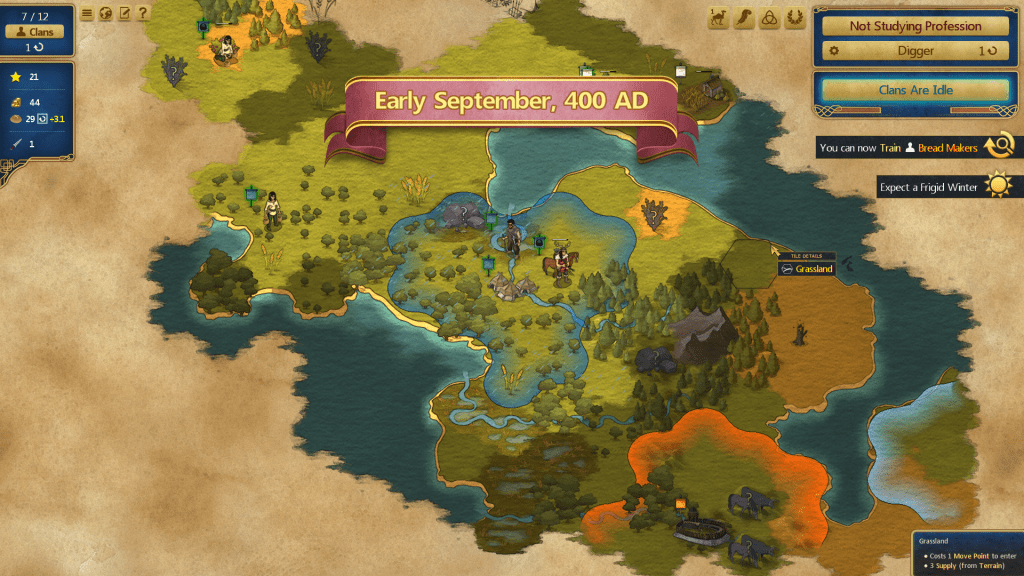
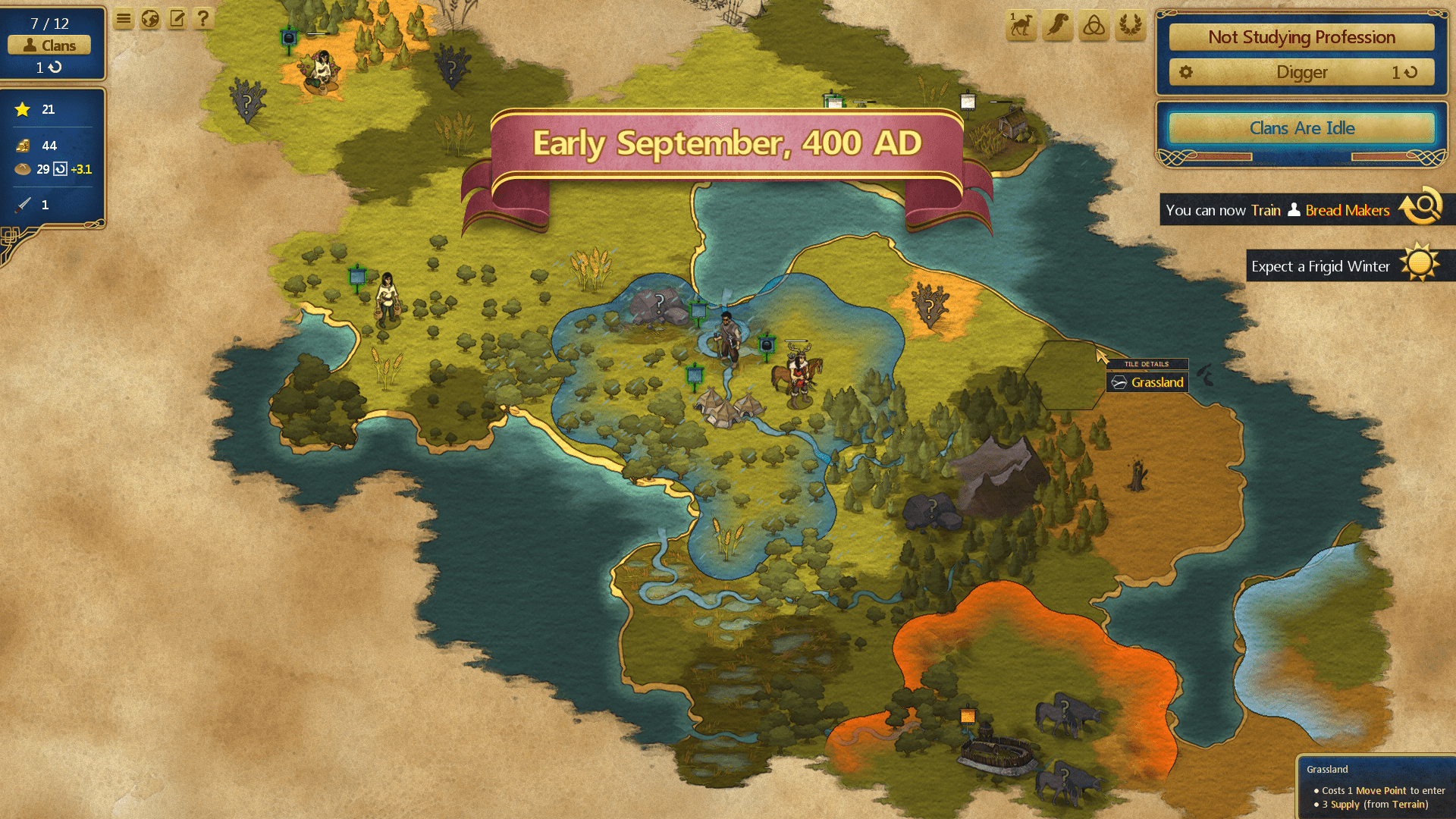


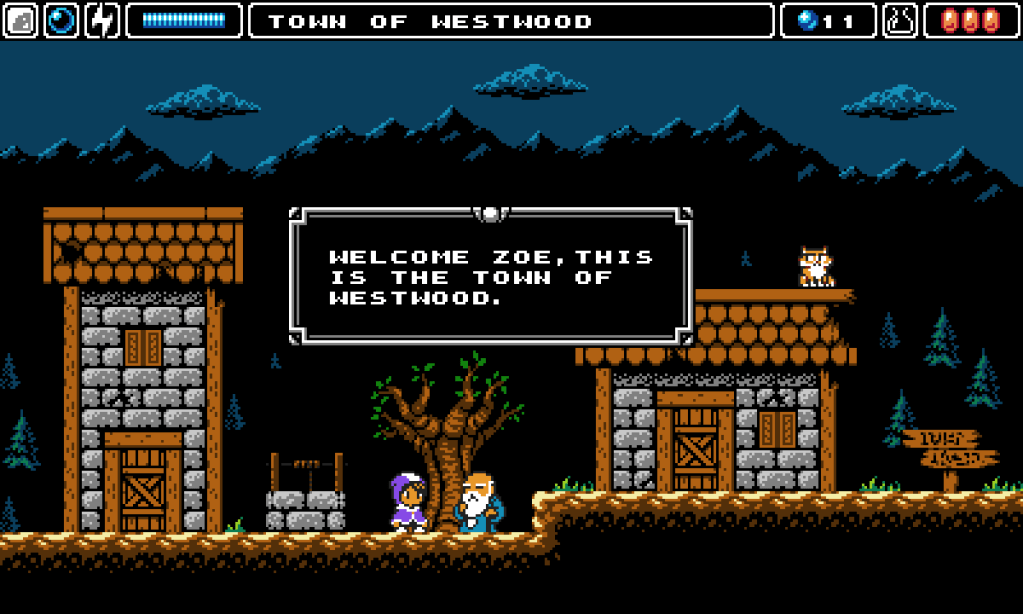



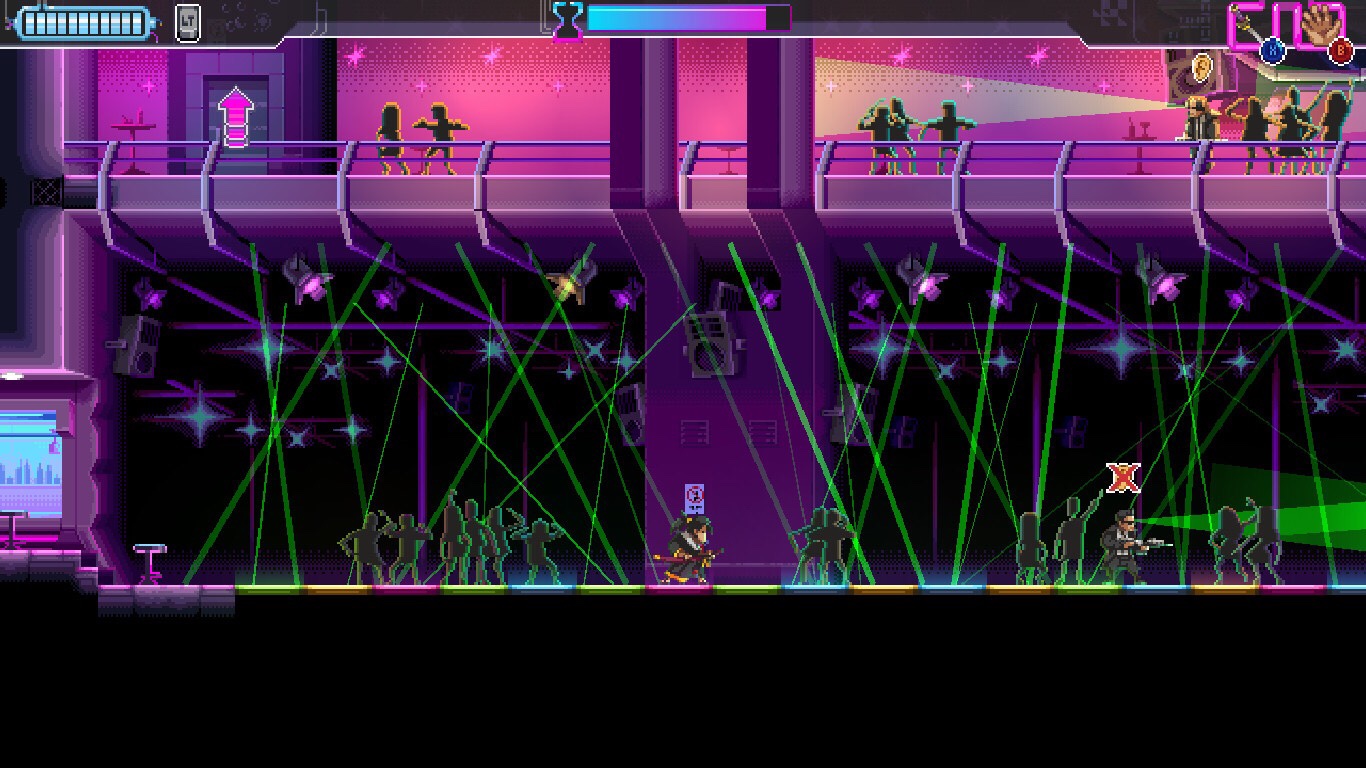
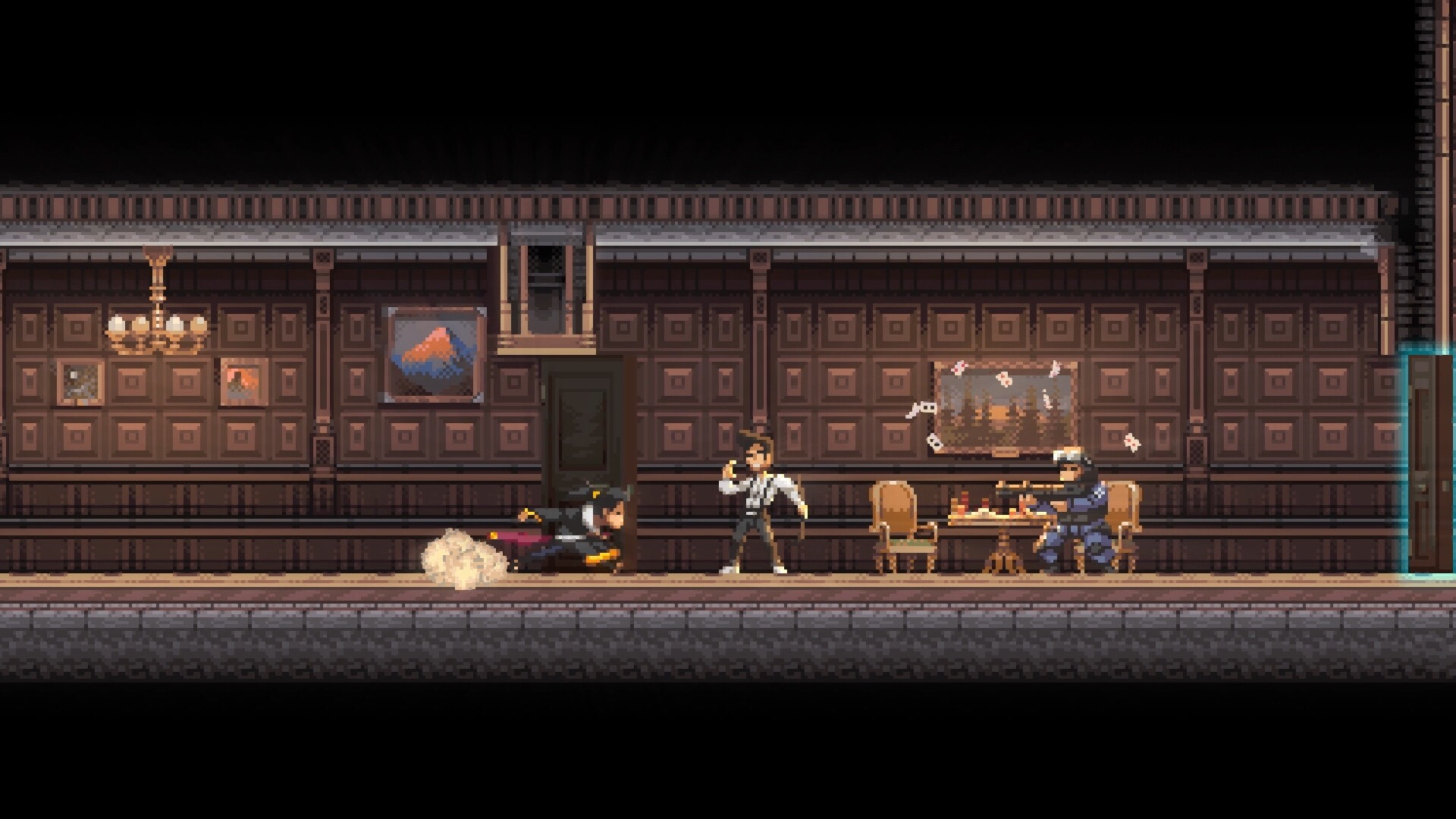
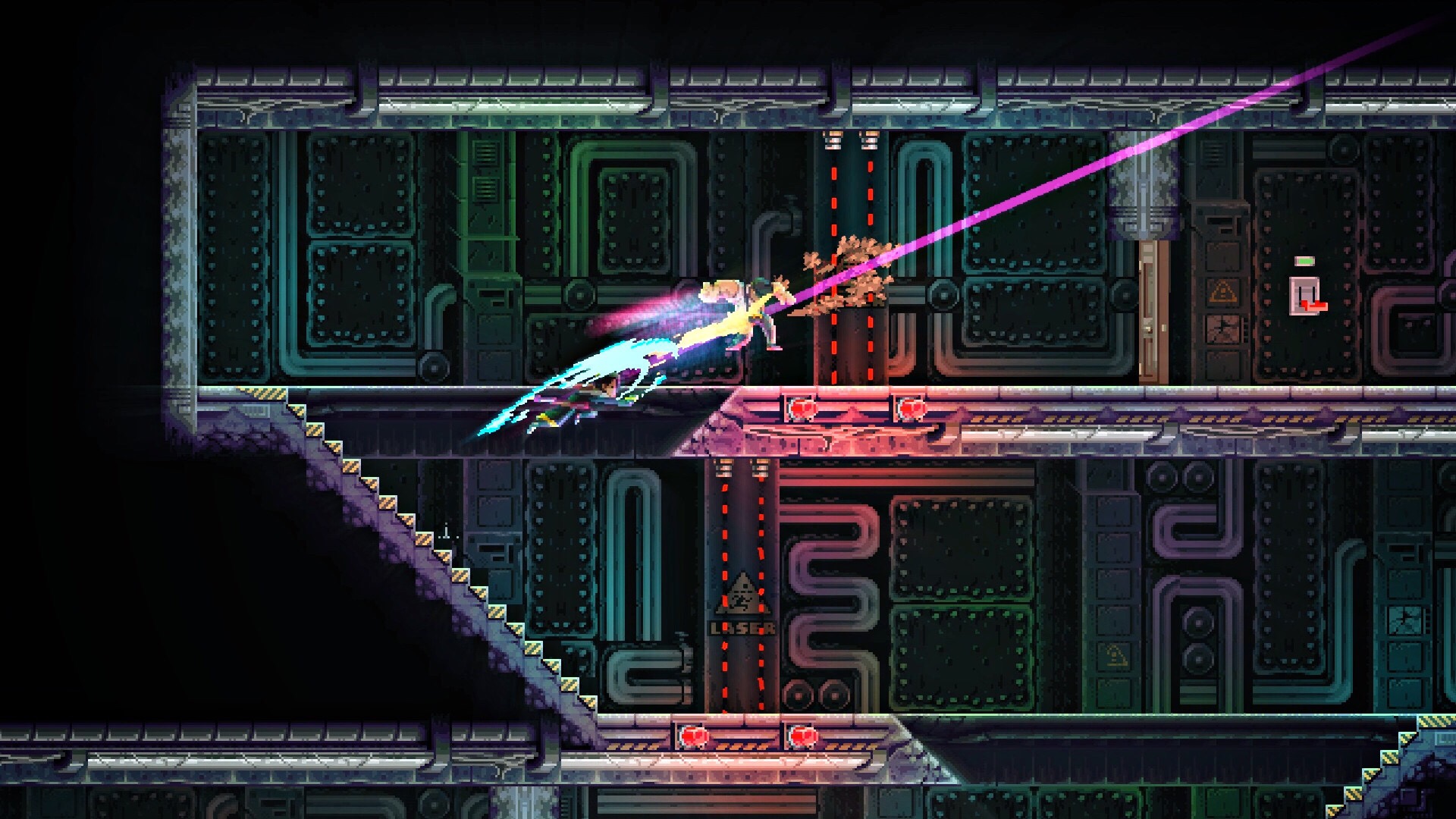

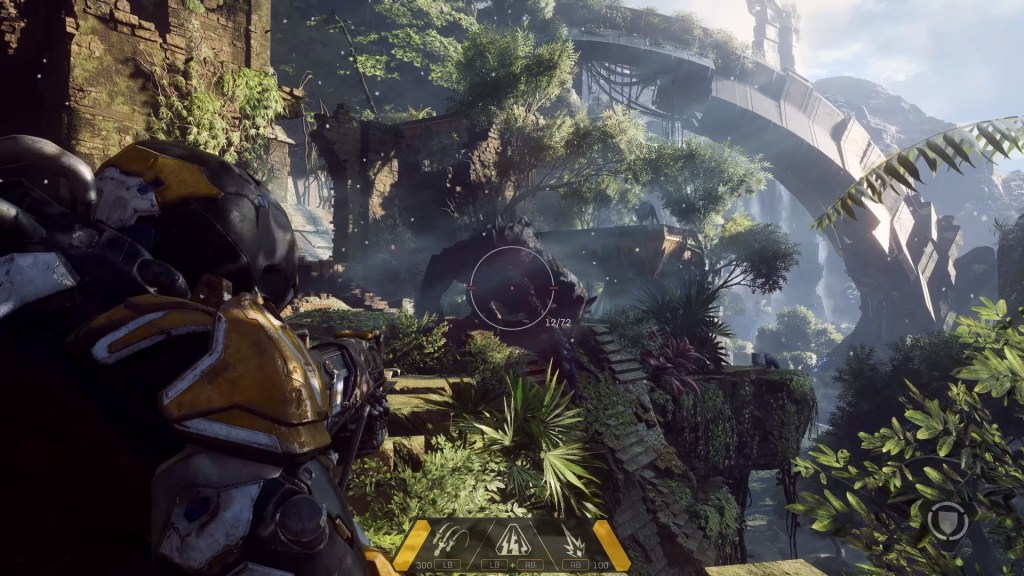
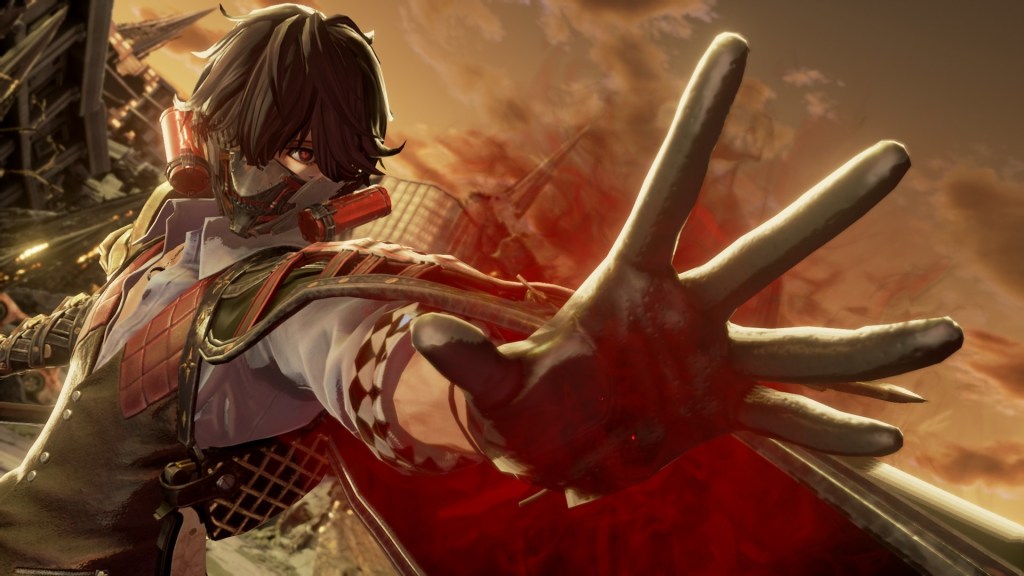
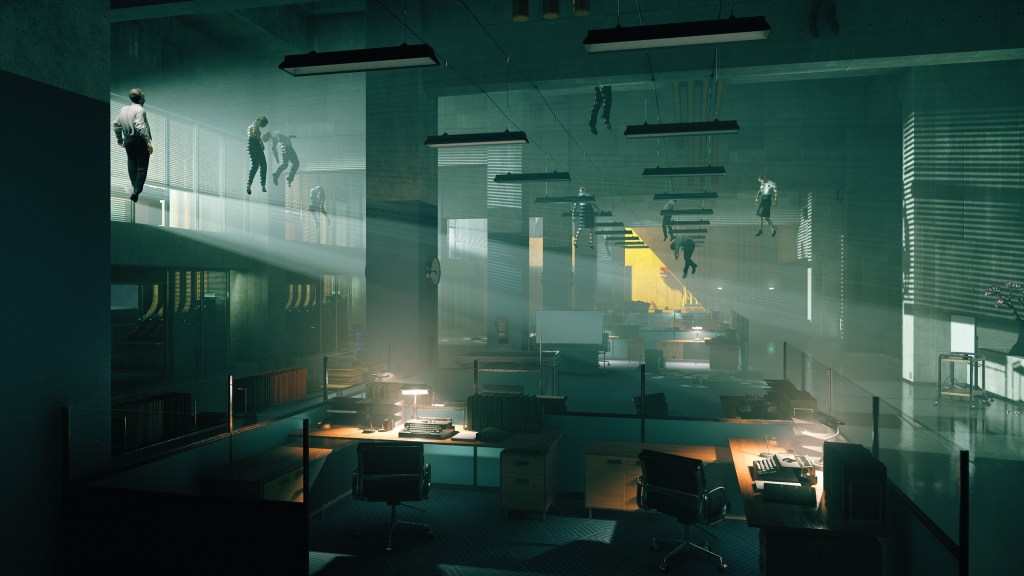
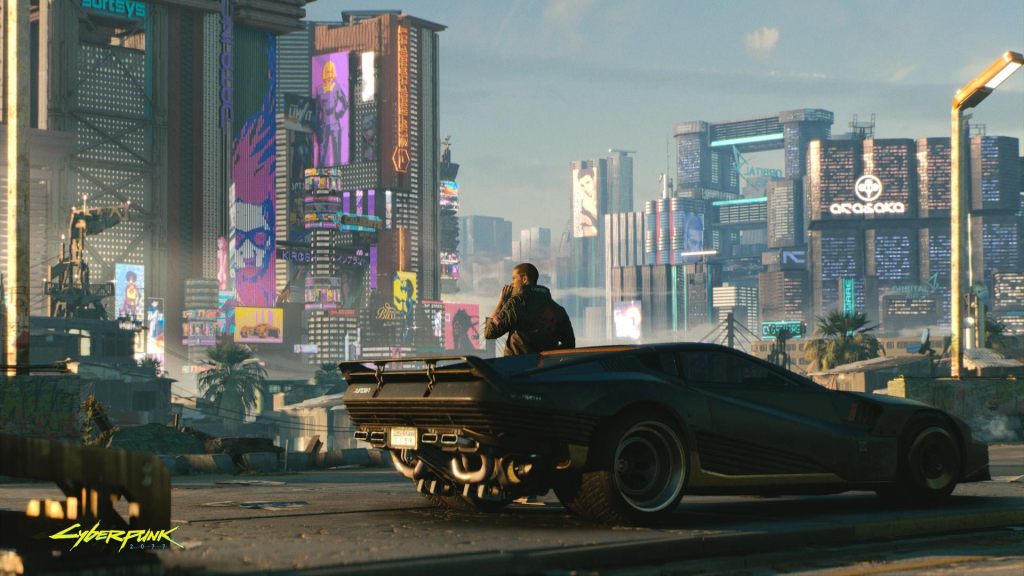
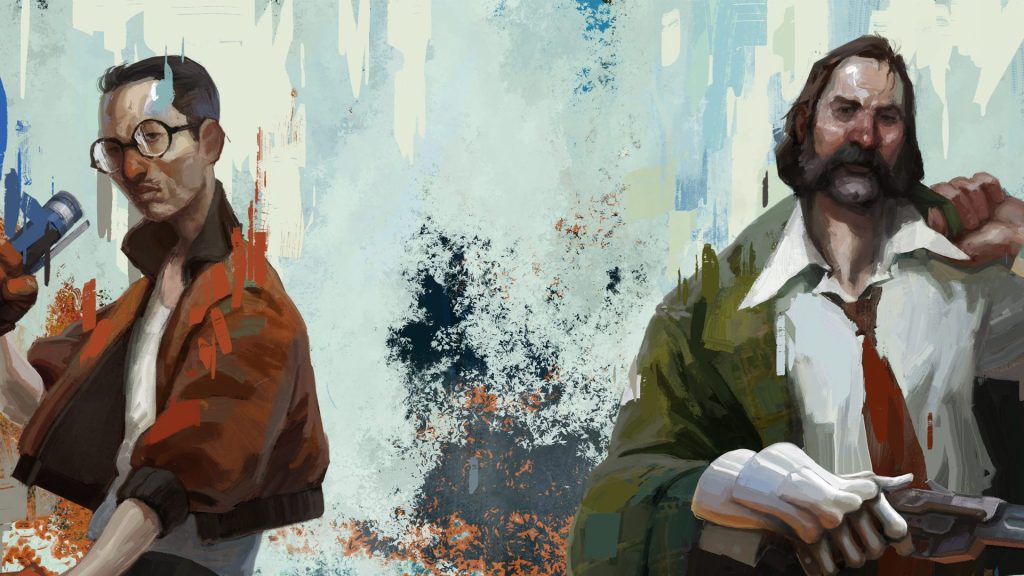


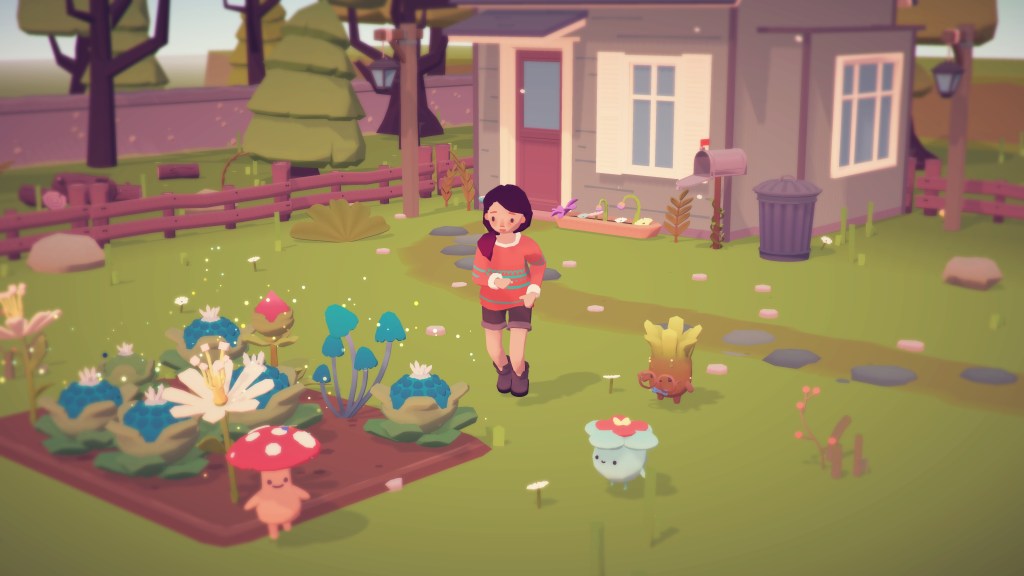

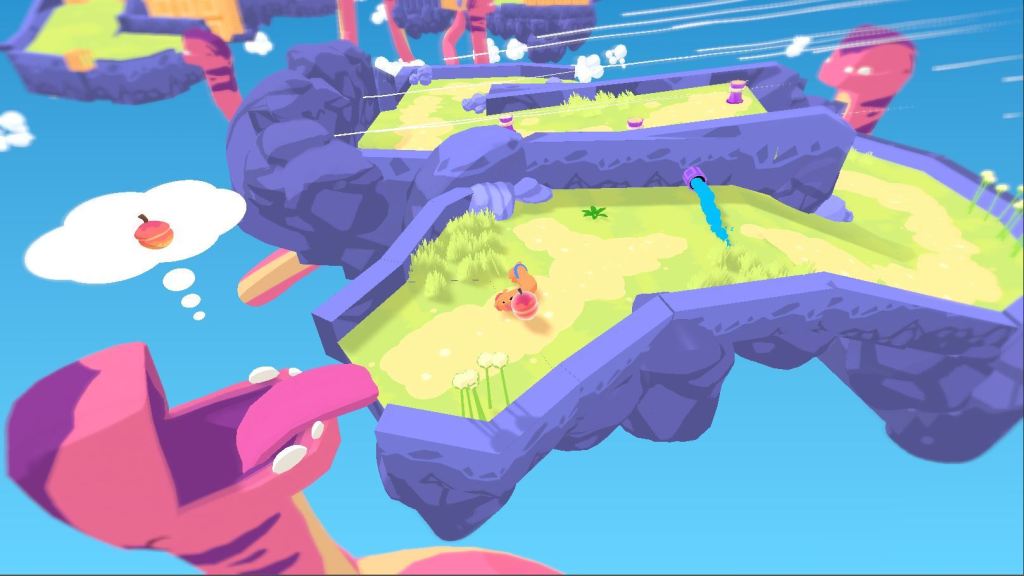
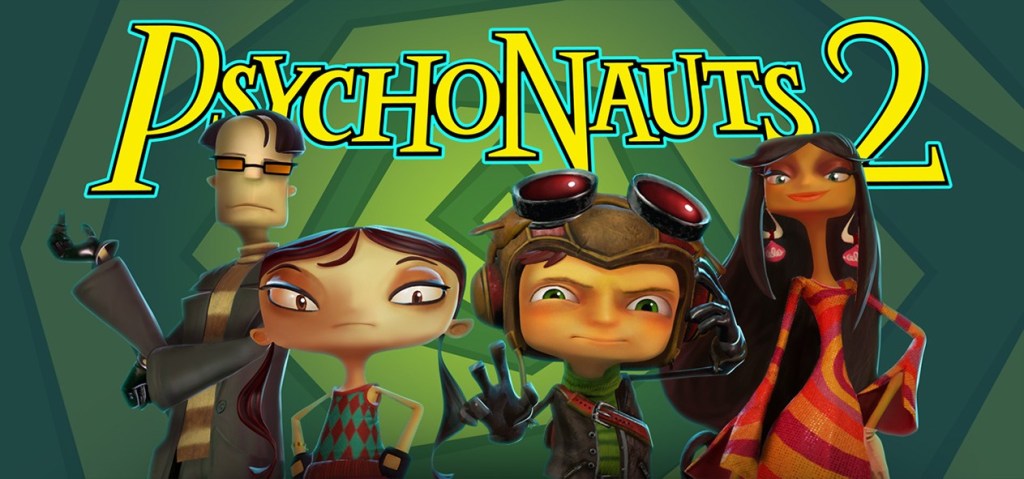




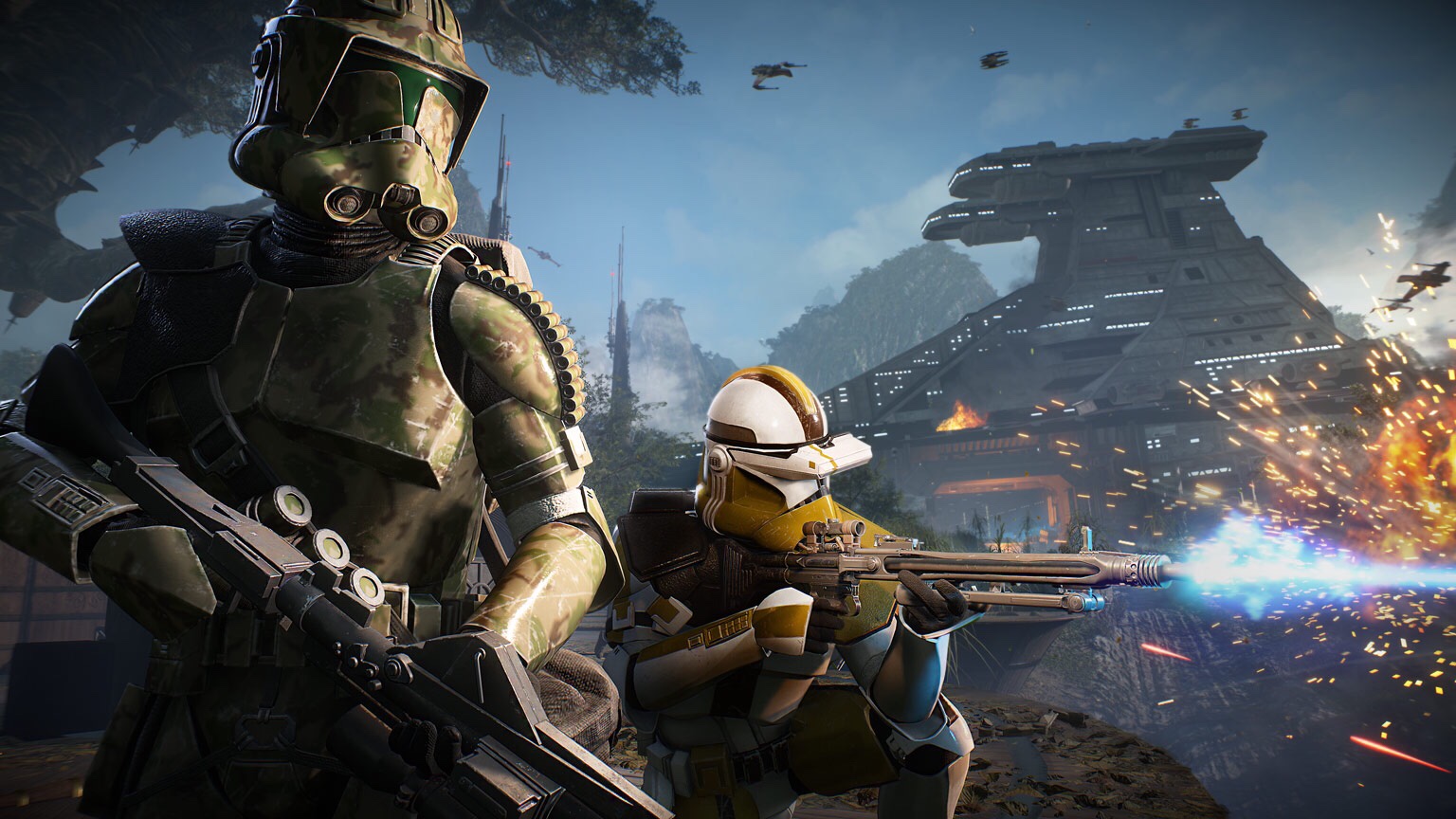
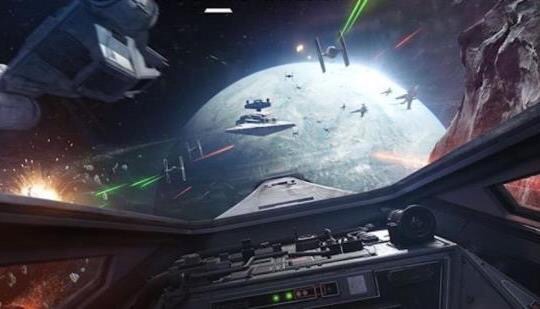

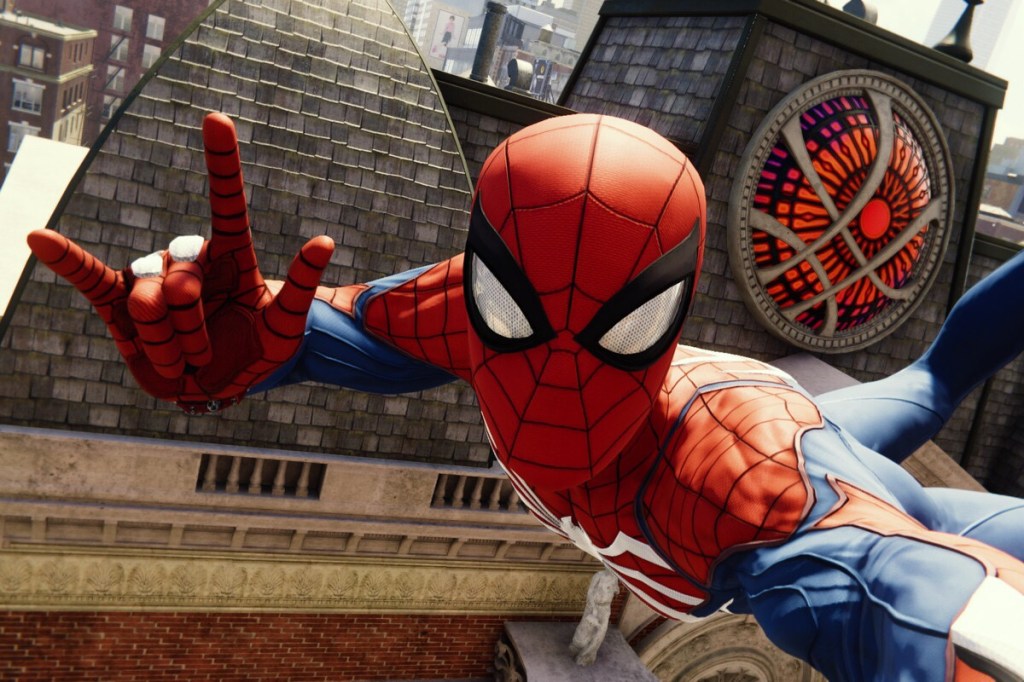
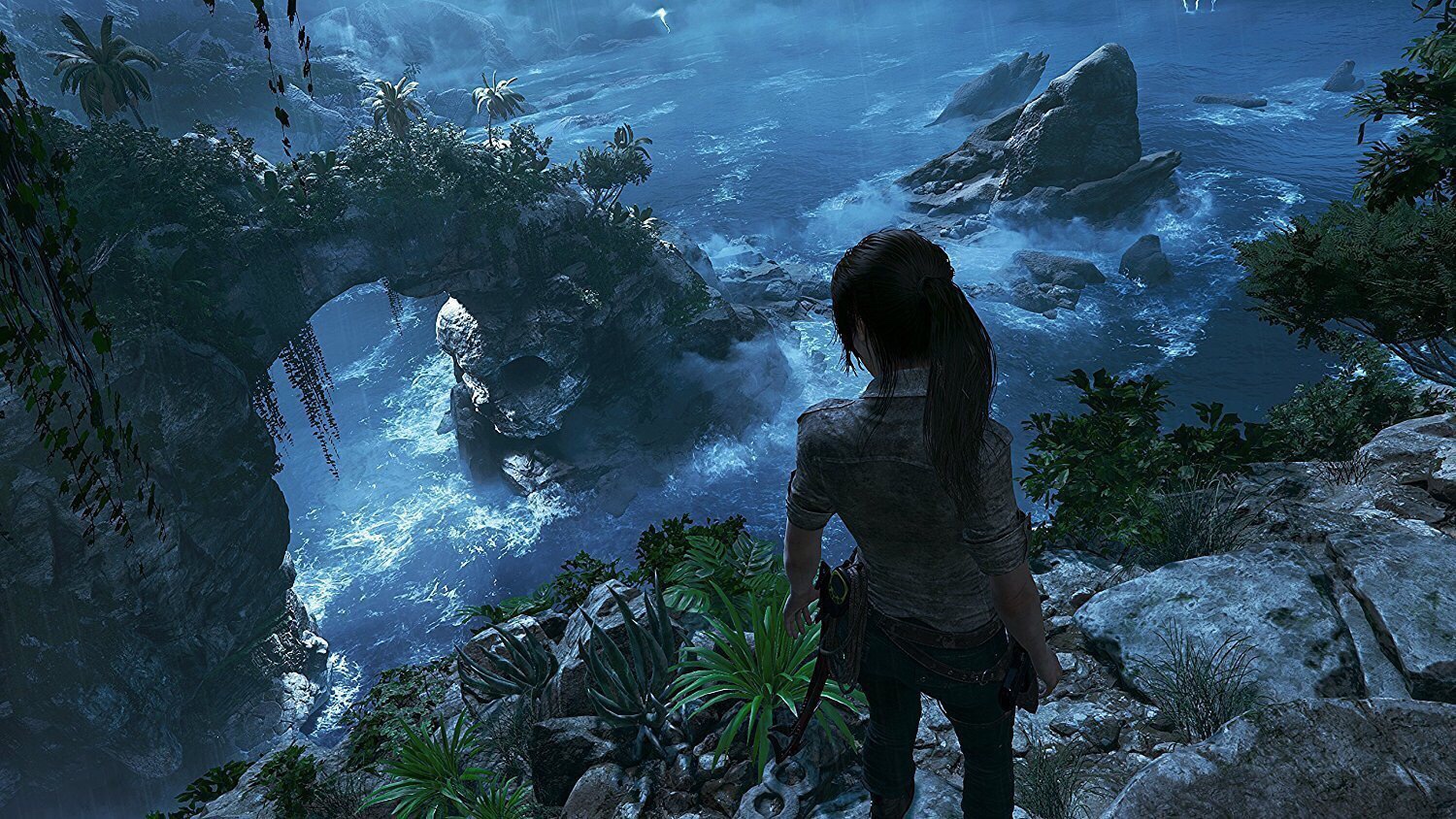
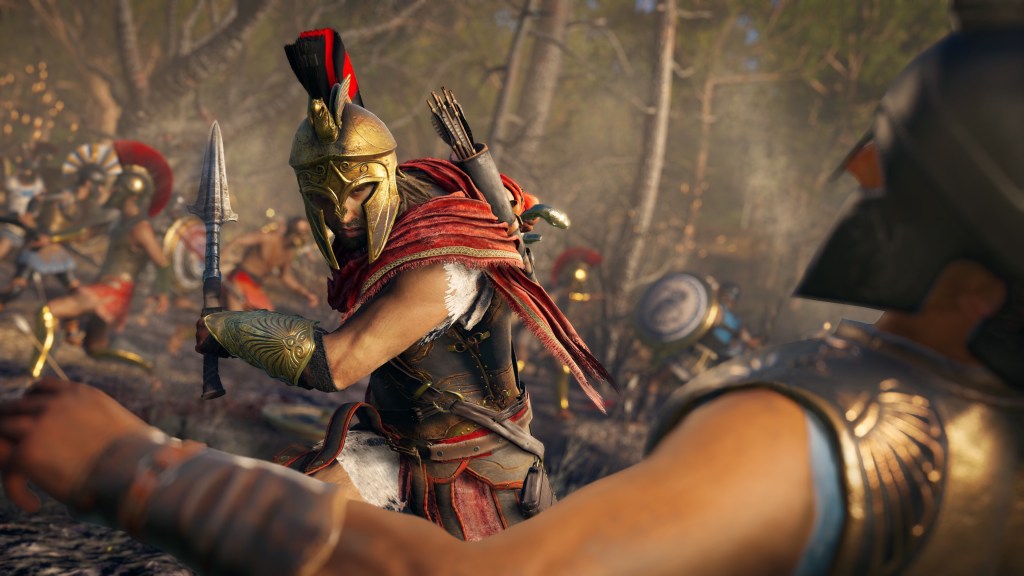
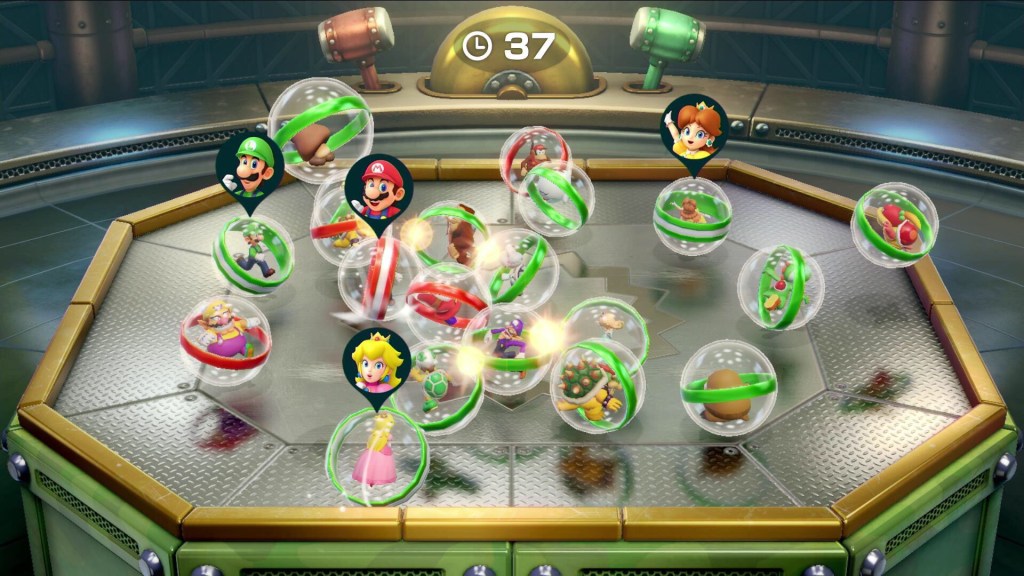
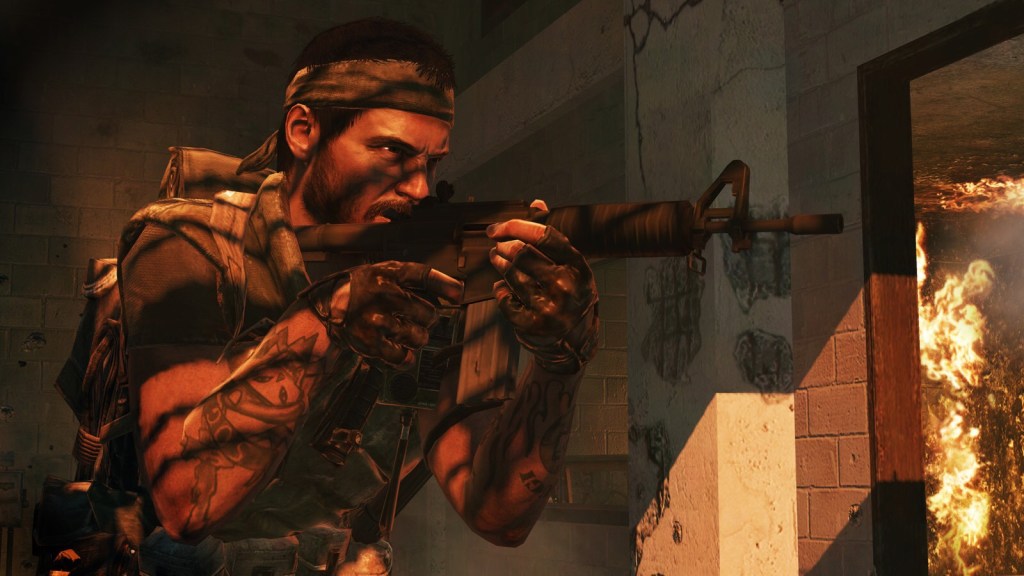
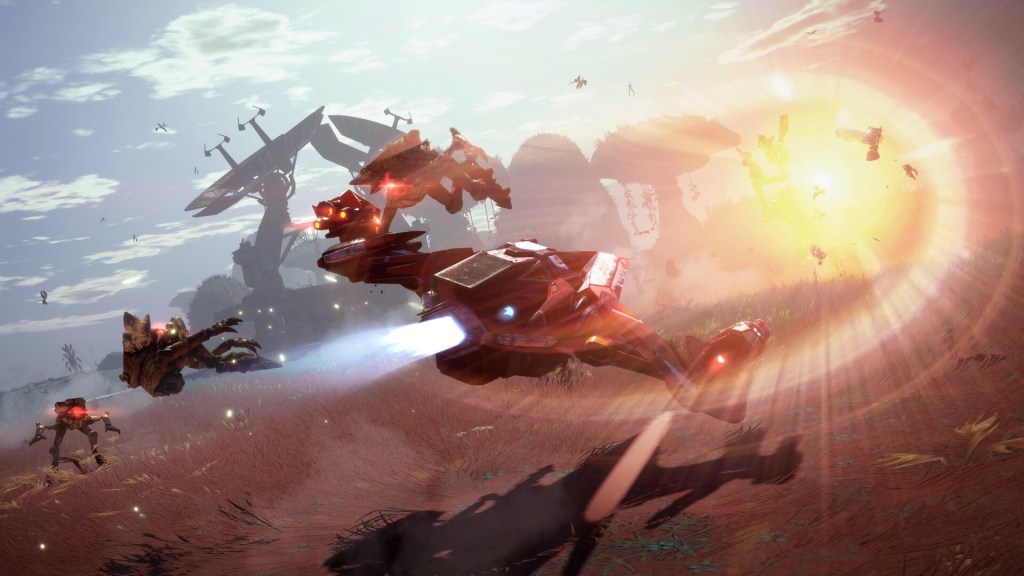
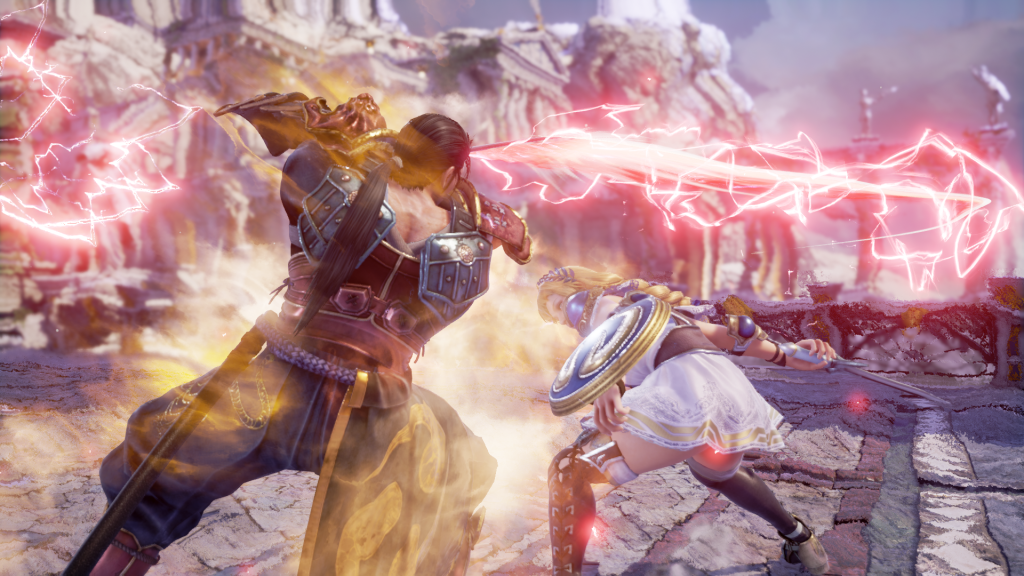
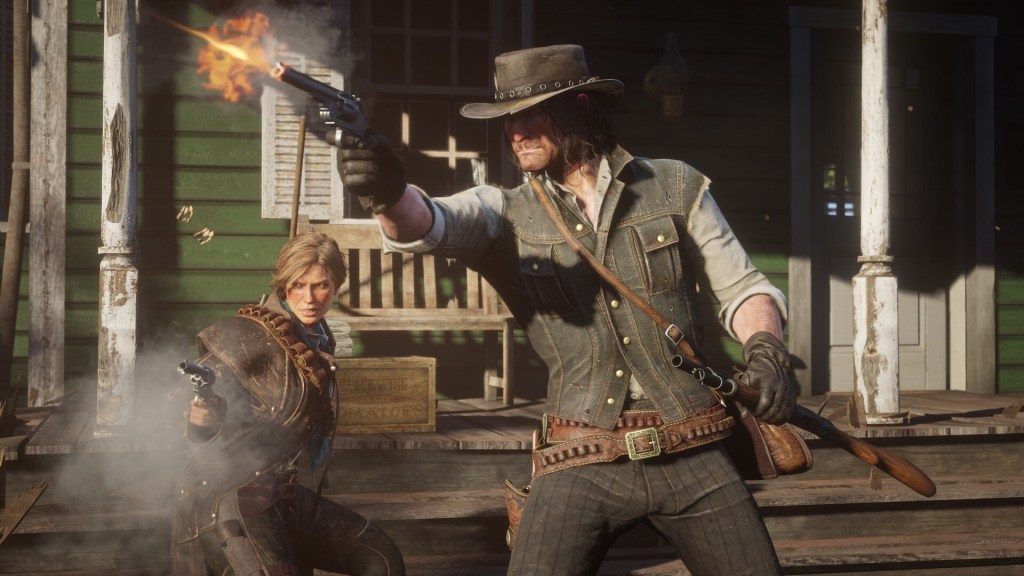
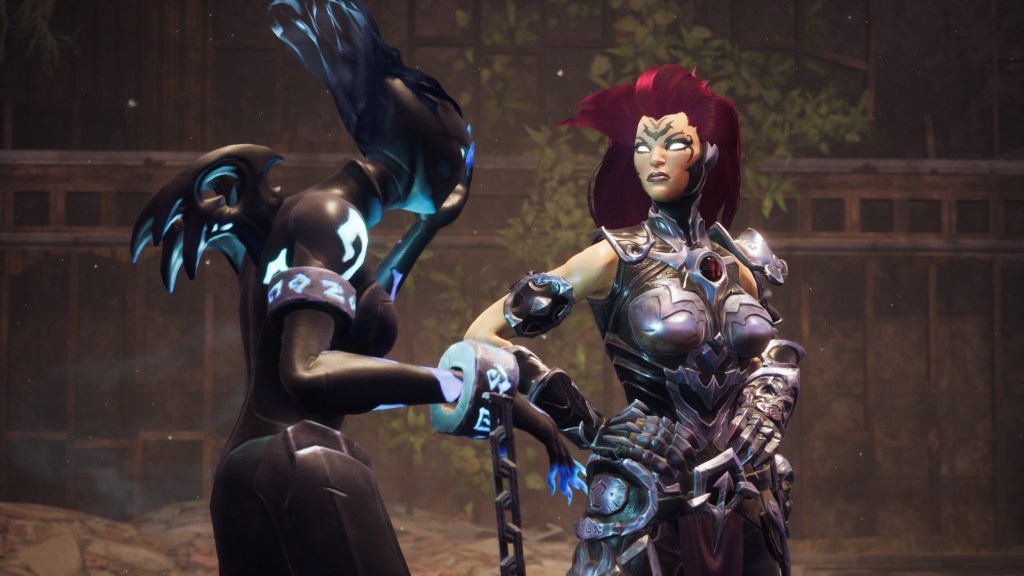
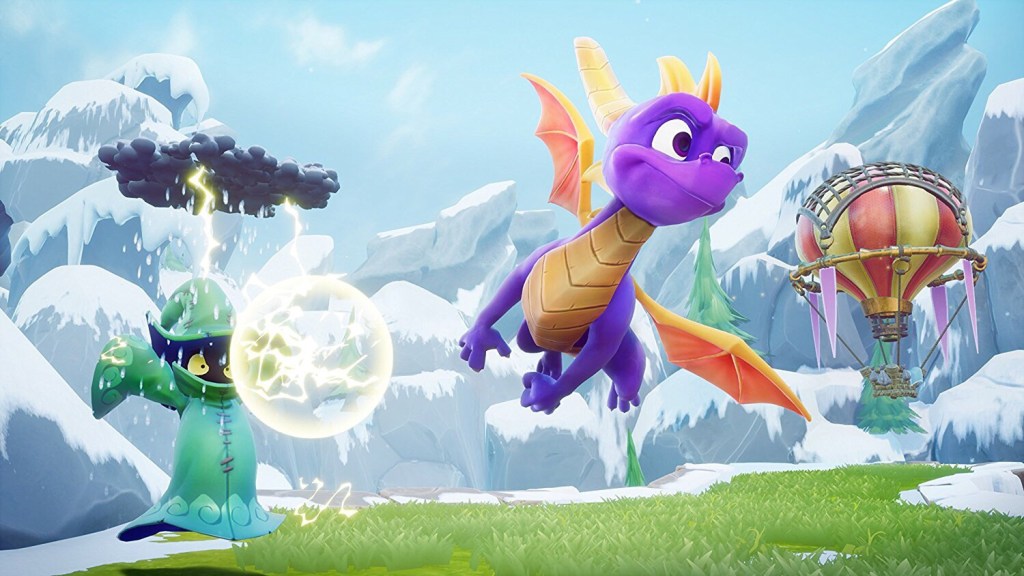
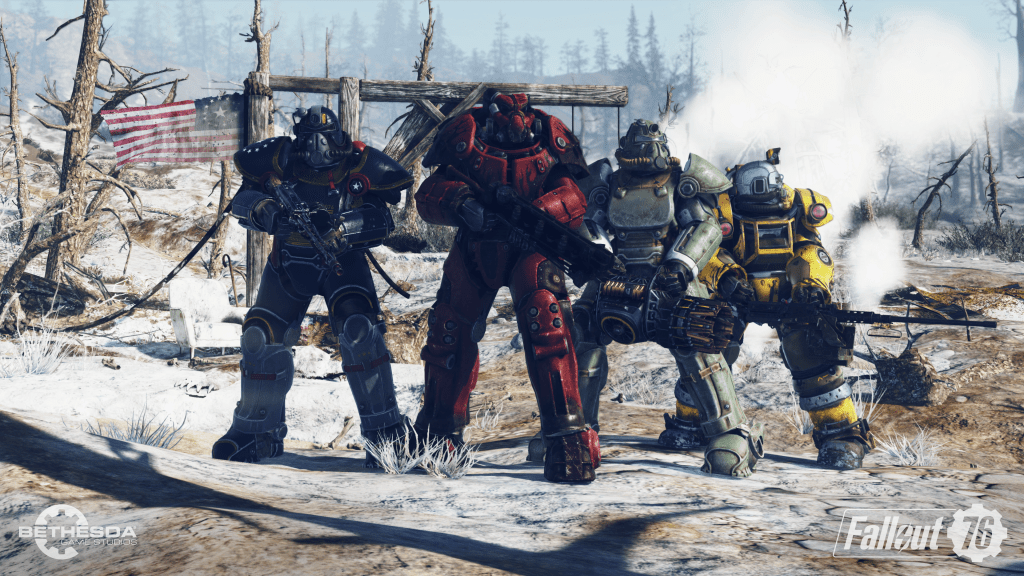
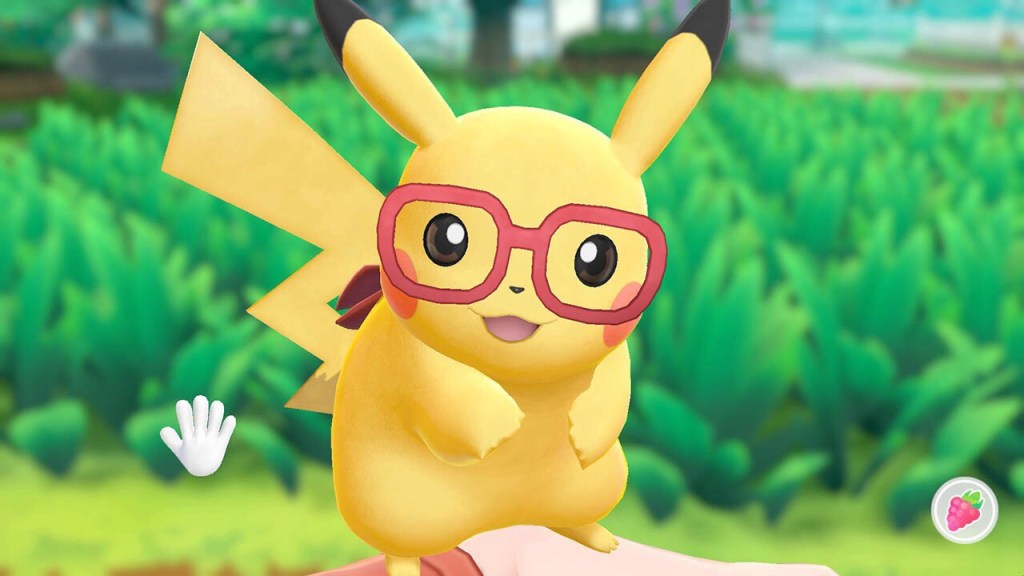
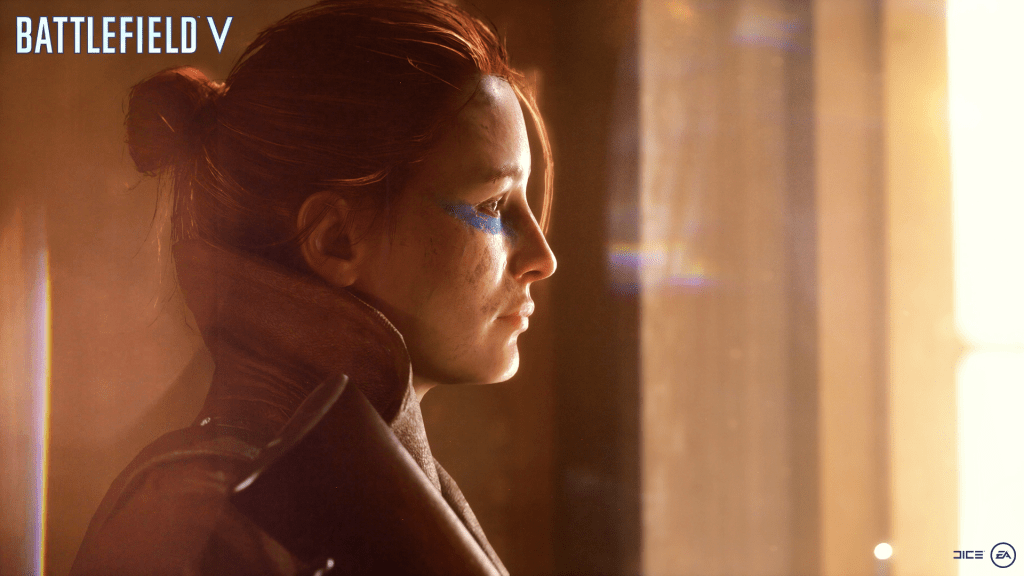
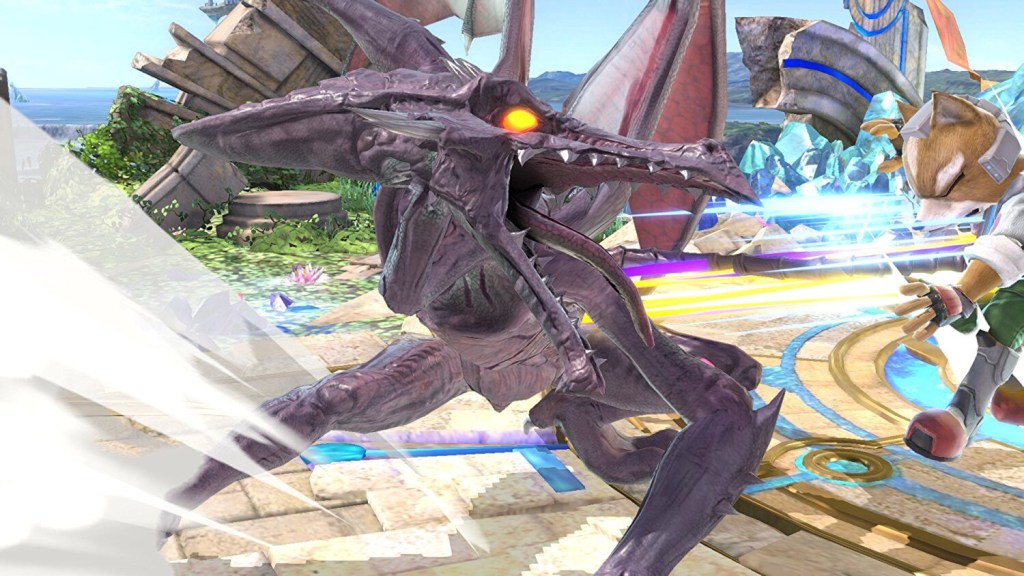



 What ho, chums!
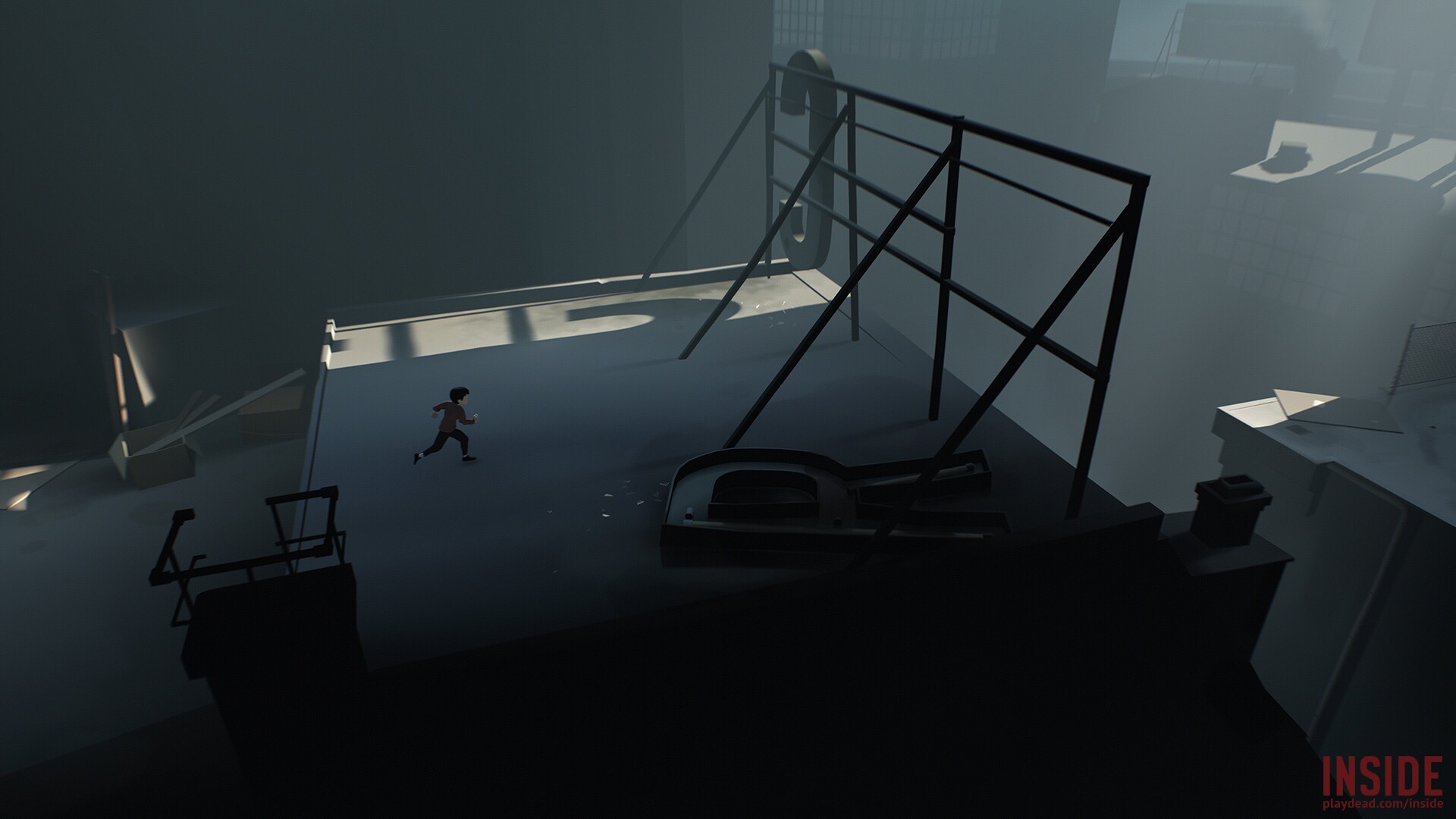
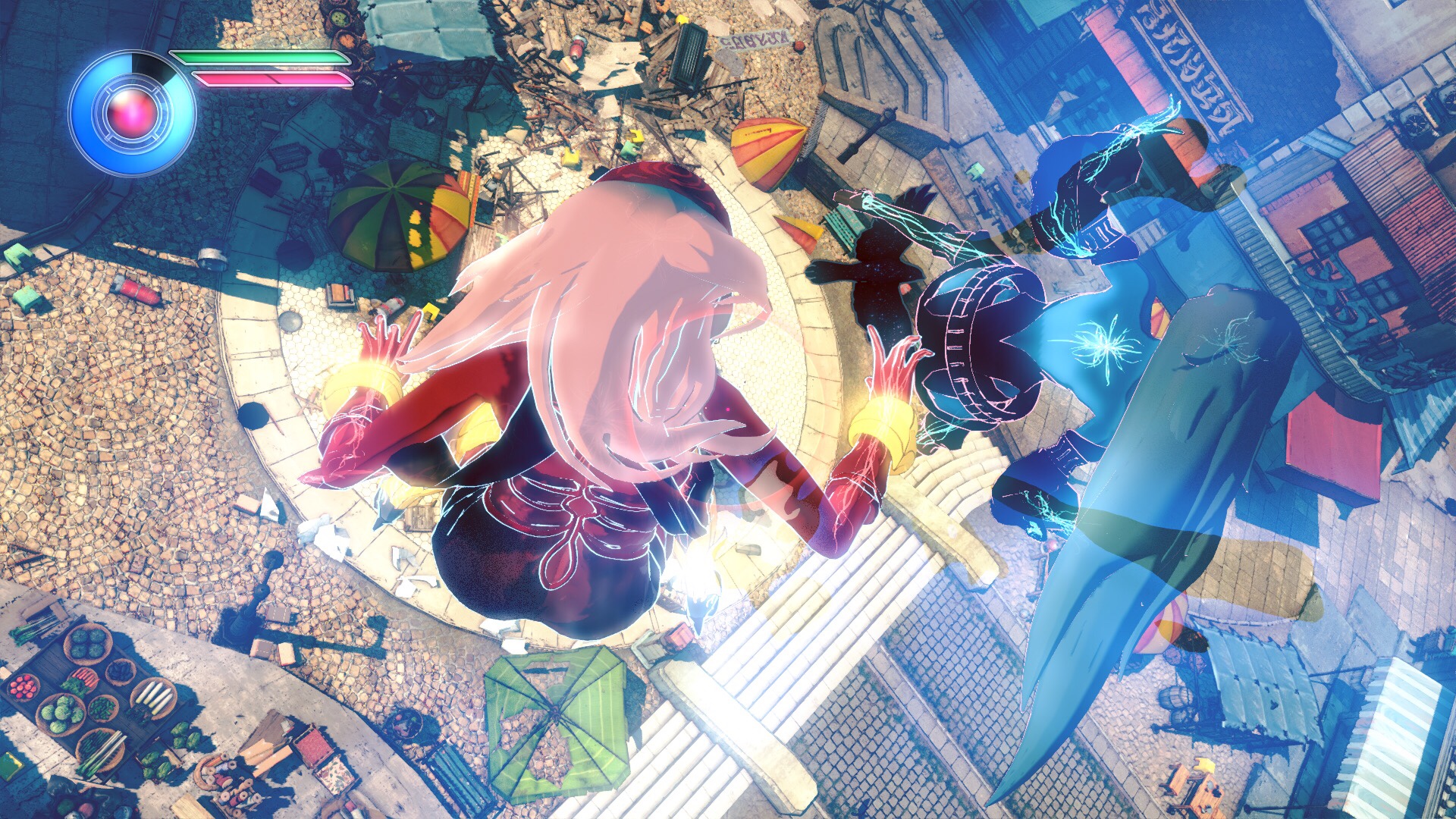
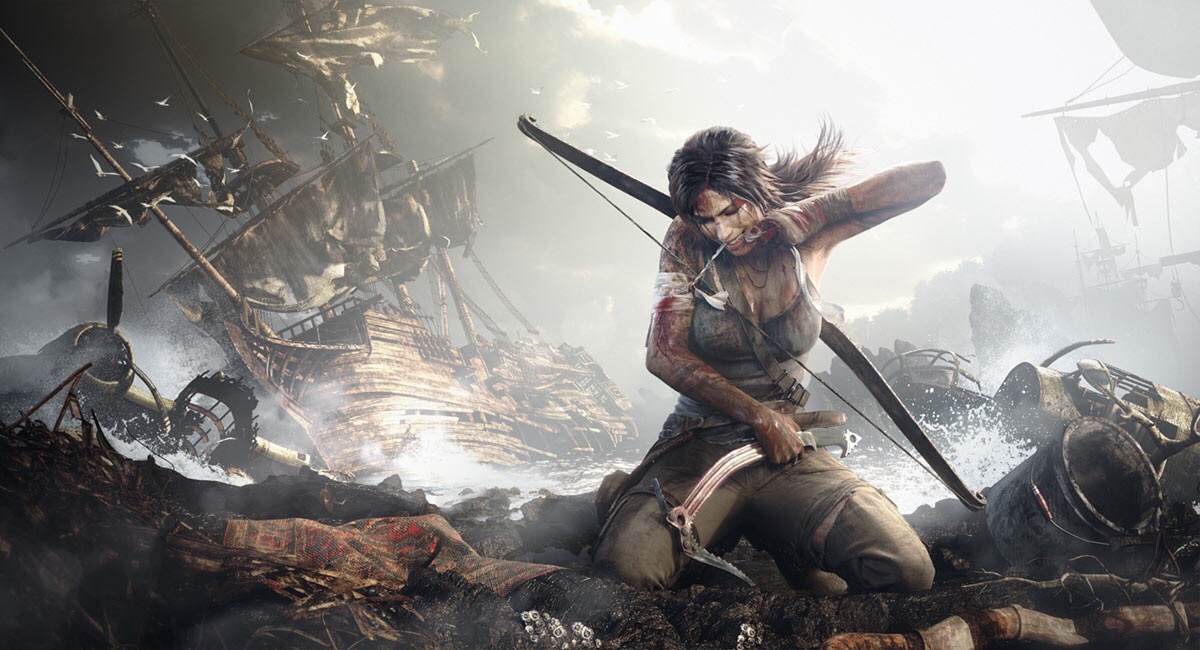
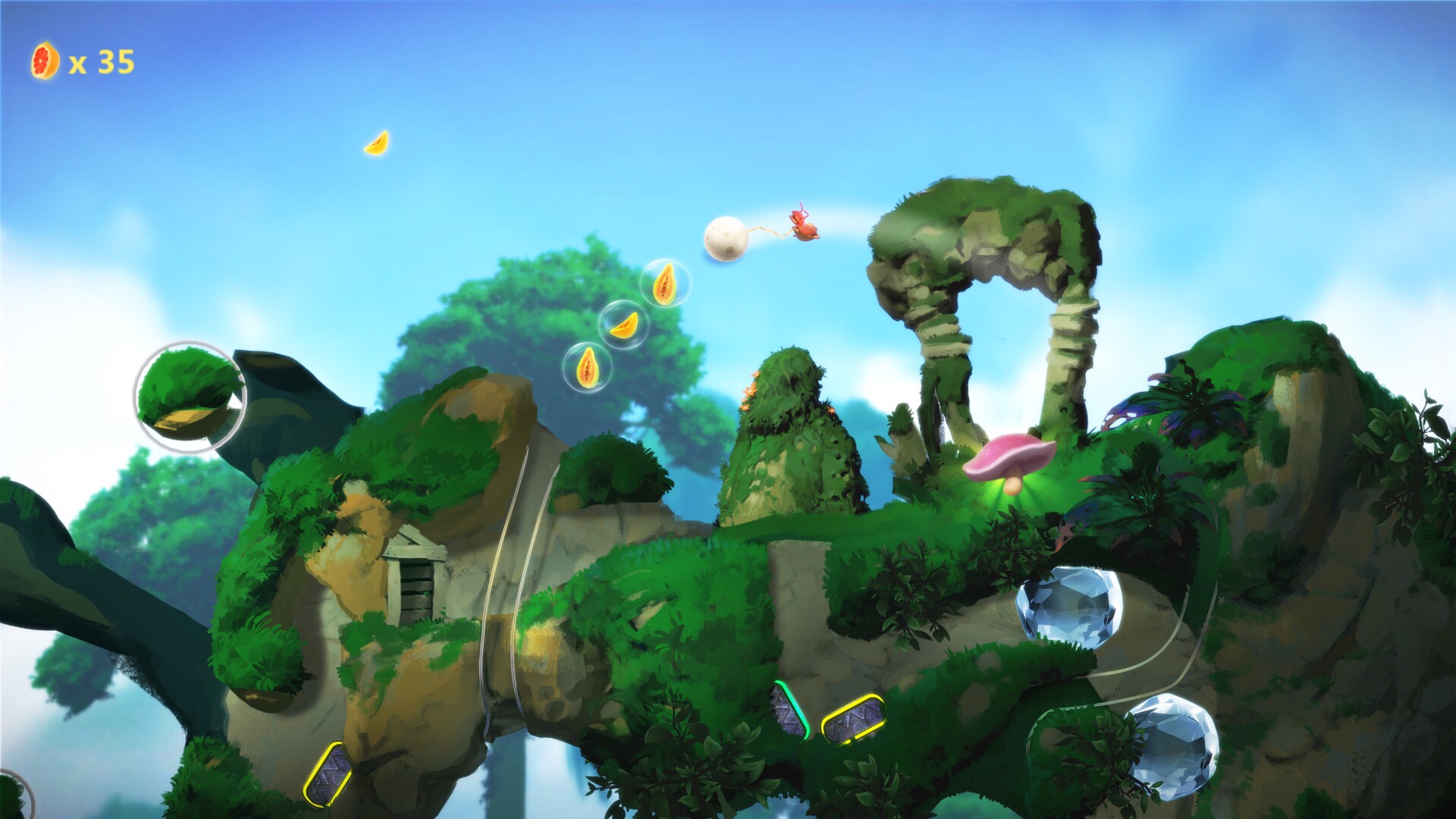
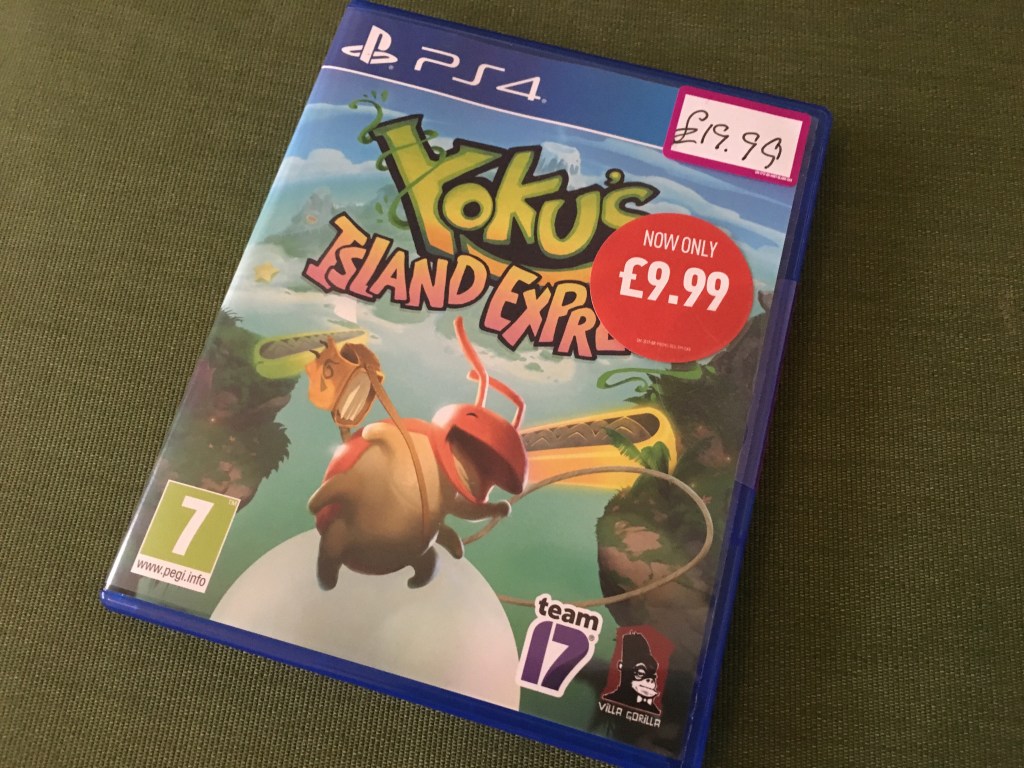
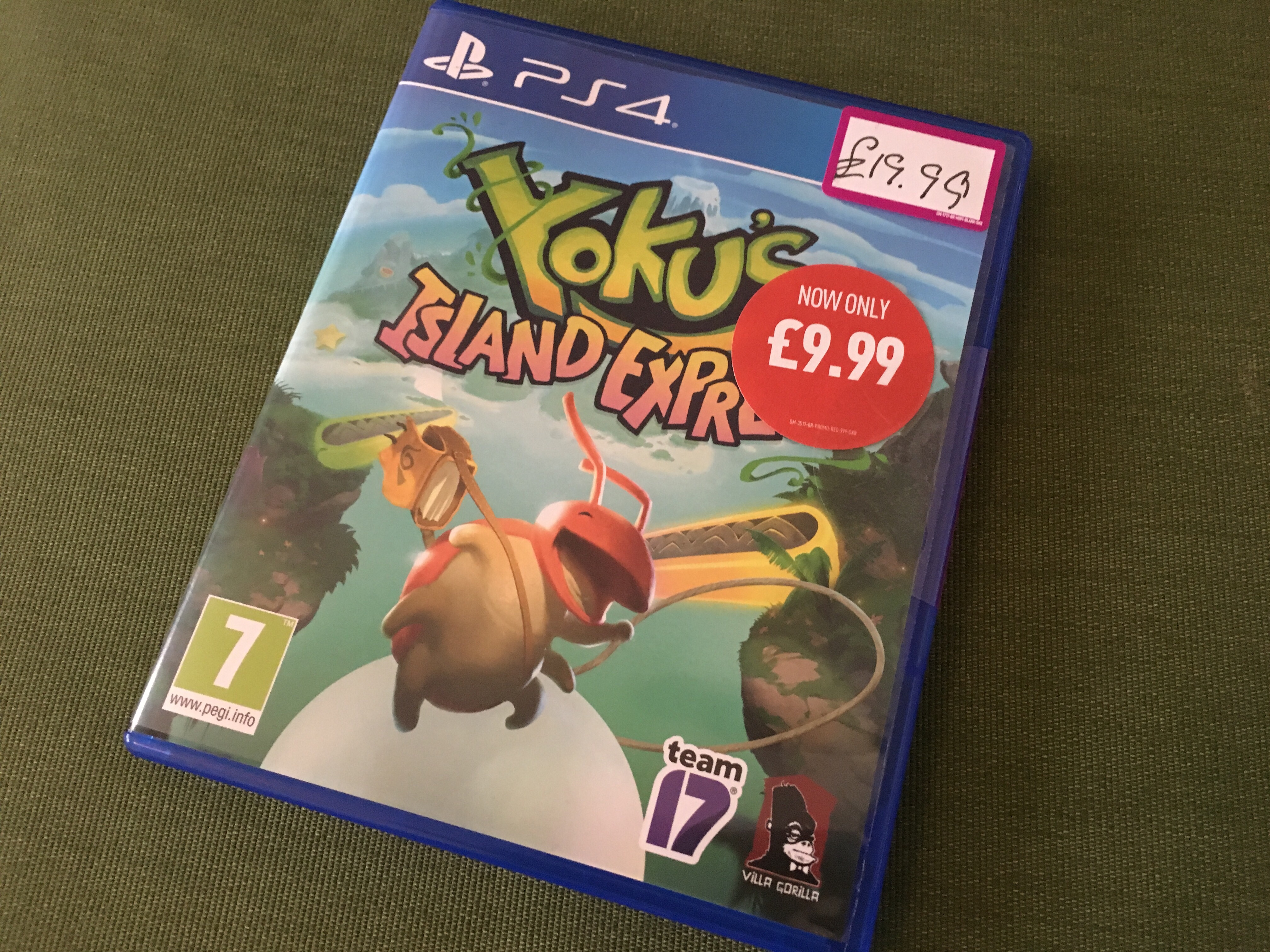

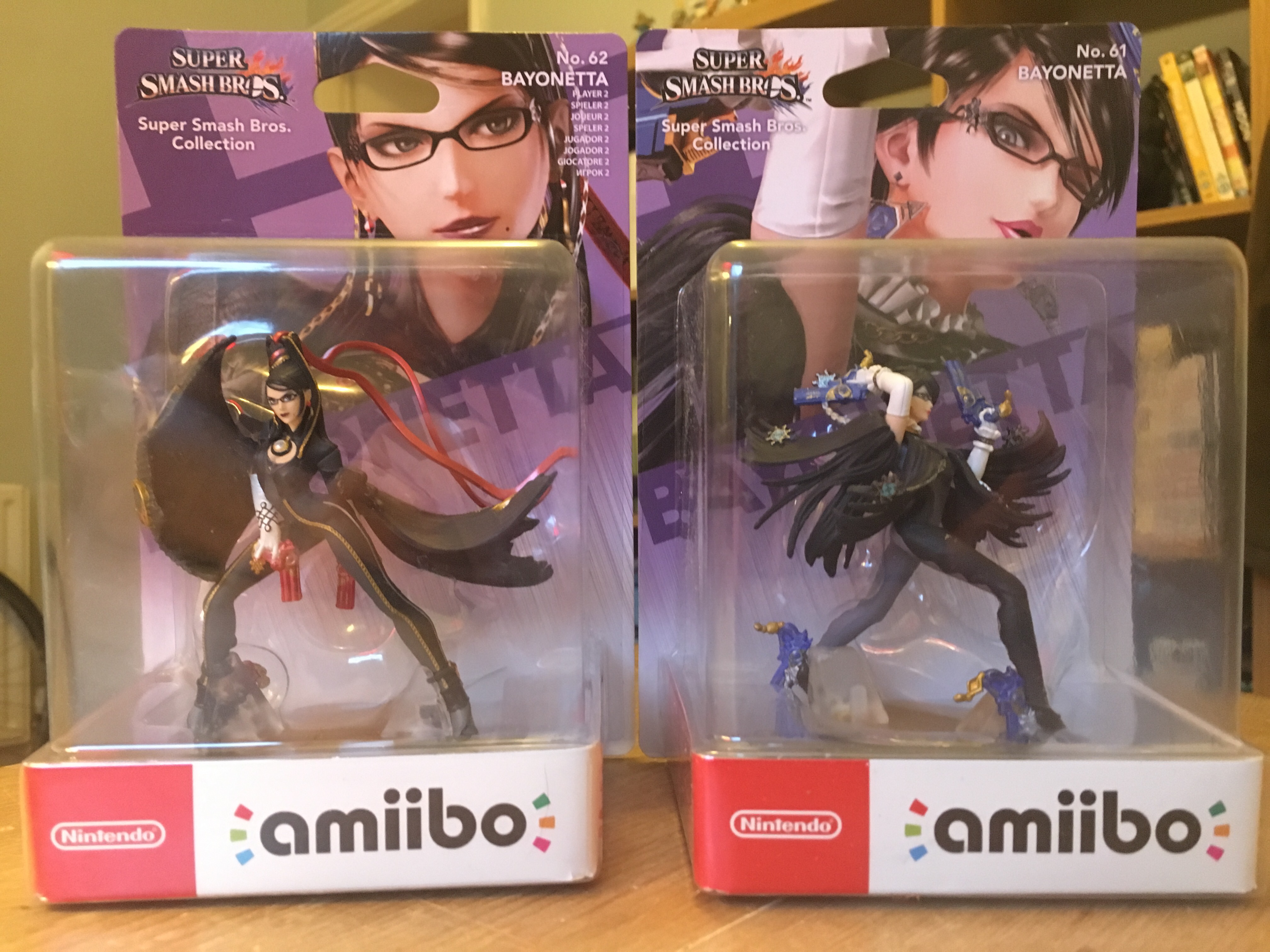
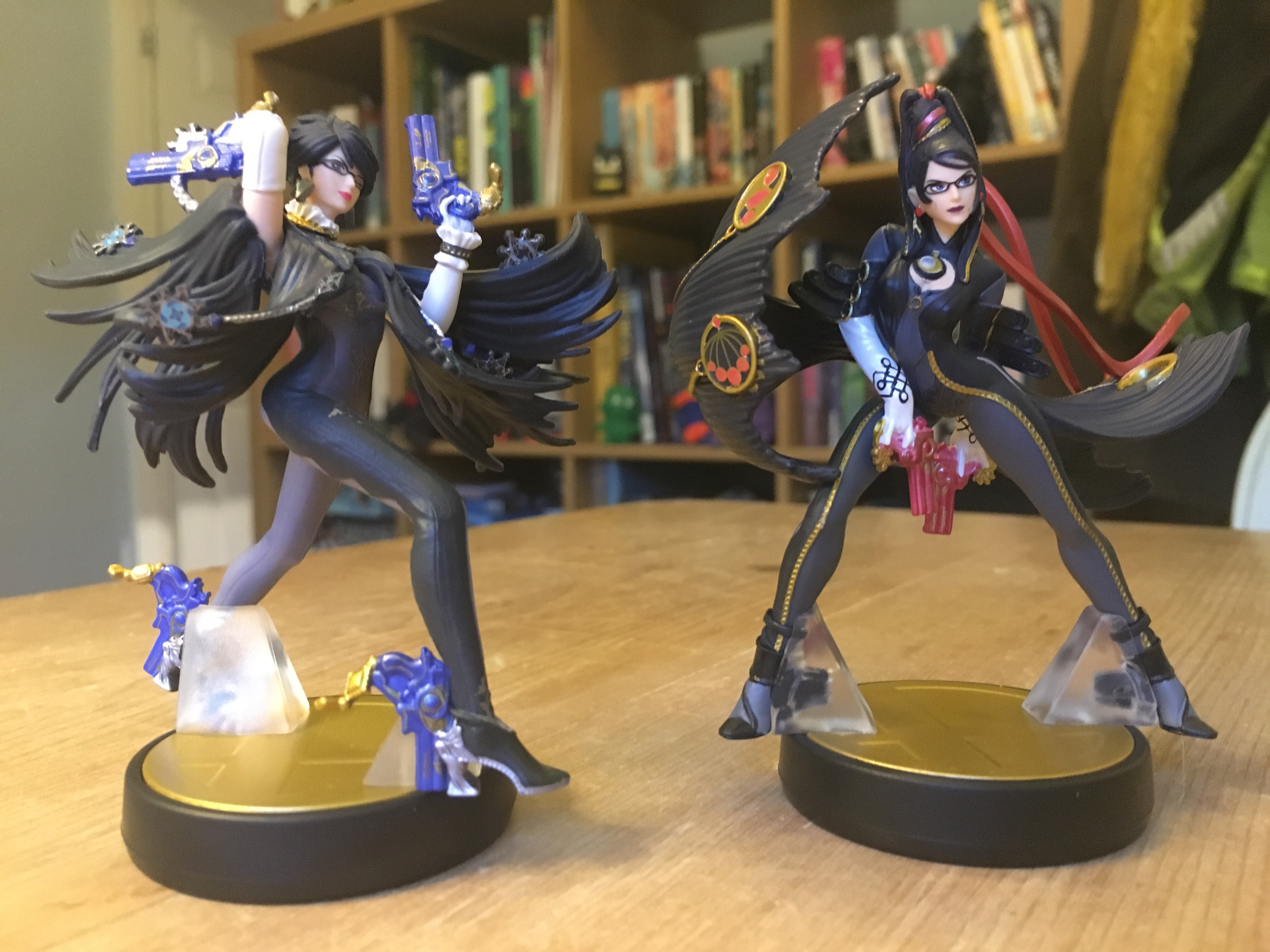



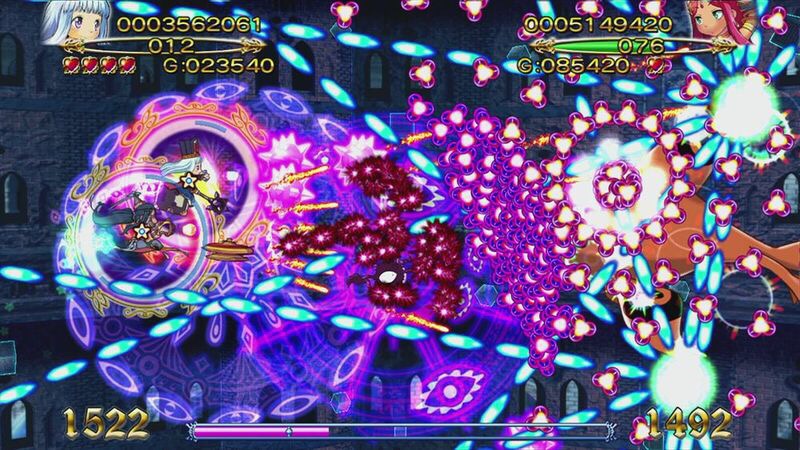


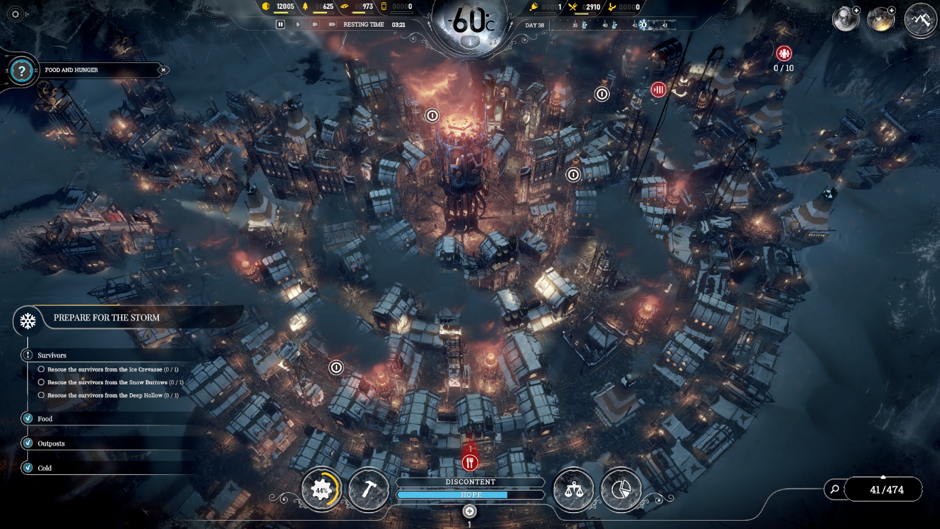

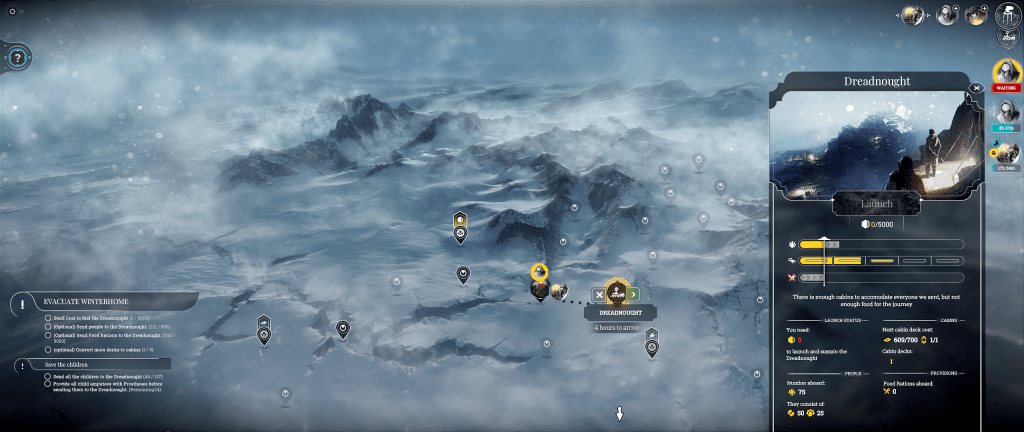
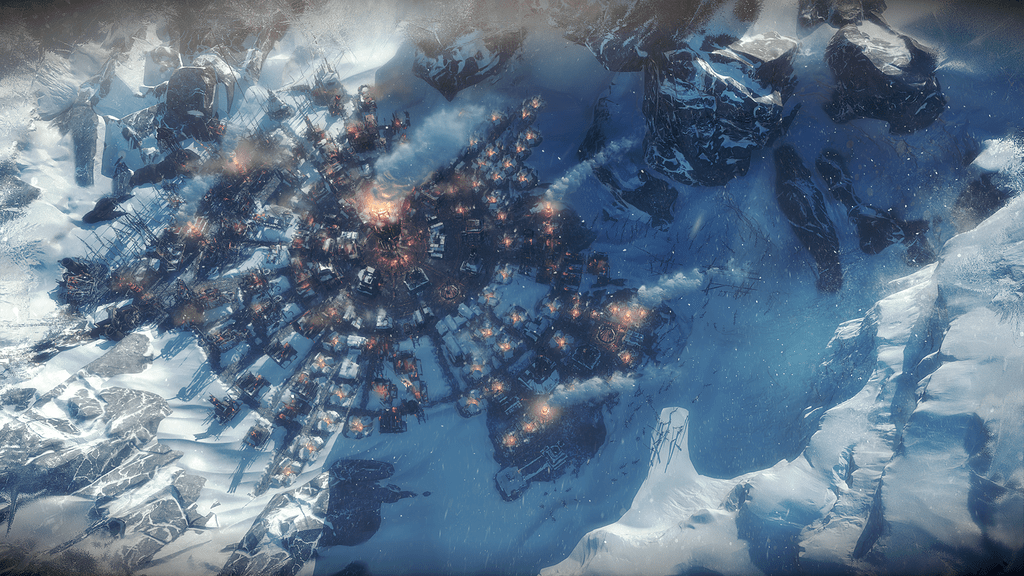
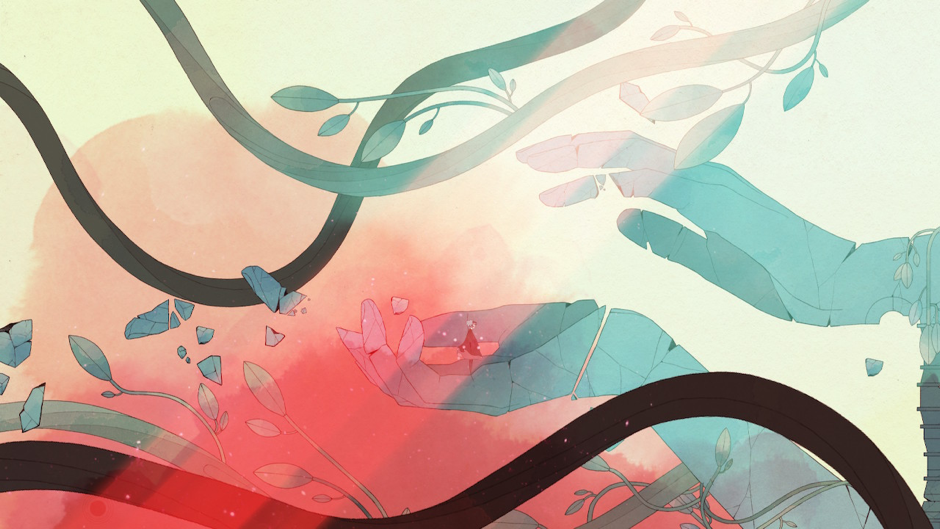

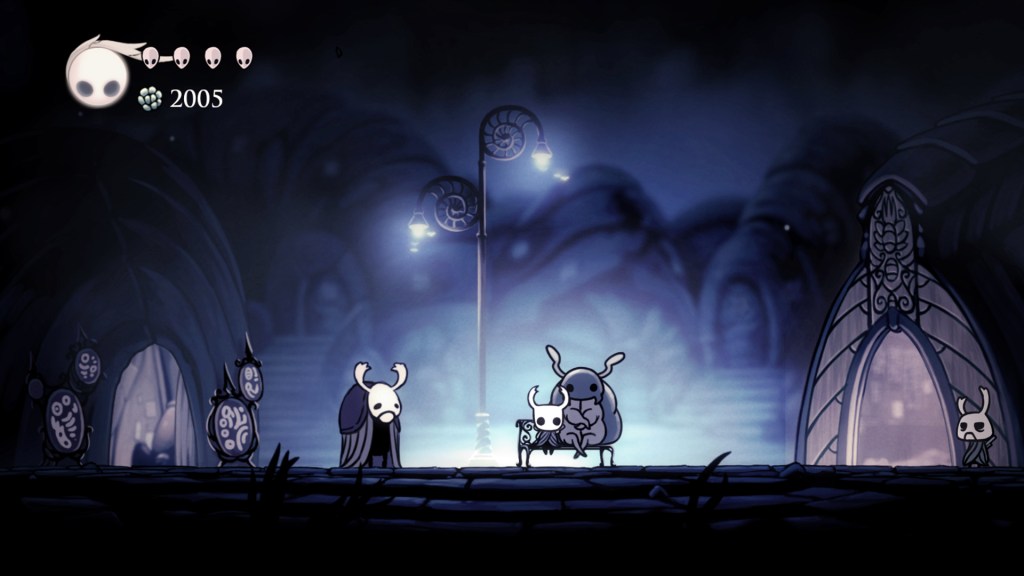
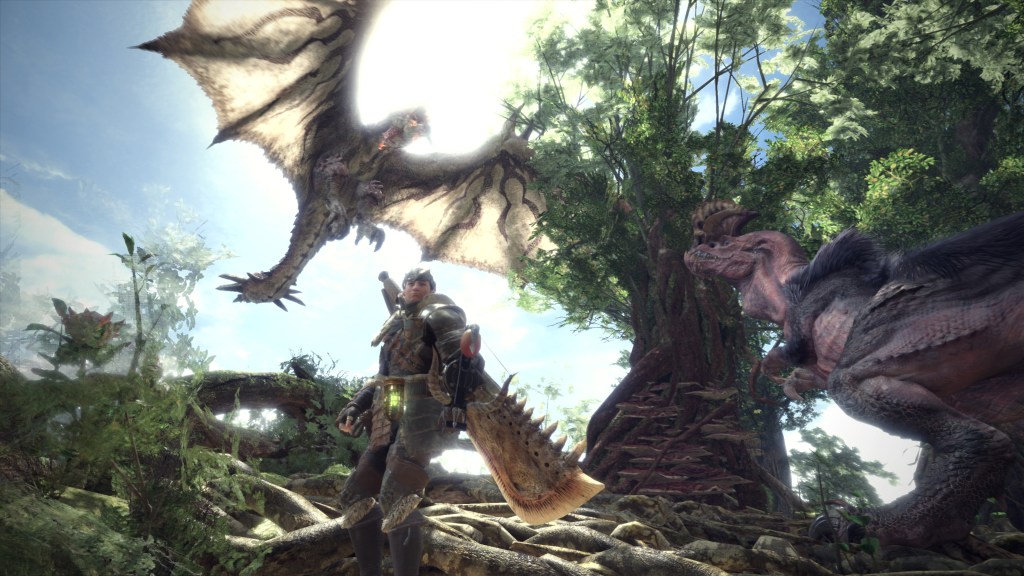
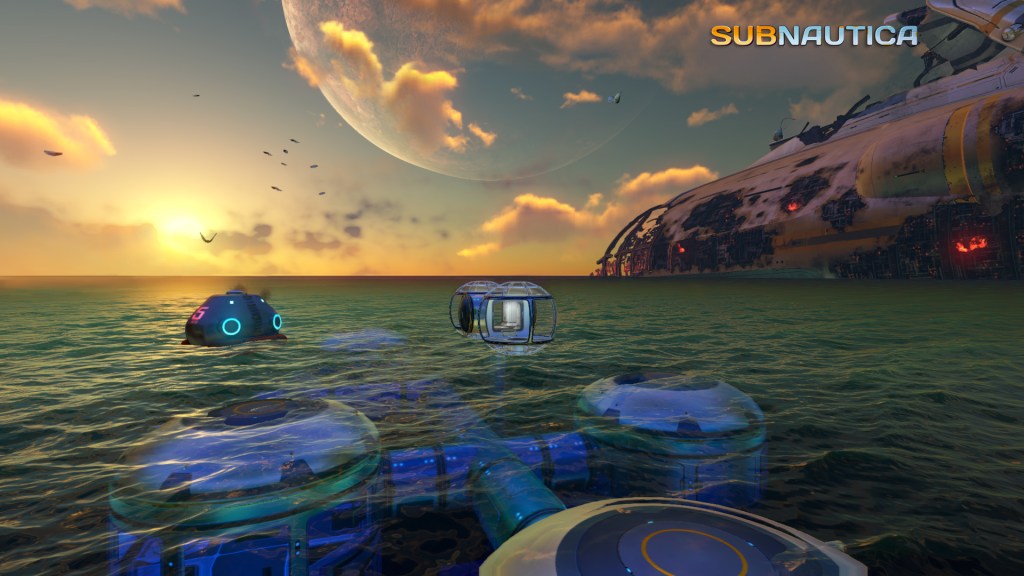
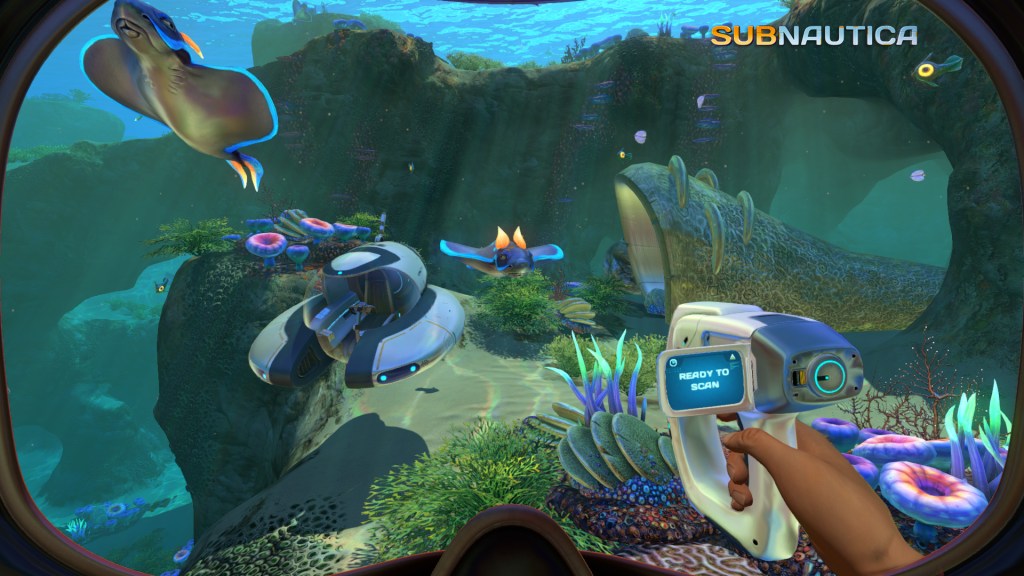


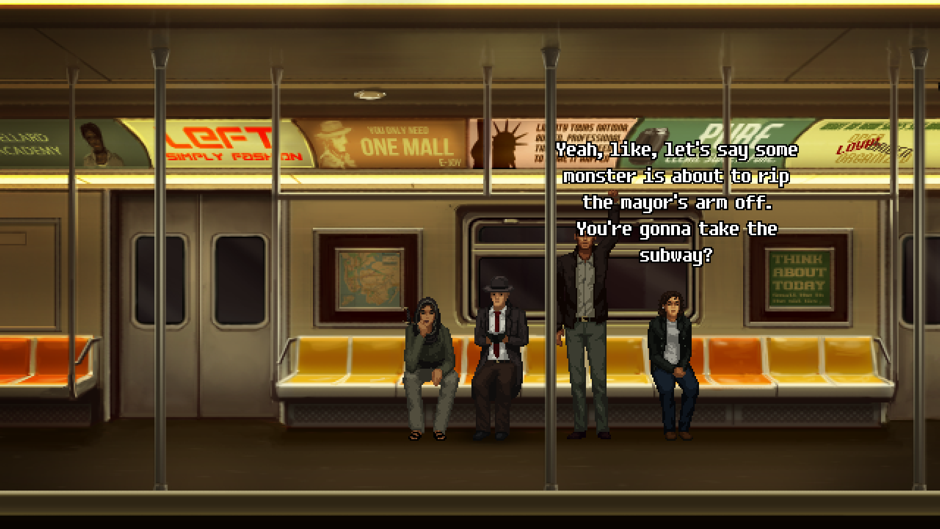
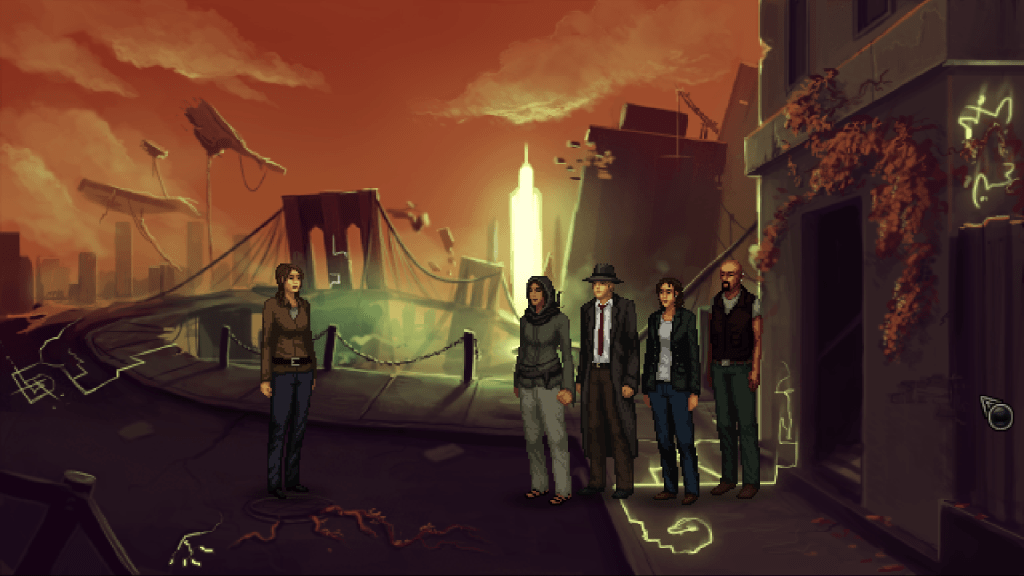
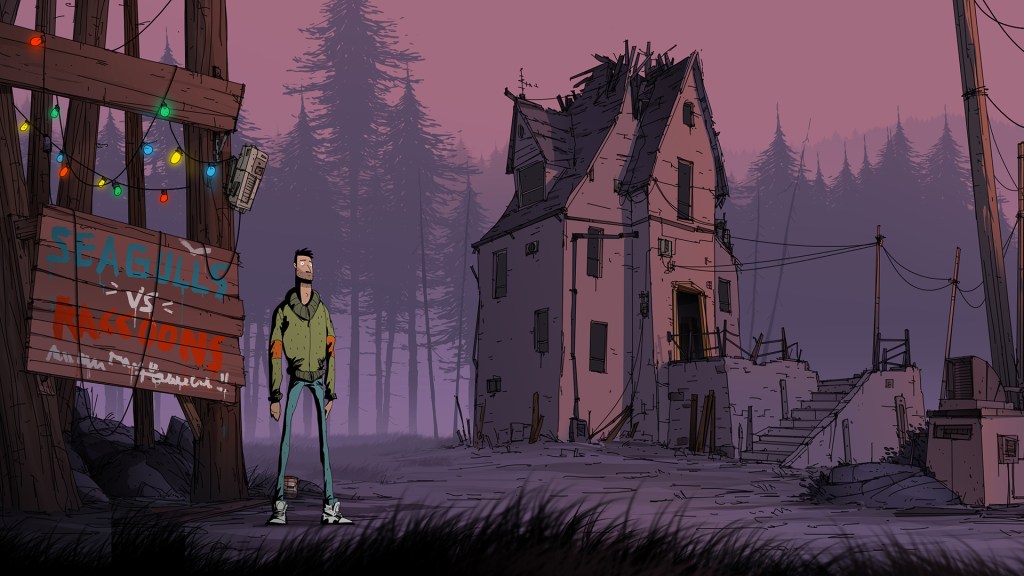
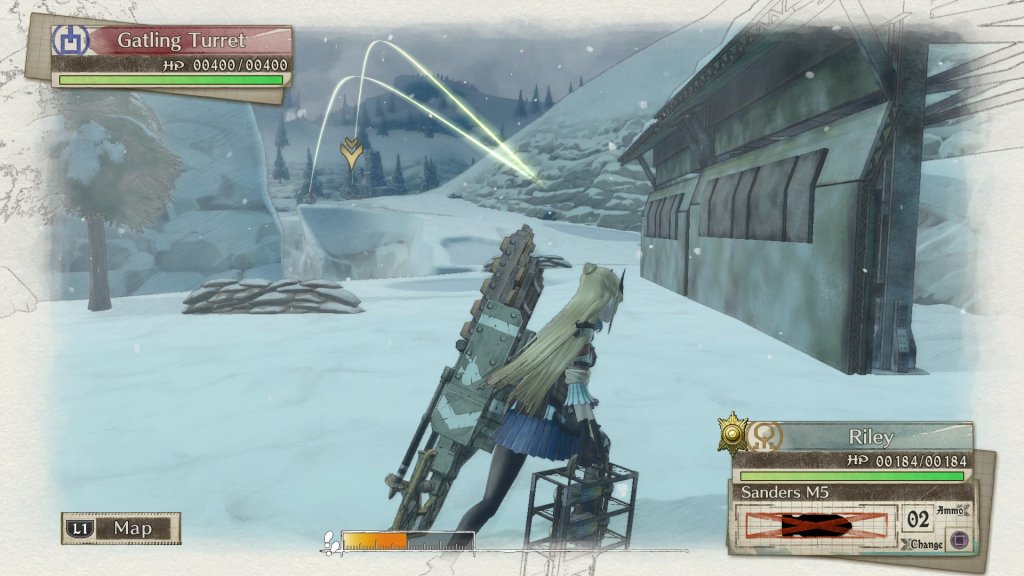

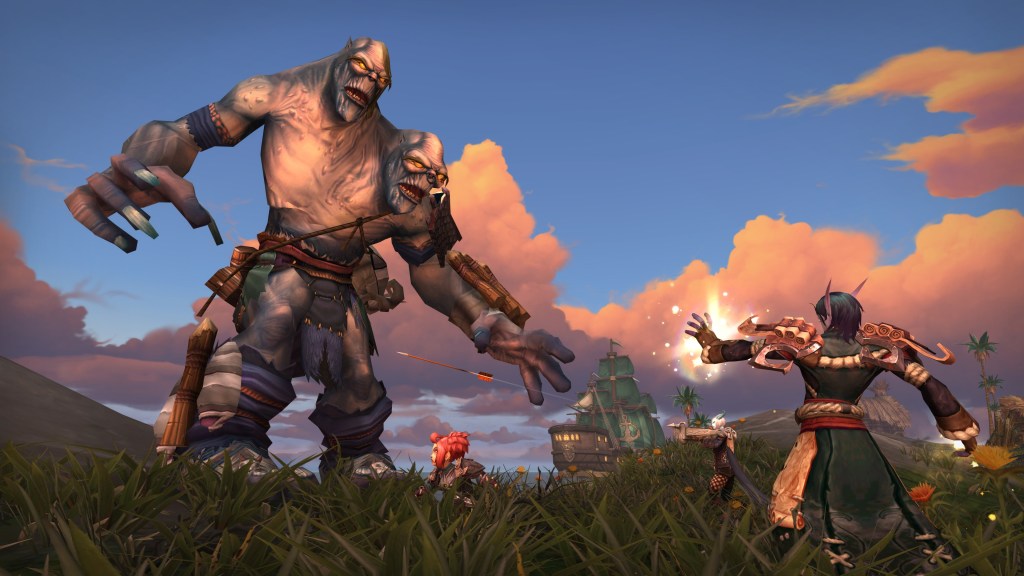

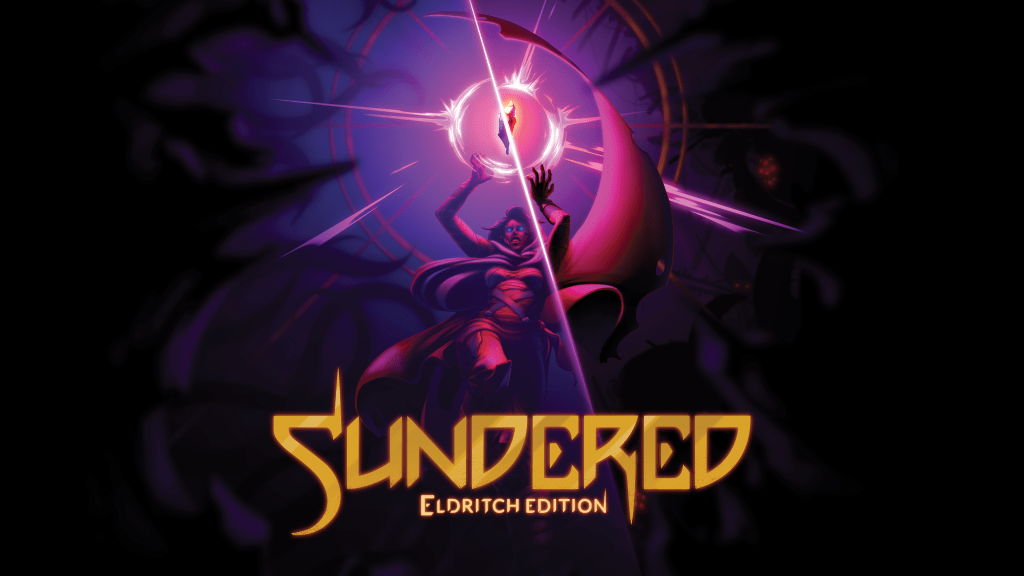
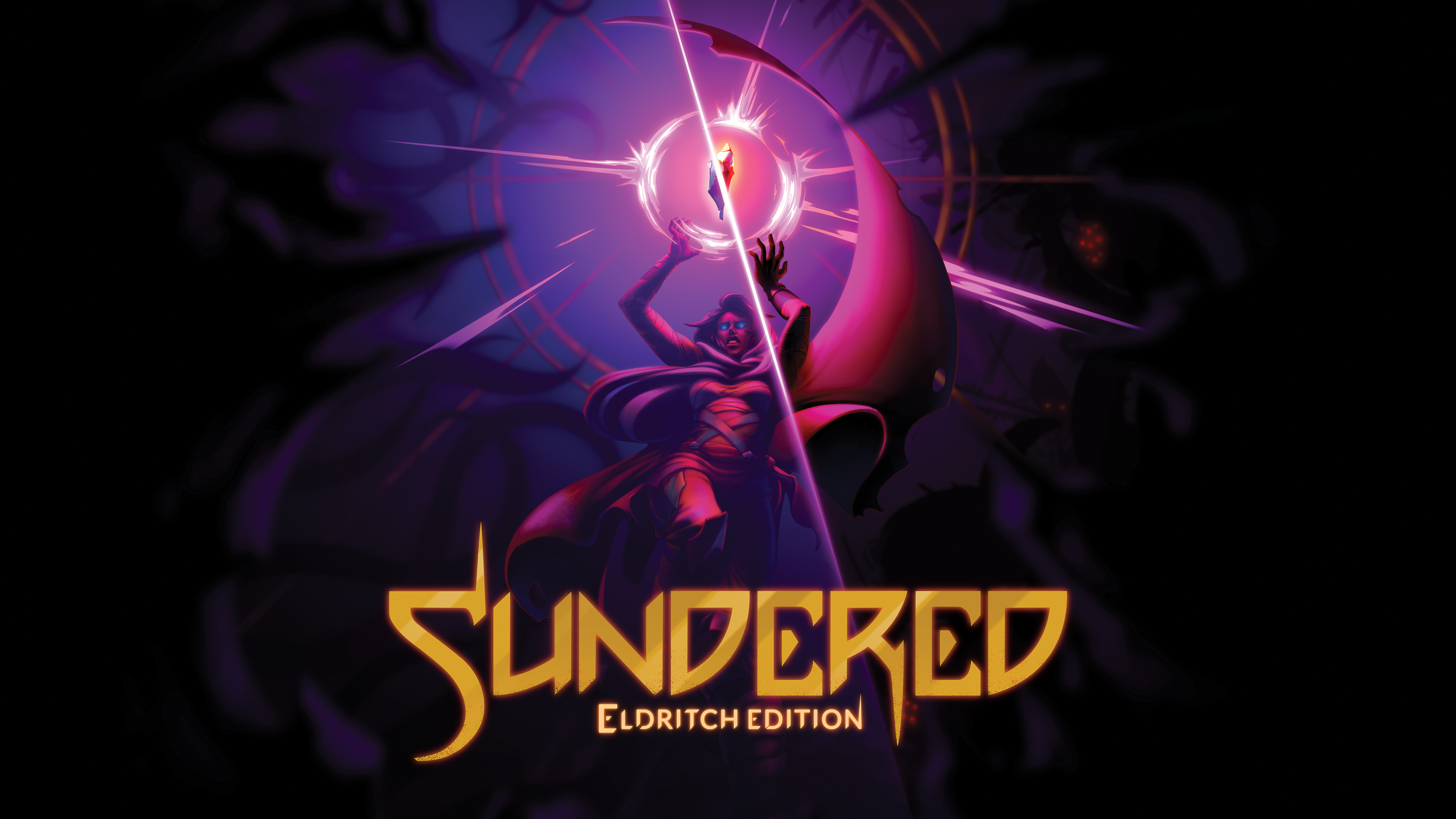
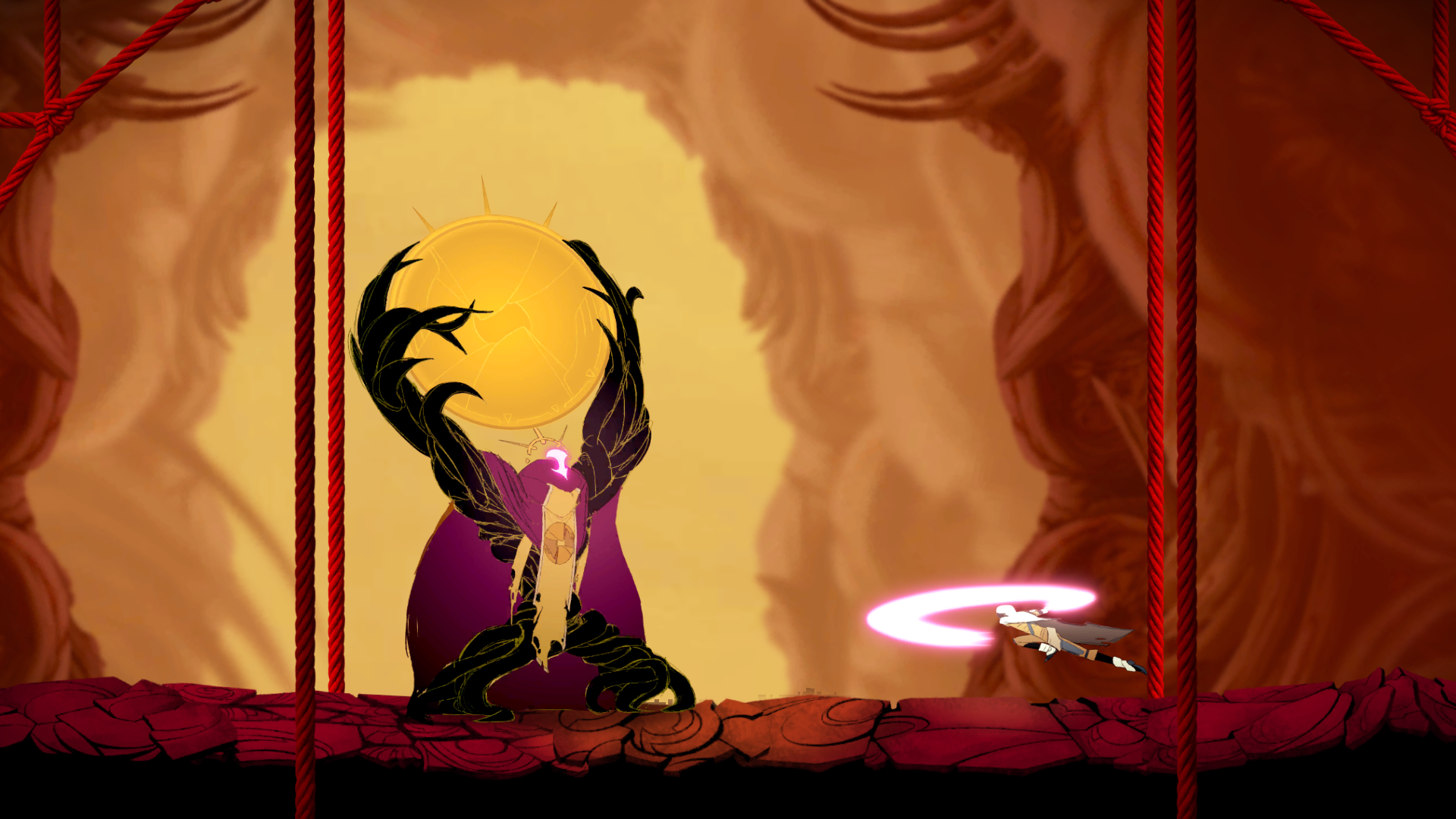
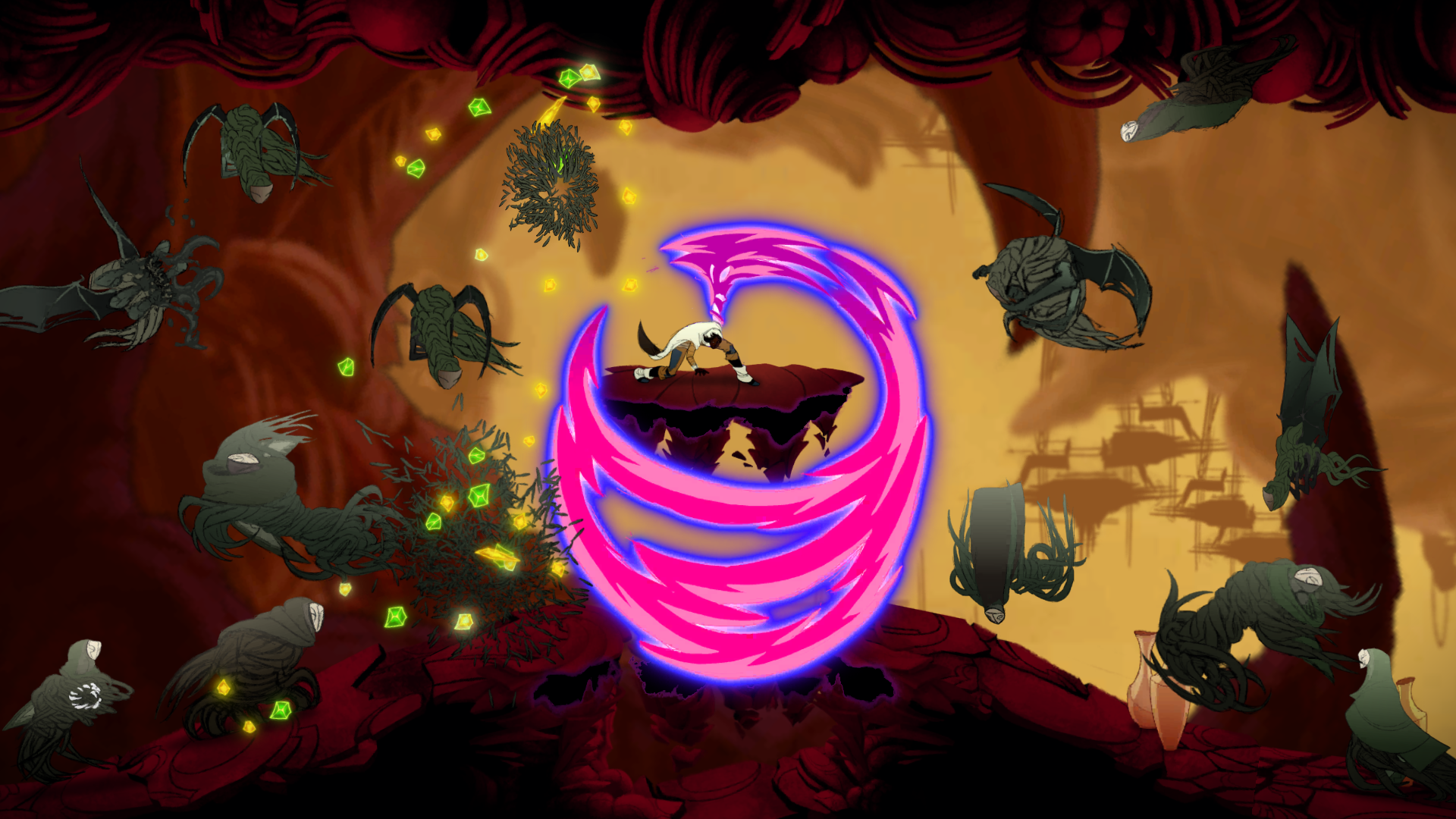
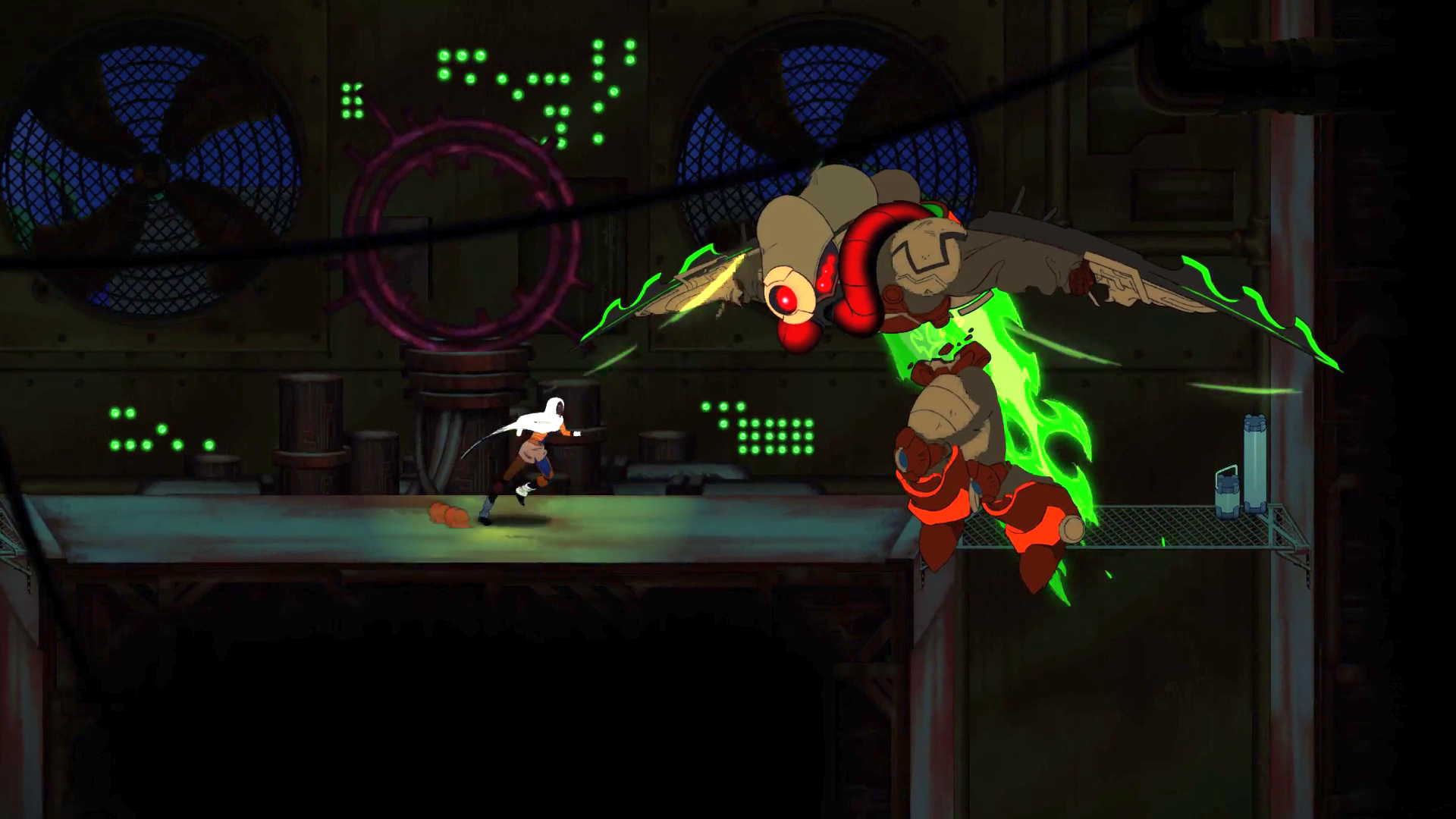


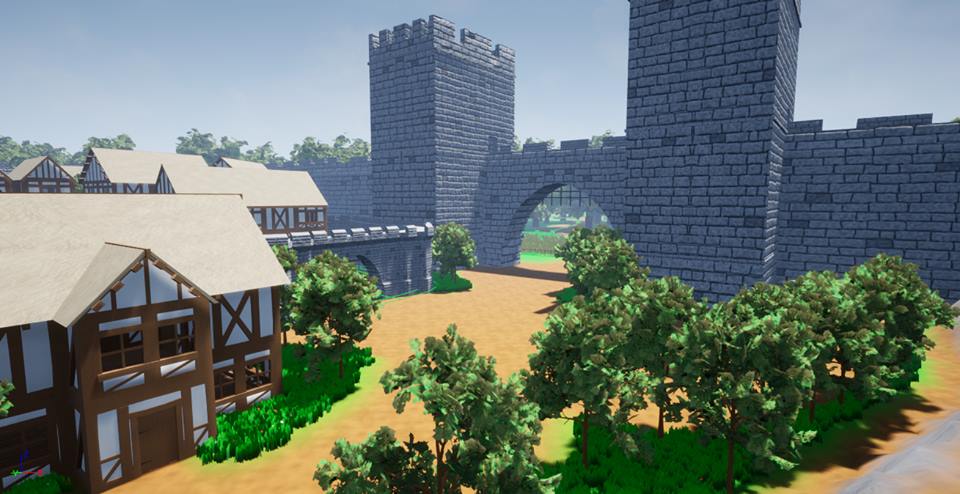

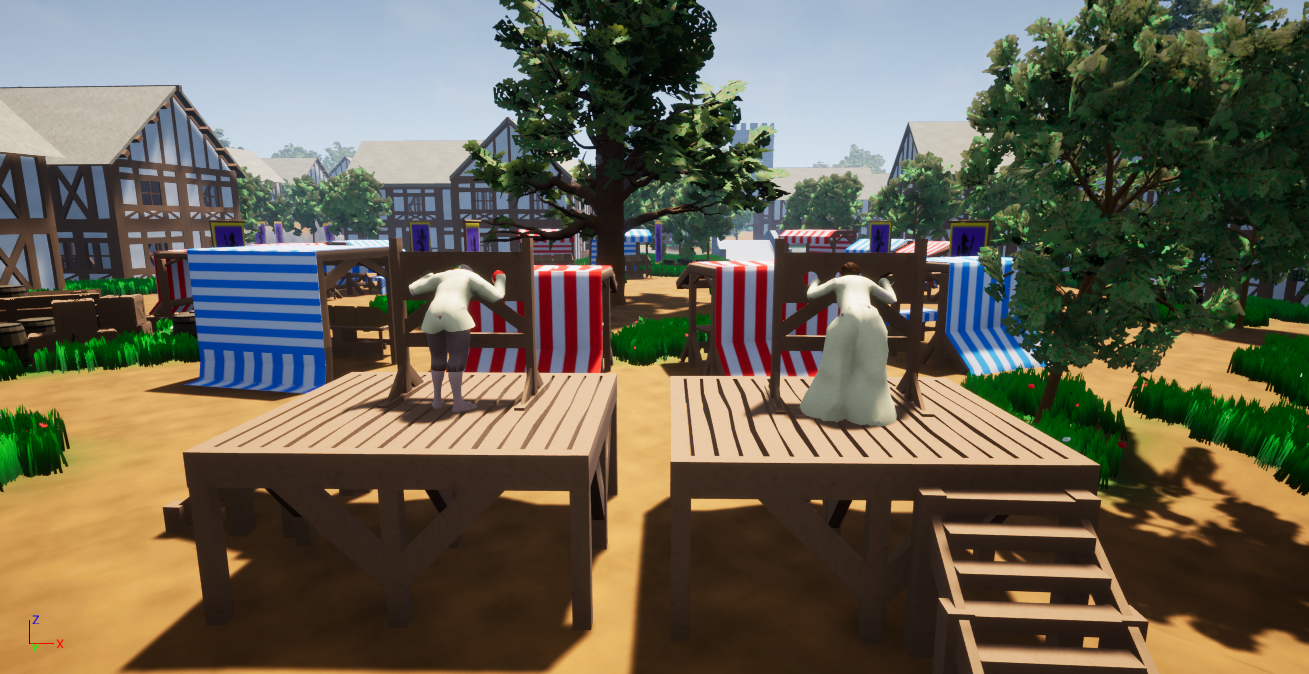




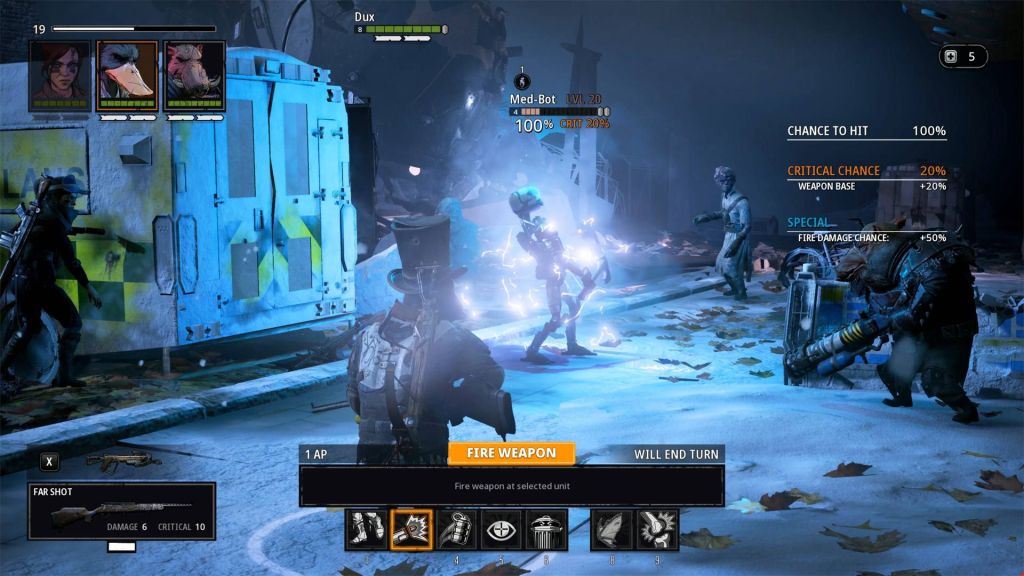
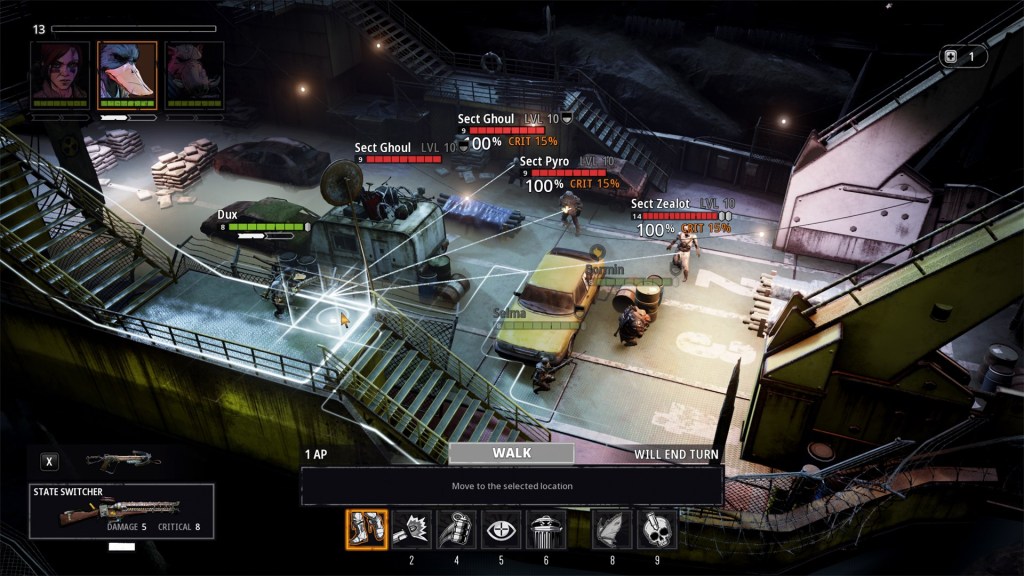
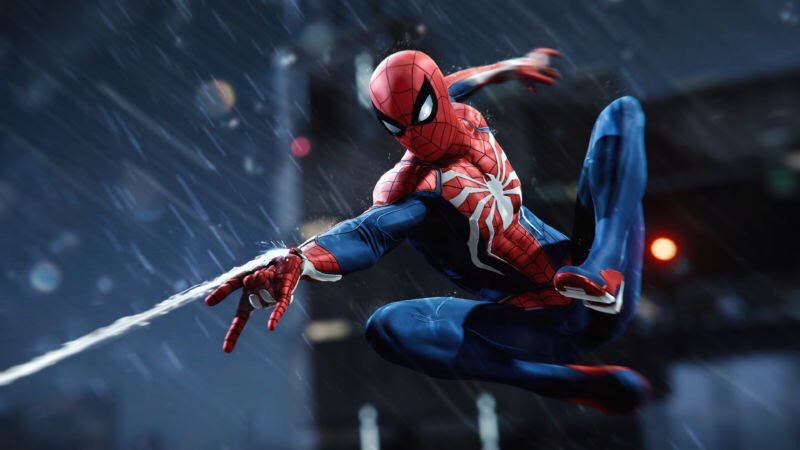
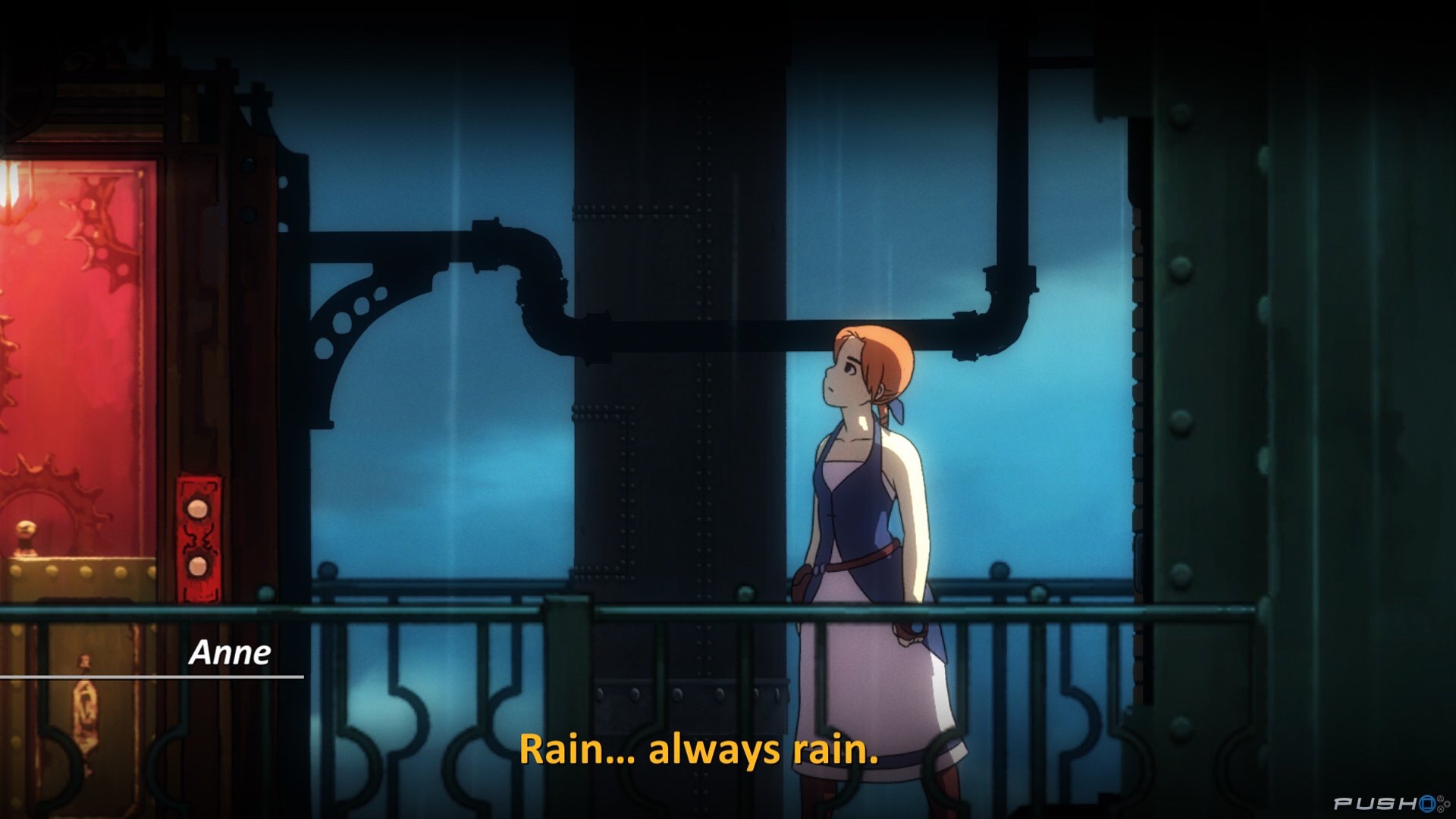
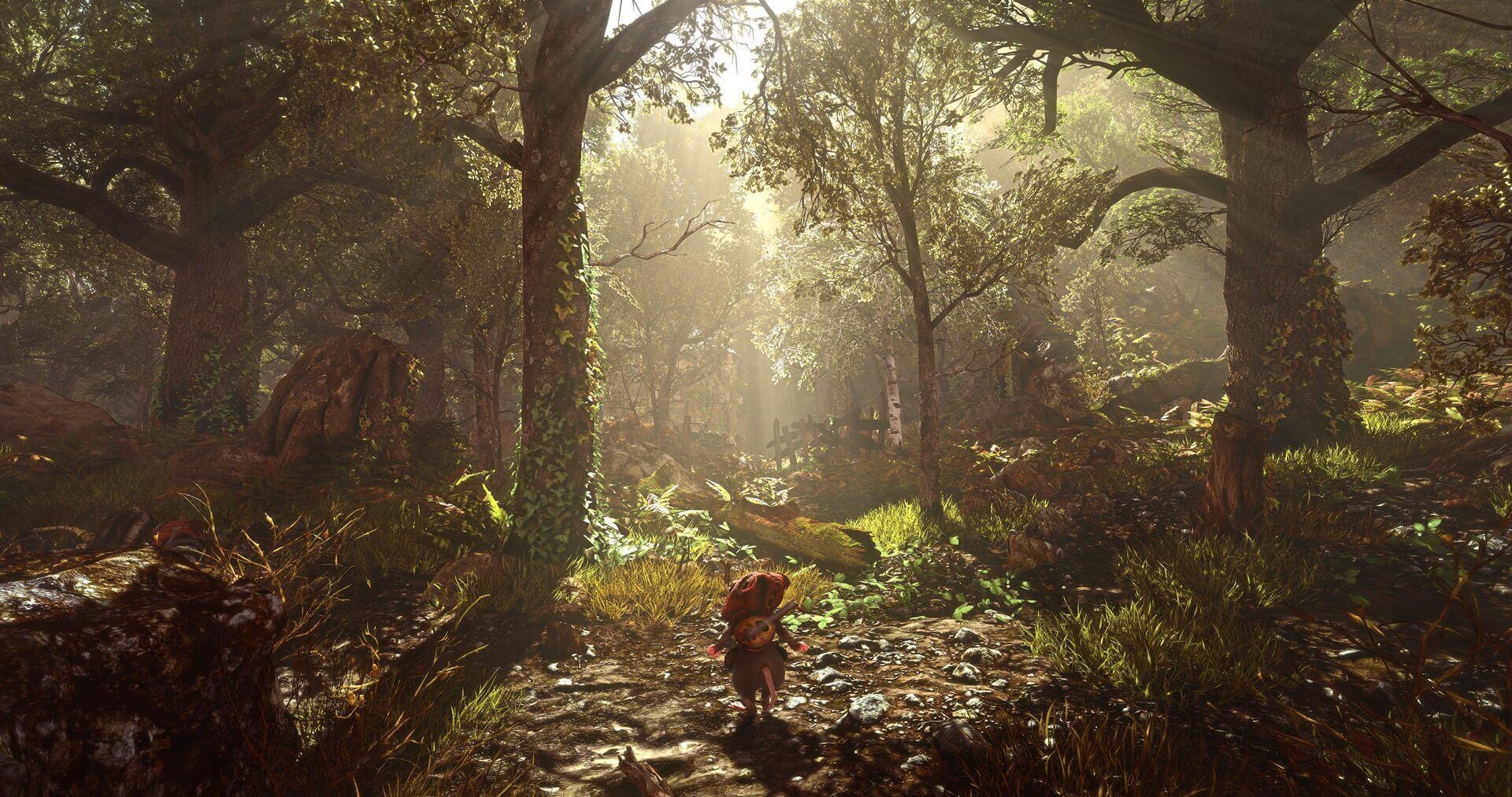
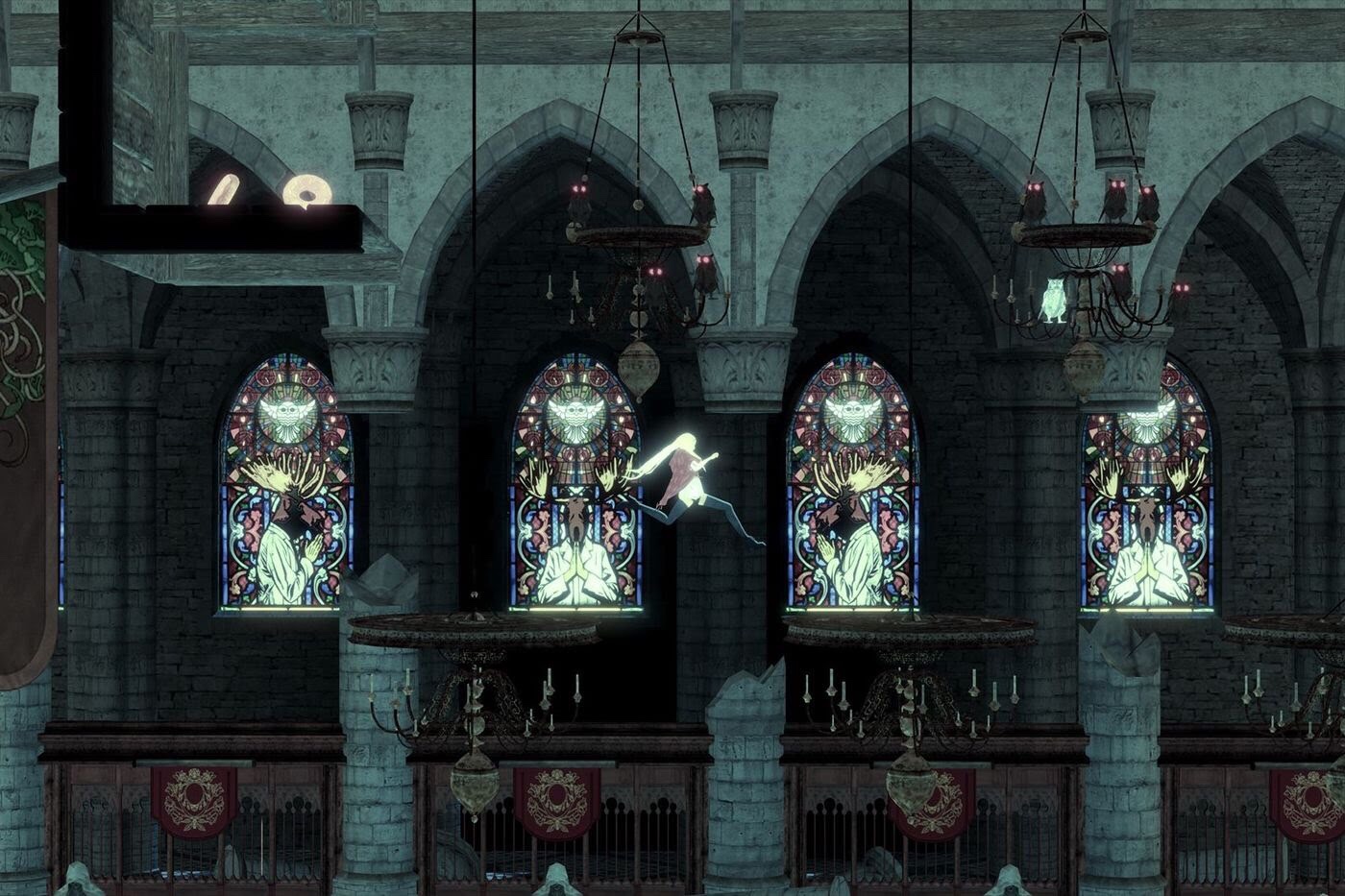
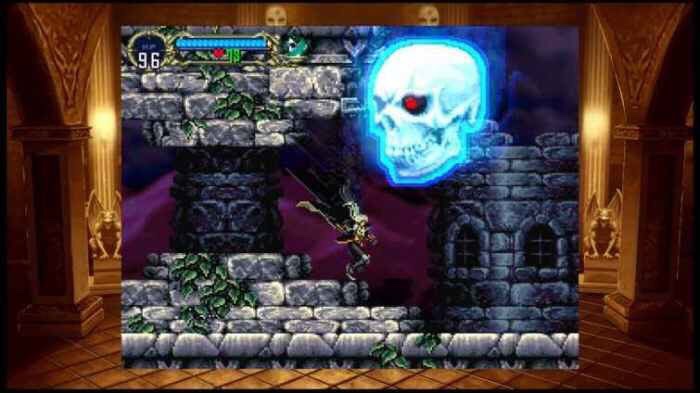
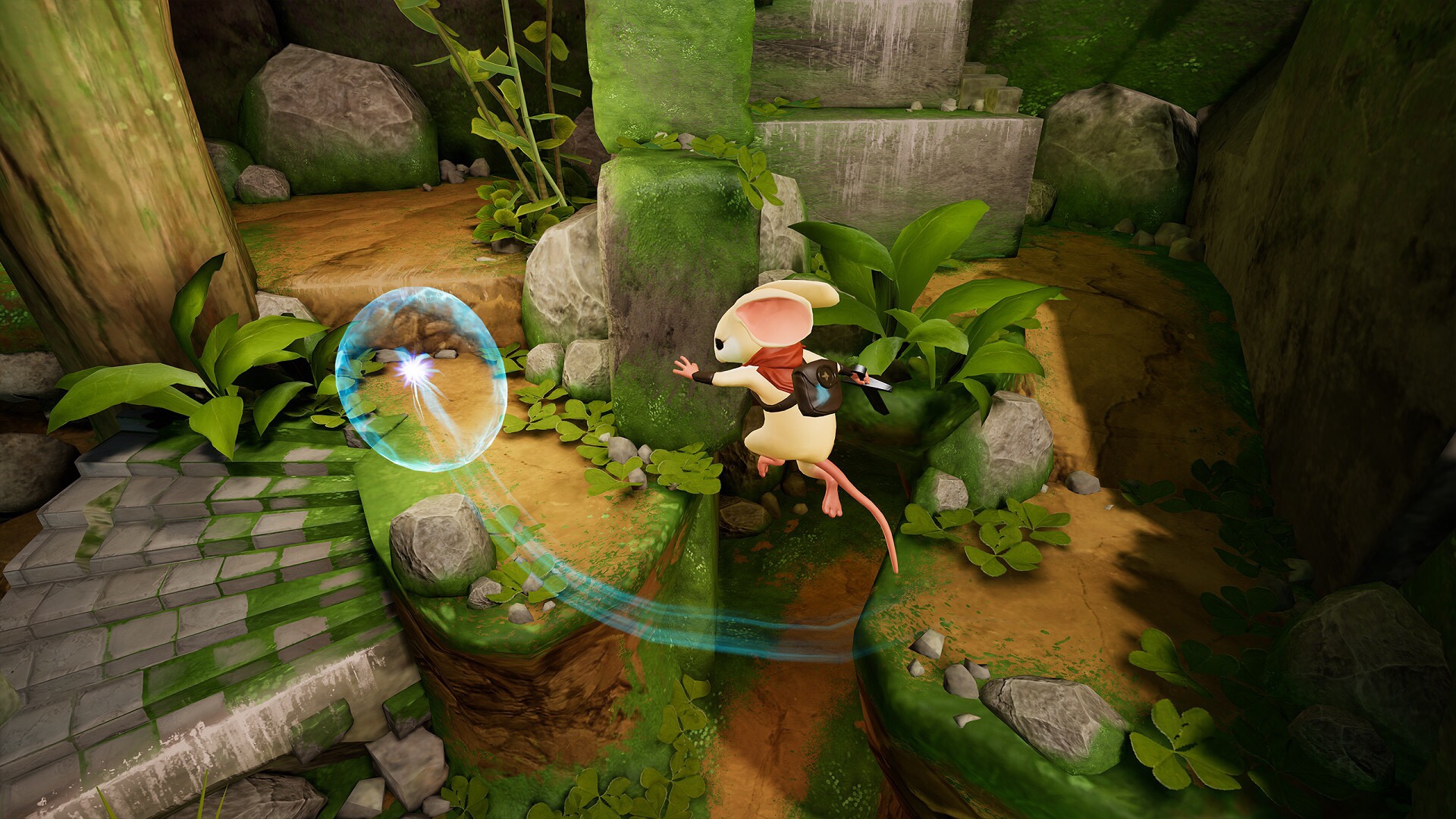

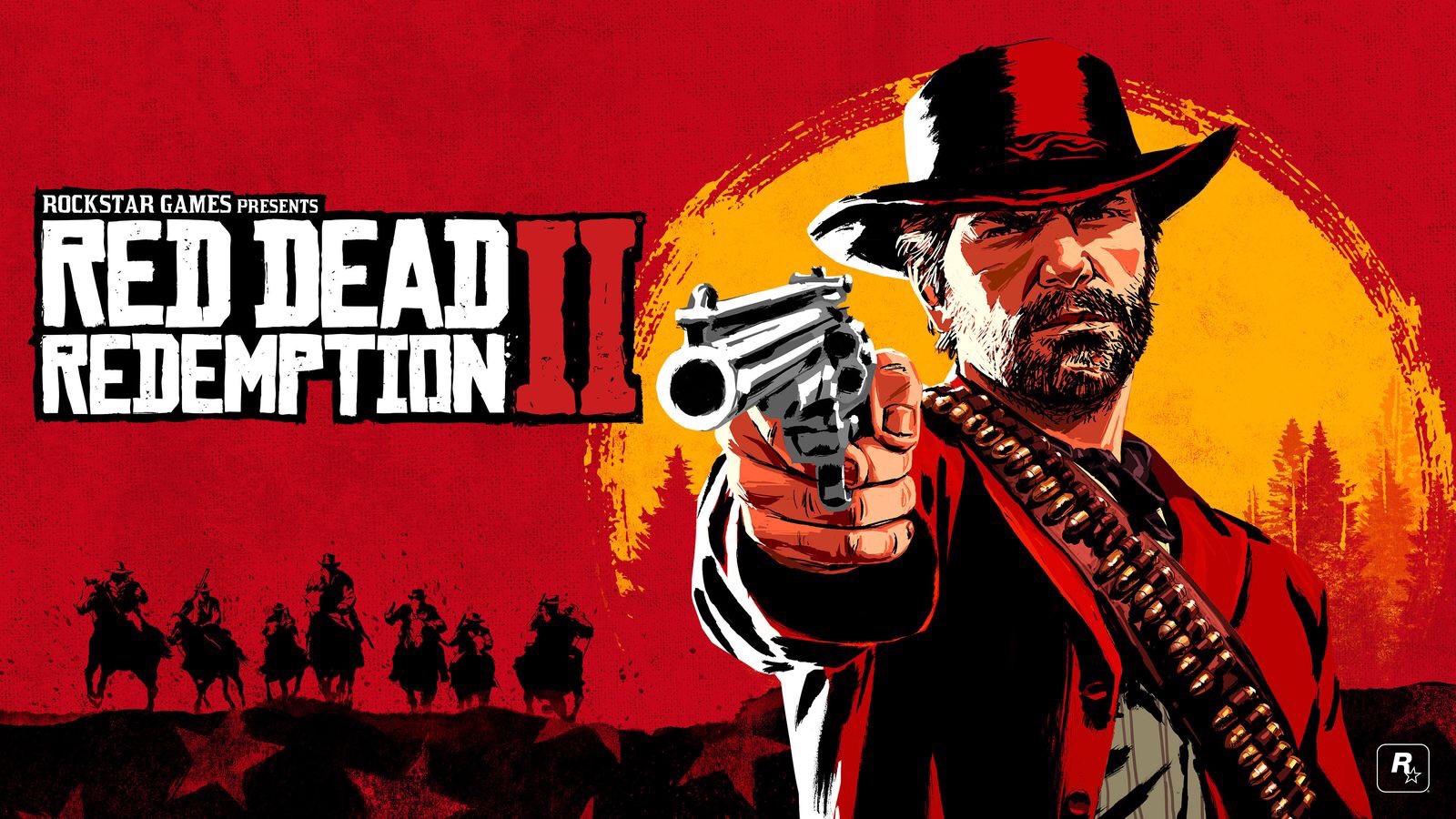
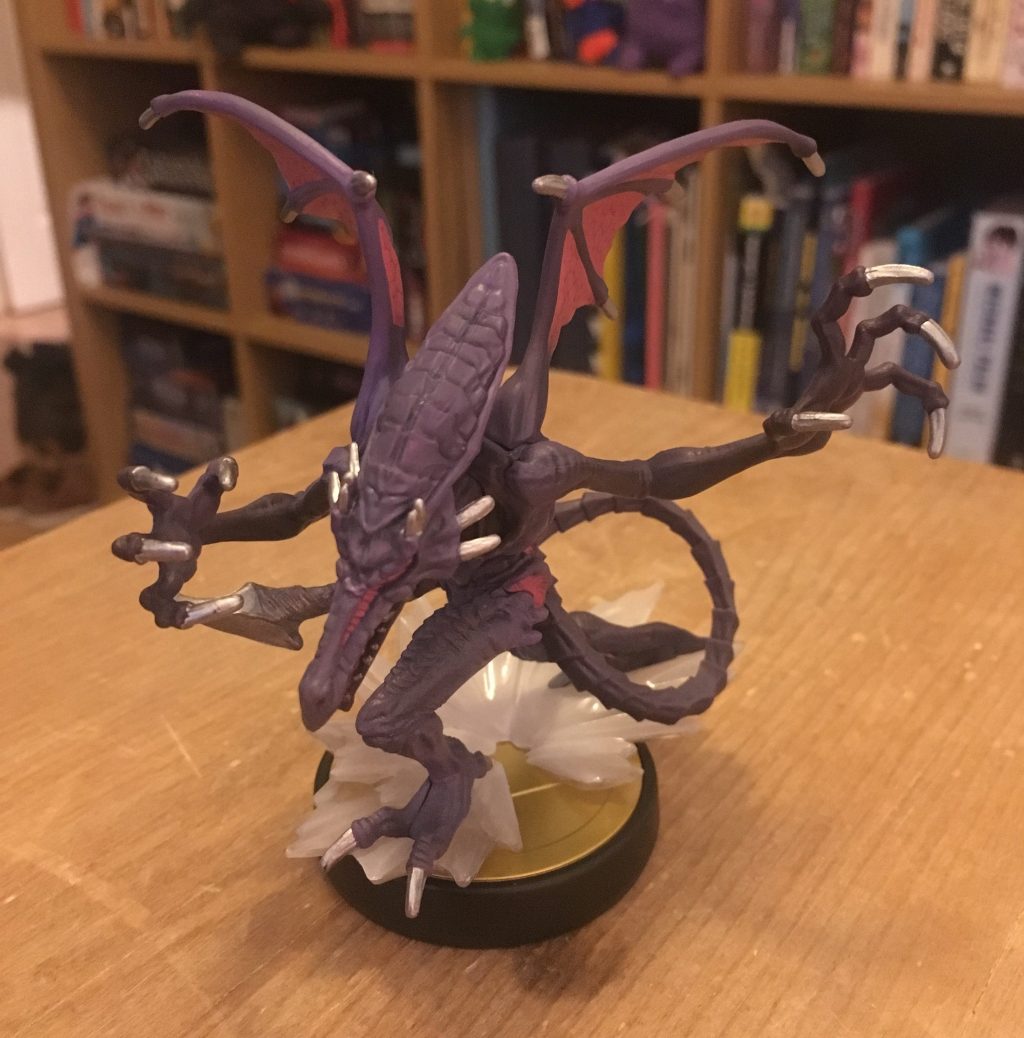
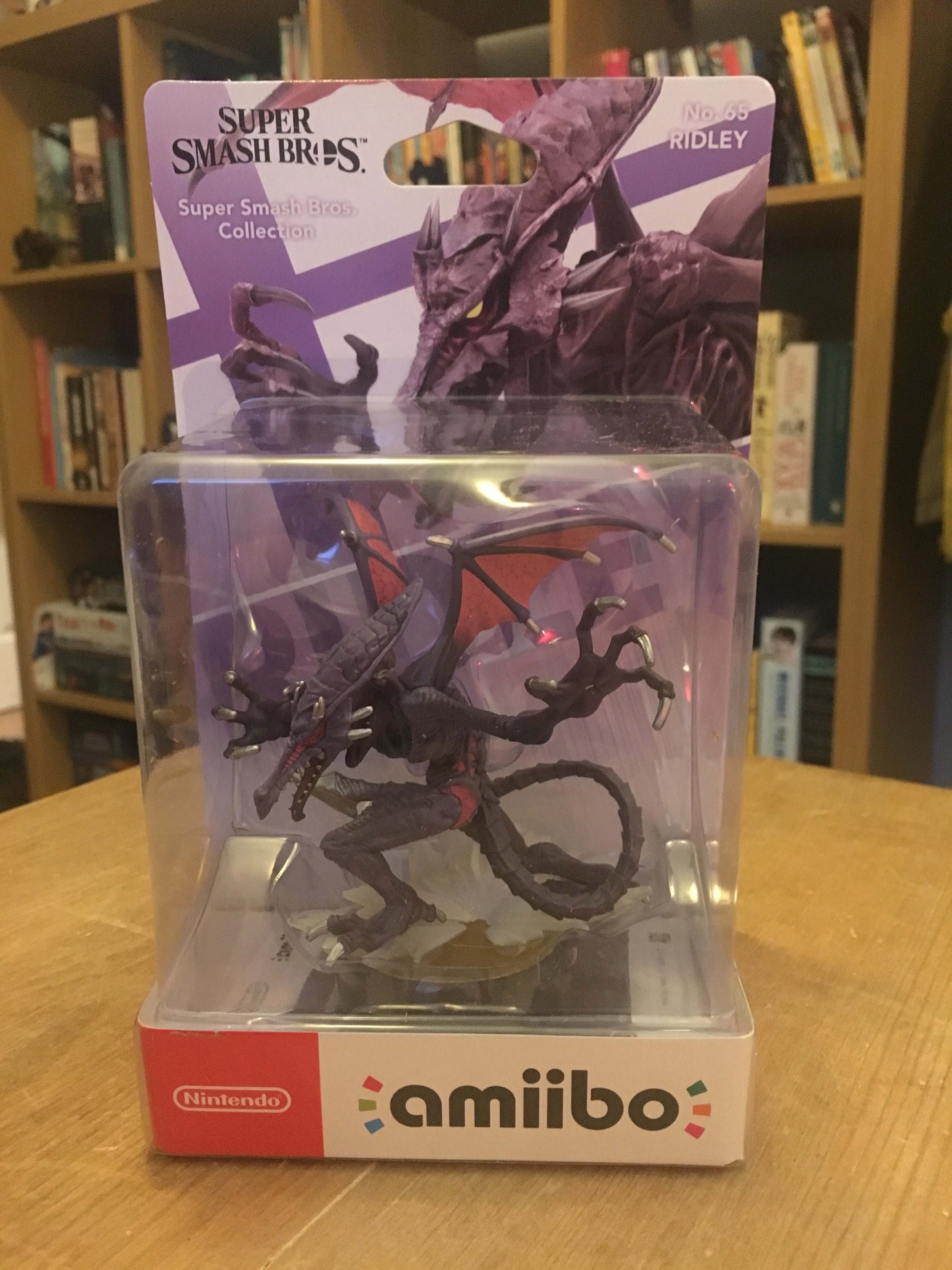


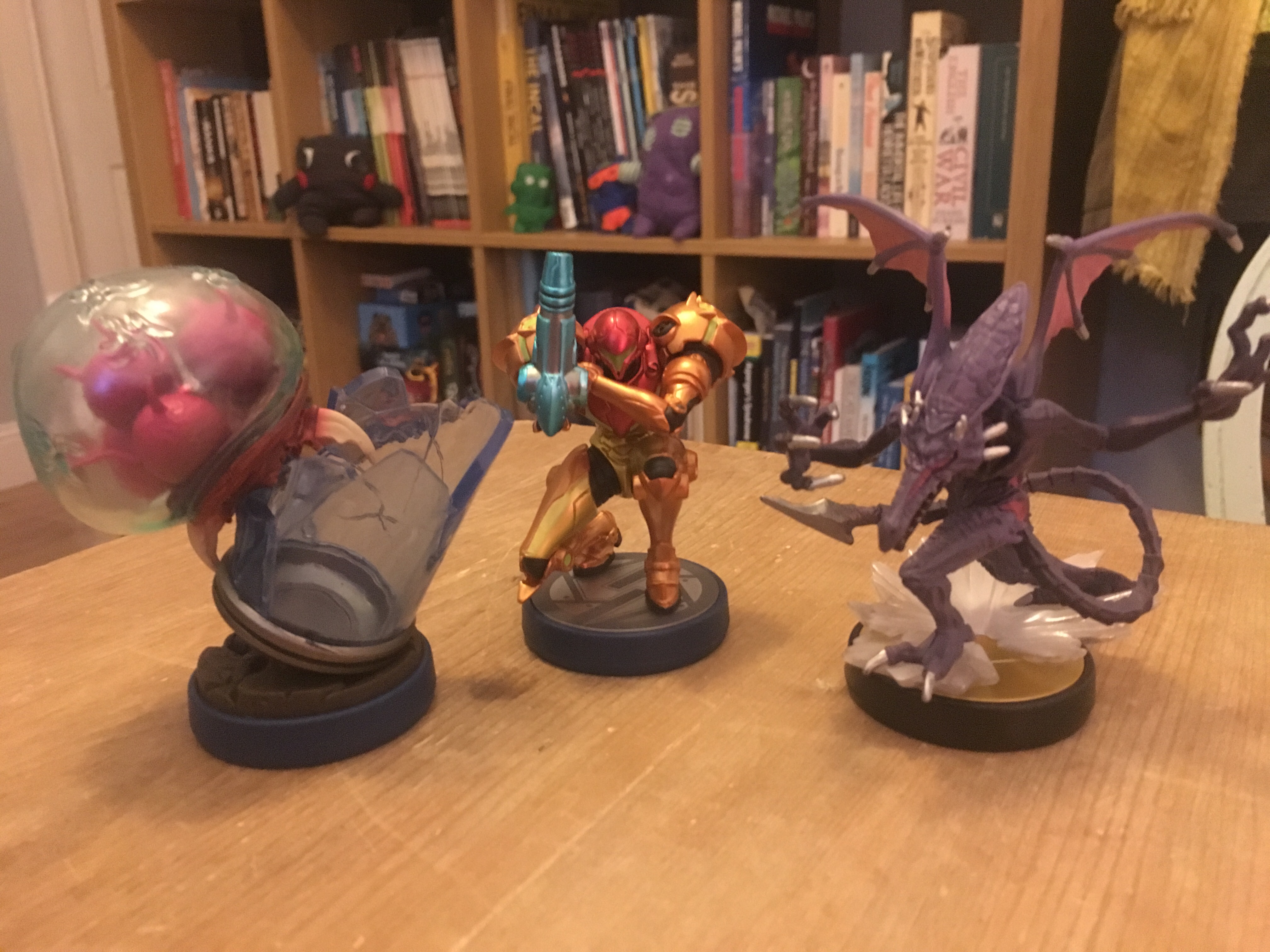
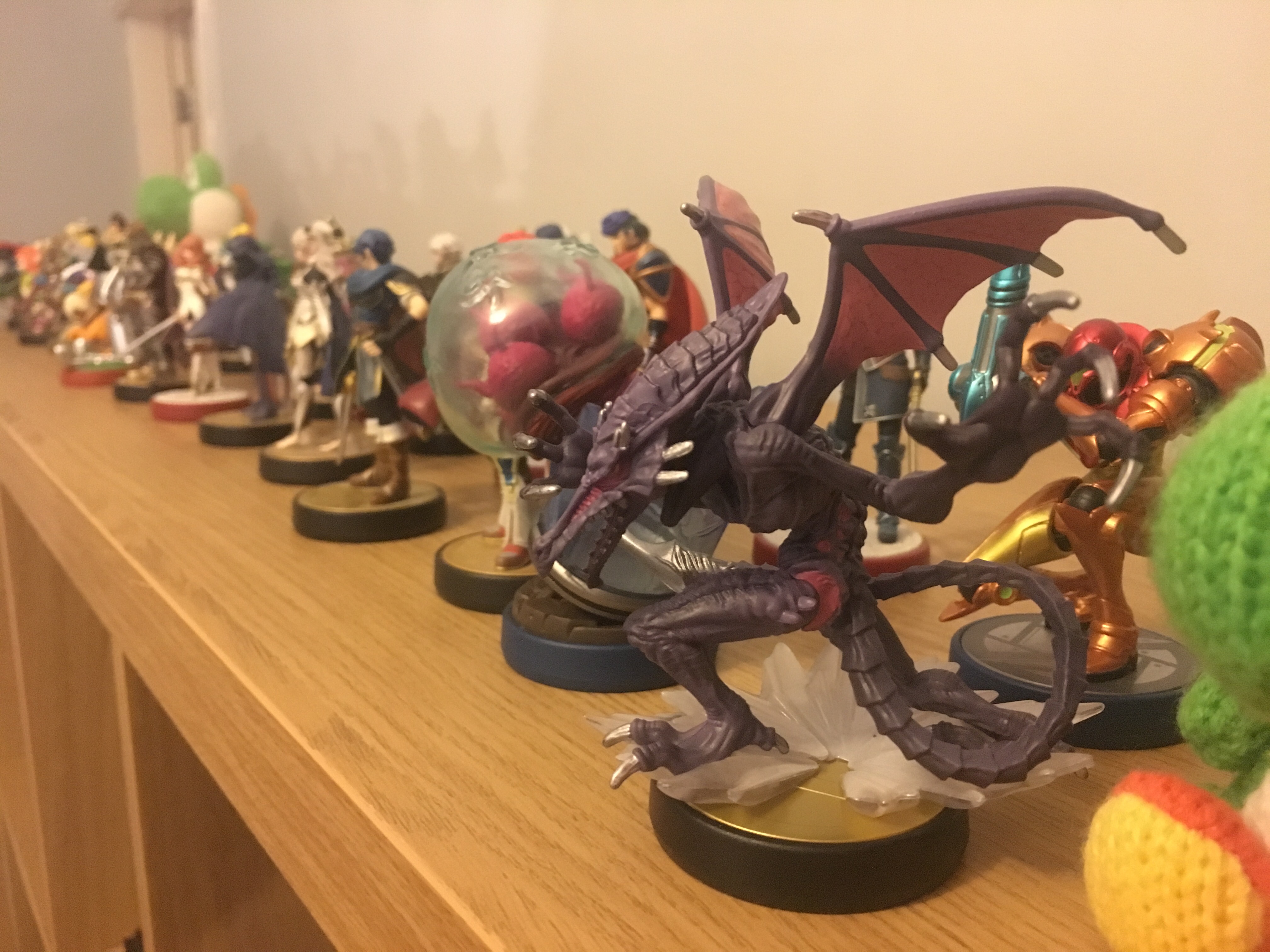

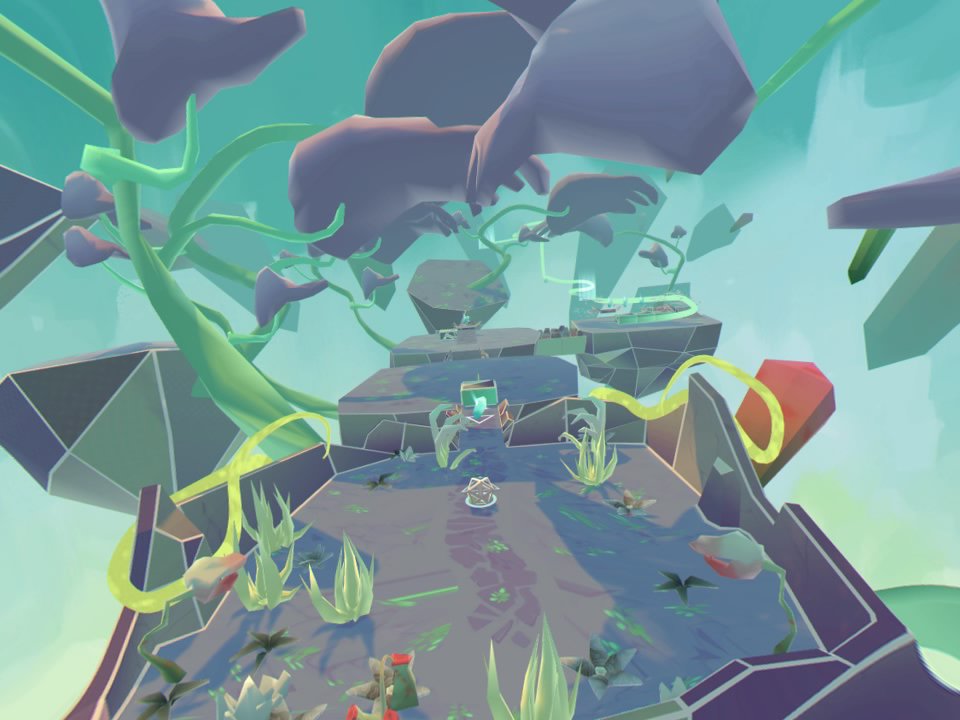
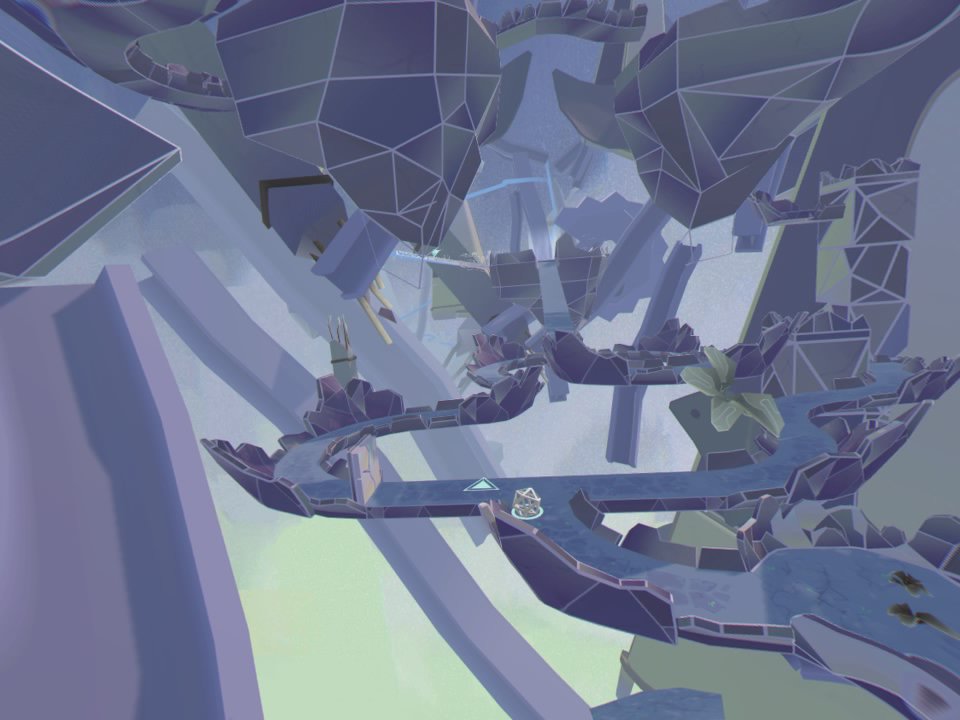
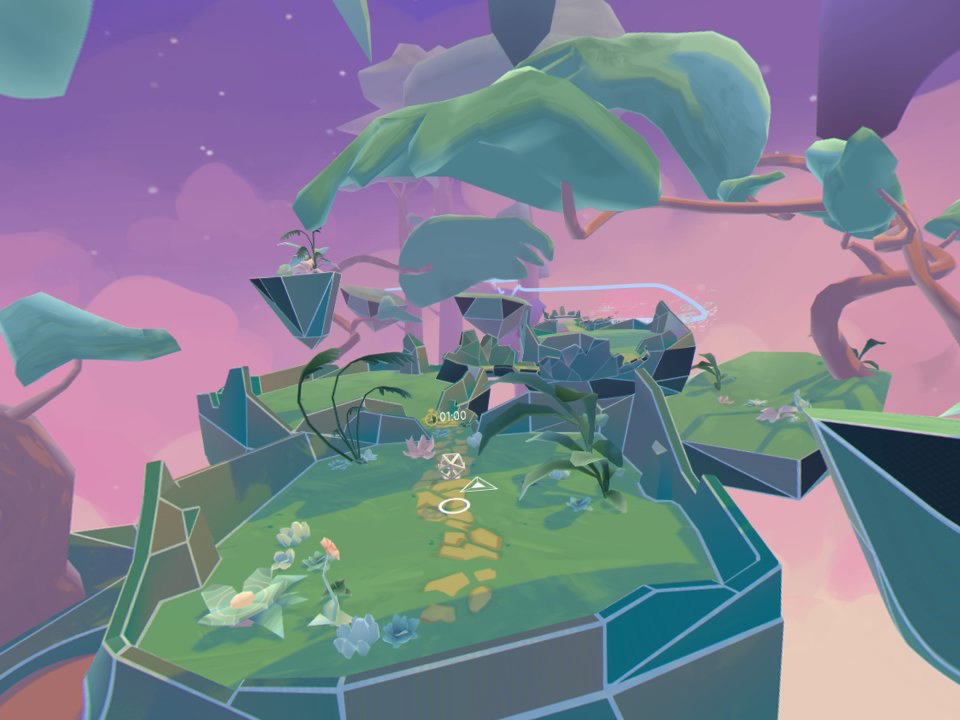
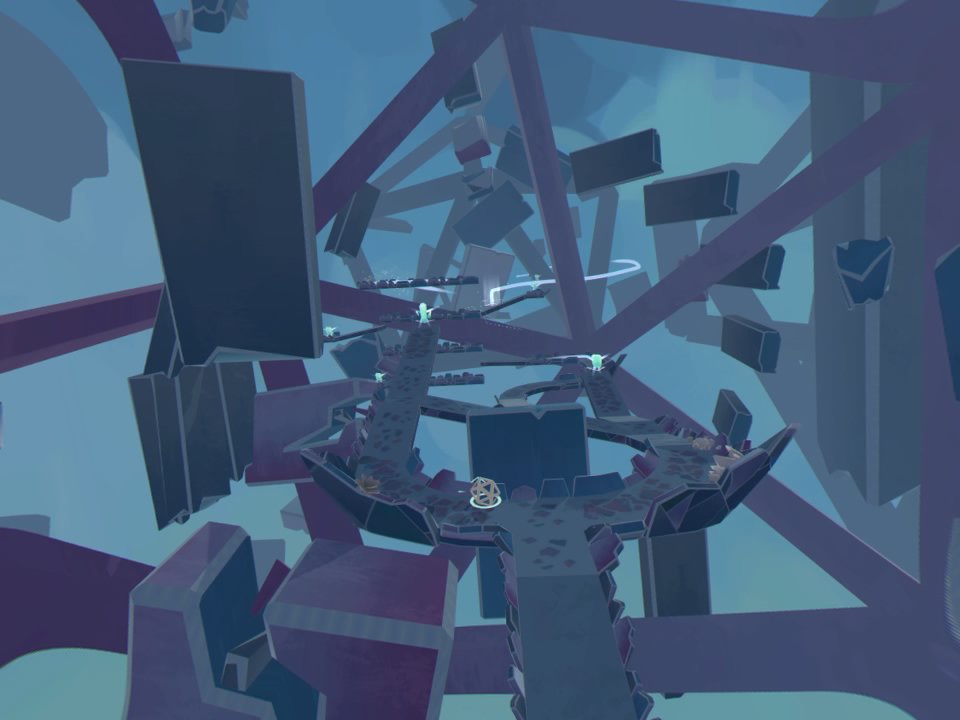


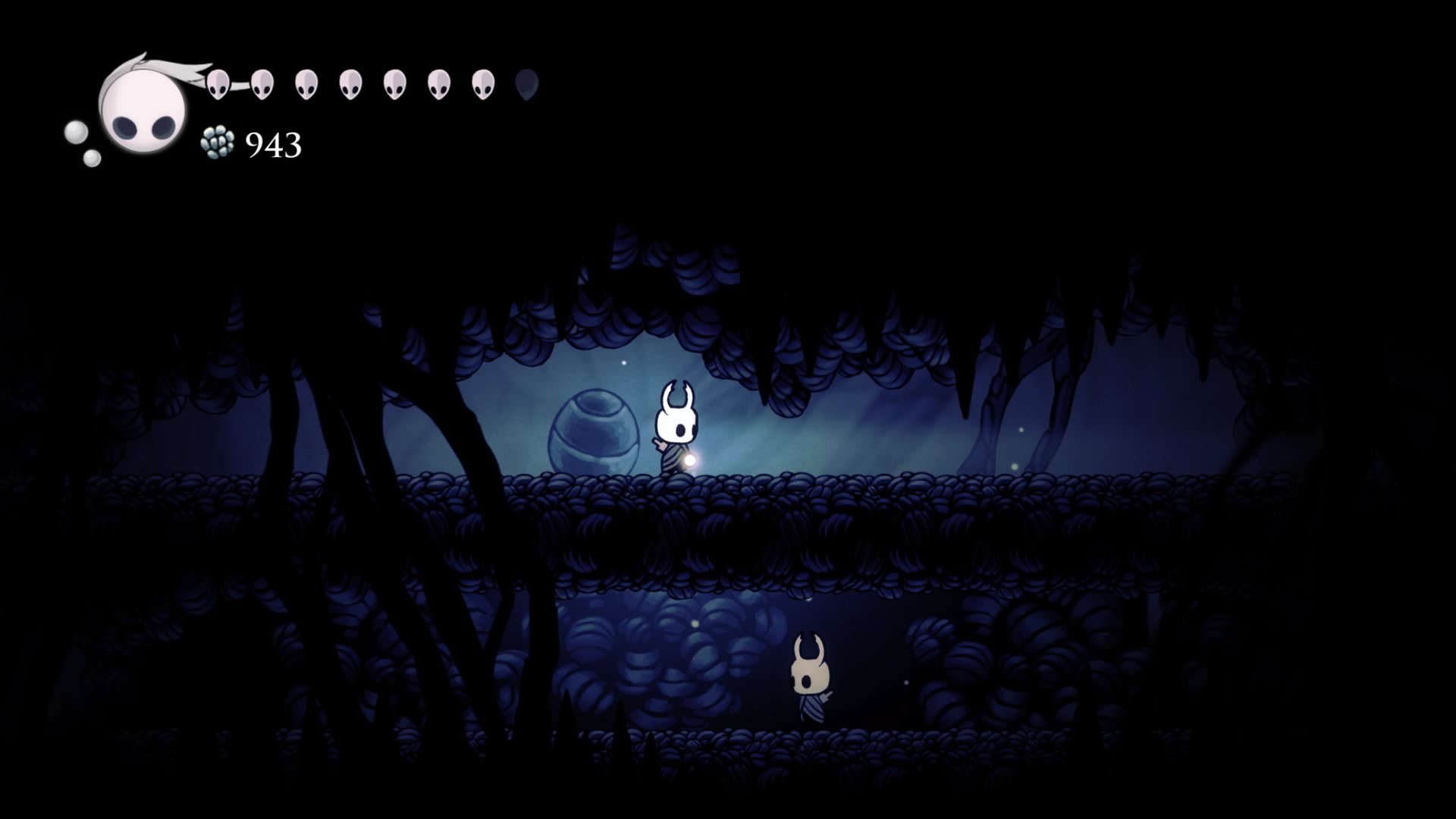


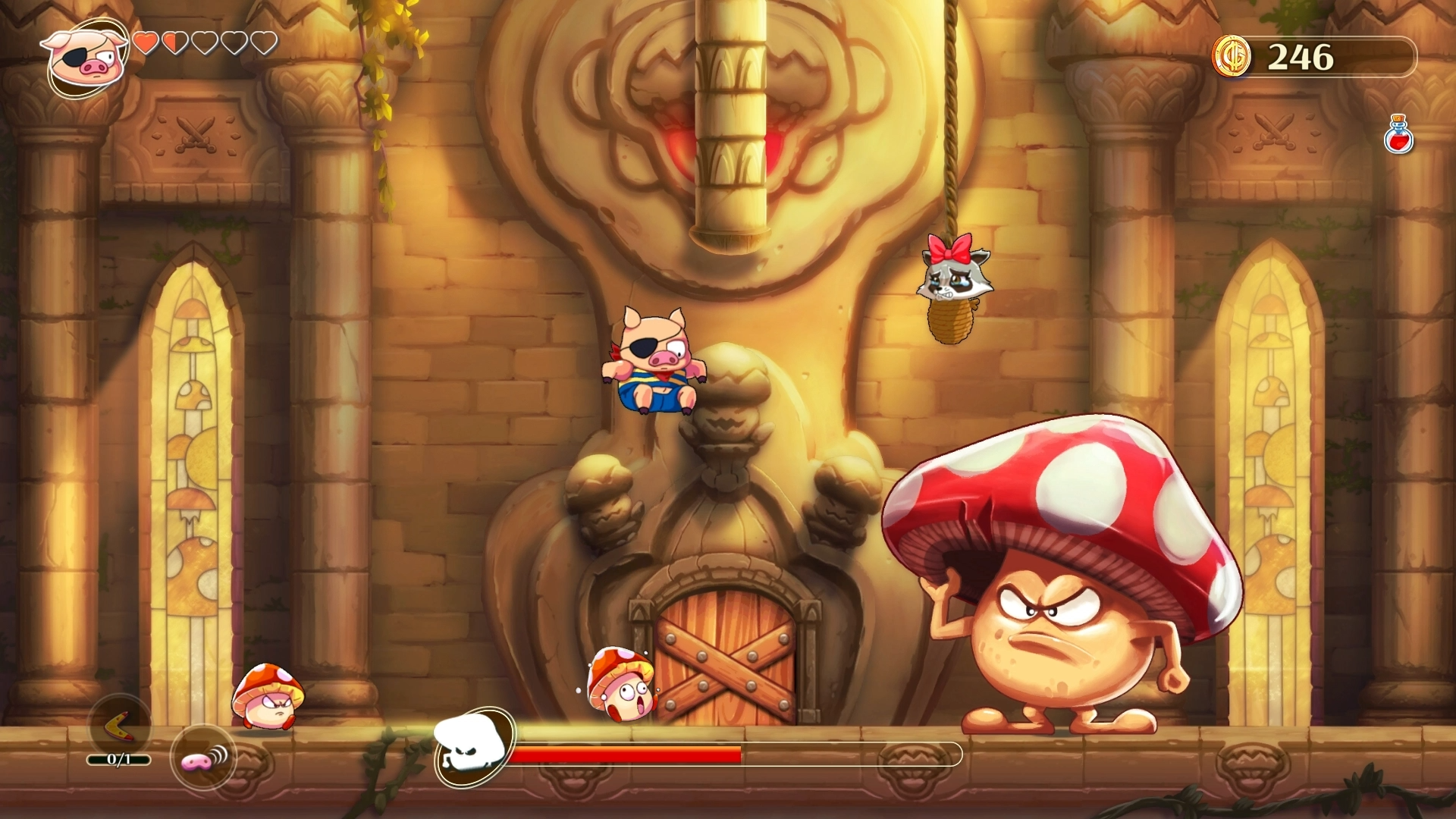


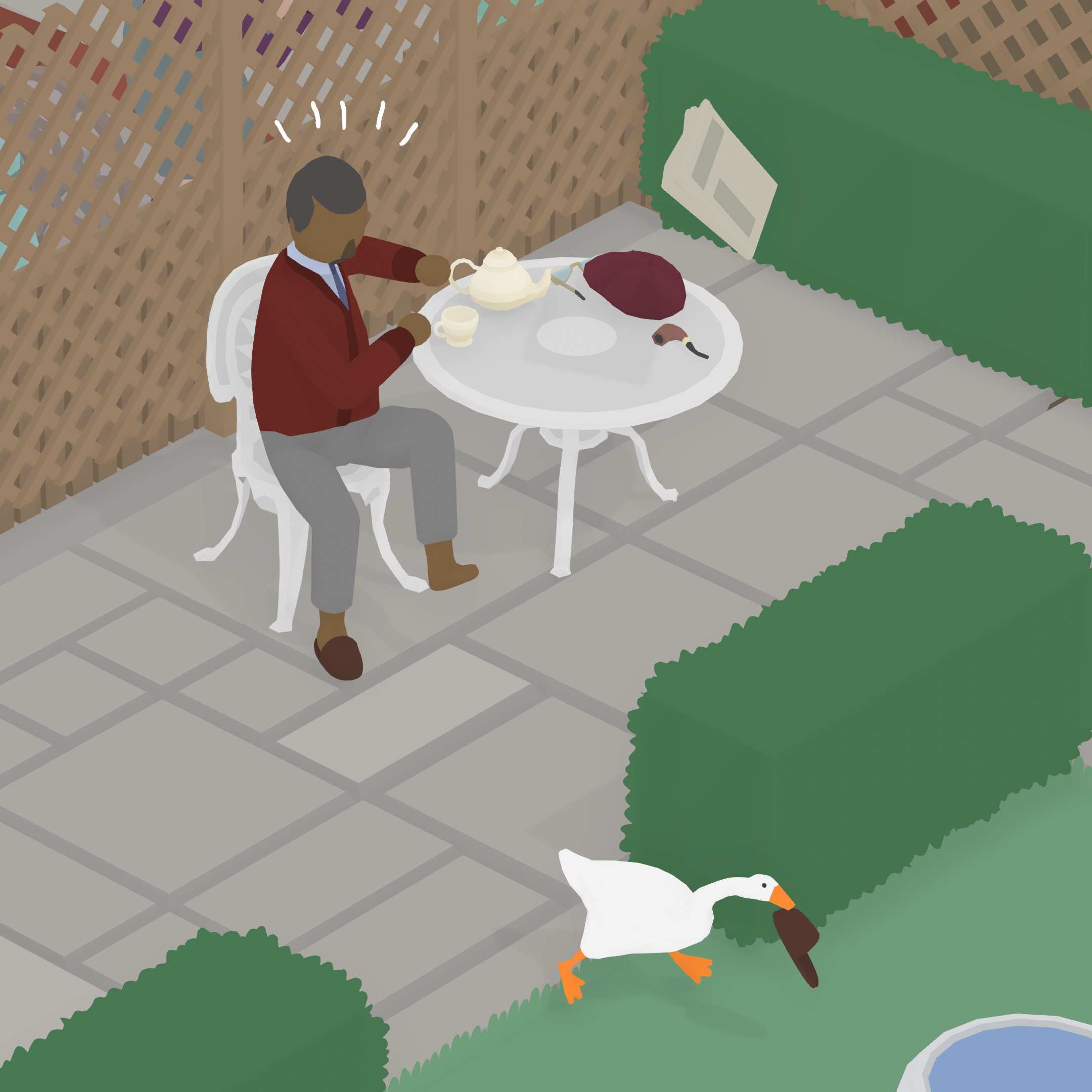


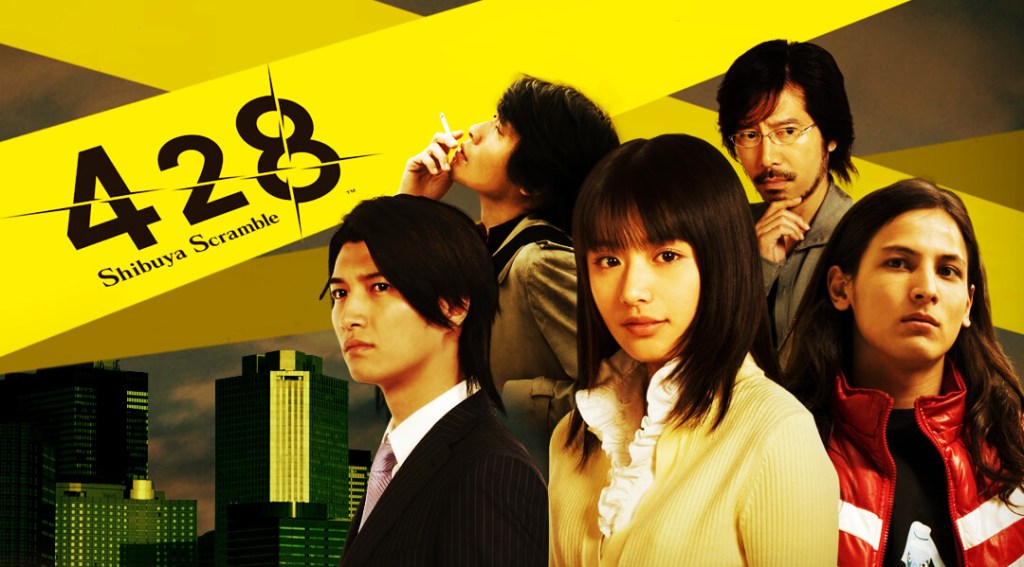


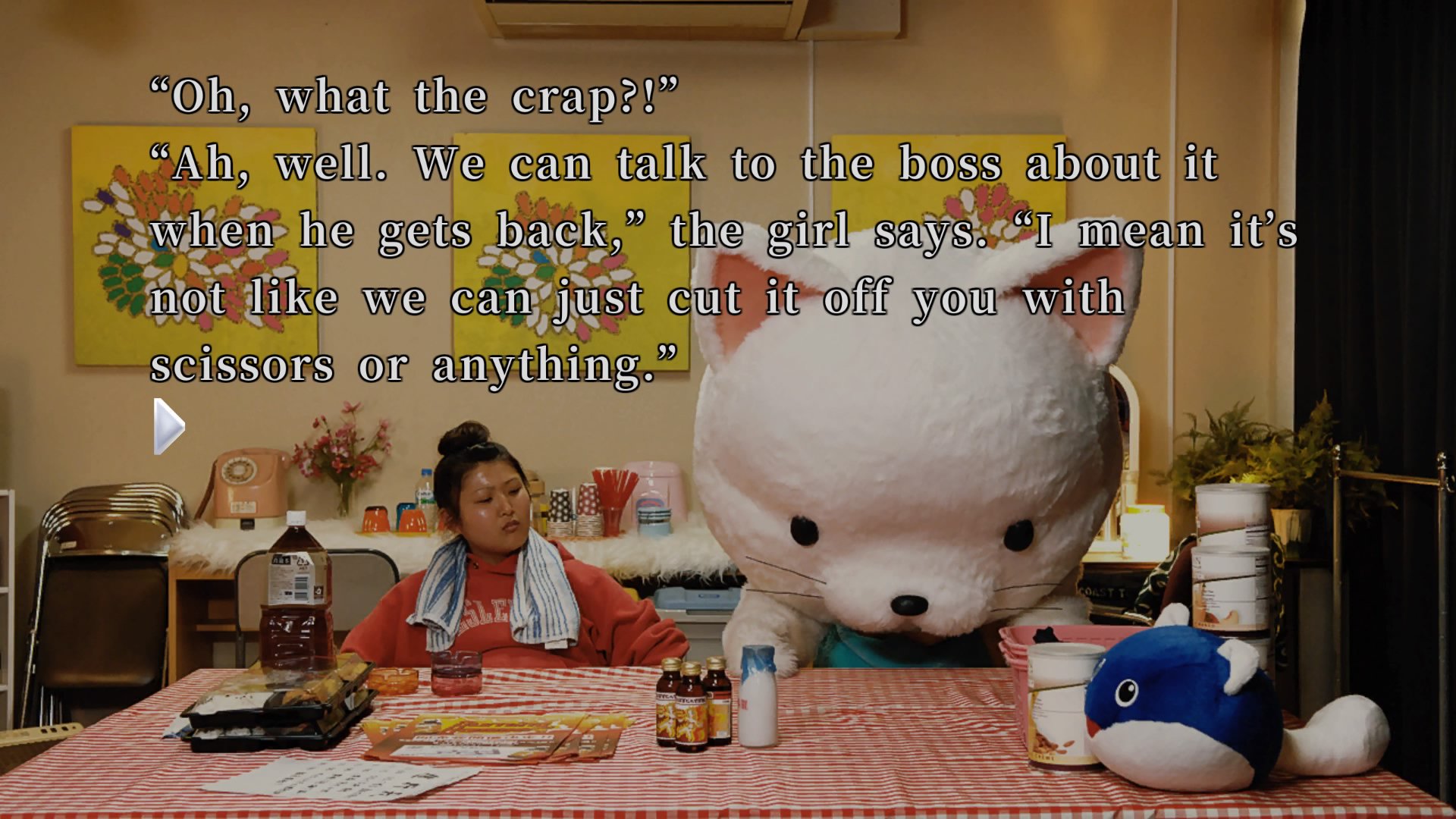




 In truth, the title of this article is both a rhetorical question and a cry for help. Usually around this time of year when there’s footy on the TV and rain and darkness outside, I fire up my Football Manager 2014 save file and jump back in. And every year I wonder why.

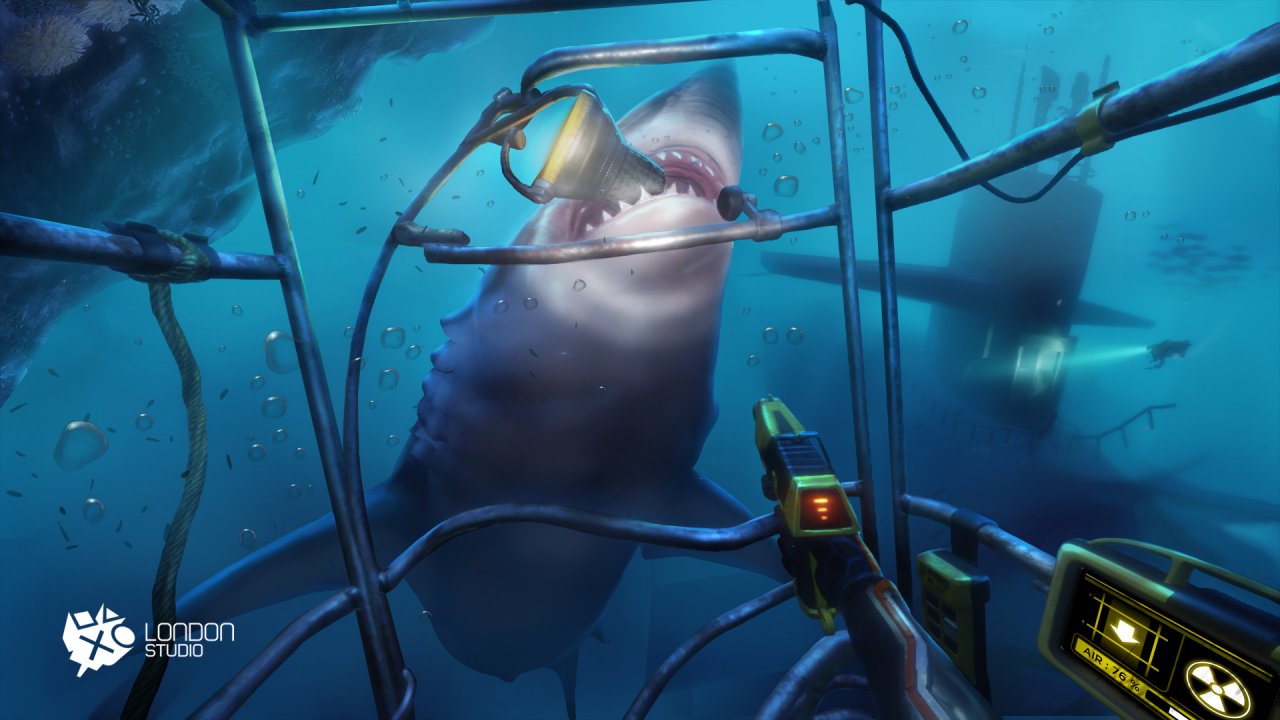
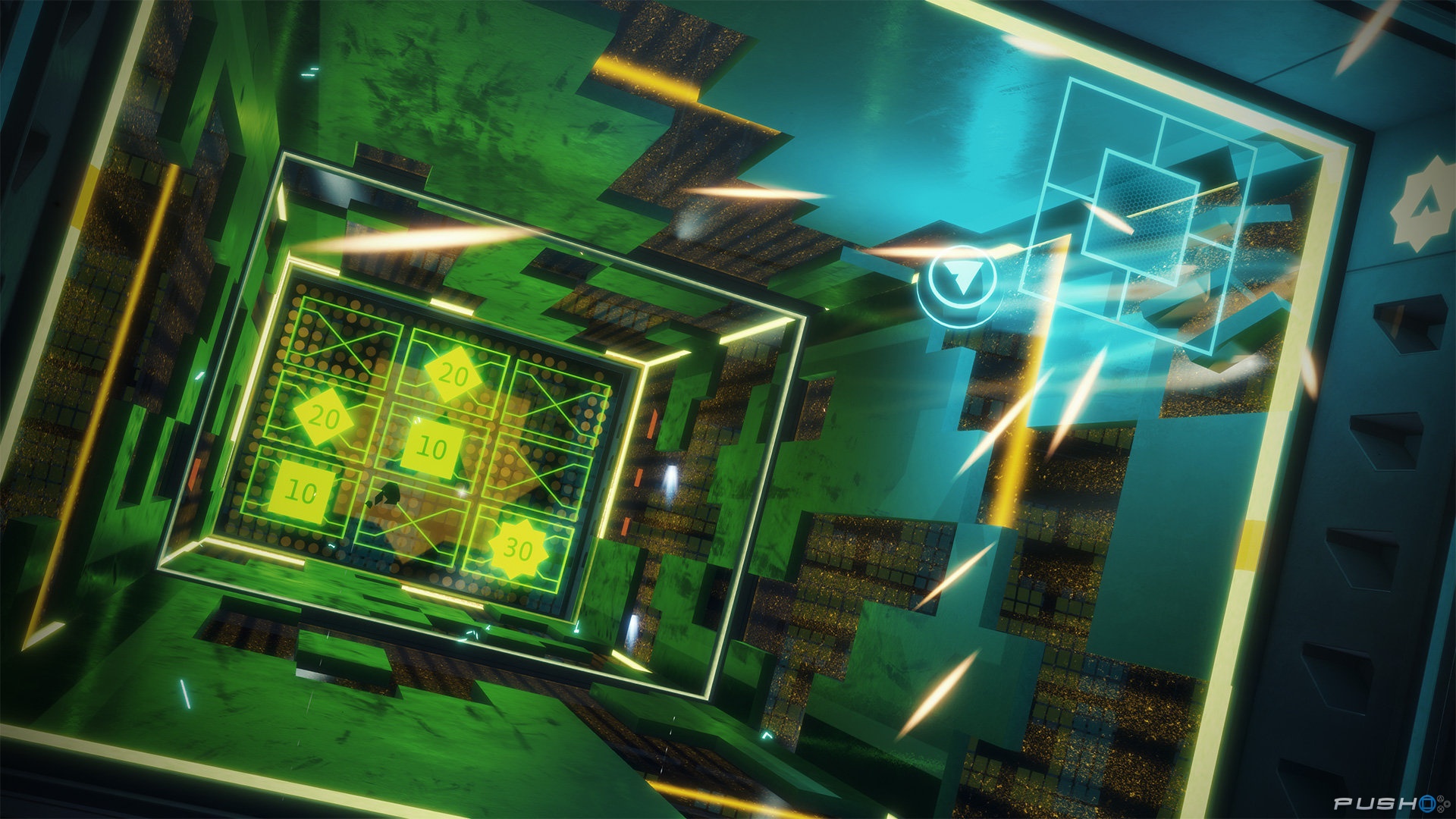


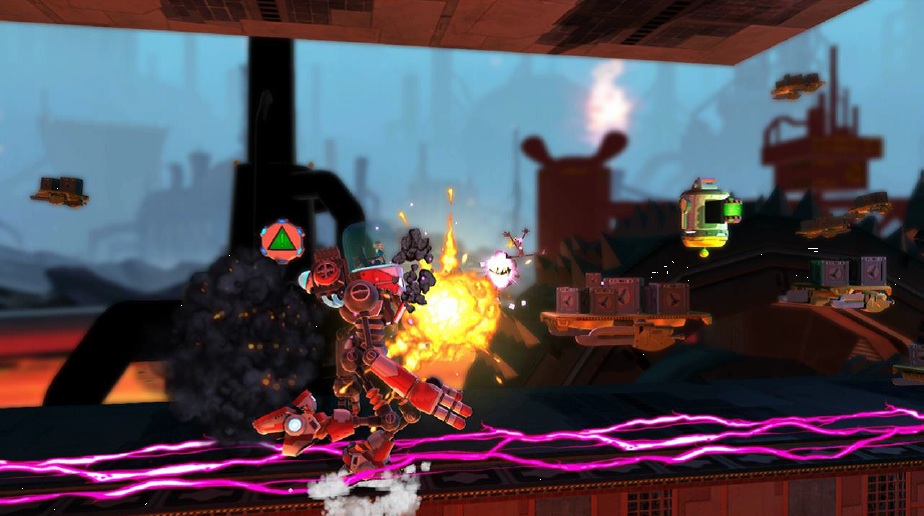
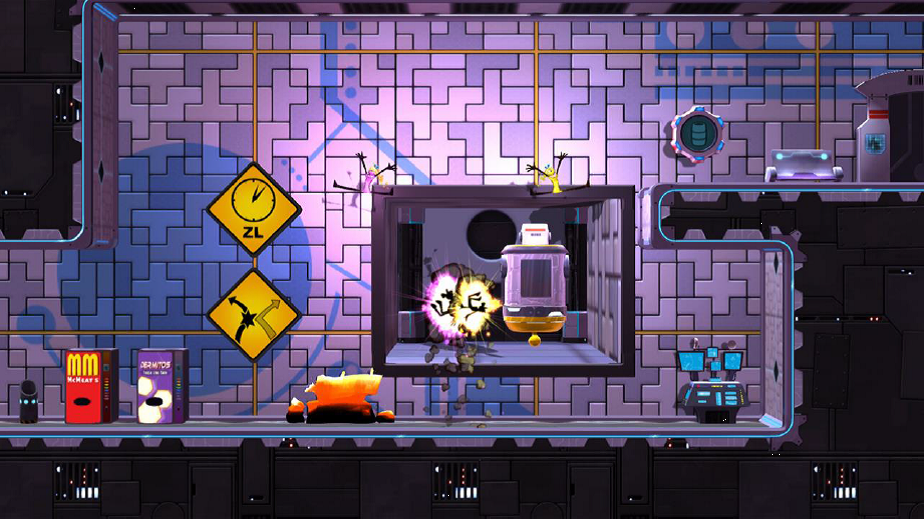

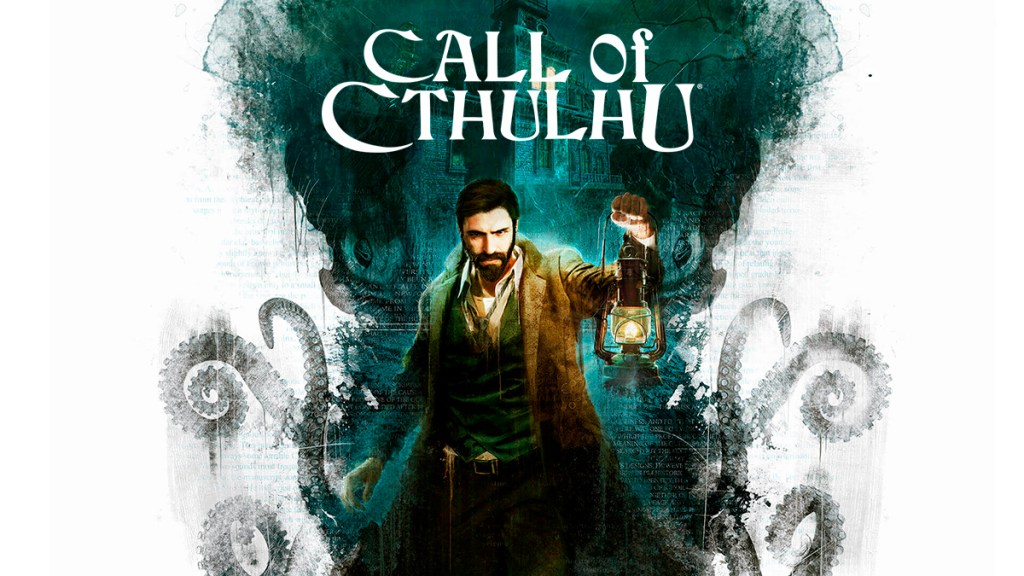

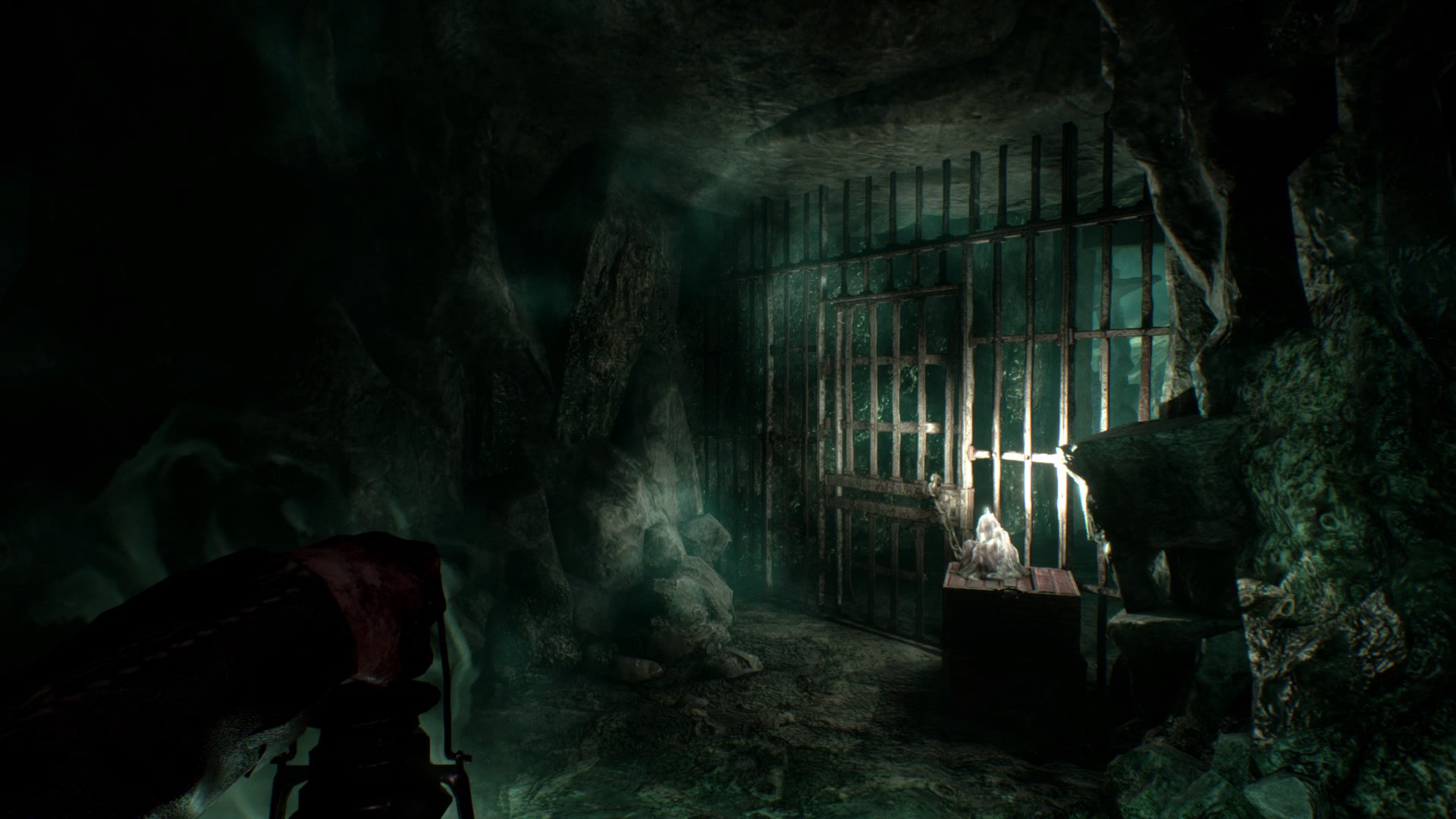

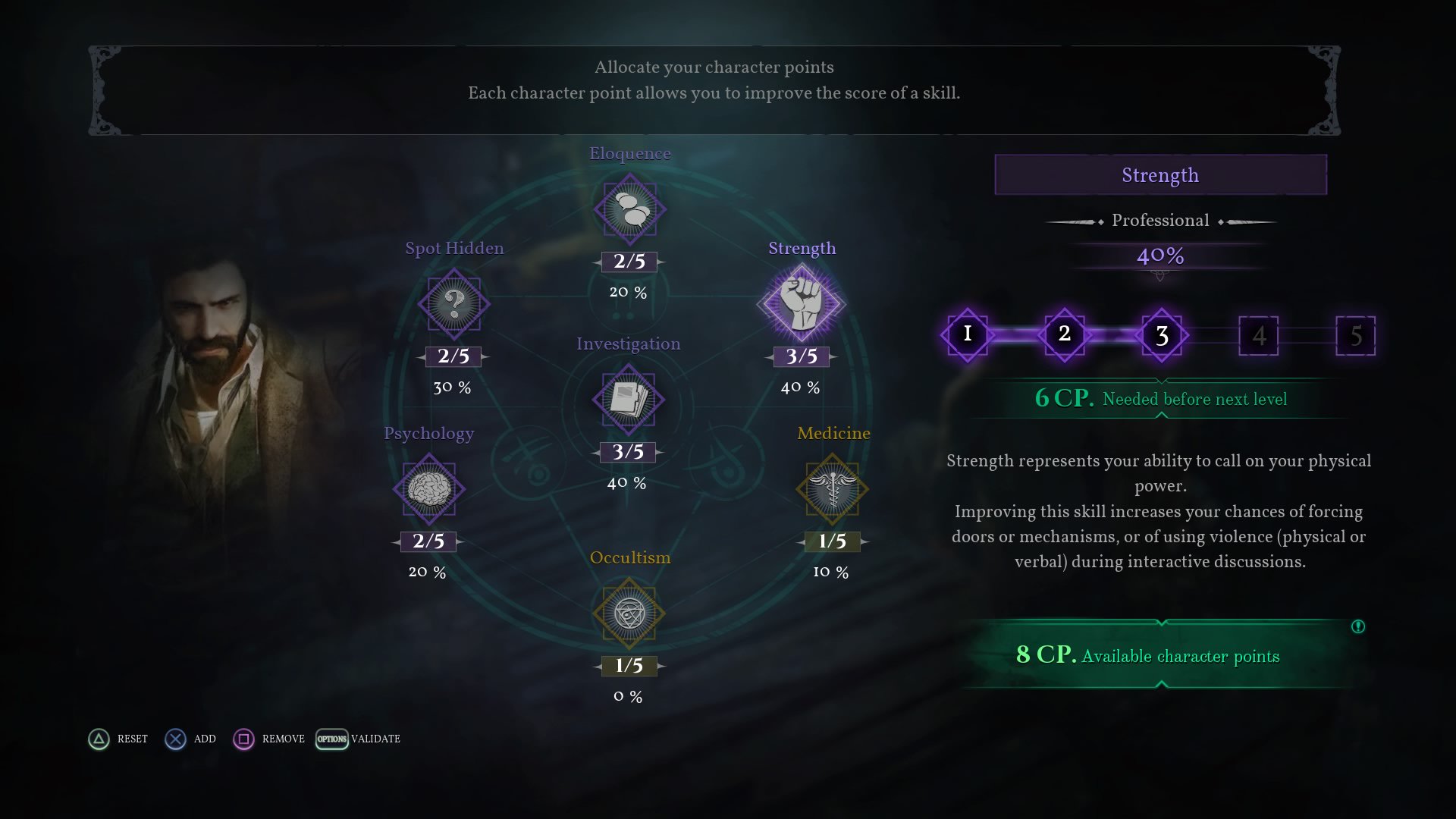


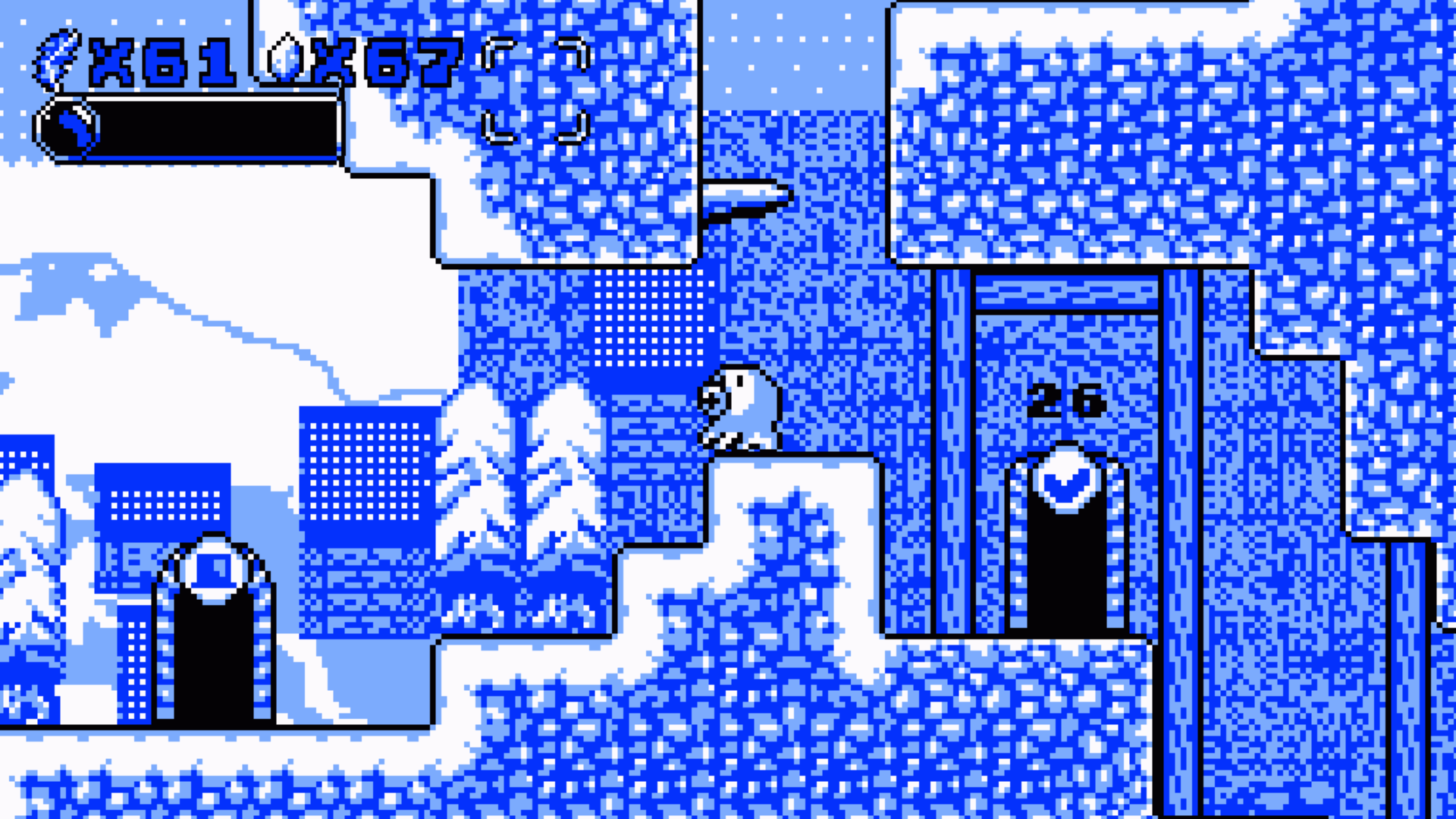


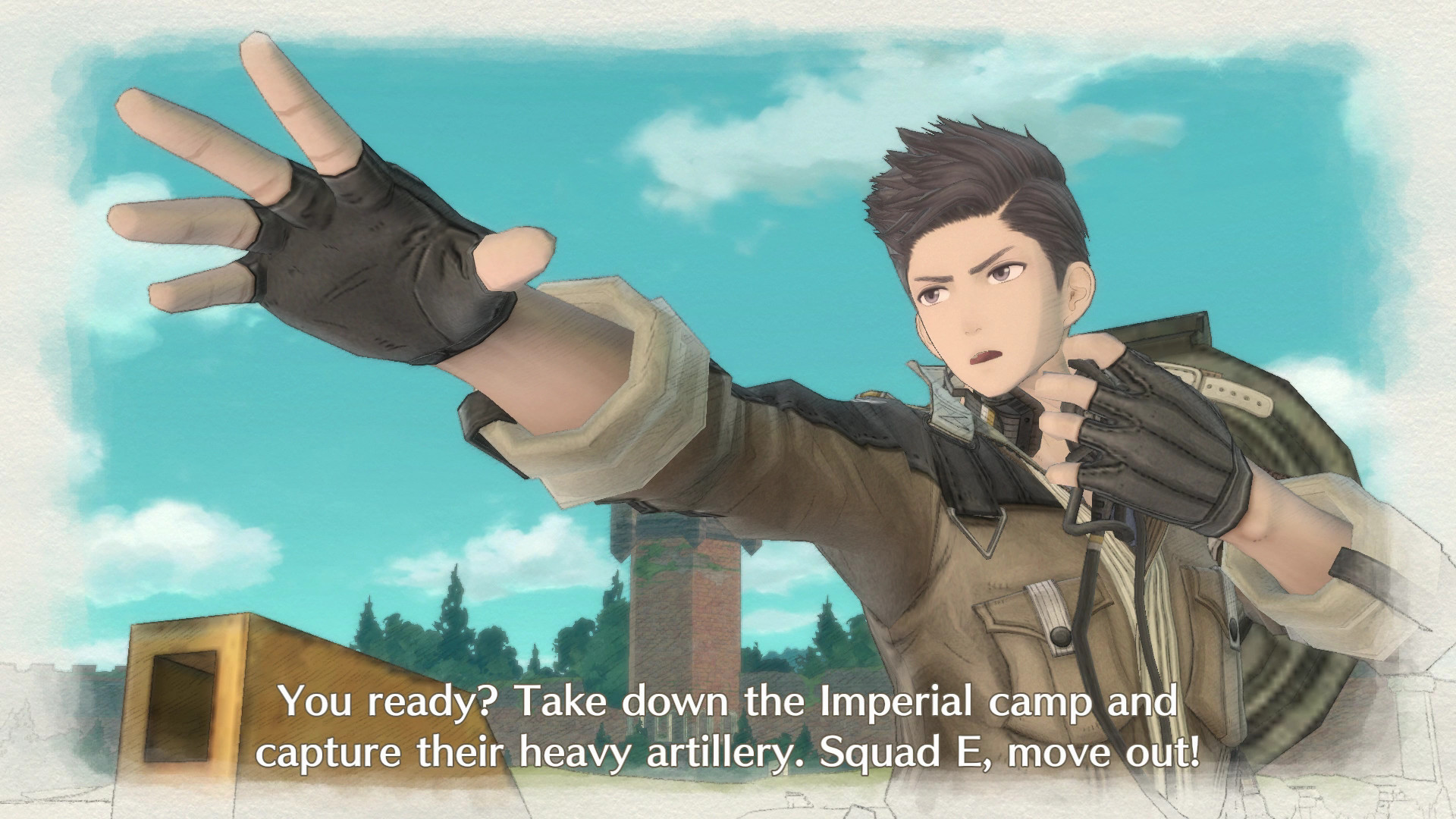


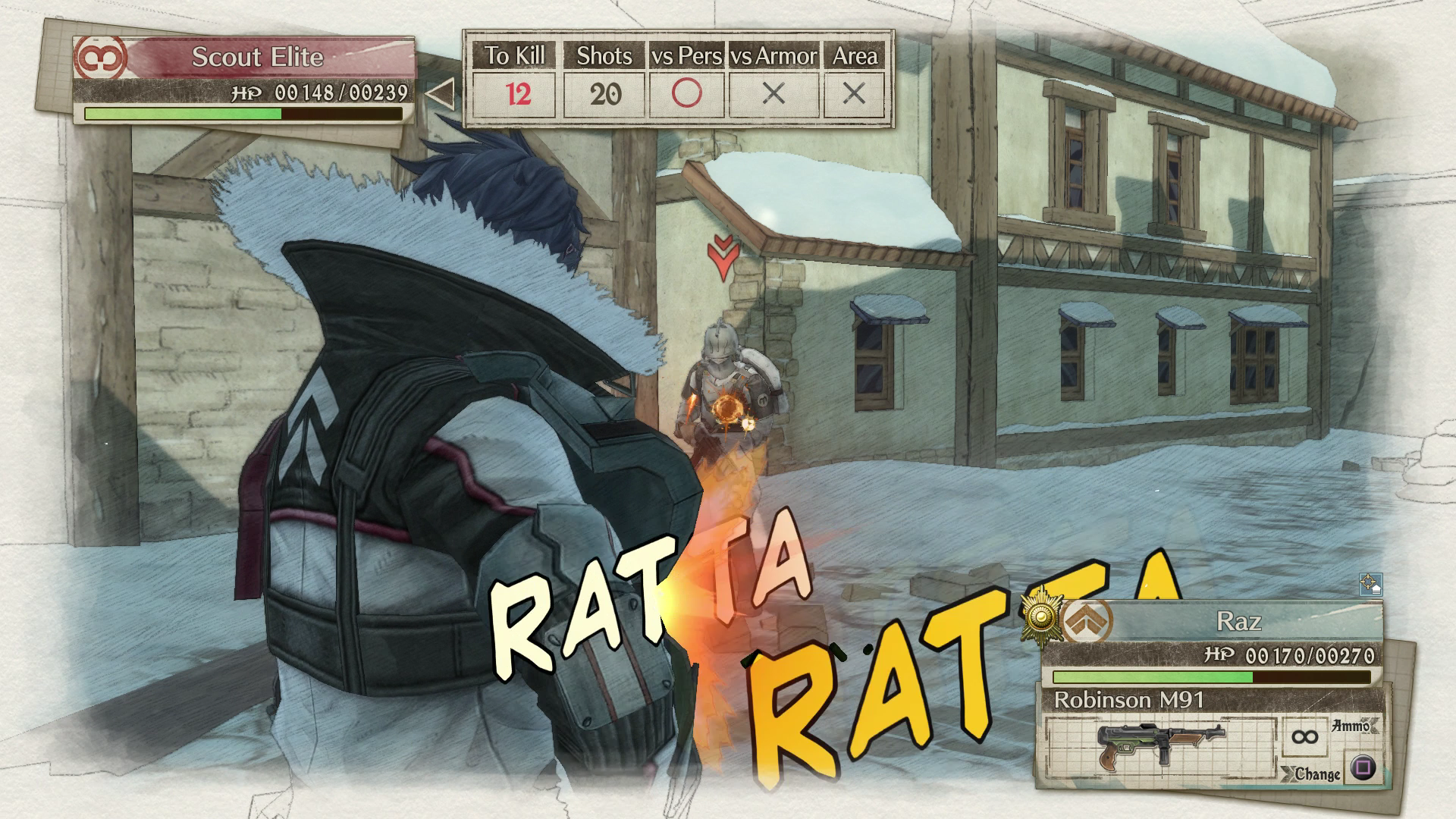

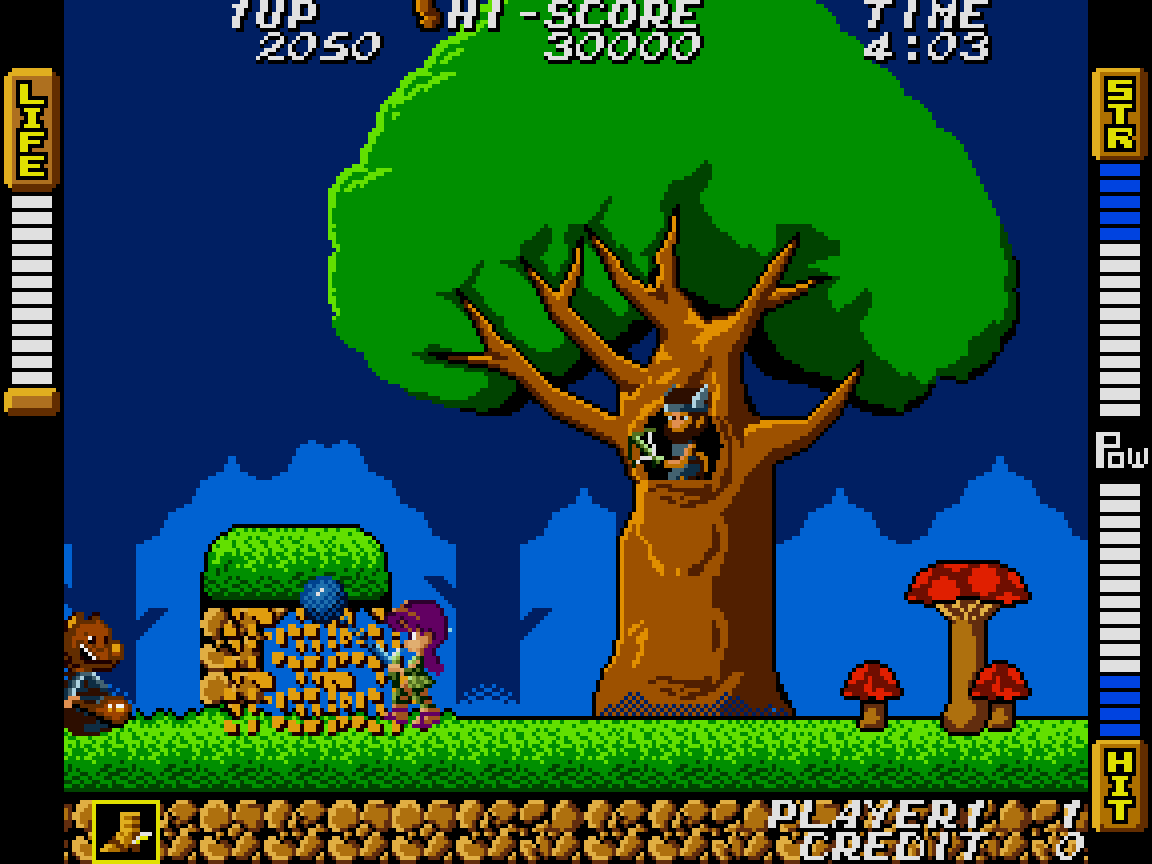
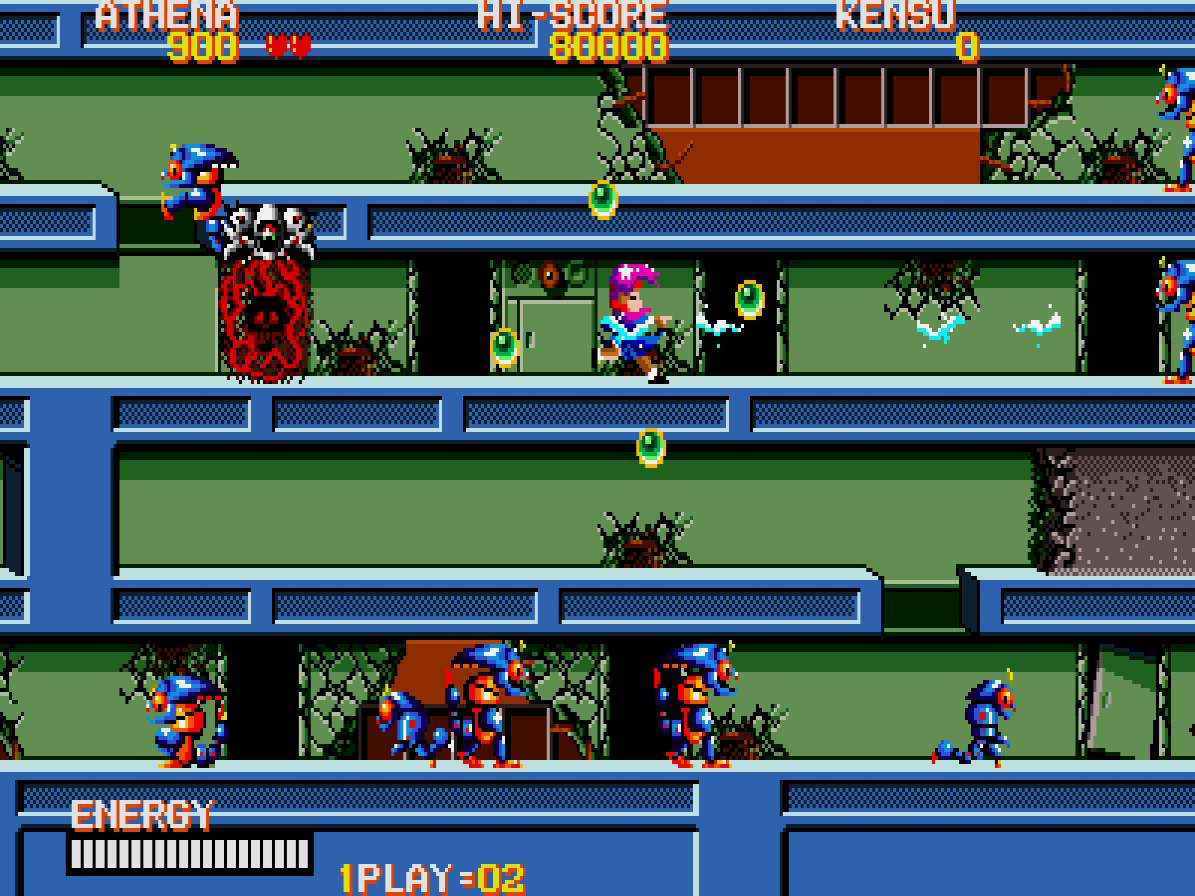
 A MOST AGREEABLE PASTIME