 I love Christmas time. Where I live it brings unbearably hot weather and the sound of leather on willow. For those of you not on this end of the world it brings snowmen and open fires. Opposite seasons aside, one thing we share in common though, assuming you’ve found your way to this blog intentionally, is that the holidays are a time to enjoy playing video games, and lots of them. But while there are plenty of amazing games that will have you playing day until night, sometimes its good to just power through a whole stack of ’em, and marvel at just how great your hand-eye coordination is. Or how few friends you have.
Whichever one of those is true, let me help you sit in a dark room either in as little or as much clothing as possible depending on your hemisphere, square eyed and away from your family. Over two installments, i’ll bring you twelve games that are short enough to play through all of them in their entirety over your christmas break, or even Christmas day if you’re ultra keen. These first six games will at least get you to your annual luncheon feast, but whether you play games or not, I hope you have a very Merry Christmas!
And on the family thing – you’re absolutely welcome.
1. Syndicate
(Playstation 3 / Xbox 360 / PC)
Short but sweet, Syndicate follows the rather welcome trend of shooters becoming condensed but absolutely spectacular bullet fests, and doing it with such style that the hours will fly by. Syndicate is easily the longest game on this list, but still short by any measure, taking me just under five hours to plough through from beginning to end. And if you can get past the fact that it’s not an isometric squad-based strategy game, you’ll probably be so caught up in the corporatised world Starbreeze created, and the brilliant firefights that you’ll have in it, that five hours will feel like five minutes, and before you know it you’ve missed Christmas lunch, and your share of fresh prawns and oysters has been devoured by your uncle John.

2. Limbo
(Xbox 360 / Playstation 3 / Playstation Vita / Xbox One / PC)
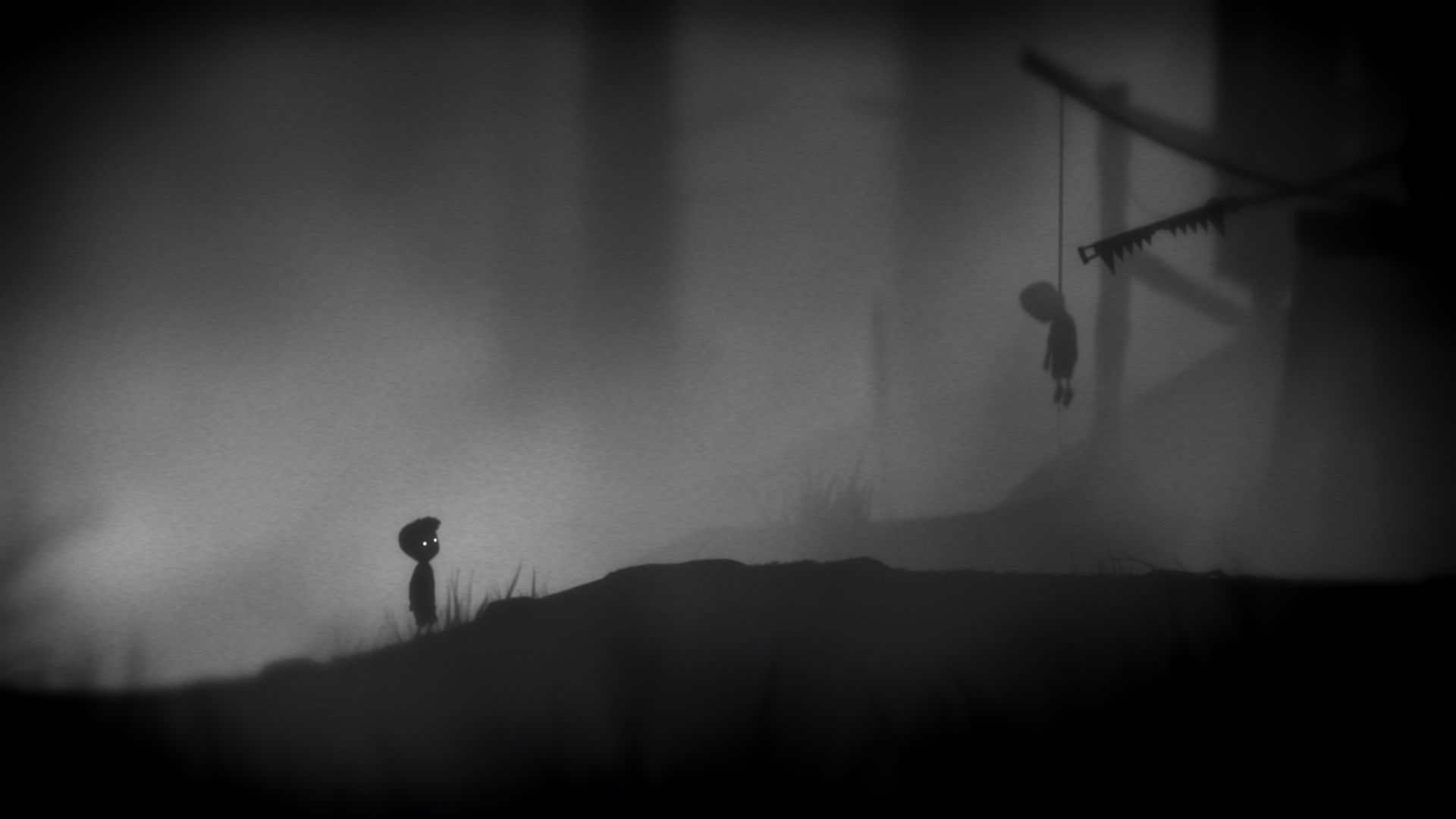
Limbo isn’t very Christmassy, in fact is pretty much the antithesis of joy and festivity the holidays bring, so if you’ve got a sensitive disposition maybe save this one until the end of the day. But bleak content aside, it is still one of the best puzzle platformers experiences around, and one that can be had on pretty much every modern console known to man. I don’t want to spoil anything – experiencing the journey for yourself really is a big part of the game – so just know that you’ll leave Limbo with a new appreciation for, well, everything.
3. Under Defeat HD
(Xbox 360 / Playstation 3)
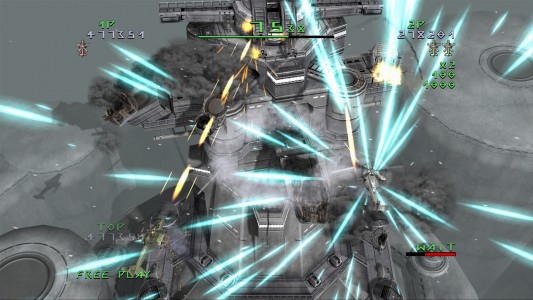
It’s kind of endearing that despite waning significantly in popularity since the 32-bit era, shoot ’em ups are still hanging around on the periphery. Even more adorable, and equal parts awesome, is that publishers are willing to put their collective dicks on the line to put them out on discs for store shelves. Under Defeat HD is one such game, with someone at original developer G.Rev deciding that the very late 2006 Dreamcast game needed some modern day loving, sprucing it up with fancy new graphics and plonking it on a disc. I didn’t play the original, but the HD re-release was a reminder that the genre was still every bit as relevant as it was ten years ago, and that G.Rev were as good of a company to keep the genre alive as anyone. The fact that the team was also responsible for Raystorm in the Taito days was just further proof in the pudding.
4. Sonic Advance
(Game Boy Advance)
The great thing about the early day of handhelds is how brief the games were. Whether it was a function of the limitations of the hardware, or a conscious decision to make games that were perfect for playing on-the-go, it means that finding a game to play start to finish in a couple of hours on a rainy afternoon was usually as easy as closing your eyes and pulling a random game from the shelf. If you were lucky, that game was Sonic Advance, marking the first time Sega’s blue blur appeared on a Nintendo console. And it was a mighty fine debut and one that saw Dimps, who co-developed the game, take the reigns of the portable entries in the series which, for those who aren’t still paying attention to Sonic, are by far the best post-16-bit Sonic games around.

5. Super Mario Land
(Game Boy / 3DS Virtual Console)
Super Mario Land will always be a Christmas game for me. On Christmas day 1990 I was well and truly surprised when the big bearded fella in red left a Gameboy, Radar Mission and Super Mario Land in my sack (hehe). In a cruel twist it was actually my sister that had asked for it, but once I’d had a taste of Nintendo’s monochromatic masterpiece, I was hooked. The Game Boy quickly became the cornerstone of my gaming repertoire, and for the first few months, it was Super Mario Land that was cemented in the handheld. Unlike those of you from the US, though, Super Mario Land was my first foray into the world of Nintendo’s mascot, and for that reason its the Land series that holds a special place in my as Mario’s – and then Wario’s – finest moments.

6. Gitaroo Man
(Playstation 2 / Playstation Portable)
I never got into Rock Band or Guitar Hero, aside from finding my inner beatlemaniac in Beatles Rock Band (I could play And Your bird Can Sing all day long), but despite that admission I’m still quite the fan of the rhythm game genre. While Space Channel 5 is a classic, at the very least for its amazing soundtrack, Gitaroo Man is the better of the two classic japanese story-driven rhythm games, and the game I cut my music game teeth on. It has a great and incredibly diverse soundtrack, taking you from J-pop and power ballads, to acid jazz and samba, all playing over some of the most bananas action sequences you’re ever likely to see in any video game. The heavy duel with the deathly pale Gregorio III in a church is a particular highlight. And the best thing, no plastic instruments required. Whether you can stomach japanese craziness or not – personally I have a stomach of steel for the stuff – Gitaroo Man‘s simple but compelling gameplay makes it worth tracking down if you have any semblance of an interest in music-based video games.

This is the part one of a two part blog post. Tune back tomorrow, Christmas day, to read the second and final installment! And be sure to leave your short game suggestions below.










 I am shocked as to just how little i’ve played in the way of portable games this year. Not because they’ve been particularly good this year per se and i’m feeling like I’ve missed out, but more because traditionally, they’ve been the meat and potatoes of my gaming diet. But with the upswing in the quality and quantity of seriously compelling titles on big boy consoles toward the end of the year – despite travelling incessantly for work – it’s been hard to find the right time to strain my eyes looking at a small screen. But when I did find time, usually right before bed, it was Kadokawa Games’ Demon Gaze that had me pulling out the Playstation Vita for a taste of good ol’ fashioned dungeon crawling. The popular(?) Etrian Odyssey series may be confined the Nintendo’s handheld for the moment, but as a serious alternative to those hardcorest of hardcore role playing games, Demon Gaze more than holds its own.
 If I’ve learnt anything over the almost four years of this blog, it’s that people don’t like reading about Formula One. Sorry, that’s probably not going to stop, but I’ll keep this short: F1 2013: Classic Edition is the best game based on the sport ever made. It is a slavish recreation of the sport, that not only gave you the keys to the modern cars and drivers, but allows you to live some of the greatest and most memorable moments across the long and storied history of Formula One spanning over 60 years.


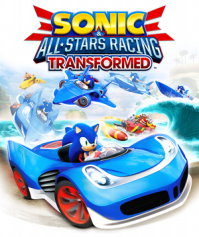 I can hear the cries now. “What! No Mario Kart?! Why?”.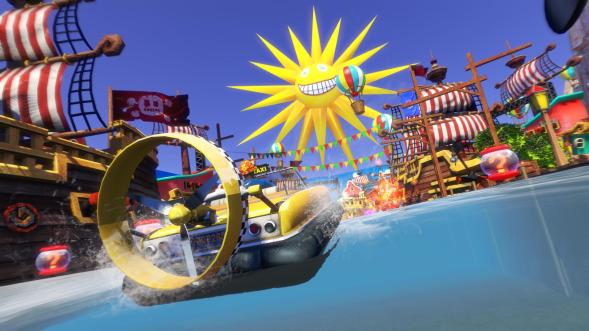


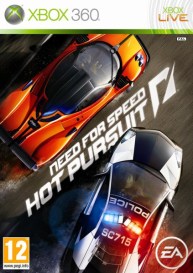 For a game that is an dynamic as Criterion Games’ take on Need for Speed: Hot Pursuit, it feels a bit strange to say that it feels like the work of an expert choreographer. It is a stunning technical showpiece that proved the studio as masters of their craft, that simply had to be seen to be believed. Conceptually it was a proven concept, and one that Electronic Arts knew was appealing, but even while working within a well-worn theme and gameplay, the talented people in Guildford managed to inject their own personality into the game, and truly make the long-in-the-tooth series their own.
 It’s hard to believe that Dirt 2 turned five this year. I don’t tend to recognise how many years its been since the release of my favourite games, but Dirt 2 is different. Even when it was released I can remember Melbourne’s seasons passing, with Codemasters’ off-road masterpiece always sitting in the Playstation 3 ready for the next race. Time passes more quickly than i’d like, and the realisation that a game I still consider new is half a decade old, is a terrifying thought. The fact that it still every bit as good as it was back then is slightly more terrifying, because despite numerous shots at the title – including from Codemasters itself with the game’s follow up – Dirt 2 still stands at the top of the dusty mountain as king of its genre.
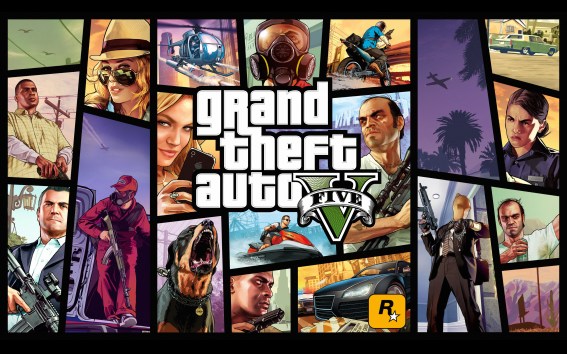

 By Jove I played a hell of a lot of Midnight Club: Los Angeles. For a game that came out in mid-2008, it is truly a testament to how much I enjoyed Rockstar Games’ open-world racer that I was still playing it pretty heavily to keep myself awake during the rather inconveniently time-zoned 2010 FIFA World Cup. Checking my achievements, its even more telling that the last achievement I got for the game was in December last year.
 Last generation’s push into the world of high definition one was a marked on, but it wasn’t well into the generation that games started to look like the jumps most of us were expecting from what new hardware had brought before. There were differences for the better, sure, but they weren’t the sorts of things you’d write home about, or drag your uninterested relatives into the room to see-to-believe on Christmas day. We’d heard about how powerful the Playstation 3 was throughout the first year of its life – developer Naughty Dog even went as far as to say that it was only using 30 per cent of the console’s cell-processing power with Uncharted. I started to believe that the first time I played the Evolution Studios’ sequel to their launch game, Motorstorm: Pacific Rift, because wow did it look pretty.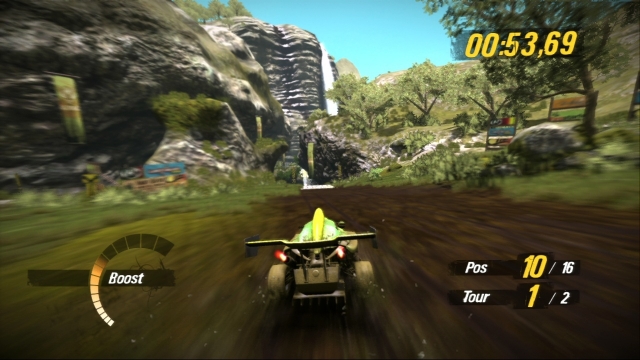
 For me Forza Motorsport 2 was where Microsoft’s consoles became the home of racing. The first game, released in the dying days of the Xbox, was an admirable but flawed attempt at capturing Gran Turismo’s crown, and while I played it it didn’t quite ‘gel’ with me. But I wasn’t ready to give up on the series, and so with no Playstation 3 version of Polyphony Digital’s Gran Turismo in sight, I hung all my 2007 racing game hopes on a cool little $10 preorder for the Collector’s edition Forza Motorsport 2. On 14 June 2007 I plonked the remaining cash on the table at my local JB Hi-Fi and took the rather hefty little package home.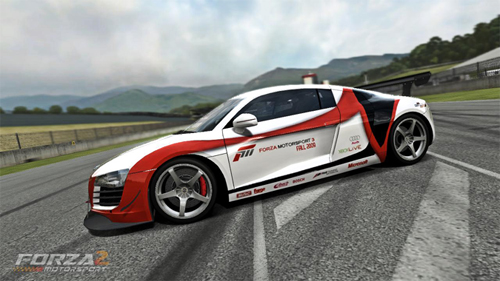

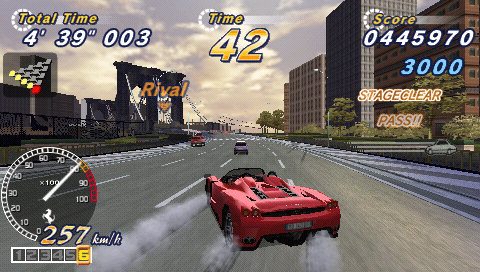
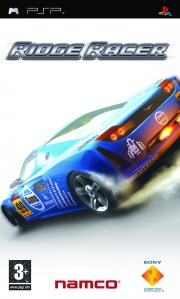 Sony’s Playstation Portable had a bit of strange crisis early on in its life in it simply had too many. Too many ports of Playstation 2 games. Too many games that wanted to be Playstation 2 games. But probably most of all too many racing games. And while they were by in large a decent bunch, how many racing games do you need on a handheld system that, let’s be honest, wasn’t really swimming in piles upon piles of decent games? The answer to that question depends entirely on how much you like racing games. But for me, the definitive answer is one, and that one game is Ridge Racer.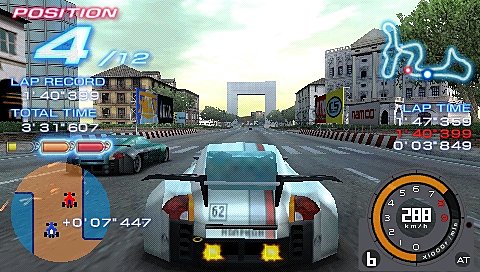
 Playing the demo of Burnout 3: Takedown it was pretty obvious
 Mashed is the best multiplayer game of its generation. And there is a good reason for that because at its heart, Mashed is Micro Machines – which makes infinite sense once you go back and notice that
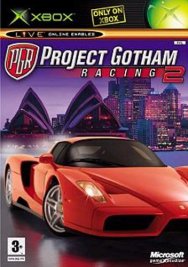 Microsoft and its suite of developers aren’t given the credit they deserve for the influence that the Xbox had on console racing games. At the start of the generation, Sony’s exclusives were, by default, the kings of racing games. From the likes of the driftastic Ridge Racer V, to the ultra hardcore physics-heavy Gran Turismo, the market leader had solidified its place as the ultimate console for racing games. Not that it had much competition. But Microsoft changed that, proving that they had the wherewithal to take the fight to the incumbent on all fronts, with racing being a clear focus for the Redmond-based tech giants. It was a concerted effort from day one, and one that by most measures, was a pretty successful push, with games like the late generation Forza Motorsport and the series that launched beside the Xbox, Project Gotham Racing, making enormous splashes upon their release.

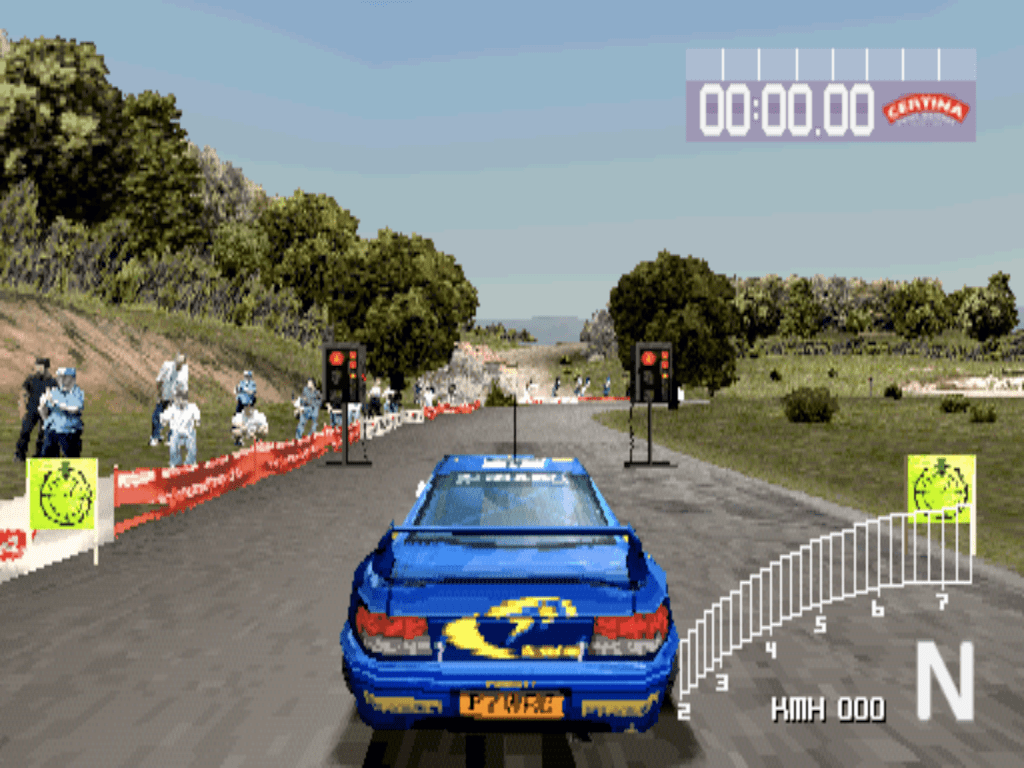
 Rally 2.0 was Codemasters’ first step in streamlined and sexy presentation. From the moment you hit the language select screen you’ll know you’re in for a thoroughly modern and incredibly sophisticated ride, in much the same way that GRID and Dirt did two generations later. And as soon as you hit the track you’ll know that ride will be incredibly bumpy. And fast. And exhilarating. The first Colin McRae Rally may have sold like hot-cakes, but its sequel took the rally racing genre by the tailpipe, and dragged it kicking and screaming away from its competitors. And it has owned the genre since.
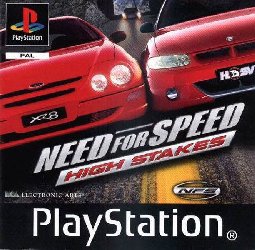 By the late 90’s gamers were catching a whiff of what was to come, with the Dreamcast blowing our minds with its impressive graphics, and the Playstation 2 just around the corner. But while we were all dreaming of those high polygon counts of the future, developers were continuing to push the ageing Playstation 1 hardware to its limits, with impressive results. Racing games led the charge, with games like


 ran Turismo is more than just the best selling game on the Playstation, it is as cultural zeitgeist that changed car culture in Australia almost overnight. There had always been an underlying current of appreciation for Japanese sports cars, but in a country where Formula One and our own home-grown V8 Supercars rule the roost, they had never been a mainstay of our car culture. Polyphony’s game changed that, and over the next few years we saw a significant change to the cars on our roads, as the Subaru WRX and the Nissan Skyline became the new hotness for car lovers, replacing the roar of Holden’s own OHV V8 engines with the purr of an I6. Whether Polyphony Digital and Sony intended or not, Gran Turismo was for many people, the gateway into a new appreciation for automotive and the birth of a new type of car enthusiast.
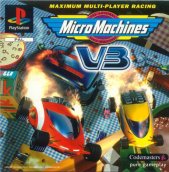 liberation that I omitted the original Micro Machines, released in 1991, from the countdown. After all it is one of the genre’s greats, living in my memory as one of the defining games of its generation and as a nice little throwback to the eponymous toys of my childhood.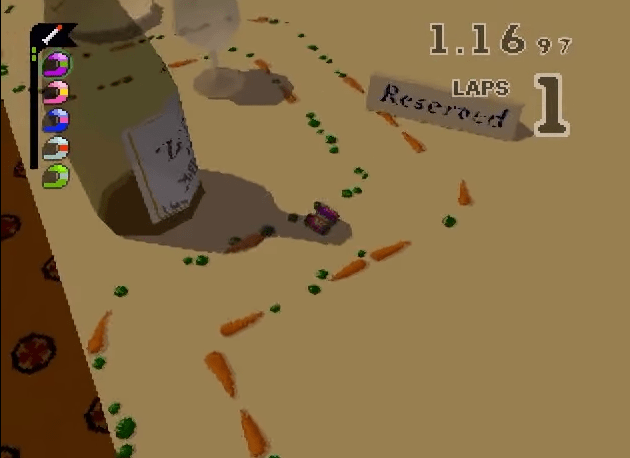
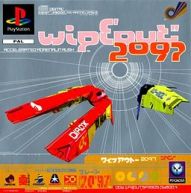 In a lot of ways the Wipeout series is my moment of realisation a lot of people had with Super Mario Bros way back in 1985. When I first set eyes on Wipeout it felt like the future of video games, not just because the game looked technically and thematically way ahead of its time, but also because of what it brought to the table in terms of legitimising video games as a thoroughly artistic medium. The Wipeout series weren’t just brilliant games, they busted the idea that games were pixelated messes designed and destined to be played by kids, which in some ways is why games like Mortal Kombat and DOOM received such public backlash about ‘what it was doing to our kids’. But Wipeout in some ways changed that perception by being a game that any adult could look at and appreciate its artistic value.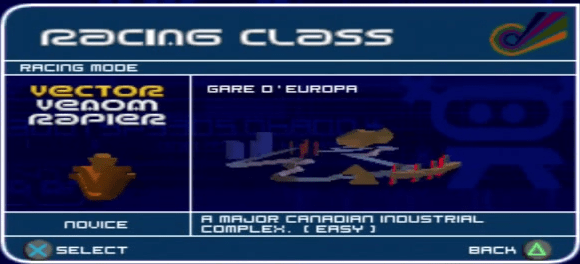

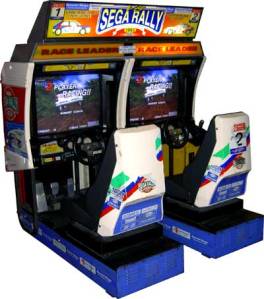 Daytona USA was the last great game changer for arcades. It was the first time i’d ever seen a machine take $2 coins per play, and the last time I ever saw lines so long that time limits were enforced by arcade owners to prevent them from snaking out onto the pavement. In fact it is such an enduring classic that even now, 20 years on, you’re unlikely to spot a Daytona USA machine with an empty seat regularly, and the draw of a four-machine link-up is still an incredibly attractive proposition if you come across one with a group of mates. For a lot of us Daytona was the last great game from the era where arcades were king.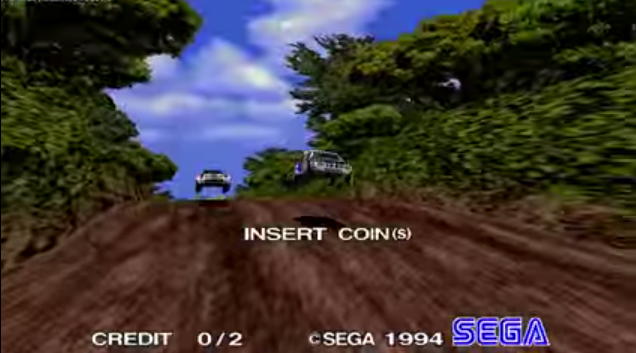
 A MOST AGREEABLE PASTIME