Full disclosure – I was fully prepared for Peaky Blinders: Mastermind, by FuturLab, to be rubbish. After all, this is a video game based on a TV show, and rarely does that kind of crossover work out well. Particularly when the genre of the game (in this case a puzzle/strategy game) seems such an odd fit for the show in question.
The trailer is 50% footage from the show, of which there is precisely zero seconds of in the game. Then I really started to worry when the very first puzzle was ‘Find Tommy’s keys’. However, I’m pleased to report that such pessimism was misplaced! As it turns out, Peaky Blinders: Mastermind is an entertaining (if relatively brief) experience.
For the uninitiated, Peaky Blinders is a wildly popular British TV show which follows the exploits of the eponymous street gang, led by the Shelby family. Set in 1920’s Birmingham, it’s sort of a cross between Only Fools and Horses and Reservoir Dogs, in the sense that it features familial squabbles and dodgy deals, mixed with graphic violence and being really cool.
Led by the exquisitely cheekboned Tommy Shelby, the protagonists are frequently embroiled in the kind of crime and intrigue which forms the plot of the game. Peaky Blinders: Mastermind sees the Shelbys coming up against both rival gangs and a ruthless police inspector. The very existence of the Peaky Blinders is under threat, and the family need to rally round. Fortunately, the Shelbys have a secret weapon – time travel. Sort of.
The game is structured around ten missions. You’ll need to navigate the attractively portrayed streets of Small Heath, achieving your objective while overcoming obstacles and avoiding the attention of the police. To do so, you’ll need to co-ordinate Shelby family members, ensuring everyone is in the right place at the right time. You control each Shelby individually, but you’re able to rewind time and manoeuvre others into position as you require.
Each family member has their own special abilities; for example, family matriarch Polly can bribe police and pick locks, while youngster Finn can climb through windows and small gaps. So say you need the intermittently unhinged Arthur to punch out a rival gang member, but they’re in the view of a policeman. You can use Ada to distract the copper, then rewind time and send Arthur in once the coast is clear.
It’s a really neat mechanic, and can create some interesting puzzles. At its most complex, you can be juggling six or seven characters, each following their own overlapping timelines. If something goes wrong, you can just rewind and work out where the issue is. When everything is timed just right, it’s immensely satisfying and neatly replicates those iconic slow-motion-walk-to-camera moments.
Peaky Blinders: Mastermind is faithful to the aesthetic and themes of the source material more broadly, too. The original soundtrack is provided by the band Feverist, who soundtracked the international version of the first series. ‘Red Right Hand’ is noticeable by its absence, but the new material is a more than acceptable replacement.
It should be noted that, although the game features the likenesses of the main cast, there’s no voice work. The story is progressed by illustrated cut scenes and text. The artwork is attractive in its own right though. Besides, I defy anyone familiar with the show to not hear the characters’ voices in your head when you read the dialogue, especially Arthur (‘I’M SORRY, LINDUH!’).
My only real concern with the story is whether it would make sense to those unfamiliar with the show. It doesn’t give a lot of context around the characters or the wider situation. That said, it really just serves to link the missions together, and so it shouldn’t be a deal-breaker for anyone interested in giving Peaky Blinders: Mastermind a go.
In fact, my biggest criticism of Peaky Blinders: Mastermind is that there’s not more of it. Of the ten levels, the first is the tutorial and many of the early ones focus on getting you used to the different Shelbys’ abilities. It feels like the game only really hits it stride in the last three or so. Admittedly, the tenth mission is a bit of an epic, but I would’ve liked some more genuinely challenging levels.
There is a certain amount of replayability, with awards given out for completing missions in certain times. I generally hovered either side of the gold/silver cut off on my first run on normal difficulty. There are also collectable watches in each level, which require a bit of extra thought to collect efficiently. However, I’m really not enough of a perfectionist to want to go back and ace each level.
Overall though, I enjoyed my time with Peaky Blinders: Mastermind. It’s not the most difficult puzzle game you’ll ever play, but it makes for a diverting few hours. Crucially, it does what every good puzzle game should do – makes you feel clever for getting it right. It carries over enough of the show’s style and character to make it engaging to fans, too. Even if you’re not already into the show, I think the gameplay should be solid enough to keep you interested regardless.
Peaky Blinders: Mastermind was developed by FuturLab and published by Curve Digital, and it’s available on PC, Switch, PS4 and Xbox One. We played the PS4 version.
Disclosure statement: review code for Peaky Blinders: Mastermind was provided by Renaissance PR. A Most Agreeable Pastime operates as an independent site, and all opinions expressed are those of the author.
Follow A Most Agreeable Pastime on Twitter: @MostAgreeable
Untitled Goose Game developer House House has just announced that it will be adding a SECOND horrible goose. A free update on 23 September will allow a second player to unleash mayhem via an additional feathered terror. Hoorah, and, indeed, hooray!
But the bad news is that House House aren’t currently planning any additional levels for Untitled Goose Game. As they say in the press release:
Q: Are there other updates with new areas coming soon?
We don’t have any plans to do this at the moment. We consider the world of the goose game to be “complete”, and to us, adding new sections would feel like stapling on bits to something that’s already a whole. We’re very proud of the game as it exists, and for this update we wanted to put all our effort into making that game enjoyable for two players.
That’s a bit of a shame, since my major criticism of Untitled Goose Game was that it’s a bit too short. I would love to explore/destroy more of the village.
I don’t often get blindsided by new games these days, but when I was assigned to review Hammerwatch for Nintendo Life I was pleasantly surprised to find a game that took the endlessly combative treasure-hunting arcade precepts of Gauntlet and gave it a nice layer of player progression to make for a deeper and less oppressive action romp. It scratched a certain itch I forgot I had, without the hindrance of having to pump quarters constantly and being frustrated by money-grabbing design philosophies.
Now Heroes of Hammerwatch, the sequel to Crackshell’s top-down action RPG, has arrived, and it’s added a lot of neat new ideas that round out into what is almost a definitive version in my book.
Heroes of Hammerwatch touts itself as a rogue-lite; a context that for me at least still instills a bit of hesitancy. I don’t have the hours of time I’d like to devote to video games, so the idea of starting from scratch holds no appeal whatsoever. But although technically you end up back at the beginning of whatever area you’re in every time you die, the game is quite forgiving in that all of your experience remains for you to build upon in future runs. While there’s still the sting of dying close to the end of a level or losing a boss battle, the notion that you’re constantly working your way to better stats is a pretty good salve that actually pushed me to keep going.
Another good impetus to keep me plugging away is your ability to upgrade the little berg known as Outlook at the base of the Forsaken Spire. I’m a sucker for having a base in games because it adds this odd sense of security, and knowing you can build it up by collecting ore – which in turns grants you more abilities and power-ups – is even better. There’s something really nice about building a community, even if on a superficial level. It gives you this sense of camaraderie that makes your inevitable failures feel less harsh.
The game offers a good amount of classes for you to play around with, including all the stalwarts you’d expect, such as melee fighters, healers, ranged combatants and everything in between. The game is controlled in a twin-stick shooter style, which makes it feel very much like Gauntlet but with a better degree of control. Since I was playing solo, I stuck with either the paladin or the ranger, but every class is viable when playing cooperatively. The only bummer about Heroes of Hammerwatch is that there isn’t an option for coop play locally, meaning I had to play exclusively by myself – because I’d rather play with folk I know than random and potentially sketchy online unknowns.
Even though I had an inkling of what to expect from Heroes of Hammerwatch, that familiarity mixed with an addictive character and town progression loop sucked me in harder than I was expecting. Under most circumstances I’m all for a game explaining its systems to me thoroughly, but the learning process of discovering Hammerwatch’s ins and outs was oddly refreshing. And knowing that not all is lost when you find yourself slain makes this game far more fair and forgiving than its rogue-ish contemporaries. Your warrior may need food badly, but you’ll do better next time.
Heroes of Hammerwatch was developed by Crackshell and published by Blitworks, and it’s available on PC, Switch, PS4 and Xbox One. We played the Switch version.The Ultimate Edition includes all of the DLC from previous versions.
Disclosure statement: review code for Heroes of Hammerwatch was provided by Blitworks. A Most Agreeable Pastime operates as an independent site, and all opinions expressed are those of the author.
Follow A Most Agreeable Pastime on Twitter: @MostAgreeable
I’m convinced that dismembering bodies in games is a complex art form. One that I have mastered after two full playthroughs of Carrion, a side-scrolling ‘reverse-horror’ game where you’re the monster.
And I really did feel like one. When my health was full and I had nothing to gain from killing a room full of unarmed innocent scientists, I still mutilated them in ways that would put the goriest movie scenes to shame. And it’s incredibly addictive. I want more of it.
At times, when I was done clearing a level and had no more living humans left to rip apart, I’d grab the remains of the nearest soldier and gnash at his limp torso, just because I love the noise it makes. You see, the sound design in Carrion is some of the crunchiest I’ve heard in ages, and it’s half of what makes it so satisfying to play. As you enter a room, you’ll hear the quick click of guns being loaded by armed personnel who’ll carefully try to avoid you. Their civilian counterparts, on the other hand, will let out heart-wrenching screams as they have a breakdown in the corner or run about frantically and, eventually, straight into your tentacles. I’m not exaggerating, but those screams made me think twice about smashing them onto the ceiling.
And it’s neat to see the enemies react to the most subtle audio cues. They listen to you slithering around. They track you. And if you study their patterns, you can gain an advantage, working out ways to sneak up on your prey – or not. You can choose to skillfully and stealthily open a door, or simply rip it from its hinges. You can move slowly through the vents to get just the right angle to yank someone out of sight, or you can let out a roar and demolish everything and everyone around you. Either way, Carrion gives you a choice.
I appreciated this, because I most enjoyed role-playing as a shadowy, graceful blob of meat. There are three states available, each with their own set of powers, and you need to switch between them to solve environmental puzzles that block your way. But when you’re hiding under the floor, stalking your prey, that’s when it feels incredibly liberating to have so many tools at your disposal. Carrion is a stealth game if you want it to be. And it can be quite meditative when you take out an entire room without ever getting caught. I don’t want to spoil anything, but you can fight fire with fire and that’s all I’m going to say.
The puzzles are hit and miss, though. It can feel a little annoying when you move back and forth through the same level waiting for tiny cut scenes to finish every time you pull a lever, and the puzzles usually come down to performing a few obvious steps. They’re not exactly brain-teasers, and that would have been fine, but there are so many mindless versions of the same thing scattered through each level that you do end up wishing they were more of a challenge. And in terms of narrative, there’s not much. You’re an amorphous creature that just broke out of a containment chamber, and you’re trying to escape the facility. The story remains ambiguous and bare bones, although John Carpenter’s The Thing is a clear influence. Indeed, I’ve already seen several reddit threads discussing the craziest theories about how these universes are connected.
Carrion’s weakest moments are its Metroidvania-like systems. Backtracking without a map can feel frustrating, especially when you go back through several biomes and get lost. Plus the optional power-ups are nothing to be excited about, and I quickly forgot that I’d even picked them up because they didn’t affect the gameplay in any way. Rather than a Metroidvania, I would have liked to see Carrion as a roguelite. The core gameplay loop is such a fun experience that coming back to it with procedurally generated levels would have been a delight.
But this is a minor complaint given what a delight Carrion is to control. The movement feels buttery smooth, and the combat is bone-crunchingly delicious, all backed by Cris Velasco’s eerie, atmospheric OST. It’s brilliant, and what’s more, it doesn’t overstay its welcome. In fact, I’ve already finished my second playthrough in under three hours – and I’ll probably go through it a third time in the coming weeks.
Carrion was developed by Phobia Game Studio and published by Devolver Digital, and it’s available on PC, Mac, Switch and Xbox One. We played the PC version.
Disclosure statement: review code for Carrion was provided by Indigo Pearl. A Most Agreeable Pastime operates as an independent site, and all opinions expressed are those of the author.
Follow A Most Agreeable Pastime on Twitter: @MostAgreeable
I asked the Lego Super Mario designer Jonathan Bennink about the absence of Luigi in my interview with him the other day. His response was ‘I can’t talk about anything!’, which to me suggests there might be plans – however tentative – to add Luigi to the Lego Super Mario range at some point in the future.
Now that I’ve had a chance to play with the Lego Super Mario sets myself, I’ve realised that they’re essentially designed around competitive multiplayer, with players taking it in turns to collect coins and beat the previous high score. So it would make total sense to introduce simultaneous multiplayer, with a second person controlling an electronic Luigi.
Having two players competing to land on the most valuable coin-giving blocks would be an absolute riot, so I’m certain it must be in Lego and Nintendo’s plans. But then again, a Lego Luigi would be expensive. The Mario Starter Course is £50 yet only includes 231 pieces, so a big chunk of this price tag is made up by Mario himself. I wonder whether the companies are waiting to see whether Lego Super Mario is popular before committing to creating another expensive electronic toy.
I think there’s a good chance we’ll see an electronic Lego Luigi at some point though. Although I’m not convinced that Lego Super Mario has truly lasting appeal in its current form, adding a second player could make it much more appealing. And the sets seem to be flying off the shelves: four of the most expensive Lego Super Mario expansions, including the £90 Bowser’s Castle, are currently sold out on lego.com in the UK, just days after release. That success bodes well for the introduction of a pricey electronic Luigi at some point down the line.
Follow A Most Agreeable Pastime on Twitter: @MostAgreeable
I interviewed the lead designer of Lego Super Mario for Nintendo Life last week, and following that, Lego’s PR folks kindly sent me a sample of the Lego Super Mario range to try out for myself. Although I’d done plenty of research before the interview, I still wasn’t sure exactly how these sets are meant to work by the time I spoke to Jonathan Bennink, and even his patient explanations didn’t really enlighten me all that much. It’s only now that I’ve built the sets and played with them that I get what Nintendo and Lego have been aiming at.
I was sent the starter course, plus two expansions and the Fire Mario suit.
I’ve built plenty of Lego sets in my time – I’m looking at the giant T. rex from the mammoth Jurassic Park set as I write this – but I was taken aback when I opened up the Mario Starter Course. For a start, there are no instructions, since everything is done through the Lego Super Mario app. Lego has been experimenting with digital instructions for a while, but this is the first time I’ve seen a set without paper instructions at all. And then there was the fact that I had to hunt around for two AAA batteries to power Mario – again, a signal that this is very much not your usual Lego set.
My five-year-old son was on hand to do the assembling, and he was super keen to crack on with building by the point I was searching for AAAs. He’d already had to wait patiently while the hefty Mario app was downloading, and once I’d found the batts, he then had to wait again while Mario himself performed an update.
But when we finally got going, he took to the digital instructions super quickly. In fact, after a short while he said he preferred them to boring old paper instructions. I can already hear the sound of Lego purists spitting out their tea, but he makes a great point – one thing that digital instructions have in their favour is that it’s impossible to miss a step, which is very easy to do when following them on paper. Plus it’s helpful to be able to rotate the image to see exactly where each piece goes.
The app guides you through each building step, and has videos showing how to use the play features.
Not that you’re likely to make a mistake when putting these sets together. In fact, they’re almost too simple to build. My son actually complained that the building was a little bit boring, since you’re generally making very small modules from just a few parts. That means there’s none of that usual satisfaction with Lego of seeing a complicated build emerge from nothing, adding detail as you go.
It’s-a-me, Mario!
Having said that, it’s very cool to see Nintendo characters like Yoshi and Bowser Jr. emerge from a handful of bricks. Yoshi in particular looks utterly charming, and the Shy Guy is just *chef’s kiss*. Best of all, they’re all made almost entirely out of standard Lego bricks, although some are printed (there are no stickers whatsoever in any of the sets). The only new, specialist bricks are the characters’ feet and, in Bowser’s case, a shell. And elsewhere it’s almost all standard bricks as well, except for the green pipe and the new, rounded bases that sit underneath each feature.
Although my son wasn’t that impressed with the building, he absolutely loved playing with Mario. You should also bear in mind that he hadn’t even heard of Mario before we started making this. He’s super into Lego, but he has barely played any video games, bar a couple of Lego ones. Yet he was instantly charmed by this electronic Mario and his whoops and cheers as you swish him through the air. He was particularly charmed by the way the M man falls asleep when you lay him down.
I LOVE Lego Yoshi.
He’s got a point, too – there’s something irresistible about this tiny, blocky Mario. And I love the way he has all sorts of built in reactions to different situations, like yelping ‘Mamma mia!’ when you take his trousers off. He seems fairly indestructible as well, which is a good thing considering the punishment he takes when you actually play the game.
Bowser Jr is also incredibly cute.
Before I got these sets, all I really understood was that Mario reacts to special barcodes on different parts of the play set, like the ones on the Goomba’s head. Jonathan also mentioned that levels are played against a timer and are linked to the app. But it was only when I started playing with my son that the lightbulb went on for me: this is a competitive multiplayer game, with an added dash of creativity.
Let me explain how it works. Mario is linked to the smartphone app by Bluetooth, and placing Mario on the green pipe starts the level. Then you have 60 seconds to collect as many coins as possible by using various play features. Scanning/stomping a Goomba earns a coin or two, spinning Mario around on the rotating block earns coins, and floating him around on the cloud also earns coins, to name just a few of the things you can do. But you have to scan/stomp on the flag tile at the end of the course before the time runs out, otherwise you lose all the coins you’ve gathered. Then the app tells you your score and lists the things you did in the level.
The Bullet Bill set is quite clever – they can knock Mario off the platform and stun him if you spin it round too fast. Nice little risk/reward mechanic, there. If you grab the power mushroom beforehand, Mario isn’t stunned when he falls and can carry on going.
Suddenly it all makes sense! The aim is to compete with your child/sibling/parent/friend/whoever to get as many coins as you can in a set level. And suddenly you realise there are certain strategies you can employ to maximise your high score. The rotating block, for example, earns loads more coins than stomping Goombas, but it’s also more high risk, because if Mario falls off the slippy surface he gets stunned for a few moments and can’t pick up more coins until he recovers.
And once you’ve played one course to death, you can completely rearrange it into something else, maybe taking out certain play features and adding in others, like the Fire Mario suit. This costume lets Mario shoot fireballs if you tip him forward, earning coins at the same time. And you can defeat Bowser Jr. much more quickly by shooting him with fireballs instead of jumping on him. You can also take a photo of your course using the app, which saves your high score. That means you can easily reassemble an old course and have another go at beating the course record.
The Fire Mario power trousers are quite fun. You can also get Cat Mario and Propeller Mario.
OK, I think I get it now. And yet I’m still not wholly convinced. My son and I had lots of fun playing courses together, and it made me smile to see how excited he got as the final seconds ticked down and he made a frantic lunge for the finishing pole. But when I’ve been on my own, I haven’t felt much of an inclination to play around with Mario myself. Although I’m obviously much older than the target age range, it strikes me that these sets are really meant for playing together rather than on your own.
And as Lego sets, they seem a little bit limited. They’re a bit too skeletal and basic to work as display items, and they’re too big when assembled to be left out when they’re not being played with. I’ve a feeling that we’ll probably end up playing with them for a few hours, then it will all go back into the box to be forgotten about.
Putting all three sets together takes up a lot of space – this isn’t something you could really leave out all the time.
Then again, someone with enough creative nous could probably use the pieces here to create a really lovely Lego recreation of a Super Mario Bros. level in a more ‘realistic’ style if they wanted to. And I don’t think I can bear to ever put Lego Yoshi away. If/when we tire of all the app-based fun, he will be heading to a pride-of-place position on my work desk. In fact, I’d love to have all the Lego Mario characters – the Thwomps, Monty Moles and even Bowser himself – displayed on my desk. I just don’t want them quite enough to spend hundreds of pounds to acquire the sets they come with.
Because, let’s face it, Lego Super Mario is expensive. The starter course alone is £50. That’s the same price as Super Mario Odyssey, and I’ve a feeling that, in the long run, that one game will offer far more long-term enjoyment than these Lego sets. Don’t get me wrong, I like Lego Super Mario, and I was pleasantly surprised by how much fun it was to play with my son. But I also have a feeling that the novelty will wear off very quickly indeed.
Disclosure statement: the Lego Super Mario sets were provided by Mischief PR/Lego. A Most Agreeable Pastime operates as an independent site, and all opinions expressed are those of the author.
Follow A Most Agreeable Pastime on Twitter: @MostAgreeable
As well as being obsessed with video games, I’m a big fan of Lego – as you would realise immediately if you saw all the giant Lego sets scattered around my house. So Lego Super Mario is a dream pairing of my two favourite hobbies – and getting the chance to interview the lead designer behind the sets was the icing on the cake.
Its cathartic in the sense that it’s built under the pretense that it’s a game that knows it’s a game, treading into the territory of self-awareness in that it figures the player will enjoy learning new systems as much as the game itself likes doling them out. And just to add another layer of obfuscation, the story takes place within a game… within the game.
CrossCode is something of an indie darling, being a small project that was enthusiastically crowdfunded and eventually adored even by those who didn’t initially pitch in to get the game made. To give you the elevator pitch, it’s an action-oriented role-playing game in the vein of Secret of Mana, but set within a fictional MMO that revels in the details a little more than most games. To some people, this might sound a little too much like a homage, but the reality is that those of us who like plumbing the depths of various systems just for the hell of it will find CrossCode to be the gaming equivalent of comfort food.
This is important to point out, because I didn’t think the overarching story of CrossCode was the most compelling part of the game. You control an avatar named Lea who has lost all of her memories and has an initial inability to communicate beyond nodding and shaking her head. She’s thrust into not only investigating the mysterious changes that are happening in the pseudo-MMO CrossWorlds, but also discovering her history. Yet the game only occasionally dips into the main quest, and when it does, nothing comes out that feels revelatory. However, what CrossCode lacks in grandiosity, it makes up for in the interactions Lea has with the game’s cast of endearing characters.
Even though the plot barely moves the needle in any direction, I thoroughly enjoyed the actual gameplay. The combat is involved to the point where I had to turn down the damage and encounter rates for a bit (using the very handy accessibility tools) in order to get my legs underneath me. On Switch at least, the game curiously focuses on using the triggers and shoulder buttons for all your actions, which took some getting used to, but after a few hours it feels natural. Lea dances around the screen with your typical melee attack, dodge roll and shield, while also having the ability to throw projectiles by aiming with the right control stick. The game slowly builds your understanding of all the mechanics in a nice way, never feeling like it’s pandering to a player’s potential ineptitude, but also never overwhelming you. I was constantly surprised at how much thought I had to put into the fighting, because running into combat was almost never the ideal route to take.
Whenever you’re not partaking in the violent ballet of combat or moving the plot along, there’s a heavy focus on exploration and various environmental puzzles. The pixelated environments are lovely to look at and varied to boot, and because it’s all set in a video-game world, you’ll find yourself in obviously gamey situations that involve things like moving platforms, environmental manipulation and aiming your projectiles at reflective surfaces in order to hit a target. These moments were a nice juxtaposition to the combat, and offer a welcome change of pace.
The great thing about CrossCode is that even though the developers have a “preferred method” for how you should play it, they give you the tools to tailor the experience to your needs. The fact that things like encounter rates or how much time you have to solve a puzzle are malleable made a huge difference not only to the accessibility of the game but also to my enjoyment of it as a whole. Even without these options, I would have come away from CrossCode with a positive outlook; but being able to fit it into my busy life was much easier because I could adapt it to something that would fit into my own personal play style. In other words, if any of the above sounds even remotely interesting to you, you should probably give CrossCode a try.
CrossCode was developed by Radical Fish Games and published by Deck13, and it’s available on PC, Mac, PS4, Switch and Xbox One. We played the Switch version. Physical versions of CrossCode can be pre-ordered here.
Disclosure statement: review code for CrossCode was provided by PR Hound. A Most Agreeable Pastime operates as an independent site, and all opinions expressed are those of the author.
Follow A Most Agreeable Pastime on Twitter: @MostAgreeable
Well, can you? Someone asked me this the other day because their son wanted to get into games journalism, and I wasn’t sure what to say. Sort of? I guess?
The trouble is that EVERYONE wants to write about video games, because, well, it’s fun. A lot of people will happily do it for free in their spare time, like the folks here on A Most Agreeable Pastime. But that also means that the rates of pay for ‘proper’ games writing are – in general – horrendously low. That’s supply and demand for you. An unending stream of keen writers equals low pay across the board.
This is also coupled to the slow decline of print media and the rise of internet journalism, which has depressed fees for writers in almost every industry. Internet sites might get millions of views, but generally they’re making no money from readers and are instead relying solely on cash from advertising.
As a freelancer, I’ve found the rates for video game articles vary enormously depending on the publication. The lowest I’ve been paid is £60 for a feature, which was especially low. The highest is £480, which was a rare exception. Generally, you’re probably looking at about £200 for a long internet feature, possibly £300 if it’s in print. This might sound like a lot, but it really isn’t when you factor in the time it takes to write a well-researched piece. As well as the hours and hours spent fact-checking and researching details, there’s the time spent organising and conducting interviews (sometimes with several people for one article), and then transcribing those interviews before finally turning the resulting splurge of disparate information into something readable. Plus most publications will ask you to supply photos, screenshots and other images to accompany the feature, along with captions for all of them, which can take quite a bit of time to organise. All in all, you might be looking at up to around three days of work to turn out a polished 2,000-word article – and suddenly that £200 doesn’t look so generous.
Then there’s the fact that actually getting the work is far from easy. Pitching to publications can be a long, drawn-out affair, with far more misses than hits. Even though I’ve been a freelance games writer for about seven years now, I still get far more rejections than accepted pitches. The ratio has improved slightly as I’ve got better and gained a good reputation, but there can be all sorts of reasons why even a strong pitch gets rejected, from a lack of budget to a similar piece already being worked on by another freelancer.
And then there’s the sheer amount of time it takes to generate pitch ideas and send them out. Coming up with original ideas is tough, and quite often the things you might personally want to write about won’t be the things that websites and magazines want to publish. If a site is relying on revenue from advertising, then they need to deliver articles on the most popular, click-worthy games, and that means they might not be interested in your niche article on Japanese visual novels or a quirky indie game from some studio no one has heard of.
Away from features, writing guides is becoming increasingly important for websites, since walkthroughs for a popular title can generate lots of clicks for years and years after the game’s release. I haven’t done any guides myself, so I’m not sure of the rates for this, but I do know that the hours are punishing – imagine having to race through a pre-release copy of the latest Final Fantasy game before it’s launched, making sure to explore every single part, and take screenshots and video while you’re doing it.
Reviews can be similarly punishing, with tight deadlines. And bear in mind that when you’re reviewing a game, you’re only being paid for the word count, not for the time spent playing. You might end up playing a game for three solid days to finish it in time for the deadline, but only end up being paid something like £100 for 1,000 words. Sure, the game might be fun (if you’re lucky), but unless you’re playing it exclusively in your leisure time, you’re taking away valuable hours from your working life.
The average salary for games journalists in the UK is abysmal. How is the industry supposed to draw in and maintain diverse voices and talent if it can't pay hard-working people more than 20 grand? Unionize and talk about it more!
Things are slightly less precarious when it comes to full-time jobs in games journalism – but even here, the money isn’t exactly brilliant. I remember applying for a staff writer position at the now-defunct CVG back in the early 2000s, when the salary was around £25,000. That wasn’t too bad for a starting position at the time, but pretty low considering it was in hyper-expensive London. And if anything, salaries seem to have stayed the same or even gone down since then. Not long before it closed, the Official Nintendo Magazine was advertising for a staff writer on a salary of £16,000.
I worked for Future between 2006 and 2012 and only broke £20K in the last year or two. Started on around £14k, which I believe was actually more than some other Staff Writers and was mainly because I was based in London. Can't speak for what they earn today. https://t.co/nXroYWCMiQ
I have no idea what the current pay rate is for internet and print games journalists in the UK, but you can bet it isn’t great. It seems things are slightly better in the US – Jason Schreier has mentioned Kotaku has a starting salary of $50,000 – but clearly no one is getting into games journalism for the money. And many publications will also expect you to play the games you’re reviewing or talking about in your spare time, too. (Although Kotaku bucked this trend earlier in the year by pledging to give time off to staff who end up playing games they’re reviewing outside working hours.)
So, CAN you make a living from writing about video games? Well, just about, if you’re lucky enough to land a reasonably paid job at a publication and you don’t have too many outgoings. As a freelancer I think it would be a struggle to bring in enough cash every month to get by based solely on video-game articles. I do various other freelance work, from copy-editing to content marketing, which is far more lucrative than games writing – and I wouldn’t be able to cover my monthly expenses if all I did was write about video games, even with a steady stream of work. In fact, I’m planning to reduce the overall amount of games writing I do over the coming months.
I submitted a poem for an upcoming anthology about video games a little while back. It didn’t get accepted in the end, but I thought I’d publish it here rather than let it languish on my hard drive. I don’t claim to be a great poet, but it might make you smile if you remember Sega’s wonderful off-white machine.
The poem is about a time when I was working in GAME at around the launch of the Dreamcast in 1999. I would enthusiastically tell customers about how great the Dreamcast was, but they would inevitably buy a PS2 instead, which made sense. After all, the PS2 could play DVDs, and Sega’s last few consoles had been massive failures, so why take a risk? But the Dreamcast was weird, it was different, and I loved it – perhaps because I was a bit weird and different, too.
Too Quirky to Survive
Can I interest you sir, in a Sega Dreamcast? Forget the Mega CD, the mushroom of shame The Saturn’s last gasp, that’s all in the past This is brand new, this is bright! Down with black, in with white!
Does it play movies? Well no not exactly But look how the memory card takes little batteries And plays tiny games, like a wee Tamagotchi On a teeny screen, big as your thumb There’s nothing else like this under the sun
Does it have FIFA? Well football is boring But have you talked with a sea man or gone taxi driving Under Sega-blue skies? Or danced with Ulala? Or caught a sea bass with a fishing controller? Or fought ships in the sky as a pirate commander?
Yes Metal Gear 2, I know that it’s ace But Shenmue lets you play Hang-On and race In forklifts all day, and buy plastic capsules And meet up with sailors, and fondle a cat And really there’s no other game which does that
Now before you head off, just give me a second To tell you about one thing I reckon will Blow your mind: you can go online And check your e-mail on console, or rescue mice If you want to, and surely you want to play ChuChu.
No? Sticking with Sony you say? Well the PlayStation Is OK I suppose, but I’d rather grind rails in Tokyo Or fight Jack the Ripper, live a Phantasy life So unique, so clever, so different, so, so… What’s that you say though? Weird? If you like. And you’re right. Call her quirky.
Follow A Most Agreeable Pastime on Twitter: @MostAgreeable
Twenty-six years is a long time to wait for a sequel to one of your favourite games. It’s also a weirdly significant metric in this bizarre year of 2020. April brought with it the release of the excellent Streets of Rage 4, some 26 years after the previous entry in the formally mothballed series. Last monthsaw the release of Ultracore on PS4 and Switch, 26 years after the game was due to debut on the Megadrive. And now Revolution has brought out Beyond a Steel Sky, a sequel to the much-loved Beneath a Steel Sky from 26 years earlier. It’s like the years 1994 and 2020 have some special resonance in history, some arcane connection. I’m already looking through the games released in 1994 to see what surprise sequels and re-releases we can expect in the latter half of 2020. A Rise of the Robots reboot, perhaps?
Whatever the mystical reason for these ancient games suddenly rising from the grave 26 years on, I’m supremely pleased that we’ve finally got a sequel to Beneath a Steel Sky. It was one of my favourite games on the Amiga, and number 11 on my list of 101 Video Games That Made My Life Slightly Better. Many people cite Broken Sword as Revolution’s magnum opus, but I’d argue that Beneath a Steel Sky is far better, thanks in part to the beautiful cyberpunk landscapes drawn by 2000AD‘s Dave Gibbons and the enduring, heartwarming bromance between the protagonist Foster and his sarcastic robot Joey.
It’s good to be back.
Revolution head Charles Cecil has been teasing a sequel to Beneath a Steel Sky for ages – as far back as 2004 in fact – but it’s taken years for the stars to align in its favour. Naturally, Revolution has been focusing on updates to its most popular series, Broken Sword, but clearly they think there’s now enough pent-up demand for a sequel to Beneath a Steel Sky to make it worthwhile. I spoke to Charles the other week for a forthcoming feature, and he said that the release of BASS as freeware back in 2003 did a lot to raise awareness of the game, along with the iOS release a few years later. And then there are the throngs of ancient Amiga owners like me, who are goggle-eyed at the chance to finally revisit Union City after a lifetime of waiting.
Of course, this heaps a ridiculous amount of expectation onto Beyond a Steel Sky. How can it ever measure up to my rosy childhood memories, memories that have only become more blurred and more rosy over time? I’m playing this game through the eyes of a cynical 40-year-old, whereas I viewed the original through the wide-eyed gaze of an excited teenager playing what was then the pinnacle of the point-and-click genre, a sumptuous game that arrived on an astonishing 15 floppy disks. There is no way on earth that Revolution could recapture those circumstances – so wisely, they haven’t tried.
Fans might recognise this particular bit of art.
There have been a few sour grapes on t’interweb about Revolution’s decision to ditch the traditional point-and-click format and instead go with a 3D WASD control scheme for Beyond a Steel Sky, but I think it’s a good choice. It would be a fool’s errand to slavishly adhere to the format of the decades’ old original – best to try something new rather than retread the same old ground. And besides, what we have here is essentially point and click from a 3D viewpoint, with objects you can interact with handily highlighted as you sweep your gaze around. It’s a welcome change from the tiresome pixel-hunting of the original, which was by far the game’s worst aspect.
And the switch to a 3D world gave me a giddy thrill, to be honest. Entering the gates of Union City after all this time sent a tingle down my spine, and it was truly wonderful to see it recreated in three dimensions. Back in the Amiga days I had to fill in the blanks in my head, imagining what it would be like to wander through this world, but now I can actually do it, gazing up at the smoke-spewing chimneys and peering down at the luxury dwellings far below. My 14-year-old self would have been gobsmacked.
Greta the AI has some great lines. This isn’t one, but there’s a good one coming up in a bit.
The start of Beyond a Steel Sky sees Robert Foster living in The Gap, the game’s cyberpunk parlance for the Australian Outback. Blank-faced androids then attack Foster’s village, kidnapping a child called Milo, and Foster vows to get him back. The trail leads him to Union City, which Foster hasn’t visited since the end of Beneath a Steel Sky, when he installed his robot Joey as the guardian of the city with instructions to create a utopia. And on the surface, everything seems well in the metropolis – but naturally, appearances can be deceptive.
I won’t delve into the specifics of the plot, suffice to say you end up meeting a colourful cast of characters, including a few familiar faces from the previous game. And in general the conversations you have are a delight, with some memorable people, excellent voice acting and wonderfully witty dialogue. Leet the Welsh hacker – who I’ve no doubt was at least partly inspired by Howard Marks – is particularly great. Then again, the dialogue trees seem a little bit off, mechanically. As you pick subjects to talk about, sometimes further topics are added as a result of the answers you receive, while exhausted subjects are rendered in italics. But occasionally you’ll click a topic only to hear an answer you’ve been given before, or a slightly reworded version of the same answer, even though the text isn’t italicised. Sadly this is just one example of the many slightly broken things in Beyond a Steel Sky – but more on that in a moment.
Scanning… scanning… scanning…
In terms of puzzles, we’re on firm point-and-click ground as Foster fills up his man-bag with all manner of seemingly useless trinkets that have surprising applications later on. But this is supplemented with a new emphasis on hacking – clicking the right mouse button causes Foster to use his scanner, which can manipulate the logic routines of any computers nearby. At the very start, you can use this to distract a character by reprogramming a vending machine to sound an alarm whenever anyone orders a drink, and later on you can use it to switch programs between multiple machines in more convoluted puzzles. The hacking adds a welcome layer of complexity to the proceedings, and sometimes I’d be stumped on a room only to remember my hacking tool – a quick sweep of the walls would then reveal a handy machine I could reprogram.
Then again, the hacking seems a little hit and miss when it comes to some of the more complicated areas with multiple machines. On one particular part in a cafe, for example, I thought I’d solved a puzzle, but the expected effect didn’t happen. The solution only triggered when I redid the whole thing and put the moveable nodes in a different order, even though the order in this case shouldn’t have made the blindest bit of difference. Then the game crashed.
The robot butler reminds me a little of the bartender in Starship Titanic, does anyone else get that?
And that’s the trouble, really. Beyond a Steel Sky is considerably rough around the edges, and although the game only full-on crashed on me once, it’s riddled with things that detract from the experience. The review code came with a long list of bugs that the developers are planning to fix before release, but there were plenty of other bugs beside those that I noticed on my playthrough, like the hacking tool suddenly becoming unresponsive, NPCs walking through each other, and two occasions in the atrium when examining an object prompted Foster to walk slowly all the way back to the entrance of the area to deliver his musings, with no amount of frantic button mashing able to dissuade him from his ponderous walk.
It’s a shame the game is so marred by these irritating occurrences, because I really did enjoy it. There are tons of amusing callbacks to the prequel, and it was genuinely wonderful to spend time in the company of Foster after all these years. The high point came about halfway through, when you’re given a room to explore that’s packed with references and gags, immediately before a brilliant sequence which reintroduces an old friend.
The cityscape looks bloody fantastic throughout.
Sadly, the second half of the game doesn’t quite live up to the first half. The rooms in the back end of the game feel far more sparse than in the first half, with far fewer things to interact with and fewer people to talk to. I got a strong sense that the developers were rushing to get the game finished, and didn’t have time to lavish as much care on the latter half as on the first. I mean, the starting area alone has five people to interact with and about an hour’s worth of puzzles before you even see the opening credits, yet there’s nothing anywhere near as elaborate in the final hours.
The ending, too, was a mixed bag. There’s a lovely, heartfelt conversation right at the close that’s immediately undone by the events that follow it, which seemingly contradict the message that has just been discussed at length. And considering all the dramatic events that unfold in the city during the denouement, it’s a shame the game doesn’t take time to explore the consequences of that for the people you’ve met along the way.
There are some great movie posters to find throughout the city.
I was also a bit frustrated that I didn’t get to explore more of the city. There are around nine main locations, each of which you visit multiple times, but I would have liked to see more of the workings behind the facade, along with the luxury living of the elite at the very bottom. Some of my favourite parts of the game involved learning the city’s lore and the frosty relationship it has with other megacities in this tarnished version of Earth, but there’s mostly very basic information on this kind of stuff. I got the feeling that perhaps other locations to visit were planned but then scrapped – for example, there’s a lot of references to Spankles, the fortified soft drink that Union City’s residents live on, and even an advert about meeting the mascot Mr Spankles at 3pm, but none of this really goes anywhere. I suspect that originally the developers might have planned a visit to the Spankles manufacturing plant or something along those lines, but it got dropped somewhere along the way.
Damn I love this place.
All in all, Beyond a Steel Sky took me around 13 hours to finish, and the first half was far more enjoyable than the second. If you consider the game on its own merits, there are much better point and click – or point and click-esque – games out there right now, like Unavowed, The Lair of the Clockwork God and Unforeseen Incidents. But if – like me – you played the original game and spent your whole life waiting for a sequel, then it’s nigh-on essential. Seeing Union City again prompted floods of nostalgia, and reawakened many happy childhood memories. Just leave me here, I’ll put up with the bugs. I want to spend time in my happy place.
OK, so that’s hardly the most objective way to end a review – but then again, who can be objective about nostalgia?
Beyond a Steel Sky was developed by Revolution, and is available on PC and Apple Arcade. We played the PC version.
Disclosure statement: review code for Beyond a Steel Sky was provided by Renaissance PR. A Most Agreeable Pastime operates as an independent site, and all opinions expressed are those of the author.
Follow A Most Agreeable Pastime on Twitter: @MostAgreeable
If nothing else, Ultracore is an interesting study in game preservation. I feel like it almost needs a disclaimer for those who are about to approach it without the context of where it came from, because by today’s standards it would be seen as unapproachable and at times unfair. I struggled to work my way through it personally because I’m not the greatest at 2D side-scrolling shooters, plus it is utterly lacking in any quality-of-life features like, for example, being able to save your game (likely an intentional move to keep the game as close to its original intention as possible). But I also appreciated it for forcing me to learn the game fully and not rely on rewinds or save scumming to brute force my way through. That being said, looking at it with a critical eye today means I have to take that harshness into consideration when it comes to making a recommendation.
The story of Ultracore’s existence is part and parcel of the game as a whole. Originally named Hardcore, it’s an action game that was being developed for the Sega Genesis, Amiga and Sega CD by Digital Illusions (which would later become DICE, the studio behind the Battlefield games). After nearly making it to release, the game got pulled due to the emergence of the PlayStation and Saturn, with the publisher insisting that it wasn’t a viable title anymore. Cue film footage of the ROM being placed in a secure container and shelved in a giant Raiders of the Lost Ark-style warehouse of vaporware to be forgotten.
Until now.
Ultracore, as its name implies, is a run and gun action game without any compunction about taking it easy on you at any point. The game has you barreling through various bases with different routes, destroying every probe, robot and turret within eyesight. There isn’t really any rhyme or reason to their attack patterns, just that they come at you in large waves for you to manage. Luckily your soldier has the ability to angle his shots as well as back up while doing so, although sometimes I found that I’d accidentally aim in the opposite direction rather than reverse. The lack of a downward shot beyond ducking was also noticeable. What’s compelling about it all is how everything explodes into bits and smoke, with the occasional screen shake to remind you of how badass you are.
As you’re casually strolling along, blowing everything to kingdom come, the game adds a bit of variety by making the levels slightly explorable – you’ll need to take different paths to find key cards, new weapons and ammo vending machines. It feels labyrinthine at first, and perhaps a bit daunting because Ultracore also runs on a timer. Further adding to the tension are various instant death traps that often feel cheap, such as blind jumps over bottomless pits and crushing platforms you have to maneuver over pretty much flawlessly lest you get crunched. Survive all that and you face obligatory bosses that take a lot of memorization and careful planning to down. It can feel cruel at times, but if you come at Ultracore knowing its lineage, it becomes an acceptable game mechanic that is actually the main thrust of the game.
As in Dark Souls, the main gameplay loop of Ultracore involves learning patterns and honing your skills until you reach the level of mastery required to progress. It took me a few days to even complete the first stage, inching further with each run. I’d lay out a path like a speedrunner and learn routines and spawn points to the point where I could progress far enough to get to the next life-saving password at the end of the level. Thank goodness for those passwords. I was very concerned I was going to have to finish Ultracore in one fell swoop, and while a password system isn’t quite as ideal as a proper save game, there was a satisfaction in knowing I could start stage 2 without having to redo all my hard work.
Ultracore is very satisfying if you let yourself get caught up in the moment instead of dwelling on its difficulty. I’m not always keen on those types of experiences, but this was one of those instances where it just clicked. A big part of it has to do with being able to play something that was presumed lost to time and understanding that its design ethos was from a period when you were challenged rather than coddled. I would have loved save states, but I don’t mind playing ‘the old fashioned way’, as it were. Well, except for those super-long passwords. Those were a bugger to enter. Regardless, it’s cool that Ultracore exists and that somebody cared enough to make it happen.
Ultracore was developed by DICE (or Digital Illusions as they were known back in the 1990s) and published by ININ Games. It’s available on PS4, Switch and the Mega Sg retro console, and will soon be coming to PS Vita (it lives!). We played the Switch version.
Disclosure statement: review code for Ultracore was provided by PR Hound. A Most Agreeable Pastime operates as an independent site, and all opinions expressed are those of the author.
Follow A Most Agreeable Pastime on Twitter: @MostAgreeable
I absolutely adored The Settlers back in the early nineties. My mate Alex and I would play competitive games for hours on end, and it was undoubtedly the game I put the most hours into on my trusty old Amiga. So I was absolutely thrilled to write a history of Blue Byte’s series for Retro Gamer magazine.
The thing is, there have been rather a lot of Settlers games over the years – a total of seven main entries, plus several spin-offs and re-releases over the years, so I had my work cut out for me. In fact, this is one of the longest and most time-consuming features I’ve ever done, and it takes up a whopping eight pages in the magazine. It was worth it though, and some really fascinating details came out of the interviews – particularly the nugget that former Blue Byte head Thomas Hertzler was planning a game called Space Settlers before the company was bought by Ubisoft.
Check out the whole feature in issue 209 of Retro Gamer.
Follow A Most Agreeable Pastime on Twitter: @MostAgreeable
Now more than ever feels like the halcyon days of game preservation. We’ve gone well beyond the time of the Virtual Console and obvious compendiums of seminal classics: now we’re into the realm of the deep cut. In the last few years I’ve been able to play things like Game Freak’s first title, an almost forgotten Nintendo arcade game and a healthy variety of obsolescence from SNK’s arcade library. I’ve even delved into games that were cancelled at some point in development and finished for release almost thirty years later [Ed – look out for a review of UltraCore soon].
I’ve been eating this stuff up like the gluttonous retro gamer that I am, but there’s still something of a holy grail when it comes to historical relevance – the licensed game. There’s more to bringing games based on old (and often still used) properties back to life; if the source code hasn’t been lost, there’s still the problem of whether the owner of said license will be interested in returning to a bygone era. While most people associate licensed games with low quality, sometimes those properties hold a special nostalgia for a player or, as is the case with Star Wars Episode I: Racer, are still very enjoyable games.
Luckily the stars aligned for players here, as Episode I: Racer most definitely lives up to the potential of its concept. No matter your feelings about George Lucas’s prequel trilogy today, you’d be hard pressed to deny you were likely excited at the concept of a triumphant return to Star Wars and the amount of hype this game gave to it. It took the thrill of the older movies’ dog fights and chases and applied it to a thrilling do-or-die high stakes race with impressive special effects.
Even though there’s no story to Episode I: Racer, the game still tries its damndest to steep the player in a little bit of lore (and a lot a bit of showboating) when it comes to the planets you visit, the eclectic roster of racers you’ll face and the winking nods to familiar iconography. It even adds a lot of John Williams’ score to the proceedings which, when you actually listen, you realize is just recycled battle or duel music, but somehow still fits this game and gives it a thematic boost. Nothing is ever overtly explained, which gives the entire game that lived-in feel that Star Wars is known for.
The game proper may ride shotgun to the tropes and trappings of Star Wars, but it is secretly the star of this show. Twenty years later it still feels blazingly fast, with its low-poly textures actually adding to that sense of speed. The frenetic courses give you the sense that you could easily lose control of your ramshackle hot rod, but in actuality they’re designed to be fair and forgiving. The game also plays on a certain familiarity by having a large track that is segmented differently with different landmarks based on where it sends you. I’m sure this was in part due to limitations of the time, but each course truly feels unique, even though it takes place on the same planet with similar routes.
Racer takes a stab at adding depth by way of upgrading your pod through buying parts at Watto’s shop or the junkyard, but there isn’t really a whole lot of strategy behind it beyond using what winnings you have to buy the best you can afford. I often just tried to figure out where I’d get stuck on a course and find the part to upgrade to overcome it, such as tightening my turning or raising my acceleration without a whole lot of thought. It’s neat but not essential. The upgrading does, however, add to the mystique of it all by giving you the ability to see your competitors and Episode I characters, like Jar Jar Binks and Qui-Gon Jinn.
The game functions as a bunch of grands prix with no setbacks for losing other than having to restart the race you’re on, but it works for a busy person with adult responsibilities such as myself, and the joy of unlocking another alien weirdo was enough to keep me going. The game has a functional and fun two-player mode as well as a wonky motion control option, but otherwise this port of Star Wars Episode I: Racer doesn’t have any bells, whistles or historical nuggets to chew on.
The fact that Star Wars Episode I: Racer was re-released in 2020 is a wonder. It deserves to be preserved and played by a new generation of fans, not just for its historical relevance but because it’s still a hell of a lot of fun to still play. As clichéd as it is to say, the Force is definitely strong with this one.
This new version of Star Wars Episode I: Racer is published by Aspyr, and is available on PS4 and Switch. We played the Switch version.
Disclosure statement: review code for Star Wars Episode I: Racer was provided by Zebra Partners. A Most Agreeable Pastime operates as an independent site, and all opinions expressed are those of the author.
Follow A Most Agreeable Pastime on Twitter: @MostAgreeable
Issue 40 of Wireframe magazine has just come out, and inside you’ll find my review of Joe Richardson’s brilliantly funny point and click adventure The Procession to Calvary. Joe made the whole game from bits of Renaissance art, and it’s a bit like a video-game version of Terry Gilliam’s cut-up animations in Monty Python.
I thought it was pretty damn wonderful, and gave the game a well-deserved 80%. You can read the full review – along with the rest of the issue – by downloading a free PDF via this link.
Follow A Most Agreeable Pastime on Twitter: @MostAgreeable
I heartily enjoyed the first few hours of Someday You’ll Return, a psychological horror game from Czech developers Jan Kavan and Lukáš Medek. It looks beautiful, and it has some clever mechanics and ingenious puzzles, plus I was intrigued to see where the strange plot was heading, as the protagonist Daniel searches for his daughter in an increasingly malevolent pastoral landscape. Yet for the second half of the game’s 15-hour runtime I was just willing it to end, and the only thing that kept me going was a grim determination to see it through in the hope that maybe some unexpected revelation would make it all worthwhile.
A mixed bag, then. But let’s concentrate on the good stuff first.
For a start, I’m hugely impressed with the stunning graphics of Someday You’ll Return, particularly considering it’s from such a tiny studio. We’re presented with a truly alive forest, with nary a repeating asset in sight. And it’s all based on a real slice of the Czech landscape, too, with QR codes dotted on signposts that take you to descriptions of the landmarks you discover.
Just like a real national park, you have to pick your way through the forest by following colour-coded trails, an aspect I particularly enjoyed. If you’ve ever gone hiking, you’ll know that familiar routine of sweeping your gaze across the path, hunting for the flashes of blue or yellow nailed onto trees to show you’re heading down the right route. And there’s that feeling of mild panic when the markers run out, prompting you to retrace your steps in a quest to pick up the trail again, followed by a wave of relief as you come across the friendly flash of blue once more.
And also like in real-life hiking, there’s no magic map that tells you exactly where you are at any one time. Instead you rely on sparsely placed notice boards with helpful ‘You Are Here’ markers; boards that give a welcome chance to reorient yourself among the confusing twists of trees, and that also tantalise you with promises of more landmarks to discover just down the trail. I can see that the lack of a map – and the lack of objective markers, too – could be a turn off for many, but personally I enjoyed the sense of always being on the verge of lost, and the gratification of rediscovering your place in the world.
Someday You’ll Return also introduces some clever and fairly unique mechanics. There’s an emphasis on combining items to solve puzzles, and Daniel has a handy tool belt that you can use to bash nails into wood, loosen bolts and unscrew covers. There’s also a cool mechanic where Daniel will have an idea for something to make, which then appears as a ghostly outline in the inventory that you have to fill with objects plundered from the game world.
Even better is the potion brewing. Near the start of the game you construct a potion-making kit, and you’ll discover various recipes for brews that will do things like reveal hidden text or keep monsters at bay. The different herbs you’ll find in the forest can all be separated into petals, leaves and roots, and the recipes require specific parts of individual plants prepared in a specific way, making for an entertaining mini-game in itself.
The climbing, too, is a fun mechanic that I’ve never encountered before. When faced with a rock wall, you have to guide each of Daniel’s hand to the next crevice, switching hands occasionally to stretch to handholds that are just out of reach. Each wall is like a puzzle, with some paths leading to dead ends and others requiring forward planning to ensure you don’t get stuck and have to retrace your steps. It’s a neat idea, and it works really well.
But now I’m running out of lovely things to say, and I’m afraid the next half of this review will mostly be me moaning about parts of the game that don’t quite work – or that are frankly just abysmal.
Let’s start with the pacing. My first impression of Someday You’ll Return was that it’s like a cross between The Vanishing of Ethan Carter and Silent Hill. As in Ethan Carter, you’re given free rein (initially at least) to explore the rural landscape and investigate points of interest, uncovering scraps of information that gradually reveal the mystery of what happened to your daughter. But occasionally the fog will descend and the world will transform into a concrete hellscape, very much like in Silent Hill.
The trouble is that the pacing is all over the shop. Within the first half hour of the game, for a short period, all hell breaks loose and you encounter a supernatural beast, a giant spider and lumps of reinforced concrete raining from the sky. It’s the equivalent of those film trailers that give away the ending. Rather than a slow build up where things get gradually weirder and more unsettling, here you’re presented with the denouement right at the beginning. Action openers CAN work sometimes, but here it sits weirdly with the overall slow pace, and it completely ruins the impact of the later descent into chaos.
And speaking of that descent into chaos, the back half of the game is by far the weakest part. In the beginning I had fun exploring the forest, discovering little scraps of lore and slowly piecing together clues. There are optional side quests, too, that require discovering certain areas by following written directions. But then, about halfway in, the entire forest suddenly becomes a concrete wasteland and you’re railroaded down a set, linear path relentlessly. All that fun exploration is taken away, and I never got to finish the side quest I started because I could never get back to that area.
Frankly, the concrete nightmare-scape is far less interesting and polished than the lush forest it replaces, and it could have been far more effective if used more sparingly. The second half pales in comparison to the first, with far fewer puzzles and endless trudging towards a revelation that you’ve probably guessed long before it arrives. Interestingly, in late May the developers took out large chunks of the second half as a result of similar feedback from players, yet it’s still fantastically overblown and far too long.
In general, the Silent Hill parts of the game are far weaker than the Ethan Carter-style forest exploration. The screeching, hooded enemies and spidery arms emerging from piles of gore look amateurish in comparison to the stunning trees and buildings, hence their scare factor is much reduced. And the stealth sections! Oh my word, the stealth sections.
Sometimes you’ll be presented with a maze-like part where you’ll have to pick your way through hooded creatures that will murder you as soon as they catch sight of you. But you can barely see these black things among the black shadows, so these sections mostly involve moving forward, hearing a blood-curdling shriek from out of nowhere, then dying and starting the section again. The feedback from players was so bad that the designers added a potion called the Devil’s Pact as part of the post-release update to let you walk past these horrors without being detected. This potion is welcome, but it strikes me that it would be better to fix the sections that are so unenjoyable rather than simply allowing players to skip past them.
Also, there’s Daniel, who is the most horrendous protagonist I’ve ever had to control. The man is an absolute bellend from start to finish, with only the tiniest arc of redemption along the way. He is so thoroughly unlikeable that I was loathe to even help him on his quest, and spending time in his company was entirely unpleasant. It’s a bold move to tell a story where the ‘hero’ is such an unequivocal monster, and a tough feat to pull off – and I’m afraid it doesn’t really work here. Perhaps it could have if Daniel showed more remorse, more regrets along the way, but as it was I got one of the ‘bad’ endings and was happy to let Daniel rot by the finale.
There’s also the fact that his reactions are wildly out of kilter with what’s actually happening in the game. Not long after escaping from concrete rain and a huge spider, and while brewing up magical potions, Daniel is sceptically questioning whether anything supernatural is going on. Tonally it’s just all over the place, and the interactions you have with the few other people you meet are similarly uneven.
All in all, it’s tough to recommend Someday You’ll Return. It’s got some good ideas, but they’re overwhelmed by poor pacing and a tortuous denouement that wrings out any goodwill built up in the fun opening hours. Like a Peter Jackson movie, it’s just crying out for a ruthless editor.
Someday You’ll Return was developed by CBE Software, and is available on PS4, Xbox One and PC. We played the PC version.
Disclosure statement: review code for Someday You’ll Return was provided by Evolve PR. A Most Agreeable Pastime operates as an independent site, and all opinions expressed are those of the author.
Follow A Most Agreeable Pastime on Twitter: @MostAgreeable
People keep recommending me games with ‘good’ stories. You should look at my face when I realize I’m another unique protagonist on an epic quest. It’s a sad, disappointed face. I’m tired of characters who are obsessed with finding the truth. The most saturated mold in story-telling, a quest about saving the world, is no longer interesting to me.
These games almost always lack ambiguity. They rely on a style of narrative design that believes in completion through transparency. Born insecure about coming off as empty, the story spends the entire game trying to explain itself in excruciating detail. It doesn’t trust you to fill in the gaps, to interpret incorrectly but enjoyably. Choice and exploration are offered as forms of engagement. How ironic though that it comes at the expense of my freedom to imagine what might be.
I’ve been pleasantly surprised by FAR: Lone Sails. This is a two-hour game without dialogue, text or cut scenes. Yet, it speaks volumes. The world would tell me just enough to connect a few dots. There was a sense of curiosity and adventure that made each clue feel like an unexpected gift. I finished this game with a lot of questions – questions I still think about years later. And I love that. When the scope of a story goes beyond what the medium is capable of, the narrative becomes memorable.
Embracing ambiguity can also encourage good level design. Look at Celeste, where the levels are often a literal representation of the story and what the main character (Madeline) is feeling. While the soundtrack resonates a certain mood, the gameplay actively drives you towards it. The dialogue sequences are not the primary narrative crutch. They are downtimes that help set the pacing. Thatgamecompany’s Journey is another incredible example of how level design and environmental story-telling can be sufficient for pushing narratives forward.
Lengthier games usually follow a two-layered structure. You’re part of a larger world with an end goal – this is essentially what the game is about. Within that world, you have smaller entities with their own dynamics which serve a more immediate purpose. The Last of Us turns this structure on its head. Two characters who don’t really matter in the big picture are now put in the forefront. This isn’t a game about curing an infection or killing zombies in a post-apocalyptic world. It’s a game about Joel and Ellie. And because ambiguity is such a core part of human relationships, they become powerful narrative devices. Besides, when the world is no longer the focus, the space for ambiguous story-telling opens up wide. You can now throw down intensely emotional letters written by people who didn’t survive. Posters and signage can hint at an ongoing war between an oppressive military and their rebellious counterpart. And corpses can be staged in certain ways to suggest tragic yet unique deaths. The possibilities are endless.
But of course, when you’re convinced that you need to hand over every piece of information you have to the player, the world you build is no longer enough. You must now look for other outlets. Immersion-breaking text pop-ups, cut scenes and markers come into the scene. They all demand your attention but none of them respect you. Effort and understanding its role here is crucial. Books, films and TV shows all let you sit back and enjoy them with minimal engagement. At most you’ll turn a page every minute or press Play. With video games, however, this goes up quite a few notches. Your constant interaction with the medium is what fuels it. Every other aspect of the experience needs to uphold that dynamic. And with the expectation of added effort, it makes sense that the narrative would benefit from a more passive role rather than popping up in your face every now and then.
Sadly, this is exactly where so many good stories stop becoming good games. There’s a big difference between uncovering a plot and discovering it. The former approach can quickly lose its charm, becoming a means to an end. The latter, on the other hand, feels like a reward on top of the enjoyment you found through gameplay. It offers but it does not impose.
Ambiguity is an extremely capable tool for video games. It can create open stories inside closed worlds and linear levels. And it can shape experiences that engage us even after they’ve ended. But we keep forgetting that games don’t have to compromise between fun interactive experiences and moving stories. It’s an identity crisis that fuels itself. Are we ‘gamers’ who enjoy mindless button presses? Or are we intellectual critics who now back up said button presses with complex narratives?
I would like to think that we are neither.
Follow A Most Agreeable Pastime on Twitter: @MostAgreeable
I am absolutely delighted to welcome Abhik Hasnain to The Manor. Abhik is working on a series of fascinating opinion pieces, which will be appearing on A Most Agreeable Pastime over the months to come, and you may also see him popping up as a reviewer from time to time.
I asked Abhik to write a little bit about himself, and here’s what he said:
When I was 12, I trained a flock of crows in my area to gather on a certain roof when I clap loudly 3 times. I’m not even kidding. That happened. I fed them for 8 years every day. They knew me and I knew them. And I consider that to be an important part of my life. I’m also a self-proclaimed expert in training street dogs. Architectural photography makes me happy. Pat the Bunny is my favorite folk-punk artist. And I’m a to-be anthropologist with a focus on somaesthetics. I’m teaching myself how to make games- I can never forgive myself if I don’t. I also think a lot about sustainable living and urban design. And I’ve decided that 10-year-long career plans and grand revolutions are not good ways to sleep at night. They don’t help my friends stay alive.
I’ll be posting Abhik’s first piece of writing for AMAP very shortly, and I’m very excited by it. I’m sure you will enjoy reading his opinions as much as I will over the coming months. Welcome, Abhik!
Follow A Most Agreeable Pastime on Twitter: @MostAgreeable
We have a competition going on Twitter at the moment where you could win an EU PS4 download of the visual novel A Summer with the Shiba Inu. Simply follow @mostagreeable and retweet the following tweet to enter. The competition closes on Monday 6 July. Good luck!
FREE GAME ALERT! We have an EU PS4 code for the visual novel A Summer with the Shiba Inu to give away, courtesy of @RatalaikaGames. Simply retweet and follow to enter, winners will be picked at random on Monday 6 July. Good luck! #Competition#indiegamepic.twitter.com/1xHpNtA3tR
— A Most Agreeable Pastime (@MostAgreeable) July 4, 2020
Check out the trailer for A Summer with the Shiba Inu below:
Follow A Most Agreeable Pastime on Twitter: @MostAgreeable
I always used to buy physical copies of games. But almost my entire games library is digital these days.
It’s a process that happened almost without me realising it. Getting a gaming PC a year and a half ago meant embracing digital. I mean, do they even still sell physical PC games? Probably someone does, but I doubt there are many people still collecting physical PC games – put your hand up in the comments if you do.
Getting a PC also meant that I’ve been flooded with cheap or even free digital games. Gaming PCs are still incredibly expensive compared to consoles, but the games are a hell of a lot cheaper, so I’ve often defaulted to getting the cheap PC version of a game when given a choice of formats. And then there are the constant giveaways of games on the Epic Games Store and Steam, not to mention generous Humble Bundles and the like. In the past year and a half I’ve accrued more cheap or free games than I could finish in a lifetime.
But even when it comes to consoles, I’ve started to accrue far more digital games. Partly that’s because I do a lot of reviews, and that means being sent digital code rather than physical games – although I do get the odd rare physical disc every now and then. But mostly I find I’m buying games digitally through choice.
I’ve never been much of a games collector, but I’ve tended to buy physical games in the past because it means I can sell them on when I’ve completed them, getting a little cash back to spend on new games. But nowadays you can often find the digital version of a game for far less than the physical version, especially in sales, so the cash-back incentive isn’t such a big deal. And increasingly I’m finding I regret selling games when the developers bring out updates that make me want to play them again. I’ve bought and sold No Man’s Sky twice now, and I’m probably going to buy it again in the near future.
Some of the games in my collection a few years ago. I’ve since sold all of these.
It’s got to the point where I’m so used to playing digitally that the idea of digging out a physical disc and slotting it into my console feels like a massive hassle, prompting lots of old man grunts and complaints as I struggle up from my seat to hunt down a DVD.
I think, dear reader, that I may well never buy a physical game again.
You should never say never, of course, but it feels like it’s got to the point where the benefits of digital have begun to outweigh the negatives. Of course, some people like to collect boxes and line them up on their shelf, which is absolutely fine, but it feels like that’s pretty much the only reason to buy a disc or cartridge. You could argue that some people don’t have the internet bandwidth to download huge games, but we also live in an age of massive updates, which means you’ll be downloading giant files whether you have the physical game or not. And there’s also the fact that many of my favourite indie games are ONLY available digitally.
Let’s not forget, too, that we’re running out of places to buy physical games. Independent game stores are dying off alarmingly quickly, and the major game-store chains are on life support. Online retailers are still thriving, of course, but why buy a physical game online and sit waiting for days until it can be delivered when you could buy it digitally and play it straight away? The joy of buying a physical game from a shop was always that excitement about getting it home and playing it, perhaps flicking through the manual on the bus. But manuals are long gone, and the stores that sell games are going, too.
And then there’s the big elephant in the room that we have to address. In a coronavirus world, does anyone really want to risk going to the shops?
It feels like we’ve reached a tipping point, and the inevitable march towards an all-digital games market has only been speeded up by COVID-19. David Braben, the head of Elite: Dangerous maker Frontier Developments, reckons it’s “probably two to three years before physical more or less goes away”, and digital already accounted for 56% of the AAA games market in the UK last year.
Physical games are doomed, it seems. But will you miss them?
Follow A Most Agreeable Pastime on Twitter: @MostAgreeable
Hardspace: Shipbreaker has just launched in Steam Early Access, and I’m utterly hooked. It turns out that taking spaceships apart is a brilliant idea for a video game.
But before we get into the nitty gritty of how this all works, I just want to single out the spaceship design for high praise. The developers Blackbird Interactive have clearly been influenced by Chris Foss, who created some amazing artworks for the covers of sci-fi novels back in the 1970s. There’s a clear homage to his signature checker-board paint designs in Hardspace: Shipbreaker, and the angular space stations in particular look wonderful.
So, the game itself is set in a terrible industrial future where Earth’s resources have been squandered and evil mega-corporations rule the roost. You play a debt-ridden employee who signs up to one of the most-dangerous jobs going in an effort to get back into the black: breaking up old spaceships in orbit above Earth.
After an intro in which its explicitly made clear just how little the Lynx Corporation values human life, you’re given a training vessel to take apart and introduced to your main tools – a cutter and a grapple beam. The cutter can be focused into a precision beam or be flipped to cut a horizontal line that can slice up large panels, while the grapple beam can be used to wrangle objects from a distance. The grapple can also fire tethers that connect objects and slowly drag them towards each other, which is very handy for sorting chunks of debris. Each bit of the spaceship needs to be sent to one of three places – the salvage barge, the processor or the furnace, which are handily located around the derelict – and once you’ve sliced off a chunk of hull, you can tether it to, say, the processor and then happily turn your back on it, knowing that it will be dragged right on in.
And being able to quickly turn your attention elsewhere is essential, because you’re on a strict 15-minute time limit to salvage as much of the ship as you can. The Lynx Corporation charges you daily interest on your massive debt of $999,999,999, so you need to make sure the worth of your salvage on each shift exceeds the interest you pay – and if you happen to die while working, you’ll be charged a hefty ‘resurrection fee’ to be cloned again.
Death is a constant threat, too. There are all sorts of hazards to look out for, like electrical shocks from power cells, fiery death as a result of accidentally cutting into fuel pipes and explosive depressurisation caused by cutting into the hull without draining the air from the cabin. Then there are the nuclear reactors, which are worth a hefty $500,000 but are prone to melting down once they’ve been extracted, so you only have seconds in which to safely deposit them into the salvage barge.
Essentially, each ship is a puzzle you have to solve within a set time limit, working out where the fuel valves are so you can shut them off, carefully removing panels around the reactor so you have a path to remove it safely, and scanning the ship to find valuable items like power cells. And on each shift you’re also given a series of specific objectives to grab specific items – meet these and you’re rewarded with upgrade tokens to improve your tools and spacesuit.
You quickly learn to prioritise the most valuable parts of the ship, but in your haste it’s all too easy to nick a fuel pipe and blow the hull to smithereens, leaving you with a floating soup of far-less-valuable shards. But if you just want to take your time and methodically harvest every single nut and bolt, there’s also a free-play mode with no time limit.
I found the gameplay loop to be incredibly satisfying, and with each run I was getting more and more efficient at scavenging derelicts. It helps too that the zero-G controls are wonderfully implemented, and they became second nature very quickly – no mean feat in a game where up and down don’t really exist. The only real criticism I have at the moment is the lack of variety in spaceships – currently there are just three main types, with several variations on each, and after nine hours, I started to get a little bored harvesting the same old ships again and again. But we’re being promised far more ship types in the official release, so I can’t wait to come back and discover what has changed in the months to come.
The developers reckon Hardspace: Shipbreaker will spend around a year in Early Access, so it has already become one of my most highly anticipated releases of 2021, but I’d urge you to check out the game in its current state, too. There’s about 15 hours’ worth of gameplay there at the moment, and it’s an absolute blast.
Hardspace: Shipbreaker is being developed by Blackbird Interactive and published by Focus Home Interactive. It’s currently in Steam Early Access, with a full release planned for next year, along with console versions.
Disclosure statement: preview code for Hardspace: Shipbreakerwas provided by Indigo Pearl. A Most Agreeable Pastime operates as an independent site, and all opinions expressed are those of the author.
Follow A Most Agreeable Pastime on Twitter: @MostAgreeable
Whenever I write a video-game feature, I usually end up interviewing the people involved remotely, by phone or video call. So it was a real treat to actually visit Robert Troughton in person when I was researching the history of the Destruction Derby games for Retro Gamer. Robert worked on the original Destruction Derby with his brother Mike, and he now runs Coconut Lizard in Newcastle, so back in February I hopped in my car to drive up and visit him – Newcastle is only about an hour away from my home town of Darlington.
I think it makes a huge difference to actually speak to interviewees in person: they tend to be much more at ease and off the cuff, and you also get much more of an insight into their personality. Unfortunately it doesn’t happen that often, since most people I chat to live too far away to visit – and of course, with the coronavirus pandemic, face-to-face meetings are off the menu for the foreseeable. But I dearly hope that someday soon I’ll be able to hop in my little car and visit some more developers for cosy chats.
I also spoke to Mike Troughton and former Reflections head Martin Edmondson for this six-page feature on the Destruction Derby games, and Martin in particular gave some fantastic insights into how the game was made. It was particularly interesting to find out that the cars were all based on photos that Martin took at banger races across the UK!
Check out the full feature in issue 208 of Retro Gamer.
Follow A Most Agreeable Pastime on Twitter: @MostAgreeable
I’ve been following the weird smattering of reveal videos we’ve had in lieu of E3 this year, and there are some fantastic-looking indie games heading our way. So below is my pick of the most interesting indie games that were showcased in the The Escapist Indie Showcase, Guerrilla Collective, the PC Gaming Show, Sony’s PS5 reveal and the Future Games Show.
Potionomics
The animation in Potionomics is just sublime, but the concept sounds great, too. You play a witch who has to make her potion shop a success by brewing bigger and better potions to please her eclectic clientele – it reminds me a little of the shop-based gameplay of the wonderful Moonlighter. Website: http://potionomics.com/
Among Trees
Among Trees is a beautiful-looking survival game about building a cabin in the woods, and spending your days cooking, gardening and crafting. Seems like the perfect socially distant game for 2020. Website: https://www.amongtreesgame.com/
Stray
Stray was revealed during Sony’s PS5 presentation, but it’s also coming to Steam. I love the idea of playing a stray cat wandering around a weird robot-populated world. It’s from BlueTwelve and Annapurna Interactive, and Annapurna haven’t published a dud game yet, so there are high hopes for Stray.
Weird West is from WolfEye Studios, which was set up by former members of Arkane. In it you play several different protagonists in a creepy version of the Wild West that features werewolves and the like, and the studio promises that the story adapts if any of the characters die. Website: https://wolfeye-studios.com/games/weird-west
Red Sails
Red Sails looks wonderfully serene – it’s a game about sailing across a desert and rescuing people in your tiny boat. Sounds lovely. Website: https://redsails-game.com/
Airborne Kingdom
Billing itself as a mix between management and exploration, Airborne Kingdom features beautifully realised flying cities drifting over esoteric ruins. I’ve always fancied building a flying city. Website: https://www.airbornekingdom.com/
Windbound
Windbound is strongly channelling the spirit of The Legend of Zelda: The Wind Waker, and that’s just absolutely fine by me. Website: https://windboundgame.com/
Call of the Sea
I love the graphical style of this 1930s exploration game set on an island in the South Pacific. Call of the Sea does an excellent line in lush vegetation. Website: https://www.calloftheseagame.com/
No Place For Bravery
No Place For Bravery is a hack and slash game with some wonderfully vibrant pixel art. Looks highly promising. Website: http://noplaceforbravery.com/
Fights in Tight Spaces
This one reminds me a lot of John Wick Hex, except here the fights are purely turn-based and revolve around playing cards. I like the idea of being a James Bond-type character laying the smack down in a lift. Website: https://www.fightsintightspaces.com/
Gestalt: Steam and Cinder
In a joint first with No Place For Bravery, Gestalt: Steam and Cinder scoops the prize for most-stunning pixel art at Not-E3 2020. I’m particularly fond of the steam-powered horses. Website: https://soldout.uk.com/gestalt-steam-cinder/
Boyfriend Dungeon
Boyfriend Dungeon has been around for a while now, having been Kickstarted back in 2018, but the concept is so great it deserves another mention: it’s a dungeon crawler where you can date the weapons, which each morph into hot-looking gals and guys. Website: https://www.boyfrienddungeon.com/
West of Dead
Oh look, West of Dead is out now! And Ron Perlman does the narration! This shooter looks incredibly stylish, with a sort of Ghost Rider hits the Wild West vibe, if it was drawn by Mike Mignola. I’ve put in a request for a review copy, so hopefully there’ll be a review on AMAP sometime soon. Website: https://westofdead.com/
Per Aspera
We’ve had Surviving Mars and Terraforming Mars, and now there’s another game about Mars colonisation, but the twist in Per Aspera is there’s some kind of force that’s fighting back. Website: http://per-aspera.vg/
Star Renegades
Billed as a rock-hard tactical rogue-lite RPG, Star Renegades looks beautiful with its futuristic anime aesthetic. I’ll be keeping an eye on this one ahead of its release later this year. Website: http://starrenegades.com/
Follow A Most Agreeable Pastime on Twitter: @MostAgreeable
During one of our weekly phone conversations, my brother pointed out that when we talk about video games I have a tendency to lean into vintage titles rather than talk about newer ones. While I like to keep up with the medium, I feel like there’s such a plethora of information on each new release that a lot of the magic of discovery is gone. That’s not to say hidden gems aren’t still being unearthed, it’s just that for the most part, everything is a known quantity. And to stretch the analogy further, I find more joy in digging up fossils than diamonds. While I enjoy having recognized classic games to hand at any given time, I’ve also unearthed a love for the deeper cuts and underappreciated treasures as something of an amateur gaming historian.
Somewhere in the basement of my wheelhouse resides the Darius Cozmic Collection, a duology of releases that minutely chronicles Taito’s 1980s library of aquatic-themed shoot ‘em ups, all polished by the ever-helpful hands of port-masters M2. While I’m well aware of Taito’s biggest arcade hits, such as Space Invaders, Arkanoid and Bubble Bobble, I’m out of the loop when it comes to Darius and its various tweaked versions, sequels and ports. As far as education goes, the Cozmic Collection is as solid a 101 class on the subject could be.
For whatever reason, the collection is split into two releases: one focused on the arcade side and the other one for consoles. It would have been nice to see them all bundled together, especially given the price of each as a standalone (see below), but I can also appreciate the delineation. The Arcade release is the best place to start, because the games included are the baseline, while the Console collection feels better suited for those who are more interested in the minutiae of the series. Arcade includes the original Darius as well as two iterations that smooth out some wrinkles, Darius II/Sagaia (named differently depending on what region it was released in) and its subsequent updates, and Darius Gaiden, the third game in the series in all but name. On the Console side we have Darius II/Sagaia ports for the Genesis/Mega Drive and Master System (of all things), Super Nintendo originals Darius Twin and Darius Force/Super Nova, as well as a PC Engine port of Super Darius called Darius Plus and a boss rush version called Darius Alpha. I know I know, that’s a lot of Darius and/or backslashes.
There isn’t a dud in the whole bunch. Each game has that crisp, pristine pixel-art representation that port-house M2 is known for, with various filters to try and keep it as close to the original incarnations as you’d like. Unfortunately some of the effect of the arcade game’s two- or three-screen display is lost on anything but a big screen TV, but the multi-screen representation here is fair and still very playable. Each game has a simple move/shoot/bomb play style that translates well no matter which version you play, with an auto-fire option as well for those of us who aren’t as adept at jabbing the fire button as others. I wish there was a rewind feature, but I think some of the game’s charm would be lost without that personal sense of progression one gets from arcade games of this ilk. There is a handy quick-save feature though, which at the very least you could use to record your progress after finishing particularly harrowing segments.
Typically when I play retro game collections like this I tend to turn off the sidebar artwork, but the arcade versions have a very nice overlay that feels not only in tune with games of the time but also has functional bits such as letting you know where in the segmenting map you’re going. Even without the overlay, just hitting the menu button does the same thing, which helps you track how many of the levels you’ve played through. You can also save and download replays, and for those of us just getting our shmup legs, it will be great to see real masters sharing their triumphant runs. Still, I was hoping these collections would have more historical artifacts or at the very least art assets, but instead all we get is a succinct but descriptive overview.
While a single run might only last you an hour or so in any given Darius game, they all have an underlying depth when it comes to choosing your path that makes them all worth returning to. I actually jotted down my paths under the pretense that I will return to them again and choose a different route the next time. All in all, there’s a lot of meat on these bones – I just wish the steak wasn’t cut in half and served at a premium price. Even so, if you have any interest in either the history of shoot ‘em ups or video games in general, the Darius Cozmic Collection is an adoring look back at one of the medium’s less-well-remembered series.
Finally, for ease, here’s a full list what you get in each game, and their RRP:
Darius Cozmic Collection Console
Price: 54.99€ / 44.99 GBP / 59.99 USD. Includes 6 titles (9 versions) from the Darius home console series.
Darius II (Mega Drive, JP version)
SAGAIA (Genesis, US version)
SAGAIA (Master System, EU version)
Darius Twin (Super Famicom, JP version)
Darius Twin (Super NES, US version)
Darius Force (Super Famicom, JP version)
Super Nova (Super NES, US version)
Darius Alpha (PC Engine, JP version)
Darius Plus (PC Engine, JP version)
Darius Cozmic Collection Arcade
Price: 39.99€ / 34.99 GBP/ 44.99 USD. Includes 4 titles (7 versions) from the Darius arcade series.
Darius (Arcade, original version)
Darius (Arcade, new version)
Darius (Arcade, extra version)
Darius II (Arcade, Dual Screen version)
SAGAIA (Arcade, ver.1)
SAGAIA (Arcade, ver.2)
Darius Gaiden (Arcade)
Darius Cozmic Collection Arcade and Darius Cozmic Collection Console were developed by M2, ININ Games and Taito, and are available on PS4 and Switch. We played the Switch versions.
Disclosure statement: review code for Darius Cozmic Collection Arcade and Darius Cozmic Collection Consolewas provided by PR Hound. A Most Agreeable Pastime operates as an independent site, and all opinions expressed are those of the author.
Follow A Most Agreeable Pastime on Twitter: @MostAgreeable
Well, that was pretty exciting. I’m still keenly missing the bombast of E3, but Sony’s hour-long PS5 reveal video did much to fill the gap. And although I said I miss E3, I certainly don’t miss the bumbling speeches and interminable whooping of the E3 press conferences – by contrast, Sony’s video whipped along at a pleasingly fast pace, with slick presentation and minimal waffling. More of this, please.
On to the biggest news – our first look at the PS5 itself. And I have to say I’m impressed. It’s great to see a console manufacturer move away from the monotonous trend towards big black boxes, and the big swooping curves of the PS5 look lovely. It reminds me of a wizard wearing a high-collared cloak. My only real concern is that I’m not sure where I would put it – it looks very tall. A later shot showed that it could be laid on its side, however – although it does look a bit odd when laid flat, like a wonky sandwich.
When it comes to the games, I have to admit I struggled to tell the difference between the new fancy PS5 graphics and the boring old PS4 graphics. I think we’re at the stage now where you have to squint to spot the differences between console generations – a far cry from the huge leaps between, say, the Super NES and the PlayStation. That said, the difference is likely to become more apparent when actually playing the games, not least with the reduced loading times afforded by an SSD.
One game that DID feel next generation was Horizon: Forbidden Vest (sorry, Forbidden West), which looked phenomenal. If the PS5 has anything close to a killer app, this is likely to be it.
Two supernatural assassins locked in an eternal clash. Time to break the timeloop.
Good luck, Colt. In #DEATHLOOP, you're going to need it.
Deathloop from Arkane also looked amazing, with style oozing from every pixel. Its time-loop conceit looks like a fun idea, too – and interestingly it wasn’t the only time-loop game in the presentation, with Returnal from Housemarque also using a strange Groundhog Day mechanic. (Shame about the name though – Returnal? Really?) Although not showcased here, there’s also another time-loop game on the way in the form of Twelve Minutes by Luis Antonio and Annapurna Interactive – it’s one of those weird occasions where suddenly separate teams all have the same idea at the same time.
Speaking of Annapurna Interactive, everything they’ve published so far has been pure gold, so I’m very excited for the two titles they showed in the PS5 presentation. Solar Ash (previously known as Solar Ash Kingdom) seems to be a sort-of sequel to Hyper Light Drifter and looks beautiful, while Stray looks thoroughly intriguing, a game where you play as a cat roaming a world full of robots.
Lost, alone, and separated from family, a stray cat must untangle an ancient mystery to escape a long-forgotten cybercity and find the way home. pic.twitter.com/ZTct3Mc4TK
— Annapurna Interactive \ "to a T" is OUT NOW! (@A_i) June 11, 2020
I was pleased to see lots of promising indie games in general in the reveal – it’s good to see Sony supporting independent developers. Little Devil Inside looked particularly brilliant, with a bonkers trailer that featured an old man on the loo at one point. It seems this game was originally funded on Kickstarter five years ago, and is only now nearing release.
Other highlights (for me, at least) included the reveal of Hitman III (hooray for murder playgrounds), Spider-Man: Miles Morales, Resident Evil VIII and the welcome return of Astro Bot in Astro’s Playroom. It wasn’t clear whether Astro’s Playroom was for PSVR, however: I do hope it is. Speaking of which, there was no news on VR support for the PS5, but I really hope that Sony keep supporting VR in the next generation. PSVR has been brilliant, although I know that it’s still very much a niche concern rather than a big moneyspinner for Sony.
And as we’re talking about things that weren’t in the presentation, there was no detail on a release date or price for the PS5, which was a little disappointing. I’m guessing it will be between £500 and £600, which will be a big ask in the year of financial ruin that is 2020, but we’ll see.
So what were your highlights? And what do you think of the PS5 design? Let us know in the comments!
Follow A Most Agreeable Pastime on Twitter: @MostAgreeable
And of course there are hundreds more games to play besides these – it would take you months and months to get through them all.
The Bundle for Racial Justice and Equality has raised $2 million at the time of writing, and is available until 15 June. Make sure you don’t miss out on it, and give whatever you can afford towards this excellent cause. Here’s the link.
Follow A Most Agreeable Pastime on Twitter: @MostAgreeable
I sold all my old games magazines back in around 2007, and at the time I remember being surprised about how much they went for. I distinctly recall selling the first issue of EDGE for around £25, which I was delighted with. But the price of old magazines has rocketed in recent years as these old issues get rarer and rarer – I dread to think how much that first issue of EDGE is worth now.
But I was surprised to discover today that there’s an even older and rarer issue of EDGE. Issue Zero was produced as a dummy copy of the magazine that could be passed to potential advertisers as a way to show them the magazine that they would be buying advertising in before the first issue arrived. It features the same 14 pages reproduced eight times, which include a smattering of example content.
Only a handful of these dummy issues were ever made. Cam Winstanley, former editor of Amiga Power, recently found one in a box and has put it up for sale on eBay at £449. So far there’s one bidder, but it will be interesting to see how far the auction goes. It’s a pretty steep asking price, but it’s also an incredibly rare piece of gaming history.
Cam said on Twitter that he’s feeling nervous now: “Realising I had one has put the fear into me, though. I now constantly check on it to make sure that it’s sitting comfortably, away from strong light sources, sticky fingers and spillable glasses of Vimto. At this rate, I might have to hand-deliver it to whoever wins the auction.”
And in response to Cam’s tweet, former Official Nintendo Magazine staffer Chris Scullion has revealed that ONM had a similarly rare dummy issue, although he regrets not grabbing one for himself. I wonder how many more super-rare gaming magazines are out there?
Follow A Most Agreeable Pastime on Twitter: @MostAgreeable
The other day I did a fun little feature for The Indie Game Website where I asked game developers to send pics of their home-working set-up during lockdown. The pictures were fascinating – especially the revelation that Procession to Calvary developer Joe Richardson has his newborn’s changing table right next to his desk. Unsurprisingly, he told me he’s not getting much work done right now!
After an hour or so of play, I wasn’t sure whether I really liked Maneater very much. The trouble is that being a shark isn’t really that interesting, when you think about it. I mean, what do sharks do, exactly? They eat stuff… and that’s pretty much it. Hence a large chunk of Maneater involves lining up prey in your sights, then mashing the right trigger to munch it into oblivion. Repeat ad infinitum.
So it’s repetitive, then, which I guess is to be expected given the subject matter. But around a third of the way through Maneater‘s 12-hour-or-so run time, I found myself really warming to it. Bursting out of the water and flopping around on a beach while wolfing down holidaymakers is cathartic, wicked fun, and it helps that the game has a healthy dose of black humour. Overall, it’s impressive how much content Tripwire Interactive has managed to spin out of fairly limited source material. It’s even more impressive that I couldn’t find a single direct reference to Jaws in the whole thing – except, you know, *gestures at entire game*.
The game begins with you terrorising beachgoers until a shark hunter by the name of Scaly Pete shows up to put a stop to your shenanigans. The game is presented as a cheesy reality show called Maneater in which a camera crew is following the exploits of Pete and his crew as they dispatch sharks off the shore of fictional Port Clovis, and the unctuous voice of the narrator is one of the game’s greatest assets. He pipes up every now and then when you’re rampaging around the bay, offering faux-serious nature-documentary-style observations that had me chuckling a few times. Anyway, in a classic bait and switch, Scaly Pete kills your shark, and in the cut scene that follows, he pulls a live shark pup from the mother shark’s belly, slicing its fin with his knife to mark it. The pup promptly bites off his hand and plops into the sea, setting up a classic revenge tale as Pete tracks down the shark that took his digits and you, as the shark pup, set out to avenge your mother. It’s a bit like that Jaws movie with Michael Caine, except not as shit.
The adventure that follows is billed as a ‘ShaRkPG’ by its creators, whereby you spend your time levelling up your tiny predator into a terrifying man-eating monster at the same time as equipping and improving various perks. You can unlock various ‘evolutions’ for different parts of your shark body, like bio-electric teeth that can stun prey, or bone armour that can reduce incoming damage. Each of these evolutions can be levelled up by using your stashes of protein, fat, minerals and mutagen – and different prey provide different amounts of each.
But at first, it’s not really much fun. For the first hour and a bit, your shark is vulnerable to pretty much everything, so you’ll spend most of your time avoiding bigger predators like alligators and barracuda. It’s only when you unlock areas beyond the starting bayou, and when you start to get some heft around your middle, that things really begin to get enjoyable. Lining up a seal or jet ski in your sights and then charging at it from beneath at high speed, launching yourself 20 feet into the air, is a jolly good laugh. The game still remains repetitive – it all comes down to eating everything in sight, after all – but it gets better the bigger you get and the more mayhem you’re able to unleash.
I’d also say it’s far closer to a Grand Theft Auto clone than an RPG. As you terrorise Port Clovis, your threat level rises until hunters start tracking you down. At first they come at you in tiny skiffs, but like in GTA, they start turning up with greater and greater firepower as you escalate your mischievousness. It’s just a shame that their maximum firepower tops out at relatively small coastguard boats – it would have been fun if the Navy got involved for some real carnage, especially towards the end of the game when your massive mega shark is essentially indestructible. Still, launching yourself onto a boat and then munching down the crew is ridiculous and brilliant.
As you’d expect – because video games – there are collectibles a-plenty, with a dozen or so loot crates and license plates to find in each of the game’s eight regions. These don’t do very much except give you more of the experience points you need to get bigger, but the landmarks are different, and genuinely worth tracking down. There are about eight of them in each area, and they’re often pretty funny, depicting references to everything from Peter Pan to Arrested Development and SpongeBob SquarePants. I’ve often said that collectibles in games should be made unique enough to be worth collecting, and this is a good example of that.
Then again, all this levelling and collecting can’t really disguise the fact that Maneater is as shallow as a puddle. Every single one of your objectives amounts to going somewhere and killing X number of a thing. And when you get there, your combat options are extremely limited – you have a tail whip and a dodge move, but most fights simply come down to mashing the bite button repeatedly, with the only real skill being in constantly angling the camera to keep your prey in view.
Yet having said that, I’m not really sure what else you could do when it comes to making a game about a big shark. Tripwire has done an admirable job of fleshing out this thin concept, and despite the repetitiveness, I had a lot of fun with Maneater. It helps that the game looks gorgeous, with some varied and beautiful environments depicting the busy shoreline of Port Clovis, with things like marine parks and high-class resorts for you to terrorise. The art also does a good job of making you feel like you’re on a righteous crusade to eliminate humans, who have polluted the waters around Port Clovis with all sorts of waste, and therefore deserve to be gobbled down in two mouthfuls while they’re lounging around on the beach. Or even while they’re crossing a walkway 30 feet above the water – a walkway you’ve just launched yourself onto and are now flopping along with crowds of tourists fleeing before you. Ho ho.
Bear with it, then, and Maneater can be a very good laugh, despite all the repetition. But keep in mind that after about a dozen hours or so, you’ll have seen pretty much everything there is to see.
Maneater was developed by Tripwire Interactive, and is available on PS4, Xbox One and PC, with a Switch version due later in the year. We played the PC version.
Disclosure statement: review code for Maneater was provided by Koch Media. A Most Agreeable Pastime operates as an independent site, and all opinions expressed are those of the author.
Follow A Most Agreeable Pastime on Twitter: @MostAgreeable
There should probably be a trigger warning at the start of A Fold Apart. The game picks through the painful emotions inherent in a long-distance relationship, and there were a few parts that brought bittersweet memories of my own experiences rushing back. If you’ve ever tried to maintain a relationship with someone else in another town, county or even country, you’ll recognise the long bouts of loneliness and terse text messages that A Fold Apart unflinchingly presents.
God, long-distance relationships are shit, aren’t they? It boils down to two people feeling lonely pretty much all the time, with the added bonus that well-meaning texts can be wildly misinterpreted. A Fold Apart explores this last part in an all-too-real way, with the characters taking it in turns to be thrown into despair by a text message they interpret as criticism or an admission that the relationship isn’t working, prompting them to plod hopelessly through a series of paper-folding puzzles.
Oh yes, the puzzles. Here’s the thing: A Fold Apart is actually a puzzle game about folding the screen to create a route through to reach a star. This has absolutely nothing to do with the plot whatsoever. It’s kind of odd, but then again it isn’t the first time a puzzle game has tried to add in a story to justify its existence (Crystal Crisis is another one that springs to mind). And the puzzles themselves are actually pretty good.
The main mechanic involves folding the screen to allow the character to reach platforms that are on the other side of the ‘paper’. You can flip the paper/screen to see the other side at any time, and some puzzles require you to fold it more than once to get to your goal. At first I was a bit sceptical that this mechanic would stretch to an entire game, but I was pleasantly surprised as the levels gradually introduced some enjoyable complexity with the addition of things like movable blocks and the ability to rotate the paper or fold it from a corner.
Nevertheless, it still felt like the difficulty was pitched a little too low, even with the added bells and whistles. And just at the point when things were finally starting to get a bit head-scratchy, the game ended. It’s not even that long either – I finished the whole thing in just under three hours. I’ve not got anything against short games per se, and in fact I welcome them these days as my free time has become more and more constrained, but it felt like A Fold Apart ended just when it was starting to get going, just as all the various elements had finally fallen into place.
Yet, oddly, at the same time, I felt like it dragged on for a bit too long. After the third or fourth time that a character misinterpreted a text and trudged off in a mope, I found myself emitting a sigh and wishing that they’d just have a massive argument or split up with each other, anything but these endless screens of tiresome introspection. I think that long-distance relationships are definitely a worthy topic for games to explore, but by about halfway through, A Fold Apart was treading over the same old ground again and again. I was waiting for something to happen, like one of the pair getting a bit flirty with a co-worker to assuage the loneliness, or one arriving on a surprise visit only to find that the other wasn’t as pleased to see them as they’d hoped. In the end we just get a series of fairly mawkish text conversations and the obligatory happy ending, which left me feeling a bit short changed.
Still, A Fold Apart did make me reflect on the whole notion of long-distance relationships, firing up some long-dormant neurons and making me pause to think about my own experiences. As the game points out in a very roundabout and long-winded way, the whole trouble with a long-distance relationship is that it inherently means that the thing you moved away for – whether it’s a job, a city or something else – is more important to you than the person you’re going out with. And moving back to be near to your other half also means that you’re giving up something else that you love, like that sweet promotion on the other side of the country, which itself can cause tension. A Fold Apart ends with the Hollywood moment of a couple reunited, but I was more interested in the ‘I gave up that job for you’ arguments that would inevitably follow.
I guess what I’m saying is that although I enjoyed A Fold Apart, and although some of those text conversations felt uncomfortably familiar, ultimately it opts for a fairly simplistic take both with its puzzles and with its plot. And that means in the end it’s somewhat insubstantial and unfulfilling – not unlike the subject matter it explores.
A Fold Apart was developed by Lightning Rod Games, and is available on PS4, Xbox One, iOS, Apple Arcade, PC, Mac, and Switch. We played the PC version.
Disclosure statement: review code for A Fold Apart was provided by Evolve PR. A Most Agreeable Pastime operates as an independent site, and all opinions expressed are those of the author.
Follow A Most Agreeable Pastime on Twitter: @MostAgreeable
Super Mega Baseball 3 is a tricky game to review. As it stands, it’s easily the best rendition of America’s favorite pastime on the Nintendo Switch, and possibly on any system. It skirts around the inclusion of a professional license and all the stipulations that are usually associated with doing so, and is instead more focused on the feeling of baseball both as a game and as a culture. It rides the line between being a pure simulation of the sport and being an accessible and, most importantly, fun way to play it in the digital realm.
However, Super Mega Baseball 3 follows hot on the heels of its widely acclaimed predecessor – released just a year ago – with only slight and sometimes unnoticeable changes. Such is the inherent problem with annualized series, particularly with sports games. Beyond some new fields and teams, a lot of the finer details are lost on me; however, the new inclusion of a full-on franchise mode is in actuality a huge deal, and one I’m still parsing as I play the game with my Little Leaguer son.
The gameplay falls somewhere in between a simple arcade experience and an overly complex sim, giving you just enough nuance to keep things interesting without being off-puttingly obtuse. Pitching involves juggling the type of throw you want to do while taking aim at the strike zone in the hope that you’ll squeak one by, and batting is a similar song and dance, with the addition of timing your hit to send the ball in various directions. Fielding, meanwhile, is fun and brisk, with an easy-to-understand correlation of bases to the diamond layout of the controller’s face buttons, along with a power meter denoting how hard you’re going to throw. Overall though, the brilliance of Super Mega Baseball3, and the series as a whole, is that the difficulty settings are so generous that you can make the game as easy or hard as you want with some fine-tuning.
What I really like about Super Mega Baseball 3 is the atmosphere. Thanks to being freed from having to include anything remotely real, the developers have given the stadiums, teams and players an exaggerated feel. You can tell they’re meant to be loosely based on real places, but the magic of video games takes them to another level. Even cooler is that the teams are co-ed, making the whole thing more inclusive than a licensed game would ever feel. And wonderfully, the players all have goofy names like Junior Young, Sr. and Log Freely, and they play for evocatively named teams like Hot Corners and The Moose. There’s a level of fun here that’s just not present in professional games – it reminds me of drinking a cold beer and watching the local wood-bat league team, the Jackalopes.
What makes Super Mega Baseball 3 hit all the right notes is how malleable it is; it’s the type of game you can pick up and play for a quick three or five inning game to while away a rainy afternoon, but you can also run a team for multiple seasons in your own rendition of fantasy baseball. The aforementioned difficulty options make it suitable for any skill level, and you can also play against someone on the couch next to you or online; again with all the depth you want to add.
If you’re going to pick up a Super Mega Baseball game for the first time, the third iteration is absolutely the best route to go. It not only has the sheen of being the newest, it has all the quality-of-life bells and whistles that make it the most approachable game yet. But if you dove into the series with Super Mega Baseball 2: Ultimate Edition, your mileage may vary depending on how invested you are in the series and how important the franchise mode is to you. If you’re looking at it from a pure gameplay angle, I don’t know that there’s enough new here to warrant the upgrade.
Regardless, Super Mega Baseball 3 is the best rendition of stickball out there.
Super Mega Baseball 3 was developed by Metalhead Software, and is available on PC, PS4, Xbox One and Switch. We played the Switch version.
Disclosure statement: review code for Super Mega Baseball 3 was provided by VIM Global. A Most Agreeable Pastime operates as an independent site, and all opinions expressed are those of the author.
Follow A Most Agreeable Pastime on Twitter: @MostAgreeable
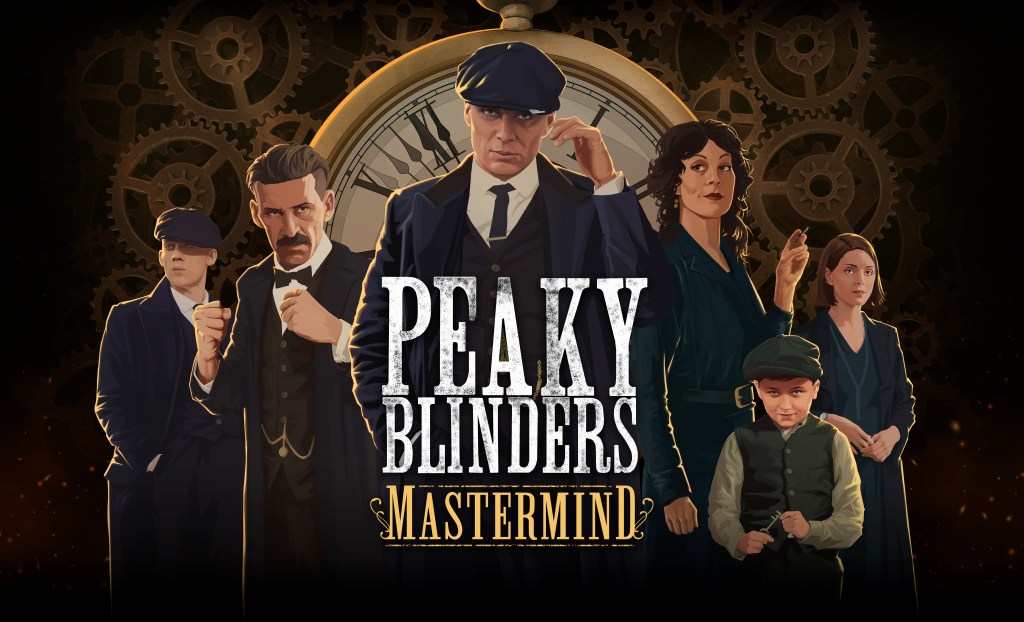
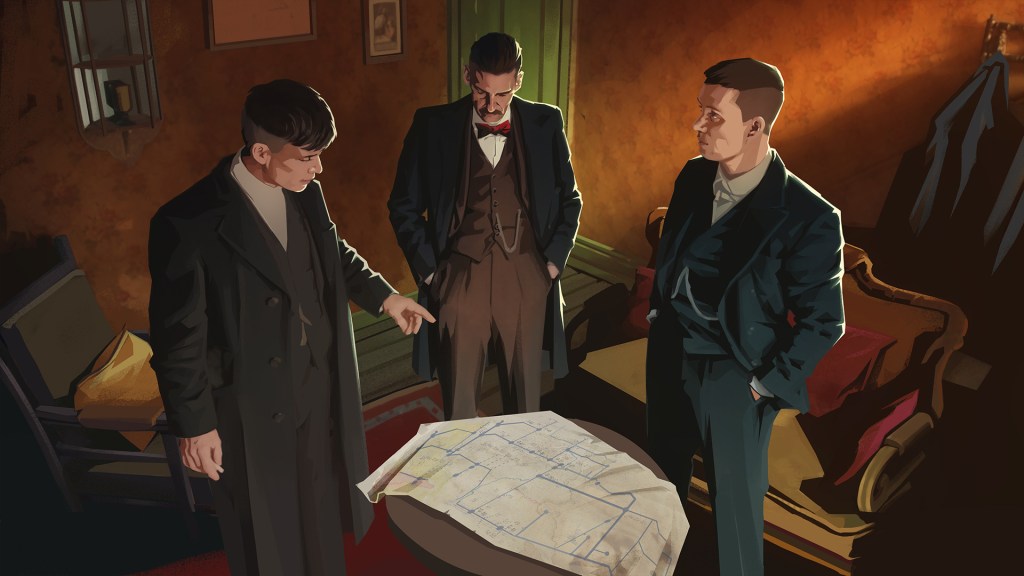


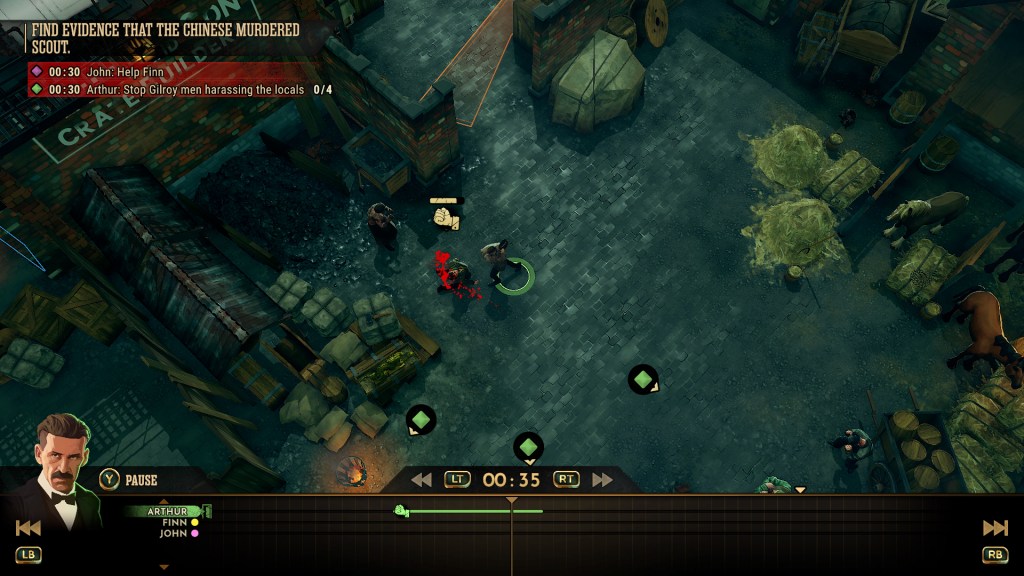
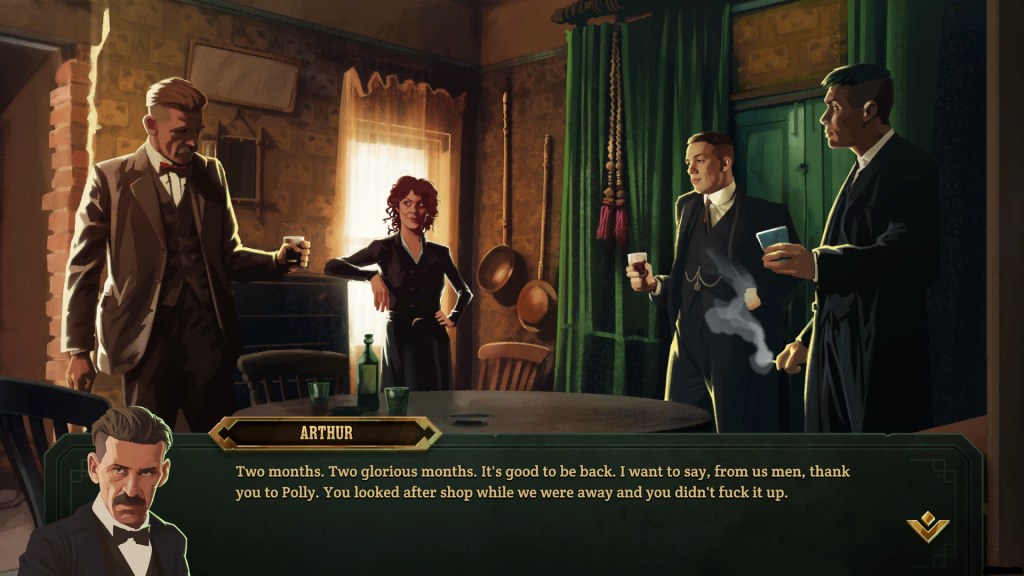

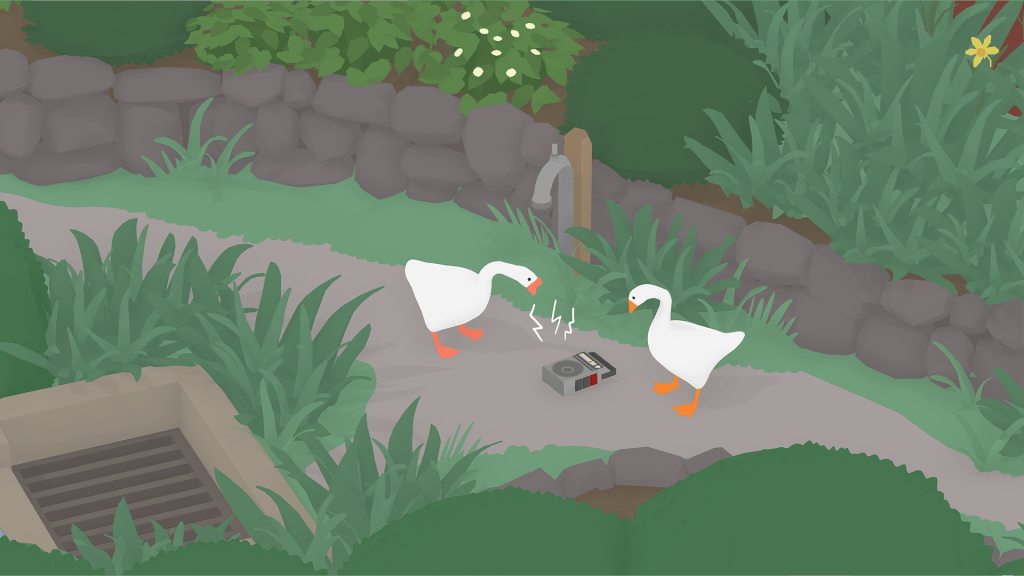
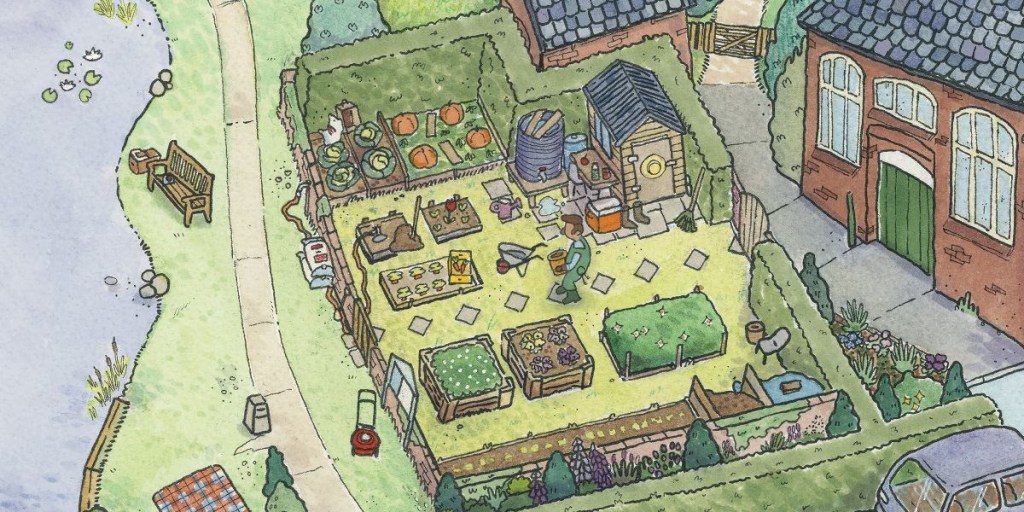


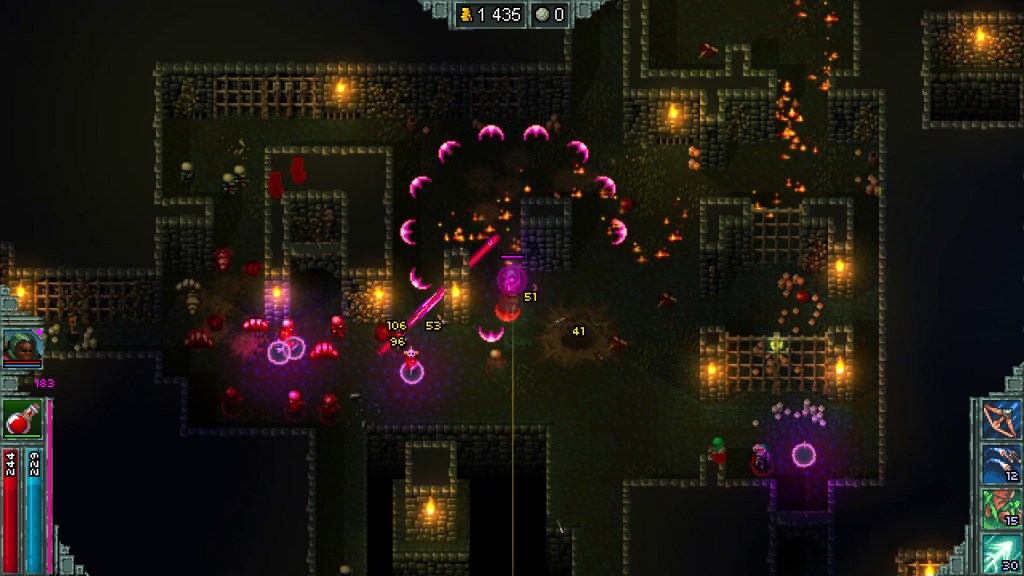

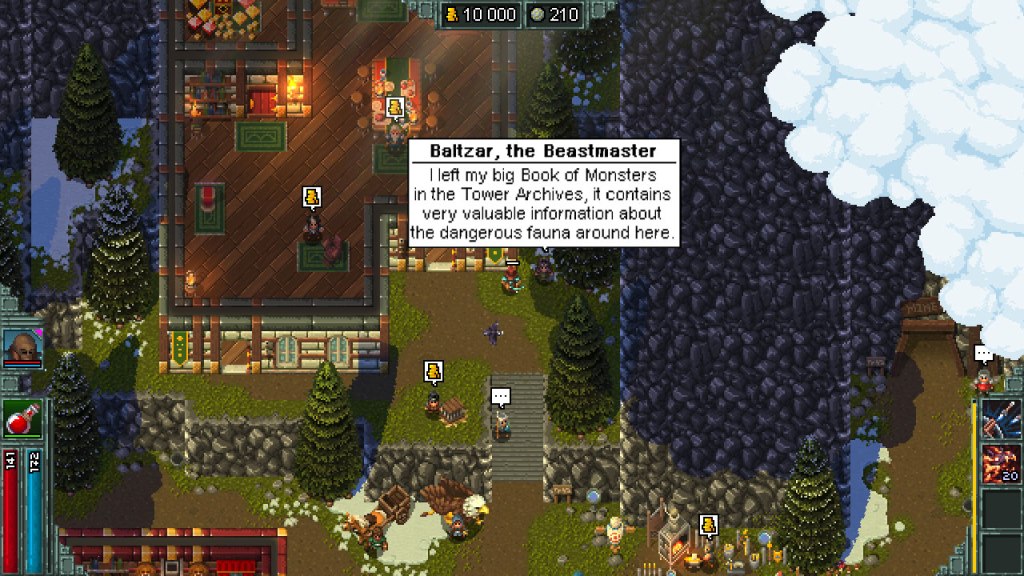


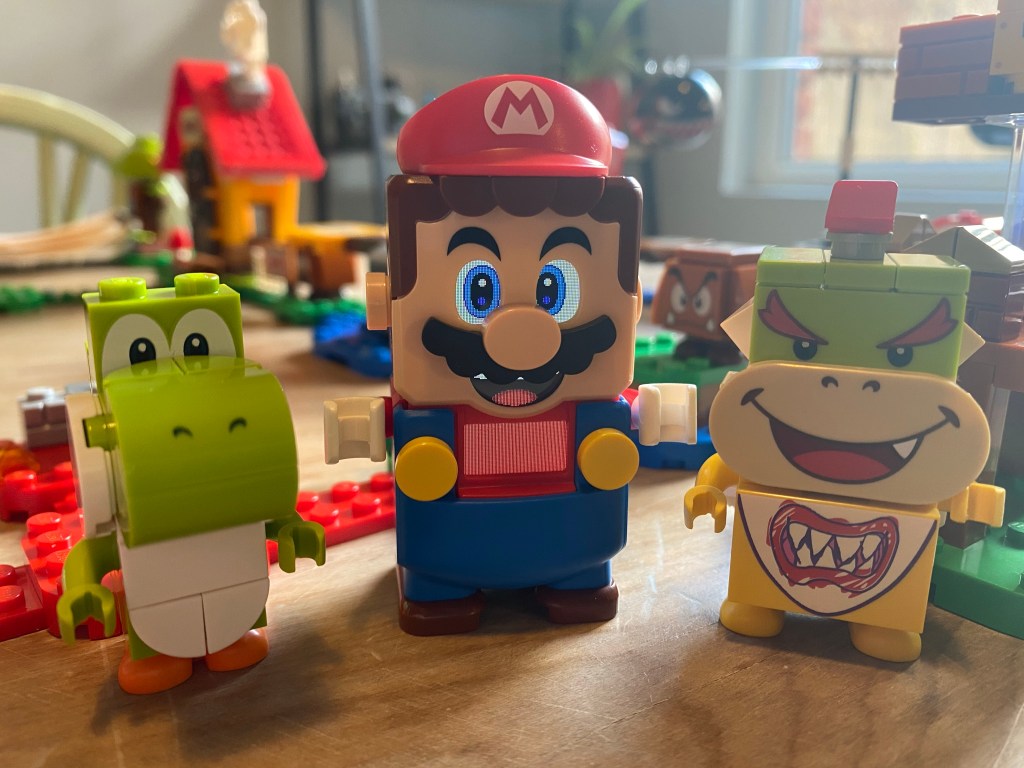
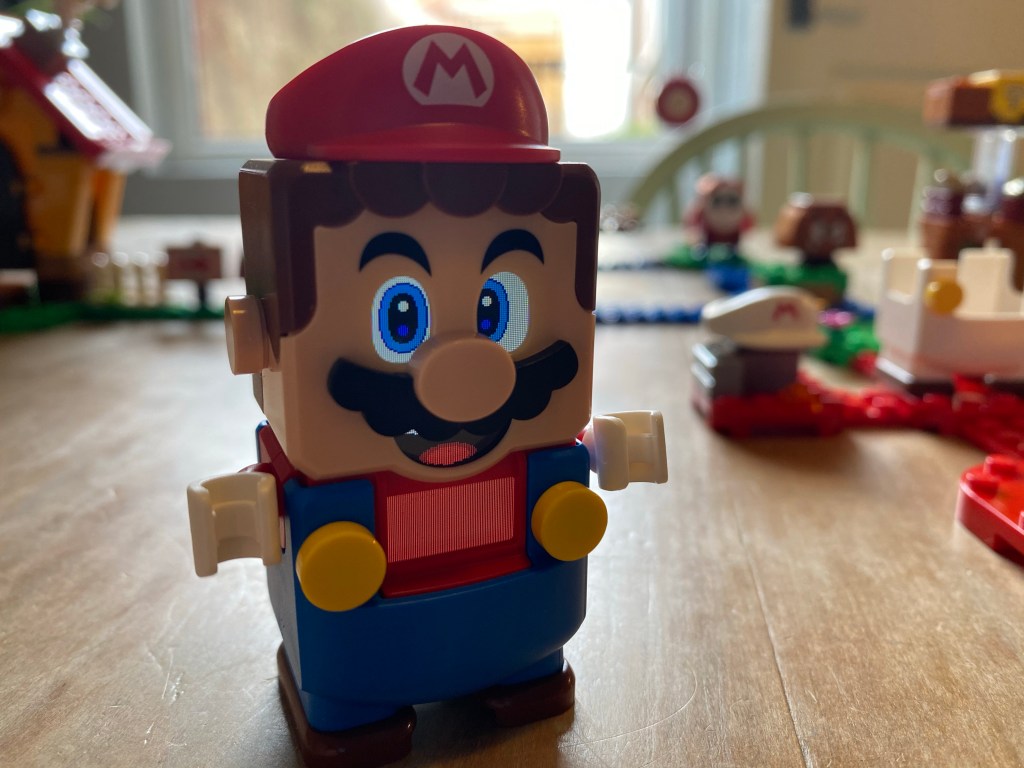
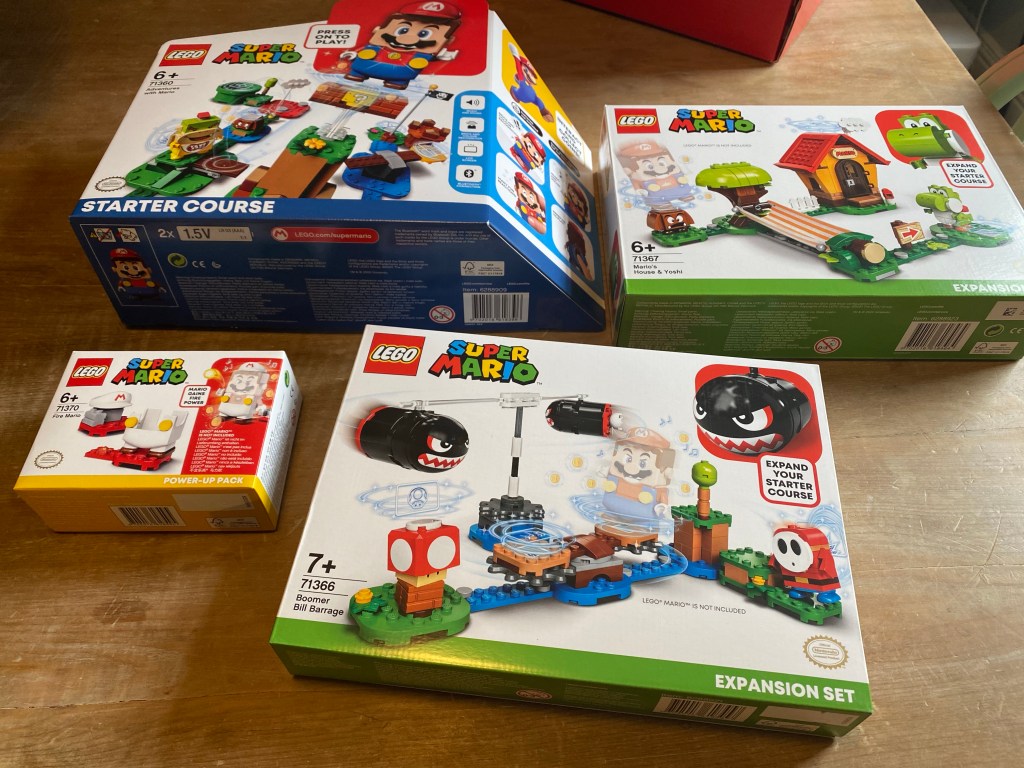


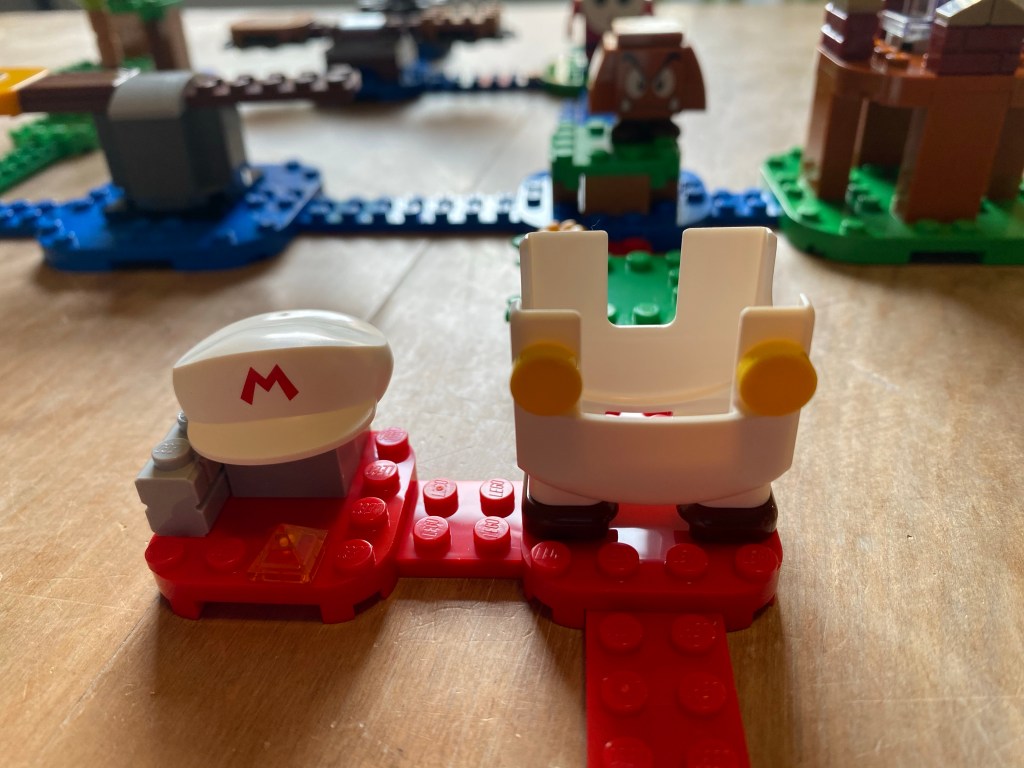


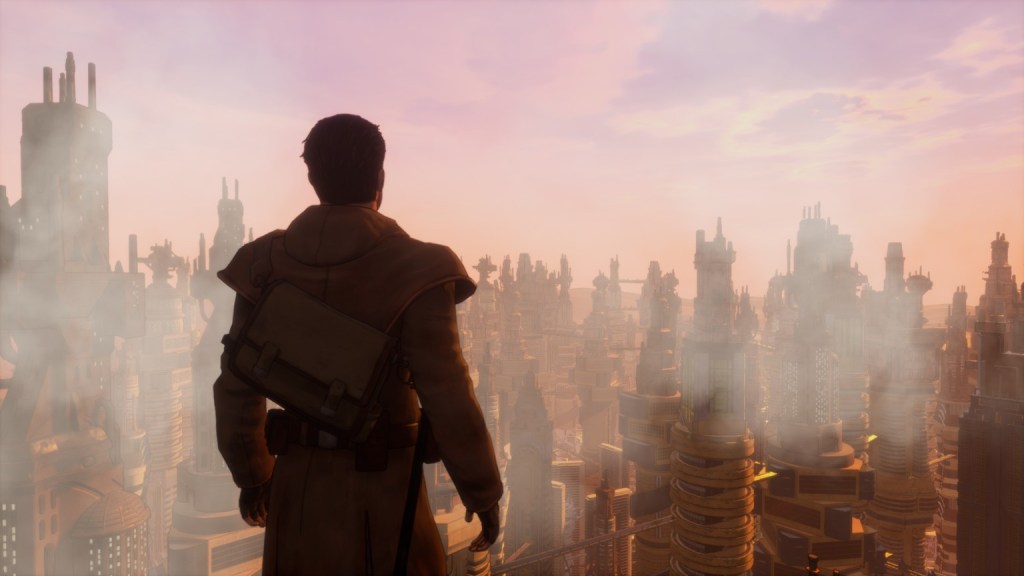

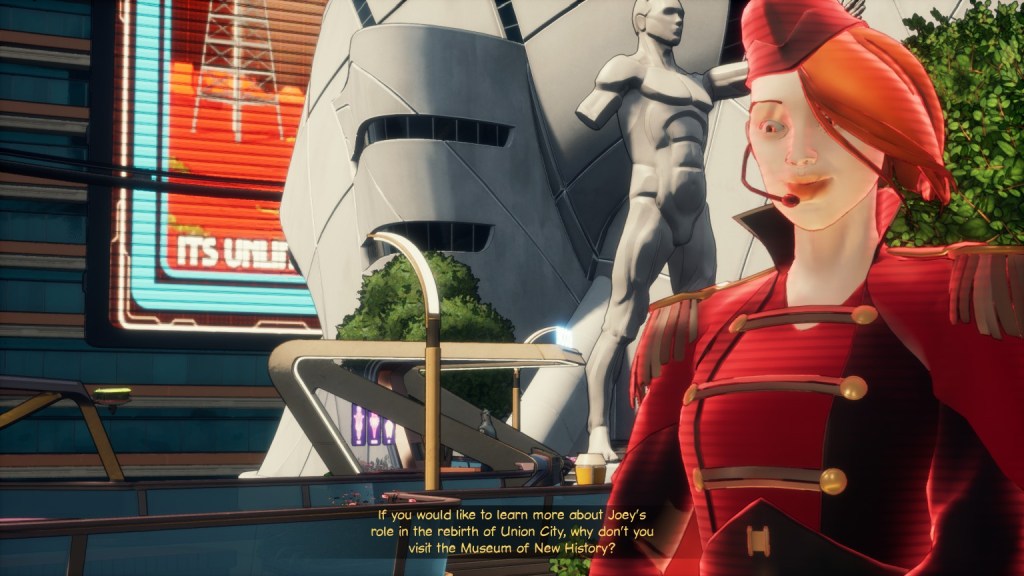

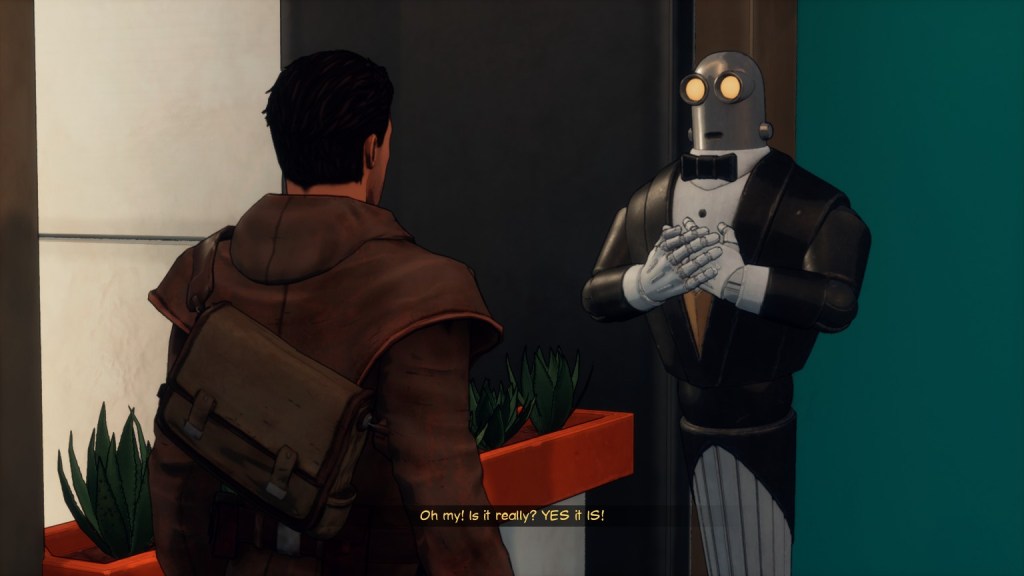
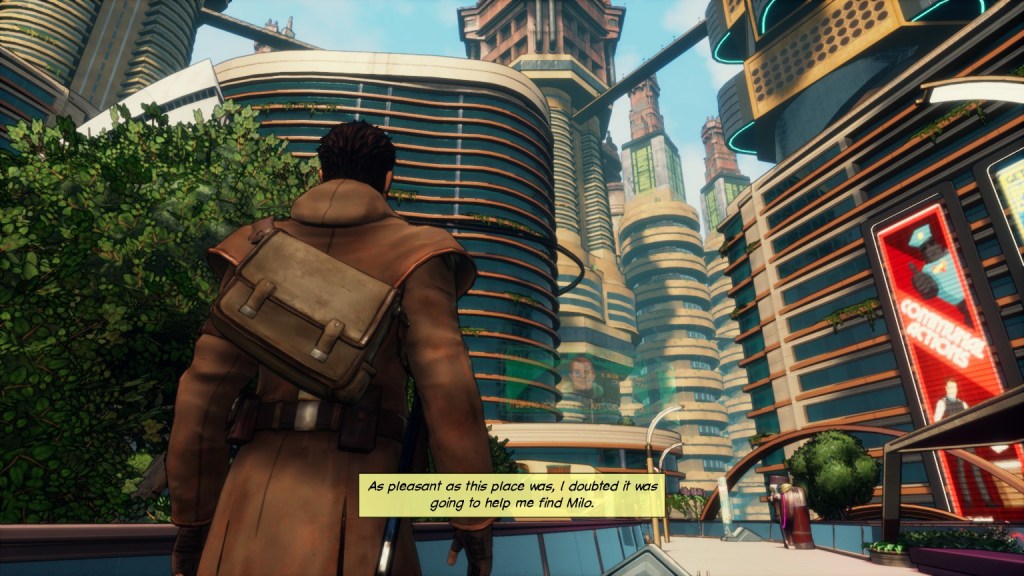
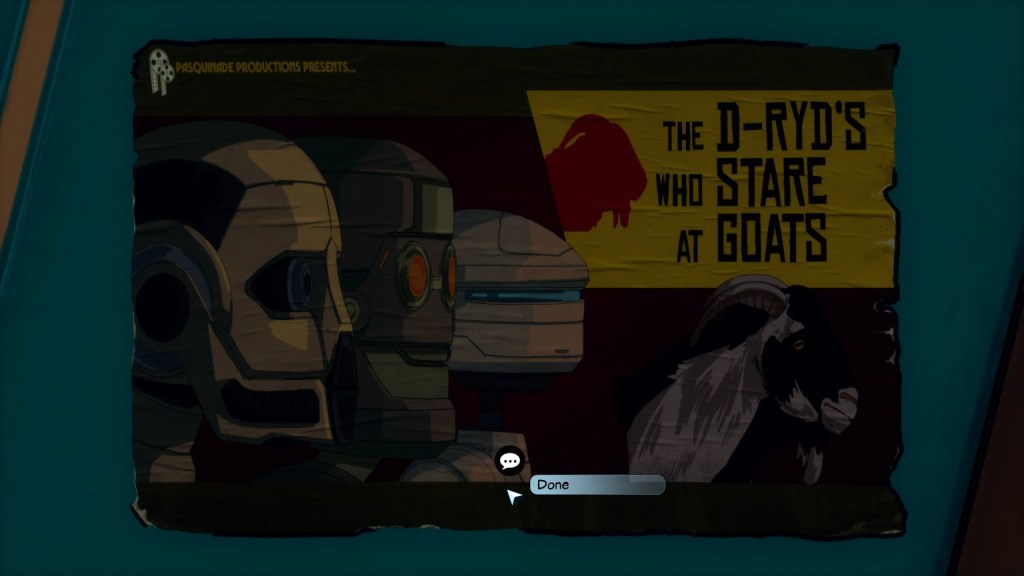

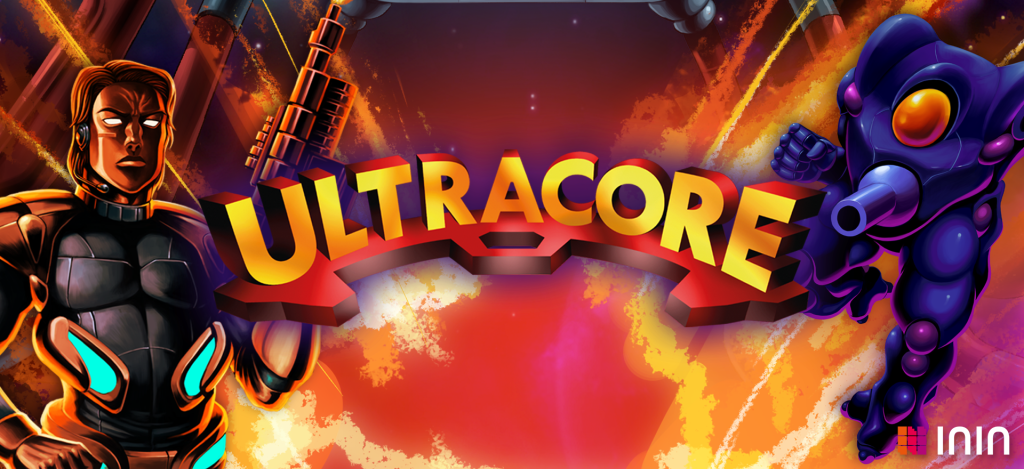
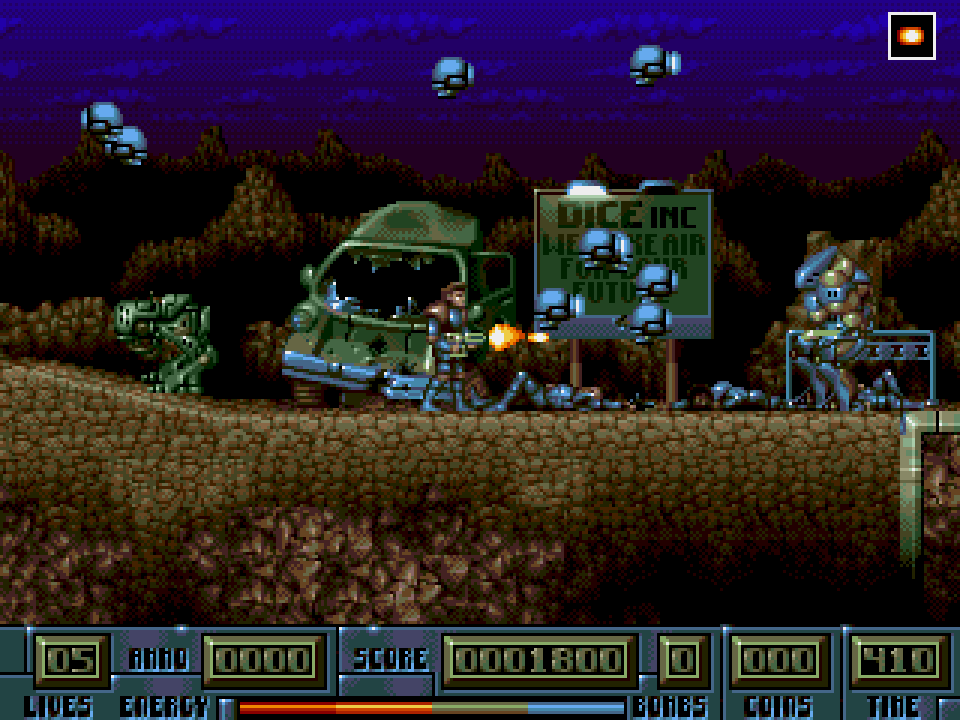

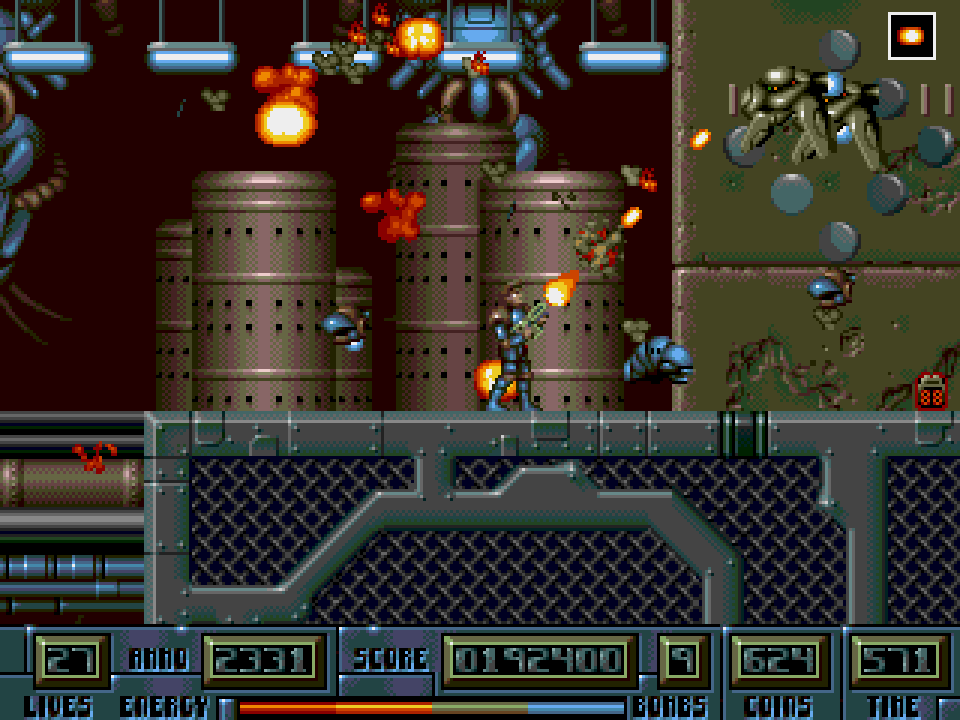


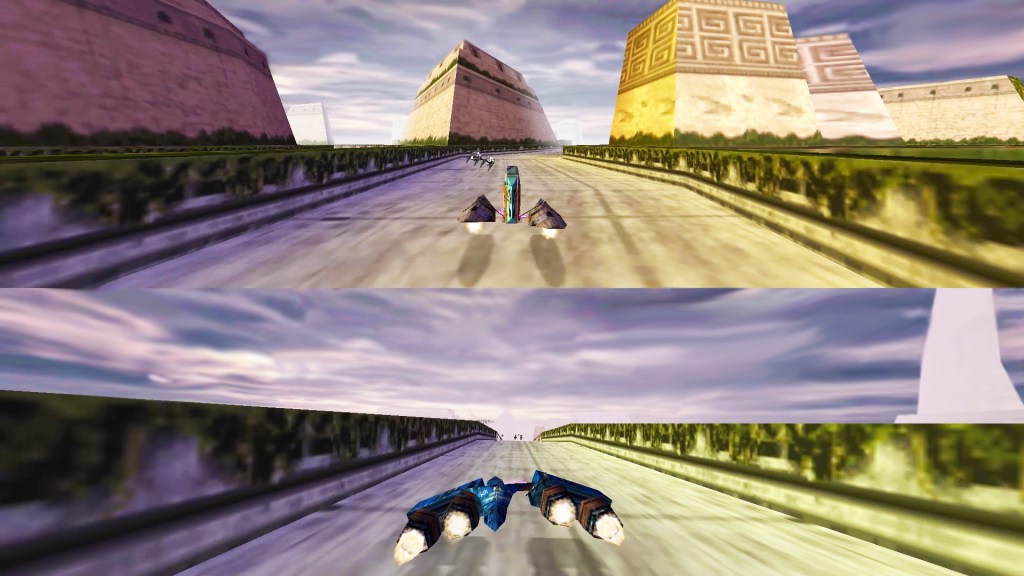
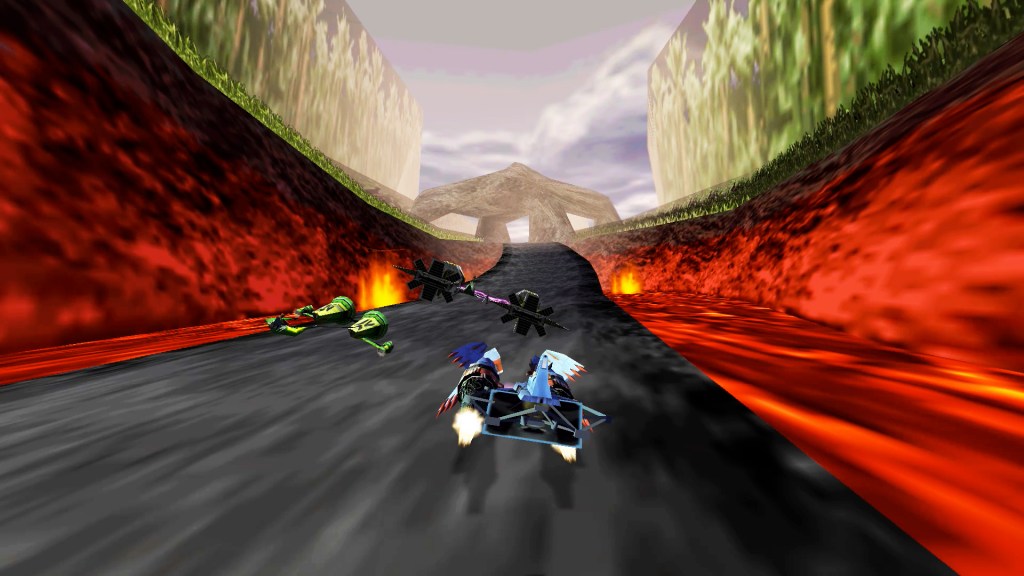
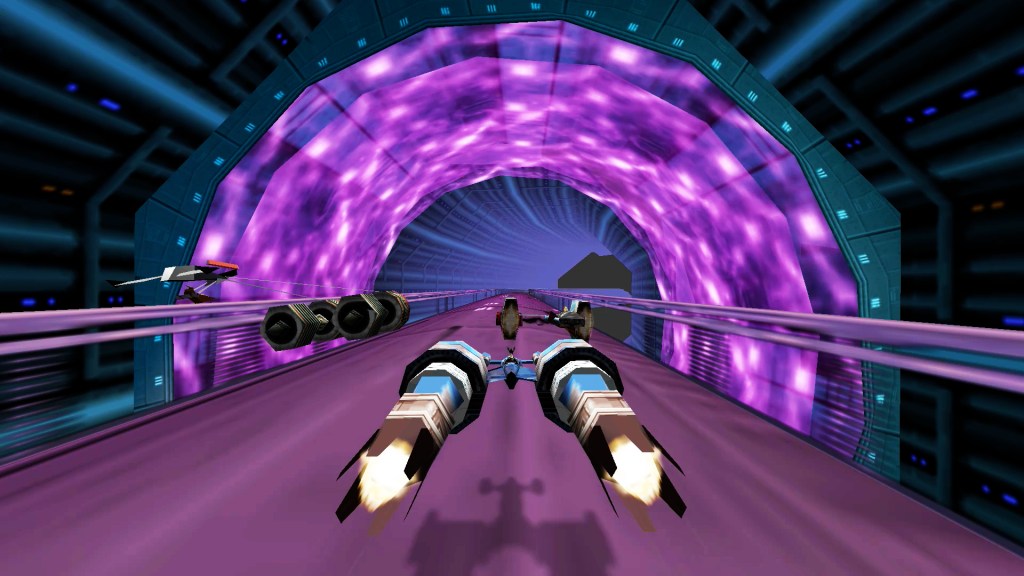

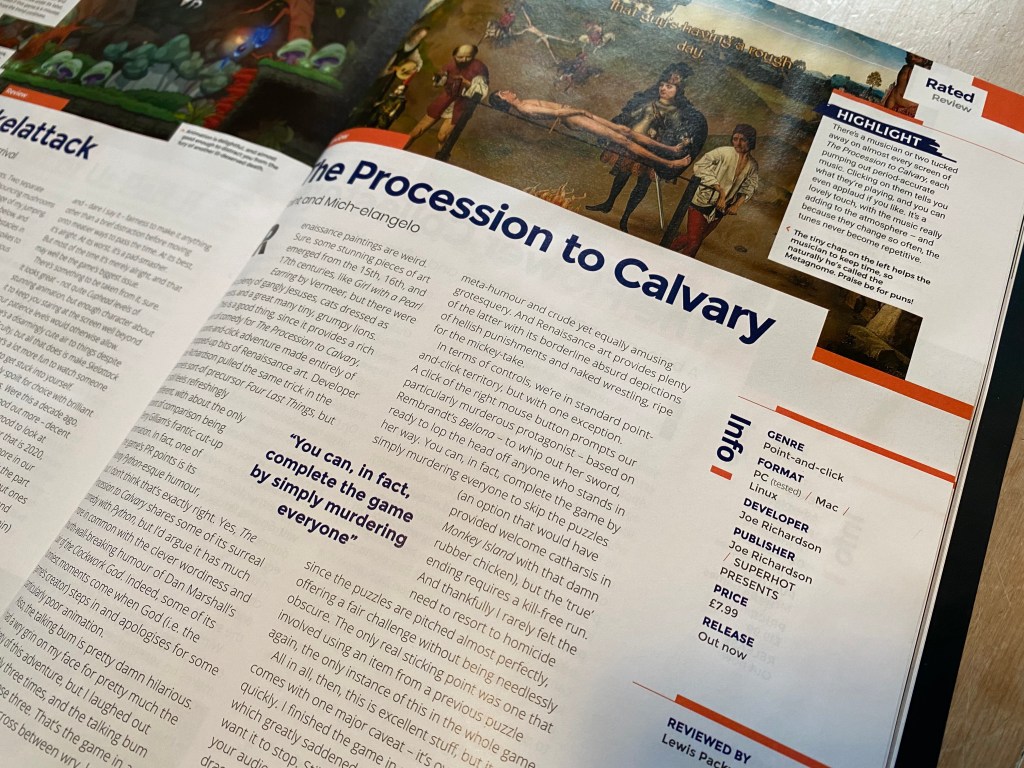
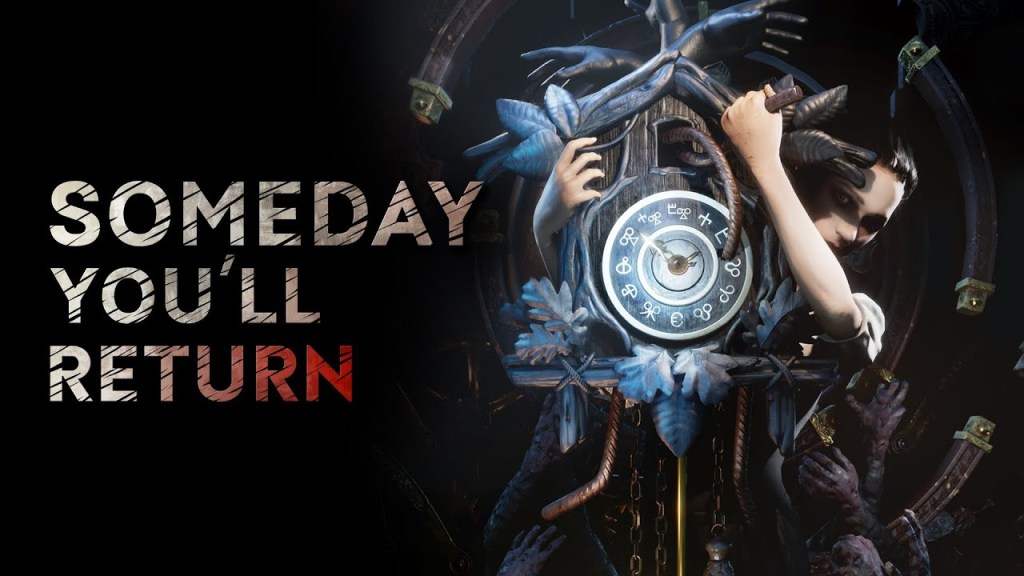
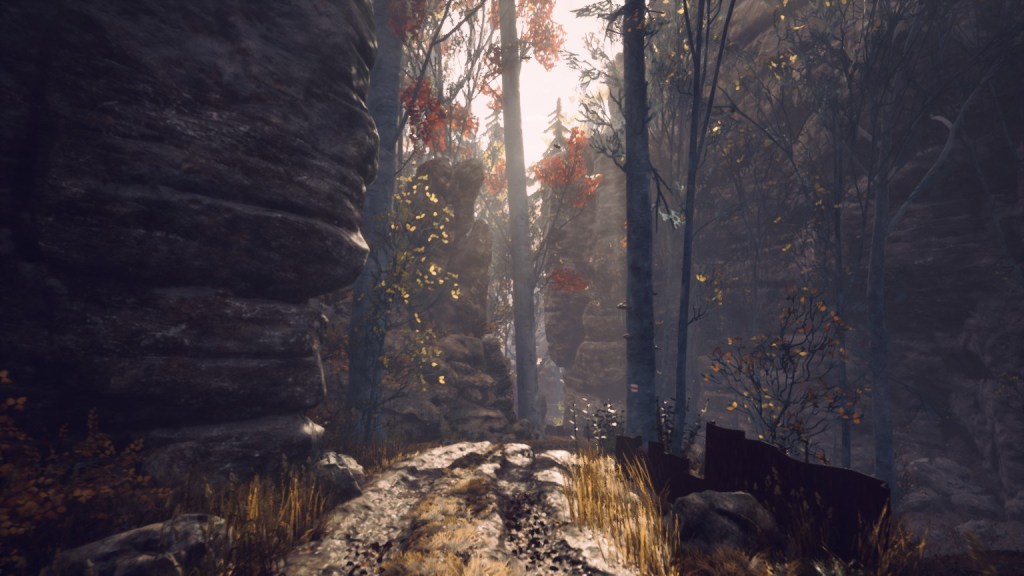
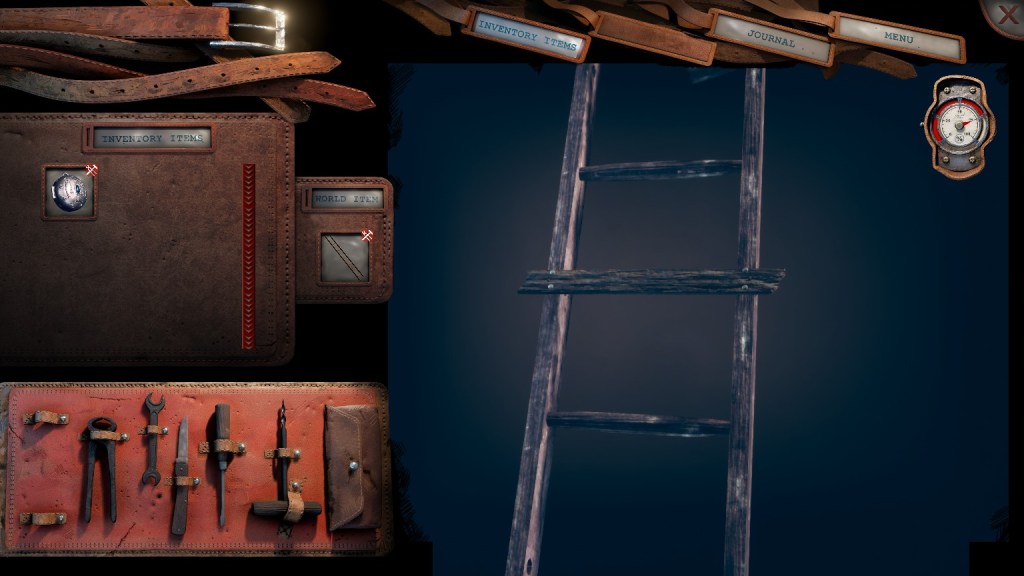


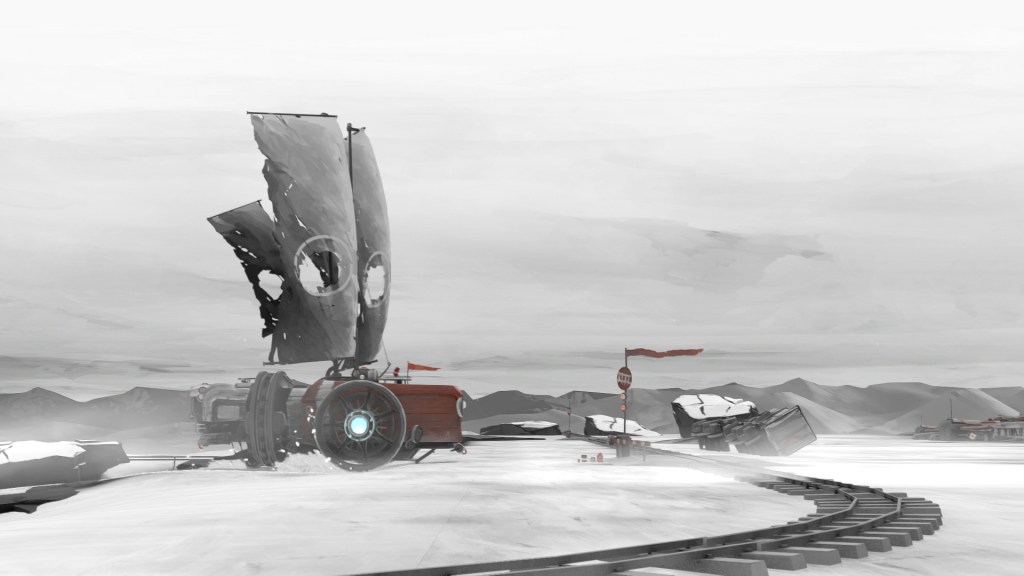
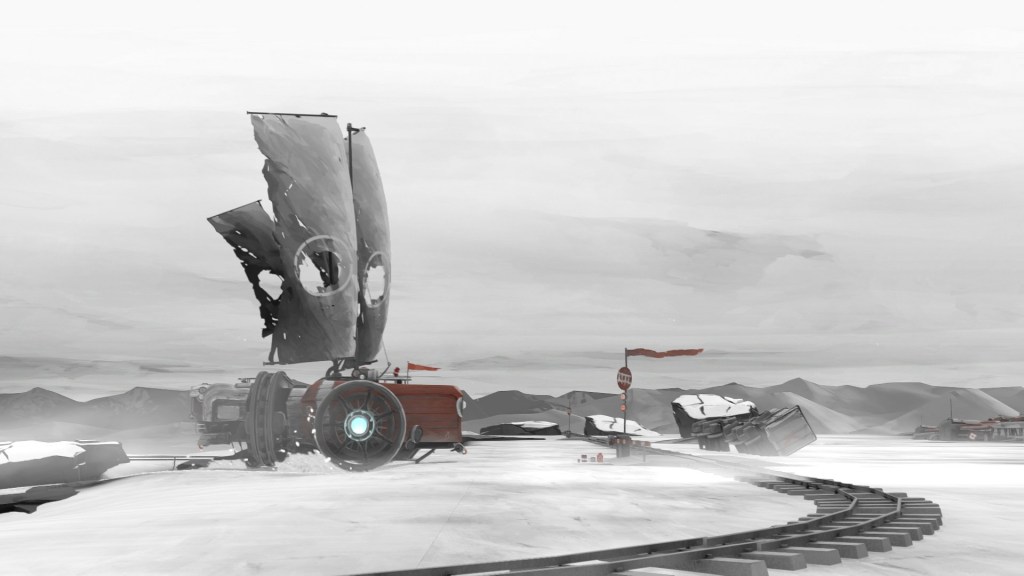



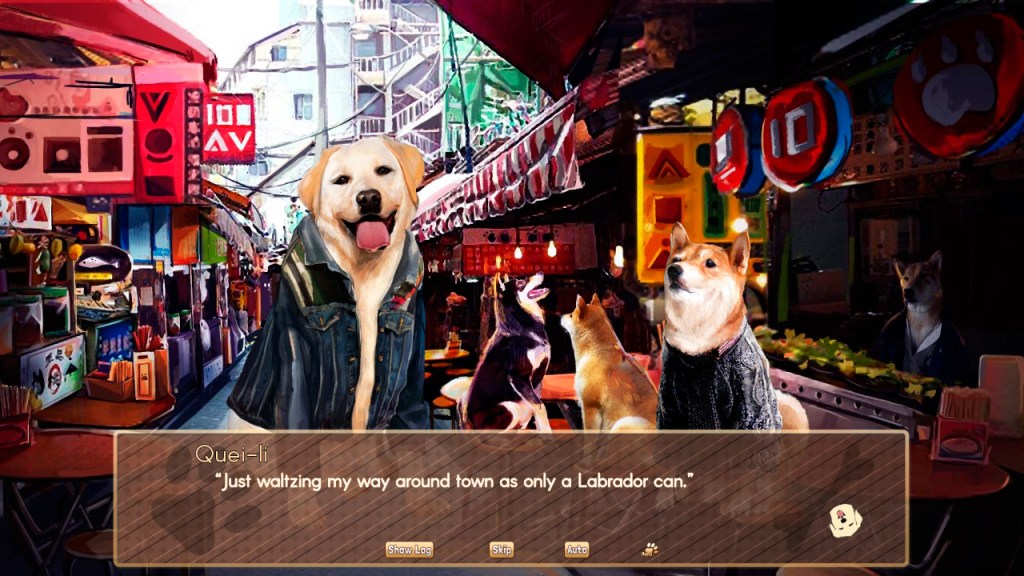
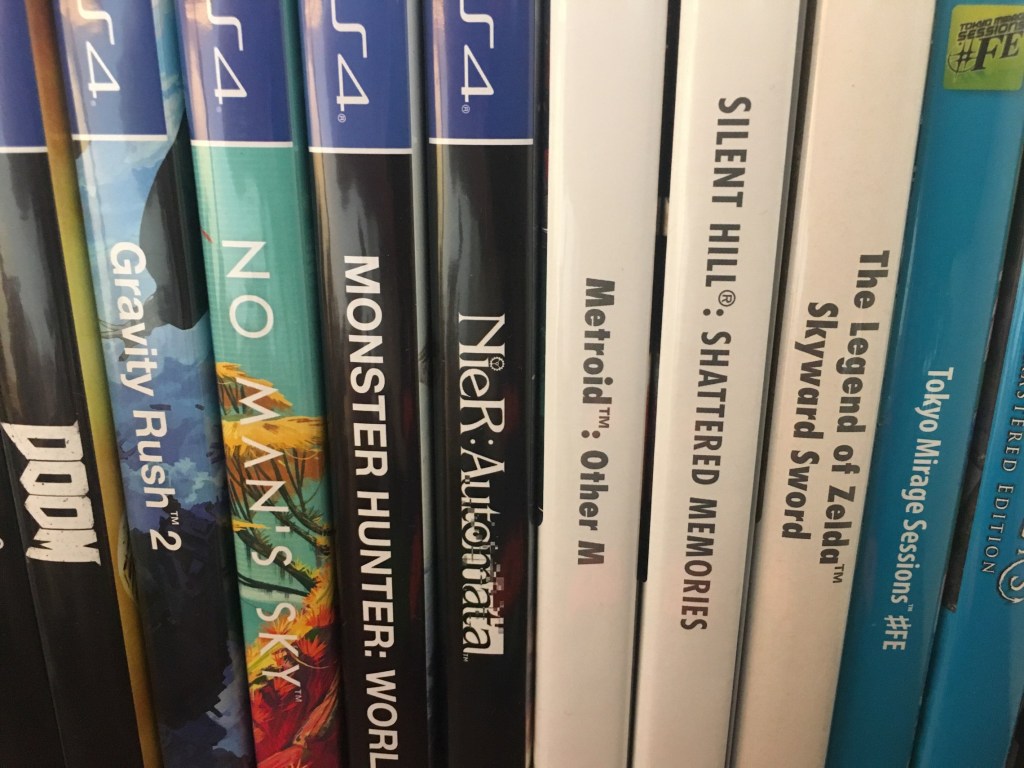


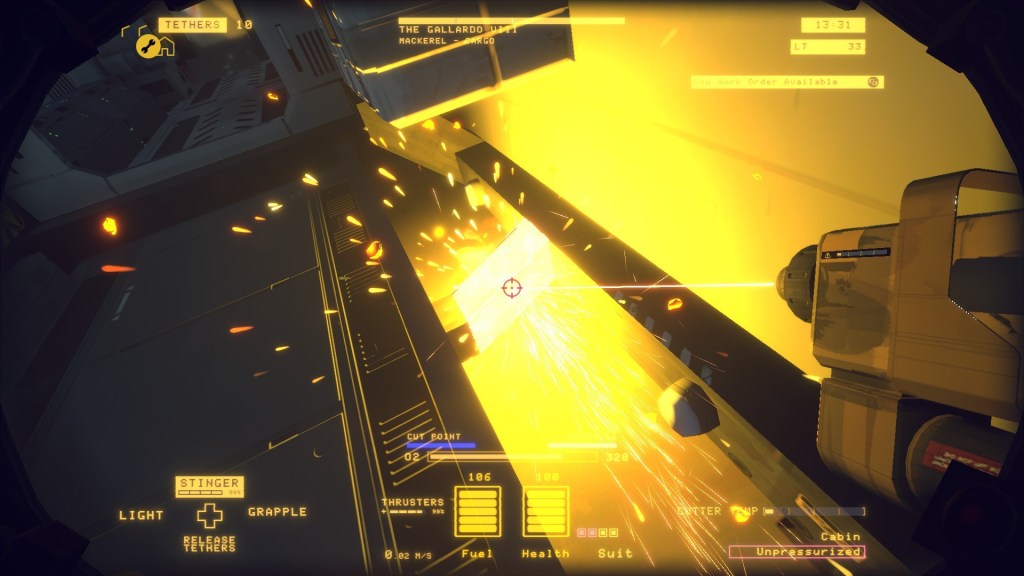
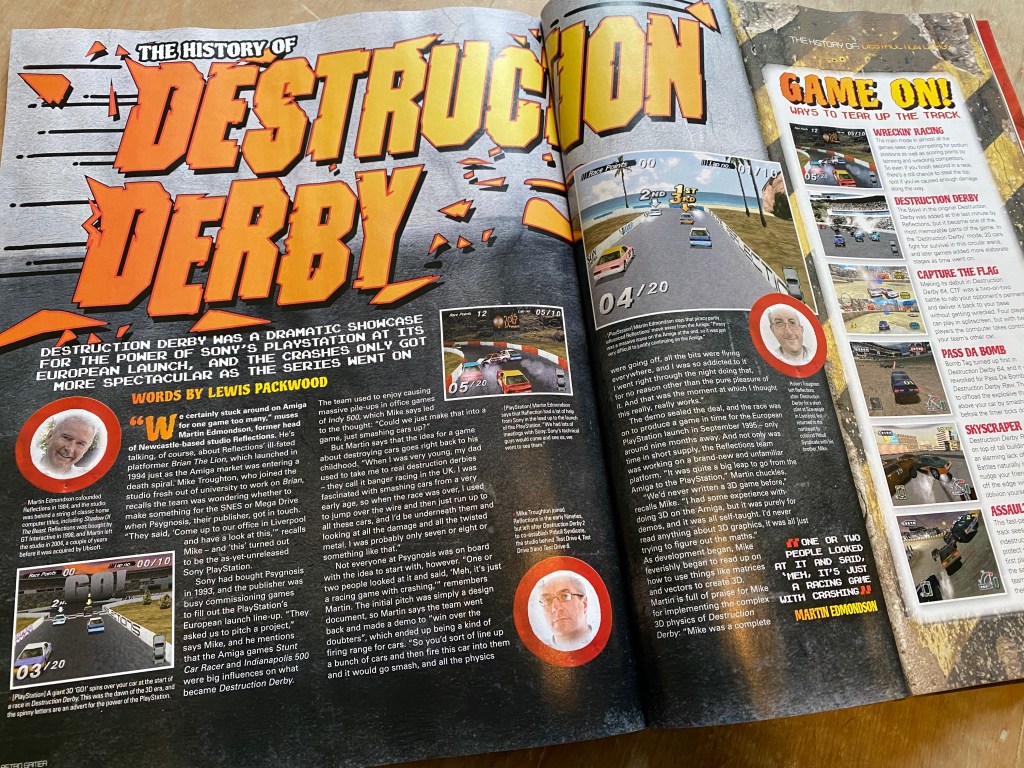
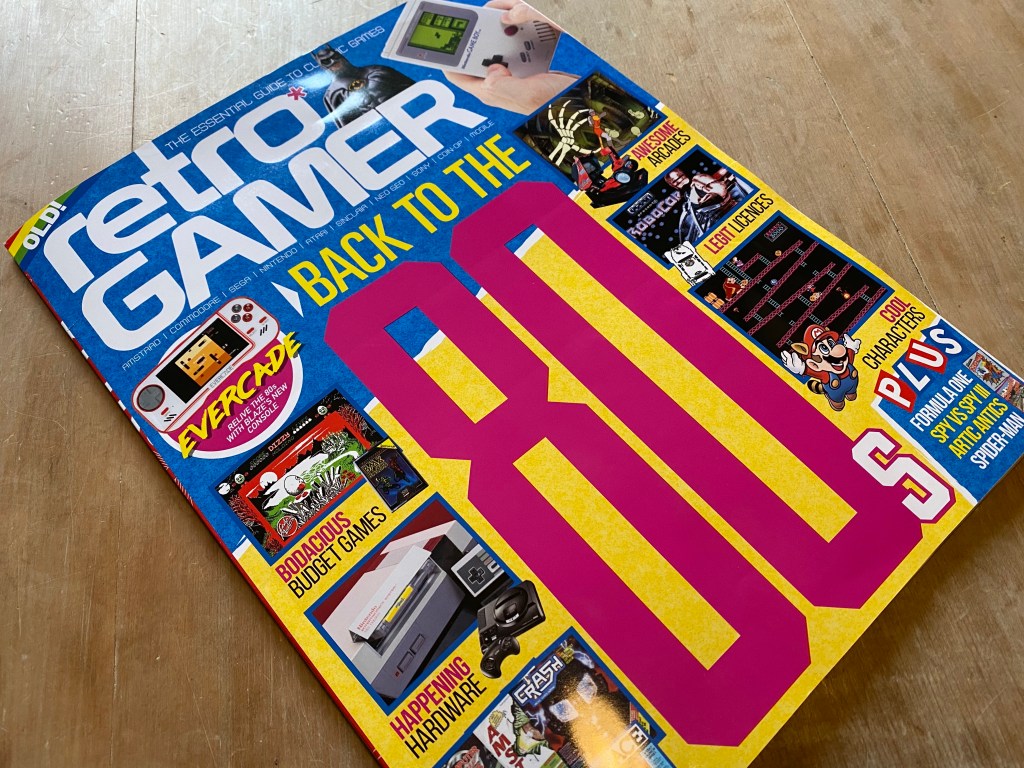






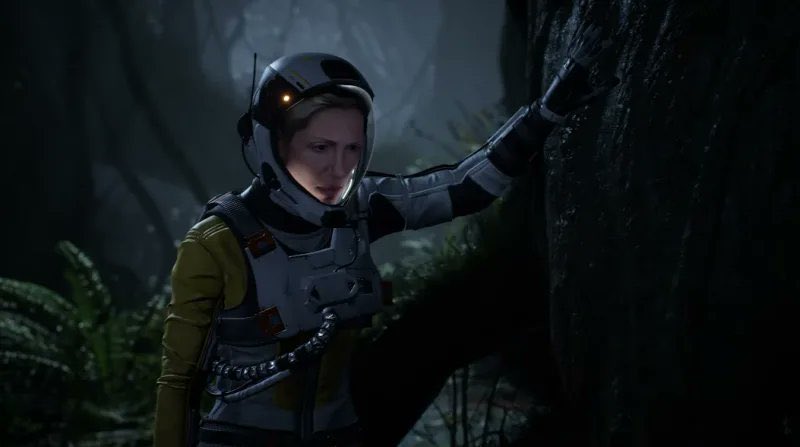


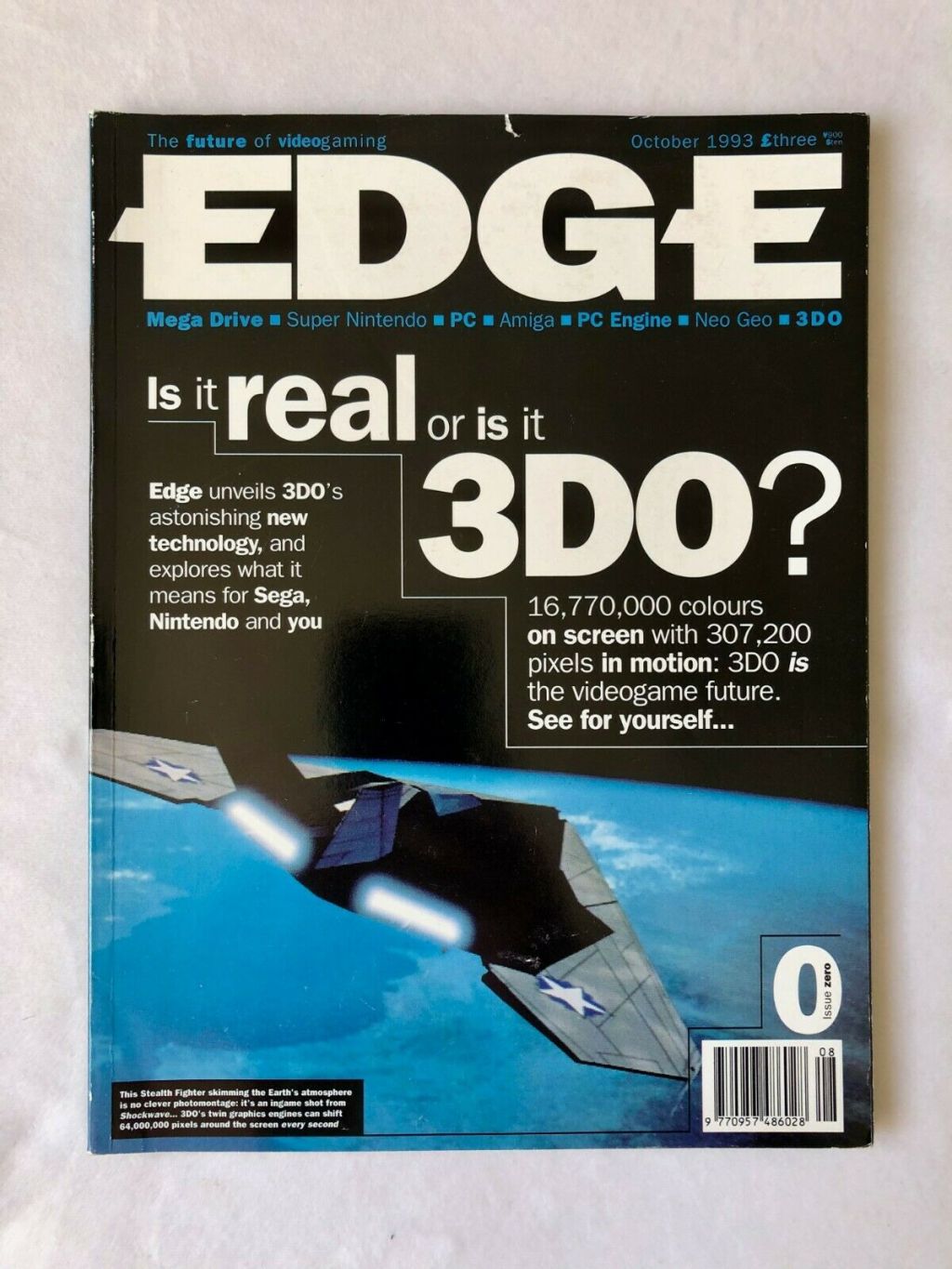


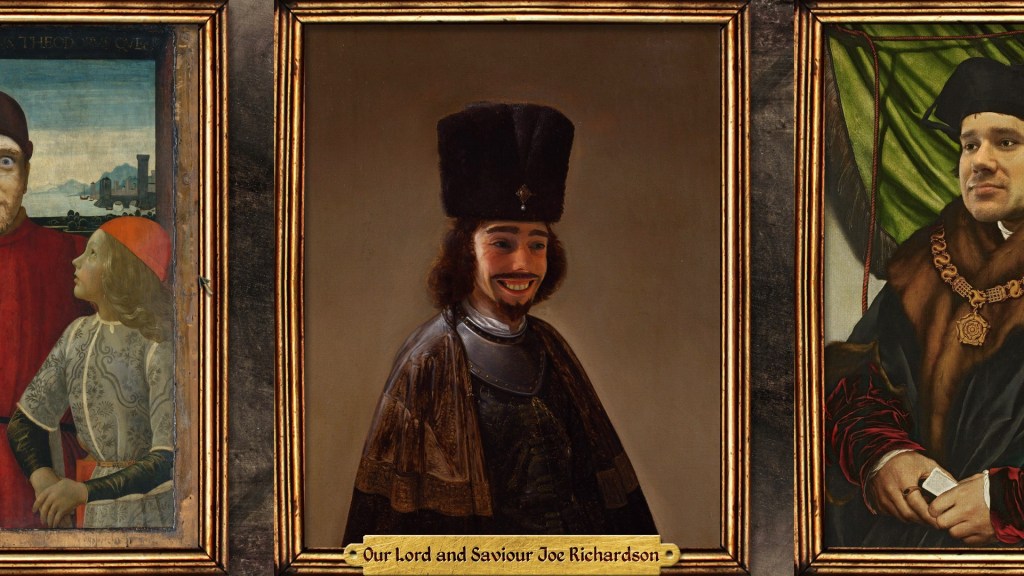









 A MOST AGREEABLE PASTIME