I’ve recently discovered that wanting to like something, no matter how badly, does not always translate into actually enjoying said thing.
When I first saw Little Town Hero in a Nintendo Direct presentation, however many moons ago, I was intrigued by its premise. You’re tasked with defending a, well, little town from a steadily recurring monster invasion with the help of other townsfolk. The whole game revolves around just this one village; the idea being that you’ll gain familiarity with the surroundings and your neighbors thanks to an extremely bright and lush cartoon visual style. Knowing it was also being made by the Pokemon developer Game Freak just added to the mystique and instant endearment of the whole thing.
At the outset, I wanted to believe. The game does a fantastic job of making your berg this living, breathing place, and it teases you with the mystery of what’s going on outside its walls. You live in an enclosed valley, with the only way in or out being blocked by a gated castle. The story doesn’t perhaps go where I expected it to, but all the while I found myself growing fond of protagonist Axe, his clichéd allies, and his very similar-looking neighbors.
Then I played the actual game part of Little Town Hero.
In theory it sounds cool: less an RPG and more an amalgamation of board games and collectible cards. But from the get-go the game beats you over the head with inane nomenclature like “izzits” (ideas) and “dazzits” (do… its?), then the tutorial then adds further befuddlement – to the point where struggling through the first few battles taught me more than the lackluster and confusing explanations. The gist is you are given a random allotment of battle options, each of which has a cost to execute. Then you use these moves to destroy your foes’ menu choices in the hope of clearing them all and attacking. You move around town with each turn, with the occasional environmental hazard or helper appearing on certain squares. Again, a pretty neat idea, and a unique set-up that a vaunted developer should have knocked out of the park… but didn’t.
The flip side of the board/card game-like structure – randomness – often deflects you from finding a solid strategy because you’re dealt a shitty hand. You have some options to nab things from the pot, but much like the battle system itself, these other systems (which use a different currency) feel just as obtuse. At first I felt inadequate when playing Little Town Hero, but after two of my kids started the game and struggled just as much, I realized it was a design flaw and not down to my inability as a player. You can learn the system through brute force, but the sheer confusion and messy nature of it all takes so much away from the game as a whole. I enjoyed soaking in the details of world-building and side quests, only to groan every time another fight came up, realizing I would have to slog my way through a battle for, on many occasions, up to an hour.
Even with the story, trope-y as it is, egging me on, I couldn’t look past how dreadfully uninterested I was in Little Town Hero‘s main mechanic. What’s worse is that the plot let me down at the end, too.
I’m all for developers experimenting, especially ones who continually dip into the same series, as GameFreak does with Pokemon. But Little Town Hero feels like it’s missing a few key ingredients that might have made it great. Even after beating it, I still wanted to like it: the artwork is fetching and the titular town is very fun to run around in. But the combat system is, frankly, boring. So much so that I wouldn’t recommend this to anyone. Oof.
Little Town Hero was developed by Game Freak and is available on Switch.
Disclosure statement: review code for Little Town Hero was provided by Rainy Frog. A Most Agreeable Pastime operates as an independent site, and all opinions expressed are those of the author.
I’d like to take you back in time to October 2013. I mean that figuratively, don’t get too excited. Star Wars: The Force Awakens had recently started filming, Assassin’s Creed: Black Flag had just been released, and a referendum on the UK’s membership of the EU still seemed like a neat idea for healing divisions in the Conservative Party. It was also the time a younger, but less good-looking version of myself plopped down $30 on an entry-level pack for Star Citizen.
I had fond memories of playing Starlancer and Freelancer, both of which were created by Chris Roberts, the head honcho at Cloud Imperium Games (CIG), which is behind Star Citizen. Besides, the Kickstarter was already fully funded and it was pencilled in for a 2014 release, so I didn’t have long to wait!
Of course, the 2019 version of me finds that idea most
amusing. My ironic, bitter laughter rings out as I type. Star Citizen is now notorious for many reasons, not least because
it still doesn’t exist. In spite of a lengthy development time and a frankly mind-boggling
amount of cash, there isn’t a whole lot to see in terms of actual
output.
But then that’s not to say there isn’t anything. There is an alpha version of a few different sections of the game available for backers whose package includes a (theoretical) copy of the (theoretical) game. I played about with it a year or so ago, but gave up quite quickly as it was a bit of a mess. Poor performance coupled with minimal actual content meant I didn’t see much point in sticking around. However, a couple of weeks back, I thought it was worth checking in to see how things are going.
Spoiler alert: I needn’t have bothered. The alpha currently contains three sections, ‘Arena Commander’, which is a dogfighting simulation for single and multi-player, ‘Star Marine’, which includes a couple of FPS modes, and ‘Universe’, which is a section of the persistent online… well, universe. Now, this is an early stage build – if anything that has been in development for nearly seven years can be called ‘early stage’. As such, it would be easy to complain about performance issues but, although I am 100% going to do that, I have more fundamental concerns.
The first thing I need to say about the Star Citizen alpha is that you should have a book handy. The loading times for both the initial start and certain game modes can range from ‘noticeable’ to ‘interminable’. Without exaggeration, it took over 10 minutes on a couple of occasions. I started with the Star Marine section first; I mean who buys a space-sim to fly around in spaceships, right?
There are currently two modes: ‘Last Stand’ is a take on Battlefield’s Conquest mode where you have to capture and hold control points, and ‘Elimination’ is a standard free-for-all deathmatch. The performance issues are, perhaps inevitably, most notable here. After you load into your first game of a play session, it takes a couple of minutes for the frame rate and audio feedback to sort itself out. This is obviously a bit of a handicap.
Once you’re up and running, it’s fine if unremarkable. It won’t come as a shock that there are other, better multiplayer shooters out there, and there still will be even once Star Marine doesn’t run like a bag of hammers. Also, I couldn’t help but notice how better equipped everyone else seemed to be. They were running around with hulking armour and energy shotguns, whereas I seemed to be wearing a futuristic wetsuit with kneepads.
Hello, friend!
Turns out I had somehow missed the extremely extensive loadout screen. It’s here you can customise your armour and gear, up to and including selecting how many of which spare ammo magazines you want to carry. I was a bit perturbed by the number of skins there seemed to be for each bit of equipment. Usually when I see that, they come in happy little surprise boxes which open in a shower of fireworks, to the detriment of nobody apparently. The real question though is what this first person shooter is doing in my space-sim.
It may sound churlish to complain about extra content. It
gives me the same, vague sense of shame I get when I sigh about all the free
video games I’ve accumulated and have yet to play. “Oh, however shall I consume
all this wonderful entertainment? Woe is me.” In this case though, I think it’s
symptomatic of wider issues. There’s a sense that now CIG has accumulated all
this money, they’re desperately trying to justify it. Extra game modes, extra
mechanics, extra content.
Another, somewhat more niche example is the walking speed. When I first started the Star Marine mode, it seemed like my avatar was walking through cold treacle. At first I put it down to lag, but then I found the sprint button and I shot off like I’d just seen the last bus home pull away from the stop. It turned out that walking speed is variable, and bound to the mouse scroll wheel. This immediately raised two questions. Firstly, why is the default walking speed set to ‘geriatric snail’? Secondly, why is walking speed variable at all?
Regarding the first question, if I was an embittered cynic (and I am), I might suspect that keeping the walking speed down helps smooth over the cracks in the performance issues. The second question is easier to answer though: I mean, why not make it variable? They’ve got money to burn, and it’s not going to incinerate itself. The problem – with this in particular and from what I’ve seen in general – is that Star Citizen has too many ideas for its own good. Every creative endeavour needs a bit of editing and refining, but Star Citizen seems to just be layering more and more concepts on top of each other.
After Star Marine, I moved onto the dogfighting simulation
of the Arena Commander mode. Star Citizen
aims to accurately model the physics of spaceflight, as opposed to the more
arcadey feel of something like Rebel
Galaxy Outlaw. As
such, it takes a bit of getting used to. If you fly too quickly, then your
momentum makes it hard to turn. You need to be accurate with your shooting as
fighters are fast and small. Inevitably, there are a plethora of settings and
options and commands to learn before (I assume) you can fully understand how it
all works. However, the basics are easy enough to pick up.
Arena Commander seems a lot more stable than the other modes, too. Perhaps the larger areas and lack of human character models makes issues less noticeable, but it does feel a lot smoother. Ships are well modelled, and crumple and fall apart when damaged in a most satisfying manner. After quite enjoying pootling about in single player for a while, I took my basic starter ship and hopped into the multiplayer deathmatch mode. It was there that I became well-acquainted with the vacuum of space.
Turned out my little space van wasn’t well equipped for combat. Especially when compared to the heavily armed space fighters everyone else was in. Better ships can be ‘rented’ with Rental Credits, earned by completing multiplayer matches. Fair enough, I thought, briefly forgetting that CIG’s idea factory also extends to its money-making methods.
You can also accumulate RECs by having a monthly subscription to the digital newsletter. In addition, Star Citizen allows ships to be purchased directly from its Pledge Store. This is currently one of the primary sources of income for the game. Any ships you’ve bought can also be used in Arena Commander, assuming CIG has finished making them.
Given Star Citizen
raised over $235 million in funding, it’s a fair bet many participants in Arena
Commander have purchased their ships with real money. As such, it has more than
a whiff of pay-to-win about it. Indeed, this is a wider concern for when/if the
game launches. Purchased ships will be immediately available for use in the
Persistent Universe portion of the game at launch.
Chris Roberts has dismissed these concerns; however, I’m really not sold on his reasoning. In a statement last year, he wrote that the Persistent Universe “doesn’t have an end game or a specific win-state” and that “you win by having fun, and fun is different things to different people”. One reason this rankles with some though is that the original Kickstarter clearly had “no pay to win” as one of its main selling points. It wasn’t pitched as “no pay to win as we fundamentally disagree that the concept of winning applies to our game”.
I agree that MMORPGs and the like don’t have a ‘win state’. But if, on day one, my futuristic Ford Transit gets vaporised by someone flying a star destroyer, then the winner-loser relationship in that scenario will be quite clearly defined. The ships and in-game currency on offer may be framed as rewards for backers, but they are essentially micro-transactions which give advantages in PvP situations. Albeit rather expensive micro-transactions.
But what about that Persistent Universe? There is a small
slice of it available in the alpha, and it has both promise and problems.
Again, performance in populated areas of the starting space station is pretty
awful. Terrible frame rate, alongside an AI which has NPCs endlessly trying to walk
through solid objects does not give a good impression. As expected, there is a
lot of detail to everything, for better and for worse.
To launch your ship, you need to call it up from the docking
computer, find the correct launch pad, ensure you’re wearing a space suit
before you cycle the airlock and then find and board your ship. Once you’re in
you need to activate the ship’s main power and engines before taking off. It’s
all very immersive, and I’d probably enjoy it more if the demo ran better. It’s
certainly a fun novelty.
I question how long that novelty would last though. Is going through all these steps actually fun? Or is it the sci-fi equivalent of navigating a car park? Every other space sim I can recall makes do with a ‘launch ship’ menu button, and I can’t say I ever longed for more. Innovation is always welcome but, like with the variable walking speed, it sometimes feels like Star Citizen is just adding ideas for their own sake.
Getting space-borne was a welcome relief, and is really where Star Citizen shines. The final playable area available in terms of star systems won’t be as big as something like Elite: Dangerous (last time I checked anyway), but it does have the same epic feel. It feels as vast as such a game should, and it looks great. You can currently take jobs and earn credits as you’ll be able to in the finished product, so I took a package-retrieval task.
My objective marker pinged up in my HUD, which was fortunate as the galaxy map I would otherwise use to navigate didn’t load. I fired up my faster-than-light Quantum Drive and off I went. This dropped me a short way from my actual destination; however, I didn’t seem to be able to FTL any closer (possibly because of my map issues). As such, I started schlepping over at a more sedate pace.
I used the time to play around with the cockpit controls.
The screens in the cockpit aren’t just for show, they’re actually functional. They’re
also very small, so you have to hold F and zoom in to interact with them
properly. As you might imagine by now, there are a lot of options, many of
which I did not understand.
This was particularly highlighted when I managed to nobble my own ship. It came to a point where everything was turned on but nothing seemed to work. I eventually tracked this down to the ‘stealth’ button I clicked. At the time it didn’t seem to do anything; however, it actually set my maximum power usage to a minimum. The upshot was that when I finally got to my destination, I couldn’t stop my ship.
Much confusion and cursing later, I managed to turn around, get
what I came for and headed to the planet I was to deliver the package to. Seamlessly
descending from stars to surface was very impressive and went without a hitch. It
did appear to be rather a featureless planet though, which was a bit of a shame.
It wasn’t until I got to the farm I was heading to that I realised I had no
idea how to land. Suffice to say, the package was not delivered…
Looking at that original Kickstarter campaign today makes the initial request seem rather quaint. The original target of half a million dollars was exceeded at the time and was subsequently, remarkably, obliterated since. Star Citizen is still pulling in about $500k a week. As the funding grew, so did the scope of the game. So much so that Star Citizen is now actually four games.
Star Citizen is the name of the Persistent Universe part. Meanwhile, Squadron 42 is the single-player, Wing Commander-style dogfighting game with the all-star voice cast, which is now planned to be a trilogy, with part one currently scheduled to enter beta in Q4 2020. Confusingly, these are being labelled ‘episodes’, even though they’re each apparently 20-hour long stand-alone games, requiring individual purchases.
All told, Star Citizen is still a really promising game. I want to play it. The problem is that it’s just a promise. Progress has been immensely slow. True, it is a very ambitious game, but that’s not how it started out. People seemed more than happy with the original pitch, but CIG kept raising funds. As well as the crowdfunding, they also raised $46 million in private investment. They keep raising and spending money, without producing anything to warrant such sums. There are reports of people ‘pledging’ tens of thousands dollars, alongside reports of micromanagement and poor decision making.
Chris Roberts’ insistence
that Star Citizen “has more
functionality and content than a lot of finished games”, is frankly ridiculous.
It has a lot of stuff but, based on what’s currently available, it’s nowhere
near finished. Even if they stopped raising funds today, its development budget
would already make it the most
expensive game ever made. Or it would, if it was made.
Some people have questioned whether the whole thing is a scam. It’s not – they do seem to be genuinely trying to make this game. But I have to wonder how much money they’ve wasted in the process. There’s also the very real risk that it will never see the light of day. Even if it does, will it be any good? Only time will tell. Probably.
I like games that don’t try to hold your hand too much. I praised Hob for the brilliant way it encourages players to work things out for themselves, and often the most satisfying solutions in video games are the ones you arrive at with little guidance from the game. But there’s encouraging player experimentation on the one hand, and there’s absolutely taking the piss on the other, and I fear that Outer Wilds and Graveyard Keeper both fall into the latter camp.
Now, I know a lot of people have praised these games. Our own Percival Smythe-Pipton gave the early access version of Graveyard Keeper a glowing report. And many game critics I respect have been forthcoming in their praise for Outer Wilds, which came out on PS4 on 15th October. Just the other day, Jen Simpkins at EDGE was saying how Outer Wilds rivals Hollow Knight and Breath of the Wild.
And she’s far from the only critic who loved this game – Jason Schreier at Kotaku said it was one of the best games he’s ever played, for example. So why do I hate it so much?
OK, perhaps hate is a strong word. The start is brilliant, where you’re introduced to Timber Hearth, a tiny planet with a fledgling space programme that’s mostly based on wooden rocket ships. The game does a great job of introducing you to the characters and game mechanics you need in an engaging way, like the way it encourages you to experiment with manoeuvring in zero-G in a weird cave where gravity seemingly went out for a walk and didn’t come back. And the moment when you finally blast off to explore the solar system is glorious.
The planets you find are all wondrously inventive, like the cracked planet with a black hole at its centre, or the water planet that continually shoots islands up beyond its atmosphere on top of water spouts. I had fun visiting each of them in turn, and it’s clever how each one changes in the 20 minutes you get to play before a supernova wipes out the solar system – at which point a mysterious alien force resets the clock, but allows you to keep the notes and translations you’ve made. (Yes, it’s Majora’s Mask in space.)
But after those first few glorious hours, I was left scratching my head. “Now what?” I thought. Everything I’ve read about this game enthuses about how clever it is and how the ending is absolutely mind-blowing – but no one seems to talk about how frustrating it is.
The thing is, I have absolutely no idea where I should be going, and the game absolutely won’t tell me. So I’m left just wandering the solar system aimlessly, hoping I might stumble across something that might, I don’t know, advance the plot or give me a hint about what to do next. I’ve come across nothing of the sort so far. I’ve tracked down the other ‘astronauts’ using my signal scope, I’ve visited every planet and I’ve translated several notices from a long-dead alien race, but none of them has provided any real idea of where to go or what to do. And in the meantime, the solar system keeps resetting every 20 minutes, flinging me back to the start – often just when I’m in the middle of exploring a cave or something that might have an important clue in it somewhere. In between supernovas, I regularly end up running out of oxygen, crashing my unwieldy spaceship into a planet or otherwise dying in some sort of black-hole-based calamity, which also results in a reset.
In other words, I don’t know what I’m doing and I keep being sent back to the beginning. It’s like playing an NES game without a save system in Japanese.
I found Graveyard Keeper similarly frustrating in its lack of guidance. It starts you off with a simple task – tend to a dilapidated graveyard. But you quickly realise that doing this requires various tools and resources that you don’t have – and how you actually get hold of these tools and resources isn’t at all clear. My logbook screen quickly filled up with around half a dozen side quests that may or may not have helped me with my mission to tidy up a grave a little bit, and meanwhile I spent the first couple of hours just wandering around in a daze, with little idea about what I was meant to be doing. I mean, there aren’t even any markers on the map to tell you where the quests start, for god’s sake.
All I wanted to do was a bit of cemetery maintenance, yet the game kept throwing more and more confusion and obstacles into my way, introducing yet more mechanics while failing to properly explain the ones that had come before. You know how Mario games are so sublime because each level introduces a new idea, then gradually gets you used to that idea before finally subverting it in an interesting way? This is basically the opposite, where ideas are flung out like confetti and then seemingly forgotten about. Now what am I meant to be doing again?
In short, I love being able to experiment in games and be left to my own devices sometimes. But both the Outer Wilds and Graveyard Keeper show the dangers of giving players too much self-direction – you can end up just going around in circles and, ultimately, getting bored and walking away.
Outer Wilds was developed by Mobius and is available on PC, Xbox One and PS4. Graveyard Keeper was developed by Lazy Bear Games and is available on PC, Switch, Xbox One, PS4, iOS and Android, and the Stranger Sins DLC is out on 28 October.
Disclosure statement: code for Graveyard Keeper was provided by tinyBuild (although I bought Outer Wilds with my own cold, hard cash). A Most Agreeable Pastime operates as an independent site, and all opinions expressed are those of the author.
I’m at the point now where the idea of being an amateur gaming historian is exciting enough that I’m willing to go out on a limb and play classic games not just for enjoyment, but for context. Granted, The Ninja Saviors (aka The Ninja Warriors Once Again) is more of a reimagining than an outright ROM dump, but it’s a curio for most because it’s a follow up to an arcade game that I’m guessing a lot of people have never heard of, let alone played.
The game is a beat ‘em up of the highest order, replete with the pre-requisite battle on an elevator, a player move that clears the room at the cost of energy, and bosses that are difficult because they overwhelm you with minions. While it looks miles beyond what came before it, the gameplay loop in The Ninja Saviors is tried and true to a fault. If tromping hundreds of nameless bad guys is your thing, than this is a stellar addition to the genre; but if you’re not into the punchy/kicky stuff, this won’t sway you.
Rather than regale you with details you likely already know, I’m more interested in telling you the things that set this game apart from its brethren. The first is that the five playable characters (three at the outset, two that you unlock) play vastly differently from one another. Everyone uses the same jump/attack/special buttons, but the moves they execute are extremely varied. The bulky character, Ninja, is as described: a beast of an android who can’t really get off the ground, but can clear a crowd in no time. Kunoichi is lithe and fast, darting in and out, and pecking at baddies like your typical stereotyped female protagonist. The others either land in the middle ground or go to an extreme, making the game feel distinctively different according to which hero you choose.
What’s interesting is that if you’re playing in co-op, you share a life bar. It’s an interesting choice that means you either triumph together or you fail. At first I’d get frustrated with my kids (my eternal co-op buddies) for getting whomped, but I eventually realized it gives this game an air of teamwork that you don’t often see in games like this, and I began to defend them and help them figure out how to get out of certain situations. You also share an energy gauge that fuels your room-clearing move as well as individual power moves. It replenishes on its own with time, so there’s a certain optimization and management to the game that has you not just pummeling the opposition but keeping an eye out for dire situations and planning accordingly.
The Ninja Saviors is fair, but difficult. There are no options to save your spot, which requires you to play the whole game in a single sitting. There are checkpoints, but they aren’t what I’d consider consistent. Sometimes you’ll get to continue right before a boss battle, whereas other times you have to retread almost the entire level to get back to where you were. Without individual life bars, you can’t simply continue if you die as long as the other player is alive, which could potentially mean retreading a lot of ground. It’s not ideal, but the game doesn’t play like it wants to steal your quarters, so most of my losses were because of my own ineptitude.
The Ninja Saviors is a wonderful weekend romp, a lovingly crafted reimagining that, from what I understand, was built from the ground up by the same team that made the original game. During their heyday, beat ‘em ups were a dime a dozen and felt the same, but The Ninja Saviors sticks out of the pack with its creative premise, solid and fair combat and unique design choices.
The Ninja Saviors: Return of the Warriors was developed by Taito and is available on Switch and PS4. We reviewed the Switch version.
Disclosure statement: review code for The Ninja Saviors was provided by PR Hound. A Most Agreeable Pastime operates as an independent site, and all opinions expressed are those of the author.
I’m back from four solid days of hardcore networking and game playing at this year’s EGX in London, and I am tired – hence why I’m only just now getting around to writing this round up. (I was actually so exhausted and run down by the last day of the show that I fell asleep in the press lounge – I dearly hope that no enterprising journos took candid snaps of my sleeping form.)
A quick word before we get into the nitty gritty of the best games. Although there were plenty of big AAA games at the show, I was mostly hovering around the indie bits and didn’t play the ‘big’ games, hence the lack of titles like Death Stranding and The Avengers here. (Although from the rumours I’ve heard, Death Stranding might be a bit disappointing – don’t @ me. Reports from people who played The Avengers were generally excellent though, and it got a much better reception than the lacklustre E3 demo from earlier this year.)
Anyway, onwards!
Beyond a Steel Sky
Twenty-five years I’ve waited for this. TWENTY-FIVE YEARS. The mere fact that this sequel to Beneath a Steel Sky exists at all is reason to rejoice, but it also comes with a massive weight of expectation. Thankfully, judging from the demo I played – which sees Robert Foster attempting to gain entry to Union City – it seems to be shaping up well. The art style is very different from the original but it works, and the most important bit – the whimsical dialogue and hacking/puzzle stuff – seems pretty solid. I was also delighted to hear some Australian accents from the locals – famously the original game used mostly American and British voice actors even though the game is set in Australia, but that oversight has finally been corrected. Hooray!
The beautiful snowy world of Roki had already piqued my interest before EGX, but the demo itself was even better than my expectations. One thing that doesn’t come across from screenshots is that rather than being a 2D left-to-right affair, it’s actually a 3D adventure game (you can totally go up to that house in the above image). I spoke to Alex, one of the developers, and he said they are aiming for a Day of the Tentacle-style adventure where rather than fighting, you progress by helping people (or in this case monsters) and being kind. Sounds wonderful.
I haven’t laughed so much at a game in ages. Actually, scratch that, Untitled Goose Game was hilarious, and that was only a couple of weeks ago. But hey, look, Table Manners is really funny – to the point where I was laughing like a drain while watching it on the show floor, and laughing even harder when I got to play it for myself. Think Surgeon Simulator but with dinner dates and you get the idea. In attempting to pour your date a drink with your big wobbly hand, you inevitably knock over the candle and set fire to the table, or sweep her steak onto the floor, with hilarious consequences. It’s great. I don’t know whether it will get repetitive after several hours of play, but this one is bound to be a hit with streamers eager for the lolz.
The developer of Flotsam tried to explain the game to me by saying it’s a bit like Waterworld but with less fighting (and presumably no Kevin Costner). You start off with a group of villagers who have survived a flood but are left stranded in an ocean surrounded by floating rubbish, and the aim is to build a new floating community using the flotsam around you. It’s an intriguing idea, and I spent a long time eagerly growing my floating town – this game has massive potential. Also, it’s very, very pretty – and has some of the best video-game whales I’ve seen.
The relatively new publisher No More Robots is one a bit of a roll at the moment – they’ve already released the excellent Hypnospace Outlaw and Nowhere Prophet this year, and Yes, Your Grace looks like another winner. You play a king who is constantly approached by subjects asking for help, and your choices dictate how the game unfolds. I only had a short time with this, so I can’t really say how your choices affect the game yet, but I can say that the dialogue is great, as is the lovely pixel art.
The demo for Iron Man VR only featured a tutorial level, but it was fun enough that it made me want to play the full game. Holding the Move controllers down by your sides to hover, just like Iron Man does with his hands, felt brilliant. And the controls are very responsive, too – angling the controllers in different directions adjusts your little hand jets, meaning you can move very precisely. One to watch!
Eeeeeeeeeee, what a beauty this game is. It’s been years in the making, and this shows in the insane level of detail on the pixel art. Gosh darn, Eastward looks good. The game itself plays somewhat like a top-down Zelda, with simple puzzles to solve and areas to return to once you’ve learned new tricks. You can also swap between the two protagonists to use their different abilities, and even separate them to solve puzzles, like getting one to stand on a switch.
Bookbound Brigade almost didn’t make it onto this list – the demo I played had some big flaws, but the idea of the game is so interesting that I feel it warrants some attention. The plot (which features some very funny writing from the chap behind LittleBigPlanet‘s words whose name I can’t remember now, ugh) sees a series of literary characters head off in search of missing pages from the Book of Books (aka B.O.B.), and the game takes inspiration from The Wonderful 101in that you can flip your characters into different formations to solve puzzles and fight enemies. Great idea – but the downside is that the combat currently feels chaotic and imprecise, while the difficulty curve goes from incredibly simple to incredibly frustrating in the blink of an eye. If they can iron out the problems though, Bookbound Brigade could be something special.
Trying to come up with a nomenclature for video games can be a tricky business. People who play them tend to be a fastidious bunch, so lumping things into a genre for the sake of brevity is of the utmost importance.
When you’re playing something where the main gameplay system is choosing routes in a meandering story in order to dictate its outcome, we often call it a visual novel. It usually requires a lot of reading, and the carrot that’s dangled is often plot revelations, so that’s a pretty fitting term. But I’ve also heard people call them “guided narratives”, which I like because it makes it sound much more scholarly than it probably is. But the uninitiated will sometimes call them “walking simulators”, which has a derogatory connotation to it that leaves a bad taste in my mouth.
But no matter what I hear them called, I’m always immediately drawn to the fact that these are essentially digital representations of the old Choose Your Own Adventure books, and that’s where my excitement lies for these types of experiences.
Inkle’s 80 Days takes these concepts and adds a bit of role-playing flare to it while adapting Jules Verne’s Around the World in 80 Days into a slightly steam-punk-inspired version of Phineas Fogg and Passepertout’s journey.
The game’s beats are easy to follow: you must choose various routes to make it from London and back while balancing a budget, taking time into consideration and making sure the well-being of Fogg (as the story is told from Passepertout’s perspective) is maintained. Each destination is met with chances to rest, shop for essentials and gather information that might speed or hinder your adventure. 80 Days leaves players to figure out the underpinned mechanics of how it all works, most likely in the name of replayability.
It also adds a bit of tension to the proceedings due to a lack of understanding, which is a tough line to follow. I think I would have rather had things spelled out for me a little bit more, but that’s just me. I’m more interested in seeing where the plot goes than worrying about why me talking to someone or choosing to ride an airship instead of a camel pisses Fogg off.
Being a fan of travel, however, means the allure of replaying the game multiple times does factor in – my curiosity will forever be piqued because I’m the type of person who wonders what would happen if I took a right instead of a left. In this instance I’ll likely be rewarded with new conversations, new conundrums and a new appreciation of how 80 Days was built.
This is a game that I heartily recommend to bibliophiles, especially those who like a bit of sci-fi mixed into their literary classics. An average run lasts only a few hours, but the itch to dive back in immediately is strong. It’s partly because you want to know where the story might go, but added impetus comes from the sense that you can do it quicker and more efficiently than the last time. Fogg might be the “master,” but we all know who’s pulling the strings.
80 Days was developed by Inkle and is available on PC, Switch, Android and iOS. We reviewed the Switch version.
Disclosure statement: review code for 80 Days was provided by Inkle. A Most Agreeable Pastime operates as an independent site, and all opinions expressed are those of the author.
Arcade games are one of those things that have generally fallen into obscurity, but by all means shouldn’t have. There’s a certain allure to them that is totally intentional – catchy music, crunchy sound effects and fetching cabinet art are all meant to draw you to stick a coin or two in the hopper for a minute or two of titillation. I’ve always seen them as a contemporary to a pool table or dartboard – a social activity found in places where people congregate, perhaps with an ale or some pizza. But for whatever reason, be it the expense of building a dedicated arcade or simple space constraints, coin-ops have now been relegated to novelty bars and movie theater hallways.
But developer BugBear decided to ignore the arcade’s decline – and they created something sublime. Killer Queen is a massive, two-cabinet monster of a game that sees ten people competing in a simple but strategic team-based platformer. The playing field is a massive, terraced battlefield where two teams take each other on in the hope of securing a win in one of three disparate but linked ways. One is to take out the opposing team’s queen, a deadly lance-wielding vixen who flitters about and dive bombs or impales her foes. Everyone else plays as a drone that can divert their attention in a multitude of ways: they can gather berries and deposit them at their hive for an economic win, take a berry and spend it to become a queen-killing warrior, or ride an unassuming snail and race it (as best as one can) to their finish line.
Killer Queen has this interesting charm to it that’s equal parts old-school arcade spectacle and current day eSport phenomenon. It’s refreshingly chaotic, calculated and… really hard to come by.
Ever since reading about it a few years back, I’ve wanted to play this game. Unfortunately, because of my location, there are no Killer Queen cabinets even remotely close to where I live. Having said that, I’ll be visiting my brother next month, who happens to live close to two locations that have Killer Queen – so my journey is almost to an end. But in the meantime I’ve been granted access to the next best thing in the form of a good old-fashioned home port.
I’m sure there are appreciable differences between Killer Queen Black and its arcade progenitor, but beyond cutting down the number of players from ten to eight, the heart and soul of the game seems to remain the same. Its brilliance is that although it’s simple enough to be played with a single joystick and button, people can contribute in numerous different ways to reach the same goal. Teamwork is key; talking to your partners beforehand to divvy out jobs is crucial.
As queen, you have to protect your hive while your team mates try to move the snail or snag berries, but you also be defensively minded, because the opposition can score a point through your demise. As a worker, it’s your responsibility to either capture the snail and move it across the map, collect said berries or become a warrior and backup whoever needs help. After death you respawn, but time is of the essence, and having to wait even a few seconds can prove disastrous.
Trying to keep up with everything can be crazy, but there’s a certain intoxicating feeling to sorting it out. Killer Queen Black strikes this wonderful balance of skill-building and strategizing with just enough randomness that anything can feel possible. I always felt that my actions mattered, no matter what job you I chose to do. I rarely get into competitive games, but his one had me hooked from the word go.
While it is a bit hidden, my favorite way to play is locally. You can either play with four people on one Switch (which we reviewed) or eight people with two connected systems. Each map feels vastly different and unique, which sets up different strategies. But the game’s main push is its online modes. You have your prerequisite ranked matches, ‘for fun’ unranked ones and the ability to create private rooms. While I was a bit worried about finding competition online, there’s crossplay with Xbox One and PC, making it more likely you’ll find someone to play with. And like any proper sport, Killer Queen Black is bristling with stats to both entertain you and provide something to brag about.
Killer Queen Black makes me want to play the original game even more now that I’ve dug into its nuances and find them to be riotously entertaining. But even so, I don’t feel like this conversion leaves anything on the floor, as it were. It’s the type of game I’ll likely bust out at parties, but it’s also nice to know that in those moments between, I can go on the internet and play to my heart’s content. I know it’s probably a cliché in reviews of this, but I can’t help but think of the Queen song this game was probably named after, and say that it’s “dynamite with a laser beam, guaranteed to blow your mind.”
Killer Queen Black was developed by Liquid Bit and is available on PC and Switch (and on Xbox One in 2020). We reviewed the Switch version.
Disclosure statement: review code for Killer Queen Black was provided by Stride PR. A Most Agreeable Pastime operates as an independent site, and all opinions expressed are those of the author.
It turns out that the answer is quite complicated, involving old German workplace laws that may or may not actually exist. And IBM deciding to go all revolutionary by leaping off the beige train.
I’ve been keeping a close eye on Noita for a long while, inspired by the crazy GIFs that developer Nolla Games regularly posts on Twitter. Like this one:
The idea of this rogue-like is that every single pixel is simulated, so you can end up in ludicrous domino situations where, for example, a shot from your wand can ignite some grass, which sets light to a cloud of flammable gas, which in turn sets light to enemies, who then run around setting other things alight. Basically, the world of Noita is extremely dangerous, and also hilarious.
For example, you can electrocute a school of fish.
Thunderstone is an item you can find in the caves that constantly pulses with electricity, causing havoc near water & metallic surfaces. You saw something similar in the Early Access trailer, but note how the electricity also explodes a barrel in the pond! #Noitapic.twitter.com/j9IJE0E40o
Last #screenshotsaturday before Noita comes out to Early Access on September 24th!
Last minute addition of very important features: You can now kick individual sand and liquid particles! This feature was requested by the the Noita community. pic.twitter.com/Qg27DUbfUl
After years of development, Noita is finally out in Early Access today at 17.00 CEST on Steam, Humble Store, itch.io and GOG, and costs $17.99. I had a quick go on it earlier, and it’s great to finally be able to play this madcap game – going underground in a video game has never felt so dangerous.
Above is a selection of screenshots from my first half hour with Noita. After a few self-maiming mishaps with my bomb-chucking wand, I opted to proceed cautiously, zapping enemies from a considerable distance whenever I could. But even then, it’s almost impossible to plan for the mayhem that can ensue – like when a baddie lobbed a bomb at me that I managed to dodge, but it caused a crack in the ceiling that dumped a lake’s worth of toxic sludge on my head.
In short, it’s very silly, and very fun. Check out the launch trailer below.
Disclosure statement: review code for Noita was provided by Nolla Games. A Most Agreeable Pastime operates as an independent site, and all opinions expressed are those of the author.
The Sinking City was one of my most anticipated games of 2019, but after playing the first three hours or so of the newly released Switch version, I’m bitterly disappointed. Aside from the technical issues, it’s packed with baffling design decisions and wonky action sequences. And most egregiously of all, it’s just a bit boring.
If you’re not familiar with the game, it’s basically Lovecraft done by Frogwares, the developers behind the Sherlock Holmes games. Accordingly, you play a private investigator who is on the hunt for the source of his weird visions and the many people who have gone missing in the decidedly strange town of Oakmont in Massachusetts. The game originally started off under the wing of publisher Focus Home Interactive, but then in 2017, Frogwares and Focus parted ways, with the latter announcing that Cyanide would be developing what eventually became Call of Cthulhu instead. So in many respects, The Sinking City is a direct rival to 2018’s Call of Cthulhu – and the latter game is far stronger, in my opinion. It may have had a few rough edges, but it nailed the feel of Lovecraft, and was damn creepy to boot (check out my review here).
So, let’s start off with the technical aspects. I haven’t played the PC, Xbox One or PS4 versions of The Sinking City, so I can’t say how the Switch version compares, but I experienced some notable frame-rate drops while playing in docked mode (I haven’t tried handheld mode, so I don’t know whether that fares any better). There was also some dreadful pop-in, particularly on blades of grass that only sprang into life a couple of metres in front of my character as he ran down the streets of Oakmont. But to be honest, these are the least of the game’s problems.
The actual town of Oakmont itself is one of the most drab and unmemorable video game locales I can recall. It’s painted almost entirely in muddy browns and greys, and most streets are utterly indistinguishable from one another, which makes navigation almost impossible without constantly referring to the map. It’s also needlessly huge, full of vast tracts of land that provide little or no distractions. What’s the point of a making a huge game world that all looks the same and lies mostly empty?
As I was labouring down Oakmont’s streets, I remembered what an amazing job Vampyr did in terms of giving its city character and making it feel lived in. It may have had some problems with ludonarrative dissonance, but that game did an astounding job of world-building. Each area of Vampyr‘s compact London felt unique, whether it was the rundown slums of the East End or the grand houses of the West, and each street had its own landmark buildings to help you with your bearings. Most importantly, you were never far away from something worth investigating, whether it was a citizen to question or a hidden area to explore.
The Sinking City feels like the complete opposite. Even important buildings like the police station seem to blend in with the rest, and there are areas of the city that feel identical – one square in particular feels like it was copied and pasted from another area of town. Having some areas of the city immersed in flood waters (and only navigable by boat) is a good idea, but even these parts blur into each other after a while.
These two screenshots are from completely different areas of the city. Spot the difference.
Then there’s the godawful combat. In Lovecraft’s novels, the creatures generally only show up at the climax of the story. And likewise in 2018’s Call of Cthulhu, monsters are a rare occurrence – yet when they DO show up, they’re terrifying. But The Sinking City is full of wonky beasts that reminded me of the low-poly antagonists from Nightmare Creatures on the PS1 (video). Combat involves shooting at them very slowly while walking from side to side in a vain attempt to dodge their skittish swipes and bullet vomit. There’s no sense of impact to your shots. There’s no dodge button. It’s like the last 20 years of gaming haven’t happened.
The combat is AWFUL. Look at these rubbery monstrosities.
More to the point, I don’t know why the monsters are there at all. Isn’t Lovecraft about looming dread and encroaching insanity? That’s an area where Call of Cthulhu really triumphed, with its twisting plot and strange psyche-out moments, where you’re not entirely sure whether what just occurred was real or in your character’s head. The Sinking City has some of those moments, too, but it also practically screams ‘THIS IS A VISION, IT’S NOT REAL’ whenever one drops. And in terms of suspense, it feels like The Sinking City shows its hand far too early. I mean, one of the first people you meet is the fish-like descendant of historical interbreeding with Lovecraftian creatures – surely that sort of revelation should be the climax of the story, not the opener? You might feel differently, but it seemed bizarre to me.
Oh hey, there are fish people. Surprise!
Last of all, the detective bits, something you’d hope would be a highlight from the maker of the Sherlock Holmes games, are mostly very linear and dull – a case of hoovering up all the items in an area so you can proceed to the next bit of the case. Admittedly, almost exactly the same could be said of Call of Cthulhu, but at least that game had some excellently creepy dialogue to go with it – the writing in The Sinking City, by contrast, is pedestrian at best.
One innovation of The Sinking City is deductions, where you can piece bits of evidence together to essentially make a leap of faith judgment, choosing which path to take. This could potentially make for some interesting, divergent gameplay later on – but the rest of the game is such a car crash that I just don’t want to play it any more.
And that’s the main thing – The Sinking City just isn’t very much fun. Originally I was planning to do a full review, but after the first few hours of playing, I have zero interest in going back to finish it. If you’re after an atmospheric Lovecraft game, buy Call of Cthulhu instead and avoid this like the plague.
The Sinking City was developed by Frogwares and is available on PC, Xbox One, PS4 and Switch. We played the Switch version.
Disclosure statement: review code for The Sinking City was provided by Wire Tap Media. A Most Agreeable Pastime operates as an independent site, and all opinions expressed are those of the author.
Do you know what I love about FAR: Lone Sails? It’s that I have no idea what the hell is going on. Not in the sense that I don’t know what I’m doing – despite the game’s lack of text, the puzzles and mechanics are beautifully signposted, so there weren’t any points where I was scratching my head, wondering what to do next. No, what I love is the way that it gives you a world and then lets you fill in the blanks.
The game begins with a girl(?) in red kneeling in front of the portrait of a man, which has been leaned against a tree. Who is this man? Her late father, perhaps? A departed leader of some sort? Is he actually dead? You don’t know – and you never find out, although later on the game drops a few hints. And that’s just brilliant.
My favourite films tend to be those which leave the viewer to decide what they’ve seen and to make sense of it. Mulholland Drive is a particular favourite – and in fact anything by David Lynch. Thinking about what could have happened is far more rewarding than having exposition served up to you on a plate. And so it is with FAR: Lone Sails – you never really know for certain what’s happening, but guessing is part of the game’s appeal.
Soon after leaving the portrait, the girl in red (or is it a boy?) boards a giant, steam-powered machine and heads off, her destination unknown. The game is a relentless drive from left to right, as the girl (boy?) raises gates and overcomes obstacles in the landship’s path, all the while collecting cans of fuel to drive the machine ever onwards. Sometimes you’ll find a new bit of equipment to add to the ship, like the titular sails; other times, parts might catch fire, prompting some hasty repairs. And all the while, the landscape changes, open fields making way to parched plains, all filled with tantalising hints about what could have happened to this strange land. Questions abound: where are all the people? Why are boats stranded in a desert? Was there a war? Catastrophic climate change? You don’t know – your only recourse is to keep going and see what happens next.
FAR: Lone Sails is a very short game – I finished the whole thing in a couple of hours – but it’s intensely beautiful while it lasts. And most important of all, it stuck in my brain for days afterwards. It’s games like this that really hammer home the notion that the most exciting projects around tend to come from tiny indie studios, where designers can spin something amazing out of the most unlikely subject matter.
FAR: Lone Sails was developed by Okomotive and is available on PC, Mac, PS4, Xbox One and Switch. We reviewed the Switch version.
Disclosure statement: review code for FAR: Lone Sails was provided by Mixtvision. A Most Agreeable Pastime operates as an independent site, and all opinions expressed are those of the author.
It’s still not perfect, mind. For some reason, the frame rate dips incredibly low for a couple of seconds whenever you come out of the pause menu, and it still judders a bit when you bring up the map overlay. But overall it’s a lot more playable with the update. I feel slightly better about getting the PS4 version over the PC one now, although I’m still hankering to see this gorgeous game running with all the settings turned up to max.
I finished Control just the other day, so expect a full review soon (spoiler: it’s brilliant).
After playing Untitled Goose Game, I’m now of the firm opinion that every game should have a HONK button. Waddling around, honking my head off, has been some of the most fun I’ve had in a video game all year. And imagine my delight when I discovered old goose face could stick its beak in a milk bottle to make comedy echo honk sounds, too. Goosey can even honk through a harmonica. Forget your Sonics and your Crash Bandicoots, Untitled Goose is the best animal to appear in a game in living memory.
In short, Untitled Goose Game is a comedy that, unlike many attempts at video-game humour, is actually very funny indeed. That’s provided you have a strong appreciation for slapstick, of course. I guffawed out loud several times after pulling someone’s chair away as they were about to sit down, knocking a bucket onto someone’s head or causing a man to spit out his tea. It’s that kind of game. And if any of that sounds remotely funny to you, then buy it immediately.
A lot of the humour comes from old goosey himself. The developers House House have perfectly captured that goose waddle, head held resolutely still while the rest of its chunky body lollops all over the place. One of my favourite touches was the indignant flap of the wings that goosey gives whenever he or she is chased off by some irate human, just like a real goose being herded out of a farmyard – not quite being bothered enough to actually spread its wings properly and fly away, but also sufficiently alarmed that a simple waddle isn’t quite enough. Geese are the perfect comedy creatures, when you think about it.
The game itself is very simple – you have the all important HONK button, along with buttons to grab items with your beak and to run. You can also lower your head to snaffle low-down things, as well as flap your wings aggressively – although the latter ability is barely used. Mostly, you’ll just be nicking things and running off with them, angry human in pursuit, or else sneaking up behind some poor unfortunate and scaring the bejesus out of them with a massive HONK.
But despite the simple set-up, some of the puzzles are positively ingenious. Each of the five areas has a ‘to-do list’ of mischief for you to perform, and working out how to manage things like ‘Get someone else to smash the woman’s fancy vase’ had me scratching my head for a while, before that all important eureka moment. The puzzle environments themselves are positively gorgeous, too, and there are some lovely details that really nail the English village setting – tiny things like the blue plaque on the pub wall, and the black and white water-height marker next to the canal. It’s really spot on. If you’ve ever been to or live in England, you’ll be smiling and nodding at all the tiny little references.
This guy is in a whole world of trouble, and he doesn’t even know it.
The only real downside to Untitled Goose Game that I can think of is its length – I finished the whole thing in a morning, including most of the extra challenges that are unlocked at the end. Which is a real shame, because I was desperate for more goosey fun – here’s hoping House House will treat us to some freshly laid DLC soon. HONK!
Untitled Goose Game was developed by House House and is available on PC and Switch. We reviewed the Switch version.
Well hey, look what just arrived. It’s been a while since I bought any amiibo, but I couldn’t resist getting this new Link from the remake of Zelda: Link’s Awakening. I haven’t bought the game yet as I’ve got a ton of game reviews to get through – so the amiibo will have to suffice for now.
First impression: he’s a shiny little fella, isn’t he? Love his super-pointy ears, too. And that blank expression – what on Earth are you thinking, Link? I’m going with pensive thoughts about giant eggs.
I haven’t posted a review of Control yet, but I probably don’t need to. It can be summed up in a few words: it’s flippin’ great and I bloody love it. And it’s a hell of a looker, too.
The only thing is that perhaps it’s a bit too good looking. The level of detail throughout is astonishing, and your infinitely pleasing telekinetic abilities let you grab absolutely anything around you and lob it at bad guys. And I mean anything – even chunks of concrete yanked out of walls. Meanwhile, office furniture breaks down into its component parts, and elevating an office chair will see its individual parts spin wildly. Chuck it at an enemy hiding behind a concrete balustrade, and the concrete will detonate into jagged chunks. Pretty much everything can be destroyed, and it’s utterly wonderful. But boy, can it make the frame rate chug sometimes.
I don’t normally give two hoots about graphical fidelity, frame rates and the like, but Control is the first game of this generation that’s made me really wish for a more powerful machine. I want to see its stunning brutalist interior architecture in all its stark glory, but all that detail seems to push the humble PS4 beyond its comfort space, to the point where textures will appear blurry even when you get up close, then they’ll suddenly pop into pin-sharp glory after a short delay.
I still have little love for my behemoth of a PC, although I’ve warmed to it enough now that I no longer want to set it on fire. But Control is the first game I’ve bought where I wished I’d skipped the PS4 version and bought the PC one instead to take advantage of its power boost. I’ve even been looking up the stats on my PC and comparing them with Control’s recommended settings, wondering how much better the game will look running on a more powerful machine.
I’m tempted to just buy Control again on PC and start from scratch – it’s so good that I’d happily play through it all again.
Rebel Galaxy Outlaw is
a bit of a throwback. A bright, bombastic space-sim reminiscent of titles like Freelancer and Tachyon: The Fringe, albeit with a much better soundtrack. Its irreverent
space trucker vibe and fun, punchy combat help elevate a game which is
sometimes hampered by unpredictable difficulty spikes and repetitive gameplay.
Outlaw is a “sort of prequel” to Double Damage’s 2015 title Rebel Galaxy. It’s really only classed as a prequel because it’s set in the same universe as the previous instalment, but earlier in the established timeline. As well as boldly eschewing colons, the developers have shifted emphasis away from the larger capital ships of the first game to smaller fighters and haulers.
Juno Markev is, in general, a pretty cool cat. However, I’m not sold on her ‘just got done wiping my arse’ jacket arrangement.
There’s also a defined protagonist this time round. Rebel Galaxy Outlaw casts the player in
the role of Juno Markev, a recently unretired smuggler out for revenge. Her
husband was killed during a routine shipping run and she’s hunting down the man
responsible. However, after a confrontation depicted in a neatly animated intro
sequence, her ship is left a crumpled wreck. As such, she’s stuck with a loaned
junk-heap of a vessel and a favour to repay.
From the start, you’re more or less free to go wherever and
do whatever you choose. The game’s core gameplay loop (make money, improve
ship, make more money) establishes itself almost immediately. Cash is king, and
progression is only possible by earning credits. The primary sources of credits
are from taking jobs from mission boards on starbases and running trade routes
between those same stations. You have the option of performing a variety of
roles, including running scouting missions, bounty hunting, smuggling and out
and out piracy.
The game takes place over nearly 40
star systems, linked by jump gates. Each system has various starbases and
outposts, from where you can repair, refuel and improve your ship, as well as
trade goods and take jobs. As a rule of thumb, the farther you push out from
your starting system, the more dangerous (and lucrative) they become. Although
the main story is only moved forward by completing the relevant missions,
theoretically you could ignore it entirely and just focus on becoming filthy
rich.
In fact, quite often you’ll have little choice but to step
away from the story missions. Rebel
Galaxy Outlaw doesn’t have difficulty levels as such. At least, not in
terms of altering AI behaviour or enemy ships. Instead, the challenge comes
from how powerful your ship and its loadout is. On easier settings, you start
with better gear but you’ll still need to improve on it. That means doing some
(dis)honest work and earning some coin. I mean, I’m sure it’s theoretically
possible to run through the whole story with the starting ship, but such a feat
is evidentially beyond me.
Even with an upgraded ship, you’ll still likely encounter some nasty surprises. In addition to the jobs acquired at stations, you’ll come across random encounters in the form of distress calls and ambushes. However, there’s no indication of how difficult these encounters will be until you’re engaged. This can be quite frustrating, especially during the early stages. Your progress can only be saved when docking or leaving bases. As such, dying after unexpectedly getting in over your head can mean a fair chunk of lost time.
Of course this can be mitigated by docking frequently or by just trying to avoid these encounters altogether. Also, diverting power to your engines and running away is a valid and very useful strategy. Missions too are a bit inconsistent in difficulty, even within the “threat level” descriptions the job offers carry. I suppose I found it more confusing than anything; I would begin to feel I was making progress, only to then run into an unforeseen brick wall. It takes a while to learn all the controls too – not because they’re complicated as such, rather because there’s no real tutorial. I found myself saying “oh, riiiight” during the advice-laden loading screens far too often.
This was a mistake.
Fortunately, the combat itself is a lot of fun! The
developers have clearly put a lot of thought into how to mitigate some of the
negatives associated with traditional space-sim combat. By which I mean you don’t
have to fly around in circles in order to find your target. Once you’re locked
on to an enemy, you just have to pull the left-trigger of your control pad and
you’ll auto-navigate to bring the hostile into view. This allows you to
concentrate on the more gratifying aspects of making bad (or good) guys explode.
Rebel Galaxy Outlaw is more concerned
with enjoyable dogfighting rather than realistic physics models and it’s all the
better for it.
The game sounds great too. The sounds effects and audio
feedback are well thought-out, and give you a good understanding of what’s
going on. The voice acting is well done, with a particularly charismatic
performance by Lani Minella as Juno. However it’s impossible not to notice though
that studio founder Travis Baldree does a
lot of the male character voices; it’s a good voice, but it’s distinctive!
There is an extensive licenced soundtrack too, split across in-game
radio stations. There’s a classical station and a more jazzy station, but it’s
predominantly blues and country infused Americana. It fits the tone of the game
well and the accompanying radio adverts give some much needed depth to the
setting. That said, there’s the option to play your own music too if you
prefer.
These strengths help to compensate for what can feel like
quite repetitive gameplay. There are about a dozen mission types, plus the
random encounters. Rebel Galaxy Outlaw
is fast paced, which means jobs can be completed quickly and often. While that’s
great for making money, it does mean you’ll soon rattle through lots of similar
missions. You’ll hear the same radio chatter and land at often bland truck-stop
looking space stations. While this is far from the only space-sim to suffer
from this issue, it can still be a bit of a grind at times.
That’s not to say Rebel Galaxy Outlaw is entirely predictable. The story is more expansive than it seems at first and, if you know where to look, you could end up owning your very own spacetruck-stop. Some of the characters you meet along the way can be called in to help out in a fight too, which is handy if you’re focussing on trading goods rather than fire.
I painted my ship black with white dots, because I am a bloody genius.
On that note, once you buy a new ship, the full value of
that ship can be used as trade-in on another vessel. You can only own one craft
at a time, but this effectively means all ships of a lower value remain
unlocked and ready to use. This allow you to switch between fighters and
traders whenever you want. There’s also a remarkably extensive ship painting
tool; it’s essentially a separate application. I actually felt a little
underqualified to use it! However it allows for some really detailed
personalisation.
Rebel Galaxy Outlaw feels like a blast from the past. It does have some ideas of its own though, especially in streamlining combat and general controls. The fact that you can do almost everything from a control pad is actually pretty remarkable. It’s a colourful, concise and relatively accessible alternative to the more recent entries into the genre like Elite: Dangerous and No Man Sky. It’s also finished, which is nice. At it’s worst though, it’s simultaneously unpredictable and repetitive. Also, it’s story mode is somewhat compromised by the need to invest time in doing odd jobs for strangers rather than unravelling the mystery Juno left retirement to solve. Ultimately, it’s a game best enjoyed in bursts.
Rebel Galaxy Outlaw was developed by Double Damage Games and is available on PC, with PS4 and Switch versions on the way.
Disclosure statement: review code for Rebel Galaxy Outlaw was provided by Plan of Attack. A Most Agreeable Pastime operates as an independent site, and all opinions expressed are those of the author.
Creature in the Well is one of those games that I thought I understood just from the promotional materials that had been shown, but it actually veers in a very different direction. The obvious assumption was that developer Flight School has mixed The Legend of Zelda with pinball, but truly it reaches beyond such superficial connections into something wholly unique when you add all the disparate parts together.
The game takes place in a desert wasteland, alluded to being of the post-apocalyptic variety. You play as a recently awakened robot who ventures back to the only job it knows – powering an ancient factory. Only said factory has been overrun by a large monster that dwells in its literal depths. As you venture further into the facility, this creature, of which you mostly just see imposing eyes and humongous, reaching hands, mocks and taunts you, assuring you that it will stop you completing your task. Most of Creature in the Well is a quiet, solemn and enigmatic experience, but the very few bits of lore that are divvied out by the beast provide enough impetus to entice you further and further.
The game is played in an overhead fashion in a beautifully rendered Technicolor landscape. While your robotic avatar can certainly swing a pipe or baseball bat, these melee weapons aren’t used to directly beat your opponents – they’re used to hit glowing orbs towards them. Actually, this is mostly secondary, too; the bulk of the game is having you bounce said glowing ball into different targets at different angles in various puzzle rooms that are strung together like a dungeon. There’s a secondary “weapon” that you use to pull the orbs towards you as well, giving you the opportunity to set up your shots, as it were.
The stage design is clever, shaking things up constantly by offering you different challenges as you try to power up the factory. Some sections are more traditionally pinball-like in nature, with you hitting bumpers to gather power that’ll in turn open up a peg that your balls will bounce off for more juice. Some stages have you dodging enemy attacks while doing so. Others still might have you playing in a more Arkanoid fashion, where the ball careens between bunches of “blocks” on its trajectory. And then there are moments are similar to boss battles, treasure hunts and puzzles. These sections do repeat thematically, but most are always entertaining enough that you don’t mind.
Creature in the Well shies away from being a pinball game proper, with plenty of “video game” moments that not only break up the action but give you reasons to look around the world beyond moving to the next puzzle. There’s a hub town that you can poke around in, which goes a long way towards giving a lot of periphery personality to the proceedings. You can find new gear to equip yourself with that changes the way you hit the ball. In most games I usually stick with whatever loadout I deem the most powerful, but here I was constantly changing it up because of how truly different the various loadouts make the game, and how essential certain bits of gear were for certain situations.
I figured I was going to have fun with Creature in the Well, but I was taken aback at how engaging it really was. There are moments where the game expects you to deftly maneuver the orb on a certain path that can be maddening, but it moves so swiftly I kept pushing through until I solved it. I’m of an age where I don’t always have the patience for a game to be that fiddly, so the fact I persevered is about the highest praise I can give: not only did the difficulty not bother me, it actually egged me into keeping on going. I didn’t stop to let the creature win, and you shouldn’t either.
Creature in the Well was developed by Flight School and is available on PC, Switch and Xbox One. We reviewed the Switch version.
Disclosure statement: review code for Creature in the Well was provided by Popagenda PR. A Most Agreeable Pastime operates as an independent site, and all opinions expressed are those of the author.
As interesting a concept as melding puzzle games with role-playing ones is, it’s been hard for me to get too excited about previous attempts at mixing the genres. While the RPG elements can be engaging, the match-three style these titles usually adopt bores me a little bit. They’re fun for a while, but my interest inevitably starts to wane as the puzzles get repetitive.
Enter PictoQuest, a new genre mash-up which takes RPG elements and combines them with nonograms (Picross, to most people) – and it’s quickly become a favourite.
PictoQuest starts with you picking one of two characters who set out on an adventure to rescue all the stolen paintings of Pictoria from the artistically challenged Moonface. What happens as you start this quest is… well, it’s completely irrelevant to most of what you’re doing other than being a great aesthetic choice. You move your pixelated hero across various nodes atop a fantasy novel-styled map on your quest, and each node is a nonogram puzzle that you must solve.
The meat of the game revolves around not just solving these wonderful puzzles, but doing so in a timely manner – as well as with a dash of inventory management and enemy mitigation. Sometimes there are treasure chests to open which give you more money if you work the solution out quickly, or you might find variations of older puzzles that require you to do it within a certain time limit or without making mistakes.
The bulk of PictoQuest is played out in battles, where there are enemies lurk around, waiting to smack you as you go about solving nonograms. They have health bars and a meter that steadily fills until they’re able to attack you. In filling in the spaces on the board you can interrupt their maneuvers as well as clear them away if you deplete their health. Some stages have multiple enemies that you juggle between with the shoulder buttons, making for a much more strategic play than you’d might assume. It’s not complex to the point of being frustrating in the slightest, but you can also give yourself an edge by plucking items (which you can buy or earn) out of your knapsack to help you along.
The game is breezy but filled with enough incentive to keep you going. Along with traversing the wonderful map, you’ll run into RPG clichés… I mean, NPCs, that give PictoQuest a healthy dose of personality. Much like Jupiter’s Picross, I found PictoQuest at its best when I’d play it a little bit at a time. The first few worlds I busted out post haste, but I started getting that samey feeling from doing so. The game works as a great starter or chaser to playing something else, where you crank out, say, five stages before putting it away. I realize that’s a weird recommendation, but it helped keep the game engaging and fresh through to the end.
Jupiter is slowly taking Picross into different areas, such as Twilight Princess, Pokemon and Overlord, yet these tend to be thematic choices rather than big changes to the gameplay. But PictoQuest brings something genuinely new to the Picross formula by incorporating just enough unique elements, such as active time battles and power-ups, to keep it engaging and interesting well after you’ve mastered the little tricks that help you suss out the answers to nonograms.
Developer NanoPiko has hit it out of the park with PictoQuest, their first game, and I can’t wait to see what they come up with next.
PictoQuest was developed by NanoPiko and is available on Switch.
Disclosure statement: review code for PictoQuest was provided by NanoPiko. A Most Agreeable Pastime operates as an independent site, and all opinions expressed are those of the author.
I’m not generally a big fan of violent games. The most notable exception is the Wolfenstein series, and I’m mostly into that because I’m a sucker for alternative history and the ludicrous extremes that series goes to (Nazis on the Moon!).
Neither am I a big fan of stealth games. I bounced off the original Metal Gear Solid, and I find the sneaking around in the Deus Ex games tedious, to the point where I gave up on Mankind Divided only a couple of hours in. My heart sinks whenever an otherwise action-oriented game drops in a stealth section out of the blue – something even the normally excellent Zelda games have been known to do.
But earlier this year, and much to my surprise, I totally fell in love with Hitmanwhen it was given away on PlayStation Plus back in February. I spent hours and hours happily sneaking through its levels again and again, and after I’d rinsed it for all it was worth, I went out and bought Hitman 2 straight away.
It helps that the Hitman games have a lot of black humour. One of the things that puts me off violent games like Call of Duty, for example, is their deathly seriousness, not to mention their quest for realism. The closer that gunning down other human beings gets to being realistic in games, the more uncomfortable and less enjoyable it is, as far as I’m concerned.
But Hitman, although very pretty to look at, is in no way realistic. Real assassins don’t dress up as clowns or have barcodes tattooed on the backs of their heads, at least as far as I know. And they certainly don’t use exploding golf balls as murder weapons.
Yet this month, I totally fell in love with another murder simulator, again given away on PS Plus – and this one has far less of Hitman‘s humour. Sniper Elite 4 is at first glance a totally straight-laced World War 2 game, featuring an elite commando sent behind enemy lines in Italy to basically be very violent. No clown costumes here.
So why am I so addicted to it if I’m generally so down on realistic depictions of war? Well, for one thing, it doesn’t try to hide its video gameyness. Enemies can be tagged through your binoculars to allow you to see their silhouettes through walls, trucks reliably explode with a single shot, and enemies who have seen their comrades gunned down out of nowhere quickly go back to their usual routines after a short while. If you think about any of it for even a second, it’s quite patently ludicrous.
Yet I’ll admit to taking an absurd amount of guilty pleasure from picking off hapless guards with my sniper rifle. The fact that you have to take things like wind and bullet drop into account makes it all the more satisfying when you nail an enemy from a couple of hundred metres away – and the gory ‘kill cam’ that ensues gives a little jolt of adrenaline. It’s macabre good fun.
And it’s the polar opposite of frantic shooters like Call of Duty – success in Sniper Elite 4 requires careful planning and patience. I enjoy the more sedate pace, along with the opportunity for creativity, like luring enemies under cargo boxes that are precariously dangling from cranes, then shooting the crane hook to trigger mayhem. And I also like the way that – unlike in the Deus Ex games – you generally have a fighting chance if you’re discovered while sneaking about, easily able to lose the bad guys in the enormous levels while trailing mines behind you to trip up any pursuers.
The Target Fuhrer DLC for Sniper Elite 4 is brilliant, by the way – and it introduces a bit of Hitman’s black humour, like the way you can drop an actual submarine on Hitler.
And yes, the sniping. Many games are power fantasies, and sniping from afar, like some angel of death on high, might be gaming’s ultimate power fantasy. Yet sometimes the terror you inflict gets reflected right back at you, when the glint of a high-powered scope in the distance warns you of an enemy sniper sweeping their gaze your way. Usually what follows is a mad spurt of looking around, frantically trying to see where the sniper is hiding, followed by a sudden rifle shot to the head and a checkpoint restart.
Based on this, I can’t even imagine how terrifying snipers are in real life. Which is all the more reason to keep video games as gamey as possible.
When Turok dropped on the Switch a few months ago, it was a pleasant reminder and a loving tribute to a curious piece of late nineties software that was worth going back to. Nightdive Studios did a phenomenal job of polishing the rough edges and removing the copious amounts of fog while leaving the game otherwise intact. Playing Turok in 2019 was an enjoyable history lesson, the main point of which was showing you how first-person shooters transitioned from the corridor-driven stylings of Doom to the more open nature of Halo. While perhaps not held in as high regard as, say, GoldenEye 007 or System Shock, Turok still has its place in the pantheon.
That being said, Turok 2: Seeds of Evil is a further refinement of the original in terms of scope, accessibility and weaponry that also introduces the delight of shooting drills into the skulls of your enemies. Which is a good thing.
The game also has a cannier AI system. Whereas in the prequel most raptors and mercenaries would charge at you with reckless abandon, your foes in Turok 2 are a little more reactive to the situation at hand. They’re more apt to take cover and more ballsy when in groups, but they’ll also bail if they see the situation at hand is hopeless. It doesn’t seem like a lot today, but at the time it was revolutionary – and something Bungie evolved in their Halo games. The canny AI leads to a less mindless game than the first one, which in turn makes it more engaging.
Turok 2 also expands what it wants players to do beyond the “fetch the key” scenarios found in the original. You’ll have a multitude of tasks at hand, such as freeing prisoners, destroying gates or defending totems in what is very clearly an early rendition of horde mode. It’s nothing mind blowing, but it is helpful in immersing you in the world because these quests feel much more organic. And while were on the subject, it’s worth noting that the level design is leaps and bounds more interesting than before, with very distinct visual styles for each new area, as well as a more cohesive design that makes the necessary backtracking feel more fundamental to the experience at hand. You’re less likely to lose your bearings and be unable to find your way back, in other words. I enjoyed the jungles of the first game, but will admit to often getting lost – as well as being underwhelmed by a cavalcade of mostly similar-looking levels.
The only downer to this port for me is the lack of multiplayer. The Nintendo 64 fills me with fond memories of four-player battles in Mario Kart 64, GoldenEye and Diddy Kong Racing, and Turok 2 was part of the pantheon of games my friend, brother and I would bust out while waiting for the school bus to come. By today’s standards the Turok deathmatches may be nothing to shout about, but they had their merits and were a fun little frag fest. Even more puzzling is that the remastered version on PC does include multiplayer, replete with split-screen mode! This fact doesn’t deter me from recommending Turok 2: Seeds of Evil on Switch, but it’s definitely a downer.
I’m down for Nightdive’s MO of restoring and re-releasing lost classics: not just from a nostalgia standpoint, but because most of the games they’ve released thus far are still more than playable today. Turok 2 shows its years, and although it hasn’t aged quite as gracefully as fine wine, it’s still worth trying out because of its pedigree and because of the contributions it made to first-person shooters – and, perhaps, to gaming as a whole.
Turok 2 was developed by Nightdive Studios and is available on PC, Mac, Linux, Xbox One and Switch. We reviewed the Switch version.
Disclosure statement: review code for Turok 2 was provided by Nightdive Studios. A Most Agreeable Pastime operates as an independent site, and all opinions expressed are those of the author.
Wolfenstein: Youngblood seems to have taken a bit of a pasting from reviewers and punters alike, and I don’t really know why. I’ve had an absolute blast playing it – and in fact I think I prefer it to Wolfenstein II: The New Colossus. I’ve already mentioned how the internet indignation about Youngblood‘s microtransactions has been fantastically overblown, and I reckon many of the other negative talking points around the game have been a bit exaggerated, too.
For a start, people have been grumbling about the AI for your computer-controlled team mate. If you’re not aware, Youngblood is the first game in the Wolfenstein series to feature two-player coop, as you and a friend take control of B. J. Blaskowicz’s twin daughters, Jess and Soph, who are on a quest to track down their missing daddy in 1980s Paris. But you can also play the game solo, in which case the computer takes control of the other twin.
Being online averse as I am – with the notable exception of Monster Hunter – I naturally opted to play the game solo, and the computer-controlled sister seemed OK to me. Some people have complained that the CPU player often won’t come over to heal you if you’re staggered, and this did happen to me a few times, but generally it’s just FINE. And you get three shared lives anyway, so it’s not a massive deal if you’re sister doesn’t heal you in time. In this sense, Youngblood is a lot more forgiving than earlier Wolfenstein games: before, you’d have to restart from a checkpoint if you ran out of health, but here you can usually get revived by your sis and carry on going. And even if you do bleed out, you still have three shared lives, which means you have three chances before potentially facing a restart.
As someone who found the previous game in the series punishingly and frustratingly difficult, this is a very welcome change indeed. With The New Colossus, I ended up whacking the difficulty right down because I just wasn’t having any fun being constantly mown down in seconds on ‘Bring ’em on’ (aka ‘normal’) difficulty. And I was also a bit affronted by the insulting names for the lower difficulty levels – for example, the lowest level was called ‘Can I play, daddy?’, and showed B. J. sucking a dummy. The names may have been a nostalgic carry over from the original Wolfenstein games, but they also carry a toxic ‘git gud’ attitude that feels out of place in modern gaming – and I’m not the only one who felt they were inappropriate. Thankfully, the developers have listened to the complaints, and in Youngblood the names have been changed to ‘easy’, ‘casual’, ‘normal’, and so on. I plumped for casual, and that suited me just fine.
Another thing that reviewers have been complaining about is the relative lack of story in Youngblood compared with the fully fledged Wolfenstein games that came before it. The plots and characters of The New Order and The New Colossus were undoubtedly the highlights of those games, with each chapter reaching new heights of absurdity and bombast. Youngblood doesn’t reach those extreme heights, and altogether it’s a much more compact game than its predecessors – but then again its smaller scope is reflected in the lower price. The game cost me £29.99 at launch, almost half the price of the previous entry, and I set my expectations accordingly.
You do get introduced to various characters in the resistance, but mostly they don’t have very much to say, unlike the previous game, which featured lengthy cut scenes where you couldn’t help but fall in love with the extended cast. There are relatively few story beats here by comparison, with the game instead featuring three Nazi towers that you have to ascend – which you can choose to do in any order – after which the fourth and final area is unlocked. It’s a much more simple set up than its prequels, which had you jetting off to various locations around the world – and even into space – but I actually really liked the way the smaller scale encouraged me to explore each area thoroughly.
And it’s in this area that Wolfenstein: Youngblood really excels. The game is a co-production between Machine Games and Arkane Studios, and Arkane’s experience with the sumptuous level design of the Dishonored series really shines through here. Each of the areas you visit in Paris is a warren of shortcuts and well-hidden back alleys, and I had a wonderful time just exploring the Parisian streets. There’s a great sense of verticality to it all, too, with many secrets hidden away in apartments above street level, leading to a bit of head scratching as you puzzle over how to reach that open window on the second storey. And the various routes through each level are wonderfully interwoven, so you get that great feeling of finding new paths through labyrinthine passageways, only to end up in a square you recognise with a an exclamation of ‘Oh, I’m back here!’ As a fan of Metroidvanias and immersive sims, this was probably my favourite part of Youngblood – whereas previous games were generally quite linear, here you have a proper city to explore and backtrack through.
The rebooted Wolfenstein games have always had a great eye for environmental storytelling, and Youngblood is no exception in that regard – in fact, I think it does a better job than the previous games. Each section of Paris has a silent story to tell if you pay attention. One district has been rebranded ‘Little Berlin’ and hosts an interrupted ceremony to unveil a new statue of Hitler. Another has been turned into a ghetto for resistance fighters who had risen up against the regime a few months before the game begins. Yet another has been partially destroyed by a resistance raid, a story covered in Wolfenstein: Cyberpilot, the VR spinoff that was released on the same day as Youngblood. And the closer you look, the more details you spot. The resistance enclave that has recently been raided by the authorities, leaving bodies and scattered belongings behind. The spy’s hideout overlooking a Nazi compound. The apartment that’s been taken over by Nazi high command. Yes, I really had a fantastic time just wandering around and taking it all in. It’s probably a good thing I didn’t play in coop, as I spent most of my play sessionsjust poking my nose into shop windows and loitering in alleys on the hunt for collectibles, which no doubt would have mightily annoyed anyone unlucky enough to partner with me.
And speaking of collectibles, they set a high bar for the series – so much so that I ended up hunting down every single one. The New Colossus was a bit of a disappointment in this regard, with its dull collectible ‘star cards’, but in Youngblood I loved reading all the little bits of lore you find, as well as listening to the cassettes (which replace the records from previous games, seeing as we’re in the 1980s now). The beautiful concept sketches and schlocky VHS movies you find are also a highlight. In fact, the only bum note as far as collectibles are concerned is the 3D glasses, which unlock dull character models. I’ve never understood why developers bother putting character models as collectibles in games – I mean, why would you want to just sit there and stare at a model of an enemy or bit of furniture you’ve already seen countless times while playing the game itself?
In terms of combat, Youngblood is very similar to the previous games, with its selection of ridiculous and overpowered weapons, but this time around we get more RPG-like progression. You earn experience points in combat, and with every level you gain, your damage output increases by 2%. And in addition, you’ll come across silver coins stuffed everywhere, which you can use to buy upgrades for your guns. This part in particular is very neat, as the upgrades can make a big difference to how you play. For example, for the first part of the game, you’re mostly limited to a rifle and a shotgun – but with the right upgrades, the rifle can be turned into sniper rifle with an X-ray scope and the ability to shoot through walls, or you could opt to make it into a rapid-fire machine gun with devastating damage output at the expense of accuracy.
It’s a great system, and the upgrades give you a good excuse to poke into every cranny on the hunt for coins. Not only that, the fact you’re constantly earning experience whatever you do means that I always felt like I was making progress, even when I was circling around aimlessly in the hunt for a pick-up I could see on the map but couldn’t quick work out how to get to.
Another thing that has got some people’s goats is the twins themselves, who are constantly coming out with quips as they gun down Nazis. And pressing up on the D-pad kicks off a ‘pep’, where you perform a gesture that gives your sister a boost (like replenishing her health) along with an encouraging phrase like, ‘You’re slaying it, sis!’
Some people have said that they’ve found the twins’ chatter annoying, but I for one totally fell in love with their goofy banter, constantly referring to each other as ‘dude’ and generally behaving like teenagers on their first trip abroad – which is exactly what they are. And they have some great cut scenes, too, like the brilliant moment where they kill their first Nazi in a slightly botched attempt, eliciting fear, cheers and vomiting in equal measure. Oh, and you just have to watch the goofy elevator scenes, where the sisters tease each other, play stupid games and break into impromptu robot dancing. All in all, Jess and Soph are a wonderful change of pace from B. J.’s grumpy monologing, and I heartily hope we’ll see more of them in future.
The downsides? Well, probably my biggest gripe with the game is the lack of a pause function. I can understand why you can’t pause the game in multiplayer, but I have no idea why a pause wasn’t implemented in single-player mode. Still, it wasn’t the end of the world – it just meant that if I wanted to make a cup of tea, I had to stuff the girls in a quiet bit of the level and hope that a nosey Nazi didn’t come along while I was in the kitchen.
I said above that the computer controlled player is fine, but there was one point where I found the AI a bit frustrating, which was during the final boss fight. At one point you have to target a weak spot on the boss’s back, ideally by having one sister draw fire while the other circles around behind – but the CPU insisted on sticking by my side, making the fight much harder than it had to be. Otherwise, the only slight frustration I faced was with the repetition in some of the side missions, which often see you revisiting the same old areas, and the underground levels in particular can get a bit repetitive. Even so, I was enjoying myself enough to happily play through every single mission in the game.
So yes, Youngblood is perhaps a bit shorter than previous Wolfenstein games, and it has a much less fully featured story – but the budget price more takes the edge off those complaints. And more importantly, the level design – and the new main characters – are top notch, making this one of the most enjoyable games I’ve played this year.
Wolfenstein: Youngblood was developed by Machine Games and Arkane Studios, and is available on PC, Switch, Xbox One and PS4. We reviewed the PS4 version.
In this month’s Retro Gamer (issue 197), you’ll find a whacking great big six-page feature – the Ultimate Guide to Super Star Wars – authored by yours truly.
I loved Super Star Wars when I was a kid. Although going back to it now, I can’t believe I managed to complete it as a young teen – this game is ROCK HARD. Interestingly, Peter Ward – who pretty much coded the whole game by himself, bar the music – says that the reason it turned out to be so difficult was that the testers got so good at the game that they continually said it wasn’t difficult enough, hence why he kept making it harder. It’s funny to think back to a time when big games like this were so insular and made by so few people – with the modern trend for early access and constant feedback between players and developers, something like this could never happen now.
Frustratingly difficult it may be, but Super Star Wars still looks – and sounds – phenomenal. Its vibrant pixel graphics have aged like a fine wine, and the bombastic sound effects are truly superb, not to mention the excellent renditions of the Star Wars music. What a beauty.
PSVR has led to much joy and high jinks in The Manor.
Britain has been baking under a heatwave recently – one that I’ve been struggling to enjoy, harbinger as it is of global warming. Climate change is kind of terrifying, right? And yet no one in charge seems to be doing much about it. Particularly in the UK, where the political class is preoccupied with administering Brexit – an utterly pointless and ruinous exercise – rather than actually focusing on the important things, like the fact that this July was the hottest month ever recorded on Earth.
Thank goodness for video games, eh? At least we can bury our heads in digital entertainment and lock out the outside world for a precious few hours. And nothing locks out the world better than VR – although the stifling heat means the last thing I want to do in this weather is don a sweaty game helmet.
‘It’s too hot’ is just one of the many excuses I’ve used over the past few months to avoid playing PSVR games. ‘It’s too much of a faff’ is another common one. Faced with the prospect of spending minutes adjusting the helmet and camera to their optimum positions, I’ll often give up on the idea before even trying, instead loading up one of the non-VR games on my PS4. It doesn’t help that my PlayStation Camera seems to be particularly temperamental, often telling me it’s not connected when it actually is. Unplugging it and plugging it in again usually fixes the problem, which I suspect might be caused by a dodgy connection in the wire. I should probably take it back, but that’s another job currently filed under ‘can’t be bothered’ – along with playing VR games.
‘I’m too tired to play VR’ is another regular excuse. After a long day at work, the last thing I want to do is strap a screen to my tired, aching eyes and wobble around in my living room. Instead you’ll most likely find me slumped almost horizontally in a beanbag, playing a game that requires the least amount of thought possible. Poor old VR, it hardly ever seems to get a look in.
And yet. AND YET.
In the rare cases when the stars align and I’m not too hot or too tired to don my PSVR headset, the experience is utterly phenomenal. Astro Bot: Rescue Mission is seriously one of the BEST GAMES I HAVE EVER PLAYED, and I’d encourage anyone and everyone to experience it at least once. Polybius, too, is brilliant, a mind-warping experience that’s probably the closest you can get to taking drugs in video game form. And Moss is a masterclass in how to use VR to enhance a platforming game, not to mention being impossibly cute.
In short, VR is bloody great, and I’ve been impressed in particular with the effort that Sony has invested in it, ploughing money into truly superb first-party efforts like Astro Bot and Blood and Truth. The fact remains though that the PSVR – and VR in general – is just a bit too fiddly to see regular use.
But hopefully the next generation of PSVR will fix a lot of the problems – making it wireless would be a start, and ditching the camera in favour of ‘inside out’ tracking would reduce a lot of the faff. One day, perhaps, VR will shrink to the point where it’s simply a case of putting on a pair of glasses.
I’ll probably still find excuses not to play it though. But then again it’s clear that VR isn’t a replacement for mainstream games – it’s a special treat to be enjoyed when the time is right.
It feels like someone sucked the fun out of sports video games. I can remember a time when in addition to the usual officially licensed games, there were also these off-the-wall arcade titles or ones starring mascots, as well as games that took the word simulation very seriously. But as sports games have begun to strive for photo-realism and lock-down exclusive licences, while publishers continue to feel a perverse need to annualize the damn things, my interest in the narrow market for digital representations of real sports has plummeted.
Until I laid eyes on Super Mega Baseball 2: Ultimate Edition.
On a superficial level I find it very appealing; the players are human caricatures with ridiculous body proportions, goofy hairstyles and suitably wacky names to boot. They play for bonkers teams like the Sirloins, the Platypi, the Wideloads and – my personal favorites – the Beewolves. And they play at farfetched fields that nevertheless smack of real world locales, with a lot of local flavor in their backgrounds, like the Statue of Liberty poking her head over the stands. Although most people will probably balk at the lack of Major League Baseball affiliation, Metalhead Software hits a homer by giving the game a serious shot of personality that makes Super Mega Baseball instantly recognizable and nigh iconic.
On top of its inviting setting, the game is an absolute blast to play. It does a good job of communicating the ins and outs of baseball as you play, teaching you rules and control mechanisms as situations arise. In fact, it does an amazing job – with little hand holding – of teaching you all you need to know just by letting you do it. The many options might seem daunting at first, but Super Mega Baseball 2 is actually very intuitive and has one of the gentlest learning curves I’ve ever seen in a sports sim. It’s fun whether you’re still doing basic maneuvers or whether you’ve learned the nuances to batting, fielding and pitching.
What makes Super Mega Baseball 2 perhaps the best game of stick ball around is how customizable it is. As I was saying, the controls are very malleable and in tune, whether you’re an amateur or a hardcore stats nerd. You can play exhibition games, online games, games with people locally, leagues, tournaments, seasons… the options are seemingly endless.
The pre-set teams are wonderful and brimming with personality, but you can also make your own teams and players. And what’s really neat is how flexible the difficulty settings are, being malleable enough to make the game playable by just about anyone.
It’s been a long time since I’ve given a damn about a sports game, especially one about baseball, but Super Mega Baseball 2: Ultimate Edition hits all the right chords with me and, most importantly, my Little Leaguer of a son. We’ve been playing it almost every night together, testing all the teams and practicing our positions. There is even talk of starting our own league, the type of commitment that might take months. And quite frankly, that fact that I’m willing to give Super Mega Baseball 2 that kind of time is the best praise I can give the game.
Super Mega Baseball 2 was developed by Metalhead Software and is available on PC, Switch, PS4 and Xbox One. We reviewed the Switch version.The Ultimate Edition naturally contains all previous content released for the game.
Disclosure statement: review code for Super Mega Baseball 2 was provided by VIM Global. A Most Agreeable Pastime operates as an independent site, and all opinions expressed are those of the author.
The one thing you must know about Stranger Things 3: The Game going in is that it is, in fact, a game. It’s being billed as this companion piece, and to an extent it is, but it’s less interested in adhering to anything beyond the main story beats and more interested in… well, I’m not quite sure what it’s interested in doing.
For players of a certain age, Stranger Things 3 will remind you of licensed games from the 80s and 90s. It uses familiar characters, locales and plot points, but is squarely interested in treading its own path rather than the one you’d assume it would follow to remain true to the source material. In many ways Stranger Things 3 feels like a game that the developers had in their pocket for a while, then happened upon a license they could slap onto it for saleability. To a certain set of über fans, this is probably a big letdown – but I found its deviations entertaining.
Stranger Things 3 plays out in an isometric view of Hawkins, Indiana, with you traveling to places like the Starcourt Mall, the kids’ neighborhood and its abandoned main street via a world map. The game doles out quests like an RPG, some story-based and others mere asides, which give you an arbitrary context for doing the things you do. Again, typical 90s licensed fare: instead of just having the kids sneak into the store room of Scoops Ahoy, they’re going through a labyrinth filled with rats they must hit with baseball bats or solve switch puzzles in the basement of the library just to get a Russian to English dictionary. These moments make little sense in the grand scheme of things other than to make it game-like, and I love it for that.
It has these goofy interpretations of scenes that although technically filling in a plot point, seem silly in practice. For instance, Eleven and Max are having a sleepover, so of course you have to go through the backwoods behind Hopper’s cabin and beat up some spies to get a sleeping bag. To some this might be an egregious waste of time, but I found it entertaining in how it’s so loose with its translation of the TV show.
On the gameplay side, Stranger Things 3 seems bigger than it is. In essence it’s a beat ‘em up, with most of the action between missions involving pummeling monsters or Russians. There’s a smattering of puzzle work to be seen, but nothing that’ll stretch your mind by any means. There’s also an interesting buffing system in which you buy or find random items and combine them to give yourself different abilities. It always feels like there should be an underlying leveling system, but there isn’t. If anything it does a good job of fulfilling a need for collecting doodads and knick-knacks. It’s by no means a shallow form of progression, but you won’t be going out of your way to seek things, either.
While Stranger Things 3: The Game may not be the companion piece its publisher might claim it to be, it did enhance my enjoyment of the show. I was playing the game semi-concurrently with the TV series, and got a chuckle when I’d see a scene of a few seconds that took me 20 or so minutes in the game. The game has most of the main characters as playable and constantly in your party once you meet up with them, and seeing tense scenes with the actual characters versus who I was using in-game also elicited a laugh. Stranger Things 3: The Game isn’t just a love letter to the show, it’s one to old licensed games of yore.
Stranger Things 3: The Game was developed by BonusXP and is available on PC, Mac, Switch, PS4 and Xbox One. We reviewed the Switch version.
Disclosure statement: review code for Stranger Things 3: The Game was provided by BonusXP. A Most Agreeable Pastime operates as an independent site, and all opinions expressed are those of the author.
I’ve been very surprised at the negative reviews that Wolfenstein: Youngblood has received, as well as the widespread criticism of it on social media. I feel like I’m playing a different game to the one people are moaning about – and although it has one or two niggles, they seem to have been blown out of all proportion by many people (I’ll post my own take on the game soon).
But let’s talk about one thing that has been grabbing headlines – microtransactions. I didn’t even realise that Wolfenstein: Youngblood HAD microtransactions until I read about them online, and that was after I was several hours into the campaign. You can buy ‘gold bars’ with real money to unlock certain cosmetic items like new skins, but none of these things has any impact on how the game plays (aside from making you look more fancy), and almost all of them can also be purchased with the silver coins you earn within the game. To be honest, I cannot imagine how you could make microtransactions less intrusive than this, and I can’t understand what people are complaining about. Yet complain they do – to the point where one of the game’s developers locked down his Twitter account after receiving so much harassment.
Presumably it’s simply because microtransactions are present at all in a full-price game (or in this case, a mid-price game, seeing as it has an RRP of £29.99). But really, I can’t begrudge publishers and developers adding these things in, as long as they don’t break the game by essentially letting you pay to win (and the less said about hated loot boxes and their dodgy gambling-lite qualities, the better). We’ve had microtransactions in full-price games for a while now, and they’re not going away – and arguments that publishers are being ‘greedy’ by adding them just don’t hold water, in my opinion.
I wrote an in-depth article about microtransactions for GamesRadar a while back where I crunched the numbers about game development. The long and the short of is that games have never been cheaper, but the cost of developing AAA games is rising exponentially. Meanwhile, the actual games market in terms of consoles sold is only rising linearly. So publishers have a few options: they could try to make games more cheaply, perhaps by crunching developers harder or outsourcing work to countries with cheaper labour rates; they could raise the price of AAA games; or they could add microtransactions to boost the potential earnings from individual games.
Out of these three options, I’d much rather the third one: providing of course that the microtransactions are relatively unobtrusive and linked to solely cosmetic items. The backlash over situations like EA’s handling of Star Wars Battlefront II, however, is entirely justified: in that case, the proposed microtransactions would have let players buy the most powerful characters, like Darth Vader, which were otherwise near impossible to unlock in game without hundreds of hours of play, and this was combined with loot boxes that could see you paying cash for a collection of useless trinkets. The fact that EA U-turned on this decision quite quickly, and the fact that ever since then publishers have been keen to trumpet that their latest game doesn’t have loot boxes, suggest that we’ve passed the nadir of microtransactions. But that doesn’t mean that microtransactions are going away entirely.
I don’t begrudge Wolfenstein: Youngblood for providing the option to buy a fancy-looking powersuit for real money. If people want to spend their money on that, then fine. And if cosmetic-only microtransactions like these help to keep the cost of games from going up, all the better. Meanwhile, I can happily ignore them entirely.
I get sent a lot of unsolicited game codes these days. Most of them are for games I’ve never heard of, and most of them are average games at best. Some are downright awful.
But every now and then I come across a hidden gem – and Unruly Heroes is one of them. The game was first released back in January, but it completely passed me by then, only entering onto my radar when a PR company sent me code for the new PS4 version back in May. And after finally getting around to playing it, I’m impressed.
Unruly Heroes is from Magic Design Studios, an indie developer that includes several former Ubisoft employees who worked on Rayman Legends. And the Rayman influence on Unruly Heroes is clear from the off: for a start, the animation is simply gorgeous. A stunning animated intro gives way to silky smooth 2D platforming, with beautifully fluid combat. Gosh darn it looks good.
And the excellent presentation also includes some wonderful music and sound effects – I particularly liked how switching between courses on the level-select screen elicits a note on a Chinese instrument (I’m afraid I can’t tell you which one, my knowledge of Chinese instruments is very limited), and I found myself happily composing little tunes by flipping back and forth between levels.
The game takes its inspiration from the classic Chinese tale Journey to the West, which is incredibly famous in the east but not that well known on this side of the planet – although you may have come across the story if you’ve played Ninja Theory’s Enslavedor watched the classic 1970s TV show Monkey Magic. Unruly Heroes lets you take control of four characters, which you can switch between at any time: there’s Monkey and Pigsy, who I recognise from Enslaved, as well as Soulmonk and some other bald monk-type character. Frankly I have no idea who these last two are, but presumably they have a big role in the original folklore tale.
And speaking of the original story, in some ways this feels like a bit of a missed opportunity to educate westerners about the classic Chinese tale. We get the barest bones of exposition at the start, but little in the way of explanation other than that – it would have been nice, for example, to include collectible bits of lore on the levels that flesh out the characters a little bit. I mean, I’m at the end now, and I’m still not sure what that bald guy is called. And on that topic, what’s with the name, Unruly Heroes? Possibly it’s some reference to the original text, but it just seems like the most generic, forgettable name that gives no hint of what the game is actually like. It’s so unmemorable that I literally couldn’t remember what the game was called when I was trying to look up some background on it the other day. Why didn’t they just call it Journey to the West?
Anyway, dodgy name aside, Unruly Heroes is a fun platforming romp with a nice line in varied and interesting levels. As you progress, you gain abilities like a dodge, a fan that cools lava and a cloud you can zoom around on and fire lightning from, and generally each level introduces a new mechanic of some sort or another. Each of the four characters has a unique ability, too, which can be used at certain shrines in the level. For example, Pigsy can blow up like a balloon to float up to high areas, and Monkey can conjure up a giant staff to act as a bridge.
In terms of controls however, Monkey and Soulmonk are essentially the same – both get a double jump. Meanwhile, Pigsy and bald bloke get a floaty jump instead, which lets you glide by holding down the button. Although to be honest, it doesn’t matter which character you choose most of the time, as you can get past all of the obstacles using anyone, except for those special shrines that require a particular character to use. Each character can die, although when they do, you simply carry on from the last checkpoint using another character. Then the one that died appears in a bubble after a short while, and if you pop it, they rejoin the roster.
It’s a very forgiving system that basically means you have infinite lives, although the score you get for each level goes down with every death. (Not that this really matters at all, unless you’re trying to beat a personal high score.) And although I appreciated the game’s forgiving nature, I did find that the infinite lives took away from the urgency somewhat. On top of that, it seemed a little superfluous having four characters, since most of the time it really doesn’t matter which one you choose – their attacks are almost identical, along with their movement abilities. It would have been a bit more satisfying to have to frequently swap between them to get past different parts of a level, a bit like the excellent Monster Boy and the Cursed Kingdom.
Still, the levels are generally well constructed, and I loved some of the ideas they introduced – like turning the protagonists into children and giving them entirely different abilities for a few stages. Then again, there are a few levels that are absolute stinkers: the one where you have to climb up a mountain while wind pushes you back down immediately springs to mind. It’s about as much fun as it sounds. Likewise, there are some very frustrating parts where you’re being chased by some sort of giant enemy and you have to negotiate platforms and hazards with perfect accuracy lest you get sent back to the start of the battle. Oh, and that final boss battle above a vat of one-hit-kill lava can absolutely do one.
It’s a shame the levels are so linear, too. Each one features 100 collectible coins, which can be saved up to purchase additional costumes, so in that sense there’s some reason to go back and play through them to nab the coins you missed first time around. But unfortunately the costumes you can buy are a little uninspired, being basically palette swaps, so my will to collect all the coins had all but disappeared by the end of the game. It would have been nice, for example, to have alternative routes through some levels, or more secrets and hidden things to uncover – anything to give more of a reason to replay them.
I also found my will to keep going fell away towards the end, and the last five levels in particular felt like a slog. If you could draw a graph of my enjoyment of the game, it would come in high at the start, rise even higher towards the middle as the game throws out more and more clever ideas, then plummet to basically zero in the final third as the levels get more repetitive and frustrating.
That said, I’m not a massive fan of 2D platformers in general, so if you’re keen on the genre, you will undoubtedly get a lot more out of Unruly Heroes than I did. Likewise, if you’re played all the Rayman games and can’t wait for a new entry in the series, then Unruly Heroes admirably fills that gap. It was a pleasant surprise to discover such a gorgeous and enjoyable game, but ultimately, Unruly Heroes turned out to be a minor disappointment, if only because the promise it showed at the start couldn’t quite carry through to the game as a whole.
Unruly Heroes was developed by Magic Design Studios and is available on PC, Switch, Xbox One and PS4. We reviewed the PS4 version.
Disclosure statement: review code for Unruly Heroes was provided by Renaissance PR. A Most Agreeable Pastime operates as an independent site, and all opinions expressed are those of the author.
RemiLore: Lost Girl in the Lands of Lore is a rogue-lite* that would easily have gotten lost in the tide of video game releases this year if it not for the fact it was published by Nicalis and has their stellar reputation to back it up. Developed by South Korean company Pixellore, it has a shiny exterior and is a perfectly pleasant, albeit for the most part undemanding, adventure. You take on the role of Remi, the generally impetuous and indignant lost girl of the game’s title, who is assisted by Lore, a talking magic book who provides your magic attacks.
The plot is pretty thin and is mostly just “defeat enemies so Remi can get home”, but the game has a lot of charm. The graphics are bright and colorful, and everything plays smoothly. Remi has six classes of weapons to choose from (one-handed sword, axe, staff, etc.), and each class has a wide range of quirky skins that provide a lot of the game’s visual variety, such as a broom, various sports items such as a cricket bat, and even a chocolate banana. There’s a good number of spells as well, although I imagine that most people will just find one they like and stick with it (the freeze spell, which stops enemies in their tracks, seems by far the most useful to me).
Combat is a simple affair, with two buttons for attacking and some basic combos. Remi can also perform a dash to get over short gaps or avoid enemies, which is linked to one of three meters. The other two are for health and magic attacks. Health drops aren’t super rare (generally at least one per room), but the other two meters refill gradually over time.
Although the combat isn’t very challenging, it’s definitely not completely mindless. After completing each room you’re given a rank based on time, damage taken and your attack combo, and the total rank per stage determines how many bonus chests you get as well as tying into some of the game’s various achievements. Each stage consists of about ten rooms, and there are three regular stages and one boss stage for each of the game’s four levels/worlds. There are no level-ups, but desserts form the currency that enable you to unlock spells and perks such as increased effectiveness of health drops. If Remi is defeated, she starts back at the beginning of the level and loses some of her currency, but all the spells and perks you’ve bought remain unlocked, which definitely isn’t very harsh of a penalty for a rogue-like – hence why it belongs more in the rogue-lite subgenre.
Each stage takes about 10 to 15 minutes to complete, so a single playthrough would take a few hours at least. There’s a co-op mode and New Game+ modes where you can add challenges to the gameplay (e.g. no health drops), but it’s somewhat annoying that you can’t switch between modes without resetting your progress in one of the other modes. New Game+ also adds a whole new set of dialogue. The game is in Japanese with English titles, and as with a game like Kid Icarus: Uprising, there’s a steady stream of for the most part amusing banter between Remi and Lore. Non-Japanese speakers will likely miss a lot of the battle chatter the first time you encounter it due to it occurring while you’re in the middle of fighting, but the dialogue repeats randomly, so you’ll be able to catch what you missed in a single playthrough.
All in all RemiLore is a perfectly enjoyable game with plenty of personality, and the New Game+ variations should offer a lot of challenge to those masochists who want to take them on. People looking for a really deep and generally challenging experience should probably look elsewhere, but this would be a great pick for anyone looking for a casual but fun Rogue-lite.
*A subgenre of rogue-likes. Rogue-likes tend to feature permadeath and procedurally generated levels, whereas rogue-lites tend to be more forgiving and a bit more fancy in the graphics department.
RemiLore was developed by Pixellore and is published by Nicalis. It’s available on Switch, PS4, Xbox One, and PC (through Steam), Mac and Linux. We reviewed the Switch version.
Disclosure statement: review code for RemiLore was provided by Nicalis. A Most Agreeable Pastime operates as an independent site, and all opinions expressed are those of the author.
I interviewed the legendary Julian Gollop for a massive six-page feature on X-COM in the new issue of Retro Gamer. It was wonderful to speak to the man himself, as he’s behind some of my favourite games – including the wonderful Ghost Recon: Shadow Wars, one of the 3DS’s best games.
The original X-COM series found itself in the wilderness for many years, as Gollop moved on to other projects and the games produced by other developers gradually went down in quality, ending with the piss-poor X-COM Enforcer – which unfortunately I had to play to write this feature, and my word it’s bad. Luckily, the series in now in safe hands with 2K, who have made some wonderful entries since the 2012 reboot. And now Julian is putting the finishing touches to the X-COM spiritual successor Phoenix Point, which is looking phenomenally good.
With the recent release of the Contra Anniversary Collection, I was reminded that (a) run-and-gun side-scrollers are few and far between in this day and age, and (b) I forgot how much I liked them. At my age I usually don’t have the type of tolerance and patience for pattern memorization and one-hit kill trial-and-error, but there’s something about training yourself to be an ineffable soldier who can dodge a barrage of bullets, take out hordes of nondescript terrorists and jump over chasms while looking good.
Blazing Chrome, by JoyMasher, is the most loving homage of Konami’s seminal Contra series I’ve seen to date. At first blush it looks like it could be a direct sequel to Contra III: The Alien Wars with its 16-bit trappings. And luckily for us, it doesn’t just look the part, but plays it as well.
Our heroes, a rebellious human named Marva and an insurgent robot called Doyle, team up (or individually if you’re short on friends) to take on a robotic uprising through five distinct and challenging levels. The action is mile-a-minute in that there is no rest for the weary, lest you want to get destroyed. The name of the game is frenetic, twitch-based action that has you constantly moving forward as you blast everything in your way. Most enemies crumple in a satisfying manner, quickly replaced by another as you hop, climb and collect very Contra-reminiscent power-ups like wave guns and grenade launchers.
The game never dwells on anything for too long, which is to say that there’s a lot of variety packed in between the typical moments you’d expect. Some levels have you riding careening vehicles, dodging and weaving as you speed to the finish lines. Others test your platforming mettle with beams you can grab on to as you try to move hand-over-hand and shoot at the same time. You also get to occasionally pilot a mech suit that not only gives you an actual, honest-to-goodness life bar (hooray!), but also a sense of empowerment as you trample your way across the stage.
Most levels are punctuated and end-capped with evolving boss fights that test your ability to discern patterns without getting hit in multi-phased battles. I often struggle with this kind of thing, often accusing a game of being cheap, but everything I saw in Blazing Chrome felt fair, and most failures could be chalked up to poor timing on my part. Whereas I’d often give up and walk away for a bit after such a throttling in other games, here I just wanted to jump back in to see whether I could keep all my lives and give that mechanical monstrosity another go.
While I’ve admired JoyMasher’s other games – Odallus: The Dark Call and Oniken – for their adherence to retro gaming tropes, it’s Blazing Chrome that has grabbed me the most, because it captures not just the tone of Contra but the feel of it as well. I can’t wait to see which classic they tackle next.
Blazing Chrome was developed by JoyMasher and is available on PC, Switch, PS4 and Xbox One. We reviewed the Switch version.
Disclosure statement: review code for Blazing Chrome was provided by Indigo Pearl. A Most Agreeable Pastime operates as an independent site, and all opinions expressed are those of the author.
It seems that 2019 is becoming the year of deck-building RPGs. We’ve already had the excellent SteamWorld Quest and Slay the Spire, while the conversation-themed deck-builder Griftlands has entered early access. And today is the release date for Nowhere Prophet, an apocalypse-set, Mad Max-style card game that’s been in development for around five years. And I’m happy to say that those years of dev time have paid off in a superbly polished and wonderfully balanced RPG.
But perhaps Mad Max isn’t the right reference here – the plot reminds me more of the wonderful 1980s graphic novel The Incal by Alejandro Jodorowsky and Jean Giraud (aka Moebius), which merged technical marvels with deep spiritualism. Here, you play a ‘technopath’ prophet who can communicate with machines, and the opening sees a mysterious satellite fall to the surface of your home planet of Soma. The dying machine sends you on a quest to find a mysterious Crypt that may or may not provide salvation for the ravaged planet, and quickly you gather a band of followers to help you on your search across the desert.
But, cleverly, your followers are represented by cards, each with different costs, attack powers, health and, if you’re lucky, special abilities. And as with any deck-building game, your task is to craft these cards into a deck that balances attack and defence, card costs and complementary abilities to defeat the many foes you run into. Only these cards actually have individual, procedurally generated names, and they’ll come to you with requests on your journey, as well as providing help in some of the scenarios you stumble across. It makes deck-building just that little bit more personal when the cards have names attached – and all the more devastating when one of your cards/followers dies.
And that’s another clever thing – if you play a card and it’s defeated in battle, that card gains a wound. That means both the card’s health and the cost to play it are reduced by one, with the latter providing a distinct advantage in battle, since it gives you access to potentially more powerful cards at a reduced price.
You start the first round of a fight with three points of energy, and every round this is increased by one to a maximum of ten. So if a card that normally costs four energy points is wounded and now costs only three energy points, you could potentially play that card straight off and have an advantage over the enemy’s three-point cards with lower attack. BUT, if a wounded follower is defeated, then they’re dead – and gone for good. Do you dare take the risk?
It’s a smart system that constantly keeps you balancing risk with reward – especially as the chances to heal followers are few and far between, not to mention expensive, so you’ll often find yourself with at least one or two wounded followers in your deck. But which ones do you take into battle? The common cards that you don’t mind losing so much? Or the rare, legendary or even mythic ones that could potentially turn the battle quickly in your favour, but would also be devastating to lose?
In addition to this risk/reward mechanic, the battles themselves provide huge scope for varied tactics and intense decisions. You have two decks to draw from: the convoy deck, which is made up of your followers, and the leader deck, which is made of unique cards owned by your character (you start off playing as The Firebrand, but you unlock other characters with unique decks as you go, like The Echo and The Banshee). These leader cards generally provide buffs and debuffs, although some can be used to attack the enemy directly. So your first decision in any round is whether to play a convoy card or a leader card – and if you do choose a convoy card, there follows the all important decision of where to place your new follower.
Battles take place on a symmetrical grid, and only followers in the ‘front line’ can attack: that is, they can’t have any other followers or obstacles in front of them on their side of the grid. So one strategy might be to hide your followers behind obstacles, or hide stronger followers behind weaker, expendable ones to give you time to build up your force ready for all-out attack. But the danger in doing this is that your leader might be left open to attack by the enemy – and if your leader dies, then it’s game over and back to the start. Yes, ladies and gentlemen, it’s a rogue-like. But surprisingly, I don’t hate it. In fact, I think I’m in love with Nowhere Prophet.
There’s just SO MUCH DEPTH HERE. There are gazillions of different strategies you can adopt, and often you’ll be forced to develop new ones on the fly as your followers die or you receive new convoy or leader cards on your journey. You might find a legendary card that spawns several minions when brought into play, for example, and that might pair well with a piece of equipment that multiplies the number of these creatures by two. And that reminds me, I haven’t even talked about the equipment yet – your character can initially hold one weapon and one other item, but you can open up more slots as you gain experience. And these pieces of equipment can really affect how you play: for instance, one item grants any follower that costs three or fewer energy points with the sniper ability, which means you can attack the enemy while safely sheltering behind obstacles, radically opening up your options.
Combining these bits of equipment with complementary abilities in your convoy and leader decks is Nowhere Prophet‘s bread and butter – and the reason why I found myself playing the game until 1am without realising the time at least twice. The game invites constant tinkering and adaptation as you gain and lose cards. And you’ll need to adapt, because Nowhere Prophet can be incredibly harsh – although in a good way.
For a start, it’s reminiscent of Sunless Skies in that you’ll encounter many text-based random events on your journey, and most of them are Very Bad Things. It is the apocalypse after all, so it’s fair to accept that a lot of nastiness might happen, especially in this desert wasteland of Beasts, Shiram Monks, Technopaths and all manner of other nutters, each driven to a feral existence by some unknown event called The Crash, which seems to have wiped out much of the planet’s technology. In short, surviving is HARD. You’ll constantly be short of something or other, whether that’s followers, food or hope (the latter two being the two essential measures that deplete and must be constantly topped up as you travel from place to place). It feels like you’re always up against it, which makes your tactical decisions all the more meaningful – especially when you know that making the wrong move could end up sending you right back to the start of the game.
But funnily enough, I didn’t actually mind being dumped back to the beginning. Sure, there may have been some howls of frustration on occasion when my battle plan backfired and my character snuffed it – but importantly, every time it happened I knew it was my own fault. I knew what I’d done wrong, I knew what to do next time to fix it – and I couldn’t wait to dive back in.
For example, for one game I worked on a strategy of using beast followers to quickly wear down the enemy leader before they could retaliate properly. Beast cards are generally very cheap and have high attack but low health, and some of them also have the ‘Charge’ special ability, which lets you attack with them straight after you’ve placed them rather than having to wait until the next round. Using this strategy, I tore through most of the enemies with ease – until I got to the first boss, that is. I could only knock off about half of the boss’s health before my followers were wiped out, and my deck lacked stronger, more expensive cards. While the nasty man was deploying more and more powerful enemies as the rounds went on, I was fielding weak beasts that quickly got killed, and I was rapidly running out of cards. He wiped the floor with me.
But I knew what I’d done wrong, and the next time, with a more balanced deck, I beat him comfortably. And there are dozens more tales I could tell like this, where I tried out a new strategy, saw some success, but then ultimately had to rethink it to overcome a new threat. Playing Nowhere Prophet is a constant learning experience, a rolling lesson in adaptation and decision-making as you’re dealt new cards and situations – and the procedurally generated nature of the map means that this happens frequently. Not only that, you can unlock different starting decks and leaders as you play more and more, with each one requiring very different play styles.
And despite its procedurally generated nature, Nowhere Prophet does have a story and an ending – and a damn good one at that. But even after completing it (admittedly on easy), I just want to keep going and going, trying new strategies on different difficulty levels and dipping into the ‘daily challenges’, bespoke maps that see your score posted on an online leaderboard. What I’m trying to say is that it’s a flippin’ excellent game and you should probably buy it.
It’s not quite perfect, however. Probably the biggest issue is with the AI, which seems to have an obsession with destroying obstacles. More than once I’ve found myself making bad tactical decisions that have left my leader and weakened followers wide open to attack, but rather than going in for the kill, the enemy leader decided to attack some rocks instead. There was even one time when my opponent destroyed a special plant that caused four damage to their own leader, which makes no sense whatsoever.
It would be also nice to have a few more convoys and characters to choose from at the start. In the build I’m playing, there are four playable characters, only one of which is unlocked at the start – and there really should be more to give the game a bit more long-term playability. Still, there’s plenty of space on the starting screen where new characters and convoys could be added, so I’m certain that more will come along at some point. My only other gripe is that inevitably you stumble across the same random encounters from time to time with the same flavour text – but I’m not really sure how the developers could get around this, aside from writing literally hundreds of thousands of different scenarios – and I obviously don’t expect them to do that. After all, this game is – remarkably – the work of just a handful of people. Yet, despite that, it has a level of polish that’s worthy of a major studio.
I’ve already banged on about Nowhere Prophet for far too long, but I love this game so much that I could probably keep going all day. So I’ll stop here, albeit with one final paeon of praise for the wonderful artwork, which no doubt you’ll have admired already thanks to the screenshots on this page. All these good looks, and brains, too – definitely a keeper.
Nowhere Prophet was developed by Sharkbomb Studios and is published by No More Robots. It’s available on PC (through Steam), Mac and Linux. We reviewed the PC version.
Disclosure statement: review code for Nowhere Prophet was provided by No More Robots. A Most Agreeable Pastime operates as an independent site, and all opinions expressed are those of the author.
A Metroidvania featuring a cat in a mech suit? Yep, it’s a great idea that, unsurprisingly, makes for a great little game.
It also features an astronaut called Gary, and at this point I’d like to make a plea for more video game protagonists with prosaic names. We’ve got plenty of Samus’s, Cloud’s and Link’s, and not enough Gary’s, Ian’s and Terry’s for my liking. Still, at least we might be getting another Alan soon.
Gary is flying through space, minding his own business, when he picks up a distress call from an abandoned research station. As he flies in to investigate, his pet cat leaps onto the controls, causing the ship to crash, and injuring Gary. Since poor old Gary is trapped in his spaceship, naturally it’s up to his cat to investigate the distress call – cue the world’s first Meow-troidvania.
Luckily, the cat quickly comes across a mech suit that provides some measure of defence from the nasties infesting the research station, as well as a lovely upgradeable cannon and missiles. But to get through some of the puzzles that the game throws at you, you’ll periodically need to leap out of the mech suit and scramble up walls with your claws to hit switches, or squeeze through tiny gaps.
It’s a lovely idea, and the cat controls in particular are delightful – skittering up walls is a constant delight. And in general, the game has a wonderful sense of charm to it, particularly in the conversations between Gary and his cat. Even though the cat’s responses are limited to meows, there’s a lot of nuance wrung out of those two syllables, combined with some characterful cat animation. In fact, the 8-bit style monochrome graphics are dripping with charm – it’s incredible just how much the developer Doinksoft has done with so little.
Away from switching between the cat and mech suit, however, the game mostly follows the tried and tested Metroidvania format. The usual suspects make an appearance, like upgrading to a double jump to reach high platforms or picking up missiles to blast through walls. It’s nothing we haven’t seen before, but it’s all put together beautifully with some intuitive level design, along with that aforementioned charm. And I particularly liked the addition of a submarine in one of the flooded areas, which reminded me a lot of the spaceship Mario pilots in the Game Boy classic Super Mario Land. Was that intentional? I wouldn’t be surprised if it was, as in many ways Gato Roboto is a tribute to Nintendo’s monochrome wonder, right down to the fact you can collect a filter that replicates the green tinge of the GB.
Thankfully Gato Roboto is a lot more forgiving than the Game Boy titles of old, however – if you’ve ever returned to Metroid II recently, you’ll know the frustration I’m talking about, with its unforgiving enemies and widely spaced save points. By contrast, Gato Roboto is a joy to play through, with regular save spots meaning you never have to track back too far after buying the farm. There are also plenty of hidden collectibles to find, most notably those filters which change the colour of the screen. I must admit though, after collecting around half a dozen of them, the novelty of changing the screen to a slightly different shade of pink, purple, green or whatever started to wear off – although finding a yellowy-green filter called ‘Urine’ did make me smile. (Yes, I’m puerile.)
Gato Roboto is also pretty short – I finished the whole thing in around four hours, picking up most of the collectibles. But then again it’s pretty cheap (currently around $7.99 on Switch), so it’s more than worth the money. Lovely.
Gato Roboto was developed by Doinksoft and is published by Devolver Digital. It’s available on Steam and Switch. We reviewed the Switch version.
Disclosure statement: review code for Gato Roboto was provided by Indigo Pearl. A Most Agreeable Pastime operates as an independent site, and all opinions expressed are those of the author.


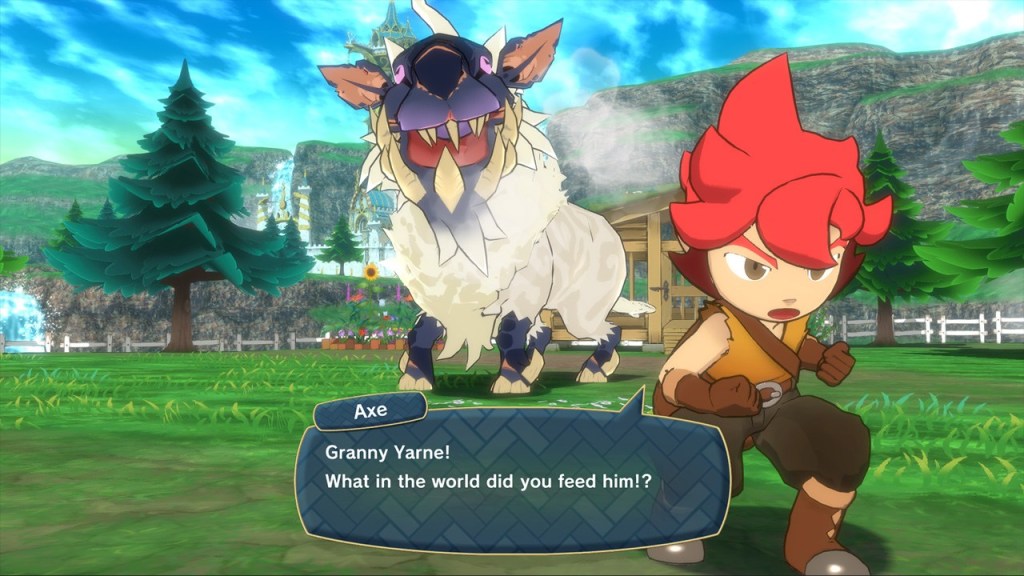


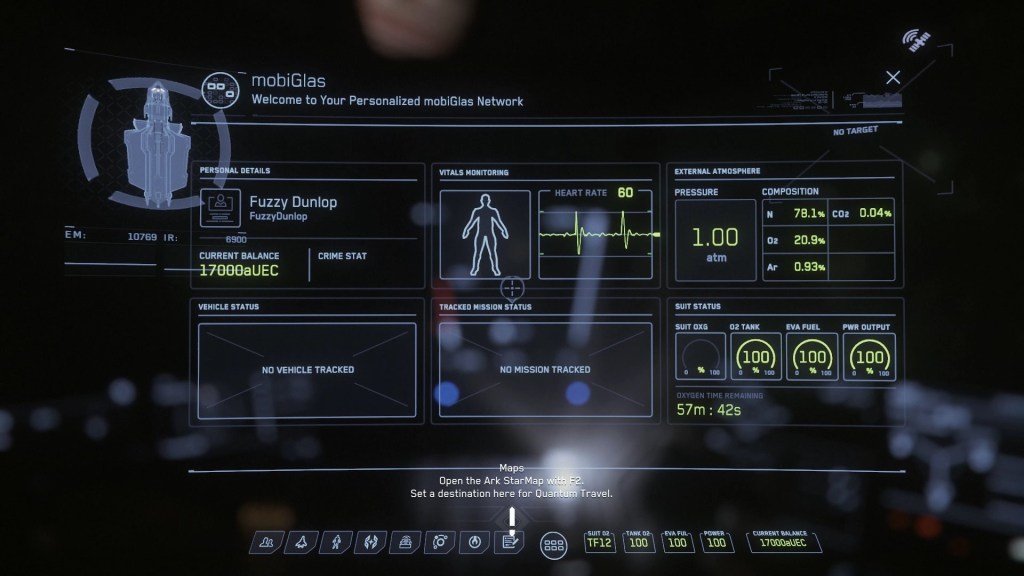

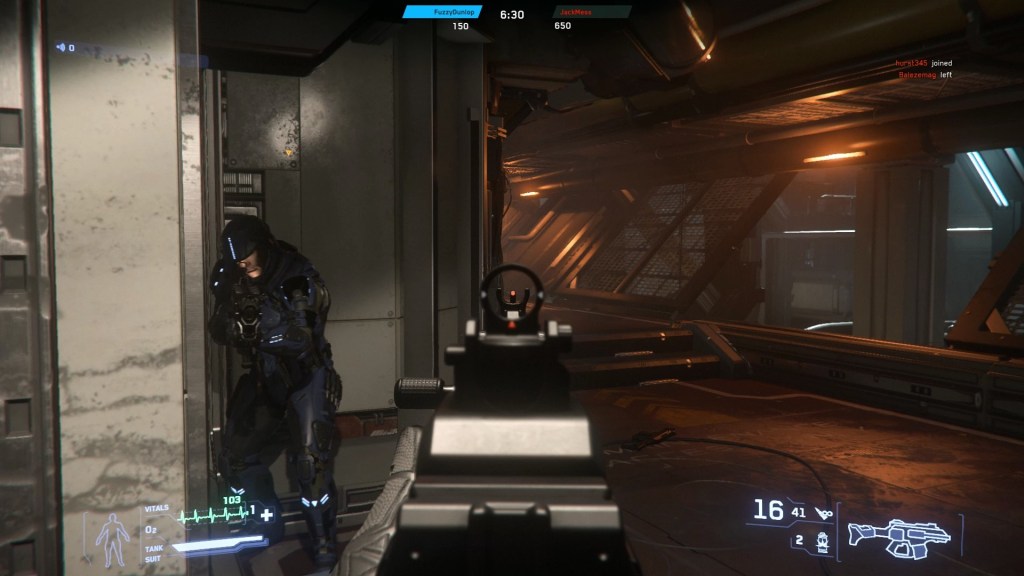


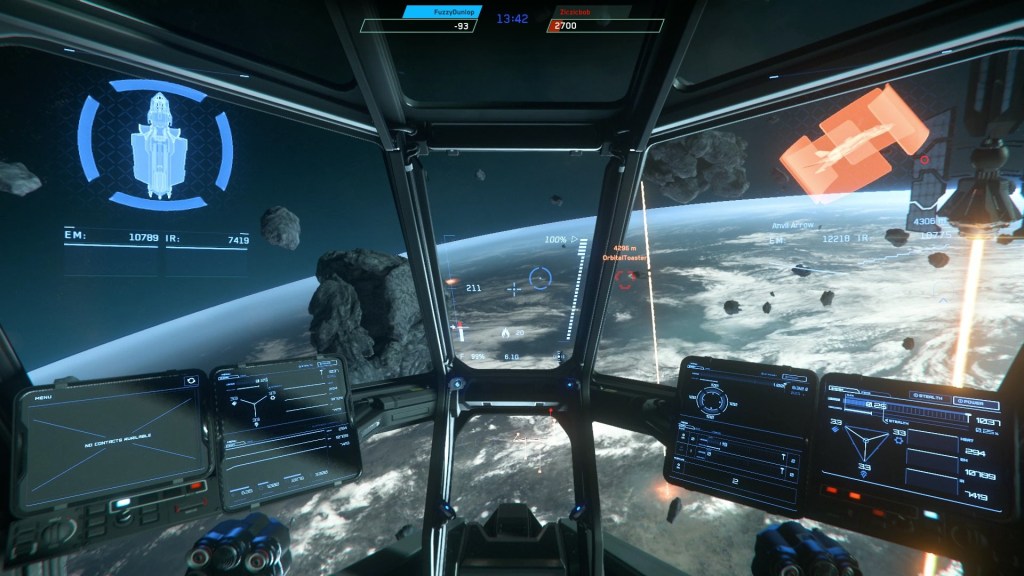


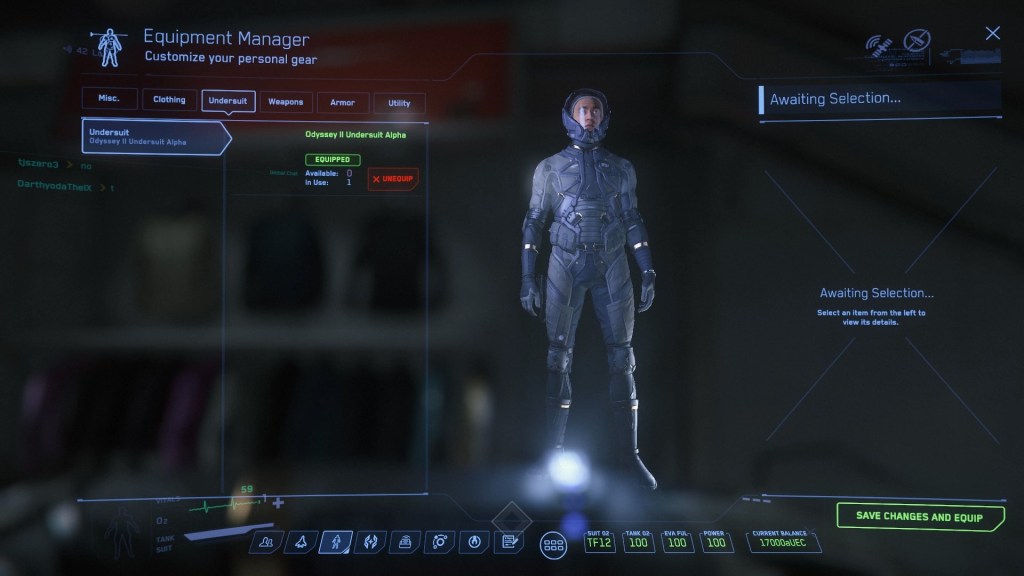
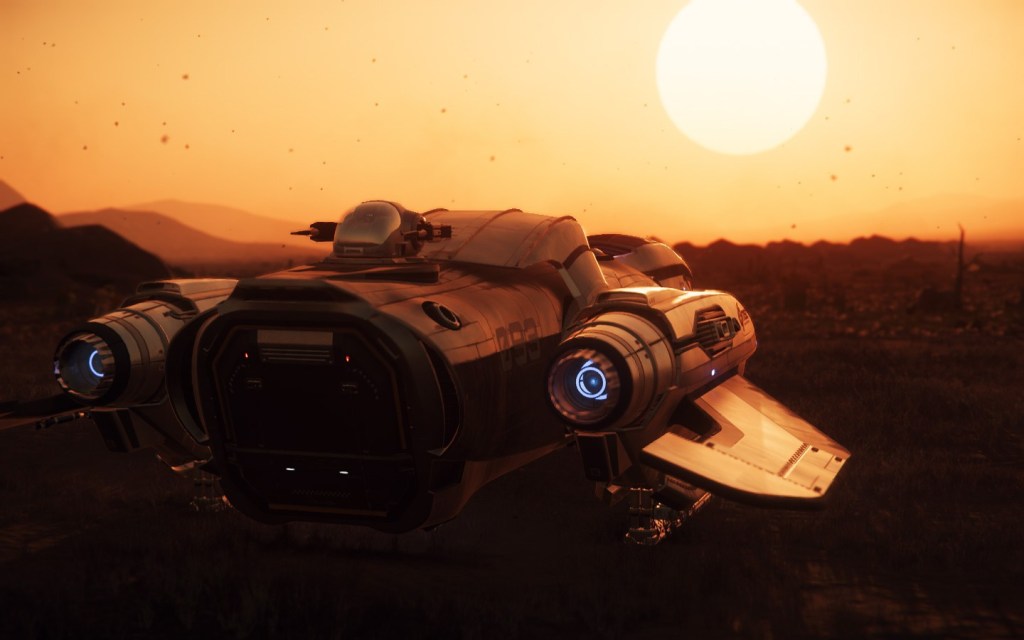
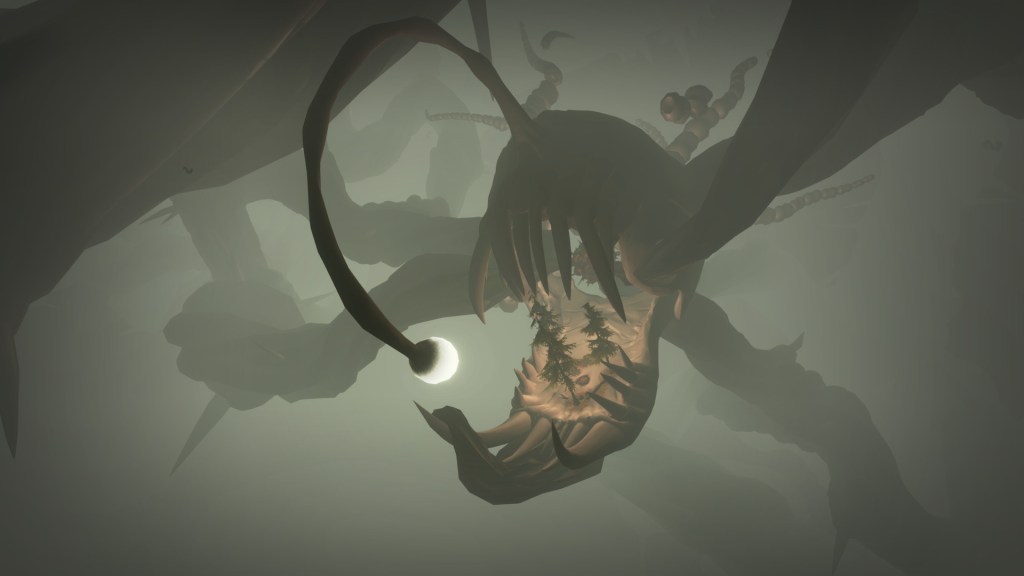



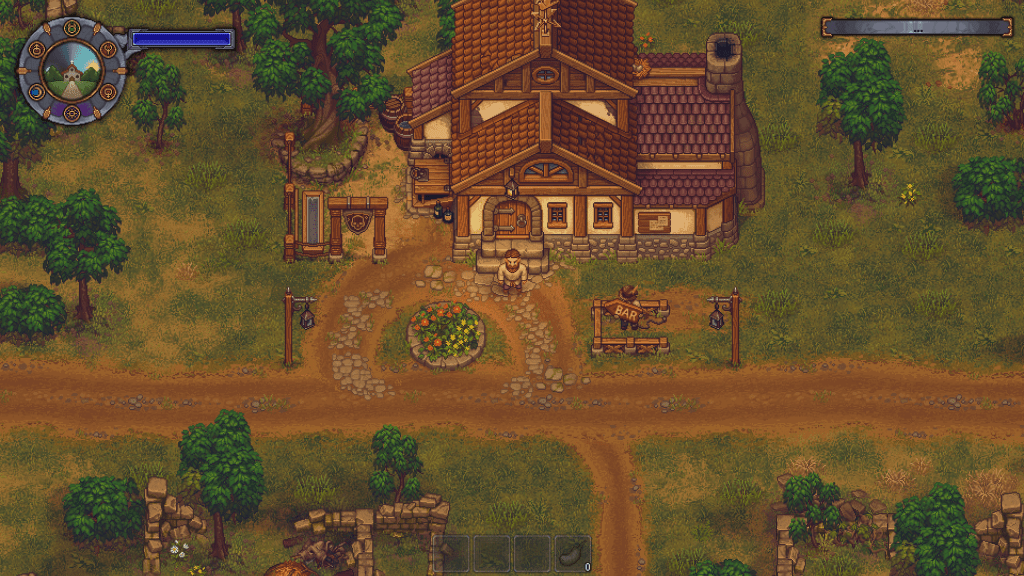
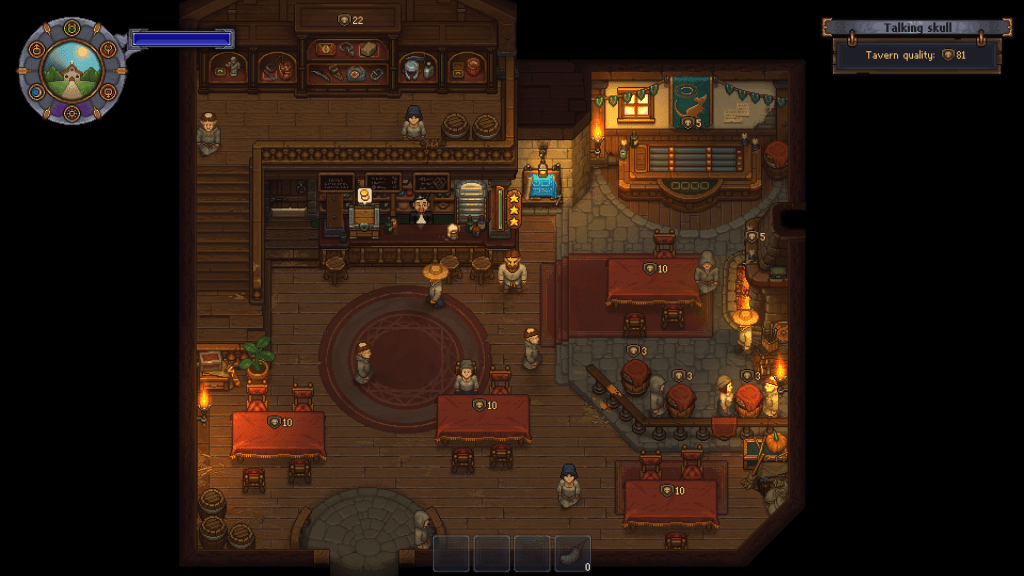


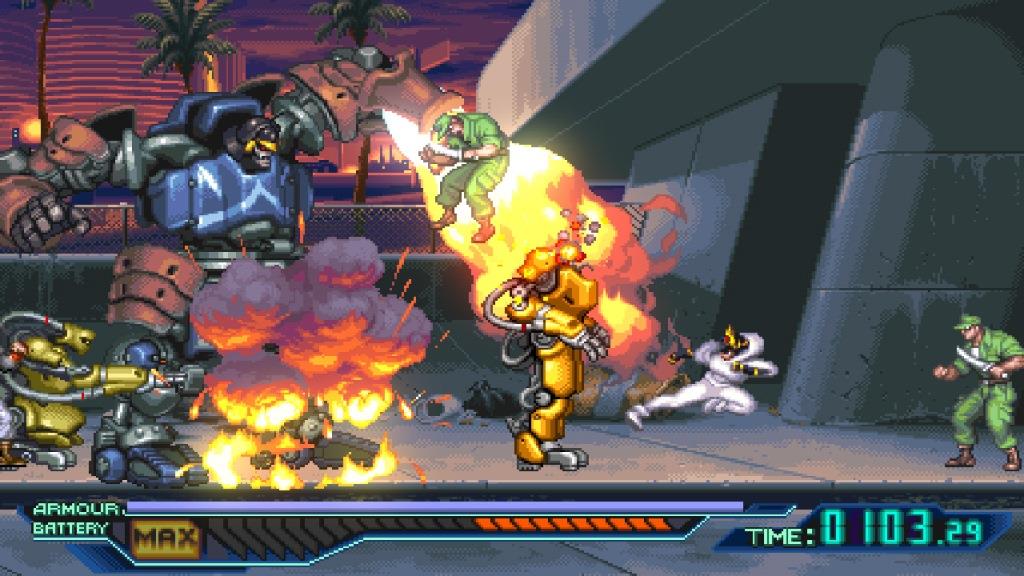

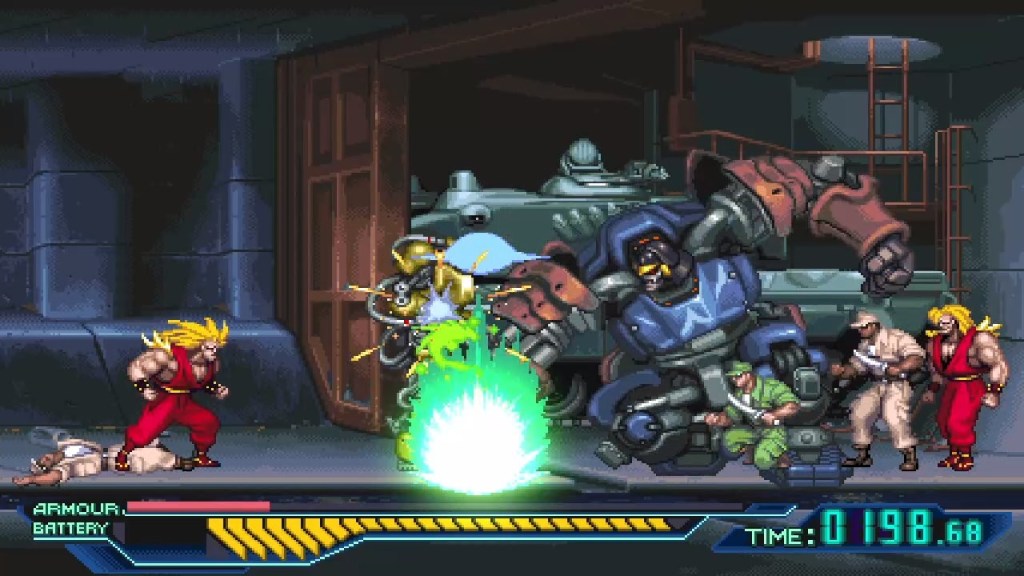



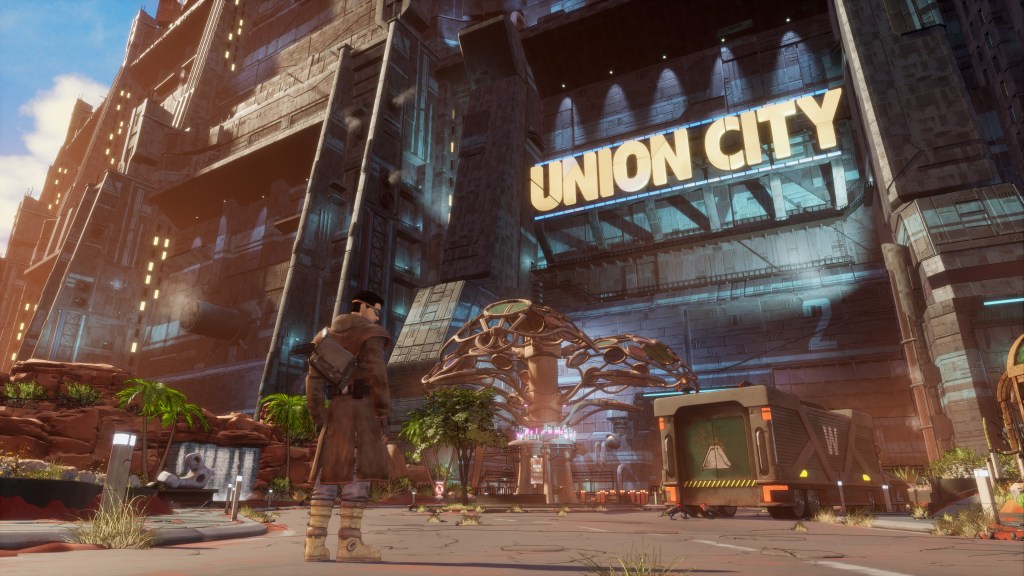
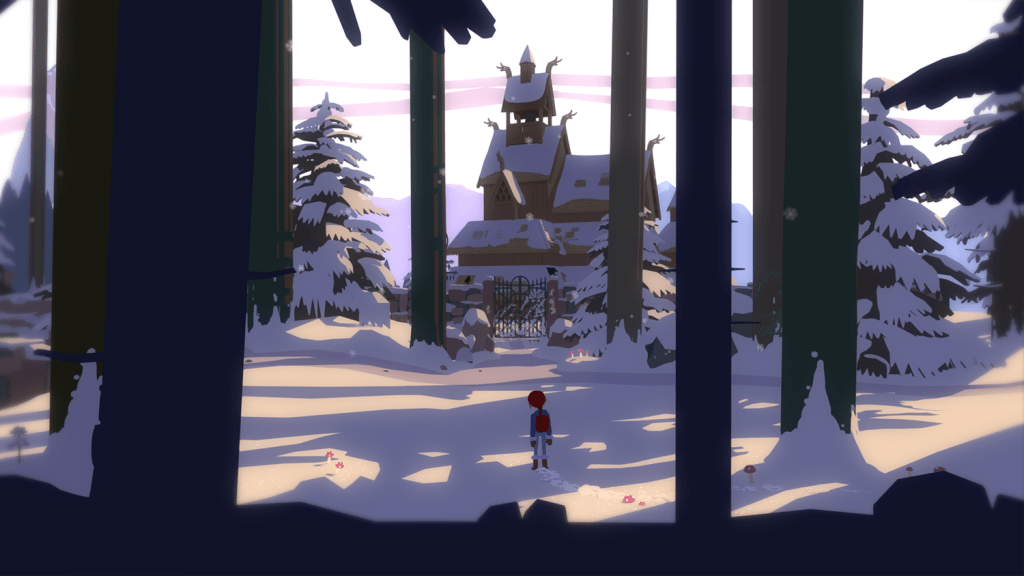
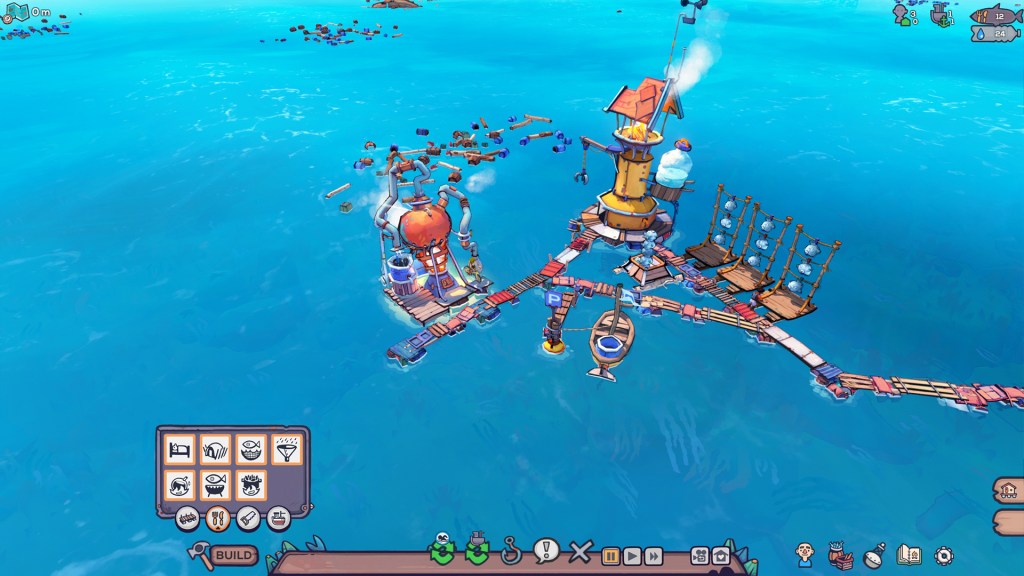


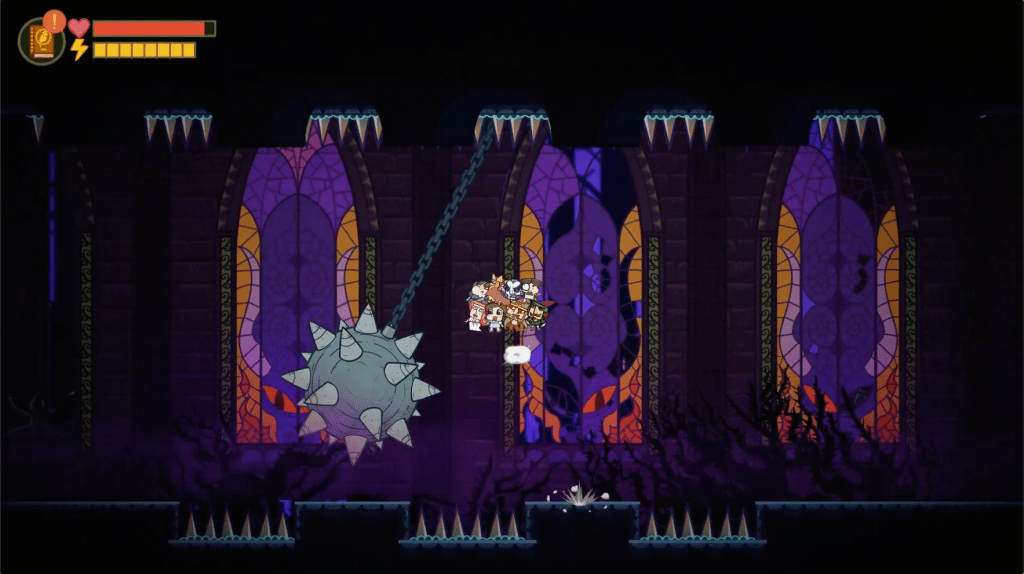





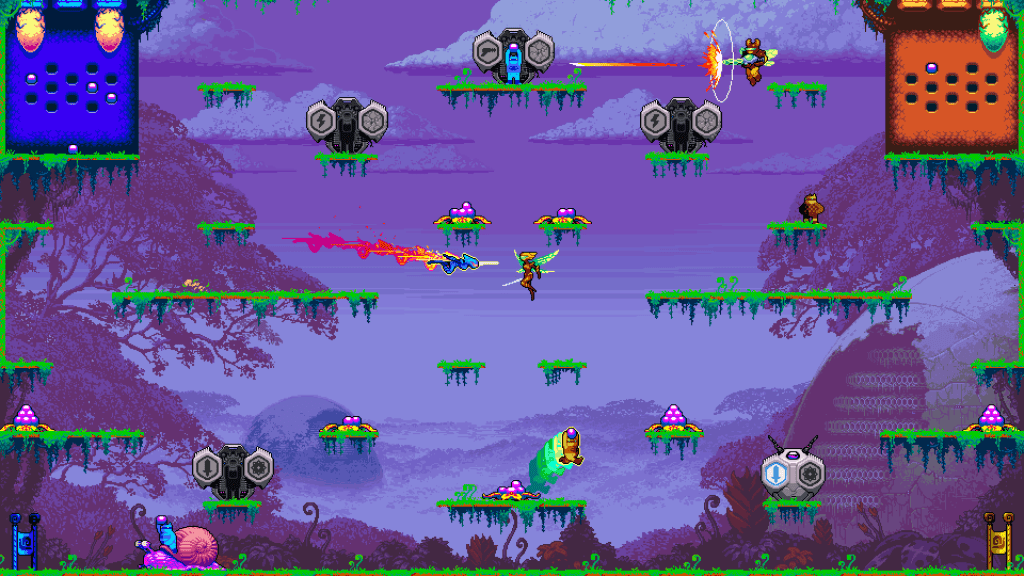
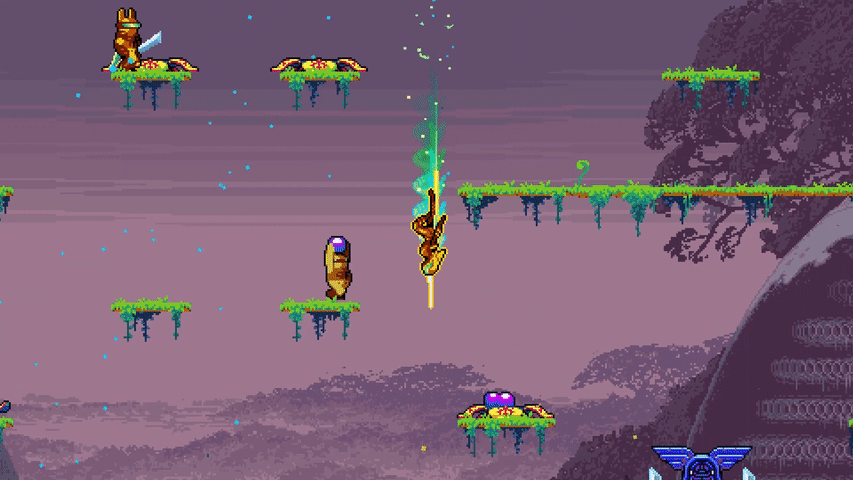
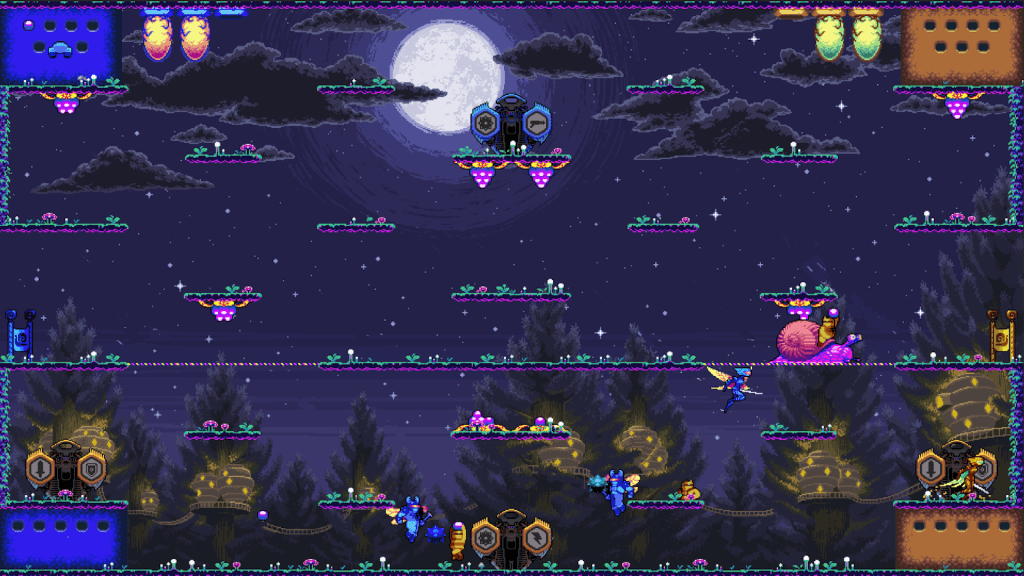
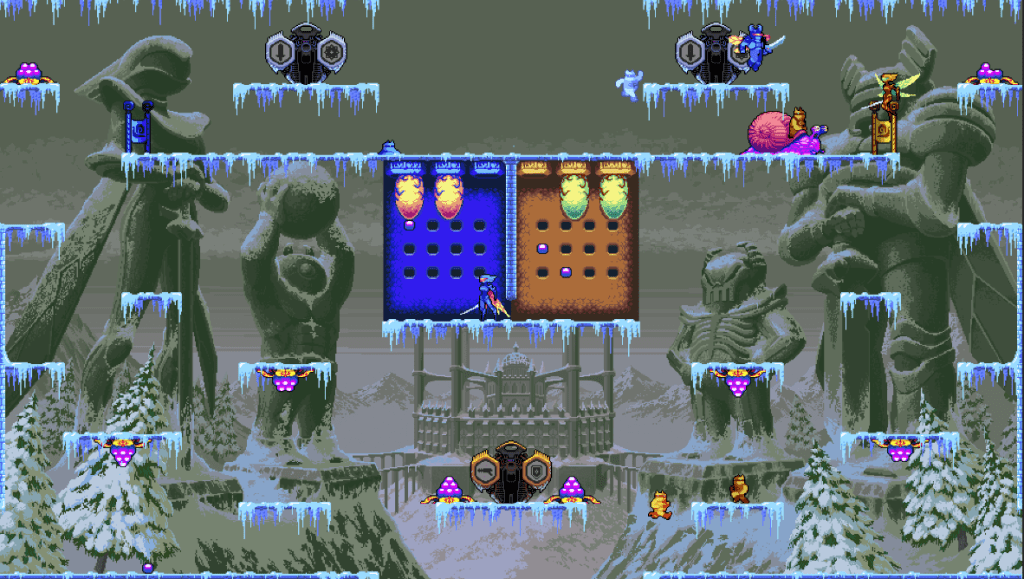
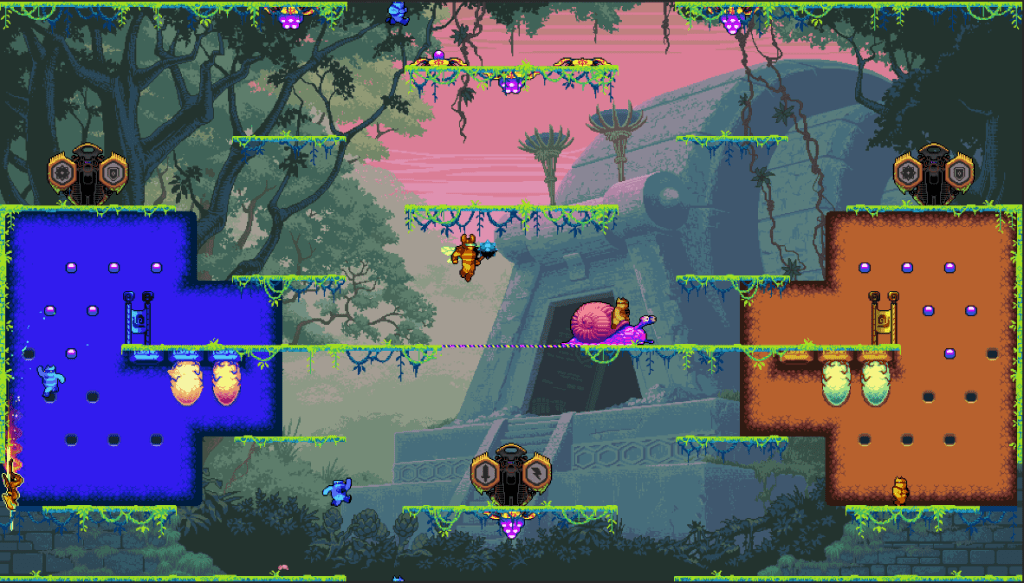
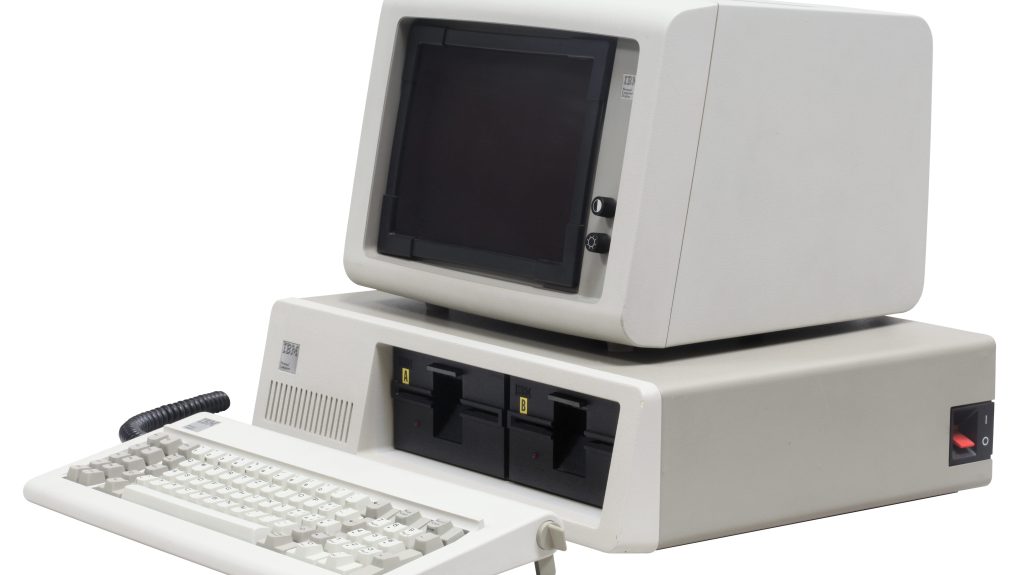
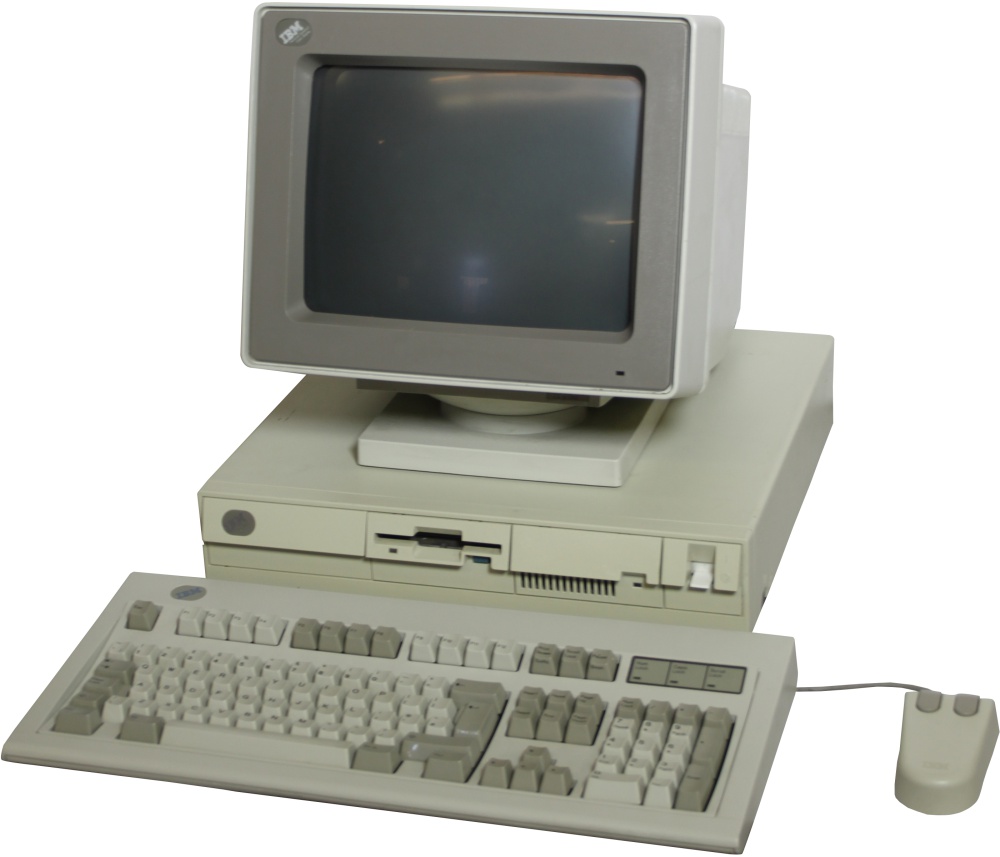
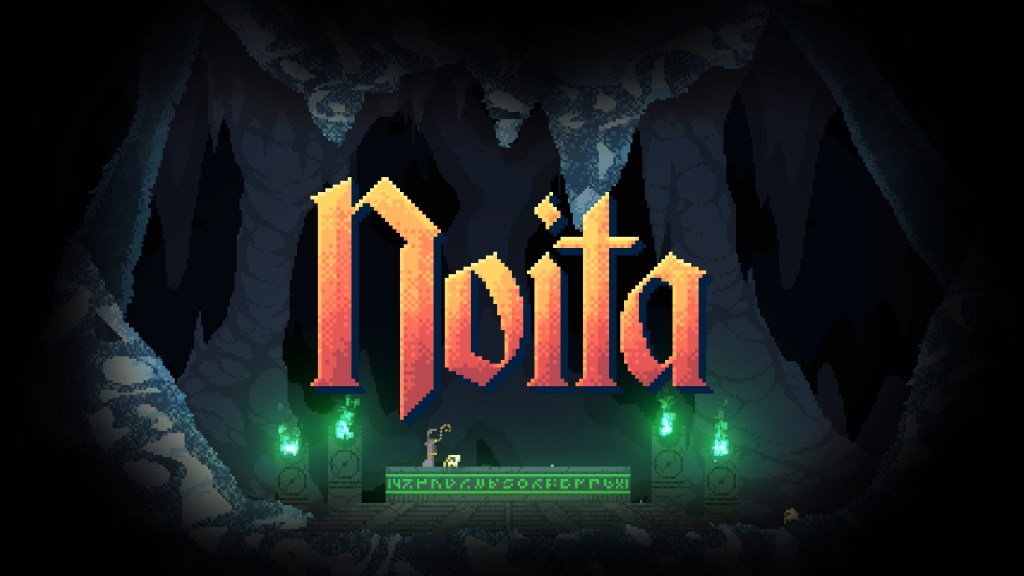
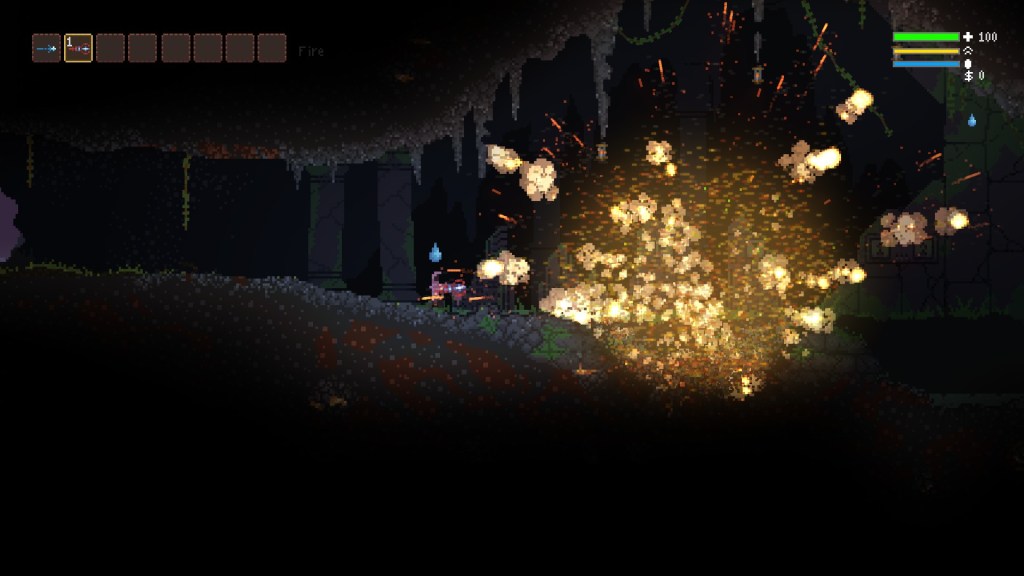
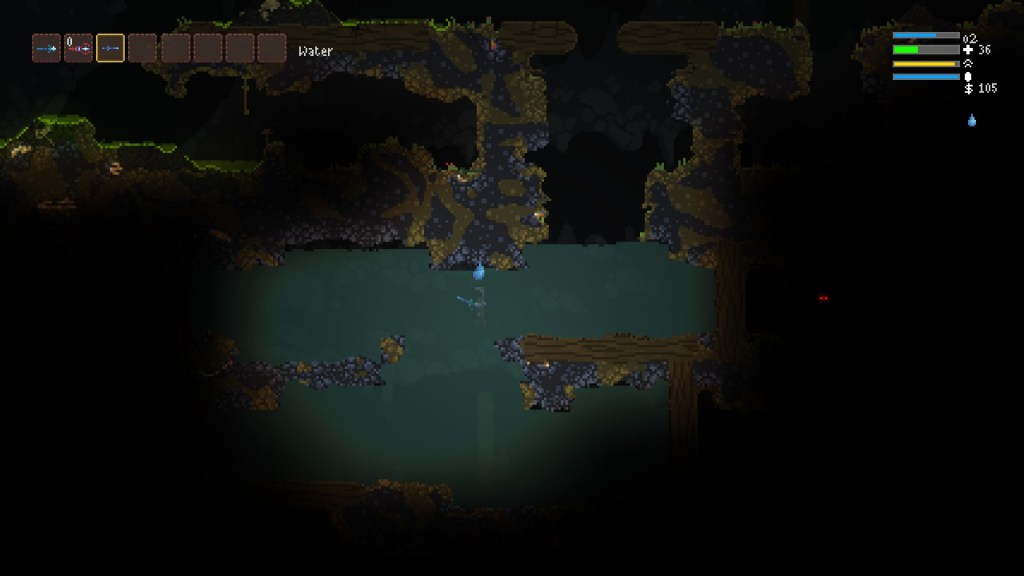
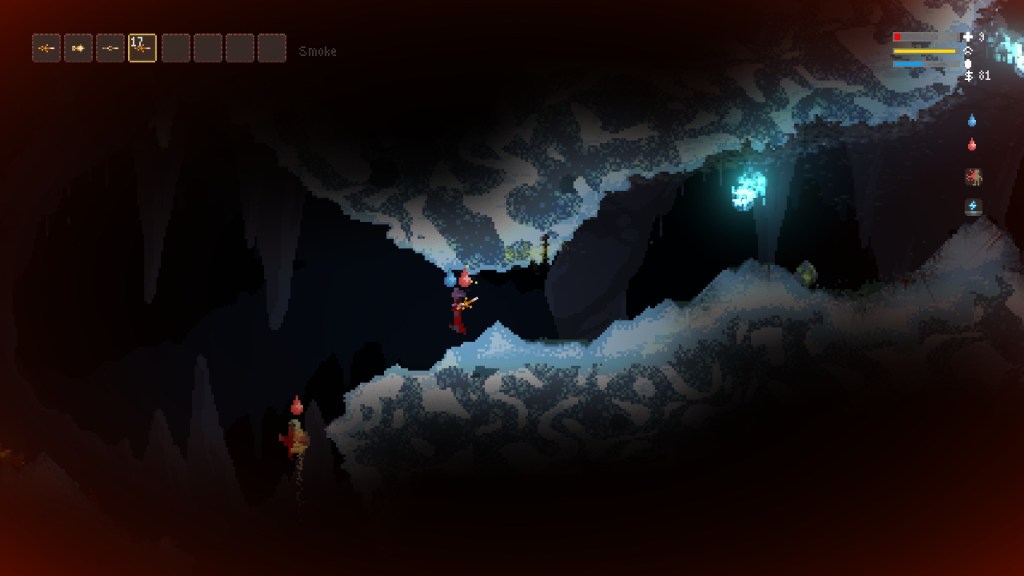
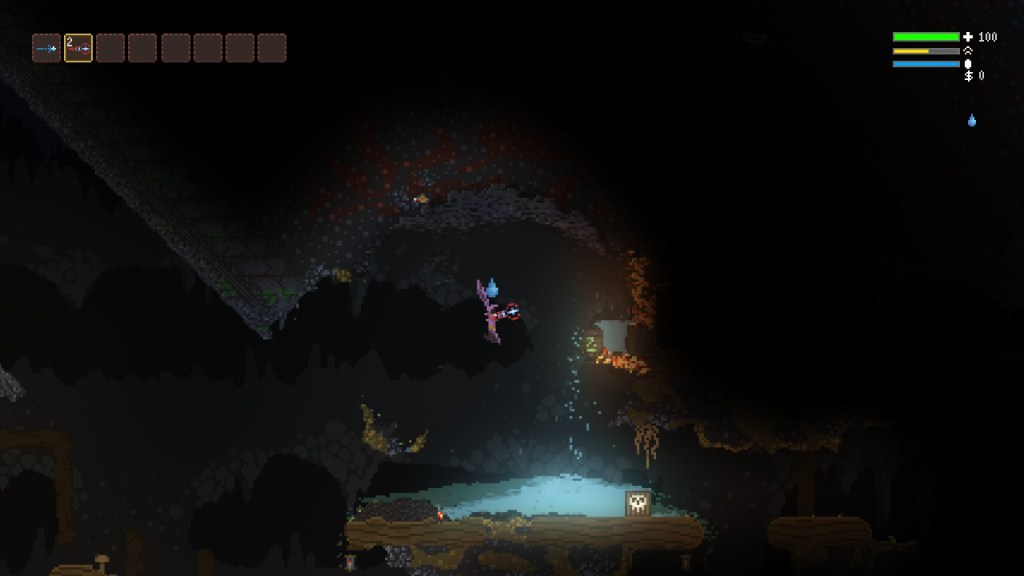
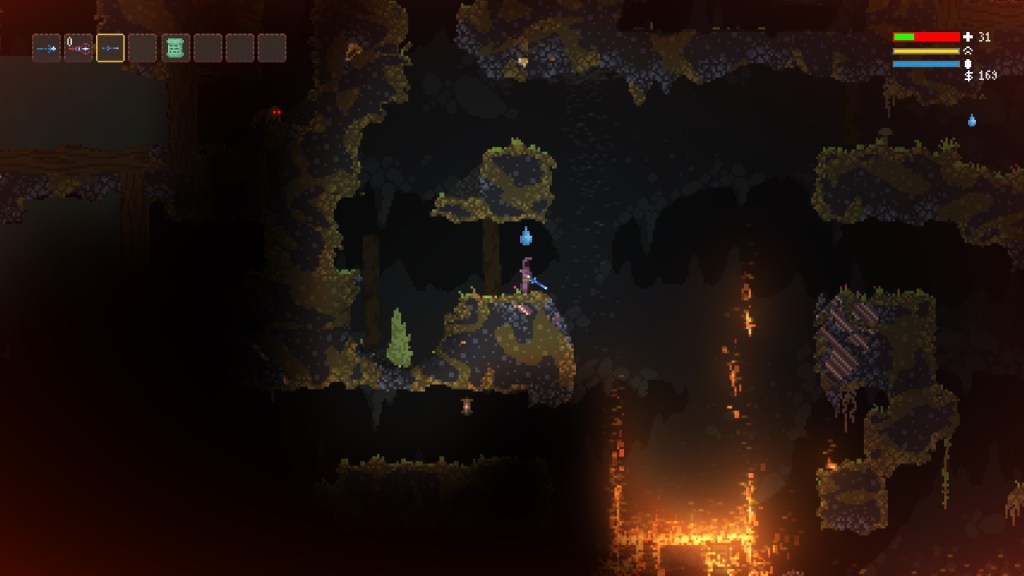
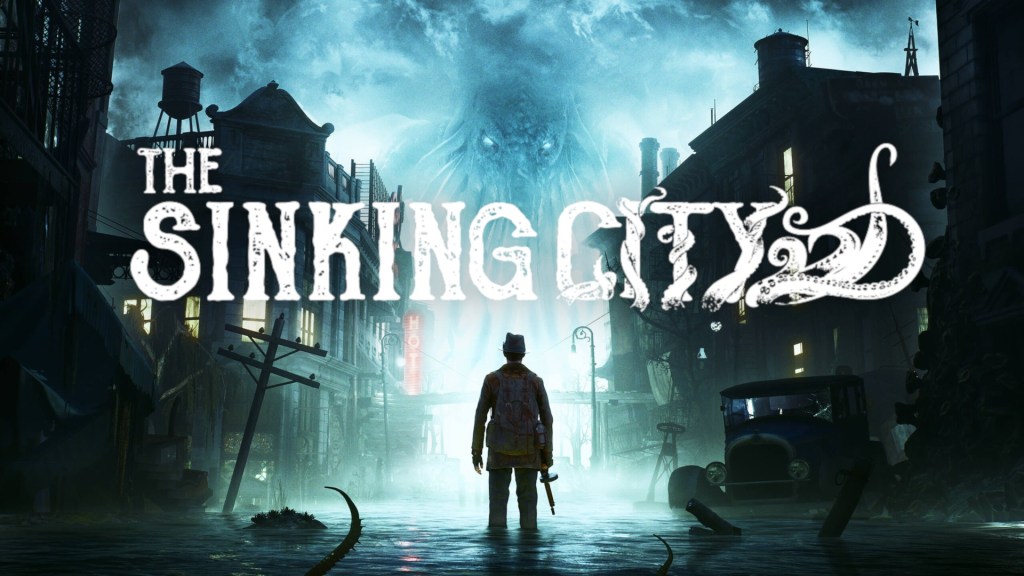


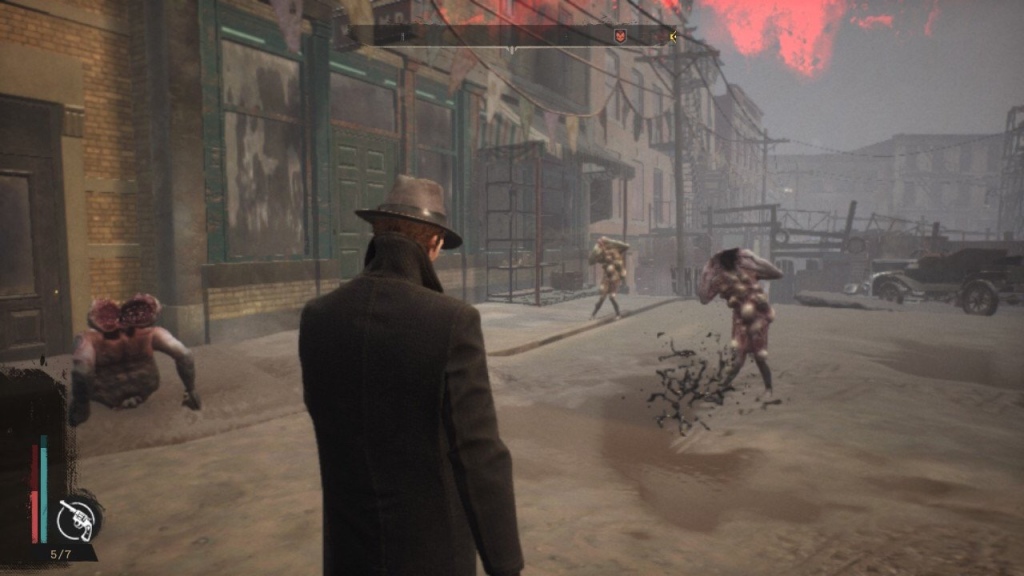

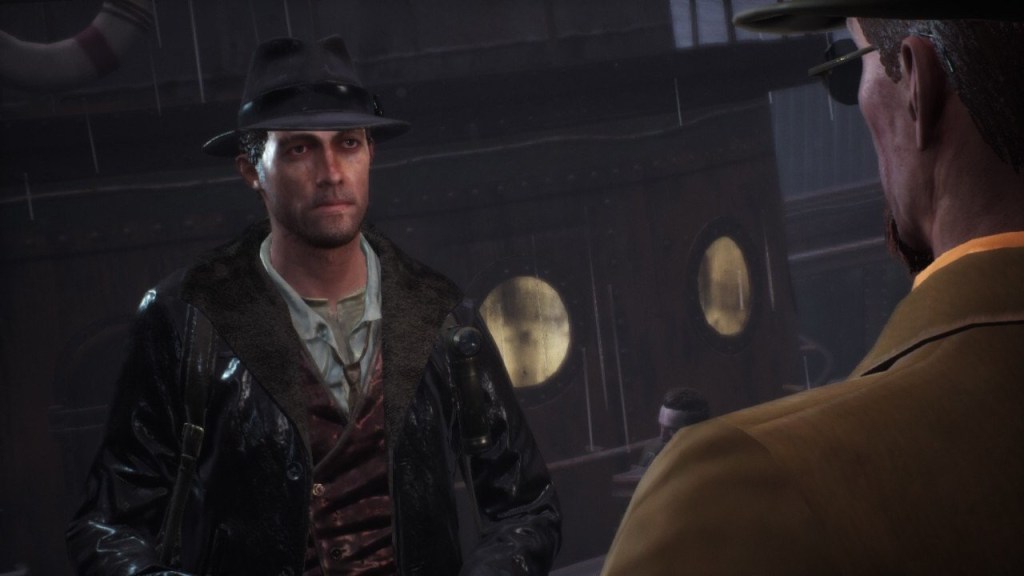


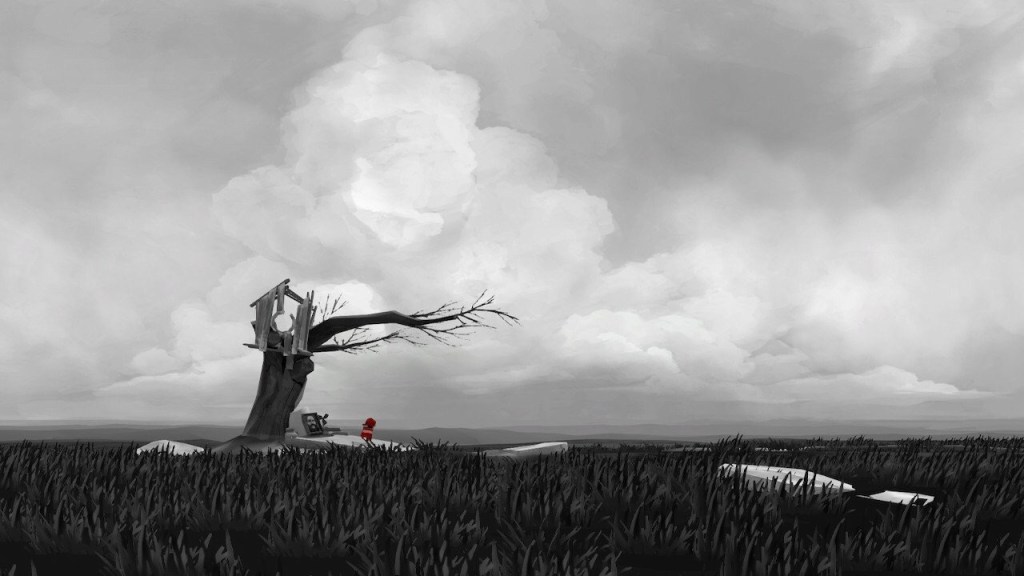

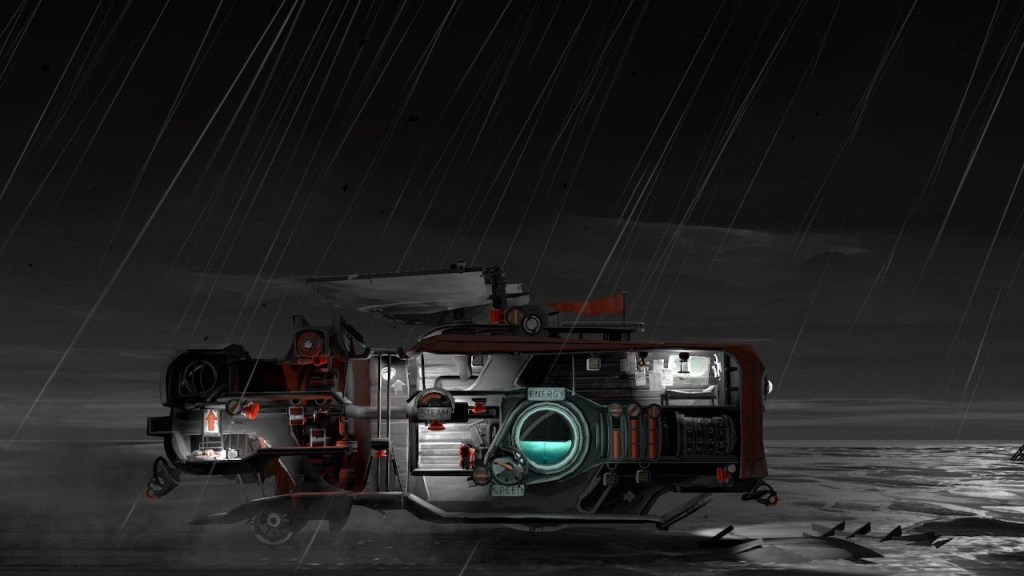
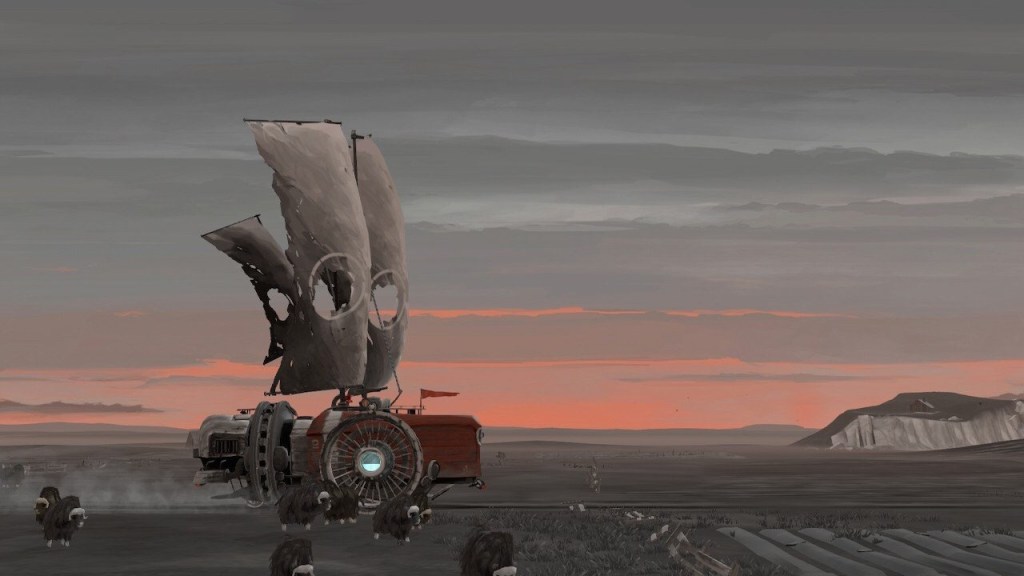




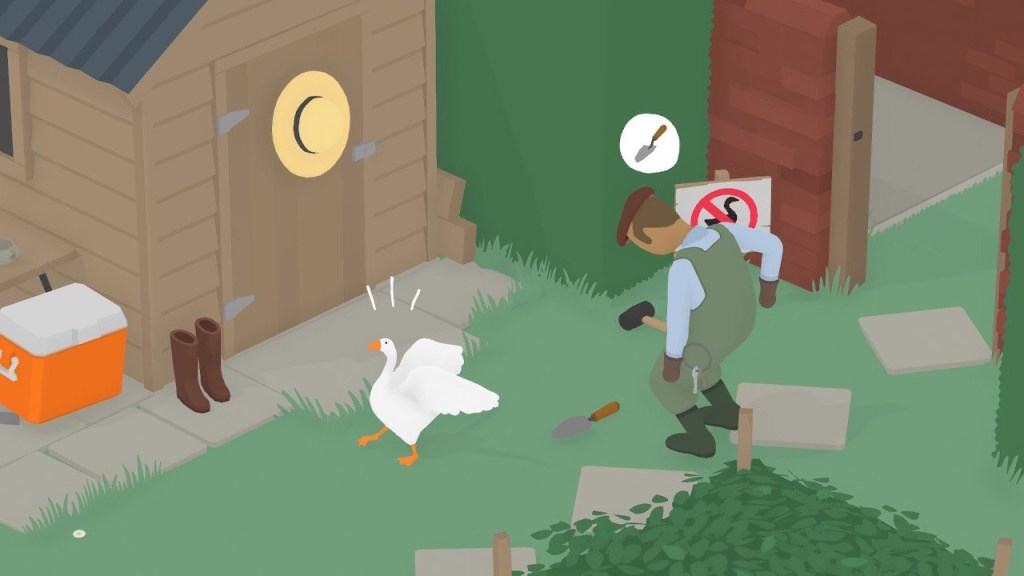
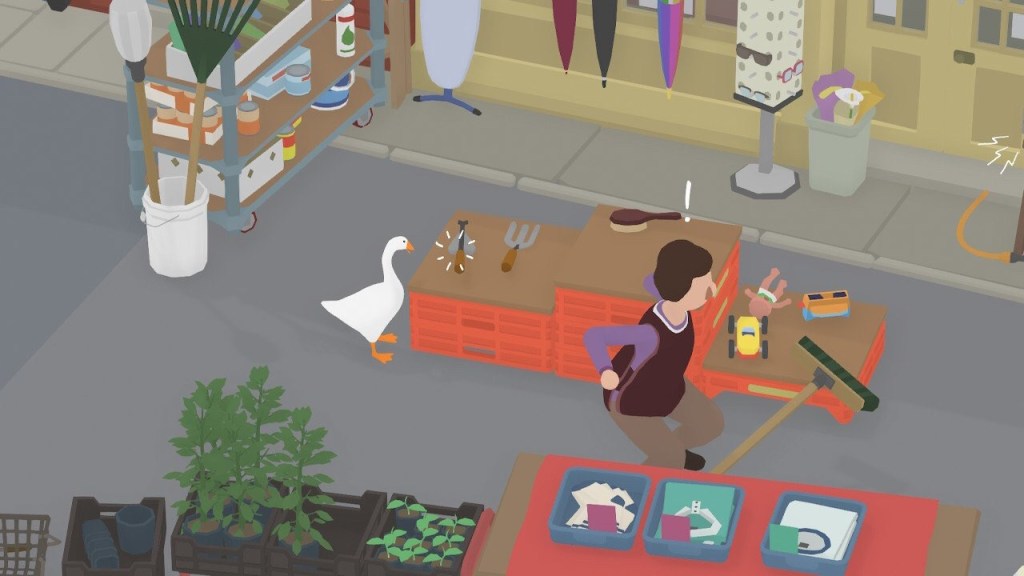
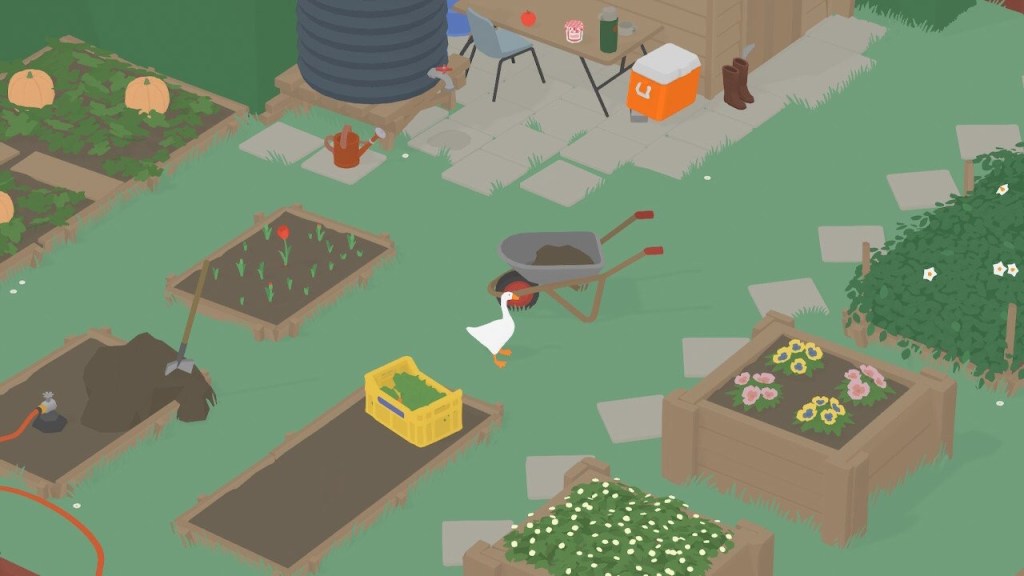
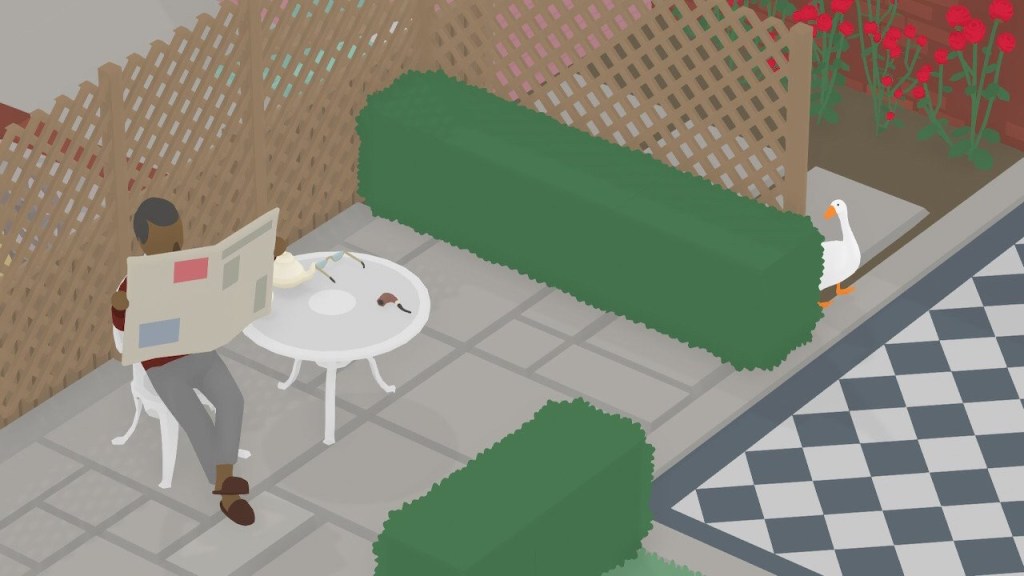


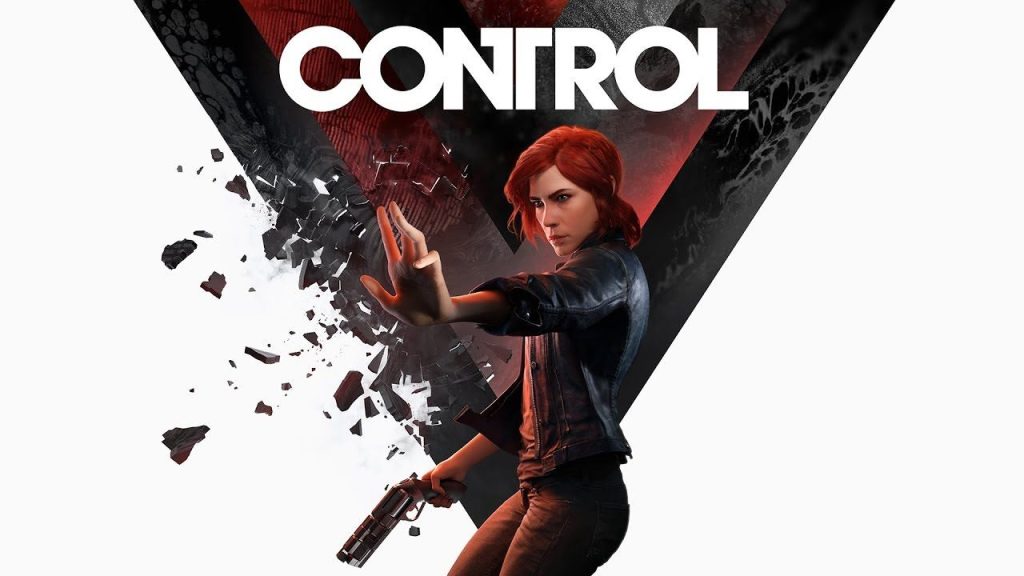


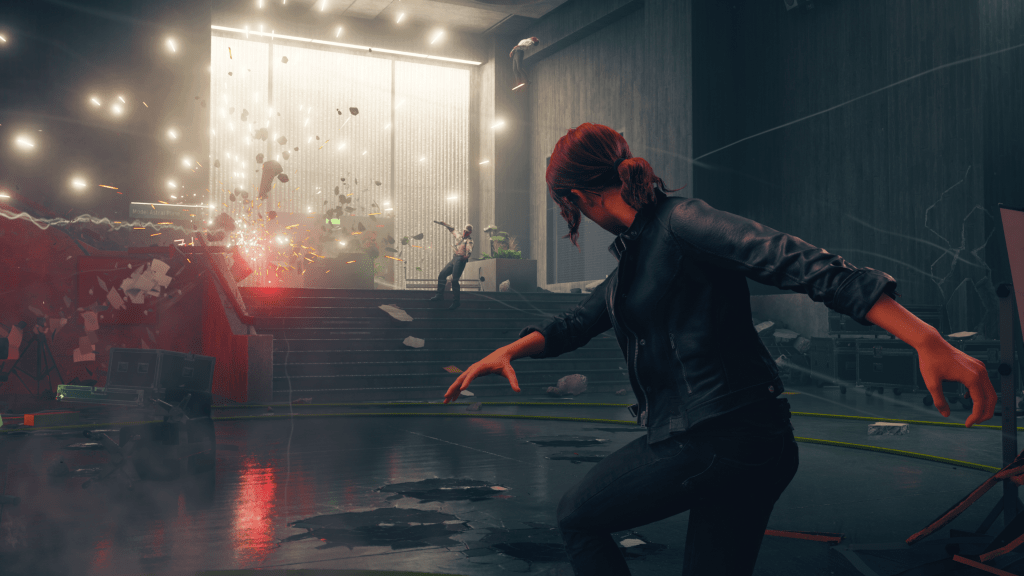



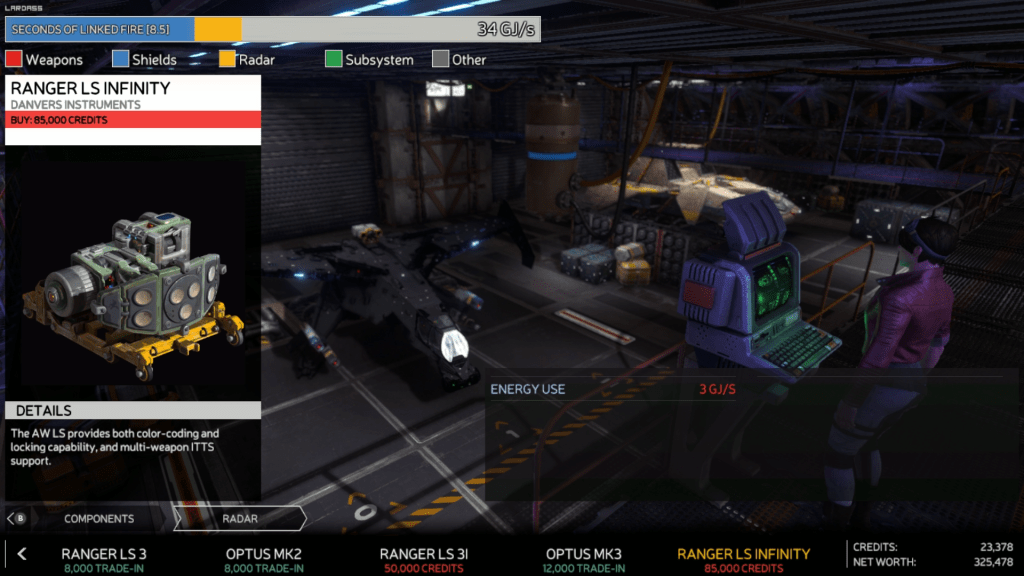
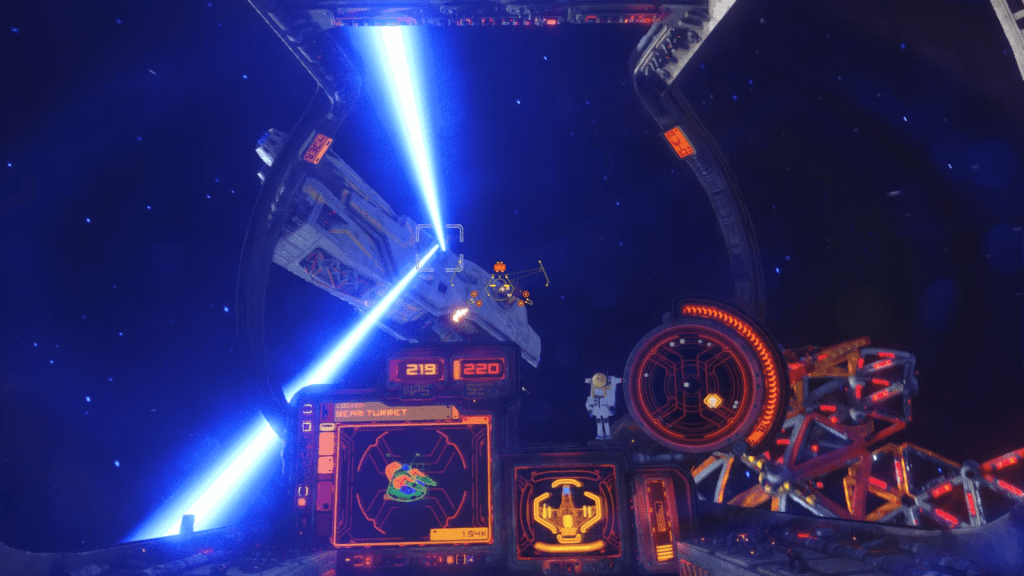
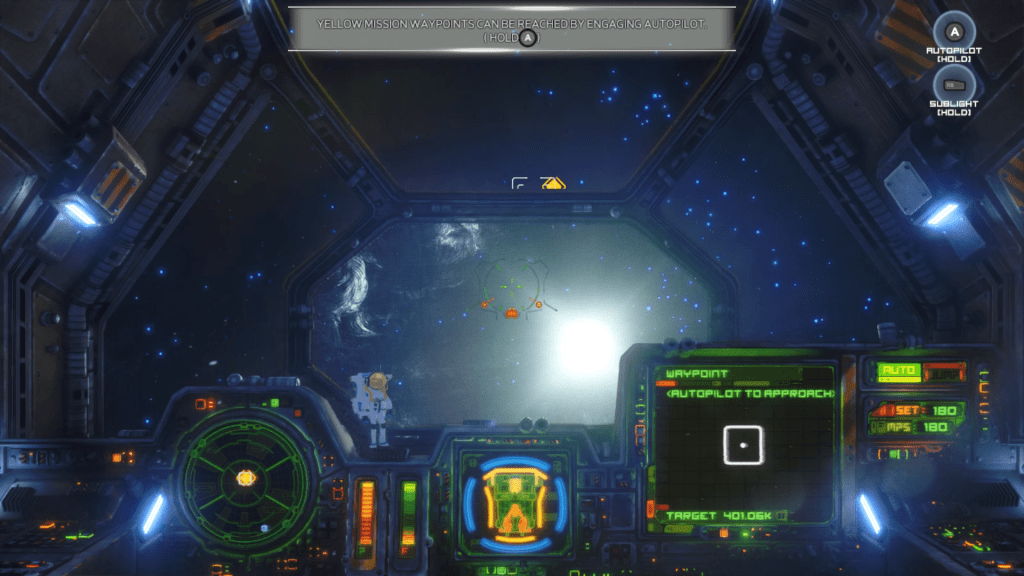

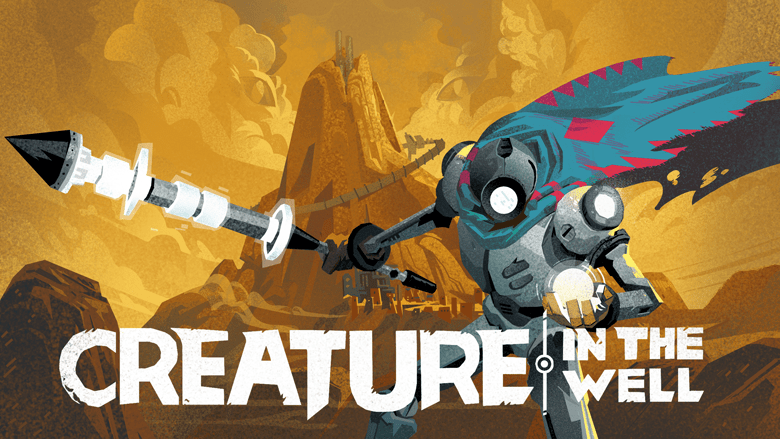


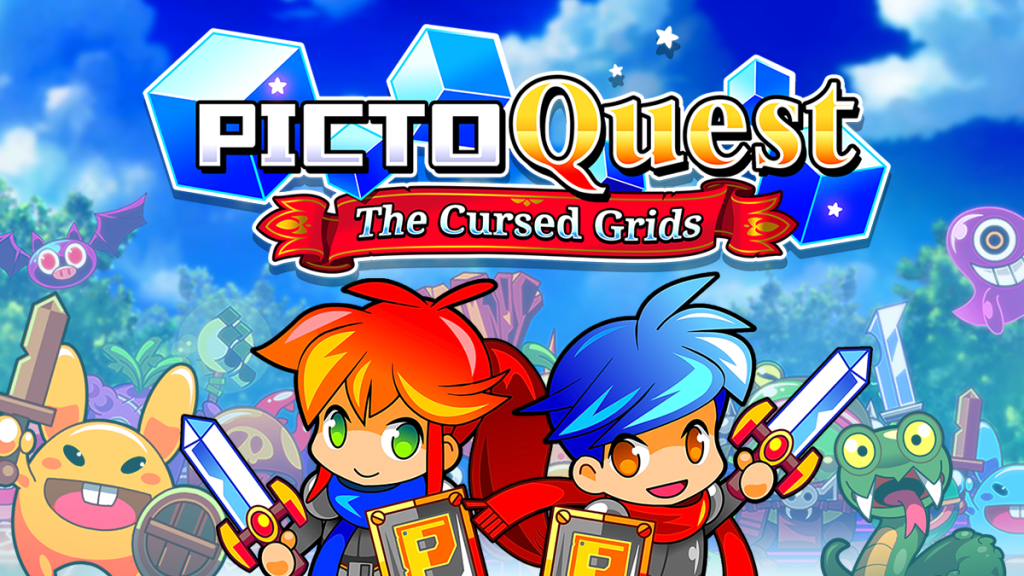


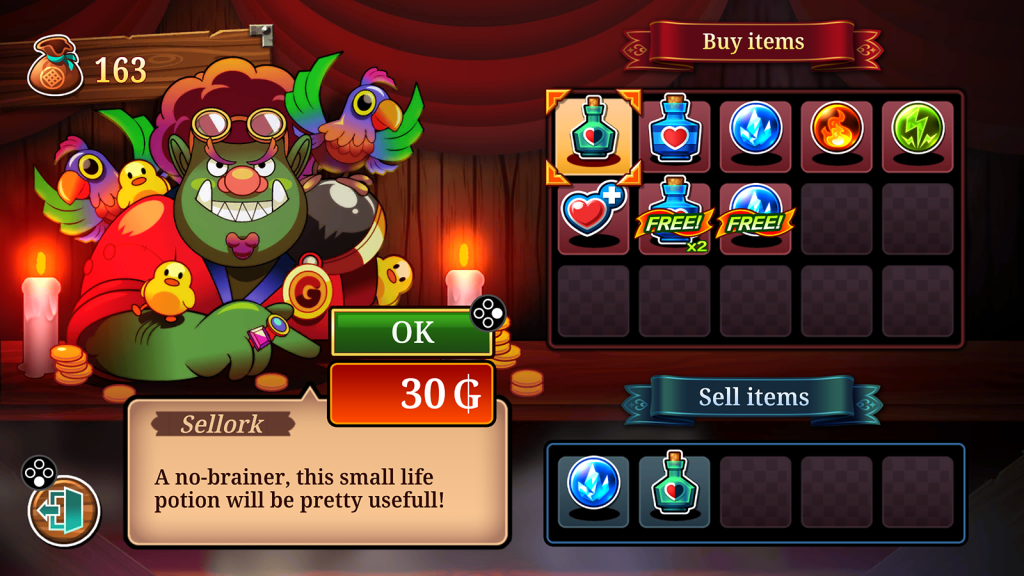
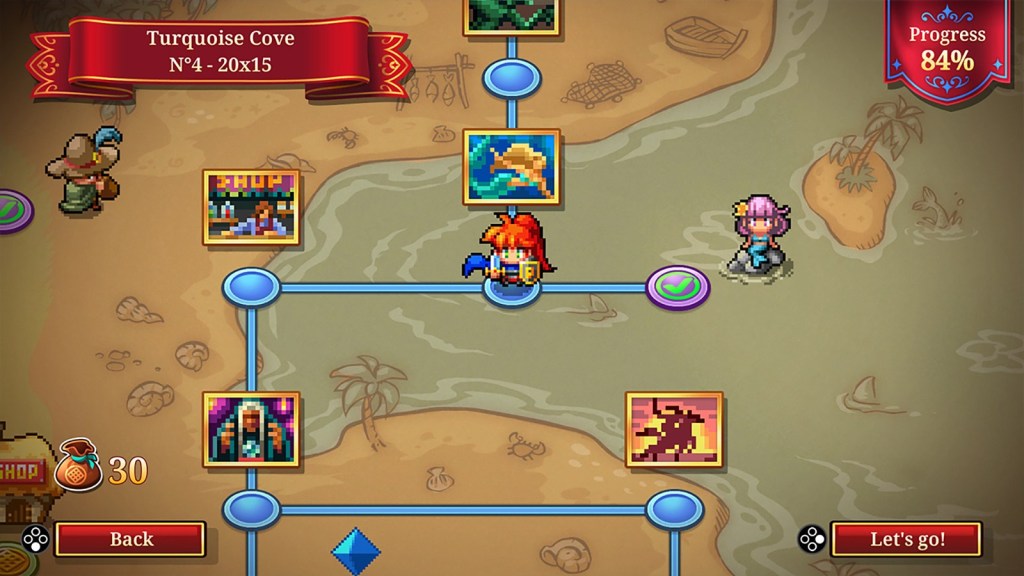

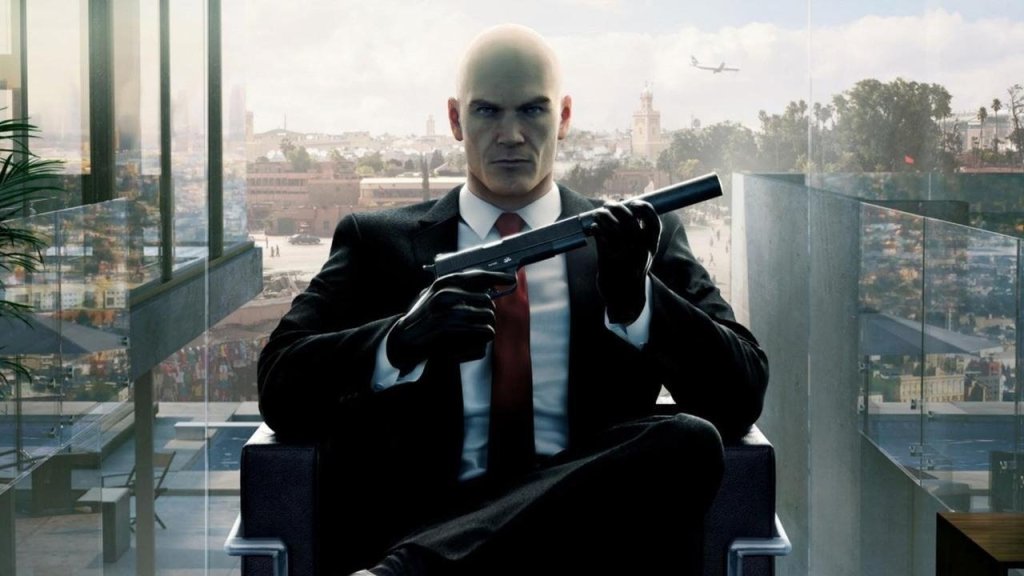
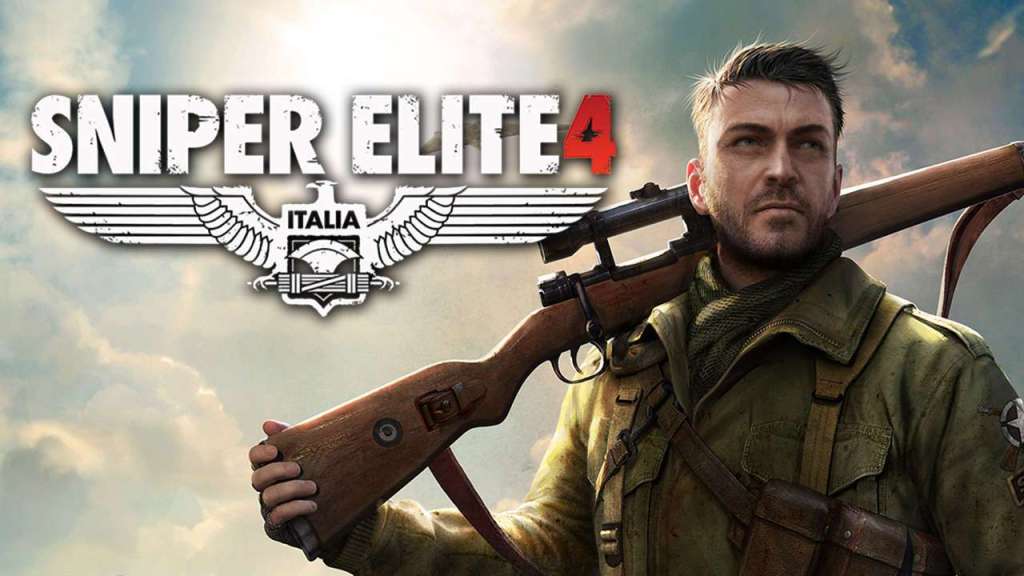




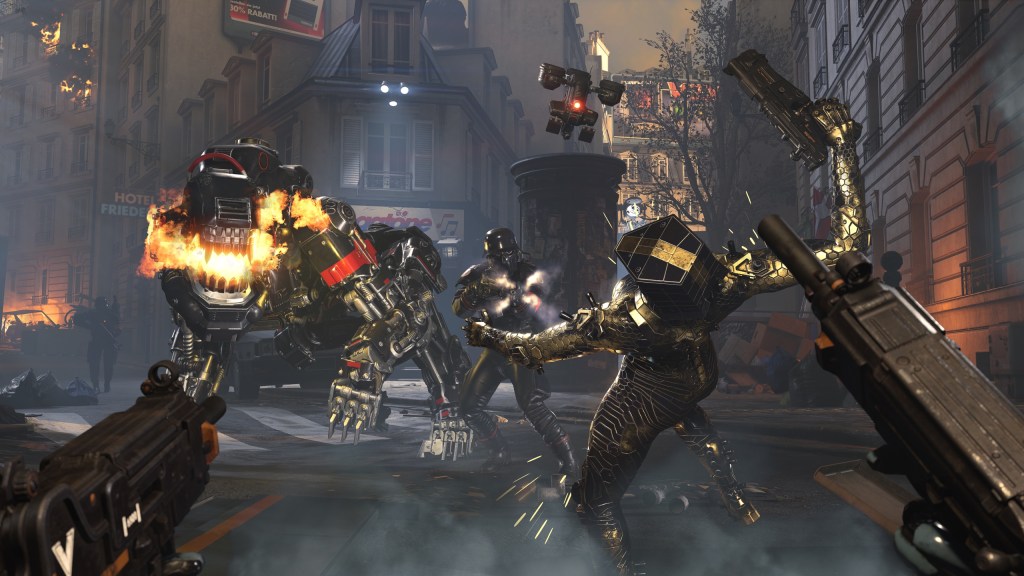





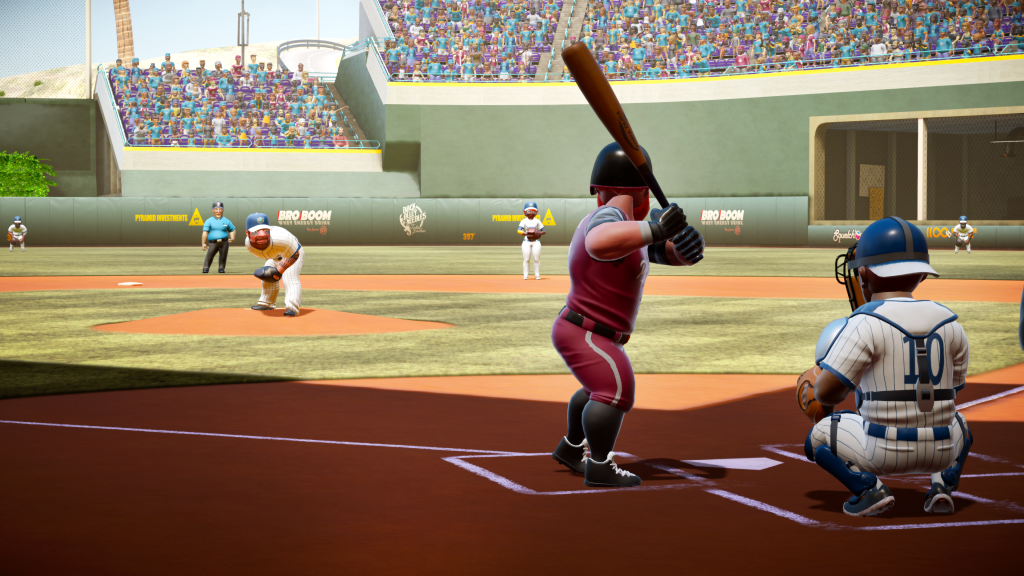
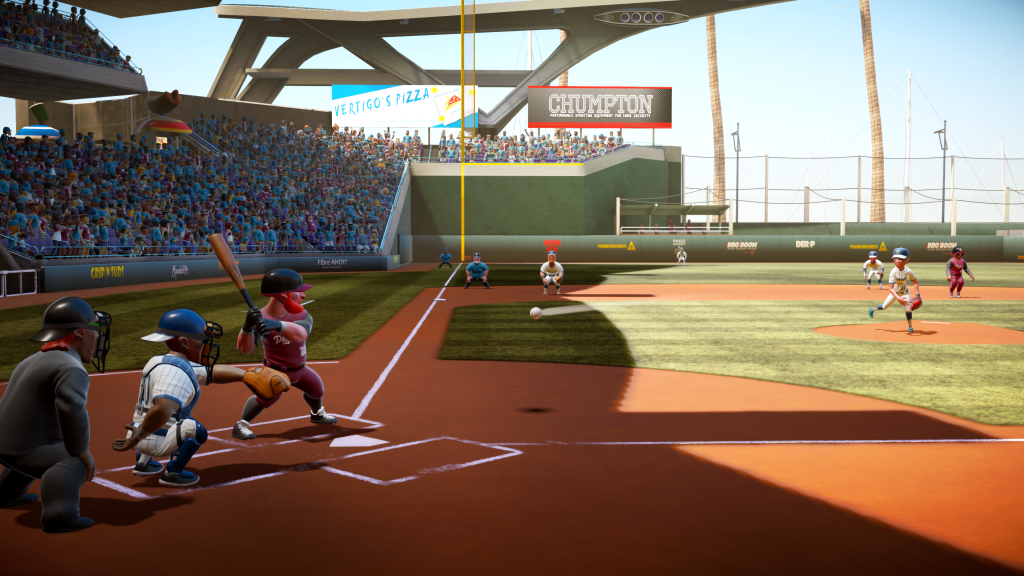



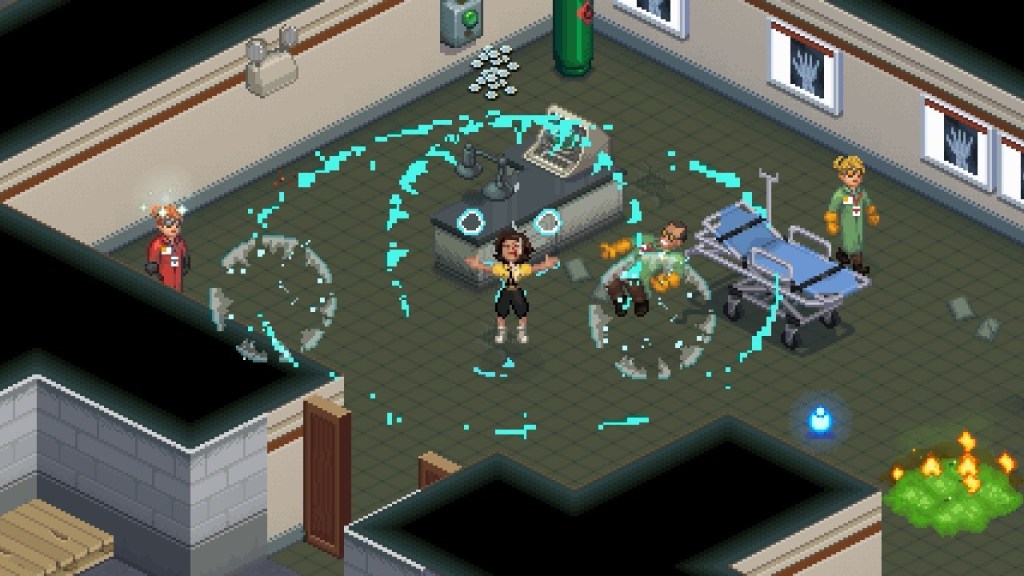

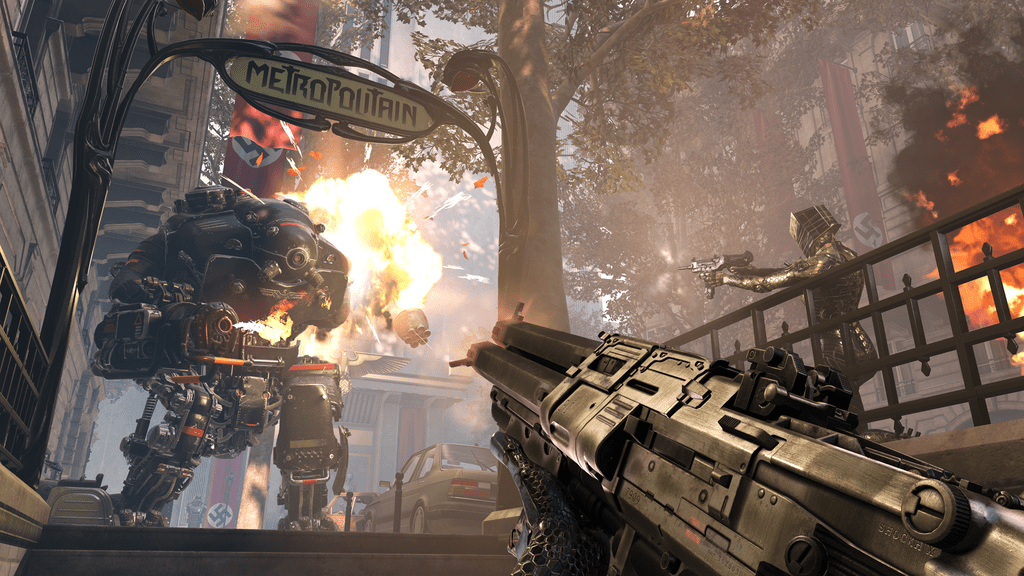


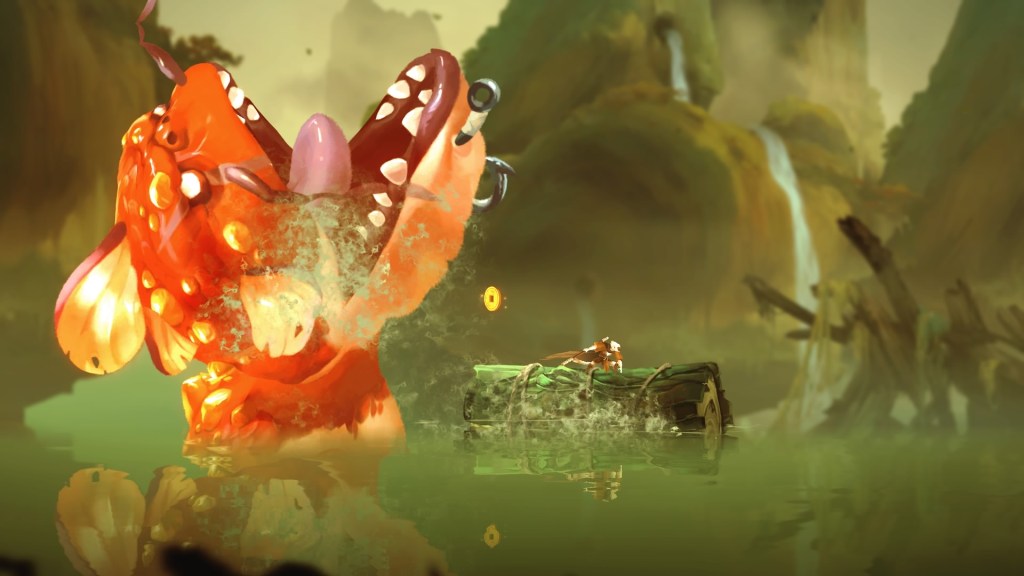




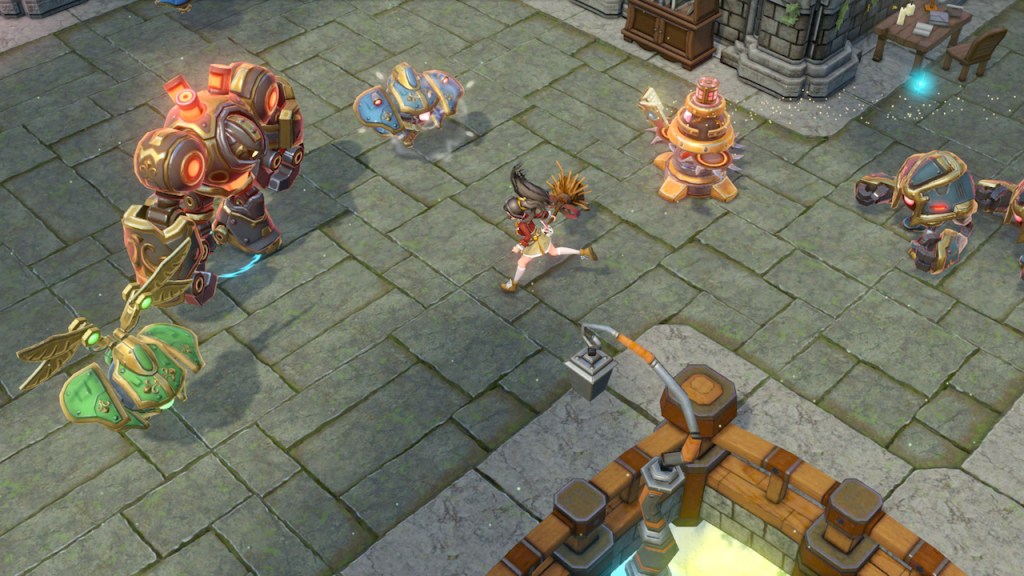





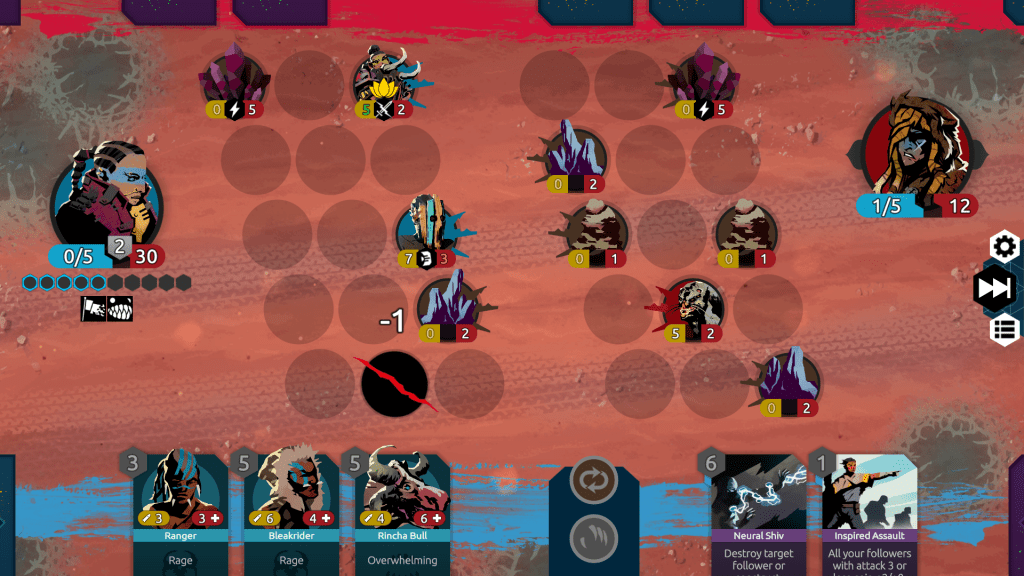
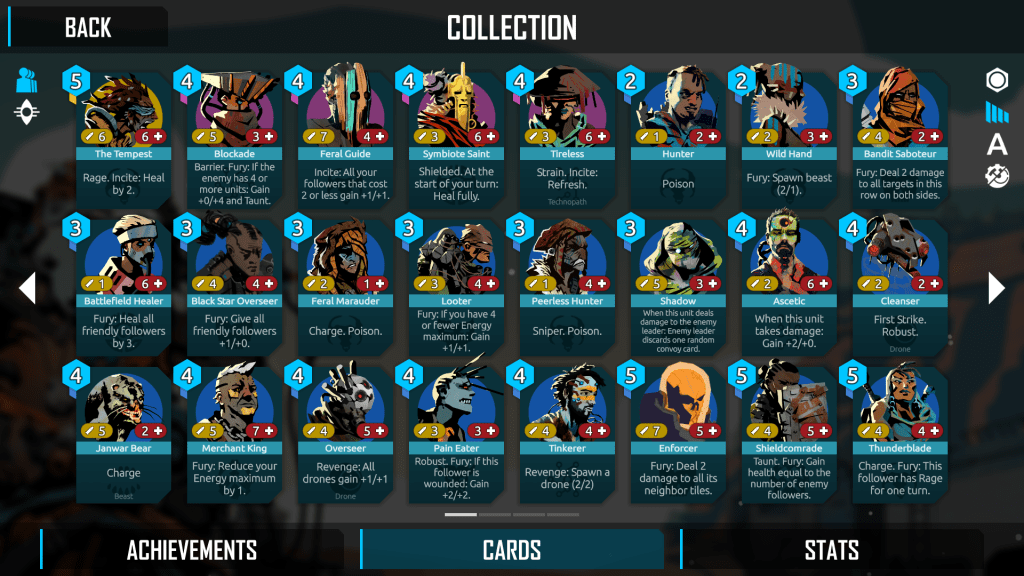
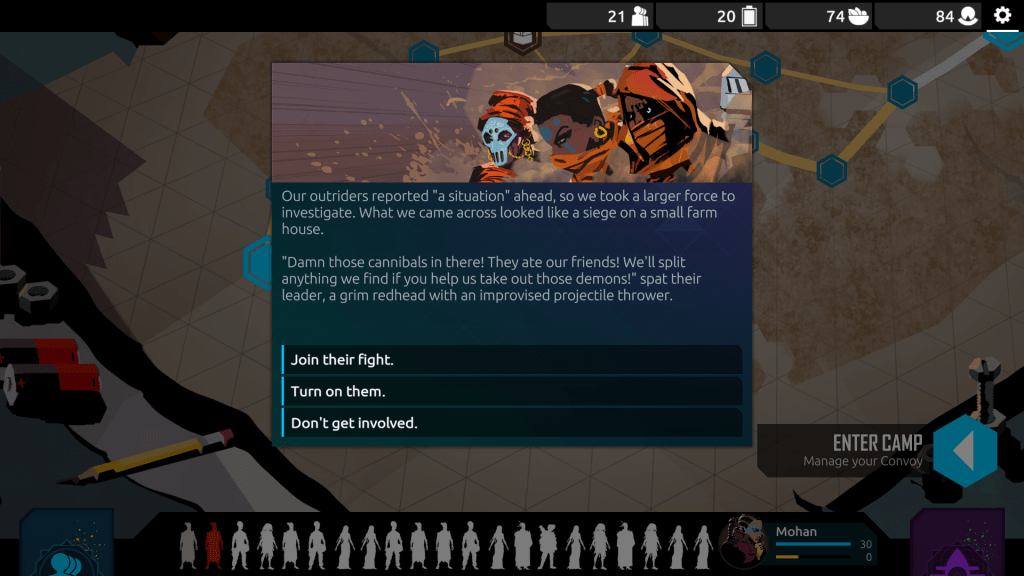







 A MOST AGREEABLE PASTIME