The Nintendo Switch eShop is rapidly filling up with quality indie games, and Yono and the Celestial Elephants is certainly a worthy addition. The game is most succinctly described as an old-school Zelda game with elephants, but it has an identity all its own and is a fun adventure game in its own right.
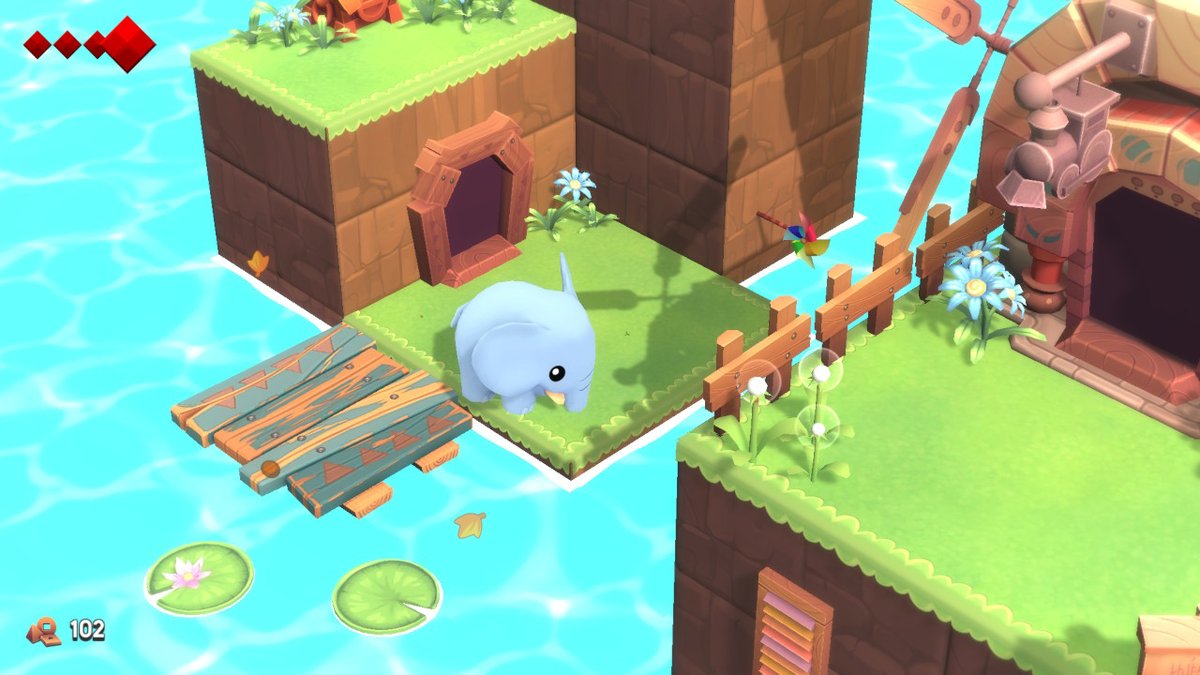
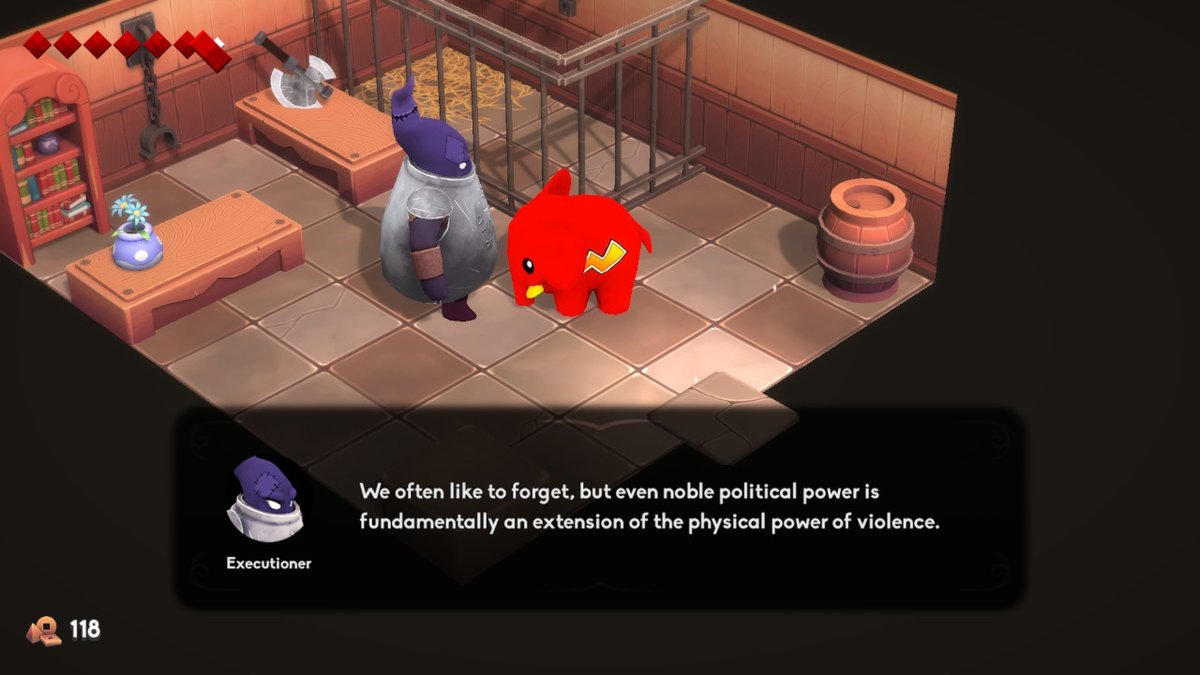
Although the Moomintroll books are not well known in North America, anyone familiar with them will immediately recognize the aesthetic of the game, which developer Neckbolt (solo developer Niklas Hallin) absolutely nails. The character’s visual designs and the uncluttered and mostly pastel locales feel like a love letter to the classics by Tove Jansson (a fellow Scandinavian), but the more significant feat is that Hallin also manages to perfectly capture the same endearing whimsy in the characters’ personalities and the world he creates. The plucky titular elephant Yono and huge assortment of non-playable characters, which include bonewights (i.e. friendly zombies), robots of all shapes, as well as humans (including a red-haired, seemingly Pippi Longstocking inspired supporting character, and a monk in training with hiccups) are all memorable and full of personality. The game also mixes in philosophical musings in a similar way as the Moomintroll books. They’re in line with the game’s world and are generally entertaining, but they’re also easy to ignore if you choose. The outstanding visual design is complemented well by great sound design (the trumpet sound effects accompanying Yono’s actions are pretty much perfect) and an generally jaunty score featuring music by Swedish composing team Burning Planet.
It’s unfair to compare the game to a Zelda game since its goals are obviously quite different. The game is very linear, and other than heart pieces which increase your maximum life meter there are no upgrades. Instead, the game consists of sequences of puzzle rooms you must solve in order to progress. The puzzles are pretty straightforward “pick up key and put in lock” affairs, and a lot of them rely on pushing block mechanics that anyone who’s played video games for a while is probably overly familiar with. New elements are introduced as the game progresses, and as the number of puzzle elements increases the puzzles become a bit more involved and thus more interesting, as at times you’ll need to experiment to determine the proper order of actions. Even though the puzzles aren’t the most memorable part of the game, they are thoughtfully designed, and successfully completing them is still very satisfying.
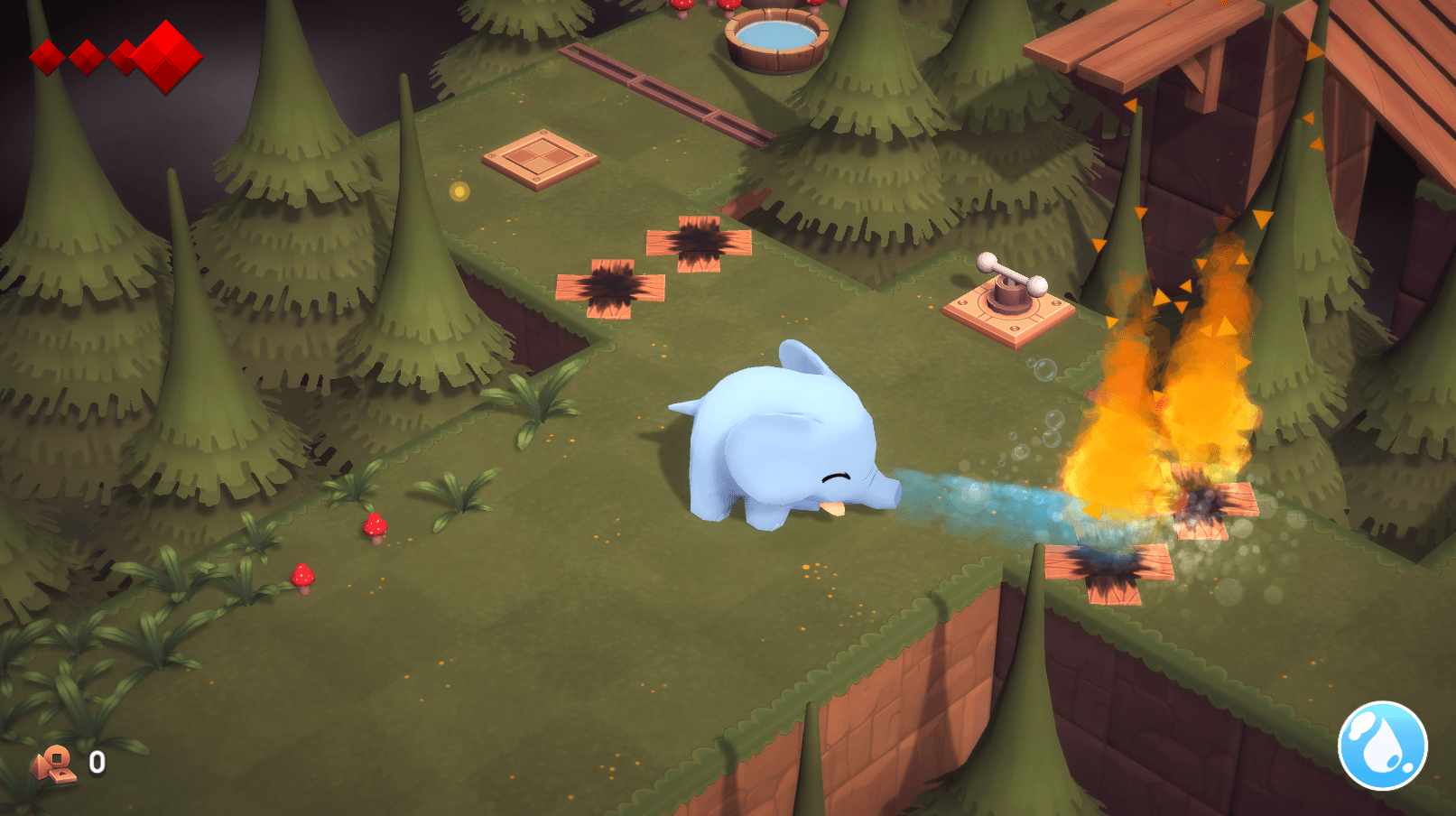
Combat is a mostly mindless button-mashing affair, but enemies don’t show up that often and battles help provide a change of pace. The game is a bit oddly structured as the towns are a bit front loaded and the three dungeons are nearer the end of the game. Towns are fun to explore, and their residents often have simple fetch quests for you that will earn you more heart pieces. The connections between towns serve up the same puzzles as the dungeons, which seems like a bit of a missed opportunity to add some more variety. Aside from heart pieces, the game features two other types of collectibles: letters are used for unlocking stories about elephants that are part of the world’s history, and money is used for buying patterns for Yono to dress up in. On a regular playthrough you’ll wind up with way more letters than you need to unlock all the stories, and enough money to only buy a few of the patterns, which seems like an oversight (couldn’t we at least exchange our extra letters for money?). In addition, at launch the game has a few obvious bugs, such as a couple of rooms not resetting properly on exit, and it crashed a few times on me (probably because I was headbutting to dash everywhere), not to mention more than a few obvious typos.
The game is available on Steam as well as Switch, but it seems like a particularly good fit for Nintendo fans. It’s bright and colorful, and although the level of difficulty skews towards younger players, it’s not particularly childish and some of the puzzles may be difficult for children. Older players, including adults, will find a lot to enjoy, and the game’s easygoing pace is relaxing and refreshing. The game is compact and will probably only take five to six hours for a playthrough if you explore every nook and cranny, but there’s no filler and it’s enjoyable throughout.
It feels a bit churlish to nitpick over a game ifucreated by a lone developer, but it’s a testament to the game’s overall high level of quality that these issues are more apparent. The world of Yono and the Celestial Elephants is immersive and beautifully designed, and I found myself wishing there were more of everything: more story, more areas to explore, more chances to revisit characters and towns, more dungeons, more elephant powers. But I have a feeling that Tove Jansson and her Moomintrolls would postulate that it’s much better to have a bit too little than an excess, and so for now I can only hope that we won’t have to wait too long for a sequel.
Disclosure statement: Review code for this game was provided by Neckbolt. A Most Agreeable Pastime operates as an independent site, and all opinions expressed are those of the author.
[amazon_link asins=’B076BL9ZK7,B01MY7GHKJ,B01MS6MO77,B07576J1H6,B01N9QVIRV,B071JRMKBH,B01N1037CV,B0721325R7,B06XH297M5′ template=’ProductCarousel’ store=’mostagreeable-20′ marketplace=’US’ link_id=’60826b4f-b58f-11e7-b558-cd61914e0eff’]









 Return to Zork was a sequel to the semi-popular series of text adventures in the 80’s, simply titled Zork. It was the first game in the series to actually have visual graphics, and was one of the earliest FMV games, sort of. The original floppy disk version (which came on a whopping 12 disks) actually only had animated GIFs of live actors, but the CD version added some actual FMV. It was the first Zork game I ever played, and is also still the only Zork game I’ve ever played, but I still consider it to be one of the greatest classic adventure games around.












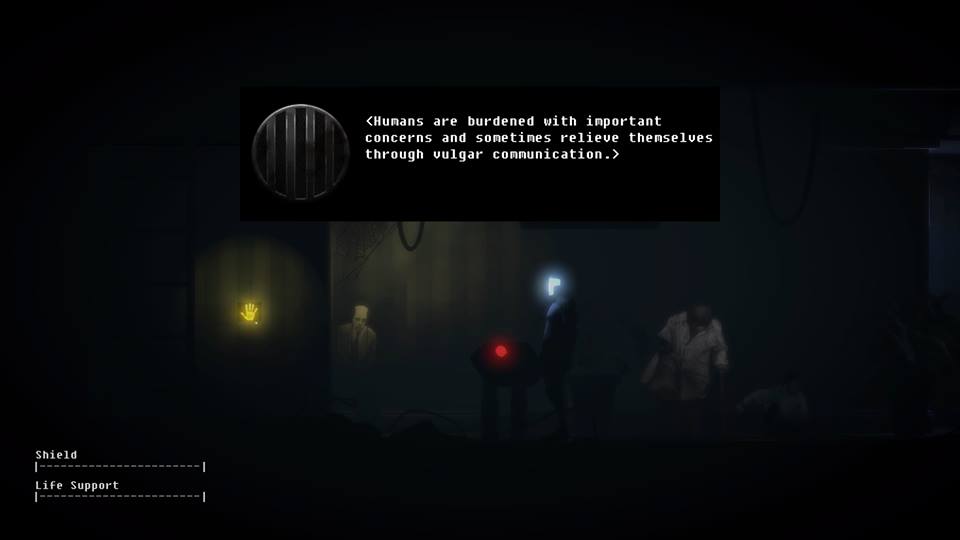
 Not to be confused with other “Fall” games, like Black: The Fall, or apparently another completely unrelated game also called The Fall, this particular The Fall is more of a point and click adventure…sort of. The Fall is the fascinating story of a mysterious person future soldier who has crash landed on a mysterious planet. Mystery person seems to be injured and unconscious, so their fancy advanced battle suit’s AI takes over and begins its quest to find medical attention for its wounded user. The AI has full motor control over the suit, along with many other functions, though most of these are locked and/or damaged, to be opened again through future actions.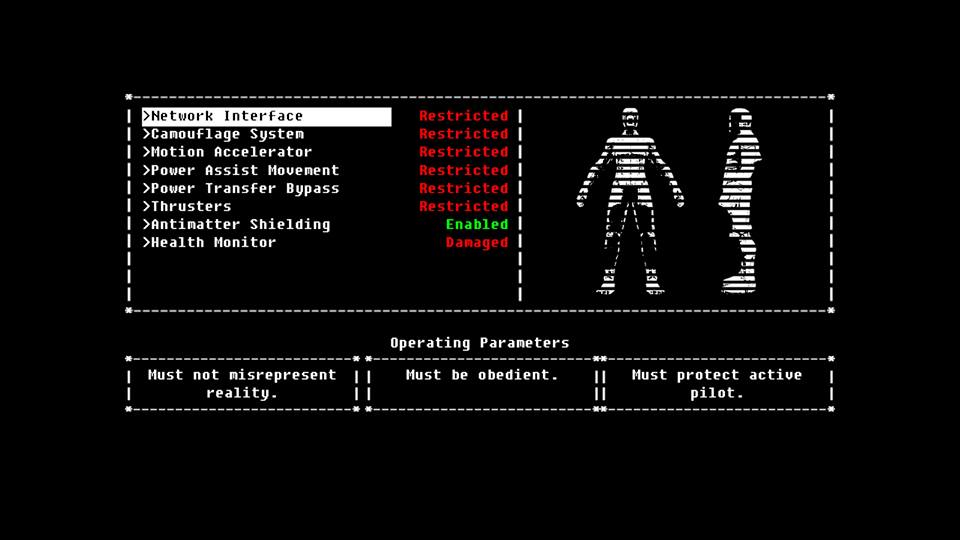






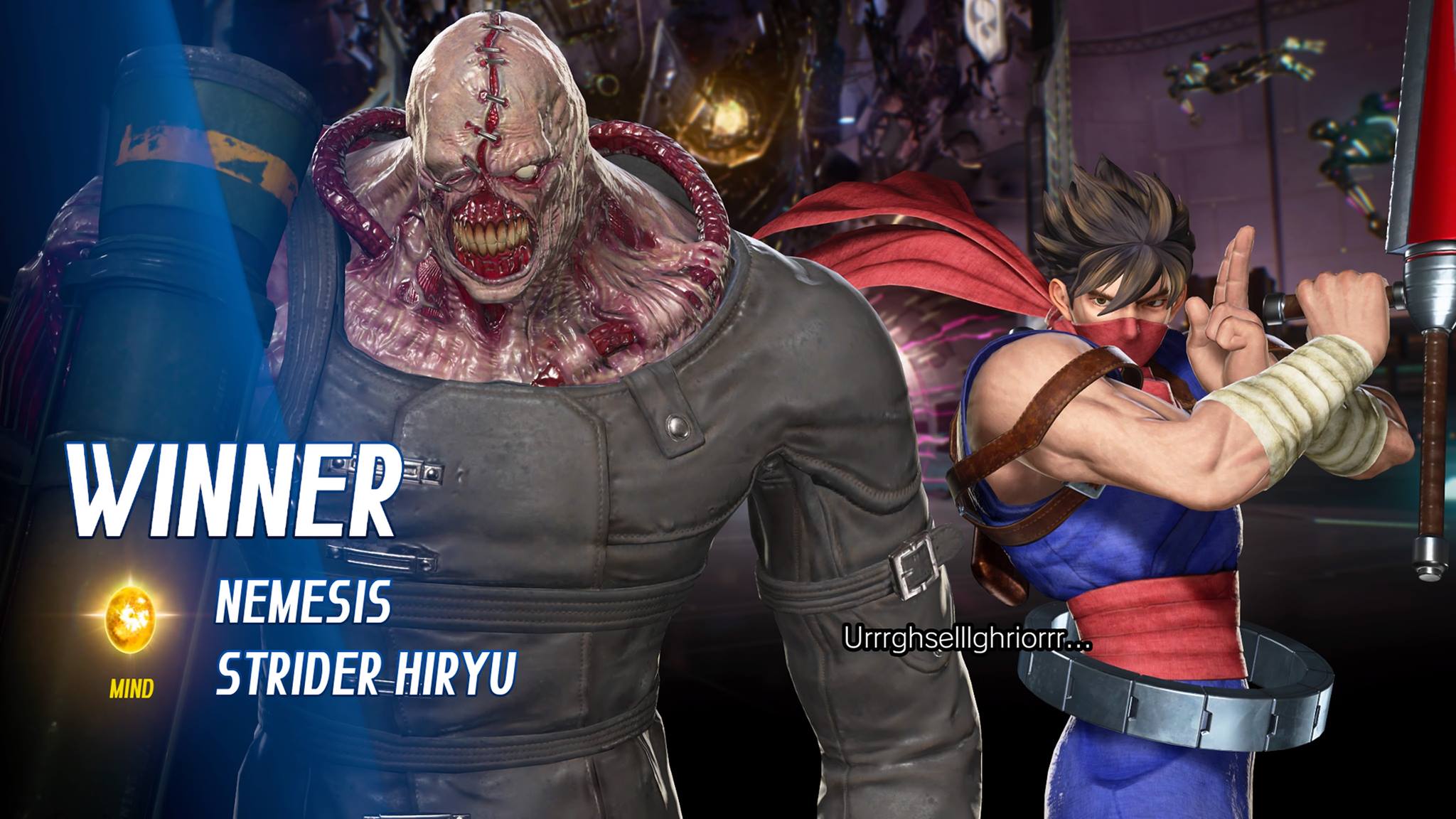
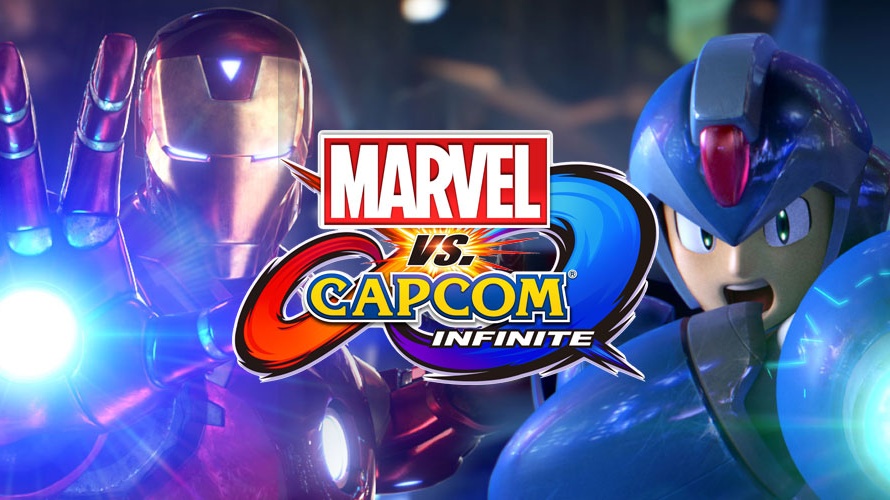
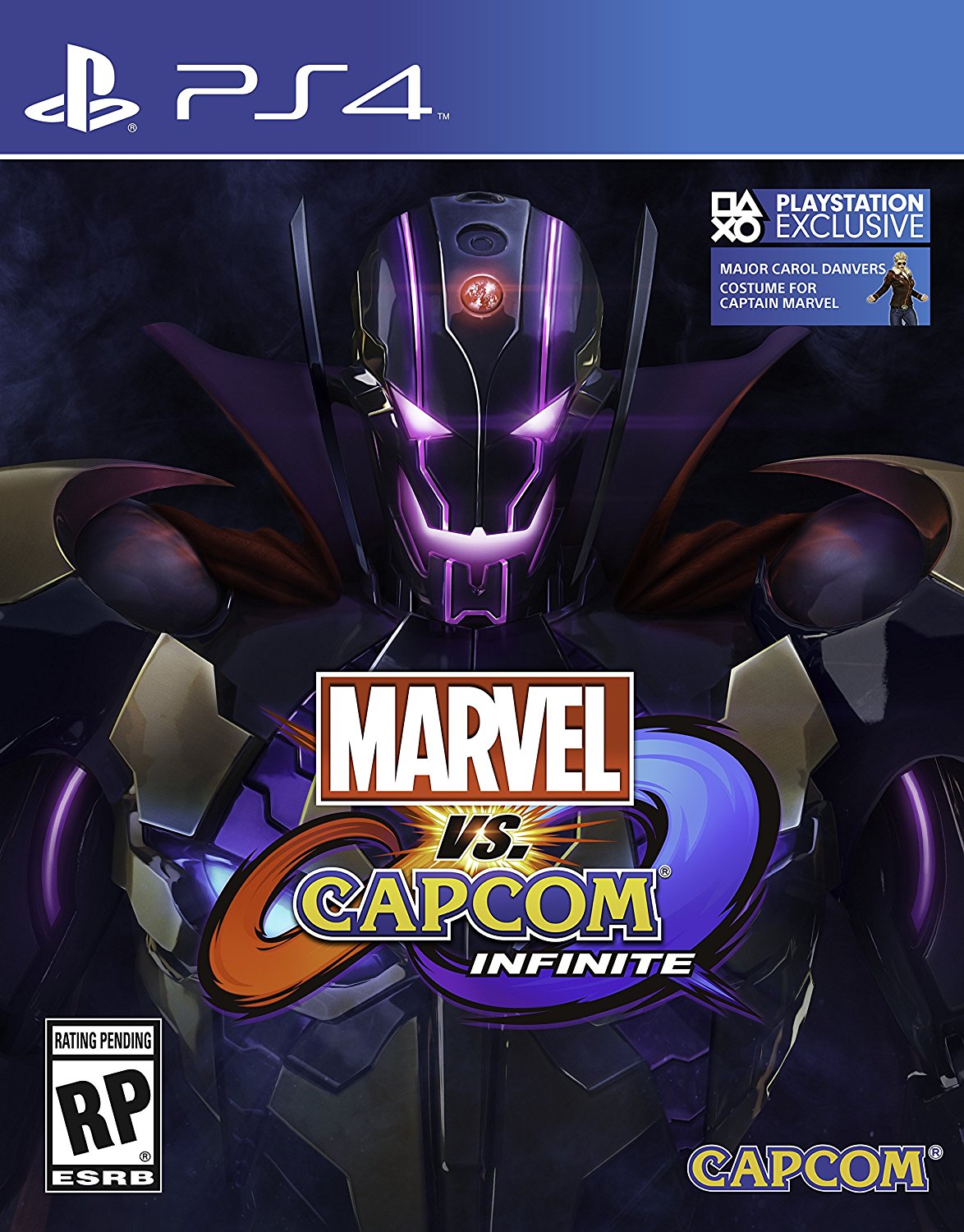 Marvel vs. Capcom Infinite is finally here and if the internet is to be believed, it’s the latest Mass Effect: Andromeda-type controversy, because OMG TWO CHARACTER’S FACES LOOK WEIRD IN CUTSCENES! I admit, there really are precisely two characters who have weird faces in otherwise incredible looking cutscenes. I was so distraught when I gazed upon these two faces of questionable quality that I cried and vomited simultaneously, then called my mom and told her to take this pile of garbage back to the virtual landfill from which it sprang! Sorry, just kidding, game’s awesome.






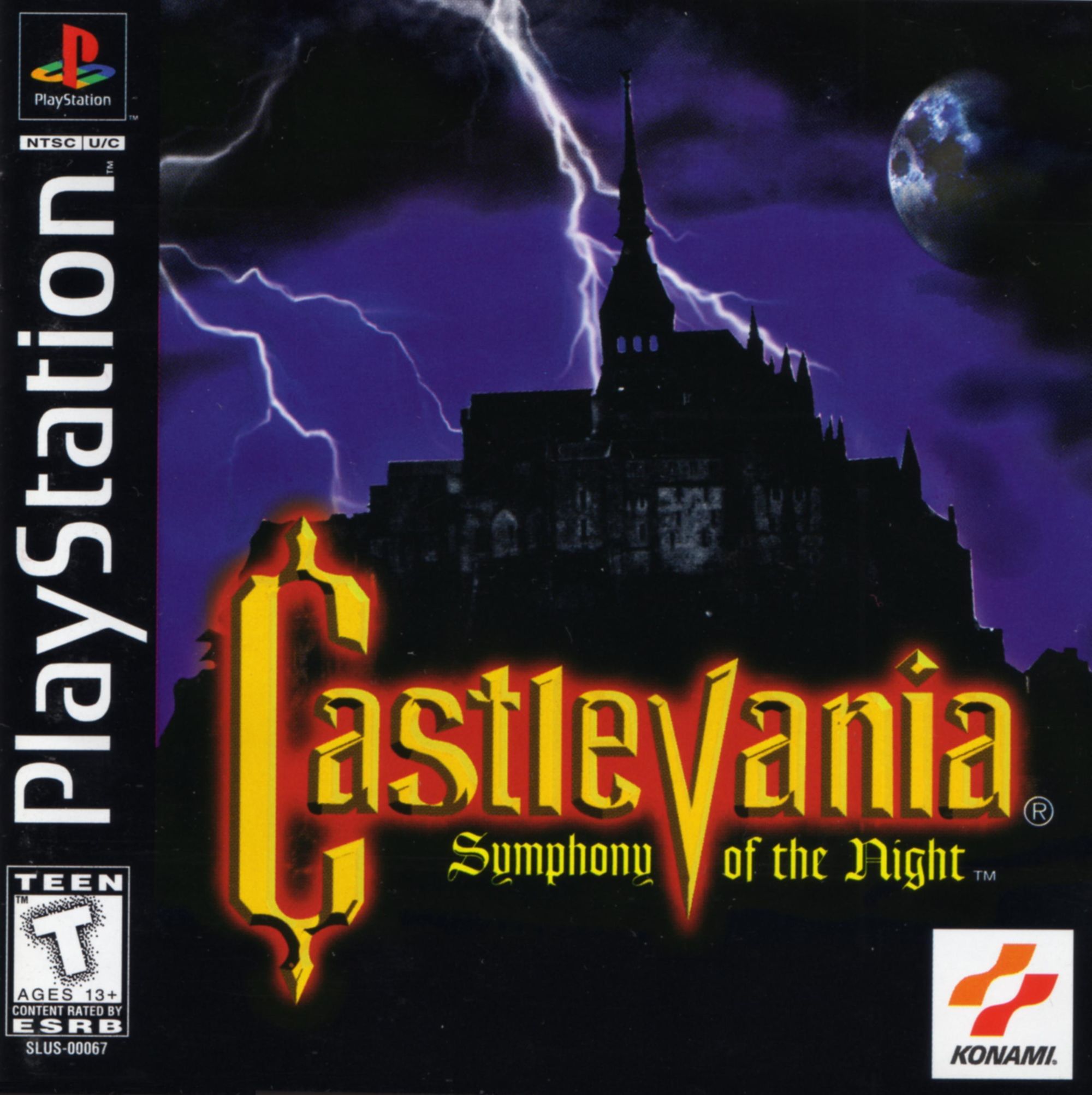 Symphony of the Night is not just hands-down the greatest Castlevania game of all time, but I also consider it one of the top 5 greatest video games of all time. It is not just the original Metroidvania, but it’s the pinnacle of subgenre. Great looking backgrounds and enemies, incredible level design, a large array of interesting locations and a crazy boss for each of them, an amazing soundtrack, and more items than you’ll ever find no matter how many times you play. Seriously, I’ve lost count of how many times I’ve beaten this and I’ve still never gotten that damn Crissaegrim (the ultimate weapon in the game, only found through random drop), which angers me to no end, because I let a friend play my copy of this back in high school and he literally found it by accident within minutes. Someday…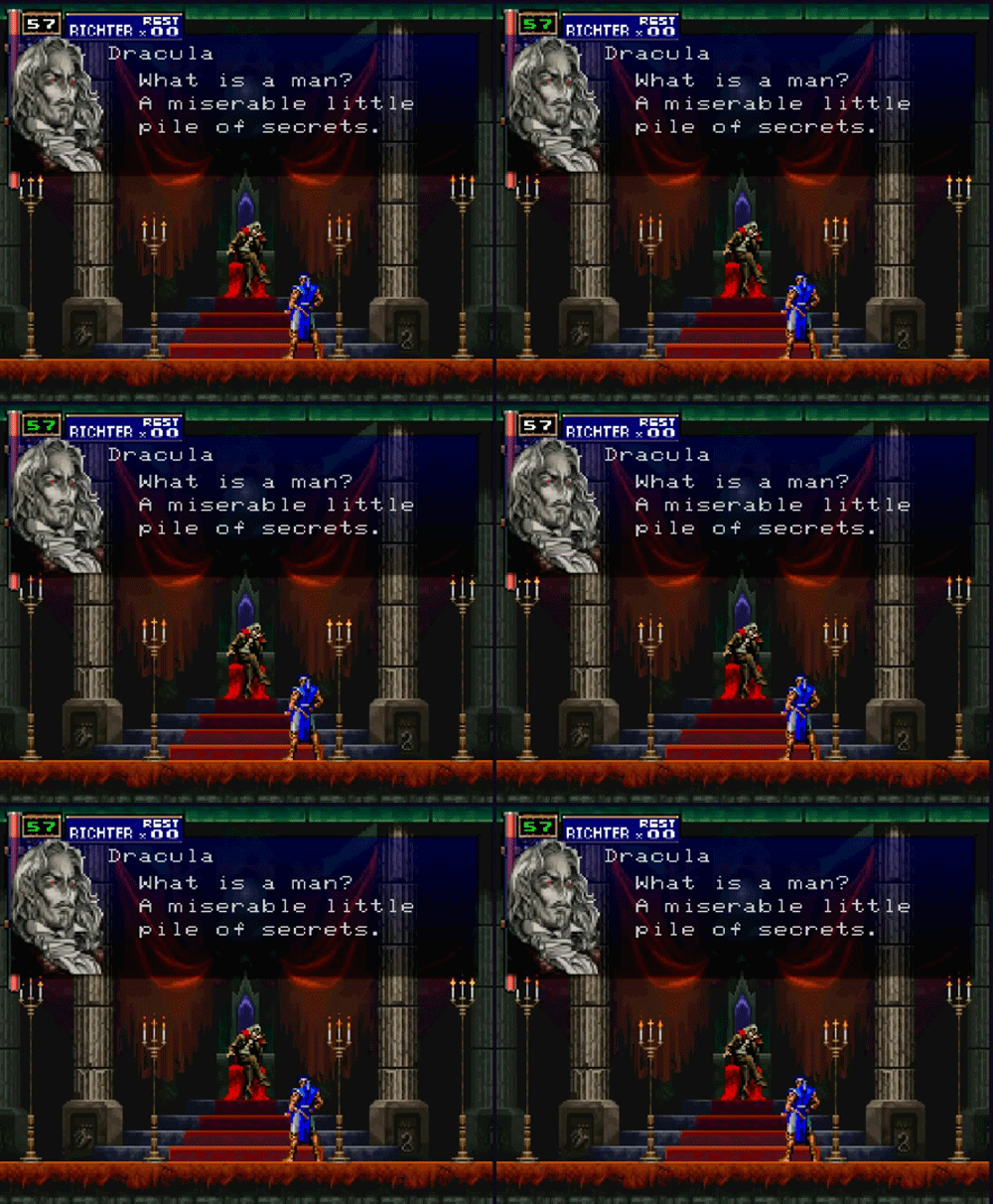
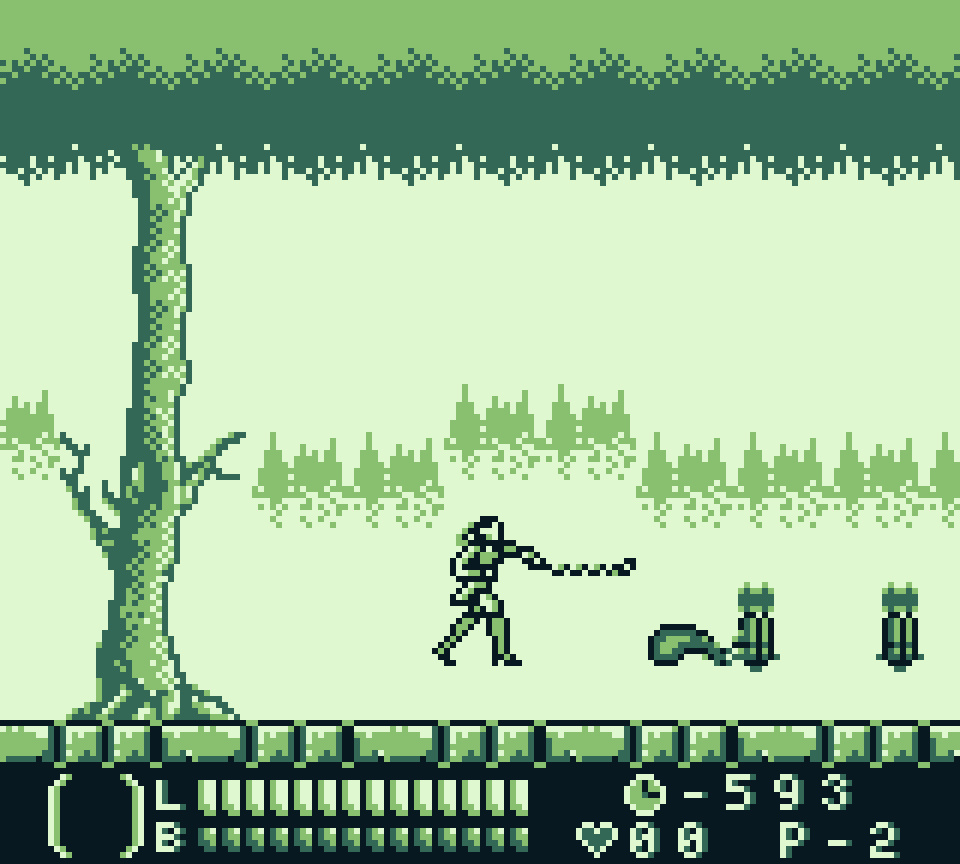
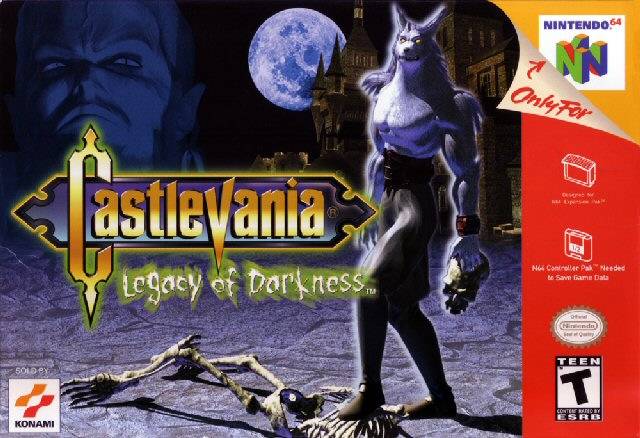 Castlevania 64 is actually the reason it’s been so long between this and Part III of this series. I knew this one was next in line, but just kept putting it off because I haven’t touched it since it came out and I didn’t have very good memories of it at all.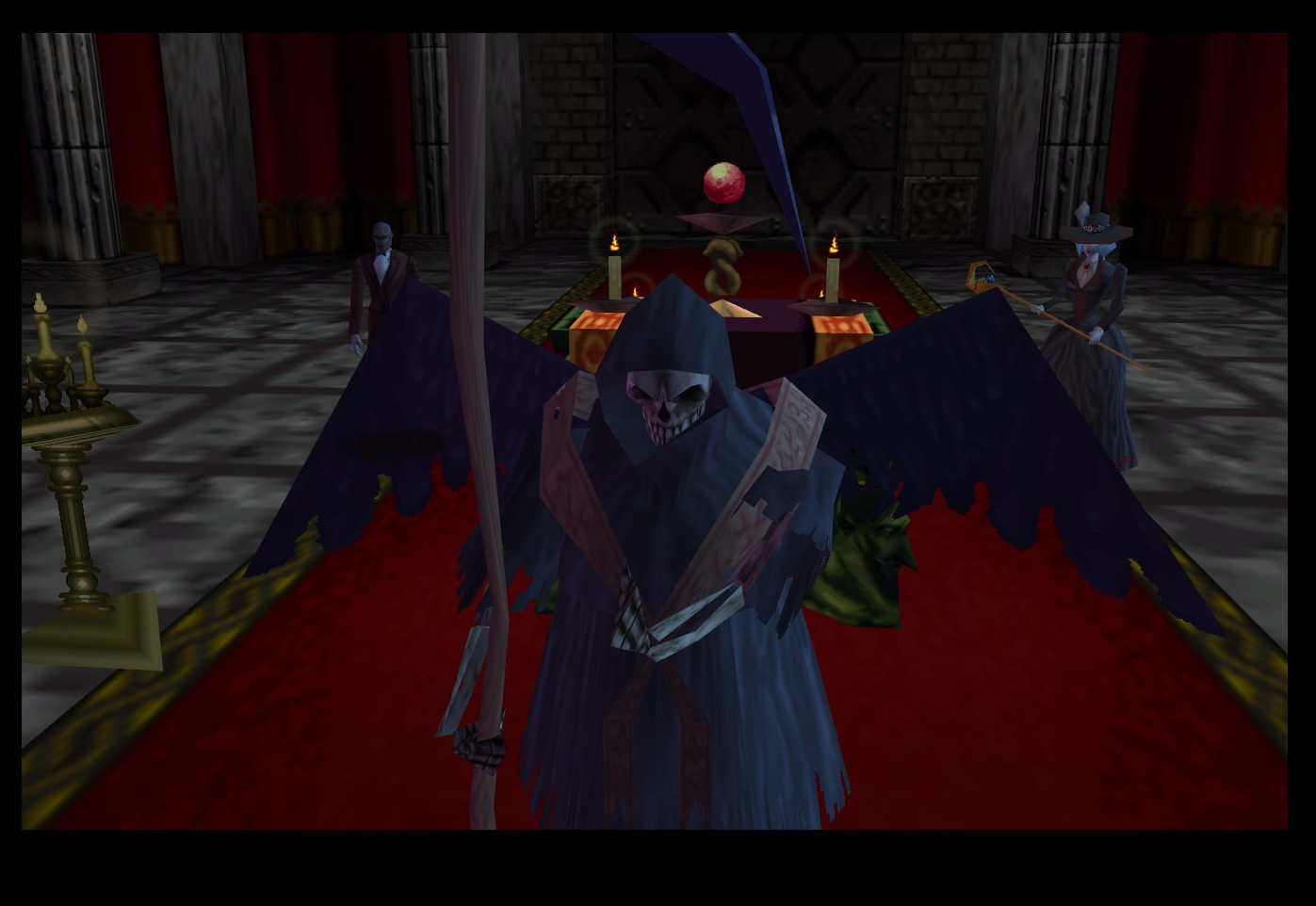




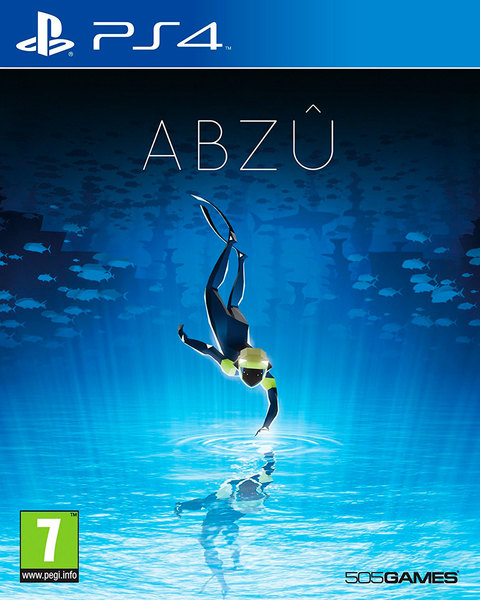 Wowwwww, where did this game come from? I had heard nice things about it, but it didn’t look or sound particularly amazing. It really just looks like Journey, but underwater, and while Journey also surprised me with it’s endearing simplicity, it’s got nothing on the sheer beauty of the world of Abzu.


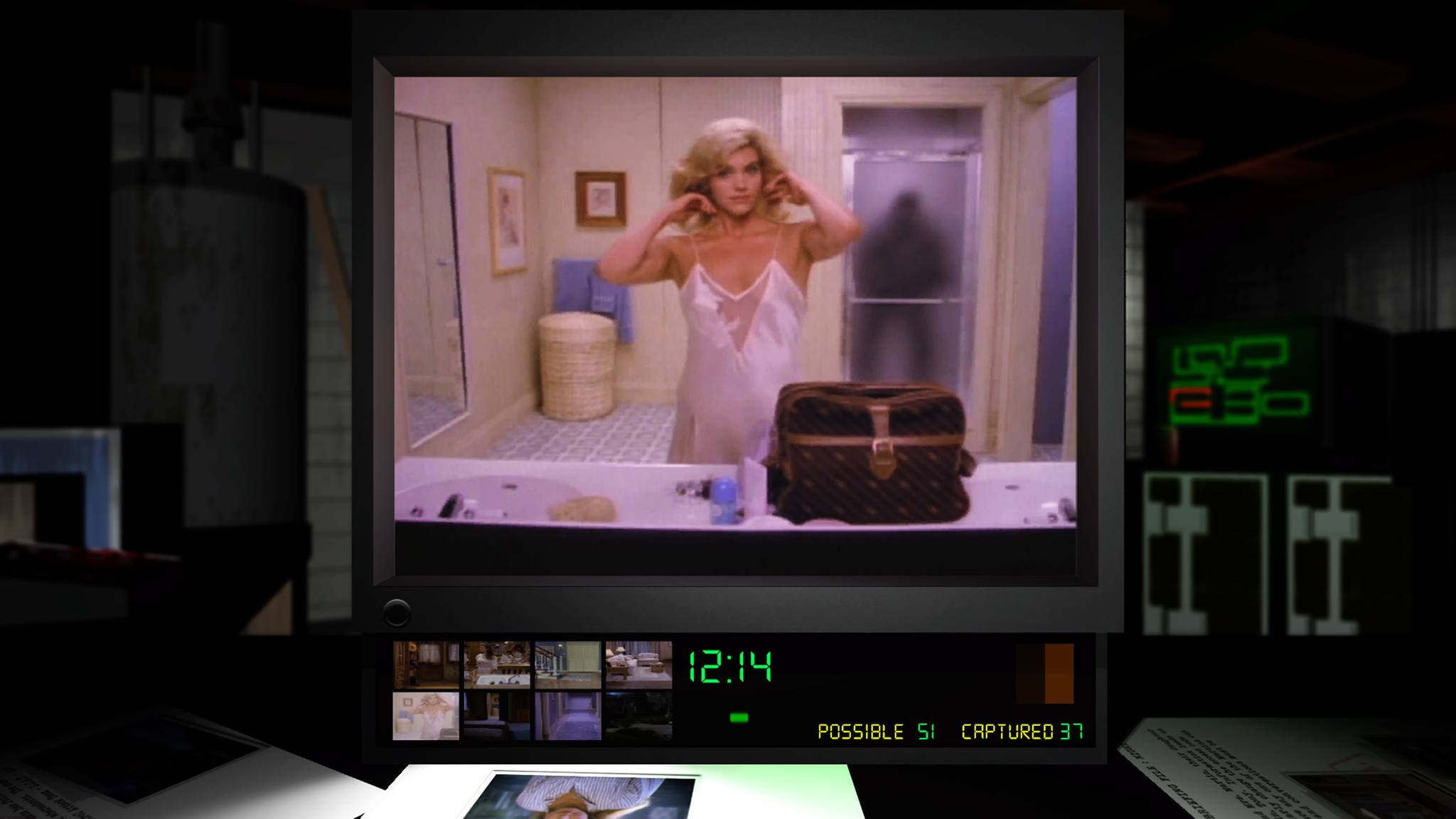
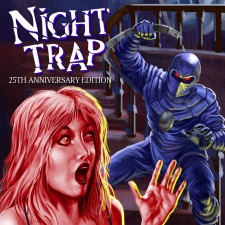 I have a confession to make. I’ve never played Night Trap before! It sure seems like something I’d have played, doesn’t it? I’ve always wanted to try it, but I never had a Sega CD and I just never got around to playing the later ports. On the plus side, this means I went into this completely untainted by any nostalgic bias.

 A MOST AGREEABLE PASTIME