It has been an ambition of mine to get something published in EDGE magazine for a long time now, and this month it finally happened. Check out issue 334 to see a two-page feature I wrote on DigitalCity, an initiative in Middlesbrough that is helping indie studios and other businesses to get off the ground.
It was great to write something really positive about Northeast England – the region has been hit hard by the decline of heavy industry over the past few decades, so seeing the growth of this new digital sector is inspiring. I moved to the Northeast a few years back, and it was wonderful to have the chance to big up my new home.
And also great to see my writing in EDGE – I remember buying the very first issue of this magazine back in the early 1990s, and I have been following it on and off ever since. Hopefully, this will be the first of many EDGE articles to come… just as long as I can think of interesting ideas to pitch to them, that is.
Muse Dash came out for PC and Switch this week, and after being beguiled by the infectious beats of the teaser trailer, I requested a review copy for PC. And it’s fun!
Rather than using descending notes like in most rhythm-action games, Muse Dash takes the form of a side-scrolling beat ’em up. The controls are incredibly simple – just two buttons, one to hit enemies on the ground and one to jump up and hit enemies just above your head. As you start a level, the bad guys file in from the right, and of course their attacks are linked to the beats of the music – although occasionally you’ll fight a boss that requires rapid pounding of the buttons to see them off.
But things are complicated by some of the enemy types. A circular saw that rolls in along the ground requires you to jump rather than hit it with a ground attack, and it’s easy to be caught out by this in the heat of a pounding J-Pop moment. Then there are some enemies that approach in the middle, between your two attack ranges, and these require you to press both buttons at the same time. Your life bar depletes with every enemy collision, and if it runs out you fail the level – but there are hearts you can grab throughout to top up your health.
And it works really well! It’s one of those ‘easy to pick up, hard to master’ games, where the simple inputs belie bewildering complexity – especially on the harder modes, as you battle a constant stream of enemies mixed with stars that require you to hold down one of the buttons and those crafty saws mixed in with rows of regular baddies.
There are around 50 songs to unlock by filling up an experience bar – the better the score you get on a level, and the harder the difficulty setting you choose, the quicker it fills up. It’s a good system, and it means that you can unlock new levels by replaying the songs you like and ignoring the ones you’re not a fan of, if you choose.
And speaking of the songs, there are some cracking J-POP tunes on here, although admittedly I’ve never heard of any of the bands, not being that familiar with the J-POP scene. For me, it was a great reminder of the years I spent living in Japan and my regular trips to the arcade to play DrumMania and GuitarFreaks, some tunes from which I could sing note for note even now. But if you’re not a fan of J-POP, then there’s nothing for you to see here.
In fact, your enjoyment of the game can be measured by how much you like the music – die-hard J-POP fans will be over the moon, but if you’re more into jazz or death metal, then this will probably leave you cold. In fact, if you ARE into death metal, I’m not quite sure how you got this far into the article. Still, I’m glad you did, nice to see you here, all are welcome on A Most Agreeable Pastime.
My major criticism of Muse Dash is that – as with all rhythm-action games – it can get a bit repetitive. In particular, I only spotted three different backgrounds being used in my brief time spent playing, so the levels can feel pretty samey after a while. And naturally, some tracks are better than others.
This screenshot is from the Steam store, hence why they have a much better combo than I could ever achieve!
There’s also the slightly tired trope of skimpily-clad anime girls to deal with. You can unlock different characters and costumes as you play, with some offering buffs like extra health or increased points. But essentially the character-selection screen is a parade of ridiculously sexualised anime girls with ludicrously exaggerated bouncing boobs. This triggered an enormous eye-roll on my part – but you can decide for yourself whether the semi-nude cartoon ladies are a positive or negative point for the game.
My eyes have rolled so hard I am looking at the back of my skull.
I haven’t played Muse Dash enough to give a definitive review, but it’s certainly worth checking out if you’re a big J-POP fan. Speaking of which, ever since I started writing this review, I haven’t been able to get ‘Luvly Merry-Go-Round’ from DrumMania out of my head. Man, that tune was my soundtrack to Japan…
Muse Dash was developed by PeroPeroGames and is published by X.D. Network. It’s available on PC, Switch, Android and iOS.
Disclosure statement: code for Muse Dash was provided by Evolve PR. A Most Agreeable Pastime operates as an independent site, and all opinions expressed are those of the author.
I’ve played my fair share of Metroidvanias, often for the sake of review on the Good Ship Most Agreeable™, and I have to admit that sometimes they tend to blur together in my mind. This sounds like a bad thing, but really my extensive experience with these games has just honed my taste for them, as well as informing my expectations. Timespinner, by Lunar Ray Games, feels very reminiscent of other Metroidvania tiles from the word go, but unlike a lot of modern games in the genre, it hews a little closer to a classic formula rather than treading its own path.
What kept me hooked to Timespinner is the time-traveling yarn it tells. Heroine Lunais is a member of a clan of people who are constantly going back in time in an attempt to rewrite their story, as it were, because an oppressive empire keeps invading their home planet. After one particular attack, Lunais is thrust into the conflict and actually stranded, as the device her clan uses to move through eras is destroyed.
Although the story starts out very trope-heavy, the further into the game you get, the more you realize the conflict at hand isn’t what it seems – and your part in it is bigger than you know. A lot of this is told through missives and scriptures that are for the most part optional, but once I dug into the backstory I had to know more.
I wish I could say that the time traveling is integral to Timespinner as a whole, but I’d be lying. Sure, you can travel to different eras, but it doesn’t feel as sweeping as, say, Chrono Trigger’s changes in locale. Furthermore, I often forgot that Lunais has time-manipulating powers, like being able to freeze time in order to position a foe to use as a platform, or to wiggle your way out of a boss’s attack. I’ll get into the nitty gritty of the gameplay in a moment, but the fact that I wasn’t reminded to use these abilities – and that I didn’t use them willingly until I got stuck – actually wasn’t that big a detriment to the game as a whole, since the basic game is so enjoyable.
The jumping feels great, and the combat revolves around using different combinations of orbs that are elemental or weapon-based in some manner. Its fun to play around with them as you gather more, and your experimentation is rewarded by them leveling up and getting stronger. You also have a general leveling up system that raises the amount of health, magic and sand power you have on top of a ‘familiar’ system, where an imp or owl follows you and gives you a buff and extra attack power. The game loves to pop out numbers as damage is dealt, and I enjoyed every moment of it. It did give me a strange sense of deja vu, though…
At one point you reach a staggering castle with a drawbridge and I realized why this felt so familiar – this game is a love letter to Castlevania: Symphony of the Night. From its mechanics to its save rooms to its quirky inhabitants and elegy-laden soundtrack, Timespinner tries its hardest to remind you of Konami’s seminal classic… and it works.
Although the overall world design is thematically entertaining, I’d be remiss if I didn’t say Timespinner was a bit staid in its platforming design. But I didn’t care, because I was breaking candelabras for power-ups and warping between doorways in a way that was familiar and warm.
I rarely dog on a new Metroidvania, and Timespinner was a pleasant surprise in the way it hews close to Symphony of the Night yet still feels like its own thing. The gameplay is comforting and engaging – if unsurprising – and the plot is twisty in just the right ways to keep you going. While it may be a running joke that the Switch is literally up to its neck in exploratory adventure games, definitely don’t let Timespinner slip your attention.
Timespinner was developed by Lunar Ray Games and is published by Chucklefish. It’s available on PC, Mac, PS4, Xbox One, Switch and Vita (Vita! Still going after all these years!). We reviewed the Switch version.
Disclosure statement: review code for Timespinner was provided by Chucklefish. A Most Agreeable Pastime operates as an independent site, and all opinions expressed are those of the author.
E3 is over for another year, so we thought this would be a good point to gather in the Drawing Room to discuss our highlights of this year’s show. Turns out we’re pretty much all about Nintendo right now.
Lucius P. Merriweather
Do you know what the biggest surprise of E3 2019 was for me? Suddenly I’m actually interested in buying a Final Fantasy game. Despite starting several entries in the series, I’ve never got past the first couple of hours in any of them – even though I generally love JRPGs. Each time I simply got bored and drifted away, so my hype for Final Fantasy VII Remake before the conference was zero. And yet now I want to buy it on launch day.
The combat looks phenomenal in this game, and I love the way it switches between real-time and tactical mode to give you a bit of space for planning. Plus it looks utterly gorgeous. Based on that battle with the scorpion thing, I am totally sold on this.
Watch Dogs was another series I had zero interest in before E3 2019, but the trailer for Watch Dogs Legion was one of the biggest highlights of the show for me. It’s fantastic to see near-future London in video game form – recognising familiar landmarks like Camden Market was surprisingly moving for someone who isn’t used to seeing their home in a video game. And the mechanic of being able to recruit anyone you see is brilliantly clever.
Still, the pinnacle of the trailer was undoubtedly Helen the badass OAP. She more than sold the game for me. Along with FFVII Remake, this game has suddenly shot to the top of my most-wanted list from a previous level of complete uninterest.
Elsewhere, Spiritfarer caught my eye as one of the most memorable indie games of E3, with it’s billing as a ‘cosy management game about dying’. New genre alert? Also, coming from Jotunmakers Thunder Lotus, it obviously looks beautiful.
Luigi’s Mansion 3 was another highlight – the Treehouse Live footage showed off a phenomenal amount of clever ideas packed into the game, like a boss battle on a kaiju movie set, and Gooigi is just a genius idea. You can keep your Pokemon, give me the green brother any day of the week.
Map Schwartzberg
The only word I can think of to summarize my feelings on E3 2019 is satisfied. I wasn’t blown away by anything in particular, but I’m not left wanting either. As a predominately Nintendo game player, a lot of what I’m looking forward to is relatively safe.
Unlike for some people, Pokemon Sword and Shield IS actually on my radar this year, partly because the Galar region looks lovely and exciting to explore, but also because my 9-year-old son is so over the moon he has actually pre-ordered it with his own money so he doesn’t have to wait for Christmas. I love to play/talk about games with my boys, and nothing sounds more thrilling to me than comparing Pokedex entries and gym-leader strategies.
The Legend of Zelda: Link’s Awakening is Nintendo at it’s finest; going above and beyond expectations and crafting something simply wonderful. I’ve played it on Game Boy and can vouch for its brilliance, but there’s something about the veneer of this remake that just tickles me no end. While everyone else is trying to come out of the other end of the uncanny valley, Nintendo jinks left and makes things that look artistic and toy-like. I’m also super curious about the Breath of the Wild sequel and like what we’ve seen so far: it’s great to see them go back to that copious well. Here’s hoping they exceed expectations!
Although I am slightly bummed that Animal Crossing: New Horizons is delayed until next year, I’m stoked at the amount of customization there is, as well as the couch co-op! I’m not sure I’m totally sold on the deserted island theme, but I will give the big N credit for not simply toeing the line and instead making something that will be unique and thematic.
Lastly, I’d like to touch on the Collection of Mana, a relatively safe assemblage of classic Squaresoft adventure games. I’m indifferent about Final Fantasy Adventure, but I’m always up for revisiting the wonderful Secret of Mana. What got my attention, however, is that they’re finally releasing a localized version of Seiken Densetsu 3, now titled Trials of Mana. I know there’s a remake of this game as well, but seeing the original nearly brought a tear to my eye because I’ve been wanting to play it since I saw it in games magazines when I was a teenager. I’m not one for sketchy emulation, so seeing Square Enix bring it out is a big deal for me. I wish I could go back in time and tell my 16-year-old self he’s gonna get to play it someday, he just has to be patient!
Professor GreilMercs
As a long-time Nintendo fan, it’s a relief to see that the days of lackluster or, frankly, embarrassing E3 presentations are far, far in the past. Nintendo seem to almost have E3 down to a science: a few huge reveals combined with an steady parade of trailers with at least something to appeal to everyone, followed by the Nintendo Treehouse Live segments that go deeper into gameplay and include interviews with developers. The huge reveals this year were wholly satisfying: two new Smash Ultimate DLC characters (one huge for Japanese fans and one geared more towards Western audiences), the first reveal of Animal Crossing: New Horizons and the titanic ‘one more thing bombshell reveal of the sequel to The Legend of Zelda: Breath of the Wild. Not to mention additional major announcements including reveals for No More Heroes 3 and Witcher 3 on Switch and new trailers for Dragon Quest XI S: Definitive Edition, Luigi’s Mansion 3 and Fire Emblem: Three Houses.
Phew! With all those announcements, though, there were some that personally stood out for me. Fire Emblem: Three Houses revealed that a central part of the game is going to be a time-skip mechanic, and we got our first look at the three main characters (and the player’s character) after the time skip. The differences are drastic, and that combined with the Treehouse segments have fans champing at the bit. July 26th can’t come soon enough.
Witcher 3on Switch was heavily rumored and, of course, there were the inevitable crowds of naysayers who immediately rushed to complain about how it won’t compare to the versions running on other systems. But it’s always great to see AAA third-party titles on Nintendo platforms, so this was a welcome announcement (although I’m not sure that I’ll be picking it up myself any time soon given how long it is).
The Astral ChainTreehouse gameplay segments have me even more psyched for the game than I was at its initial reveal. PlatinumGames can always be counted on to make top-tier games, and as one of the few brand-new IPs that were part of Nintendo’s E3, it has me particularly interested.
One blip in the proceedings was the uproar that resulted when it was announced that Pokemon Sword and Shield would not include every Pokemon from the previous games. With more than 800 Pokemon and counting, it makes perfect sense to me from a technical standpoint, but Pokemon fans seem to be a particularly rabid bunch, and I’ve heard everything from labeling Game Freak as ‘lazy’ to calls for boycotts of the game and rants about how the Pokemon developers don’t know how to program (and this from people who aren’t even programmers themselves). It always astonishes me how entitled people can be about video games, and although it was disheartening to see the reactions, it does remind me of how passionate people can get about gaming. It will be interesting to see how Nintendo proceeds from here.
I was fairly unexcited by the Animal Crossing: New Horizons reveal since the series hasn’t evolved much and it doesn’t look like it will in this iteration either, but it was impossible not to be swept up in the excitement around the reveal of a sequel to The Legend of Zelda: Breath of the Wild. I really enjoyed the style of Breath of the Wild, even though I was less enthused by the open-world aspects. I’ve loved pretty much every game that has resulted from the Zelda developers revisiting a previous game’s game engine or world (i.e. Majora’s Mask, Spirit Tracks and A Link Between Worlds), so I’m really looking forward to seeing what twists the team comes up with this time around. I’m still hoping for a playable Princess Zelda for once, and the new short-haired Zelda from the trailer looks great. It’s probably going to be a long while before we see more about this game, but it has definitely shot to the top of many a video game fan’s want list.
It’s hard to complain about the polished format of Nintendo’s E3 this year, but a little more out-of-left-field wackiness would have been appreciated. A few humorous tidbits of info did come out through various interviews, such as Gooigi apparently being edible and Mr. Resetti being on the lookout for new employment. Still, Nintendo had a great E3 by all measures, and as usual now comes the tough part: waiting for all these fantastic-looking games to be released!
Things have been a bit quiet on the amiibo front recently, but Nintendo announced a bevy of new figures at E3 2019. Most are part of the Super Smash Bros. series, but there’s also a wonderfully cute Link amiibo to tie in with the release of the Link’s Awakening remake.
Releasing 20 September 2019
In September we get Link from Zelda: Link’s Awakening along with three Smash amiibo: Squirtle, Ivysaur and Solid Snake.
Releasing November 2019
Come November we’ll be treated to three more Smash amiibo: Chrom, Incineroar and Simon Belmont from Castlevania. We don’t have an exact date for these yet, though.
Releasing sometime in 2020
And finally at some point in 2020, we’ll get Dark Samus and Richter from Castlevania.
More amiibo on the way
Nintendo also announced more additions to the Super Smash Bros. Ultimate roster at E3, namely Banjo-Kazooie and the Hero from Dragon Quest XI, so presumably we’ll be seeing them in amiibo form at some point. I imagine there will be a bit of a scrum to get hold of Banjo-Kazooie in particular.
One last thing – I noticed this morning that GAME have just added most of these amiibo to their site for preorder this morning, and presumably they will be popping up on other sites soon as well. I reckon the Link amiibo in particular will sell out fast judging by previous Link releases, so get in quick if you want one!
How wonderful it was to see London so faithfully created in Watch Dogs Legion at Ubisoft’s E3 press conference. I lived in London for ten years or so, and it was phenomenal to see high-fidelity recreations of landmarks I know well, like Camden Market and Piccadilly Circus.
But the announcement that ‘four iconic heroes’ would be added as part of the game’s season pass got me thinking – what British celebrities would be perfect additions to this near-future London? The result is the feature below:
I loved Amiga Power as a teenager. This magazine was full of incredibly inventive writing and was properly funny, to boot. In fact, it was a big part of the reason that I decided to become a writer myself.
Every page was packed with in jokes, like the way they kept doctoring people’s names and job titles in the list of contributors at the front. Reading it made you feel like part of a special club, which was reflected in the brilliant letters pages, one of the best parts of the magazine.
I pitched an article on the making of Amiga Power to Retro Gamer, and they readily agreed, although it proved tough to write – mostly because there was so much I wanted to put in. I interviewed loads of former AP staffers, like Cam Winstanley, Stuart Campbell and Jonathan Davies, and they had absolutely tons of genuinely brilliant stories. The feature ended up as six pages, but it could have easily been twice as long.
You can read it in issue 195 of Retro Gamer, which has just come out. And I’m amazed by the excellent job the art editor has done on the layout – they’ve recreated the format of Amiga Power itself, right down to the typeface for the page numbers. Superb stuff!
For the past few days I’ve been bashing out news articles on E3 at a furious pace for the GAME Media website. There’s a small team of writers and editors, and we’re constantly racing to keep up with the deluge of news cascading down from E3.
But I also took the opportunity to pay tribute to one of the stand-out moments of the E3 pressers so far – the appearance of an adorable dog during Ubisoft’s show. Look at that pup! Amazing.
I mean, who cares about games when there’s a real-life dog on stage. More of this, please. Full story in the link below:
Briefly glimpsed in Microsoft’s E3 conference, Spiritfarer is the latest game from Thunder Lotus, the peeps behind the beautifully hand-drawn Jotunand Sundered. And keeping with tradition, Spiritfarer is once again wonderfully hand animated.
It bills itself as a ‘cosy management game about dying’ in which you play a ferrymaster for the deceased called Stella. From the press release:
Build a boat to explore the world, then befriend and care for spirits before finally releasing them into the afterlife. Farm, mine, fish, harvest, cook, and craft your way across mystical seas. Join the adventure as Daffodil the cat, in two-player cooperative play. Spend relaxing quality time with your spirit passengers, create lasting memories, and, ultimately, learn how to say goodbye to your cherished friends.
It’s due out sometime next year for Xbox One, PC, PS4 and Nintendo Switch, and you can find out more on the official website. I, for one, was particularly taken by the idea of a game in which one of the headline bullet points blasted out in the teaser trailer is “CARE” – a lovely antidote to the usual E3 spree of video game murders!
I really like Katana ZERO. But I also want to hurl it at a wall.
The central idea is great. You play a samurai-style assassin tasked with taking down various contracts assigned to you by your shadowy paymasters. But the twist is that you have a form of precognition – so you can peer into the future and plan out your moves in advance. In practice, this means that if you die in level, time rewinds back to the start and you try again, but the time dilation also has much weirder implications later on. I’ll get to that in a minute.
Fighting is brutal and quick in Katana ZERO. Most enemies will die in a spray of blood after one swipe from your katana – but they can also kill you in one hit. And as the levels progress, you start to face enemies with guns and shields, and suddenly things get a whole lot more brutal. Luckily, you have a few more tricks up your sleeve. A click on the right bumper sends you into a roll that makes you invincible for a few frames of animation, while holding the left bumper slows down time, so you can react to fast-moving enemies – and even deflect back bullets using your sword. And can I just say, I’ve never felt quite as ninja as when I deflected a bullet with my sword for the first time.
You can only slow down time for a short while though, so part of the puzzle is working out when and where to use this ability. And as the game goes on the levels get more and more complex – they’re essentially massive puzzles where you need to work out the optimum route for taking down the bad guys.
“Right, take out this bad guy by busting down the door he’s standing behind, then go into slow-mo to deflect the bullet from the bad guy across the room, then roll to avoid the baddie coming through the door, pick up the Molotov cocktail and lob it at the barrels to trigger an explosion that kills the dudes on the next floor and… oh damn I forgot about that guy with the machine gun. Start again.”
And here’s the thing. I thoroughly enjoyed Katana ZERO for the first few hours, but at about five hours in – which I think is near the end – it gets seriously hard. I found myself restarting rooms dozens of times and having to memorise and repeat complex series of actions to get through each level. And quite often the very last guy would kill me, eliciting howls of frustration as I steeled myself to do it all again. In short, the game began to really piss me off – and I eventually gave up.
Which is a shame, because I really want to find out what happens in the story. The narrative is brilliant, involving veterans from a Vietnam-style war and a mysterious drug. Each level ends with a trip to see a psychiatrist, who also happens to hand you your assignments, and the mystery of your forgotten past is slowly pieced together along the way. I particularly love the dialogue options, too, and the way if you press to skip while the other person is speaking, they react angrily to the way you interrupt them. It’s a clever idea, and I’d love to see it used in other games.
The game gets really trippy and weird later on, even slightly creepy, and I was glued to the screen wanting to find out where all this is going. But, as I said, in the end my frustration overcame my curiosity. Perhaps those of a more patient disposition – and probably with quicker reactions – will get more mileage out of Katana ZERO than I did.
Still, the opening is fantastic, and I absolutely love the detailed, characterful pixel art. The way the protagonist slaps a cassette into his Walkman at the start of each level is just lovely. And the game can be funny, too, particularly in the conversations you overhear between bad guys. The saga of Strong Terry is one for the ages.
All in all then, a great, beautiful-looking game that just ends up being a bit too frustrating for my tastes.
Katana ZERO was developed by Askiisoft and publisher by Devolver Digital, and is available on Steam, Humble Bundle, GOG and Switch. We reviewed the PC version.
Disclosure statement: review code for Katana ZERO was provided by Indigo Pearl. A Most Agreeable Pastime operates as an independent site, and all opinions expressed are those of the author.
Just so we’re clear, I happen to think that 2001: A Space Odyssey is overrated. It’s got those few good bits that people actually remember, interspersed with a couple of hours of nothing happening. It’s boring and I didn’t enjoy it. It’s odd then that when Observation pitched itself as “2001: A Space Odyssey but you play as HAL 9000”, I was immediately intrigued. It just struck me as such an interesting concept, and I’m very pleased to report that it resulted in a very compelling game.
Observation is developer No Code’s follow-up to the very well received Stories Untold. Although two games might not be enough to determine a definite trend, based on the available evidence it’s pretty clear that No Code enjoy creeping people out. Their latest game sees you playing as S.A.M. (Systems, Administration & Maintenance), the on-board AI of the titular Observation space station. The game sets its stall out early, with the first 30 minutes effectively a cold open. The station is in darkness, and crew member Dr Emma Fisher is trying to contact Houston. Something has clearly gone wrong, but neither S.A.M. nor Emma seem to know what.
Although some small scrap of clarity is soon given, things only get more mysterious after the introductory credits roll. S.A.M.’s memory has been erased, the rest of the crew have seemingly vanished and few of the station’s systems work. As S.A.M., you’re able to access laptops and scan documents to try to piece together the events that have led you to this point. Audio logs scattered around fill out the backstory and give some depth to the relationships between the crew members. However, it rapidly becomes obvious that something strange is still affecting Observation and S.A.M. along with it…
The majority of the gameplay is based around puzzle-solving. S.A.M. is able to access the station’s cameras, and later a movable, floating sphere. Using these, you can access Observation’s various systems, and it’s generally up to you to establish how to operate them. In truth, most of the puzzles are pretty straightforward; however, there is plenty of variety in presentation. Perhaps the trickiest part is in finding your way around; being a floating orb in a micro-gravity environment is remarkably disorientating. There is a map and waypoint system, but there are times when that’s not available. You do get used to it over time, although there was one point in particular where I was flying around in circles for some time before I found what I needed.
The game generally looks great. The confined environments of the station mean that No Code were able to pack a lot of detail into the visuals. Observation feels like a functional, lived-in station, thanks in no small part to the design and execution of the surroundings. However, the one definite area of weakness in the presentation is the facial animations. Although the character models themselves are fine, it gets pretty rough as soon as there’s a close up of Emma talking. It’s a shame, but it’s hardly the first game to encounter this issue. If anything it’s more noticeable when compared to how good the environments look. Fortunately, the voice acting is excellent, which helps to compensate somewhat.
Once solved, the majority of the puzzles lead into the next story beat. It’s in these moments where Observation’s cinematic intent becomes clearest. The camera moves to fixed angles to best present what’s happening, and shots are framed like movie scenes. There’s a film grain effect over everything, combined with a noticeably retro-style camera flicker when S.A.M. moves between station modules. I did sometimes find it a little immersion breaking to have control seized from me like this, but it definitely helped to develop the narrative, so it’s hard to be too critical of it.
That narrative is unquestionably where Observation really shines. I said at the start of this review that Observation is a very compelling game; however, it’s first and foremost a challenging piece of science fiction. The mysteries that lie within go far beyond the game’s puzzles. As each riddle unravels, even more arcane enigmas emerge. As a whole, they raise fundamental questions about the perception of reality, human nature and the line between artificial intelligence and consciousness. That’s not to say it necessarily answers any of these questions, but that’s the whole point.
Observation is in
the business of making you think, not telling you what to think. If you prefer
your stories to neatly explain themselves, then this might not be the game for
you. Observation is a first-person
narrative told solely from S.A.M.’s perspective, and as such you’re essentially
along for the ride. It doesn’t all make sense, but then given the events of the
game, I don’t think it should. It’s up to you to derive meaning from what you
experience. Observation’s real
success is that it tells its story in such an engaging way that I was more than
happy to put the effort into doing so.
It is also fantastically eerie. Observation isn’t really a horror game as such, but it is quite unnerving. As you’re never sure what’s happening or why, you’re constantly off-balance. That means you’re usually unprepared for the next twist, making each development that bit more impactful. Even when you do uncover some nugget of information that hints at a motivation or purpose, it invariably feels too late to be useful. The reason I wouldn’t criticise the narrative for being deliberately obtuse is that I feel that, if it was viewed from a different perspective, everything would make sense. That perspective would have to be vastly broader than S.A.M.’s (inconceivably vaster in fact), but there is a sense that there is order beneath the chaos, some ineffable plan…
Observation is not long (maybe 6-7 hours), but it’s one that will stay with you. It’s a game that demands a certain level of intellectual engagement and as such maybe benefits from a shorter than average runtime. Overall, an interesting, engaging, sci-fi adventure game that is as baffling as it is fascinating. Its theme music is banging too, so crank up the volume when the credits roll.
Obervation was developed by No Code and is available on the Epic Store and PS4. We reviewed the PC version.
Disclosure statement: review code for Observation was provided by Indigo Pearl. A Most Agreeable Pastime operates as an independent site, and all opinions expressed are those of the author.
Woohoo, E3 is just around the corner! I always look forward to this annual orgy of game announcements, and as is traditional in The Manor, it’s time to throw out a wish list of things I’d like to see at this year’s show.
To be honest, probably the thing I most want is for the games industry to announce that they’re taking a break and not releasing any games for six months to give us all a chance to finish the games we’re playing and work through our backlogs. I’ve got a stack of review code to get through at the moment, not to mention a ton of other games that I’ve not even loaded up. Sigh. Still, first world problems, right?
Other than a new-release moratorium, the thing I’d most like to see is more news on Metroid Prime 4 – although seeing as Nintendo announced a few months back that they’re entirely rebooting development on the game, it seems very unlikely that we’ll see any footage. But seeing as Metroid: Samus Returns made a good impression a while back, there’s always the chance that we might get another 2D Metroid game in the meantime. Fingers crossed.
More of this, please.
Other than that, new Fire Emblem games are always welcome, as well as new games in the Monster Hunter series – but seeing as the Icebourne expansion for Monster Hunter World is launching later this year, I doubt we’ll see any new MH games.
Elsewhere in sequels corner, I’d love to see a new Valkyria Chronicles game, although I fear that series might be on ice after Valkyria Chronicles 4 seemingly didn’t sell too well. I’d also love to see more of the Hollow Knight sequel that was announced recently – what a game that was. It would also be nice to see how Sable and Ghost of Tsushima are coming along, two of my highlights from last year’s E3. But Shedworks recently announced that Sable is being pushed back to 2020, so I doubt we’ll see it at the show, and Sony are missing this year’s E3, so it’s unlikely we’ll see any more of their game. Other than that, a ‘back-to-basics’ Fallout would be lovely – perhaps a remake of New Vegas or even the original game. It would help to wash away the bad taste of Fallout 76 at least.
Can we just forget this ever happened?
On the hardware front, I can’t wait to see what Microsoft call their new Xbox console (or rather, consoles). My bet is on something silly like Xbox Anywhere, or Xbox Universe. I wouldn’t put it past them to just simply call it ‘Xbox’, in fact, and confuse the hell out of everyone forevermore. I mean, it worked for the upcoming Call of Duty: Modern Warfare (not to be confused with Call of Duty 4: Modern Warfare or Call of Duty: Modern Warfare Remastered).
In a big change for this year, I’ll actually be reporting on E3 as it happens from the comfort of my living room, so it’ll be a nice change to actually be paid by someone for writing about all of the E3 nonsense. But that does mean that I probably won’t be posting too much on AMAP until it’s all over. I’ll try to sneak in the odd post next week though.
So, that’s what I’m hoping for at E3, how about you? Let me know in the comments!
I was a bit disappointed with the title they chose in the end – the original was ‘What impact will game streaming have on indie developers and publishers?’, as the article exclusively focuses on indies and how they will compete with AAA games, and the altered title doesn’t mention indies at all. Still, I think the article turned out well otherwise, and it was interesting to hear the range of reactions from the people I contacted. Probably the most insightful takeaway is that if a subscription-type model takes off, we’ll probably see many more sandbox-type and RTS games rather than short narrative adventures, as devs will want to maximise the time that people play their games if they’re being paid per minute played.
I actually submitted this article a couple of months ago, but GamesRadar+ decided to hold it back until streaming became a hot topic again with Google’s announcement of Stadia’s pricing and games this week. But that kind of backfired in the end – the article is mostly focused on how a subscription model would affect indies, but Google surprised everyone by saying that users would buy games individually on Stadia. Oh, and they’d ALSO have to pay a subscription for the ‘Pro’ service with access to 4K gaming.
To be honest, that pricing sounds like commercial suicide. I can see the appeal of a subscription streaming service that lets you dive into any game you like for a set fee. But why would you want to pay to ‘own’ a game on a streaming service? Surely that’s just a worse proposition than what’s currently available – at least if you buy physical or download a game, you know you’ll be able to play it whenever, and it won’t be subject to the vagaries of your internet connection. And of course, you don’t have to worry that at some point Google will shut the Stadia servers down and cut off access to ‘your’ game completely.
Weird.
Anyway, the news will no doubt reassure some of the indie devs who worry about the streaming future in the article. Sounds like the much vaunted ‘Netflix for games’ is still some way off.
The new mobile phone game Kids is getting game journalists all hot under the collar. Christian Donlan on Eurogamer wrote that ‘Kids is a horror game that doesn’t look like a horror game‘, saying: “It’s one of the most interesting horror games I’ve ever played. It’s not about spooky hospitals or old mansions where dogs might dive in through the window. It’s about crowds and complicity and bad decisions and how consensus is created.” And Alice O’Connor over on Rock Paper Shotgun noted that “The RPS rabble who played Kids at EGX Rezzed this year declared it one of their favourite games of the show but refused to say way, whispering cryptically about needing to see it fresh yourself”.
Suitably intrigued by this high praise from writers I respect, I downloaded the game myself. And I really wish I hadn’t bothered.
First things first, Kids isn’t really a game. It’s barely interactive and only lasts around 15 minutes. It could quite easily have been a short film and had pretty much the same effect. It’s seemingly a metaphor about following the crowd and how groups reach a consensus. It’s also about throwing people down a hole and then squeezing them through some guts before they plop out somewhere else. And then doing the same thing again. And again. And again.
Of course, you have no choice but to follow the crowd. The game literally doesn’t provide the means to do anything except that. There’s one point, however, where you actually have to (literally) swim against the flow. But again, that’s your only option. As I said, it’s barely interactive.
Kids has clearly made a big impression on people who have played it. One commenter on the above Eurogamer article said: “This was a pretty powerful experience. I played through it, made my girlfriend play through, and then have just left it to kind of ‘sit’ with me since. … A really interesting use of games as a medium.” Another had a very strong negative reaction, saying “i felt absolutely horrible for the rest of the day after playing this”. I, on the other hand, didn’t feel anything – apart from wishing that I could get my £2.99 back.
In my opinion, Kids just comes across as naive when it clearly wants to be profound. It’s the equivalent of the artist screaming into your face “Wake up sheeple! We’re all just part of the machine, yeah? You’re being subsumed into the groupthink!” It felt like I was watching something by a first-year art student who has just read The Communist Manifesto and now wants to tell everyone about these amazing new ideas.
It’s not the first time I’ve found myself profoundly at odds with the cultural consensus. I really didn’t like Firewatch, for example, ending the game with a shrug rather than being moved by this analysis of human loneliness. Frankly, I just got annoyed with the woman on the radio wanting to chat with me all the time. I spent the game wishing she’d just leave me alone, which I gather wasn’t really the point. I was also baffled by the high praise for the film Frozen, even from one of my favourite critics, Mark Kermode, someone I usually agree with. I thought it was one of the worst movies I’ve ever seen. I still don’t get why it’s so popular.
Still, there’s a delicious irony in all this. As games journalists rave about a game that shows how we blindly follow each other, I’m over there, swimming the other way…
Probably the most disappointing thing about it all was the magazines that gave this dreadful game ridiculously high scores, immediately ruining their reputations. CVG, for example, awarded the game 91%. Amiga Power, meanwhile, gave it 5%.
I can’t stop thinking about Draugen, the latest game from Dreamfall Chapters developer Red Thread. I finished it a few days ago, but its mysteries are still lingering in my mind. I keep trying to piece together exactly what happened and provide some context for what I experienced. The game’s capacity to remain lodged in my brain long after it’s over is probably recommendation enough.
But it’s also GORGEOUS. I mean, just drink in the screenshots littered over this page and see for yourself. Draugen serves up a beautifully realised Norwegian village from the 1920s, nestled among snow-capped mountains. It immediately made me wish I lived alongside a fjord. Seriously, as an advert for Norway, this game is unparalleled. As long as you ignore all the mysterious deaths, of course. More on that in a minute.
Draugen starts with a chap called Edward rowing up to the village of Graavik along with his 17-year-old ward Alice, or Lissie. The pair have sailed over from Massachusetts in search of Edward’s missing sister, Betty, who said she was heading to Graavik several months previously but hasn’t been heard from since. The chemistry between Lissie and Edward is immediately compelling: where Edward is cautious, Lissie is adventurous, and while Edward is more of an introvert, Lissie is an exuberant extrovert, joyously performing handstands and racing up hills. It’s a great dynamic, topped off with Lissie’s charming 1920s phrases, like constantly referring to Edward as ‘old sport’.
The game itself is ostensibly quite similar to Firewatch, although here Lissie is a constant companion that alleviates some of the feeling of loneliness. The protagonists find that Graavik is deserted upon their arrival, and the rest of the game sees them trying to unravel exactly what happened in the strange town, as well as finding the whereabouts of Betty.
To say any more than this would be to spoil the game, but suffice to say it takes some unexpected turns, and in true David Lynch style, many of the mysteries are left unsolved. If you like to have meaning served up to you on a plate, you might end this game feeling frustrated – but personally, I like the way it presents the player with a range of possibilities and leaves you to decide what fits.
The only real criticism I have is Draugen‘s svelte running time. I thoroughly enjoyed my exploration of Graavik, but it was all over within around three hours, with little reason to return. The game’s price was still TBA at the time of writing, so you’ll have to decide for yourself whether it offers value for money. All I can say is that I thoroughly recommend a wander around Norway in the company of Edward and Lissie.
Draugen was developed by Red Thread Games and is available on Steam and GOG, with PS4 and Xbox One versions to follow later. We reviewed the Steam version.
Disclosure statement: review code for Draugen was provided by Evolve PR. A Most Agreeable Pastime operates as an independent site, and all opinions expressed are those of the author.
I bloody love SteamWorld Quest. It just amazes me that Image & Form can seemingly turn their hand to any genre and completely nail it first time. They started off with SteamWorld Tower Defense, then turned their hand to Metroidvanias with the wonderful SteamWorld Dig, followed by turn-based tactics in SteamWorld Heist. And now they’ve aced the fantasy RPG with SteamWorld Quest.
I do have a few questions, though. For a start – and this has been bugging me for a while – how do the robots reproduce? Do a mummy robot and daddy robot get together for a special time and then out pops a baby robot? Or do they make their child from spare parts? Or maybe all the robots were just made by humans at some distant point in the past? Certainly, it’s intimated in Quest that at least one of the robots is hundreds of years old. But then the game also features child robots, so do where did they come from? Do they grow up into adult robots? How? Do they just make their bodies a bit bigger with leftover bits of metal? And can robots ever really die?
I’m so confused.
None of these pressing questions are answered in SteamWorld Quest – but, ultimately, it doesn’t really matter. After all, it’s just a video game – and the wonderful and quirky robot designs are such a delight to gaze upon that we can let slide the urgent question of how they came to be. My particular favourite is Captain Canary, a one-wheeled fella with a robotic bird in a cage for a head. I’m not even going to make a guess at how that set-up works.
You meet the Captain in the ruins of a burned village right at the start of the game, setting up a plot in which your merry band of amateur adventurers fight through an evil army to destroy a potentially world-ending MacGuffin. The story has a few twists and turns but mostly sticks to the traditional RPG formula – although I particularly liked the idea that the Heroes Guild has become essentially a glorified golf club stuffed with elitist layabouts. And the script is full of wonderful wisecracks and charming interactions. By the end I had really warmed to my band of oddball robots.
The fighting itself revolves around turn-based card battles, with the cards representing old-style punch cards used for programming early machines. In a nice touch, the punch holes even accurately reflect what each card does.
There are three categories: upgrade cards that usually provide a buff of some kind; strike cards that usually trigger an attack; and skill cards that do something powerful, like an area-effect spell. But the special cards need varying amounts of Steam Pressure points to activate them, which you can generate by playing upgrade or strike cards. This usually means your focus is on building up a good head of Steam by playing the basic cards, then unleashing a special skill attack.
But the twist is that you don’t know what cards you’re going to get. The eight-card decks of your three characters are shuffled together and six cards are drawn randomly on your turn. You can redraw up to two cards, but otherwise you’re stuck with what you’re given. It means you’re constantly having to make up new strategies on the fly and work with what you’ve got, so combat is always interesting.
There are several layers of strategy, too. Some cards work well in combination, so you’ll be doing a lot of deck tinkering to optimise your attack. And there are around 100 cards to collect in various treasure chests and from the in-game shop, some of which might prove useless at first, but then reveal their true colours in combination with others. Plus you can upgrade cards if you collect the right ingredients. Then there’s the fact that each character has an attack unique to their weapon that activates if you play three of their cards in a row – and there are several different weapons to buy for each member of the team.
All in all, battling through SteamWorld Quest was a lot of fun, helped by the fact that different enemies require different strategies – some might be resistant to physical attacks, for example, meaning you have to switch to magic. There’s a lot of scope for inventive approaches here, in other words.
The only real frustration I had was with the final boss, which has an absurdly long health bar and takes AGES to beat. Then it hits you with the ultimate cheese attack right towards the end, stealing all but one point of each character’s energy. Really? Come on.
It took me four long attempts to beat, interspersed with some serious grinding to level up my characters – and once you’re done with him, there’s not much left to do. There’s a battle arena of sorts, with hard-to-get prizes for winning several battles in a row – but you don’t get any experience for competing, so taking on the higher levels means tedious grinding through the final levels of the game to power up your character to a decent experience level. It’s a shame there isn’t a portal-type area that throws randomised enemies at you to make grinding a bit more fun and unpredictable. And some sort of NewGame+ mode would have been welcome, too.
Still, I got 30 hours or so of entertainment out of SteamWorld Quest, so I can’t complain too much. Having said that, I did spend a while going back through previous levels to collect missed treasure chests, so if you just want to beat the game, you could definitely knock a few hours off that. I’m hankering for more though – hopefully Image & Form will release some lovely DLC down the line to give me an excuse to come back. I asked them about DLC back at EGX Rezzed and they said that they were focusing on releasing the game and seeing how well it does before even thinking about DLC. Hopefully it has sold well enough by now that we can expect some new chapters in the not-too-distant future…
SteamWorld Quest was developed by Image & Form Games and is available on Switch, with a PC version to follow on 31st May.
Disclosure statement: review code for SteamWorld Quest was provided by Image & Form. A Most Agreeable Pastime operates as an independent site, and all opinions expressed are those of the author.
It ended up being a bit of a last-minute dash to get it into the issue – the developers Alter Games are based in Moscow, and there was a Russian state holiday which meant most people weren’t in the office – but happily it all came together just before deadline day. Ah, got to love print journalism and the traditional deadline panic.
Anyway, I think it turned out well, and the game is certainly shaping up to be something special – basically Commandos but with base management and all sorts of other extra bits. There’s no release date yet, but you can keep up with development at http://partisans-game.com/en/.
I got sent a code for Redout the other day, and blow me this game is fast. My near 40-year-old brain struggled to keep up with the swirling images on screen, as my futuristic hovercraft looped the loop and whooshed over enormous jumps. It’s like the extreme sports of racing games.
I’m probably not the best person to be giving opinions about these sorts of things, seeing as the last game like this I played was WipeOut on the original PlayStation (and I didn’t even like it that much – Ridge Racer FTW every time). But I definitely like Redout much more than that decades old Sony game – for a start, if you hit a barrier, your ship doesn’t come to a crushing stop, which is nice.
I played a bit of Redout’s career mode, and it’s pretty fun. I like the way that your ship takes damage but repairs slowly if you don’t hit any barriers – it makes a nice risk/reward mechanic whereby you balance going all-out with driving carefully. And did I mention it’s really fast?
The only real negative I have is that the game’s menu screens are a bit bland – would have been nice to see a bit more personality in the course selection screens in between races. But yeah, I think that’s something we can all live with.
Anyway, I won’t be doing a full review because this kind of thing isn’t really my cup of tea, but if you like racing games – and going really, really fast – then Redout is certainly worth a look.
Redout was developed by 34BigThings and is published by Nicalis. It’s available for PC, Switch, PS4 and Xbox One. I looked at the Switch version.
Disclosure statement: Review code for Redout was provided by Nicalis. A Most Agreeable Pastime operates as an independent site, and all opinions expressed are those of the author.
It took absolutely ages to secure an interview, but it was worth it to speak with Jens Kronvold Frederiksen, the design director for Lego Star Wars. One thing that really came across in the interview was just how passionate he is about his job and how much he cares about making good toys.
And as a bit of a Lego fan myself, it also gave me the opportunity to beg him to produce a new B-Wing in the Star Wars Ultimate Collector Series, as it happens to be my favourite ship from the saga. Sadly, his response was non-committal – but we can still hope. It would look perfect next to my Y-Wing…
I was initially worried about The Last Jedi being helmed by Rian Johnson, the director of Brick and Looper, two movies I really didn’t like very much. But damn, what a ride that film was. It subverted my expectations at every turn, so full of twists and spectacle that my head was spinning by the time I left the cinema.
Still, I did worry that the film might not hold up to repeated viewings. Perhaps in my excitement at seeing a new Star Wars movie, I wilfully ignored the film’s failings. But after watching it again last night, I can confirm that The Last Jedi is still brilliant.
Needless to say, spoilers follow.
Sure, there are a few things I’m not quite sure about. The casting of Adrian Edmondson as a First Order general is amusing, but still feels a bit off. Even now I keep expecting him to produce a frying pan and whack General Hux over the head with it, a la Bottom. And Leia’s space flight still feels a little silly, even if it’s a fantastic twist.
But one thing that really stood out on a second viewing was just how funny the film is. That bit where Kylo Ren force pushes Hux in the shuttle, followed by a deadpan ‘Right away, sir’ from the shuttle pilot is comedic genius. And in fact, the general use of Hux as a fall guy throughout the film just makes me smile.
And that throne room scene! Man, it’s so good (and even better when soundtracked by Led Zeppelin, as in the vid below). Plus Holdo’s lightspeed suicide mission might very well be the greatest spectacle (and redemption) in the Star Wars canon. Not to mention the magnificent scenes on Krait.
“But none of this has anything to do with video games!” I hear you cry. Well, the thing is, after watching The Last Jedi again, I was all ready to leap into a game to relive the scenes from the film. But, the problem is, there aren’t any games.
Well, that’s not strictly true. There’s Star Wars Battlefront I and II, but I really dislike multiplayer shooters – and even then, they’re only vaguely related to the movie. Other than that, there’s a possible new Lego Star Wars game in the works, and then we have the emo-tastic Fallen Order coming later in the year with its generic video-game protagonist. But none of these are The Last Jedi: The Game.
Where are all my Star Wars games? Why is it that I can buy a battery-operated Porg but I can’t play a game based on one of the biggest-grossing movies of all time?
I had a quick go on the beta for Nowhere Prophet this weekend, and it has me intrigued. It’s being published by No More Robots, who are also behind the trippy 1990s-internet-simulator Hypnospace Outlaw, and it’s the magnum opus of one Martin Nerurkar, who’s been working on the game since 2014.
The thing that immediately stands out about Nowhere Prophet is the sublime art – I really love the character designs, made with solid blocks of colour and thick black lines. It really makes the game stand out and, more importantly, gives an extra reason to collect the beautifully illustrated cards the game is based around.
Well, they’re not cards, exactly – your deck is made up of your ‘followers’, and you’re a prophet in a futuristic, post-apocalyptic wasteland populated by rogue machines and feral tribes. The aim is to lead your followers across the desert, while making sure that you keep topped up on food and ‘hope’, the latter being boosted when you supply luxury goods like tea to your convoy.
There are several routes through the desert, and the terrain affects how much food your convoy consumes between stops: trudging through sand, for example, takes longer and uses more food than heading down a road, but the rewards – and dangers – of heading off road tend to be greater. And, this being the post-apocalypse, awful things tend to happen on the way, like people falling ill or surprise attacks from weird beasts. Like Sunless Skies, you’re given a range of options for dealing with these problems, with some having a higher chance of success than others. Your core stats for various personality aspects, like ‘Believer’ and ‘Altruist’ have an effect on the odds.
Then you have the battles themselves, in which the aim is to defeat the enemy leader. The basic gameplay sees you drawing followers from your convoy deck and then placing them on the battlefield, with the caveat that they can’t actually attack until the next turn. You can attack the enemy leader at any time, but you can only attack enemy followers if they are in the front line of circles. Likewise, your followers can only attack if they’re on the frontline.
Then you have the separate ‘leader’ deck, which contains all sorts of fancy modifiers and powerful attacks, like hitting every enemy follower in a column. As your character levels up, you can add more powerful cards to your leader deck while, importantly, destroying the less useful cards to streamline your deck.
If all that sounds a bit complicated, that’s because it is – although in a good way. I barely scratched the surface of the strategies on offer in my short time with the game. There are huge possibilities here for refining your deck and tweaking your play style. But there’s also a big emphasis on pure survival. If one of your followers is knocked out in a battle, they become ‘wounded’, and can only be healed at one of the safe encampments scattered through the desert. You can still use them when they’re wounded, but if they’re defeated again, they die and are permanently removed from your deck. Combined with the scarcity of food in the desert and the constant danger of running out of supplies, it means Nowhere Prophet becomes a tense game where you’re always just about scraping by as you eke out an existence in the wasteland. Compelling stuff.
I’m looking forward to trying out the full game when it’s released in the summer – there’s no fixed release date yet, but it will be coming to PC, Mac and Linux, and you can find out more about the game on the official website.
I am an old-school JRPG nut. By old school, I mean of the 16-bit variety. I still love the genre, but my joy is a bit tempered because I lack the kind of time to invest in them that I had in high school and college, when the likes of Final Fantasy III (nee VI) and Chrono Trigger were all I could think about. Not only that, but the spiky, zipper-clad students that are now part and parcel with these types of game don’t do it for me in the same way those super-deformed, big-eyed sprites did back in the day.
At first blush, Shadows of Adam sparks those fires within, what with it having a village on the brink of destruction that only a local hero can save, airships and sweet, sweet turn-based battles. And by the end… well, it’s still pretty much those things, but that’s not bad by any means.
The story follows the adventures of four brave warriors out to save the town of Adam from being enveloped by darkness, and all that. I’ve come to realize that the parts I enjoy from these games are anything but the story. The plot is trope-heavy and the writing a bit underwhelming, but there was just enough charm in the characters and sufficient thinly-veiled mystery around what was happening to keep me pushing on through the slow sections of exposition.
What I do really like about Shadows of Adam are the world and the combat.
I do love to walk around in tiny forests, path-blocking mountains and wave-lapping seas. I’m more than a little bit smitten by cartography, so whenever I see maps, especially those designed in the vein of 16-bit JRPGs, I can’t help but smile. Likewise, the areas you journey to are twisty and filled with secrets, satisfying in the way they convey progress. I’m also a big fan of JRPG villages, these weird little landscapes littered with hint-giving denizens and awkwardly furnished homes. It properly conveys a nostalgia the game doesn’t actually have, which is high praise in my book.
The battle system is also gratifying; a simple turn-based affair with a little bit of flair in its magic/ability system. You and your foes take turns trading blows, with all the prerequisite attacks and spells at your command. The big innovation here is that you can gain back your ability points through regular combat, which changes the flow immensely. Whereas in other games I’d be very cautious with my approach, here, the fact that I could win back AP without having to use items meant I found myself using special skills more often. It made regular battles more breezy, which is a sentiment that permeates the whole game.
Shadows of Adam does what I think it sets out to do – remind you of “the good old days”, entertain you all the while, then get out. It doesn’t blow you away with hidden depths; it gives you those good feelings over ten-ish hours, then lets you move on with your life. It straddles the line between being a gentle reminder of the things we love while still feeling like a fresh, new experience. It doesn’t push the envelope by any means, but it doesn’t have to, and, quite frankly, I don’t think the developers intended it to. It’s straight up comfort food, JRPG style.
Shadows of Adam was developed by Something Classic Games and is available on PC, Mac, Linux and Switch. We reviewed the Switch version.
Disclosure statement: Review code for Shadows of Adam was provided by CIRCLE/Flyhigh Works. A Most Agreeable Pastime operates as an independent site, and all opinions expressed are those of the author.
I’ve been a proud Switch owner for a few months now, and one thing I’m surprised at is that so few people are talking about how utterly rubbish the JoyCons are.
Yes, clearly they’re somewhat of a compromise to allow for the system to be portable, but they’re also impossibly small for adult hands. Then there’s the fact that the right analogue stick is in exactly the wrong place. It needs to be much further to the left to allow comfortable transition of your thumb from the stick to the facia buttons – as it is, you kind of have to hold your thumb at a right angle to actually use the damn thing.
And what about the D-pad? Or rather, the lack of it? Nintendo invented the damn thing, yet bizarrely they’ve decided to ditch it for the JoyCons in favour of four buttons that do a really rather terrible impression of acting like a D-pad. And don’t get me started on the way these tiny, irritating pads will only charge when they’re attached to the console. I do most of my gaming on the big telly, so if the JoyCons run out of charge when I’m using them with that weird controller grip that tries its best to convince you you’re actually playing with a proper joypad, then the only option is to plug the JoyCons back into the console and continue playing in handheld mode with the console plugged into the mains. Why isn’t there a charging port on the controller grip, for goodness sake?
Sure, you can buy third-party controller grips that fix this needless oversight. But why would you want to do that, when you could instead buy the best controller that’s ever been made in the history of the world?
What an absolute beauty.
Confession time: I think I’m a bit in love with the Switch Pro Controller. It may generally copy the layout of an Xbox controller, but it exceeds its inspiration in almost every way. For a start, it’s just so damn comfortable to hold, with all of the sticks and buttons in what feel like the perfect positions. The analogue sticks in particular are nice and responsive, smartly flicking back to the neutral position in quick time, and then – WHY, LOOK OVER HERE, IT’S AN ACTUAL PROPER D-PAD! Praise the lord!
Not only that, it has a few hidden tricks up its sleeve, like that sweet, deep, HD rumble, not to mention an NFC reader buried within its innards to scan in all those amiibos you never use. Plus it’s a right beauty – observe the almost transparent casing, giving you a glimpse of its innards. Ooooh, you saucy minx!
Finally, and best of all, the charge on this thing lasts FOREVER. My battery hungry PS4 controllers are always screaming to be plugged in, yet the Switch Pro Controller can seemingly go weeks without being charged. It’s a miracle, I tells ya. Seriously, this thing is the king of all controllers.
While digitally sold games are part and parcel of the gaming scene these days, there was a time when they were relatively new, and I tended to pay attention to them more because you could count the new releases on one hand. Xbox 360 led the charge to be sure, but being a Nintendo fan meant I was always smitten by WiiWare. They had file size limitations, so the games that came out for it had to be concise. One of the first games I ever fell in love with was an art-and-crafts tower defense game by Xgen Studios called Defend Your Castle.
Over a decade later, the game has made a return to the Switch, and I love it as much now as I did then.
In a paper cutout world, you are tasked with making sure these little (and literal) button-headed stickmen don’t destroy your domain. At the outset you simply have to pick them up (the game is touch only) and fling them into the air so that they fall and crumple on the ground. As you move on, more enemies appear with new weaponry (popsicle stick battering rams! Soda cap ogres!), which means you have to up your game. As you earn points that you convert into currency, you can update your castle with different warriors stationed on various parapets. Soon enough there’s a push and pull that involves reinforcing your castle, rebuilding lest your “helth” falls, and converting enemies to feed the machine, as it were.
This is a game that was simply made for portable mode, because it started its life as a mobile and PC game. It feels good to pluck enemies and fling them, to tap on towers to load them up with soldiers and wizards and select your next upgrade. The Wii version was fantastic (the bread tie cursor is a nice touch), but Switch feels like where Defend Your Castle belongs.
The nice thing is, thanks to the Switch’s ability to skate in and out of software relatively quickly, Defend Your Castle is the perfect game to play in between larger gaming sessions, or if you only have a minute or two. Which is good, because the charm wears off during longer playthroughs. I liked being able to pick it up, play through five levels or so, then move on. The presentation is charming as hell, the minimal music is good and listening to soldiers scream upon death or explode with a popcap bomb is satisfying. Furthermore, there are now arbitrary achievements in the game, which are a fun way to keep players coming back with something new to try and tackle.
Don’t sleep on Defend Your Castle. It’s simple design belays its addictive nature. For a fiver it’s a no-brainer.
Defend Your Castle was developed by XGen Studios and is available on Steam, Switch, Mac, iOS and no longer on Wii (RIP WiiWare). We reviewed the Switch version.
Disclosure statement: Review code for Defend Your Castle was provided by XGen Studios. A Most Agreeable Pastime operates as an independent site, and all opinions expressed are those of the author.
Have you ever looked for something to watch on a streaming service and ended up going on an interminable journey into the unknown? You know what I mean – you’re looking for something to watch but you don’t know what, so you endlessly scroll through hundreds of films to find that ‘something’. During your endless travels you’ll find weird knock-offs that take the concepts of a popular movie (like the Transformers prequel Bumblebee) and turn it into their own thing (like changing the yellow car and renaming it Hornet).
That’s Venture Kid – an action platformer that is pretty much Mega Man in everything but name.
Two thoughts crossed my mind as I played it: namely, that I’d rather be playing a Mega Man game, but at the same time I was deriving some forgettable fun. Going through the motions doesn’t always have to be a slog.
In Venture Kid you play a boy with a blaster named Andy, off to stop a maniacal scientist who’s hell bent on controlling the world… or something. You then travel across a myriad of your favorite 8-bit stages, such as the mine level (replete with cart!), the castle level and the lava level. After a battle with a thematically appropriate boss you gain a new ability that will help you out down the road. Stop me if you’ve heard all this before.
If imitation is the sincerest form of flattery, than Venture Kid is an unapologetic and unabashed love letter, maybe written by a stalker.
I can’t put my finger on exactly why, but much like other ‘inspired by’ games, Venture Kid misses the mark in capturing whatever magic makes me love Mega Man games so much. The controls are a little looser, but all-in-all, Andy controls well. The game on a whole feels nostalgic and is a joy to look at, but the designs are also a bit uninspired. The bosses are a curious lot and entertaining, but their patterns are easy to recognize, and I used the default blaster just as much as I used the rest of Andy’s gear. Hell, it even has those screen transitions where the protagonist sort of pauses as the screen slides to the next area. It ticks off all the boxes, but still lacks that… something.
I feel like I’m bagging on Venture Kid, but I’m only hyper critical because these types of games are my jam. I had fun for the few hours it took me to play through its two main modes (one a straight level by level tromp, the other letting you pick your stage a la Mega Man), and was even charmed by its presentation (having mysterious music play when you find a hidden area is a trope that isn’t used enough). But I also don’t see myself going back to anytime soon. Venture Kid is a serviceable adventure that’ll scratch that action platforming itch, but it won’t satisfy it in the long term.
Venture Kid was developed by FDG Entertainment and is available on Steam, Switch and iOS. We reviewed the Switch version.
Disclosure statement: Review code for Venture Kid was provided by FDG Entertainment. A Most Agreeable Pastime operates as an independent site, and all opinions expressed are those of the author.
Currently we’re seeing upwards of 30 games being released every week on the Nintendo Switch alone, not to mention the hundreds of games that come out every month on Steam. Yet at the same time, there’s a massive downward pressure on prices, with games regularly being given away for free or rapidly discounted. Surely something has to give?
Lucius P. Merriweather: The sheer number of games that come out every week just blows my mind. For example, in one week in April, there were 34 new releases on the Switch eShop. In March, there were 692 new games released on Steam, or around 173 per week. There are nearly 2,000 games now available for the PS4.
How is this sustainable?
Don’t get me wrong, it’s great that we have so much choice, but at the same time, it strikes me that the market just can’t support so many new releases. People only have so much time and money, so surely there must be developers going out of business almost every day as their game fails to make an impact in a crowded market…
Professor GreilMercs: I’ve heard the same sentiment so many times from so many people it’s almost become a litany amongst older gamers: I’ve gotten older and now I have the money to buy games, but no time to play them. Ebay has made it way too easy to collect entire complete sets of series of games I’m never going to finish, and Humble Bundles and cheap Steam sales have made my collection of games even more impossibly bloated. I’ve been feeling overwhelmed for years, and lately it just seems like it’s gotten worse.
I think the key change that’s making it even more difficult these days for long-time gamers like me to make any progress on their backlogs is the shift in the industry from standalone game experiences to a deluge of constantly evolving games via DLC, patches and other updates. Before, even a long RPG such as a Final Fantasy game was finite, but it seems like any modern major releases you look at (Fortnite, Splatoon 2 and Smash Bros. Ultimate, to name just a few) receive regular updates that extend their shelf life way beyond that of the games of yesteryear. Many of these games run an endless cycle of limited-time events that put pressure on you to keep playing, and these games are designed to be addictive. Mobile games that fit this mold are generally still fairly casual at their core, and they end up just eating into time I would have spent playing a more substantial (and ultimately more satisfying) console release. The bevy of free-to-play games adds to the pressure and the feeling that you’re missing out.
Feeling overwhelmed by the huge number of highly regarded games being released seemingly every week isn’t a great feeling, and as a result I feel like I’ve been retreating further and further in the opposite direction and pulling into my myopic shell, only focusing on just a few games that I play daily or weekly, to the exclusion of all others. It takes a lot of effort these days for me to look beyond these core games, and although I enjoy them in general, I definitely feel like I’m missing out on the broader gaming universe. I miss the wide variety of games I used to play. It won’t be easy to break free from any of my “staple” games, but I’m hoping that something permanently shakes me out of the rut before too long (although I’m not that optimistic about it, to be honest).
James Keen, Esq.: I think the number of games being released is sustainable in itself, but that’s not necessarily a good thing. The number of games added to Steam each year has grown exponentially since Valve let the leash off Greenlight. This shows no sign of slowing down, and even if it plateaus, it would still mean thousands of new games being added to the platform each year. The fact is, the bar is now so low that it’s possible to sell a functional albeit terrible game for minimal financial outlay.
While the volume of games for sale will probably continue to increase, the majority of these games will be cheap to make and not much fun to play. That’s not to say all cheap games are bad; video game development has never been more accessible, and there are some real gems to be found. To my mind, the biggest issue is one of visibility. Many good games from small to mid-sized developers are getting lost in the swamp. With so many titles to sort through, it’s increasingly difficult for the good, smaller games to find their audience. This isn’t just an issue for Steam of course, but it’s certainly more pronounced on that platform.
In terms of true sustainability though, I think there are more problems in the AAA end of the market. Massive budgets, pressurised workers and a constant clamour from investors for bigger and bigger profits should all be concerns for anyone interested in a stable games industry. They’re also driving increased monetisation and a move to more “live service” style games; games which invariably encourage a significant time investment. If your games backlog looks bad now, imagine if you add open-ended, multiplayer loot-shooters on top!
Ultimately, nobody has time to play all the games – but really that’s not all that different to all the books, music or films which get released each month. My video game pile of shame is as nothing compared to all the novels I’ve never read; maybe I should stop playing Stellaris… Anyway, I think the cycle will continue as is. Cheap games will continue to bloat the marketplaces, indie developers will try to make good games without going broke and the AAA publishers will try to claw in every last available penny. The names of the studios may change, but the pattern will likely repeat for the foreseeable future.
LPM: That’s a good point about AAA developers – the system seems inherently unsustainable, what with all the horror stories of overwork coming out. Just the other week, it emerged in a story on Polygon that developers at Epic are constantly working 70-hour weeks. That’s the other side of having games like Fortnite that are constantly being updated – the crunch never ends.
Plus there’s the fact that every console generation, AAA games get more complicated to make and require ever more people to make them. The Assassin’s Creeds and Red Dead Redemptions of this world already require literally thousands of people to make them, and that number is only going to go up. But conversely, the prices of those games remain constant – the games of the PS4/Xbox One generation cost the same as the generation before, so where is all the extra money going to come from? Presumably, unless the number of people buying games expands in line with the spiralling development costs, the shortfall will have to be made up by ever more microtransactions and paid updates.
There’s always the option of putting up games prices, too – but really, this would be almost unthinkable. If anything, the trend is for game prices to go DOWN. As the Prof mentions, games are two-a-penny these days, and it’s easy to hoover up a whole library of games for practically nothing – or even for free. Since I joined PS Plus, I’ve accumulated far more games than I’ll ever have time to play. Seriously, I could probably spend a solid year going through every title in my library and still not see the end. But the availability of cheap and free games is devaluing games as a whole – if people can get games for free, they’re less likely to want to pay £50 or whatever for a new one. And this problem will only get more acute as game streaming services come online, offering hundreds of games for a nominal fee.
I’m no economic expert, but the sums don’t seem to add up if games are getting cheaper at the same time as they’re becoming more expensive to produce. Surely something will have to give?
Map Schwartzberg: The funny thing about discussing sustainability in the gaming market is that it hasn’t inherently changed in probably decades. It’s overwhelming for sure, but with everyone from that kid at their desk making their first project to multi-billion dollar corporations making multi-billion dollar “events”, now more than ever there’s a chance for accessibility for them and everyone in between. There are more avenues o playing games than ever and that’s daunting, to the point where we feel like it all might come crumbling down, like the crash that happened in the early eighties. I think the truth of the matter is the way people think about games needs to make an about face.
The Professor hit the nail on the head – our free time is a commodity. Unfortunately, we all think we have more of it than we really do. In the early aughts I thought I could keep up; owning a GameCube, an Xbox and a PlayStation 2, attempting to try all the games of note to the detriment of my then freely opened disposable income. And maybe at that time I perceived I could do it. The reality is I only dabbled; never finishing anything even though I was playing everything. And the experience felt utterly hollow. Since then I’ve slowly scaled back, mostly for monetary reasons but eventually for philosophical ones as well.
It’s often said that when folks get older they lose their sense of open-mindedness to popular culture; as I’m fast approaching forty I’ve come to realize that the truth of the matter is we come to an understanding that our time is finite and we should fill it with the things we love while we still have it. This last generation I’ve decided to play games on only one platform, the Switch, on which I could focus a little better. I still see those games on other platforms that I wish I could play and pine for those experiences, but the FOMO I’d feel is gone. I’ve lived in the periphery of gaming culture for the better part of a decade now and I can’t think of a better perch to have. Because in what may be a shocking revelation for some, a game that is lauded and fun today will likely be just as entertaining five, ten years from now, when it’s ported to a system I own at a price point I can afford. I’ve also learned how to wholeheartedly curate my wish list to just those games I know I’ll finish, while occasionally requesting review codes for those I’d like to dabble in. My money and my time is precious and I’m guessing so is yours, so why waste it on something you’re uncertain about? In this day and age you can get a far better bead on games with the likes of YouTube and trials that let you see if these experiences are for you or not before you take the plunge. I still take gambles every now and again, but they are much more deliberate these days.
Video games are now a medium unto themselves, slowly ingratiating itself with the likes of writing, film and photography. The distribution of them is like a digital Wild West, with us now being able to see how huge it is thanks for the proliferation of the internet. There’s probably millions of them, yet they won’t collapse unto themselves. The horizon might change, but the same sunset will always be there. The real question I think isn’t whether the market for them is sustainable, but if the way we consume them is. There’s a very vocal minority that want gaming to be this homogeneous entity, which is truly the unsustainable thing. Not everything is made for everyone… and that’s OK. Get a little introspective and reflective and think about what really trips your trigger; focus on what interests you and not necessarily what everyone else thinks is interesting. There will always be a “next thing”, so enjoy what you’re playing before you get there.
How does one write about a game that’s not a game?
Feather, by Australian developer Samurai Punk, doesn’t task you with anything other than discovering a lovingly created island as a bird, possibly in the company of random strangers. It’s a case of ‘make your own fun’: you’re going to get out of Feather what you put into it. It’s totally experiential, akin to taking a hike or meditating. Or both. I guess you could liken it to interactive fiction, but there isn’t a plot per se, and the only ending happens when you turn off your system.
What I do know is that Feather is enjoyable, capable of setting you aloft in a very convincing hawk simulator and goading you into looking into every nook, cranny and alcove. Swooping around is a transcendent experience: your bird never takes off at unmanageable speeds, straddling the line between feeling like you’re getting somewhere expediently while giving you a chance to soak in your surroundings. It’s meant to be very zen-like for the player as they take in the low-poly world.
An interesting aspect to it all is that, much like Sony’s silent Journey, you could potentially run into a group of nameless fowl who are exploring the world with you. You can call to them, group with them and otherwise interact non-verbally. It’s an interesting concept, and one that made me observant of how others play. Nobody I came across with had any trollish predilections, although to be fair it would be tough to act in such a way with so few options for interaction at your disposal; rather, it was fun to find new places by following others and watching them take a path less trodden, as it were.
Even without other people to guide you, the small island you’re unleashed upon is an interesting amalgamation of environments that are meant to give Feather a diverse scope while still being manageable to travel across with relative ease. Forests, mountains and seas are all within wings reach, while caves, coves and rivers beg to be sussed out. As someone who likes to take hikes in real life, this was a pretty close digital approximation, akin to the scenic strolls of Firewatch.
Although it’s difficult to judge Feather as a game,I can tell you that I had a good time exploring its world on the wings of a bird. There is little to do beyond listening to the wind, taking flight and cogitating about it all the while – which, frankly, is fantastic. It’s about time somebody took a stab at interactive tranquility.
Feather was developed by Samurai Punk and is available on PC and Switch. We reviewed the Switch version.
Disclosure statement: Review code for Feather was provided by Samurai Punk. A Most Agreeable Pastime operates as an independent site, and all opinions expressed are those of the author.
My copy of the just-released NES Encyclopedia by Chris Scullion (@scully1888) has just arrived, and what a fantastic book it is. Chris has compiled a list of all 700-odd official releases for the NES, as well as several hundred unlicensed games, making this a definitive look at Nintendo’s mega-hit console.
The unlicensed games are particularly interesting – I had never heard of most of them, and they’re an odd mix of Atari ports, Bible games and games featuring nudey pixellated ladies that I would never have associated with Nintendo’s machine.
But even for games I already know a lot about, Chris has unearthed some fascinating facts. And every entry is a joy to parse, each written in Chris’s characteristic humorous style (Chris used to work on the Official Nintendo Magazine and now writes the retro-focused website Tired Old Hack).
Chris reckons that if the book sells well, there may be more encyclopedias in the works – possibly one for the Super NES next. Can’t wait.
The game is basically a remake of the Commodore 64 classic Uridium, but, in my opinion, it’s far, FAR better than the original. The gameplay is brilliantly frantic and much less frustrating than its predecessor thanks to a recharging health bar, and the sound effects in particular are wonderfully bombastic. Each level tasks you with destroying all of the guns and ‘buildings’ on a giant spaceship, after which a ‘guardian’ emerges for a fight to the death. If you succeed, the mothership goes down in a satisfying wall of flames.
It’s pick up and play at its best, perfect for a five-minute blast, but also with loads of difficulty options and challenges to give the game some longevity. In other words, it’s great, and for 99p, Hyper Sentinel is ESSENTIAL. Go buy it!
I really enjoyed the language ’em up Heaven’s Vault when I played through it the other week (review here), but it was let down by some disappointingly tedious flying sections. Navigating along the space rivers of the Nebula was a bit like being stuck on a celestial ring road.
But the developers Inkle have been listening to the criticism, and an update that’s just gone live now lets you quick travel between moons without having to coast along the Nebula’s equivalent of a one-way system. Hoorah!
I know, right?
The only catch is that to quick travel to a moon, you have to have journeyed there at least once before, so there is still a bit of space sailing involved. But being able to zap back to a place you’ve already visited in an instant is a massive plus.
I’ve started a New Game+ playthrough of Heaven’s Vault, and the great thing is that it keeps all the words you’ve already learned, meaning it’s a chance to gain even more mastery over the mysterious, forgotten language of the Nebula. By this time next year, I’ll be fluent in Ancient, I reckon.
I really wanted to love The Swords of Ditto when it came out in April 2018 (review here). It looked great, it was funny and it was fun to play – except that it completely undid all your progress every time you died, which is the gaming equivalent of banging your head against a brick wall repeatedly.
But apparently, in the Mormo’s Curse DLC due to drop on 2nd May, there is “no more permadeath for the adorable adventurers”. That’s according to the press release, anyway. Sing hosannah!
The Swords of Ditto will be coming to Switch at the same time, and the Mormo’s Curse DLC (screenshots above) will be a free download for the PS4 and PC versions. The expansion will also include “a trove of new locations, new weapons and toys, new enemies and bosses”. Which is lovely and everything, but it’s the U-turn on permadeath that’s the big headline feature for me.
I so wanted to love this game at the time – and now maybe I can thanks to the removal of it’s Achilles heel.





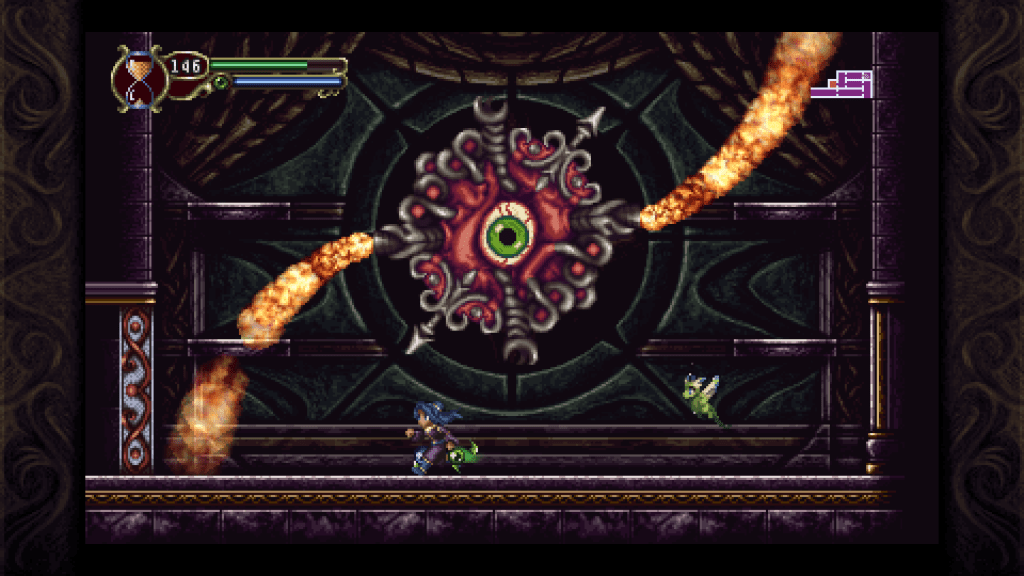
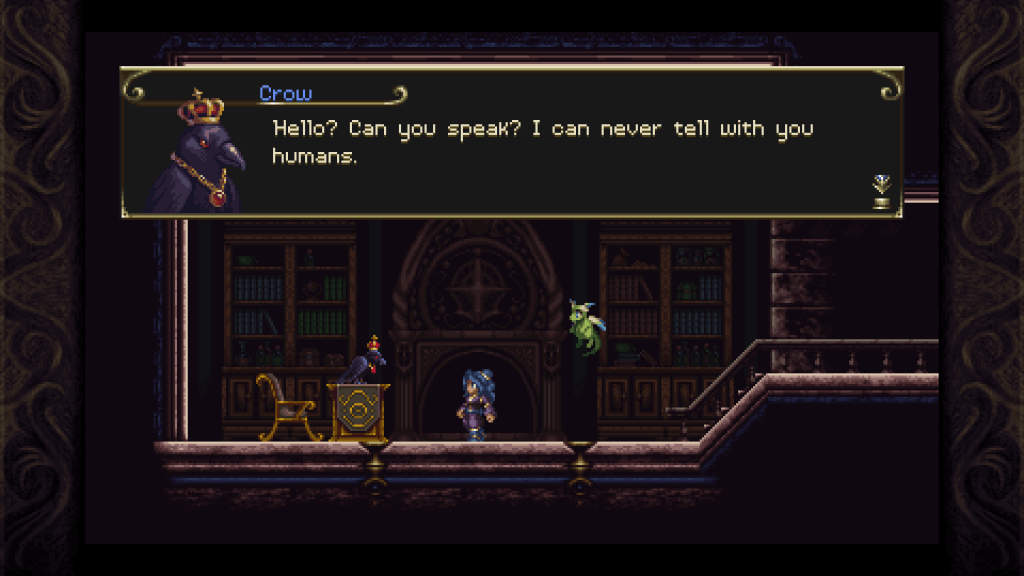

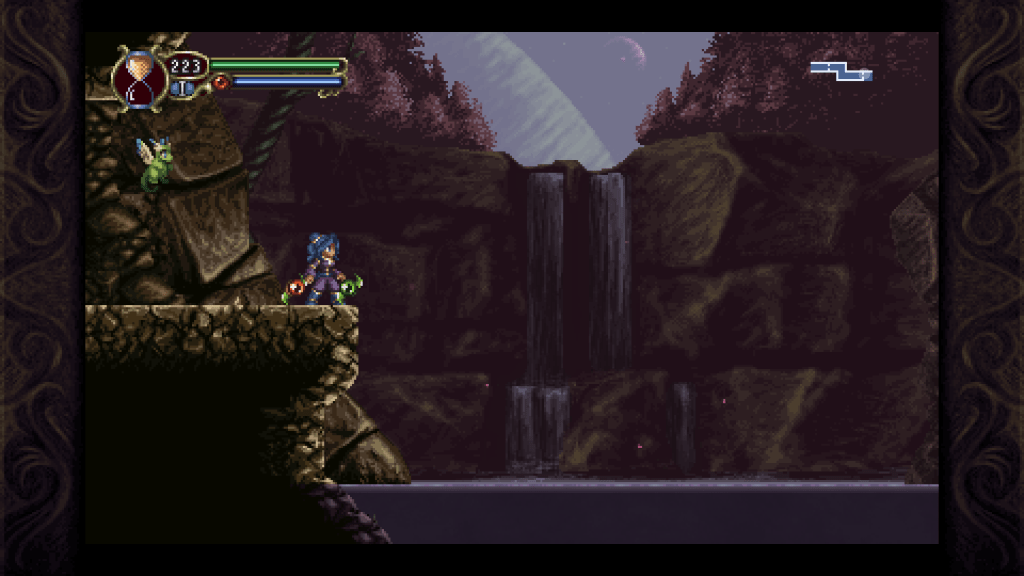



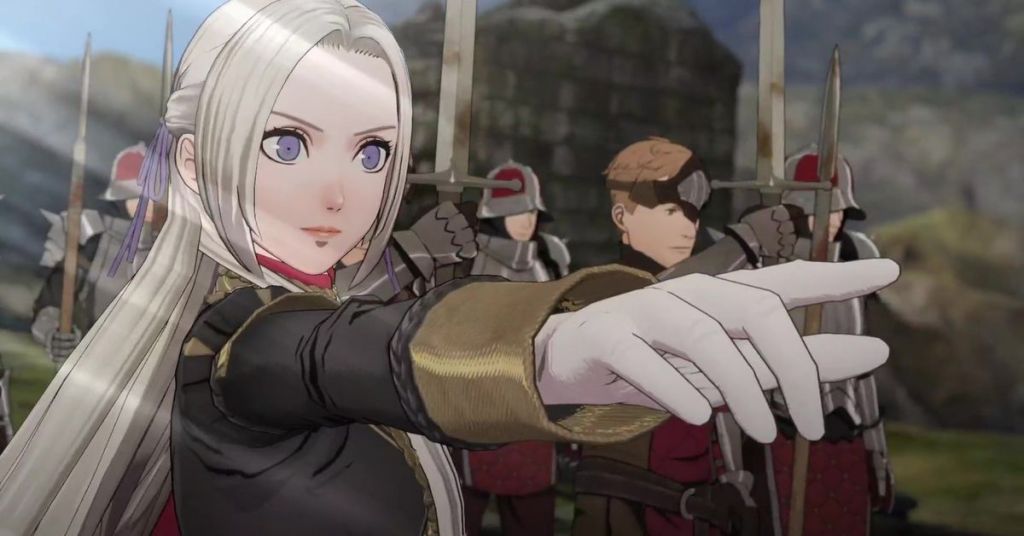

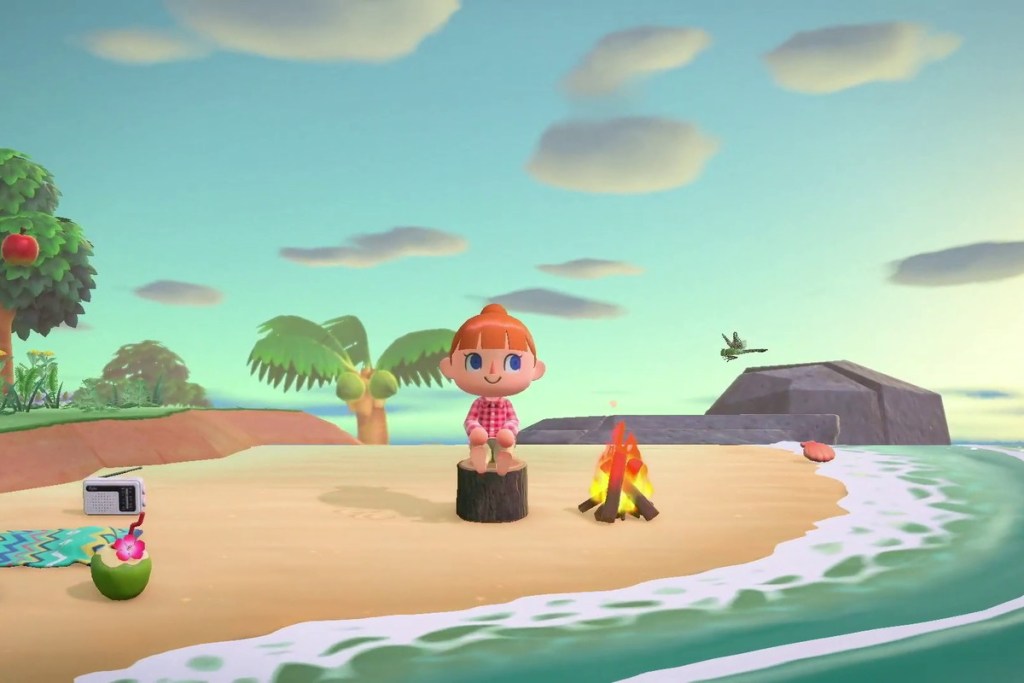







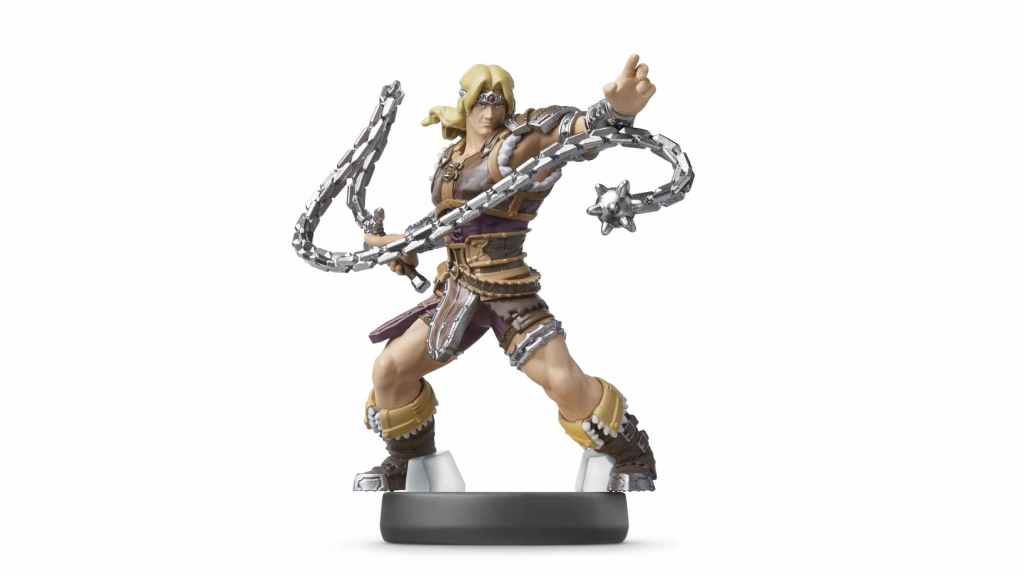
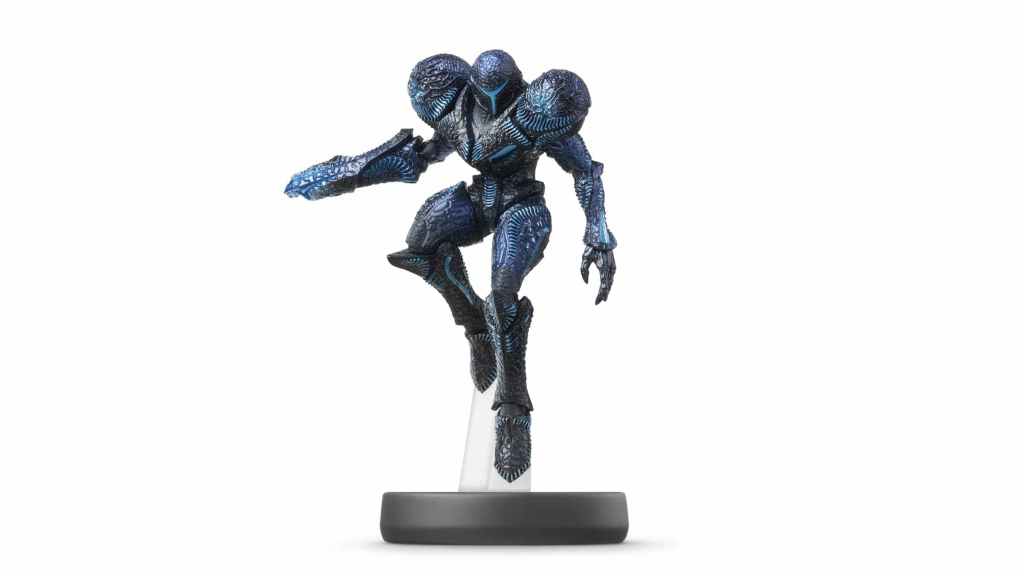


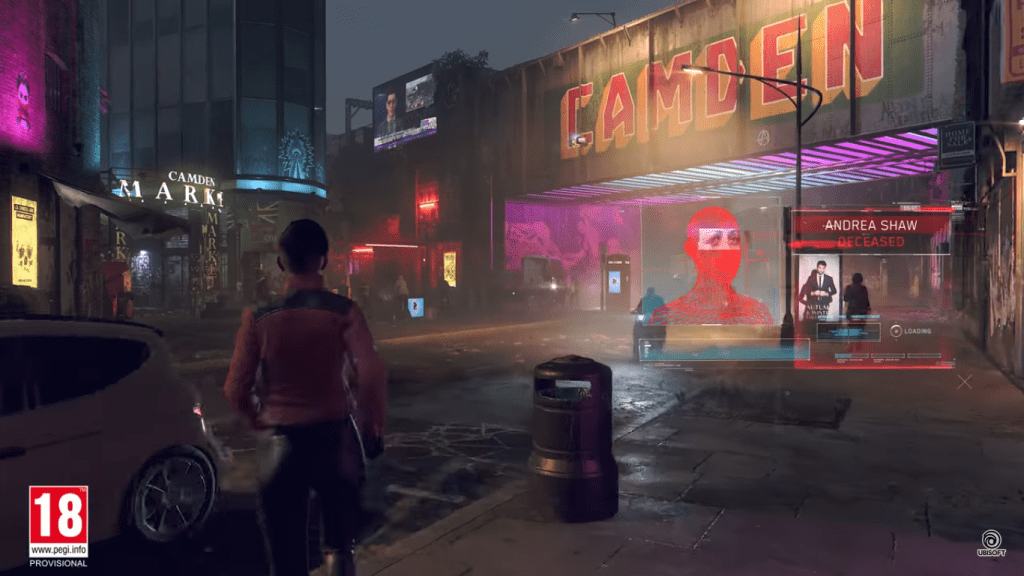



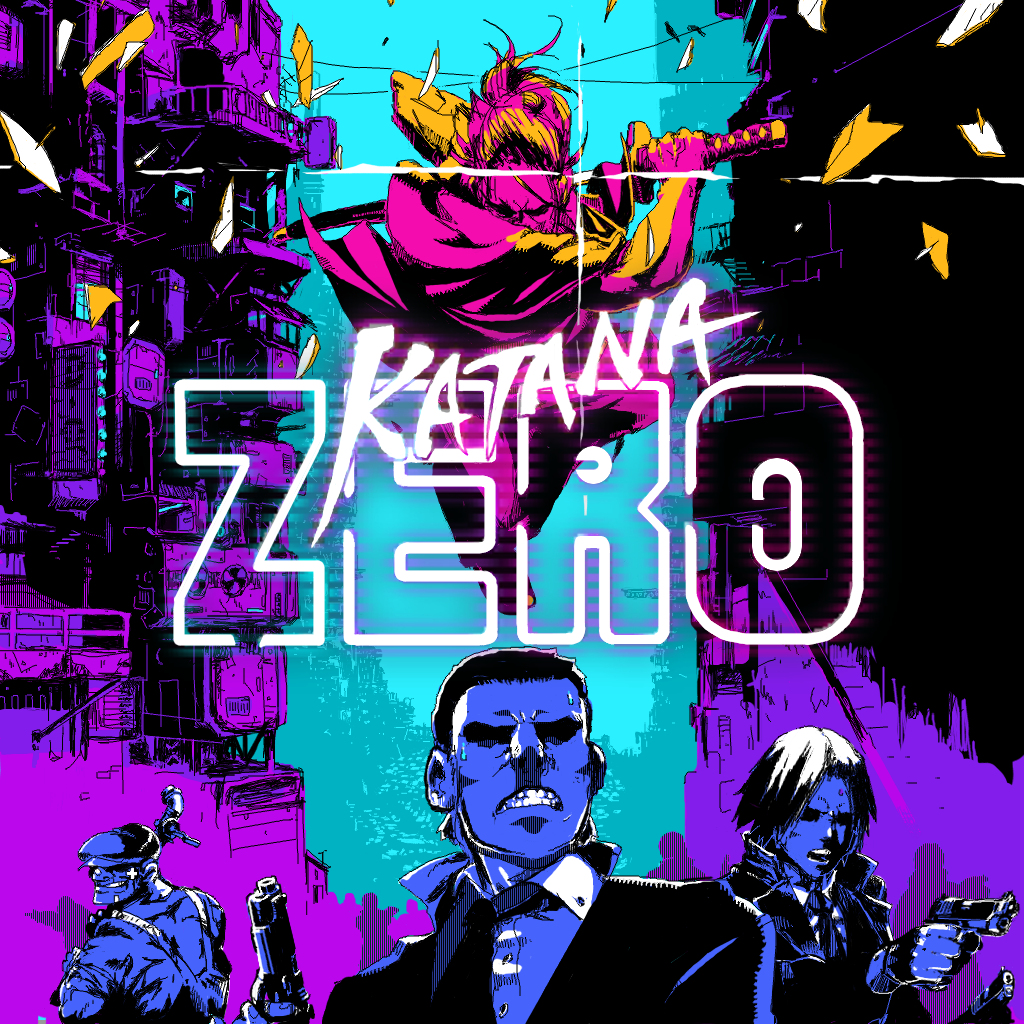


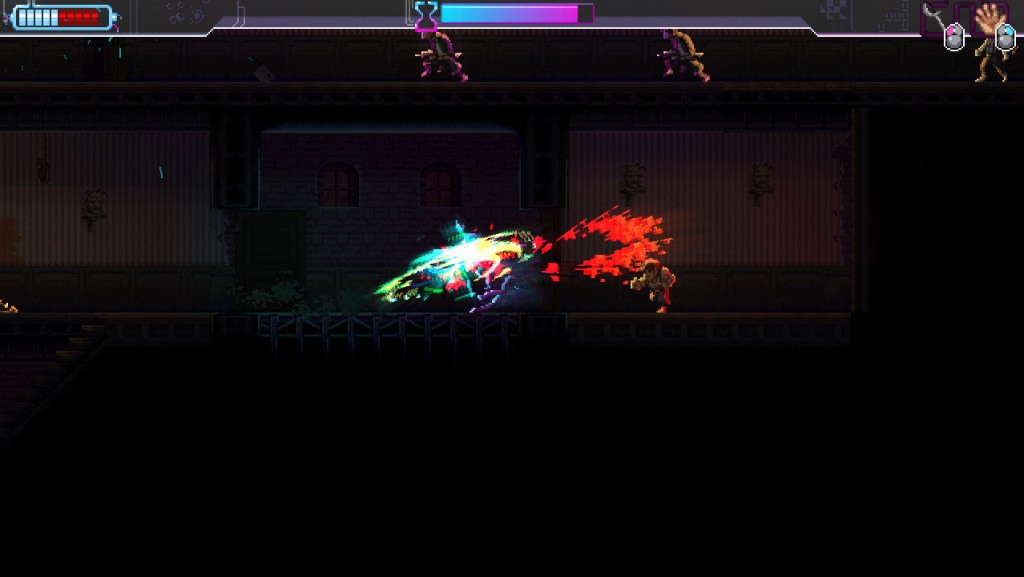

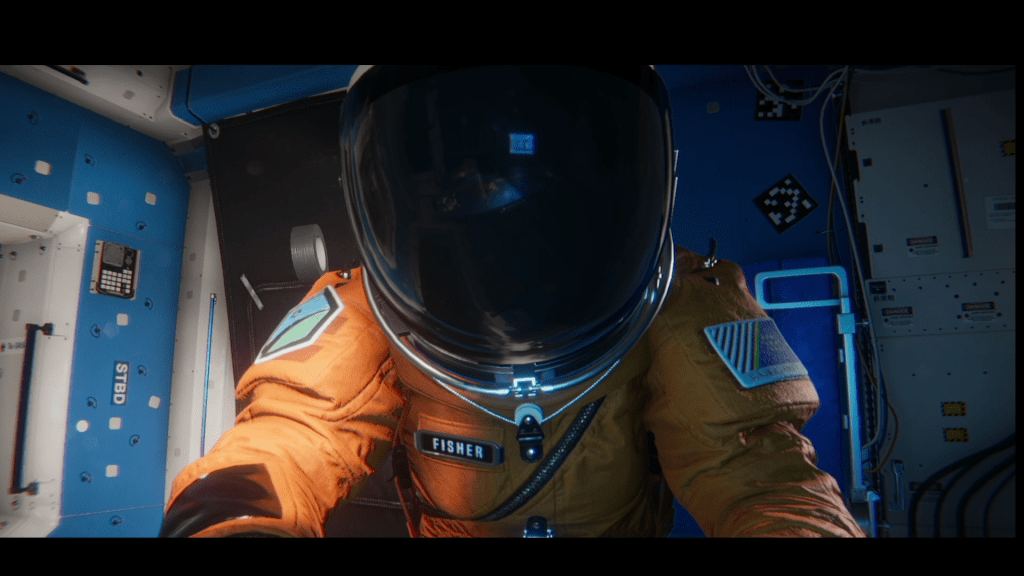


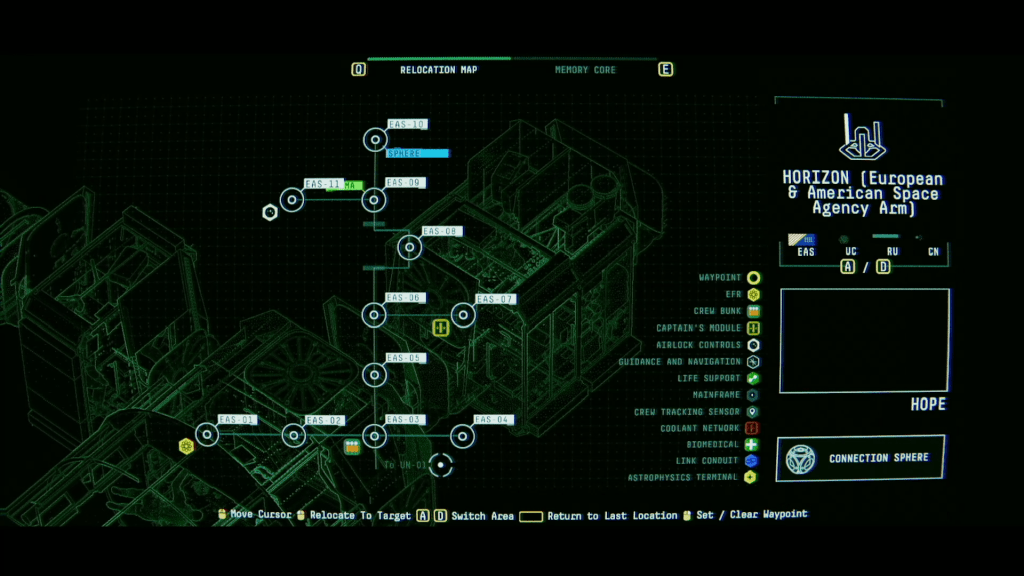


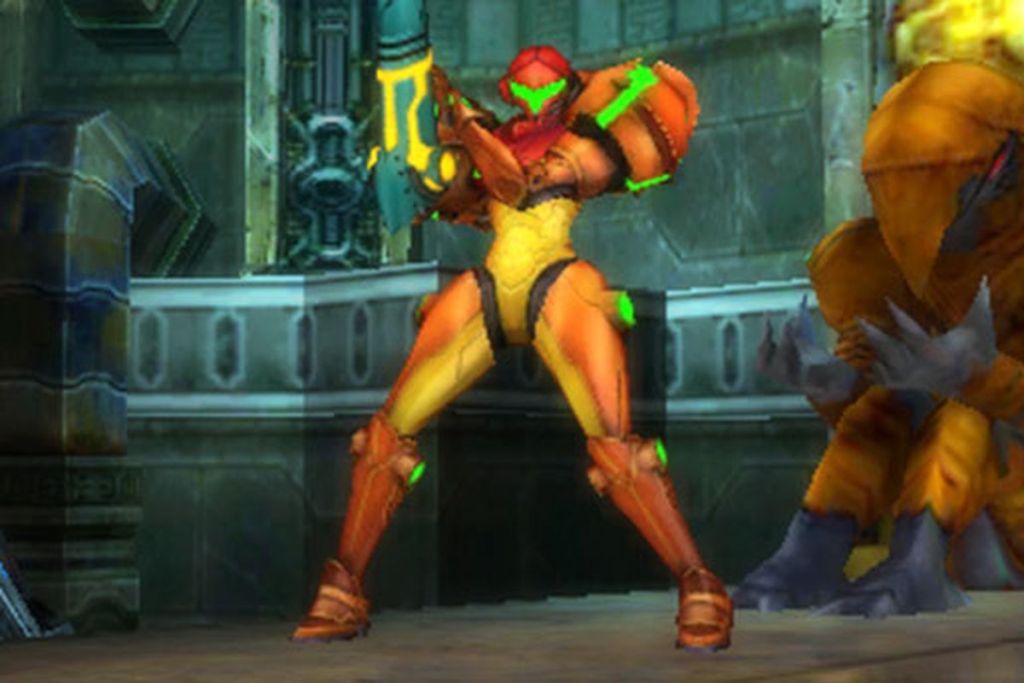


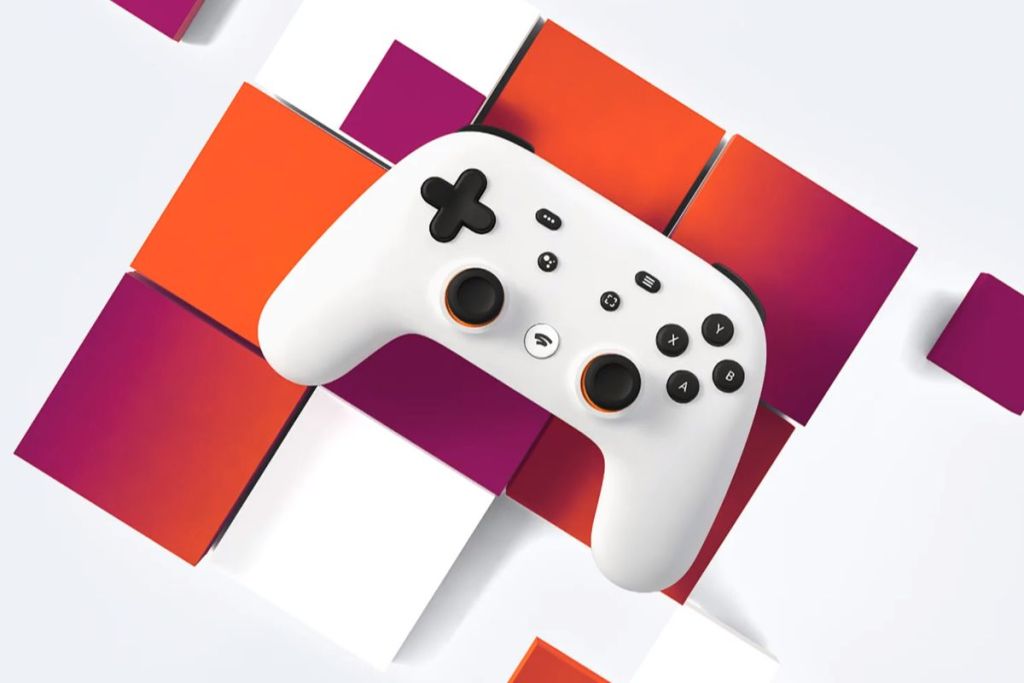



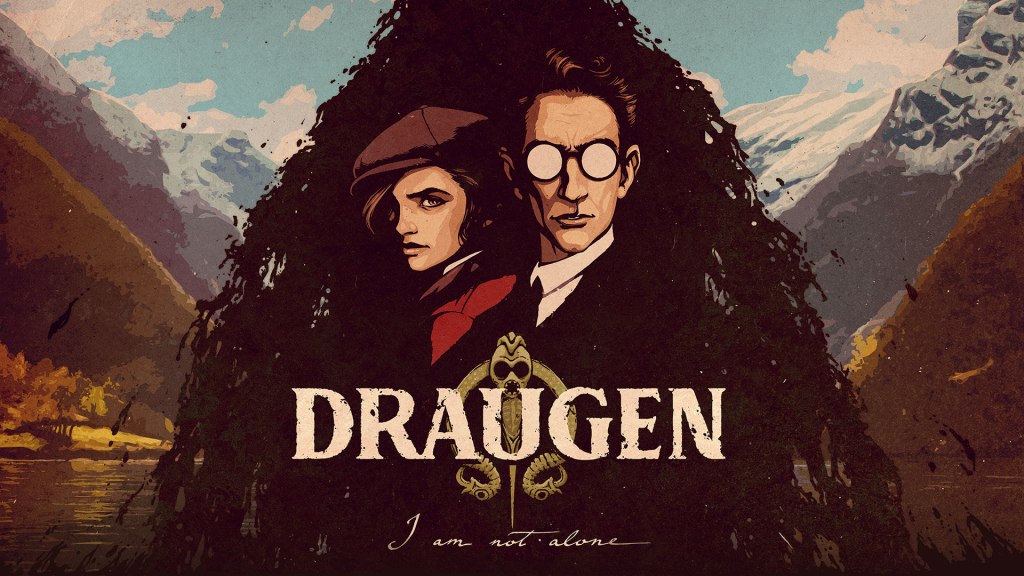
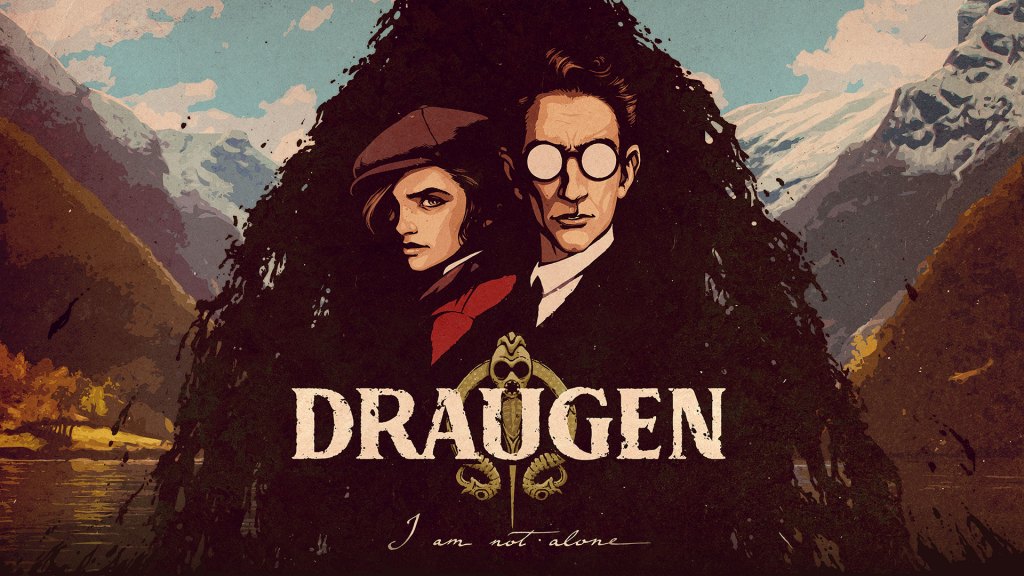
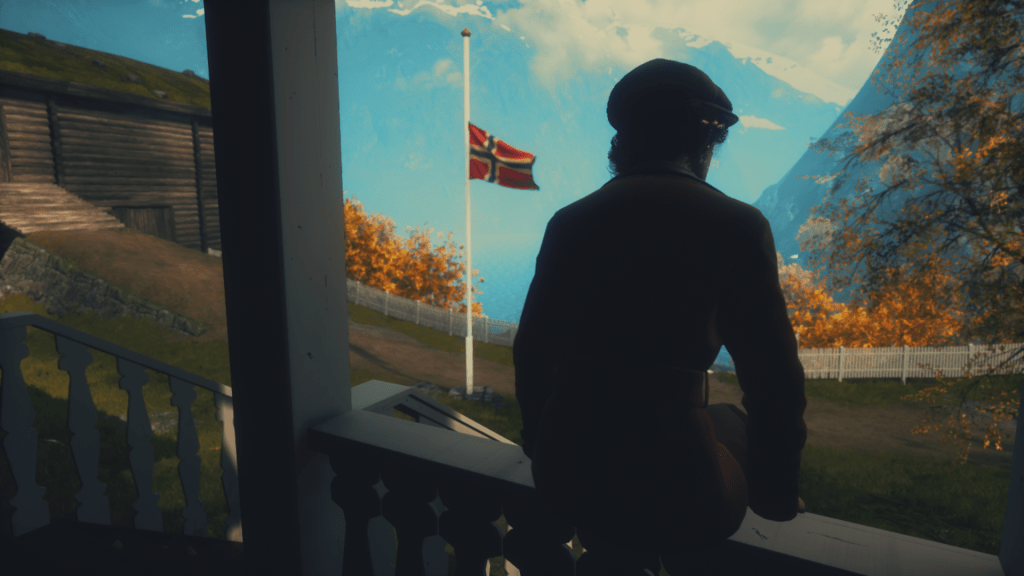


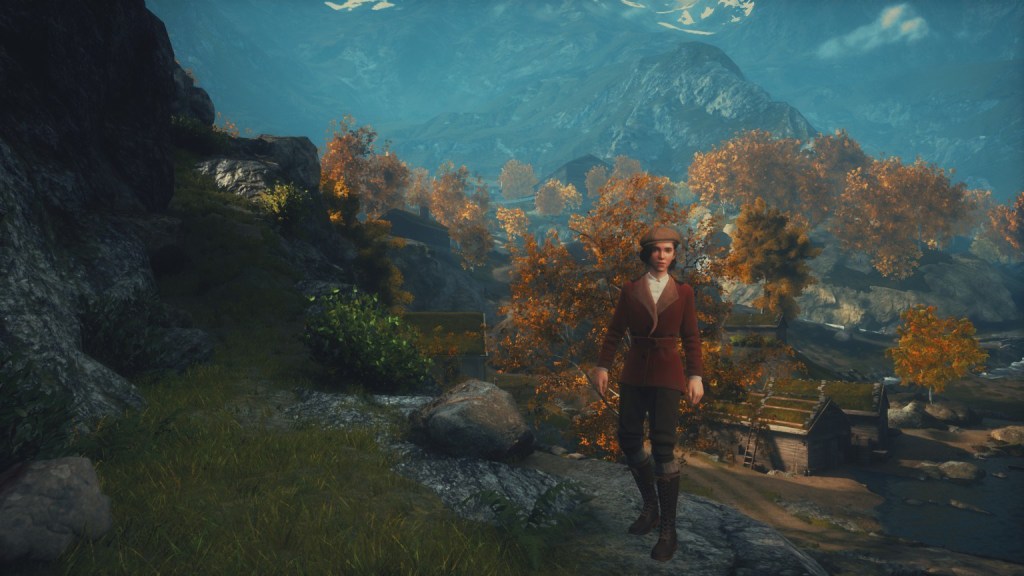

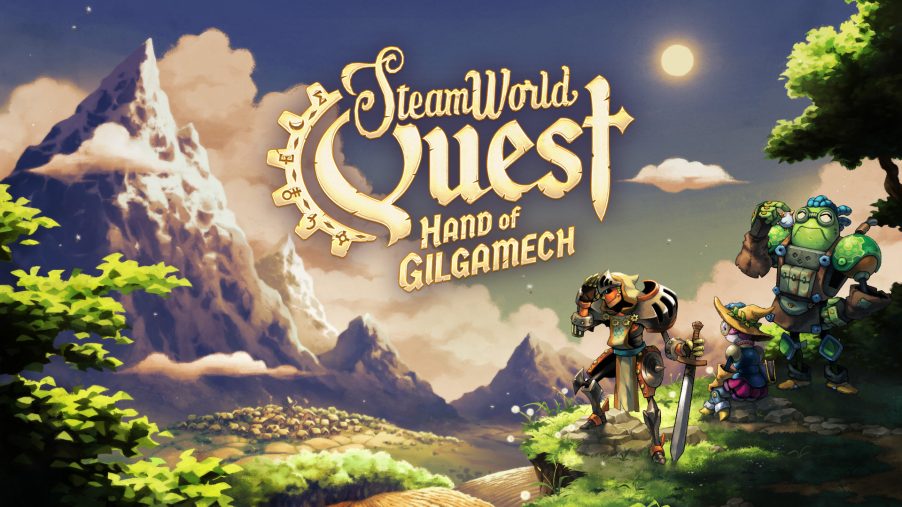

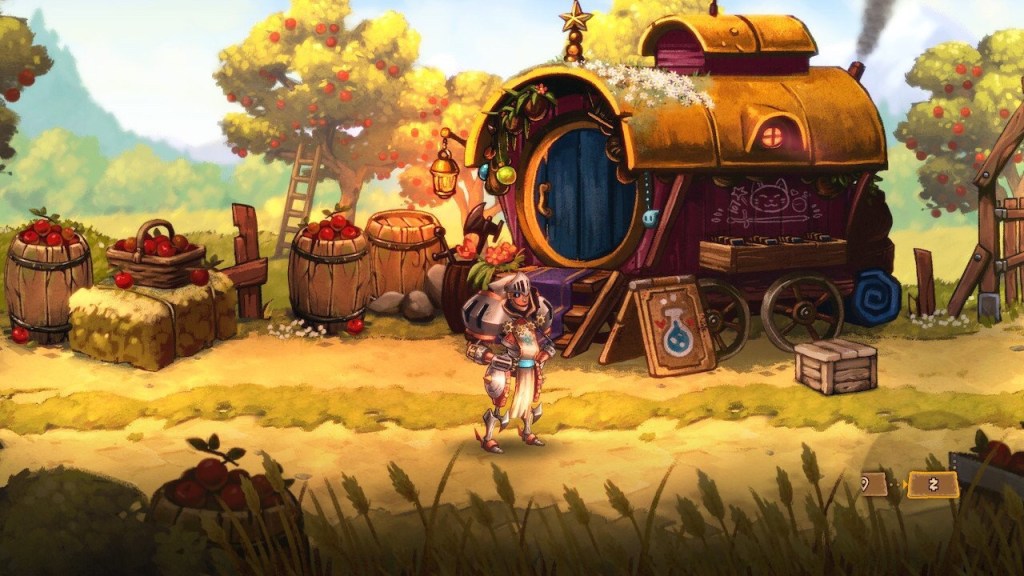
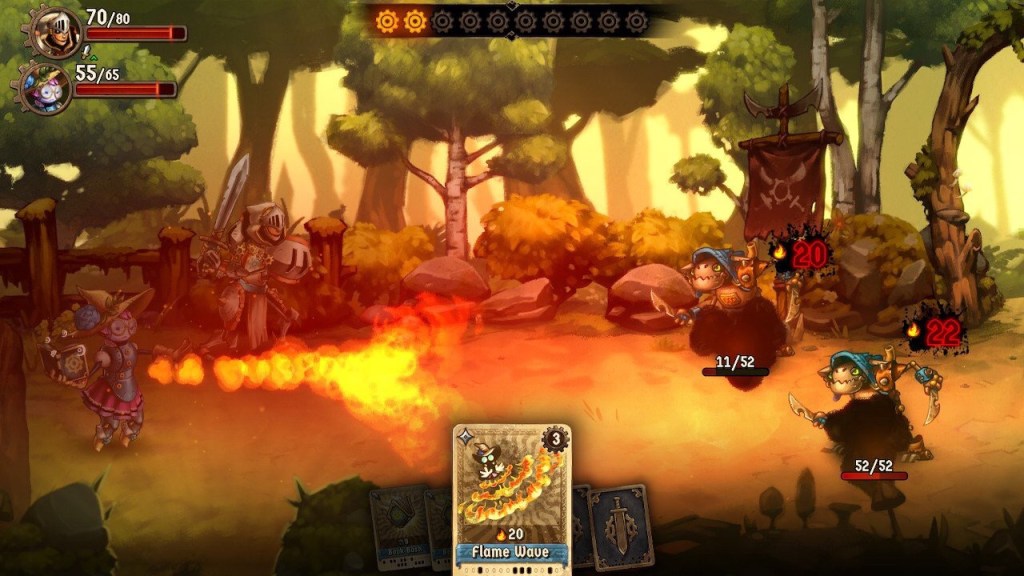
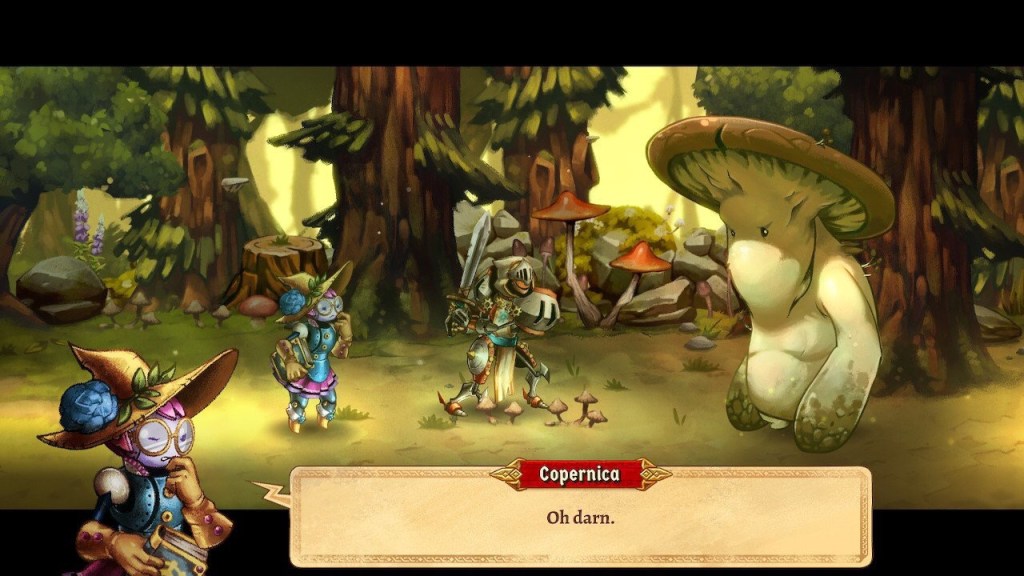

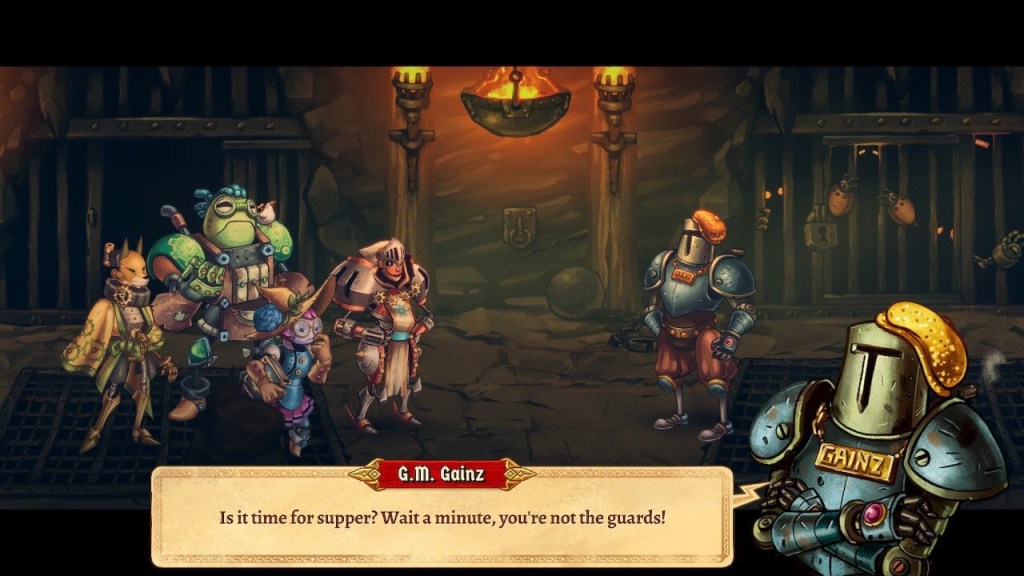

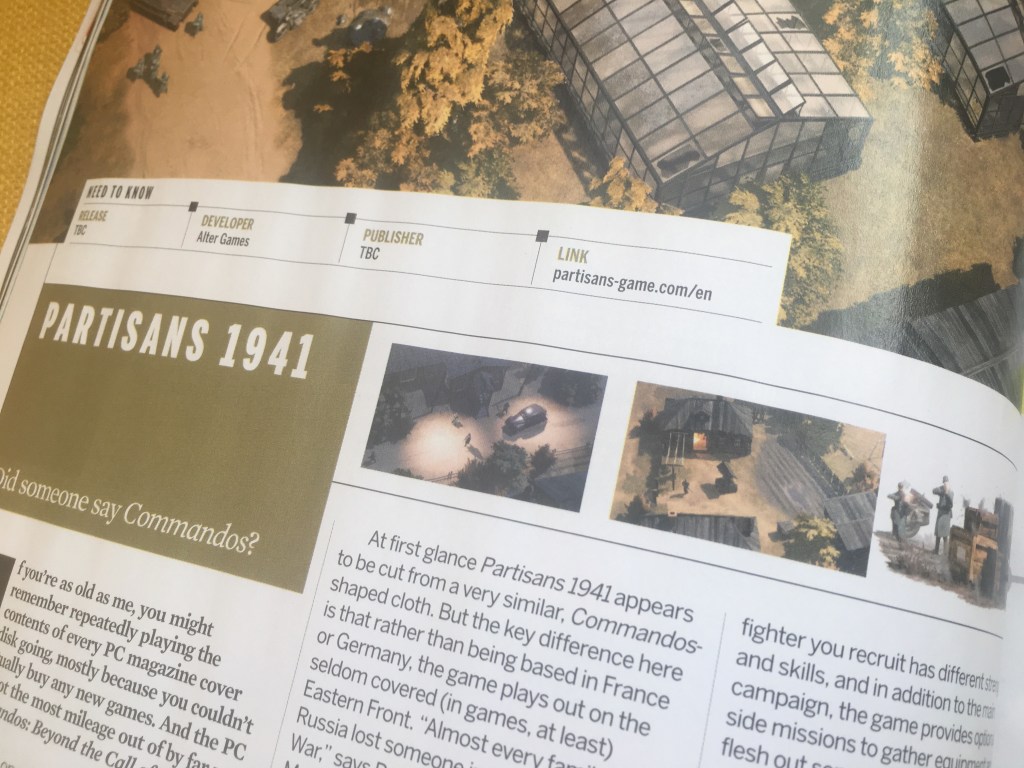

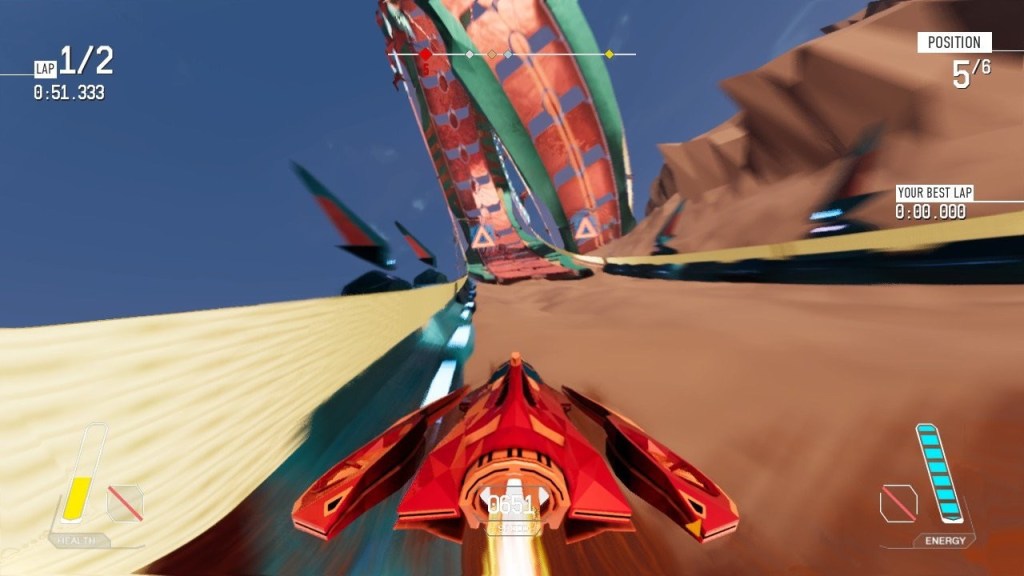


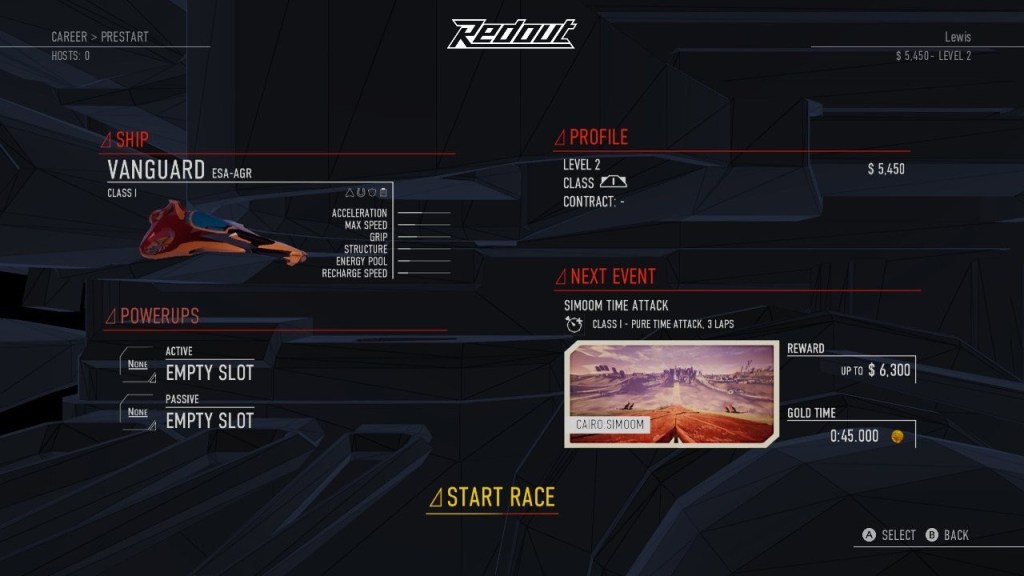

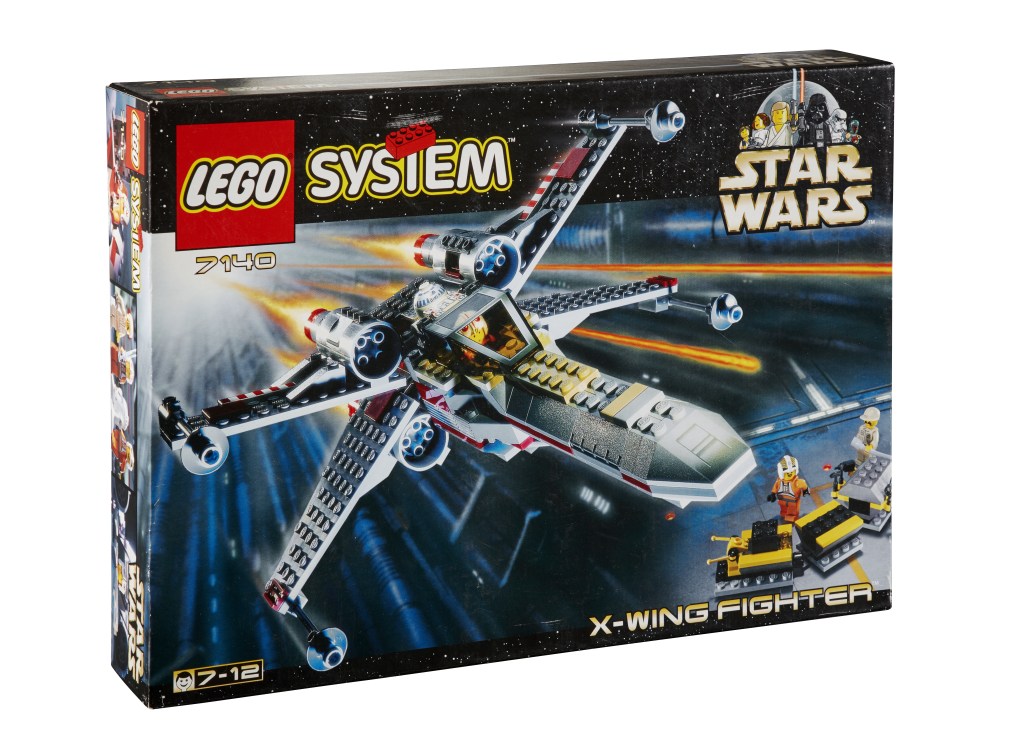


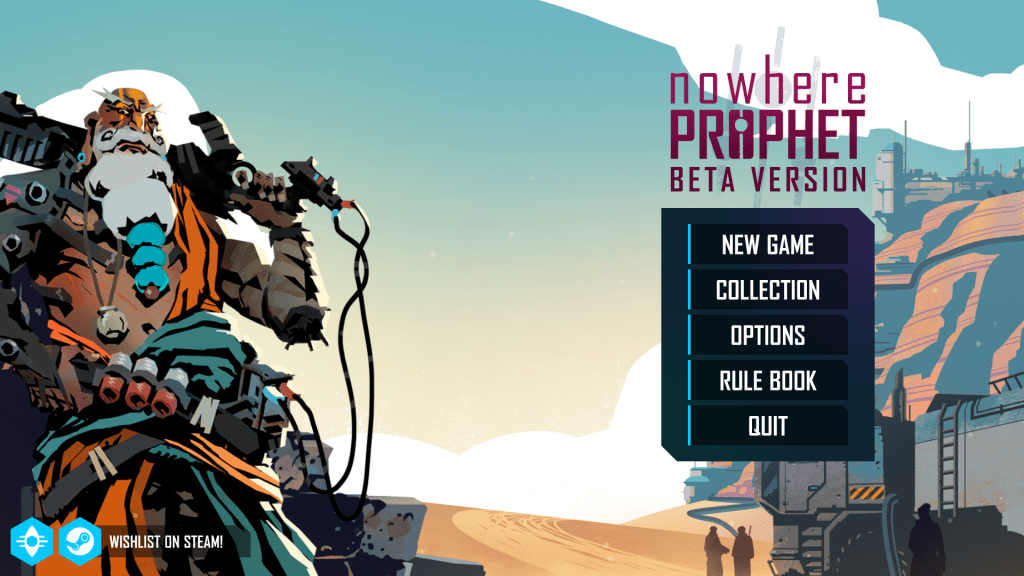
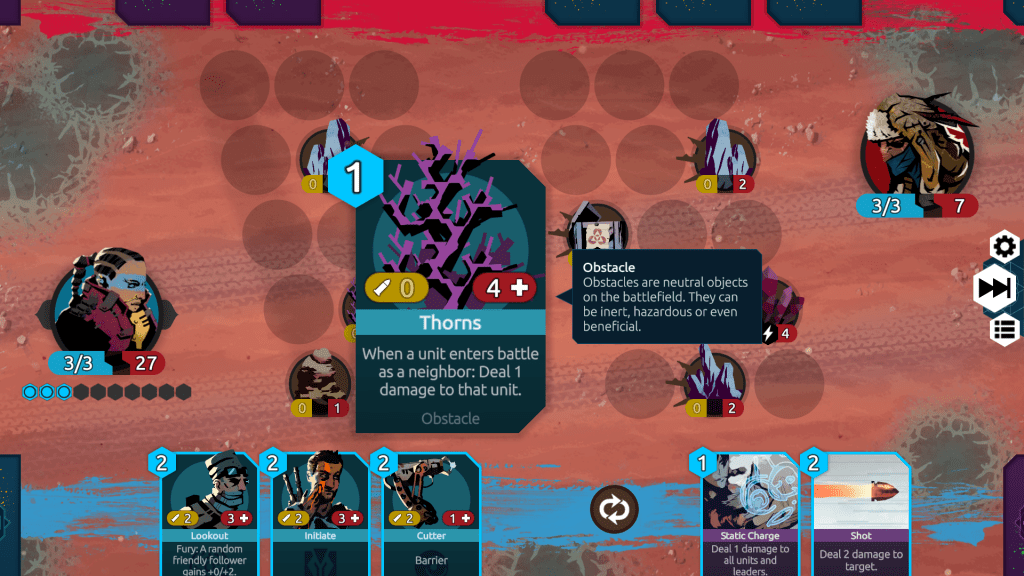
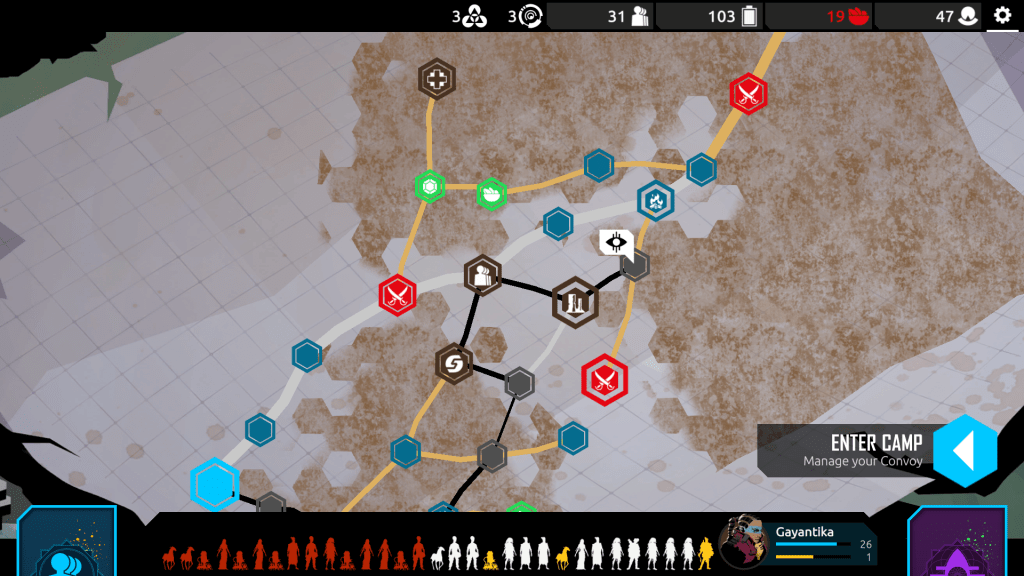

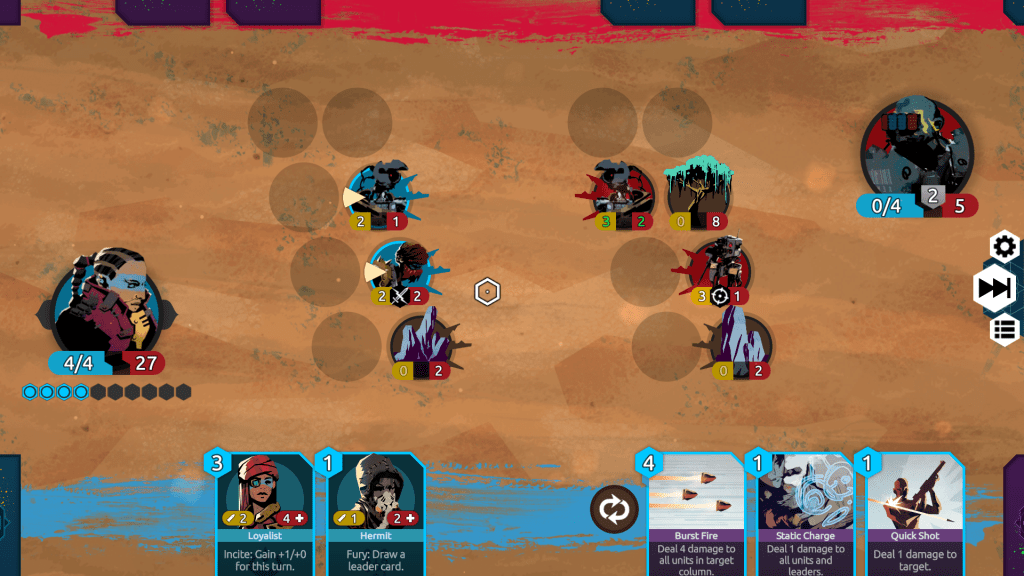


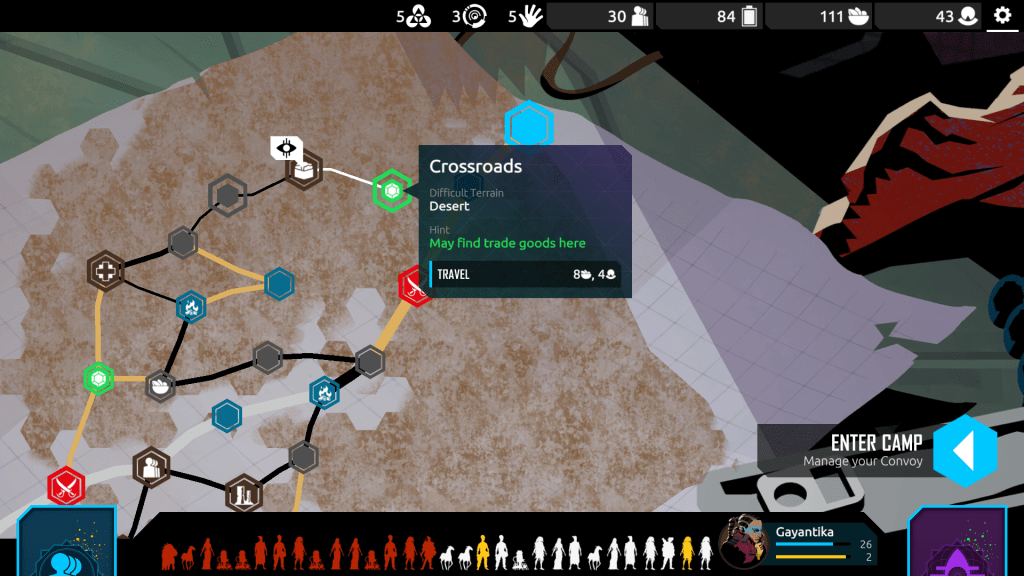


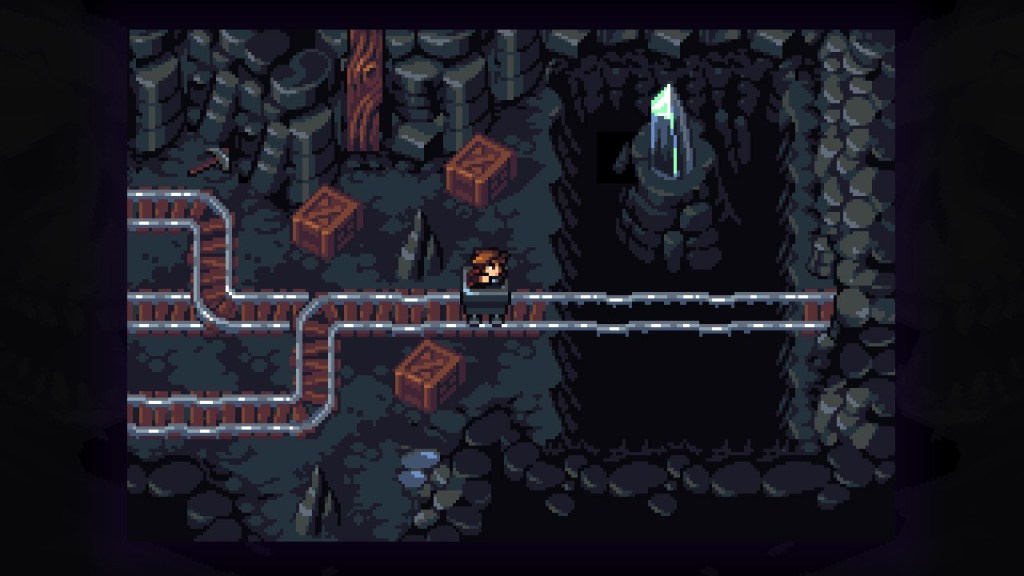


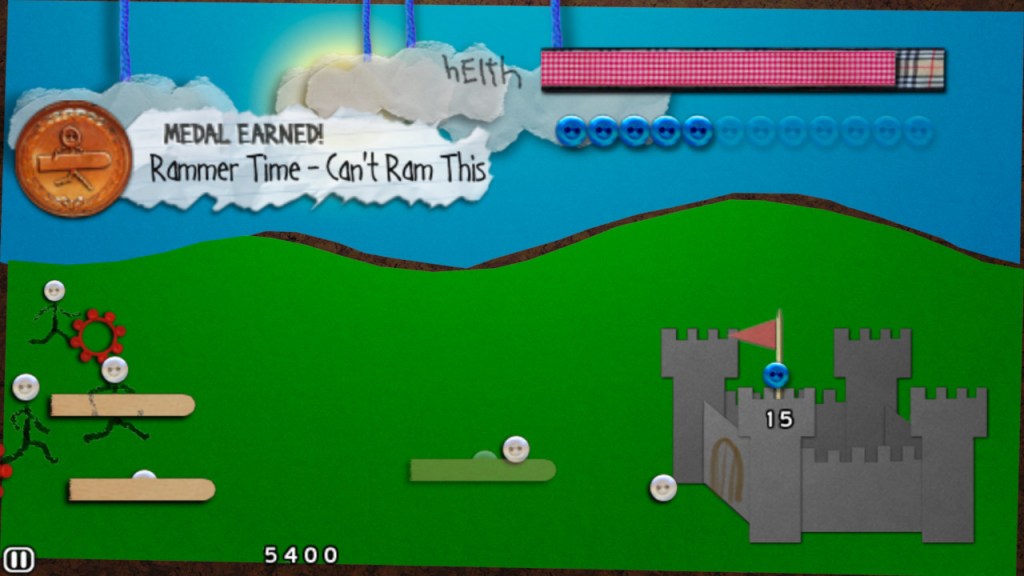

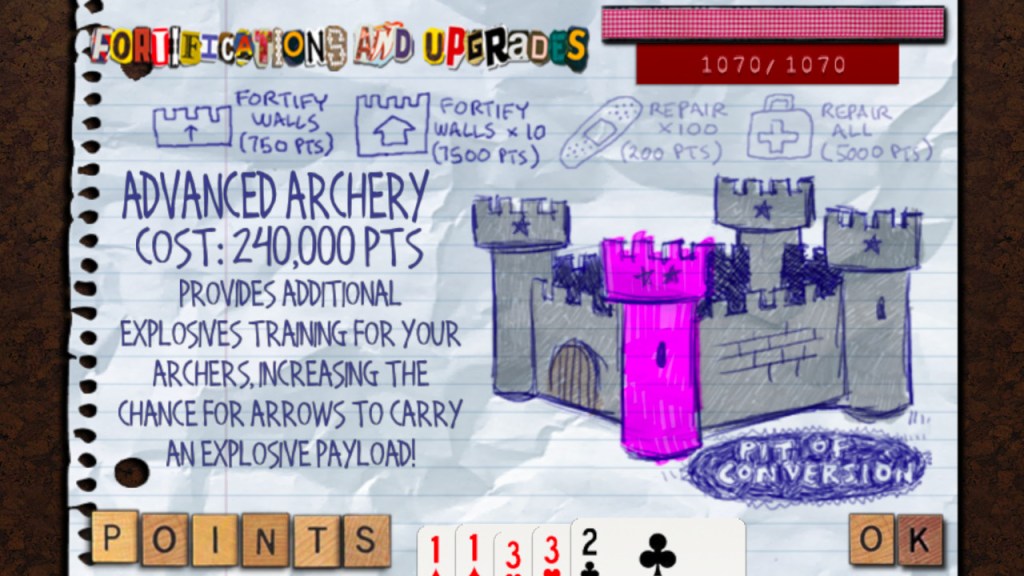
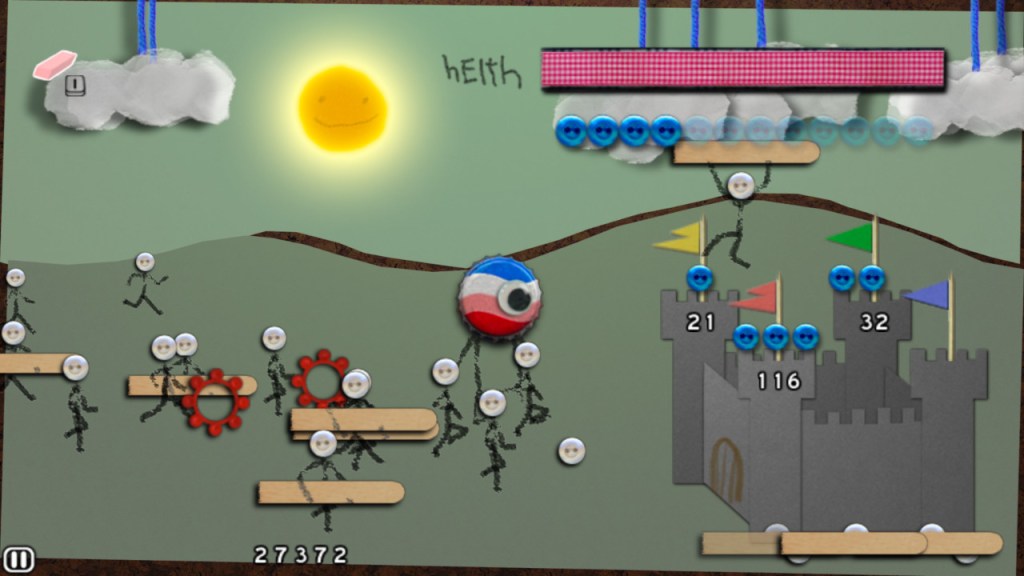
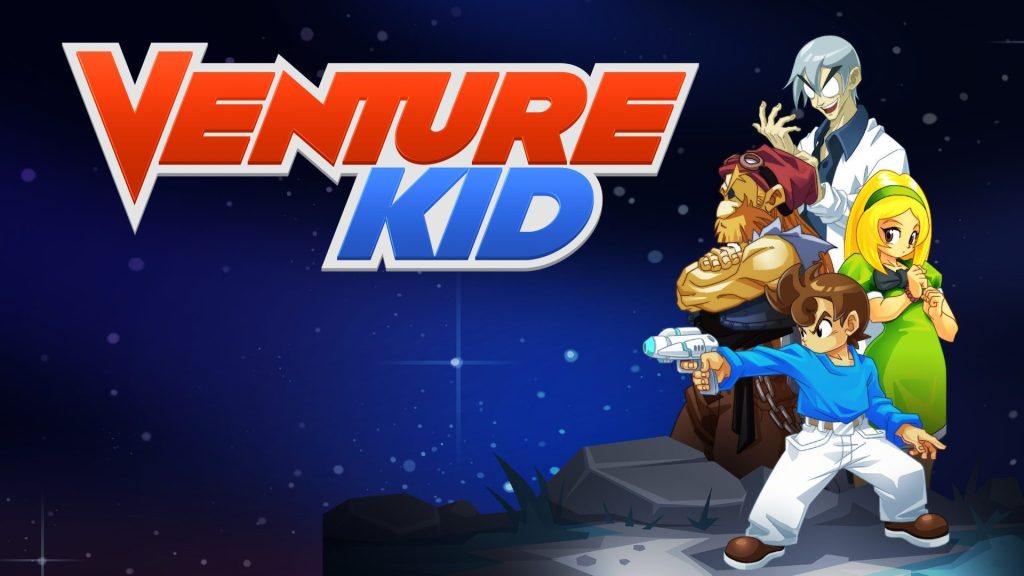


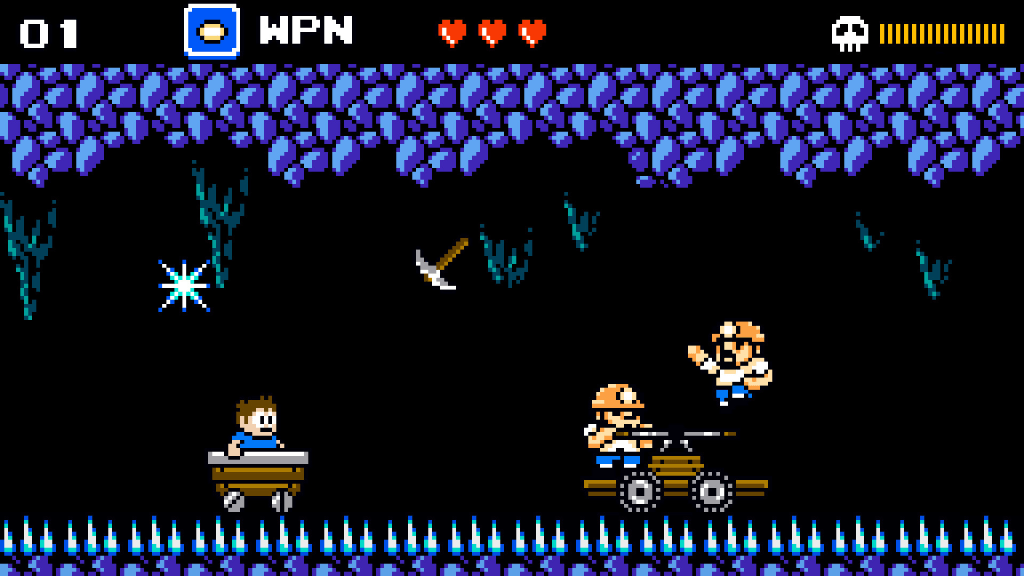


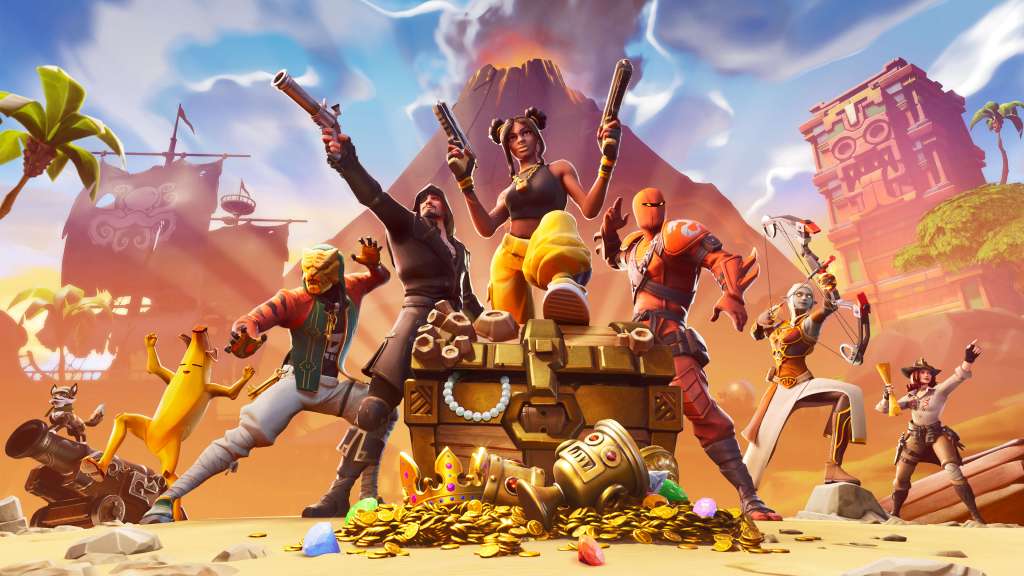






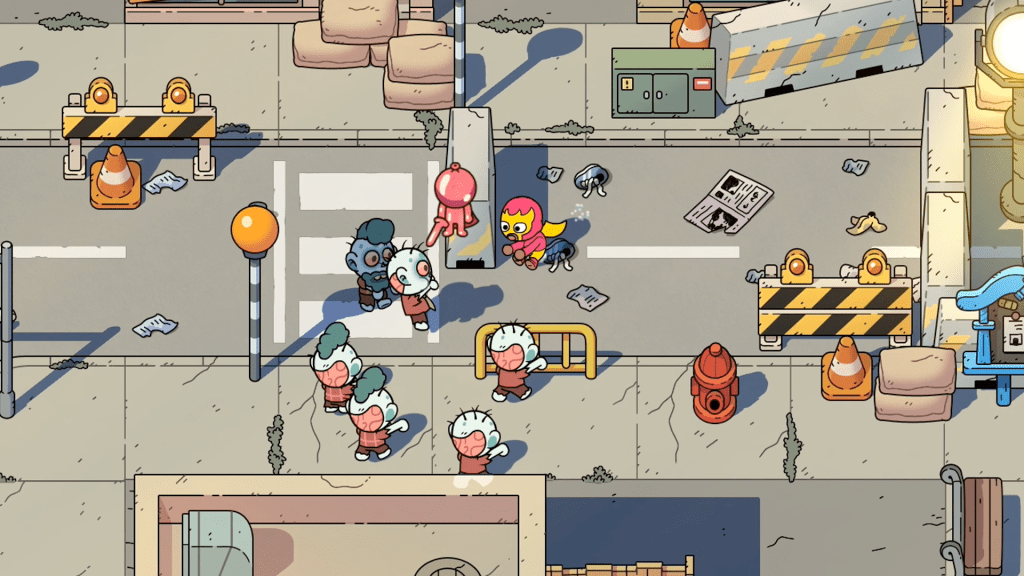


 A MOST AGREEABLE PASTIME