Blimey, times are tough right now. But then you don’t need me to tell you that, I’m sure you already know. Everyone is facing their own struggles, but for me it’s just the relentlessness of it all – if I’m not looking after my son, I’m working all hours of the day just trying to make enough to pay the bills, and mostly failing to do that.
This all means that when it comes to my slivers of genuine downtime, I’m craving comfort. When it comes to films, about all I can manage is brainless blockbusters, and I’ve ended up becoming slightly addicted to the gentle wholesomeness of The Repair Shop on BBC1, even though this kind of formulaic daytime TV isn’t normally my cup of tea at all. It’s a similar story with video games – I just want something familiar and comforting. And Shadow of the Tomb Raider ticks those boxes wonderfully.
I feel a bit guilty for spending the last week or so playing this game relentlessly. I have a couple of games I’ve been sent for review that I really should be playing right now instead. But I just can’t face starting anything new: all I want is the familiar, something to let me switch off and wind down after the exhausting days.
Shadow of the Tomb Raider got a bit of a rough ride at the time of its release, as I recall. It certainly wasn’t panned, but there were a lot of 7/10 reviews saying that it didn’t really do anything new with the series. And that’s fair enough, I suppose, but that’s also why I’m really enjoying it. In fact, it may well be my favourite in the series. I’ve played almost all of the Tomb Raider games, bar Chronicles and Angel of Darkness, and I wasn’t immediately sold on the most recent reboot back in 2013. But it grew on me, and the new games have been getting better and better, gradually ironing out the kinks and adding in fun moves like the axe grapple. Shadow adds rappelling down cliff faces, which feels so natural and fun that I’m astonished it hasn’t been done before in previous games. But generally it’s the same old stuff you’d expect – and that’s just wonderful.
There’s a formula to Tomb Raider games, and Shadow sticks to it like glue. Like in every game, some nefarious villain is out to get some powerful artefact, and Lara has to stop them, which is just about the level of plot I can handle in these coronageddon times. Added on to that is an enormous collectathon involving 300+ relics, documents, buried treasures and murals waiting to be found, and, dear reader, you’d better believe I tracked down every single one. Every. Single. Damn. One. Because in these crazy days, having a goal that is eminently achievable and comfortably within your control is sweet, sweet balm for the soul.
And here’s the thing: once I’d collected every damn thing there was to collect and finished the game, I just started it again. I never do that, but here we are. Usually, once I’ve completed a game on normal difficulty, I’ll simply delete it or sell it and never, ever play it again. This is why my game collection can fit in a shoebox, even though I’ve played hundreds of games in my time. Yet I just went straight back in to playing Shadow of the Tomb Raider on the highest difficulty level. I just didn’t want it to stop. It’s filling a need right now, a need for comfort and control.
Still, playing on Deadly Obsession difficulty is no picnic, chiefly because the checkpoints are ludicrously far apart. I’m about halfway through the game, but I’m on the verge of giving up after dying twice on one section that sets my progress back half an hour each time. It’s madness, really. I wouldn’t even countenance doing something so masochistic in normal times, but then these are far from normal times. And frustrations aside, I’m enjoying the purity of playing on this extreme difficulty where almost all of your usual aids are switched off, like the Lara’s Detective Mode-like Survival Instincts and her recharging health. For one thing, not switching into the yellow hues of Survival Instincts every few steps to spot those elusive relics has made me appreciate the game’s gorgeous graphics all the more. It really does look stunning, particularly the huge Hidden City you discover around a third of the way in. My mind boggles when it comes to thinking of the hundreds of people who have poured their creativity into this game over thousands of hours. Properly taking the time to explore this massive game – and its eight (EIGHT!) DLC tomb levels – has given me a new appreciation for the massive amount of work it takes to create a AAA game of this quality.
Lara goes full-on badass at one point in Shadow of the Tomb Raider, which is absolutely marvellous. I’d love to play a Tomb Raider game featuring a grizzled old Lara who is tired of all your shit – take note, Square Enix.
So yes, I’m enjoying Shadow of the Tomb Raider. It’s gaming comfort food, which is just what I need. Which makes me wonder – what comfort game are you coming back to while we all ride the coronacoaster?
Follow A Most Agreeable Pastime on Twitter: @MostAgreeable
Boot Hill Bounties makes an interesting first impression. The game unabashedly cribs its visual style from Mother, gently toys with the Western film genre, and plays a bit like Grandia. Seeing as these are all things I tend to get wistful and nostalgic about, my interest was piqued. But although there are plenty of things I admire and applaud in Boot Hill Bounties, in the end it felt like it missed the mark.
The game is the second part in a proposed trilogy that follows the exploits of four clichéd heroes as they tackle the equally clichéd Saints-Little Gang, which is wreaking havoc all across Bronco County. Kid is the wet-behind-the-ears whippersnapper who’s out to be virtuous, Doc is the grizzled veteran who acts aloof but is in tune with the mission, Moon is the righteous and world weary Native American who has to save her tribe, and Rosy is the red-headed tomboy. Their personalities are as deep as a puddle, but they’re still fun in all the ways that their tropes dictate they should be.
Boot Hill Bounties does a good job of catching you up to the story by way of a clever tutorial that sees you walking to the nearest town and picking up companions along the way, but then adds another layer to what you’re out to accomplish. It’s a very subtle way to do a bit of quick world building, and it works. It invested me just enough to be curious about what happens next, which you’ll find out in a bit worked in the game’s favor when other elements weren’t cutting it.
What I absolutely adored about Boot Hill Bounties was the world you explore. Westerns (and for that matter 16-bit RPGs) aren’t revisited that often, so venturing out into pixelated pine forests, Old West towns and canyons was a visual treat. I wanted to explore around every corner and down each beaten path just to see where it would lead me to next. Caves, saloons and every place in between are all lovingly crafted and brimming with lovely details.
But then there’s the combat. A lot of RPGs live or die by the systems they’re rooted in, and while Boot Hill Bounties doesn’t completely fall flat, it does feel like it withered on the vine a bit. The fighting is based on a series of meters that fill for each of your party members as well as for each enemy, and you have to time your attacks using these meters in such a way as to get the upper hand in every battle. You can do things like queue up moves, or defend and cancel an enemy’s attack with proper planning. When I write that down it sounds exhilarating, but in practice the combat system feels too busy, almost to the point of being chaotic. I love a good battle system that challenges you to make deft decisions, sometimes even with a bit of hurriedness, but Boot Hill Bounties made me anxious more than anything.
I wish the combat had clicked with me, because Boot Hills Bounties is otherwise charming as hell. It’s a nearly perfect miasma of long-forgotten ideas, it just overdid it in one crucial area. Regardless, I’m still looking forward to where Kid and crew go next, which says a lot for the game. I just hope tussling with the bad guys doesn’t feel like so much of a chore next time.
Boot Hill Bounties was developed by Experimental Gamer Studios, and is available on PC and Switch. We played the Switch version.
Disclosure statement: review code for Boot Hill Bounties was provided by Experimental Gamer Studios. A Most Agreeable Pastime operates as an independent site, and all opinions expressed are those of the author.
Follow A Most Agreeable Pastime on Twitter: @MostAgreeable
Streets of Rage 4 is an interesting game to be released in this, the year of our Lord 2020.
Side-scrolling beat ‘em ups rose to prominence in the 80s and 90s, but with a few exceptions, the genre had pretty much died off by the time the twenty-first century rolled around. That’s a real shame, because there’s something cathartic about playing a vigilante who systematically tackles an entire gang street by street and screen by screen. I concede that the overwhelming waves of enemies and often unfair odds against our hero are clearly rooted in a design ethos that’s meant to keep you pumping coins into an arcade machine. But nevertheless, punching flunkies in the face is always a good time.
Streets of Rage 4 adheres to many of the aged beat ’em up tropes that people find endearing – like taking on a whole city single handed and eating chicken from trashcans. But at the same time, it manages to remove the elements that most folk would find frustrating and archaic. In fact, Streets of Rage 4 doesn’t just show that beat ’em ups can still work in the twenty-first century – it shows they can be utterly brilliant.
The fighting feels comfortably similar to the earlier Streets of Rage games – you have your main attack, a jump button and a special move that’ll drain some of your health. But where the game shines is by adding minor details that keep you invested in the combat far beyond arbitrarily jamming buttons and spamming quarters like in the old days. There aren’t any continues here, so keeping your lives stocked up is paramount. Like most classic games, you earn more lives as your score goes up, but the game does this clever thing where it’ll let you know that you are a certain amount away from collecting a new life. Furthermore, you can keep chaining your attacks to build up a combo meter that not only helps you on your way to a 1up, but will revitalize your health. That last bit is important, because this in turn made me want to use my specials more often, knowing that I could recoup the cost of doing it. It meant that far from being a simple button masher, this game actively encourages strategy. Not too shabby!
You also have a nice spread of characters to choose from, each feeling different and well-rounded enough to all be useful. There are zippy, quick combo characters like Blaze and Cherry, a slow and lumbering beast in Floyd (my personal favorite!) and some more grounded options like Adam and Axel. The game encourages you to learn each character by letting you swap protagonists between levels, as well as giving you a bit of a boost to your bonus bar when doing so. Speaking of which, as you play (and replay) the game, you’ll fill what basically amounts to an experience meter that doles out some really nifty things for your diligence. As you go, you’ll unlock older versions of characters, as well as classic roster picks from previous games. They look exactly as they did on the Mega Drive, right down to the pixel, which makes for a fetching dichotomy to the beautifully hand-drawn backgrounds. Furthermore, they play exactly the same as in the old games, without the added tweaks and benefits of their modern incarnations, which is not only neat but also ratchets up the challenge.
What really seals this whole package nicely is the aforementioned artwork. Streets of Rage 4 feels like you’re playing a living comic book. Each dilapidated stage is brimming with hand-drawn details and new obstacles that give the game a little bit of life, with constant changes to keep the game interesting. Brawlers sometimes fall into a dull rhythm of monotony, but that is far from the case here. Everybody is lovingly animated and a marvel to look at – although of course standing around to drink in the beautiful graphics is ill-advised in the middle of a fistfight. The sound design is marvelous as well, with catchy and upbeat tunes to brawl to and crunchy sound effects that really sell the meaty combat.
When Streets of Rage 4 was first announced, I was a bit on the fence about it, figuring it to be a nice love letter to beat ‘em ups but not actually moving the needle in any way. Boy, was I glad to be wrong! I don’t think I’ve ever played a beat ’em up that has kept me coming back as much as this one. Between the unlockables and co-op modes (with up to four players, another nice addition), I keep finding myself drawn in for just one more go, which turns into just one more run through the whole thing. But the thing is, the kinetic combat is so gratifying that I would have done so even without the dangling carrot of things to unlock. Streets of Rage 4 is not only a worthy sequel, it signals the start of the next generation for beat ’em ups.
Streets of Rage 4 was developed by Lizardcube and Guard Crush Games, and is available on PC, PS4, Xbox One and Switch. We played the Switch version.
Disclosure statement: review code for Streets of Rage 4 was provided by Indigo Pearl. A Most Agreeable Pastime operates as an independent site, and all opinions expressed are those of the author.
Follow A Most Agreeable Pastime on Twitter: @MostAgreeable
Roll up, ladies and gentlemen, as I attempt to review Gears Tactics without mentioning XCOM. And before you say anything, the review hasn’t started yet…
I was among the apparent majority of people who were surprised when Gears of War developer The Coalition announced that there was going to be a turn-based strategy Gears spin-off. After all, Gears of War is not a franchise often associated with tactics or, indeed, thinking in general. These are games about large men with large guns sawing monsters in half. Gears, as a series, is rather like a five-year-old splashing in a puddle; loud, messy and gleefully mindless. It’s just in this case the five-year-old is a heavily armed bodybuilder and the puddle is some bastard’s ribcage.
It wasn’t until I started playing Gears Tactics that I realised this meathead-and-potatoes franchise is actually quite a good fit for the genre. A lot of the required elements are already in place. After all, “small group of soldiers with their backs to the wall try to fight off a monstrous invasion” describes more than one game of this type. Add to that the varied enemy types, the defined aesthetic and the established (if rather convoluted) backstory of the main series games, and there’s a lot to work with.
Despite the shift in genre, Gears Tactics is unmistakably a Gears of War game. Developed by Splash Damage, with assistance from The Coalition, they’ve stayed true to the look, feel and themes of the third-person shooters that came before. As it happens though, the story is actually set before the very first Gears game.
It follows Sgt. Gabe Diaz, and opens on the day Chairman Prescott of the Coalition of Ordered Governments (COG) orders planet-wide strikes using the Hammer of Dawn weapons system against the invading Locust horde. At the last minute, he gets orders to accompany Maj. Sid Redburn on a special mission. This kicks off a series of events which require the pair to build a team of soldiers to hunt down Ukkon, a high-ranking Locust responsible for creating some of their most fearsome creatures.
If none of that makes sense then don’t worry. The plot is not the main selling point here. As with the earlier games, it’s serviceable enough so long as you don’t stop to ask too many questions. The point is, there’s a job to do and it’s up to you to get it done. Along the way, you’ll need to recruit soldiers, scavenge weapon upgrades and equipment, and fight through hordes of increasingly tough Locust.
The first thing I noticed when starting out is that they didn’t skimp on the production values. Spin-off this may be, but the cut-scenes are essentially of the same quality as the main series. In fact, the art design in general is pretty good. Yes, it’s stuck with the same largely brown-grey colour palette as the older games, but it’s well executed. The main cast voice acting is great, and the general sound design is entirely reminiscent of the other Gears games.
Although the camera does sometimes get a bit lost, particularly when the action is spread out, there’s none of the “shoot through walls” jank of similar games. That’s partly because there’s not that many walls in most environments, but its good design too. Every level is well laid out and has multiple options for attack. High ground here, flanking positions there. That goes the same for the enemy.
The emphasis of Gears Tactics is very much on action. It has multiple ways of forcing the pace, like timers, control points and encroaching areas of instant death-from-above. And even during missions where you need to dig in, you’re encouraged to split your forces. This is a game which rewards aggression. But you’ll be on the defensive at times as well: Gears Tactics chucks enemies at you by the bucket load.
There’s good variety to those enemies too. They’ve all been lifted from the previous titles, but some have been tweaked a bit. Drones act defensively and try to lock down areas with overwatch. Wretches suicidally swarm your soldiers. Boomers are lumbering bullet sponges. Although there is often a high volume of targets, even a handful of Locust can be dangerous.
Fortunately, your own soldiers are pretty handy too. Your troops are split into five classes, ranging from snipers to shotgun-wielding scouts. Weapons are locked to class type, but are modifiable using equipment recovered from missions or given as rewards. Each class has an extensive skill tree, with soldiers levelling up as they gain experience.
Your squad size is limited, but that expands as you progress. Some story missions are followed by side missions, which encourage you to vary your squad. For example, you might be required to complete two of three available missions in order to proceed. You can choose which missions to do, but you won’t be able to use the squad members on both. Additionally, side missions have optional objectives and/or modifiers which encourage certain play styles.
The squad building is one of the ways Gears Tactics fell a bit flat for me. Your fighters are split between “Heroes”, who are critical to the story and appear in the cut-scenes, and “Troops” who are the recruitable grunts. The death of a hero character will result in an immediate mission failure, but the regular troops can be killed permanently. However, there are always ready replacements free to recruit. They’ll be appropriately levelled for the current point in the story too.
There is no base management or wider strategic layer in Gears Tactics. While that does lead to more time getting into the action, it also means squad building is the only real area of development. The issue is there’s no risk in it. If a soldier dies, they can be immediately replaced at no cost. Any weapon or armour mods the dead soldier had equipped are returned. There’s no real sense of jeopardy in that respect.
Although that’s a shame, there are a lot of positives here, too. New enemies are introduced at a good rate. I felt like I was always being kept on my toes and constantly reassessing my strategy. That’s not to say I hit any brick walls in terms of difficulty. Maybe it’s just feeding the same power fantasy as the traditional Gears games, but Tactics felt like it walked the line between challenging and punishing quite well. That’s on intermediate difficulty mind you – I’m sure those looking to really push themselves will be accommodated!
This is particularly true during the set-piece boss battles which end each story act. Here you have to grind down a single massive enemy, while also trying to keep on top of the “regular” Locust which threaten to overwhelm your team. Even here, holding a single, defensible point is made impossible by the fact the boss monsters invariably also deny areas of the map with damaging attacks.
There are some neat innovations to the genre as well. The biggest is that Splash Damage has done away with the grid-based movement system common to the majority of turn-based tactics games. Initially, I was worried that would lead to a lot of instances of my characters not quite being in cover, or misjudging what I could and couldn’t shoot at. However, it’s very well implemented. Your soldiers will snap to cover when they’re close enough. In fact, their movement range will be slightly increased if they slide into cover – a nod to the wall-bouncing antics of the main games’ multiplayer modes.
That’s not the only thing directly replicated from the shooters. The franchise’s famous executions are present and correct. Most are animated exactly the same way too. Here though, they serve a purpose beyond just covering the camera in blood (although they do that as well). If one of your soldiers executes a downed enemy, your other squad members get an extra action on the current turn. Again, this incentivises maintaining forward momentum.
Actions, including moving, shooting and special skills, can be performed in any order as well. This affords great flexibility in how you carry out your missions. Putting a character into overwatch will end their turn, but any leftover actions will translate into extra shots taken against any enemy crossing their field of fire.
Another plus for veterans of the genre is that overwatch firing zones are clearly defined and variable in terms of range. Most main weapon ranges are quite short; I suppose that’s what happens when you prioritise gun-mounted chainsaws over accuracy. Adjustable ranges mean you’re troops are less likely to waste shots on impossible targets.
All things considered, I was impressed by Gears Tactics. It’s taken well-established fundamentals of both its chosen genre and the Gears franchise and merged them into a fun and challenging original title. I’m still a bit surprised, and not just by the fact that it exists at all. For starters, Gears Tactics is, at least for now, only available on PC. An Xbox version is in development, but there’s no release date as yet, which is a first for a series so synonymous with the console.
There’s also no multiplayer mode. I don’t see that as a negative, as I’d have no interest in it anyway, but it underlines how much of a departure this is for a franchise where multiplayer is usually such a focus. There are also no micro-transactions, which is a relief, especially given the increasingly egregious monetisation of the main series. Given that the equipment upgrades you earn in game come in ‘cases’ of varying colours and rarity that you open up, there is a hint that maybe this wasn’t always the plan. Either way, I’m glad it’s worked out the way it is.
In summary, if you’re looking for an enjoyable game which is a combat-focused, innovative spin on the XCOM (ah, shit) formula, then check out Gears Tactics. Even if you’ve never played a Gears of War game in your life, you’ll pick up everything you need to know within the first 20 minutes. An intellectually-stimulating Gears of War game – what a time to be alive…
Gears Tactics was developed by Splash Damage and The Coalition, and is available on PC.
Disclosure statement: review code for Gears Tactics was provided by Edelman UK. A Most Agreeable Pastime operates as an independent site, and all opinions expressed are those of the author.
Follow A Most Agreeable Pastime on Twitter: @MostAgreeable
Life is a bit tough right now, as you’ve no doubt noticed. A good chunk of the planet is stuck at home, thousands of people are dying, whole industries are in peril, and there’s no knowing when it will all end, or what the world will be like when that happens. As a freelance writer and editor, I’ve found work much harder to come by as businesses scale back their operations – and at the same time, with the schools being shut, my working hours have been chopped in half while I take care of my four-year-old son.
On the positive side, all this has given me the impetus to shake things up a bit and seek out new clients – hence my articles for The Guardian and LADbible recently. But at the same time, it’s now a constant struggle to get enough work in to cover the bills, and it’s very difficult to write creatively with all the worries going on in the world right now. There’s not much time to relax, either – my time is almost entirely spent on childcare, working or trying to find more work.
But I’m glad I took the time out to play In Other Waters. Video games are like a beacon of joy in this coronavirus-riddled world, and In Other Waters is like a soothing balm against the terrors going on outside.
How best to describe it? The closest I can think of is Subnautica, but where you can’t actually see the world you’re exploring. Set a couple of hundred years in the future, the game places you in the shoes – well, metallic canister, actually – of an AI attached to the diving suit of one Ellery Vas. Ellery has travelled to the real-life exoplanet of Gliese 667Cc in search of her ex-lover, and is shocked to discover a world absolutely bursting with life – the first time humanity has ever come across alien life forms.
But as an AI attached to Ellery’s suit, you can’t actually see these aliens for yourself – you can only read Ellery’s descriptions of them, and that is really where the game’s magic lies. As a xenobiologist, Ellery describes these life forms in minute scientific detail, and I was greedily lapping up every description, desperately trying to imagine what this strange flora and fauna looks like, and how it all fits into the planet’s ecology. It’s a case of flipping the old TV adage of ‘show, don’t tell’ on its head – and it turns out that ‘tell, don’t show’ works incredibly well. After all, your imagination conjures the best pictures.
The game sees you scanning life forms and points of interest while manoeuvring between nodes on the undersea map, occasionally stopping to grab samples of the xenoflora. Some of these samples can be used to power your suit or provide oxygen, but generally you don’t have to worry too much about keeping an eye on the dials. A few parts of the game will see your oxygen meter tick down fairly quickly, but for the most part this is a serene game of exploration at a wonderfully sedate pace – just the tonic for these troubled times.
I loved exploring Gliese 667Cc, gathering information on the weird, fungus-like aliens that call this planet home. If you can scan enough individuals of the same species and collect two separate samples from them – say a root and a stem – you’re rewarded with one of Ellery’s sketches of the life form. This is one of the high points of the game, the moment when you can see whether your internal picture of this particular alien matches up with Ellery’s meticulous diagram. It’s wonderful. In fact, I would be happy if this was the entire game, but there’s a great plot laid over the top of it all – which I won’t spoil here, suffice to say that Ellery’s search for Minae reveals some alarming secrets.
My only real quibble with In Other Waters is that I wanted more. I finished the game in around eight hours, during which I took the time to complete all of the entries for all of the species – and I didn’t want it to end. I wanted more species to discover, more secrets to find. I want more time to explore this alien ocean, more time spent in this serene, strange world. But at least it was a brief respite from the troubles of the world outside.
In Other Waters was developed by Jump Over the Age and is available on PC, Mac and Nintendo Switch. We played the PC version.
Disclosure statement: review code for In Other Waters was provided by Evolve PR. A Most Agreeable Pastime operates as an independent site, and all opinions expressed are those of the author.
Follow A Most Agreeable Pastime on Twitter: @MostAgreeable
It’s been an ambition of mine to write something for The Guardian for a long time now, and I finally fulfilled it this week. Hopefully it won’t be a one-off!
My review of XCOM: Chimera Squad has just been published, and I’ve had a lot of fun playing it this week. It’s definitely a spin-off rather than a main entry in the series, but it’s still around 30 hours long, and it has some fun ideas. I liked the way it introduces a permanent roster of characters with very different abilities, and playing as the aliens was highly enjoyable – Torque’s tongue grab is particularly fun to use.
But all this comes with the loss of permadeath, and it felt like there should be some stronger characterization to compensate for this. It’s great to hear the characters make quips between battles, but some deeper background and missions related to each of them would have helped to flesh out the world a bit more. Still, the fact that it made me interested enough in the characters to want to hear more of their stories is a success in itself. Check out the full review through the link below:
Totally Reliable Delivery Service is tough to evaluate because it’s not really a game in the traditional sense; it’s more like a play park, something that you play with rather than progress through. It’s the type of experience in which the more you put in, the more you’ll get out. In other words, it’s something that will appeal most to players with an experimental streak and a willingness to try different things – and perhaps most importantly, people who enjoy playing with others.
Totally Reliable Delivery Service is a sandbox game in the vein of Human: Fall Flat or Goat Simulator, where the fun isn’t necessarily in completing a task but in the hi-jinks that happen while trying to do so. This is peak environmental storytelling, the type of game that is best experienced with friends or onlookers. The game is very aware of this fact and is built for the occasion – you can have up to four players on one system fiddle around at one time, which can be a help or hindrance… or both, given the situation and the physics that are at play. You can customize your frumpy, wobbly avatar and then just, well, go off into the world.
Other than a very brief tutorial, the game is content with not-so-gently pushing you out the door and into the wide world. Totally Reliable Delivery Service’s low-poly world is well-built in that poking around and scoping things out is a joy even if it takes time for certain elements of the world to pop onto the screen. This also leaves you with a variety of ways to take your package from point A to point B, which waylays the actual tedium of doing so. The controls are intentionally loose; getting hold of boxes, driving cars and keeping both on the straight-and-narrow is harrowing in the most hilarious way possible.
In playing with my kids, they were gracious for a time in helping dear old dad tick off a variety of deliveries, but every session always devolved into them intentionally sabotaging the job for laughs. At first I wanted to see a wide spate of missions, but I eventually discovered that in actuality they’re a means to an end – that end being laughing because someone slipped off a helicopter and dashed themselves on a mountain or flew off a bridge going around a sharp corner. It’s the embodiment of the old “it’s about the journey, not the destination” bit your parents tried to push on you.
I’m usually a very deliberate and thorough game player, so it was nice to fall back into the simplicity and joy of play. As adults we sometimes forget to stretch our imaginations as much as we should, so it’s nice to find something like Totally Reliable Delivery Service to remind you to just have fun. Perhaps while playing chicken with a forklift and a dune buggy.
Totally Reliable Delivery Service was developed by We’re Five Games and is available on PC, Xbox One, PlayStation 4, Nintendo Switch, iOS and Google Play. We played the Switch version.
Disclosure statement: review code for Totally Reliable Delivery Service was provided by tinyBuild. A Most Agreeable Pastime operates as an independent site, and all opinions expressed are those of the author.
Follow A Most Agreeable Pastime on Twitter: @MostAgreeable
I wanted to review Gigantosaurus: The Game because I wanted something to play with my toddler. I’m guessing, because you’re reading this, that you are in the same boat. My four-year-old son is pretty acclimated to touch devices, but most of the games he plays (barring a weird affinity towards Plants vs. Zombies) are mindless fluff that do a good job of triggering the dopamine in his brain but probably aren’t going to stimulate his intellect in any way. We all do it, honestly.
I’ve noticed him watch me play console games for a while now, so I thought now is as good a time as any to find something we could play together that would a) be simple enough for him to understand and broad enough to keep his interest and b) have enough substance that I won’t be bored to tears while spending quality time with my kid. In this simple mission Gigantosaurus succeeds in the best way a licensed game possibly could.
Based on a Disney cartoon neither of us have seen but are now keen on checking out, Gigantosaurus is a collect-a-thon 3D platformer in which you take four googly-eyed dinosaurs on an adventure to unplug a volcano that’s been hit by a meteor and help their giant buddy, the title character, all the while. In between the large areas you take part in randomly inserted kart racing on your way because, well, why the heck not?
The levels in the game are also appropriately similar to the title – large, expansive, stereotypically themed areas (think jungle, ice, etc.) with simple traversal puzzles and plenty of doo-dads to distract even the most ardent adventurers on their way to rescuing and returning the various eggs strewn about before moving on to the next world. There are four playable tots that you can choose from, with instances where you have to switch to a specific one in order to surmount certain hurdles. It doesn’t feel fundamental to the game, but it is a nice change of pace, made even better by the ability to just change on the fly. Otherwise, the game keeps you moving along and exploring because of all the other collectables you can get on your way to the eggs, which was thankfully enough to keep my son interested.
More importantly, the game’s two button set-up — mainly the jump and attack, felt good to me and was easy enough for the kiddo to trigger at will. The kart racing not so much, but these levels were so forgiving and infrequent that it wasn’t too much of a bother. The world design, while aesthetically a console generation behind, was easy to grok and, dare I say it, fun to explore. The game does a good job of unobtrusively keeping the players together, but the times we needed artificial help in that regard were few and far between because my son was generally able to keep lockstep with me.
Gigantosaurus is not going to blow your mind in any way, but it’s a very pleasant surprise when a game can stay true to its license while still remaining a fun to play with your kids. I know that probably sounds like a backhanded compliment, but solid kids’ games are hard to come by, so competency is a valued bullet point. Gigantosaurus: The Game does an admirable job of being something that a variety of ages could play together and earnestly have a good time.
Gigantosaurus: The Game was developed by Wildsphere Studios and is available on Switch, PS4, Xbox One and Steam. We played the Switch version.
Disclosure statement: review code for Gigantosaurus: The Game was provided by Swipe Right PR. A Most Agreeable Pastime operates as an independent site, and all opinions expressed are those of the author.
Follow A Most Agreeable Pastime on Twitter: @MostAgreeable
Mike Diver at LADbible put out a call for amusing stories to counter all of the depressing news at the moment, so I immediately thought about all the times video-game firms have made massive cock-ups when it comes to marketing. That time Ubisoft sent out beeping safes to promote Watch_Dogs was a particularly impressive one, resulting in a call to the bomb squad in Sydney. But surely the king of all cock-ups has to be that time THQ Nordic held an AMA on 8chan.
I still can’t believe that actually happened.
Brighten up your day by reading about very embarrassing things done by companies who really should know better (link opens in new tab):
I loved reading 2000ADas a kid. The Future Shocks stories in particular were wonderful, and usually featured some hapless space explorer meeting a grisly end in some awful dystopian hellscape. Deep Sky Derelicts immediately made me think of these stories with its bleak setting, in which groups of ‘stateless’ mercenaries compete to scavenge giant, rotting spaceships in the hope of striking it rich, and the art style also really put me in mind of classic-era 2000AD with its thick, inky lines and gruesome detail. In fact, the comic-book-style panels that pop up when you launch an attack make it almost feel like you’re playing through some 1980s Future Shock tale. It’s brill, in other words. Well, it’s mostly brill – but more on that in a minute.
Deep Sky Derelicts has been around for a while now. It launched as an Early Access title back in 2017, debuting on Steam proper around a year later. Now it has made its way to consoles, and this new Definitive Edition includes the two DLC add-ons Station Life and New Prospects.
The core gameplay revolves around turn-based card battles against various creatures and ne’er-do-wells who stalk the ruined superstructures of giant, abandoned starships. As with any card battler, the aim is to craft a deck with a balance between attack and defence, packed with complementary cards. You might equip your tank unit with a Focused Shield, for example, which blocks three incoming attacks, then follow it up with a Provoking Strike to taunt the enemy into attacking that unit, leaving the other two team members safe from harm. But actually crafting a top-tier deck is pretty tricky – some cards come ‘built-in’ with certain classes of characters, but most cards are gained through equipping new, randomly generated weapons, tools and shields, each of which can be modified with two attachments that add further cards.
If that sounds confusing, then that’s because it is – and things are further complicated by the fact that each bit of equipment can have its own special quirks, like adding 5% damage or offering resistance to being stunned. Juggling all of these bits of equipment in an attempt to maintain an effective fighting force is a full-time job, and this constant micro-management will either thrill or bore you, depending on your temperament. In my case, I love all this constant optimising, but on the other hand, Deep Sky Derelicts doesn’t exactly make it easy.
With so many new bits of equipment being constantly thrown your way, ideally you want a way to easily compare your existing equipment with the stuff you’ve acquired. But here you’re forced to scroll through your inventory to see what you’ve got, then flick back to your character’s inventory to see whether the new stuff is better than what you have equipped. It’s kind of infuriating, and it could have been solved with an option to compare equipment side by side. There is a button to view compatible items for each equipment slot, which brings up any inventory items that will fit there, but you still have to tediously flick back and forth between them to find out what’s worth having.
In fact, the menu system in general is a bit clunky and inelegant, with big pop-ups for each item that obscure other parts of the menu. It feels like the designers have tried to cram every single bit of information on one screen, when it might have been a lot clearer to keep things like stats, equipment and card decks on separate tabs, with data displayed permanently under each item to avoid you having to select the icon to find out what that particular doohickey does. And in a further example of inelegance, the button to view the information on a card changes between the menu and the battle screen. I’m playing on PS4, and in battles you press R2 to view cards, but in menus it’s R3. I have absolutely no idea why this is, and even after hours of play, I find myself constantly pressing the wrong button.
Adding to all this frustration is the fact that the game’s systems are unreasonably obscure. Very little is explained to you, and working out what all the game’s stats and hazards actually mean is mostly down to trial and error or extensive trawls through the game’s codex. For example, on one level I noticed that my team’s health was torn to shreds when I went through certain cross-hatched squares, which I subsequently discovered were blizzards. It took a long time, and a lot of scrolling through codex entries, to discover that I had to buy expendable hazard protection suits from the home space station’s store to avoid this kind of damage.
Then again, the actual act of exploration is pretty good fun, and enjoyably tense. You have a single pool of energy which is depleted as you explore, as well as being run down every time you play a card in battle. Running a scan also uses up energy, but doing this is essential to reveal nearby hazards, enemies and potential loot. Gradually filling in the black squares on an unexplored spaceship is compelling, and the fact that you have to make sure you always have enough energy in reserve to make it back to the entrance adds in a constant frisson of tension and excitement. You can also opt to choose between three movement modes: Stealth, Normal and Rush, with Stealth using more energy but potentially letting you get the jump on baddies, while Rush uses the least energy but opens you up to being ambushed. All this makes for lots of enjoyable decision-making as you press into the depths, balancing risk with reward.
The battles are fun, too, with enjoyable changes in fortune as you wrestle to get the upper hand against packs of weird creatures, which incidentally are wonderfully designed. You’re constantly having to adapt your strategy according to the cards you’re randomly dealt, and the times when it all goes to plan are incredibly satisfying. Like temporarily disabling an enemy’s shield with one character using the Shield Manipulation card, then finishing it off with a powerful strike from your melee character straight afterwards.
But even with all these strategy options, the game does tend to get a little repetitive, and it doesn’t help that it’s essentially linear. You have several derelicts available to explore at any time, but they each have a set level of difficulty, so the only sensible option is to tackle the ones that are the same level as your characters and do them in order. There’s also the option to hire new mercenaries of different classes as a way to change your approach and inject some variety, but really this isn’t practical. Hiring a new team member costs around 1,000 credits, and credits are generally in short supply since you need them to heal your team and restock your energy after every mission. But even if you can afford to recruit a new member, it would mean permanently dismissing one of your existing crew – which is a risk seeing as you might not get on with the new crew mate’s fighting style. Plus there’s the fact that you’ll have to pour even more credits into outfitting the new team member with weapon mods and implants to get them up to speed with the rest of the team.
It would have been much better if you could recruit new team members by finding them on the derelicts as you explore. Then they could be added to a team roster back on the space station that you could select from at will before each mission. This would have encouraged more experimentation with different playing styles, as well as giving an extra impetus to explore every nook and cranny of the derelicts in the hope of finding (or rescuing) potential crew.
As it is, you’re pretty much stuck with your original team selection unless you have the cash – and the guts – to permanently ditch one of your crew in favour of an untested new recruit. This is kind of irritating, but it is far from the game’s worst problem – which is its tendency to crash. On PS4, Deep Sky Derelicts has frozen or crashed completely on me three times now, which might not sound like a lot, but each time I’ve lost up to around an hour of gameplay. The game only autosaves when you enter a derelict, so unless you remember to perform manual saves frequently as you go, your progress across entire maps can be wiped out with one crash. Part of the reason why this review has taken so long is that I’ve set the game aside for days at a time after a particularly infuriating crash-induced progress wipe.
So Deep Sky Derelicts has more than a few problems, then. But having said that, its core is solid: the card-based battles are exciting and infinitely customisable, while exploring abandoned spaceships is a brilliant exercise in trading risk with reward. The graphics, too, are wonderful, with that excellent 2000AD art style. Yet it all falls down somewhat in the finer details – the clunky menus, the linear gameplay and the unnecessary difficulty in changing your team. And let’s not get started on the crashes.
Still, I enjoyed my time delving into darkened space hulks, and as card battlers go it’s a pretty good one, just not up there with genre leaders like Slay the Spire. But if a few of those rough edges could be filed off, Deep Sky Derelicts could be truly amazing.
Deep Sky Derelicts was developed by Snowhound and is available on PC, Mac, Linux, PS4, Switch and Xbox One. We played the PS4 version.
Disclosure statement: review code for Deep Sky Derelicts: Definitive Edition was provided by Evolve PR. A Most Agreeable Pastime operates as an independent site, and all opinions expressed are those of the author.
Follow A Most Agreeable Pastime on Twitter: @MostAgreeable
The developers of Yes, Your Grace could have had little inkling of how timely the release of their game would be on 6 March 2020. Here we are in the middle of a pandemic, with leaders desperately scraping together virus testing kits and ventilators against the clock, and along comes a game in which you play a monarch trying to keep his kingdom functioning in the face of a looming crisis. The fantasy medieval setting might well be far removed from the current events, but the problems are the same – fulfilling the needs of the populace when there are far too few resources to go around.
Yes, Your Grace has had a tortured development. It first emerged as a Kickstarter project in 2014, with an ambitious aim for a 2015 release. But as is so often the way with these projects, things went disastrously wrong – the money ran out, the programmer left, and a subsequent deal with a publisher rapidly went south (as detailed in this anguish-ridden Kickstarter update). But in 2019, No More Robots swooped in to save the game, and around a year later it’s finally out – and a good thing too, as it’s really rather excellent.
You play the king of Davern, who is in a bit of a bind. Years earlier he was attacked by bandits, and rashly promised the bandit leader that he could marry his first-born daughter. To be fair, he had a sword to his throat at the time, so he didn’t really have much of a choice in the matter. Now the bandit is back, and this time he’s got a huge army that’s just weeks away from the kingdom. Meanwhile, Davern is poorly defended, and poor to boot, so the king has to forge alliances with nearby nobles to raise a defending army.
The trouble is that these nobles often have conflicting views, and allying with one means that another might refuse to do business with you. They’re not particularly trustworthy either, and might not always be telling the truth. Meanwhile, every week sees a new queue of petitioners in the Davern throne room, all asking one favour or another, most of which involve begging for some of the kingdom’s ever dwindling stocks of gold and supplies.
Early on in Yes, Your Grace you’re warned that it’s not possible to help everyone, and this is the brilliant conceit at its heart, the thing that makes it so compelling and nerve-wracking. Unlike some run-of-the-mill RPG where you’re merely ticking off side quests from a lengthy to-do list, here every decision has a major impact, and every choice closes down certain paths while opening up others. Even tiny issues can have major consequences. For example, turning away a drunk man who just wants a pair of shoes seems like a no brainer – just another time waster after the king’s money. But much later on you might end up needing the help of that man’s village, and they’re less likely to help out if you turned down his request. Then again, there are some petitioners who are outright con artists, so you have to be constantly vigilant to avoid falling for one of their scams.
Playing Yes, Your Grace feels like you’re constantly balancing on a knife edge. The kingdom’s resources are always running low, and you only have limited time to prepare sufficient defences to protect the castle from the looming enemy army. Often you’ll find yourself turning down legitimate requests for help simply because you don’t have enough gold, supplies or people to help – but this excuse doesn’t satisfy the petitioners, and the kingdom’s happiness reduces with every call for help that you turn away. If it falls too low, you’ll face dissent, and if you run out of money or supplies, it’s an instant game over. It’s tough to be king, in other words – and played in the current context, I couldn’t help but think about how difficult it is to be a world leader at the moment. In this game – and in the world right now – leading is more about damage limitation and scraping through to the next day than forging a glorious path into the future. I actually felt sorry for Boris Johnson for a brief moment.
Yes, Your Grace also has a wonderful heart beneath its pixelly surface. The characters are sympathetic and believable, and the writing generates a genuine warmth between the king and his family. The king is worried about the future of his three daughters, but he’s under pressure to balance their happiness against the good of the kingdom – and marrying them off could generate much-needed alliances. The choices you make regarding them can have a big impact, and even dictate whether they survive through to the end of the game. But having said that, it’s funny, too – in particular there are some lovely little back and forths between the king and his youngest daughter, who has developed a fascination for unusual pets.
All in all, I thoroughly enjoyed Yes, Your Grace. The pixel art is beautiful, the writing strikes a great balance between pathos and humour, and the compelling story throws up plenty of surprises along the way. At its core, the game is really about balancing spreadsheets, making sure your income exceeds your outgoings – but the layers of story and characterisation piled on top of this make for a wonderful, memorable experience that will stick with me for a long time.
Yes, Your Grace was developed by Brave At Night and is available on PC, with console versions to follow in the future.
Disclosure statement: review code for Yes, Your Grace was provided by No More Robots. A Most Agreeable Pastime operates as an independent site, and all opinions expressed are those of the author.
Follow A Most Agreeable Pastime on Twitter: @MostAgreeable
I used to love playing Skidmarks on the Amiga, and its sequel, Super Skidmarks, was even better. At the time the little cars looked phenomenal with their beautifully smooth 3D animation, and the tracks were brilliant fun thanks to all the crossroads and jumps. With four players, it was an absolute riot.
But the thing is, I hardly knew anything about the developer who made it: Acid Software. In fact, no one in the UK really did, and even now there is very little public information out there about this New Zealand software house, who were also behind the brilliant Guardian (think Defender but in 3D). So I was super keen to fill in a few gaps in gaming history – hence my six-page feature on Skidmarks and Super Skidmarks in Retro Gamer issue 205, featuring an interview with coder Chris Blackbourn.
I’m really proud of this feature – and hopefully it will be of interest to any Amiga fans out there!
Follow A Most Agreeable Pastime on Twitter: @MostAgreeable
By now, you have probably noticed that there is quite the kerfuffle unfolding around the world. The COVID-19 pandemic has shut down most normal aspects of daily life; shops are shut, cinemas are closed, mass gatherings are banned. 2020 is turning out just as the movies I watched in the nineties foretold.
One most agreeable pastime which continues apace, however, is video games. In fact, they’ve never been more popular. Steam recently broke its all-time concurrent player count three times in a week. Nintendo Switch sales have spiked. People are looking to keep themselves entertained while society grinds to a halt.
I’ve seen a lot of suggestions for using games as a way of keeping in touch with friends and family. Playing together, either locally or online, is a wonderful way to maintain relationships and stay sane. However, even now, sometimes you just need to be by yourself. Sometimes you need to focus on you. Sometimes all you want to do is pop Nirvana on the old gramophone, curl up in a duvet and wallow in the crushing misery of it all.
So here’s my alternative list. A list of games to make time fly, with no input from the outside world at all. Seven games to assist my fellow shut-ins with anti-social distancing.
Football Manager
I have already detailed my somewhat complex relationship
with Football
Manager 2014. The Football
Manager games are probably the best, most addictive, most involved
spreadsheets ever created. They should be immensely dull, but developers Sports
Interactive have hit on a formula which somehow turns all these numbers into an
emotive and engaging experience.
At time of writing, Football Manager 2020 is free to play on Steam, as though Sports Interactive is well aware that, for once, people can actually spare the amount of hours that this game will absorb. It’s a remarkably dense game, but it does a decent job of trying to explain itself. Definitely worth trying out, especially if you’re mourning the suspension of the real-life sport.
Football Manager
is a ruinous, uncool destroyer of time. It is needed now, more than ever.
The Sims
The fortunate among you will be self-isolating with your
loved ones. Kept in the company of your nearest and dearest, these dark days
will be lightened by a parental embrace, a sibling’s smile, a lover’s touch – oh god, I’m so alone…
However, many of you will be stuck indoors either on your lonesome or with people you merely tolerate because living alone is too expensive. With Outside-Land forbidden on pain of public shaming, it’s easy to become all too aware of the shortcomings of your current living situation. What better solution to the problem than The Sims?
The Sims allows
you to build your dream home from the ground up, inhabitants included. Is your
real world bedroom too small? Build a bigger one. Don’t have a garden? Well now
you do. Housemate getting on your nerves? Trap them in a swimming pool and
watch them slowly drown. In game, obviously…
Civilization
Before COVID-19, the biggest problem with playing a Civilization game was stopping. Well known for its “just one more turn” gameplay loop, play sessions can last longer than some actual empires. There’s always some milestone imminent. Some achievement just out of reach.
It’s also an apt reminder that time is, by its very nature,
transitory. Watching your little culture grow from discovering the wheel to
flinging nukes around helps to put our current predicament into perspective.
This too shall pass.
However, Civ also
tells us that things will pass especially quickly if a rival empire discovers
cavalry first. Maybe we can’t apply all its lessons to the real world.
Plague Inc.
Ha! Plague Inc. is
a game about a disease you see?! A disease that spreads around the world! Ha
ha! It’s funny because it’s just like real life! Isn’t that a funny
comparison?! Ha HA ha! It’s so meme-worthy! HA HA Ha!
HA HA HA HA HA HA.
DOOM
In these troubled times, some may seek solace in something
comforting. A calming experience, to help restore a sense of peace and control.
However, I’ve found it much more helpful to channel my frustration and sadness
via the twin media of heavy metal and ultraviolence.
I’ve been using some of my free time to make a dent in my game pile of shame. DOOM (2016) was top of the list, especially as the sequel has just been released. It’s glorious. Unburdened by plot, you’re given a plethora of firearms and invited to introduce the endless hordes of hell to the loud end of all of them.
Matched with a ridiculous and rightly lauded soundtrack, DOOM is consequence-free escapism at its best. Wear headphones.
Stardew Valley
Stardew Valley is lovely. It’s a nice, lovely game which has lots of depth which you can just ignore if you only want to grow crops. There’s a nice village you can walk to which is full of mostly lovely people. You can have a good dog, who will always behave. You can grow plants, which give you food and you never have to go to the supermarket. The local shops always have what you need and you can make money just finding and growing things. You can build your own house, and sheds and things. It’s nice.
The Witcher III
I’m aware that if you’ve ever had even the slightest intention of playing The Witcher III, there’s a good chance you already have by now. If not at launch, then perhaps after seeing the Netflix show (you know, the one with the song).
However, have you finished
it? As in, really finished it? Every side quest? Every secret? Well if not,
then maybe now is your chance. Return to something familiar. Perhaps visit the
perpetually sunny Touissant, and recall what it’s like to just walk around
outdoors for no reason.
Also, Geralt’s stoic attitude to mishap and misfortune is an example to us all. He rarely expresses more than an annoyed grunt. If really pushed, he will sometimes give a single “fuck”. On the other hand, he’s able to go to the pub whenever he wants… and travel… and have sex on tap… argh I miss the world.
Follow A Most Agreeable Pastime on Twitter: @MostAgreeable
We could all do with a bit of a laugh in these difficult times, and I heartily recommend Lair of the Clockwork God to aid you in your quest for much-needed levity. It is one of the funniest games I’ve ever played.
It’s the latest in a series of adventure games starring Dan Marshall (the coder behind the game) and his best mate Ben Ward, although I admit Lair of the Clockwork God is the first one I’ve played. But now I’ve finished it, I’ll definitely be seeking out Ben and Dan’s earlier adventures. Lair begins with Dan deciding he wants to be an indie darling platformer on a quest to do something meaningful involving EMOTIONS, whereas Ben steadfastly decides to stick to the old ways of point and click adventures. So while Dan is hopping around, gaining double-jump upgrades and so on, Ben is examining everything in sight and combining items in ludicrous ways to solve puzzles. You can switch between the characters at the press of a button, and naturally you’ll be using their complementary abilities to get through each level.
I confess I wasn’t too sure about all this at the start. Dan’s platforming bits start off as a little too simplistic, and Ben’s slow walk makes the early sections feel like a bit of a slog. It’s a bit boring, to be honest. But then, an hour or two in, the game really starts picking up the pace, becoming not only a lot of fun, but bloody hilarious to boot. By this point, Dan has gained the ability to pick up Ben and carry him around, making the game more fun as a result, and later both characters gain the ability to teleport next to each other, making it more enjoyable still. Plus Dan’s platforming parts are much better once he fills out his jumping arsenal with a few more ability upgrades.
But what really elevates the game is the humour. Almost everything is played for laughs, with Dan’s chirpy enthusiasm for platforming countered by Ben’s curmudgeonly and amoral adventurer character. The game really takes it to the next level by around halfway through, however, with some brilliant puzzles whose solutions made me genuinely laugh out loud. Some even require thinking outside the actual game space of platforms and inventory items. One particularly brilliant bit requires you to play through a separate, short companion game, Devil’s Kiss, which in itself is a fantastic parody of visual novels.
And the sheer audacity of some of the puzzles and humour had me in bits. Some of the gags are set up right at the start, but the payoff doesn’t come until right towards the end of the game. For example, I was curious about why Ben’s bladder was an item in his inventory at the beginning, and barked with laughter when it eventually transpired it was all a set up to allow him to literally piss on Dan’s grave several hours later. That’s clearly one of the cruder gags on offer, but several of them are downright ingenious. One actually made me gasp-laugh at the sheer cleverness of its set-up. I don’t want to spoil it though, and neither do I want to spoil the plot in any way – or the brilliant ending – so I’ll just stop by saying it’s great and you need to play it for yourself.
I confess I did find the platforming bits quite irritating though. There’s one point in the game that’s all to do with generating anger, where Dan has to negotiate ridiculous gauntlets of spikes and spinning saws, causing him to spout all sorts of curses and F-bombs, and moan about the trend of for masochistic modern platformers like Super Meat Boy. It’s a good gag, but the thing is, most of the platforming bits are like this anyway. There are one-hit kill spikes and lasers everywhere, and it took me many, many tries to get through some of the tougher platforming bits, especially when gravity gets flipped around, making everything just a little bit harder.
And most of the time, the platforming and adventuring parts of the game are fairly separate – you’ll do a bit of adventuring for a while, then do a bit of platforming, and so on. The best part was when the platforming and adventuring were combined, with Dan defending Ben while he solved a puzzle, which required flipping constantly back and forth between the characters. This part showed how the platforming and adventuring parts could be melded in a really satisfying way – but unfortunately it only occurred once in the whole game.
Still, the slightly disappointing platforming doesn’t really matter, since in essence this is a point and click adventure game with a bit of platforming grafted on – and the adventuring is brilliant. The puzzles are funny, clever and set at just the right level to be taxing yet not obscure. On a few occasions I got stuck, resorting to trying every combination of items in my inventory to make progress, but usually I’d work out the solution after a while – and it would often prompt a guffaw.
Yes, a GUFFAW. As previously mentioned, this game is proper damn funny, and the extended satire on youth culture in particular really made me chuckle. A few of the gags might fly over the heads of players outside the UK – particularly the Daily-Mail-reading racist brain in a jar – but I think most of the gags will land even if you’re not familiar with British culture. And god knows, we need a laugh while all this pandemic business is going on. For that reason, Lair of the Clockwork God should be deemed an essential purchase.
Lair of the Clockwork God was developed by Size Five Games and is available on PC, Mac and Linux (via Steam).
Disclosure statement: review code for Lair of the Clockwork God was provided by Dan Marshall. A Most Agreeable Pastime operates as an independent site, and all opinions expressed are those of the author.
Follow A Most Agreeable Pastime on Twitter: @MostAgreeable
When Bubble Bobble hit the NES, it felt like a pivotal game because, for once, my brother and I didn’t have to fight over whose turn it was to play. My parents were probably just as pleased.
Bubble Bobble was an interesting bridge between arcade action and the newly crowned king of games – the platformer. It had you (and a friend… or your brother) play as obscenely cute dinosaurs who could blow bubbles to imprison the enemies flitting about the single-screen level. Winning was a simple case of clearing the screen by capturing all the baddies and popping the bubbles. It was fast, furious and damnably fun.
While there have been plenty of sequels and remakes throughout the years, Bubble Bobble 4 Friends brings something besides nostalgia to the formula. As the name implies, it adds something that inherently changes the game – four player co-op. I have a generous handful of offspring, and trying to find games we can all play together can be tricky, but the idea of rehashing those fond moments with my brother with all of my kids sounded glorious. And you know what? It turns out it’s just that.
Bubble Bobble 4 Friends works exactly the same, for good and bad, as the original. You must work together to capture and pop enemies through a series of single-screen stages in a manic and saccharine arcade-style game. Whereas the original forced you to slog through its 100 levels in one go, BB4F groups stages into series that are capped off with a boss battle, making the game a little more possible to beat in shorter sessions. The presentation feels very low-budget, but I still found it to be endearing. Best of all, the infectious theme song makes a welcome return, and is guaranteed to get stuck in your head forever more.
The game adds a few new elements in the form of equippable power-ups that can help to give you a slight edge. None of them felt particularly groundbreaking, but they are a nice addition nonetheless. The boss battles are also interesting in that they definitely add an element of danger to the game. You have to constantly shoot them until, eventually, they’re captured in a giant bubble you can pop. In itself this is super satisfying, but seeing the resulting giant fruit cover the screen and reward you with a massive amount of points takes it to another level.
This is going to be one of those clichéd reviews which informs you that if you didn’t like Bubble Bobble to begin with, Bubble Bobble 4 Friends isn’t going to sway you in any way. But those who loved the original are likely to find that Bubble Bobble 4 Friends – with its quick, bite-sized platforming challenges – will become a regular party go-to. And you even get the entire original Bubble Bobble arcade game as a lovely little extra.
Bubble Bobble 4 Friends was developed by Taito and is available exclusively on Switch. It will be released on 31st March.
Disclosure statement: review code for Bubble Bobble 4 Friends was provided by PR Hound. A Most Agreeable Pastime operates as an independent site, and all opinions expressed are those of the author.
Follow A Most Agreeable Pastime on Twitter: @MostAgreeable
Rebellion’s Zombie Army Trilogy was a fun diversion, but the game’s origins as spinoff DLC for Sniper Elite were clear. The first two episodes of the trilogy in particular are highly repetitive, with wave after wave of the same old enemies to fight. Each level followed the same format – things start off quiet, a horde arrives, then it goes quiet again. Repeat ad infinitum.
The third episode – which was created especially for the Zombie Army Trilogy release rather than previously being DLC for Sniper Elite – improved things a little. Several more NPCs and plot elements were introduced, and most importantly, the ranks of the undead were expanded with more zombie types that required different tactics and prioritization. Even so, it was still all fairly simplistic, and the game felt quite bare bones. For example, there were a few collectibles to find, but picking them up made no difference to the gameplay, merely unlocking a trophy/achievement if you found them all.
All of my screenshots turned out black for some reason, and I have no idea why. So instead I’ve added some official pics from Rebellion’s website.
By contrast, Zombie Army 4 is an actual, ‘proper’ game in its own right. No offence to Zombie Army Trilogy, which was pretty good fun despite its simplicity, but it feels like this sequel fleshes out what was previously a just a fun idea into a fully formed, standalone title.
For a start, there’s a bit more of a plot. At the end of Zombie Army Trilogy, the now-undead Hitler is dispatched by our heroes, but Zombie Army 4 sees a mysterious cult attempting to raise the Fuhrer up from hell. It’s silly, and the developers know it – ZA4 deliberately aims for a knowing B-movie vibe, and doubles down on the ridiculousness of the setting. Hence we have zombies dressed as gondoliers, wonderful straight-to-video-style posters to introduce each level and, best of all, zombie tanks.
Yep, zombie tanks. And they look bloody excellent (pun intended), with gruesome ribbons of flesh connecting their turret and fleshy, rotten hearts hidden inside. And speaking of the art design, the game really excels in this regard – the zombies look fantastically gruesome, and I particularly enjoyed some of the gory details, like the way the Suiciders have had their arms removed and their ribcages packed with dynamite. And there are far more zombie types across the board, which makes fights far more interesting and dynamic than in the previous game. You might be fighting a crew of Armoured Giants, patiently trying to shoot off their protective helmets as they lumber towards you, but then a Commander shows up and starts turning regular zombies into runners, meaning you have to prioritise taking out the sprinting undead. And if a huge Butcher Zombie shows up with a giant chainsaw, it’s time to start running in the opposite direction.
The missions benefit from similar variety. Whereas previously every mission felt pretty much the same, in Zombie Army 4 you might have to scout a level to find various objects to allow you to progress, or protect a device while it charges up, or perhaps just survive while a timer clicks down. None of this is revolutionary, but it makes for a much more satisfying game than the previous entry. The collectibles are now worth collecting, too. Rather than endless, identical skulls, here you’re finding comic books and documents that are actually interesting to read and look at – I particularly liked the comics, which are old issues of the War Picture Library books I remember from when I was a kid, but altered to depict the undead.
In addition, there are upgrade kits to find on each level, which let you modify your weapons to make them more powerful or accurate, or add special abilities like returning health when you kill an enemy or making some bullets into explosive rounds. As you might have guessed, there is no attempt at realism here, and the game very much benefits for it. It’s silly, and it’s brilliant.
There are lots of perks, too, which you can unlock by completing certain objectives such as killing X amount of enemies using traps. Like the gun upgrades, they can have a big impact on the game – for example, one gives you second chance to carry on if you run out of health, as long as you can kill a zombie before you bleed out, and another lets you detach machine-gun turrets and take them with you. This, combined with the greater variety of enemies and improved level design, makes Zombie Army 4 a far more interesting and diverse shooter than its predecessor. And that’s without adding the fact that there are several protagonists to choose between, each with different strengths and weaknesses.
All of this stuff has been seen before, of course. Left 4 Dead is an obvious touchstone, not to mention the more recent Wolfenstein games. In essence, there’s nothing earth-shattering about Zombie Army 4, nothing that rips up the playbook and heralds a new genre. But then no one was ever expecting that anyway, and the changes make for a really solid and brilliantly fun shooter. And it’s all done so brilliantly well, with imaginative enemies and environments topped off with satisfyingly meaty gunplay. I haven’t tried out the multiplayer elements, so I can’t comment on that, but the single-player campaign is wonderfully silly – and sometimes hilariously gory. In short, it’s great. Not to mention a welcome bit of escapism in these troubled times.
Zombie Army 4 was developed by Rebellion and is available on PS4, Xbox One and PC (via the Epic Games Store). We reviewed the PC version.
Disclosure statement: review code for Zombie Army 4 was provided by Lick PR. A Most Agreeable Pastime operates as an independent site, and all opinions expressed are those of the author.
Follow A Most Agreeable Pastime on Twitter: @MostAgreeable
Well, things are going pretty crazy right now, eh? In the UK, schools will be shut until further notice from Monday, and the government has told people to avoid pubs and restaurants, many of which have closed. Everyone who can work from home is already doing so. And the scary thing is that no one really knows how long this will all last. In the space of a couple of weeks, the coronavirus went from something seemingly far away to something that’s affecting everyone and everything around me.
It’s one of those once-in-a-lifetime events that’s going to have a massive impact on the country – and the world – for decades to come. Huge numbers of businesses, particularly high-street shops, restaurants, pubs and travel companies, are likely to go under. Masses of people will suddenly be relying on handouts from the government to get by. And when the virus is finally brought under control, the world will be a very different place.
It’s all very scary stuff. There will no doubt be huge repercussions that no one has anticipated. In fact, it’s almost too big to think about. My brain is still trying to process the enormity of what is happening and the eventual consequences, and I’m frankly struggling. But although I’m having a hard time processing what impact the coronavirus will have on the world as a whole, I have a fair idea of how it will affect the games industry. In a way, thinking about this stuff is almost like a comfort blanket – by concentrating on an area I know a lot about, I can reassure myself with a few little scraps of (almost) certainty in a sea of unknowns.
So here’s what will (probably) happen.
Big games will be delayed – or at least their physical releases will
With manufacturing plants closing down for long periods, there will no doubt be an impact on the physical releases of AAA games. Someone has to make all those discs and boxes, after all. In fact, we’re already seeing this with the Final Fantasy VIII Remake – Square Enix has said that some people won’t receive the physical game at launch. We might see a trend for big releases throughout the year where the games are only available digitally at launch, or only a few physical copies make it in time for the release date.
But the games themselves might end up being pushed back if the coronavirus has an impact on the teams making them. The sudden switch to hundreds of game designers working from home is bound to cause some disruption, and that’s without the awful implication of team members getting sick. We’ve already had delays to some of the year’s big games, and some will probably be delayed further. Speaking of which…
The PS5 and Xbox Series X will be pushed to next year – or might be available in only tiny numbers
This is about the time when Sony and Microsoft will be ramping up manufacturing of their new consoles, but the coronavirus is having a massive impact on supply chains. It’s hard to see how these companies can produce sufficient numbers of consoles to launch at the end of the year. That means we could see one or both of them being delayed into 2021.
Then again, neither company will want to give an advantage to their competitor, and both will want to generate maximum buzz in the lead up to Christmas, so we could see a launch with relatively limited numbers of consoles to buy, meaning that most people who want one won’t be able to actually get their hands on a PS5 or Xbox Series X until 2021 anyway.
That said, you have to wonder how many people will have the disposable income to drop around half a grand on a piece of electronics after a year of huge job losses and economic meltdown. Perhaps we’ll see people sticking with the consoles they already own for much longer – especially as Microsoft is trumpeting the fact that their next-generation games will be playable on older machines.
It’s going to be a big year for indie games
Mike Rose of No More Robots said Yes, Your Grace made $600,000 on its opening weekend a couple of weeks back.
One result of people being encouraged to stay home is that they’re turning to video games to pass the time. Steam recorded record player counts earlier this week, and Xbox Live and Nintendo Online have struggled under the weight of players. All these bored people will need something to play, and since the AAA game release schedule is so sparse in the first half of the year, indie games are likely to fill the gap.
Not only that, indie developers are less likely to be affected by having to work from home, since many teams, like Inkle and Moon Studios, work from home anyway, plus they don’t have physical game releases to worry about.
The switch to digital will speed up, and high-street game retailers might go under
This is fairly obvious – if people can’t get out to buy a game in the shops, then they’re going to buy digitally. No doubt there will also be an increase in games sales from online retailers, too, but we’re going to see some crazy figures for digital downloads. More than half of AAA game sales were already digital in Europe last year, and that figure will increase dramatically for 2020.
High street game retailers were already struggling, but being forced to shut for a good chunk of the year could finally finish them off. GameStop posted a $673 million loss last year – it’s very hard to see them carrying on for much longer if they can’t even keep their stores open. In the UK, GAME has rebounded a little in the recent past thanks to developing its Belong PC gaming arenas – yet now gathering in groups to play games suddenly seems a terrible idea. What a cruel blow of fortune just as they were starting to turn things around.
The digital E3 will work well, but everyone will complain that they miss the big event
In a way, E3 being forcibly cancelled this year is the best thing that could have happened for the event. People have been complaining that E3 is irrelevant for years, and now that it’s been taken away, we’re likely to see those same people complaining that they miss all the razzmatazz and hoo-hah of the show itself.
That said, I think a digital show will work well. I had to watch the entirety of the E3 press conferences for work last year, and they are awful. Frankly, they’re just painful to watch in places. But I expect we’ll see most publishers opting for Nintendo Direct style presentations this year, which will be a welcome change. There’s a chance we might see some companies giving press conferences to a small audience, but it seems unlikely that restrictions on large crowds will be lifted by June.
Perhaps as a result of all this, E3 2021 will end up sticking with the digital presentations and refocusing as more of a consumer show. Perhaps. Then again, the ESA – the trade body that runs E3 – is massively reliant on the income from its annual show, so who knows whether it will still be around next year, at least in the same form.
I think that’s about all the predictions my brain can cope with for now – how do you think the games industry will be affected this year?
Follow A Most Agreeable Pastime on Twitter: @MostAgreeable
Mike Bithell, the head of Bithell Games and the developer behind Thomas Was Alone and Volume, gave a talk at the Yorkshire Games Festival in last month about the making of his studio’s latest game, John Wick Hex. He had some interesting anecdotes about the unlikely scenario of a small British indie studio making a licensed tie-in for a big Hollywood movie, but the thing everyone wanted to ask him about was his comment on crunch culture right at the end of his talk.
I had a 15-minute interview slot with Mike later in the day – here’s what we chatted about (my questions in bold).
One of the most interesting things you said in that talk I think was…
I said something interesting interesting in that talk?! [Pause while we both laugh]
You were talking about going to see the martial artists, and then they said they wanted to use your game… [For context, Mike met some martial artists and videoed their moves to use as a guide for making John Wick Hex, then they asked whether they could use a version of the game to plan out fight choreography]
Yeah, that was a nice moment … so I don’t know if you played John Wick [Hex] but it’s a fight choreography game, so you’re figuring out the flow through a fight. And yeah, they were playing it like, ‘we can use this’. I definitely don’t think that they’re going to now use this as the core of that process, but it’s a nice little prototype fight sim, because the whole the way modern fight scenes are done – I don’t know if this has always been the case, but definitely how they’re done on John Wick – is that they basically workshop them. So they’ll have an environment, they’ll know how big the room is, where the cameras can be set up, and they’ll just start figuring out the flow and working out all that. So our game kind of models some of that process, by giving you the time to make those decisions, so it’s it’s an interesting kind of overlap.
Yeah, it struck me as quite different, because normally the flow goes from films into games and not the other way around.
You know, the best example I can think of from someone else’s project was there was a Captain America video game that was made – I want to say it was Sega or Activision, I can’t remember who made it. [Our lovable fact-checking Victorian ragamuffin informs us “It was Sega, guv’nor.”] But there was a Captain America game that was made based on the first movie, and they had a bunch of fight moves in it, and the story goes that the reason the second one – what was it, Winter Soldier – the reason why in Winter Soldier his fight style is so much cooler, is because Chris Evans had played the video game. And there were these cool animations, because basically this game team were like: ‘What can you do with a shield? Oh, you could bounce it off someone!’ And they built all these animations, and Chris Evans played that game and went ‘Why can’t I do that in the movie?’ I think that’s the best example of a video game directly… We’ve not done that to John Wick, but maybe we will! But that Captain America story’s great.
Speaking of the John Wick licence, how did that ever come about? Because it seems such an unlikely thing…
It is super weird, isn’t it!
Like, let’s get the guy who does the geometric shapes!
Yeah, the pretentious hipster nerd guy! The one thing John Wick needs is feelings!
I know, it was super weird. So Good Shepherd – the publisher – and Lionsgate, they knew each other. I think they met at a conference and had some conversations, and they were already starting to build like a friendship between the two companies. And yeah, they were just looking at all of the stuff that Lionsgate had, in terms of Hunger Games, Twilight, John Wick. And Good Shepherd were like, wait a minute, John Wick, that’s cool, we could do something with that.
And they went out to a bunch of studios and got pitches for exactly what you would kind of think, like a third-person action John Wick game. And they were talking with Lionsgate about that and talking among themselves, and they were kind of like, well, it’s not very interesting and it’s not very original, and maybe that’s not the best kind of place to be going with this. So yeah, that kind of fell through, and they were like, well, let’s do something creative. They brought in a producer called Ben Andac, who was like ‘You need to get someone weird.’ And they said, ‘Who shall we get?’ and he was like ‘I know a weird guy.’ And he brought me in and asked me what I would do with it, and I pitched a strategy game and apparently that just lit up a lot of lights for them. And then yeah, I ended up flying to Hollywood with my laptop to kind of show a prototype.
What was it like going to Hollywood?
I mean, that became eventually routine, because like during production, I was there once a month. But that first time, it was like Entourage or Get Shorty or something, going into Hollywood’s kind of system and structure and meeting people was just wild.
Did you feel out of your depth at any point?
Um, yeah, like, throughout the whole process! I didn’t know anyone in that world, I didn’t know what that [world] was. So yeah, you feel very out of your depth. I was saying to someone else, what’s interesting about Hollywood is everyone’s out of their depth, everyone’s faking it, and everyone’s just moved there. Because it’s an industry that sucks in people from all over the world, so yes, you’re new and you feel out of place, but that’s kind of the vibe everyone has.
So I didn’t feel like an outsider, because everyone was outside, and I fitted in. It was a fascinating process. And then the relationship builds up, and I was going over there once a month to meet with executives, with the filmmakers themselves, or whatever.
Actually, speaking of that, one of the things you mentioned in the talk is that the nerds are now the executives.
Yeah, it’s true. And I think you can kind of tell in terms of what movies are getting made now. That age bracket of people who have power in the film industry are now people who grew up playing in arcades or had a console at home, and therefore they want good games. They don’t just want to slap the logo on something and make some money; they want legacy, they want stuff that’s gonna be written about positively. With John Wick, they knew that Hex was interesting enough to be newsworthy even without the IP, so a big thing for them was this is positively going to help the brand.
And it did – they got lots and lots of positive… I remember being in meetings with executives and an assistant running in with Variety, and they’d done a positive write-up, then showing that to their boss, and they were just excited because they’re seeing all this goodwill and positivity. So yeah, it was nice to be able to have that shared with them.
It strikes me as well that we don’t see many game licenses based on films anymore.
Generally not on console and PC: they’ve all gone to mobile, because that’s where the big mainstream audience is, and that’s 100% valid. Like, if you want a Marvel video game, good news, there’s one released every month on mobile. That’s fine, because that’s where the audience is now, and I think that’s fair enough. If I was a license holder, I’d go where the money was, that’s absolutely valid.
I think what John Wick Hex demonstrates in a really interesting way is that you might not be going after the billions of dollars on mobile, but if you make something interesting and weird, you can have an out-sized impact. And that has its own benefits, and John Wick gets a boost from that relationship. So it’s, you know, a very small one, obviously, compared to the success of the films, but it’s a nice, virtuous circle.
Like you say, it generates a lot of positive coverage for you and the film.
Yeah, so all of us do well out of that relationship, and obviously that’s the kind of working relationship I like to have with publishers and license holders, I want all of us to benefit. Often, as the pretentious indie in the equation, I’m benefiting most because they’re letting me play with the cool toys, but yeah.
It’s still quite unusual, the idea of getting a kind of indie game developer with such a big film license. Do you think that’s something we’re going to see more of?
I hope so. I think we’ve kind of acted as a good test case, we’ve shown that you can do that, make decent money, get good, positive reviews, and have positive coverage in general. We’ve provided a template, and I know, for example, a chap at the publisher, they’ve spoken in public about, you know, we want to do more of this kind of thing. It’s always very cool as a developer when the publisher changes their strategy based on your game being quite successful – that’s always a sign that things are going OK! So I think it’s gonna continue, I think there’s gonna be more of that kind of thing.
One thing that struck me about the potential drawback to that is the risks are raised quite a bit when you’re dealing with licensed properties.
Do you think so?
Well, in terms of actually paying for the license, you know.
Well that can be worked on, like there’s lots of different structures you can go with in terms of the costs of that. I’d say that a lot of the risks disappear, right? Coverage: I can get press if I’m promoting John Wick at E3. People are going to come by and play it, because they know that their audience will click on a link, there’s going to be interest in seeing what a John Wick game is, so there’s actually a lot of risk mitigation in that. And also that goes for sales, right? Like our game is released, I don’t have to teach you what our game is, you’re going to see a word you recognize and that has value. That’s why there are so many remakes. So there’s actually a lot of risk that comes down because of that relationship. But you know, there’s challenges to it. But I think generally it’s actually a bit less risky.
So would you suggest other indies should directly approach license holders? It sounds like your publisher organized this one for you, but is this something that…
Yeah, I think so. Weirder things have worked. Like we’ve looked into licensed stuff before, and we’ve had relationships, and we talked to people, so I think you can just reach out. Often, the license holder maybe is looking for a studio with a reputation. If you’re an indie studio that’s had a couple of games that have been successful and you can link to some articles, you know, good reviews on major websites, then I think people will be surprised by what you can get by being cheeky. I’ve built a pretty good career out of just being a bit cheeky, and asking for things I probably shouldn’t be asking for.
I was just thinking in terms of licences, you dropped dark hints that you might be working on some other IPs.
I mean, it’s a possibility. It worked for us. I think there’s a possibility we’d do it again. Like, we’re not doing that again yet, but I can definitely see it as something we would consider in the future.
One thing that really perked my ears up [in the talk], because it’s something that a lot of people are talking about at the moment, is running a crunchless studio.
Yes, everyone’s wanted to talk to me about that. It’s a good thing to talk about.
It’s a big topic. And of course, this week Dan Houser stepped down, and he famously said he was working hundred-hour weeks, and having his team work hundred-hour weeks. And you said that kind of crunch culture is taken for granted, like it’s just seen as normal, but you don’t think that has to be the case.
I don’t think it has to be. I think we as an industry do assume that crunch is just how games are made, and I think it’s the job of people like me who really don’t want to crunch, and don’t want our teams to have to crunch, to demonstrate in frankly the only way possible, which is to make and ship successful games that you don’t have to crunch.
Except me, because I own the studio, so I crunch, that’s fair enough. It’s crunchless from an employee point of view. If you own a company, it’s OK… if your name is the literal name of the company, then fair enough, you can work over.
It’s a myth, we don’t have to do it. We can choose to not do it. So yeah, that’s what we do, that’s why I’m vocal about it, because I want people to look at our work and go: ‘Oh, you can make a game like that, and no one works weekends.’
But then I would bring you up on that and say that there’s also the fact of leading by example.
That’s true. That’s true. And there is a core hypocrisy there that I definitely work on. I’ve talked to my team a lot about it in terms of like, yeah, it’s something that we impose, but it’s also very important actually reiterating [it] a lot and saying ‘you will not impress me by doing too much work’. And yes, definitely on my own, I’m working on that. I’ve started not working evenings, which is a big step for me. So I’m getting better.
OK, just one more question. So in practical terms, how does that work, how do you actually not crunch?
Project management. So it’s just about time management, it’s making sure that you schedule appropriately, that you’re learning how long it takes your team to do certain tasks, and planning accordingly. And then it’s also about allowing yourself failure, you know.
In the presentation, I talked about how we kind of course-corrected a few months in, when we’d made one kind of game, and [decided] actually we need to do something a bit different here. If we hadn’t planned for it, that would have triggered crunch, because we’d have more work to do and we’d be in trouble. But when I’m scheduling a project, I add months and months, and lots of budget to cover those months, because I assume there will be something like that where I’ll have to change course. And if you go in making those assumptions and making smart choices, then you can absorb it, and we did. John Wick came out, and no one crunched. Except me! And I’m working on that last caveat.
Follow A Most Agreeable Pastime on Twitter: @MostAgreeable
I went to see a talk given by the NES creator, Masayuki Uemura, at the National Videogame Museum in Sheffield on Wednesday. Uemura was the head of Nintendo R&D2, and designed the NES as well as the Super NES later on. But the talk he gave focused mostly on the NES, and the adaptations that Nintendo made to the Famicom in order to give it a chance in the US of A.
Much of what he spoke about was fairly common knowledge already, like the way Nintendo made the NES look more like a video recorder than a console as a ruse to gain acceptance in the marketplace. At the time, the American video game crash of 1983 had turned retailers (and no doubt many consumers) off game consoles, which is why the NES was billed as an ‘Entertainment System’.
But although I knew a lot of this stuff already, Uemura-san did reveal a few choice snippets that surprised me – like one of the reasons that the NES kept its cartridges in its belly rather than on the outside. I wrote up a few of these choice bits of info in my debut article for Nintendo Life, check it out through the link below:
Do you remember Commandos? What a fantastic series. I remember getting the demo for Commandos: Beyond the Call of Duty and spending a good three days getting to the end of that one, brilliant, huge level. Damn, it was hard, but it was so, so good.
I interviewed the developers behind the Commandos games for a feature in Retro Gamer, and it was fascinating to find out the stories behind the games. It was particularly interesting to find out that the instant, massive success of the first game, Commandos: Behind Enemy Lines, really took the studio and publisher by surprise. Considering it was a fairly niche, complicated concept, they only expected the game to shift a few thousand copies, but it ended up topping the PC game charts for weeks.
It was also exciting to hear that Kalypso Studios, which bought the rights to the Commandos series in 2018, is working on an entirely new game. It’s about time this wonderful series made its long-awaited return.
LUNA: The Shadow Dust looks absolutely stunning. And not only that, it has some brilliantly clever and inventive puzzles that are wonderfully satisfying to solve. In short, it’s good.
LUNA is the debut game from Lantern Studio, a tiny developer made up of just four people, and it begins with an unconscious boy descending from the sky in a bubble. After waking, he quickly discovers a huge tower that only appears when a lantern is lit – and this sets up a story in which much of the gameplay involves using light to solve puzzles. Fairly soon, the boy meets a rotund, cat-like companion who can leap into and walk on top of shadows, and the rest of the game sees you switching control between the two of them to ascend the eerie tower.
The controls are very simple – left click to walk and interact, and space bar to swap characters. There’s no inventory or dialogue, and in fact the entire game is wordless. But it creates some excellent, head-scratching puzzles using this simple interface, ones that give you a real jolt of ‘Aha!’ when the solution hoves into view. And part of the reason why they’re so brilliant is because they’re so weird.
There’s a strong Studio Ghibli vibe to the graphics and the game itself, and it particularly reminded me of Spirited Away, with its young protagonist thrown into a confusing and bizarre world. ‘Dream-like’ is probably the best way to describe it, and the shimmering strings of the wonderful soundtrack help to reinforce the otherness of it all. Is the boy asleep? Is this all a dream? What will he find in the next room?
Usually it’s something very strange indeed. And that’s what keeps the game so interesting – discovering bizarre contraptions like a trumpet-shaped apple press or a magical bird organ, and then tinkering with them to find out how they work. It creates a sense of child-like fascination and curiosity. And mostly that’s down to artist Beidi Guo’s amazing drawings. Just feast your eyes on the screenshots scattered over this page – I’d happily hang any of them on my wall.
The downside is that LUNA is fairly short – you could probably finish the whole thing in a (long) evening, depending on how quickly you can work out the puzzles – but then the game is joyous while it lasts. Still, my biggest reservation is probably that I found two of the puzzles a little unintuitive. One involved getting past an obstacle by setting fire to it, putting it out with water, and then using wind to blow the ash away, which seemed odd. Why would you need to blow the ash away? Wouldn’t it be more obvious to use wind to fan the flames? The other puzzle that stumped me was a big clock right at the end – I eventually had to look up how to get past it, but I’m still not sure why the solution… well, was the solution.
Those minor gripes aside, I’d thoroughly recommend LUNA. It’s a slice of dream-like wonder that I will remember for a long time – especially if I buy a print of the artwork to hang on my wall, which I am thoroughly tempted to do.
LUNA: The Shadow Dust was developed by Lantern Studio and is published by Application Systems Heidelberg. It’s available on PC, Mac and Linux.
Disclosure statement: review code for LUNA: The Shadow Dust was provided by Application Systems Heidelberg. A Most Agreeable Pastime operates as an independent site, and all opinions expressed are those of the author.
I like it when a video game subverts my expectations.
The gaming spectrum is broad, and it’s only getting wider – and I like that developers are willing to explore the potential of more emotional experiences instead of just mechanical ones. Which brings me to Turnfollow’s Wide Ocean Big Jacket.
If I were to label Wide Ocean Big Jacket, I would call it a dramedy. And it’s a pretty good rendition of reality – all the hopes and failures of life succinctly brought out by snippets of conversations and the occasional quiet contemplation of a good hike. My favorite part of the game involves amateur ornithology, which is followed by a bittersweet discussion between a couple about their future. There is no wrong or right side to the whole thing – it’s all down to the perspectives of the characters. It’s affecting because the game doesn’t take a particular stance, instead punting it to the player to decide what is ‘right’. Wide Ocean Big Jacket opens many doors, but never closes any of them, leaving the player to perseverate on what happened.
Wide Ocean Big Jacket is a vignette in the lives of a family out for a weekend getaway in the woods. Brad and his wife Clo take their niece Mord and her new boyfriend Ben out for a camping trip. The game is made up of key moments: earnest and heartfelt conversations, goofy or solemn situations in nature, and gut-wrenching realizations. None of them truly lead on to each other. There is no build up, no rhyme or reason, and the connections between these moments are tenuous at best.
They are startling thanks to their multiple perspectives. We are constantly switching viewpoints between characters, giving the game a truly mature approach. Sometimes we witness moments that only adults would understand or worry about; other moments reflect the way kids perceive situations with their narrow world view. Most importantly, the game shows how it’s best to connect these viewpoints. And when you’re not trying to mentally grok what just happened, you’re following a trail up a hill or heading to the beach in more pensive moments. It gives you time to process – and if Wide Ocean Big Jacket was going to teach the player anything, it would be to get into your own headspace and think things through by taking in a bit of nature.
In its roughly hour or so run time, Wide Ocean Big Jacket does a wonderful job of building within itself a small world, with endearing characters and a cohesive sense of place. Like a good book or film, I can see myself going back to it just to revel in the dialog and the sun-soaked locale. In a medium that mostly likes to excite players with action moments and set pieces, Wide Ocean Big Jacket is content with letting you enjoy a stroll down a wooded path or pull an intoxicant out of a cooler.
I enjoy excitement – but I’ll always remember those thoughtful walks.
Wide Ocean Big Jacket was developed by Turnfollow and published by Tender Claws, and is available on PC and Switch. We reviewed the Switch version.
Disclosure statement: review code for Wide Ocean Big Jacket was provided by Raz PR. A Most Agreeable Pastime operates as an independent site, and all opinions expressed are those of the author.
Blimey, will you look at the time? It’s February already, and we haven’t put out our annual list of games we’re looking forward to. Crumbs, where does the time go? OK, let’s do this quick, before we run out of 2020…
Axiom Verge 2
TBA 2020 – Switch (other platforms TBA)
Lucius P. Merriweather: Axiom Verge is one of my favourite games, so I was thrilled to hear the announcement that Thomas Happ is working on a sequel due out this year. The next installment of the Metroidvania series is promising a new lead character and story based on what seems to be an alternative Earth – I can’t wait to see how it ties in with the original.
Beyond a Steel Sky
TBA 2020 – Apple Arcade, PC, Consoles
LPM: I loved Beneath a Steel Sky on the Amiga, so I’m thrilled about this long-awaited sequel to one of the best ever point and click adventures. I played a demo at EGX in 2019, and the game seems to be very promising, with fun hacking mechanics and great voice acting.
Deadly Premonition 2: A Blessing in Disguise
TBA 2020 – Switch
LPM: I was incredibly surprised to hear the news that Swery has returned to work on a sequel to Deadly Premonition, some ten years after the original game was released. Surprised, but pleased, since Deadly Premonition was such a bizarre and memorable game, with its Twin Peaks-style setting and curious blend of cheesy jokes and horror.
Final Fantasy VII Remake
10 April 2020 – PS4
LPM: I’ve never really liked any of the Final Fantasy games very much, and I bounced off the original Final Fantasy VII after just a couple of hours. So I’m more than a little surprised to find myself eagerly awaiting this remake – the phenomenal footage from E3 2019 was enough to convince me that this could potentially be excellent. Perhaps it will be the first FF game I’ll see through to the end?
Ghost of Tsushima
Summer 2020 – PS4
LPM: I think everyone was a little shocked to learn that Ghost of Tsushima, which was originally revealed back in 2017 and has barely been seen since then, is actually due out on PS4 this year. The game’s graphical splendour made most pundits assume it would be a PS5 exclusive, but apparently this isn’t the case – although I’ve no doubt a version of it will be coming to PS5 with some visual enhancements.
Half-Life: Alyx
March 2020 – PC
LPM: It’s incredible to think that finally, in the year 2020, we’ll be getting another installment in the Half-Life franchise. Whether I’ll actually be able to play it or not is another matter, however. As a VR game on PC, Half-Life: Alyx will require quite a considerable financial outlay to play – probably around £1,000 once you take into account the necessary VR headset, motion controllers and PC upgrades.
But damn, it’s Half-Life! Can I justify the expense? The short answer is probably no, but with a back-of-the-mind sense of wistful longing and repeated thoughts of ‘what if I sell my bike/oven/kidneys to pay for it?’
The Last of Us Part II
29 May 2020 – PS4
LPM: The hyper-violent trailers for this game have put me off a little, to be honest, but I’m still looking forward to this sequel to one of the greatest games of the last generation. The best parts of The Last of Us weren’t the violent fights, but rather the intimate moments between Joel and Ellie, and I’m hoping that the sequel will bring more of that wonderful dialogue and storytelling.
Mesmer
TBA – PC, PS4, Xbox One, Switch
Map Schwartzberg: I’m hoping we’ll see Rain Games’ follow up to World to the West in 2020! Mesmer looks to be a curious mix of action, stealth and even subterfuge as you take one of the heroines from the previous game into a world of intrigue as she plays different sides in a potential rebellion. With Rain’s beautiful house style and an interesting melding of ideas, I’ll be crossing my fingers that Mesmer comes out this year!
Panzer Paladin
Spring 2020 – Platforms TBA
MS: I don’t mind games that wear their inspirations on their sleeves, so it should come as no surprise that that Tribute Games’ ode to Blaster Master, Panzer Paladin, trips my trigger. In this melee-focused platformer, when you aren’t slashing and bashing inside of a big knight mech, then you’re hopping and bopping as the tiny soldier piloting it. After being smitten by Tribute’s excellent previous game, Flinthook, I can’t wait to play this amalgamation of influences.
Phogs
Early 2020 – PC, Xbox One, PS4, Switch
LPM: This charming double-headed-sausage-dog puzzler will finally be released this year, and I’m booked in for an extended hands-on Phogs experience (oooh-err) at EGX Rezzed in March. I’m especially looking forward to trying the two-player mode again, where you control a head each by sharing one controller. It’s very silly and lovely.
Resident Evil 3 Remake
3 April 2020 – PC, PS4, Xbox One
LPM: I didn’t quite get around to writing a review of the Resident Evil 2 Remake last year, but in short, it was marvellous. And it sold bucketloads, so it’s no surprise that Capcom have lined up Resi 3 for the remake treatment, although I’m slightly anxious about being pursued by the Nemesis after practically wetting myself every time Mr X showed up in the last game.
LPM: Thunder Lotus made the amazing Jotun and Sundered, and their new game looks equally amazing, if very different. The pitch? “Play as Stella, ferrymaster to the deceased, a Spiritfarer. Build a boat to explore the world, then befriend and care for spirits before finally releasing them into the afterlife.” I love the idea of a care ’em up. More on the game here.
Watch Dogs Legion
TBA 2020 – PC, PS4, Xbox One
LPM: Watch Dogs Legioninspired me to write about Mr Blobby while I was covering E3, and I have high hopes for this game, if only because it will let me play as a Taser-toting granny. Watch Dogs London… sorry, LEGION, was originally scheduled for March, but has since been delayed to an unspecified date later in 2020.
For this month’s Retro Gamer (issue 203), I spoke to a few of the leading retro gaming podcasts to find out what makes them tick, as well as to provide a mini history of retro gaming podcasts in general.
It was wonderful to chat to the people behind Retronauts, The Retro Hour, Maximum Power Up and Retro Asylum, and it’s just a shame I didn’t have time to speak with more of the enthusiastic folks who work in the retro gaming podcast scene. I gave shout outs to Arcade Attack and Ten Pence Arcade in the feature, but there are loads more podcasts out there. Perhaps a sequel is in order!
Also, massive thanks to Jeremy Parish from Retronauts for providing the perfect kicker for the feature by pointing out that the advantage of podcasts over YouTube videos is that you can pick your nose on a podcast and no one will know. The secrets of the greats!
New amiibos have been a bit thin on the ground recently. But the Dark Samus amiibo came out this week, and reminded me just how lovely these little plastic figurines can be.
For a start, great pose. For a second, what lovely mottling! The irridiscent bumps all over this amiibo look great, and give it some excellent tactility. Is it weird that I can’t stop touching and rubbing this thing?
It’s probably weird.
Yeah, I definitely shouldn’t have mentioned it.
The upcoming amiibo release schedule is looking a little sparse, however. There’s no denying that amiibos – and toys-to-life products in general – aren’t as popular as they once were, so I wonder whether Nintendo plans to wind down this line.
I hope not. I hardly ever use my amiibos in actual games, but they are fantastic display models, and they look brilliant on my shelf. I sincerely hope Nintendo keeps them going.
Nintendo usually puts out a Nintendo Direct at around this time of year to detail the products coming up in the next few months. Fingers crossed there will be a few amiibos featured…
Follow A Most Agreeable Pastime on Twitter: @MostAgreeable.
I had features in each of these magazines in 2019. It’s been a good year! (Although I’ve just realised that the issue of GAME magazine here is from 2018, so ignore that one.)
Here’s the thing about being freelance: you don’t get called in by your manager for an end of year review. All in all, this is probably a Good Thing. I mean, the fewer pointless exercises in paperwork I have to do, the better, and the fact that I don’t have a manager watching over me is well up there in my list of Top Ten Great Things About Being A Freelancer. But having said that, end of year reviews ARE a good way to look back and see how far you’ve come, as well as to plan out where you’re going. So this is mine – and I’m pleased to say that it’s been a pretty bloody excellent year.
I started off as a freelancer in 2013, when I left my position as a copy-editing manager at the Nature scientific review journals, and since then copy-editing has made up the majority of my income, with writing making up a much smaller percentage. But 2019 was the first year in which it’s been pretty much 50/50 between writing and copy-editing – and hopefully writing will overtake editing in the year to come.
But writing about video games is still a relatively small portion of that writing percentage – mostly because video-game writing pays far less and involves far more work than other, more lucrative writing gigs for commercial companies and marketing firms. Still, I write about games because I bloody love writing about games, and I was particularly proud of some of the features I churned out this year.
The biggest moment was undoubtedly getting published in EDGE magazine for the first time back in June. It’s been a long-held ambition of mine to get a feature in EDGE, so this was a really big thing, career-wise. And I’d been wanting to write something about the games scene in my adopted Northeast England home for a long time, too, so getting to do both at once was a real treat.
Another big moment was getting a feature in the excellent Wireframe magazine in April. And it was a particularly weird and interesting one as well, all about people downloading games from the radio and TV back in the 1980s. I love bizarre stories like that – secret histories from the dawn of gaming.
It’s been a strange year in the sense that for the first time ever, the majority of my games writing has been in print rather than online: as well as the EDGE and Wireframe features, I’ve had a preview in PC Gamer, wrote several chapters for a book on AR called Convergence, and had eight features published in Retro Gamer magazine. And in another first, on several occasions I’ve had editors contacting me to write stuff for them, rather than me chasing after them with pitches and prayers. It’s nice to be wanted!
The biggest disappointment was probably the article I wrote on how Google Stadia and other streaming services will affect indie developers. The GamesRadar editors decided to hold back publication for several weeks so that it would coincide with Stadia’s big reveal – but everyone I interviewed for the article (along with myself) had assumed that Stadia would work on a Netflix-style subscription model, so when Google revealed they’d be charging per game (I still can’t believe they chose to do that), much of the article was rendered irrelevant. Ack, you can’t win ’em all.
But why were they beige, though?
But I’ve had some excellent features published on Kotaku UK this year – one of my favourites was on 20 Years of Lego Star Wars, when I got to speak with the head of the Star Wars division at Lego and ask him all sorts of nerdy questions off the record. The Fall of Rise of the Robots was another fun one to write, as was Why Were old PCs Beige? – an article that resulted from an idle thought that turned into some proper detective work. The year ended on a slightly sad note, however, with the passing of Jason Brookes, the second editor of EDGE. I’d interviewed him in October for a feature on the history of EDGE (which should be appearing on Kotaku UK sometime soon), and I was shocked to hear about his death in early December. I wrote a tribute to him featuring a partial transcript of that final interview – and doing that piece of transcription made for a very sad few hours indeed.
My favourite article this year. I loved that the art editor recreated the layout of the original Amiga Power.
Overall, I think my favourite features this year have been the ones for Retro Gamer – the one on the making of Amiga Power in particular was an absolute joy to write. That magazine helped inspire me to become a writer in the first place, so it was wonderful to speak to the people who created it, as well as to recreate some of the mag’s infamous running gags in the feature itself – like Rich Pelley always speaking in capitals. And it was fantastic to speak to the great Julian Gollop for a feature on X-COM, as well as to interview the presenters of BITS, a show I used to love back in the day. I’m also particularly proud of the massive History of Videogame Magazines I did for the 200th issue of Retro Gamer. It nearly killed me, but it was worth it.
So all in all, 2019 has been a pretty amazing year for me in terms of games writing. And thanks to shows like EGX and EGX Rezzed, I’ve been able to catch up with several other gaming freelancers whose work I enjoy, like @dirigiblebill and @JordanOloman – swapping freelance horror stories was particularly fun. So that just leaves the plan for next year – how can I top this one? Well, for a start, I’m still aiming to get something published in The Guardian – another of my long-held ambitions. And I’ve got a few great ideas for Retro Gamer features that will take a bit of work to pull off – if I can scoop the cover feature, that would be absolutely amazing. But probably my keenest ambition is to write a book – I’ve got a couple of ideas for gaming books bubbling away, so I’d love to see those through to fruition. Watch this space.
2019 has been a funny old year for games. The run up to Christmas was notably light on mega-AAA releases, aside from regular giants like Call of Duty and FIFA. And we’ve had all sorts of really diverse and weird games in their stead – it’s the classic convulsion of creativity before the launch of a new generation of consoles. Now the console user base is well established, developers can take more risks with games and still find an audience, resulting in one of the most interesting years in gaming I can remember. Here are our highlights, presented in alphabetical order.
Control
Lucius P. Merriweather: By now, developers know the architecture of the current consoles inside and out, meaning they can really push the systems to their limits – and even beyond them, as evidenced by Control’s stuttering frame rate at launch (which has since been fixed). Still, Control is utterly stunning by any measure, and the Brutalist interiors of the Oldest House are phenomenal to behold – to the point where whole articles have been written about this game’s architecture.
But looks aside, Control feels like a culmination of Remedy’s fascinating but flawed games – the folky wyrdness of Alan Wake meets the cinematic presentation of Quantum Break, creating something much greater than the sum of its parts. Add in the fantastically fun psychic powers of protagonist Jesse, and you’ve got a recipe for one of the greatest games of the generation. If there was one game I would pick out as the overall best of 2019, it would undoubtedly be Control.
Grindstone
Lucius P. Merriweather: Apple Arcade seemed to come out of nowhere, yet it has completely revolutionised mobile gaming. Before the subscription service’s launch, I’d binned off mobile games, worn down by constant begging for cash in free-to-play games and relatively high prices for premium ones (I really wish I hadn’t spent money on Kids, for example).
But here comes Apple Arcade, providing 100 or so mostly fantastic games for just £4.99 a month. I’ve gone from hardly playing mobile games to spending hours on titles like Pilgrims, What The Golf?, Mini Motorways and Over The Alps, and I’ve only just scratched the surface of what’s on offer – truly it’s one of the best bargains in gaming right now. Most of all, the fact that microtransactions are completely banished in this realm means that mobile games are simply fun again.
But Grindstone is by far the standout title on the service – this violent puzzle game is wonderfully crafted, with stylised graphics meeting a flexible, fun and deep puzzle system of carving your way through similarly coloured monsters. The plethora of power-ups and game-changing costumes just makes it all the more enticing.
The Legend of Zelda: Link’s Awakening
James Keen Esq.: Yes, one of my games of 2019 is one that first came out in 1993. The recent Switch remake of the best Gameboy game is a bright and breezy blast of nostalgia. Link’s Awakening was always a bit of an oddity in the Zelda cannon. With no Zelda or Ganon, Link is stranded in an unfamiliar land. It’s essentially an extended dream sequence, made all the stranger by the low-key appearances of characters from other Nintendo franchises.
Obviously, the latest incarnation of Link’s Awakening has had quite an overhaul. The new Playmobil-esque art style was apparently a bit of a turn-off for some, but I found it charming. A few quality-of-life changes have been made too, cutting down on some of the inventory management and improving the controls. They’ve even added an optional secret seashell sensor, making unlocking the [redacted] easier.
What’s most remarkable though is how much is unchanged. Having played the original game a few (too many) times, I found myself remembering secrets and solutions to puzzles I last saw well over 20 years ago. The wonderful soundtrack has been redone, but in a way which is very much true to the original. In short, Link’s Awakening is a joyful and well-executed remake of an absolute classic.
Life is Strange 2
James Keen Esq.: I don’t know why I do this to myself. After the repeated emotional gut-punches of Life is Strange and its prequel, Before the Storm, you would’ve thought that I wouldn’t need any more emotional trauma in my life. The reason I dived into the latest title though is that the whole series is bloody brilliant.
Life is Strange 2, as per its predecessor, revolves around a young person coming trying to come to terms with recently discovered paranormal powers. However, aside from the fact that the protagonists live in the northwest USA, it’s a very different kind of tale. The game tells the story of the young Diaz brothers, who are forced to go on a road trip they’d rather not have to make.
Along the way, the older Diaz brother (i.e., you) are forced to make some pretty agonizing choices, without a clear picture of what the consequences would be. In some ways, it’s a rather cheap trick; making players decide on what to do with minimal information, with outcomes almost inevitably being neither entirely good nor bad regardless. However, it’s also true to life. The Diaz boys are just making the best of what they’ve got, the same as everyone else.
Life is Strange 2 is also unafraid to talk about real-world issues. In an era where many publishers seem happy to borrow themes from current affairs and then disavow any political intent, the characters in this game aren’t shy about expressing opinions. Despite the young protagonists and the supernatural overtones, Life is Strange 2 has one of the most mature, realistic narratives of the year.
Monster Hunter World: Iceborne
Lucius P. Merriweather: Technically, Iceborne is an add-on for Monster Hunter World. But really, it’s a stealth sequel.
The sheer amount of stuff that’s been added in the update is phenomenal, like the game-changing clutch claw that lets you grab and mount monsters. And the story, where players are shunted off to the new locale of Hoarfrost in search of an uber-powerful monster, has as much content as the main game. In fact, I’m more than 60 hours in and I’ve yet to finish the Iceborne quest line.
The monsters, both new and old, are phenomenally well designed, too. The fearsome Tigrex makes a welcome return after being absent in vanilla MHW, and the new Namielle elder dragon has become one of my favourites of the series – and those are just two of the many monsters that have been added. In short, Iceborne makes the best ever Monster Hunter game even better.
Lucius P. Merriweather: I still can’t quite believe how Image & Form is able to turn its hand to varied genres with seeming ease. They’ve already treated us to Metroidvanias (SteamWorld Dig 1 & 2) and turn-based tactics games (SteamWorld Heist), and now they’ve nailed turn-based RPGs.
I had an absolute blast playing through SteamWorld Quest this year: the card-based battling system is exquisitely designed and the characters are wonderfully drawn and written. My only real criticism is that it lacks end-game content once the main quest is over. I’m hoping that we’ll see some extra content released in the near future – basically I just need an excuse to leap back into this beguiling world.
Lucius P. Merriweather: I was scandalised to discover that Sunless Skies wasn’t initially listed on the selection list in voting for the reader’s top 50 games of the year on Eurogamer. After I left a puzzled comment on the article, it has now been added – but I think its original omission is indicative of the way this fantastic game has snuck under the radar somewhat. The fact that it was released right at the start of the year probably means it not as near to the front of list-maker’s minds as more recent games, but I’ve also heard reports that the game itself has sold below expectations.
This is a criminal shame. Sunless Skies is one of the most absorbing and wonderfully written games I can remember. Seriously, you could (and someone probably should) collect all the text in this game and release it as a novel. It goes without saying that Sunless Skies would scoop the Most Agreeable prize for best writing in 2019 – if we actually did such a thing. Probably the only game that would come close is Disco Elysium (which none of us has yet got around to playing, hence its lack of inclusion here – 2019 has been BUSY).
There’s also the fact that Failbetter Games has been adding a ridiculous amount of content to Sunless Skies throughout the year, making an already great game even better. If there’s one game I implore you to buy from this list – or at least try – it’s this one.
Lucius P. Merriweather: OK, Untitled Goose Game is short. I mean, really short – probably a couple of hours all told. But those couple of hours were some of the most enjoyable of 2019.
The naughty goose has become something of a phenomenon, appearing in memes worldwide and even at the odd protest. And with good reason – it’s one of the best game characters I can remember, exuding menace in its very gait and packed with personality despite its limited vocabulary (HONK!).
What I’m trying to say is, Untitled Goose Game is an enormous amount of fun – I actually belly laughed numerous times while playing it. And really, what more could you ask?
So, those are out favourite games from 2019 – and no doubt there are plenty we’ve missed, probably because we didn’t get round to playing them. (So. Many. Games. Send help!)
What are your favourite games of the year? Let us know in the comments!
OK, I will admit it. 2019 has totally beaten me. I surrender!
Even if we’re ignoring all of the chaos going on in the wider world, just within my cosy niche of gaming I’ve found myself unable to cope. I struggle to keep up with the near-daily deluge of games at the best of times, but I feel like I’ve finally reached the point of no return.
In terms of work, the last few months have been utterly crazy, and I’ve been regularly staying up until the wee small hours trying to finish off some article or other that’s way behind schedule. But I’m not complaining – as a freelancer I welcome such floods of work, all too aware that a famine may be just around the corner. Usually that famine comes in January and February, once the mad dash to get everything published before Christmas recedes, but this year I’m in the unprecedented situation of being fully booked up well into the New Year. Which is great, but it also leaves me at a loss when it comes to trying to fit in all these wonderful new games that have been released.
My games library is bulging with unplayed free games from PlayStation Plus and the Epic Store, not to mention games I’ve bought myself and have yet to try out. But over the past couple of months, whenever I’ve had a spare couple of hours of Not Work, I’ve usually been too mentally drained and physically tired to sample anything new. All I want to do is retreat to my safe space – which happens to be called Monster Hunter World: Iceborne. There’s a comfort in its repetition. It’s the equivalent of knitting in gaming terms – the soothing feeling of doing the same action over and over again (even if the monsters change very slightly). If I need to give my poor brain a bit of TLC at the end of a long and gruelling work day, MHW is my first port of call.
Shamefully, my Busy Period has also meant I just haven’t got around to properly playing and writing about the various games I’ve been sent to review and preview. We pride ourselves at AMAP on always reviewing a game if we have specifically requested code for it – and I’m afraid I’ve dropped the ball on that front. I’ve got game code going back as far as August that I’ve yet to do a write-up on – and frankly there is no way I’m going to catch up on it all.
So I’m wiping the slate clean. 2019, you have won. You have defeated me. But I will come back with a vengeance next year, I promise.
In the meantime, here are a few words on the games that I really should have written about this year.
Night Call
I championed this game in a preview for PC Gamer, and I’ve been looking forward to it all year. But now I’m halfway through my second playthrough of the initial campaign, I’m still not sure what I think about it. The writing is absolutely superb, and as a short-story generator it’s brilliant. But the detective parts just aren’t that compelling or even workable – it’s no Return of the Obra Dinn, let’s put it that way. Still, I kind of love it? But also hate it? You see, this is why I haven’t written about it, it’s doing my head in. Have a look at it on Steam.
WARSAW
This is a pretty 2D turn-based tactics game set in the Warsaw Uprising of the Second World War. I knew practically nothing about this subject before I started playing, so it was a real education for me. It’s pretty good fun to play, but even on ‘easy’ it’s very hard to stay alive – which I gather is rather the point. Steam link!
Nanotale – Typing Chronicles
Another game I’ve been looking forward to, Nanotale went into Early Access a little while back. The gameplay is still just as fun as when I sampled it at EGX Rezzed earlier this year, but the Early Access build I played last month on was absolutely riddled with bugs. I mean, it was ridiculous, to be honest. I had to restart numerous times because of crashes and glitches, and there are all sorts of bits that seem half-finished, like enemies popping into existence from nowhere. It’s still fun, and the idea of typing spells to defeat enemies and solve puzzles is a good one, but Nanotale needs a lot longer in the oven before I’d recommend it. Steam link ahoy.
Mable and the Wood
Ack, I feel bad about this. I loved the demo of Mable in the Wood at EGX Rezzed, and the developer kindly sent me review code when the game came out a little while back, and I STILL haven’t got around to playing it. And it’s a Metroidvania, too, probably my favourite genre. Ugh. Ah well, there’s always next year. For what it’s worth, this game looks lovely. Steam link here.
Tidal Tribe
Another one sat in the ‘to play’ pile. The developers PowPit sent me code for this god game AGES ago, and I still haven’t booted it up. Soon, my pretty, soon. Well, relatively soon. God, where am I going to find the time to play all these games? Check out Tidal Tribe here.
Afterlife
Now this game sounds really interesting. It’s a VR title where you play the ghost of a child witnessing the experiences of your family after you’ve died. How’s that for a pitch? Anyway, it intrigued me enough to ask for code, but frankly there hasn’t been an occasion so far when I’ve really been in the mood to be a dead child watching my grieving parents. Maybe a stiff drink will help. Link!
MegaSphere
Another Metroidvania! I feel like I have an excuse for this one though. I DID actually play a few hours of this, but then my PC went on the fritz and I lost my save files. That was ages ago though, and the game has changed a lot since then, so I really need to go back and see how it’s improved – and actually write something about it. The animation is top notch for one thing. Steam link this way.
Fell Seal: Arbiter’s Mark
I played a couple of hours of this on Switch not too long ago, and it was pretty good. It’s basically a fantasy-medieval-style XCOM turn-based strategy thing, but decidedly hardcore. Lots of stats, not much help, but solid mechanics. And the plot was pretty interesting, too. Definitely one I’d like to go back to, even if it’s not the prettiest game in the world. Find out more here.
I used to love watching BITS when I was at university in the early 2000s. It was always on really late at night on Channel 4, and the mix of video games, dressing up and general anarchy was always a joy to behold. In many ways, it was the forerunner to the personality-led tomfoolery of today’s gaming YouTube channels.
I managed to get hold of the three presenters – Aleks Krotoski, Emily Booth and Emily Newton Dunn – for a six-page making of feature in Retro Gamer, and it was fascinating to hear about what happened behind the scenes. Particularly the fact that Emily ND was holding down a full-time job at the same time as presenting BITS, meaning she was working seven-day weeks for months at a time.
You’re probably wondering why there’s a review of Race with Ryan – a kart racer based on the kids’ YouTube channel Ryan’s World – on the vaunted pages of A Most Agreeable Pastime.
To be honest, I questioned whether this review was even something I wanted to do. But I did it because I feel that games for kids aren’t covered in games media properly, if at all. Both you and I know just from looking at screenshots and the YouTube channel that this game isn’t going to dethrone the likes of Mario Kart any time soon. But that isn’t the point. I took the opportunity to write about Race with Ryan as a way to bond with my youngest son, who is four. Ryan’s World is what he is into at the moment, and this is a game that is targeted towards him. So I wondered – what if I wrote a review through his eyes? What would he think of its design, its structure, its presentation? Would it even matter?
Spoiler: it does.
Race with Ryan is what you expect it to be: a light kart-racing game with the requisite modes, the necessary power-ups and a plethora of unlockable racers that gives Super Smash Bros. Ultimate a run for its money. This last bit is important because Ryan’s World started off as a channel about a little boy and his family who opened and played with toys, and it is now an empire with a cast of affable anthropomorphic characters that appear in animated shorts and blind-bag toys that are ubiquitous in stores [In the US, at least, I’ve never seen them in the UK! – Ed]. My son enjoyed getting something “new” with each play session, even if it was an already unlocked character with a different outfit. The game actually outlines how to get most of these things, but my four-year-old can’t read, so everything was a surprise to him.
That’s not to say that the game proper wasn’t fun for him, though. While thematically the game is diverse, with stages set around a toy-laden bedroom, palm-tree-and-sand covered beaches and medieval castles, the course design isn’t memorable. Courses divert in a lot of places and lack distinguishable landmarks, so if I attempted to tell my son to take a shortcut or go in a certain direction, it basically went in one ear and out the other. In the grand scheme of things, though, it didn’t matter – chiefly because it didn’t matter a whole lot to him if he won, so long as he was having a good time.
It was easy for him to find the fun he was seeking because Race with Ryan has very good accessibility options that make it palatable to just about anyone. You can set steering and acceleration to automatic if you so desire, letting your kids fiddle with the controller and feel like they’re getting somewhere while removing most of the frustration you’d expect if you let a four-year-old loose on a kart racer. That is, they won’t find themselves racing the track backwards, falling into pits continually or haphazardly colliding into other players. My son decided he wanted to control the steering but not have to fuss with the accelerator, and it worked out pretty well. Even though I did the whole “taking it easy” thing on my kid so he could win, he actually held his own pretty well.
Race with Ryan isn’t a game I’d usually touch with a ten-foot pole, but as a piece of software that let me connect with my son, it was aces. When I heard the characters banter with each other before a race I wanted to cringe, but when I saw my son talking back and soaking it all in it suddenly didn’t bother me as much. As someone who grew up with a gamepad in my hand, I quickly realized that you can’t push your tastes on your offspring; but if you’re willing to meet in the middle, you’ll both get something out of the experience.
Race with Ryan was developed by 3DClouds and is available on Xbox One, PlayStation 4, Nintendo Switch and PC. We reviewed the Switch version.
Disclosure statement: review code for Race with Ryan was provided by Swipe Right PR. A Most Agreeable Pastime operates as an independent site, and all opinions expressed are those of the author.
I wrote a massive six-page feature on the history of video-game magazines for the 200th issue of Retro Gamer, which itself is a huge special on the history of video games from the 1960s to the present. It just went on sale today, and I heartily recommend picking it up – the editors have really gone all out for this milestone issue, and it’s a cracking read. There’s even a timeline running through the whole thing that lists notable events in video-game history, which I imagine must have been a gigantic pain in the arse to lay out and edit. Bravo to everyone involved.
I spoke to various games-magazine luminaries for the feature, including Roger Kean (Crash!), Julian ‘Jaz’ Rignall (ZZap!64, C+VG, Mean Machines), Steve Jarratt (Zzap!64, Total!, Edge) and Matthew Castle (NGamer, Official Nintendo Magazine), and it was a challenge to squeeze in all their great quotes, even with six pages to fill. Indeed, I originally planned to include a lot more about Edge, but I just ran out of column inches in the end. It came down to choosing between Steve’s quotes on Edge or on Total!, and I went with the latter because the revelation that the first issue of that magazine was created in secret in a loft was just too good not to include.
Finally, massive thanks to Paul Monaghan (@PdmonPaul) from the Maximum Power Up podcast for his help putting me in touch with the interviewees. Paul is a bit of a retro-games-magazine superfan, and his podcast is packed with interesting interviews with old gaming journos – it’s well worth a listen.
I’m the type of game player who stops to smell the proverbial roses. I love a good vista, and pausing to revel in the details, slowly rotating the camera to soak in the view. I love hiking in general, so any game that lets me take it all in at my own pace is always a winner in my book. And Return of the Obra Dinn is a game built around not just noting your surroundings and being observant, but also solving a mystery while doing so.
The game is very fetching with its monochromatic ‘1-bit’ first-person view of an abandoned ship that has come back to port after being lost as sea. It’s not just a stylistic choice: it helps drive home the fact that you’re walking about in the pale moonlight. With the help of a compass and book, you can relive the last moments of certain folk that were on the ship in the hope of figuring out how they perished. As you press further on, you gather clues about earlier moments that you can use to deduce the answers. It reminds me of the old board game Clue (aka Cluedo), but instead of figuring out the identity of one murderer, you have to work out how the entire crew met their fate.
The hard thing about reviewing Return of the Obra Dinn is that saying any more than that would spoil the experience. But I also know it’s hard to recommend something to someone without giving them a little more to go on. The best thing I can tell you is that after a bit of play, I pulled out an actual notebook to jot down assumptions and conjectures before making my final observations in the in-game book. I became way more invested in Obra Dinn than I assumed I would, and enjoyed every minute of it. With its sweeping score and frozen-in-time moments, I got pulled into the role of insurance investigator and had to see it through to the end, come hell or high water.
Yet even with all my handwritten notes and constant retreading of certain events, I failed to make exact accusations. Which, in all honesty, made me want to play the game again. And in addition, it would give me an excuse to revisit all those curious and well-designed set pieces again.
I’m a huge fan of story-driven experiences, and Return of the Obra Dinn is so good that it has set the bar for my expectations for these types of game from here on. A game doesn’t need action mechanics to be enthralling, and this game is proof of that. Turn down the lights, put on some headphones and experience one of those most brilliant games out there.
Return of the Obra Dinn was developed by Lucas Pope and is available on PC, Mac, Switch, PS4 and Xbox One. We reviewed the Switch version.
Disclosure statement: review code for Return of the Obra Dinn was provided by Lucas Pope. A Most Agreeable Pastime operates as an independent site, and all opinions expressed are those of the author.
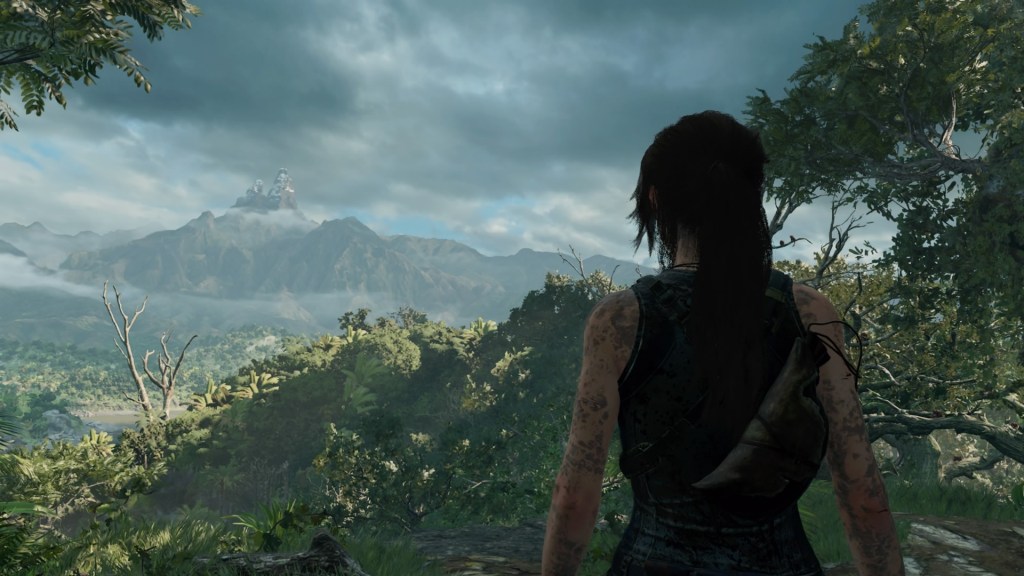

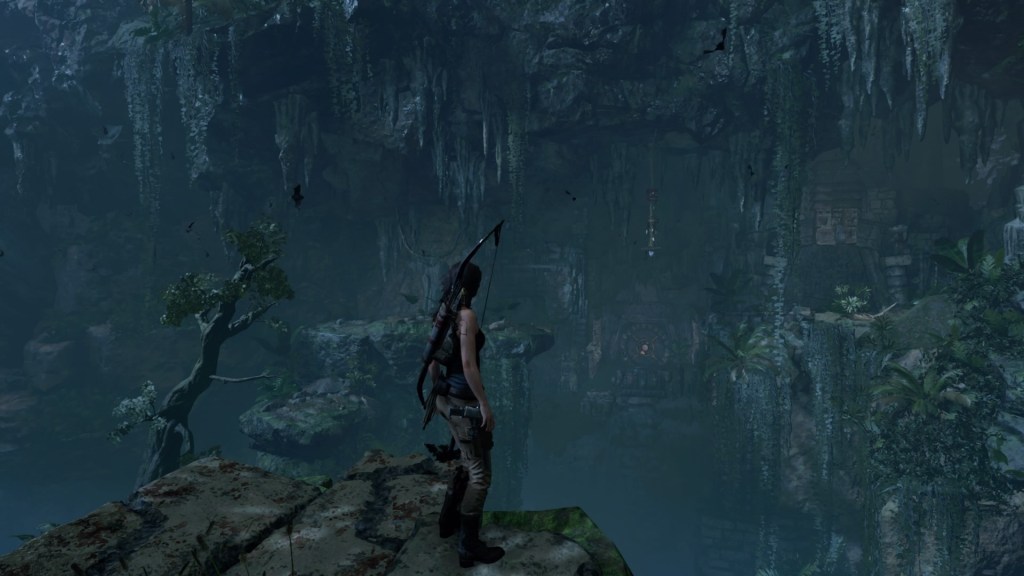

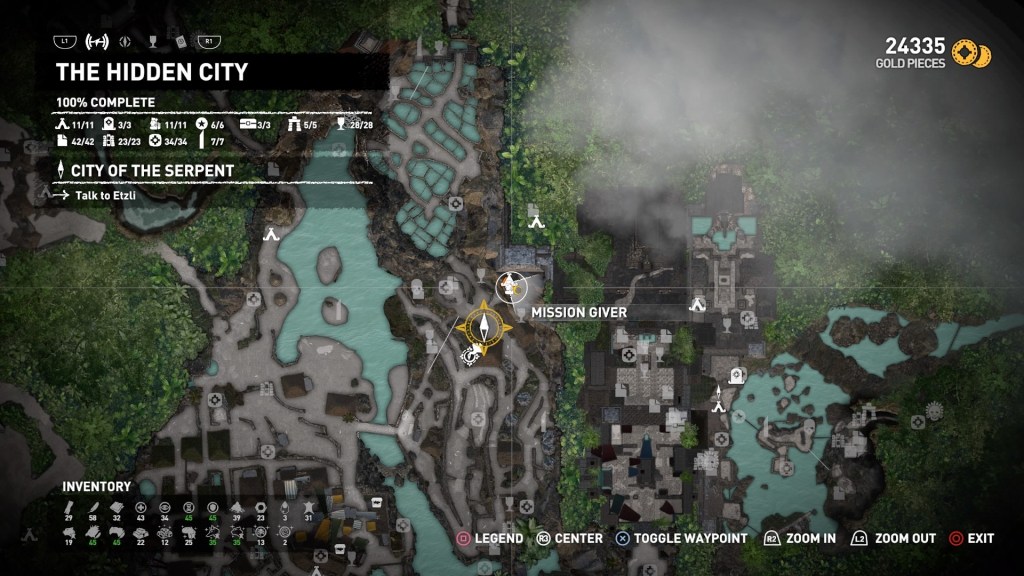



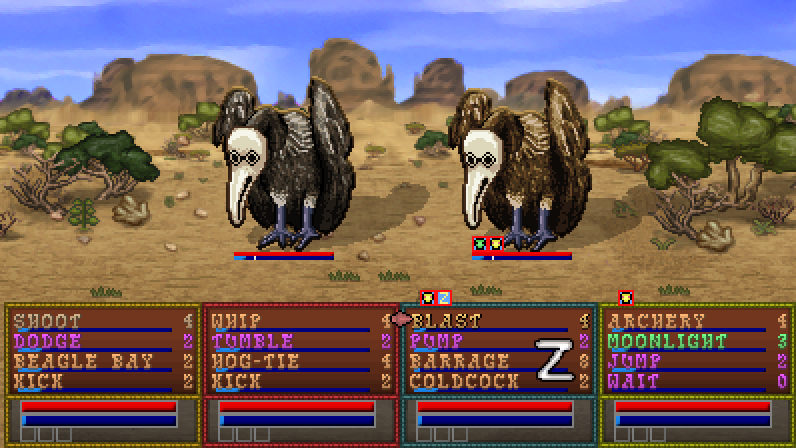
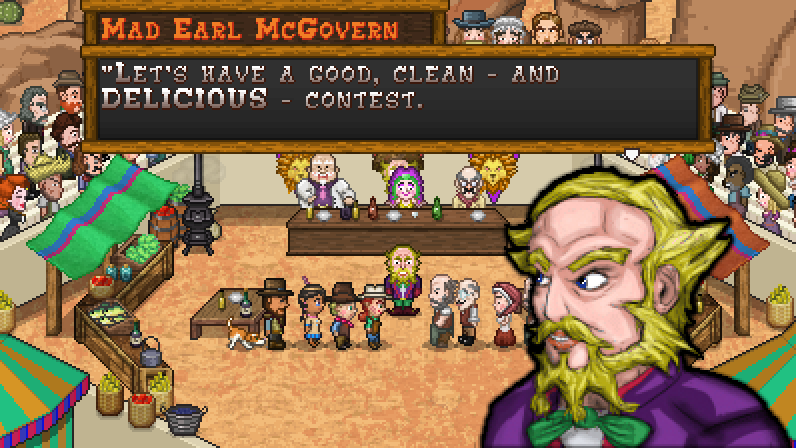

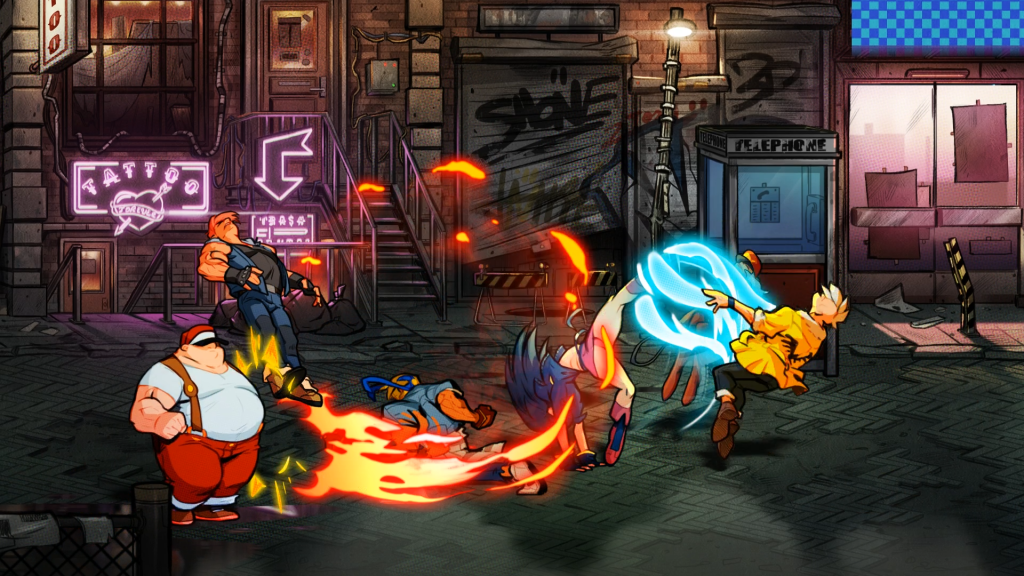


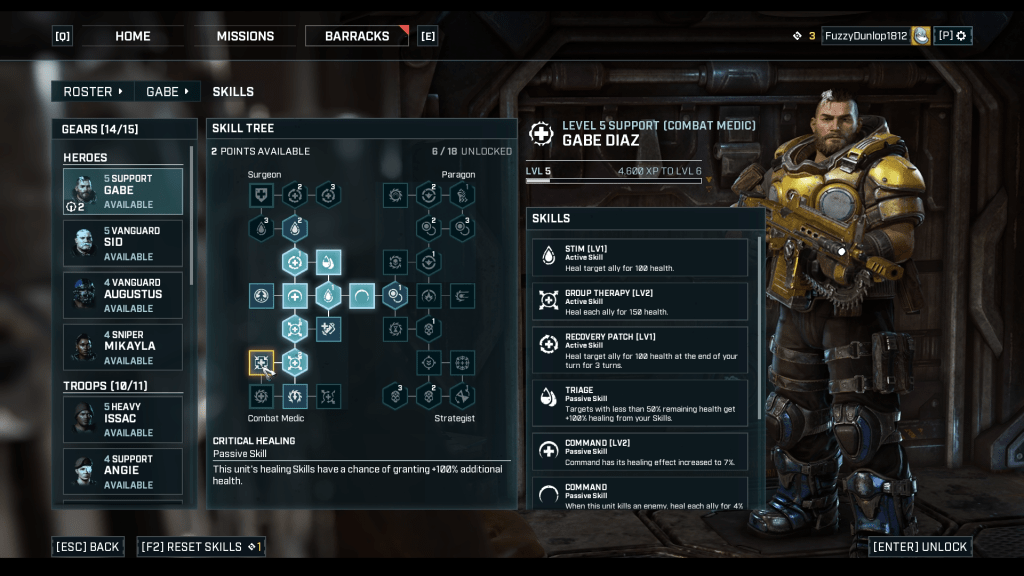


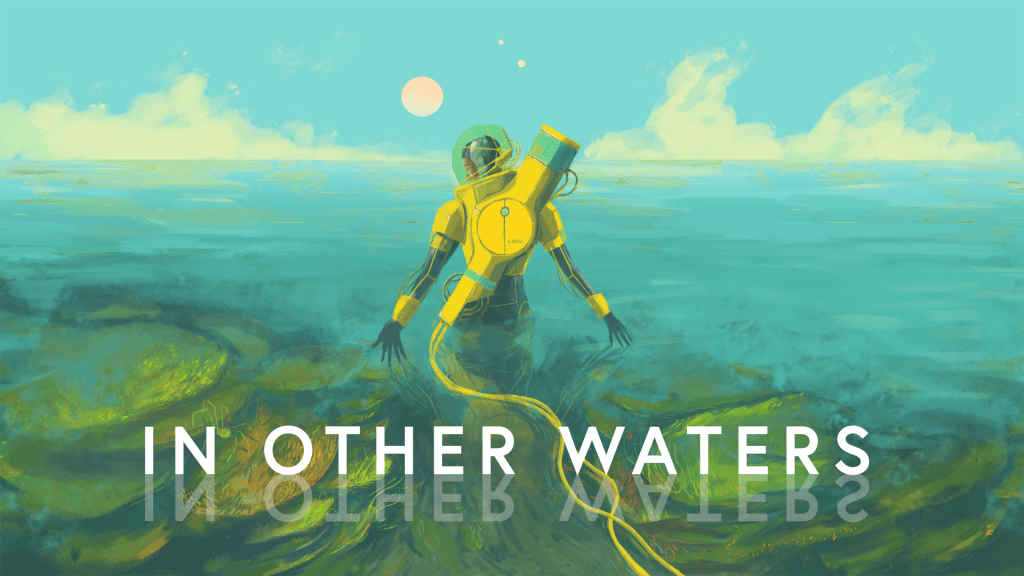
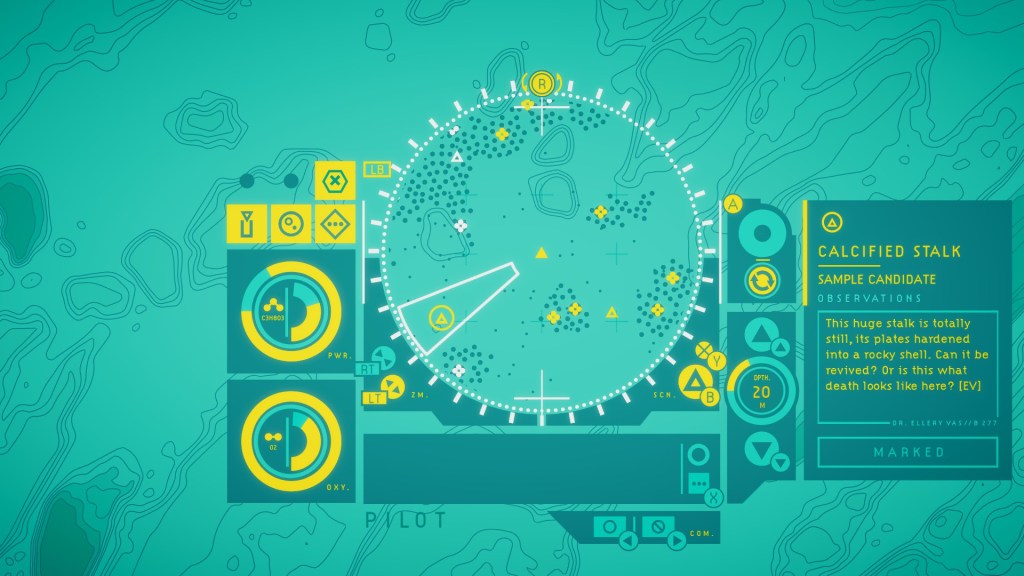


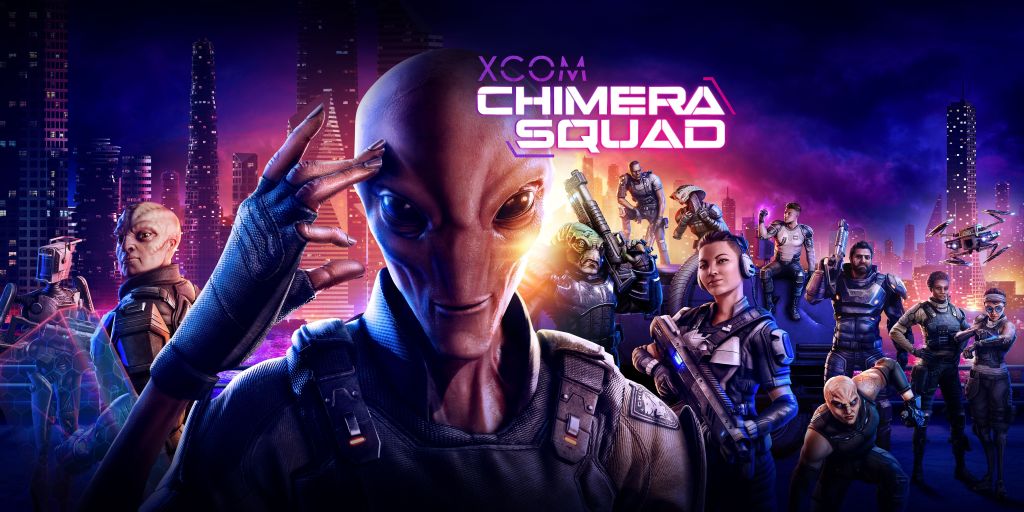

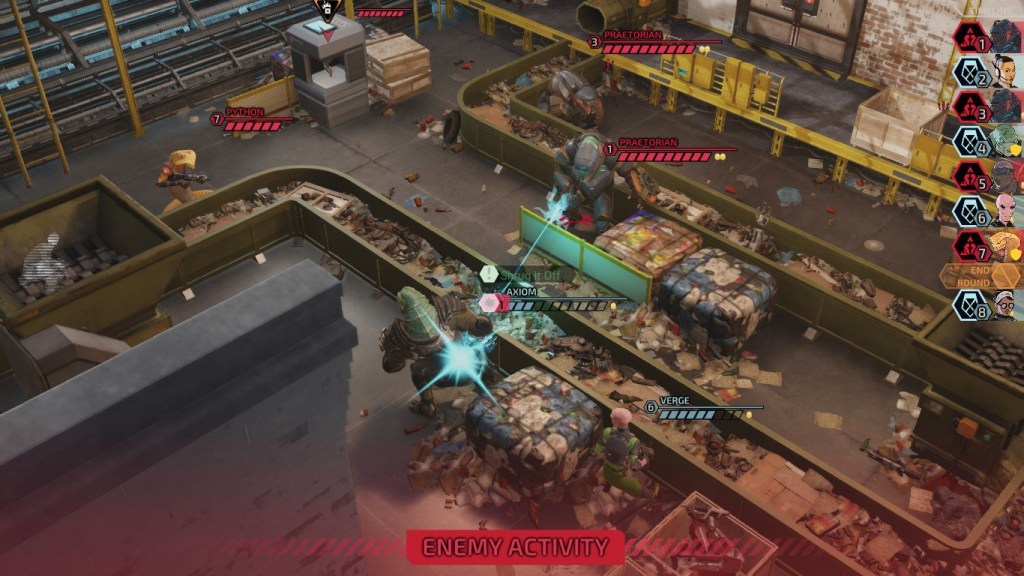
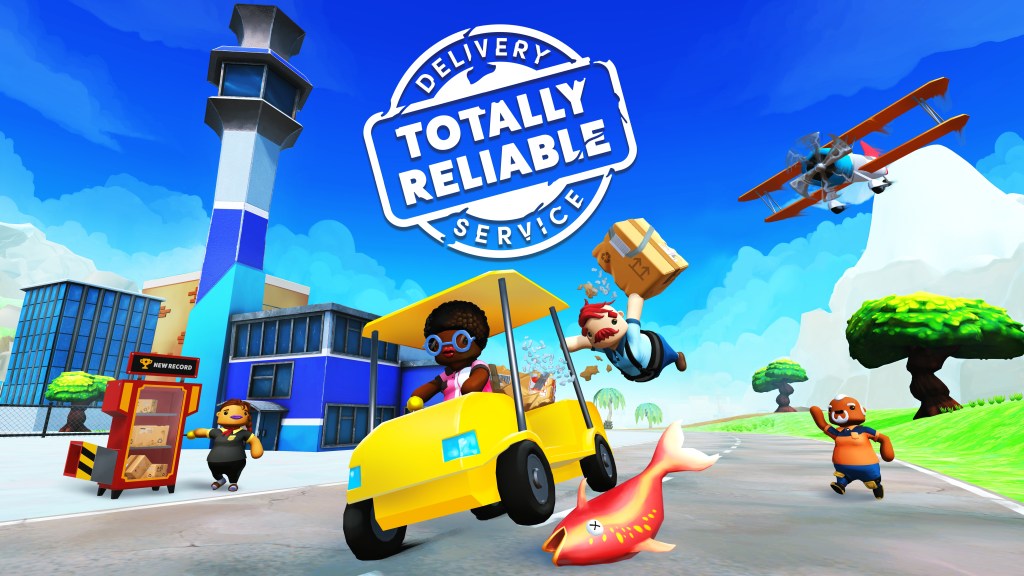
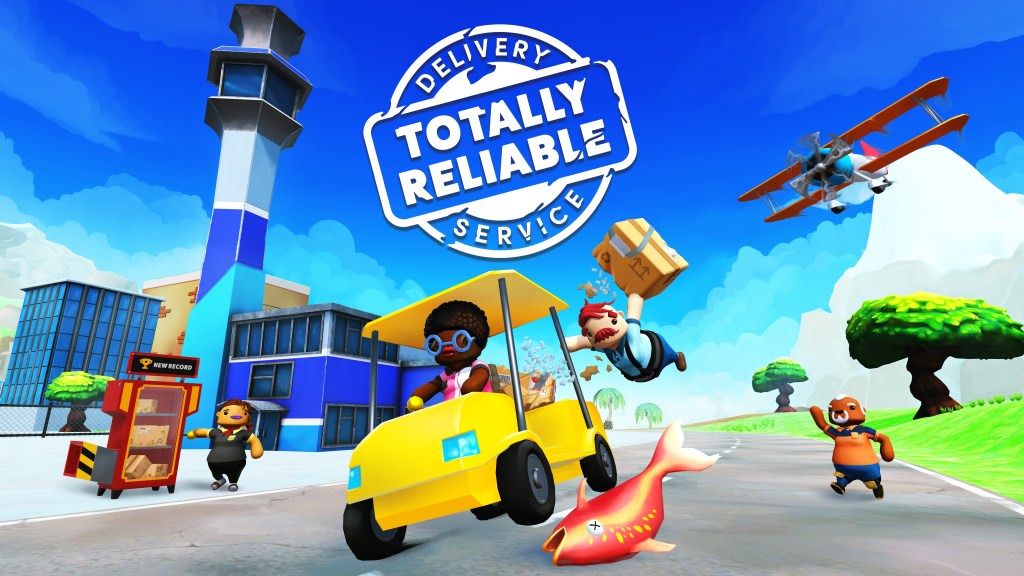
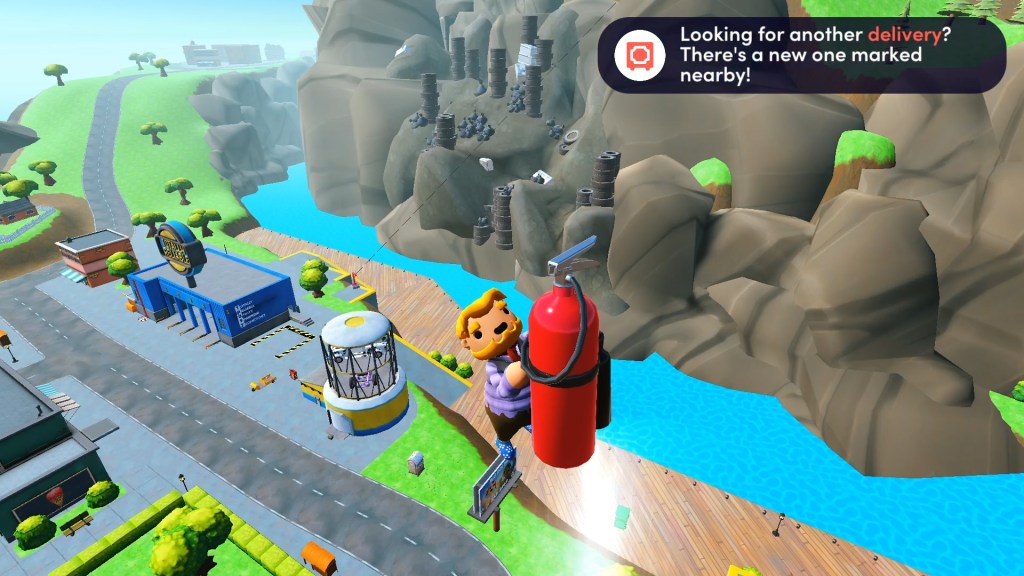
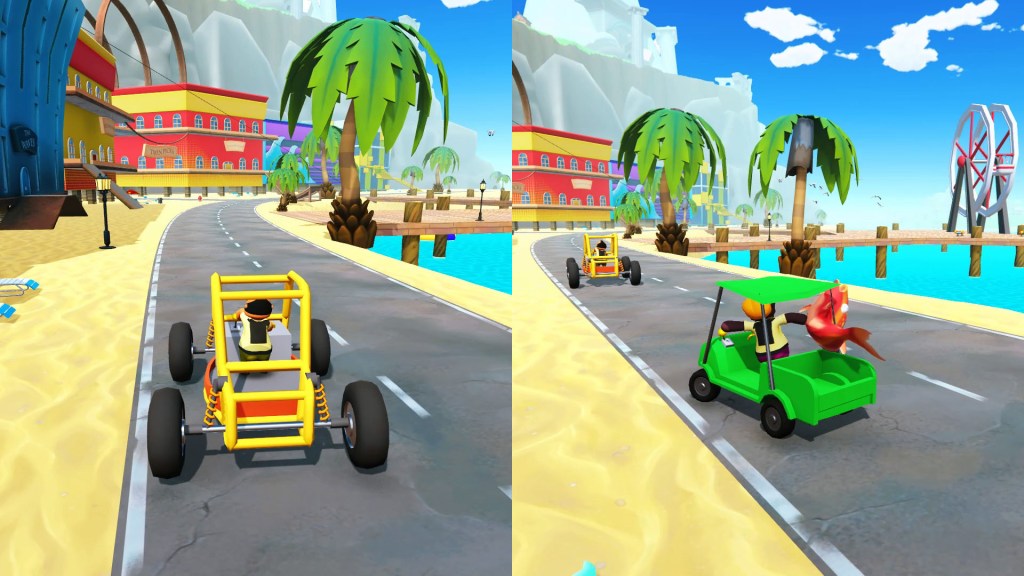


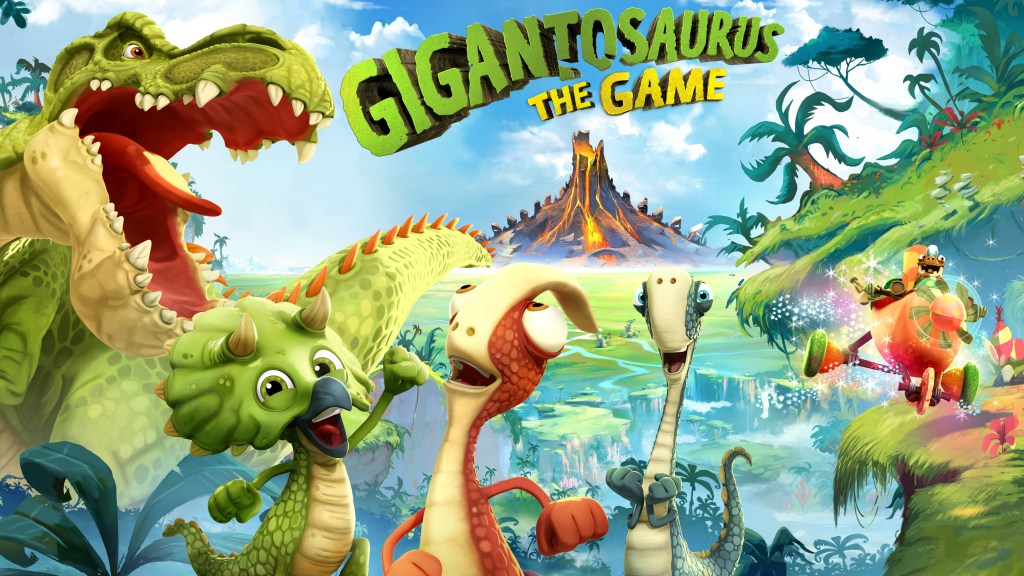


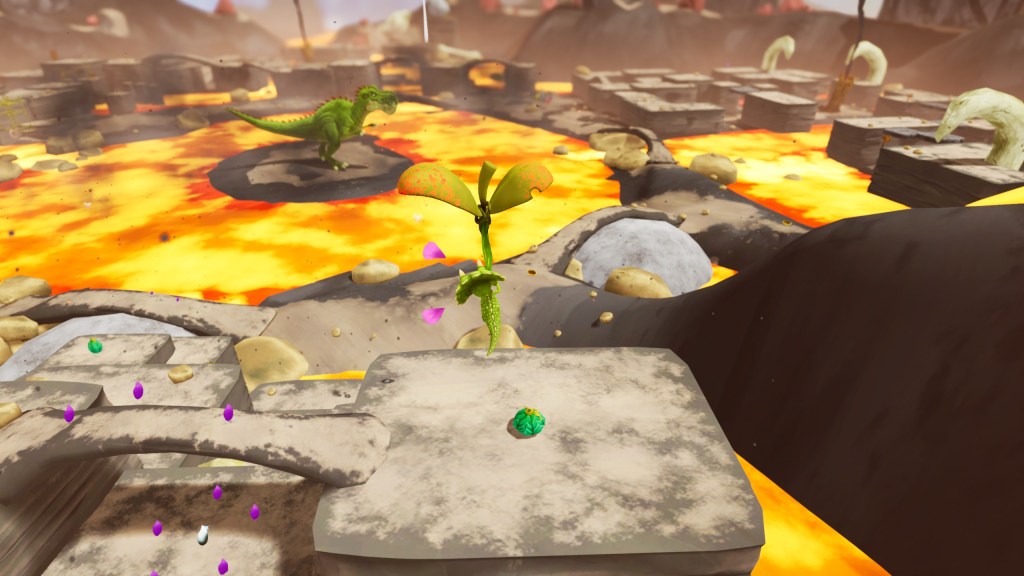


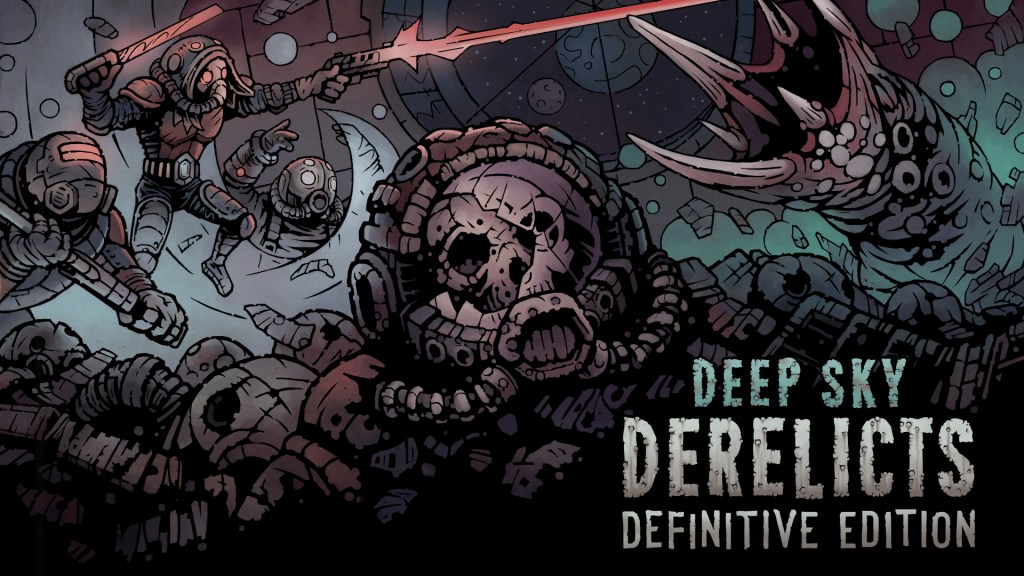


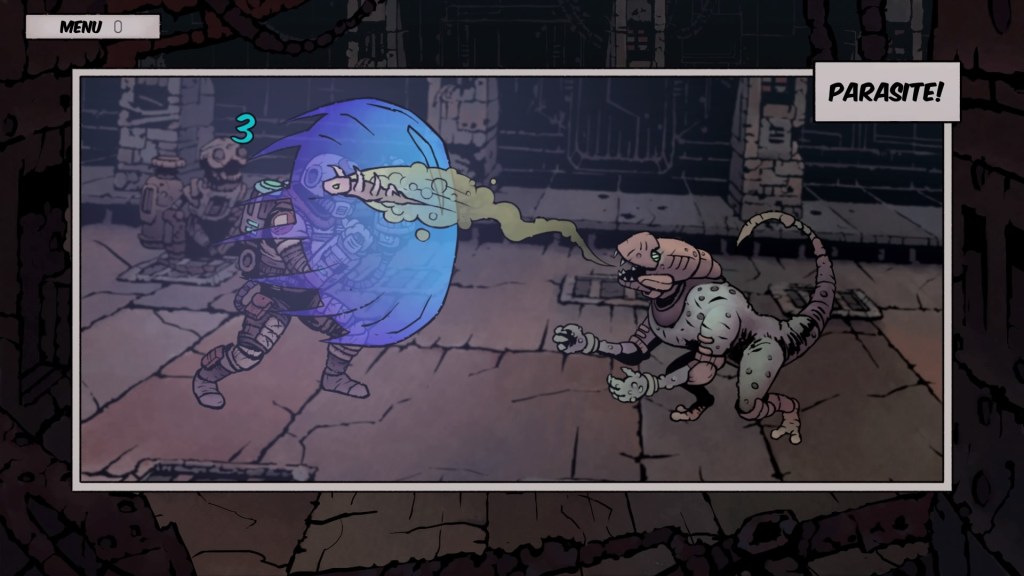
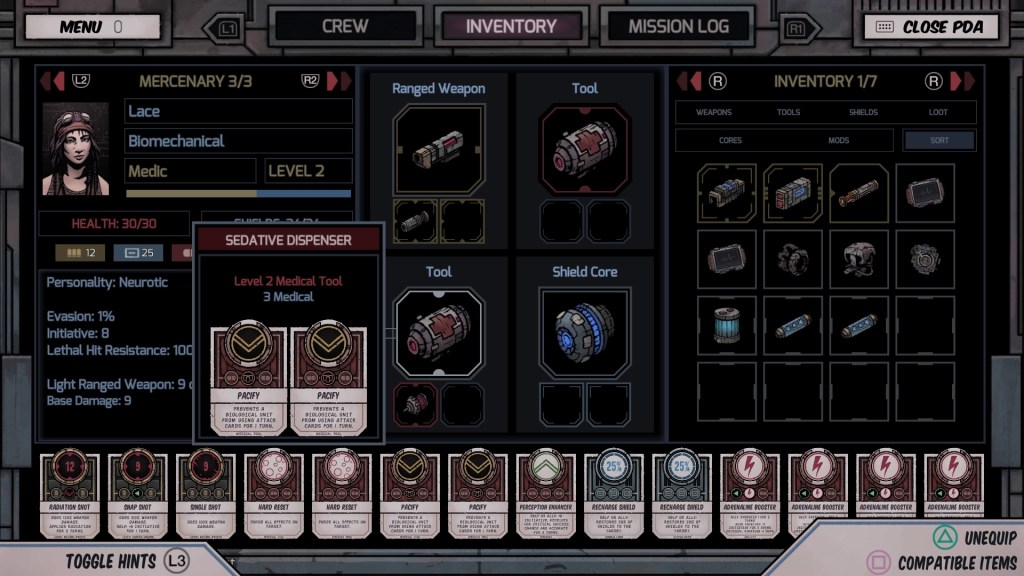


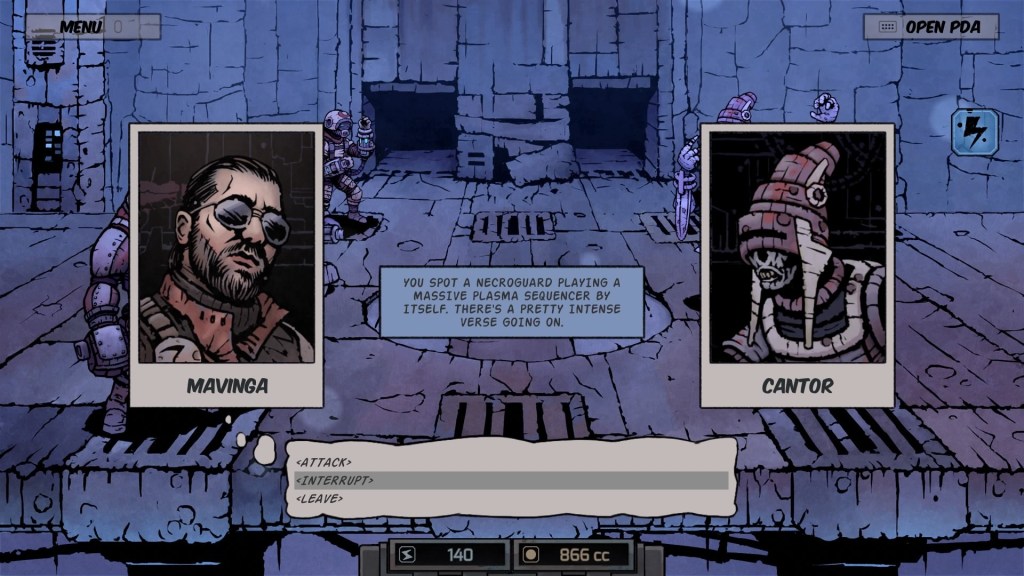


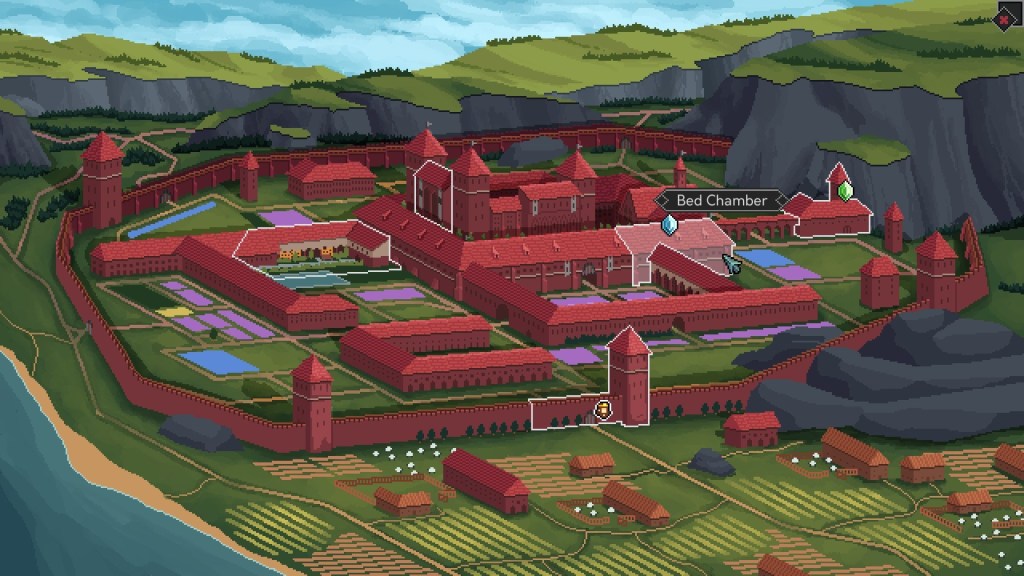

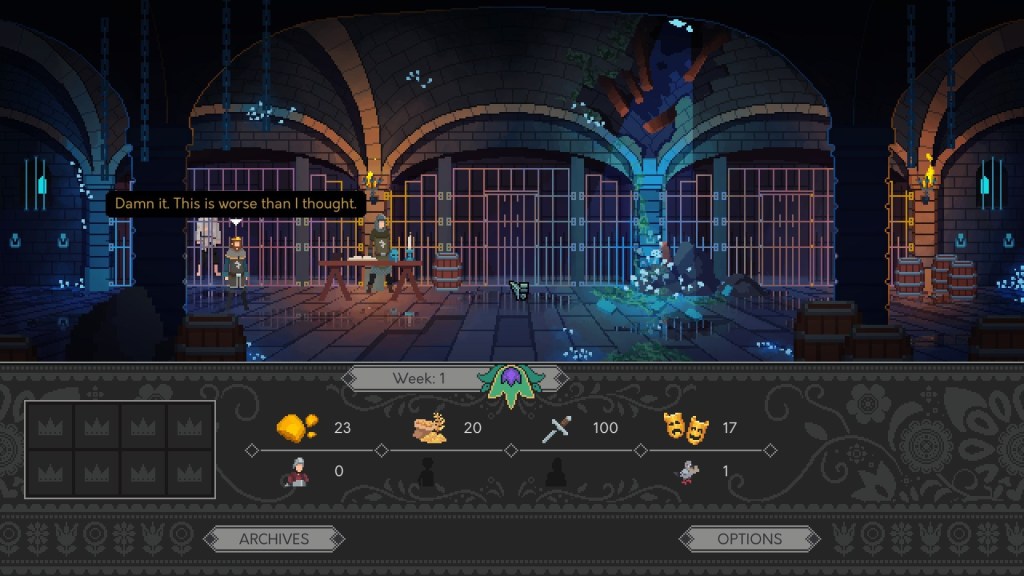


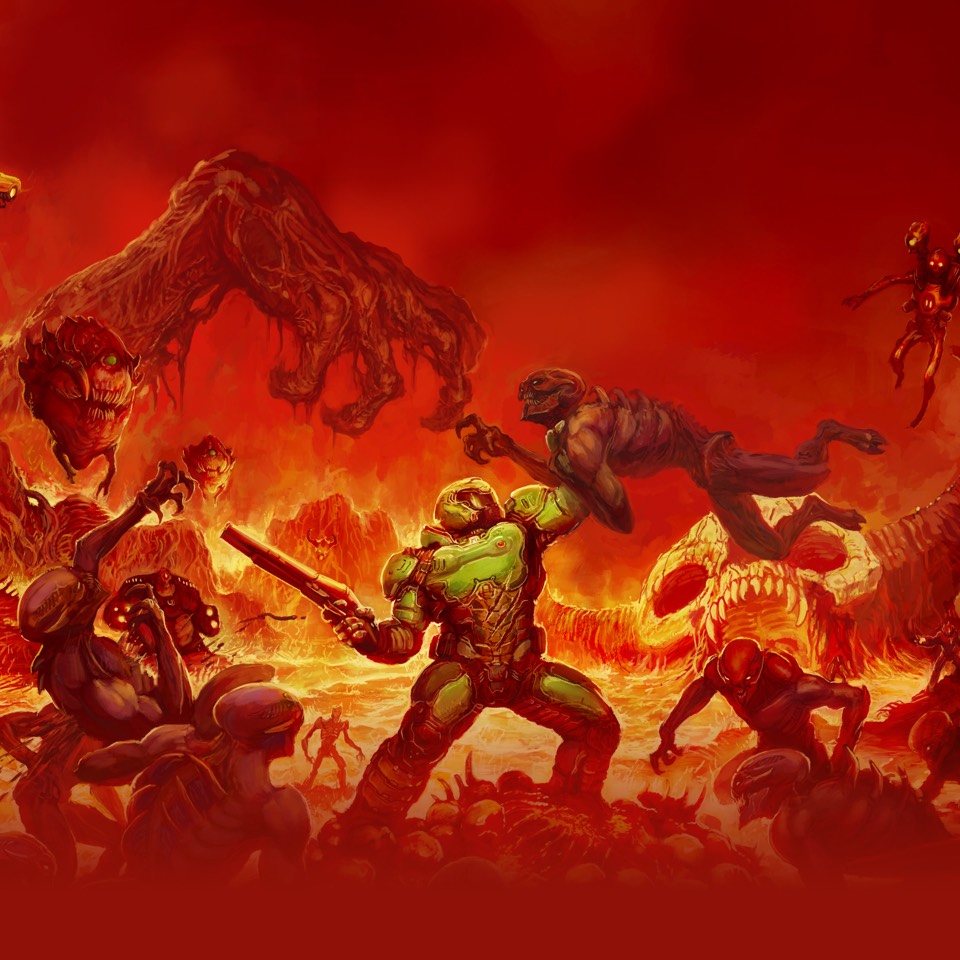

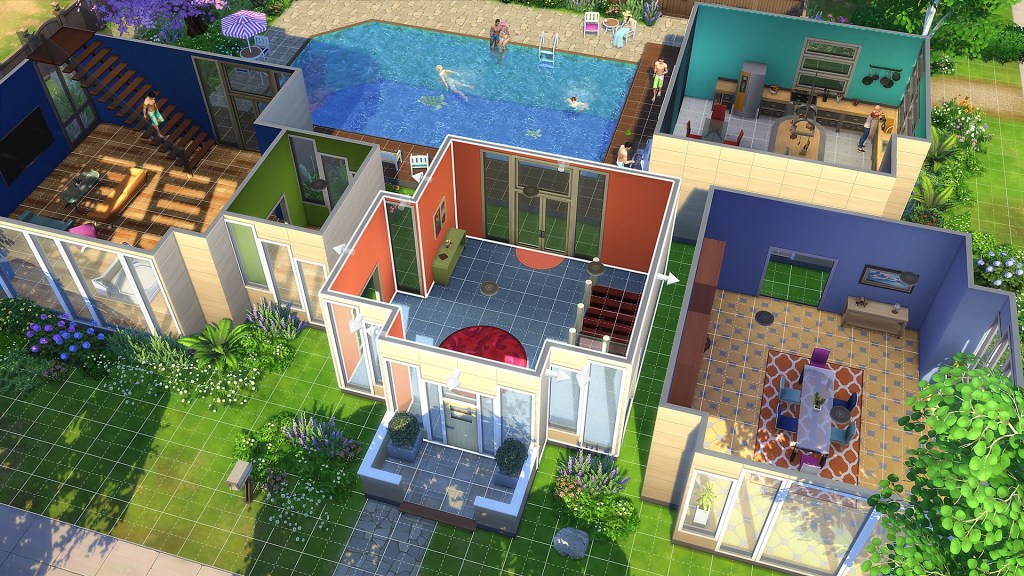


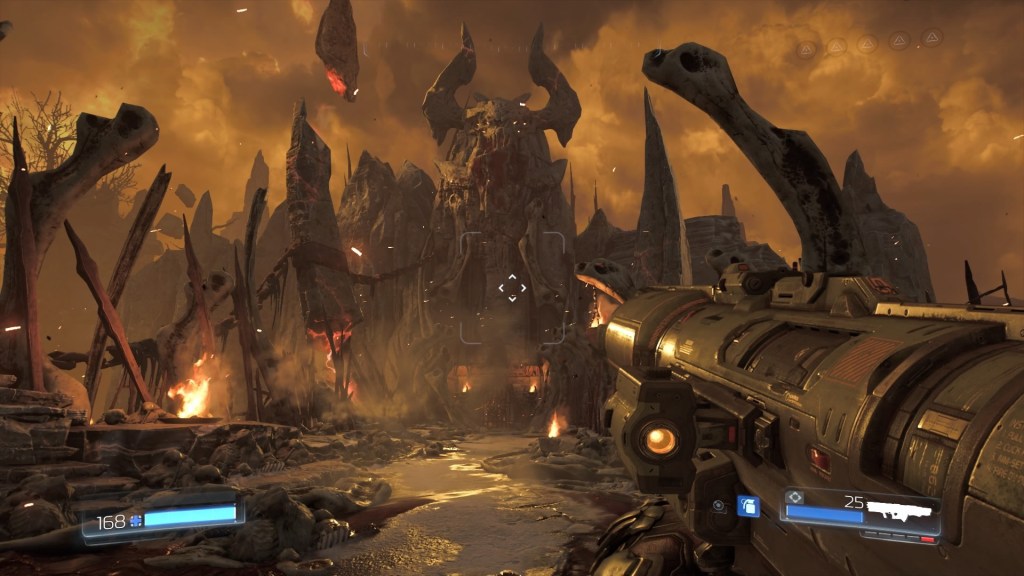


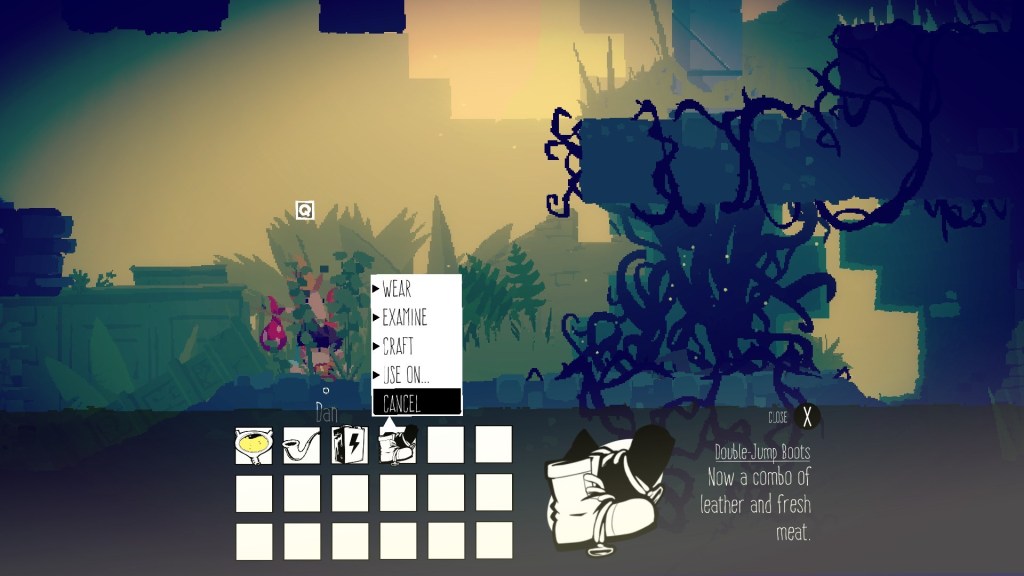
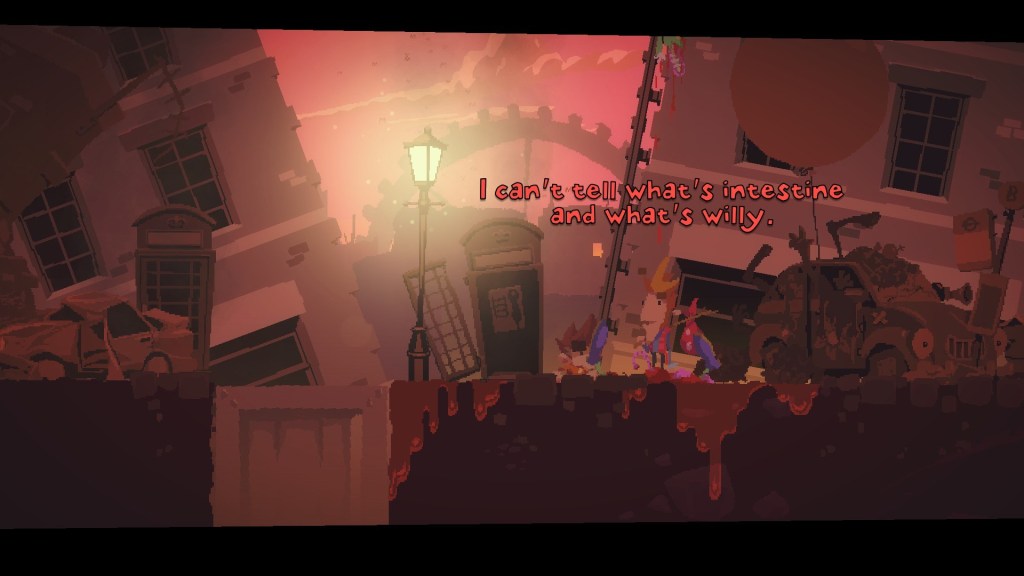
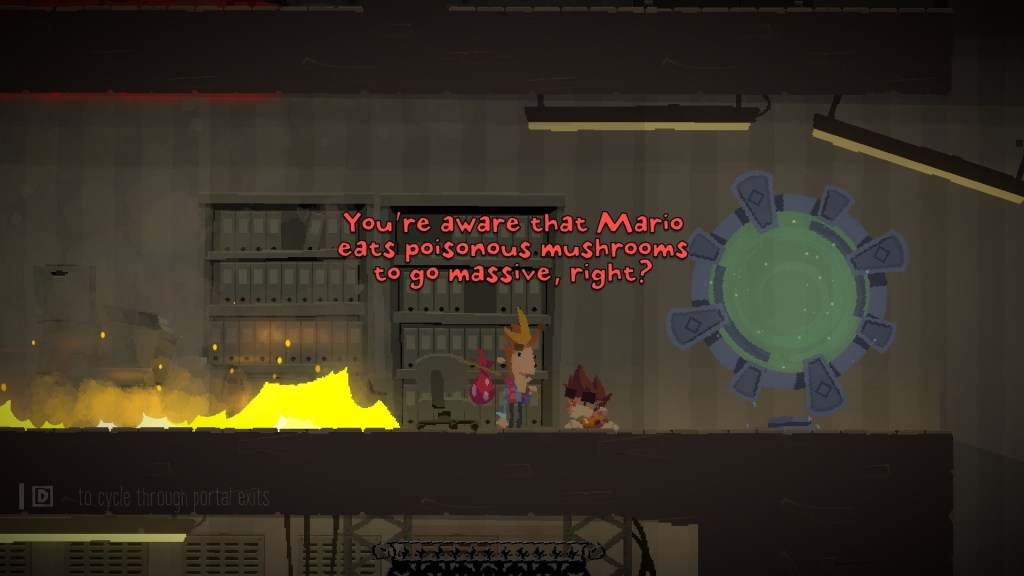

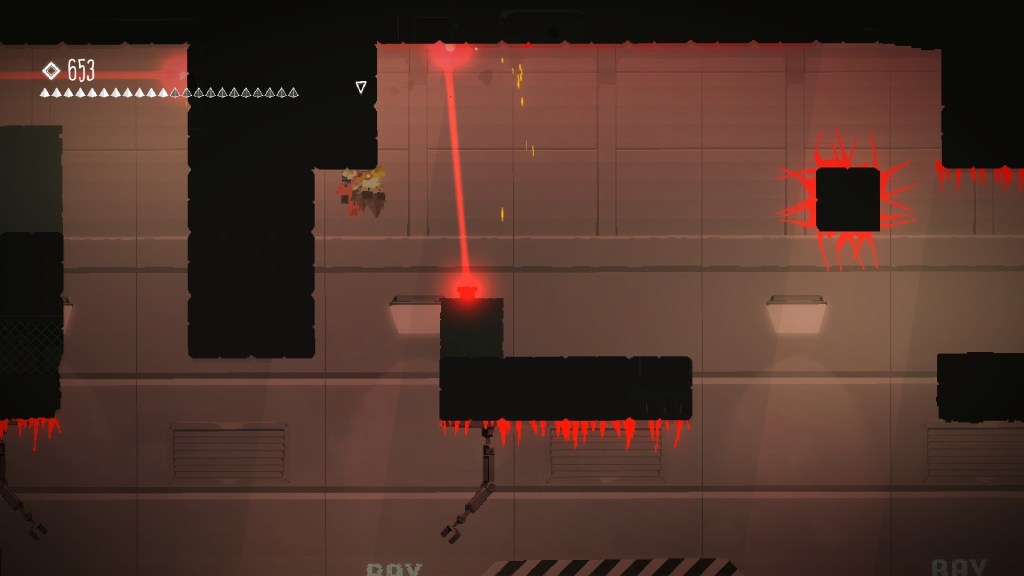
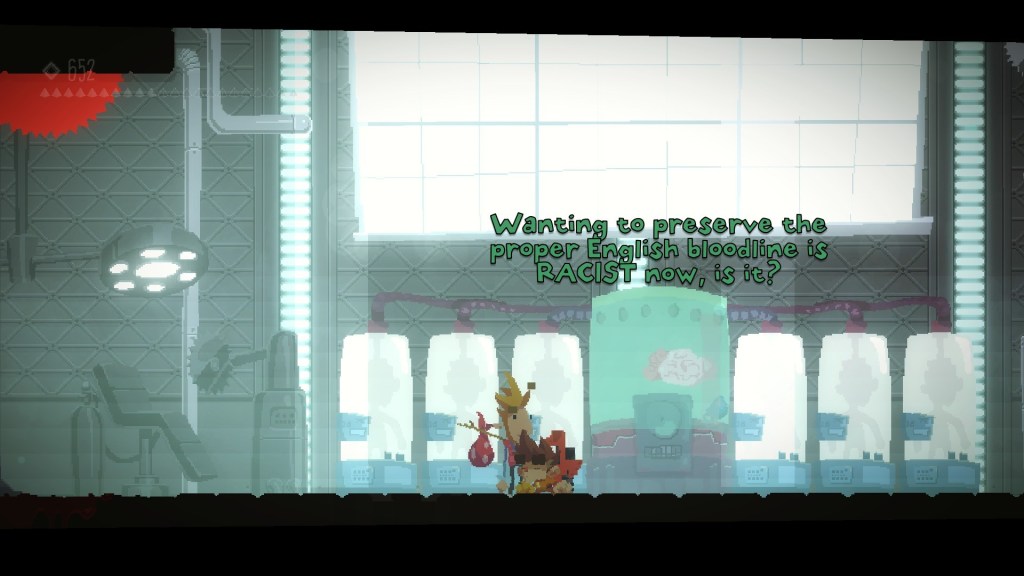


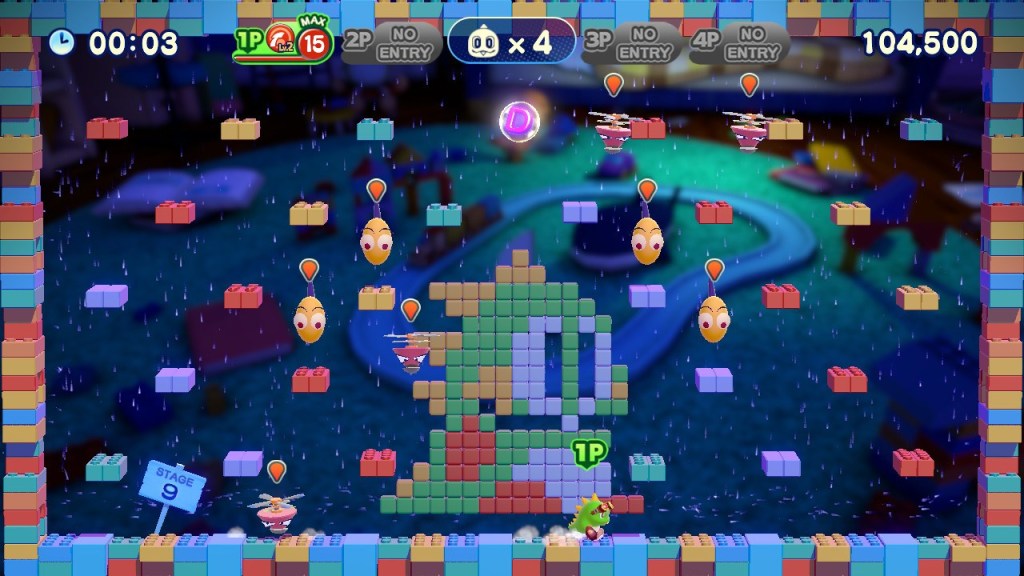


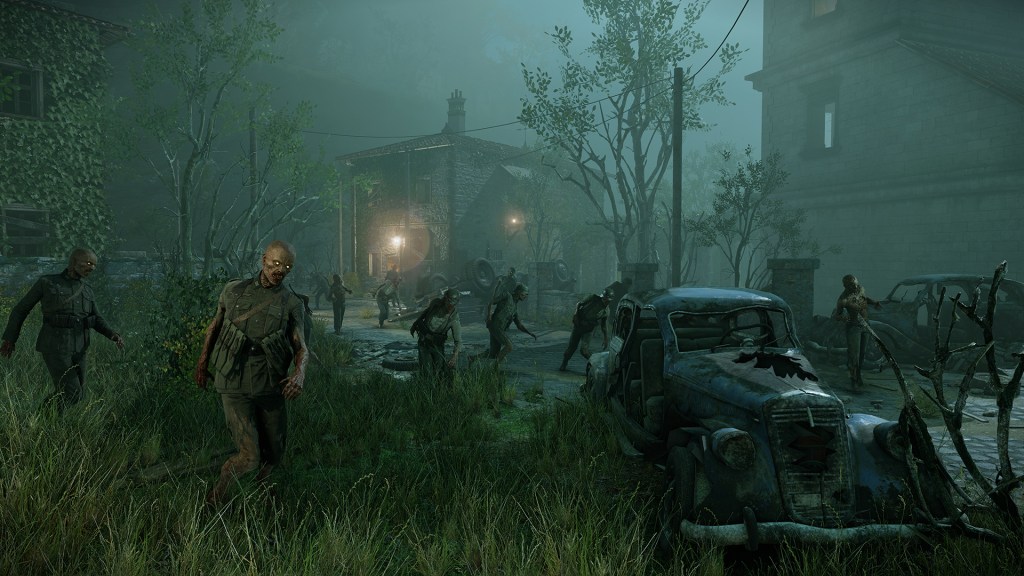
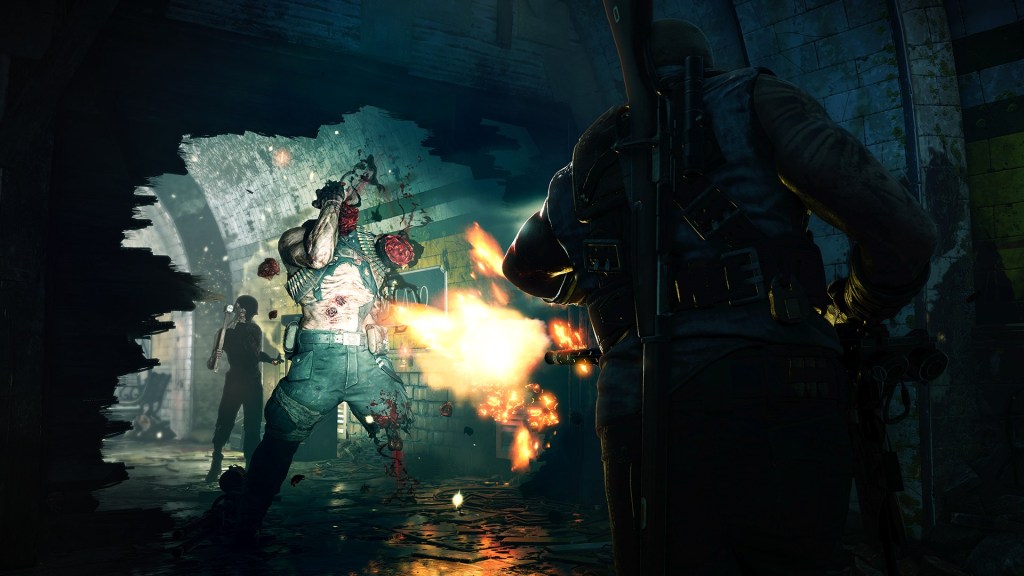
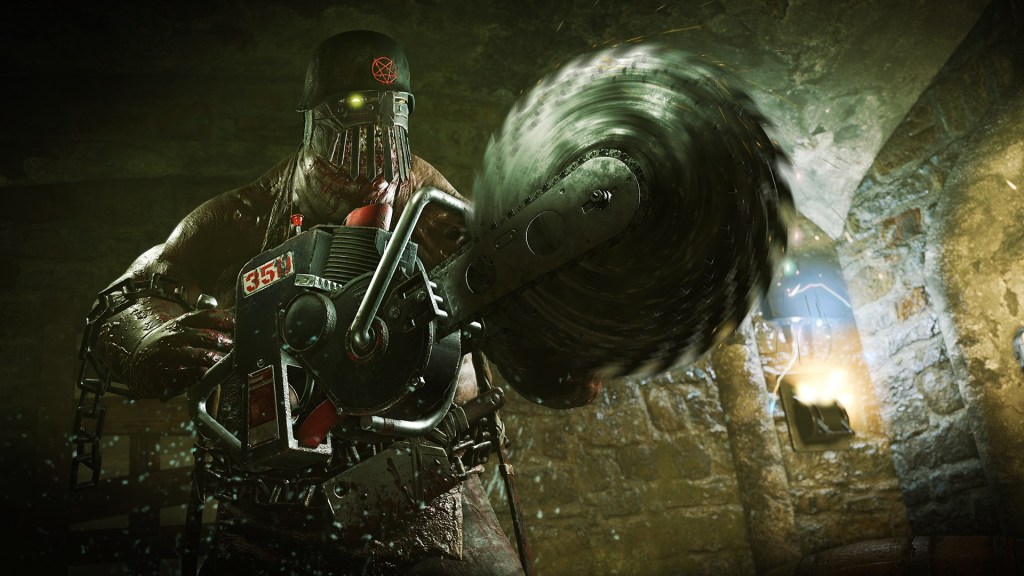



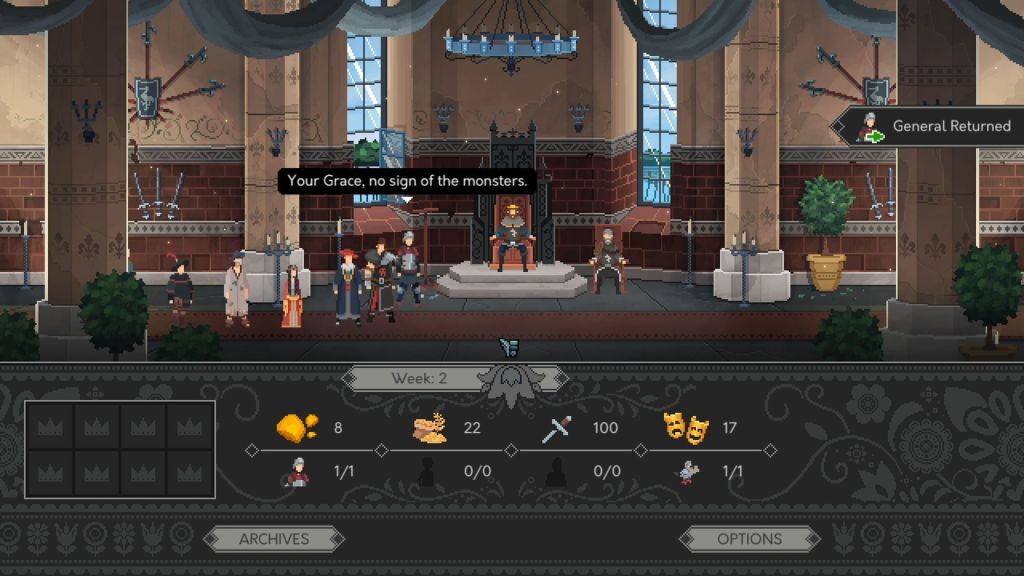




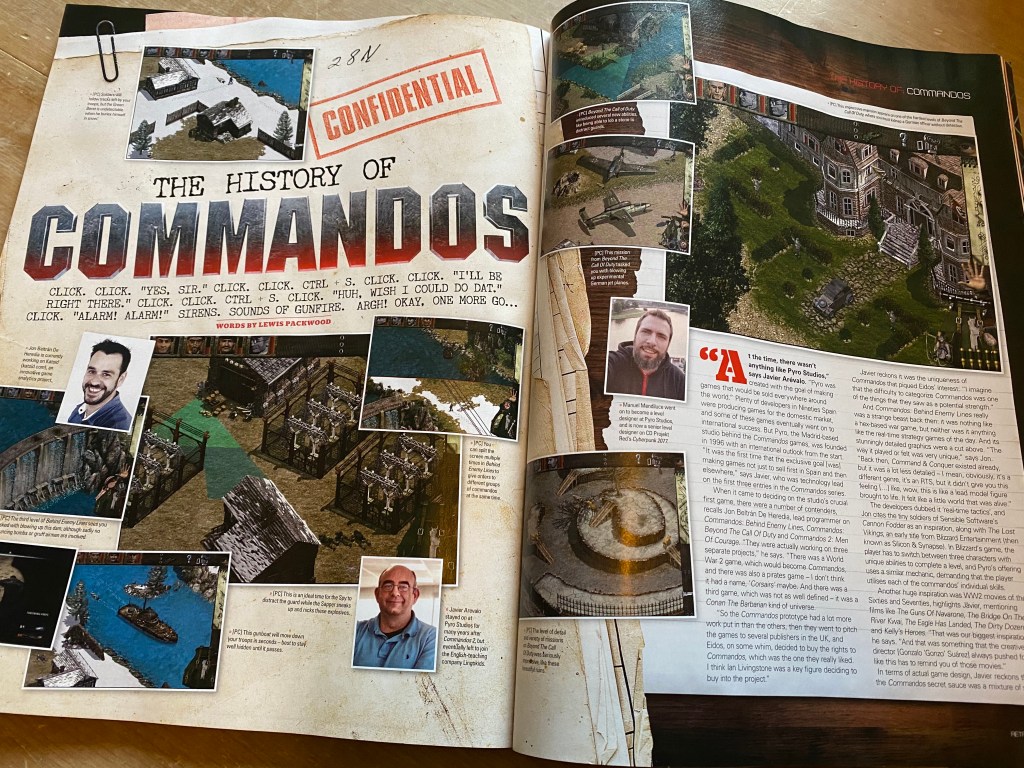


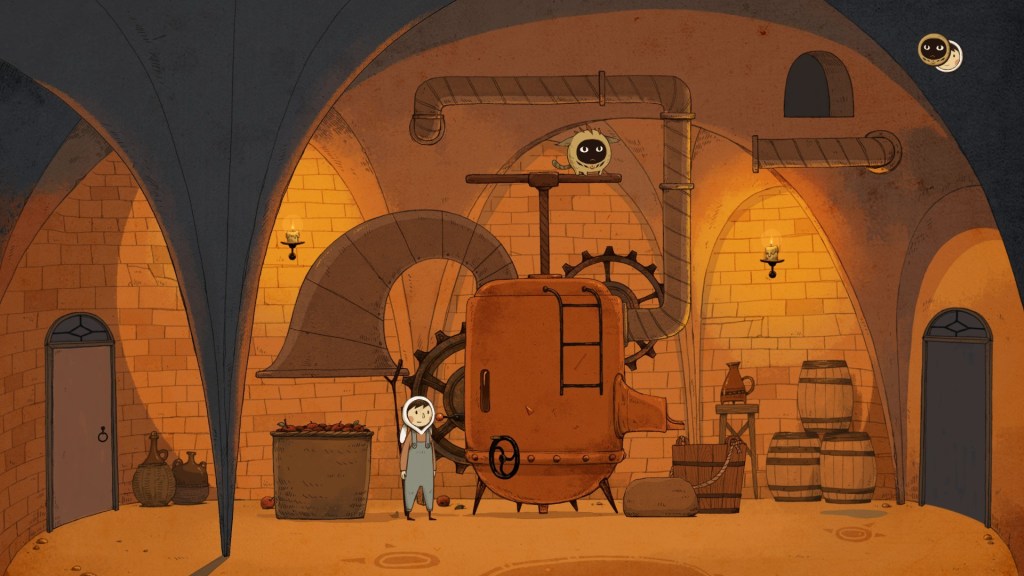




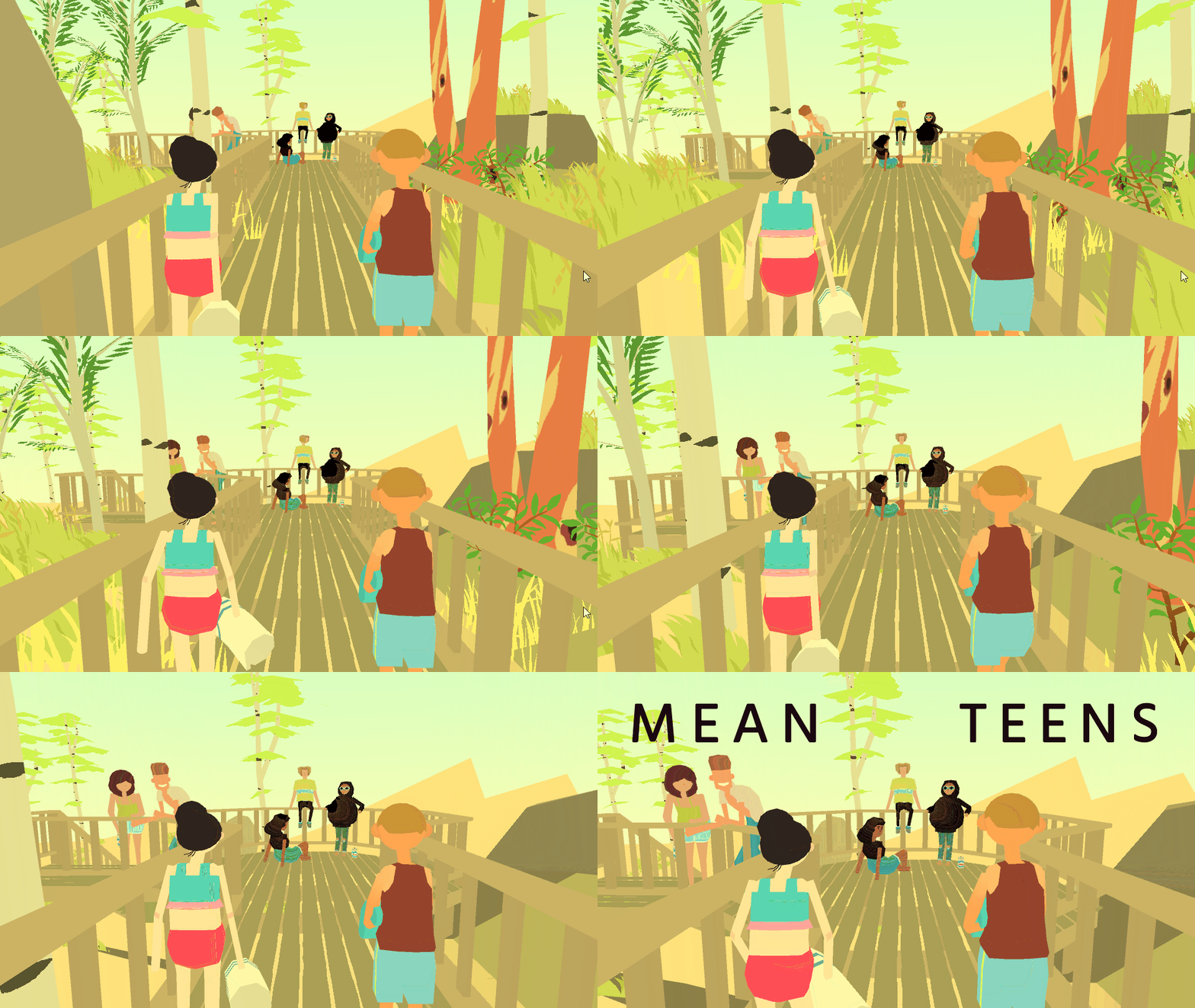





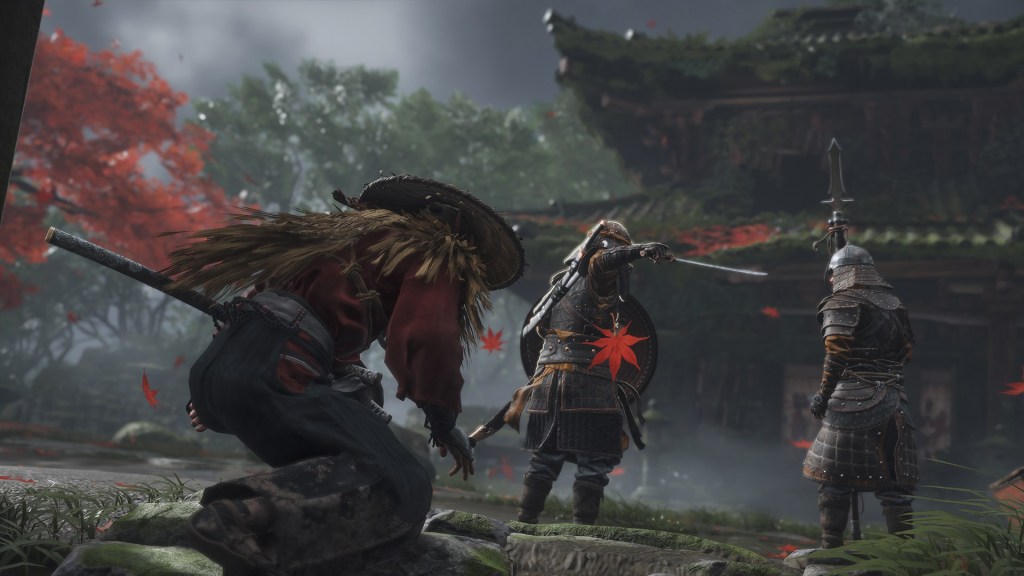
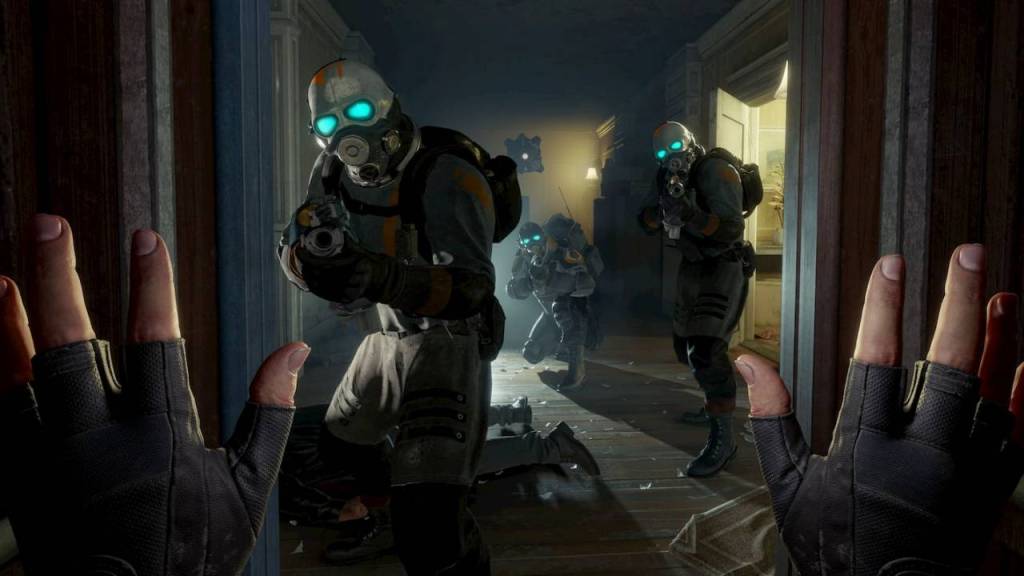

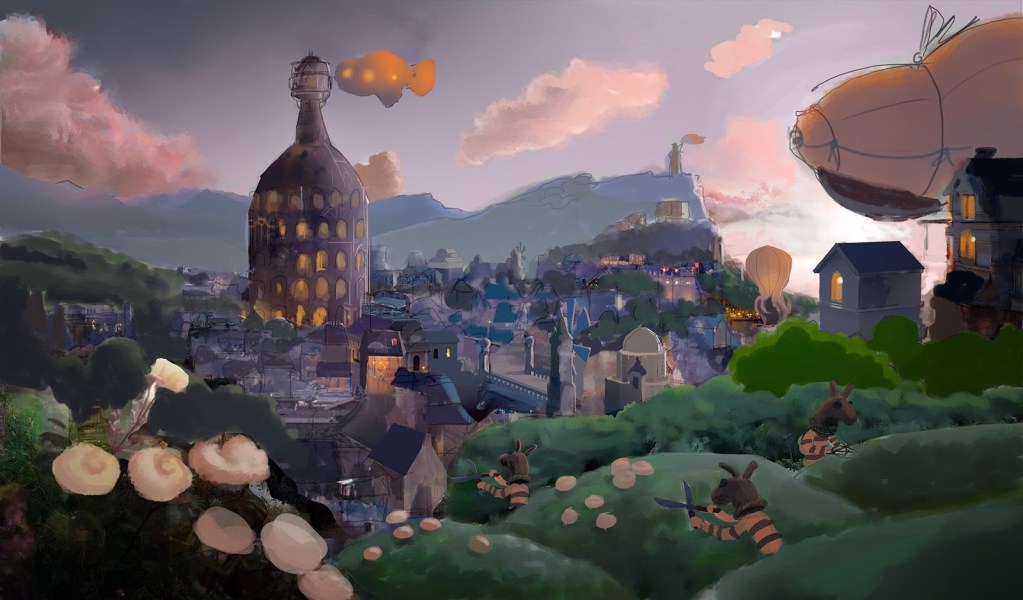
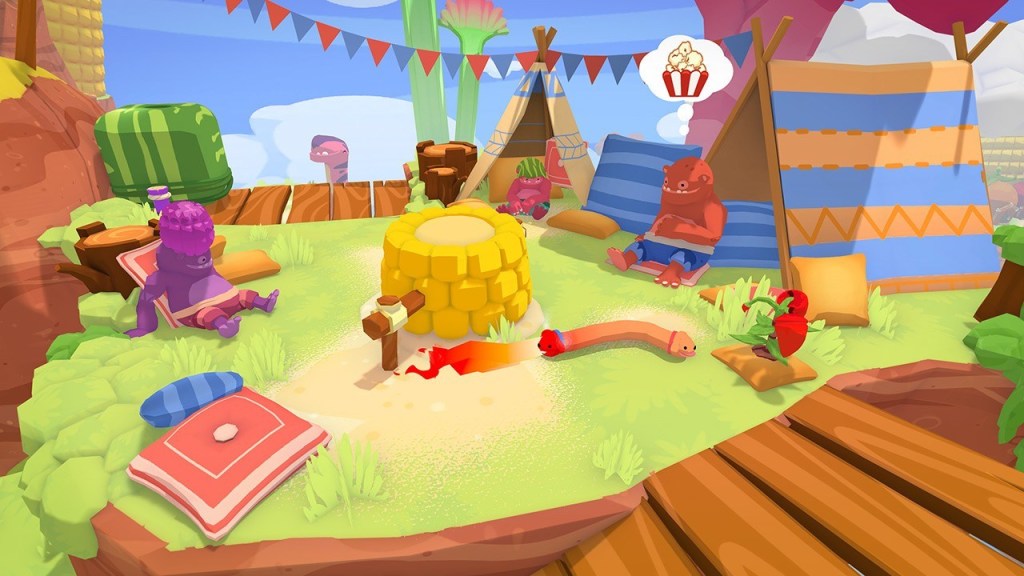

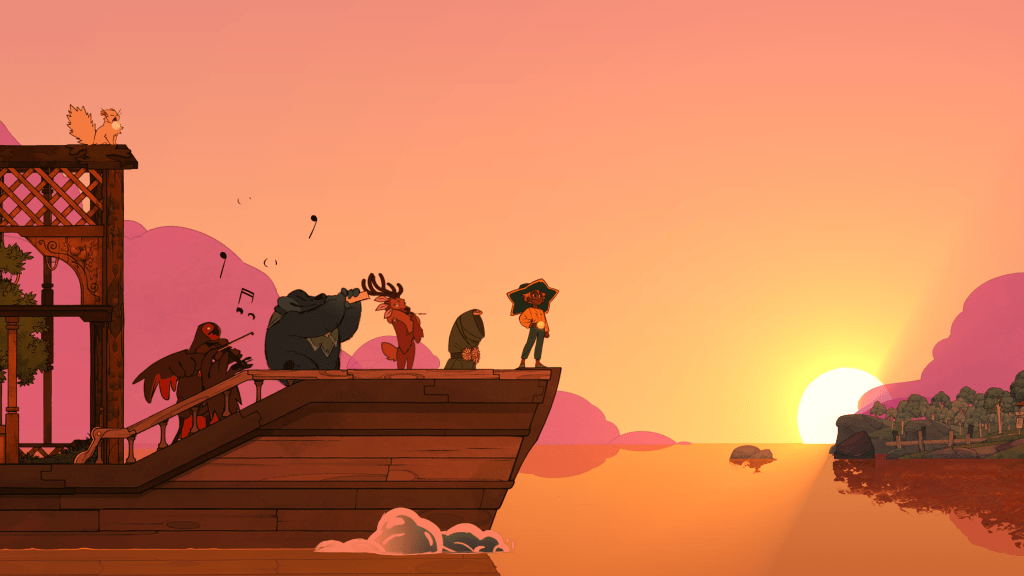


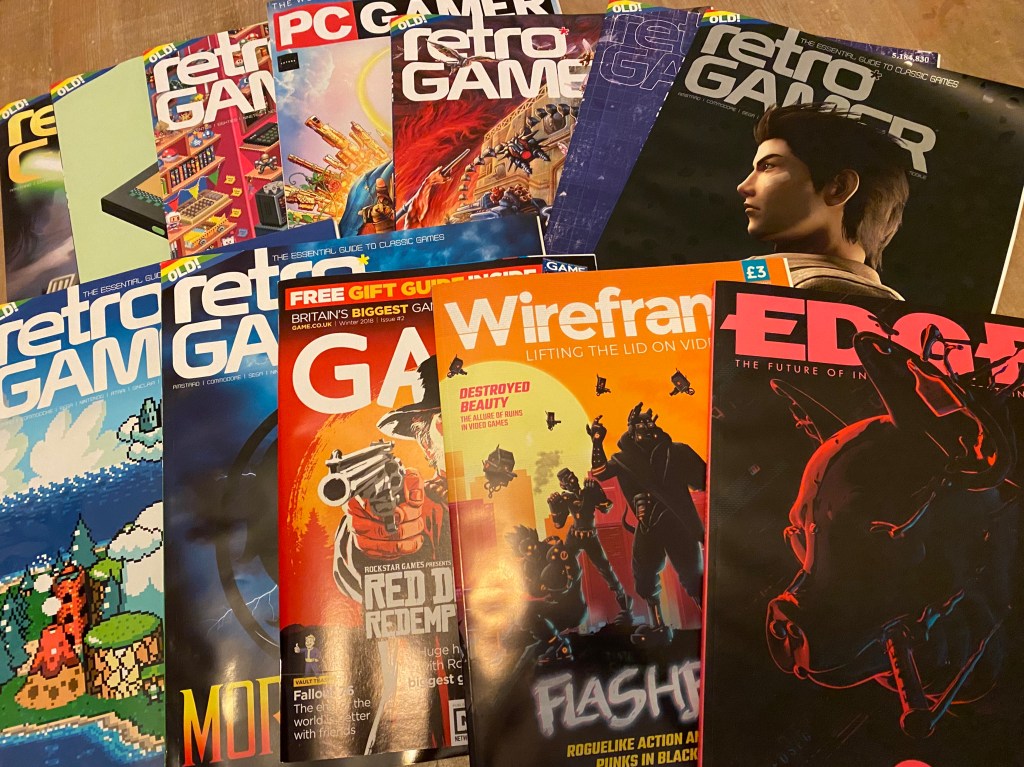






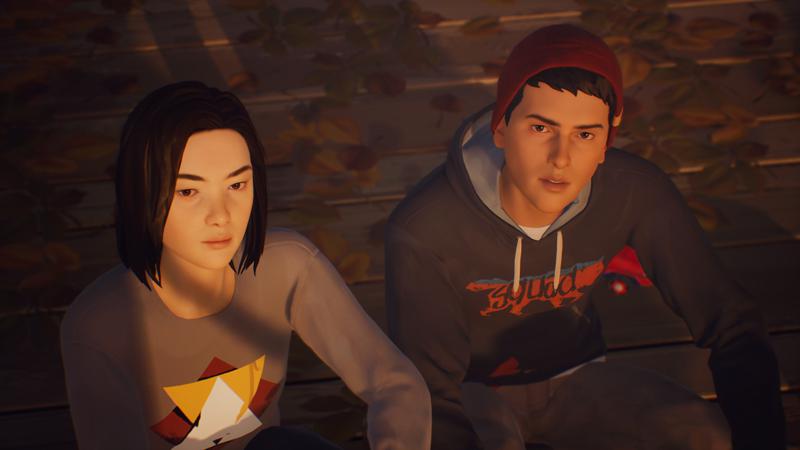


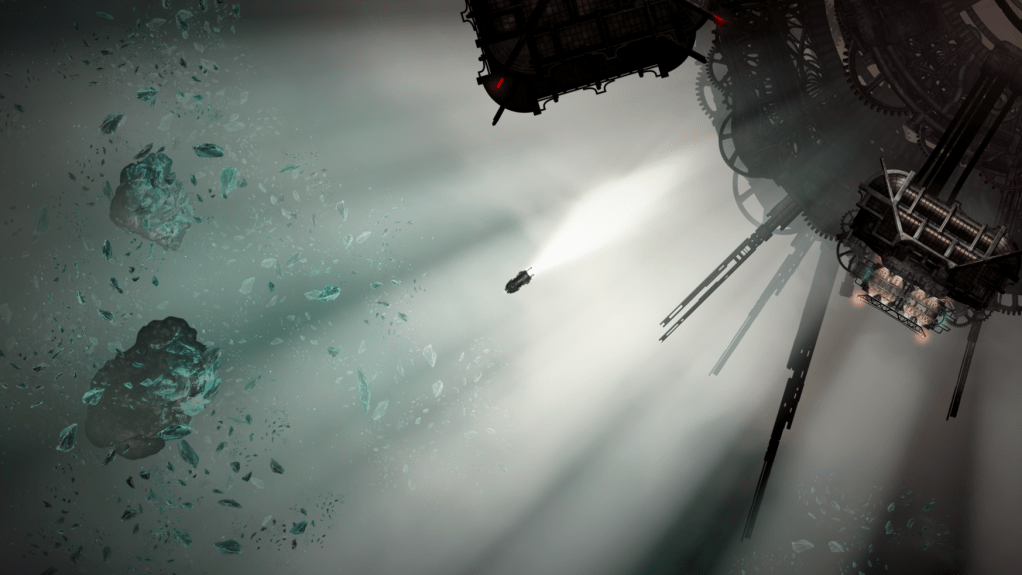


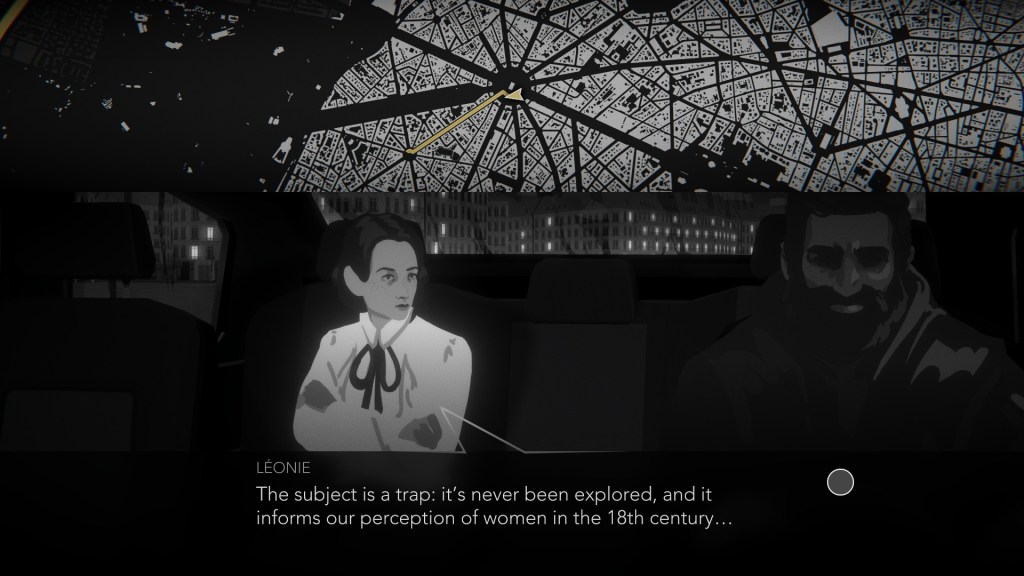


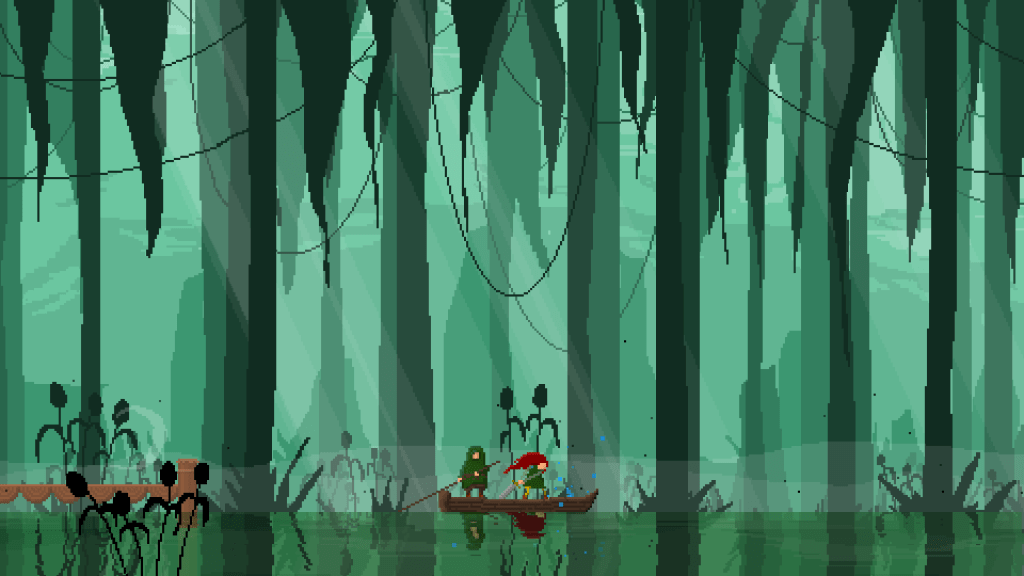
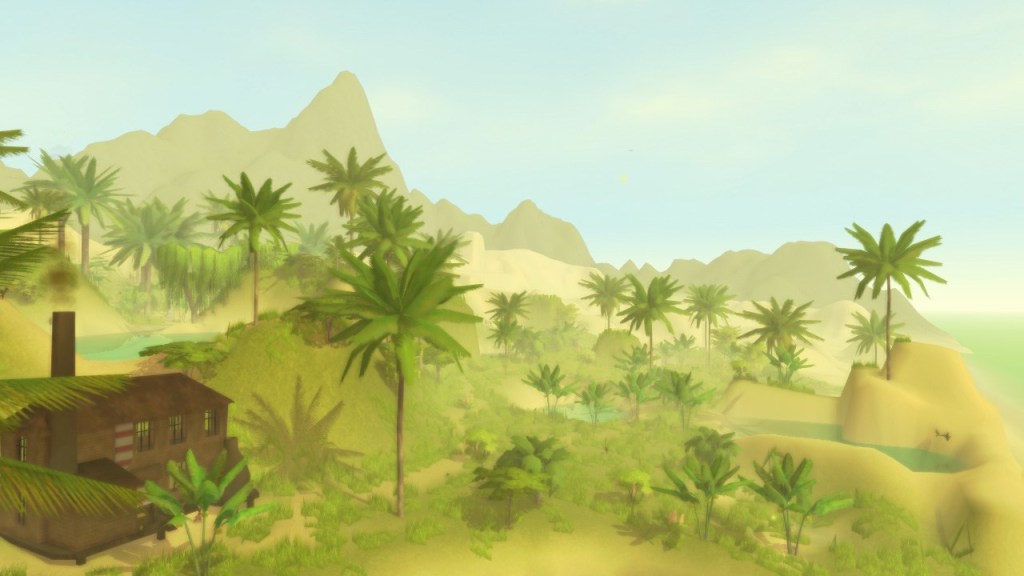






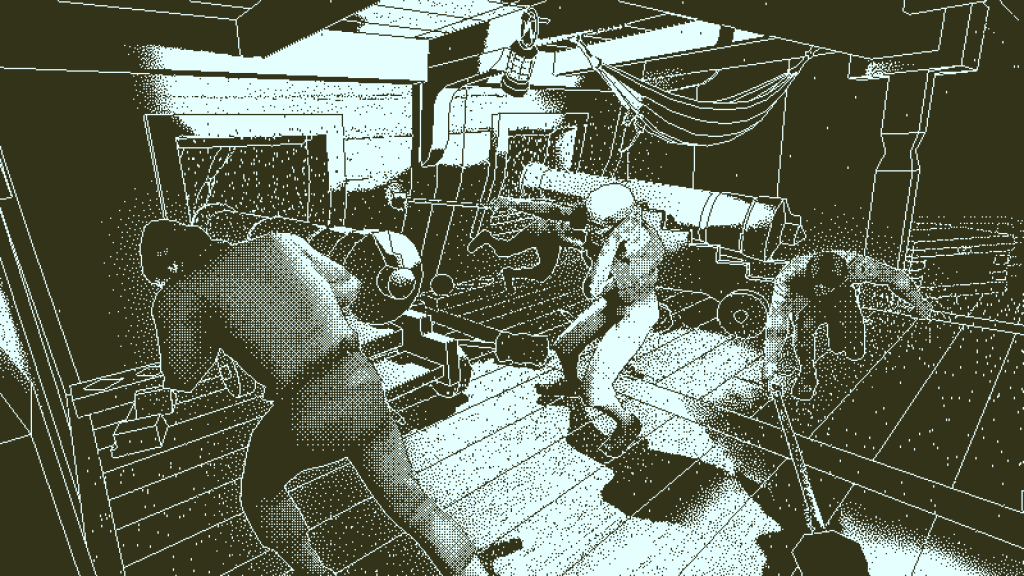
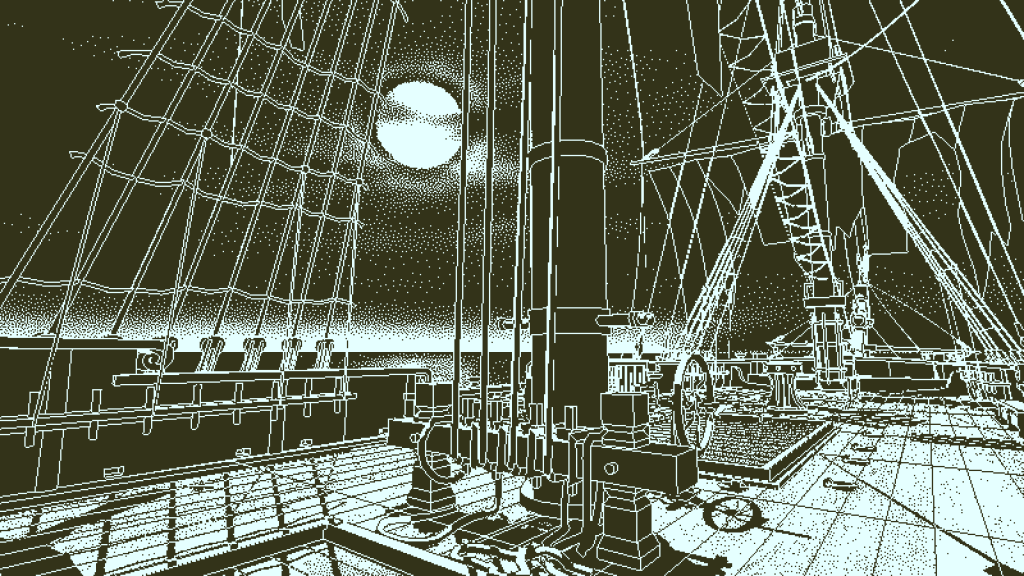


 A MOST AGREEABLE PASTIME