A MOST AGREEABLE PASTIME

Video Games, Victorian Style

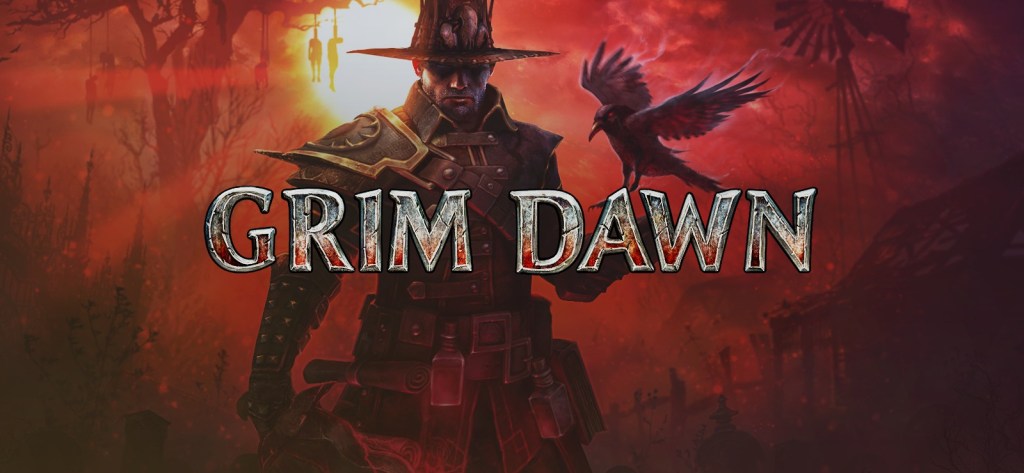
  • Review: Grim Dawn (PC)

    You know, it wasn’t even until I started writing this that I realized that Grim Dawn was not actually made by the same people that made the excellent classic Diablo-clone, Titan Quest. I backed this game on Kickstarter five years ago or so and thought for some reason that it was the same people. Looking at it and/or playing it, it’s easy to see how one could make this mistake, as they’re almost identical games in many ways, but as it turns out, developers Crate Entertainment licensed the Titan Quest engine from the creators to create this game.

    So if you’ve played Titan Quest or a Diablo game, you know basically what to expect here, with the only real difference being that this particular adventure is wrapped up in a darker, horror themed wrapper. To be a little more specific, it takes place in some kind of alternate world that’s sort of a gothic fantasy with a certain level of simple technology thrown in. It actually resembles the world of Bloodborne in a lot of ways, now that I think of it.

    On one hand, I must admit that Crate Entertainment did a great job of taking such an old engine and making it look so fresh and new, while still being able to run very well on outdated old systems like my own. The abilities of each class, and the way you can start putting them together into explosively effective combos, are easy to figure out and quite fun and nice to look at too (though I might suggest you try the game on a difficulty above normal, as my time with normal mode a bit too easy). This is where the good news ends for me though, because all these nice parts are buried under the shadow of a mountain of technical problems.

    Do you know how long it took me just to get the game to start? Two. Hours. Two hours to get past the main menu because it would just crash immediately when I pressed start. Two hours of messing with settings and looking up and trying different solutions online, and let me tell you, there was a lot to dig through and try, because it turns out that this game has a LOT of problems. I finally got past the menu by having to add a special launch command that I found in some discussion thread to the startup instructions in Steam. All of this just to get the game to start, and this was just the beginning of my troubles.

    The game may have finally started, but it sure didn’t want to stay started. About an hour into the game, I received a pop-up telling me that the expansion had finished downloading, which I thought had been done when I bought it and updated the game the day before, so I restarted the game so I could access all the content that I thought was already enabled. I had to try five times to get the game to start again and this seemed to be the regular ritual for starting the game, as if it was some rusty old lawn mower with a bad starter.

    The game also seemed to hate its own fast travel system, as teleporting back to town seemed to have about a 50/50 chance of making the game crash again. This didn’t hinder my progress at all at first, as I’d usually be teleporting back to town when I’d finished clearing an area out and reached the next permanent portal, so the game restarting and respawning every single creature didn’t have much effect…yet. The further I got into the game, the more random crashes happened, to the point where they even started happening out in the regular game world. Restarting the game not only causes every area to fully repopulate with enemies, but also makes any personal portal you had created disappear, so a crash that doesn’t happen in town means you’ll have to redo the entire section you crashed in.

    According to Steam, I spent around seven hours actually playing the game, not counting however many hours I spent actually trying to get the game working again. During that time the game crashed somewhere between fifty and a hundred times, and once I hit the point where I was having to replay the same area multiple times to get through it without a crash ruining everything, I just couldn’t take it anymore. Honestly, the only reason I even put up with it as long as I did was that I got the game through Kickstarter and so was ineligible for a Steam refund. I tried so hard to enjoy Grim Dawn, and I really did when it would actually let me play the damn thing, but I just value my time too much to continue wasting any more time on something so broken. Maybe someday in the future all the bugs will be ironed out and I’ll have it in me to try again, but given that it’s still in such a broken state for me and so many other people when the game’s been out for almost two years now, I won’t be holding my breath.

    Grim Dawn is available now digitally for Windows.

    [amazon_link asins=’B00KAEION6,B01FCLK7CC,B01LCGU2DK’ template=’ProductCarousel’ store=’mostagreeable-20′ marketplace=’US’ link_id=’c024171a-dbba-11e7-9c3d-d98634b80221′]

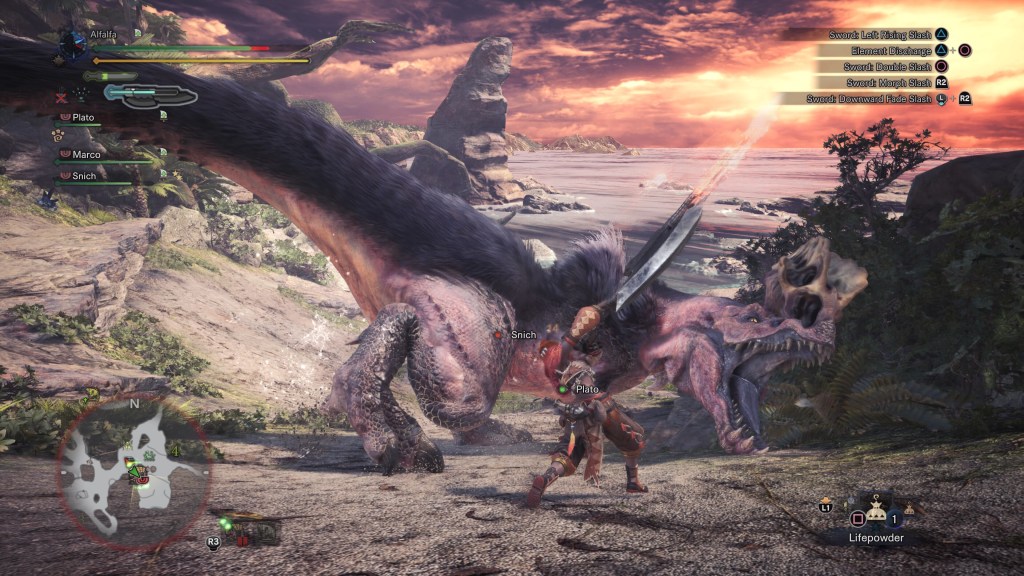
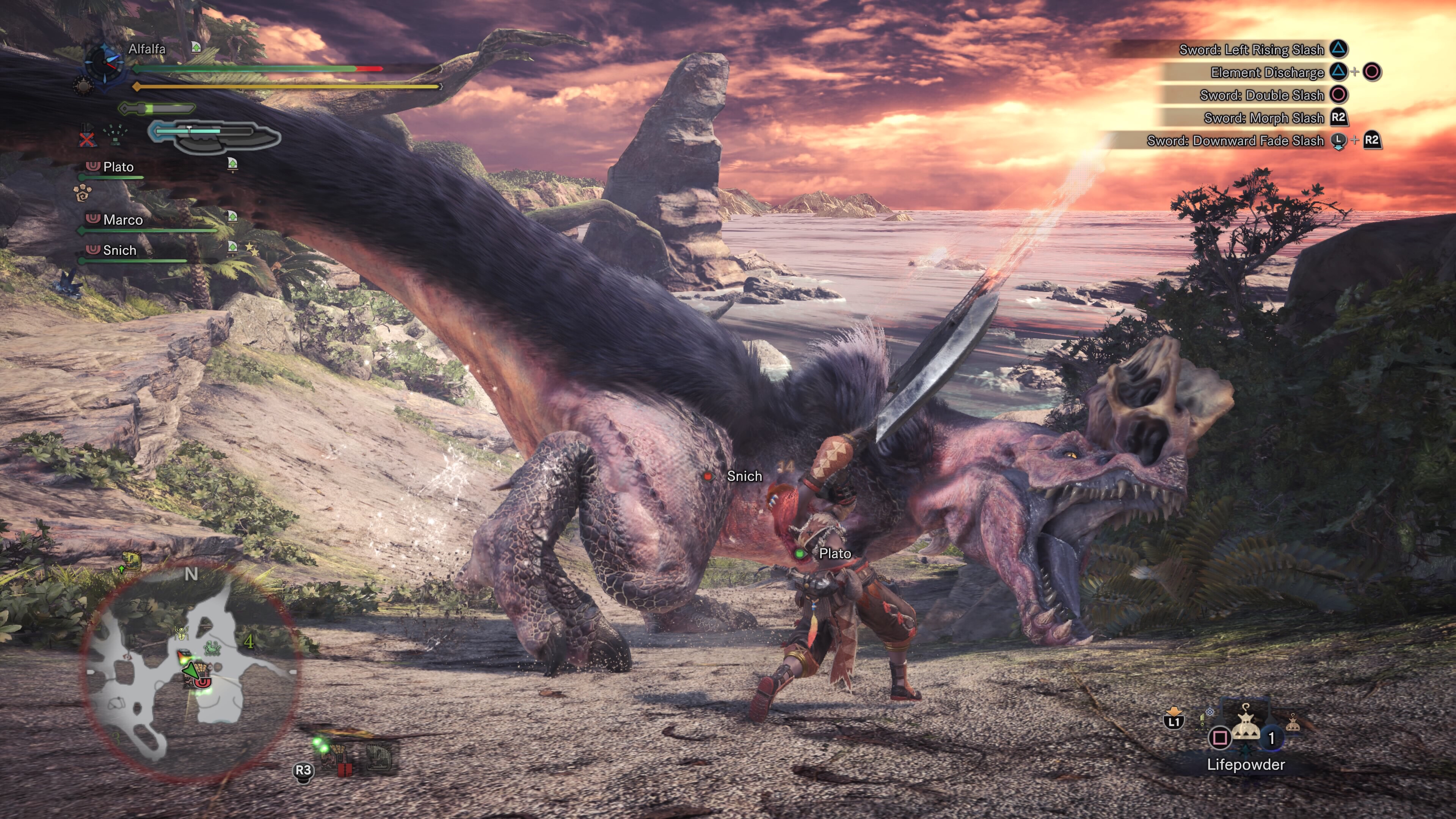
  • Now THIS is how you take down a monster

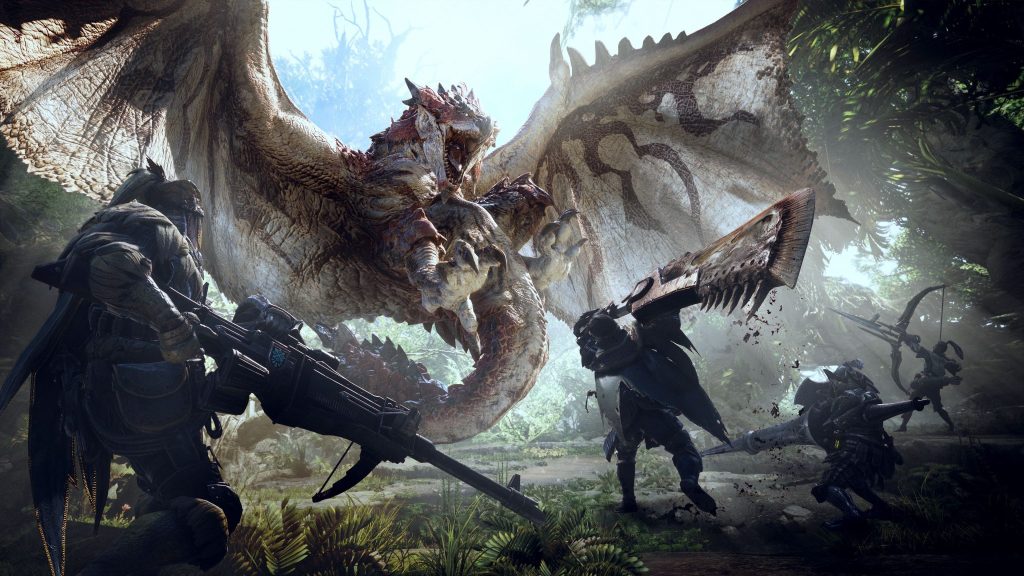
    Just had to share these sweet Monster Hunter World skills. Roll on January.

  • Spiffing Reads: Monster Hunter World and how Super Mario 64 improves your brain

    This week on Spiffing Reads, we begin with why Monster Hunter World might be the best thing ever.


    You Won’t Get Beta Than Monster Hunter World (Kotaku UK)

    I almost wrote a post earlier this week on how brilliant the Monster Hunter World beta was, but after reading Rich Stanton’s brilliant write-up on Kotaku UK, I realised he’d said everything I wanted to say. It really is a glorious evolution of the series, easily the best entry yet judging by the bite I sampled. If you’re new to the series, it’s the perfect place to jump in, as a lot of the faff from the previous games has been stripped back. Plus it looks absolutely glorious in HD – and I love the way it feels like a real ecosystem now, with no loading screens and monsters roaming freely and sometimes fighting each other. Lucius P. Merriweather


    Playing Super Mario 64 increases hippocampal grey matter in older adults (PLoS ONE)

    I’ve been a scientific copy-editor for about 11 years, and it’s not often that my day job collides with my hobby of video games. But this week some fascinating research was published in PLoS ONE that showed how playing Super Mario 64 increased grey matter in the brains of the elderly, indicating that video games could help your brain remain healthy for longer. I certainly plan on whiling away the hours in my retirement home with all the video games I never had time to play… LPM


    5 of the Funniest Video Games I’ve Played So Far (Roboheartbeat)

    Some great games on this list, particularly Psychonauts. What’s the funniest game you’ve ever played? Mine is probably South Park: The Stick of Truth – although the late-era Dreamcast game Stupid Invaders tickled my funny bone, too. LPM


    Spiffing Reads is a regular feature where we pick out the best gaming articles of the week. If you’ve read anything interesting, please let us know in the comments.

    [amazon_link asins=’B071G5HZ7F,B075QXV7KW,B075QY6SD3′ template=’ProductCarousel’ store=’mostagreeable-20′ marketplace=’US’ link_id=’a63ceef9-e194-11e7-9b5a-d977c9e8de4e’]

  • Your Amiga games probably don’t work any more

    I was reading about ‘bit rot’ the other day, and it was quite alarming stuff for someone who’s into old games.

    I knew from back when I owned an Amiga 1200 that it’s not a good idea to leave floppy disks next to a magnetic source like a CRT TV, as they can become corrupted. But I wasn’t aware that they naturally de-magnetise over time – so-called bit rot. So even if you’ve carefully stored away all your Amiga disks in a box in the attic, there’s a good chance that many of them won’t work now.

    I wrote an article about bit rot for Eurogamer, and spoke to various groups who are trying to preserve Amiga games before they’re lost forever. But all of them are still hamstrung by copyright laws, which forbid sharing of rescued Amiga game files – even if the original version of the game is no longer playable. Check out the article via the link below:

    Your Amiga games are likely dying

    Quick, get into the attic and make sure your Amiga games still work! And for the love of god, make back-ups!

    [amazon_link asins=’0993012914,B0753498L1,0262017202,0994031025,B007ND9HZQ’ template=’ProductCarousel’ store=’mostagreeable-20′ marketplace=’US’ link_id=’e97faca3-dd9a-11e7-8719-7fde4ca3ef11′]

  • Review: Archangel (PSVR)

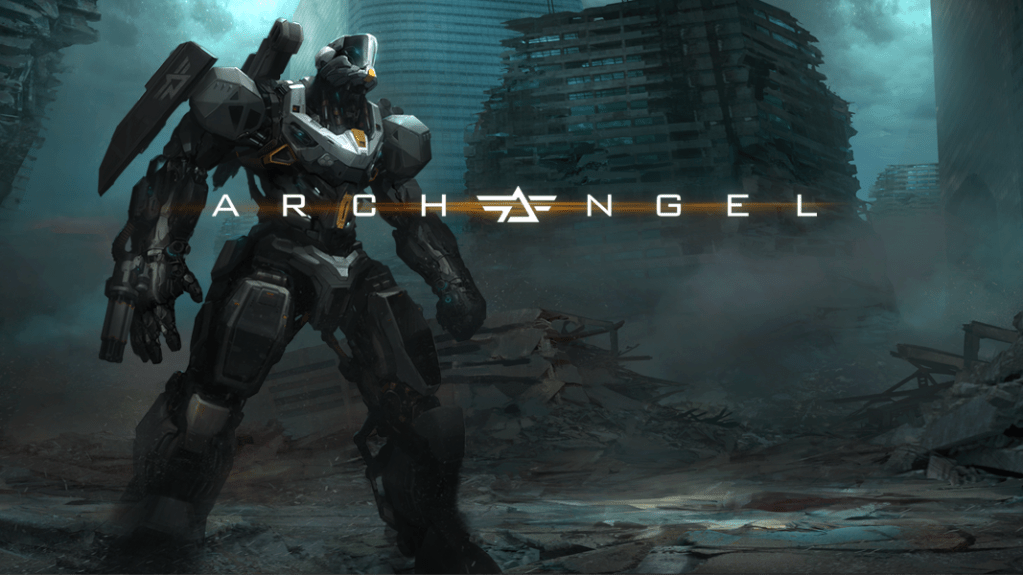
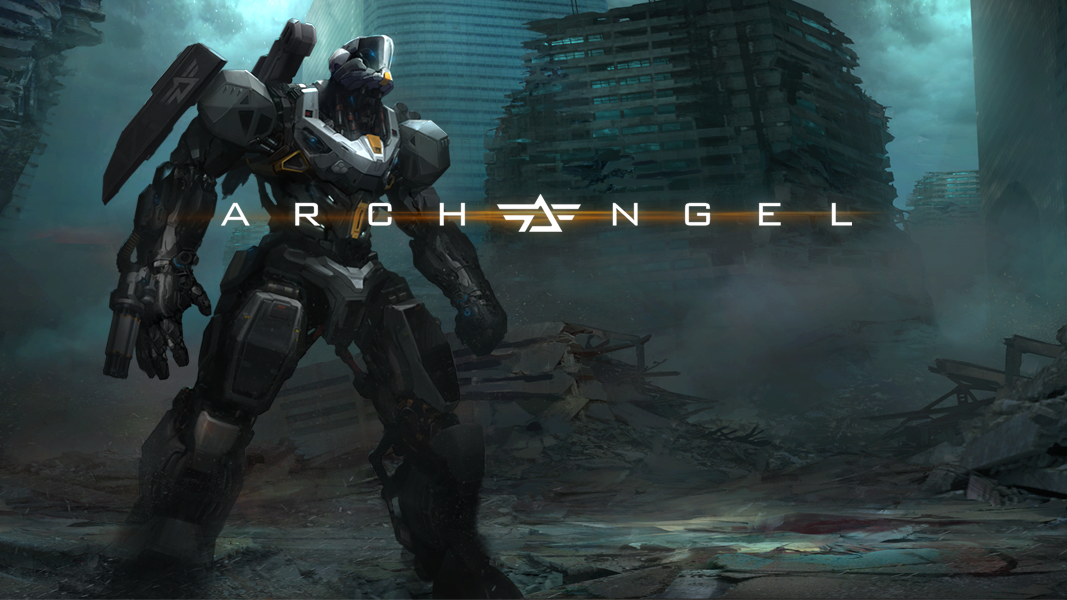
    Yes, it’s another PSVR game. Last one for a while, I swear. Anyway, Archangel would probably be best described as a rail shooter where you pilot a giant mech. The gameplay seems pretty simple at first, with all movement occurring automatically, leaving you free to focus entirely on the shooting and punching. The controls are simple enough, you just point with a Move controller in hand to aim and pull the trigger to shoot (you can play with a controller as well, but you’ll lose the ability to aim independently with each hand).

    There are a few things that set this apart from every other rail shooter though. For one, you can hold a button to clench your giant metal fists and then use them to punch any unfortunate enemies that wander too close to you. You’re also equipped with energy shields on each arm that can be used to block most incoming fire, but you have to move your arm/arms into a shield position, and you can only use them for a limited amount of time before they need to take a breather to recharge.

    Eventually, you’ll also gain three more weapons, giving you a total of two to choose from on each arm. As nice as this sounds, this is when things start to get tricky. You’ll soon find that you have to maintain a mechanical juggling act to survive, as you’ll be forced to switch weapons on a regular basis in order to use the most effective type on its corresponding enemy type. You also can’t fire from an arm and use its shield at the same time, though you can fire through your own shield with your free arm. Point being, this leads to some intense firefights where you have to act quickly to perform the right action before you take too much damage. It can get a bit tough at times, but you can also buy some shield and armor upgrades later that help a lot, so it’s not so bad.

    So the gameplay is pretty solid, but what about the rest? Well, graphically it’s one of the better looking games for PSVR so far. Your mech cockpit looks great and conveys an impressive sense of scale, making you feel appropriately large as you stomp your way through a bunch of post-apocalyptic future environments that are relatively high-detail for a VR game. The various mechanical enemies also look suitably futuristic and deadly, and the effects flying around the screen as you shoot the hell out of each other are quite nice.

    I think that the most surprising thing about Archangel though, was the fact that it had a pretty well-produced story. It’s well written, packed full of dramatic moments, and has a surprisingly good voice cast. It’s only limited by how short the game is, which doesn’t allow for as much expansion on this well-crafted world as I’d have liked.

    That was actually the only real downside, the length. Like most VR games, it’s pretty short, clocking in at around four to five hours. Combine that with the fact that this is priced higher than most other VR games of its kind (around $40 normally), and it may be hard for some to justify the expense. Only you can decide if you think this kind of experience is worth that much to you, but I can at least assure you that it really is a VR experience of the highest caliber, so at least keep an eye out for it to go on sale again if you must, because it really is as fun and cool as it looks.   

    Archangel is available now digitally for PS4 and Windows.

    [amazon_link asins=’B01NAQUDB4,B01LWJB4QT,B072QW4JY1,B01M1EOIJ0,B06XG8WMCX’ template=’ProductCarousel’ store=’mostagreeable-20′ marketplace=’US’ link_id=’32b54cf5-da0a-11e7-8202-fb3fb55359d7′]

  • Once again the gentlemen of the manor have gathered in the drawing room to debate a burning topic of the day. (Our previous discussion on the best and worst of free-to-play games can be found here.) Today, as a keen reader would suspect the title would suggest, we turn our critical eyes to gaming trends that we find more gaming “don’ts” than gaming “do’s”. Join us, and see if you agree with our hypercritical musings. Professor GreilMercs

    Gating Story Content

    While the ever looming presence of loot boxes and terrible monetization schemes are hard to ignore, I’ve found a more nitpicky trend in the gating of story content.

    Blaster Master Zero

    I’m all for bonuses: hidden stages, collectibles that force you to search every nook and cranny, or extra challenging boss rushes are all great reasons to go back to a game. While playing Blaster Master Zero, I had supposedly finished the game when I realized that the ending was both half-hearted and alluded to something being amiss. Come to find out, because I missed one room, one damn room, I missed out on not only a more fitting ending for my hero, but another entire world, boss fight, and story twist that totally changed the way I perceived the whole thing. Granted, I still had fun, but I was a bit miffed that I had to backtrack and redoing huge sections that I wasn’t interested in at the time.

    900x.jpg

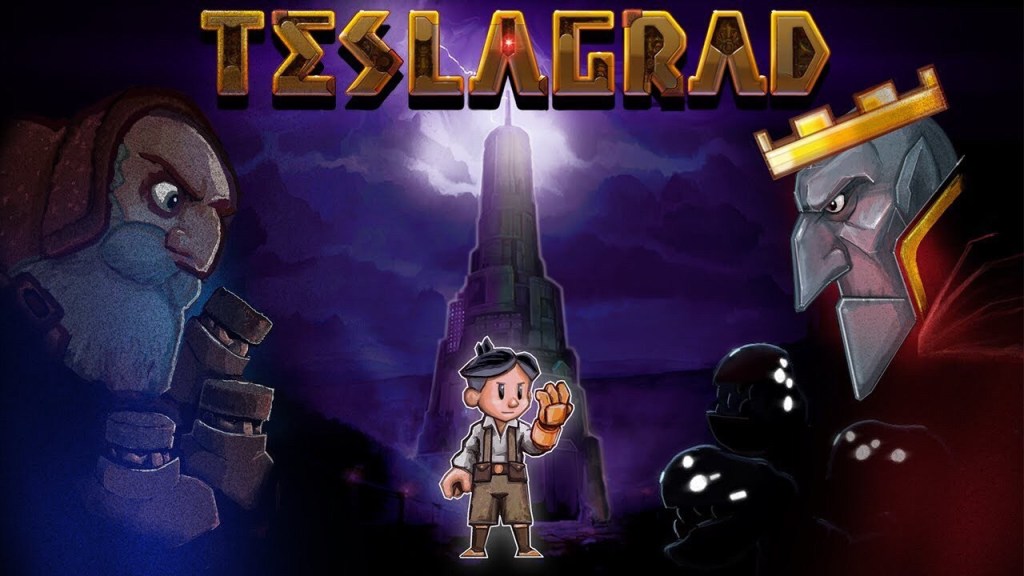
    Unfortunately, this wasn’t an isolated incident. Teslagrad, forma.8, and Sonic Mania all hid story beats behind completionism. Rather than intriguing me enough to go back in and make amends, it made me upset and uninterested. In a couple of instances I just looked up these “true endings” on YouTube and called it a night. The only thing that makes this weird trend worse is that games like Super Mario Odyssey and Breath of the Wild both let you have your cake and eat it too by offering that sense of gratification and adding copious amounts of things to do afterwards that didn’t affect how you see the ending.

    Dearest developers, please don’t hide the things that should be readily apparent to players behind obfuscation and annoyance. Sincerely, those of us who don’t have the kind of time to find the “true ending.” Map Schwartzberg

    Pointless collectibles

    If there’s one thing that really gets my goat, it’s pointless collectibles. Like myself, I think many gamers enjoy collecting things in games – it taps into an innate desire to ‘tidy up’, something that goes back to our caveman origins. It’s almost compulsive. But I can’t stand it when developers pad out their games with pointless trinkets.

    I think Ubisoft are particularly guilty of this with their suite of ‘map mopper’ games. I remember consulting online maps in an attempt to collect all of the flags in one of the early Assassin’s Creed games. After finally grabbing the hundredth flag, unlocking an achievement in the process, I just felt empty inside. “What the bloody hell was the point of doing that?” I thought. From then on, I vowed only to collect things in games that are WORTH collecting.

    4.jpg

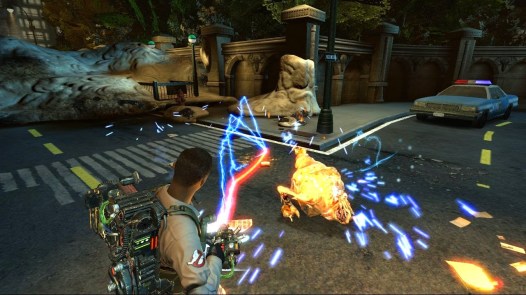
    Ghostbusters: The Video Game on Xbox 360 was one game that really did collectibles right. The game was filled with haunted objects to find, each with its own unique artwork and amusing story attached. It was great fun to hunt down each one and then read about it, So why can’t more games adopt this technique? Don’t invite us to find 100 identical flags – make each item unique and interesting, or part of a set that unlocks some new element of gameplay. Hob did this really well earlier in the year – fragments of various swords were scattered across the map, often in obvious positions but with no obvious way to reach them. Working out how to get to them was a great deal of fun, and finding four identical parts unlocked a new sword that changed up how you played the game.

    916YNMyFUFL._AC_SL1500_

    Xenoblade Chronicles X showcases possibly the worst and best aspects of collecting. The game is stuffed with literally hundreds of collectible items, each with unique and often funny flavour text, and with bonuses unlocked for collecting sets. I enjoyed scanning through the Collectipedia to see what I’d uncovered, and reading all of the strange lore. But the game also has ridiculously rare items that spawn only a small percentage of the time in just a few areas, some of which are required for fulfilling side quests. And revisiting an area countless times in the hope that something rare will drop is no one’s idea of fun.

    So developers, get with the programme. By all means add things to collect, but ideally each item should be unique, giving a sense of delight when you collect it. Make things that are WORTH finding – don’t just stuff your games with hundreds of identical items in random places. Lucius P. Merriweather

    So-called “free-to-play” games

    This question brings my thoughts right back to free-to-play models and other such monetization schemes that are built into games with no other purpose than to prey on and drain the wallets of people with addictive or compulsive behavior. It’s harmful to the gamers its preying on and it could end up being harmful to gaming as a whole if other companies start taking cues from big shots like EA and continue to encourage and spread this disease.

    That’s about the only thing I can think of that I’d say I hate regarding gaming. I don’t particularly like the recent heavy focus on online-only multiplayer games, but I wouldn’t say that I hate it, because clearly there’s a large audience for these games. They’re just not for me, and I can’t fault them, or any other genre I have no interest in, or wish for less of them. That would be like me wanting to get rid of all sports games because I don’t like sports, and frankly, that would be silly and childish.  Baron Richenbaum Fotchenstein

    Questionable DLC practices

    I have several trends that I’m tired of, including the glut of Metroidvanias (particularly indie games) and games that boast about their “Dark Souls” levels of difficulty. There have been many times that I started reading about a game that sounded cool, saw the phrase “Dark Souls levels of difficulty”, and immediately lost interest. Most of the time this phrase really just means that the game has only a few save points. There’s nothing fun about losing huge chunks of time due to a lack of save points, and in this day and age there’s really no need to regress to the Dark Ages of gaming when games had to be completed in one sitting.

    fire-emblem-warriors-06-13-17-11

    As the Baron says, the trends that don’t find an audience will die out. What bothers me more is questionable DLC practices. Not too long ago Lucius wrote about his distaste for the way Capcom announced their DLC characters for Marvel vs. Capcom Infinite. He followed up with a post about how Koei Tecmo did the same thing with Fire Emblem Warriors. I was a big fan of Hyrule Warriors and played it obsessively and I thought the DLC for the two versions (on Wii U and 3DS) were worthwhile as they provided all-new characters and weapons. I’ve been disappointed in Fire Emblem Warriors’ DLC since it seems to offer so much less in comparison. My main point of contention is that Hyrule Warriors included the originally non-playable enemy bosses as playable characters as free DLC, whereas Fire Emblem Warriors includes three non-playable characters (Owain, Oboro, and Niles) in the main game, but all three are included in the paid DLC. To me what seems “fair” in terms of DLC are the extras that actually takes significant amounts of development time and effort, and releasing characters that are already in the game seems notably stingy.

    Much of the DLC for the Fire Emblem games have also seemed overpriced, again, in terms of how much development time they would require. Even Breath of the Wild‘s DLC toed the line with some questionable decisions. For example, why should the Master Mode be locked behind DLC when it doesn’t require significant development and similar modes were included in many previous Zelda games?

    Dealing with DLC isn’t as simple as just “if you don’t like it, don’t buy it”, because ideally buying anything should be a pleasurable experience, not something that makes you feel conflicted. Nintendo has released a lot of great DLC that really feel like worthwhile extras that are worth spending money on, such as new characters in Smash Bros. and new tracks in the original Mario Kart 8, but there have been more than a few times their DLC practices have seemed much shadier. Nintendo has always done their own thing, so I hope that these few missteps aren’t the sign of a larger trend towards greedier practices that are much more common in the rest of the industry. PGM

    Handheld versions of console games (or the lack of them)

    Not a trend per se, rather a function of the ridiculous leaps in technology; but I really miss the days of severely downgraded – often completely different – handheld versions of big-boy console games. Sure we have Doom and Skyrim on the Nintendo Switch, both of which make some compromises to fit it into the Kyoto giant’s micro beast, but I miss the games that had to make so many concessions to fit onto the Game Boy or its successors that they barely resembled the games they were based on. It’s no secret that I think the Nintendo Game Boy had a stack of pretty cracking fighting games in its library – Primal Rage, Mortal Kombat II, and Street Fighter II to name a few – but this trend spanned more than just handheld kicks, punches, and hadoukens.

    SimCity 2000 on the Game Boy Advance was a stellar representation of a game that had no right to be on a handheld. To me Metal Gear Solid on the Game Boy Colour was a better representation of Kojima’s masterpiece than some of the later console entries in the series. Games like WayForward’s Thor: God of Thunder for the Nintendo DS, while different, managed to be a simpler and better Thor licensed fare than what was gracing home consoles. Of course on the flip side, the less said about Mortal Kombat 4 and Carmageddon on the Game Boy Color, the better. As they say, you win some, you lose some.

    Sadly I think these days are well and truly over, as technology outpaces the wants of this humble video game fan. But if by chance we see another quantum leap that sees the gulf between home consoles and portables widen again, I’ll be secretly air punching in the comfort of my own home. Sir Gaulian

  • Spiffing Reads: Desert Bus, Space Station 13 and BAYONETTA 3 (Yay!)

    This week on Spiffing Reads, we discover not one, but TWO games we never knew existed…


    Desert Bus: The Very Worst Video Game Ever Created (The New Yorker)

    Desert Bus comes to VR at long last (Polygon)

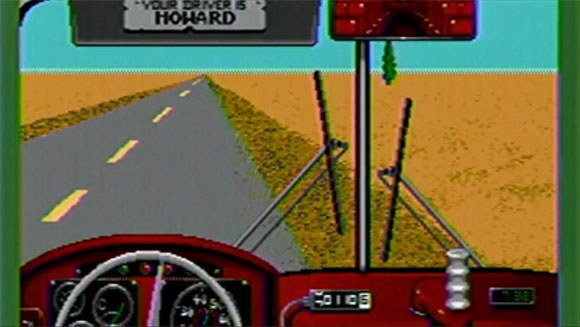
    I’d never heard of Desert Bus until Polygon announced this week that there’s a new VR version. But wow, I’m so glad that it exists. It turns out that Desert Bus was part of a collection of spoof games for a cancelled Mega CD/Sega CD compilation that was created in partnership with the magicians Penn and Teller. The duo wanted to poke fun at a politician suggesting that games should be more like real life – so in Desert Bus, you simply drive a bus from Tucson to Las Vegas. The road is arrow straight, and the trip takes the same time it would in real life – 8 HOURS. And you can’t take your hands off the wheel, either, as the bus continually drifts to the right. If you leave the road, you’re towed straight back to Tucson and have to start all over again. If you finish the trip, you score 1 point – and are given the option to drive straight back the way you came. Absolutely nothing happens – save for a fly hitting the windscreen several hours in.

    It’s mind-blowing in its mediocrity, and I’m still in awe that it was created at all. Best of all, the game has raised hundreds of thousands of dollars for charity as a result of annual Desert Bus marathons.

    Occasionally I worry that gaming has become too toxic (see my post earlier this week) or that mainstream games have become too safe and boring. But then I read stories like this, and I’m reminded that the scope of video gaming is as wide and deep as our collective imagination. Lucius P. Merriweather


    The curse of Space Station 13 (Eurogamer)

    And here’s another game I hadn’t heard of until this week, but that sounds utterly astounding – although unlike Desert Bus, Space Station 13 is a game that actually sounds like a lot of fun to play. The premise is that you’re trapped on a space station with several other real-life players, but while most of you are simply trying to keep the space station running, one of you has a secret, nefarious objective. It sounds a bit like a cross between hidden-role card games, like Spyfall or The Resistance, and a pen-and-paper RPG where absolutely anything can happen.

    From the sounds of it, the game’s deep simulation systems let you pretty much do anything you can think of. But that’s also the reason why so many people have tried and failed to remake Space Station 13 for modern systems – it’s just too damn complicated. I hope someone eventually succeeds though, it sounds like a wonderful idea that deserves a wider audience. LPM


    The 11 biggest announcements and trailers from the 2017 Game Awards (The Verge)

    More Death Stranding, From Software’s new game finally teased, but still not revealed, one more good reason to maybe finally buy a Switch someday with Bayonetta 3 (and Switch re-releases of 1 and 2), and more. Baron Richenbaum Fotchenstein

    Can I just pop in here and say BAYONETTA 3. Holy hand grenades, BAYONETTA 3! Can’t bloody wait. I wasn’t sure whether we’d ever see another sequel, as I’m fairly sure the last one wasn’t a big seller, but I’m very glad they gave the green light on this one. Hard-as-nails fighting games aren’t usually my cup of tea, but Bayonetta is a big exception – seeing the sheer imagination of the enemy and level designs is worth the entry price alone. LPM


    Watch The Creator Of Little King’s Story Discuss His Love Of Arcades (Kotaku UK)

    I wrote about the wonderful episode of toco toco TV featuring the creator of Doshin the Giant a little while back, and the latest episode features the dude behind the amazing Little King’s Story, Yoshiro Kimura. It’s fascinating to hear about his influences, as well as to find out about the other games he’s had a role in – the bizarre Rule of Rose in particular looks like one I might have to hunt down. LPM


    Spiffing Reads is a regular feature where we pick out the best gaming articles of the week. If you’ve read anything interesting, please let us know in the comments.

    [amazon_link asins=’B01GW8Y3O2,B01AC3ZE46,B071XNTVCX,B0742LSTKJ,B077Y7313L,B071QY1WLY,B00S4HI1NY’ template=’ProductCarousel’ store=’mostagreeable-20′ marketplace=’US’ link_id=’32528f26-dc5d-11e7-80fa-15bd2086acc6′]

  • It turns out there are a lot of angry people on the internet

    I’ve got into using Twitter over the past couple of years, and I’ve found it’s a great place to find out about gaming news (and news in general), as well as seeing some interesting opinions on things I take for granted. Oh, and amusing videos of animals, but that goes without saying.

    But I’ve also realised that I’m very much living in my own social media bubble. The people I follow tend to share the same opinions as me – generally a bit lefty, and mostly happy to poke fun at video games at the same time as sharing the joy of playing them.

    But something happened this week that reminded me that the people I follow in no way reflect the internet – and society – as a whole. The below tweet popped up on my feed, and I have to say it made me cringe:

    https://twitter.com/botwzelink/status/937083753431580672

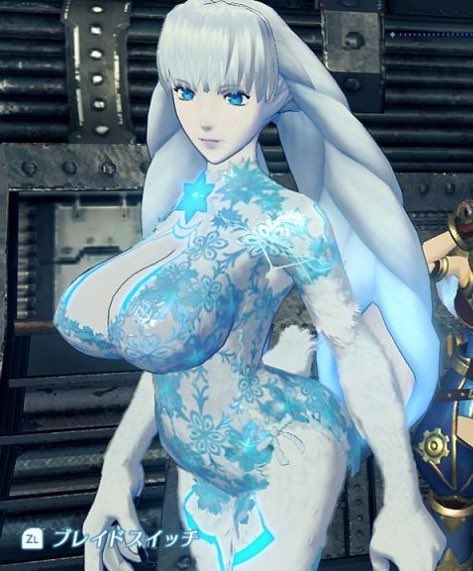
    I love the Xenoblade games, but some aspects of the designs are a bit questionable to say the least – the ‘breast slider’ from Xenoblade Chronicles X springs to mind. With the above character, complete with ludicrous body proportions, it almost feels like the series has jumped the shark and become a sort of parody of itself. Frankly, I find it a little bit embarrassing. I’m happy to play the Xenoblade games, but I think if anyone wandered in while the above character was on the screen, I’d have a hard time justifying why I was playing something with a sort of, I don’t know, porn-parody lacy cat woman bobbling about on the screen.

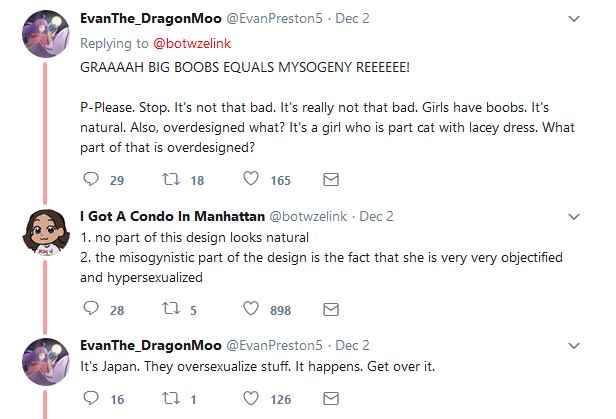
    Still, it seems other people have no problem justifying the lacy boob lady. In fact, they’re OFFENDED if you even THINK that you might be offended by it. I scanned through some of the comments on the above post, and I was pretty shocked by some of them, e.g.:

    And:

    And let’s not forget:

    This is just a sample of the comments – and currently there are around 800 replies to this tweet. What really struck me is how angry the replies were to what seemed to me to be a fairly harmless comment on a pretty damn ridiculous character. I mean, it’s clear that not everyone will think that lacy boob lady is an issue, and they’re perfectly justified in thinking that. But the replies aren’t along the lines of “Respectfully I disagree with you, and here’s why”, it’s more along the lines of “HOW DARE YOU INSULT MY GAME, YOU ARE RUINING EVERYTHING”.

    If Star Wars has taught us anything, it’s that fear is the root of all anger (although to be fair, I’m fairly sure George Lucas nicked that from behavioral therapy, but anyway). So what is everyone afraid of? One commenter specifically says that comments like this will “ruin everything for everyone” – but do gamers really fear that the slightest criticism of a game’s design will really “ruin” it?

    Apparently so. We’re living in very strange times at the moment. Donald Trump seemingly swept to power by tapping into the feelings of “angry white men” who felt they were being disenfranchised. And Matt Lees wrote an excellent article last year on how the alt-right and GamerGate are very much connected (read it, it’s fascinating). There are genuinely men out there (and it’s overwhelmingly men) who feel threatened by any perceived attacks on their hobby of video gaming. It’s like there’s some sort of epidemic of insecurity.

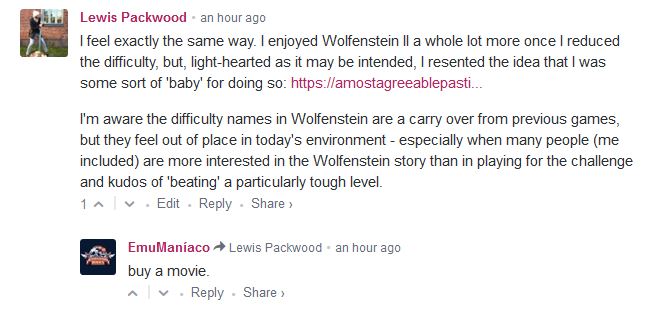
    I felt it myself earlier today, when I left a comment agreeing with Ethan Gach’s Kotaku article suggesting that we might need to rethink difficulty menus. My comment agreed with his point that Wolfenstein II is much more enjoyable when played on easy, but I resented the implication that I was some sort of “baby” for choosing a lower difficulty – a point that is very much emphasised by the options screen.

    Almost immediately, someone felt they had to get in with a slight:

    Again, it feels like any sort of criticism has to be immediately shut down – along the lines of “if you’re not with us, you’re against us”. It’s indicative of a macho subculture, people who perceive themselves to be the “real gamers” – and everyone who disagrees is a “whiner”. Which is patently ridiculous. But it clearly shows that plenty of people out there feel threatened – and that same feeling of perceived threat is what far right groups around the world are capitalising on.

    I feel like there’s far more to say on this, but I will have to leave it for another time. Still, I’d be fascinated to hear your thoughts in the comments, particularly your own experiences of the Angry Internet.

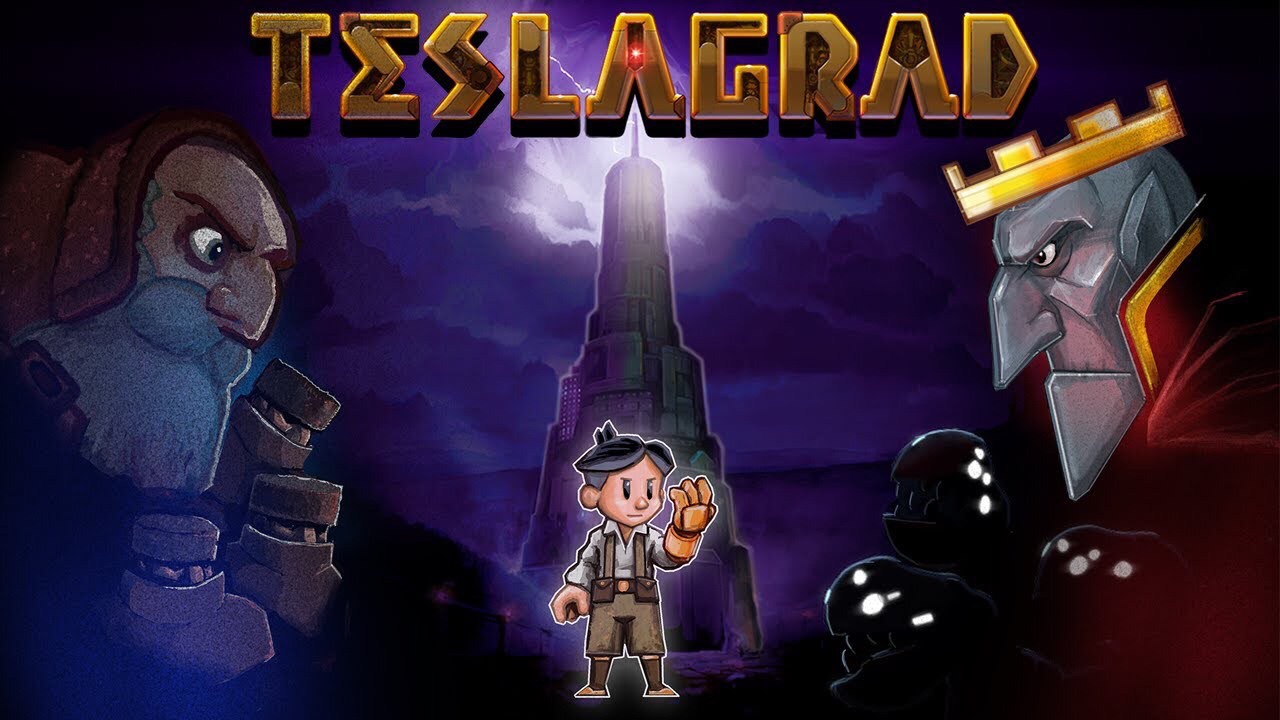
  • Review: Teslagrad (Switch)

    The term “Metroidvania” is something of a loaded word.

    It’s a colloquial term used to describe exploratory platformers borne of Nintendo’s boundary-breaking Metroid and Konami’s turn at a more open-ended Castlevania in Symphony of the Night. It is now its own genre of video game, but with that notion comes a set of standards that are used to decide whether a new game falls into such a category. The only reason this is even a thing is that independent developers, all striking inspiration from the same source, seemingly release so many that we’re at the saturation point.

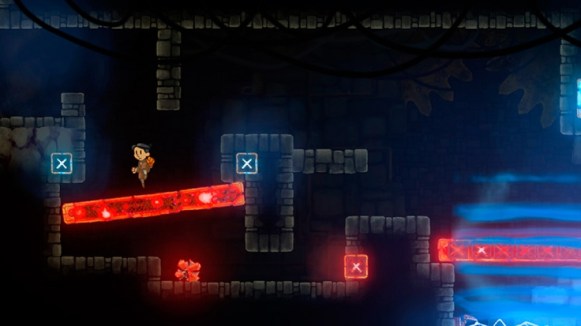
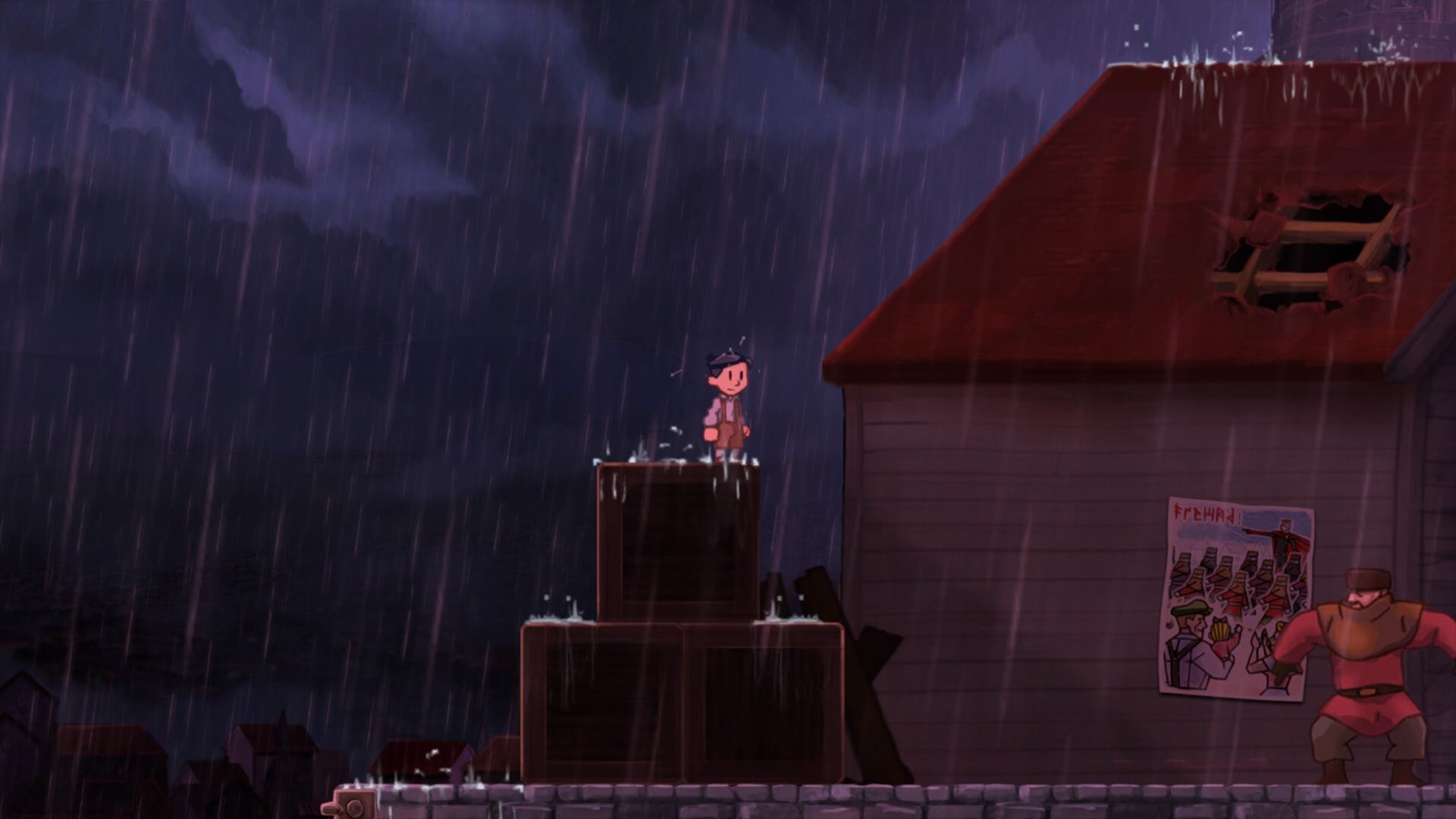
    Teslagrad keeps it old school not in a pixelated presentation, but in the fact that your ability to progress is only hindered by acquiring items that open new areas to the silent child you’re charged with helping climb a mysterious steampunk tower. No level grinding, no power-up harvesting, no gratuitous backtracking (for the most part); just you playing the part of a boy who stumbles upon an enormous fortification and discovering the secrets within as you continually clamber on.

    The game begins with an interesting sequence in which a man, with something hidden upon his back as well as a baby at his hip, leaves the child with what is presumably his mother. A clock and quick changes denote a passage of time, which is then punctuated with the boy bursting from the backdoor of his home and being chased away by some very bourgeoisie soldiers into a distant minaret. This helps you acclimate yourself with the boy’s traversal options; a substantial jump and the ability to cling to ledges being paramount abilities. As he escapes his oppressors and flees into the religious-looking building, the game then ushers you into what to expect from the rest of Teslagrad: an adventure in a world where polarity plays a huge part.

    No matter the gear you earn as you progress, the gist remains the same – almost every puzzle revolves around traversing this stronghold with a firm understanding of magnetism and its effect on you and the world you find yourself in. Many things are given a red or blue hue, a subtle reminder of what you need to do in order to move on. At first you’re given gloves that gift you with the ability of affecting things with either color in order to manipulate your surroundings. Soon enough you earn a teleportation-like dash that’ll get you through fences and other obstacles, a cloak that changes your own polarity and a weaponized magnet that’ll help you with some end-game content.

    The game is built in a way that has you working your way to the top in chunks. The map is sectioned off in a manner that feels cohesive, but it is meant to be played in chunks at the same time. There is no health bar here: a mistake means you start over in a particular spot. It’s meant to lead players into being a bit more experimental with their solutions. There are a couple of instances where you’re set on a sort of gauntlet run that begs for a respite in the form of a mid-area checkpoint, but for the most part Teslagrad keeps the player motivated to keep moving along.

    While most new puzzles can be quickly figured out, there is occasionally an obtuseness to it that’ll have you banging your head in frustration. Even when you do figure it out, there isn’t always that “a-ha!” moment you hope for, but a solid head-scratch at its lack of intuitiveness. Again, few and far between in the grand scheme of things, but worth noting because they do happen. Bosses can be frustrating as well, but only because their classic three-tiered layering will get repeated if you make a wrong move. If you go into Teslagrad knowing there’s a lot of trial-and-error and little handholding, the better off you’ll be.

    While the puzzling and perambulating you’ll do is very satisfying, it’s only half of Telsagrad’s charm. The pseudo-European design of the game begs to be explored. Hand-drawn animation and painterly backgrounds give the game a heavy dose of personality, helping it stand out from other games of its ilk. The story is presented in small pieces, either by collecting scrolls that when collected tell the history of Teslagrad’s world and its hero or in odd puppet shows on literal stages you’ll find in the tower. There’s never any direct narration, just implication and assumptions. It gets very dark and at moments surprisingly starkly so, but it helps you to understand what’s going on and why you should care, and puts fear into you when you face true evil. The sound is subtle, but fitting; the type of soundtrack you’d expect from a lonesome and somber adventure.

    The only true stumbling block I’ve found in Teslagrad, and it’s something I’ve weirdly come across in a few games this year, is the fact that it gates a “true ending” behind collectables. At a certain point in the game you are stopped from going any further until you collect 15 of the aforementioned scrolls to literally unlock a door. At this point the game asks you to go back through the installation to try and grab them. With your newfound powers this can open up new avenues to scrolls you may have seen but were unable to reach. You can march towards the final confrontation, but are then greeted with a half-hearted ending. It lacks a punch and feels very ungratifying for all the work you put in. The game scribbles the suggestion that you get all 36 scrolls, and doing so gives you an interactive finale that shows the effects of your actions upon the world. It’s wonderful to say the least, but it feels short-sighted that the developers would hold that off for all but the most devout completionist.

    Griping aside, I still felt compelled to find them all because I just couldn’t get enough of climbing around the monolith. It hampers the experience a bit when you lose the satisfaction of knowing you’ve done well, but the actual experience on the whole is phenomenal and neat to behold. In a sea of Metroidvanias, Teslagrad stands head and shoulders above the crowd thanks to its affecting plot, clever world design and distinct, well-crafted puzzles.


    Teslagrad is available for PS4, Xbox One, Switch, PC, PS3, Vita and Wii U. We reviewed the Switch version.

    Disclosure statement: Review code for Teslagrad was provided by Rain Games. A Most Agreeable Pastime operates as an independent site, and all opinions expressed are those of the author.

    [amazon_link asins=’B013LIFQQA,B013LIFQM4,B01MY7GHKJ,B01N1037CV’ template=’ProductCarousel’ store=’mostagreeable-20′ marketplace=’US’ link_id=’cc0a0b8a-d821-11e7-a215-2971f2a048d3′]

  • Review: Statik (PSVR)

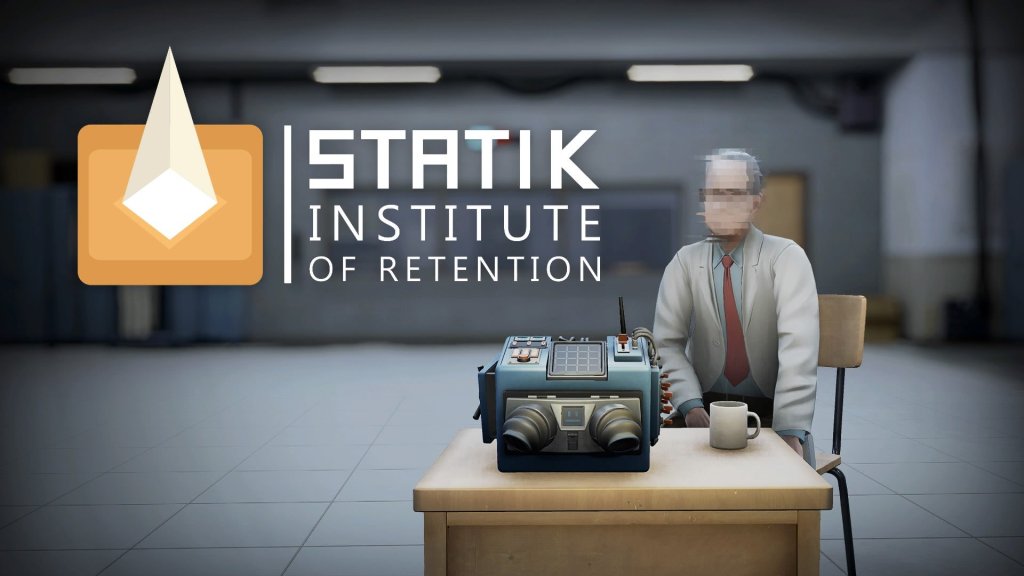
    This was a nice surprise. Statik is an odd little puzzle game where you find your hands trapped inside various puzzle boxes as part of some mysterious research project that’s never really explained at all. Like the cryptic observers suggest in the game, you should stop wondering why you’re here and what the purpose of any of this is, and just get to work. Your hands may be bound, but you can still fiddle with all the buttons on the controller to operate the various devices covering each box, and much fiddling will be needed, as absolutely nothing is explained to you.

    You’ll need to do a lot of experimentation and flexing of your mental muscles to figure out exactly what your goals are and how to achieve them. You’ll also need to be observant of your surroundings, as there will often be hints or partial solutions sitting in plain sight in each room, though you may not recognize many of them as such at first.

    Some may find this lack of clear information frustrating, but I found it to be quite enjoyable. There’s this odd sense of childish wonder upon receiving each new box and exploring all the colorfully mysterious knobs, switches, and other strange bits. They feel much like toys, but not the shoddy cheap plastic kind, no, these are some extremely clever and well-designed boxes that will put your logic and pattern recognition to the test (though none of it is as severe as games The Witness or The Talos Principle).

    There are thirteen different boxes to solve, which can be done in ninety minutes, or supposedly up to five or more hours if you’re not a puzzle person. As usual with VR games, it’s rather short, but it’s incredibly well-produced and fun while it lasts. I felt a little sad when it was over, wishing that there were more boxes to play with.

    Although, I’m now told that there is actually a secret ending that you can get by finding hidden clues in each level, which reveal secret combinations that you can enter into each box, so I guess I’ll have to go play it again already! Not that I’m going to complain about that.

    If you’re a fan of puzzles and are looking for a worthwhile VR-exclusive game to play, I highly recommend Statik. It may be short, but it’s an incredibly worthwhile experience.

    Statik is available now digitally for PS4. 

    [amazon_link asins=’B06XG8WMCX,B01I5S8V9A,B01LWJB4QT,B01LXU7B9Q’ template=’ProductCarousel’ store=’mostagreeable-20′ marketplace=’US’ link_id=’708eaca7-cbbf-11e7-a002-c329f4270f55′]

  • What games should be on the Game Boy Mini? [UPDATED]

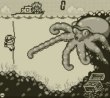
    The SNES Mini is just lovely. And people are already speculating that we might be treated to an N64 Mini sooner or later. But do you know what would be really amazing? A Game Boy Mini, a tiny little portable stuffed with amazing game’s from the green wonder’s best years. Oooh, wouldn’t that be smashing?

    After reading The Gay Gamer‘s list of 30 games that should be on a GB Mini, we were inspired to make our own – so here’s a handful of titles that we’d love to see on a monochrome mini.

    [Note: This post has been revised to add games that were meant to be included in the original list.]


    Tetris and Pokemon Red/Blue/Yellow

    What is there new to say about Tetris and the first pair of Pokemon games (later to be joined by the Yellow version)? Tetris was the addictive puzzle game that helped make the Game Boy an instant success when it launched in mid-1989, and Pokemon was the pocket monster catching and battling game that completely revitalized it more than 9 years later. Both games are completely iconic and have been hugely influential, and both epitomize what the system was all about: fun games that could be played on the go and had instant popular appeal, and that made you forget about the limited capabilities of the system. It’s amazing to think that the Game Boy and its upgrade the Game Boy Color dominated the handheld market for almost 14 years (the Game Boy Color was discontinued in 2003), and there are no two games that are better representatives of the Game Boy’s vast library of great titles than Tetris and Pokemon Red, Blue and Yellow. Professor GreilMercs


    The Legend of Zelda: Link’s Awakening

    After the phenomenal A Link to the Past on the SNES, Link’s Awakening was a downright miracle. I’ve still no idea how Nintendo managed to produce GB graphics that looked just like those on the 16-bit machine. More importantly, the gameplay was just as good, with Link on a twisting, turning quest over an impressively large game world. I played it again just recently, and it still holds up today, although it’s noticeably harder than some of the later games. Lucius P. Merriweather


    Super Mario Land and Super Mario Land 2

    It’s hard to mention Super Mario Land without also talking about Super Mario Land 2. Super Mario Land was a launch title and it shows. The graphics are barely a step up from the Game & Watch games, and it definitely feels like the NES Mario games’ little brother. If you’re able to appreciate it for what it is then it’s enjoyable, but otherwise it’s definitely a watered-down experience. By contrast, Super Mario Land 2 feels much more like the NES games, and is definitely an enjoyable game. Both games deserve a spot on the Game Boy Mini, although Super Mario Land earns its spot more for the historical reasons and the nostalgia appeal than being a great game. PGM


    gfs_76708_2_2Alfred Chicken

    I almost forgot about this GB gem – how could I forget Alfred Chicken? Although the Game Boy was awash with platformers, Alfred Chicken stood out thanks to its fantastic graphics and clever gameplay. Also, it starred a chicken called Alfred. I remember an amazing PR stunt around its release, when someone dressed as the titular chicken stood as an MP in a by-election. Good work, everyone. LPM


    The Amazing Spider-Man

    Maybe I’m biased due to my Spider-Man-love (that doesn’t sound right…or does it?), but I was always quite partial to the original Game Boy Spider-Man game. It wasn’t pretty, but it was fun and tough, and you got to beat up a lot of famous villains like Doctor Octopus, Green Goblin, and even Venom. Baron Richenbaum Fotchenstein


    Dr. Franken and Super Hunchback

    Another couple of games with great graphics and fantastic reviews that I never got to play back in the day. Both are platformers – the Game Boy certainly didn’t have a shortage of those – and both were fairly hard to come by, at least where I lived. Experiencing these for the first time on a GB Mini would be like sweet, sweet nectar for my soul. LPM


    Donkey Kong Land

    Donkey Kong Land is a noteworthy Game Boy title on several levels. For one, it presents a rendition of the SNES graphics, which were a technical achievement on that system and which somehow still manage to look good on the original Game Boy. Also, instead of a watered-down port, Rare created what from a modern vantage point might be viewed as a DLC level pack to Donkey Kong Country: although the mechanics and most of the locales are the same as the SNES title, the levels are completely new. Donkey Kong Land is as much fun as Donkey Kong Country, and despite its close ties to the SNES title I would definitely give it the edge over Donkey Kong ‘94. PGM


    Faceball 2000

    3D, but on a Game Boy! In the futuristic year 2000, your task is to hunt and shoot big aciiiiid-style smiley faces in a 3D maze – and the game even had support for four players via the GB link cable. Unfortunately the game was as rare as hen’s teeth – I never saw it in the shops – so I could only pour over the fawning reviews of it in games magazines and imagine how great it was. Playing it for the first time on a GB Mini would be fantastic. LPM


    OKrqXA-JQLYx42IxG3kOYHsUq-kjzvea.jpgGame & Watch Gallery

    Even before the Nintendo Classic Mini, Nintendo was putting together compilations of previous games, perhaps the first of which was the Game & Watch Gallery series. Europe saw the release of Game Boy Gallery, but Game & Watch Gallery is where the classic Game & Watch games really got a new lease on life as the games were presented in both a “classic” mode which was faithful to the original games, and a “modern” mode, which adds graphics featuring beloved Mario series characters. Including them on the Game Boy Mini would be a great way to include these historic titles with their arcade-y gameplay and high-score chasing fun. PGM


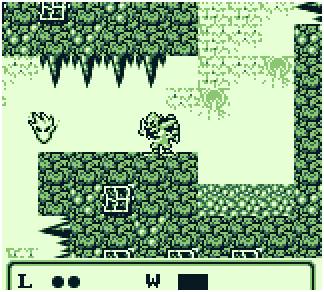
    Gargoyle’s Quest

    Remember when that boss character from Ghosts ‘n Goblins suddenly got a game of his own that became a surprise hit and spawned a few sequels that were arguably more fun than the series they spun off from? Gargoyle’s Quest was a weird mix of action-platforming and JRPG elements that came out of nowhere and ended up being one of the best games on the system. BRF


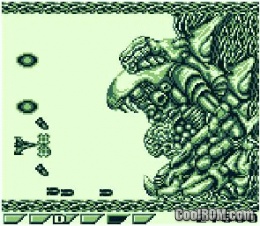
    Gradius: The Interstellar Assault/Nemesis II

    I bought the import version of this game at a trade fair, and it barely left the cartridge slot of my Game Boy. It was bloody hard – I think I only managed to finish it once – but it’s a great example of Konami at their shmup height. The graphics were astounding for the time, the bosses in particular. LPM


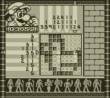
    9xdCkn1A90i_9im4-JCKvL-vGhhQm6Er.jpgMario’s Picross

    Tetris is by far the most well-known puzzle game on Game Boy, but the system was chock-full of other puzzle games looking to copy its success. Many of them were ports of NES puzzle games, such as Dr. Mario, but Mario’s Picross was a unique title in that it wasn’t a port. It introduced the world to the addictive Picross gameplay, and although it wasn’t that popular at the time, it’s since led to a slew of titles featuring the same Picross gameplay including appearances in the Brain Age games and versions featuring Pokemon and Twilight Princess. The original is still fun, and the explorer costume Mario wears in the game has been revived in Mario’s latest adventure, Super Mario Odyssey. PGM


    Motocross Maniacs

    This early Konami release was a sort of prototype Trials HD, and despite its simple graphics, it was one of the absolute best games available on the Game Boy. Courses were packed with huge jumps and daring loop the loops, and attempting to finish them in the tight time limits was utterly addictive. If you’ve never played it before, I highly recommend you dig it out. LPM


    Ninja Gaiden Shadow and Operation C

    The Game Boy saw many ports and sequels of NES titles, with varying success. Of the third-party offerings, Ninja Gaiden Shadow and Operation C are among the best of the bunch. Although both have mechanics, graphics, levels, and enemies that borrow heavily from their older sibling titles and, no doubt due to technical limitations, omit some of their predecessors’ mechanics, they’re both wholly enjoyable titles that stand on their own. PGM


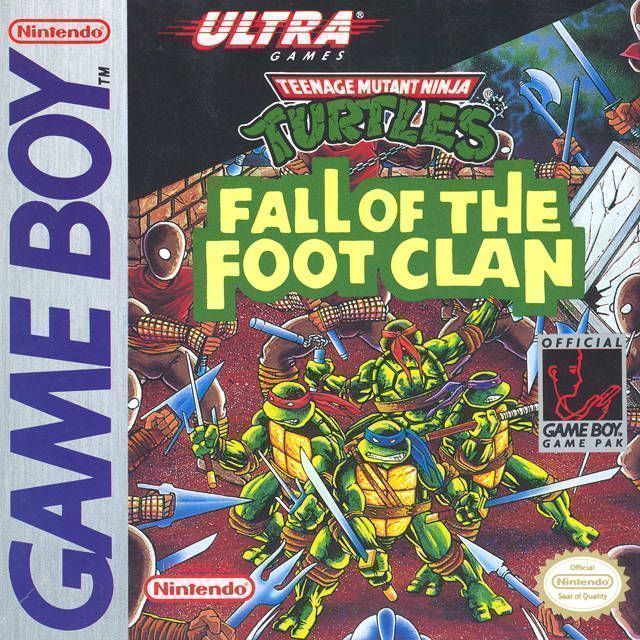
    Teenage Mutant Ninja Turtles – Fall of the Foot Clan

    A nice little side-scrolling action-brawler that had pretty great graphics and sound for an early Game Boy game. Luckily, it was a lot simpler and easier than the sadistic NES version. BRF

    I must have completed this game at least ten times. It was crazily easy – but to be honest this was a relief after the rock-hard difficulty of most GB games. The massive sprites looked fantastic, and the chunky sound effects still resonate in my brain. The fact that I hate the Turtles yet loved this game is a sure sign of its quality. LPM


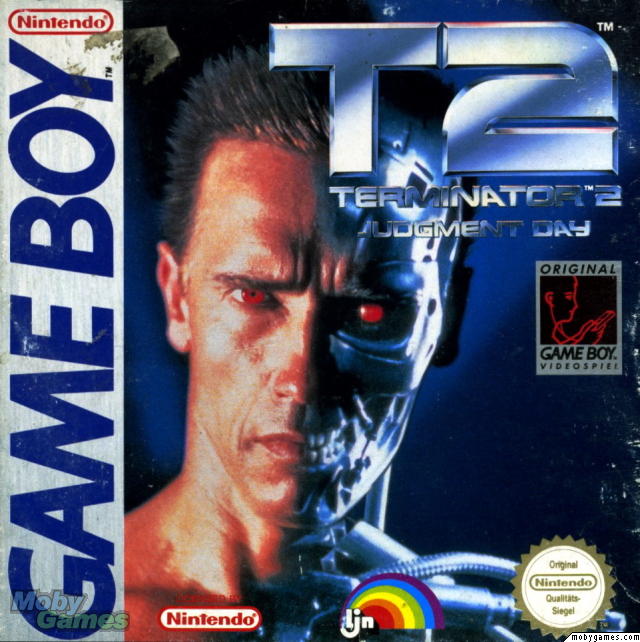
    Terminator 2

    A side-scrolling shooter that involved an unusual amount of strategy. There were even a few puzzle levels thrown in. Very short, but fun enough that I replayed it many, many times. BRF


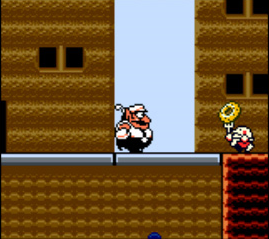
    Wario Land 3

    Wario made his first appearance as the villain of Super Mario Land 2, but he came into his own in his own spin-off series. The Game Boy and Game Boy Color saw three titles in the Wario Land series, but the third, which appeared on Game Boy Color, is definitely the best of them. Wario Land 3 builds on the gameplay of its predecessors, but puts even more focus on non-linear exploration, with paths opening up in a wholly satisfying way. Like the best of the Game Boy and Game Boy Color games this is such a huge adventure that you’ll be amazed at how much the developers were able to cram onto such a tiny cartridge. PGM

    [amazon_link asins=’B072FRQZ65,B000R08L7M,B073BVHY3F,B075MK6THW’ template=’ProductCarousel’ store=’mostagreeable-20′ marketplace=’US’ link_id=’62f56160-ccb3-11e7-831a-1bea1f570933′]

  • Review: Rive: Ultimate Edition (Switch)

    rive_screenshot_02-smallerAdding to the growing library of great indie offerings on Nintendo Switch comes Rive: Ultimate Edition, a game by the talented team at Two Tribes. I’ve been a fan of Two Tribes ever since I picked up Toki Tori for Game Boy Color, a charming puzzle adventure featuring the titular yellow bird, with a difficulty curve that’s spot on. For their final game, Rive, the developers have completely shifted gears and created a shoot-’em-up that shares the same outstanding presentation and fun gameplay but little else.

    Rive is a shoot-’em-up where you alternate between navigating your spider-like ship in space or water, in which you can move in all directions, and more platformer-like missions, where you are bound by gravity and can double jump. You shoot and move with the two control sticks, use ZL to jump, and use ZR to fire off one of four specials that you can buy as you progress through the game. The game runs smoothly, although the controls can be problematic at times. The jump button feels awkwardly placed, most notably in one frustratingly difficult section near the end of the game which has extensive jumping (by the time I got through that section I felt like I was developing carpal tunnel in my left hand). The control sticks themselves felt overly sensitive when using the Switch’s Joy-Cons, which becomes more apparent when playing through sections that require more precision in avoiding lasers and the like. The controls aren’t an issue for the most part, but more customisation options would have really helped.

    rive_screenshot_01.png

    The specials feel unique, although I only ended up really using two of the four. The game is divided into missions where you explore different parts of a space station that are connected to a central area, which you return to in between missions. The missions are self-contained levels, and at times you’ll revisit previous areas that have changed (e.g. become flooded with water), which adds to the feeling that you’re in an actual space station.

    Rive has a good amount of enemy variety and a unique mechanic where you can hack several robots. This is underutilized for the most part, but the core game is fun enough that it’s not a big miss, and there are some hacks you unlock nearer to the end of the game that are particularly fun. The game is full of set pieces and satisfying boss fights that are well designed for the most part, although there are some encounters that get boring due to being of the overly long “repeat pattern over and over again until enemy’s HP has been whittled down” variety. There are also a number of distinctly try-and-die type of sequences that require rote memorisation, although the checkpoints are so plentiful that they’re not much of an issue. Apparently the hard mode is the mode that the developers intended you to play, and although it will take a fair amount of skill to get through even the normal mode, it’s very satisfying to complete it.

    rive_screenshot_04.png

    On top of all the great gameplay, Rive also has great visual and audio design and an entertaining story, although with the constant explosions and particle effects the visuals can get overly busy, making it hard to see the action. Also at times the dialog has a few too many meta references to video games. The main character, Roughshot, is gruff but likable, and his interactions with the ship’s robot are fun respites in between the intense missions. There are also a slew of other modes to round out the main story mode, including speed run and single-credit modes, the ability to replay missions at any time to work your way up the online leaderboard, and additional missions for you to earn medals in (e.g. survive a constant onslaught of enemies for 75 seconds). There are also achievements that offer additional challenges, such as beating parts of specific missions without using specials.

    Rive was released on PS4 and Steam about a year ago, and it’s great to have it on Switch. Despite the rough patches, the game is a lot of fun with a lot of extras for after you’ve beaten the main game. It’s a great shame that this is Two Tribes’ final game, but with Rive: Ultimate Edition they’ve definitely gone out with a bang.


    Disclosure statement: Review code for this game was provided by developer Two Tribes. A Most Agreeable Pastime operates as an independent site, and all opinions expressed are those of the author.

    [amazon_link asins=’B01F24FUK8,B071JRMKBH,B01MY7GHKJ,B01N1037CV,B0721325R7,B01N332TG8,B01N9QVIRV’ template=’ProductCarousel’ store=’mostagreeable-20′ marketplace=’US’ link_id=’b284aea7-d5bb-11e7-9671-ab0d0ccafd60′]

  • What did you buy in the Black Friday sales?

    Well, Black Friday/Cyber Monday is over, and presumably many gamers of the world have considerably lighter wallets/purses as a result. From the British side of the Atlantic, this curious Thanksgiving-linked sale seems to have well and truly become part of the retail calendar, despite the fact that we don’t celebrate Thanksgiving and essentially it’s just a massive sale in the run up to Christmas – all the deals, just without the turkey and trimmings.

    (Speaking of which, the whole thing is surely a massive shot in the foot for British retailers, who now seem to be clambering over each other to offer massive discounts on things they could easily have sold for full price just a couple of years ago – but I’m not a retail analyst, so maybe it all makes sense on the spreadsheets. Either way, it’s good news for consumers.)

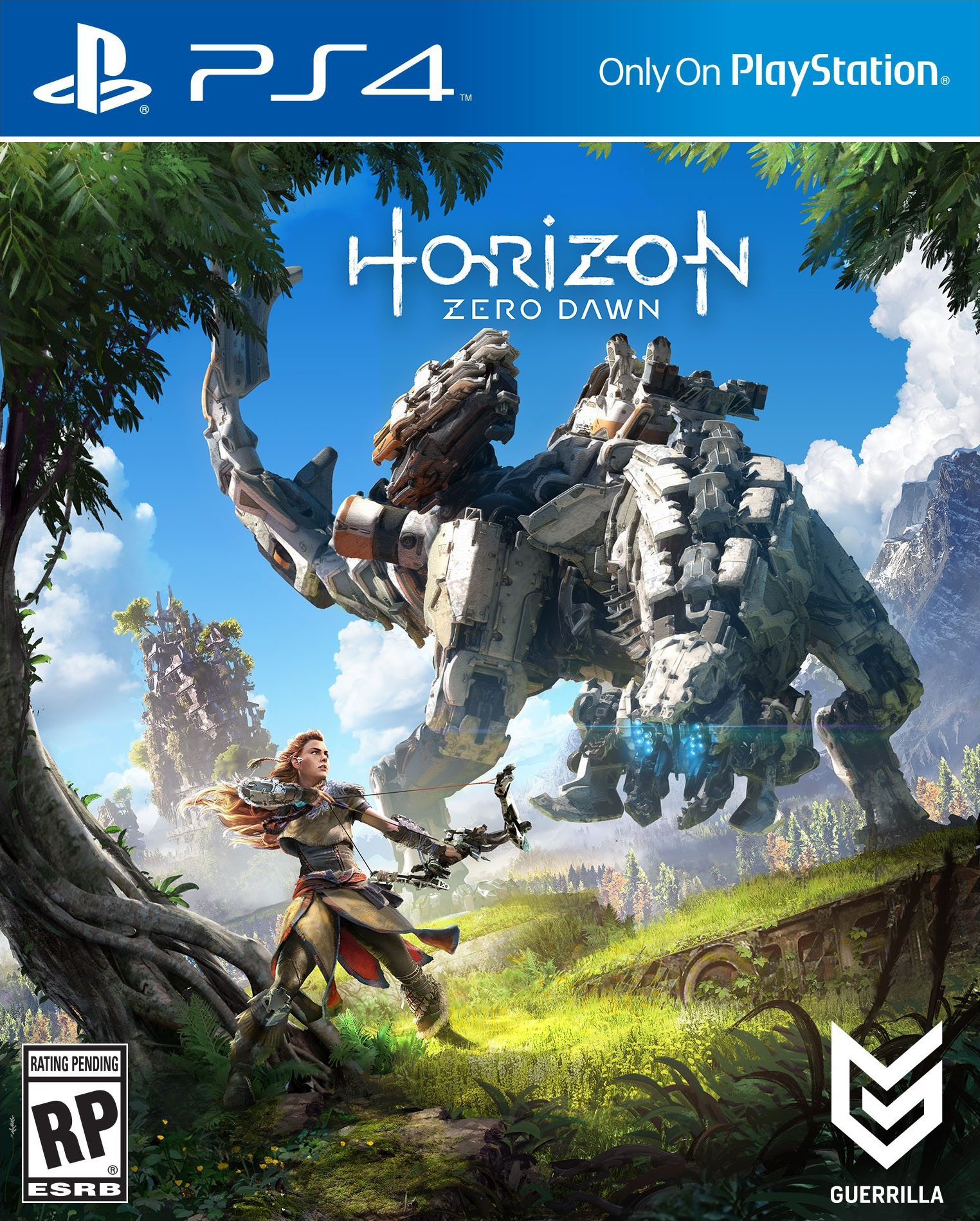
    The Baron has already detailed his healthy haul of bargains over at Virtuanaut – and a rather handsome crop he’s picked, too. I’m particularly jealous of Horizon: Zero Dawn, which I almost bought myself at the ludicrously cheap price of £18.99, but decided to hold off on account of ALL THE MILLIONS OF GAMES I’VE YET TO PLAY. Damn common sense.

    Still, I was sufficiently drunk at certain points over the weekend to enable my common sense to be shouted down by the Bargain Goblin that skulks at the back of my brain, and I ended up grabbing a couple of digital games to sling onto the backlog pile. Gravity Rush Remastered was an absolute steal on PSN for £6.49, and Dillon’s Rolling Western, an oft-overlooked Nintendo 3DS tower-defence game, was 50% off on the eShop at just £4.49. The latter is also a good game to point to if anyone complains that Nintendo no longer comes up with new IP – HEY, DON’T FORGET THE COWBOY ARMADILLO.

    So, what bargains did you pick up over the weekend? Let us know in the comments!

    In the meantime, below are a few late bargains from Amazon that might tempt you if you’re not completely bankrupt yet. Evil Within 2 for $34!

    [amazon_link asins=’B01L1Y0TCC,B071WPL1L8,B06XPLD1C6,B00GODZYNA,B00YQM1PNY’ template=’ProductCarousel’ store=’mostagreeable-20′ marketplace=’US’ link_id=’348bf67c-d441-11e7-bd29-9b89c169e04a’]

  • Review: End Space (PSVR)

    Long ago, when PSVR was first announced, I was super excited for the amazing space sim possibilities that a game like EVE: Valkyrie seemed to suggest. I even bought a special Thrustmaster Hotas 4 Flight Stick, that’s compatible with both PC and PS4, in anticipation of glorious VR space combat. Well, EVE: Valkyrie disappointingly turned out to have almost no single-player content and shockingly turned out to have no flight stick support, so my dreams of blasting my enemies into high-speed vacuum-packed corpse-icles were crushed.

    Luckily, End Space has appeared to give me my fix and justify my purchase of that stick. End Space is a pretty simple space sim, but it’s also a very effective one. To put it in space sim fan terms, it’s more Colony Wars than Wing Commander. To be more specific for everyone else, there’s only the barest bones of a story here, but once I found myself in that virtual cockpit, I didn’t much care. The combat is relatively basic for a space sim, with minimal ship upgrade capabilities and no micromanagement involved, but it’s very solidly designed, and a whole lot of fun.

    The game offers a nice variety of missions, including many classic types of the genre like patrols, escort missions, a mine field, and ambushes aplenty. There are a few different types of enemy fighters to dogfight with, and of course it wouldn’t be a space sim without some huge, nasty capital ships of various types to blow up.

    The game can be played with a standard controller, but the addition of flight stick compatibility was a much appreciated bonus. All the controls worked perfectly and didn’t need any tinkering or rearranging. It’s a nice treat to be actually manipulating a stick and throttle and look down and see your virtual hands also operating the stick and throttle.

    I think the only complaint I really had was about the severe difficulty spike in the last level. Results may vary for others, but I had a pretty easy time getting through most of the game until the final level, which just becomes insanely difficult out of nowhere, putting you up against an enormous number of fighters and capital ships. I was able to clear it out after many failed attempts, after I figured out the exact right order to take all the enemies out in with minimal damage to my ship, and then how to survive the deadly final surprise wave. It was pretty rough even for someone with a lot of experience with this kind of game, and I can see it being a source of some serious frustrating for many others.

    Overall though, it’s an excellent VR-exclusive game and a more than worthy space sim. It is another short VR game, clocking in at around 4-5 hours, which is unfortunate (because I need moooooore of this!), but you can pick it up for $20 or less, so it’s not a bad deal at all for what a well-made, enjoyable experience it is.

    End Space is available now digitally on PS4.

    Disclosure statement: Review code for End Space was provided by Orange Bridge Studios. A Most Agreeable Pastime operates as an independent site, and all opinions expressed are those of the author.

    [amazon_link asins=’B01M1EOIJ0,B01GWB1GM6,B01LXU7B9Q,B01I5S8V9A’ template=’ProductCarousel’ store=’mostagreeable-20′ marketplace=’US’ link_id=’7f4e2699-ca28-11e7-aa7d-2556e5a5517f’]

  • Spiffing Reads Classic Compilation

    Lucius is away this week, so in the spirit of the best sitcoms, here’s an episode that consists entirely of clips from previous episodes. In other word, here are the “reads” we declared “spiffing” back in November 2016. Normal service resumes next week!


    7 November 2016:

    Spiffing Reads: Final Fantasy XV, Titanfall 2 and the Best Halloween Costume

    Remember when EA launched Titanfall 2 just a week after the very similar EA multiplayer shooter Battlefield 1? Surprised they slipped up like that, they always seem so on-the-ball when it comes to marketing their games. Oh wait, no.


    12 November 2016:

    Spiffing Reads: VR Arcades, Zero Wing and Capcom vs Square Enix

    Man, those Chinese VR arcades still look phenomenal. I really hope someone copies the idea and opens one near me, I’d be there like a shot.


    19 November 2016:

    Spiffing Reads: Devil’s Third and Bye-Bye Wii U

    Remember Devil’s Third on Wii U? Mark my words, that poorly received game will be a mightily expensive collectible in years to come, thanks to its limited release numbers and launch date right at the end of the Wii U’s life cycle.


    Spiffing Reads is a regular feature where we pick out the best gaming articles of the week. If you’ve read anything interesting, please let us know in the comments.

    [amazon_link asins=’B06ZXTGFDR,B072JY7NX5,B071WPKD5P,B01MY7GHKJ,B01MU9VUKN,B072NQJCW5,B071QY1WLY’ template=’ProductCarousel’ store=’mostagreeable-20′ marketplace=’US’ link_id=’5b8a1395-cba4-11e7-8c0b-05129fe86e07′]

  • There’s 15% off all Most Agreeable T-shirts and mugs until 27th November! Simply type in the coupon code SALE2017.

    Even better, after popular demand, we now have a new range of beautiful, beautiful black T-shirts. Oooh, they’re so black. Click on the links below to go to the shop for your region.


    EU flagCLICK TO VISIT THE MOST AGREEABLE EU SHOP

    1024px-Flag_of_the_United_States.svgCLICK TO VISIT THE MOST AGREEABLE US SHOP

    Flag_of_Australia_(converted).svgCLICK TO VISIT THE MOST AGREEABLE AUSTRALIAN SHOP

  • Black Friday Deals

    It’s not even Friday yet, and the Black Friday sales have already begun. Here are a few of the best early super Amazon deals. Wolfenstein 2 for $25, Shadow of War for $25, and Uncharted 4 for $15. Get ’em while you can! There will surely be more to come soon!

    [amazon_link asins=’B072JY7NX5,B071WPKZ7Q,B00GODZYNA,B06WWDVBKT,B06X9D21JD’ template=’ProductCarousel’ store=’mostagreeable-20′ marketplace=’US’ link_id=’d4e8a423-d070-11e7-94ba-c9394a430c3b’]


    The basic PlayStation VR bundle is also available at a nice discount, if you’re into that sort of thing!

    [amazon_link asins=’B0747YTV7B’ template=’ProductCarousel’ store=’mostagreeable-20′ marketplace=’US’ link_id=’08d20520-d072-11e7-97b1-8523cbcb4c55′]


    Evil Within 2 for $25!

    [amazon_link asins=’B071WPL1L8,B071G5JH2D’ template=’ProductCarousel’ store=’mostagreeable-20′ marketplace=’US’ link_id=’d7ad2d27-d132-11e7-83b0-99dbdeaee102′]


    Other manor members, feel free to edit this and throw in any other huge deals you might see, and readers, go ahead and tell us all your best deals in the comments!

  • Amazon deal finally persuaded me to get PlayStation Plus

    I’ve finally caved. I’ve avoided joining PlayStation Plus until now, as generally I have no interest in online multiplayer. But that’s changed now Monster Hunter World is on the way – I’m a big fan of the series, and it’s about the only game I’ve played online for any length of time.

    With the MHW beta starting on 9th December, now seems like a good time to finally take the plunge and join the ranks of PS Plus. And the deal has been sweetened by an Amazon offer of £36.85 for 12 months’ membership, rather than the usual £49.99. That works out at £3.07 per month, with two free PS4 games and two free PS3 games every month thrown in. Sounds like a bargain to me!

    The deal in the United States is just as sweet – 12 months’ membership for $39.99. I’ve added links to the two deals below. Join me!

    1 Year PlayStation Plus Membership in UK for £36.85
    1 Year PlayStation Plus Membership in US for $39.99

    [amazon_link asins=’B071G5HZ7F,B071G5JJDW,B01MU9VUKN,B071WPKD5P,B076BJ723V,B01GW8XOY2′ template=’ProductCarousel’ store=’mostagreeable-20′ marketplace=’US’ link_id=’ddda6f49-d03a-11e7-aa7c-4720827e2090′]

  • A Quick Byte: Stranger Things – The Game

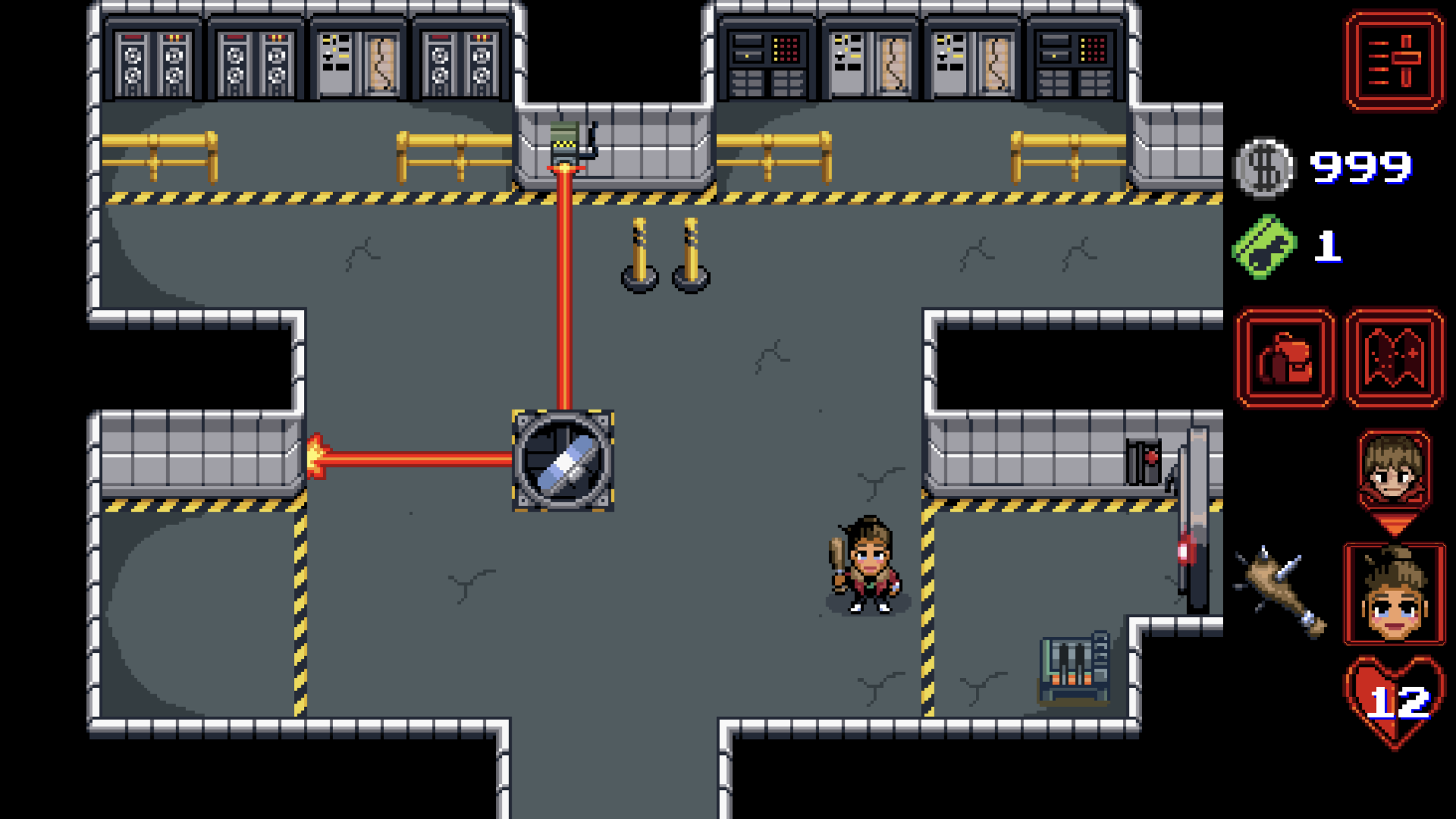
    A free game? No, this can’t possibly be good, can it? Surely it must be packed full of microtransactions or constant advertisements. No? What is this? What’s going on here? How can this be? Yes, this is a retro-themed Stranger Things game for phones, and it’s completely no-strings-attached free, AND it’s actually fun! Crazy, eh? It’s basically just a simplified Zelda knockoff, but it’s a surprisingly decent one.

    There’s a surprisingly large world to explore here, with a lot of overworld locations to explore, and a generous pile of dungeons to fight and puzzle your way through. Instead of the usual collecting of special items that you need to beat certain bosses and get through certain obstacles, here you’ll collect eight different characters that each have their own special abilities that will perform those functions. You may need the ranged attack of Lucas’ slingshot to solve certain puzzles or Dustin’s ability to…throw pudding cups to lure enemies? Sure, why not.

    The combat is probably the weakest point, being so simplistic and touchscreen reliant, but it’s still decent enough, and there are some interesting boss battles. There are also a bunch of standard Zelda-style fetch quests and hidden items to find so you can increase your hearts and damage and such.

    Basically it’s a fun game that lasts around six hours, and it’s completely free with no annoying registration forms, in-game sales, or any downside at all really. So what are you waiting for?

    Stranger Things: The Game is available now for free on iOS and Android!

  • Folklore: a pleasing discovery

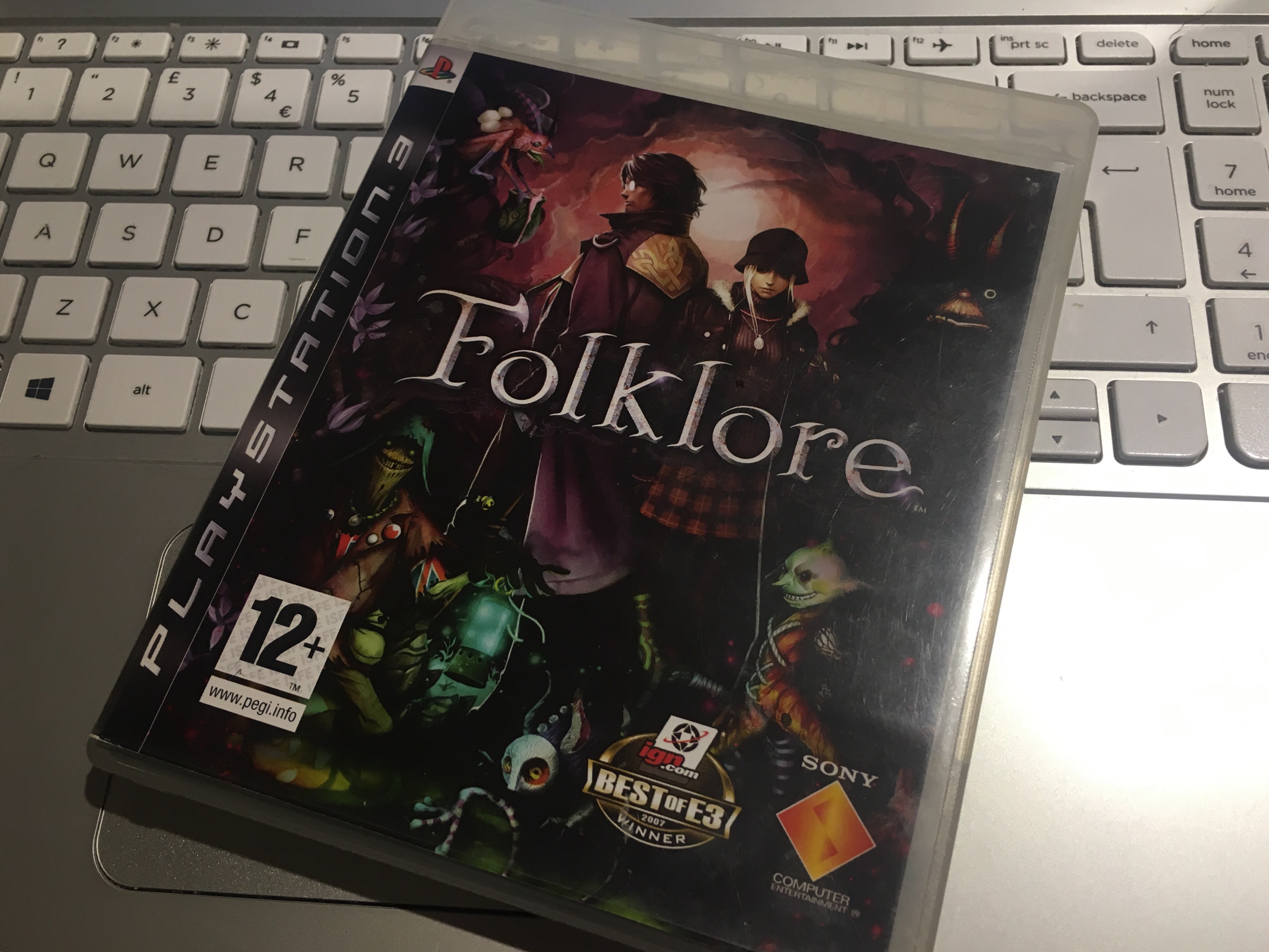
    I was pottering around CEX today when I discovered a PS3 game I’d never heard of before. This was enormously exciting – I’m pretty fanatical about video games (as you can probably tell), so it’s rare indeed for me to find one that’s completely slipped by me. What’s more, Folklore looked right up my street – an RPG set in an Irish village with all sorts of fairy folk you can capture and use to create new spells. The box made it sound a bit like the film Pan’s Labyrinth crossed with folklore Pokemon.

    I did a quick search for info on the game, and saw it got a glowing, 9/10 review from IGN – so within seconds I found myself walking to the counter, cash in one hand, game box tightly gripped in the other, with only a fleeting, guilty thought about all of the games I’ve got back home that I haven’t even played yet. Hey, come on, it’s not every day you find a 9 out of 10 game you’ve never heard of before.

    I’m still not quite sure how Folklore passed me by – all I can think of is that when it was released in October 2007, I was far too focused on the Xbox 360 to notice this PS3 exclusive slip out (I didn’t have a PS3 at the time). A quick look at the game’s Wikipedia page reveals that it didn’t sell particularly well – and a sequel was cancelled as a result of its poor sales – which probably explains why it slipped under my radar.

    I was also excited to discover that Folklore is by the now-defunct Japanese studio Game Republic, who also made Genji, one of my favourite PS2 games – and incidentally, Genji is another game I’d never heard of but bought after spotting it in a game shop. I sense a pattern here…

    I can’t wait to give Folklore a go tonight – a Japanese RPG based on Irish folk tales? Sounds utterly wonderful.

    [amazon_link asins=’B000UW1YBW,B000JLIXI6,B0009RG8DW,B00065G7NI’ template=’ProductCarousel’ store=’mostagreeable-20′ marketplace=’US’ link_id=’fe482d92-cecd-11e7-b8d2-df489f90766d’]

  • Review: Wolfenstein II: The New Colossus (PS4)

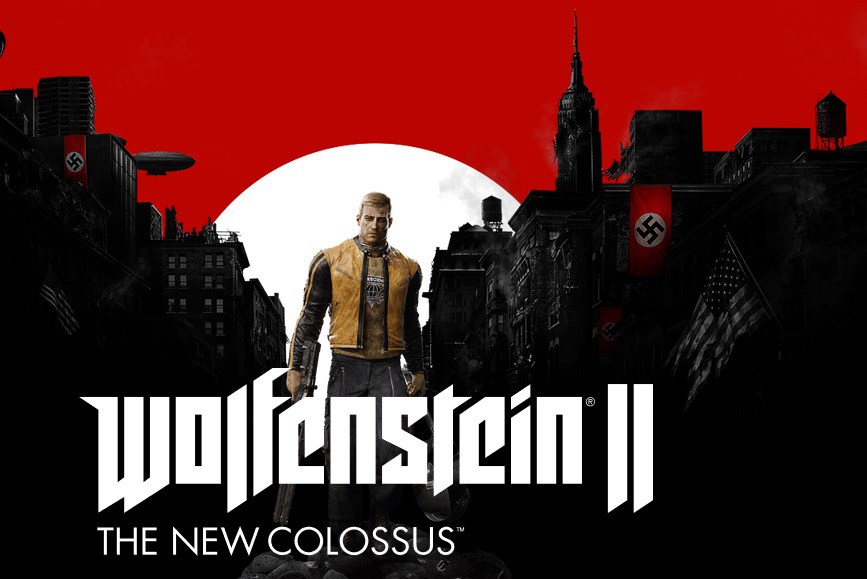
    If you’re not aware, The New Colossus refers to a poem dedicated to the Statue of Liberty, which Wolfenstein protagonist William B.J. Blazkowicz read aloud at the end of The New Order – itself a reference to the political regime the Nazis wanted to impose on Europe. I mention it because it’s indicative of Wolfenstein II‘s attention to historical detail and generally phenomenal production standards. This is a game that was clearly made with love.

    It seems odd to say the game has excellent historical detail when the whole point is that it’s set in an alternative 1960s America where the Nazis took control. But it does an amazing job of taking existing sixties cultural touchstones – the Black Panther movement and The Beatles, for example – and transposing them into a twisted world. The records you can find scattered about – all of which are playable – are just one example of this. In this world, The Beatles never happened: instead we have “Mond, Mond, Ja, Ja” by Die Kafer.

    In terms of actual gameplay though, not much has changed from The New Order. Many of the same weapons are present, and old Terror-Billy does most of the same things he did before, with the exception of a few gameplay-altering ‘contraptions’ he gains access to later on. The old-school health packs are present and correct, too, although they don’t feel quite as revolutionary as they did in The New Order now that games like Call of Duty: WW2 and DOOM have binned regenerating health and adopted the idea.

    As in the first game, you’re encouraged to adopt a stealth approach, at least initially. But with no snap-to-cover option or system for monitoring enemy movement and vision, it’s pretty damn hard to stay hidden for long. Not that this is a bad thing – Wolfenstein is at its most fun when you’re racing around, shotgun in one hand, machine gun in the other, shooting ten bells out of Nazi robots.

    Trouble is, I didn’t feel like much of a gung-ho Nazi-killing super-soldier – at least on the normal difficulty level. Often, my progress came down to save spamming, eking my way a little bit further before dying rapidly and reloading. This game is hard. But I was relieved to find I’m not the only one who found the game tremendously difficult – Matt Geradi over at the AV Club made the point that Wolfenstein II gets so much better when you play on easy mode. And it really does – I had a whale of a time with it after I knocked the difficultly down a couple of notches. Not just because it made me feel more like the ‘Terror-Billy’ the Nazis in the game talk so fearfully of, chopping and shooting my way through dozens of elite soldiers, but also because the real pleasure of Wolfenstein II is getting to the end of each shootout so you can watch the utterly bonkers story unfold.

    The whole thing is like an insane roller-coaster ride. I don’t want to spoil the plot for you, but it really is fantastic. All I’ll say is that you start off rolling around in a wheelchair, gunning down Nazis on a submarine, and it just gets crazier and crazier from there. And whereas in most games I find myself just willing the cut scenes to end so I can get back into the action, often wincing at the stilted dialogue and cheesy acting, here the cut scenes are possibly the best thing about it. The acting is superb, and the characters – although almost caricatures – are some of the most memorable in a modern video game. You actually care about what happens to them. It’s a kind of miracle that for a game with such an over-the-top setting, the developers have managed to craft some of the most sympathetic characters I can remember. Towards the end, I found myself racing through the levels just so I could get to the end and see what events would unfold in the next cinematic.

    It also feels bizarrely contemporary and relevant, which is an odd thing to say about a video game set in an alternative, Nazi-run version of sixties America. But a lot has happened in the couple of years since the release of The New Order, and with the alarming rise of the far right in the USA and elsewhere, suddenly it all doesn’t feel quite so far-fetched any more. Indeed, there are a number of barely veiled references to the Trump administration, not least to a ‘Great Wall’ to keep out undesirables. There’s an excellent article by Simon Parkin in The New Yorker that does a good job of summing up Wolfenstein II‘s sudden, unexpected relevance to today’s politics:

    “The recent rise of nationalism in Europe and North America has emboldened the far right to such an extent that conservative pizza-makers feel the need to publicly demand that Fascists stop buying their products. Thanks to the movement’s successful co-opting of young, disenfranchised men—a big video-game demographic—the use of Nazis as cannon fodder feels, ludicrously, somehow transgressive and confrontational.”

    And to be honest, I found gunning down the viciously evil Nazis in this game to be surprisingly cathartic. After months of powerlessly watching the emboldened far right act with seeming impunity, it was like I had some way to release all that pent-up anger and frustration at them. Goddamn Nazis.

    Wolfenstein II is not without its flaws. Some of the collectibles feel a little lazy, like the star cards (although others like the records, are fantastic). The ‘peep’ option when behind cover feels like a finicky, poor alternative to a proper cover system, especially when you find yourself holding down L1, L2 and R2 to fire down your sights from behind a wall. But this is just nitpicking. Wolfenstein II is by far one of the best games of 2017, a year that has already seen some astonishingly good titles.

    Just play it, it’s bloody great.


    Wolfenstein II: The New Colossus is available on PS4, Xbox One and PC. We reviewed the PS4 version.

    [amazon_link asins=’B072JY7NX5,B071WPKZ7Q,B072MK1CY2,B074B2CB6G,B00DHF39KS,B00CYH0YHQ’ template=’ProductCarousel’ store=’mostagreeable-20′ marketplace=’US’ link_id=’b1a9c4fd-cca6-11e7-9525-03099cf3c36f’]

  • Review: Sonic Forces (PS4)

    Sonic Forces pitches Sonic and his friends in a war against Dr. Eggman and his latest creation: the mysterious reality-bending creature known as Infinite.

    Players take control of their own personal avatar, alongside Modern Sonic and Classic Sonic, as members of a guerilla operation of resistance freedom fighters, populated with almost every other Sonic character that has featured in previous Sonic games. The plot seems to have rather darker overtones in comparison to previous games, with war and torture featuring as themes in the opening gambit. Even though the game is resplendent with an all-star cast, gameplay is limited to levels featuring Modern Sonic, Classic Sonic and your personal avatar. It can be difficult to adjust to the mix up of characters and their unique abilities as you attempt to learn the controls in the initial stages of the game.

    Plot progression is witnessed through various cutscenes, each with their own, unique, cringeworthy elements. Whether it’s Tails gushing over just how cool Sonic is, or Infinite with an attitude and canter that would be the envy of Count Dracula, you’ll find yourself tapping the skip button after listening to a handful of the voice acting. Classic Sonic remains, thankfully, unvocal, and is all the more lovable for it.

    The speedy elements of the game feel good to power through, but the controls are occasionally clunky, which leads to frustration. Trying to adjust your character’s trajectory to avoid an upcoming obstacle whilst running at mach 3 speeds often feels like trying to push through treacle, and inevitably ends in frustration. There’s also the occasional pitfall of not realising certain hazards are, well, hazardous. In the dayglo cyberpunk world of the industrial levels, it can be difficult to discern the difference between a glowing checkpoint and a glowing death laser. However, restarting a level when your character meets its untimely demise is a breeze: with the aforementioned glowing checkpoints liberally scattered throughout the level, it’s merely a matter of seconds before you’re back running on the same path, only this time you’re equipped with new valuable insight.

    The ability to create your own Avatar in the Sonic universe feels like it’s a dream come true for hardcore Sonic fans. Finally, you can create your very own technicolour hedgehog, dog, wolf, bear, cat, rabbit or bird and let them run and fight alongside Sonic. Additional customisation options are available as items of clothing, which are earned as rewards for achieving missions throughout the game. There’s an incredibly generous amount of loot to be had for adjusting the aesthetic of the avatar, and players can spend an inordinate amount of time tweaking their outfits as well as adjusting their skin and eye colour to suit. The Wispon, a type of elemental energy weapon the avatar uses, also comes in a variety of collectible types to suit the play styles of individual players.

    The unfortunate drawback to the fast paced nature of the Sonic series of games is that players rarely get the opportunity to properly watch their lovingly nurtured original character run a loop-de-loop with Sonic, as the pacing and reaction time required to seamlessly play through a level means you’re constantly looking ahead to avoid pitfalls.

    Throughout the game, players are requested to assist on SOS missions – replaying previously completed levels to rescue or assist other players’ avatars. It’s an element that encourages players to revisit old levels that may not otherwise get a second appearance; and as a added bonus, scores are often improved, which leads to more achievements and even more goodies unlocked in the ever-growing wardrobe for your avatar. Despite this replay value, many levels feel like they are cut short, despite the scale of the worlds within them feeling vast.

    Classic Sonic levels feel like a welcome respite to the fast paced 3D levels, and are resonant with retro blips and bleeps that invoke a warm sense of comfort in any retro Sonic fan.

    Overall, Sonic Forces is an enjoyable speed run through a colourful collection of classic Sonic worlds. The addition of the avatar feature is a guaranteed attraction for many Sonic fans, and lends itself well to mixing up the play style, combining firepower with speed. When the game performs well, it performs beautifully. Playing as Sonic boosting through hordes of enemies at blinding speeds before seamlessly rebounding off a trampoline to launch through the air is thoroughly satisfying. However, where it falls down, which seems to be an unfortunately common issue with modern 3D Sonic games, is in the frustratingly difficult to navigate level design coupled with controls that don’t quite respond how you want them to.


    Guest review by Cara Packwood.

    Sonic Forces is available on PS4, Xbox One, Switch and PC. We reviewed the PS4 version.

    Disclosure statement: Review code for Sonic Forces was provided by SEGA. A Most Agreeable Pastime operates as an independent site, and all opinions expressed are those of the author.

    [amazon_link asins=’B0757B5V5H,B075739M9P,B075Y3LYHD’ template=’ProductCarousel’ store=’mostagreeable-20′ marketplace=’US’ link_id=’d5109831-cd7d-11e7-954d-f74d830d6b77′]

  • Review: Telltale’s Guardians of the Galaxy (PS4)

    I’m a big fan of the modern Telltale formula and an even bigger fan of Marvel, so by all rights this should have been the greatest Telltale game of all time. I’m sorry to say that I think it’s one of their weaker games though. Oh, it’s still a decent enough game. It’s got that usual compelling Telltale visual style and basically all the same gameplay mechanics that you always see in a Telltale adventure, but surprisingly, I think the fault here lies in the writing.

    Usually the writing is the highest point in a Telltale game, so you can see why it would be a bit jarring to see a decline in that area. It’s not even bad writing, it’s just so…average and safe. Part of this is due to the team dynamic. Telltale games usually shine the most when they drop you into a group of unknown characters, where one or more of them are very hostile, and the rest are highly unpredictable and potentially untrustworthy. When you’re forced into a situation like this, like you so often are in their other games, it makes for a lot of tension, inter-group conflicts, and a whole lot of sudden, surprise developments.

    Here though, we have a team that’s already been formed when the game begins. They’re already a team, they’re already all friends, and have already learned to trust each other enough to get to this point (this version of the team seems to be mostly based on the movie versions, at roughly some point between the first and second movies). So how do you reproduce that traditional tension in a group that’s already on very good terms with each other? Well, by introducing a lot of forced bickering at every turn, apparently.

    You control Star-Lord, the leader of the group, and you’re treated to an endless barrage of team members complaining about everything and regularly forcing you to choose between their idea and another team member’s idea, which of course results in someone being mad at you and someone else no matter what you do. The team argues so much about everything that many of them regularly threaten to leave the team, and the team actually does finally disband at one point. Gee, I wonder what happens next? Will the Guardians of the Galaxy stay disbanded and just let the universe die over some petty personal grudges? Yes, that’s probably it.

    Don’t get me wrong, it’s not a bad game. The dialogue is mostly good, and it’s a fun enough little adventure, but it’s all so unusually basic and predictable. Telltale’s recent first season of Batman was able to overcome this by taking risks and playing it fast and loose with familiar continuity, which resulted in a story that was unique and surprising even to someone who’s read a ton of Batman stories. Guardians of the Galaxy instead plays it very safe, sticking extremely close to the movie versions, with only minimal changes, and almost nothing in the way of surprises. In fact, it sticks so closely to the movie version that it lifts a few jokes directly from the movies.

    If you’ve never seen the movies, you might find this game a little more new and exciting than I did, but if you have seen them, you might find a little too much of this story and content to be redundant. They do get briefly into the pasts of the various members at times, something that the movies have yet to touch on in-depth, so at least there’s that, but for the most part it just feels like a too-familiar re-telling of the formation of the team in the first movie, except this is happening after that, so it feels kind of strange that they need to do all this work to get to know each other at this point in time.

    Even having said all this, I still think it’s a decent game, but it’s a decent game from a company with a solid history of well above average games, so its inferiority stands out a bit. If you’re a big fan of Telltale and/or Marvel you’ll probably still enjoy it to some degree, but if someone were to ask me what Telltale series they should try first, I sure wouldn’t ever mention this one.

    Telltale’s Guardians of the Galaxy is available now on PS4, Xbox One, iOS, Android, Nintendo Switch, and Windows.

    [amazon_link asins=’B06XYP5DK2,B01MTZC8D8,B01IFHEFX2,B01IFHEH62,B01LW6TJR6,B00K2O54V4,B00KY1I0EI,B00K2O5360,B01LVU0GT9,B00KY1I0IO,B00K2O538S’ template=’ProductCarousel’ store=’mostagreeable-20′ marketplace=’US’ link_id=’529a7308-c897-11e7-9c58-5987c23e5fde’]

  • Spiffing Reads: Mario tunes, the genius of Terry Cavanagh and an Indie Wonderland

    This week on Spiffing Reads, we begin by fondly remembering when singles based on video games were very much a thing, long before the special edition vinyl video game soundtracks of today.


    Looking Back On That Time When Mario Gatecrashed The UK Music Charts (Nintendo Life)

    NintendoLife posted a great article about two video game singles I’d never heard of that were based on Super Mario Land and the original Tetris on Game Boy that were released commercially. I’m definitely going to be checking out Super Mario Compact Disco, the full-length release by the same people (listed as “Ambassadors Of Funk feat. M.C. Mario”, haha). Professor GreilMercs


    This celebration of Runic Games’ greatest hits is late because I was playing Runic Games’ greatest hits (Eurogamer)

    I still can’t quite believe that Runic Games, makers of Torchlight and Hob, have gone. Here’s the irrepressible Christian Donlan on why they were so gosh darn good. Lucius P. Merriweather


    Super Hexagon Developer’s New Game Creates Surreal Worlds Through Typing (Kotaku UK)

    We’ve already had a bit of a Terry Cavanagh love-in today with Map Schwarzberg gushing about Cavanagh’s amazing VVVVV. But the indie auteur has his fingers in many pies, and Constellation is a weird-as-flan browser game he’s devised where you simply type things in and STUFF HAPPENS. Cue wonderfully bonkers images of flying eggs and general weirdness. L.P.M.


    What Ever Happened to Mass Effect: Andromeda? Part II (AmbiGaming)

    The second part of AmbiGaming’s lengthy look at what went wrong – and what went right – with Mass Effect Andromeda is essential reading. But one line stuck with me in regard to a question that publishers should ask themselves: “Are you making games to make money, or are you making money so you can make more games?” It’s a simple point, but it boils down a lot of complex arguments about publishers’ motivations. Do you want to make games? Or do you want to make money? Obviously you have to make money if you want to make games, but the problems start when the money becomes the ultimate focus. L.P.M.


    Walking in an indie wonderland (Polygon)

    God bless the indie scene. Reading this article was a phenomenal trip through some of the stunning, off-the-wall ideas that indie creators keep spinning out. Everything from beat ’em ups in which you can only defend rather than attack to a world in which all the objects you see have been made by hand and scanned into the game. Wonderful stuff – and we’ll certainly attempt to bring reviews of the games here to AMAP in the near future. L.P.M.


    Spiffing Reads is a regular feature where we pick out the best gaming articles of the week. If you’ve read anything interesting, please let us know in the comments.

    [amazon_link asins=’B06ZXTGFDR,B072JY7NX5,B071WPKD5P,B01MY7GHKJ,B01MU9VUKN,B072NQJCW5,B071QY1WLY’ template=’ProductCarousel’ store=’mostagreeable-20′ marketplace=’US’ link_id=’5b8a1395-cba4-11e7-8c0b-05129fe86e07′]

  • Review: VVVVVV (Switch)

    Although few and far between, video games have many luminaries: Shigeru Miyamoto, Tim Schaefer, John Carmack and the like. While their visions are often in most people’s head space, the reality is they’re more like captains steering a ship on a certain course than actual auteurs.

    Few can lay claim to the title of auteur, but there have been a handful, particularly back in the day when it was technologically feasible to build a game from the ground up by themselves. While creating something by committee has its pratfalls, creating something by yourself puts your neck on the line when you succeed or fail.

    I’ve been a fan of Terry Cavanagh’s work for some time; from Don’t Look Back to Super Hexagon to VVVVVV I always eagerly await his next work. What I find striking about his games is how he can build complexity out of simplicity. Tiny Heist has you trying to sneak your way around corridors in increasingly tougher challenges that never change your methodology, just the intricacy of the stages. Moving your little arrow through the rushing maze of Super Hexagon sounds easy in theory until you crush it against a pulsating wall literally seconds after starting the game.

    My favorite by far is VVVVVV, which is Cavanagh’s biggest endeavor by far. In it, bobble-headed hero Captain Viridian is separated from his space-faring crew in an interdimensional accident of cosmic proportions and must seek them out in a curious world in the hopes of getting home. At first blush it’s very much a platformer, but one that relies on the player changing Viridian’s gravity rather than jumping. With the press of a button you flip the gravity and walk on the ceiling, and vice versa. There’s no catch to it; it’s all entirely seamless. While the first area warms you to the idea of it, the thrust of the game will have you careening down hallways, caves and otherworldly locations by bouncing back and forth from the ceiling to the floor.

    The only thing the game really tasks you with is finding your crewmates, with a side order of shiny trinket collecting, and Viridian’s repertoire never expands beyond being able to flip. And it doesn’t need to. Rather, the game ramps up through its level design. The monochromatic, Spectrum-like world is open to you at the onset, with the game hunkering down into more focused challenges when you find dimensional warps to the areas your friends are stranded in. The expectation is that you’ll fail. A lot. No, seriously – this game has a death counter to remind you how many times you’ve f***ed up. The point is that you learn from it; check points are generously placed so that you’ll instantly be back where you were in moments to try, try again. It helps to minimize frustration; without loading or backtracking you can keep bashing your head against it until you succeed.

    While the fail state is lessened, winning still feels supremely satisfying when you realize you’ve accomplished a crazy set of finger-gymnastic-inducing traversal, even if it is for a worthless trinket. Its challenge feels fair in every regard: not once did I feel like I was cheated out of anything, only blaming myself for not being better. The sense of betterment is strong in VVVVVV, assuredly the crux of what makes it so wonderful.

    While the bulk of the programming for VVVVVV was Terry Cavanagh’s, I’d be remiss if I didn’t mention the stellar soundtrack by Magnus Pålsson that amps up the action in a fantastic chip tune fashion – I actually picked up the accompanying soundtrack, it was so good. Also worth noting is that even when you’ve soaked in Cavanagh’s opus, there are a set of special stages built by Cavanagh’s contemporaries and friends based on the framework of VVVVVV that’ll keep you playing for hours if you want. Some are better than others, but most are worth at least checking out.

    VVVVVV on any platform is worth playing, but the bright, poppy screen of the Swich and the portable nature of it makes it feel at home on Nintendo’s latest console. The haste with which you can pop in and out of the game as well as the brevity of picking yourself up after failure and getting back to it lend itself to the system. It deserves a place in every gamer’s library because for every epic, all-encompassing AAA game made by massive studios there should be something equally as grandiose made from the blood, sweat and tears of an auteur.


    VVVVVV is available on Switch, PS4, PC, iOS, Android, 3DS, Vita and practically everything else. We reviewed the Switch version.
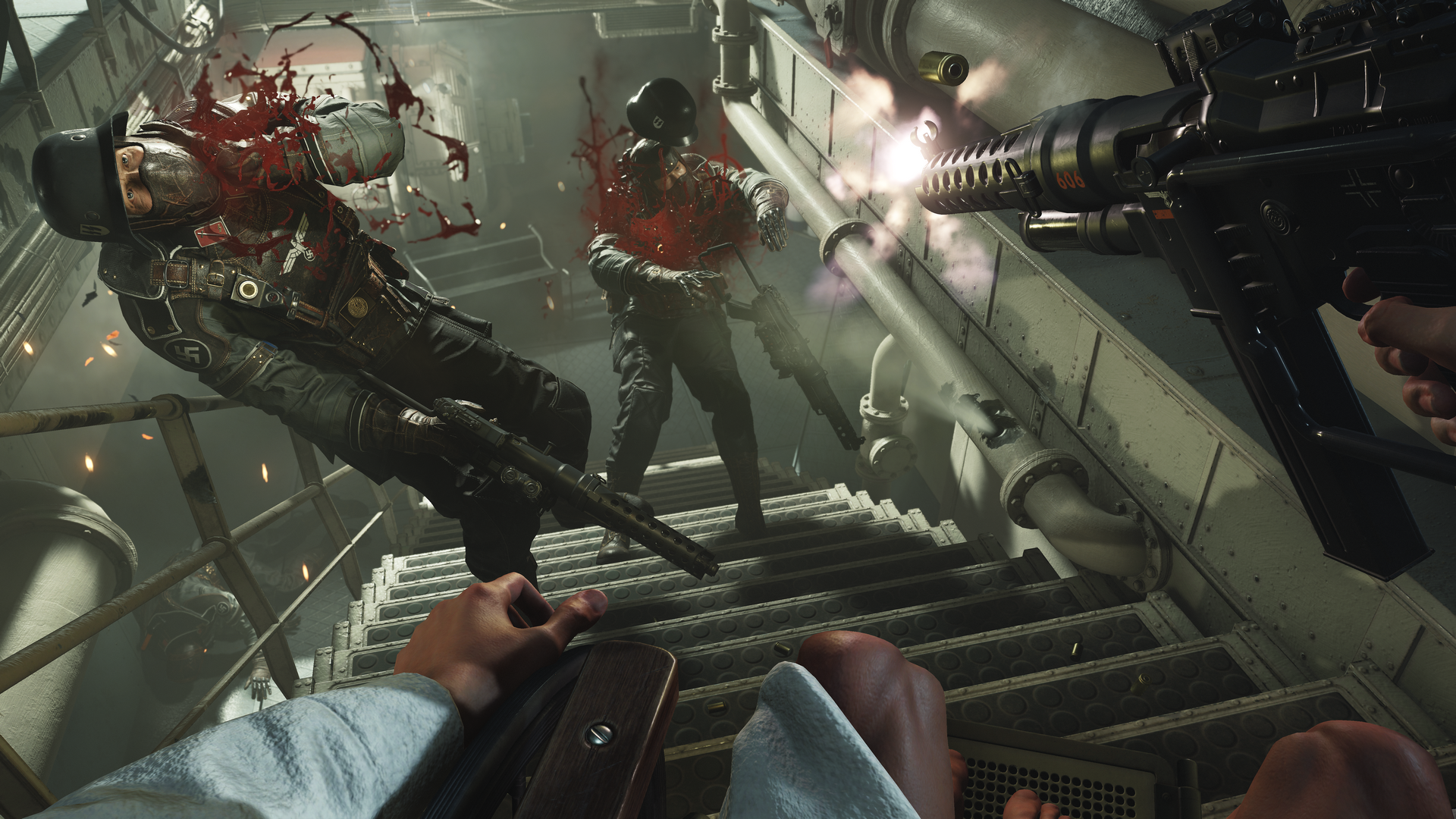
    Disclosure statement: Review code for VVVVVV was provided by Nicalis. A Most Agreeable Pastime operates as an independent site, and all opinions expressed are those of the author.

    [amazon_link asins=’B075MZMFXH,B01MY7GHKJ,B01N9QVIRV,B071JRMKBH,B01MU9VUKN,B01N1037CV’ template=’ProductCarousel’ store=’mostagreeable-20′ marketplace=’US’ link_id=’15870396-cbad-11e7-a22c-f3a782458f60′]

  • How long have video game stores got left?
    GAME is betting on its BELONG gaming arenas to bring punters into stores, but will it be enough? Credit: John Nguyen/PA Wire

    It’s alarming how quickly digital sales of console games have started to pick up – just the other week, Activision confirmed that 50% of Destiny 2 sales on console were digital. It made me wonder – if digital sales are rising so steeply, how long have video game stores got left? Surely there will come a point – probably very soon – when it won’t be viable to continue selling physical copies of games. And game stores have already been hit hard by competition from internet retailers.

    I pitched the idea for a feature to GamesRadar+, and after a huge amount of research, where I spoke to financial analysts, GAME and scores of indie retailers, the article below is the result:

    How long have video game stores actually got left (and can they save themselves)?

    It was a huge amount of work, and I’m pretty proud of the result, even if it makes for depressing reading. Still, there is a ray of hope – there’s a good chance that the decline in the physical retail market will eventually plateau, so some shops could have a future. But in the meantime, expect to see lots of game stores closing in the years ahead.

    Shelves in Grainger Games are dominated by merchandise these days.
  • Review: Ittle Dew 2+ (Switch)

    Every now and again, a developer deigns to ape The Legend of Zelda. The series is an amalgamation of pieces that, if you don’t fit them together correctly, won’t convey that same sense of discovery, wonder and progression. There must be something magical about the sum of its parts, because few reach the same heights and those that do feel a little watered down and amiss. Where most will zig towards the Ocarina of Time methodology, Ludosity took a zag and made an homage to the original Zelda with their game Ittle Dew.

    It was a fun, concise play that boiled down its experience specifically to the puzzle-laden dungeons, this time strewn about a small island. Serving more as a hub than anything else, Ittle and her drunken flying fox friend Tipsy (an inebriated hint giver a la Navi) would hop from cave to cave pushing blocks or using newly discovered tools to earn treasures that would net them a new raft for further adventuring. While small in scope, the length of the game was totally based around the tenacity of the player in figuring out how to move from room to puzzle-packed room. Even the most stalwart adventurer was likely to get hung up at some point. It took a single concept from a larger game, made it its own and wrapped a nice little bow around it.

    Of course there was going to be an Ittle Dew 2.

    Whereas the original Ittle Dew cribbed off of the original Zelda, Ittle Dew 2+ feels very… A Link to the Past-ish. While I miss the squiggly, hand-drawn art style of the first game, this new journey for our hapless heroine and her intoxicated helper hews closer to the cel-shaded antics of The Wind Waker. Design-wise though, this new island has dips and hills that harken back to the 16-bit world, replete with mysteriously cracked walls and hidden holes for you to discover. While the overworld feels much more elaborate and grandiose (not to mention open-ended), it too is a concise land that reigns in the profuseness for a more manageable and light experience. It’s big enough that you want to scour areas for secrets, but not so big that it drags the game on.

    There are no pretenses as to what Ittle’s mission is – it’s building another raft to perhaps go and find a less eccentric island with better treasure than where she’s at now. Ittle Dew 2+ valiantly nicks the “collect 8 shards” motif of the original Zelda by asking the player to find 8 bits of a raft. Story is downplayed a bit for this sequel, but it doesn’t diminish the character within. It’s still filled with witty fourth-wall breaking dialog between Ittle and Tipsy as well as awkward conversations with the bizarre denizens of this new land.

    Also worth noting is how the open-world island is handled. The original game funneled you to each new area by making them available after you’d collected your latest knickknack from the last dungeon you finished. There were a few side quests here and there that you could partake in, but for the most part it was a guided experience. Here, the entire island is available to you from the outset. Sure, there’s probably a recommended course to take, but the developers were smart to let everything be accomplished with just your stick. You still collect the baubles, but they now feel more like a cheat or break instead of a necessity. This in turn makes the puzzles variable, as having certain items can make your life easier. There is still gated content, but it’s not a necessity to finish the game.

    However, this does pare down the puzzles a bit. Whereas most of the original game forced you think with what tools were available to you, here most things can be accomplished with just the stick. I don’t want to say the puzzles were designed to be easier… but they feel like they were designed to be easier. At first I was happy about it; I’d spent a good chunk of time scratching my head trying to figure things out in the original game, so the thought of feeling like a badass loomed. But after a while it began to dawn on me that I was breezing through the game much quicker than I would have otherwise. In the end it doesn’t mar the experience as a whole, but it was definitely something worth noting. If you are interested in staring at the same screen for 30-45 minutes, there is a dream level that’ll rock your little world.

    Once I washed my expectations that I carried over from the first game away, Ittle Dew 2+ proved itself to be a worthy sophomore follow-up. What it lost in complexity it made up for in being a more well-rounded experience, the type of thing you’d recommend to plenty of people. Which goes without saying – if you like your Zelda-likes with a little more puzzle and a little less action, you can’t go wrong here.


    Ittle Dew 2+ is available on Nintendo Switch.

    Disclosure statement: Review code for Ittle Dew 2+ was provided by Nicalis. A Most Agreeable Pastime operates as an independent site, and all opinions expressed are those of the author.

    [amazon_link asins=’B01MY7GHKJ,B01N1037CV,B01MS6MO77,B075N7RDTM,B01MUAGZ49,B01N9QVIRV,B0721325R7,B06XH297M5′ template=’ProductCarousel’ store=’mostagreeable-20′ marketplace=’US’ link_id=’a0b14f3b-c92f-11e7-8cce-d986ee7626d4′]

  • Review: A Robot Named Fight (PC)

    Many people will immediately notice that everything about A Robot Named Fight, from the graphics, the gameplay, and the music, all have that unmistakable resemblance to Super Metroid, but aside from that, this is a very different kind of game. The environments are semi-randomly generated and the game can be beaten in an hour. There are also no saves, and you only have one life. Yes, it’s one of those. It doesn’t really seem so bad at first though. I was able to finish the game three times without dying once.

    Unfortunately, you need to win six times to finally unlock the real final level and boss, and the game starts getting much more difficult after each few victories. After my initial winning streak, the fourth run suddenly took me four or five tries to complete. Things get pretty vicious in those last few runs, with greater numbers of enemies who do greater amounts of damage, and a map that grows in complexity and hazard frequency. You’ll need literal balls of steel to finally reach and defeat the dreaded Megabeast core.

    As with many roguelites, there’s also some luck involved. Runs can succeed or fail depending on what items have decided to generate each time. I had a few times where I found almost no health increase items and sometimes all the wrong special currency items appeared, leaving me unable to buy enough merchant upgrades to be helpful. It’s all perfectly do-able though if you exercise some caution and make sure to make good use of health restore farming when needed, and the runs are short enough that the frustration of losing isn’t unbearable.

    As nice as the idea is of a Metroid-ish world full of nasty bio-horrors is, this game has a pretty short shelf life for a roguelite though. The random generation seems somewhat limited and room types are repeated pretty often. The boss pool is pretty small, and while the bosses have nice visual design, most of them have very basic attack patterns, and so none of them, except the Megabeast itself, are particularly memorable battles. Serviceable, sure, but not memorable.

    There aren’t any alternate characters, and there’s not much there in the way of unlocks. Basically, once you’ve done your six full runs and beaten the Megabeast core, that’s it, you’re done. This is a very low-priced game though, so it’s actually not a bad amount of content at all for its price at all. Just don’t be expecting something on the level of Binding of Isaac in terms of replayability. Otherwise, it’s a pretty solid game for fans of Metroidvanias and roguelites. 

    A Robot Named Fight is available now digitally for Windows.

    [amazon_link asins=’B01N21YHC5,B073L9TPND,B073P1V3BY’ template=’ProductCarousel’ store=’mostagreeable-20′ marketplace=’US’ link_id=’1c39bf70-c317-11e7-9b7c-19ff89f48f8f’]

  • Spiffing Reads: Cockroaches in a PS4 and… wait, cockroaches in a PS4?

    This week on Spiffing Reads, we start off with horror. Pure, pure horror.


    Man Livestreams His Roach-Infested PlayStation 4 (Kotaku)

    Oh god, just look at them [RETCHES DOWN SIDE OF COUCH]. Jesus. No, I can’t look away, something too compelling about it. Oh god! [RETCHES ONTO SHOES]. Bleeeeeeeurgh!!!! Lucius P. Merriweather


    Knight Terrors (2017) (The Well-Red Mage)

    And now for something a little less horrifying. The Well-Red Mage picked up on a spiffing new release for the Nintendo Switch – Knight Terrors, an endless runner that somehow taps into the arcade feel of old. It’s suddenly shot into my top ten most wanted list. L.P.M.


    Ranking the core Super Mario games (Polygon)

    New Super Mario Bros. U at number one???!!!!?? [SPITS COFFEE ACROSS ROOM, THEN RETCHES ON SHOES AGAIN]. Jeremy Parish successfully trolled the Internet this week, with a list that’s divisive at best, LUDICROUS AT WORST. Obviously, Super Mario Galaxy 2 is the best Mario game. AND DON’T TRY TO DENY IT. L.P.M.


    Nintendo Shut Down The Miiverse Tonight As Fans Said Final Goodbyes (Kotaku)

    I can’t believe that Miiverse has gone already. It felt like I was only just starting to get to know it. Sob. Still, at least Shigeru Miyamoto’s parting post was a treat to soften the blow. L.P.M.


    Dear Nintendo, please greenlight Switch sequels to these games (The Gay Gamer)

    Speaking of treats, this was a delightful read – a real trip down memory lane to some of Nintendo’s forgotten franchises. And some non-Nintendo ones, like Hotel Dusk – god how I miss CiNG, they made some bloody great games. [SMALL RETCH OF SADNESS]. L.P.M.


    Spiffing Reads is a regular feature where we pick out the best gaming articles of the week. If you’ve read anything interesting, please let us know in the comments.

    [amazon_link asins=’B01MY7GHKJ,B00DC7G0GG,B012F20ZY6,B00KWFCSB2,B002BRZ9G0,B0088MVPFQ,B017V7DKHE,B000ERVMI8′ template=’ProductCarousel’ store=’mostagreeable-20′ marketplace=’US’ link_id=’b24b84ef-c656-11e7-9581-7be7093e8090′]

  • Review: Cuphead (PC)

    Oh, Cuphead. Surely you’ve all already heard about this game by now. Everyone knows about the amazing hand-drawn animation and great music, and we’ve all heard that it’s a surprisingly tough game. Surely it can’t be that bad though, can it? People often say that retro platformers like Shovel Knight are very difficult, but they’re really not that bad. Seeing how goofy and simplistic Cuphead looked, I imagined that it would be much the same, slightly challenging, but not really that hard if you’re used to old-timey platformers.

    When I began, it seemed to confirm my suspicions. I had heard that you only had limited life to get through each level, and that you’d have to start all over when you died, but it turns out that the levels are incredibly short. In fact, most of them aren’t even really “levels”, they’re nothing but boss battles. Ok, so the bosses are a little tough, but the fights are so short that retrying isn’t a big deal. You just need to try a few more times and no problem! That’s how I felt in World 1 anyway.

    World 2 suddenly becomes drastically more difficult. One of the first bosses there is actually one of the worst in the whole game. You know the clown I’m talking about if you’ve played this. Suddenly the simple bosses of World 1, with their meager three forms and easily predicted and/or memorized patterns, were a distant memory and I found myself in a painful new world of bosses with up to five different forms, each with hugely different move-sets, and a seemingly endless supply of life.

    Oh, crap. It really was that tough, and it only got worse from there. Where other super-difficult games at least usually start to feel like you’re slowly becoming better or more powerful, Cuphead’s difficulty curve is more…well, it’s not really a curve at all, more of a line that goes up to the top of the chart and then just ends up there. The various weapons and charms that you can buy during the game are of little to no help. There’s really nothing you can do except to quite literally “git gud”.

    And even pure skill will only take you so far here. Boss tactics and toughness change so inordinately that very little of your experiences with previous bosses will be of any help to you. All you can really do is keep beating your head against them until you completely memorize their patterns, and even then, the fight will still probably not go the way you expect it to.

    Imagine if Dark Souls cut out all the exploration and normal enemies, and was nothing but all the toughest boss fights back to back, and you had to stay level 1 the entire time. That’s what this is like. There were more than a few times where I considered giving up because it was starting to feel unpleasantly frustrating much more often than it felt fun. A more reasonable person would probably have turned the difficulty down to “Simple”, but this apparently doesn’t just reduce the difficulty, it also cuts entire sections out of levels, and I’m not ok with that.

    So what does this all say about this game? I suppose that part of me must have liked it well enough, since I kept pushing on until I finished every level. The old-timey cartoon aesthetic is certainly very well done, and I did enjoy seeing all the crazy animations. It ran surprisingly flawlessly even on my horribly outdated PC too. Still, I feel like most of my memories of the game are not so much “gee, that was fun”, but “wow, that was really %@#!*$ annoying and I’m glad it finally ended before I smashed my controller”. The thought of ever playing it again makes certain parts of my body shrivel up in terror.

    In the end, I guess it all really comes down to how sadistic you are in your gaming. If you really, really want a challenge, this will certainly provide that, and do so all wrapped up in a very well-produced package. If games like Dark Souls are too frustrating to be enjoyable for you though, don’t even think about this, because it will absolutely break you.

    [amazon_link asins=’B00VFVIOBU,B00VFVINIE,B0756QZ456′ template=’ProductCarousel’ store=’mostagreeable-20′ marketplace=’US’ link_id=’0c78e094-c18c-11e7-9d91-2f3c552ca45c’]

  • Review: Perception (Switch)

    It wouldn’t be prudent to talk about Perception, an eerie new title made by Deep End Games, without asking you how you feel about interactive experiential games – or more colloquially, ‘walking simulators’. I’m not about to argue with anybody on the merits of whether these are games or not; rather, I ask because the amount of interest and investment you have with the genre will determine whether you’re willing to stick with Perception.

    The game follows a gal named Cassie, who travels to Gloucester, Massachusetts, to a home that has been creeping into her dreams. As soon as Perception starts, it tests your wherewithal, because there is no lead up as to how Cassie found this house, what her personality is (beyond being blind and picked on), who she’s talking to on the phone as she walks up to said manse and, more importantly, why you should care. When it comes to stories, there’s a certain amount of suspension of disbelief a person can carry before they get bogged down in the logistics of it all. For Perception, my suspension quota was apparently very small, as I immediately lost interest in the hows and whys. I simply shrugged my shoulders and soldiered on to see what the game offers mechanically.

    As I mentioned, our hero Cassie is blind. This is conveyed by her, uh, inability to see. To give the game something of a visual panache, Perception provides her with a sonar-like ability that visually conveys the things she hears. It’s a neat trick, giving the game a unique visual style that is simple but gives you the sense of barely knowing your surroundings. Cassie can stamp her walking cane on the ground, which sends out a wave of sound that often fills an entire room with the details you’ve been missing. However, to give the game a sense of tension, an ephemeral being will give chase should you overdo it with the stick whacking. Being caught means falling back to a previous checkpoint – but finding a hiding spot requires you to use your cane. While certainly scary, this mechanic grew to be more irritating than anything else.
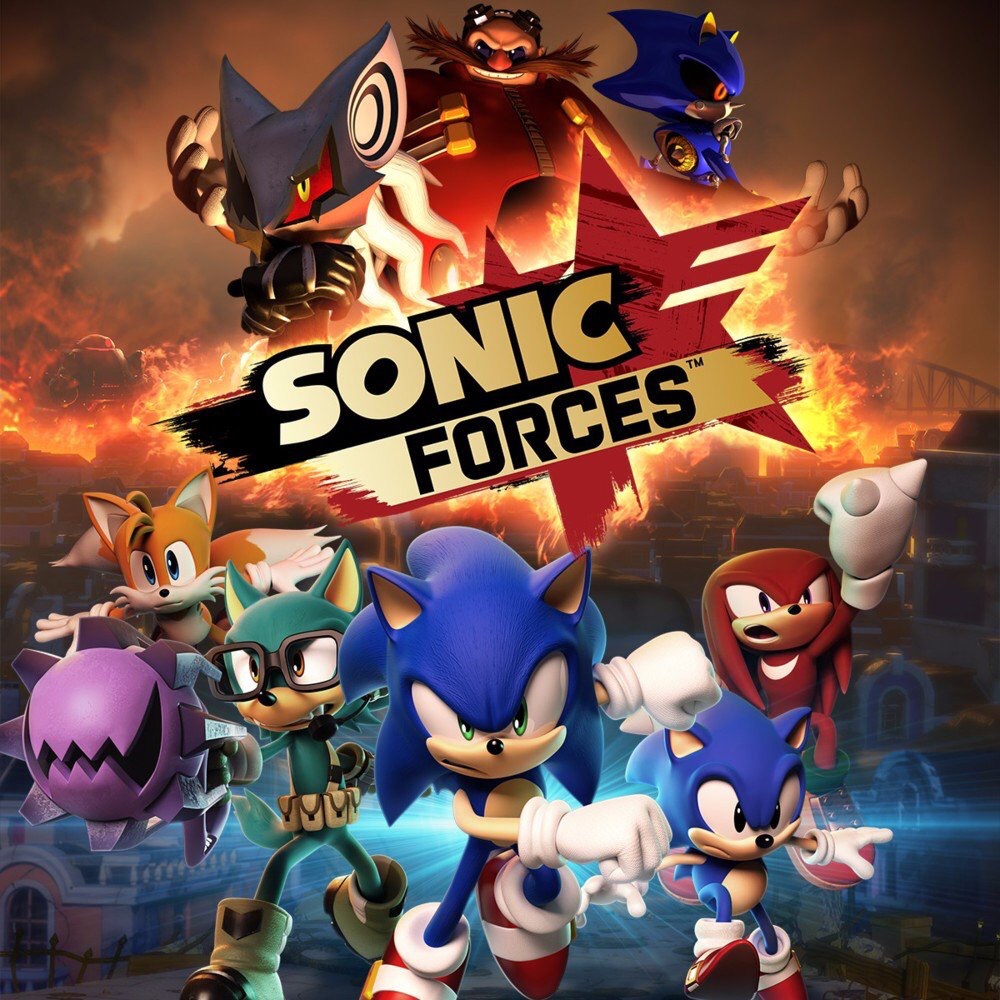
    This wouldn’t be an issue if the story was worth following, but alas it’s not to be. Again, I had no affinity for Cassie or her plight, and as I meandered around Echo Bluff and unfurled the mysteries surrounding it, I found it all to be a bit too rote for my liking. Plot details are conveyed by Cassie blurting out narrative, through diary pages (which are neatly and smartly read by a phone app) or by very trite recordings that seemingly litter the house. Because the pacing is so brisk, you’re often floating to different bits of plot at a pretty good clip. Again, because I didn’t have a horse in the race, I noticed how often I was being fed the next story beat rather than parsing what was being told to me.
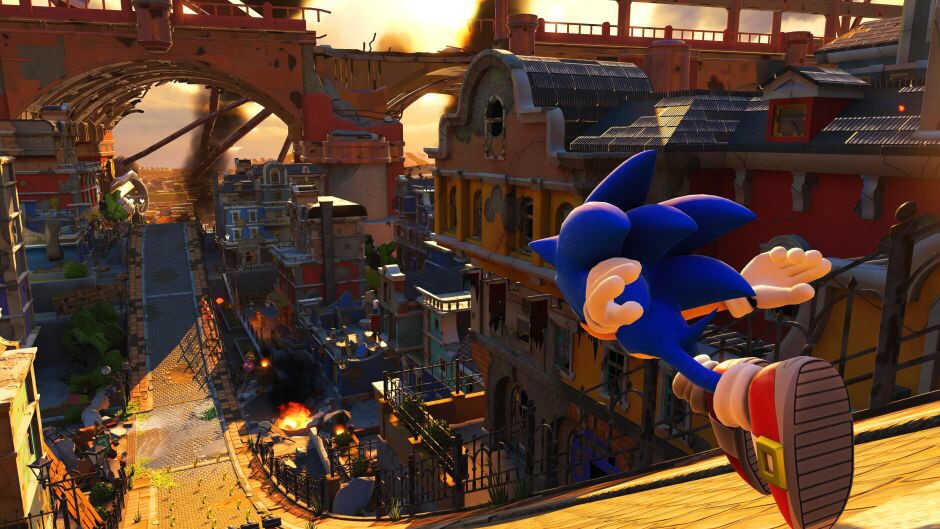
    There’s definitely a need for atmospheric, narrative-driven games on the Switch. Putting on a pair of headphones can totally immerse a player in the right circumstances. Perception is a very positive step in the right direction, even if it misses the mark. It also makes an admirable attempt to be an ‘every’ game by allowing you to raise or lower Cassie’s chatter and to switch the game’s focus between either diving into the plot or amping up the horror.

    Because I’m new to narrative horror games, I wondered whether I just don’t fully understand how to play Perception; maybe those with a keen interest in horror or more story-heavy games can overlook the idiosyncrasies I had trouble getting past. The game certainly carries a lot of potential in its presentation, but it doesn’t quite execute its story in a manner that drew me in. I have faith that Deep End Games will nail it with their sophomore release, but for now Perception is a missed opportunity.


    Perception is available digitally on PS4, Xbox One, Switch and PC. We reviewed the Switch version.

    Disclosure statement: Review code for Switch was provided by The Deep End Games. A Most Agreeable Pastime operates as an independent site, and all opinions expressed are those of the author.

    [amazon_link asins=’B01MY7GHKJ,B01N1037CV,B01MS6MO77,B01MUAGZ49,B01LTHP2ZK,B071JRMKBH,B06XH297M5′ template=’ProductCarousel’ store=’mostagreeable-20′ marketplace=’US’ link_id=’d9fe0c16-c304-11e7-af50-eb71380679ed’]

  • Review: Numantia (PS4)

    I’m a big fan of turn-based strategy games, and it’s very rare to have the chance to play a proper, old-fashioned, hex-based war TBS title on PS4. In fact, I can’t think of another hex-based strategy game on the system (feel free to prove me wrong in the comments). So the arrival of Numantia is a big deal for console-owning TBS fans. There may be a million games like it on PC, but it practically has the market all to itself on PS4 and Xbox One.

    The game sees you defending or attacking the city of Numantia in Hispania in around 150 BC. You can choose to play as either the Romans laying siege to the city or the rag-tag Celtibarians defending it, so there’s potential to play through the whole thing at least twice to see both sides of the conflict.

    Then Jesus said “Lo, we shalt not be afraid, for we have pointy swords and sticks, and we shalt do them right in.”

    The gameplay is split between two phases. In the map phase, you spend time buying and equipping new troops and reacting to events, most of which have multiple choices to be made, and some of which trigger battles. This takes you into the battle phase, where you order your troops around a hex-based grid in an attempt to outflank the enemy and surround them, without being surrounded yourself.

    My first impressions of the game weren’t particularly favourable. For a start, I found the art style to be particularly grating – it reminds me of those really cheap looking biblical cartoons that used to appear on TV on Sunday mornings instead of The X-Men. Images of hairy men with thick black outlines flick between a couple of frames of animation, and it all feels just a little bit cheap and naff.

    Fancy-pants maps

    That said, the map screen itself is beautiful, a smoothly scaling vista that’s so pretty you could frame it. But it all goes a bit wrong again when you snap into battle mode and are presented with a flat, drab field and tiny, rigidly animated soldiers. Let’s just say that it hardly seems to be pushing the PS4.

    That map screen’s a bit of all right, isn’t it?

    There are a few questionable design decisions, too. For example, the text is vanishingly small, and I found I had to sit right by the TV to have a hope of reading it. Similarly, the menu structure is tricky to parse and feels highly unintuitive – it’s a far cry from the snappy menus of XCOM. More importantly, it’s just all incredibly dull to start with – the tutorial drags and relentlessly pumps you full of arcane information about morale stats and so on, yet the battles seem to be decidedly one note. It all comes down to swiftly manoeuvring to the rear of your opponent, where you can deal much more damage, and then giving them what for until one of you falls over.

    It’s all pretty linear, too. You move from one scripted event to the next, being offered nominal choices that seem to have fairly arbitrary outcomes. For example, at one point I was told there was a wolf pack outside the city, and I was given four options, ranging from attacking them to simply ignoring them. I opted to attempt to tame them in the hopes of gaining a terrifying wolf unit to use against the Romans. Instead I was told my soldiers were slaughtered and one of my units would go into battle with reduced health next time around. Great.

    I hex thee!

    I felt myself wishing that I could have more control, like in the Total War games, where I could plot how to expand my territory and plan how to wage war most effectively. But then I realised that the whole point of this game is not about player freedom – it’s about telling the story of a very precise moment in history that had a very definite outcome.

    Like Asterix but more grim

    I’d never even heard of the city of Numantia, but I was captivated by its story after playing this game for a few hours. Tribes from Numantia and its surrounding settlements banded together to hold back the Roman advance for decades, and it’s an evocative story – like Asterix but without the magic potions and high jinks.

    And the more I played, the more I started enjoying the combat. Things gradually get more complicated with the addition of different units, like cavalry and catapults, and the gameplay is far from as simplistic as I initially thought. For example, each infantry unit is made up of five or six soldiers, and their attack power is gradually reduced as soldiers die, so one tactic is to soften up battalions with barrages of arrows or javelins to make sure your infantry units have an easier time of it when they move in. Hero units, on the other hand, are single, powerful soldiers whose attack power doesn’t decrease as their health goes down.

    It gets pretty tough, too. Units that get wiped out have to be replaced between chapters, using up valuable silver and supplies, and it’s easy to find yourself unable to field a full army for the next conflict if you’re not careful. Units’ health recharges between fights, however, so there’s an emphasis on making sure weakened battalions beat a hasty retreat to ensure they can fight another day.

    As you can see, it all gets a mite bit more complicated as the game goes on.

    Battles become far more tactical as the game goes on. You soon end up commanding a sizeable army, and the skirmishes become tense affairs as you try to read the battlefield and come up with effective tactics to outwit your opponent. These epic conflicts can take upwards of half an hour, and sometimes much longer, but one infuriating design decision is that you can’t save during a battle. This particularly stung me when I was halfway through a conflict and the game froze, forcing me to start all over again.

    Despite this setback, I was keen to go back in and fight through it all again – in fact, Numantia successfully diverted my attention away from some of the current Christmas blockbusters, like Wolfenstein II. Yet here’s the problem – it seems more than likely that this game will become lost in the tsunami of titles released at this time of year. Numantia has a slow start and a divisive art style, but it’s a cracking strategy game once it gets going. Yet I fear it will sink without trace in the Christmas rush – I’m baffled as to why the publisher didn’t hold it back until a quieter time of year when it would have space to shine. And it certainly does deserve to shine as a rare example of a really good historical strategy game on consoles.


    Numantia is available digitally on PS4, Xbox One and PC. There’s also a boxed version available exclusively through Amazon. We reviewed the PS4 version.

    Disclosure statement: Review code for Numantia was provided by Reco Technology. A Most Agreeable Pastime operates as an independent site, and all opinions expressed are those of the author.

    [amazon_link asins=’B00K133CBU,B017W16ZNA,B00029QR7O,B00JDP1AWU,B004JQDJ8G,B0038TT8QM’ template=’ProductCarousel’ store=’mostagreeable-20′ marketplace=’US’ link_id=’900d3e00-bf08-11e7-beb2-d73833e1165a’]