Tetris has a fascinating history, and the story of how Alexey Pajitnov’s game was chased after by Nintendo, Atari and Sega has been told many different writers. But this graphic novel by Box Brown is one of the most accessible and delightful, distilling the complicated machinations of copyright and corporate deals into a brilliantly fun read.
Replay: The History of Video Games by Tristan Donovan
There have been countless books telling the history of video games over the years, but this is the best one I’ve ever read. Tristan Donovan shines a light on plenty of less-well-known stories from the annals of gaming history, with the chapters on Atari and Doom making for particularly interesting stories. An absoute must read for any gaming fan.
Getting Gamers by Jamie Madigan
Jamie Madigan studies the psychology of video games, and this book is filled with fascinating examples of how game creators strive to make us perform various behaviours and feel certain things. Reading this book will completely change how you regard some games.
Itchy, Tasty: An Unofficial History of Resident Evil by Alex Aniel
The writing in this book is a little uneven in places, but the stories are mind-blowing. Alex Aniel has gained unprecedented access to a huge range of the people behind the Resident Evil games, and there are some amazing insights in here – I particularly enjoyed the story of the actor who played Barry Burton and the infamous Jill sandwich.
Gamish: A Graphic History of Gaming by Edward Ross
Another graphic novel, and a particularly excellent one. Edward Ross not only takes a look at the history of gaming, he delves into the question of why we game and what effects games have on us. The drawings are filled with wonderful little references to games past and present, and half the fun was trying to guess them all. A wonderful read.
Sid Meier’s MEMOIR! by Sid Meier
I love that title. And there’s an excellent level of humour throughout this autobiography – Sid Meier is a pretty damn engaging writer, as it turns out. He tells some brilliant stories about the making of games like Pirates! and Civilization, but my favourite parts were about the very early days, and how Meier went from bedroom coding to massive success.
A History of Videogames in 14 consoles, 5 computers, 2 arcade cabinets …and an Ocarina of Time by Iain Simons & James Newman
Another book on the history of video games – but a really unique one. The authors have plucked out a eclectic selection of objects from the collection of the UK National Videogame Museum, and each double-page spread is dedicated to a particular object, whether it’s the NES Game Genie, a Dizzy III development map or a Myst hint envelope.
Commodore Amiga: A Visual Commpendium by Andy Roberts
Bitmap Books has produced an amazing selection of compendiums down the years, each dedicated to a different machine, but this is my favourite by far. It’s packed with beautiful images from classic Amiga games, as well as some insightful developer interviews.
Electronic Dreams: How 1980s Britain Learned to Love the Computer by Tom Lean
I absolutely love this book. It tells the story of how microcomputers like the Sinclair Spectrum and Acorn Atom rose up in the 1980s, and there are all sorts of fascinating details – like how the Post Office pioneered an early version of the Internet, and how the BBC Micro had an adaptor for Teletext. Essential reading – and readers outside the UK might find it particularly interesting to see how the console and computer landscape was so different over here in the 1980s.
Pure Invention: How Japan’s Pop Culture Conquered the World by Matt Alt
This book covers the full gamut of Japanese pop culture, from Hello Kitty to karaoke, but naturally video games play a big part. The story of how anime rose up as a medium and how Japanese games grew to dominance is brilliantly told, and I learned countless new things about Japan’s postwar history and influence. Essential.
Under normal circumstances, Loop Hero is the type of game I wouldn’t touch with a ten-foot pole; it’s randomized, it’s devious, and its main hook is a trial-and-error gameplay loop. Don’t mistake my ambivalence as a slight against the game; as I’ve got older and my time has become much more finite, I tend to lean into those titles that keep their progress constant so that I can see the end more quickly.
So how is it that a game that I would typically avoid has suddenly grabbed me in earnest? The answer is that it takes the weight of decision out of being the hero, and instead makes me a passive but interested dungeon master.
Loop Hero doesn’t put you in charge of the wandering hero. Instead it casts you as an active observer. You’ll watch the little hero man slowly plod around a literal loop, as he aims to make it all the way around back to his cozy campfire at the start. As he adventures forth, he’ll run into enemy encounters and you just… watch. It’s all a numbers game from here on out, in which the hero’s stats are compared to those of his foes, and the battle unfolds automatically as you peer on anxiously. As he trudges on and wins skirmishes, you can snaffle his winnings and litter his path with things to do. Much like a collectable trading card game, you’re given a random assortment of options that you have to carefully parcel out. You have to straddle that line between making it challenging enough that the hero gives you better cards and loot, while not overdoing it to the point where he’ll perish before making it back to camp.
Loop Hero is a game that is best enjoyed in small spurts rather than marathon sessions. It’s also at its best when you get more experimental with it rather than trying to min/max the damn thing by looking up all the secrets online. The sense of discovery and realization is just as big a part of it all as the systems and intermittent lore. Loop Hero makes for a great watercooler game, in which you trade stories and tips that come from revelations and mistakes as you plunge headlong into each successive loop. If nothing else, you’ll learn something new even in failure, which you’ll take with you to provide an advantage in the next go around. It’s designed in such a way that the sense of loss you’d get under regular circumstances in a rogue-like is dulled, because retracing your path doesn’t feel like a monumental task.
I’ve been playing Loop Hero regularly for about a month and, full disclosure, I haven’t seen it through to the end yet. I will get there, but it’s worth pointing out that even when I get there, my impression of Loop Hero won’t have changed – it is a marvelously experiential game that surprises with its little details and touches. Even when I do ‘roll the credits’, I can see myself going back, because it is so endearing to make up your own story on the go.
Loop Hero was developed by Four Quarters and publisher by Devolver Digital, and it’s available on PC and Switch. We played the Switch version.
Disclosure statement: review code for Loop Hero was provided by Indigo Pearl. A Most Agreeable Pastime operates as an independent site, and all opinions expressed are those of the author.
Follow A Most Agreeable Pastime on Twitter and Facebook, if you like.
Over the past year, I’ve made it a priority to keep an eye out for games that skirt the edges of my own expectations. I know that makes me sound like a hipster. But what I mean is that as someone who spends an abundant time playing video games, I’ve been looking for stuff that doesn’t necessarily engage me in the visceral way that I’m used to (although there’s nothing wrong with that at all), but that instead expands my perspective on what can be done differently in an interactive medium. Oops, I think I just leveled up from beatnik to avant garde art critic.
Omno, by German wünder-developer Jonas Manke, is a game that tells a self-reflective tale of a young child striking out on something of a vision quest. Although there are gamified things like finding journal entries from someone who took the same journey before you, as well as a bestiary you can fill out, for the most part Omno is about the sheer wonder of finding yourself in a new land and exploring it to your heart’s content. As you wander each land, they’ll inevitably come a point when you need to move on to the next area, but I wasn’t ready to do so until I plumbed each region’s depths. Each biome, while relatable, feels wildly unique not only in its presentation, but also in the way it subverts your expectations. I never knew I wanted to skate around on top of a staff through the undulating dunes of a desert until I did so here.
I love how organic everything feels in Omno. There are plenty of puzzles for you to solve, and even though some can be pretty obvious, they still feel like they belong. Likewise, the game does an amazing job of making the world itself feel vast, even though it’s relatively contained. Omno feels much larger than it actually is.
What I most appreciate about Omno is the little details. As an avid hiker, I enjoy things like hearing the wind flow through pine trees, the feel of the terrain beneath my feet and that air of mystery that permeates every corner I round. Omno captures it so well with its own subtleties: the way shadows play in the light, the way wildlife reacts to your presence, or when you find a new power that fundamentally changes and expands your traversal options. I know it’s a cliché, but Omno is all about the journey and not the destination. Even though I knew my time would eventually be finite, I had no impetus to push my way towards the end when I was having so much fun smelling the proverbial roses.
While there are definitely influential developers out there, I’m hesitant to call them auteurs, because what they do is often achieved with the help of a lot of people. Not so in the case of Manke – Omno is his creation part and parcel, and I’ll certainly be on the lookout to see what he does next. I’m discovering that I’m keen on games that put the idea of exploration front and center, without the need for combat or statistics or collectibles. Sometimes just seeing something new and just rambling around is all you need. Omno is the epitome of that notion, and it should be celebrated and experienced by as many people as possible.
Omno was developed by Jonas Manke (alias StudioInkyfox), and it’s available on PC, PS4, Xbox (inc. Gamepass) and Switch. We played the Switch version.
Disclosure statement: review code for Omno was provided by Future Friends Games. A Most Agreeable Pastime operates as an independent site, and all opinions expressed are those of the author.
Follow A Most Agreeable Pastime on Twitter and Facebook, if you like.
Well, what a year! It’s been a weird one and no mistake. I confess to hoping that the rapid rollout of coronavirus vaccines at the start of 2021 might have heralded a return to relative normality, but that return is slow in coming – or rather, it comes and it goes. As I write, the UK is due to enter another wave of social restrictions after Christmas, and there’s a scramble to distribute booster vaccines to counter the omicron variant. It makes me wonder when this cursed pandemic will ever end – something I’m sure all of us are thinking.
In terms of work, I’ve mainly had to focus on more-lucrative marketing stuff rather than less-well-paid-but-infinitely-more-interesting video games features as a result of the financial black hole inflicted by COVID in 2020. Still, I did fire off the odd interesting article here and there – and in March, I made a big career decision by dropping (almost) all of my copy-editing work to focus solely on writing, a career pivot that has been years in coming.
Getting down to London for EGX was a big highlight – and somewhat overwhelming after a year spent indoors, as you can see here.
One big moment came in October, when I attended EGX in London. The last games show I went to was back in 2019, and I hadn’t realised how much I missed going to these things. They’re a great opportunity to meet writers, editors, developers and PR folk who otherwise I only know of through emails, as well as a fantastic chance to discover new games. Above all, they’re a wellspring of inspiration – something that’s been lacking of late as I’ve been stuck behind the same old four walls.
EGX – and Play Blackpool a few weeks later – provided direct inspiration for several articles. I wrote a preview of Siltfor EDGE issue 366 after seeing it at EGX, and I did a Nintendo Life feature on Lowtek and their efforts to make new games for the NES after meeting Alistair Low at Play Blackpool. Plus I have more features in the works based on meetings at these conferences, so watch this space! Pandemic permitting, I’m hoping to go to many more games shows in 2022, because they’re such a great source of inspiration, not to mention a big boost to my motivation to write.
I met Alistair Low at Play Blackpool, and I loved hearing about the NES games he’s made.
Speaking of Nintendo Life, I did a couple of other features for them this year. I particularly enjoyed breaking down the Zelda formula into its constituent parts in an attempt to find out what makes a Zelda game feel like a Zelda game. I also did an email interview onthe making of the Lego Super Mario 64 Question Mark Block, which was a bit of a headache, to be honest. It took weeks and weeks of coordinating with PRs, and in the end the responses arrived long after the Lego set had been released. The answers were somewhat underwhelming, too, reading more like a press release – it just goes to show that face-to-face interviews are always preferable if you can get them.
Violet Berlin was the perfect interviewee – my chats with her were one of 2021’s highlights.
And what a contrast it was with the interview I did with Violet Berlin for Retro Gamer! That six-page feature for issue 221 was probably my favourite article of the year, and Violet was an absolute joy to talk to. We had a very long, wide-ranging chat, and I could easily have filled another six pages with snippets from her fascinating life. I did several other features for Retro Gamer, too: for issue 217 I spoke to Sensible Software’s Jon Hare about the making of Wizkid, and in the following issue I wrote a section on games magazines for the Back to the 90s cover feature. Then in issue 220 I spoke to veteran game designer Chris Crawford about the making of the brilliant Balance of Power, and in issue 224 I chatted with Garry Kitchen about The Simpsons: Bart Vs The Space Mutants.
Then there’s the one that got away. I pitched an article on the history of Super Monkey Ball based on promised email interviews with some of the Sega higher-ups, and it was all set to be the cover feature. But the interview responses kept being delayed, and in the end I had to reluctantly relinquish the feature because the delayed deadline clashed with my family holiday. Martyn Carroll ended up writing it instead, and I have to say, he did a fantastic job.
I spoke with the developers of Vokabulantis for WhyNow.
I also wrote more insight features for l’Atelier. One was a broad look at who owns the games industry, analysing the top 25 games companies and what their future fortunes might look like, while the second was an attempt to define the metaverse and look at which companies are trying to make it a reality. I pitched the latter after Epic’s Tim Sweeney made a big play about Fortnite being a metaverse at the Epic v. Apple trial this year, and it was only a few weeks later that Facebook morphed into Meta, causing the whole metaverse discussion to kick off again. As you’ll read in the article, I’m somewhat sceptical of the whole thing.
We’re going to see a lot more of this type of thing in the future, I reckon.
Finally, two of my favourite articles were for The Guardian. In one, I reviewed the deliciously bonkers Boyfriend Dungeon, which really endeared me with its wonderful writing and only narrowly missed out on making my best games of the year list. In the other, I spoke to various industry folk about the trend for releasing new games on outdated systems, a sector I find absolutely fascinating. I think we’re going to see a lot more of this stuff in future as people rediscover their love for physical media, or as younger generations discover it for the first time. Having said that, it’s only ever going to be a niche part of the industry, as the trend towards digital games is almost unstoppable. Still, as with vinyl, I can envisage a small but healthy market being sustained around brand new games cartridges.
And that’s about it – hopefully you’ve enjoyed some of the stuff I’ve written this year, and I’m hoping to write many more video-game features in 2022, in conjunction with visits to shows like EGX Rezzed, Develop, Gamescom and more. We’ll see how that plan goes, and whether the pandemic puts any more spanners in the works. There’s also a big secret project that I’ve been beavering away on for a big chunk of this year, which – all being well – should see the light of day in 2022. I’m dying to talk about it, but I’ll hold fire just now. Fingers crossed it all comes off!
Have a great Christmas, and see you all in the New Year. And if you want to take a look at all the stuff I wrote about games in 2019 and 2020, click on the links below. See you back here in 2022!
It’s been an interesting year in video games, with many of the promised big hitters melting away from the calendar after extended, COVID-related delays, leaving some superb indie games to fill the void. And as ever, we were only able to play a tiny fraction of the mountain of games released in a year – September alone saw a deluge of titles that we didn’t even have a hope of getting through. Still, we did manage to play some fantastic games this year, so here we present – in alphabetical order – the AMAP team’s favourite games of 2021.
Animal Crossing: New Horizons – Happy Home Paradise
Matt:Happy Home Paradise is such a meaty and substantive expansion pack that I feel like it’s practically it’s own game. Whereas New Horizons proper is an experience that’s built around making yourself the perfect getaway (and a perfectly timed one for a pandemic at that!), Happy Home Paradise is content with having you stretch your creativity to help others instead. Sure, it’s wistful and low-impact, but there’s something to be said in giving joy to somebody else as a positive feedback loop, even when it’s an anthropomorphic kangaroo or something.
Lewis: I’ve already banged on about how wonderful Death’s Door is before, but I feel it deserves repeating. This charming game, the work of just a two-person studio, seemingly came out of nowhere and absolutely blew me away.
Loosely based on the Zelda template, your little Grim Reaper crow is limited to simple sword slashes and ranged attacks, but the combat feels amazingly intense thanks to your limited health and the sheer range of enemies, each of which requires a different tactic to beat. And the exploration portion of the game is second to none – the level design is top notch, with secrets and items teased in a wonderfully pleasing way, making you want to come back and comb through each section for hidden surprises. In short, Death’s Door is a joy.
James: If you had told me at the start of the year that I would not only play, but actively enjoy a multiplayer, first-person shooter set in World War II, I would have laughed in your obviously stupid face. However, I would have been wrong to do so; not just morally, but factually as well. The title of that game is Hell Let Loose, and it is actually very good.
Two teams of 50 players try to secure sections of an invariably large map, requiring a prioritisation of teamwork over individual kill/death ratios. There’s a lot to learn for newbies too, with other players using terms that raw newcomers will surely fail to make sense of. Hell Let Loose should be an absolute bin fire, but canny design, excellent audio, and an engaged and (usually) helpful player-base made for a remarkably good time.
Hitman 3
Lewis: Really, Hitman 3 is more of a continuation of the previous two games than a proper sequel. There’s very little new stuff here, and Agent 47’s moveset remains largely the same. But those previous two games were so perfectly formed that very little needed to be added – all we needed was a few more glorious murder playgrounds to muck about in.
And what playgrounds Hitman 3 delivers! The Berlin nightclub level is up there with some of the best maps in the series, and the murder mystery level set in an English mansion was an utter delight. Sure, the final level is a bit of a letdown, but otherwise Hitman 3 barely puts a foot wrong – and the ability to import the maps from all the previous games with new challenges added in is the icing on the cake.
Inscryption
James: Daniel Mullins, the developer responsible for Pony Island and The Hex, is really good at making games which are quite hard to define. Often, it’s not even clear if you’re playing the game, or if the game is playing you. In general though, they’re genre-hopping, deeply creepy, and have a narrative which is part mystery, part metaphysical exploration of the consciousness of game characters.
True to form, although Inscryption is nominally a single-player, deck-building card game, it’s also much, much more than that. Locked in a cabin with a shadowy opponent who both plays the game and sets the rules, you’re left to work out what’s happening and why. Prepare to have your expectations subverted.
Mass Effect: Legendary Edition
James: Is the fact that one of my favourite games of this year is essentially a collection of re-released Xbox 360/PS3 era titles a bad thing? In this case, no. That’s because the original Mass Effect trilogy was and is flippin’ brilliant. Three games of scale and ambition, they are among the best action-RPGs ever produced. Mass Effect 2 in particular is outstanding, combining a compelling narrative with an engaging roster of characters and fun action set-pieces.
The Legendary Edition includes all the DLC, except for the Pinnacle Station content for the first game, as the original source code was corrupted. It also makes major improvements to lighting and animation, as well as making a handful of quality-of-life changes. That’s not to say that Mass Effect 1 doesn’t still have its fair share of mechanical jank though (because it does). The overall package is a must have for those who have never played the games, or those who just want to remind themselves of how good this trilogy really was.
Lewis: Nineteen years we’ve waited. Nineteen long years since the release of Metroid Fusion, which left Samus’s story on something of a dramatic note, with the bounty hunter being fused with Metroid DNA in an attempt to save her life. Dread picks up where Fusion left off, and it’s fascinating to see where the story goes next, with Samus’s Metroid blood playing a key role.
Mercury Steam did a brilliant job with Metroid: Samus Returns, and Metroid Dread surpasses even that, with some great level design and fantastic bosses. It’s flipping hard as nails, mind – yet the fact that I perserved through the difficulty to eventually nab a 100% items rating tells you all you need to know about how compelling and brilliant Metroid Dread really is.
Monster Hunter Rise
Lewis: I went back to Monster Hunter World recently to finally finish off the Iceborne campaign, and it reminded me of just how many improvements Monster Hunter Rise has made to the formula. In Rise you can zip into a big monster fight almost immediately, with monster locations revealed on the map and your trusty Palamute to gallop straight to where the action is – whereas in World, actually getting to a fight involves lots of plodding, tracking and seemingly interminable loading screens. The Wirebug in Rise is transformative, too, letting you swing up rock faces like Spider-Man and mount monsters with incredible ease.
In short, Rise is a triumph, with the only slight downside being the relatively short story campaign. Yet we have the Sunbreak expansion to look forward to in just a few months, which promises an absolute avalanche of new content – I cannot wait.
Sable
Lewis: Years in the making, Sable lives up to the promise of its sublime visuals, inspired as they are by the gorgeous artwork of French comic book legend Moebius. It looks utterly beautiful, like a graphic novel in motion, but thankfully there’s more than enough to do in Sable‘s world to make for a satisfying adventure to accompany the top-notch visuals.
The plot sees a young girl called Sable setting out on a coming of age quest called The Gliding, in which she’s given freedom to explore the world beyong her village and decide who she wants to be as an adult. And exploring the desert outside her home is utterly beguiling, with untold mysteries to uncover – I’m already 13 hours in, and there’s still so much more to find. I love that combat is entirely absent, too – Sable can only talk, climb and ride her seriously cool hover bike, and the game is all the better for it. Seeing what’s around the next corner is joy enough.
Super Mario 3D World + Bowser’s Fury
Matt: Even without including the Wii U’s hidden gem Super Mario 3D World, the game after the “+”, Bowser’s Fury, stands as an interesting experiment for Nintendo and a potential hint at where the portly plumber may go next. The amalgamation of segmented challenges married with a more open-ended world design made for an experience that was both familiar yet refreshingly new at the same time.
Lewis: The mark of a truly great game is how often you think of it after the end credits roll, and TOEM has been in my thoughts for months. It’s possible to finish the whole game in an evening, but those few hours are sheer bliss, a taught stretch of joyous game design without an inch of padding or bloat.
And it’s just so lovely. The game’s raison d’etre is simply to help people out by taking photos, and it feels so good. The mechanics themselves generate a certain amount of intimacy – taking a photo of someone is an inherently intimate act, and snapping the denizens of TOEM‘s world generates warmth in the very act of clicking the shutter button. Often I finish games with a sense of relief, perhaps after slogging through a particularly brutal final act, but after TOEM I merely felt a mix of satisfaction and sadness – the same kind you feel when returning home after a holiday. I didn’t want it to end, but I was glad that I’d been away for a while to somewhere magical.
Follow A Most Agreeable Pastime on Twitter and Facebook, if you like.
Going into Death’s Door (pun totally intended) nearly blind has made it more of a treat than I had imagined. You might argue that as a reviewer I should probably do a little background research before plunging into a new game – but I’d argue that by going in blind, my point of view isn’t colored by hearsay. Still, I did know a couple of things beforehand. I knew that (a) a lot of people liked Death’s Door on other platforms (I’ve been playing the newly released Switch version), and (b) people have made a lot of lazy comparisons to the likes of Zelda and Dark Souls, as if either holds enough clout to be meaningful. That’s not to say it’s not an apt observation, just an obvious one. What is important to note about Death’s Door is that even though it wears its inspirations on its sleeve, they feel like accoutrements to a dazzling yet cozy experience.
In the game you play as a crow whose job is to be what amounts to a ridiculously cute Grim Reaper. His role is to hop into new areas via a door, retrieving souls and bring them back to the quirky floating isle/business office that serves as your hub. While on assignment, our little friend has had a large soul stolen from him by a co-worker who had become trapped when the soul he was sent to harvest became got stuck behind an ominous door. Push comes to shove, and you’re suddenly aiding the thief by gathering three large souls that he can use to open the titular Death’s Door, thus helping both crows out.
Rather than focus on the plot itself, I wanted to note the way Death’s Door adds to its world-building in subtle ways. I love that the game is content with its identity so much that it allows players to make their own assumptions with a few tidbits of information instead of giving you a huge lore dump or, heaven forbid, journals and audio logs. It’s a delightfully weird place to visit and traverse that follows its own logic, which makes for a much more mesmerizing experience. Add to this a satisfying gameplay loop, and I can see why so many folks were smitten.
Our little crow works his way across the land inch by inch, doing some light puzzle solving as well as taking part in some simple combat, where the majority of the challenge comes not from mastery of your move set but in how you use it against the variety of enemies that show up. Nothing about either element of the game feels particularly noteworthy, but it is well designed and very satisfying. While there are upgrades to gear and stuff, the sense of progression in Death’s Door is more about understanding patterns and realizing how to bob and weave your way to your goals. Progress is further marked by finding doors that act as shortcuts to later areas that you can hop through should you die and get sent back to the office. Everything feels earned, and that trumps any kind of bauble or level up that you’d usually earn.
Death’s Door isn’t a great game because it expands our understanding of what a video game can be, it’s a fantastic game because it does what it sets out to do so well that it has become a new benchmark for a lot of people’s expectations. Not too shabby for a game starring a beady-eyed black bird that tilts its head confusedly while wielding a sword.
Death’s Door was developed by Acid Nerve, and it’s available on PC, PS4, PS5 and Switch. We played the Switch version.
Disclosure statement: review code for Death’s Door was provided by Indigo Pearl. A Most Agreeable Pastime operates as an independent site, and all opinions expressed are those of the author.
Follow A Most Agreeable Pastime on Twitter and Facebook, if you like.
I first discovered the magic of the developer Westone while on a fishing trip in Saskatchewan. I’m not sure why there was a Wonder Boy in Monster Land cabinet in an unassuming Canadian lodge; regardless, I had the opportunity to play this weird amalgam of a game, which lured me in with an adventurous tone that didn’t quite jive with its arcade sensibilities. It reminded me of Zelda II in the way that it had you gathering coins and entering houses on a 2D plane, yet it had a unique charm that was all its own. I don’t think I made it particularly far on the couple of coins I had, but the mark it left on me was indelible. In the thirty-odd years since then I’ve keenly played through many other games in the convoluted Wonder/Monster Boy series – but I’m also interested in anything that Westone has had a hand in more broadly. There’s just a certain charm and whimsy to their house art style that I find irresistible.
Although I hadn’t been keenly aware of Clockwork Aquario until now, its release is something to celebrate if you’re a Westone fan. It’s a bit of a lost gem, an arcade game that for one reason or another (there’s too much conjecture surrounding it to be definitive) didn’t make it out into the wild back in the day – but now it’s been lovingly restored by the former developers and new rights holders. It feels like a product of its time in both good and obviously dated ways, and it definitely deserves to be released and enjoyed.
After a straightforward snippet of a tutorial, the game bounces through five colorful and vibrant stages of unadulterated mayhem. Clockwork Aquario is a simple platformer whose gimmick involves picking up enemies and using them as projectiles. When you first approach a foe, you can either attack them directly or jump on them, which causes them to be stunned. Then, by simply walking into them, you can them grab them and give ‘em a toss! Clockwork Aquario is basically a score attack game, so setting up combos ends up being the core mechanic. You can wipe out lines of enemies, as well as balloons that give you power-ups and points, which remains a satisfying tactic throughout. Boss battles are hinged on you nabbing minions and throwing them because that tends to be easier than trying to slap or bounce on them.
It’s a brisk experience, which is to be expected since it was developed for arcades, but the longevity resides in mastery. The game has varying difficulties that dictate how many credits you have to beat it, so finding the perfect route and run is intrinsic to the experience. At first I was kind of miffed at the concept, because a lot of other arcade ports of late just let you pump virtual coins into the game. But having to go back to the start multiple times (it took me a few tries to get to the end) helped me to not only understand but also appreciate the systems and find the joy in challenging myself to get as far as I could under those limits. Which, really, is the basis for any arcade game: your mom and dad didn’t give you limitless credits, so why should the game? The really nice bow on top of the package is that Clockwork Aquario is a completely fair experience, and doesn’t paywall you with dirty tactics like a lot of arcade games do.
Beyond the game itself, the package surrounding Clockwork Aquario is serviceable, but nothing to write home about. The adjustable difficulty levels are nice, and there’s a lovely gallery to get into, but otherwise the game sits on its own without a lot of bonuses, bells and whistles. Which, in all honesty, kind of fits with Westone’s M.O. anyway – unassuming but lovely all the same.
As long as you know what you’re getting into, Clockwork Aquario delivers on its promise of being an ageless arcade game that still looks great, plays smoothly and offers an even challenge throughout. I wouldn’t say it’s the type of game to introduce yourself to Westone with, but it’s an amazing curio that I’m so happy was given the chance it deserves.
Clockwork Aquario was developed by Westone and ININ Games, and it’s available on PS4 and Switch. We played the Switch version.
Disclosure statement: review code for Clockwork Aquario was provided by PR Hound. A Most Agreeable Pastime operates as an independent site, and all opinions expressed are those of the author.
Follow A Most Agreeable Pastime on Twitter and Facebook, if you like.
TOEM: A Photo Adventure is a fairly short game. I managed to finish most of its challenges and see the end credits in about five hours. But what an utterly idyllic five hours they were.
This game is perhaps the very emobidiment of charm, warmth and cosiness. Sent off by your mum with a camera and a wave, you set out to photograph the mystical TOEM high in the mountains. But how to get there? Luckily, the local bus drivers will let you ride for free as long as you can collect stamps on your community card by helping out folks in the area. Yes, that’s right, THE BUS RUNS ON KINDNESS.
The tasks you’re given all involve taking pictures in some way, whether that means snapping a particular vista from a certain angle, or tracking down and photographing a rare creature. And the way the game switches from a fixed isometric perspective to a first-person one when you whip out your camera means there are plenty of surprises in store, as you spot things hidden behind scenery, or zoom in for a close up. It really makes you study your surroundings carefully, and there are charming sights to discover everywhere. What a lark.
You can read my full review of TOEM in issue 57 of Wireframe – click on the link to download a free PDF. Or, you know, subscribe to the magazine, because it’s great, and print is great, and I would subscribe to every single games magazine if I could afford it. Buy more magazines, everyone!
UPDATE: And now you can read my TOEM review online right here.
Follow A Most Agreeable Pastime on Twitter and Facebook, if you like.
As much as I admire strategic board games, I don’t often get terribly invested in them. It’s not for lack of wanting – it’s just that the cost and the time required to play a full session are pretty steep requirements, not to mention the difficulty in finding several other people who would be willing to invest in learning a dense, deep experience with me. Just like with the TV shows that friends constantly recommend, I tell myself I’ll “get around to them eventually”. But what I really mean is, “it’s never gonna happen”. The intention is there, just not the follow through.
Note that the images here are for the PC version, as borrowed from the Steam listing.
However, every now and then, a board game will come along that pulls on my attention so strongly that I can’t ignore it any longer. Root (created by Cole Wehrle and published by Leder Games) grabbed me almost instantly with its wondrously woodsy aesthetic and its play on politics and war through the guise of anthropomorphic forest fauna and their devious if cute machinations. Even looking beyond its, uh, looks, Root is a marvel of game design, prompting players to reach for different victory goals while simultaneously foxing their opponents. The crux of the experience is that the Marquise de Cat has taken over the woodlands, and various other factions (the warlike birds of the Eyrie, the slinky and conspiratorial Alliance and the crafty Vagabond in the main game) are all making their bid for control. It’s asymmetrical, complex and loads of fun. My family and I only bust it out a handful of times a year, and it’s always a treat.
So imagine my surprise when I saw a digital representation appear on the Nintendo Switch (it’s also available on PC and mobile). The potential is obvious: I can play Root with a lovely animated veneer, and without having to tidy up all the pieces afterwards, and as an added bonus, I can find someone to play against online at any time.
And sure enough, as soon as I booted up the game and saw a cute animal folk band playing fittingly bard-like tunes, I was in. Way in. The rest of the game is as advertised: a tidy and beautifully realized representation of a brilliant board game on an incredibly handy screen.
Trying to explain the rules of Root to someone without walking them through a game or two is a fool’s errand (and probably not something you’d be interested in reading about here). The key thing to know is that the experience varies depending on which faction you play. Importantly, Dire Wolf’s digital rendition of the cardboard classic features an amazing tutorial that walks you through the overall flow of the game, explains what each group is trying to accomplish and tells you how you can win. It can be a little impenetrable at times, but the cartoony vignettes help you to parse all of the information you’re being given, and these lovely asides never get dull. When you think you’ve gotten a handle on the game, the basic single-player experience has you trying to meet certain criteria in various scenarios. These not only help to expand on the ruleset by having you use them practically, but also offer a good challenge for those who can’t or don’t care to play online.
Beyond that, the core experience of the board game is completely intact, with options to play against people online or locally by taking turns. Full disclosure: I haven’t played online yet, so I don’t have anything constructive to talk about in regards to setting up, cross-play or network stability. To be frank, unless the game is broken and unplayable in that state, I wouldn’t have anything constructive to say either, because I’m not a very technically minded player who worries about those kind of things. Still, as a pass-and-play experience, Root is a proverbial chef’s kiss of a game; it’s soon to be my stalwart companion on an upcoming six-hour plane trip, and I couldn’t be happier!
The digital version of Root might lack the tactility of the board game, but otherwise I couldn’t ask for a better conversion. A lot of love and care went into the creation of this digital edition, and it shows. Even more enticing is that the expansions are also on their way to add even more wrinkles and nuance to the core experience. Even without those add-ons, I can see Root continually staying in high rotation on my Switch; the type of game that never leaves the home screen. If you’re anything like me, the idea of having such an accessible way to play such a brilliant board game without the usual hassles of setting up is a complete boon, and Root is one of the best proofs of concept for digitizing analog works.
Root was developed by Dire Wolf and Leder Games, and it’s available on PC, Switch, Android and iOS. We played the Switch version.
Disclosure statement: review code for Root was provided by Dire Wolf. A Most Agreeable Pastime operates as an independent site, and all opinions expressed are those of the author.
Follow A Most Agreeable Pastime on Twitter and Facebook, if you like.
I met Alastair Low at Play Expo Blackpool the other weekend, and we had a good old chat about his work making new games for the NES. I love how people are going back to these old machines with fresh ideas – and I can see how there’s an artistic satisfaction of creating something within tight constraints. You can only use so many colours, and have only so many characters on screen at once, so what do you create?
Alastair set up Lowtek Games last year, and so far he’s produced two NES games – Flea! and Tapeworm (there’s a parasitic theme here). I had a go on Flea!, and it was really good fun, with some tricky jumping and quirky humour. And the best bit about these games is that as well as making them available for download from itch.io, Alastair has been producing them as actual NES cartridges.
Flea! by Lowtek Games
But beyond making new games for the NES, Lowtek Games has been focusing on ways to make video games more accessible for people with dyslexia, and they’ve even come up with a plug-in for Unity that helps to make games more dyslexia-friendly with easily readable fonts. You can read my full interview with Alastair on Nintendo Life, and it was a really enaging chat – for example, before speaking with him, I had no idea that using all capitals for in-game text can make it extremely hard for people with dyslexia to read.
Follow A Most Agreeable Pastime on Twitter and Facebook, if you like.
My Metroid Dread amiibo double pack finally arrived last week, a full month after the amiibos were originally scheduled to come out. Nintendo had previously informed customers in Europe that they wouldn’t be receiving their amiibos until November, blaming ‘unforeseen shipping delays’.
The delay was particularly annoying because it meant I couldn’t use the amiibos for their intended purpose in Metroid Dread – the Samus one grants an extra energy tank, while the EMMI one nets you ten extra missiles. I really could have done with those when playing the game, which is absolutely hard as nails – but I’ve finished it now and I’m unlikely to go back and play through it again. When you complete the game, you’re given the option of playing once more in hard mode, which had me rolling my eyes and muttering ‘yeah, right’. I barely made it through on ‘normal’, with the final boss taking hours to get past, so there’s no way I’m playing it on hard.
Still, the amiibos look lovely, particularly the poses. It’s interesting that the Samus amiibo is a lot smaller than the Samus amiibo that was released with Metroid: Samus Returns, although that is clearly to keep her in scale with the towering EMMI robot. The EMMI barely fits on its stand as it is, so clearly it couldn’t be made much bigger!
Follow A Most Agreeable Pastime on Twitter and Facebook, if you like.
Nineteen years is a long time to wait for a follow up. Metroid Fusion came out for the Game Boy Advance way back in 2002, and Metroid Dread is the direct sequel to that now-ancient video game, meaning it charts the latest events in the convoluted Metroid timeline. In other words, after finding out what happened in Samus’s earlier life in the Prime series, now we finally get to see what happened after she encountered the mysterious X parasite in Metroid Fusion.
Samus is an absolute badass in Dread. By this point she has saved the Galaxy several times, very nearly died after being attacked by an X parasite, and only continues to live thanks to the Metroid DNA now fused into her body. And she is taking no shit from anybody. Her attitude is reflected in the sheer swagger imbued into her animation. The almost lazy disrespect she shows to one returning boss in particular made me gasp-laugh. And I have never seen anyone display such insouciant confidence in the simple act of getting into a lift. All traces of the obedient, order-taking, somewhat unsure of herself Samus depicted in the controversial Metroid: Other M are summarily erased by this new entry.
Combat in general is much more intense this time around. The counter move from Metroid: Samus Returns makes a welcome, ahem, return, and indeed is essential for beating some of the tougher enemies. Samus’s new slide move also makes getting around that much quicker – there’s no need to pause and crouch by a narrow passageway, you simply run forward and tap the slide button, which prompts the morph ball to trigger automatically. And speaking of the morph ball, there’s a break from tradition here in that it only appears very late in the game, which makes for a pleasing change of pace. On the other hand, a new ability that you pick up quite early is the Flash Shift, which lets you zip forward several paces in the air or on the ground, and becomes absolutely esserntial for dealing with some of the faster bosses.
Ah, the bosses. There’s at least one familar face here, but for the most part these are all new creatures, and they are absolutely hard as nails. Each one saw me dying over and over again, gradually learning attack patterns and finally triumphing by the skin of my teeth in most cases. I often found myself cursing and giving up on some of the trickier ones, only to return with fresh vigour the following day. Make no mistake – this is the hardest Metroid game yet, and completing it is no mean feat. It certainly isn’t a good place to start if you have never played a Metroid game before (or indeed a Metroidvania title at all). But then again, the difficulty is in keeping with the more brutal indie Metroidvanias we’ve seen over the past few years, like Blasphemousand Hollow Knight.
I can without doubt say I have never died so frequently when playing a Metroid game before, and a lot of those deaths were down to the new stealth sections, which feature nigh-on indestructible robots called EMMIs. When you enter an area being patrolled by an EMMI, you’ll hear its cheerful robotic beeping off in the distance – but this cheerful ditty is utterly at odds with the sheer panic-inducing fear that these robots generate. If the EMMI hears you – or worse, spots you – it will home in on you relentlessly, like some lanky, primary-coloured Terminator. And if it catches you, it’s goodbye Samus, as the poor bounty hunter is ruthlessly impaled on the EMMI’s head spike in a vicious cut scene. There IS a chance to get away here – there are two moments when you can whack the counter button to fend off the malevolent EMMI. But the counter window is outragesously small, and it’s made even harder by the fact that the animations change slightly each time you’re grabbed. I could count the number of times I managed to successfully counter an EMMI on one hand – and on some of those occasions, I was so shocked I managed to pull it off that I wasn’t prepared to resume my escape, and immediately got caught again.
Thankfully these EMMI sections only occur relatively infrequently, so they don’t become too frustrating, and the fancy stealth technology you pick up makes navigating them a bit easier. By clicking in the analogue stick you can become invisible, but with a penalty to your movement, and with a depleting bar showing how long your invisibilty will last. If the bar runs out, the stealth suit starts sapping your health instead, making for some tense moments as you wait for an EMMI to wander past, your health draining all the while. Dread is an absolutely perfect name.
So it’s difficult and remorseless, but if that doesn’t put you off, Metroid Dread is a beautifully polished game that hits all the usual highlights of the Metroid series as well as throwing in some welcome new abilities and plot twists. I won’t spoil anything here, but I will say that we get to find out more about Samus’s history with the Chozo, and the ending in particular has me intrigued as to where the series will head next.
There are some annoyances, mind. As well as the huge difficulty spikes around the bosses and EMMI sections, the controls for the grappling beam are bafflingly awful. To stand still and fire the beam at a grappling point, you have to hold L to lock Samus in place, then hold down R to activate the grappling beam, and THEN press and hold Y to fire it. I have no idea how this control system made it through playtesting, because it’s bonkers. Why can’t we just fire the grappling beam by pressing R? Wouldn’t that make more sense? Why do we have to hold down Y as well? I never got used to the grapple controls throughout my playthrough, and would regularly fail leaps across chasms because I forgot which button I should be holding.
Then there are the speed booster sections, which are comically hard in many cases. Generally these are optional, merely allowing you to grab missile boosters and the like, but you’ll need to complete them all if you want that elusive 100% rating. Once Samus gets the speed booster ability, she can charge it up by running, but if you hit down on the analogue stick once you’re at full pelt, you can store the speed energy for five seconds in a move called Shinespark. Then you can release the energy by holding down B, sending Samus blasting off in a direction of your choosing to blast through blocks hiding a power up.
The only trouble is that this move is incredibly difficult to pull off – and since the B button is also used for jumping, there were many, many times when I found myself merely hopping left or right instead of blasting at a wall, and vice versa. As with the grappling beam controls, it feels like there must be a better way to handle this, because the current control system seems bafflingly difficult and unintuitive.
Metroid Dread also commits the cardinal sin of missing out a crucial piece of information when explaining the Shinespark ability – and without that information, it’s impossible to solve some of the item puzzles. To whit, you can actually release Shinespark energy and then store it up again if you launch yourself towards a slope and quickly press down. I only found this out after becoming absolutely stuck on one of the puzzles to get a missile booster, then heading to YouTube to look up a solution. I couldn’t believe the game doesn’t explain this ability to you anywhere – I carefully combed back through all the menus and control explanations, and nope, there’s no mention whatsoever. Yet without knowing you can do this, some items are impossible to obtain.
Still, these control issues are relatively minor in the grand scheme of things, and only really become a problem in a couple of sections. Overall, Metroid Dread is a very welcome (and very long awaited) sequel that serves to remind you of just why this series has generated so much love and goodwill over the past 35 years. Metroid is in safe hands with MercurySteam, and I can’t wait to play more 2D Metroids made by the Spanish studio.
Metroid Dread was developed by MercurySteam and published by Nintendo, and it’s available on Nintendo Switch.
Follow A Most Agreeable Pastime on Twitter and Facebook, if you like.
I spotted this collection of Shovel Knight amiibos in the trade fair at Play Expo Blackpool, and I was sorely tempted to buy them. But at £30 I wasn’t too sure – after an hour or two’s play, Shovel Knight the game hadn’t grabbed me when I played it a couple of years back, so I wasn’t sure I needed all the amiibos, even though I already have the amiibo of Shovel Knight himself.
But then I saw the same amiibo collection in GAME today for just £20, and I couldn’t resist – so here are Specter Knight, Plague Knight and King Knight in all their glory. I may be lukewarm on Shovel Knight as a game, but the amiibos are things of beauty. And now I have them all, I’m tempted to go back and progress further in the game to see whether I gave up on it a little too early.
Follow A Most Agreeable Pastime on Twitter and Facebook, if you like.
As a freelance writer specialising in video games, it’s rather important that I keep my finger on the pulse when it comes to what’s happening in the gaming world. I need to know about the latest trends and the hottest games so that I can pitch timely and insightful features, or request review copies of titles well ahead of their release.
But sometimes that ambition to keep on top of all things video game feels incompatible with… well, with life. And this time of year, just when many of the biggest games get released in the run up to Christmas, is the most gruelling. I mean, look at all of the amazing games that came out in September alone.
It’s a never-ending task, not helped by the fact that the world of video games tends to move – and move on – very quickly. A game that’s the height of fashion one minute might be all but forgotten the next, as some other glitzy title comes along to wow the public. I try to keep up with the pace as best I can, checking news sites and Twitter regularly, and subscribing to several games magazines of note. I feel like I can just about keep abreast of what’s happening, even if it can be exhausting sometimes – but keeping up with games in terms of actually playing them is another matter entirely.
Between long work hours, childcare and all of the various tasks that come with running a household, I only really have a handful of hours every week in which to sit back and play some video games. The Nintendo Switch has been a godsend in many ways, allowing me to sneak in the odd bit of gaming here and there, like when waiting for the kettle to boil. But really I only have the bandwidth to play two or three games a month, or just one especially long one. It’s kind of ironic that I can tell you all of the hottest games of the moment, and could hold a conversation about the games industry’s most pressing issues, yet I’ve hardly played any of the most notable titles released this year. It’s always with a sense of panic and disappointment that I put together our annual ‘best of the year’ list and realise there are so many games that have simply passed me by.
Our bewildered editor.
I’m still only halfway through Eastward, released way back at the start of September, so the AMAP review of that one is going to be very delayed indeed. And I’ve managed to play Metroid Dread in one-hour bursts since its release at the start of October, but it’s taken me all month to get anywhere near the end. I’ve got review code for Sable, Growbot and Tim Sheinman’s new game, Echo Beach, but I’ve yet to really start any of them. There’s just no time. Once work is finished, the kids are in bed and I’ve got all my household tasks done, there’s perhaps one or two hours left for gaming – and even then there might be nights when I’ve got other stuff to be getting on with. Long gone are the halcyon student days when I could spend hour after hour playing my favourite games.
So here I am, in the strange position of being able to write about games for various magazines and websites, yet having very little chance to actually sit down and play them. It’s bizarre in many ways – the hours I spend writing and reading about games vastly outnumber the hours I get to play them. Still, I’m far from unique in that regard. Many game developers I speak to admit that they have hardly any time in which to actually play games other than the one they’re making. And any writer I know who has kids is in a similarly time-poor state.
Frankly, it’s a situation that’s going to get worse rather than better as my home and work responsibilities grow. The only real solution is for me to let go. I have to accept that the vast majority of video games will remain unplayed, and I can only really cherry pick one or two titles a month to spend my precious time on. I’m not going to have a hot take on the latest Fallout game, because I still haven’t got around to playing New Vegas from ten years ago, let alone any of the ones released since then. I’d love to catch up, but… well, have you seen how long those games take to play? The Witcher III has likewise been sat on my shelf for years, too long a game to allow me to consider starting it. I still haven’t played Breath of the Wild.
This is more like it.
As a response to this relentless shrinking of my gaming hours, I’ve stepped back into the past. Now I tend to write much more about retro games, partly because I’ve played them already, back when I had such a thing as free time. There’s no need to stay current, because all the news happened years ago. And people increasingly want to hear about these old games and consoles: there’s a whole generation now who weren’t even alive when the Super NES and Mega Drive ruled the roost, so they’re keen to learn about all this gaming history. And of course, old farts like me get a nostalgic kick out of reading about the consoles of their youth.
Hey, did you hear? The past is so hot right now.
Follow A Most Agreeable Pastime on Twitter and Facebook, if you like.
My review of Death’s Door is in the lastest issue of Wireframe, and I’m pleased to say it’s one of the best games I’ve played this year. It makes a magnificent job of feeling very much like a highly polished Zelda game, yet it’s the work of just a two-person studio. Impressive stuff indeed.
Still, although it has the feel of a Zelda game, this is very much Hyrule on hard mode. Combat is slick and enjoyable, but incredibly hectic in places, and downright frought in others. Yet despite the difficulty – or perhaps because of it – I found Death’s Door to be utterly compelling. I liked it so much that I made a point of going back to collect every single item in the game, unlocking the intriguing secret ending along the way. And I also sought out the developers to ask them just how they managed to create such a brilliant homage to the Zelda games.
You can find my review of Death’s Door in issue 55 of Wireframe – and you can download a free PDF of the issue right here.
Follow A Most Agreeable Pastime on Twitter and Facebook, if you like.
Ah, it’s good to be here again. The last EGX was all the way back in October 2019, and it marked the last big gaming show I went to before everything started locking down in the wake of the coronavirus pandemic. So it was wonderful to walk through the halls of the London ExCel centre once more – it felt like a little slice of relative normality returning, as well as a reminder of how important face to face contact can be. In just one day, I made tons of connections and found out loads of things that I wouldn’t have known about if I’d been stuck at home in front of my computer.
The Baldur’s Gate III stand was by far the most elaborate.
EGX isn’t quite back at full force, mind. The show was noticeably smaller than usual, and there were far fewer exciting previews of big upcoming games – nothing like the secretive Cyperpunk 2077 demos of 2019, for example. Partly that could be down to the relatively sparse release calendar for AAA titles, itself attributable to delays induced by the pandemic. But I suspect it’s mostly due to dev teams and publishers being unable to fly in as a result of quarantine restrictions – although there were some innovations to get round this. At one point I was sitting down, playing a PC game with headphones on, when I suddenly heard a “Hello?” in my ear. I looked across, and there was the developer on a little screen next to my monitor, ready to chat over Discord. Marvellous. In fact, there were quite a few developers ready to talk over video calls, and it was a neat way to get around the inability to travel from abroad.
Unfortunately I only had a single day to sample the delights of EGX this time around, rather than the full weekend, but here are the games that leapt out at me as I dashed hither and thither on the show floor.
Silt
Silt was probably the most intriguing game at the whole show. Apparently it all started with the beautiful, unsettling artwork of Tom Mead (@mrtommead) – the developers then decided to make a game around Tom’s weird visions. It certainly looks gorgeous with its moody black-and-white undersea landscapes, and the gameplay is a mixture of awe and terror as you serenely explore these eerie caves, then die horribly in the jaws of something with far too many teeth.
There are a few rough edges that need to be sanded down – the loading times are far too long, for example – but this is still an early demo, and the full game is probably around another year away. I will track its progress with high anticipation.
This was a real find: a game about the lost Franklin Expedition of the mid-1800s. Franklin was attempting to find the fabled Northwest Passage over the top of Canada, but his boats – the Terror and Erebus – were lost in the ice, and search parties couldn’t find head nor tail of the missing sailors. Inua imagines what could have happened, switching back and forth between a modern-day journalist investigating remains of the lost ships, and the desperate crew of the Terror as the supplies begin to run low.
This CRPG from Team17 is set in a post-apocalyptic Australian Outback, which is such a gift of a setting that I can’t think why more games haven’t used it. About a hundred years have passed since the world went to ruin, and the world is a mix of those attempting to build a new society and those trying to tear it all down. Like Fallout and Disco Elysium, you have a choice of stats that will affect which options are open to you at certain points.
This follow up to the point and click adventure Lamplight City sees you take on the role of Spitfire Hurley – sister of the previous game’s protagonist – as she arrives to take up a newspaper job in the Wild West town of Rosewater. Hurley is enjoyably badass, and the dialogue is incredibly fun, with your choices affecting how other characters interact with you. I loved the short slice I played, and it’s made me want to go back and dig out Lamplight City right away, a game that I stupidly let slip by me first time around.
The Leftfield Collection is always a joy at EGX, and You Suck At Parking was a big favourite with punters – there was a queue for it every time I passed. Essentially you have to race to park as quickly as possible, negotiating ramps, jumps and hairpins along the way. It’s thoroughly addictive, and it helps that you can restart instantly if your parking attempts go fantastically awry, which they will do on a regular basis. I can see this being a massive hit with streamers!
Tormented Souls is out now, but EGX was the first time I’ve come across it – and what a blast from the past it is. This is a love letter to classic survival horror (you can even use tank controls if you want), and the backdrops are astonishingly, gorgeously detailed. I enjoyed the puzzles in the short section I played, which hark back to the generator fiddling of the original Resident Evils, although I’m not a huge fan of the slightly weird-looking character faces, and the controls were a struggle to get used to. Still, otherwise this promises to be an enjoyable return to the days before survival horror games diverted down the path to action.
A Juggler’s Tale is so utterly ingenious in its presentation that I’m honestly surprised it hasn’t been done before. I’m pretty quick to glom onto games that have a storybook aesthetic to them, but one that’s based around a puppet show is a new one on me. The game opens on a raucous night in a stereotypical medieval pub, where a puppeteer named Jack enthralls the inebriated crowd with a quaint story about a girl named Abby and her desire to be free from the confines of the circus she’s found herself the star attraction of. Each act starts off as if it was presented on an tiny stage with hand-drawn props, which then fades away into a beautiful world that presents itself to our heroine as a little bit of heaven and a little bit of hell.
I’ll get to the mechanics of A Juggler’s Tale in just a moment, but I still want to hone in on how wonderful the presentation of the game is. All the characters are minimalistic by design, with strings attached to them to remind you that they are all marionettes. The animation is purposefully janky to sell it even more, and it’s all set against immaculately designed landscapes that I often found myself stopping and staring at in awe. I would also often halt in my travels to listen to the puppeteer Jack, who also happens to be the game’s narrator. Although it doesn’t always pan out, most of the plot is told in rhyme, which goes a long way towards giving A Juggler’s Tale an aura of being a grandiose fairy tale. Furthermore, Jack will chide Abby if she makes a wrong move in a curiously distracting fourth wall break, which feeds into the narrative in ways I’d rather not spoil here.
While adventuresome in spirit, A Juggler’s Tale is a very straightforward game that has you solving environmental puzzles in little vignette set pieces in between gawking at the lovely world. Each act plays around with certain elements and has you exploring them in different ways. These moments do a good job of staying in between being glaringly obvious and frustratingly obtuse, with interactive elements being denoted with a certain color that will usually catch your eye. The best comparison I can come up with is that it’s very much like Playdead’s Limbo, minus the gruesomeness of course. I wish the game had used the fact that Abby is strung up to more effect, but what’s here works well.
A Juggler’s Tale can be played in the span of an afternoon, which feels in line with its puppet-show inspiration. Yet its short run time packs in an interesting tale with intriguing puzzles, and the game exits stage left long before it wears out its welcome. It’s a pleasant and mesmerizing experience that I can see myself going back to every now and again just to marvel at. Even cooler is that the press material for the game reveals that the it’s going to be adapted into an actual storybook, which I’m very excited to check out. It’s a rare and clever use of cross media synergy, and I’m looking forward to seeing what Kaleidoscube does down the road.
A Juggler’s Tale was developed by Kaleidoscube and published by Mixtvision, and it’s available on PC, PS4, PS5, Xbox and Switch. We played the Switch version.
Disclosure statement: review code for A Juggler’s Tale was provided by Mixtvision. A Most Agreeable Pastime operates as an independent site, and all opinions expressed are those of the author.
Follow A Most Agreeable Pastime on Twitter and Facebook, if you like.
I was playing Death’s Door a few weeks back – my review of the game will appear in the next issue of Wireframe – and I was struck by just how much it reminded me of the Zelda games. Which got me thinking: what exactly makes a game feel like Zelda? What exactly IS the Zelda formula?
It’s quite a hard thing to put your finger on. Sure, sword combat is a part of it, but plenty of games feature sword combat and feel nothing like Zelda. The same goes for elements like dungeons and stylized, cartoony graphics. But perhaps there’s a combination of factors that create a Zelda-like game? A ‘secret sauce’, if you will.
With that in mind, I had a chat with David and Mark from Death’s Door devs Acid Nerve in an attempt to thrash out a list of ingredients that, when combined, result in a recipe for Zelda. You can read the results in this Nintendo Life feature – see what you think!
Follow A Most Agreeable Pastime on Twitter and Facebook, if you like.
I think we can agree that 2021 has brought fewer big AAA releases than previous years. Tentpole titles like Horizon: Forbidden West have been delayed as the effects of Covid continue to have an impact on development, and the newly released PS5 and Xbox Series X barely have an exclusive between them. But the relative lack of big titles has given indie games a chance to shine, and this month we’ve seen an absolute deluge of amazing games, one after the other. It’s hard to keep up with them all.
Before I talk about the indie gems, let’s mention September’s big AAA title. Deathloop has been released to rave reviews, with perfect scores from quite a few publications, and it seems like it may well be Arkane’s crowning achievement, a culmination of the studio’s immersive sun experience from Dishonored, Prey and Wolfenstein. Although the retro-futuristic decor is probably what excites me most – any game that features a conversation pit is one I want to spend time with.
Deathloop knows the power of a good conversation pit. A symbol of '60s kitsch, and often seen as excessive, emblematic of growing inequalities, as well as wild, eccentric parties — it's why a lot of the time you see them in the homes and hideouts of game & movie villains. pic.twitter.com/5ZoRGDZGzF
Hopefully this critical acclaim will translate into some well-deserved commercial success for Arkane – Dishonored and Prey were phenomenal games, but Dishonored 2 in particular didn’t sell as well as it deserved to. I’m tempted to pick up Deathloop myself, although it would mean buying it on PC, seeing as you can’t get a PS5 for love not money at the moment. Whether my PC would actually be able to run the game is another question entirely, and one that I don’t have the first clue how to answer, technologically illiterate as I am. I guess just buy it and hope for the best?
One game that I’ve been looking forward to since it’s big reveal at E3 is TOEM: A Photo Adventure, which came out on Friday. I’ve written a review for an upcoming issue of Wireframe, but I can tell you right now that it’s brilliant and well worth a purchase. It’s only a few hours long, but it’s one of the most memorable games I’ve played this year, and it drips charm from start to finish. The précis? Take photos, help people, have fun exploring, make memories. Lovely.
Then there’s Eastward, a game I’ve had my eye on ever since I first came across it at EGX back in 2019. The pixel art is astonishingly detailed and beautiful, and the gameplay is highly reminiscent of top-down Zelda, although in this case you have a frying pan instead of a sword. But it also throws in a neat character switching mechanic, where you have to swap between playing as beefy John or magical girl child Sam to get through some tricky puzzles. The plot is also highly intriguing: it’s set in an underground village where the inhabitants are convinced the surface world is barren and inhospitable. Or is it? OR IS IT.
We received review code for Eastward on the day of release, so I’ll try to get a review up as soon as I can – although it’s fairly massive, so it’s likely to take a while to get through. Watch this space. Suffice to say, I love what I’ve played so far.
Next week sees the long-awaited release of Sable, and early reports seem to indicate that this phenomenal looking game lives up to expectations. I can’t believe it was three years ago that I interviewed the developers for Kotaku UK – the game has been in the works for so long that Kotaku UK doesn’t even exist any more. I’ve already been listening to the fantastic soundtrack by Japanese Breakfast on repeat in preparation for the big day of the game’s release. And it’s on Xbox Game Pass too, so you have no excuse not to play it.
What else? Well Skatebird, came out last week, which looks absolutely charming, and has received excellent reviews. Tony Hawk’s Pro Skater but with cute birds is a fantastic pitch, and I’m already sold.
Then the week before last saw the release of The Artful Escape, a game from Annapurna Interactive that’s been in the works for years. The reviews seem to indicate that Annapurna’s instinct for signing excellent indie games seems to remain true. Thankfully The Artful Escape also seems to be fairly short, so there’s time to squeeze it in among all the other amazing new games this month – and both it and Skatebird are on Gamepass, too.
Then there’s Warioware: Get it Together, Tales of Arise, Life is Strange: True Colors, Lemnis Gate… the list of notable new titles for September seems to go on and on. No doubt I’ve missed some too, so let me know what you’ve been playing – or plan to play – in the comments.
Follow A Most Agreeable Pastime on Twitter and Facebook, if you like.
I was saddened to hear of the passing of Sir Clive Sinclair yesterday, at the age of 81. If you’re from outside the UK, it’s hard to emphasise just how much of an impact this man had on the British computing scene. The Sinclair Spectrum was everywhere in the 1980s, and an entire generation of British coders learnt their craft on the machine. To this day, Retro Gamer magazine pays tribute to the Spectrum with a rainbow flash on the corner of every front cover.
Sir Clive wasn’t just famous for the Spectrum though. He invented the pocket calculator – the first time one of the machines was made small enough to fit in someone’s pocket – and he became somewhat infamous for the Sinclair C5, a tiny three-wheeled electric vehicle. The C5 looked ridiculous at the time, and its embarrassing failure led to Sir Clive’s rapid fall from grace in the public’s eyes. Yet all these years later, it merely seems like an idea ahead of its time, as petrol cars slowly begin to be phased out. Indeed, electric hire scooters are popping up all over my local city at this very moment.
I played my first ever computer game on a Sinclair Spectrum, at the age of five. It was Horace Goes Skiing, and I distinctly remember the ear-splitting squeaks and squawks the machine emitted while the game loaded. My dad was a freelancer at the time, and he’d bought a Spectrum to help work out his business accounts. Thousands of other adults up and down the country were doing the same thing, as suddenly the Spectrum made computers affordable. Before that, the only computer anyone would be likely to come across in everyday life would be a room-filling mainframe in some central business office. The Spectrum democratised computing – it was a revolution. It familiarised people with a then-alien technology. Even though I never went on to become a programmer, the Spectrum at least got me used to the idea of computer code – those weird little bits of text you had to type in to make a game start loading.
And I’m sure that my dad, even though he supposedly used his Speccy for doing accounts, got in a fair few gaming sessions when I was in bed. Everyone did. Even though Sir Clive didn’t think much of gaming himself, his machine led to a phenomenal outpouring of creativity in thousands of extremely weird and wonderful video games, like Skool Daze, Monty Mole and Manic Miner.
There really was an explosion of microcomputers in Britain in the 1980s, with a huge range of machines including the Oric-1, BBC Micro, Jupiter Ace and the Intelligent Systems Enterprise. But really, the market was dominated by two computers: the Commodore 64 and the Sinclair Spectrum. And they both remained hugely popular for years: whereas the 1983/84 US video game crash put a huge dent in the games market across the Atlantic, nothing of the sort occurred in the UK. Gamers happily went on buying cassettes for their computers, and consoles remained little more than a footnote in the sales figures well into the 1990s. The NES was outsold by the Master System in the UK, but both were handily outstripped by sales of home computers. And Sir Clive Sinclair’s Spectrum was the top dog for a big chunk of the 1980s.
So, farewell then Sir Clive, and thank you. Your machine revolutionised the computing scene, and I’m sure we’ll be hearing lots more stories about just what a huge impact the Spectrum had over the next few days. In the meantime, if you want to find out more about the 80s microcomputer era in the UK – including how the Post Office set up a precursor to the internet – I highly recommend reading Tom Lean’s excellent book Electronic Dreams. And if you can find it, check out the brilliant BBC drama Micro Men about the rivalry between Sinclair and Acorn – I have no doubt the BBC will put it back onto iPlayer in light of recent events.
Rest in peace, Sir Clive.
Follow A Most Agreeable Pastime on Twitter and Facebook, if you like.
I wrote a feature for The Guardian about how companies like Limited Run Games and Strictly Limited Games are manufacturing new cartridges – and sometimes entirely new games – for old consoles like the Mega Drive and NES. I love this trend – long may it continue.
The article itself has been a long time in the making – I first thought about it way back in March, when I interviewed Garry Kitchen about the making of Bart Vs The Space Mutants. He proudly told me about the new game he’d just made for the Atari 2600, and that set me off on a quest to interview other people making new games for old consoles.
It was intriguing how Josh Fairhurst at Limited Run suggested that young folk were really interested in buying these old cartridges, in a similar way to how the younger generation is getting really into collecting vinyl. I wonder whether we’ll see a resurgence in interest in physical games media over the coming years? Maybe we’ll see publishers like Capcom reissuing old games on cartridge if there’s sufficient interest, just like old albums are being reissued on vinyl. Who knows, maybe we’ll even see retro game sections in supermarkets like Walmart…
Follow A Most Agreeable Pastime on Twitter and Facebook, if you like.
My partner enters the room just at the point I’m brutally executing a nun. It’s rather an awkward moment.
“I think the people who made this game are Spanish,” I offer as a somewhat obtuse and halfhearted explanation for the nun murder I have just committed on screen. (In my defence, it was a particularly vicious nun, who was lashing me with what looked like a pot full of body parts on a long chain.) The reason I think the developers are Spanish is that Blasphemous is dripping with Catholic imagery, and Spain is one of the most fervently Catholic countries I can think of, aside from Italy. But Spain has the edge over its Mediterranean neighbour when it comes to passionate religious celebrations: I’m particularly thinking of Semana Santa (Holy Week), a festival at Easter where processions of penitentes, or ‘penitent ones’, parade the streets in pointy hoods while carrying heavy crosses or being bound in chains. Indeed, the protagonist of Blasphemous is known as ‘The Penitent One’ and has an elaborately tall pointy hood of his own.
Sure enough, it turns out Blasphemous was made by The Game Kitchen, a Spanish studio. Really, it couldn’t have been made anywhere else. Not since the brilliant Brazilian Metroidvania Dandarahave I played a game where the culture of a country has been so indelibly worked into a game’s very fabric.
Normally, I’m not the kind of person to seek out violent games, but Blasphemous has me hooked, and the violence is part of its visceral message about the corrupting influence of maniacal religious fervour. The game begins with a an act of gruesome, obsessive penitence that unleashes what becomes known as the ‘Grievous Miracle’. This event causes the guilt, repentance and mourning of the world’s denizens to be displayed outwardly, and you quickly meet folks buckled beneath heavy crosses or strapped to cartwheels. It looks like an old religious painting brought to life, a parade of misery and punishment reminiscent of Goya’s most gruesome masterpieces. In short, Blasphemous simply has some of the best pixel art I’ve ever seen.
As you slash your way through wave upon wave of self-flagellating peasants, mad bishops and, yes, vicious nuns, it’s hard not to view Blasphemous as a reaction to and ridicule of Catholic dogma, perhaps a creation born out of a need for cathartic release from a strict Catholic upbringing. Whatever the story behind it is, the twisted medieval world it presents is endlessly fascinating, with incredibly imaginative landscapes, enemies and plot points being wheeled out in rapid succession as you delve further into the corners of Cvstodia.
But you have to work for it. The difficulty curve is almost comically steep, and in the first hour or two I found myself regularly bellowing curse words at the screen as I succumbed to yet another brutal death. As a normally placid person, I shocked myself at some of the obscenities that tumbled from my mouth during those nascent hours. You see, Blasphemous is a Metroidvania, but it borrows liberally from Dark Souls in that death can be a major pain in the bottom, sending you spiralling back to a long-distant checkpoint and tasking you with trekking to the point where you died in order to cleanse your ‘guilt’. Guilt obscures part of your magic meter and impedes your ability to collect the game’s currency until it’s cleansed – although thankfully you don’t lose items or anything else when you die.
Couple this with the fact that enemies hit hard and your character can only heal at rare checkpoint altars, and you can see how the game can become quickly frustrating. That’s without even mentioning the one-hit-kill spikes and bottomless pits. Not too far in, I was all but ready to give up on the game completely.
But I’m glad I persevered, because after that initial difficulty spike, once you’ve found a few health upgrades and helpful items, Blasphemous becomes considerably easier and a lot more enjoyable. It’s also wonderfully imaginative, often defying my expectations. I assumed that I would be served up Metroidvania staples, like a double-jump upgrade – but no. Instead, I found relics that did things like sprout thorns or conjure platforms out of blood to help me access new areas. I found myself constantly and delightfully wrong-footed, and continually astonished at the new content and imagery around every corner. I found myself so entranced with this world that I spent hours and hours going back to scoop up every collectible and explore every room I could find – and some of the game’s secrets are ingeniously hidden.
So, a triumph then. Although not quite perfect: that early difficulty spike could certainly be ironed out, and a more generous fast travel system would also help. There are around seven fast-travel points to unlock across Cvstodia, which are often a long way from where you want to get to – although it is possible to make each checkpoint altar into a fast-travel point by donating a hefty 20,000 ‘tears’ at the game’s church. This unadvertised ‘secret’ perk makes the game a lot more enjoyable, particularly when backtracking for collectibles, and arguably should just be a feature from the start.
Still, these are relatively minor grumbles – overall, Blasphemous is one of the finest Metroidvanias I’ve played in years, and The Game Kitchen should be applauded for their commitment to updating it. They have already released two major DLC upgrades for free since the game’s launch in 2019, with a third and final one scheduled for December, ahead of a sequel announced for 2023. Judging by what the developer has achieved so far, I can’t wait to see what they do next.
Blasphemous was developed by The Game Kitchen and published by Team17, and it’s available on PC, Mac, Xbox One, PS4 and Switch. We played the Switch version.
Follow A Most Agreeable Pastime on Twitter and Facebook, if you like.
Issue 224 of Retro Gamer is out now, featuring a four-page article on the making of Bart Vs The Space Mutants penned by yours truly. I played this game obsessively as a kid, and it was one of the very few NES games I owned. Back then, NES games cost the equivalent of about £100 today, so you were lucky to get one or two a year. That meant playing the games you already had over and over again.
Even so, I don’t think I ever quite managed to get to the end of Bart Vs The Space Mutants – this game is seriously hard. Bart can only take a couple of hits before expiring, and there are some painfully difficult platforming sections. Going back to play through it again for this feature, I was reminded of the stomach-tensing fear it evoked in me as a child, holding my breath and hoping for the best as I negotiated miniscule platforms over one-hit-kill pitfalls.
It was fascinating to speak with Garry Kitchen about how the game ended up as it did. Garry was already a veteran game designer by the early 1990s, having started coding on the Atari 2600, and this first Simpsons game was made on a brutal schedule with 80-hour weeks. Garry himself coded the first and last levels, while others worked on the ones in the middle, which explains the stark changes in gameplay. The first level is by far the best, with lots of clever puzzles and secrets – but hardly anyone got to experience Garry’s handiwork on the final level, such was the game’s brutal challenge.
You can read the full story for yourself in Retro Gamer 224 – single issues are available to order here.
Follow A Most Agreeable Pastime on Twitter and Facebook, if you like.
I don’t think I would have equated racing cars with catharsis pretty much ever… until I played Art of Rally.
Unless it involves jumping into traffic and causing mass chaos or throwing shells of some sort, I’m not much of a racing game player. I can appreciate the depth and nuance that goes into proper racing simulations and admire their adherence to feeling like the real thing while dipping in and out of curves at yet another version of the Nürburgring. But actually being competitive in such a scene is beyond me.
IMPORTANT NOTE: The screenshots here are official images from the full-fat PC version. The Switch port is a bit more sparse (see the trailer at the bottom of the page).
Art of Rally by Funselektor is a game that neatly fits in between the simplicity of arcade games and the details that make simulations so intriguing.
Played in a semi-top-down viewpoint, Art of Rally takes you across a minimalistic set of roads that threads from snowy mountains to dry savannahs and everything in between, and it teaches you the subtleties of rally racing without overwhelming you. Rather than racing against a myriad of opponents, your goal is to drive as quickly and precisely as possible to get the fastest time. There’s a vast stable of vehicles to choose from that have variances in the way they drive, but it doesn’t seem necessary to always change up what you’re driving to stay competitive. Rather than having a co-pilot barking instructions at you, like in the actual sport, the game does a marvelous job of leading you into understanding what you’re supposed to do by feel.
I’ve always been a ‘pedal to the metal’ kind of racer, so it took me perhaps a bit longer to get the hang of it. But when I did, Art of Rally suddenly became this meditative experience that I couldn’t help but keep coming back to. The differences between coasting through a corner, to sliding through it, to using your handbrake on 90 degree ones is fascinating; being able to accomplish what you need to do when you need to do it has to be one of the most gratifying experiences I’ve ever had with a video game, period.
So rather than stressing out about my performance, I became contemplative instead. You’re always ‘racing’, as it were, but I also had this sense that I was just going for a Sunday drive through meadows and hills. As I said, the visuals are intentionally minimalistic, but they’re all the better for it. It gives you the chance to master the roadways while still appreciating little details. The game features various times of day and weather, which make each track feel distinct just by changing up the colors and shadows. I often found myself pausing the game to take advantage of the photo mode, and I would hit up free roam just to look around the courses (and find baubles) in what actually is an aimless Sunday drive.
Color me impressed. Art of Rally is a fresh take on an old sport that pours in all the joys one could find in rally racing without making it overwhelming dense. It is very much a gateway title; the type of thing that has opened my eyes to a type of game I would normally have no interest in. While the name might seem pretentious, Art of Rally is exactly what it states in its title – a skillful observation of and love letter to driving.
Art of Rally was developed by Funselektor, and it’s available on PC, Xbox and Switch. We played the Switch version.
Disclosure statement: review code for Art of Rally was provided by Future Friends Games. A Most Agreeable Pastime operates as an independent site, and all opinions expressed are those of the author.
Follow A Most Agreeable Pastime on Twitter and Facebook, if you like.
Even though it probably goes without saying, it feels like the older you get, the less time you have to spend on the things you enjoy – like video games, for instance. Obligations such as family, work, and keeping in touch with friends naturally begin to take precedence.
In addition – and I don’t know whether this is the same for every person in the over-the-hill-or-quickly-approaching-it demographic – I’ve found myself looking for experiences that are more qualitative than quantitative. Ergo, in the small window of time I’m able to keep free for video gaming, I’m more keen to play concise games that explore interesting ideas than massive games full of side quests, diversions and, dare I say it, bloat. That’s not to say I don’t enjoy those kinds of games, but I also don’t have full weekends to piss away on them like I did in junior high.
Arietta of Spirits is a lovely example of the former category. As a top-down action adventure game in the vein of Secret of Mana, or even The Legend of Zelda, it tells its story and explores its mechanics in a tight, five-hour span. It respects my time, and I appreciate it for that.
The game has you playing as a 13-year-old girl (unsurprisingly named Arietta), who goes with her parents on a trip to their family cabin on a remote island. It’s the first time they’ve gone since the passing of her maternal grandmother, so heavy hearts are carried along on what should otherwise be a relaxing holiday. One thing leads to another, and Arietta befriends a spirit named Arco, then she’s off to help the ghosts that live on the island make peace and move on. The overarching plot of Arietta of Spirits treads familiar ground, but the charismatic, tender, heartfelt dialog and character interactions elevate the game above the crowd. The entire cast is earnest and endearing, something that will linger with me far longer than the tried-and-true game mechanics.
Although it’s a lazy comparison, it’s apt to say that the mechanics and structure of Arietta of Spirits ape those of Zelda, which gives the game a comforting familiarity as you bop the menagerie of forest fauna and spiritual ‘roamers’. Arietta has her own distinct set of slick moves, including a dodge roll and an area of effect shield, but expect for on a few occasions, neither of these are essential – although they do give you that feeling of being at least powerful enough to tackle what lies ahead. Where Arietta of Spirits veers off the well-trodden action RPG path is that it only features four-ish dungeons and a couple of side quests to delve into. On the one hand, this means the plot of the game (which is intriguing, by the way) feels a little half-baked, and it left me wanting more. But on the other hand, I was able to suck the marrow from this game’s bones in just a few days, which was very satisfying.
It might be slightly spoiler-ish, but the game does set itself up to be iterated on down the road, and I am totally down for that. Arietta of Spirits is charming in its world design, presentation and heartfelt characters, and its recognizable control system makes it welcomingly familiar and enjoyable, if not particularly inventive. If more games were as comfy and concise as Arietta of Spirits, the happier I’d be.
Arietta of Spirits was developed by Third Spirit Games, and it’s available on PC, PS4, Xbox One and Switch. We played the Switch version.
Disclosure statement: review code for Arietta of Spirits was provided by Third Spirit Games. A Most Agreeable Pastime operates as an independent site, and all opinions expressed are those of the author.
Follow A Most Agreeable Pastime on Twitter and Facebook, if you like.
I’ve been waiting for this game for a long time – it was first announced back in 2017 – so it was a welcome surprise when it was suddenly released during a Nintendo Direct the other week. Happily, I can say that it lives up to expectations. The mix of dungeon crawling and dating works brilliantly well, the writing is top notch, and dating tastes of all kinds are catered for with the mix of men, women and non-binary folk.
I highly recommend you check out Boyfriend Dungeon if you get the chance – as broadly similar AAA open world games gradually merge into one another, it’s refreshing to play at game that offers something completely different.
Follow A Most Agreeable Pastime on Twitter and Facebook, if you like.
It’s usually a good sign when, every time I sit down to write a review of a game, I convince myself that I need to play just a little more of it. Not a good sign for my productivity, but of how engaging the game is. Hell Let Loose is one of those games.
Hell Let Loose is a Second World War, multiplayer, first-person shooter – no wait, don’t go! This isn’t some cookie-cutter rehash of Call of Duty. It’s really a very different experience to most other games of this genre. Although having great twitch reflexes and accurate aim are definitely of benefit (I assume), Hell Let Loose rewards teamwork and co-operation above all else. War is a team sport; if you hope to be on the winning side of the 50 v 50 matches, then you all (or at least, most of you) need to be on the same page.
This is the Kickstarted debut game from developers Black Matter, and it has recently been fully released after a couple of years of Steam Early Access. Matches are set across various European battlegrounds, from the Normandy coast to Stalingrad. Each map is large, varied and highly detailed, with terrain ranging from open fields to bombed-out cities. Player-crewed tanks inspire fear in infantry, while Commanders and Officers try to bring order to the chaos of war.
You play as one of three countries, the USA, Russia or Germany (Great Britain is apparently on the subs bench), and there are currently two modes, Warfare and Offensive. Warfare sees the two teams fighting to control five “sectors”. The winner is either whichever succeeds in taking all five sectors, or whichever has the most sectors at the end of the 90 minute timer. Offensive has one team start with five sectors, with the other team needing to capture them all. The attacking team has 30 minutes to take each sector, with the timer resetting each time a sector falls.
As the above suggests, kill/death ratios are not the primary indicator of successful play in Hell Let Loose. To win, you need to be aware of the tactical situation, and work together with your teammates. Sectors have to be taken in sequence, so running deep into enemy lines on your own isn’t terribly helpful. What’s more, there are 14 quite different roles (i.e. player classes), each with their own abilities and loadouts. Picking your role and playing to its strengths is also important. If you’re a Medic, your main role is to revive the incapacitated and patch up the wounded – your K/D numbers are largely irrelevant!
As mentioned above, communication is key to victory. Each team has one player slot for a Commander, whose job it is to decide on overall strategy. They also have unique abilities, including calling in air-strikes, or spawning vehicles. Below them are Officers/Spotters/Tank Commanders, who command squads of varying roles and sizes. Below them are the other player roles, which again are restricted to certain numbers and/or squad types. Fortunately, there are a lot of ways to co-ordinate with your compatriots.
There are three voice chat channels, a Command chat for Commanders and Officers for working out strategy, Squad chat for those in a single Infantry/Recon squad or Tank crew and a local area chat for talking to any teammates in your proximity. There’s also a team-wide text chat as well as a ping system, used for placing markers indicating potential threats.
If all this sounds quite overwhelming, then you’re not wrong. There’s a lot to take on board for new players. Hell Let Loose recommends newbies start out in the Rifleman role. It’s the least specialised and easiest to get to grips with. There’s also a really great, community generated new player guide, which helps to demystify a lot of the terminology you’ll come across. If you can accept that you’ll spend a lot of your early game time being (a) ineffectual and (b) dead, then you’ll find it much easier going.
The short life-expectancy can sometimes be a bit demoralising. This is especially true when your team is losing. Areas which were safe minutes earlier can quickly become overrun – including spawn points. Although respawns don’t take more than 30-40 seconds, there are few things more frustrating than jumping back in only to be mown down a few seconds later.
In my opinion though, the light battering your pride will take is worth the investment. Hell Let Loose feels like something fundamentally fresh in a well-trodden genre. The distinct squad roles mean that players can try out different jobs and see whether they can find a niche they feel comfortable in. Also, switching to a different role gives a very different experience; being a Tank Gunner is completely different to being an Engineer, which is different again to the Sniper role.
It’s also a great-looking game. The environments are highly detailed and well designed. There is sometimes pop-in at longer distances, and I ended up turning motion blur off, although that was partly for tactical reasons as much as anything else. Also, it is a little jarring to see things like tanks passing through low walls and leaving them intact behind, given the amount of immersion otherwise. These are all minor criticisms though, and fundamentally I found the game to be a very smooth, well-polished experience.
The real triumph though is the sound design. The whistle of bullets overhead, the thud of tank fire, and the ear-buggering thunder of incoming bombing runs are really excellent. What’s more, with no kill-cams or instant replays, the audio is often the only hint you have to what ended your most recent life. The abrupt plank of a bullet passing through your helmet hints at an unseen sniper. The aborted whoosh of a Panzerschreck rocket suggests you were stood a bit too close that wall.
All-in-all, I would thoroughly recommend Hell Let Loose. It’s an engaging, well-executed title that is definitely worth the struggle through a relatively daunting first impression. There are plenty of servers to play on, most with their own Discord communities and guidelines. As with any multiplayer game, your experience will be somewhat dictated by the behaviour of other players. But when everyone is pulling in the same(ish) direction, there is a real sense that this game can offer a novel alternative to an FPS landscape still dominated by the Battle Royale formula.
Hell Let Loose was developed by Black Matter and published by Team17, and it’s available on PC.
Disclosure statement: review code for Hell Let Loose was provided by Team17. A Most Agreeable Pastime operates as an independent site, and all opinions expressed are those of the author.
Follow A Most Agreeable Pastime on Twitter and Facebook, if you like.
I really like the idea of video games as meditation. The raison d’etre of a certain gaming genre – often labeled as wholesome games – is to be exploratory, relaxing and often experiential. These games veer in a different direction from what we’re familiar with, and are all the better for it. I’m all for mastery over systems and interactive storytelling, but there needs to be more games that focus on a relaxing experience through ambiance, familiarity and warmth.
Fabien Weibel’s Haven Park is inspired by Adam Robinson-Yu’s A Short Hike, and has more than a passing similarity, at least visually, to Nintendo’s Animal Crossing – but it feels unique, distinct and unabashedly clever in its own right.
The conceit is this: you play as a little anthropomorphic chickadee named Flint who takes over maintaining a large, natural park from his grandma. It’s a little run down, but with a little TLC it can return to its glory days. So, our intrepid ranger meanders around the park nabbing basic resources like wood and fabric, which he then uses to build up the various campsites littered about. After decorating them to your liking, folk start to hike in and stake up at your waypoints. Some of them ask you to add different accoutrements to make their stay a little nicer; others just give you their opinion or advice. Sometimes you’ll even run into some who will give you side quests, such as playing hide-and-seek or find a missing bauble. These help to break up the flow of the game and give you another fantastical yet thinly veiled excuse to journey out into the woods.
Haven Park has plenty of errands to run and experience points to accumulate, which fulfill those game-like requirements that keep people engaged. But what truly drew me in was literally taking a, well, short hike. The sense of place this game has is phenomenal. It’s not densely filled with details like an open world game, but it has enough to give it a feeling of being a real place, ripe for exploration. You gain a map that you can eventually expand as you find new areas, but the game never explicitly lets you know where you exactly are, which is wonderful for those looking for a good exploratory wander. The system prompts the player to learn the lay of the land and, in a pinch, to find a signpost or marker that will help you to figure out where you are. It makes you feel accomplished in ways that games rarely do these days.
What’s truly nice is that Haven Park is very good at valuing your time. While I would have been up for more adventures, more quests and a wider variety of things to build and expand on, I didn’t feel robbed of an experience when I wrapped it up over the couple of days it took me to take in all the sights. Whereas some games burn you out because they’re bulging with content, Haven Park takes the path less traveled by giving you a satisfying, succinct experience that doesn’t seem wasteful.
Even when I wrapped up every little thing I could possibly do in Haven Park, I still found myself ambling around, seeking to sate that wanderlust – much like in real life, as I love to hike around the Black Hills that I call home. Haven Park is a game that both exhilarates and calms in equal measure, letting the player dictate the pace and control the experience for themselves. So cheers to Fabien Weibel for making such a unique game, and here’s hoping that more developers follow in his footsteps.
Haven Park was developed by Fabien Weibel, and it’s available on PC and Switch. We played the Switch version.
Disclosure statement: review code for Haven Park was provided by Fabien Weibel. A Most Agreeable Pastime operates as an independent site, and all opinions expressed are those of the author.
Follow A Most Agreeable Pastime on Twitter and Facebook, if you like.
My copy of Volume 1 of Lock-On has just arrived, and it is beautiful.
Created by Lost in Cult, this extremely fancy video-gaming journal was successfully funded on Kickstarter, and it’s part of a new wave of high-quality periodicals dedicated to our favourite hobby.
And I love it.
I love that there’s space in the market now for really in-depth, serious writing about video games, twinned with bespoke artwork that really screams of the creators’ love for the medium. Lock-On is an object of art in itself, a deliciously tactile volume printed on high-quality paper and clearly made with passion and not a little obsession.
The first portion of the inaugural issue is dedicated to a look back at the Sony PlayStation, but away from that there are all sorts of interesting essays and articles on games past and present, as well as on wider aspects of the industry, like the whole GameStop share-hike escapade. There’s a lot of fascinating stuff here.
A spread in Lock-On volume 1.
And Lock-On isn’t the only publication in this vein – A Profound Waste of Time was similarly funded through Kickstarter a couple of years ago, and now its creators are on the verge of releasing the long-awaited second issue of APWOT. In terms of content, it’s broadly similar to Lock-On, with a mix of gorgeous artwork and considered journalism, although APWOT tends to focus more on the indie scene.
Both APWOT and Lock-On are profoundly beautiful objects, and it’s wonderful to see real love being dedicated to the printed form, especially as video-game journalism increasingly moves online, with gaming magazines closing down left, right and centre. The only problem is that these periodicals are so carefully, dutifully curated that issues tend to take an enormous amount of time to make.
Still, that means when one does arrive, it’s a very special moment indeed.
A feature from A Profound Waste of Time issue 1.
Follow A Most Agreeable Pastime on Twitter and Facebook, if you like.
Alex Kidd in Miracle World DX is a reminder that not every game needs to be for everybody. That’s not me saying it’s bad, just that it is a remake of a certain kind of platformer that is inherently tougher and not necessarily kind to the player. It is a product of its time. However, there are folks (such as I) who not only enjoy retro games with that design philosophy but appreciate what they were trying to do. Alex Kidd eventually faded into the background, giving way to more inviting games in both structure and character design which, again, is OK and frankly quite normal. That being said, Miracle World DX builds upon the framework of the original Master System game in a way that not only honors its source material, but also adds a few things to make it palatable for the masses.
The game stars an affable little boy named, obviously, Alex Kidd, who must save the kingdom he lives in from a banal villain, and so on and so forth. Miracle World DX has a quirky and fun aesthetic that adds a ton of personality to an otherwise pedestrian but serviceable plot. Like most platformers, the point of the game isn’t to follow its sweeping storyline, it’s to test your skills at maneuvering within the world and bopping a few cutesy enemies along the way. Mr. Kidd doesn’t hop on his enemies as is commonplace in the genre; he primarily punches them with a cartoonish fist. Adjusting to his small melee hitbox takes some getting used to, but it becomes second nature eventually. Which is good, because the game can be punishingly tough, as young Kidd doesn’t have a life bar. You’ll see his angelic ghost rise to the top of the screen all too often.
While that fact might irk some, I’m of the mindset that replaying the game and improving your skills is what experiencing Miracle World DX is all about. Most of you probably read that and translated it in your mind as ‘git gud’, but this relentless replaying is less about worthless chest thumping and more the self-satisfaction of knowing you’re getting better. However, it can be frustrating for those who don’t think that way, and the developers have thrown in an easy accessibility feature to work around this problem – the option for infinite lives. It sounds simple because it is – but it’s also ingenious. After playing for a bit and realizing I needed to see the entirety of the game in order to write this review, I myself turned it on so I could do so. I felt no shame, because the game is still the same, I just had a tool that helped me push through to the end. Ironically, I started the game again, removing the feature this time, so I could go back and master it the old fashioned way.
It’s worth noting that the audio/visual upgrade that is part and parcel with Miracle World being ‘DX‘ is phenomenal. Everything is lush and colorful and beautifully animated. Not all pixel art games can pull off what this does, and I appreciate it very much. In case you need a reminder, you can push a button and see the bones of the old game, which I guarantee will blow your mind. It’s not the first time a game has done this, but it still never ceases to amaze. The original game is endearing in its own way, but the vibrancy of the new coat of paint makes it memorable.
Alex Kidd in Miracle World DX is not a game for everybody, but it potentially could be. It’s important to go in knowing its roots as a rock-hard, old-school platformer from Sega’s 8-bit days, but your view of it doesn’t need to be dependent on that fact. It feels like one of those releases that helps bridge the gap between current-day platformers and classic ones. As someone who grew up on this kind of stuff, its second nature; to those just starting, it can be a stepping stone to a different style of platformer. The amount of variety in play styles in platformers is underappreciated: here’s hoping Alex Kidd in Miracle World DX reminds people of this fact.
Alex Kidd in Miracle World DX was developed by Jankenteam and published by Merge Games, and it’s available on Xbox One, PS4, PC and Switch. We played the Switch version.
Disclosure statement: review code for Alex Kidd in Miracle World DX was provided by Evolve PR. A Most Agreeable Pastime operates as an independent site, and all opinions expressed are those of the author.
Follow A Most Agreeable Pastime on Twitter and Facebook, if you like.
So, another E3 draws to an end – and I think it was pretty good fun, don’t you? The online format seemed to work pretty well, although the sheer number of presentations meant that I only had time to watch a few. Still, I reckon I’ve managed to keep abreast of most of the stuff that was announced, and my Steam wishlist is now bulging with a clutch of freshly minted games.
Having said that, there was no denying E3 2021 was perhaps a little less exciting than E3s of the past. There were very few surprises – no equivalent of the dramatic announcement of Shenmue 3 at E3 2015, for example – and a lot of the stuff that was presented was already known about or simply offered an expected sequel or expansion. It’s clear that COVID has taken its toll on development times, and has perhaps set back many high-profile games that remain under wraps. Still, as ever, the indie devs provided a few highly original and innovative titles, hence why they make up the bulk of my list here.
Speaking of which, I’d like to emphasise that this is a personal list, and not a rundown of the most universally acclaimed games of the show. There are some notable exclusions: Breath of the Wild 2 isn’t here simply because I still haven’t got around to playing the original (still!), and although Microsoft put in a solid presentation, many of the games they showed aren’t really my cup of tea. That said, Forza Horizon 5 looks stunning, and the fact that most of the games shown will be on Games Pass at launch makes it ever more tempting to invest in a big black fridge with an X on it.
OK, on with the list! Below are my standout games of E3 2021, presented in alphabetical order:
Advance Wars 1+2: Re-boot Camp
This was probably the biggest surprise of Nintendo’s show – a remake of the first two Advance Wars games, due out in December. The new graphics look gorgeous, and it will be wonderful to return to these classic Game Boy Advance titles.
Death’s Door
Devolver Digital showed off the impressive-looking Death’s Door, a hack and slash game in which you play a crow who runs about reaping souls. There is some gorgeous art going on here, and it’s not too far away, either, with a release date of 20 July on PC and Xbox.
FAR: Changing Tides
FAR: Lone Sails is one of our absolute favourite games on A Most Agreeable Pastime, so I was ecstatic to hear there is a sequel on the way. This time, there’s a huge sea machine to pilot rather than a land tank.
Guardians of the Galaxy
Square Enix had a fairly mediocre show, but the highlight was undoubtedly the reveal of this new Marvel game. It’s interesting to see how they’ve learnt some lessons from the dismal performance of The Avengers – this time around it’s single player only, and the character models are more of an original take rather than looking like bad waxworks of Robert Downey Jr et al. Judging by the gameplay trailer, this looks like it could be a good laugh, even if it doesn’t exactly break the mould.
Inscryption
Daniel Mullins, creator of the creepy fourth-wall-breaking metafictional game Pony Island, is back with this deck builder steeped in psychological horror. I’m not normally a horror fan, but based on Mullins’ previous work, this one is worth a watch.
Mario + Rabbids: Sparks of Hope
Mario + Rabbids: Kingdom Battle is one of my absolute favourite games on the Switch, so it’s wonderful to hear we’re getting a sequel. It’s just a shame it’s still some way away, with a vague 2022 release date.
Metal Slug Tactics
Probably the biggest surprise of E3 for me – aside from the remake of Advance Wars – was the announcement of a turn-based tactics take on Metal Slug. I’ve always loved the chunky graphic style of Metal Slug games, but I find the unforgiving run and gun gameplay offputting, so it’s great to hear they’re trying something new that’s a bit more my cup of tea. The switch to tactics worked brilliantly for Gears of War, so I have high hopes for this one.
Metroid Dread
This is the big one – as I predicted, we’re finally getting a new Metroid. It’s been 19 years since there was a fresh 2D entry in the mainline Metroid series, and finally here it is – a sequel to Metroid Fusion from 2002. Metroid Dread is being developed by MercurySteam, who did an absolutely fantastic job with their remake of Metroid II, so I am beyond excited to play this when it comes out in October. And we’re getting two new Metroid amiibo as well! Joy!
Phantom Abyss
I’m intrigued by Phantom Abyss, which seems to be a bit like a cross between Fall Guys and Tomb Raider – although here the multiplayer is asynchronous, so you’re competing against the ghostly outlines of other players rather than racing them in real time. Essentially it’s a high-speed dash through swinging spikes and traps to reach a temple treasure, which sounds like a right old laugh. And it goes into Early Access on 22 June, so not long to wait!
Redfall
The new game from Arkane seems to be a team-based shooter against vampires – and as expected from Arkane, it looks incredibly stylish. We’ve just got a cinematic trailer at the moment, so I have no idea how this will actually play, but ‘Arkane does vampires’ is more than enough to get me intrigued.
Replaced
The highlight of Microsoft’s showcase for me was this gorgeous cyberpunk game being published by Coatsink. Look at that pixel art! Utterly stunning. This is the debut game from Belarus-based dev Sad Cat Studios, and what a debut it is.
Somerville
As I was watching the intriguing trailer for Somerville, I kept thinking how much it reminded me of Inside from Playdead – and lo and behold, it turns out it’s being made by Playdead’s ex-CEO, Dino Patti. Looks promising!
Toem: A Photo Adventure
I love the idea behind Toem, where you have to help various characters by taking photos of different objects. The stylish black and white graphics are a distinctive touch, too.
Trek to Yomi
Another game with super stylish black and white graphics, Trek to Yomi from Devolver looks to be a 2D take on the samurai genre. After the Kurosawa swordplay of Ghost of Tsushima I’m hungry for more in the same vein, so this is a welcome development – and I’m sure the same goes for a lot of gamers.
Silt
And finally, here’s yet another indie game opting for black and white – which is clearly this season’s must-have look. Silt is an eerie underwater exploration game that reminds me a little of In Other Waters crossed with Limbo. Intriguing.
Follow A Most Agreeable Pastime on Twitter and Facebook, if you like.
Tiny Lands is the video game equivalent of sitting at your dining room table on a lazy Sunday morning doing the puzzles in that day’s edition. There’s something to be said about games that have a zen-like calmness to them that has you finding the joy in a little quietude. There’s something more to be said for those that take a tried and true concept and give it new life.
At its core, Tiny Lands is a game in which all you do is compare and contrast two mostly matching images and discern the minute differences: a different colored leaf here, an errant log there. It facilitates a certain kind of focus, a mindfulness that feels satisfactory when you’ve tested your senses. The difference is where your stock standard ‘spot the difference’ puzzles are 2D pieces of art printed on some cheap, pulpy paper. Tiny Lands takes that notion and puts it to a dioramic 3D scene that you can then rotate and zoom in on to find those devious differences.
Part of the draw of Tiny Lands is the low-polygon visuals that permeate it. That’s not to say it’s also light on details, just that characters and objects have a pleasant simplicity to them. There are a handful of level sets, each themed after different areas such as forests, oceans and wintry lands. Within this theming are different plays on the same concept; one forest level has two knights guarding a trove of potions on a wagon, while another has a woman cooking fish over a fire in front of a cabin. Complementing it all is a subtle soundtrack that’s easy on the ears, if slightly unmemorable, and ambient noises that pull you in with their naturalistic feel. This is good, because Tiny Lands is a game all about looking at things constantly.
The control scheme is easy to grasp; you use the left analog stick to rotate and zoom the camera around the scenes and the right stick (or your finger on the touch screen) to move a magnifying glass over things you find odd in order to ping them as different. I wish you could also pan and rotate the scenes as well, because the zoom tends to obscure the outer areas, and certain item differences are so minute that having more angles on the situation would have made them easier. It’s not like you’re timed or anything, so you can take it all in for as long as you need, but having full control of the camera would have helped me to enjoy it more and maybe even appreciate the dioramas to boot.
Tiny Lands isn’t an experience you should binge play, because you start to catch similar things in multiple levels that break the immersion a bit – plus I tended to get irritated a little quicker when I struggled to find that one last difference. It works well as an appetizer or chaser to other games, as a way to settle in or settle down, depending on your predilections.
Unlike a good crossword puzzle book, Tiny Lands is something you can come back to when it’s all said and done. Give it enough time and you’ll likely forget where everything is and challenge yourself again. Also like a good puzzle, there’s this fun sense of accomplishment in finishing one. I’m all for action and excitement in my video games, but sometimes it’s nice to get comfy and relax with one, too.
Tiny Lands was developed by Hyper Three Studio, and it’s available on PC and Switch. We played the Switch version.
Disclosure statement: review code for Tiny Lands was provided by QubicGames. A Most Agreeable Pastime operates as an independent site, and all opinions expressed are those of the author.
Follow A Most Agreeable Pastime on Twitter and Facebook, if you like.

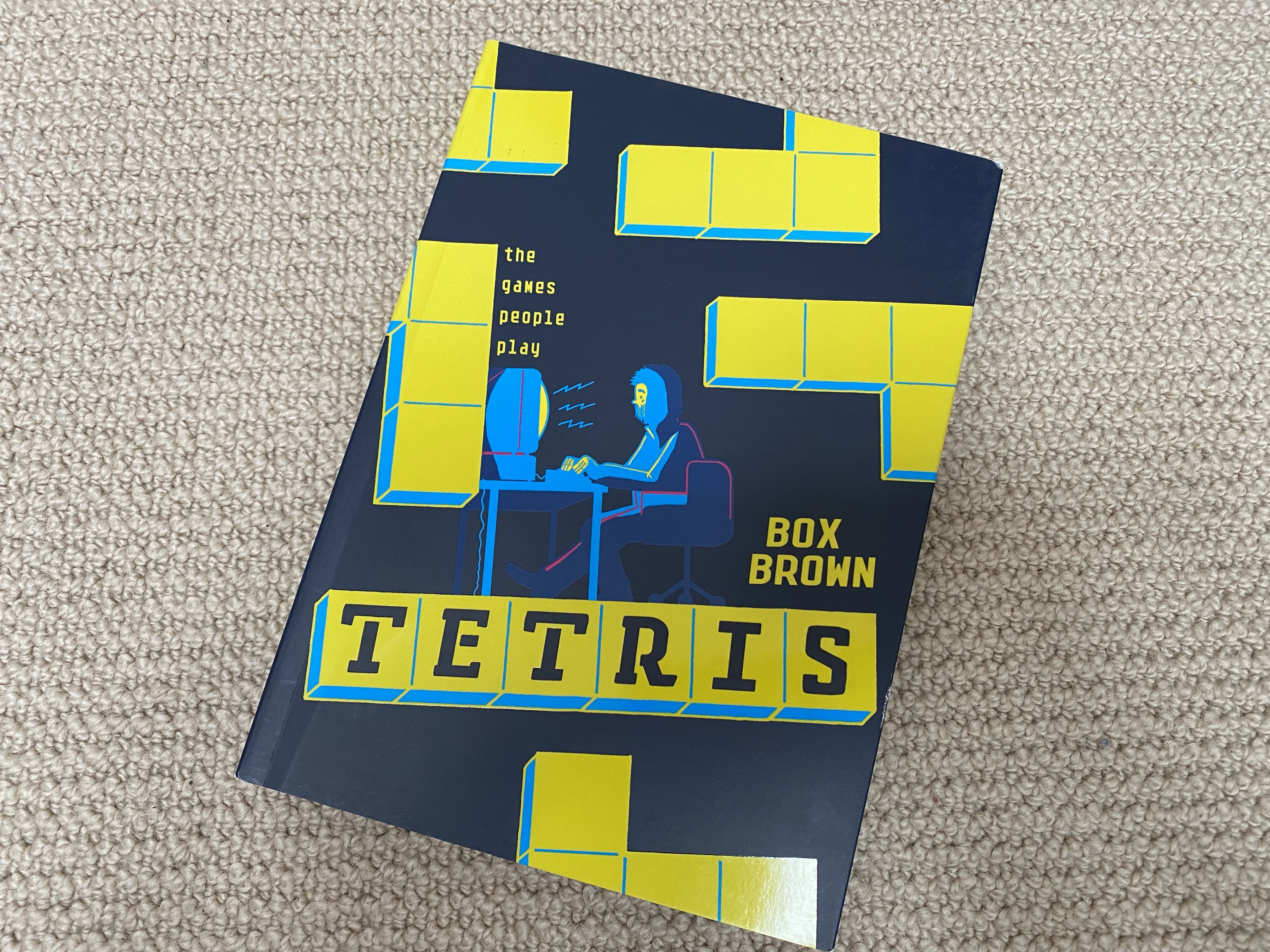
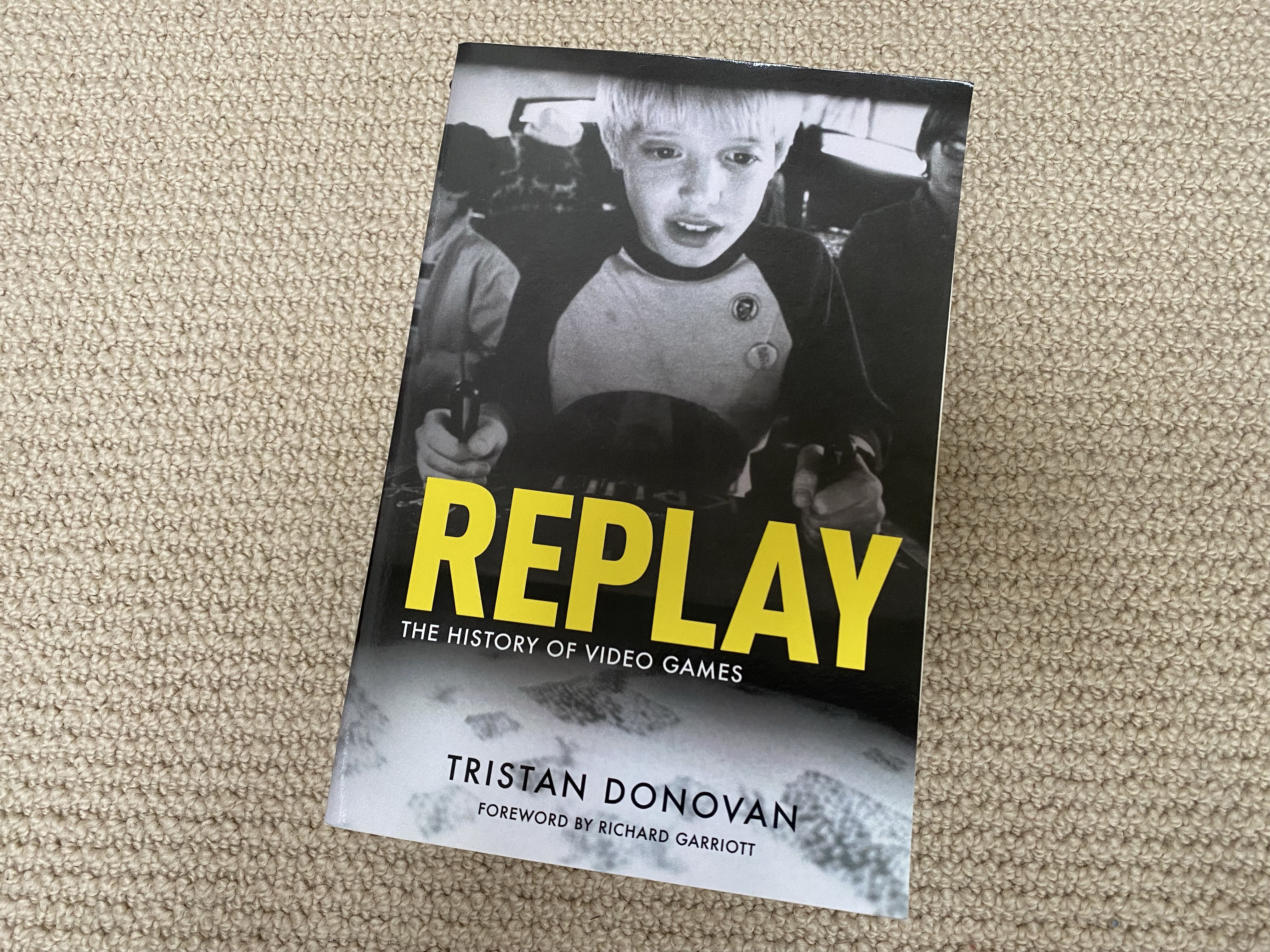






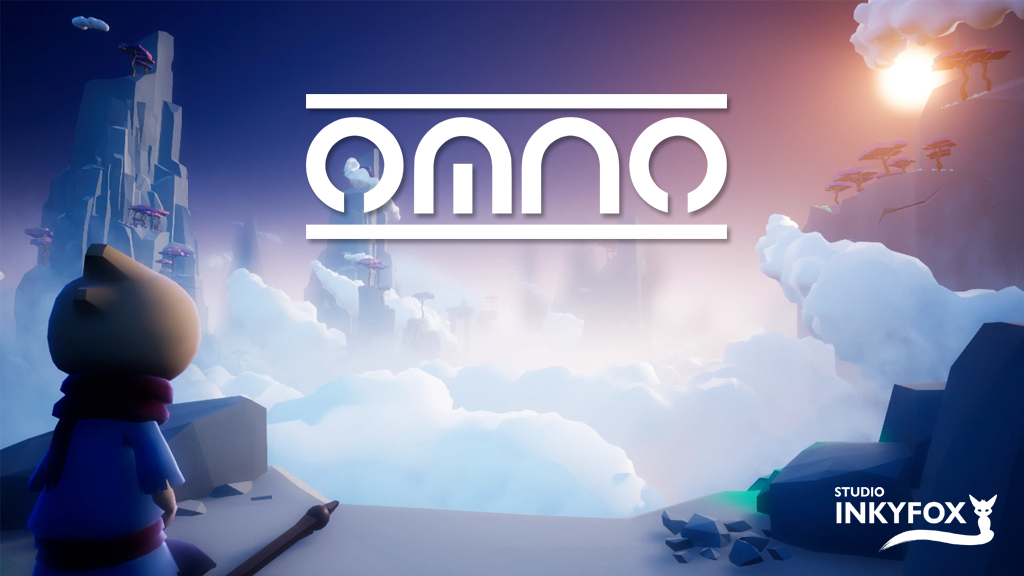


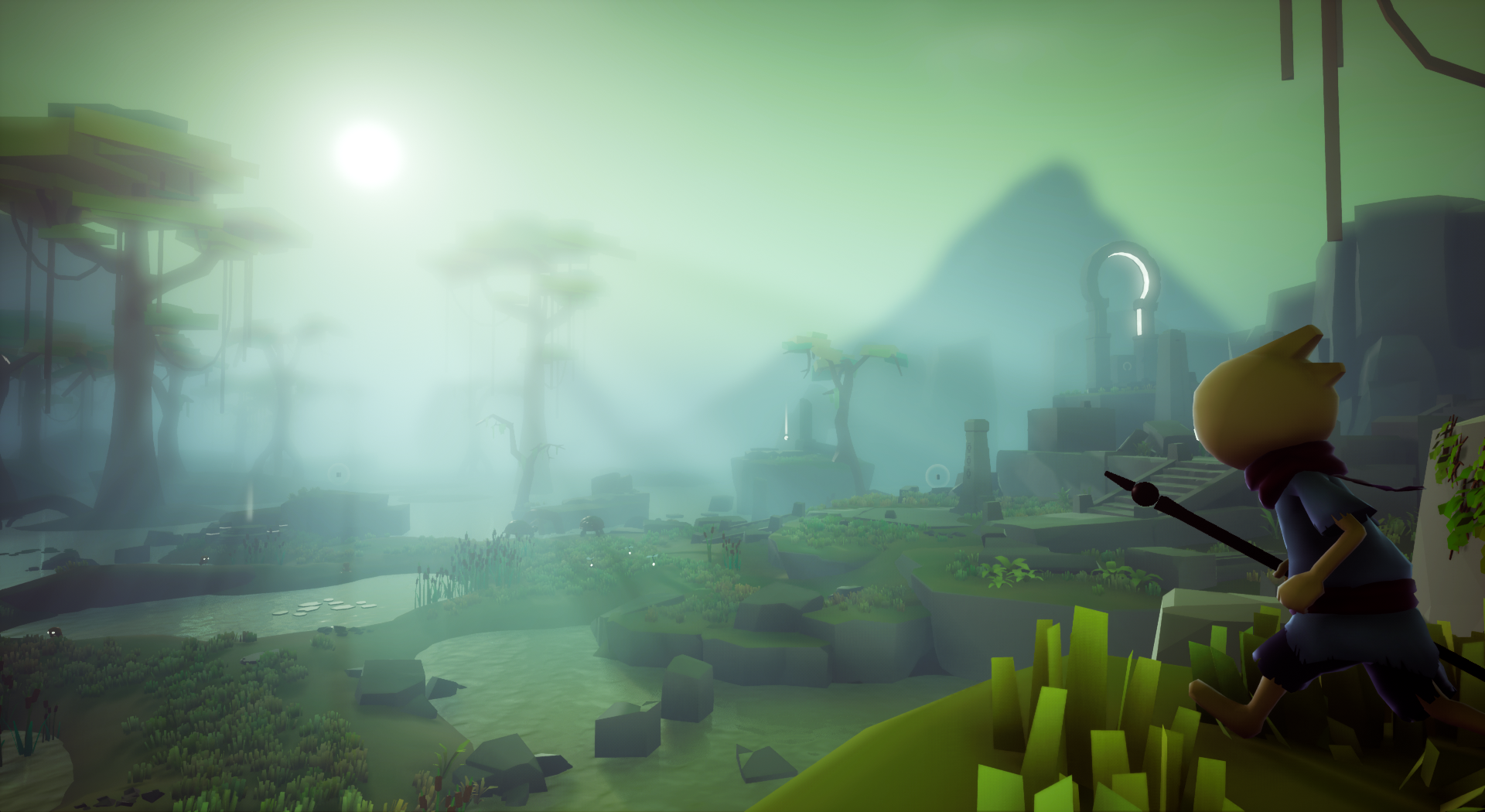
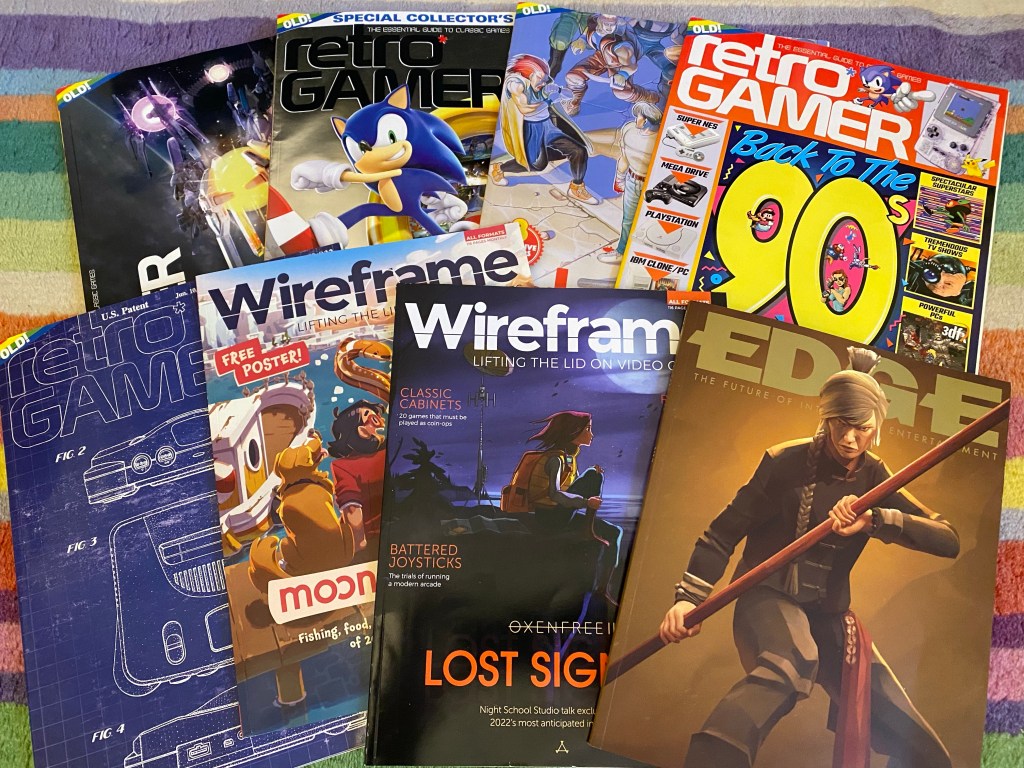

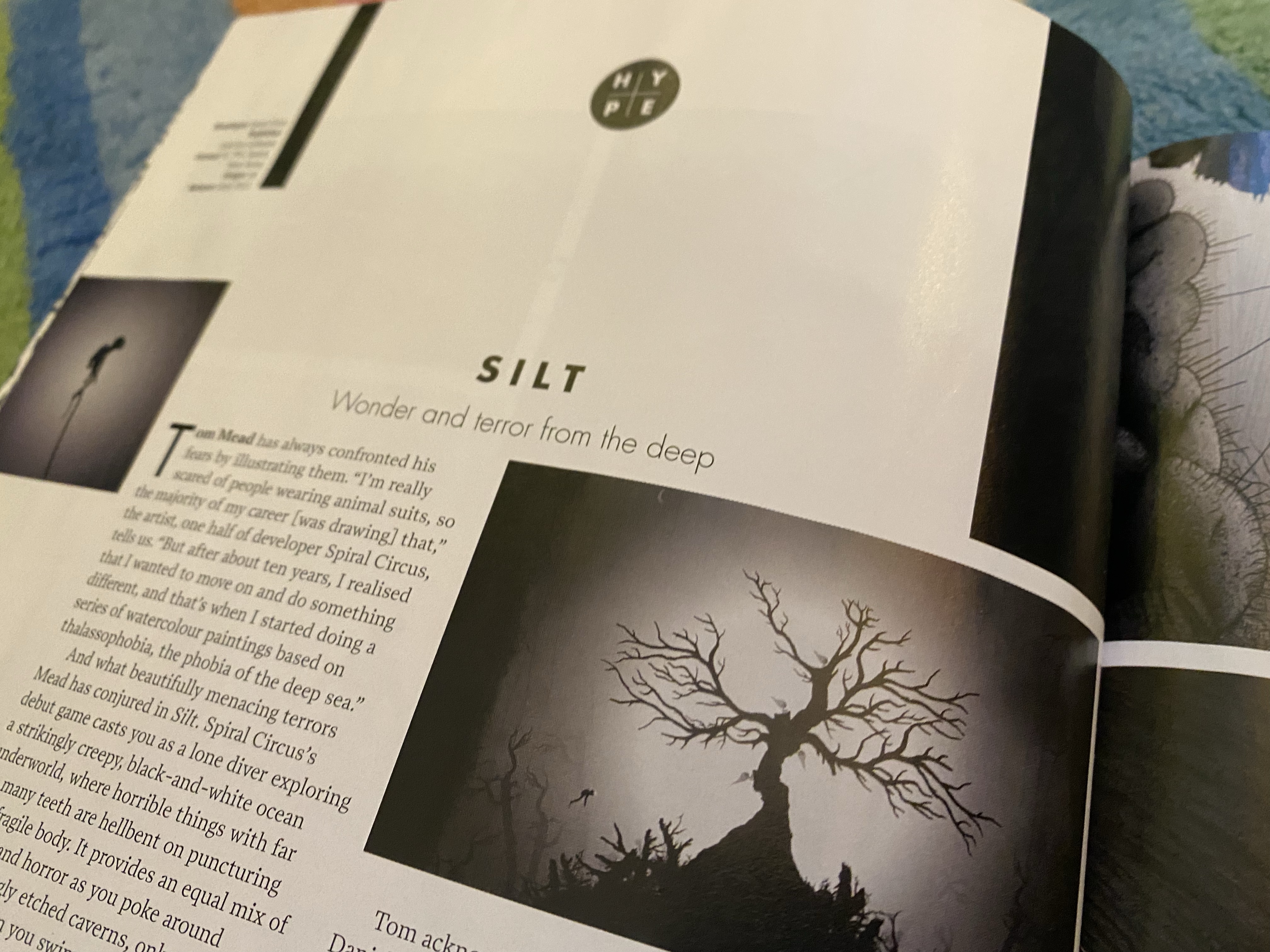


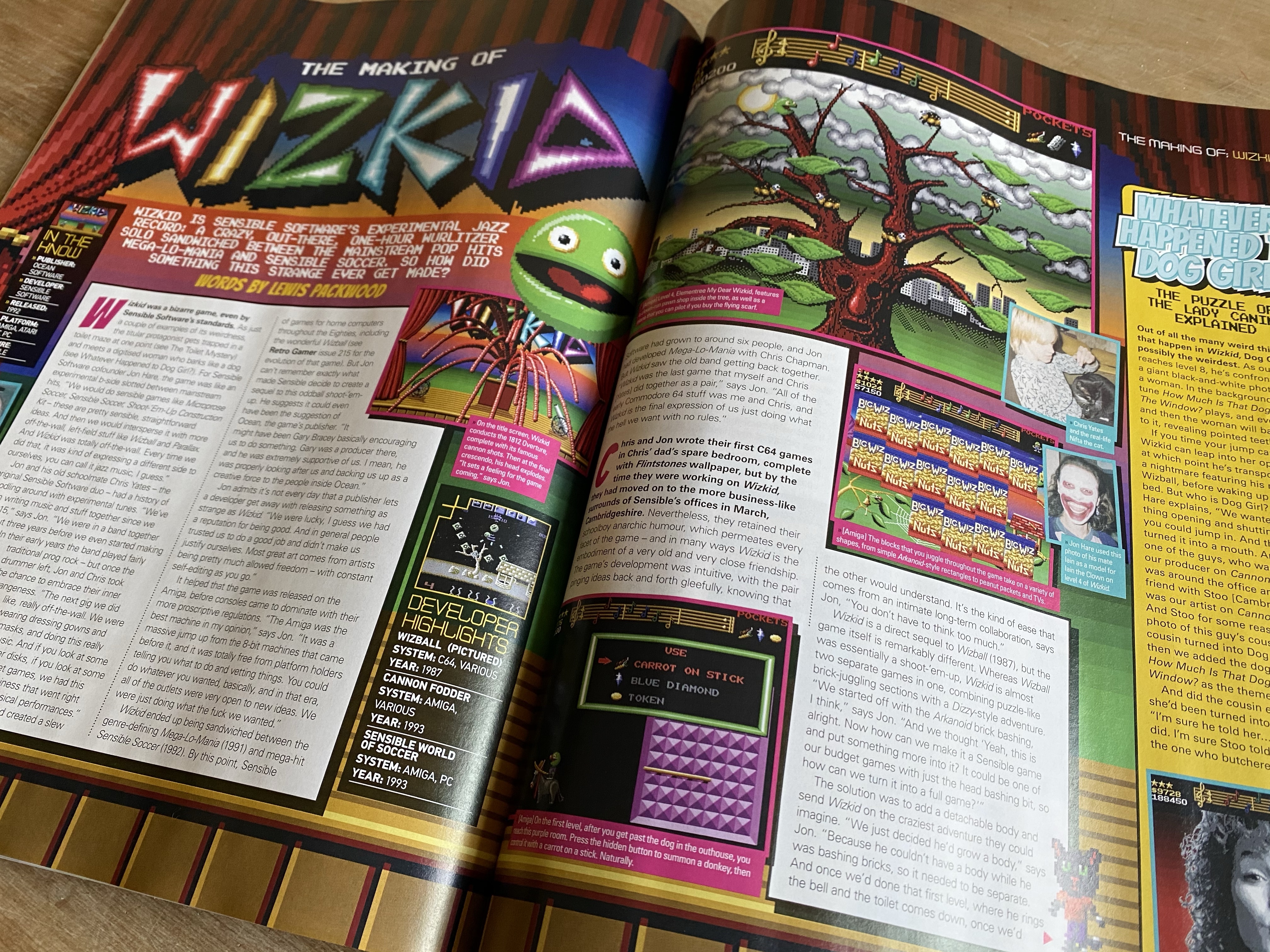
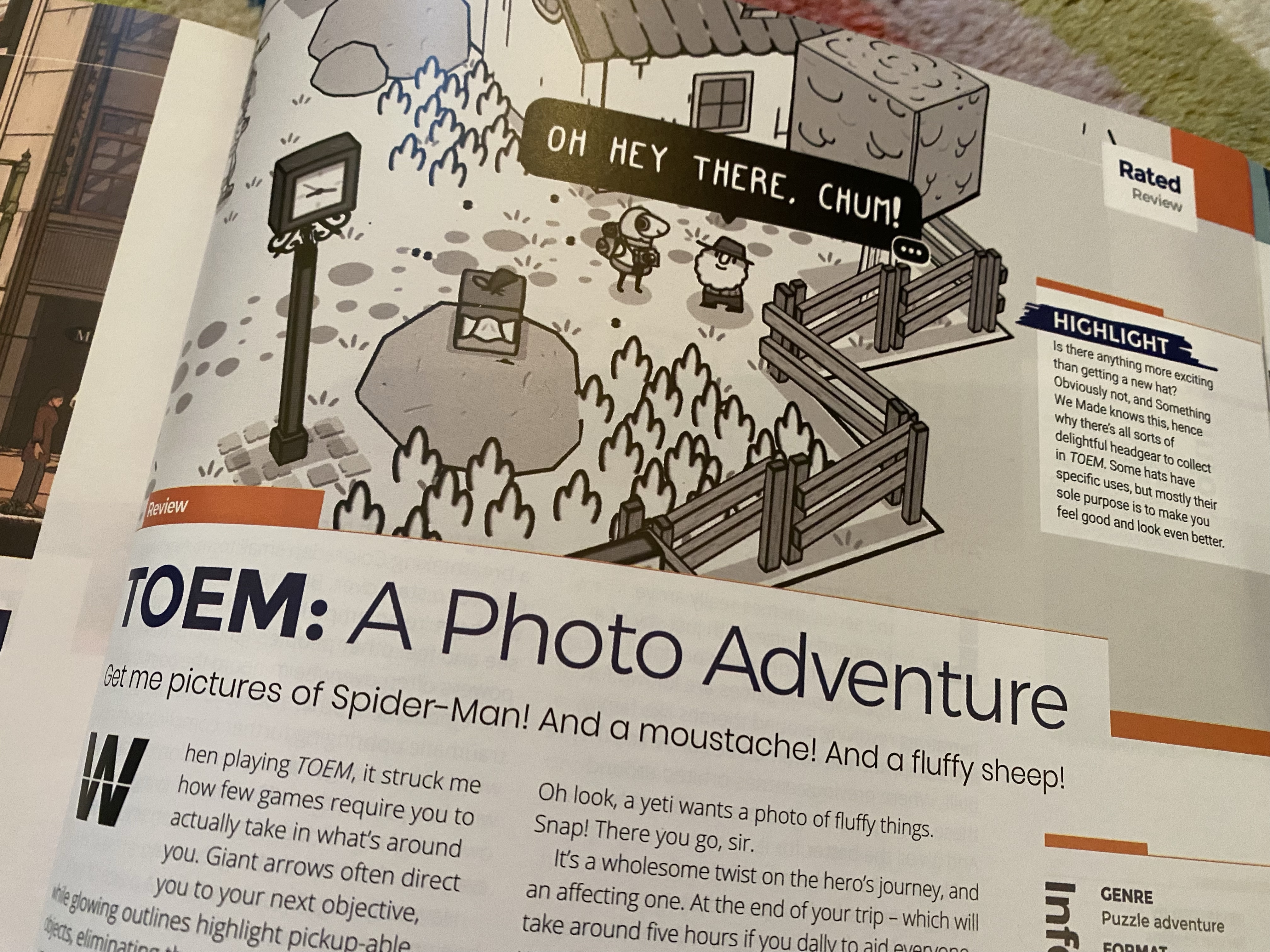
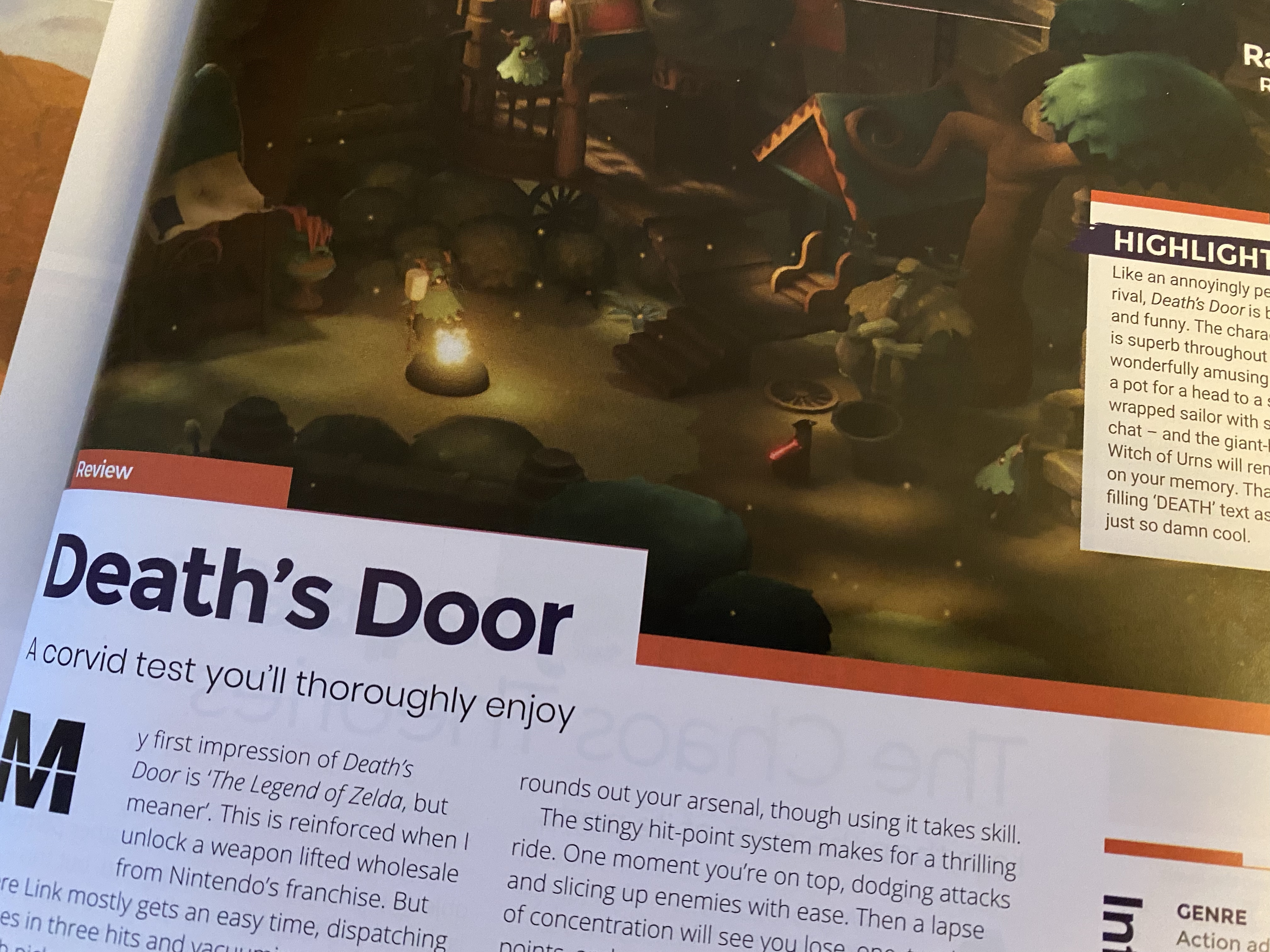





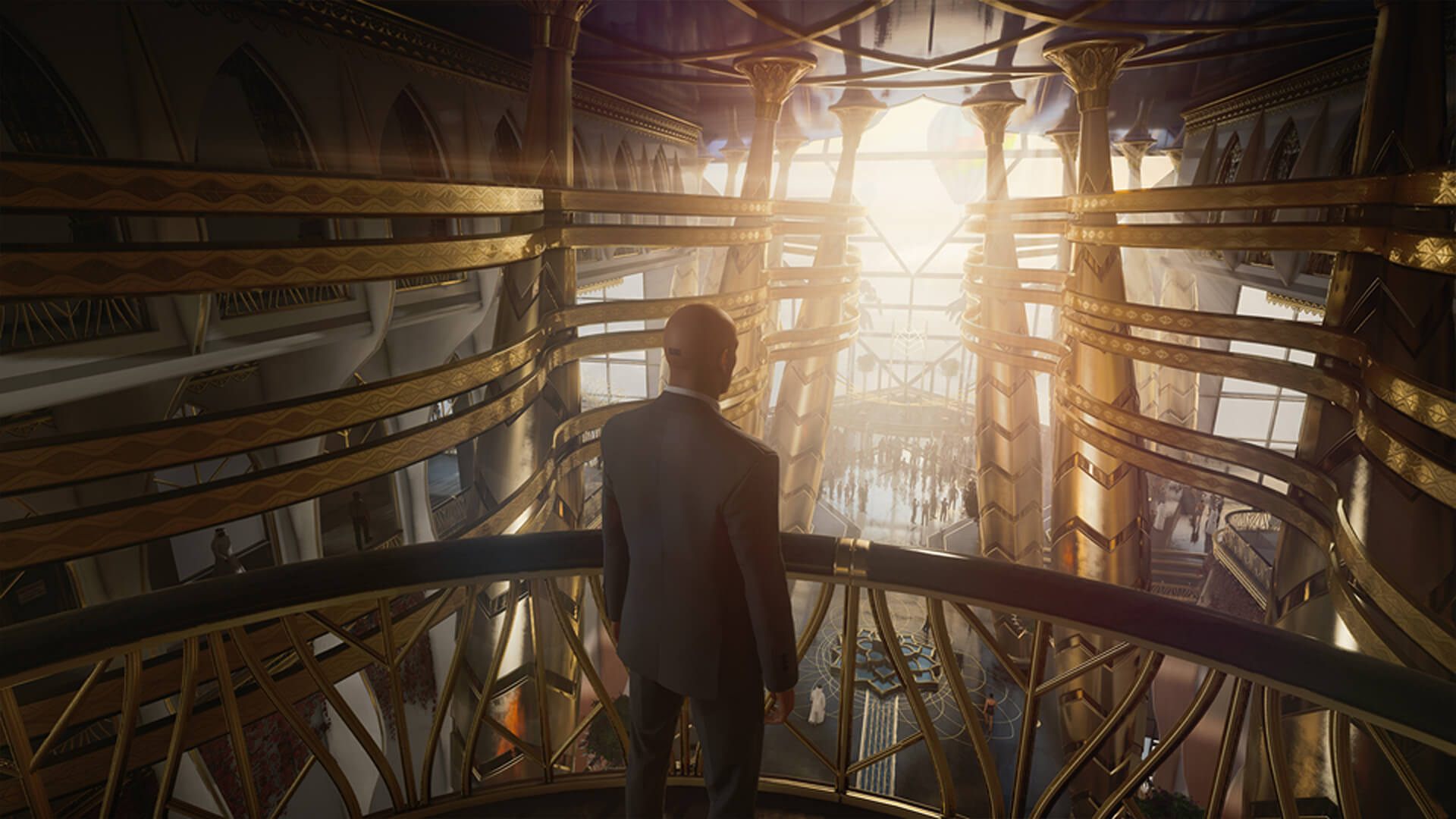
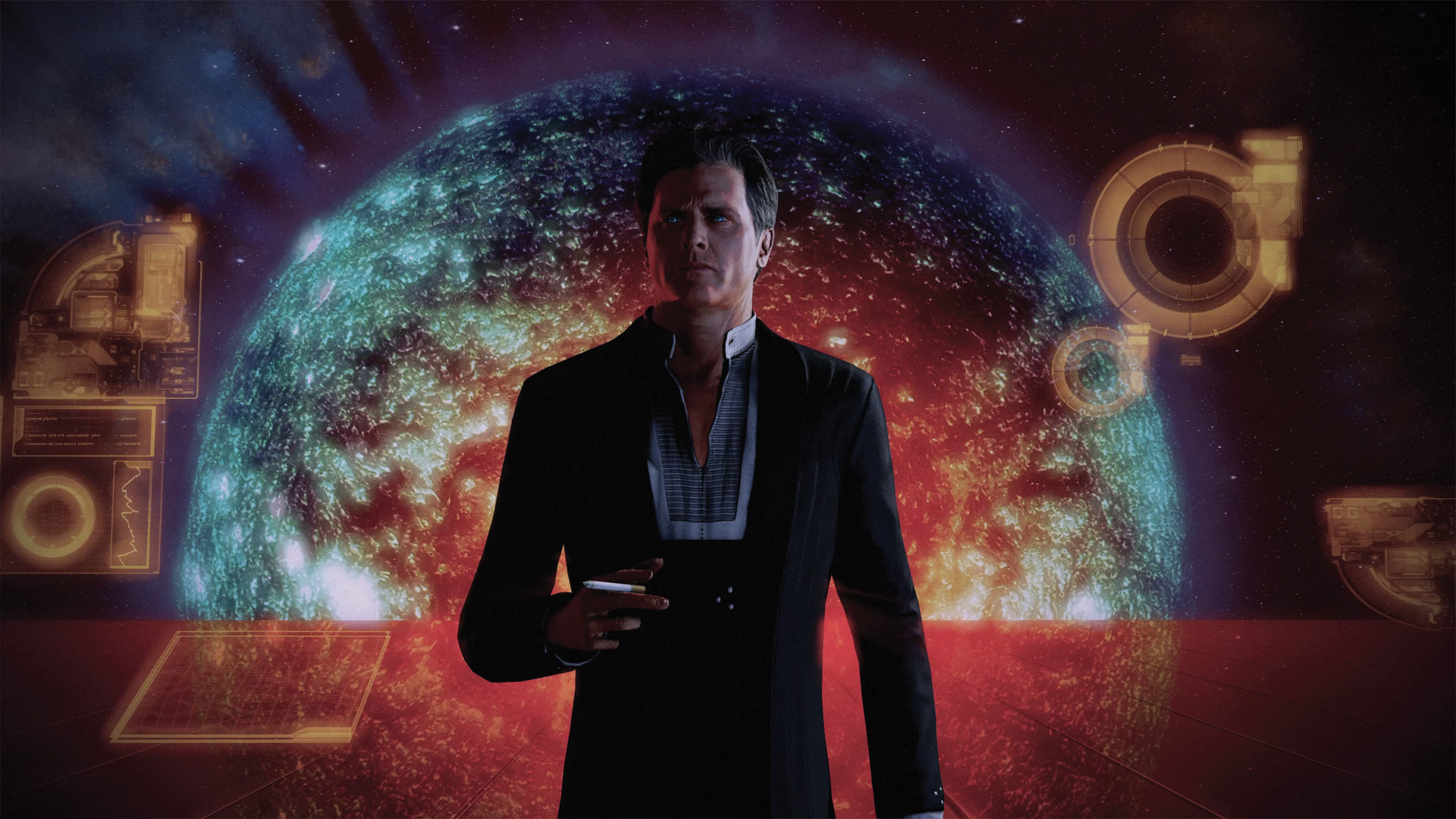
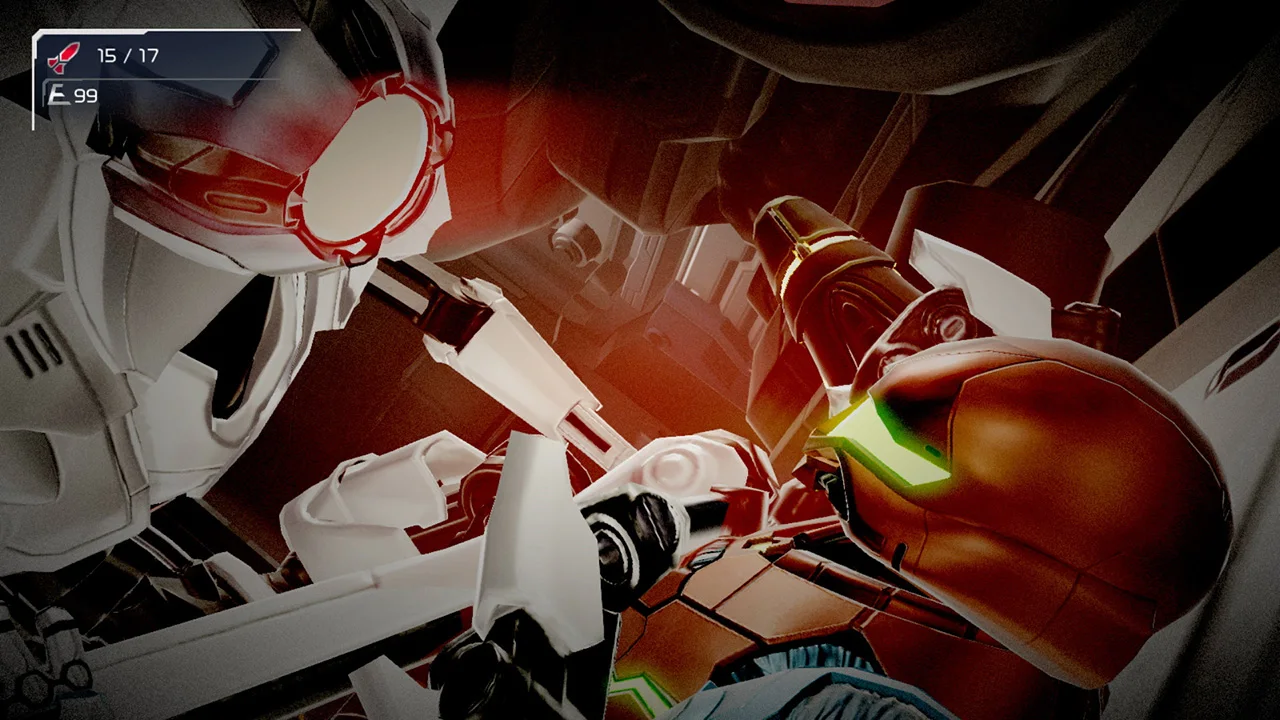

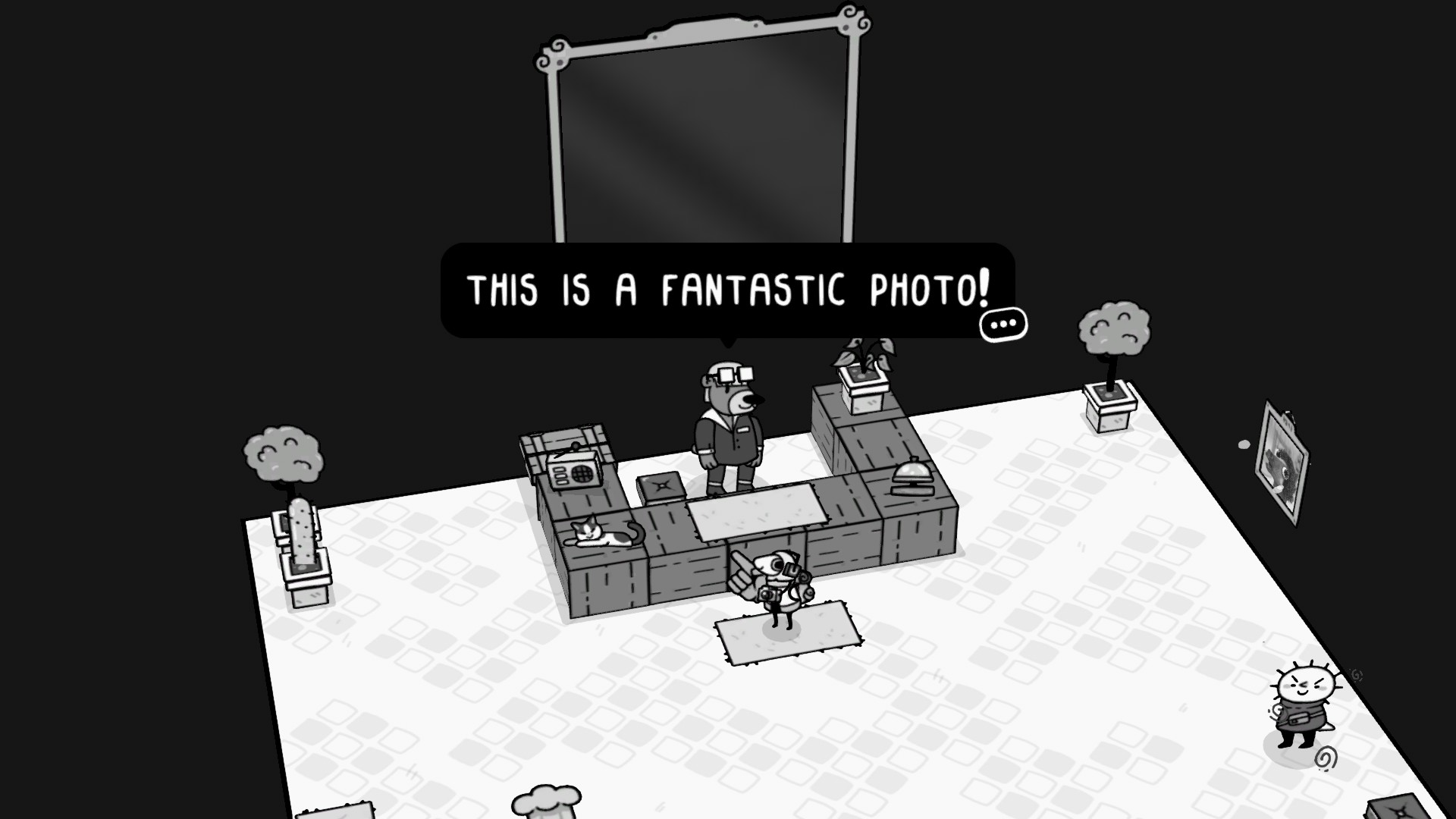
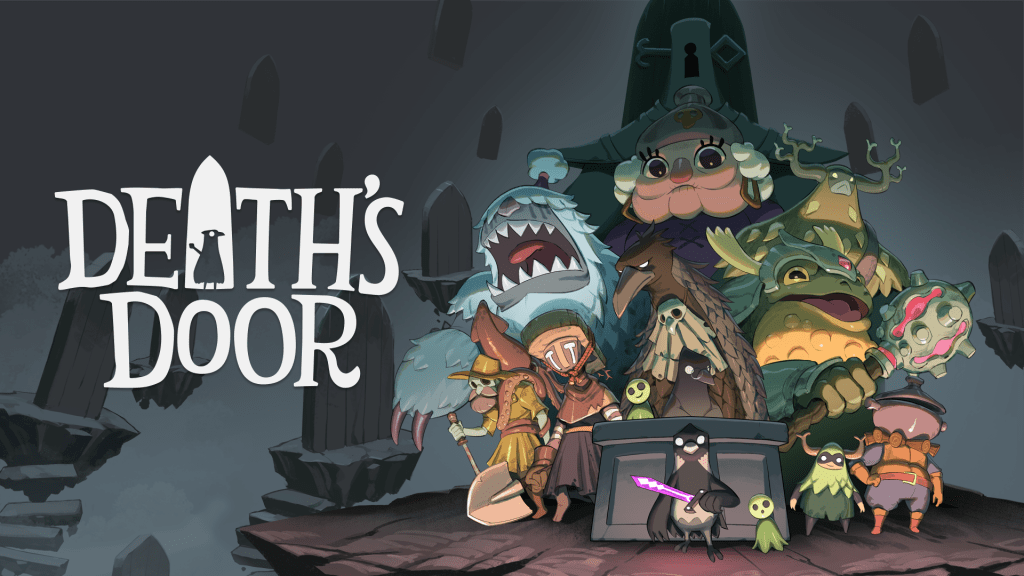
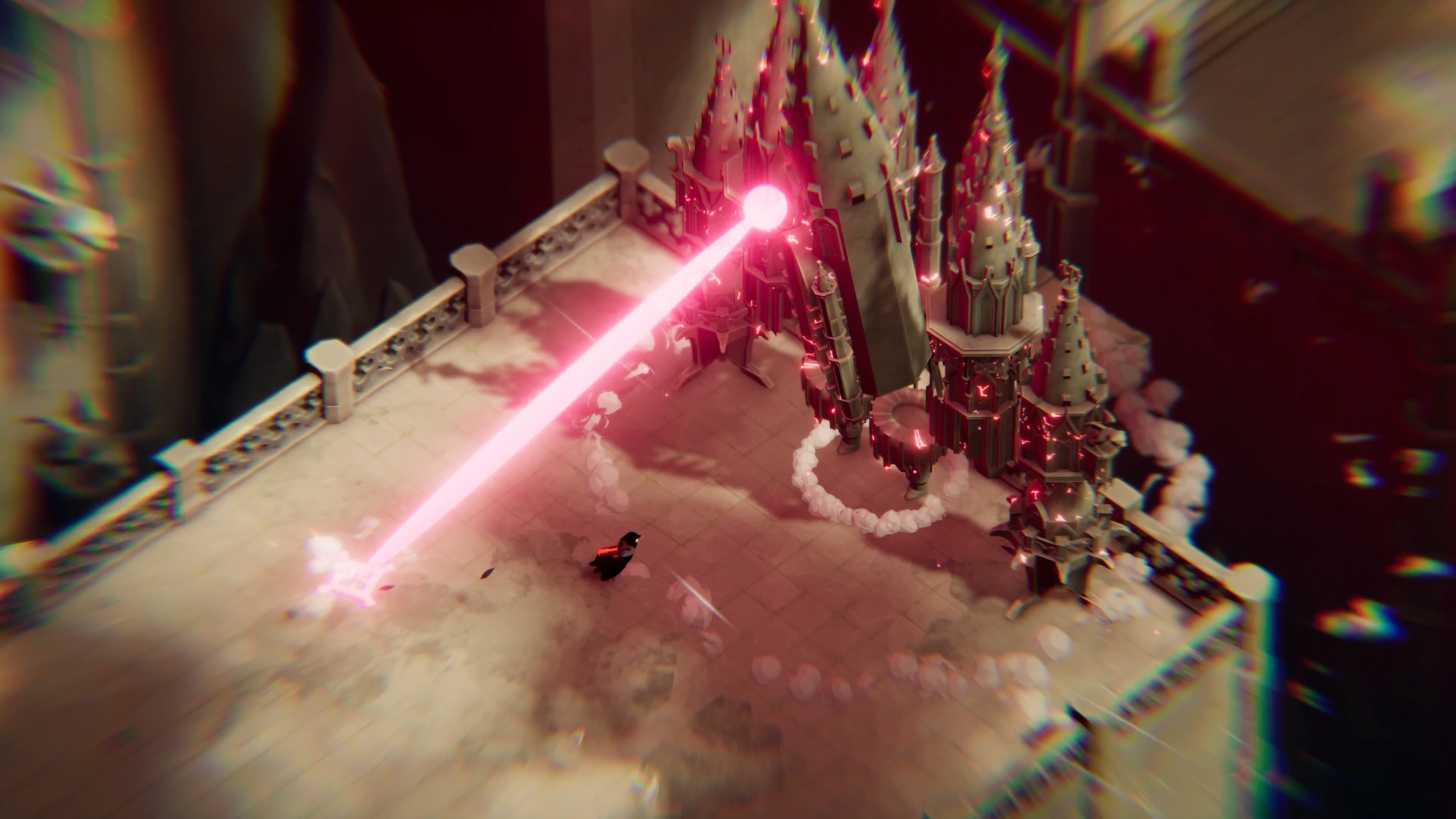


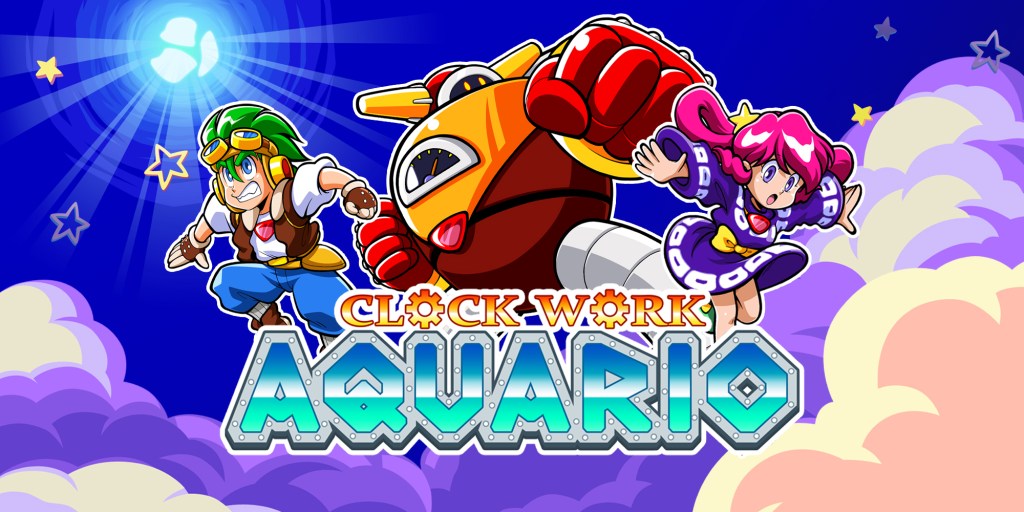



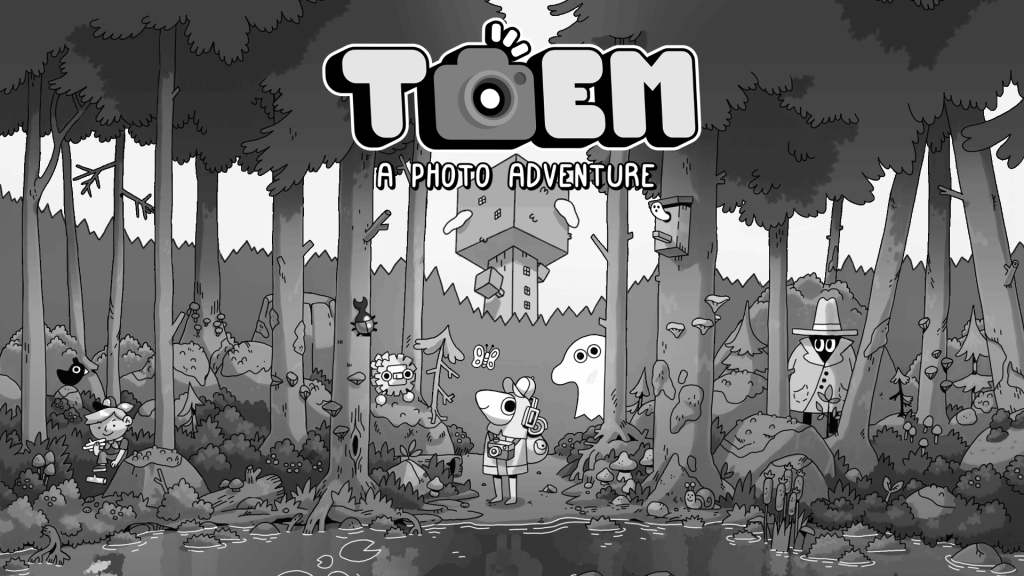

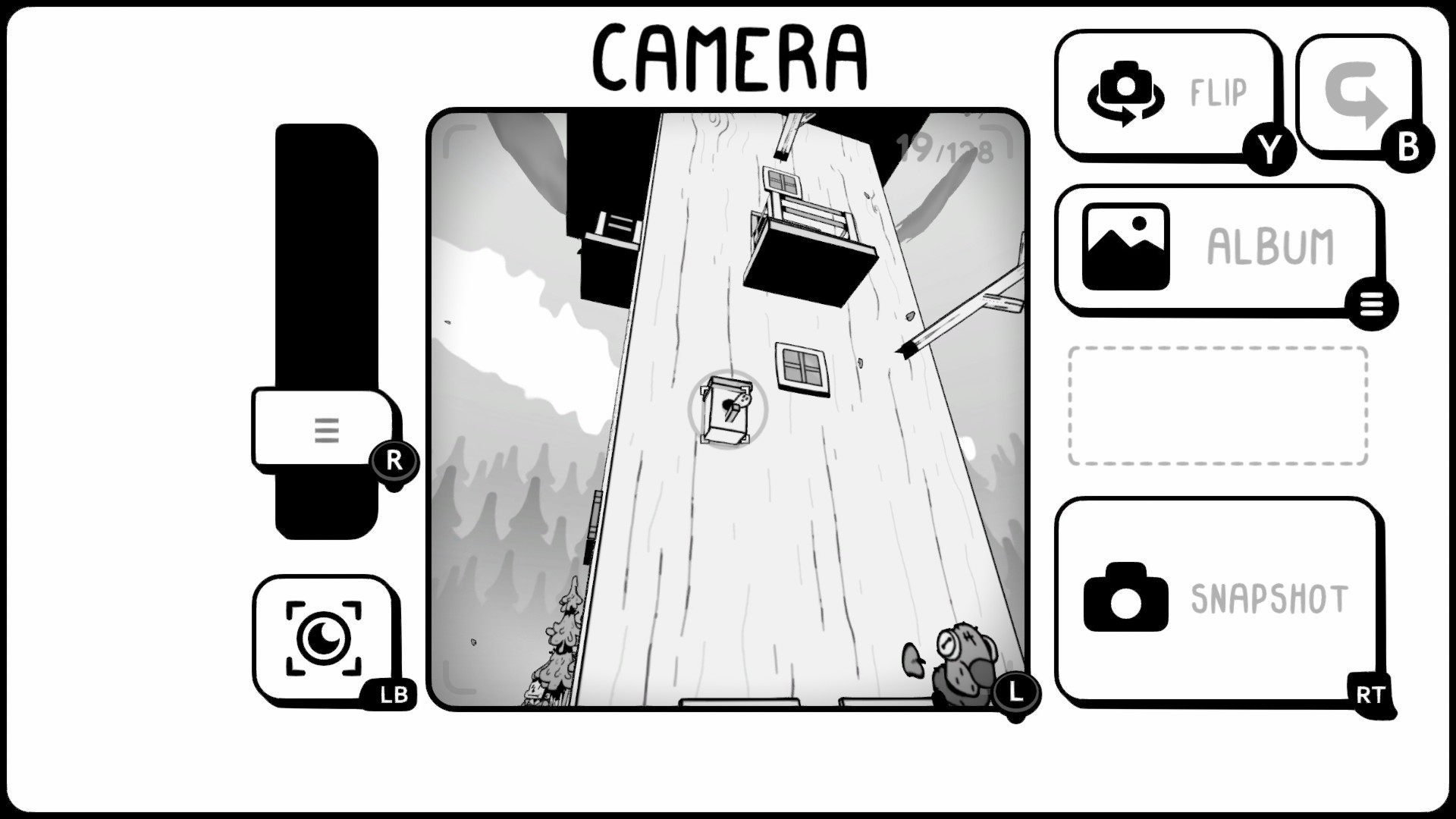


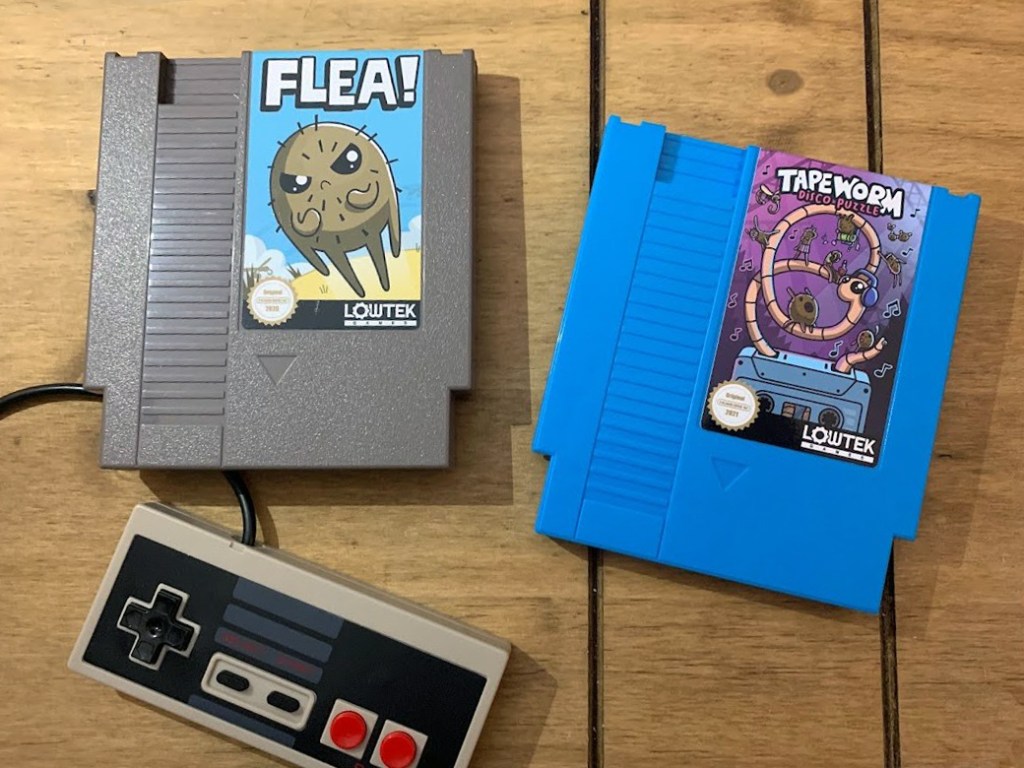
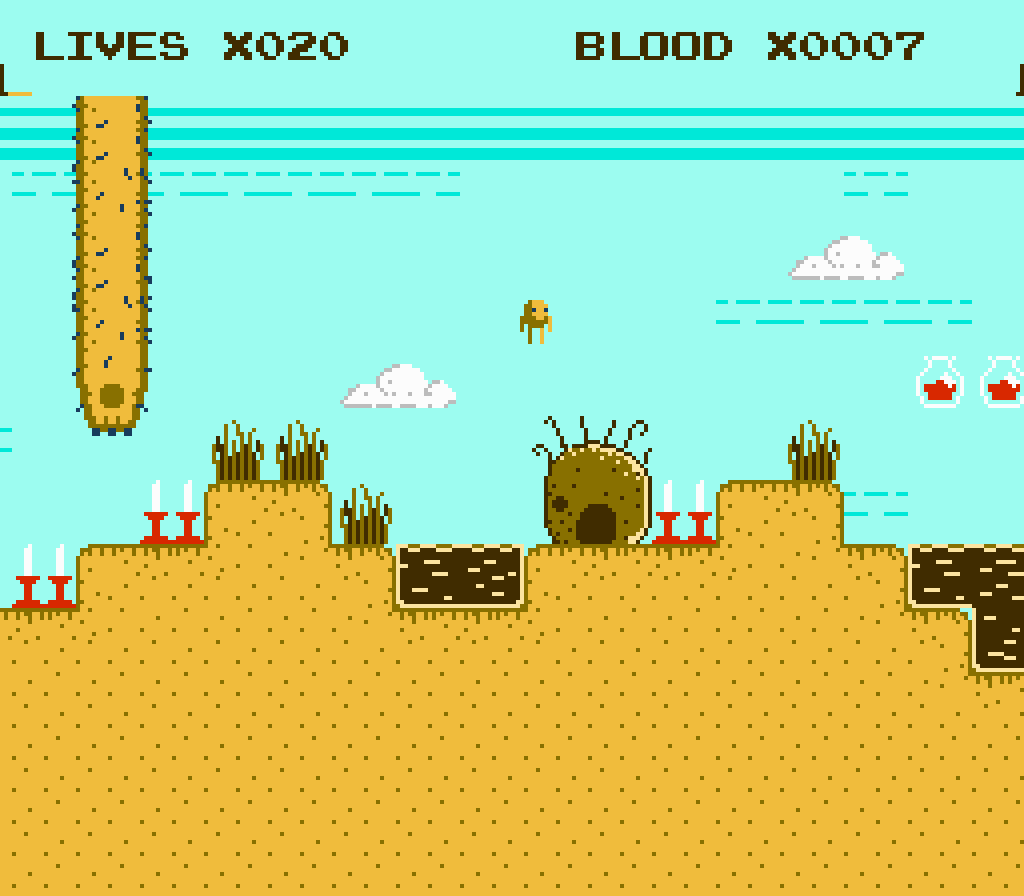
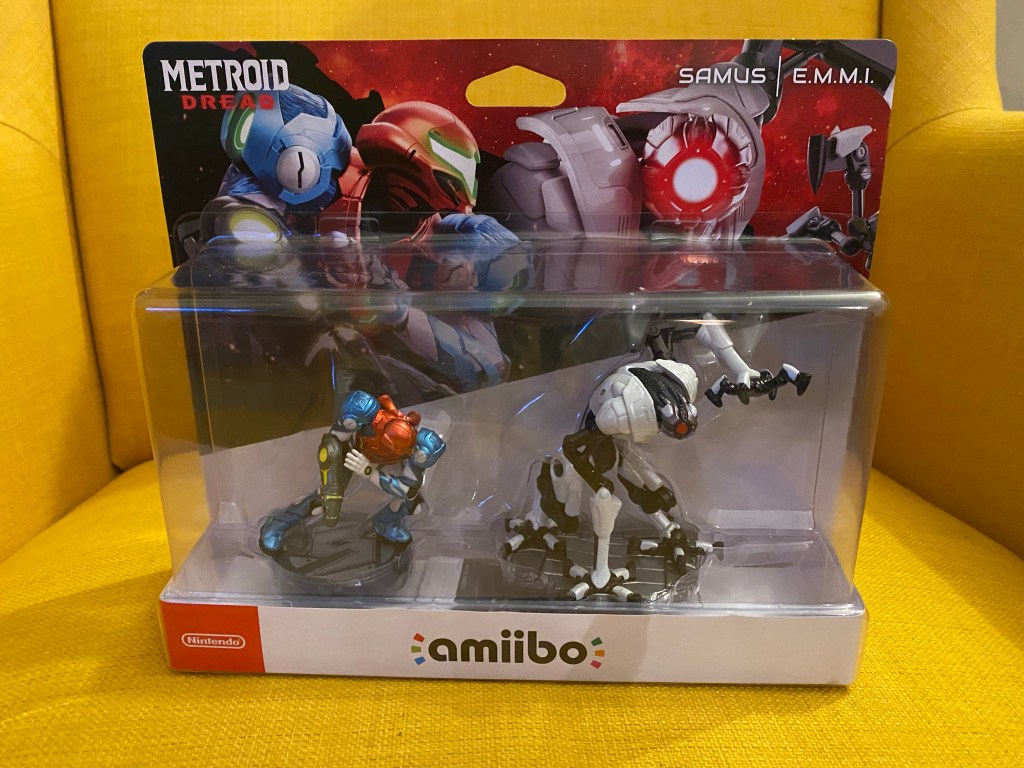
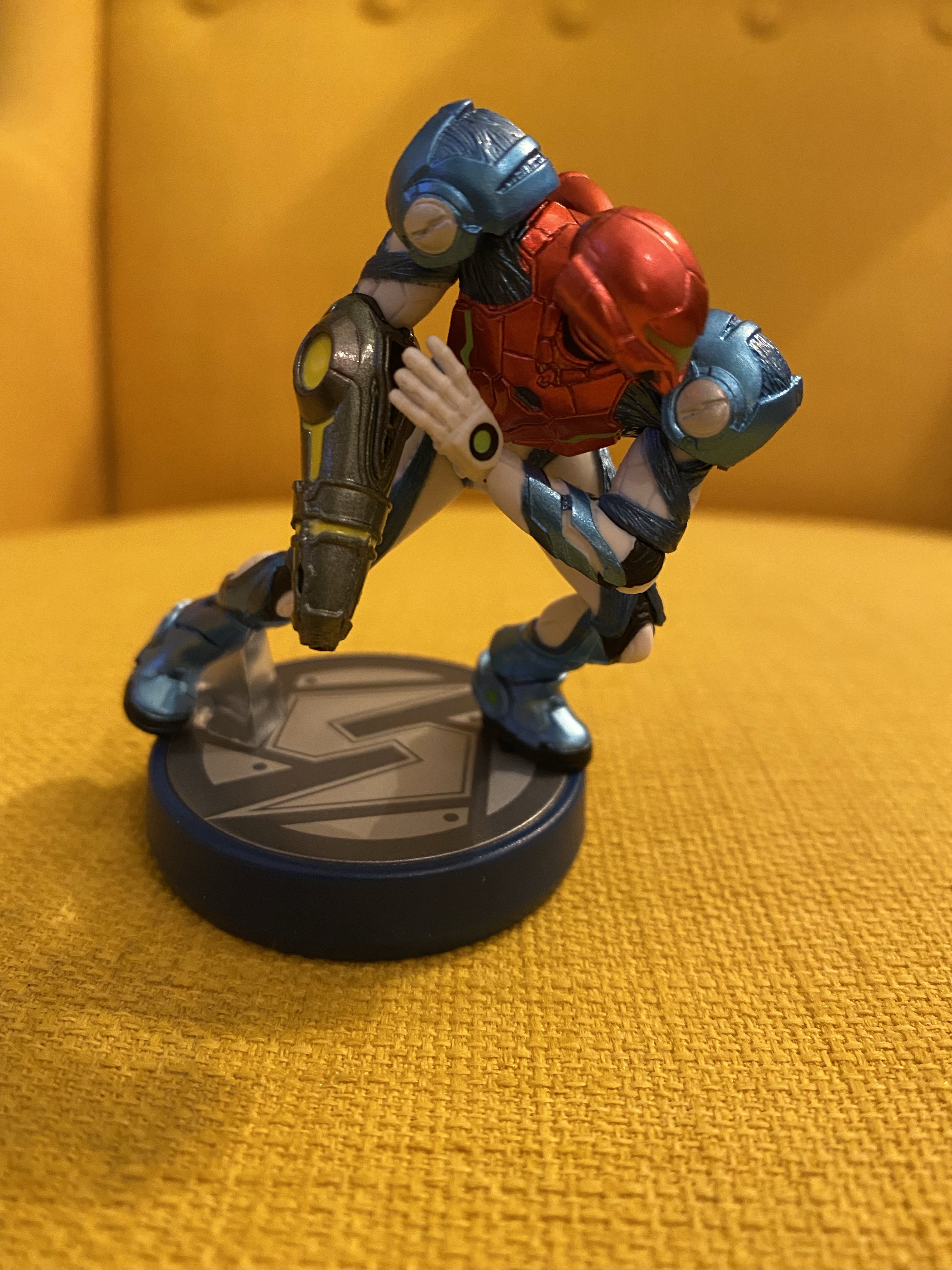

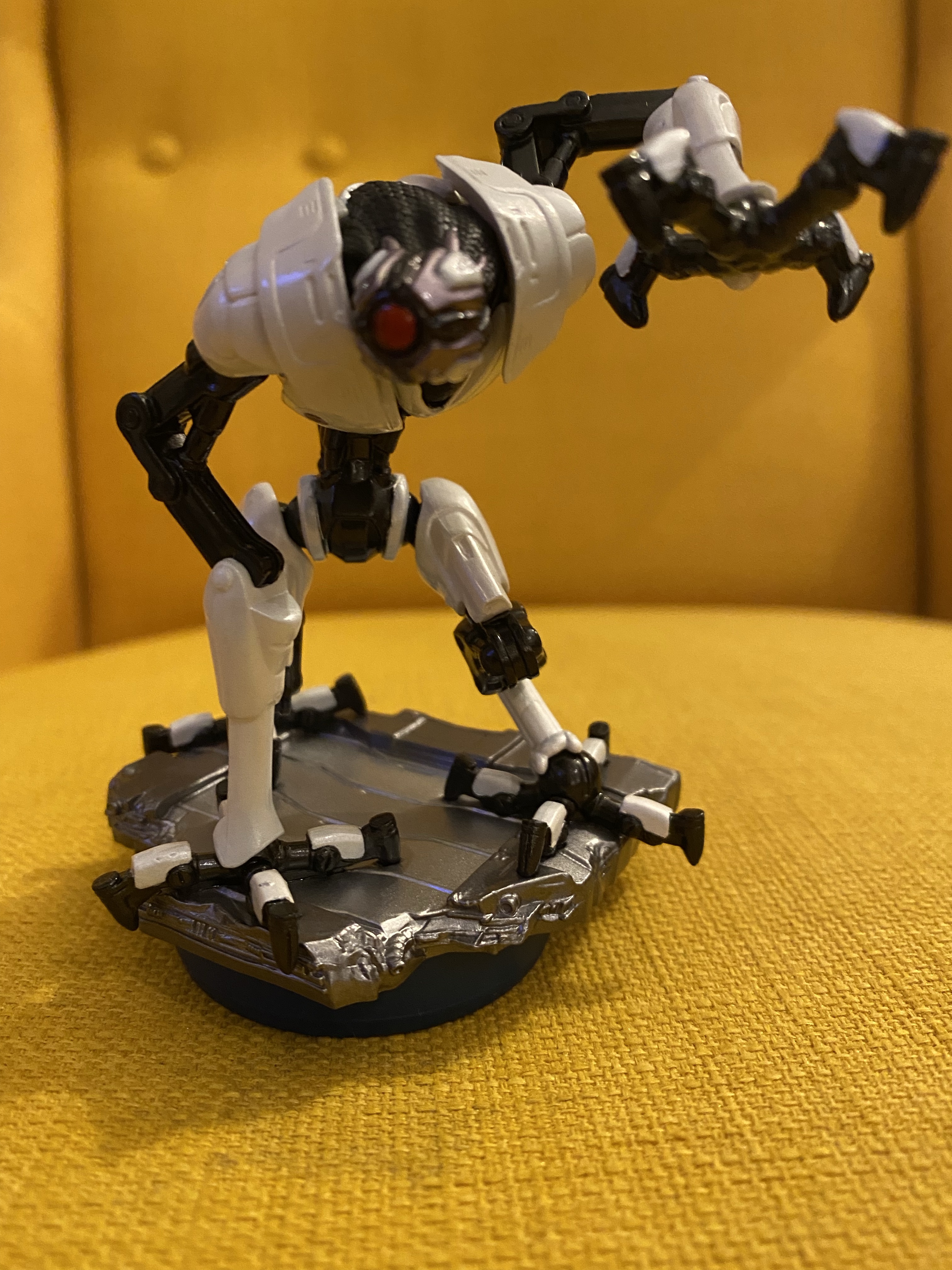
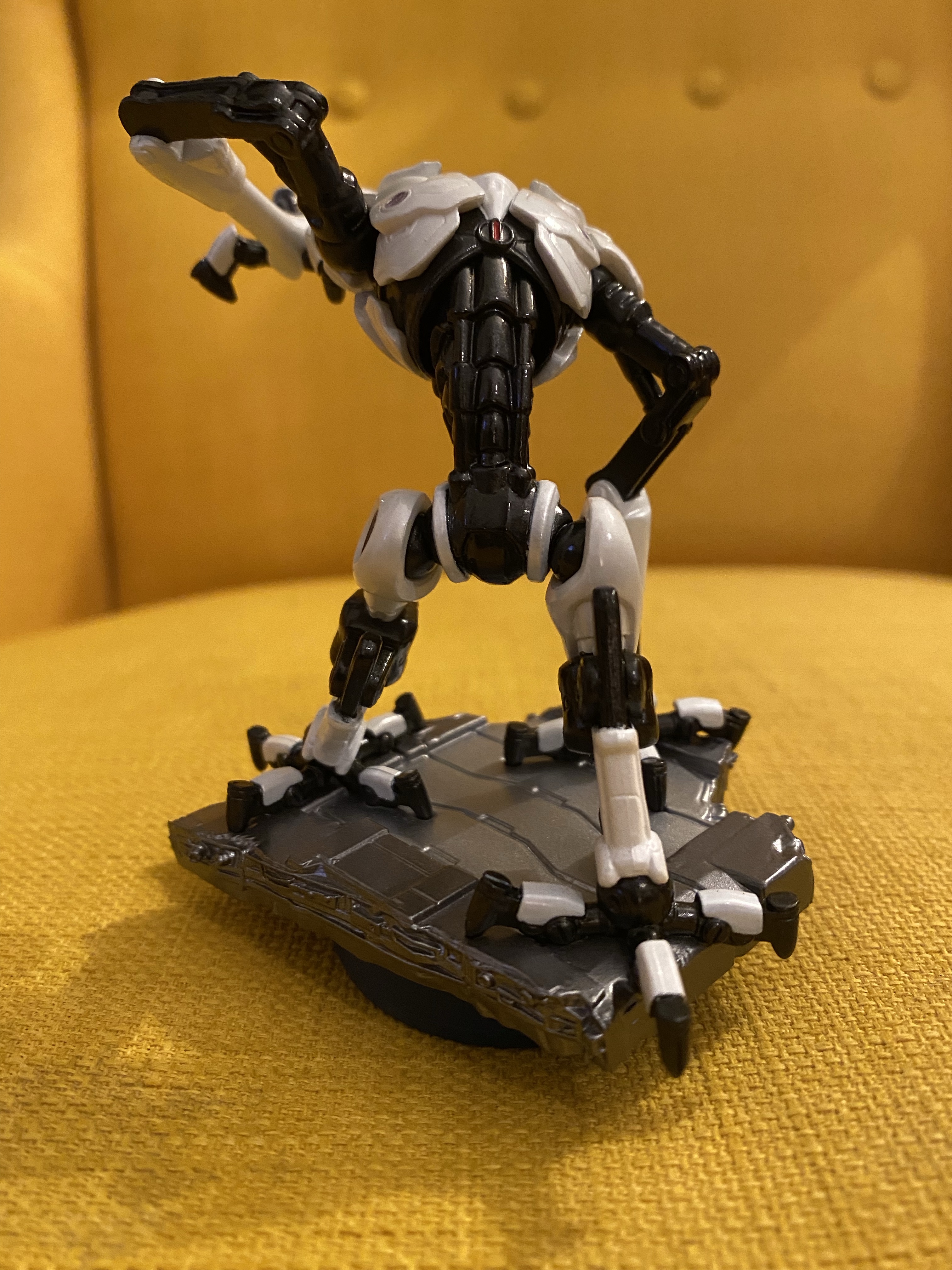
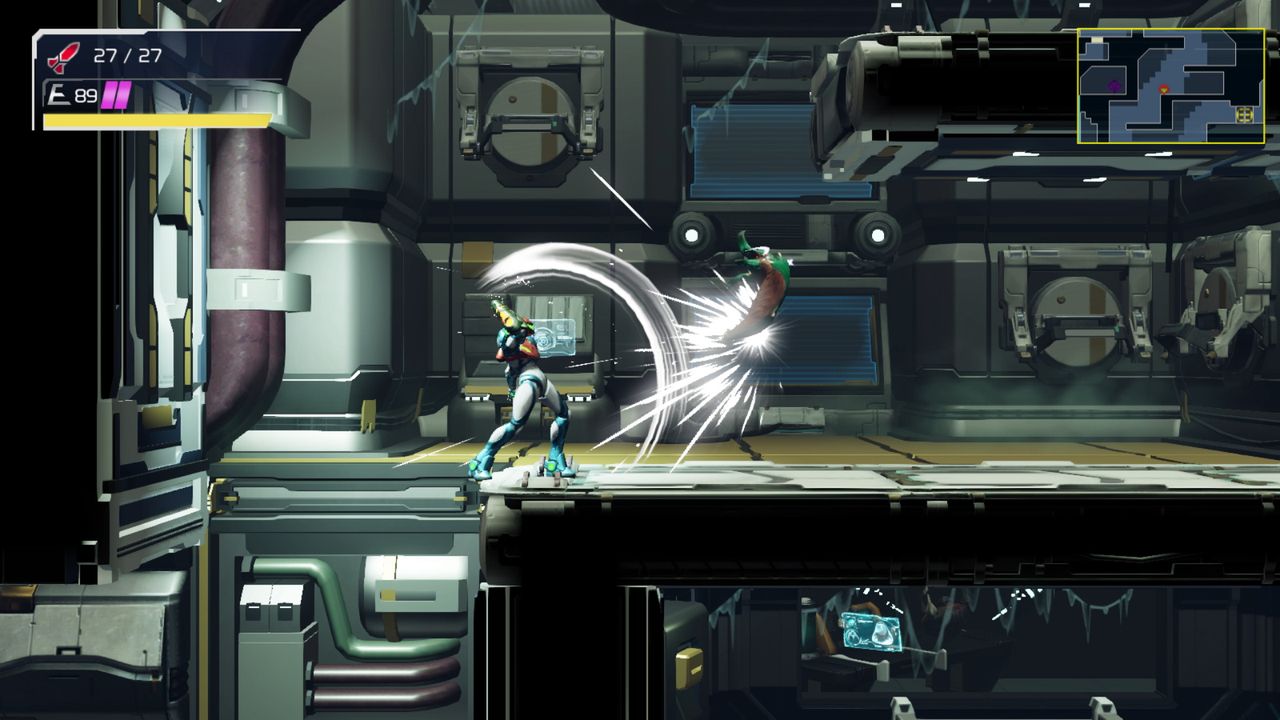
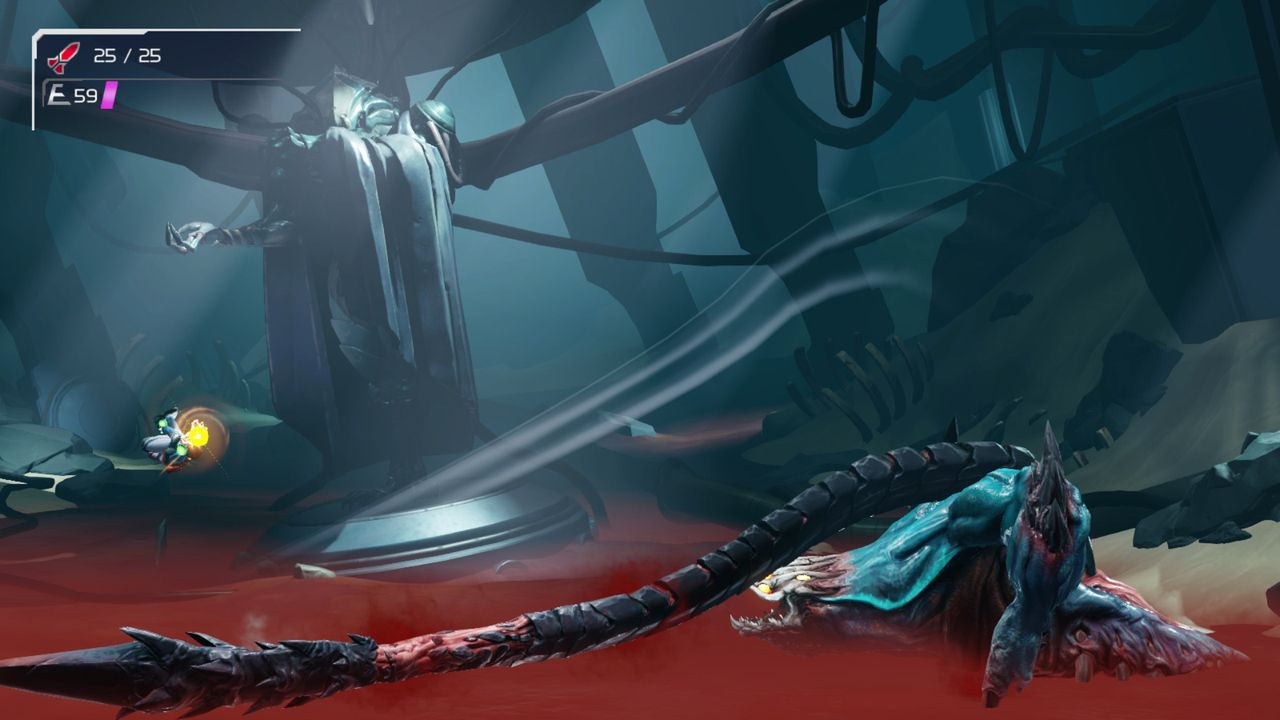

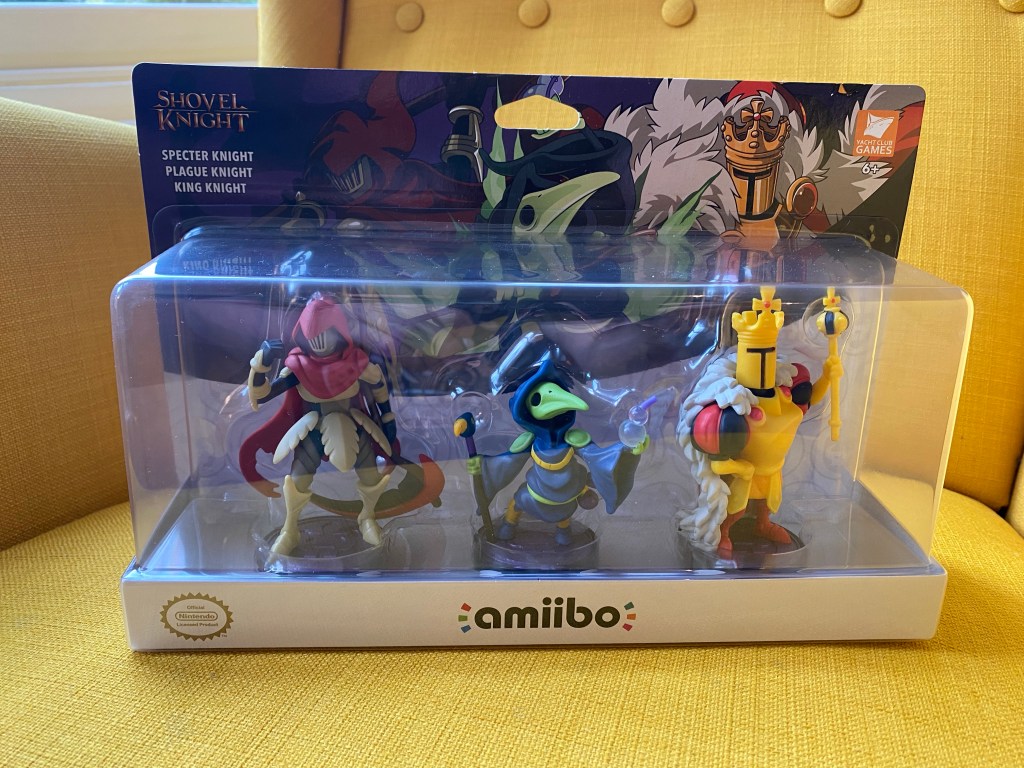


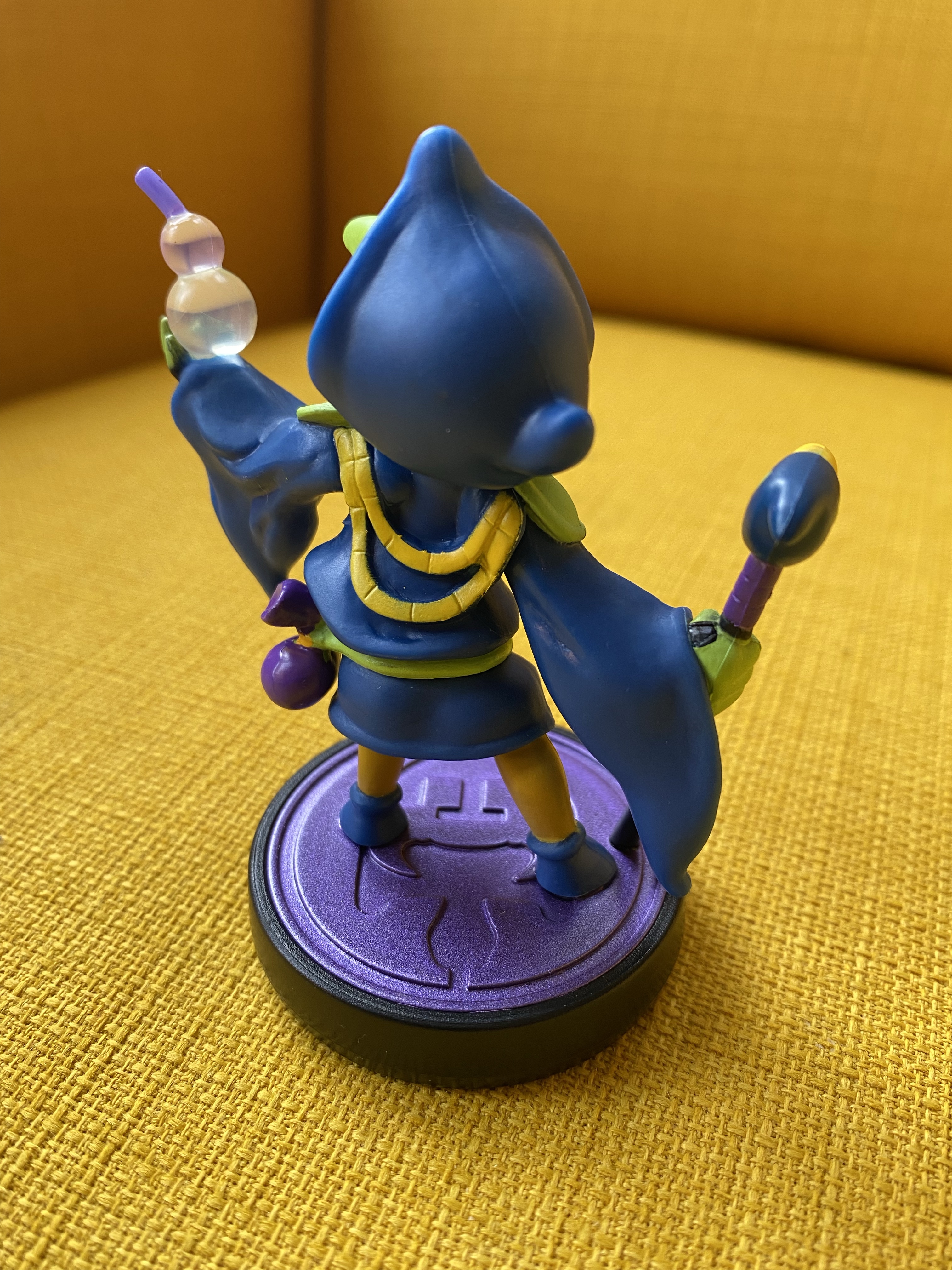



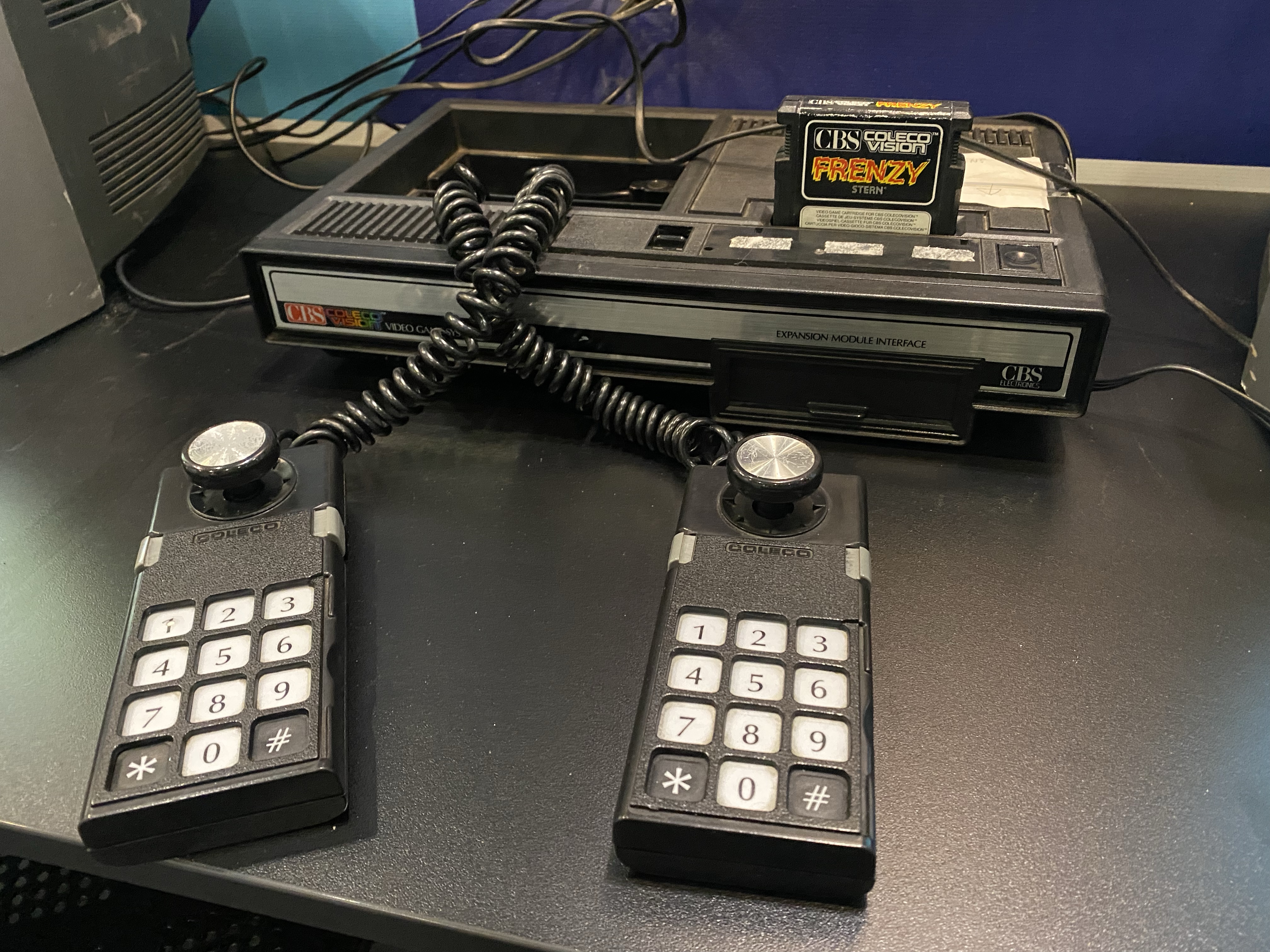
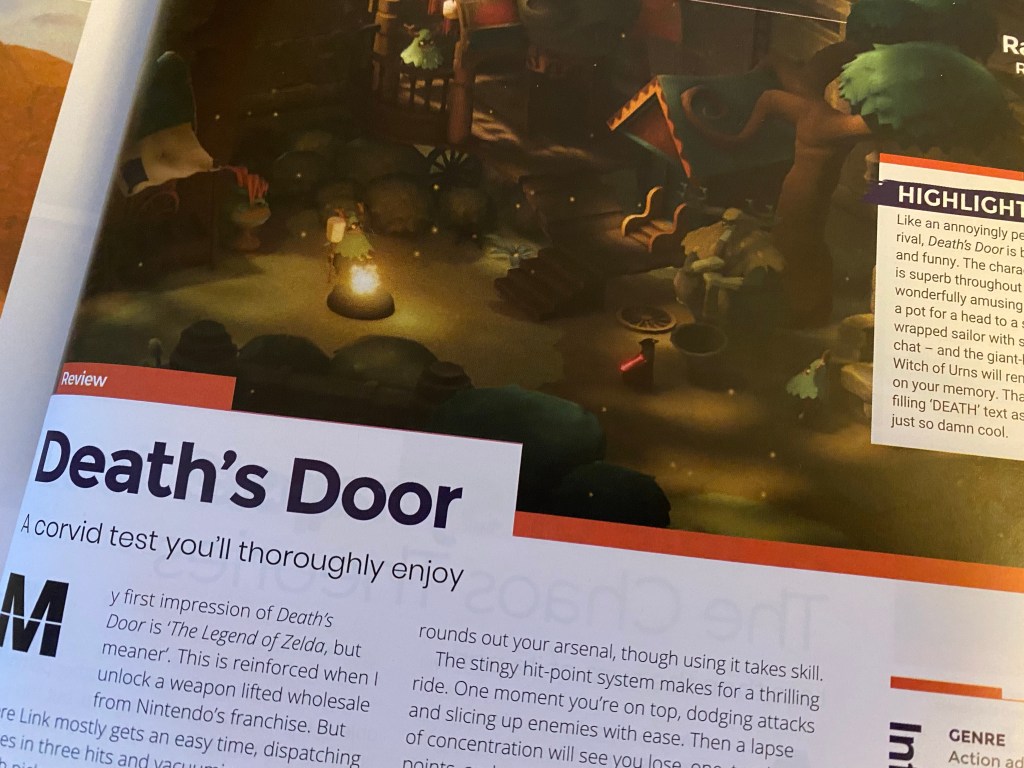
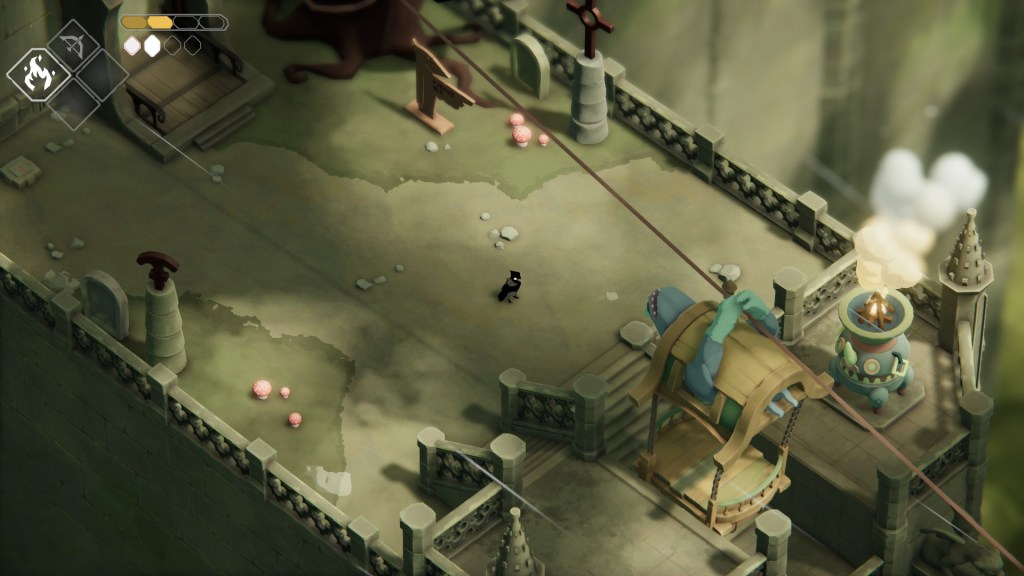

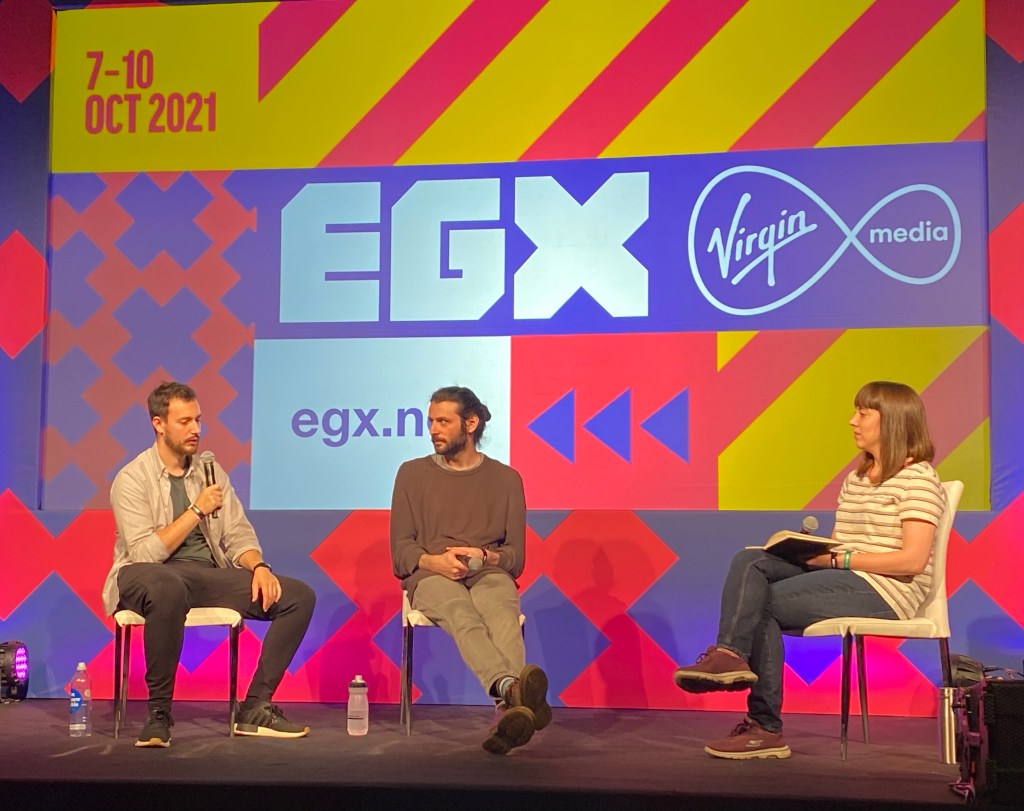
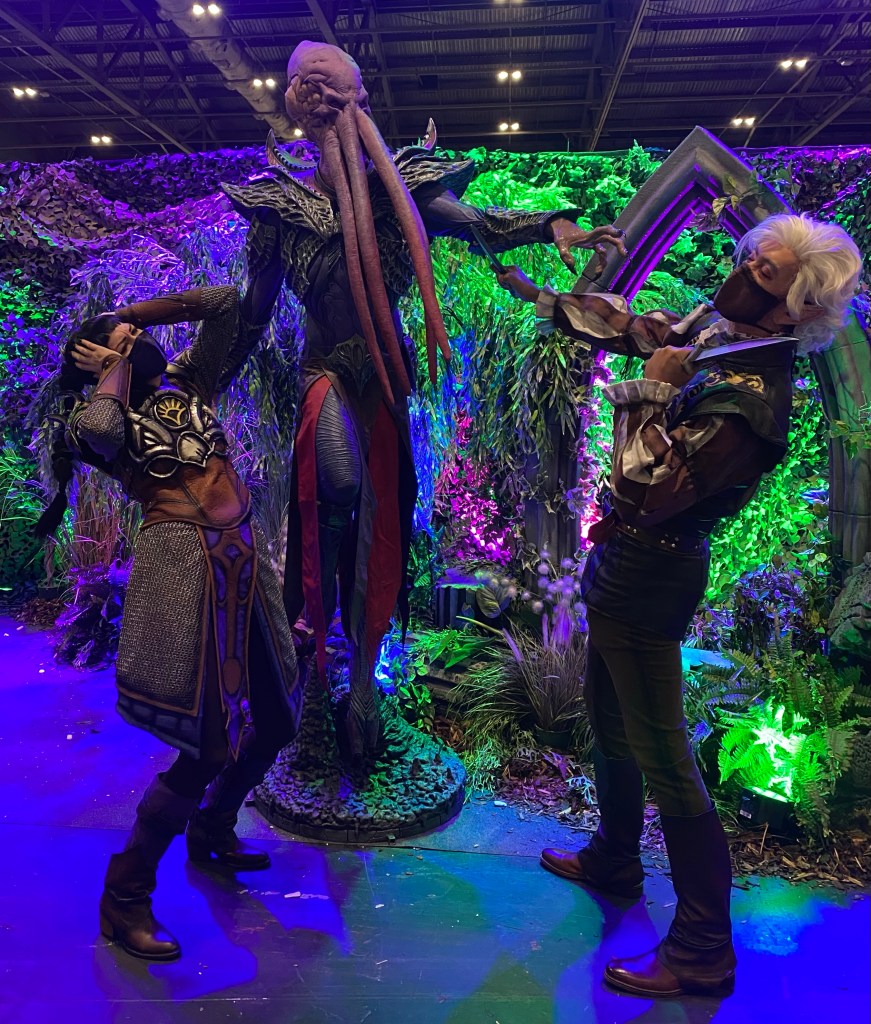


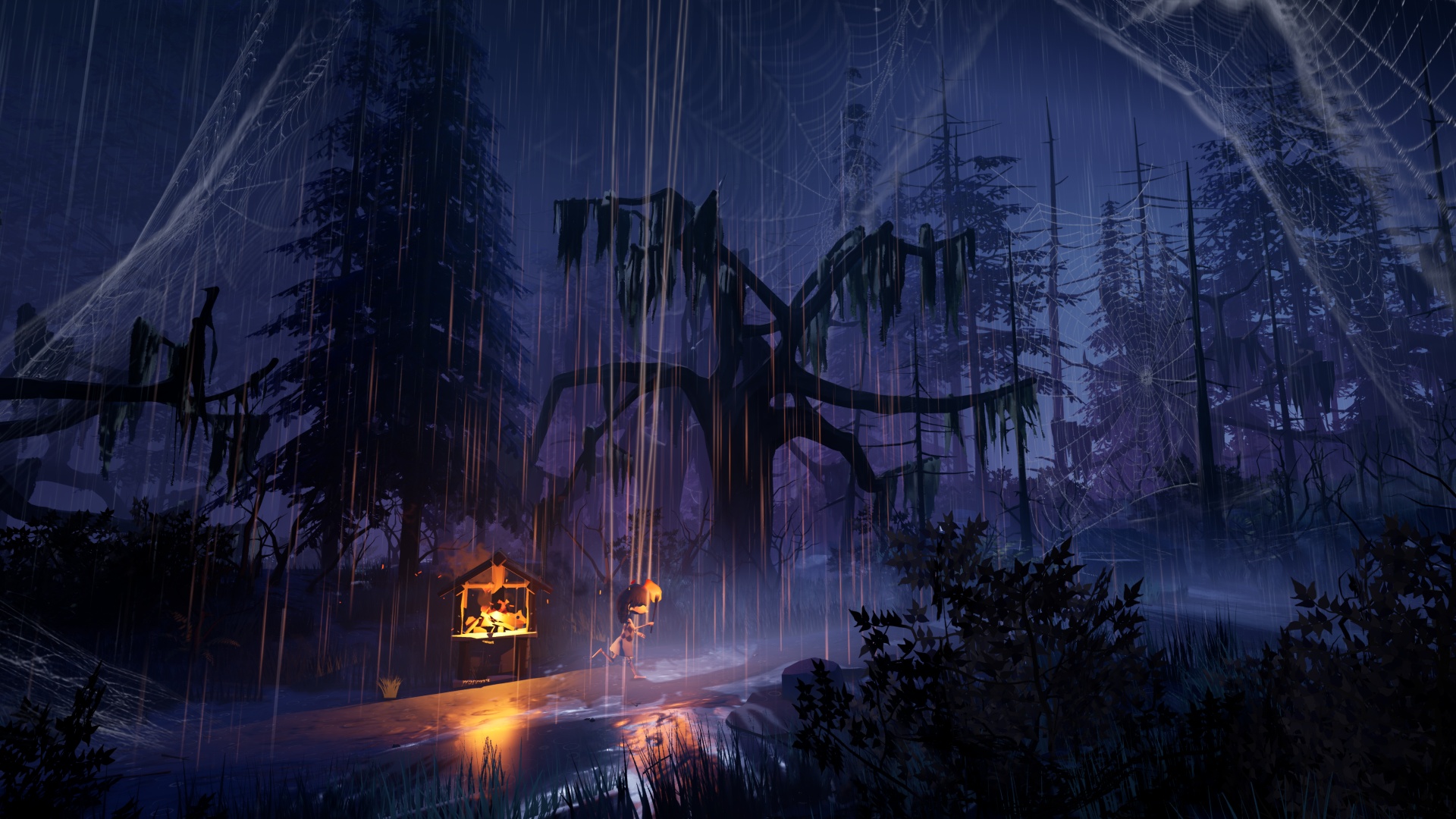
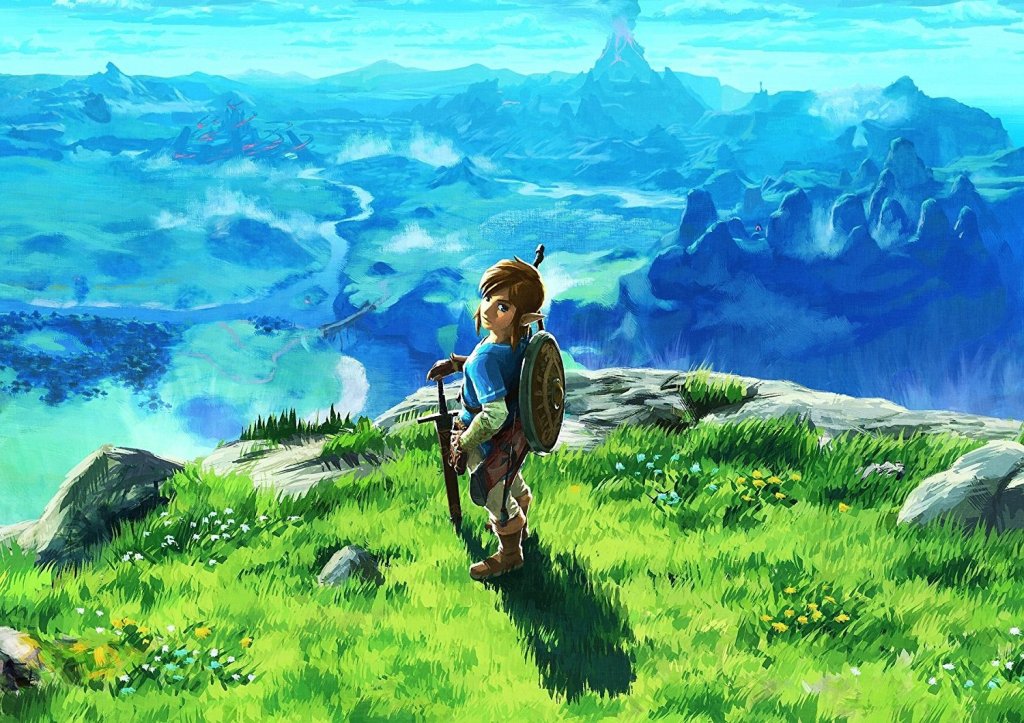
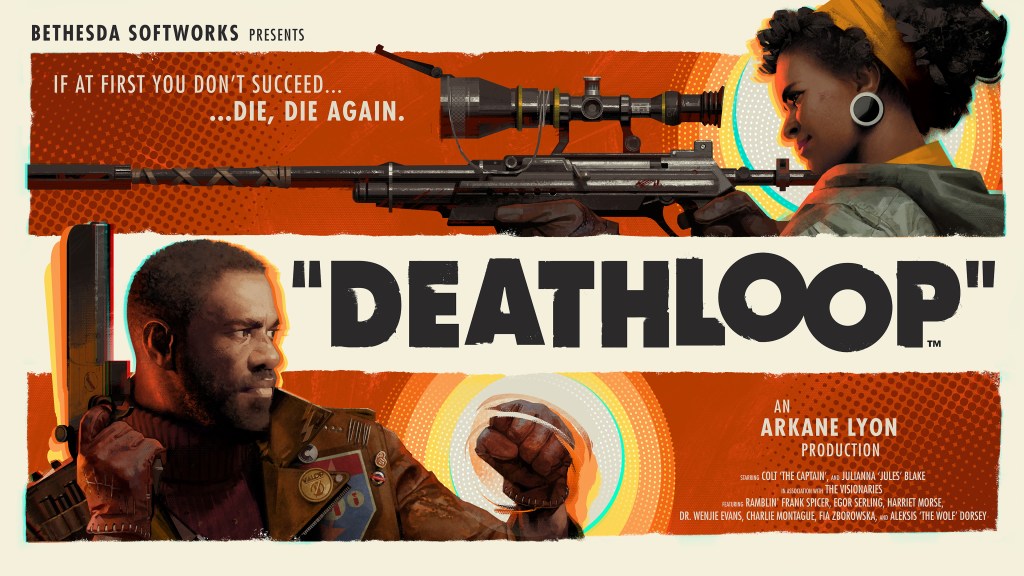

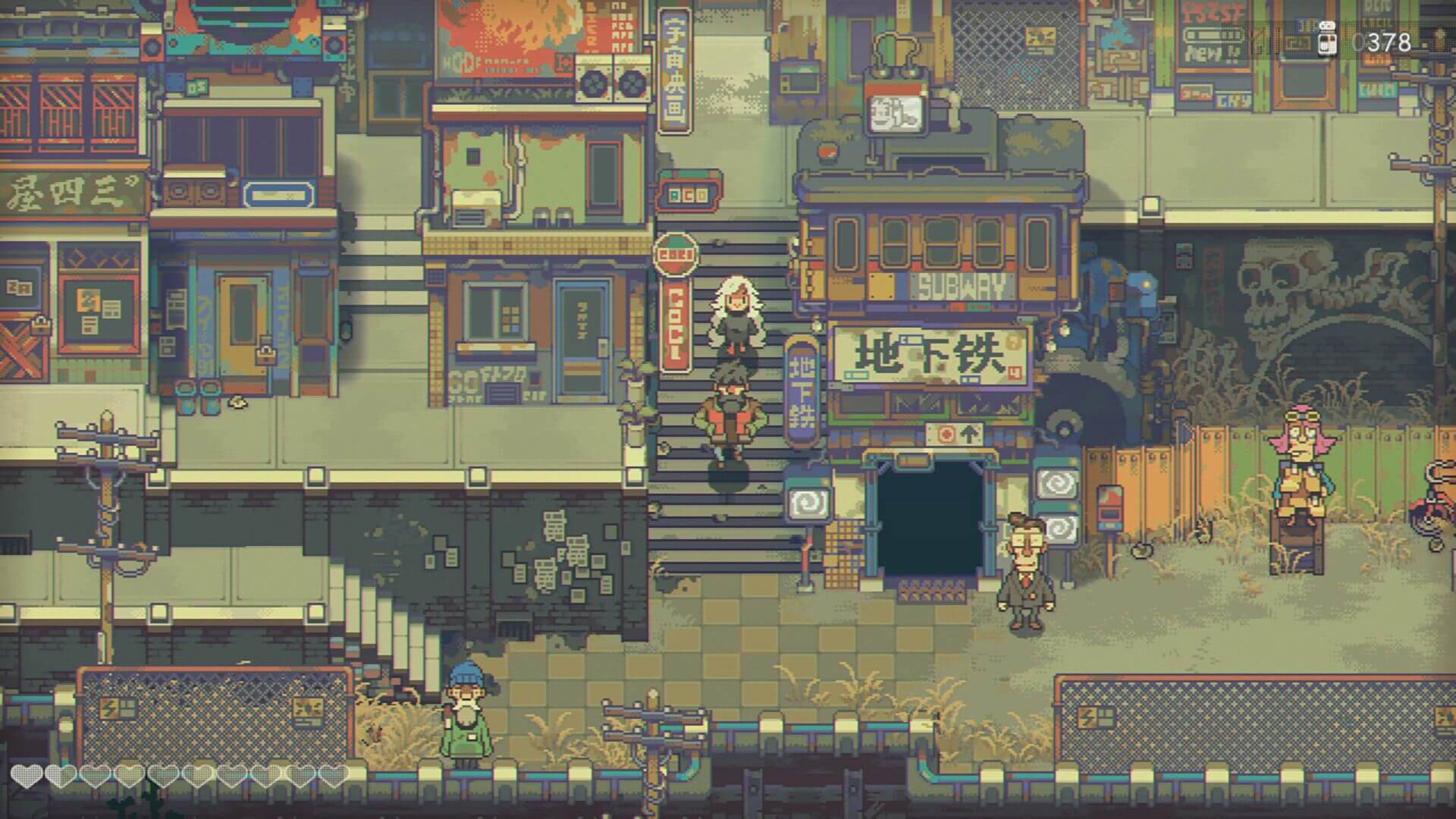
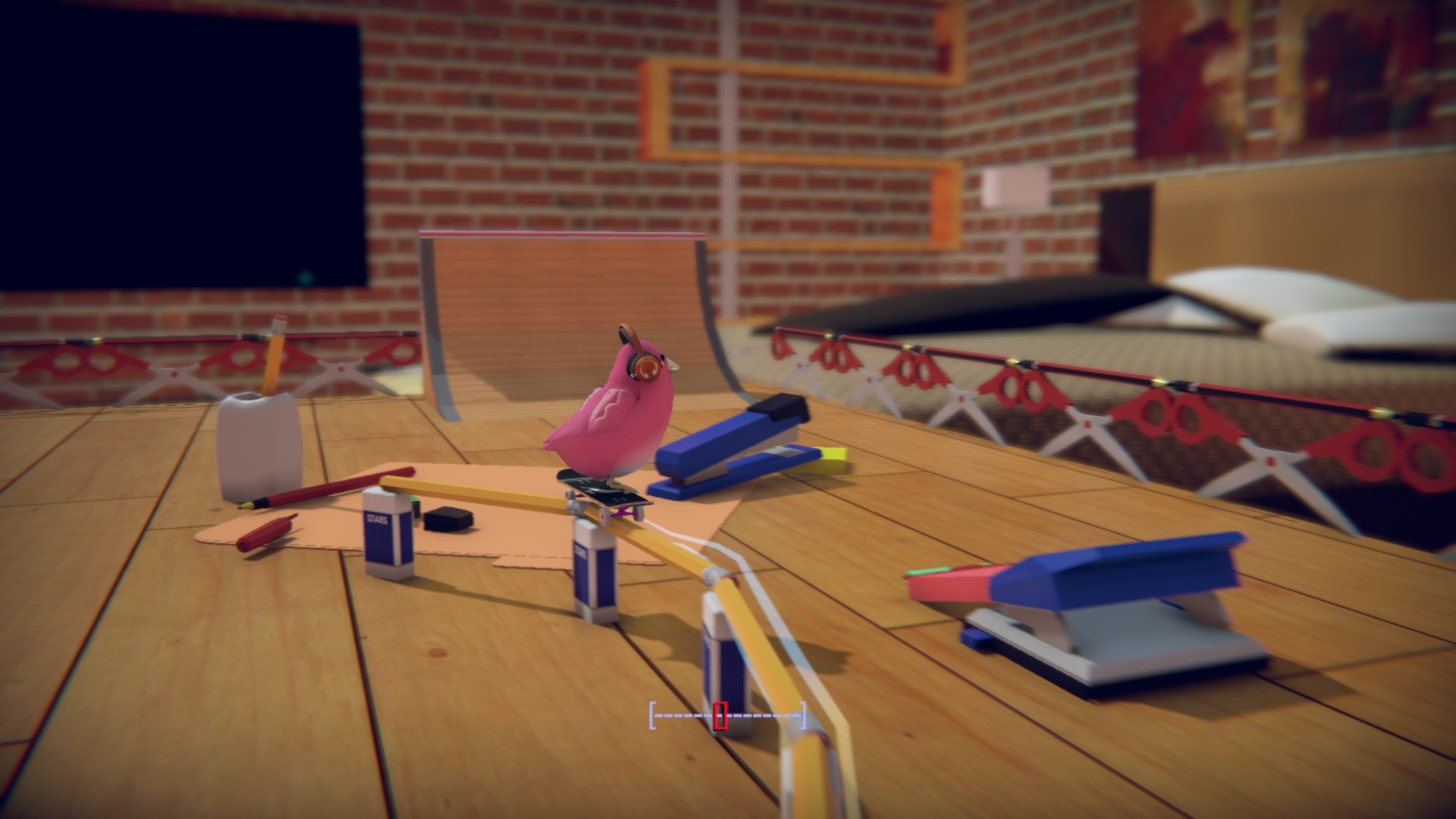
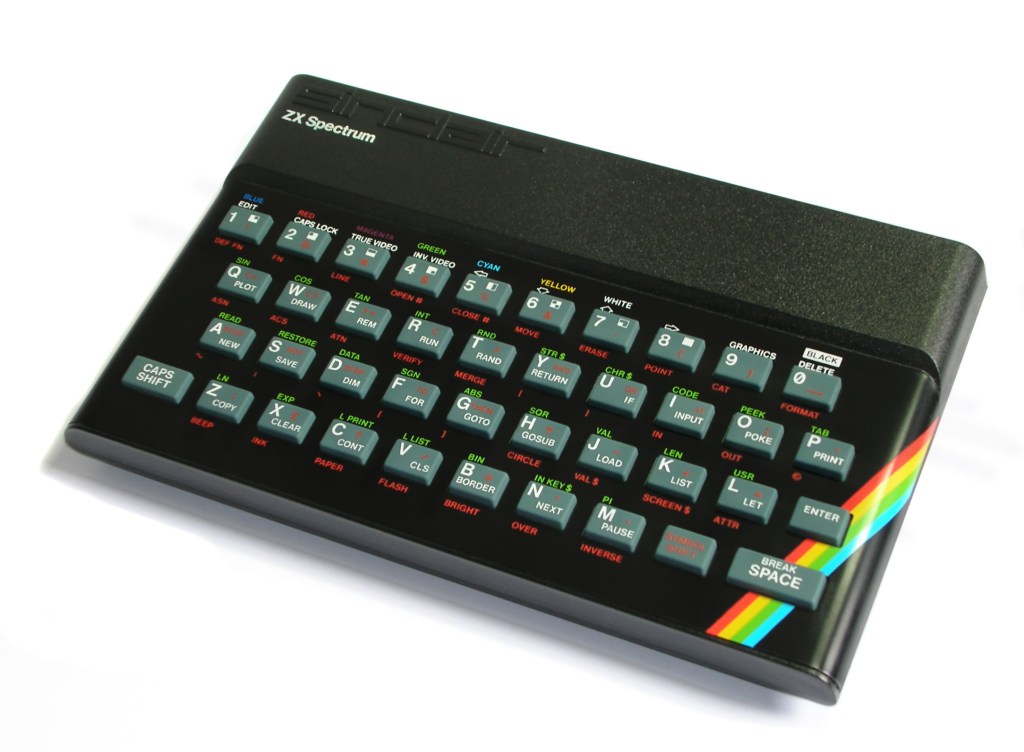


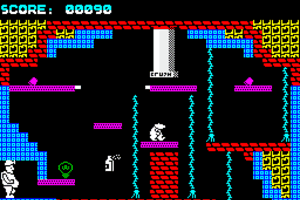


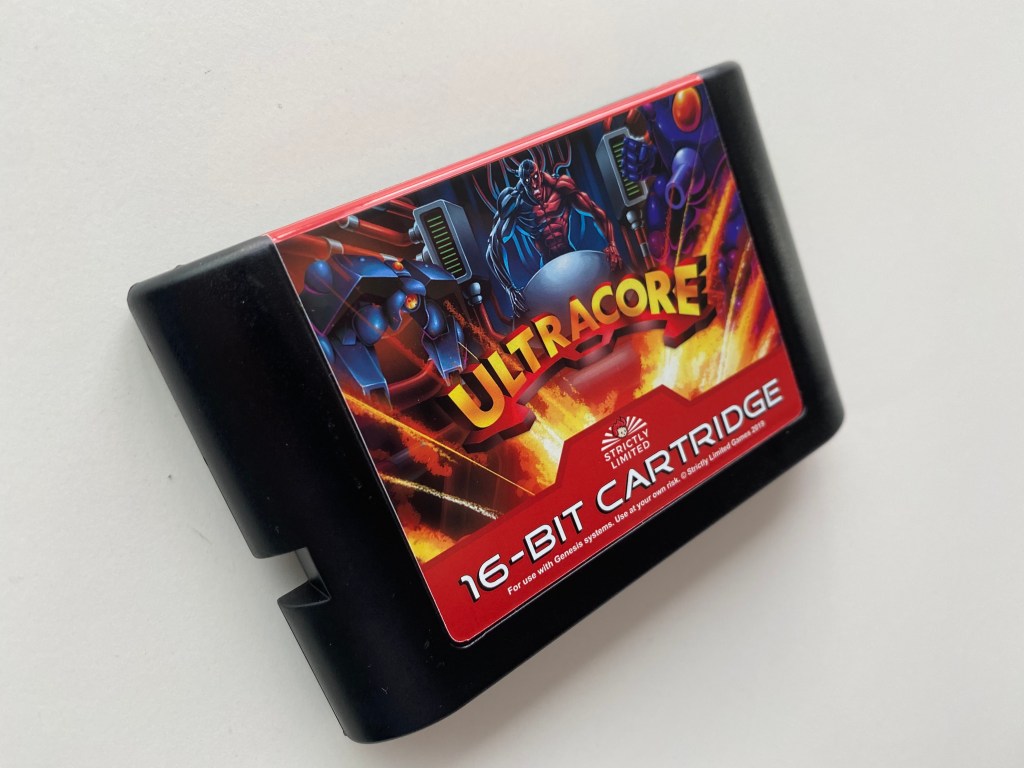


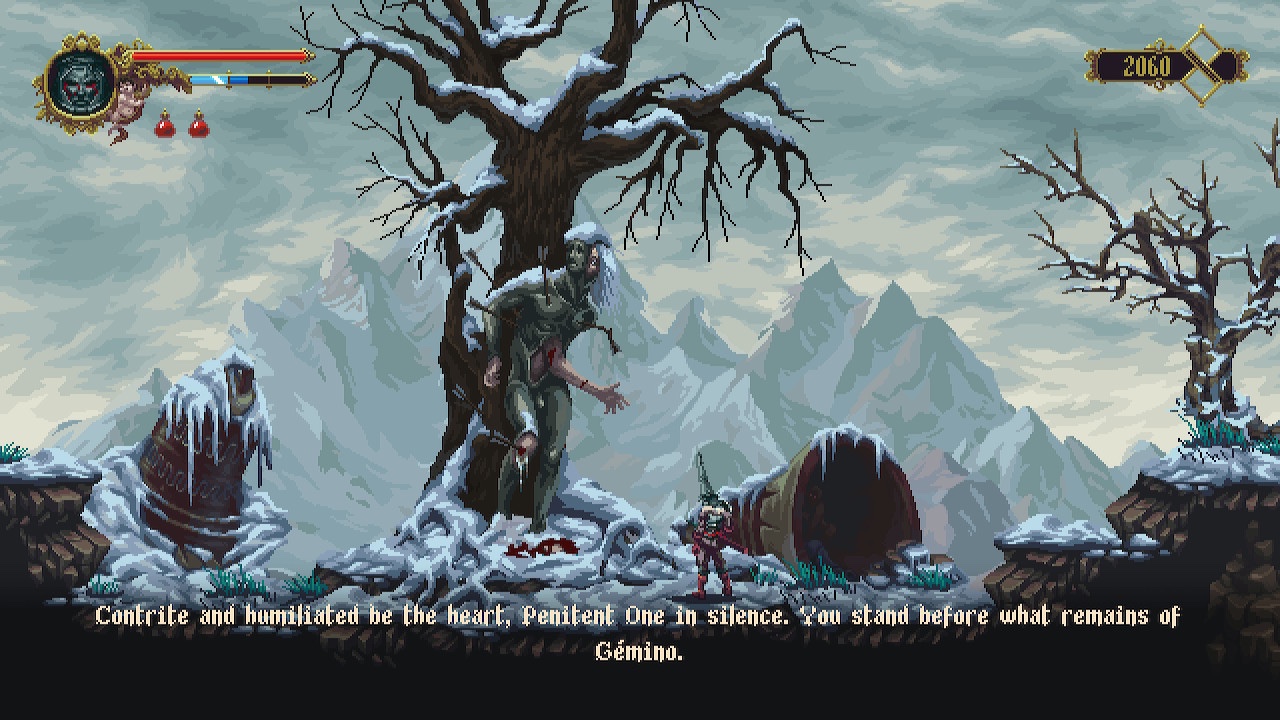
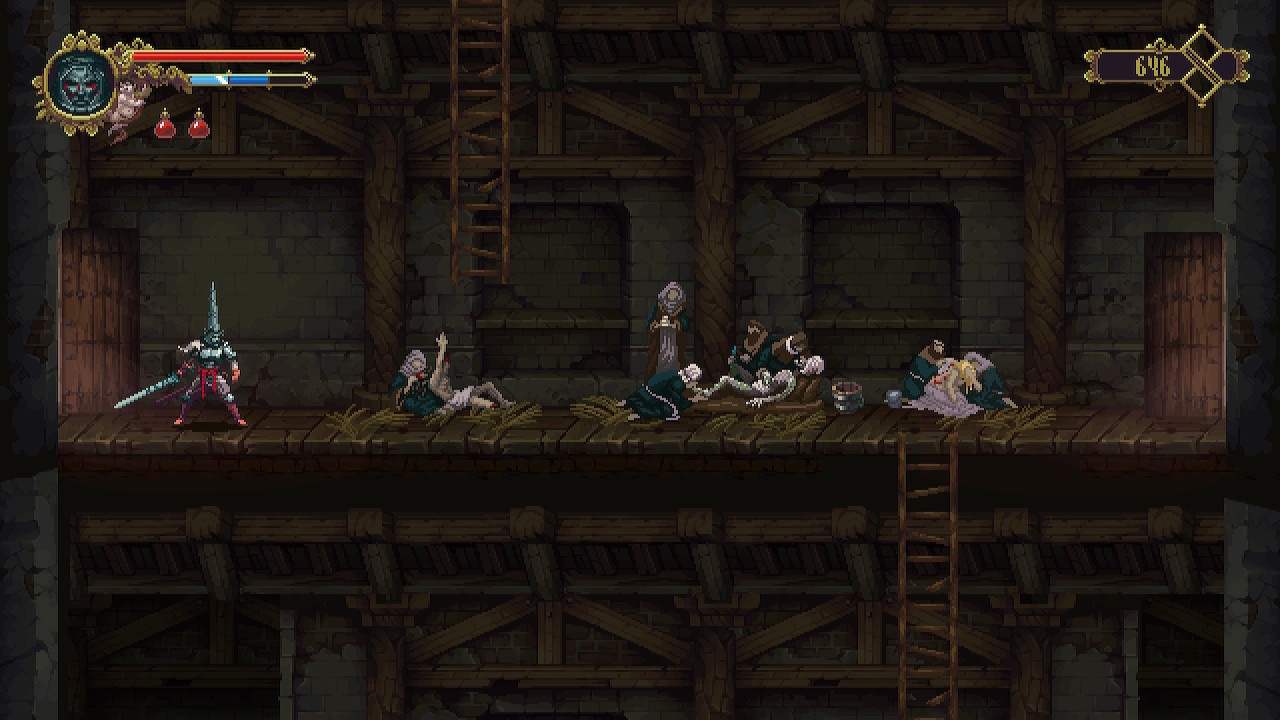

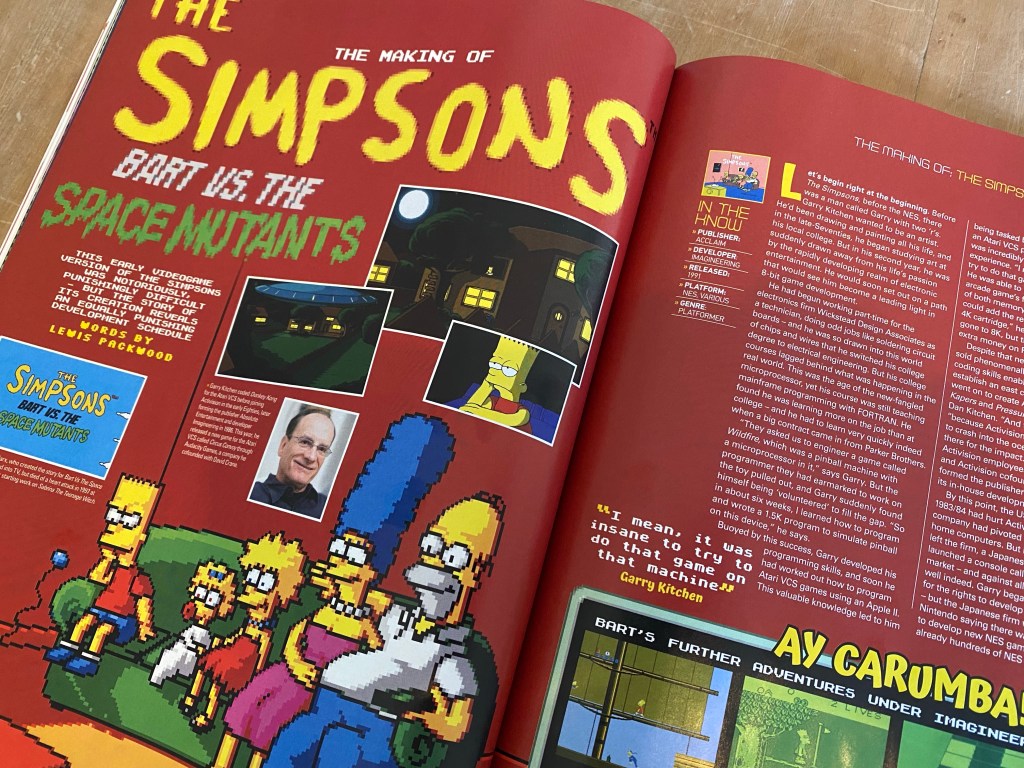

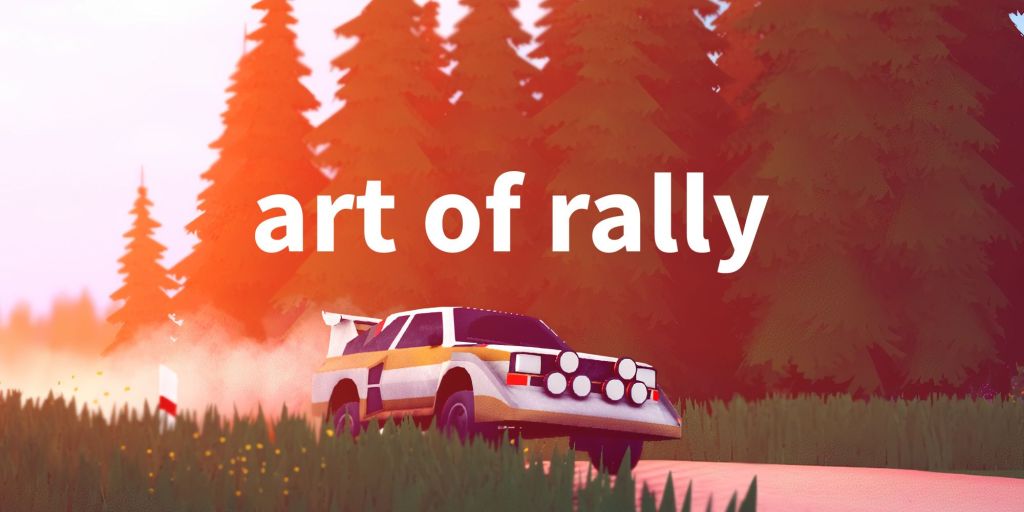


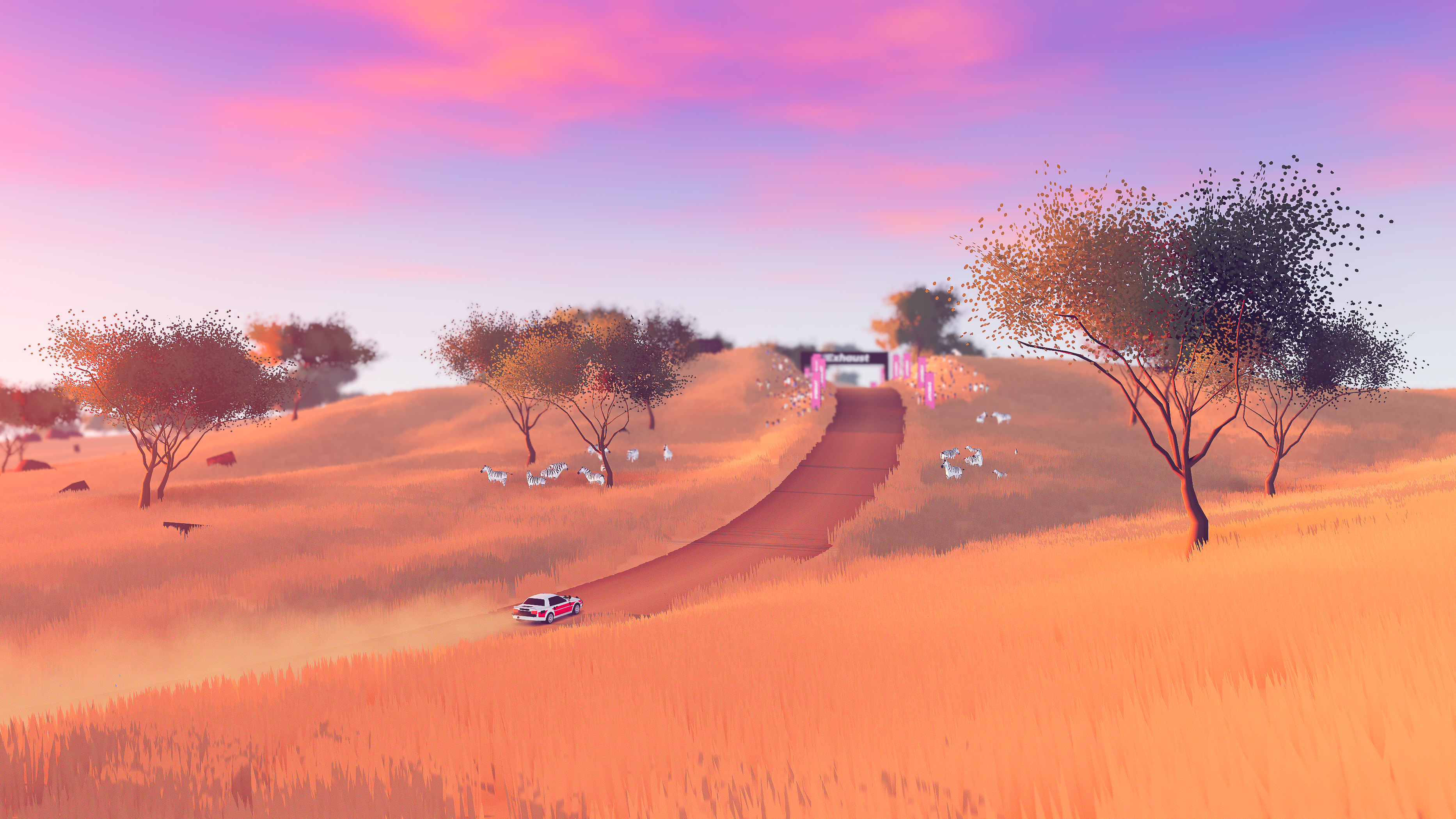
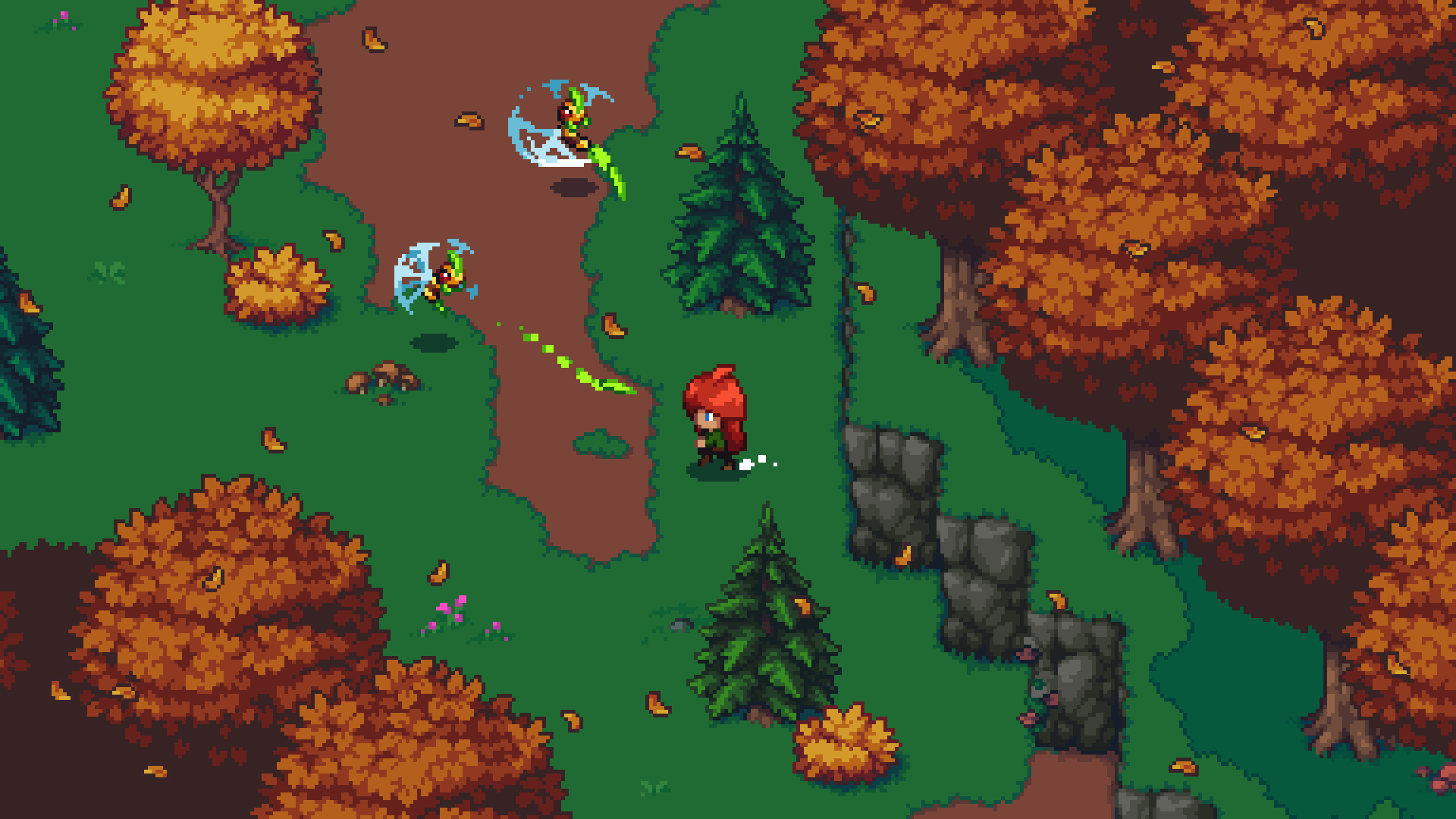


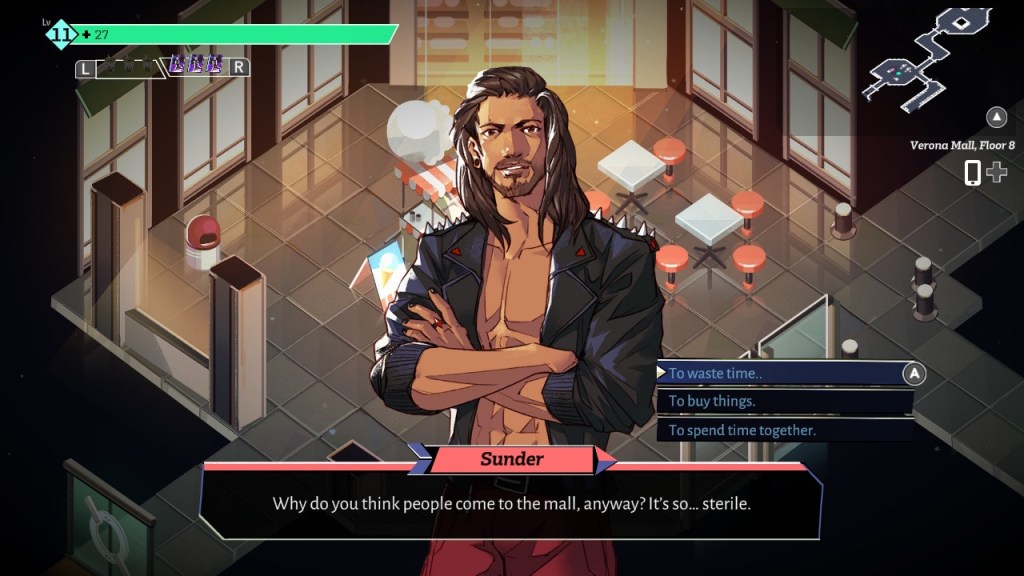

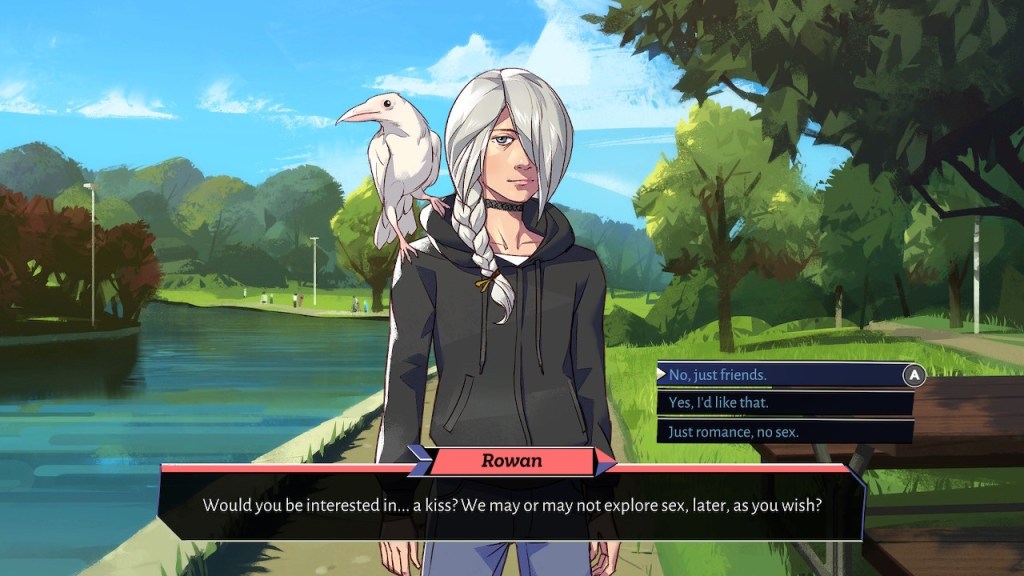

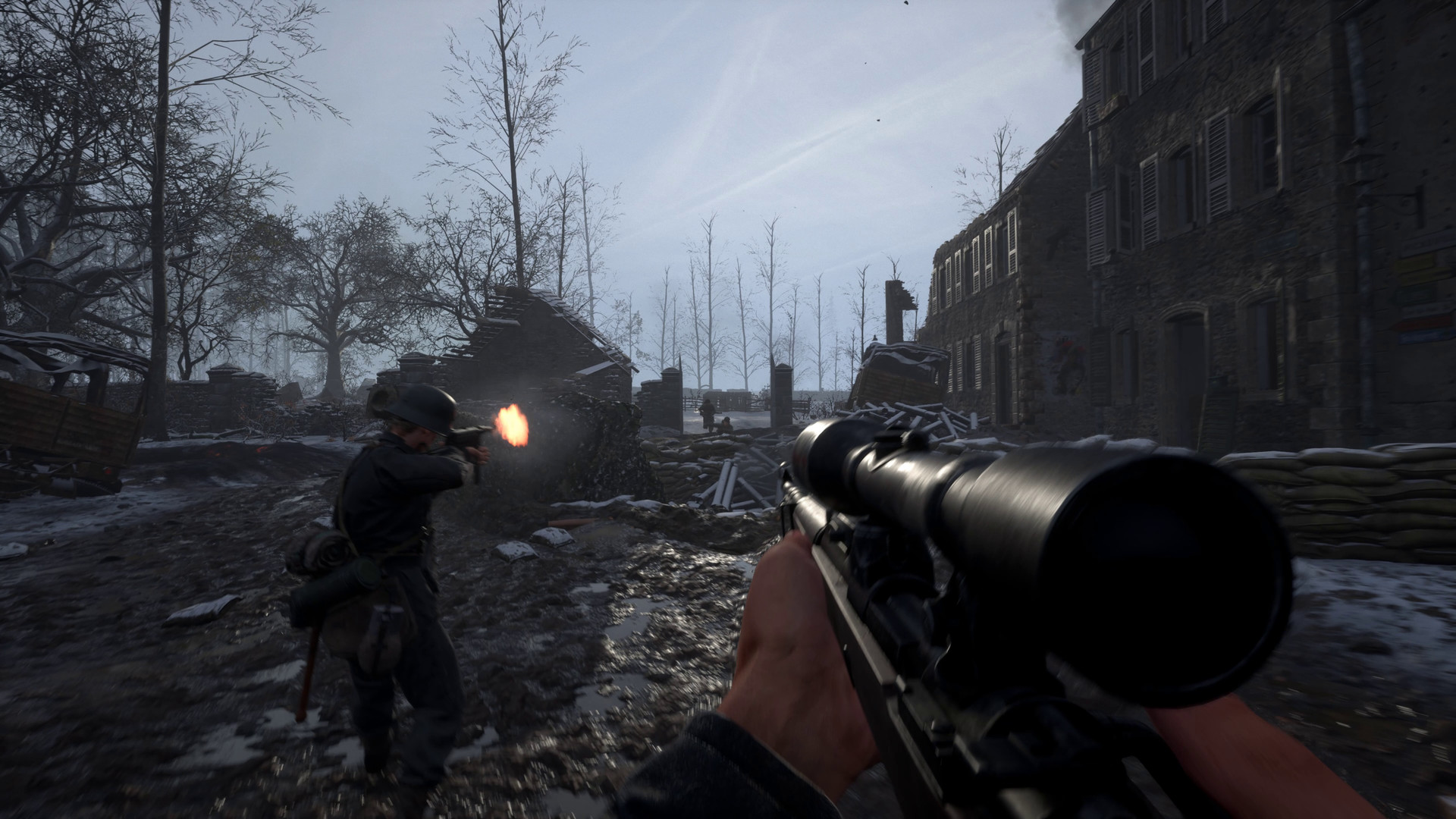
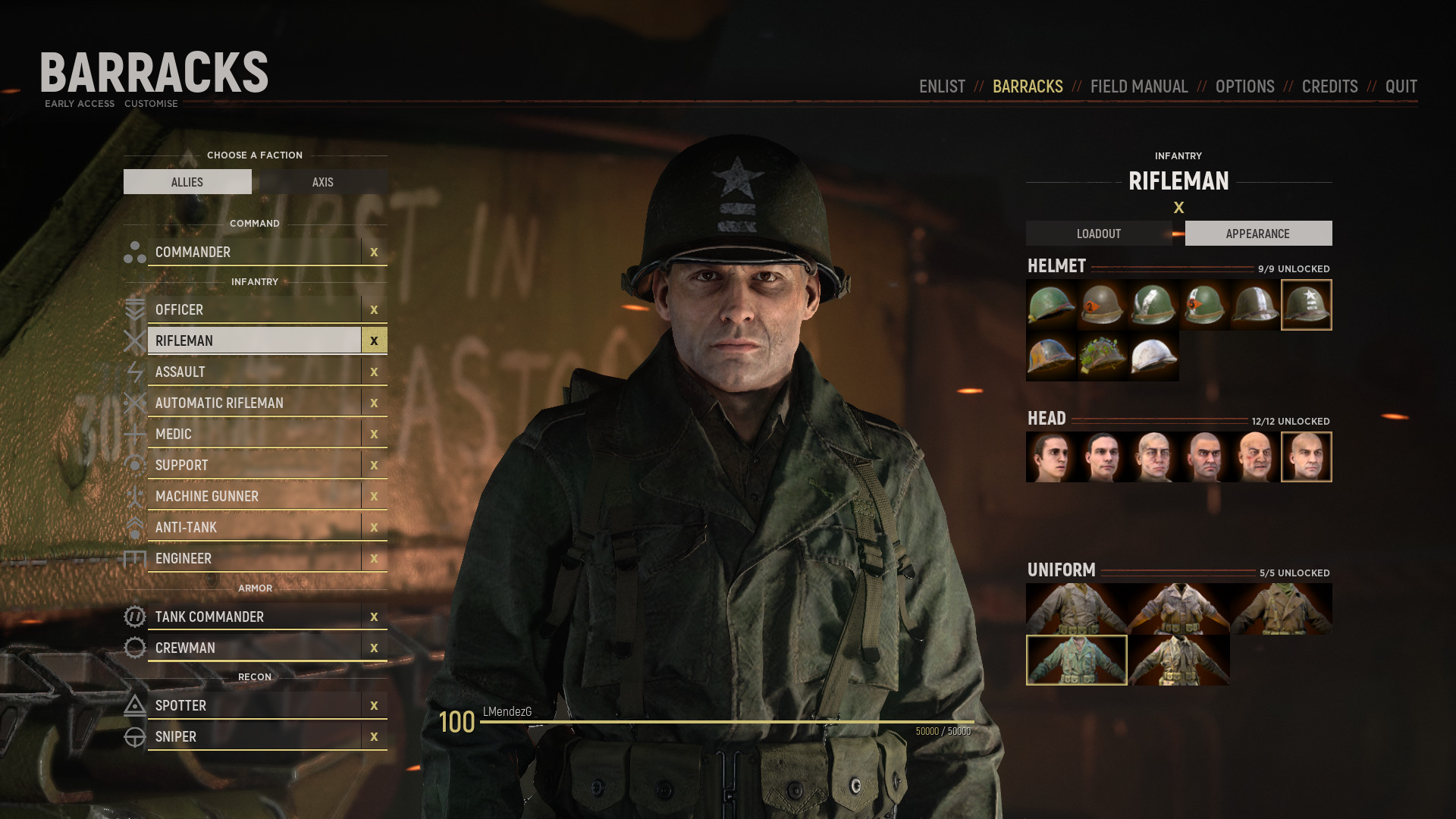




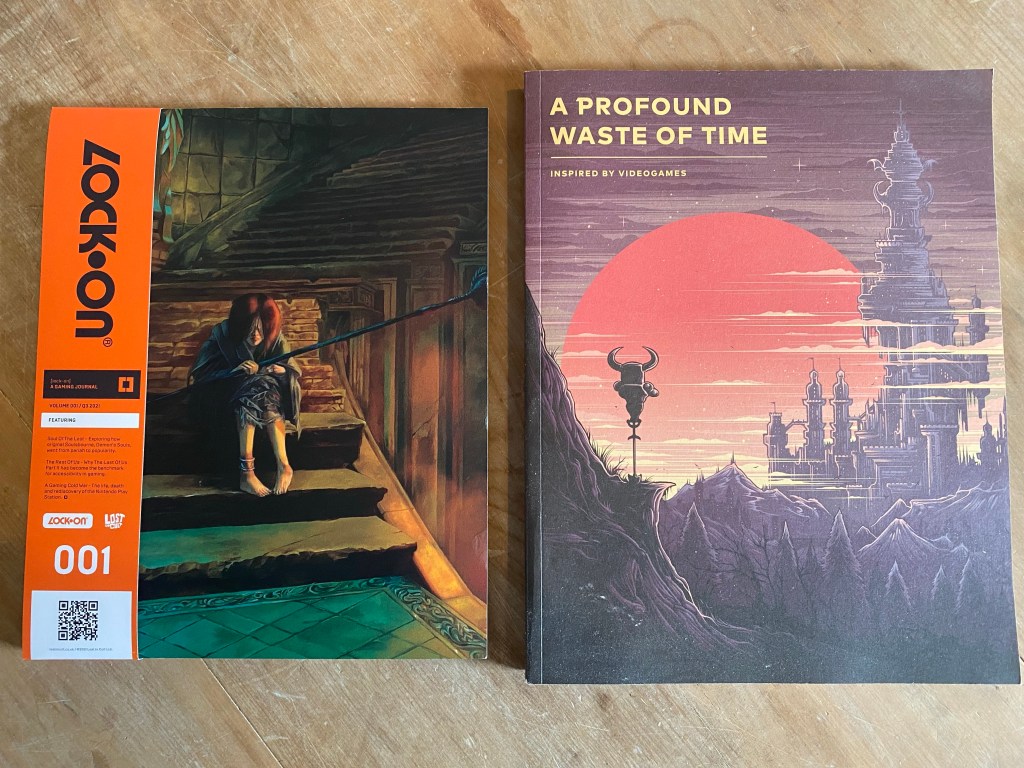


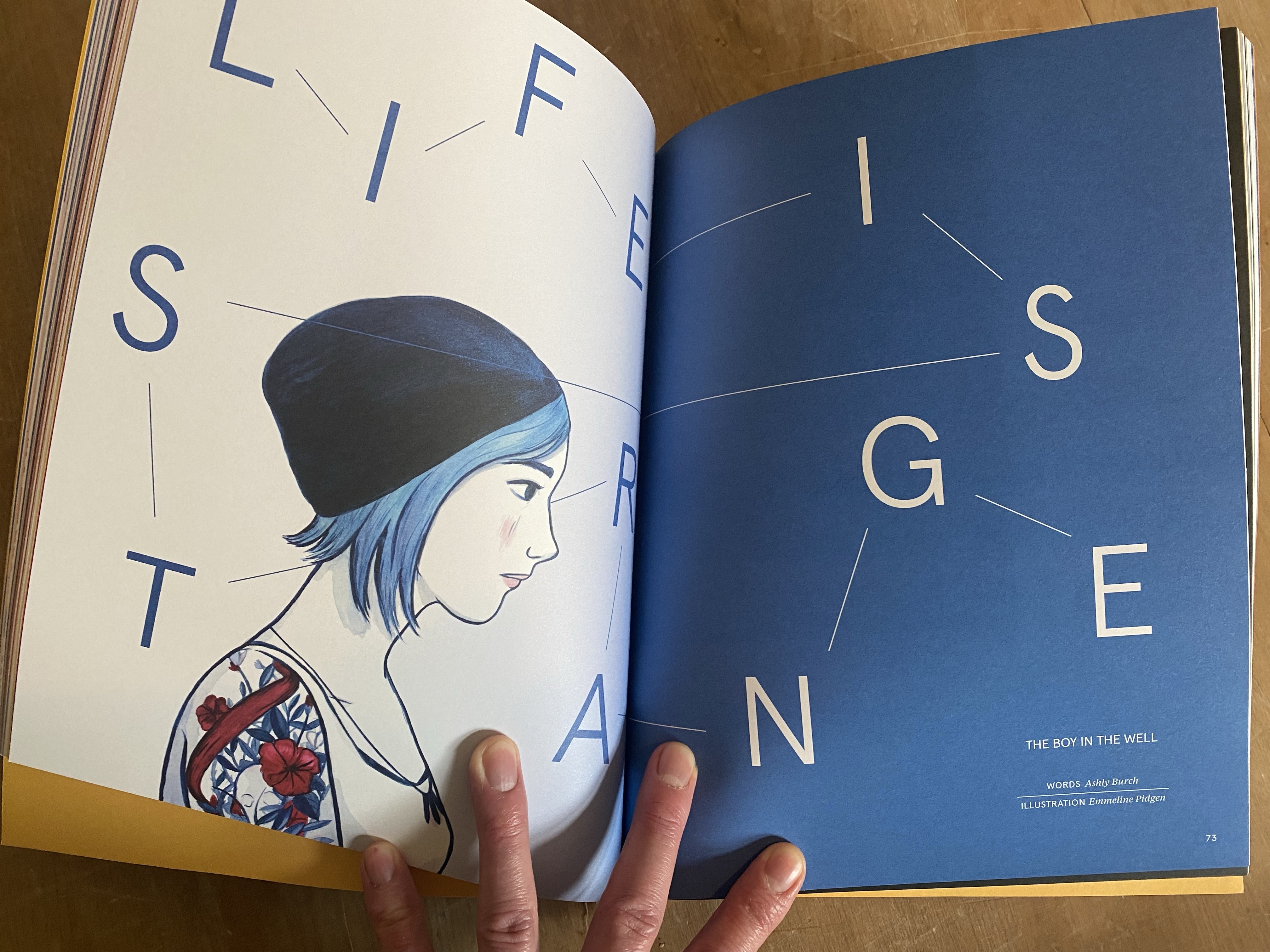

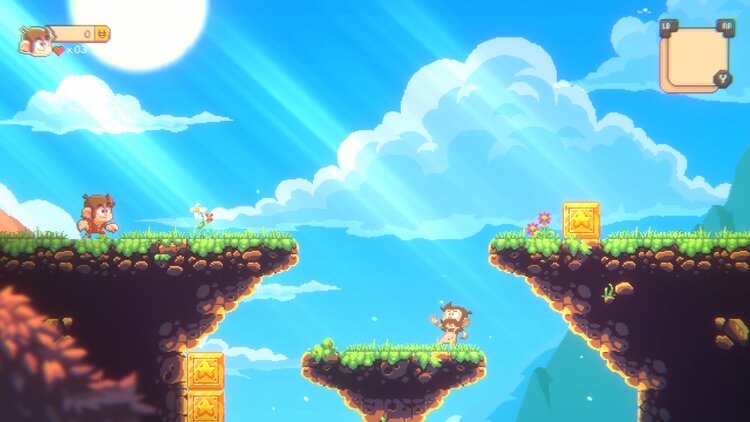
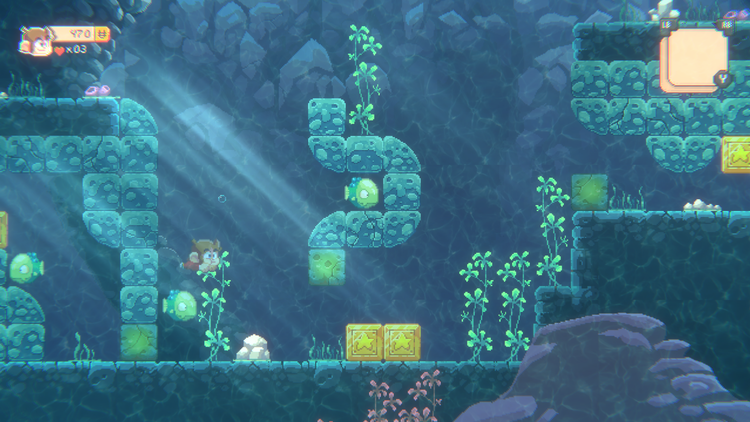
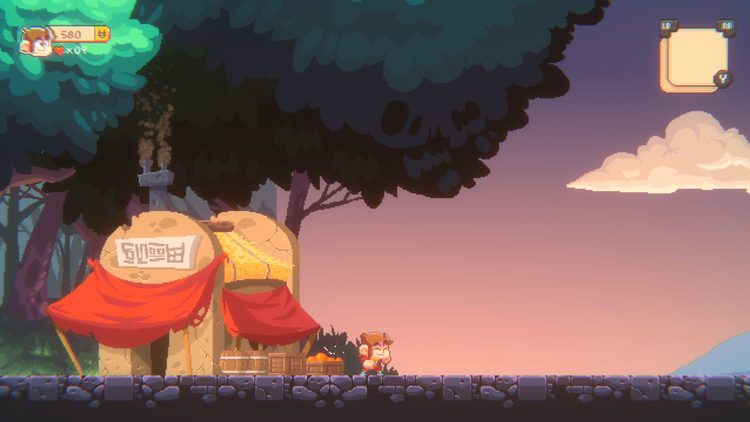




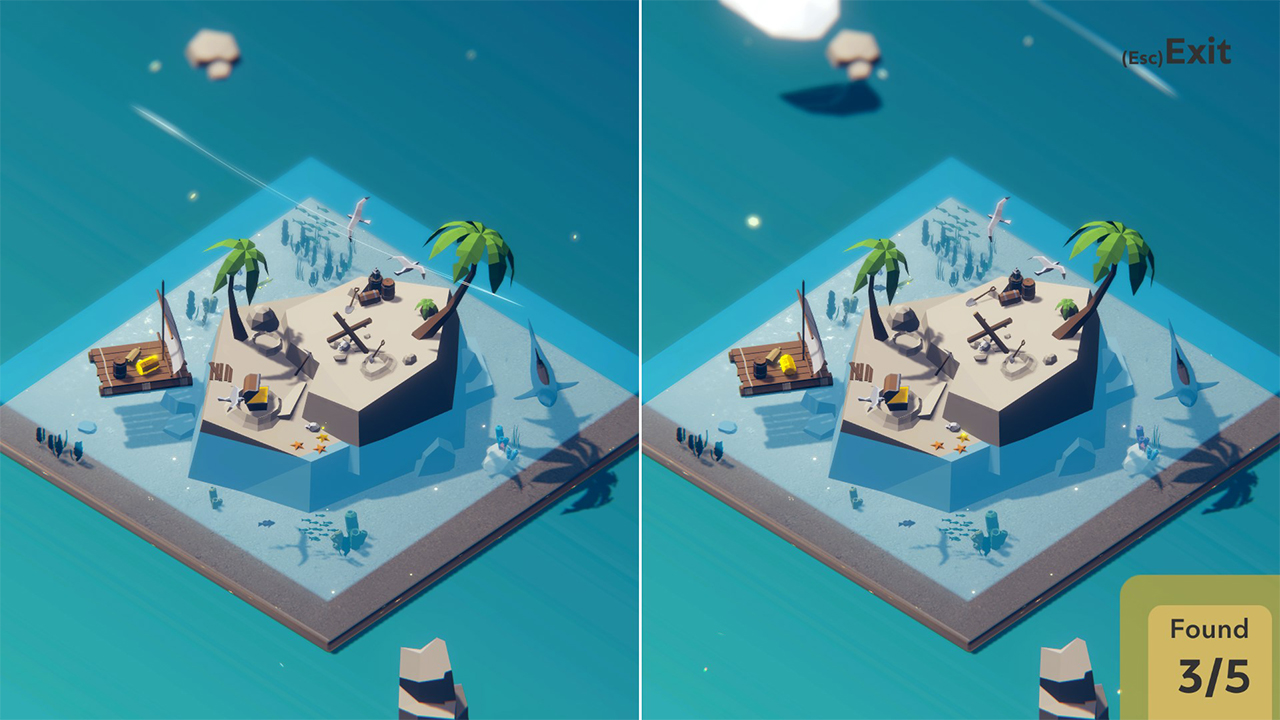
 A MOST AGREEABLE PASTIME