Have you ever listened to The Archers? The gentle Radio 4 rural drama has been going for something like 70 years now, and it always seems to be on whenever I tire of music and switch channels for a bit of spoken word stuff. I’m no great follower of The Archers, although I know some people who are lifelong devotees, gripped by every twist and turn of the lives of Ambridge’s fictional inhabitants. That said, I do like listening to it every now and then, and the gently shocking plot lines – some outsider with big ideas wants to take over the pig farm, the owner of the pub is having an affair, and so on – have a strangely calming and mesmerising quality. Indeed, when we turned on The Archers in the car the other day, our normally rambunctious children fell into a rapt silence, oddly hypnotised by these quaint slices of rural strife.
I mention this because The Magnificent Trufflepigs strongly reminded me of The Archers. For a while, I thought I even recognised the voices of the two main actors – Luci Fish and Arthur Darvill – from the show. I was mistaken, they’ve never taken on the Ambridge mantle, but I almost felt like I’ve known their voices for years, which is surely the sign of good voice acting, not to mention a firm script. The bucolic setting of the game, coupled with some gentle intrigue and the soft northern burr of the protagonists, immediately put me in mind of Sundays doing odd jobs around the house while Radio 4 weaves rural tales in the background.
Everything about The Magnificent Trufflepigs is gentle. Its chosen theme – the oft-derided pastime of metal detecting – is perhaps the most gentle pursuit it’s possible to dramatise in a video game, involving as it does walking slowly around a field while wafting a stick until it goes beep. And the plot is similarly soft – the sole aim being to find a valuable earring that Beth is convinced is hidden somewhere on a farm which is soon to be redeveloped as a solar power station. She drafts in her friend Adam to help her look for it, and there follows a week spent waving sticks and chatting.
There’s more to it, of course. Playing as Adam, each time you find an object you’ll call Beth to tell her about it, which is usually followed by some reminiscences about their past in the village or discussions about Beth’s future. She’s having trouble with her fiancé Jake, as well as problems at work, and really it’s this that forms the crux of the game. Finding out more about Beth, and listening to her face her problems, is the main carrot that draws you on. There’s also a twist towards the end which rounds things out nicely – then again, it’s one I’ve seen a few times before. Still, the main thrust of The Magnificent Trufflepigs is a mixture of personal issues and nostalgia, so it’s little wonder I had The Archers in mind all the while.
I’ll admit I found the game pretty dull at first. As Adam, your job is simply to walk very, very slowly across a field until your metal detector goes beep, at which point it’s time to whip out your shovel. That initial ecstatic electronic shriek generates a bubble of curiosity and excitement, which is popped immediately around 90% of the time, as the treasure you uncover turns out to be a bottle cap, or a fork, or a rusty screw. It’s here where it feels like The MagnificentTrufflepigs hews a bit too closely to the true life world of metal detecting – the reality is that most of what detectorists find is simply junk rather than Anglo Saxon gold hoards. But there’s no reason why this reality has to be so closely reflected in the game world. A few more interesting finds – or finds that link up to help solve a mystery – would have been a welcome addition. There is a mystery to be solved in a sense, although it’s linked only tangentially with the objects you find.
The Magnificent Trufflepigs did grow on me after a while though. By the halfway mark I found myself drawn in by Beth’s troubles, and I took to playing podcasts in the background to ease the tedium of the detecting itself. It helps that the game doesn’t outstay its welcome, either – you can finish the whole thing in under three hours. But I do feel like it’s a bit of a wasted opportunity in a way. Metal detecting could be so much more thrilling in the video game world – perhaps you could gather clues from around the environment to suss out where a treasure might be buried, then focus your hunt on a certain patch. Perhaps the things you find could shed light on bigger stories and unlock other avenues – maybe literally if you find a key to a locked door. I’m convinced that there’s an utterly fantastic, compelling game to be made about metal detecting – and The Magnificent Trufflepigs isn’t quite it. Still, it remains a thoroughly pleasant way to spend a few hours – much like listening to the Archers omnibus on a lazy Sunday afternoon.
The Magnificent Trufflepigs was developed by Thunkd, and it’s available on PC and Switch. We played the PC version.
Disclosure statement: review code for The Magnificent Trufflepigs was provided by Evolve PR. A Most Agreeable Pastime operates as an independent site, and all opinions expressed are those of the author.
Follow A Most Agreeable Pastime on Twitter and Facebook, if you like.
For the latest issue of Retro Gamer I interviewed former Bad Influence! presenter Violet Berlin, who I can confirm is a genuinely lovely person. We had a very long chat about her career, and it was fascinating to hear just how she got the job talking about video games on Bad Influence! – suffice to say, her career has had plenty of ups and downs. I was particularly amazed to find out it was none other than she who made the gunge on the early nineties children’s show Wac-a-day.
Nowadays, Violet has forged an enviable career creating digital exhibits for all sorts of museums and exhibitions, including the British Museum, yet she remains wonderfully self-effacing about all of her achievements. And she has so many stories! It’s a shame the feature was limited to six pages, because there are so many more things I could have included. Perhaps I’ll do a sequel one day…
You can find the interview in issue 221 of Retro Gamer, which goes on sale this week. You can order individual copies or subscribe at Magazines Direct.
Follow A Most Agreeable Pastime on Twitter and Facebook, if you like.
E3 is back in 2021, after a fashion. There might not be a live show as such, but the next week will see a string of online presentations loosely clustered around the E3 umbrella. It’s a much better prospect than 2020’s month or more of sporadic news drops, which really failed to maintain my interest and felt painfully drawn out. There’s definitely something to be said for grouping major presentations together – it might mean that some smaller games have less room to breathe and generate continuous coverage, but overall it creates a critical mass of news that makes the gaming world (and some of the rest of the world) sit up and take notice. Also, it’s fun.
So, what can we expect? What are we hoping for? Well Microsoft is undoubtedly the one to watch, and the company that most people are expecting great things from. The megacorp has been on a massive buying spree over the past couple of years, and now is likely to be the time when we find out what all those studios it’s bought have been up to. Plus Xbox is in some dire need of exclusives to differentiate it from the PlayStation 5 – a reason to buy a fridge-like box other than the fact it has slightly higher numbers on some of its components and a rather spiffy thing called GamePass. Although having said that, GamePass is a hell of a feather in Microsoft’s cap, so no doubt the company will be crowing about it throughout the proceedings.
We can probably expect news of another Forza game, as well as an update on the delayed Halo Infinite, but I’m hoping for a few big surprises as well. It will be interesting to see what Ninja Theory has been up to, particularly regarding Senua’s Saga: Hellblade 2, and I’d love to see more of Playground Games’ version of Fable – it’s a great studio, so I’m sure they will do the franchise justice. And perhaps we might even see more of Bethesda’s Starfield, although I have a feeling that game will still be some way off. The big question is whether Microsoft have something truly stratospheric lined up for this Christmas, aside from the expected Halo.
I’m particularly intrigued to see what Nintendo has in store. We’ve got Skyward Sword hitting in a few months’ time, plus remakes of Pokemon Diamond and Pearl scheduled for later this year, but what else has the Big N got tucked in the wings? We know Splatoon 3 is on the way, so we’re sure to see more of that, and possibly a pre-Christmas launch date. But the one game everyone is hoping to see more of is Breath of the Wild 2 – it’s been two years since the reveal of that title, and we’re heard practically nothing about it since then, so surely this is the moment when it’s revealed in all its glory, possibly with a release date in the not too distant future. Although given that Skyward Sword is releasing in November, I expect that Nintendo won’t want two Zelda games competing for sales, which means a 2022 date is more likely. [EDIT: my mistake here, Skyward Sword is actually releasing in July, I was mixing up my dates. Which means a BOTW2 release this year could be all the more likely.]
We’ve had main entries from pretty much all of Nintendo’s major franchises on the Switch – so is this the time when smaller IPs will get their time to shine? Maybe a new F-Zero? Or Kid Icarus? Possibly. But probably more likely is the announcement of sequels to some of the big hitters – I strongly suspect that Super Mario Odyssey 2 will be announced. We could also see more Mario Kart, although given that the current MK game is still selling bucketloads years after its release, that might be a little premature. Personally, I’m hoping for more news on Metroid Prime 4, even though it’s likely to still be some years away, but my biggest wish is for a new 2D Metroid game – and considering such a game has been strongly rumoured, that wish may very well come true.
Then there’s Sony, currently sitting pretty on monstrous sales of the PS5 coming after a generation sat firmly at the top. My guess is that we won’t see a huge amount of new stuff from Sony over the next week – instead the company will probably stick to promoting the games it has already announced, like the new Ratchet and Clank and Horizon: Zero Dawn, along with teasers for God of War: Ragnarok. It doesn’t need to do much else at this point – Microsoft is the company with something to prove, not Sony. Hopefully we will see a few new games crop up though, and maybe even some surprise blasts from the past. A reboot of Syphon Filter, perhaps? I mean, we got a new MediEvil, and no-one saw that coming…
Follow A Most Agreeable Pastime on Twitter and Facebook, if you like.
The Wonder Boy/Monster World series is an eclectic, convoluted and beloved set of games that practically require a dissertation to explain their history, but they’re easy to parse from a gameplay perspective. They fill an interesting gap between traditional platformers and the more open-natured exploratory games that are all the rage today. Or, if you want to be reductive, they’re something of a proto-Metroidvania. While the series’ earliest outings were more of an auto-scrolling left-to-right affair, the games eventually branched out with interconnected levels, an inventory system and a depth that would gradually build as the series went on.
Some say the pinnacle of this was Monster World IV, a culmination of all that had come before it in a beautiful Genesis/Mega Drive release that has become nothing short of a cult classic. Through the powers that be it has been remastered and rebranded as Wonder Boy: Asha in Monster World. Naming conventions aside, this game stars a plucky heroine named Asha who leaves her village (in what serves as a clever tutorial, especially for its time) to save the world from impending doom. She finds her way to a desert oasis city that serves as the hub for the game.
Rather than being an open world, Asha strings together its stages in a specific order like a traditional platformer, but the player needs to earn access to the next level by milling about town to find a McGuffin that lets you move on. These parts are also where you can spend the coins you’ve picked up along the way to upgrade your health, weaponry and shields, as well as fulfill rudimentary side quests. The structure definitely feels disjointed in a way, but charmingly so because you can tell that the original developers (who helped with this release) were scratching the surface of giving players more freedom.
The levels proper, and the dungeons you reach after playing them, are quaint in design, but still fun to explore even if they aren’t particularly complex. Controlling Asha feels great; her move set is instantly comfortable, and through her floating companion you get a sense of progression, as the more fruit you feed it, the more abilities it gains. Unfortunately a lot of what Pepelogoo is able to do isn’t always spelled out for you, which has you running into some obtuse design. Still, once you figure it out, it gives each new stage a gimmick that is well implemented. Even though the stage design doesn’t feel cohesive, it’s still fun to explore, not only because it scratches a particular retro platforming itch, but also because the remade visuals and sound design are wonderful.
Asha in Monster World adds some much-needed quality-of-life improvement, most important of which is the ability to save anywhere. The sage who you used to have to find in order to save your progress makes light of his lessened role, but still dispenses wisdom to help you out. During certain moments when you need a specific item, the game doesn’t force you to open your inventory, instead just allowing you to use it with the press of the button. The one exception to this is the map you use in the game’s third area, which desperately needs its own dedicated button. I ended up just using rote memory to make my way through because it was such a nuisance.
Wonder Boy: Asha in Monster World stays faithful enough to the 16-bit game that those who play it will get the original experience, just with a shinier coat of paint. And as a bonus, anyone who picks up a physical copy will get the original version as well for comparison. Asha is a lovingly crafted throwback – and that’s something you’ll need to remember going in. It’s not as clever as the latest and greatest in the genre we now call Metroidvania, but it still holds up, even though it’s relatively rudimentary in its exploration by today’s standards. In short, Asha in Monster World is proof that the past is worth mining, because you can still discover gems.
Wonder Boy: Asha in Monster World was developed by Studioartdink and Inin Games, and it’s available on Switch and PS4. We reviewed the Switch version.
Disclosure statement: review code for Wonder Boy: Asha in Monster World was provided by PR Hound. A Most Agreeable Pastime operates as an independent site, and all opinions expressed are those of the author.
Follow A Most Agreeable Pastime on Twitter and Facebook, if you like.
I picked up Dorfromantik the other day after Eurogamer gave it an Essential review. And it hasn’t disappointed. The work of four German students, Dorfromantik (which roughly translates as ‘village romance’) bears striking similarities to the board game Carcassonne, but with a few clever twists.
Like the board game, the aim is to match up tiles with similar edges, joining houses to houses, forests to forests, fields to fields, and so on. You get more points for matching a tile perfectly with the ones surrounding it, with the main aim being to beat your high score before you run out of tiles. Your stack of tiles is shown in the bottom right, and some of them come with little quests to complete, like, say, placing 14 house tiles together. If you complete these quests, you get more tiles and so can extend your run further and further.
One neat aspect is that as you extend your tiny rural empire, you’ll come across special unique tiles out in the surrounding white expanse, like watchtowers or windmills. If you complete the quests attached to these tiles, you’ll unlock them for your next run, giving you an incentive to keep extending your village and keep coming back for more.
I’ve been playing Dorfromantik for about four and half hours, and I’ve found it utterly absorbing and wonderfully soothing. There’s no conflict – there isn’t even a time limit – and it’s blissful to lose yourself in this rural idyll for hours at a time. It may only be in Early Access on Steam, but Dorfromantik already feels perfectly polished – and is highly recommended. It’s just a shame that it’s only on PC for now, because it would be utterly perfect for the Switch. Hopefully a Switch port will just be a matter of time though, because I’ve no doubt Dorfromantik will be a huge success.
Follow A Most Agreeable Pastime on Twitter and Facebook, if you like.
I first heard about Balance of Power a couple of years back, and it sounded absolutely fascinating. Originally released on the Apple Mac in 1985, the game aimed to simulate the politics of the Cold War, with players taking control of either the USSR or USA and feeling their way through international relations. The idea is to enhance the sphere of influence of your chosen superpower, but without provoking your rival into starting a thermonuclear war – with the latter leading to an instant Game Over screen.
You can do things like arm insurgents to destabilise a country whose government is sympathetic to your opponent, or reward countries with aid if they are loyal to your regime. It’s tense, and incredibly clever.
I tracked down the game’s creator, Chris Crawford, and had a fascinating chat with him about how Balance of Power was made. (Chris is something of an industry legend, and he founded GDC in 1987.) Balance of Power was very much his passion project after he was laid off from Atari following the 1983 video game crash, and he ended up ploughing most of his redundancy money into making it. But it was a huge success, and that success kickstarted the game’s newly founded publisher, Mindscape.
You can read all about the making of Balance of Power in issue 220 of Retro Gamer – and it really is a great story. You can buy single issues or subscribe at Magazines Direct.
Follow A Most Agreeable Pastime on Twitter and Facebook, if you like.
I love that video games have got to a point where we don’t always have to talk about them in the traditional sense any more. Things like mechanics, technical aspects and iteration on genre all have their place, but what I’m interested in is what the developers set out to accomplish or convey. I’m not about to enter the fray on the tired debate of whether or not video games are art, but I feel like in many ways they are an extension of those who make them.
Before I Forget is a first-person narrative driven experience that follows a woman named Sunita who unfortunately has dementia. You as a player know as much as she does as a character at the outset, which plays brilliantly to her affliction. Your confusion mixed with her fear and anxiety is a masterful way of conveying this terrifying disease. As you maneuver Suni around her home, you can trigger memories by interacting with different things around the house. You build the story piece by piece, and in doing so you discover Suni’s past and build up to her present. It’s very affecting on many levels, with an emotional resonance I’ve never seen in other experiential games like this.
To talk about the plot details would betray why you should play Before I Forget in the first place, so I’ll try to explain things in broad strokes. The game is like peering into the life of a person from the outside, and as you learn more and more, you start to become empathetic. The visual design is subtle, feeling very much like a proper home. Everything looks a bit drab at first, but as you unfurl new memories, you’ll notice color splashes as you go giving Suni’s home this cozy feel. Other moments tear you away from that as you realize she doesn’t understand what’s going on and conveys that accordingly. Before I Forget sends you on an emotional roller-coaster where you share in Suni’s passions, triumphs, misunderstandings and tragedies.
Dementia is something that no one can fully understand and talk about properly, because that’s the nature of the beast. Before I Forget is a great representation of what we imagine it’s like from an outside perspective. It does things that are intentionally discombobulating to convey the disease, and when you start to catch on to what’s really happening, this is used to build a connection to Suni that bridges the gap between you as the player and how it makes you feel about her situation. I can honestly say I’ve never thought about that while playing a game ever, but I’m excited for the potential because of it.
I was drawn to Before I Forget because before I lost my grandma to pancreatic cancer, I had to wrestle with her dementia. It’s a scary state of being, but one I was just as curious to learn about as I was fearful of. Beyond its ability to tug at your heartstrings, Before I Forget is a great tool for raising awareness of mental disorders. If nothing else, Before I Forget is a beautiful reminder that we should care for everybody, most of all those who unknowingly suffer. If more games were like Before I Forget, the better our world would be.
Before I Forget was developed by 3-Fold Games, and it’s available on Switch, Xbox and PC. We reviewed the Switch version.
Disclosure statement: review code for Before I Forget was provided by Nerd Pirates. A Most Agreeable Pastime operates as an independent site, and all opinions expressed are those of the author.
Follow A Most Agreeable Pastime on Twitter and Facebook, if you like.
Aerial_Knight’s Never Yield doesn’t mess around. Right out of the gate your avatar Wally blasts out of containment, jumps through a window and is immediately being chased by mercenaries and drones. At its core the game is an endless runner, but one in which its presentation, its soundtrack and unabated action meld together into a wholly unique experience that is much more than the sum of its parts. It is so undeniably stylish that any attempt to explain it on my part would completely undersell the experience.
Wally’s move set is simple but succinct; pushing up on the analog stick makes him jump; pressing down has him do a slide. He also has what I like to call a parkour leap, which you activate by pressing back and which you need for negotiating mid-ranged obstacles, and there’s a forward dash that will have you smashing through certain things as well as moving you faster in general for those all-important high scores. While that all sounds a bit par for the course, the genius of Never Yield comes from the subtle visual cues – the game gives you just enough of a warning that you can start to pick up a sweet cadence. Each of the aforementioned moves correlate with a different color that catches your eye and often gives you more of a heads up of what to do than seeing the actual obstacle. This allows the game to throw a variety of things your way that might look entirely different from each other, but you’ll know what to do for each one because of that telltale color burst. In short, this makes you look and feel like a badass as you careen under flipping cars, shoot through broken barriers and leap oncoming missiles.
The game can be ‘finished’ from top to bottom in roughly and hour and a half, but the point of Never Yield is to refine your skills and keep challenging yourself. The game offers a trio of difficulty levels that are all unique and ultimately fair to the player. At the lowest rung you’re given an admittedly cool slow-mo affect that triggers before doing a move to get you acclimated to the game, whereas the highest setting eschews the safety net and gives you extra obstacles that are a nice treat for folk who have played to the point of memorizing levels. I ran through Never Yield on all three difficulty settings, a rare occurrence for me, but it attests to how brilliant the game is.
The ambiance around Aerial_Knight’s Never Yield in combination with the stellar mechanical design make it a game worth playing. Its neon rendition of Detroit mixed with its exotic aesthetic and killer soundtrack give it a style all its own. It’s one of those rare instances where a game legitimately has an auteur’s touch and is all the better for it. I don’t know what’s next for Aerial_Knight (a.k.a. Neil Jones), but I can’t wait to see what he does.
Aerial_Knight’s Never Yield is an amazing experience as it stands, but the cultural richness that surrounds it makes it one of the most memorable games I’ve ever played. It’s a gateway drug to a world of myriad games created by interesting voices all around the world, not just the US coasts and Japan. Here’s hoping that Detroit becomes the next hotbed for rad new developers, with Jones leading the way.
Aerial_Knight’s Never Yield was developed by Aerial_Knight (Neil Jones), and it’s available on Switch, Xbox, PlayStation and PC. We reviewed the Switch version.
Disclosure statement: review code for Aerial_Knight’s Never Yield was provided by Headup. A Most Agreeable Pastime operates as an independent site, and all opinions expressed are those of the author.
Follow A Most Agreeable Pastime on Twitter and Facebook, if you like.
Star Wars Sunday, we call it. For the past few months, four of us have made an appointment on Sunday nights to battle in a galaxy far, far away. We fart around for a couple of hours, have a good chat, lose a lot of matches, win the odd one here and there, then part ways until the next week. It’s been a refreshing ray of sunshine at the end of the week, a much-needed chance to socialise in these pandemic-ridden housebound times – and the crossplay between consoles and PC is a godsend. In short, bouts of Star Wars Squadrons are a wonderful way to get together in these trying times, and it’s a fantastic game to boot.
But sometimes it feels like Squadrons has all but been forgotten in the seven months since its release. Often we end up being matched against the same players again and again, or find ourselves participating in wildly skewed teams mixing level 200+ players with complete novices. It’s symptomatic of a game with far too few players. And indeed, the average player count on Steam is just shy of 300, which seems criminally low for a game based on one of the world’s most popular franchises. Player counts picked up a little while back when the game was added to Game Pass and EA Play, but even now it often takes several minutes for the game to find a match, and that’s at peak times.
Squadrons also seems to have all but disappeared from the media. One editor told me that articles on the game don’t tend to get many views. Even the game’s publisher, EA, doesn’t want to talk about it. I approached their PR person with the idea of interviewing the developers at EA Motive for a feature, only to be flatly told “we aren’t doing anymore interviews at this time”. As far as EA is concerned, the Star Wars Squadrons ship sailed a long time ago – which is a very odd attitude considering it’s a live multiplayer game.
Right from the start, EA was adamant that it wasn’t going to add any content to Star Wars Squadrons. No seasons or DLC, just what you get on the disc. We did get a couple of new ships around Christmas time, and there have been a few cosmetic items thrown into the game since then, but otherwise nothing. It’s a marked contrast to the ever-evolving world of Fortnite and the constant updates for other multiplayer games du jour. It very much seems like Star Wars Squadrons was thrown out of the door almost as an afterthought, and almost immediately abandoned.
But why, though? That’s what I don’t understand. Because the thing is, Squadrons is an absolutely fantastic little game. The space combat is solid and often thrilling, with some beautiful levels and excellent touches. The meta is intriguing too, with teams using the ships different abilities in creative ways. The current trend for high-level players is to max out the shields of the cumbersome U-Wing and fly in tight circles while dropping gun turrets. With three U-Wings together it’s almost impossible to penetrate the defensive turrets and get close. Infuriating, but undeniably clever, and it will be interesting to see how teams counter it.
So why has EA abandoned this lovely little game? I can’t help but think it’s either down to the expiration of the Star Wars license or the game’s lack of microtransactions – or both. EA’s ten-year exclusivity deal for Star Wars games is set to end by 2023, and we know that Star Wars games from other publishers are on the way. Perhaps EA didn’t want to plough money into supporting Squadrons because they knew that the licensing deal would be up soon. It’s also interesting that the game doesn’t feature microtransactions of any kind, so there’s no way for EA to make money from players after they’ve purchased it. The lack of MTX is interesting considering that many of EA’s other games firmly rely on them – perhaps the debacle of Battlefront II prompted the publisher to pull back from including them in a Star Wars game this time around. Certainly, Squadrons seems like exactly the type of game that would normally be plastered with MTX from head to toe.
Or maybe it’s simply that Squadrons was a little side project that somehow became a full release without any real plan for how to support it. The budget price at launch certainly seems to indicate that.
I’d love to know the full story, whatever it is.
Regardless of how it happened, it’s a crying shame that one of the best Star Wars games in years – and one of the best VR games full stop (although it’s still great without VR) – has so few players and so little in the way of support from its publisher. There are so many more Star Wars ships that could be added, and after seven months, Squadrons is crying out for more game modes to mix up the meta, yet it seems we’ll never get them. What a waste of a great game.
I implore you – enjoy Star Wars Squadrons while you still can. It’s on Game Pass, so it’s practically free, and it’s some of the best fun I’ve had in the Star Wars universe. Yet those player counts are only going to go down, so get in while there are still other people to play against.
Follow A Most Agreeable Pastime on Twitter and Facebook, if you like.
Spry Fox’s Cozy Grove is a game about kindness and patience. In a medium that puts shock and spectacle at the forefront, those are not feelings most developers are looking to evoke. That’s not to say video games aren’t blossoming into so much more, and exploring all kinds of things, but even Cozy Grove’s contemporaries (I’m sure most people make parallels to Animal Crossing) don’t nail what it means to serve your community in the way that this game does. There are plenty of opportunities to sow your creativity and show your personal expression, but it all takes a back seat to helping out your neighbors by learning their stories, investing in their plights and helping them to make amends.
Cozy Grove has you playing as a Spirit Scout who washes ashore on a quaint but colorless island inhabited by ghost bears. You set up camp near a talking campfire, which tells you that it can expand the horizons of the island if you feed it special logs that you get from helping out the apparitions nearby. In doing so, the game unfurls in a way that slowly doles out new activities, characters and crafting items that teach you how it all works, as well as what your ultimate goal is. The pace is what makes Cozy Grove so brilliant – you can only play for 20 to 30 minutes before exhausting all there is to do. If nothing else, Cozy Grove is a great tool for teaching you to slow down and appreciate the small things. You can’t min/max your way through it; the story and the game’s expectations for the player take a long time to reveal themselves, and intentionally so.
There’s definitely a catharsis to having a routine. I often found myself jogging to different characters to chat with them and/or get a quest, and then would scour the island for doodads, trinkets and collectables until there were no more to be found. As I kept playing, I realized that with my limited inventory space it was best to just look for the things I needed at that moment instead of hoarding. If I had a hard time finding something, I’d chat to a bear, who would point me in the right direction for a small fee as a way to alleviate frustration. You eventually learn to do things like craft, fish, bake and dowse, but they’re taught to you incrementally. Everything is given enough time and space for you to mull it over before the game moves you onto the next thing. Some days it was really exciting to make progress; others left me unable to move the needle at all. But that usually meant that I already had what I needed for the next day, and I was back to being happy. This up and down is a pretty curious approach, often making me wonder whether it was meant to be an allegory for life itself.
Even though Cozy Grove goes out of its way to not feel like a game, there are plenty of elements that will give you a dopamine hit. Almost everything can be cataloged, so nothing is truly wasted, and everything is worth nabbing at least once. There are organic achievements that the game helps to track with handy progress bars next to them. The coup de grace is when you complete a task for a neighbor and watch the world burst into color: coins rain from the sky, and you see a heart meter fill as you slowly reveal more of their story. It’s simple in its execution, but impactful in making you feel good about your deeds.
I’m not usually the type of person who thinks there’s some magical and highly specific way to play any game, but I really like that Cozy Grove tells you to peace out after half an hour. In many ways it’s the epitome of slice-of-life gaming in that you jump in and jump out and maximize what you do in between. But it’s also great at telling you that maybe you as a person should take a break from games in general by telling you you’ve done all you can for the day. I’ve learned over the last year that it’s just as important to take care of yourself as it is to look after others, and Cozy Grove makes sure to remind you to do both. Not bad, silly old bear.
Cozy Grove was developed by Spry Fox, and it’s available on Switch, Xbox, PlayStation, PC and Apple Arcade. We reviewed the Switch version.
Disclosure statement: review code for Cozy Grove was provided by The Quantum Astrophysicists Guild. A Most Agreeable Pastime operates as an independent site, and all opinions expressed are those of the author.
Follow A Most Agreeable Pastime on Twitter and Facebook, if you like.
I was rather looking forward to getting stuck into Evil Genius 2: World Domination. The sequel to Rebellion’s 2004 game Evil Genius puts you in the shoes of a sadistic supervillain who is hell bent on global conquest. You’ll need to build and develop a secret lair from which to launch your evil schemes, recruiting minions and henchmen (henchpeople?) along the way. All the while guarding against the super agents of the world’s security services, who are looking to bring you to justice.
It’s a fun idea – a Bond-esque spin on the Dungeon Keeper concept. Although really, the game’s sense of humour is more in line with Austin Powers than the Bond franchise. It’s got a bright, colourful art style and a knowingly irreverent attitude. Evil Genius 2 also has a lot going on, with multiple, overlapping systems giving a decent amount of depth to gameplay. As such, it took me quite some time to work out why I found the whole thing so gratingly tedious.
To immediately clarify, I don’t think there is anything inherently wrong with Evil Genius 2. I didn’t play the first instalment, but I’m led to believe it was quite buggy. I saw no such issues with this release. I just found that although there are multiple, complementary gameplay systems to engage with, none of them are actually all that engaging.
The main focus of your attention will be on constructing your lair. You’re given a plot of hollowed-out mountain, sandwiched between the helipad your minions use to get out into the world and the ‘front operation’ (e.g. a casino), which is meant to distract the authorities from what’s really going on (more on that later).
The base-building aspect is in fact quite intuitive and probably my favourite part of the game. You lay out the rooms as you see fit, install security systems and traps, and generally ensure your lair and its occupants have everything they require. Even here though, there are some frustrations.
Rooms can only contain objects that belong to that room type. Corridors are a type of room, and those are the only ones where guard posts and CCTV cameras can be installed, meaning, for example, guards and cameras can’t be placed inside your gold vault. This is particularly irritating when you can see gold being stolen by enemy agents, but you have to wait for one of your minions to notice.
And you’ll have to wait, as you can’t order minions around directly. You can give individual minions specific priorities when it comes to the jobs they do, but you’re not able to give them specific tasks. For instance, lair objects and equipment degrade over time, with them eventually failing altogether. If you see an item is non-functional, you’ll just have to wait for a technician minion to get round to fixing it, rather than just telling them to do it immediately.
It’s irritating. Again, not by any means a deal-breaker in its own right, but symptomatic of the game’s wider approach. It feels like Evil Genius 2 can’t quite decide whether the player should care about minions or not. They’re all named, they have their own morale meters and personality quirks. They get tired and hungry. However, they’re also completely dispensable. If they’re killed or desert, you just hire more, cheaply. You can’t give them jobs and you can’t decide which get trained in what specialities. The most interaction you get with them is in having your evil genius execute them as a motivator for the others.
Your minions are critical for your operation though. As well as maintaining your base operations, they’re also sent out into the world to set up and run criminal networks. For the most part, these involve committing money-making crimes or performing counter-intelligence to reduce the ‘heat’ in a given region in the world. Again though, in practice this boils down to just clicking a ‘do scheme’ button and waiting for randomly chosen minions to leave your lair and never return. The scheme then completes after a given length of time.
You can find and recruit the aforementioned henchmen, which are kind of super-minions. These characters have their own special abilities, and can be directly ordered around, as can your own genius. You’ll need to do so too as, although your genius’s death ends the game, they deal a lot of damage. This is particularly useful when super agents start turning up, hoping to bring you down.
Their appearance is driven by the reports of the more mundane investigators sent to snoop around your cover operation. Of course, quite why your hollowed-out mountain lair actually needs a cover operation is another matter entirely. I would suggest that 50 metres of solid rock would make rather a better disguise than a busy hotel and resort. In fact, I did try just bricking up the casino-side entrance to my base, only to find the game didn’t allow it. Even then, having the ability to lock and bar the doors would’ve been a welcome security feature…
Visits from super agents can be prevented in the ‘world stage’ global map view, from where schemes are also initiated. However, you have to be looking at the map at the time, and notice the counter-scheme appear. Given there’s no notification and they’re only available for 30 seconds, this is another needless irritation; particularly when most of the action is in the lair view. More-specific feedback between the two, for example making it easier to find certain story-relevant schemes, would have made things easier.
All-in-all then, I found Evil Genius 2: World Domination to be more frustrating than fun. As I say, there are a lot of positives to be found here. It’s all very well presented, from art to music. The voice acting isn’t particularly extensive, but it’s good nonetheless. However, for me it’s a game which is less than the sum of its parts. The arms-length control of ‘my’ evil operation left me feeling less of an evil genius and more of a villain’s architect. It’s a game I wanted to enjoy but, ultimately, didn’t.
Evil Genius 2 was developed by Rebellion, and it’s available on PC.
Disclosure statement: review code for Evil Genius 2 was provided by Rebellion. A Most Agreeable Pastime operates as an independent site, and all opinions expressed are those of the author.
Follow A Most Agreeable Pastime on Twitter and Facebook, if you like.
As regular readers will know, I’m rather fond of amiibo. I’m far from a completist – I only pick up the ones I like the look of – but I still have rather a lot of them.
Still, there’s been something of an amiibo drought recently. It must have been about a year since I bought one, and new amiibo releases are few and far between these days. So when five beautiful new ones come along at once, it’s something of a red letter day.
The Banjo-Kazooie amiibo is particularly excellent, and I love how colourful it is. The inclusion of a Jiggy is a great touch, and the posing is superb. Definitely one of my favourites already.
Byleth is another Fire Emblem character, and I just had to get him to complete my Fire Emblem amiibo collection – even though I haven’t got Three Houses yet, the game he’s from. I will definitely get it one day, but I feel like I need to finish a few of the games I’ve already got before I plunge into a new 60+ hour game. The Byleth amiibo looks great though, particularly the fine detailing on his face and hands.
It’s good to see Capcom supporting amiibo with another excellent range for Monster Hunter Rise. The Japan-only Monster Hunter Stories amiibo are already the pride of my collection, and these new Rise ones are similarly superb.
The Palico is particularly stunning, and undoubtedly the highlight. The level of detail is just phenomenal, right down to the texturing on its hat and the lovely swirly print on its bag. And what a pose! This one is a real beauty.
Meanwhile I was so excited to open the Palamute that I forgot to take a photo of the box first. These canine companions are new for Monster Hunter Rise, and they’re really transformative in the game itself, letting you whizz around levels at great speed. The amiibo again has amazing levels of detail, although I’m not so sure about the pose – it would have been better with a more dynamic look, but it’s a lovely thing nonetheless.
Finally, Magnamalo is the outsize amiibo that represents Rise’s signature monster, and it’s gorgeous. I love the purple transparent flames, and the whole thing looks suitably menacing. If they started releasing an amiibo for every monster in the game, I don’t think I could resist purchasing every single one. Just saying, Capcom, just saying.
Follow A Most Agreeable Pastime on Twitter and Facebook, if you like.
I contributed a couple of pieces for the 14-page cover feature in the latest issue of Retro Gamer, which was all about gaming in the nineties. The nineties was such an important era for video games, with the rise of games consoles and the momentous transition to 3D. What started as a niche hobby at the beginning of the decade had morphed into mainstream entertainment by its end.
I contributed to the feature with a look at the rise of gaming TV as well as the proliferation of gaming magazines in the nineties. This gave me an excellent excuse to interview the lovely Violet Berlin, who co-presented ITV’s Bad Influence! with Andy Crane. Unfortunately I only had space to fit in a few of her wonderful stories, but hopefully I can do a follow-up article at some point to share more insights into her fascinating career.
I also interviewed Paul Monaghan, who’s behind the excellent retro gaming podcast Maximum Power Up. He’s something of an expert on retro gaming magazines, and he has interviewed more than 40 gaming journalists from magazines like Mean Machines, EDGE and Amiga Power for the podcast, so it was brilliant to hear his insights.
Retro Gamer issue 218 is on sale now, and you can buy single issues or subscribe at Magazines Direct.
Follow A Most Agreeable Pastime on Twitter and Facebook, if you like.
I’m a pretty outdoorsy guy. More to the point, I’m an avid hiker – I grew up in and still live by the Black Hills, and there are few things more enjoyable to me than wandering through a forest and listening to the wind breeze though the pine needles. As a kid, my brothers and I would go on grandiose adventures slaying dragons, single-handedly taking out evil armies and discovering treasure. As an adult I’m still finding treasure – observing wildlife in its habitat, cooling my feet in babbling creeks and taking in the quietude that only getting lost in the woods can provide.
There are plenty of hidden-object puzzle games out there, but none of them have piqued my interest in the way that Brazilian studio Actoon’s Wind Peaks has. Much like a Where’s Waldo? book, the game is segmented into chapters, in this case following a scout troop as they take a trip to a national park. Unlike Martin Handford’s seminal classics, the simple story is told almost wordlessly. Each new stage has a title, but its prose is presented to you as you gather things from your list in each new area. To me it embodies the same observational wonders that real hiking has, meaning if you put forth the effort to look beyond your immediate awareness you’ll discover life’s little secrets. Or garden gnomes.
Wind Peaks is a delight to look at with detailed flora and fauna, a beautiful color palette, and an endearing gang of kids and their scout leader, who wander about giving each new set piece a life of its own. The woodsy aesthetic is wonderful and fun to explore. The package as a whole feels like it’s a cartoon, although the soundtrack is too relaxed to really sell it.
The game play of Wind Peaks is simple, but that’s not a bad thing. You’re tasked with a finding all the items on a pictographic list in a giant picturesque landscape. They’re usually themed (such as finding missing clothes from a kid who lost them while swimming) and surreptitiously tucked away in nooks and crannies. The scenes are very busy, so it takes some astute observation to track them all down. The right stick moves the camera and the left moves your cursor, although I found if I left the cursor in the middle I only needed to move the camera. You can also zoom in and out with the shoulder buttons at your discretion, which is a very handy feature. Lastly you can press a hint button that starts a timer which will set an item blinking to catch your eye, and will then just straight up give you the location when the timer reaches zero. It’s very elegant in its functionality.
Wind Peaks delves into some interesting puzzles beyond the typical hidden-object sort, but not often enough for my liking! Some items require you to do things like build totem poles or find certain objects to uncover another. Sometimes items will turn your cursor into a tool you can use to manipulate the environment in interesting ways. I’m being intentionally vague because if any of this sounds even remotely intriguing to you, I don’t want to spoil any of these moments because they feel special in light of the general design of the game. As I said, the only downside to these moments is that they feel too few and far between; but the ending teases a sequel, so there’s a chance for Actoon to make amends!
Wind Peaks is a wonderfully relaxing experience. It has a brilliant sense of place that leads to a certain ambiance you don’t often find with these types of games. It works part and parcel with the game design to make it feel distinct and memorable. A lot of hidden-object games have busy visuals, but Wind Peaks does so in an intentional manner that feels logical and gives the game a cohesiveness other games in the genre lack. More importantly it’s a good imitation of hiking, even if you’re moving a pointer arrow rather than putting your boots on the ground.
Wind Peaks was developed by Actoon Studio, and it’s available on PC and Switch. We played the Switch version.
Disclosure statement: review code for Wind Peaks was provided by Actoon Studio. A Most Agreeable Pastime operates as an independent site, and all opinions expressed are those of the author.
Follow A Most Agreeable Pastime on Twitter and Facebook, if you like.
The developers Runner Duck are also behind Bomber Crew, which Matt reviewed back in 2018. The set up for Space Crew is similar (except in space, natch), with your job being to direct crewmates towards various tasks on the ship while holding off waves of enemy fighters. The spaceship, which you can customise in a variety of colours and designs, has four gun turrets as well as systems for engineering, navigation and shields, and as the ship takes damage, you might end up having to divert a crew member from their post to extinguish fires or repair critical systems. If things get really bad, aliens might invade the actual ship, so the crew will have to stop what they’re doing and grab a plasma rifle to repel boarders.
The gunners will automatically target nearby enemy fighters, but only if you tag them first. So combat generally involves zooming out and rotating around the ship to tag enemies, then zooming back in to juggle systems power and deal with any repairs or fires, before zooming out again to tag any newly arrived fighters. You can divert power to weapons, engines or shields, and activate crew members’ special skills, like evasive manoeuvres or super-quick shield regeneration. Any crew member can take any position, but they’re better at their specialism – the engineer is quicker at repairing damage, for example, and the gunners are more accurate at shooting down enemy ships.
Combat is enjoyably frenetic, and you’re often faced with multiple problems at once, like failing shields combined with enemy invaders and multiple fires. Thankfully there’s an option to slow down time for a little while to help you manage all the problems, but even so the game can be incredibly challenging, and often you’ll limp home at the end of a mission with your hull barely intact and several crew members at death’s door.
Shooting down enemies provides XP, which levels up your crew and unlocks new skills, and missions also reward you with cash and research points. The research points unlock upgrades for your spaceship and crew equipment, but you’ll need to buy these upgrades with cash – and unfortunately, cash is in short supply. Riskier missions will provide better rewards, but generally each mission only nets enough moolah to buy one or two upgrades – that means you’ll be grinding through the lower level missions several times to get enough firepower to take on the tougher ones.
Taking on these harder missions is high-stakes stuff, because losing your whole ship and crew on a mission gone awry is nothing short of a disaster. It means starting out again with inexperienced new recruits and a basic spaceship, prompting another round of grinding through low-level missions to beef up your ship again. You can add escape pods to your ship in an effort to save your crew – and their precious experience points – if things go south, but there’s also a chance that the pods won’t be picked up and some of your crew members will die anyway. And escape pods aren’t cheap to install in the first place, which seems a little mean to be honest. On the positive side, the research points you’ve accrued aren’t lost, so you still have access to previously unlocked equipment – but raising the cash to purchase it all again is a very time consuming process. Space Crew autosaves, too, so there’s no going back to a previous save if your ship gets blown to kingdom come.
Overall I’ve found the combat in Space Crew deliciously frenetic, as battles rapidly transition between periods of relative calm and bouts of heart-in-mouth panic. But the harsh penalties for failure can be very off-putting, even if they make for high drama. After six hours of play, and after losing my spaceship for the second time, I can’t quite face grinding through all the missions again to get back to where I was. Perhaps if the story was more compelling – or if there were branching paths and more variety in the missions – I might be more tempted to dive back in. But as it is, Space Crew is a brilliant game hobbled by some frustrating grind.
Space Crew was developed by Runner Duck and published by Curve Digital, and it’s available on PC, Switch, Xbox One and PS4. We played the PC version.
Disclosure statement: review code for Space Crew was provided by Curve Digital. A Most Agreeable Pastime operates as an independent site, and all opinions expressed are those of the author.
Follow A Most Agreeable Pastime on Twitter and Facebook, if you like.
I received quite a few bits of review code in the tail end of 2020 that I didn’t quite get around to posting reviews for, and Going Under was part of that unhappy bunch. But I’ve been dipping in and out of the game over the past few months, and it’s pretty good fun – if a little scrappy and frustrating.
The set up is that you play a new unpaid intern arriving for work at some ultra-hip corporation, only to be told that your main role will be to clear out the offices in the basement, which have become overrun with goblins and demons. The best bit of the game by far is the interactions you have with your fellow workers: the snappy satire of corporation culture is spot on, with misguided trendy CEOs making absurd pronouncements and leaving it to their lackeys to sort out the details, while put-upon PRs tear their hair out at the mess they’re left with. Meanwhile the head of IT pours hot scorn over everything and anything that comes their way, and product development moans constantly about how their vision is being diluted by corporate interference.
Still, the meat of the game is dungeon-crawling, and the four main basement offices you have to cleanse are based around different failed start-ups: for example, Winkydink is a Tinder-like dating app whose offices are now overrun with Cupid-like demons, while Styxcoin is a cryptocurrency firm infested with miners gone berserk. They’re all beautifully designed, with a wonderfully distinctive art style and some excellent use of eye-popping colour.
The aim is to fight to the bottom level of the four dungeons to defeat the boss that lurks in each, but this is far from a simple task. It took me dozens of attempts to get to the boss of the first dungeon – Joblin – and I’ve still yet to reach the end of any of the others. Each time you die you’re sent right back to the start, and the dungeon layout and the enemies within change on every fresh attempt. And seeing as you begin with only three hearts on your life bar, even getting through the first few rooms can be a challenge.
But you earn cash for defeating enemies, and you can use this to gradually earn enough to buy new skills, which will randomly appear as pick ups on each level. Plus you can choose one of the staff members to act as a mentor, and if you complete tasks for them – like defeating certain numbers of enemies in certain ways – they’ll provide perks, like a packed lunch full of healing food. So things do get a little bit easier with repeated runthroughs, but Going Under is still a tough old game, even with added help.
I’m fond of the way that almost anything in a level can be used as a weapon, from body pillows to minifridges to staplers. But each item can only be used for a few hits before it breaks, so the emphasis is on constantly picking up new things with which to bludgeon the baddies. It’s a fun idea, and leads to constant scrambles to source new implements of destruction, but I also found the fights incredibly frustrating. Each room is packed with random STUFF along with several enemies, so often it’s hard to see what’s going on, especially with the vibrant, busy art style. Fights quickly descend into scrappy button mashing, and it’s all too easy to do things like whack an explosive crate, causing you to accidentally set yourself on fire – a disaster considering that you have such a small amount of health to begin with.
Your character also moves particularly slowly, so the dodge button is essential. Yet the environments are so busy and the camera so tightly focused that often there isn’t anywhere to dodge, and you frequently end up rolling into further danger. All together I found the fighting frustratingly imprecise and annoyingly difficult – just one or two mistakes can see you sent right back to the beginning.
In the end, the frustration was enough to make me give up on Going Under long before the end, which is a shame, because its humour and style are superb. With a few tweaks to the combat and controls this could be truly amazing, but currently it doesn’t quite hit the mark.
Going Under was developed by Aggro Crab and published by Team17, and it’s available on PC, Switch, Xbox One and PS4. We played the Switch version.
Disclosure statement: review code for Going Under was provided by Team17. A Most Agreeable Pastime operates as an independent site, and all opinions expressed are those of the author.
Follow A Most Agreeable Pastime on Twitter and Facebook, if you like.
Fights in Tights Spaces was one of the titles that really stood out from last year’s Not E3 conferences. The name is wonderfully self-explanatory, but the added wrinkle is that it’s a turn-based deck-building game. That means fights take place in a staccato fashion, with you and the enemies taking turns to trade blows – but when you hit replay at the very end of a fight, all the moves you’ve used flow together, so you can see what the tussle would have looked like in real time. It’s pretty cool.
In terms of mechanics, we’re in familiar deck-building territory. You pick a deck at the start of a run, each of which has a theme like ‘Balanced’ or ‘Counters’. Then you plug away through a series of fights in an effort to reach the big boss, gaining new cards along the way and earning cash which you can use to heal or increase your max health at medical rooms, or save up to buy or upgrade cards when the opportunity arises. As ever with these games, it’s a case of building an efficient deck with cards that work well with each other, like combining a ‘Push’ card with a ‘Flying kick’, so you can push the enemy back and then leap straight at their face.
But the best bit is manipulating the baddies so they end up hurting each other. Some cards let you slip past enemies, shift them to the side or knock them back, and it’s supremely satisfying to juggle the enemies about so that the end up shooting or whacking each other. It’s like a comedy version of James Bond at times, and all the better for it.
I’ve only spent a couple of hours with the Early Access build, but I’ve had a great time, even though I’ve still yet to make it to the first boss. I’ve come close though, and the difficulty seems pitched about right, with the extra health points you earn carrying over into subsequent runs. My only real criticism at this stage is with the Events which crop up every now and then, which work in a similar way to those in Slay the Spire. You’re given a scenario with a binary choice, but the scenarios I’ve encountered so far are pretty dull, and the penalties for picking the ‘wrong’ choice are far too harsh – like when I chose to meditate with a monk and he nicked practically all of my cash. I spent the rest of my time with the game avoiding the events wherever possible as a result.
There’s been lots of talk about VR in the Sony camp recently, what with teases for PSVR2 and a roll call of new VR games headed our way in the next year. And I’ve also been playing a lot more VR myself recently, chiefly thanks to the brilliance of Star Wars Squadrons. That game not only plays wonderfully in VR, it’s also encouraged me to seek out much needed gaming sessions with distant friends – friends who I haven’t seen for well over a year thanks to this god-awful pandemic.
I also downloaded Beat Saber last weekend, which is PHENOMENAL, and it has finally giving me the push to do some home exercise. Half an hour of swiping through songs on Hard mode leaves me in a sweaty mess, exhausted but delighted. Ring Fit Adventure was fun but quickly became tiresome, whereas I can see myself bopping away to tunes in Beat Saber for months, if not years. It’s exercise stealthily dressed up as a future disco in your head, and I’m all for it.
I’m not the only one who has been retreating into VR in the wake of pandemic-induced misery: the VR sector saw big growth in 2020, especially with the launch of Oculus Quest 2. But even then, the household penetration (oop, pardon) of VR is still tiny at just 1.2%, with forecasts of a rise to 3% by 2025. In other words, VR will remain niche for a long time to come – and perhaps for always.
I love playing games in VR – but then again I don’t want to play in VR all the time. For example, I’ve been playing Hitman 3 almost non-stop for the last month, and I haven’t even tried its VR mode yet. VR can be exhausting and tiresome to set up, and there are all sorts of reasons why I might not strap on a headset of an evening, from tired, screen-strained eyes to just being too damn hot.
There’s also the fact that not all games work that well in VR. It’s absolutely amazing for space shooters like Star Wars Squadrons and Elite Dangerous, where you’re sat in a cockpit and VR lets you look around at what’s going happening in every direction. And there are some wonderful bespoke experiences like Beat Saber and Keep Talking and Nobody Explodes that could only really be done in VR, and hence are very special indeed. It’s also good at doing horror, although I must admit that I’m far too lily-livered to explore this particular sector. An hour of Resident Evil VII was about all I could stomach before ripping off the headset in a panic.
But most games wouldn’t really benefit from a transition to VR, and anything with fast-paced, runny-around action is just a recipe for motion sickness. That’s fine though – VR is for special occasions.
If nightly grinding sessions of something like Destiny 2 are your regular ready meals, then a few hours of indulgence in VR is the meal you bought special ingredients for from that fancy delicatessen. It’s full immersion in measured doses, a treat you look forward to. Partly that’s down to the faff of setting it up – adjusting cameras, headsets, and so on, not to mention digging out and charging controllers. This will get easier with time as the technology improves with things like inside-out tracking, but putting on a headset and clearing the room will always be more of a chore than simply sitting down and turning on the TV.
Then again, I think the big future of VR will be less about gaming and more about work. The pandemic has shown a need for people to keep in touch and collaborate over long distances. Remote working looks set to stay for many people, and concerns over climate change will mean companies start to cut down unnecessary travel. Maybe VR conference calls will become the norm, and facility tours will soon be conducted in VR as a matter of course – VR home viewings are already growing in popularity as a result of the coronavirus.
VR won’t take over the world anytime soon, but it’s set to become an increasingly important niche concern.
Follow A Most Agreeable Pastime on Twitter and Facebook, if you like.
Cathedral is an interesting exploratory platformer that sits in a place between the original Metroid – in which every inch of progress you made was by sheer attrition and luck – and the more streamlined and less obtuse Metroidvania games of today. It borrows bits from both ends of the spectrum, which makes it feel familiar, but it twists the similarities into something that in the end feels wholly unique. I could fill this review with a list of winks and nods, but it’s best if I just point out that Cathedral is a warm, cozy (and by warm and cozy I mean tough but fair) experience that maybe doesn’t reinvent the wheel, but at least gives it a nice new hubcap to make it feel different.
The game begins with you taking up arms as a silent knight (pun totally intended) who awakens in a danger-laden church that you must escape. The area serves as a wonderful tutorial for the game proper in that it teaches you the ropes without belaboring the point. A lot of Cathedral’s expectations of the player stem from a bit of trial-and-error; the amount of checkpoints throughout the game are such that developer Decemberborn knows you’re going to die here and there, so they give you these stretches of what I would best describe as “learning moments.” The game takes a cut from your earnings when you die to incentivize mastery.
After escaping the titular cathedral, you’re finally given the overarching objective of the game, after which you’re kind of left to your own devices on how to proceed. The game gives you a smattering of quests that don’t fully reveal where to go, so the bulk of the game is spent wandering a bit to get your bearings. For those who didn’t grow up looping around areas in Metroid trying to find the next tool or door to keep going, this could potentially be frustrating, but for most this is a good way to get acclimated to both the world and in earning gold. I learned rather quickly that you should bank as much money as you can in one of the game’s towns because you can buy upgrades that can mean the difference between butting your head against especially tough spots or bosses and having just enough oomph to prevail.
Controlling the good knight feels marvelous, which goes a long way towards making Cathedral more endearing than it is frustrating. As if the checkpoint system wasn’t enough of an indicator, our hero’s move set also feels remarkably similar to the way Shovel Knight controls. Regardless of its inspiration, the control system makes traversing the world a satisfying experience even when you’re retreading well-trodden ground. Your knight also gains new gadgets and abilities that really open up the game, but you’ve probably already assumed as much. What’s cool about it here is that the game doesn’t telegraph any new tools beforehand. Once you get a new move or weapon, the light bulb immediately goes off in your head as to where you’ve seen a use for it, and then you’ll want to revisit old areas to find new hidden goodies and paths.
I was drawn to Cathedral because it’s being published by Elden Pixels, a fine purveyor of Metroidvanias in their own right with their Alwa series, and even though it’s made by another developer, Cathedral definitely feels like it belongs in the same wheelhouse. There’s something to be said for people who can refine a certain style of game to such a degree that it feels gratifying and worthwhile even if it doesn’t take the genre to new heights.
Cathedral does just enough to make it stand out from the pack by taking a different tact from the norm. It’s cool to see a game lean more into the Metroid in Metroidvania.
Cathedral was developed by Decemberborn, and it’s available on Switch, PC and Mac. We played the Switch version.
Disclosure statement: review code for Cathedral was provided by Plan of Attack. A Most Agreeable Pastime operates as an independent site, and all opinions expressed are those of the author.
Follow A Most Agreeable Pastime on Twitter and Facebook, if you like.
NUTS was one of the games I was most looking forward to in 2021, and I’m pleased to say it has lived up to its promise. In fact, it’s one of the most original and memorable video games I’ve played in some time.
You play a researcher who has been sent to conduct an environmental impact assessment ahead of proposed construction by a company called Panorama, and as part of that assessment, you have to take pictures of the local squirrels in the forest. But it’s not as simple as just taking a snap of the little fellows – you have to work out where they’re nesting.
To do that, you have to spend the day carefully positioning your video camera tripods around where you think they’ll appear, then hit record. The game will then cut to later that night, when you can review the footage and see whether you’ve picked up any of the squirrels on their trails. This bit is brilliantly done: NUTS is set in the 1990s, so all your video equipment has a satisfying clunk to it, with big chunky buttons and screen wobble as you rewind and fast forward the video tape. KER-CHUNK! SCWEEeeeeeeee… KER-CHUNK! Marvellous. It brought back fond memories of my family’s old VHS player and trying to fast forward the adverts on recorded TV shows, deftly attempting to hit play again just as the ad break finished: a fine art that has long been lost to the ever-onward march of technology.
Anyway, you might catch a squirrel on one of the cameras on your first try, getting an idea of where it might be going, then on the next night it’s time to reposition your cameras again to point them in the direction the rodent was heading. By doing this night after night, you can gradually work out the squirrel’s trail – which remains the same each day – and eventually discover its final destination.
This might sound a little dull, but I can assure you that in actual fact it is THRILLING. Well, perhaps thrilling is too strong a word, but NUTS certainly made me yelp with excitement a few times, as well as prompting a few wonderful ‘Aha!’ moments as I tracked down a particularly tricksy squirrel. Some of the best moments come when you take a punt on placing a camera, taking a wild guess on where an animal might be going, then receiving the thrill of being proved right when you review the footage later that night. Yes, THRILL. It’s a mild thrill, but a thrill nonetheless.
Even better is when something unexpected happens, like a second squirrel showing up out of the blue on one of your cameras. ‘Oh, what’s this?’ you wonder, leaning closer to examine the video footage, perhaps KER-CHUNKING a big old button to print out the image and pin it to your corkboard. ‘I shall investigate this new squirrel come the morn,’ you say, mind suddenly racing with the thought of tracking down a second rodent.
And if the thrill of squirrel tracking isn’t enough for you, there’s also a cracking story that’s excellently voiced by Almut Schwacke. She plays Nina, a researcher who gives you directions over the telephone, and the plot takes a few surprising turns over the course of the game’s six chapters. I won’t spoil anything for you here, but the squirrels may or may not be up to something.
As you’ve probably already worked out from the screenshots on this page, NUTS looks incredibly striking with its bold, two-tone colours, which change from chapter to chapter and between night and day. Not only does it look brilliant, it’s functional, too: the stark shades really help you to pick out the tiny squirrels from background details. Like 2020’s In Other Waters, NUTS shows you can do a lot with just a couple of colours, and the minimal aesthetic really helps it to stand out from the crowd.
My only real criticism of NUTS is that it’s over a little bit too quickly. You could easily finish the game in an evening, and by the end I was left wanting more. My mind is already racing with possibilities of how the concept could be evolved. What about having multiple animals on the same level, with side quests unlocking if you spot an unexpected creature? What if the animals can tamper with your equipment, or change their trail if they suspect they’re being watched? What if you were tracking ghosts instead of squirrels? There’s a whole world of possibilities here – and I’m looking forward to see how the developers build on it – and whether other indie devs will follow their lead.
NUTS was developed by Joon, Pol, Muuutsch, Char & Torfi and published by Noodlecake, and it’s available on Switch, PC and Apple Arcade. We played the PC version.
Disclosure statement: review code for NUTS was provided by Popagenda PR. A Most Agreeable Pastime operates as an independent site, and all opinions expressed are those of the author.
Follow A Most Agreeable Pastime on Twitter and Facebook, if you like.
I absolutely adored Wizkid on the Amiga. It was an utterly bizarre game, full of absurd humour and unexpected shenanigans, like finding a creepy clown running a pawn shop inside a tree, or breaking out of a tortoise jail with a can opener. I love it so much I’ve even got a poster of Bob Wakelin’s brilliant cover art for Wizkid on my wall.
So I was absolutely delighted to finally get a chance to speak to Sensible Software’s Jon Hare about the making of Wizkid for the latest issue of Retro Gamer. At the very least, it gave me the opportunity to clear up a few longstanding mysteries surrounding the game, like who exactly is Dog Girl, and what the hell is the deal with that creepy clown?
The answers were illuminating to say the least – but you’ll have to read the magazine to find out more. Issue 217 should be hitting the shops on Thursday, or you can buy single issues from Magazines Direct.
Follow A Most Agreeable Pastime on Twitter and Facebook, if you like.
When we started A Most Agreeable Pastime back in 2011, we thought it would be fun to adopt a Victorian style for the website. Marrying video games with Victorian trappings felt delightfully anachronistic, and we had a silly old time pretending to be Victorian gentlemen in a crumbly old manor. There was even a choose your own adventure game that took readers through the passageways of the mansion.
But over the years, I’ve gradually scaled back the Victoriana side of the site. Mostly, that’s because I’ve become increasingly uncomfortable with celebrating the Victorian era. Let’s be clear: there’s nothing wrong with Victorian style, because frankly, they had brilliant style, with all those polished brass machines, stovepipe hats and magnificent buildings. If you’ve ever wandered around any UK town, you’ve probably admired a neat row of stunning stone townhouses from the early nineteenth century and thought: “Why can’t we make beautiful houses like this any more?” And if you’ve followed up that thought, the short answer to the question is that those beautiful houses were built on the back of massive exploitation that would utterly unconscionable in the twenty-first century.
Because, really, the Victorians were massive gits. The Industrial Revolution may have set in motion modern society as we know it, but it was founded on an enormous wealth gap between rich and poor, not to mention dirty money from practices like slavery and child labour. London may have got some stunning buildings as a result, but the majority of the city’s population was living in slum conditions and being paid an absolute pittance to build them.
Then there’s the whole Empire thing. European nations raced to colonise Africa throughout the nineteenth century, bloodily suppressing its people while funnelling Africa’s wealth back home. The effects of that bloody period are still being felt across the continent today, and Britain’s exploitation of Africa was mired in hideous notions of white supremacy. So it’s a weird thing to make a video game about.
I first saw a trailer for Curious Expedition 2 last year, and I was really drawn to its distinct and colourful graphical style. I’ve never played the first Curious Expedition, and apparently the art style is quite different for this sequel – this has apparently upset some fans, but I reckon it looks great. The cartoony look really pops with its vibrant colours, and the quirky graphics are what piqued my interest in the game in the first place. But now I’ve actually played the game, I’m shocked at what lurks beneath the surface.
Curious Expedition 2 isn’t specifically about the colonisation of Africa, but it employs many of the tropes associated with that shameful period in history. The game begins with a band of explorers discovering a mysterious island, in the centre of which stands a possibly alien structure. The adventurers then trigger some mechanism which causes the island to be flooded with a deadly purple fog, prompting them to flee back to their boats, and back to Europe. Then the rest of the game sees you heading expeditions to other mysterious islands, with the idea of finding out the secret behind these ancient structures.
As a concept, this seems innocuous enough. But in the execution it all gets a bit uncomfortable. In exploring the islands, you come across ‘natives’ who may help or hinder you, but otherwise are mostly a backdrop to your plundering. The game’s use of the term ‘natives’ in itself is a bit of a red flag, harking back to Imperialist attitudes (most style guides these days outlaw the term, preferring the use of Indigenous peoples). Astonishingly, one of the expedition leaders is a ‘Big Game Hunter’, and early on you can attack and kill an elephant, harvesting its ivory. My partner, who was watching me play this game, summed up my feelings in one sentence: “This is wrong.”
Because without doubt, you are playing the bad guys in Curious Expedition 2. Almost every level sees you invading some island and nicking stuff from the people who live there, carting the loot back to your paymasters in Europe. Games like Tomb Raider and Uncharted at least make an effort to justify the plunder of ancient shrines, often with an overarching story that makes clear who the bad guys really are – and for the most part in those games, the folks who built the shrines are long gone. But here you’re simply looting from Indigenous people, often triggering some deadly purple fog in the process to really screw them over once you’ve legged it.
And not only did I find the whole scenario intensely uncomfortable, it also just feels like an absolute chore to play. As you trek into the interior of each island, a ‘sanity meter’ ticks down, which you can top up again by doing things like eating chocolate or drinking whisky. But the constant draining of sanity really discourages you from properly exploring the island – the emphasis is instead on getting to your destination as efficiently as possible. You might end up recruiting a few people to your party on the way, and some might leave you if they get too discouraged, but it’s difficult to become attached to them at all, since there is barely any dialogue among you. It all just feels a little one-dimensional and, well, wrong.
The combat system is probably the main highlight – the turn-based battles are based on rolling dice, and there’s a good bit of strategy to be had in working out which dice to use and in which combination. But when you’re mostly slaughtering native wildlife like hyenas, the fun is somewhat sucked out of it all. After just a few hours, I found Curious Expedition 2 so unpleasant that I just didn’t want to play it any more.
There are other games that do the whole ‘survival-focused expedition’ thing much better, like As Far As The Eye or Inkle’s Pendragon, which also adds some excellent character development along the way. And there are plenty of games that use Victorian imagery without falling into the trap of glorifying Victorian ideals of Empire and colonisation – Sunless Skies is a great example of a game with Victorian visuals that painstakingly points out the cruelty and exploitation at the heart of nineteenth-century ‘progress’. Curious Expedition 2 happily riffs on Victorian style, but also ends up embracing the rotten values at the core of that very society.
Curious Expedition 2 was developed by Maschinen-Mensch, and it’s available on PC, with Switch, Xbox and PlayStation versions to follow later in 2021.
Disclosure statement: review code for Curious Expedition 2 was provided by Plan of Attack. A Most Agreeable Pastime operates as an independent site, and all opinions expressed are those of the author.
Follow A Most Agreeable Pastime on Twitter and Facebook, if you like.
I have fond memories of playing Turrican II on the Amiga with my mate Alex. This classic run-and-gun game looked utterly phenomenal for the time, throwing around huge sprites on enormous levels, with some impressively over the top weapons. But toast my teacakes it was hard. Alex and I would play in turns, passing the joystick when one of us died – and it was usually only a minute or two between passes.
Which is why one of the best features of the newly released Turrican Flashback is the ability to rewind your progress at the touch of a button. Levels that were once an exercise in joystick-hurling frustration suddenly become enjoyable, almost pleasant, since you know that any time you accidentally plunge off a cliff, or get surprised by a particularly vicious robot crab, you can just hold down the button and whizz back a few seconds to a place of relative safety. And now you can save your game at any point, too, rather than having to start the entire game again when you run out of lives. Honestly, I sometimes can’t believe that the young me put up with a world without save games – what a harsh and unforgiving environment us eighties kids grew up in.
The Amiga version of Turrican is included, rather than the Commodore 64 original. But the Amiga version has that killer Chris Huelsbeck soundtrack.
Turrican Flashback contains four Turrican games: Turrican and Turrican II from the Amiga, Mega Turrican from the Mega Drive, and Super Turrican from the Super NES (weirdly, Super Turrican 2 is missing, but more on that later). As well as including the ability to save your game, all of the titles come with various optional adjustments, like adding a CRT filter and adjusting the screen size, and you can also choose to play in original mode, without any of the saving or rewinding. Cleverly, you can only unlock trophies on the PS4 version when playing in original mode, so the emphasis is on learning your way through the game with the stabilisers on, then going back and playing through the whole thing ‘properly’, without instant rewinds. It’s a great balance between accessibility and maintaining the rock-hard challenge of the original.
Turrican II is definitely superior to its prequel, but Mega Turrican is better, I reckon.
I played through all of these games recently for my Retro Gamer feature on the history of Turrican, and I can happily say that Turrican Flashback is by far the best way to play these titles in 2021. They look great, and the added features make a world of difference – not least that fact that the terrible control system of ‘up to jump’ has been eliminated, with leaps now activated by the X button. Although if you’re feeling masochistic, you can go in and change it back – in fact, you can modify the control scheme to your heart’s content.
But do these nearly 30-year-old games still hold up today? Are they actually fun to play? Well, for the most part, yes. Graphically they have more than stood the test of time, with the stunning pixel art perhaps holding even more charm today than it did in the 1990s. And for the most part the gameplay is a frenetic blast, with enjoyable boss fights and screen-filling explosions.
Mega Turrican added a nifty grappling hook, as well as some spiffing level designs.
Then again, there are plenty of design decisions that would never make it into a modern game. For a start, there are no ‘invincibility frames’ after being hit by an enemy, so if you get run into by a group of enemies, you’ll constantly take damage and die within a couple of seconds. There are also far too many ‘leaps of faith’ in the first two games in particular, where you can’t see the ground below a platform and instead have to jump off it blindly – more often than not landing on a cruel carpet of spikes. Then there’s the fact that, again in Turrican I and II, you have to walk almost to the edge of the screen to make it scroll forward, giving you fractions of a second to react to bullets or enemies suddenly appearing from the right of the screen.
Although Turrican II is often held up as the definitive Turrican game, I reckon Mega Turrican and Super Turrican are actually slightly better, since both fix many of the problems I’ve described above. Out of all four games in this compilation, I found I enjoyed my time with Mega Turrican the most, thanks chiefly to its imaginative and beautiful level design. Many fans lamented the way that Mega Turrican stuck to a more linear left-to-right format compared with the greater focus on exploration in Turrican II, but I was never that big a fan of the exploration side anyway, especially since it usually meant getting stuck in a dead end while trying to find the exit with just a slither of health remaining. The Turrican games were partly inspired by Metroid (along with the obscure Data East arcade game Psycho-Nics Oscar), but whereas Metroid made exploration compelling thanks to all of its hidden upgrades and tools, Turrican never really gave you a solid reason to explore, since all it offers in the way of collectibles are essentially useless diamonds and the odd extra life.
Mega Turrican is essentially the same game as Turrican III, which came out on the Amiga about a year before Mega Turrican was released. But weirdly, Mega Turrican was finished first, and got held up in a protracted publishing deal.
That said, these old games are a lot of fun, and if you have fond memories of them from your youth, you’re likely to have a blast revisiting them. However, my big beef with Turrican Flashback is that £30 is quite a lot to pay for decades-old games, especially considering the lack of extras. I can understand that a lot of work must have gone in to reconditioning these games for modern consoles, but at this price you’d expect some extra material like director’s commentaries, old artwork, developer interviews, and so on. SNK showed how this kind of reissue should be done with its sumptuous Anniversary Collection, and I’m afraid this collection falls far short of that game’s fan service.
Super Turrican – it’s a bit tricky to discern the protagonist from the background on the first level.
Then there’s the baffling omission of Super Turrican 2. This game is included in the two-part Turrican Anthology being released by ININ’s sister company Strictly Limited Games, so its absence here is all the stranger. Turrican Flashback is clearly being aimed at more mainstream fans, while the Turrican Anthology is aimed at more hardcore collectors, but that doesn’t explain why one of the main five Turrican games hasn’t been included in the former.
So all in all, we’re left with a rather slight offering considering the price. But the games themselves are the best they’ve ever been.
Turrican Flashback was developed by ININ Games, and it’s available on Switch and PS4. We played the PS4 version.
Disclosure statement: review code for Turrican Flashback was provided by PR Hound. A Most Agreeable Pastime operates as an independent site, and all opinions expressed are those of the author.
Follow A Most Agreeable Pastime on Twitter and Facebook, if you like.
I loved Tim Sheinman’s Rivals (review), picking it out as one of 2020’s overlooked gems in a Guardian round-up. Now he’s back with another detective game in the same vein – but Conspiracy falls disappointingly short of his previous work.
That’s not to say it’s bad. In fact, I had a lot of fun with Conspiracy in the two or so hours it took to complete. For a start, the concept is an enjoyably silly one, with you being given the task of piecing together the threads of a conspiracy that leads all the way up to the ‘fixing’ of the November 2020 US election. The best thing about this is that all of the various madhat right-wing conspiracy theories mentioned in the game are actually ‘real’ ones, which can be found lurking in the forum threads of the darkest interweb. These oddball ideas run from the just-about-plausible-if-you-squint-a-bit-and-don’t-think-too-hard, like the idea that shadowy left-wing agents purchased rigged voting machines in Ecuador, to utterly ludicrous 4am-in-the-morning brain farts, like 5G masts being used to spread the coronavirus and ne’er do wells funding a Canadian podcast in an attempt to undermine the Imperial measurement system.
Shoving all of these insane theories together only highlights how nuts they all are, but the game presents them with an admirably straight face, with the winking insistence that it’s all true goddammit. This is backed up with a brace of recorded ‘tapes’ from a variety of voice actors, and I was particularly pleased to hear the instantly recognisable voice of Psychopath Test author Jon Ronson among them. Sadly, the quality of the voice acting varies somewhat: for example, although I enjoyed Ronson’s dulcet tones, he stumbles over a couple of lines, very much giving the impression that they just used the first take.
Gameplay-wise, Conspiracy plays almost exactly the same as Rivals, with you being tasked with matching up a series of dates to a smorgasbord of events by listening to tapes and reading notes for clues about when certain escapades occurred. This is pretty good fun, and I particularly liked how several of the clues had me switching to the internet to dig out certain information with which I could pin down precise dates – like finding out when Taylor Swift’s birthday is. These parts, where you’re forced to look outside the game to progress, are by far the cleverest and most fun ones, and although there are more bits like this in Conspiracy than in Rivals, the game could still do with more of them overall. Chasing down a lead across various websites genuinely made me feel like a detective.
But otherwise, I was a little disappointed with Conspiracy. It’s essentially a carbon copy of Rivals with a different theme – and in a way it falls short of the former game, since Rivals also included music and various bits of art that you had to scan through for clues, whereas here you’re limited to just tapes and notes. There are some fiddly annoyances, too – for example, you can rearrange the events into date order to help you piece together a timeline, but dragging and dropping the events just causes them to switch places rather than parting to accept the newly dropped note. This means that if you want to drop in an event early in the timeline, you have to painstakingly drag and drop every event after it to maintain the order.
Aside from that, the problems are exactly the same ones that Rivals had, and it’s sad to see they haven’t been addressed. The biggest problem is that the difficulty curve is still on its head – the early part of the game is very hard, where you have a large number of dates to match with a large number of events, many of which are difficult to match up because you have so little information at that point. I almost gave up in frustration early on, and it was only a lucky guess that saw me progress. But from then on it gets easier and easier, until by the end it’s entirely obvious where each date should go.
It would make much more sense to have a limited number of dates and events to start with, then to gradually increase the number as the game goes on. And the difficulty could be increased by adding in events that didn’t happen to act as red herrings – there could even be notes or speakers that deliberately lie to lead you off the scent.
There’s also the problem that Conspiracy provides little in the way of reward for your efforts. After matching five dates and events correctly, the game confirms your guesses and then throws in more clues – but I wanted more than that. I wanted more information about the events I guessed correctly, more backstory to fill in what happened in between, even some kind of cut scene to flesh out some of the characters. There’s quite a fun little bit at the very end, which I won’t spoil, but otherwise the game is distinctly lacking in extras.
Overall, Conspiracy doesn’t quite reach the highs of Rivals, and I was disappointed that it doesn’t really build on the concepts from the previous game. I suspect that it may have been rushed a little to capitalise on the current nature of its themes. But nevertheless, I had fun solving the puzzles with my other half, making for a thoroughly pleasant way to pass an evening. And god knows we need pleasant ways to pass the evenings in these lockdowny times.
Conspiracy was developed by Tim Sheinman, and it’s available on PC via Steam and itch.io.
Disclosure statement: review code for Conspiracy was provided by Tim Sheinman. A Most Agreeable Pastime operates as an independent site, and all opinions expressed are those of the author.
Follow A Most Agreeable Pastime on Twitter and Facebook, if you like.
We’ve put our heads together and picked out the games we’re most excited about in 2021 – and it’s turned into an absolutely massive list. It includes everything from massive, super-hyped AAA titles to borderline-obscure indie releases, but there are still loads of games it doesn’t cover – let us know what you’re looking forward to in the comments.
Axiom Verge 2
Lewis:Axiom Verge 2 headed our list of most anticipated games of 2020, but like many games scheduled for release last year, it ended up being delayed to 2021. Still, we’ve already waited five years for a sequel, so another few months’ wait is no biggie. And considering that Axiom Verge was one of the best Metroidvanias I’ve ever played, I have a feeling the wait will be worth it.
Back 4 Blood
James: It’s basically Left 4 Dead 3. Made by Turtle Rock, who (despite a few name changes) were the team behind Valve’s hugely popular and now seemingly defunct franchise, Back 4 Blood sticks to the co-op zombie shooter formula. It adds some extra features too though, including a card system which allows players to modify elements of gameplay, to both help or hinder them. It’s due for release in June, which is slightly unfortunate timing given that by then we might all be allowed out of our houses. [Huh! We’ll see… – Ed]
Backbone
Lewis:Backbone is a noir detective game featuring a cast of animals and some absolutely sumptuous pixel art. A free, well-received prologue has already been released on Steam, and following that, anticipation is high for this point and click adventure, which bears more than a few similarities to the excellent Blacksad comics.
Baldur’s Gate 3
James: Yes, I know I picked the early access as one of my 2020 Games of the Year entries. There’s also a fair chance this will be delayed until 2022, so I reserve the right to pick it again this time next year. Regardless, Larian Studios originally stated that the Baldur’s Gate 3 would be in early access for 12 months before it gets a full release. If that plan holds, it would mean a Q4 2021 launch. The D&D-based RPG is already looking great. If its progress so far can be carried into its final form, Baldur’s Gate 3 has every chance of being a truly outstanding game.
Deathloop
Lewis: Arkane produced some wonderful stuff with the Dishonored series, and I also thoroughly enjoyed Prey, even though that game seemed to divide many people. So I am fascinated to see how this time-loop shooter plays out, with two assassins battling for supremacy on an island that constantly resets itself. It looks incredibly stylish judging by the trailers we’ve seen so far, and it weirdly reminds me of the old TV series The Prisoner for some reason, which is no bad thing. Maybe its all the rich people in odd costumes.
Disco Elysium: The Final Cut
James: I wouldn’t normally add what is essentially DLC to a most-anticipated list, but it gives me another chance to comment on how great Disco Elysium is. One of the best written, most original games of 2019 is getting some extra polish. New quests, expanded dialogue and full voice acting for every character promises to improve an already excellent game. It’ll be a free update for existing owners and it’s out in March.
Evil Dead: The Game
James: Honestly, this one could go either way! There isn’t a huge amount of detail available for Evil Dead: The Game as yet. It’s being developed by Saber Interactive – most relevantly the team behind 2019’s World War Z game. Their latest effort puts players in the shoes of series protagonist Ash Williams (voiced by original actor, Bruce Campbell) and other characters from the Evil Dead franchise. It will feature co-op and player vs player gameplay and the trailer has some Left 4 Dead vibes about it. I think it’s got potential, but too early to tell for sure.
Genesis Noir
Lewis: I love the art style of Genesis Noir, in which you play a watch peddler caught in a love triangle with cosmic beings. The plot is the most intriguing part of it: “When your affair turns into a bitter confrontation, you will witness a gunshot fired by a jealous god—otherwise known as The Big Bang. Jump into the expanding universe and search for a way to prevent or destroy creation and save your love.” Sounds utterly bonkers. I love it.
God of War: Ragnarok
James: The 2018 God of War reboot was a pretty bold move. It took series protagonist Kratos and turned him from a callous, rage-fulled killing machine into a brooding, reluctantly paternal killing machine. It added genuine depth and emotion to a series previously based around spectacular carnage. It also managed to turn “BOY” into a catchphrase, which is surely a testament to Christopher Judge’s voice acting. The upcoming sequel is likely to stick to what made its predecessor so good, but absolutely nothing has been seen of it so far. It’s scheduled for a 2021 release, but expect it at the very end of this year at best.
Goodbye Volcano High
Lewis: EDGE ran a preview of this high school ’em up in its latest issue, and it sounds intriguing – the game is about teenage dinosaurs making decisions and working out who they want to be against the backdrop of impending extinction. And also being in a band. The developers also reckon they’ll be doing some nifty things with the DualSense controller, using it so simulate changes in heartbeat and so forth. Colour me interested.
Hardspace: Shipbreaker
Lewis:I absolutely loved Hardspace: Shipbreaker when it was released into Early Access last year, and I’m looking forward to the finished product. The game tasks you with breaking up derelict spacecraft, which is harder than it sounds thanks to all the lethal fuel tanks, nuclear reactors and other such dangerous things you’ll find on board. Importantly, it’s still fun even when things go wrong and you cackhandedly blow up half of the ship – perhaps that’s even more fun. The devs have been hard at work adding new ships and tools for the past half year, and they’re aiming to get it finished for the summer, when I’m planning to go back in and play the whole thing through. Can’t wait.
Hitman 3
Lewis: We don’t have long to wait for Hitman 3 – it’s released on 21 January. I unexpectedly fell in love with the previous two games – normally I’m not a big fan of stealth, but Hitman is like a joyous murder playground with all sorts of potential for comedy. And the icing on the cake is that the third game will let you play through all of the levels from all three games in VR, which surely can only add to the comedy potential.
Hollow Knight: Silksong
Lewis: Team Cherry have been working on this sequel to one of the best Metroidvanias ever for quite some time, but they’ve only recently begun to reveal details of how Silksong will play. A feature in EDGE reveals there will be slightly more focus on combat than platforming, which is no bad thing since Hollow Knight had some of the best boss fights going. There’s still no firm release date, but we should be getting it at some point this year.
The Legend of Zelda: Breath of the Wild 2
James: Aside from a single teaser trailer, almost nothing is known about the follow-up to what was (just about) arguably the best game of 2017. Breath of the Wild was both a revolution and a revelation. It represented a huge departure from the usual Zelda formula, and it paid off big time. A 2021 release date is pure speculation at this stage, but it’s increasingly widespread speculation. With rumours of Zelda herself being a fully playable character for the first time (maybe even co-op?), fans of the series are eager for more details.
Mass Effect: Legendary Edition
James: It’s still not clear what to expect from the upcoming remaster of original Mass Effect trilogy. Bioware have described them as an update to the visuals and technical features. While I broadly welcome the fact that they’re not going to muck about with the fundamentals too much, the first game in particular had a number of mechanical issues which would benefit from a rework. The legendarily clunky Mako sequences get a lot of stick, but the inventory system was absolute tosh, too. I’m hoping Bioware take the opportunity to tighten such things up a bit. Nevertheless, there’s still plenty to love about these games, and I’d love to see them brought up to date for modern systems.
Monster Hunter Rise
Lewis:Monster Hunter World has been one of my most played games of this generation, so I’m eager to dive back into monster harassing with this Switch sequel. At first glance it looks like more of a return to the pre-World games, but Capcom has promised to carry over many of the quality of life improvements from World. But the biggest news is that now you can have a dog companion, as well as a cat one. Even better, the game will be shipping with three adorable amiibos – it’s no secret that I’m a bit of an amiibo fan, but Nintendo seems to have been winding down the amiibo line of late, and I’m glad to discover it’s not quite dead.
Nighthawks
James: Full disclosure – I backed this on Kickstarter back in 2018, because I’m a sucker for vampires (pun intended). Nighthawks is an RPG set in a modern world where the existence of vampires is common knowledge. As a newly spawned vamp, you’ll be looking to find your feet and then your fortune in what the marketing blurb says is “a twisted, darkly comic city”. As it’s written by Richard Cobbett (Sunless Skies) and published by Wadjet Eye Games (Unavowed), we should expect a deep, intriguing world populated by interesting characters, with meaningful decisions to make.
Nuts
Lewis: For a start, what a fantastic art style: those blocks of pastel colour remind me a little of the excellent In Other Waters. But NUTS also has a fairly unique premise, placing you in the shoes of a field investigator with the task of setting up cameras to observe a tribe of squirrels – squirrels who seem to have a strange agenda of their own.
Psychonauts 2
Lewis: What a lovely surprise it was to learn that we’re being treated to a sequel to Psychonauts. The first game was a brilliantly funny, astonishingly weird adventure inside people’s bizarre minds, with some entertainingly off the wall ideas of what lurks inside our brains. It wasn’t a hit though, so the news of a sequel was unexpected, if welcome. I can’t wait to see what Tim Schafer and his crew has come up with this time, especially with Microsoft’s millions backing it all up.
Sable
Lewis:Sable was first announced back in 2018, when I got a chance to interview the developers, Shedworks, but it’s been delayed a couple of times since then. It continues to look stunning, and those Mobius-inspired visuals are wonderful to behold, although we still know next to nothing about how the game will play. My worry is that Sable has been hyped so much over the past three years that the finished game might not live up to expectations, so I’m trying to keep my enthusiasm in check: it is from a very young and relatively inexperienced team, after all. But gosh damn I want to play this.
Scott Pilgrim vs. the World: The Game – Complete Edition
James: I’m a big fan of both the original Scott Pilgrim comic books and the subsequent movie. I never around to playing the game before it was summarily delisted from sale in 2014. I’ve heard nothing but good things since then though, and while I suspect that there’s an element of rose-tinted nostalgia about those comments, I’m looking forward to giving it a go myself when it re-launches on 14 January.
Vampire: The Masquerade – Bloodlines 2
James: I’ll be honest, my enthusiasm for Bloodlines 2 has faded somewhat since various reports of behind the scenes chaos emerged. It has all the signs of a game in development hell, and that rarely results in an enjoyable experience for anyone involved. That said, there’s still the possibility that the situation can be salvaged. If development can get back on track, then a follow up to the first flawed, but beloved, entry in the series would be at the very least an intriguing prospect.
Follow A Most Agreeable Pastime on Twitter and Facebook, if you like.
I have no gripe with open-world RPGs as a genre. But I do have a problem with what they have come to symbolize.
Every year, exploitative publishers crunch teams of hundreds if not thousands of developers to produce expansive, sumptuous games that set the expectation of what the market accepts as ‘standard’. We are told that ‘good’ video games cost $60 (soon to be $70) and require a $1000 computer. We are expected to accept whatever buggy state the game arrives in, to accept whatever microtransactions arrive with it, because this is the state of the art.
We have become so used to this narrative that we think this is what video games are supposed to look like at their peak.
We pay $60 because we trust the developers to deliver the best entertainment currently available. We pre-order games because we trust developers to deliver. But that trust can be misplaced, expensive doesn’t always equate to good, and the current state of AAA open-world RPGs invites exploitation of not only the people who make them but also the people who play them. And just because a game cost X million dollars to make, doesn’t mean it should automatically be held up as the pinnacle of gaming, an example of the way games should be. Furthermore, the high price of entry perpetuates a narrative of privilege, essentially being a form of gatekeeping. ‘Good’ experiences should not be fundamentally inaccessible to the larger, non-elite portion of the crowd.
Cyberpunk 2077 is disappointing because the trust that consumers placed in the game wasn’t respected. CD Projekt Red chose not to hand out review codes for certain platforms, and made reviewers sign NDAs so that they could control the information that consumers would need to make reliable purchase decisions. This choice will not be forgotten after a few months. It is exactly the kind of coercion we can expect from any entity that is placed on a pedestal and protected from criticism by fans who provide excuses while turning a blind eye.
I am surprised that people who have played this game on their expensive PCs have been so quick to rush to CDPR’s defense, completely ignoring the fact that their own experience is not the one being devalued here.
Optimizing a game so that it works on different platforms and differently specced PCs should not be talked about lightly as a secondary feature that developers will get around to if they have the time. It is a make or break aspect for a huge number of people who cannot afford to join the elite with a top-of-the-range PC. And it should be a primary concern for any developer that invests a monumental amount of money into their next big project and claims to be inclusive.
But let’s just assume for a second that Cyberpunk 2077 had a decent release and that it runs reasonably well on every platform (although the fact that it doesn’t after 8 years in development and a budget of around $200 million is rather shocking). Let’s talk instead about the content of this game – what we are encouraged to accept as the pinnacle of video gaming right now.
A dismal future
Cyberpunk 2077 character creation on PS4. Image from Mobygames.
One of the very first RPG features you encounter in this game is the character customization screen. Everyone has been talking about the option to customize your genitals and how it’s really cool that CDPR included it. This is what that feature looks like:
Pronouns: based on voice options (!!) Voice: Masculine (He/him), Feminine (She/her)
Apparently this is just how bodies and identities work in 2077. The tech may have been upgraded in the future, but the body standards, subtle sexism and transphobic commentary stayed the same. I’ll quote Nathan Grayson from Kotaku here:
It also feels like a statement of, if not intent, then at least where priorities lay for CD Projekt. Where other developers sometimes at least pretend they care about non-male fanbases, for Cyberpunk, CD Projekt was just kinda like “Eh, let’s just put this absence of a thing here.” Like, it’s not even really a vagina. It’s just an absence of a dick.
It’s outrageous that Cyberpunk 2077 claims to be inclusive and then fetishizes trans identities as it suits, with subpar social commentary that falls apart under scrutiny because it is empty and superficial. I won’t even begin to start getting into the racial stereotyping that’s sprinkled throughout.
Defenders of the indefensible
Despite all of these disappointments, fans of CDPR (and open-world RPGs) have leapt to the defence of Cyberpunk 2077 at every opportunity. I’ve heard it all.
“But I’m having fun.”
“Give them more time.”
“It’s the consumers’ fault for pre-ordering this game and creating hype which pressured the devs.”
“A lot of great games start off this way.”
“But games are art, you can’t criticize them this way.”
“This is how the industry has worked for years.”
“You just don’t get the game.”
It’s both maddening and saddening. But I’m not just concerned about the content of these games. What bothers me more than anything is the hierarchy that price tag insinuates – that whatever we associate with that price tag is what is essential for a game to be ‘good’. It implies that to be at the top, you have to have a few million dollars to begin with and a flashy marketing strategy of big announcements at expensive gatherings, and a team so huge that you don’t even know that some of them are unhappy with your impositions as an employer until it comes out on the internet. It implies that we should pay $60 not because the game delivers what it promised, but because it has dumped X amount of resources into its development, and therefore has no other choice but to be priced this way. It’s a broken system.
Major mismanagement
Red Dead Redemption 2 developer Rockstar is just one of many games companies that have been accused of pushing employees to work overtime.
If you look at the development of almost any AAA game, you’ll find stories of overworked employees who have complained to news outlets because their bosses are convinced that all it takes is ‘passion’ and a cheque for employees to survive. Such bosses show an absolute disregard for the mental health and morale of individuals who are being pushed beyond their limits for months. They show an indifference to people who are often harassed sexually and emotionally. There is often no acknowledgement of this within the company, and such a state of affairs is regularly coupled with major miscommunication between different company departments. This is clearly unsustainable.
I don’t look at indie development and see a smoothly sailing ship. But what I see are teams who did not compromise on the human factor for a million dollar project. I’m told that big AAA games can provide levels of immersion, world-building and gameplay that no indie title can ever come close to. I disagree completely. And AAA open-world games that position themselves as the ‘best’ that video gaming can offer clearly cannot be so, simply because of the cost to human lives that they have taken for their very existence. I’m not willing to pay that price.
Video games should be better
The conversations we have about whether a video game is ‘good’ or ‘bad’ are limited in their contribution to the overarching discourse because all they address is the momentary on-screen experience (often for an upper-class demography), and not what the game means to the world outside through the lens of inclusivity. Maybe it doesn’t matter to a lot of us. But that is grossly problematic, because if we really love video games, and we want them to be more than just casual, mindless pastimes, then we ought to care about whether they meet that expectation in reality. You should be a strict, vigorous critic of your favorite developers and you should think thrice before recommending a AAA title, because coming from a point of privilege, your experience is rarely the example that should be analyzed to understand what’s wrong.
To conclude, I’m going to mention some numbers. Cyberpunk 2077 cost approximately $200 million to make, and took $480 million in pre-order sales alone. It costs $60, and will currently only run in an acceptable fashion on a $1000 computer or an expensive next-gen console. It is riddled with transphobic commentary and racial stereotyping, and the multibillion dollar studio that made it has admitted to coercing consumers on a grand scale.
Knowing all this, if all that matters to you is whether you had ‘fun’ in Night City, then the corporations really have won.
Follow A Most Agreeable Pastime on Twitter and Facebook, if you like.
Well, here we are at the end of 2020, and just like I did in 2019, it’s time for me to look back and remember all the video-game articles I wrote over the course of the year – the header shows all the magazines I’ve had features in over the past 12 months.
Sometimes being a freelancer can be a lonely and somewhat thankless experience – and this year perhaps more so than ever before – so this annual appraisal of my work gives me a chance to give myself a bit of a pat on the back. Without fail, I always end up realising I’ve done more than I thought I had. But it’s been a roller-coaster of a year overall – in terms of writing work, I’ve gone from career highs to utter despair and back again.
The first lockdown back in March almost completely stripped away all my work overnight – the freelance budgets for many magazines and websites, like Eurogamer, EDGE and Retro Gamer, were either frozen or drastically reduced. Games websites like Eurogamer were getting record numbers of views while everyone was sat at home with nothing much to do except play video games, but at the same time advertisers were pulling out in droves, which left websites suddenly short of cash. And magazines drastically cut page budgets at the same time as only creating issues for subscribers, since there were no newsagents open to actually sell the regular issues.
So things were pretty dire, but one positive was that the drastic situation forced me to seek out work at different publications that still had freelance budgets available. I wrote my first feature for GamingBible back in April, all about video game PR stunts that went horribly wrong, and I followed that up in September with an interview with the developers of WipEoutto celebrate the PlayStation’s 25th anniversary. I was really proud of that one, but sadly it appeared to pretty much sink without trace at the time – clearly it wasn’t quite right for GamingBible’s audience.
I also did a feature for The Indie Game Website – another site I’ve never written for before – on indie developers in lockdown. That was a really fun one to do: I asked a clutch of developers to send in pics of their lockdown workspaces and then quizzed them about their set-up. I was incredibly impressed that Joe Richardson works right next to the nappy-changing table – I have no idea how he managed to put The Procession to Calvary out this year while working under those conditions.
I wrote about In Other Waters for The Guardian.
But my biggest achievement was finally getting something published in The Guardian, which has been an ambition of mine for years. I reviewed XCOM: Chimera Squad back in April (what a lovely surprise that game’s announcement was), and just last week I contributed reviews of Rivals and In Other Waters to a round-up of the ‘The video games you may have missed in 2020‘. Hopefully I can write much more for them in 2021.
I also wrote a couple of articles for L’Atelier, another new client, which is an analytical arm of the banking group BNP Paribas. They were looking for insights into the virtual economy, so I provided lengthy essays on the crowdfunding saga of Star Citizen and on the way that video games have served as social spaces in socially distanced times. Both were really enjoyable to write, and I’m hoping to do more for them next year.
Back in February, I went to Arcade Club in Bury to interview the owner Andy Palmer for a feature to be published in Eurogamer. It was meant to go up in March, but lockdown meant Arcade Club was closed for a big chunk of the year, so it wasn’t published until September. It was brilliant to speak with Andy, whose enthusiasm is wonderful to behold, and the Arcade Clubs in Bury and Leeds are almost magical places for game fans. I urge you to visit them if you can – lockdowns permitting – and it’s a real shame that Andy’s plans for expansion to other sites have been put on hold by the ‘rona. I have my fingers crossed that he can keep going through the rolling social restrictions.
Pinball machines at Arcade Club in Bury.
I wrote my first article for Nintendo Life in February after attending a talk by NES creator Masayuki Uemura at the National Videogame Museum in Sheffield. Uemura-san claimed that the front flap was added to the NES because Nintendo was worried that the dry climate in some regions of the USA might cause a short circuit if children directly touched the cartridge connectors. I’d never heard that particular story before, so I was keen to write something about it, and I got in touch with the NL editor straight afterwards. Later in the year I interviewed the lead designer of Lego Super Mario for Nintendo Life, which was picked out as one of the website’s best articles of 2020. (Interestingly, in relation to that article, my post ‘Where’s Lego Luigi? A Theory‘ is A Most Agreeable Pastime’s most read feature of 2020, so clearly there are a lot of fans of Lego Super Mario out there.)
One sad piece of news came in September, when Future Publishing decided not to renew the licence for Kotaku UK, causing the site to close. As a result, all of the articles I’ve written for the site disappeared – although I had a few days’ notice of the closure, so I was able to back them all up. But the good news is that some of my features had also been republished on the main Kotaku US site, like the ones about the secret Douglas Adams RPG, old virtual reality machines and Scotland’s real-life Fallout vault, so not quite everything was wiped. The whole episode acted as a reminder that website articles are weirdly impermanent, whereas print, even though it reaches fewer people, will still be around for people to read for years to come.
And speaking of print, probably my proudest moment this year was writing my first ever cover feature for Retro Gamer. I pitched an article on the history of Turrican, and I was ecstatic to find out that the editor wanted to turn it into the main feature for that issue, at a whopping ten pages. I duly bought both the print and subscriber issues when it came out, and I’m planning to frame the subscriber cover as a reminder of this particular achievement.
I wrote quite a few Retro Gamer features this year, although the freezing of freelance budgets in the middle of 2020 meant there was a gap of a few months between issues. Here’s the full list:
The Story of Special Reserve (issue 215)
The History of Turrican (issue 214 cover feature)
The Making of Lure of the Temptress (issue 211)
The History of The Settlers (issue 209)
The History of Destruction Derby (issue 208)
The Making of Skidmarks and Super Skidmarks (issue 205)
The History of Commandos (issue 204)
It’s Good To Talk: Retro Gaming Podcasts Special (issue 203)
Finally, I wrote a few reviews for Wireframe magazine, namely ones on The Procession to Calvary (issue 40), Summer in Mara (issue 43) and Bartlow’s Dread Machine (issue 45). I really like Wireframe, and I’m hoping to get a few more features and reviews in there in the coming year.
But one thing I’ve found hard in 2020 is actually finding the inspiration for features. Normally I’d be off to various game conferences, meeting all sorts of interesting people and finding out really cool stories that could lead to articles. But there’s been none of that this year, and it’s hard to find creative inspiration when you’re stuck inside the same four walls. A few times in 2020 I’ve received calls for pitches from editors, only to find myself hitting a mental brick wall, unable to think of anything to pitch. It just goes to show how important it is in terms of personal creativity to be able to get out into the wider world and meet other human beings. Here’s hoping there will be more much-needed social interaction in 2021.
If you’re interested in reading more, head this way to find a full list of all the video-game articles I’ve ever written.
Follow A Most Agreeable Pastime on Twitter and Facebook, if you like.
One of the great things about being a video-game writer is that if there’s a question you want to answer, you have a legitimate excuse to track down people and ask them about it.
Right around the start of the year, I was reminded of Special Reserve as I was digging through some old games magazines while researching a feature. Special Reserve was a mail-order company that ran adverts in many of the major games mags throughout the nineties, and I vaguely recall being a member for a while. The idea was that you paid £6 a year to join, and then you’d be able to buy games at heavily discounted prices, as well as receive a regular magazine (although really it was more of a catalogue). Often, the games were way cheaper than they would be in the shops – and remember, this was long before discount internet shopping took over.
Seeing this old advert got me thinking. Where did Special Reserve come from? Where was it based? And what happened to it? So I did a little digging, and found an old Eurogamer forum thread where a few ex-employees had reminisced about their time at the company. I managed to get in touch with them and ask a few questions, but they had mostly worked at Special Reserve right at the end of its life, not long before the company shut in 2005. That gave me an idea of how Special Reserve ended, but I also wanted to tell the story of its heyday and how it all began.
Unfortunately, this is where I ran into a brick wall. My internet searching brought up very little on the firm, save for a few articles about its closure, and my efforts to contact Tony Rainbird, the company’s former head, came to nothing. So the potential article was put on the back burner for months – although I didn’t give up on it entirely.
Then came a breakthrough. Richard Hewison runs a website called Bird Sanctuary that is dedicated to the old Telecomsoft publishing labels Silverbird, Firebird and Rainbird – where Tony Rainbird used to work. I got in touch with Richard on the off chance he knew something about Special Reserve, and he was incredibly helpful in filling in a few gaps in my knowledge. Most importantly, he pointed me in the direction of Dave Carlos, who founded Inter-Mediates – Special Reserve’s parent company. Not long after that I had a long chat with Dave, who told me some stories about his amazing life as a primary school teacher, union rep, magazine editor, PR head and Christian missionary worker, along with the series of chance events that led to the creation of Special Reserve. Finally, all of the pieces of the puzzle had fallen in to place.
Well, almost. One thing I hadn’t realised was that Special Reserve also had a sister mail-order operation at the start called Official Secrets, which was a sort of club for adventure-game fans. Members received a really rather cool bi-monthly magazine called Confidential, scans of which you can find with a quick internet search. It was a wonderfully niche fanzine of sorts, although excellently written, and I wanted to put something about it in the article. Happily, right before my press deadline, I managed to track down one of the writers, Nick Walkland, and squeezed in some of his fascinating insights into how the magazine was made – under the stewardship of former Crash editor Graeme Kidd, no less.
So there you go. All in all, The Story of Special Reserve took the best part of a year and half a dozen interviews to put together. That’s a lot for a four-page article, and probably the longest time I’ve spent working on a single story from idea to publication, but it was worth it to finally answer the questions that have been bugging me all this time.
Check out the full feature in issue 215 of Retro Gamer – and if you can’t find it in the shops, you can order single issues or subscribe here. And huge thanks to Richard Hewison, Dave Carlos, Nick Walkland, Richard Hull, Ali Gray, Joe Hull and all of the other people I spoke to for this article!
Follow A Most Agreeable Pastime on Twitter and Facebook, if you like.
I got Squadrons for Christmas, and my inner eight-year-old is simply crying with joy at being able to actually sit in the cockpit of an A-Wing – this is Star Wars wish fulfillment writ large. It’s not just A-Wings, either. The game has a total of five New Republic ships and five Imperial ones, including my personal favourite Star Wars machine, the stonking B-Wing (which was added in an update just before Christmas). The best bit is being able to crane your neck to look around – if you look back in an X-Wing, for example, you can see an Astromech droid happily buzzing and chirping behind you.
It’s so damn cool.
I’ve added some screenshots that were automatically taken at the moment I popped trophies – I was far too absorbed in the game to remember to take screenshots myself. Here I am in my A-Wing after successfully evading five missiles.
As a forty-something cynical game critic, it’s rare for me to completely surrender to my inner child and go ga-ga over a movie tie-in – but donning that PSVR helmet and piloting Rebel spaceships has taken me right back to my childhood. I used to spend hours swooshing my toy X-Wing around and wondering what it would be like to fly one, and now I know. I am writing this with an enormous grin plastered across my face.
Although I imagine that playing Star Wars Squadrons without VR would be absolutely fine, actually immersing yourself fully into the world takes it to another level. TIE Fighters swoosh past your cockpit, and you find yourself instinctively tracking them by craning your neck to follow their path, while bringing your ship around to line them up in your sights. Asteroids and shattered Star Destroyers tumble past as you chart their path with wonder. It’s transportive, an escape, an experience outside reality. For a few hours at a time, I feel like I really am in a galaxy far, far away. It’s immersive to the point where I actually forgot to have dinner at one point, and I can’t remember the last time a video game prompted me to forget about food.
The TIE fighters have a much more restrictive view than Rebel fighters – they could really do with a sunroof so you can see out of the top. The New Republic craft are a bit more fun to fly, in my opinion. Also, why would you want to fight for the space fascists?
In terms of what you actually do, there’s a 12 mission single-player story that sees you learn to pilot both Rebel and Imperial ships, and it’s pretty good for the most part. The narrative focuses on a pilot who defected from the Empire after being told to shoot down refugees following the destruction of Alderaan. Years later, after the Battle of Endor, he’s now working on a super-secret project for the Rebellion, but his long-term Imperial rival and former colleague is tracking him down. The overall story is pretty engaging and fun, although the dialogue sections with your squad mates are dreadful, stilted lore dumps that I quickly learned to skip. It’s also fairly short at around eight to ten hours – the focus here is on the multiplayer.
Normally I would shy away from online multiplayer – I’ve only ever really enjoyed it in Monster Hunter, and I’m generally not that competitive as a person – but I’ve had an absolute blast playing Squadrons with other human beings. The Dogfight mode is frenetic and frequently exhilarating, as you swoop between asteroids or dive inside a superstructure in an attempt to shake off a tail, then boost drift around to surprise your attacker. The Fleet Battles, on the other hand, are much more dramatic in scale, as you alternately press the attack on your opponent’s cruisers and capital ships, then fall back to defend yours.
Here I am in Fleet Battle mode, just after receiving a trophy for popping one of the eggs on top of a Star Destroyer.
For the most part I’ve been able to hold my own, putting in a solid mid-table performance in most fights. But now that I’m starting to be matched against stronger players, my shortcomings are being exposed – last night I came up against a perfectly drilled Imperial squad that completely wiped the floor with my team for a humiliating 30-0 win. Still, it was fascinating to watch them – they were obviously coordinating closely over voice chat, circling in a tight formation and then simultaneously firing on a rival ship as soon as it spawned. I clearly need to form a team of my own if I want to progress, rather than leaping in with random strangers – if you’re interested in teaming up, get in touch.
The only real major downside I can find with Star Wars Squadrons is EA’s baffling decision not to support the game with extra content. Back in October, the publisher said that it had no plans to add DLC or extra modes, which seems like madness to me. Here’s a game that is genuinely amazing, yet EA is happy to turn its back and let it sail off into the sunset. Hopefully they will see the error of their ways, because this is simply the best VR game I’ve ever played – and easily the most fun I’ve had in the Star Wars universe since Knights of the Old Republic.
Follow A Most Agreeable Pastime on Twitter and Facebook, if you like.
Back in February 2018, I wrote a short(ish) piece on four seemingly dead game series that I felt were well worth a reboot. I never put it up for publication though, not least because four items is a clearly unacceptable number for a list article. I was only reminded of it when I saw that a new Perfect Dark game is now in development. That announcement means that almost all of the franchises listed below are being or have been revived in one way or another.
I’m sharing this list now, not simply as an example of my uncanny prescience, but to show that sometimes pessimism is unwarranted. It’s a Christmas miracle, is what I’m saying.
***
Although it’s not as good as it used to be, nostalgia is a great source of inspiration for all kinds of creative ventures, and video games are no exception. The financial risks associated with launching new titles, as well as the challenge of creating them in the first place, means revisiting proven ideas has obvious benefits for developers and publishers.
While new IPs are often more exciting, I have to admit that there are certain franchises where any new release would immediately grab my attention. Sadly, some of these franchises are deader than disco, victims of changing fashions, studio closures or awkward publishers. Despite all this I maintain hope that the games described below will, in one form or another, feel the warm glow of a new release once more.
Gangsters: Organized Crime
For as long as I can remember, I wanted to pretend to be a gangster. 1998’s Gangsters: Organized Crime was a strategy and management sim for PC from Eidos interactive. Set in the US during the prohibition era, players were tasked with building and running a crime empire. Naturally, the course of true crime never did run smooth, and while you’re building up your organisation, you’re faced with rival gangs trying to do the same, and law enforcement who are trying to keep the peace (unless you bribe them). Essentially, you’re Al Capone but without the syphilis, unless you have syphilis in which case I apologise for bringing it up.
From back when game manuals were a production in their own right.
Similarly to the recent XCOM games, Gangsters is split between a strategy/management layer and a section where your plans for domination of the criminal underworld actually play out. As boss, you recruit gangsters with varying abilities (for example, some are better at fighting, driving or explosives), equip them with weapons and vehicles, and assign them to whatever objectives you see fit. You also use the strategy section to overview your finances and consult your lawyer to discuss your legal (and illegal) concerns.
Once you’ve made your plans, the game moves to the streets, where your bad intentions play out. You can also react to the actions of other gangs. For instance, if you spot a rival gang member, you can order your hoods to try to beat them unconscious, which stops them messing with your interests, or attempt to kill them outright – sending a message but risking reprisals.
Victory is achieved by either eliminating all your rival gangs, becoming mayor or leaving crime behind and going straight, which to my mind seems like a waste of a perfectly good crime empire. Of course, if you get killed, arrested, go broke or get deposed as a gang boss, then you lose.
A mediocre sequel, which added a largely unnecessary story to the game, was released in 2001 and was the last instalment in the franchise. The original was re-released in 2012, minus the multiplayer that featured in the original; however, that version has never been patched to run on anything from Windows 8 onwards, so although you can buy it, there’s no guarantee it will actually work.
Probability of revival (in 2018)
Given that Eidos Interactive became part of Square Enix in 2009, and considering the lack of support for the re-release, a new entry in the Gangsters series does not look likely at all. That said, the fundamentals of the game could easily be repurposed into a new IP. People love crime! I’d love to see a deep, crime-focussed strategy game. The success of the XCOM reboot has shown that a genre that was thought to have limited appeal still has plenty of life in it. Just when we were out, we were pulled right back in etc etc.
UPDATE: The recently release Empire of Sin is essentially that new IP I mentioned above! A crime-focussed strategy game, set in the prohibition-era United States. It’s reportedly a bit buggy at this stage, but I’ll definitely be picking it up in due course.
Perfect Dark
Rare’s follow-up to the classic Goldeneye 64, Perfect Dark for the Nintendo 64 swapped James Bond for Joanna Dark, a corporate agent tasked with saving the world from aliens masquerading as a rival company. Perfect Dark kept everything which Goldeneye 64 did well, but then added single-player co-op and a much expanded multiplayer mode which allowed for the addition of AI bots as both allies and enemies.
While maybe not as fondly remembered as its predecessor, Perfect Dark was met with rave reviews at time of release for its dynamic gameplay, visuals and sound design. The only notable criticism being frame-rate issues during the busier moments. In fact, the game almost comes to a standstill at the more demanding points both in single-player and multiplayer, and while the visuals were good for the time, they are hard to look at retrospectively.
Rare was bought by Microsoft in 2002, and a prequel, Perfect Dark Zero, was an Xbox 360 launch title that met with good reviews but was seen as something of a disappointment when compared to the original. A remaster of the first game which improved on the N64 graphics was released for Xbox 360 in 2010 and was also included in the Rare Replay compilation of 2015.
A new Perfect Dark game could be terrific though. An ambitious, story driven first-person shooter with a strong female protagonist could combine the best bits of the recent Wolfenstein and Tomb Raider reboots – and who doesn’t like a good sci-fi thriller? Add to that a well-balanced multiplayer mode in the mould of Rare’s heyday and you’d be on to a winner.
Probability of revival (in 2018)
Not terrible? Rare actually wanted to make not one but two sequels to Perfect Dark after PD:Zero was released. They spent about a year prototyping what was envisaged to be a grittier and more expansive but still sci-fi focussed two part game (details on those here). Ultimately though Rare was unable to convince Microsoft of its merits, especially as MS already had the Halo and Gears of War franchises covering what they perceived to be similar themes.
These days, Rare is fully occupied with the imminent release of cartoony co-op piracy simulator Sea of Thieves, but at least the death of Kinect means they won’t have to spend any more time churning out the motion-controlled sports games Microsoft have had them working on the past few years. Maybe now they’ll have a chance to revisit Perfect Dark?
UPDATE: It’s happening! A trailer for a new entry in the Perfect Dark series, helmed by developer The Initiative, was revealed at the Game Awards on 10 December 2020.
Vampire: The Masquerade – Bloodlines
A classic example of a rough diamond. Based on a pen and paper game, Bloodlines (as I’ll be referring to it) is a sprawling, narrative-driven exploration of a near-future Los Angeles, where a secretive vampire population thrive just below the surface.
The player is cast in the role of a newly sired vampire who is immediately entangled in a complex web of conspiracy, intrigue and many, many choices. As the player, you have a lot of freedom in how you resolve most quest points, with conversation and combat usually both valid strategies, although it turns out being a charismatic and sexy vampire isn’t much use during one of the infrequent but mandatory stealth sections (not that I’m bitter).
The exact nature of your shiny new vampire is also very much up to you; there are seven vampire clans, each with their own inherent traits from the monstrous looking Nosferatu to the completely bananas Malkavians. The clan you choose, along with your other character traits and the choices you make, affect your abilities and how other characters in the game react to you.
Bloodlines was a hugely ambitious project, a broad, deep RPG built in the then-new Source engine. The intent was to build an immersive world which allowed players to act and interact however they wanted to. Unfortunately, developer Troika found the practicalities of actually putting all this together far more complicated than anticipated. Development overran in terms of both budget and timescales and, while some of the delays were outside of Troika’s control, publisher Activision lost patience and demanded the game’s release in November 2004.
This decision was a problem for two main reasons. Firstly, the game wasn’t quite finished in November 2004, and so launched with a number of bugs. Secondly, it meant Bloodlines released alongside Half Life 2, Metal Gear Solid 3 and Halo 2. Suffice to say that sales didn’t meet with expectations, and although the game reviewed well (especially considering the aforementioned technical issues), Bloodlines left a big hole in the developer’s finances. Unable to secure new work, Troika closed down in February 2005.
That would likely be the end of the story, if it wasn’t for the cult following the game generated. Thanks to the work of some dedicated modders, especially a guy named Werner Spahl, aka Wesp5 (more on him here), the game was later patched up to fix the bugs and restore content cut as the dev team scrambled to meet their deadlines. The version sold on GOG even comes with the latest version of the patch as a free add-on, meaning Bloodlines is now much closer to Troika’s original vision. What a vision it was though; The Witcher 3 is a great example of the kind of ambitious, open-world RPG Troika surely had in mind when creating Bloodlines – more of that would do nicely thanks.
Probability of revival (in 2018)
Pretty good, although nothing concrete. In 2006, CCP, developers of Eve Online, bought the game rights to the Vampire: Masquerade universe and announced they were creating an MMO in that setting. Unfortunately that project was cancelled in 2014, with CCP finally admitting they weren’t able to properly put their ambitions into practice (I’m noticing a theme here). The licence was then acquired by Paradox Interactive in 2015 and as recently as May 2017 they’ve confirmed that “things are coming – that’s no secret”.
I was hopeful that Obsidian Entertainment, who had their recent RPGs Pillars of Eternity and Tyranny published by Paradox, were working on it as they are keeping an unannounced “big RPG” under wraps. However, they’ve recently stated that game will be published by a spin-off label of Take-Two, so that now seems unlikely. Exactly when any successor to Bloodlines will see the light of day (night?) isn’t clear.
UPDATE: As we all know by now, Vampire: The Masquerade – Bloodlines 2 was announced in 2019, and is being developed by Hardsuit Labs for Paradox Interactive. But, just like the original, the game has already been subjected to a couple of delays, in addition to several high-profile departures, so we’ll take it’s current vague ‘2021’ release date with a pinch of salt. Meanwhile, Obsidian’s secretive RPG turned out to be The Outer Worlds – and the company ended up being bought by Microsoft.
Mass Effect
Hear me out. Yes, the Mass Effect franchise had a brand new instalment just last year [this is 2018, remember], and that might make its inclusion on this list seem a little unnecessary. However, its future looks at least as uncertain as every other title presented here. What’s really baffling is how quickly Mass Effect went from being a trilogy of excellent games with a passionate and dedicated fan base to a series put on indefinite hiatus by publisher EA.
Mass Effect launched in 2007; essentially a follow-up to Bioware’s Star Wars RPG Knights of the Old Republic, Mass Effect retained the epic story and sci-fi setting and introduced a wholly original universe. Set at a time shortly after Earth has made first contact with alien life and when humanity is still integrating into wider galactic society, the player takes the role of Commander Shepard just before they become the first human member of the elite Spectre military unit.
Over the course of the three games, Shepard and their shifting roster of crewmates/companions/cuddle-buddies do battle with the Reapers, a race of massive robot space prawns who are hell bent on wiping out all sentient life in the galaxy due to ancient programming gone wrong. Or because that’s how they breed. Or they’re trying to preserve life in their own way. I’m still a bit unclear on their exact motivation – some glowing ghost child turns up at the end to explain but that whole bit is a can of worms which I’m not getting into here.
It was with much expectation then that Mass Effect: Andromeda was released in 2017. Set in a different galaxy, Andromeda had little direct connection to the original trilogy, with new protagonists and antagonists, but it set out to mirror the same kind of themes on the same kind of scale as its predecessors. Unfortunately, the game’s launch was overshadowed by well-publicised graphical bugs, particularly relating to wonky character animations. It would emerge that this was a symptom of problems which had dogged the game’s development, and combined with lacklustre side quests and rather empty (albeit beautiful) worlds, Andromeda was a bit of a disappointment.
While not a bad game, being merely average left it a long way behind the Shepard trilogy. Still though, it was a surprise to many when EA announced the Mass Effect dev team had been reassigned to support Bioware’s upcoming Destiny-a-like Anthem and that the Mass Effect franchise was to be shelved indefinitely.
Probability of revival (in 2018)
Probably best not to think about it. Seeing as EA have given plenty of indications that they aren’t much interested in story-driven single-player games these days, the odds aren’t great. A lot might depend on how well Anthem does, which is due out sometime in 2019; if it does well, then once it’s up and running, Bioware might be able to assign a team to a new Mass Effect title. If it does badly though, then I can’t shake the feeling that Bioware might join Visceral and many other former studios in the EA graveyard [I still have yet to shake that feeling].
UPDATE: Two years is a long time in video games. Anthem‘s release turned into an absolute bin fire, and following the unexpected success of Star Wars Jedi: Fallen Order, EA suddenly has interest in making single-player games again. And lo and behold, a remaster of the first three games – called Mass Effect Legendary Edition – has been announced, and is even available to preorder. That’s not all, though: there’s also a new game in the works, and a teaser trailer (see above) shows Liara from the original Mass Effect trilogy. However, as with the Bloodlines sequel, some high-profile departures from the studio offer cause for concern.
Follow A Most Agreeable Pastime on Twitter and Facebook, if you like.
Well here we are, at the end of a challenging year – but one in which video games became something of a lifeline for people stuck at home while the new coronavirus ravaged the world. The Most Agreeable team has picked a few of their favourite games of the year, and as ever it’s an eclectic list from a team with eclectic tastes: we present them below in alphabetical order for your delectation. Let us know your standout games from 2020 in the comments!
Baldur’s Gate III (early access)
James: Yes, it’s only in early access, but it’s already really good! So far I’ve sunk over 20 hours into it, and I’ve very much enjoyed myself. A fresh entry into the Baldur’s Gate series has long been anticipated, and I’m very glad it’s shaping up as well as it is.
Although you can reasonably question whether it’s closely related enough to the previous games to merit its sequel status (at least at this stage), there’s no denying Larian Studios is doing its utmost to live up to the franchise’s reputation. They’ve brought their own style to BG3, but they’ve also brought a proper appreciation for the source material; both the earlier games and the Dungeons & Dragons world they’re based on. It looks great, the writing and voice acting is terrific, and I feel they’re on the right track with the gameplay and quality of life improvements they’ve already introduced. I look forward to seeing more of it as we move through 2021.
Crusader Kings III
James:Crusader Kings III is all about family. Happy families, sad families, angry families and families you have to kill, murder or imprison in order to expand your kingdom.
You’re in charge of a single noble dynasty. The character you actually play moves down the family tree as the generations pass. I am currently playing as the great-grandson of the character I started as. As well as keeping your family strong, you’ll still need to manage the needs of your kingdom and your squabbling vassals. Paradox Interactive do a fine line of deep, expansive strategy games (Stellaris, Europa Universalis, Hearts of Iron), and they’ve made great strides in making them easier to get into. Crusader Kings III is one of their best – a wonderful, time-evaporating experience. The perfect game for our times!
Doom Eternal
Abhik: I’ve been waiting for this game for ages. The 2016 game was about bringing Doom to the new age, and I was blown away by what they did. id Software delivers polish, and they didn’t disappoint with Doom Eternal. It took fast-paced, first-person arena action and turned it into an exhilarating combat puzzle. The new mechanics also add a lot of depth to the gameplay flow. It did feel a tad bit lengthier than it should have been, but I find myself coming back to some of the Master levels every now and then.
Factorio
Abhik: Dunno if it exactly counts as a 2020 release, because it’s been in early access for almost 8 years, but Factorio finally got fully released this August – and I’ve already spent way too many sleepless nights perfecting my factories and trying out new mods. Steam nominated this game for the ‘Haunts My Dreams’ award, and I can’t think of a more fitting category for it. I recommend this to anyone who likes games about resource management and optimization. Or just about anyone at all really, because I had no idea I would love this game so much until I tried it. Also, the community is really helpful and active, so you’ll have a fine time just lurking around forums, looking at other people’s creations and ideas.
Ghost of Tsushima
Lewis: When I was thinking of which games to put on this list, I decided to focus on the games that made a strong impression on me in 2020 – ones that I’ve kept thinking about long after I’ve finished them – rather than necessarily the games that are ‘objectively’ worthy or stunningly original. And Ghost of Tsushima had me entranced for weeks, if not months.
There is nothing really new here, per se. If this game was released as ‘Assassin’s Creed: Japan‘, no one would have questioned it. But it weaves an affecting tale of samurai honour and strife in feudal Japan, and the game world is so beautifully realised that simply galloping across it is a joy. Ghost of Tsushima is a place I lived in for a while, and it’s a place I want to go back to.
Hades
Abhik: How can I not? I’m such a huge fan of Supergiant Games: I’ve played every title they’ve released, and it’s so cool to see Hades grow into an extremely well-polished rogue-like that’s so fun to pop in and out of. It’s definitely worth the price, and an important addition to anyone’s library.
Lewis: The brilliant conceit of In Other Waters is that you can’t actually see the bizarre alien life you’re tasked with cataloguing. As an AI in a diving suit, you can direct the scientist you are enveloping towards fauna and flora, but your only images of the things you discover are the ones you conjure in your mind from the detailed written descriptions she provides. And imagination has the best graphics.
Eventually, if you collect enough data, Dr Ellery Vas will make a sketch of the things you’ve been collecting, and it’s fun to compare the images in your mind with her detailed line drawings. Sometimes the two were close; other times, my mind camera varied enormously from the pencilled reality. But what a fascinating place to explore, and a fascinating way to do it.
Lewis:Lair of the Clockwork God is one of the funniest games I’ve ever played. There is a brilliant, deadpan rapport between the lead characters Ben and Dan, based on the real-life developers Ben Ward and Dan Marshall, and their easygoing back and forth banter reflects the lifelong friendship of the creators. Also, there’s a wanking booth.
But the standout moments of the game are unfortunately the very things I can’t talk about, for fear of spoiling it for everyone else. I wish I could wipe my mind to go back to experience one twist in particular for the first time again: a gag that paid off brilliantly after literally hours of set up. Go and play this game and experience it for yourself.
Ori and the Will of the Wisps
Abhik: I’m sure anyone who’s played this game has had a blast. The whole art style is just so beautiful, and every boss encounter feels uniquely significant in the way they’re staged and composed. Brilliant platforming fun, and a stunner in terms of look and feel. I’m not forgetting this any time soon.
Lewis: What a fantastic idea for a game. Developer Joe Richardson has taken Renaissance paintings and cut them up to make a genuinely hilarious, Monty Python-style point and click adventure, with many of the gags tied to the bizarreness of the original paintings. You have never seen so many tiny, weird lions in one game before. And the trickster Jesus was a particularly amusing highlight.
Lewis: If there’s one game that has really stuck in my mind the most in 2020, it’s Welcome to Elk. The game is essentially a collection of real-life stories, some funny and others shocking, all presented with a beautiful cartoon aesthetic and a sensibility close to the cult TV series Northern Exposure. And it’s not afraid to break the fourth wall at times, either. Truly a fascinating game.
Abhik: An absolute gem of an indie title. It’s such a wholesome, well-written short story, and it made me think a lot about what I expect from a game. It turns out that engaging narratives can be more immersive than flashy graphics.
James:Worms Rumble is the latest entry in Team17’s long-running Worms franchise, and it’s great fun. As I mentioned in my preview of the game, I was sceptical of the concept when I first heard it. A deathmatch/battle royale spin-off of the famous turn-based series just sounded like a mis-step. However, I was completely wrong, and I had a good time being proved incorrect. There isn’t a huge amount of depth to it, but who needs depth when you’ve got a jetpack and a rocket launcher? If you’re looking for a bright and enjoyable game that you can drop in and have a quick blast on, then Worms Rumble is an excellent option.
Lewis: A game about a leader struggling to keep control while everything goes to hell around him is possibly the perfect parable for 2020. Yes, Your Grace is a great analysis of the impossible decisions that those in charge have to make on a daily basis, as well as their unforeseen consequences, but it’s also a rather touching tale about family bonds – and the things that are truly important.
Follow A Most Agreeable Pastime on Twitter and Facebook, if you like.
If I was asked to come up with a list of books which would make good video games, I don’t think George Orwell’s Animal Farm would have been on it. This famous and scathing satire of the Soviet Union’s Stalin-era regime does not immediately leap out as an obvious candidate for gamification. Maybe if the animals wore shades and sneakers, and could jump really far? Then there’d be a whole franchise’s worth of material. Regardless, there is indeed a game version of Animal Farm, from developers Nerial and publishers The Dairymen.
For those unfamiliar with the book, Animal Farm tells the story of a group of farmyard animals who rebel against their drunken, incompetent owner and claim the farm for themselves. All goes well at first, with fair laws set down and equitable work and education planned for all the animals. Things start to turn sour, however, when Snowball the pig is driven off by a rival swine, Napoleon.
Napoleon begins to change the laws to suit himself. His rule is enforced by the dogs, and dissenting animals are executed or exiled. Over time, the laws are reduced to the simple maxim, “All animals are equal, but some animals are more equal than others”. In the end, the other animals realise they can no longer tell the pigs and the humans apart from one another. The farm is back to where it started.
Made in collaboration with the Orwell Estate, the game puts you in charge of making decisions for the farm. You’re presented with a series of randomly generated events, with options as to what to do. The options are framed in terms of different animals on the farm taking actions or expressing opinions. For example, if the harvest needs bringing in, you decide which animals participate. Every animal has a morale/health meter, which can increase or decrease depending on what you choose to do.
Should an animal’s condition drop too low, then they are at risk of being killed during the occasional attacks from neighbouring human farmers. Animals dying means you have fewer options for managing the farm. Animals can also be forced to leave the farm, either by other characters or in response to food shortages. In theory, this should lead to some difficult decisions, but in practice, it doesn’t usually make a great deal of difference.
Although the smaller decisions occur at random, other, larger events can occur when certain conditions are met. For instance, Napoleon can drive Snowball into exile, but only if they’re both alive. This event can therefore be avoided entirely by, for example, getting one or both of them killed. However, it doesn’t actually affect how the story ultimately ends up. No matter which pig is in charge, they will always come to resemble the humans and dominate the other animals.
You can change some of the stops along the way, but the destination is always the same. That’s unless all the animals are killed, of course. For a game that appears to have been designed with multiple play-throughs in mind, it’s a bit of a handicap. In fairness though, you can’t really have the story of Animal Farm end in a socialist utopia either. The story will always end badly for most of the protagonists.
This is the core conflict for Orwell’s Animal Farm. It’s trying to convert what was a quite short, very focused narrative into a branching story. However, it needs to do that in a way that doesn’t completely undermine the book’s original message, and make a fun game in the process. I’m genuinely not sure if that’s possible. For example, avoiding the death of Boxer, the honest and industrious workhorse, is an interesting point from a game perspective, but it’s a key part of Orwell’s novella. Taking it out doesn’t do the narrative any favours.
In short, the game’s creators have taken on a big task, conceptually speaking. They do a decent job in its presentation though. The art is relatively simplistic, but it’s pleasant enough. Narration is provided by Abubakar Salim (Assassin’s Creed: Origins), and lends a bit of gravitas to proceedings. As well as ‘proper’ achievements to unlock, there’s a separate tracker which highlights which story beats you have ticked off on each play-through. Again, this seems intended to encourage multiple run-throughs.
It doesn’t take long to complete each run, either. It’s easily possible to complete a story, start to finish, in an hour or less. Animal Farm is not a long book and, even with original content added by the developers, there aren’t loads of unique story points. In fact, that’s the biggest handicap to replayability – the smaller events can quickly become repetitive. It can get to the point where they feel more like a hindrance than an experience.
In short, I can’t say I enjoyed my time with Orwell’s Animal Farm. It doesn’t work as critical satire as well as the book, and its necessary adherence to the source material means it doesn’t really fly as a true choose-your-own-adventure experience either. However, I do applaud its attempt to have a real political dialogue via a video game. In a time when many developers bend over backwards to play down the political aspects of their narratives, Nerial and The Dairymen (good band name?) make their intent clear. It’s something that should happen more often.
Orwell’s Animal Farm was developed by Nerial, and it’s available on Switch, PC, Mac, Android and iOS. We played the PC version.
Disclosure statement: review code for Orwell’s Animal Farm was provided by Renaissance PR. A Most Agreeable Pastime operates as an independent site, and all opinions expressed are those of the author.
Follow A Most Agreeable Pastime on Twitter and Facebook, if you like.


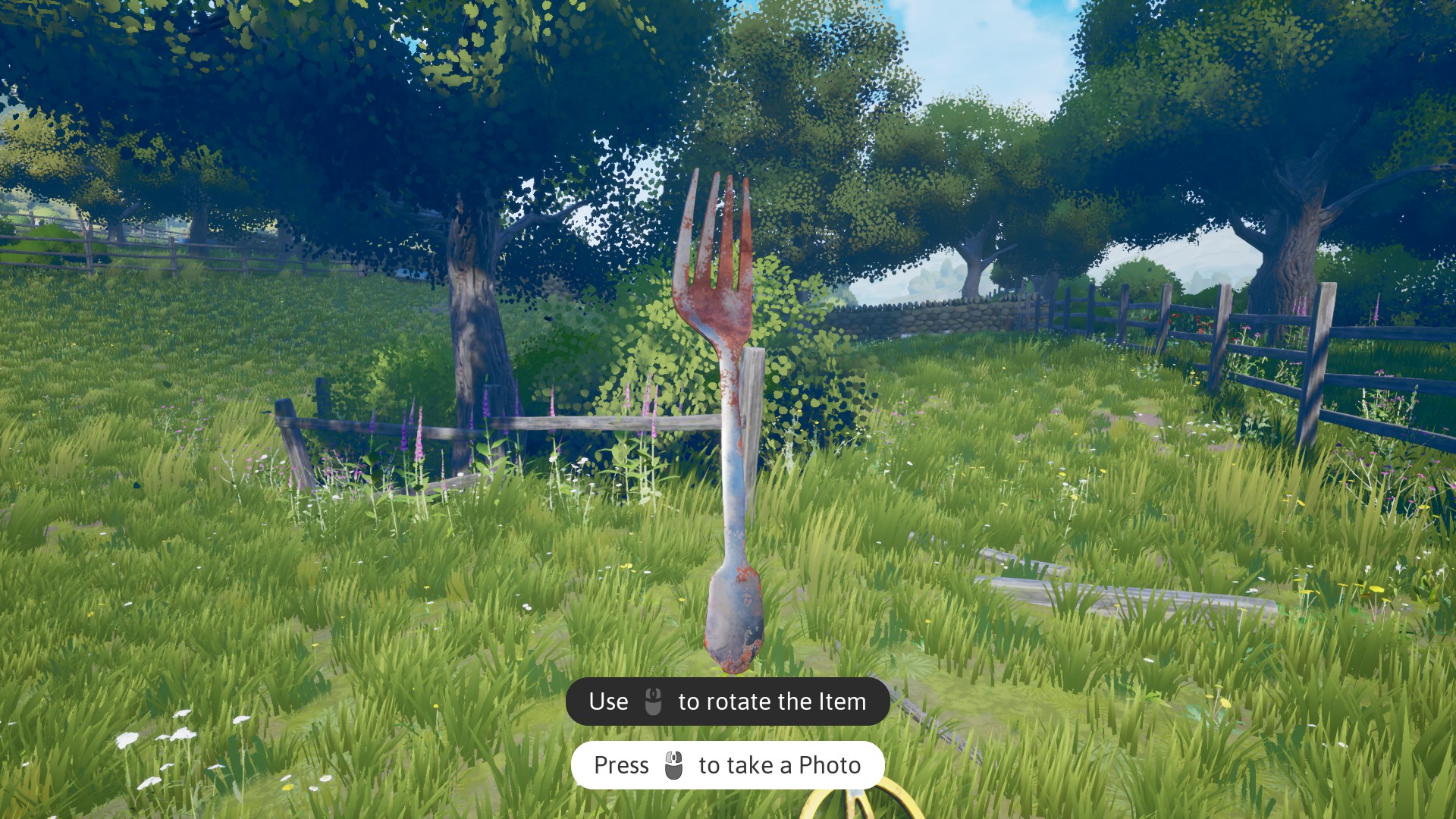


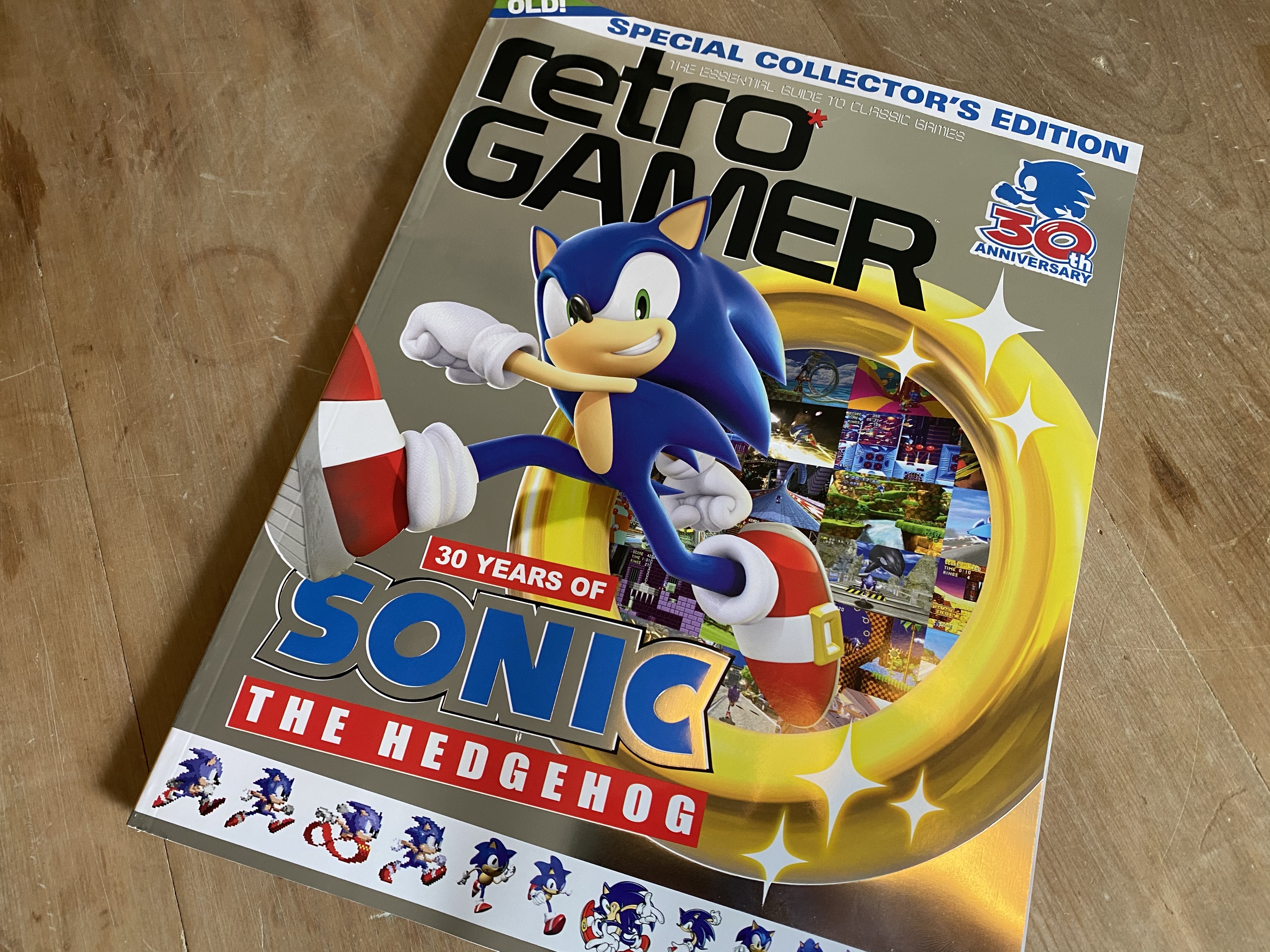



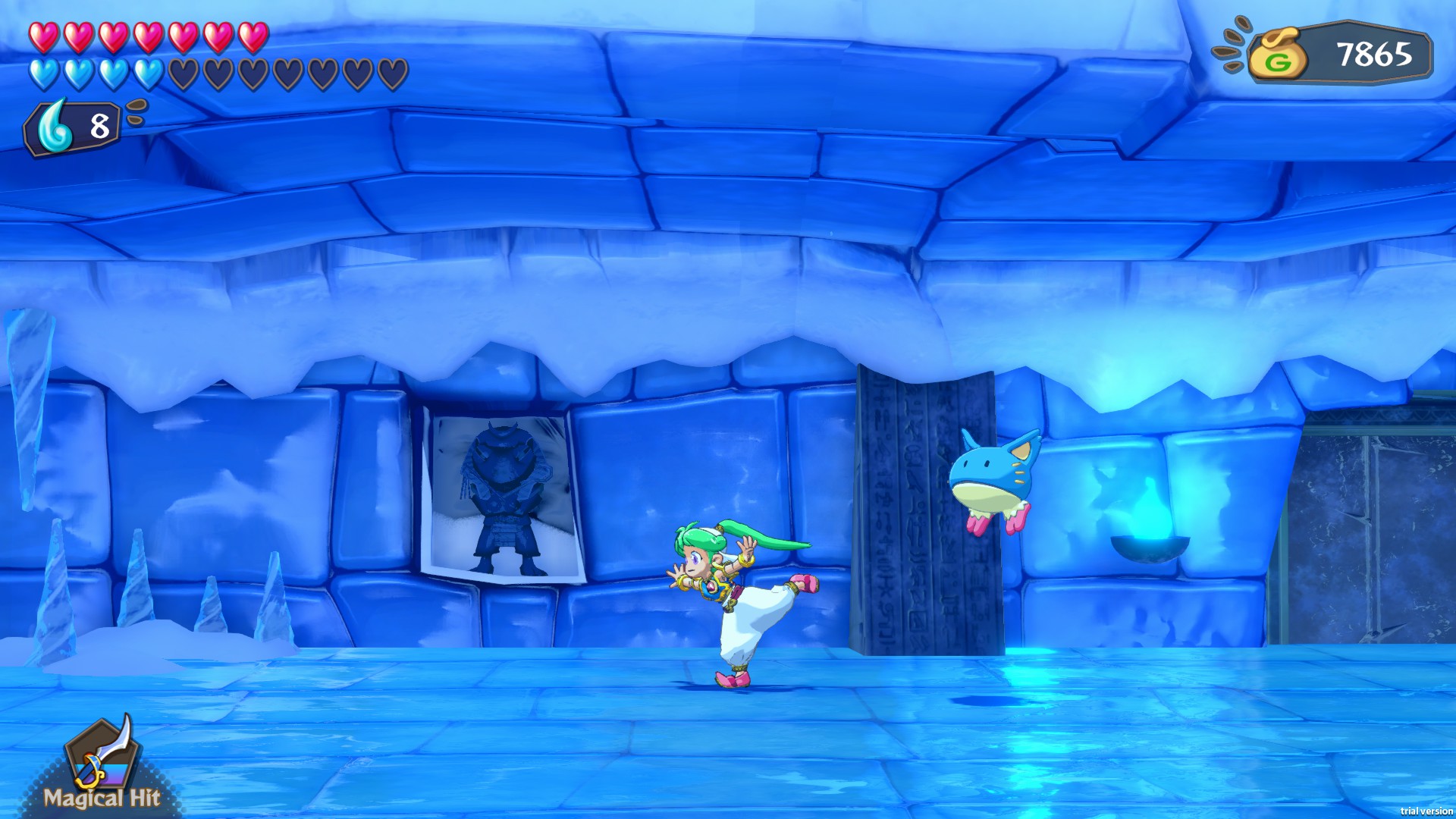


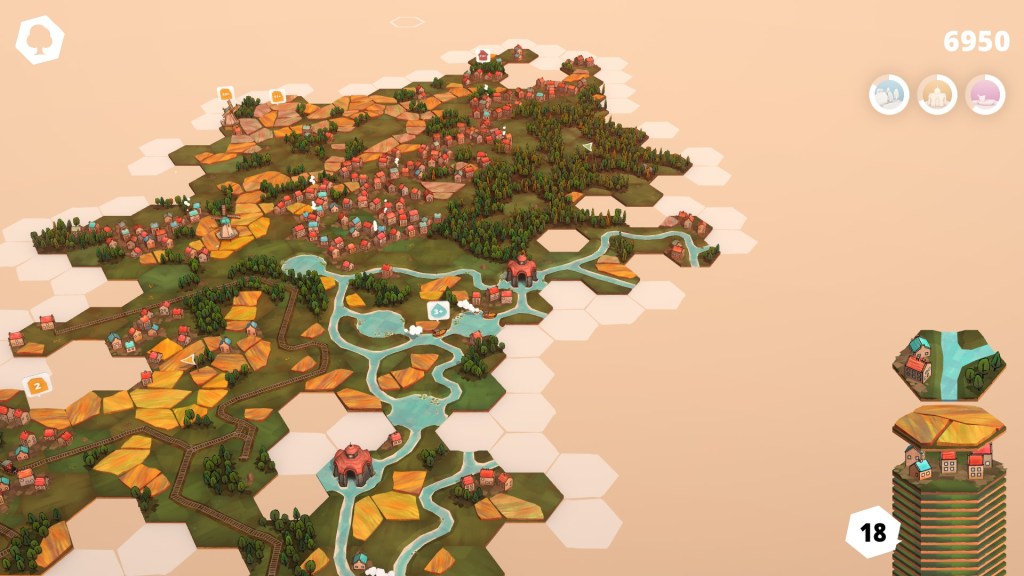


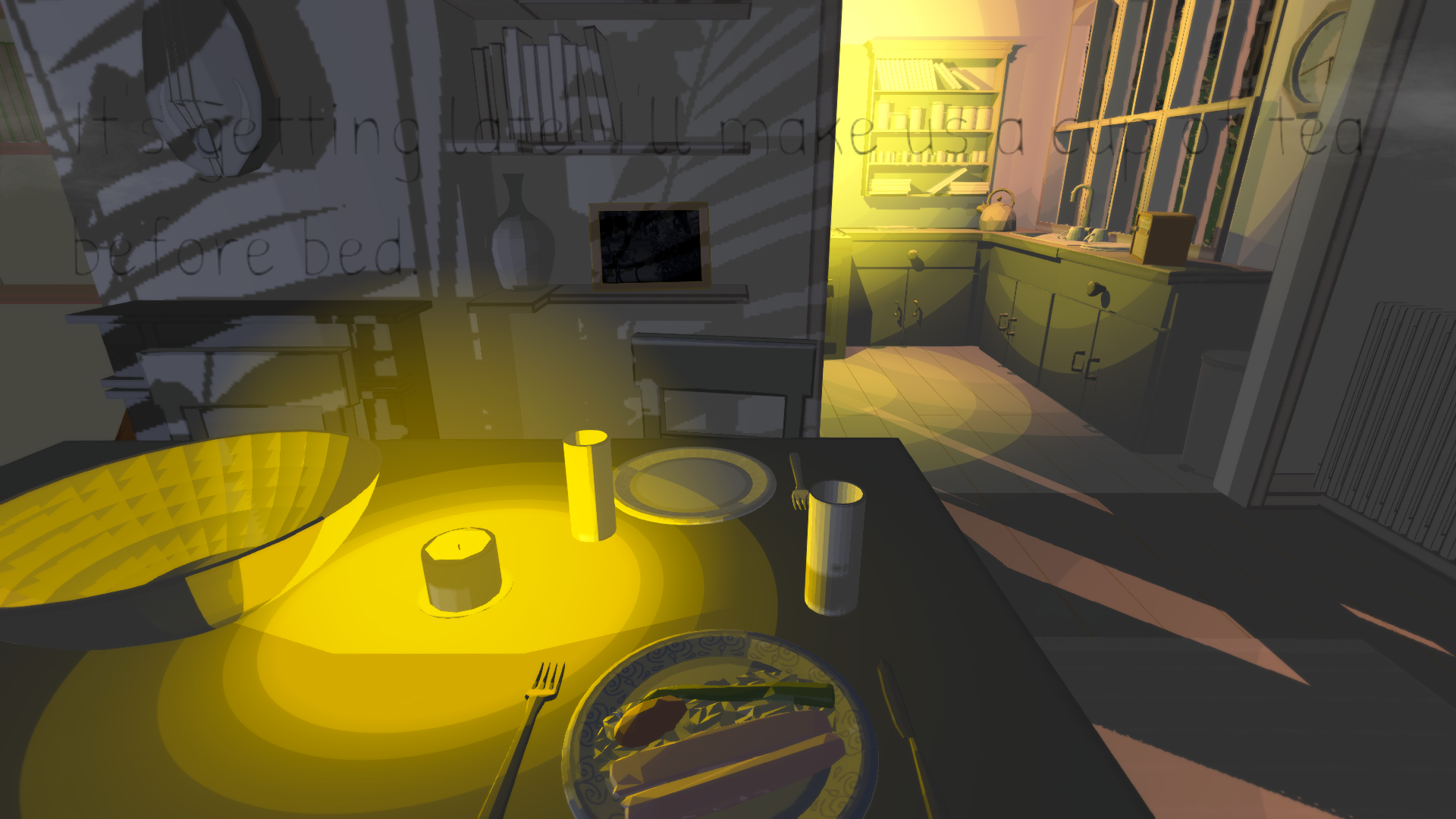
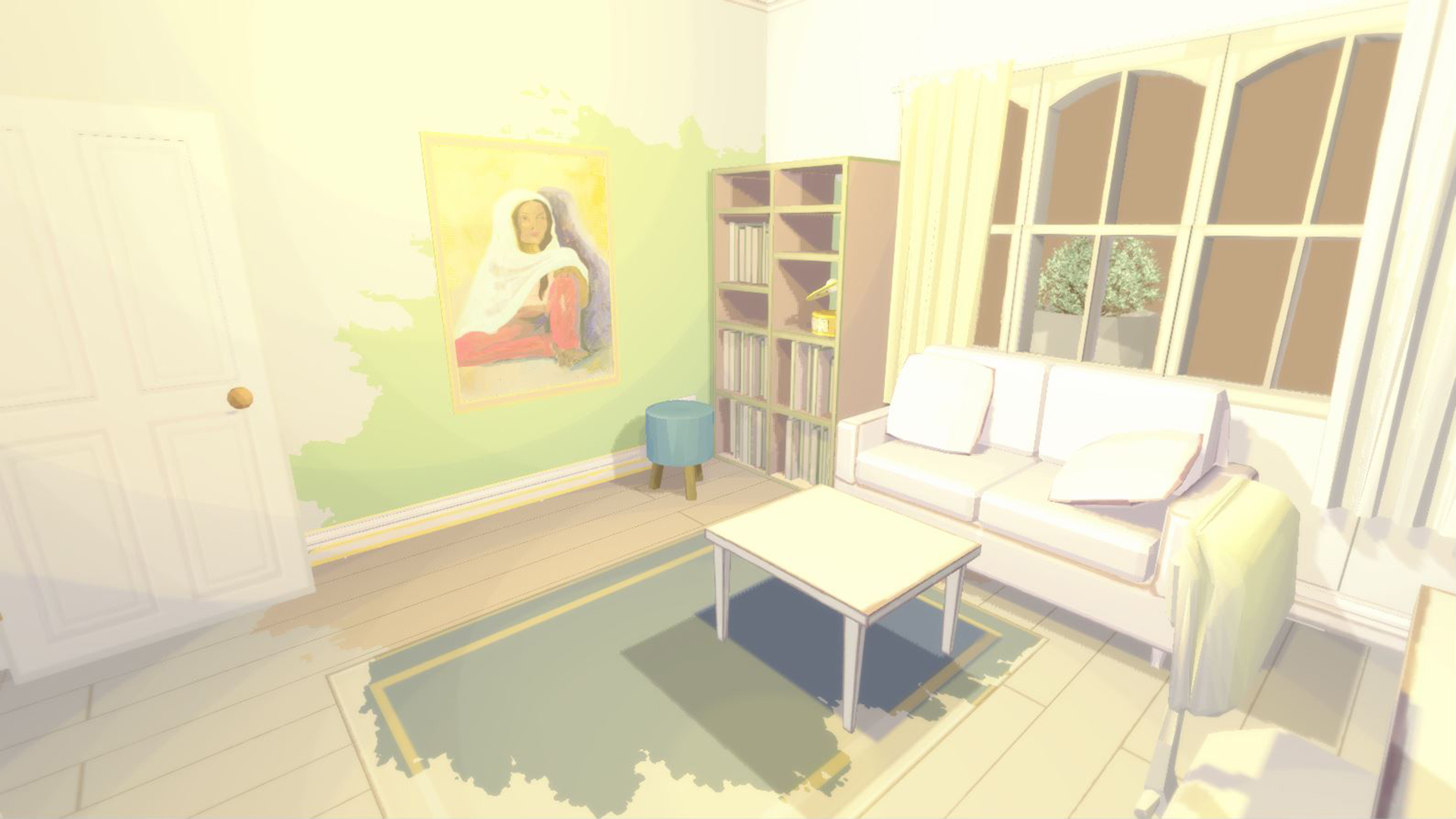
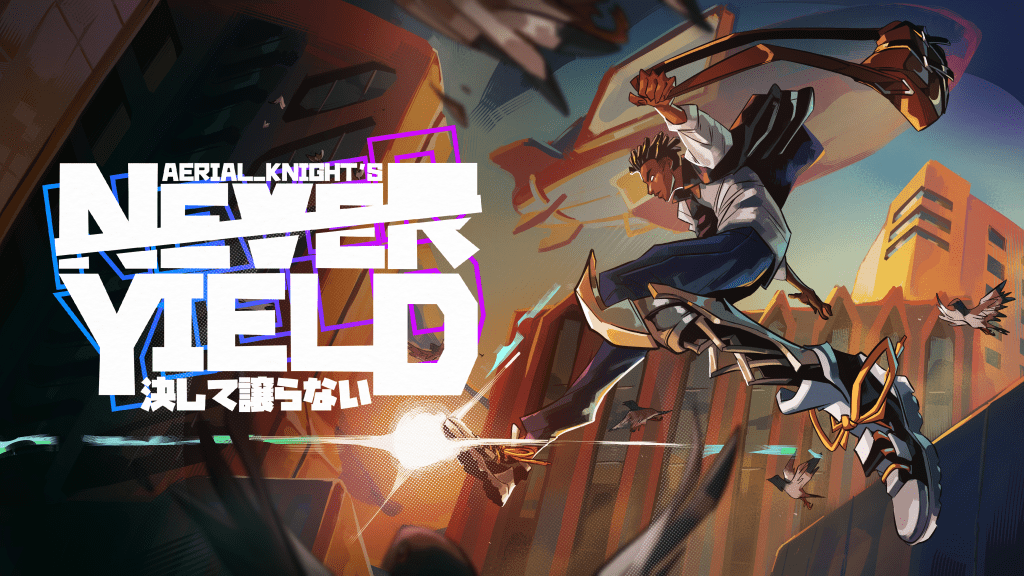
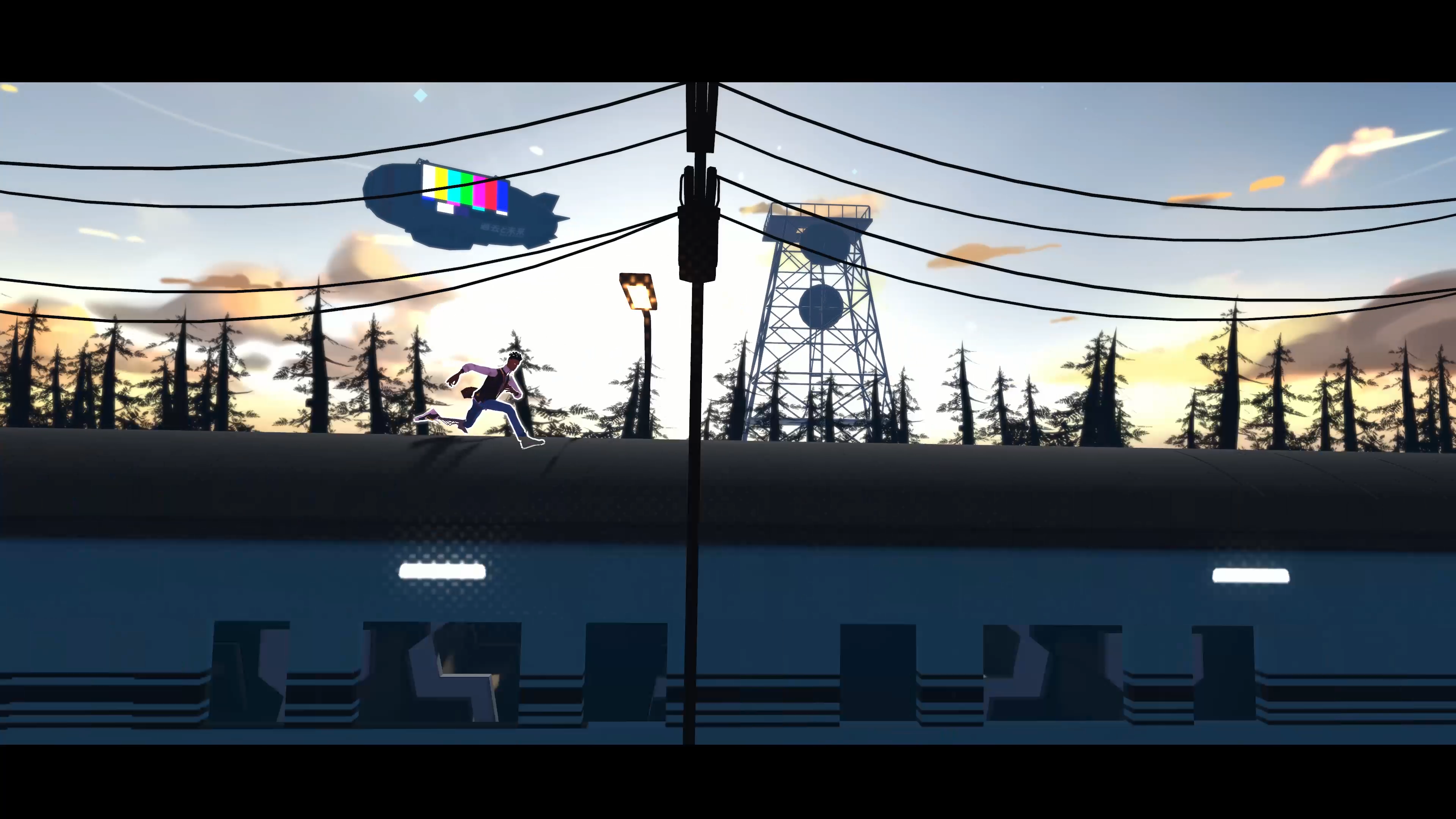


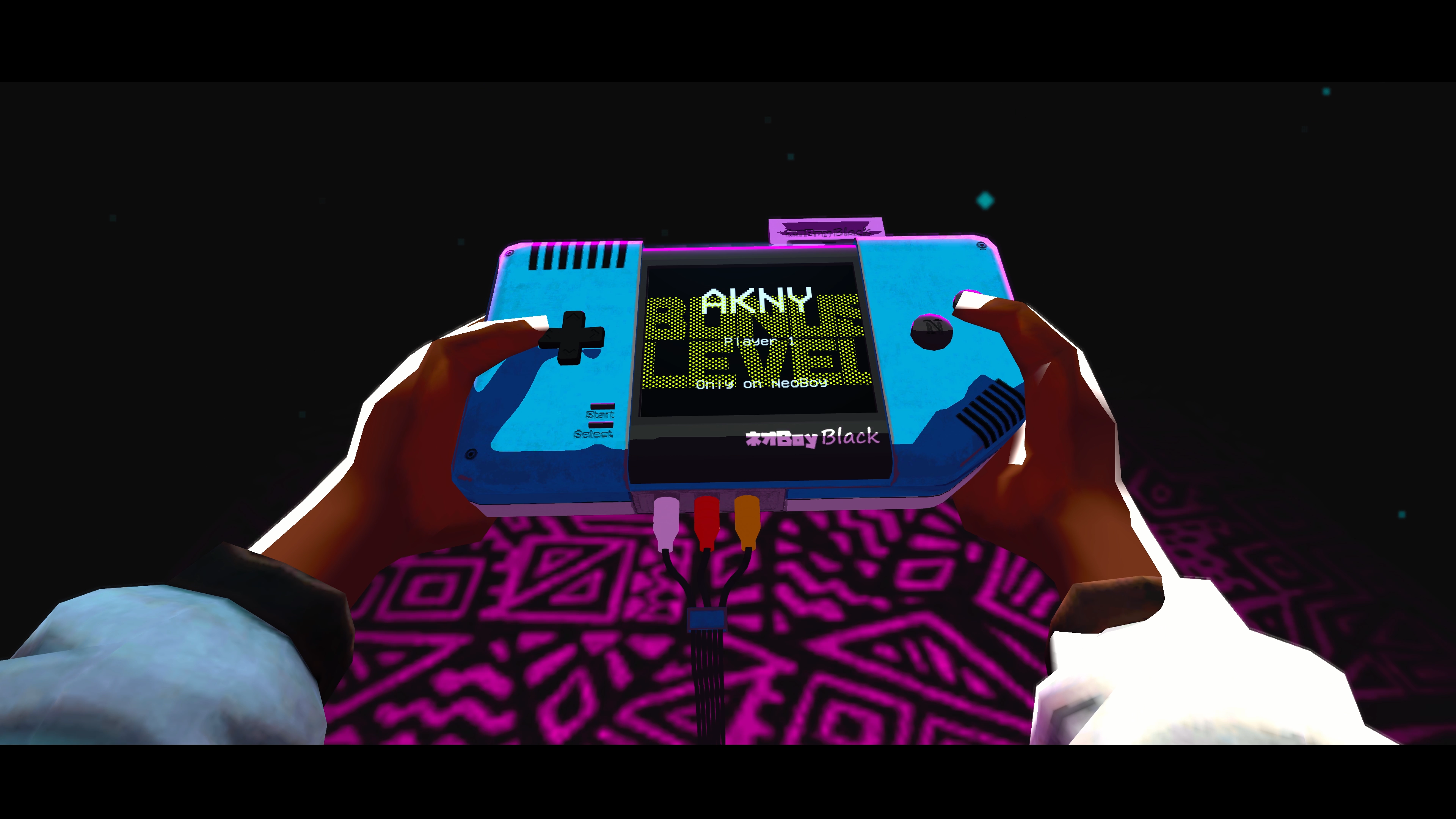
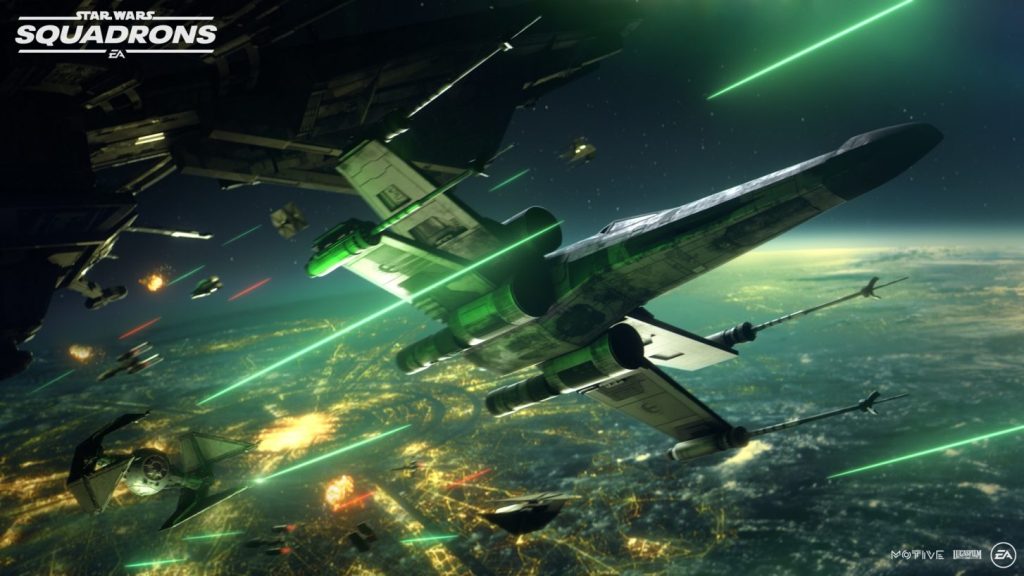
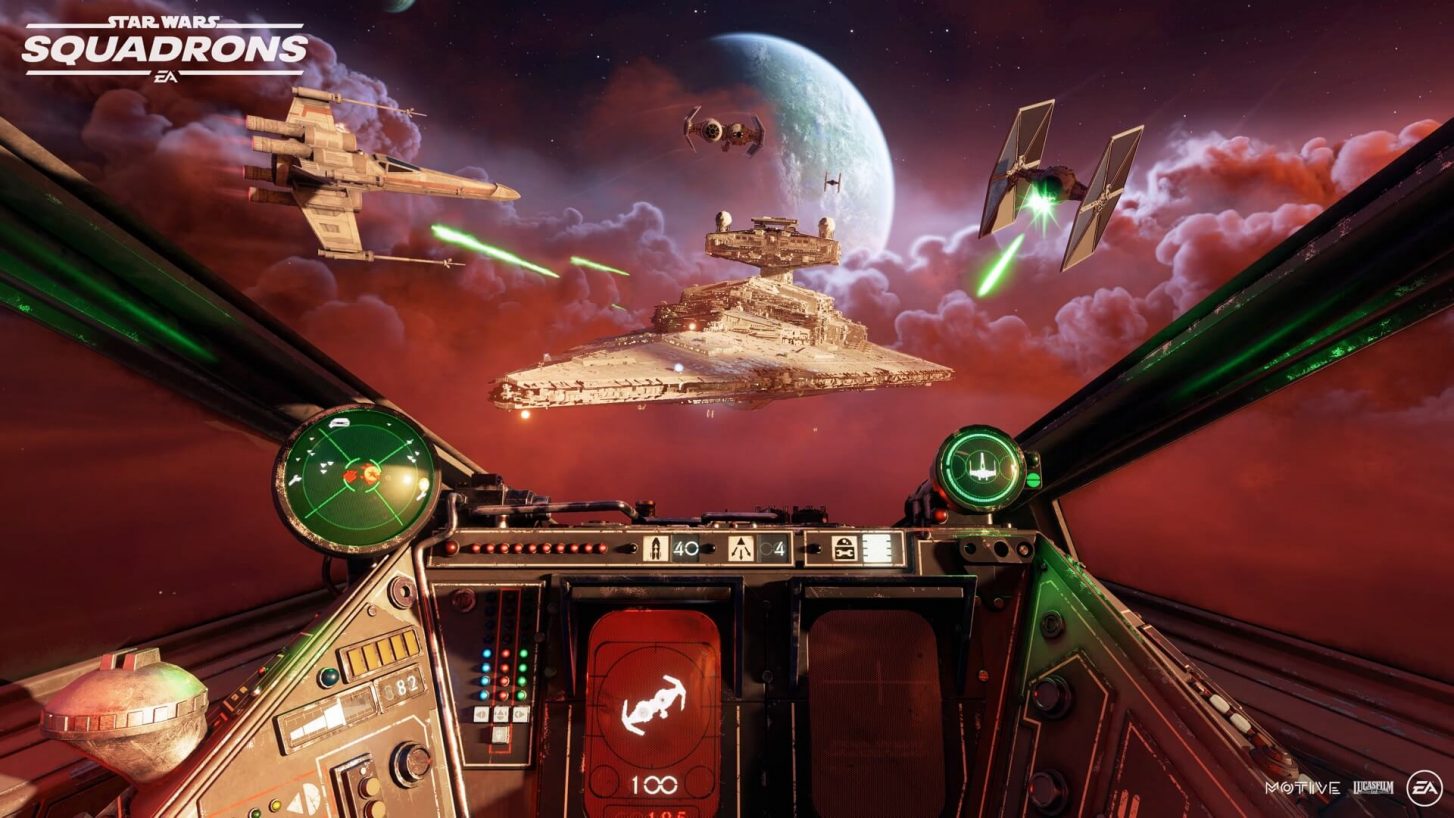
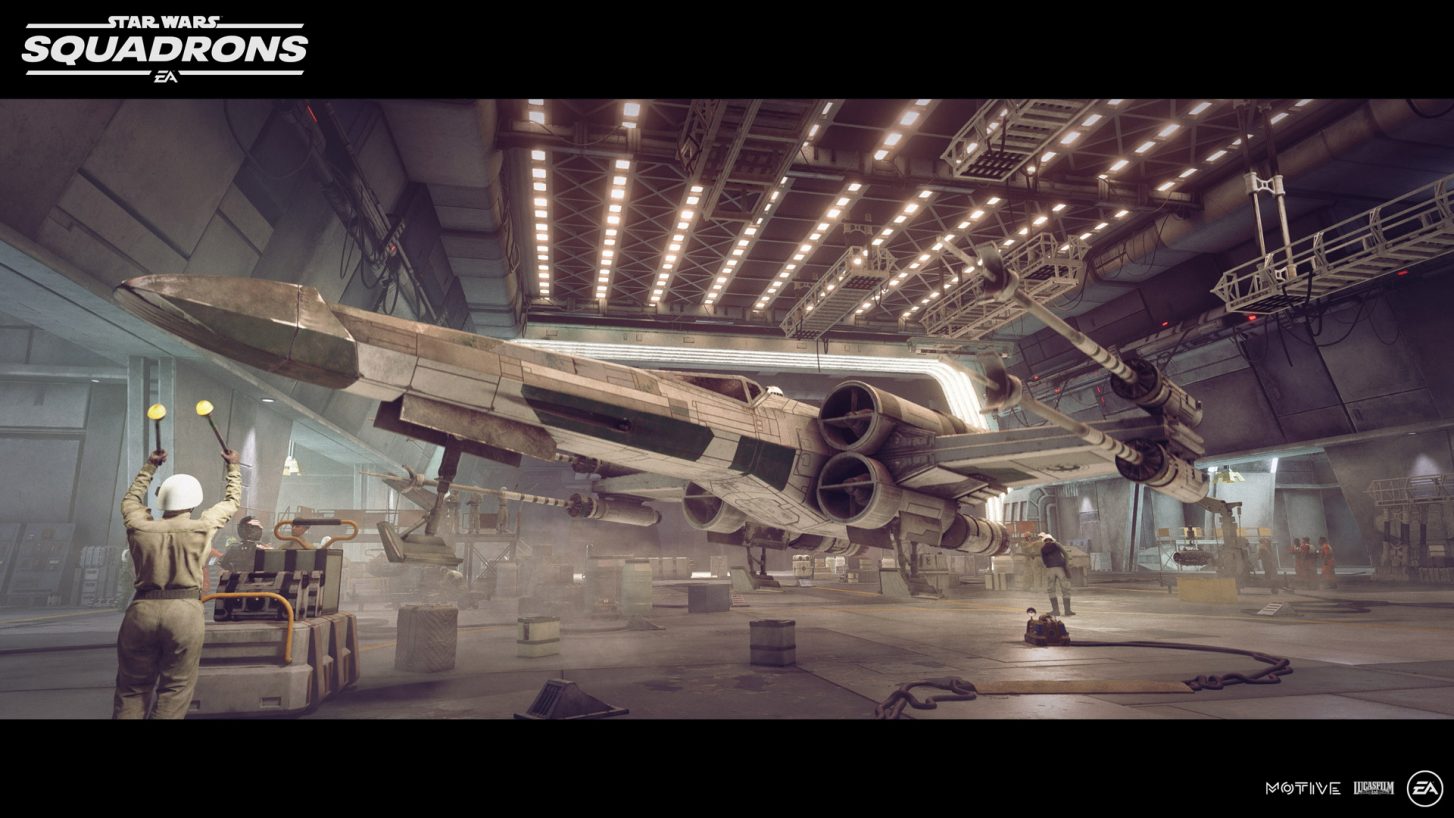
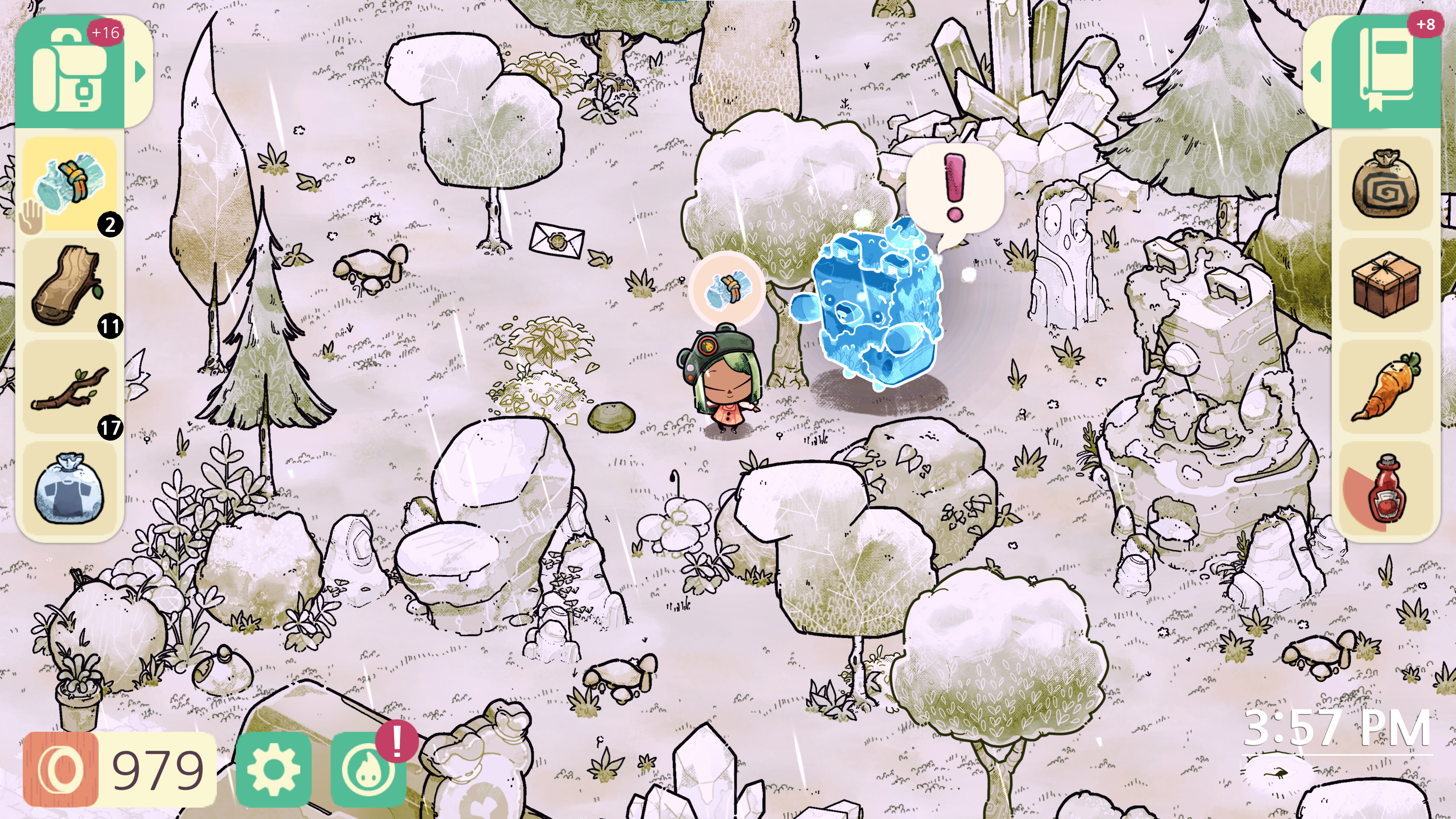


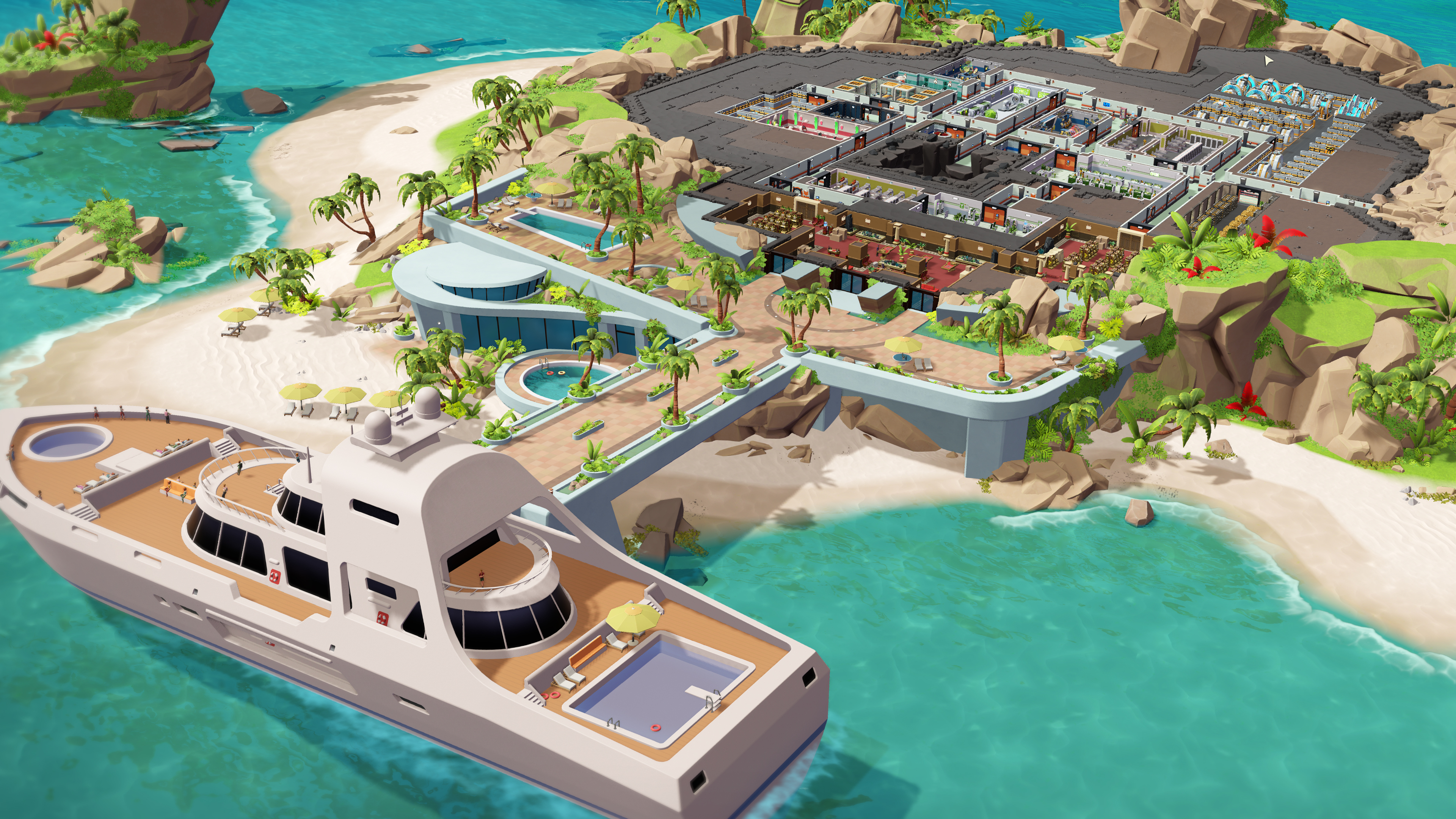

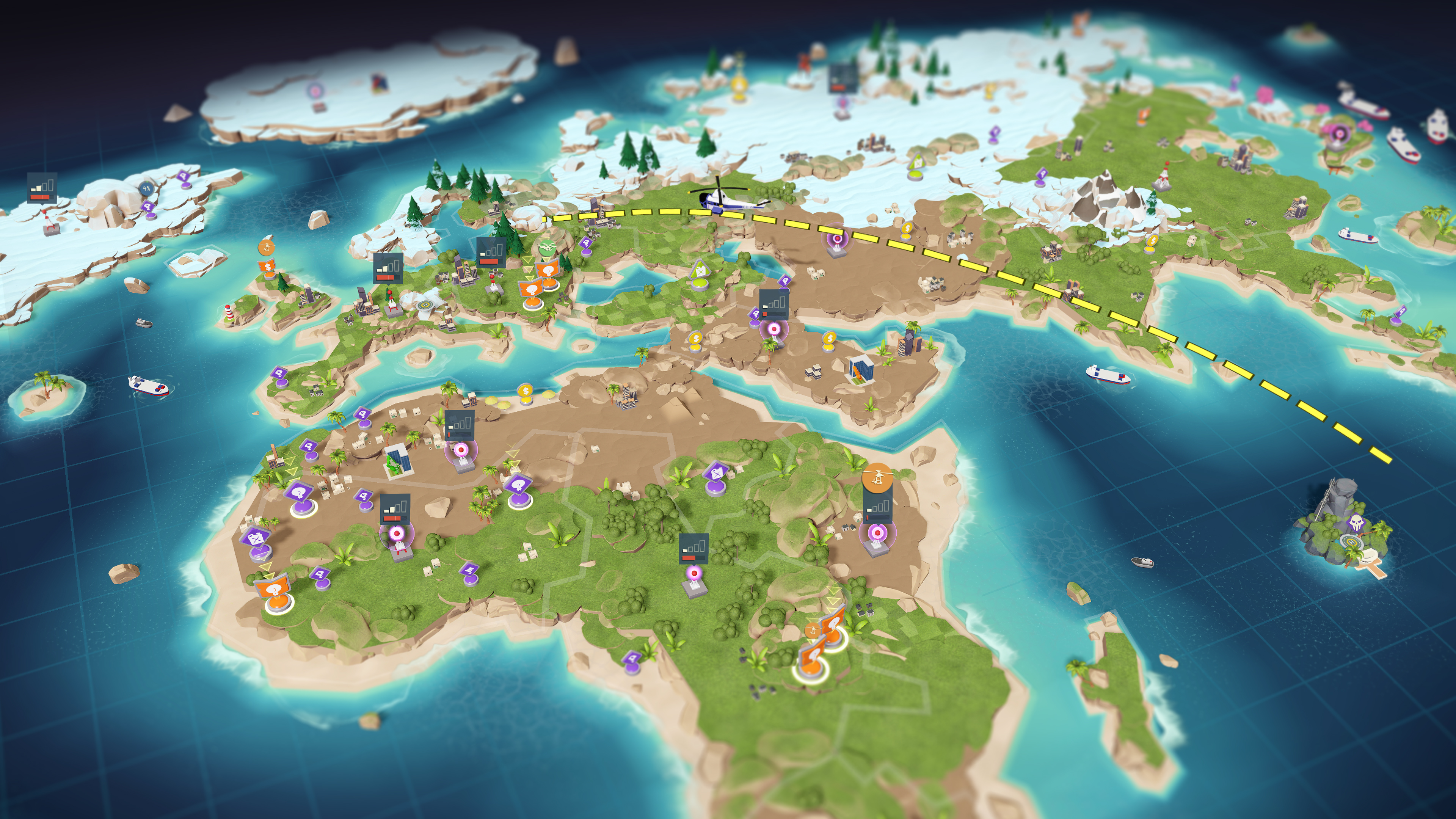

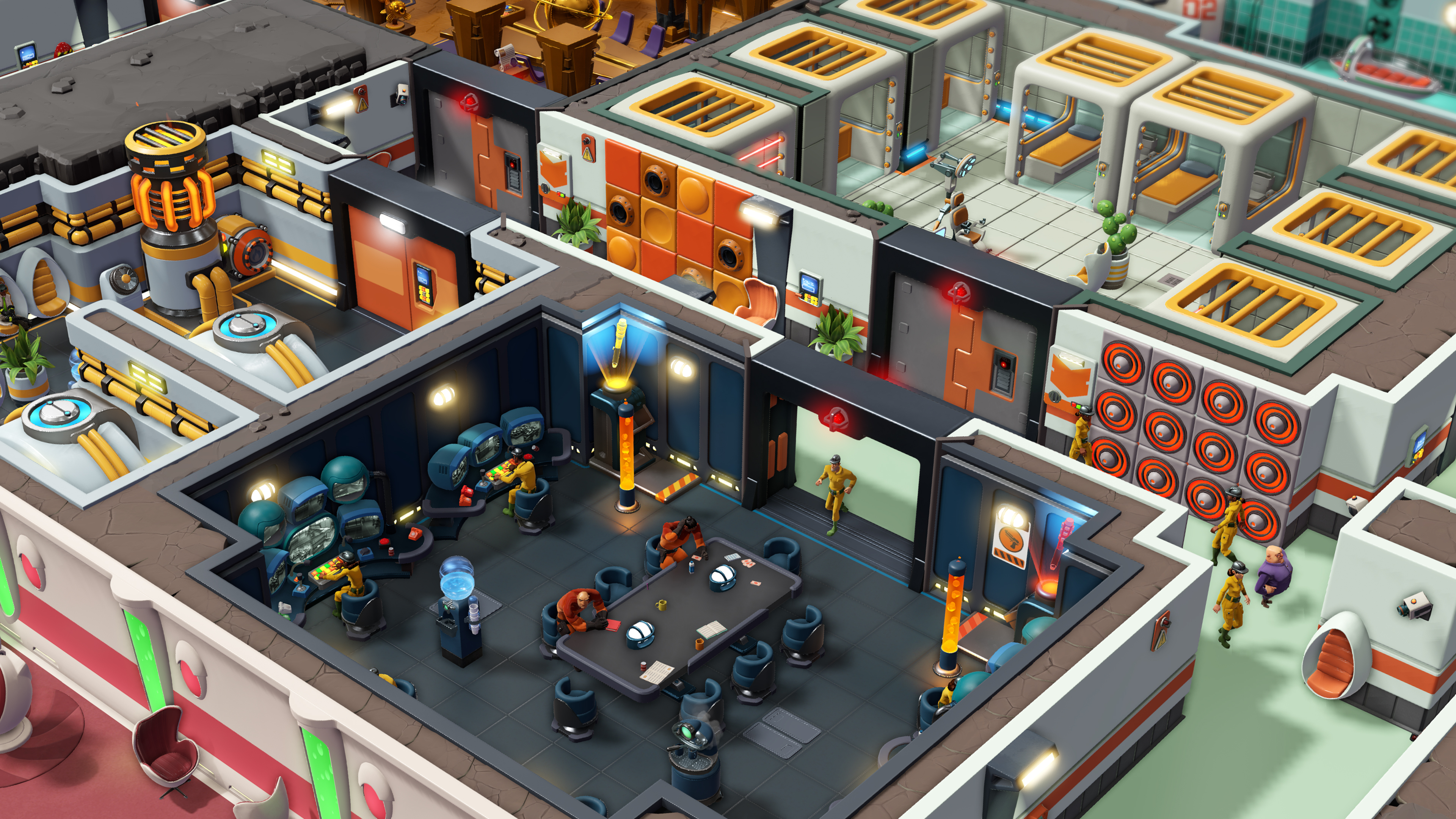
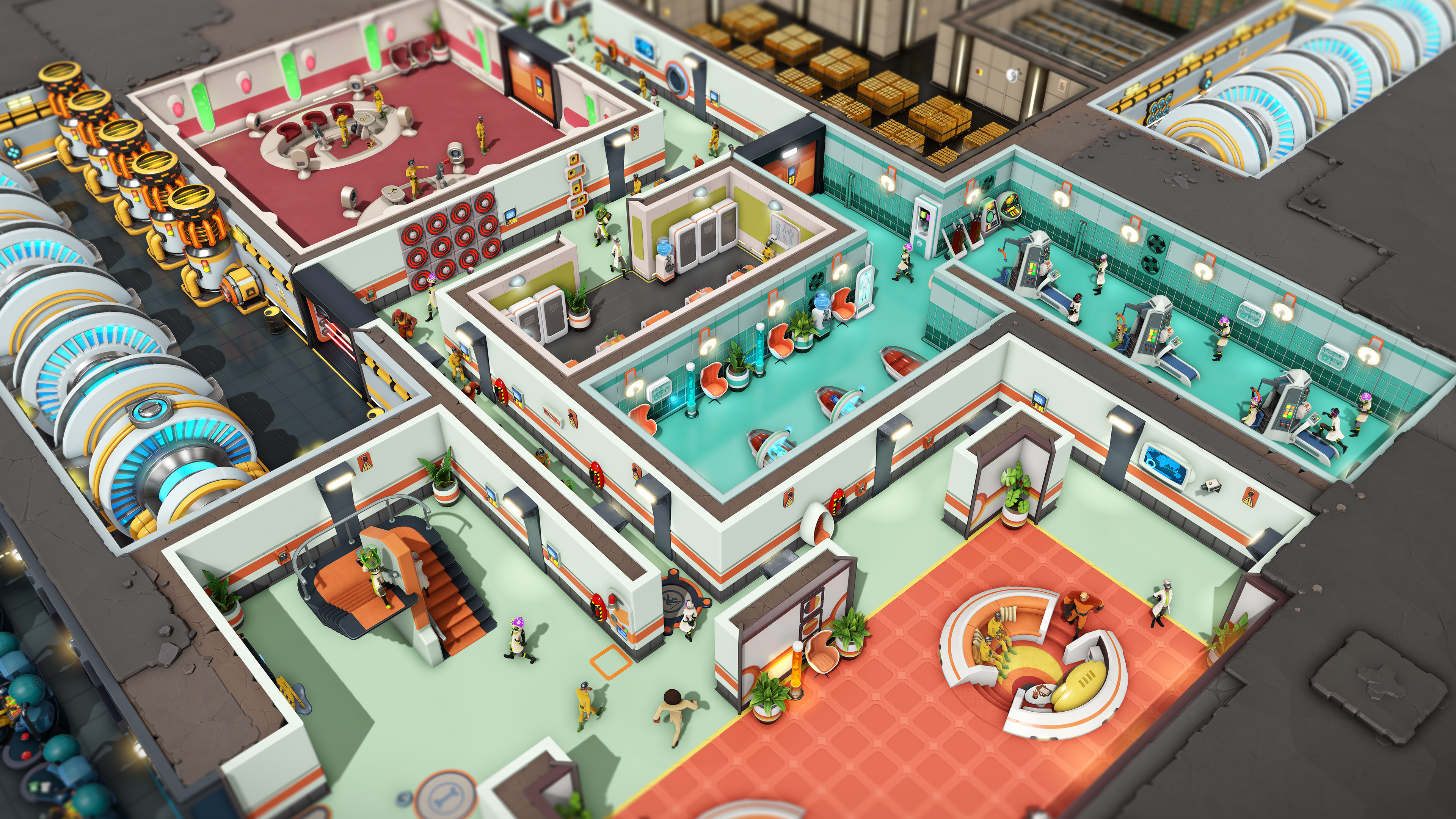
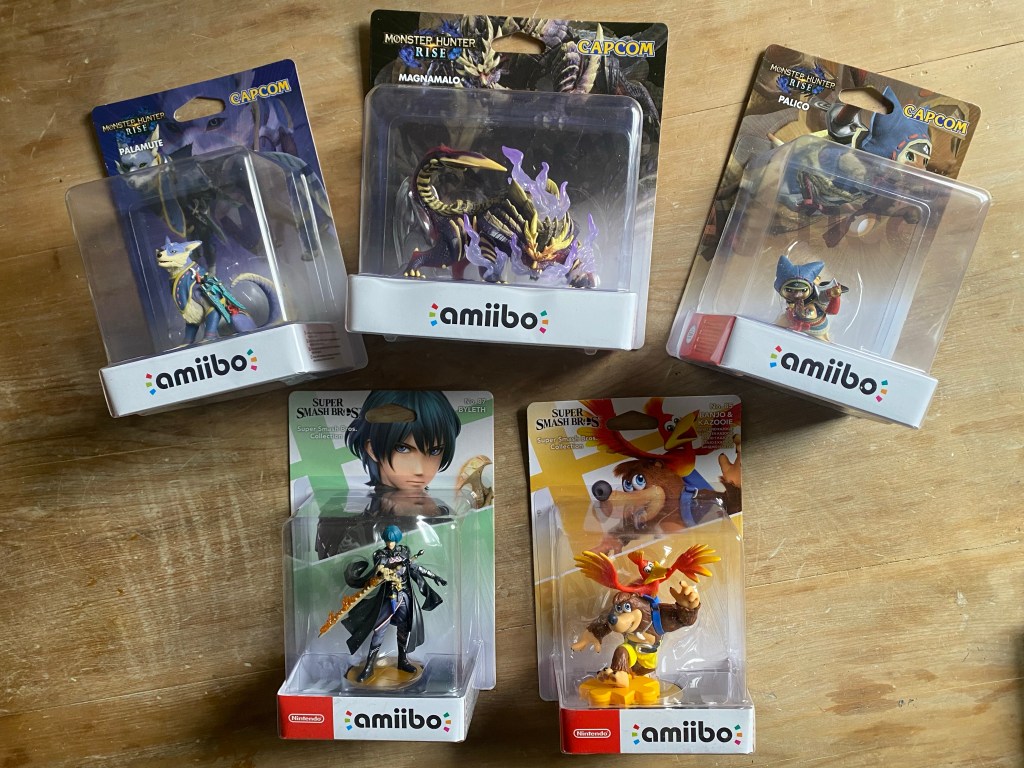

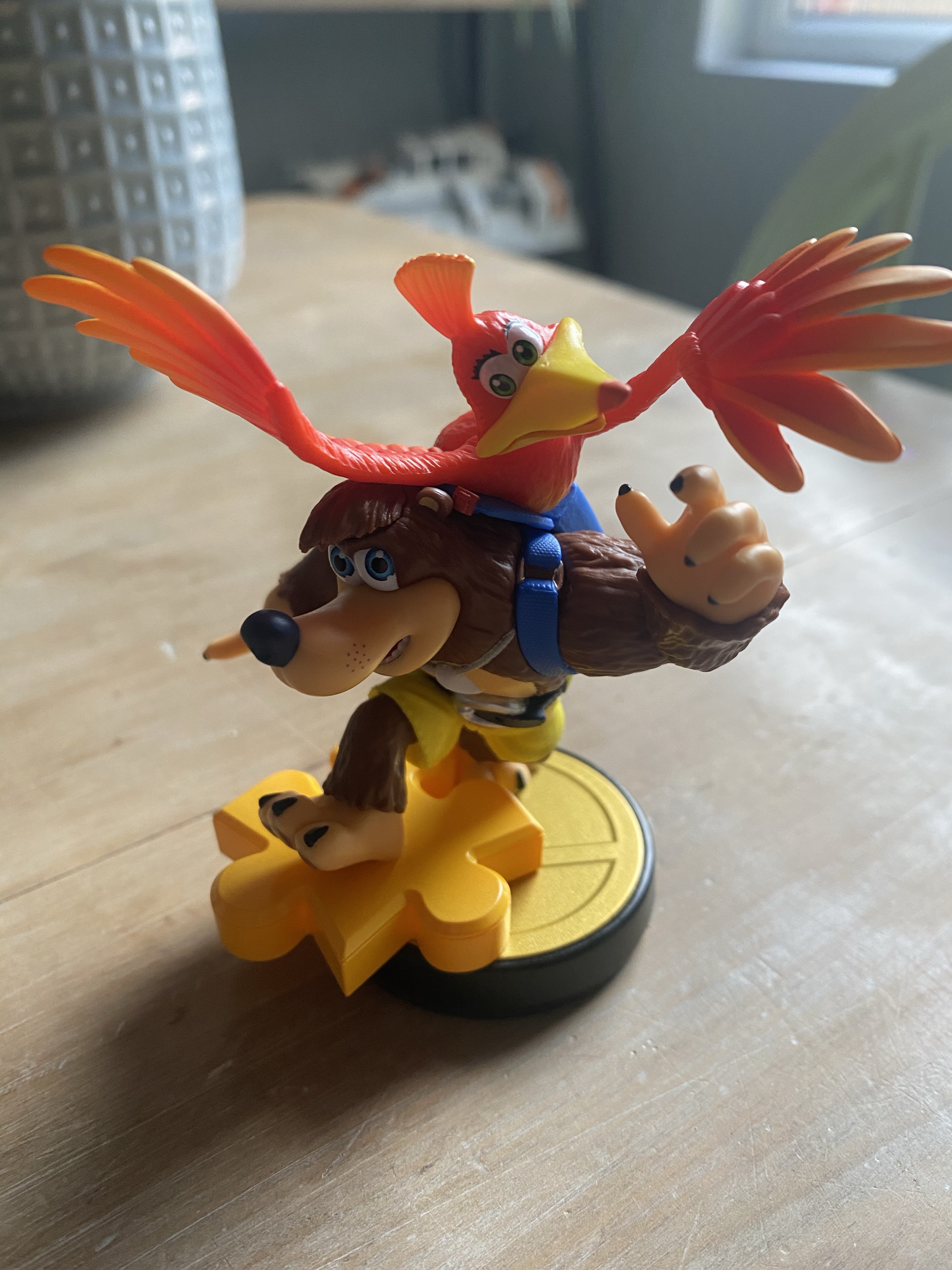


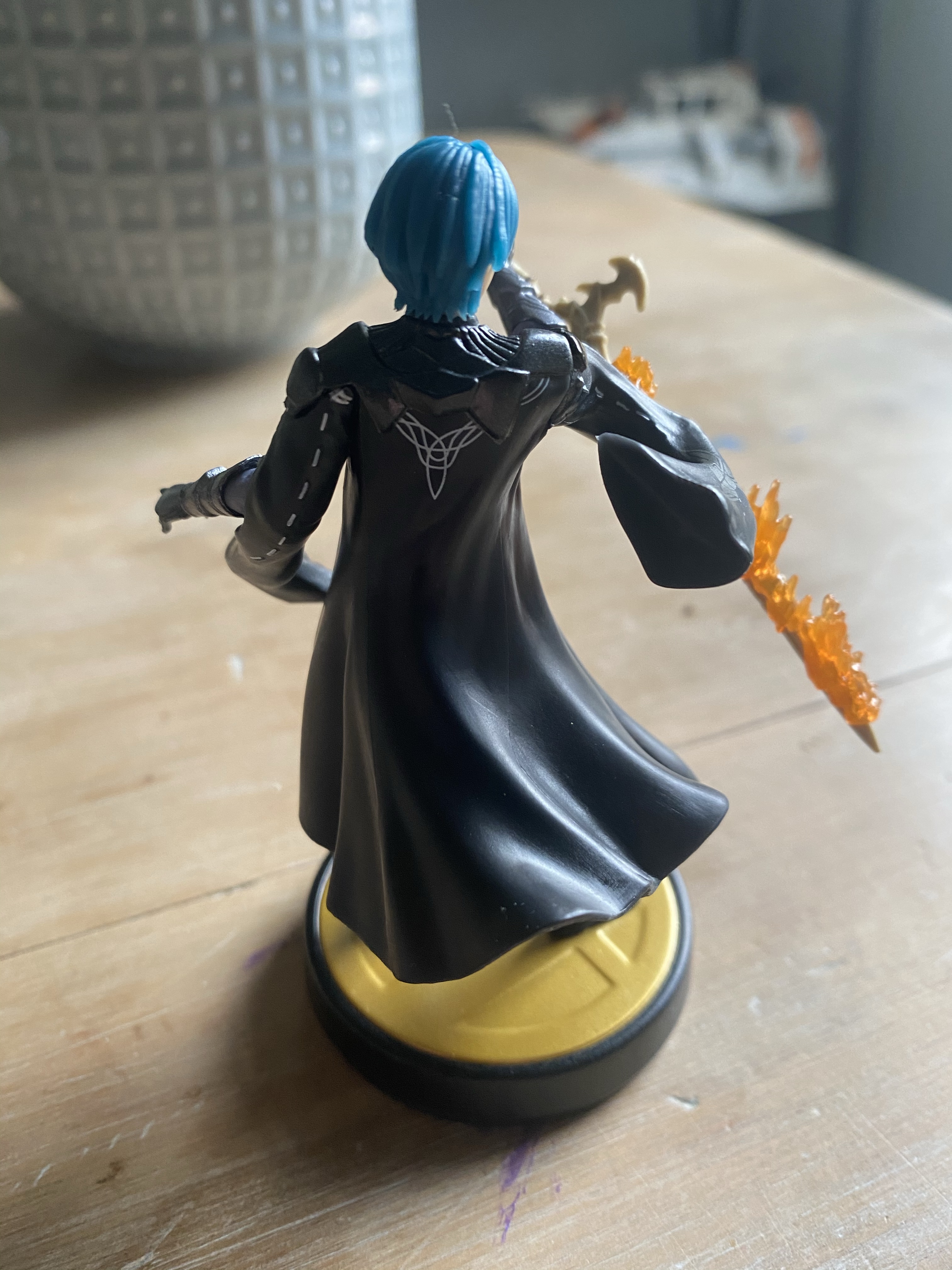
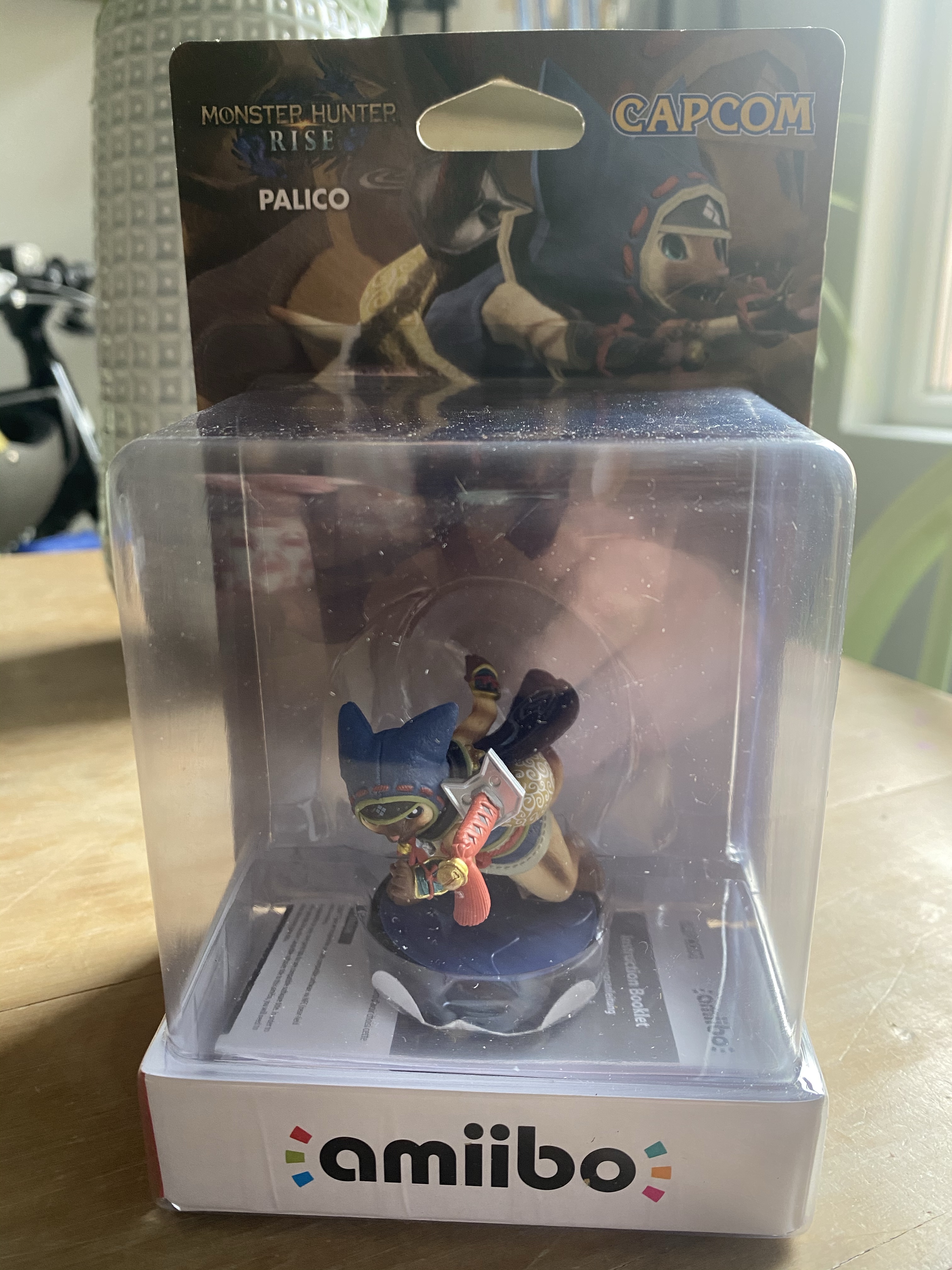

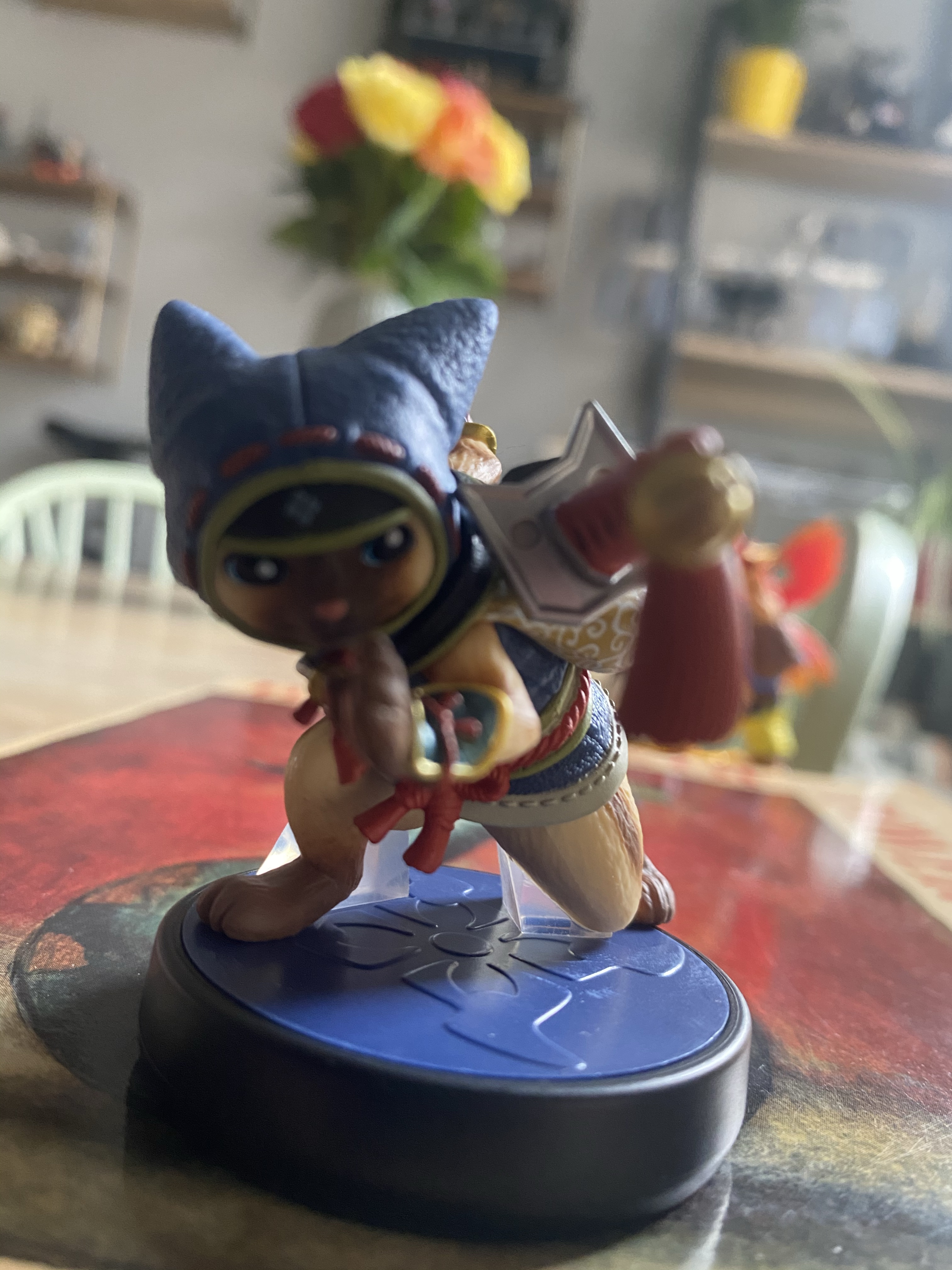


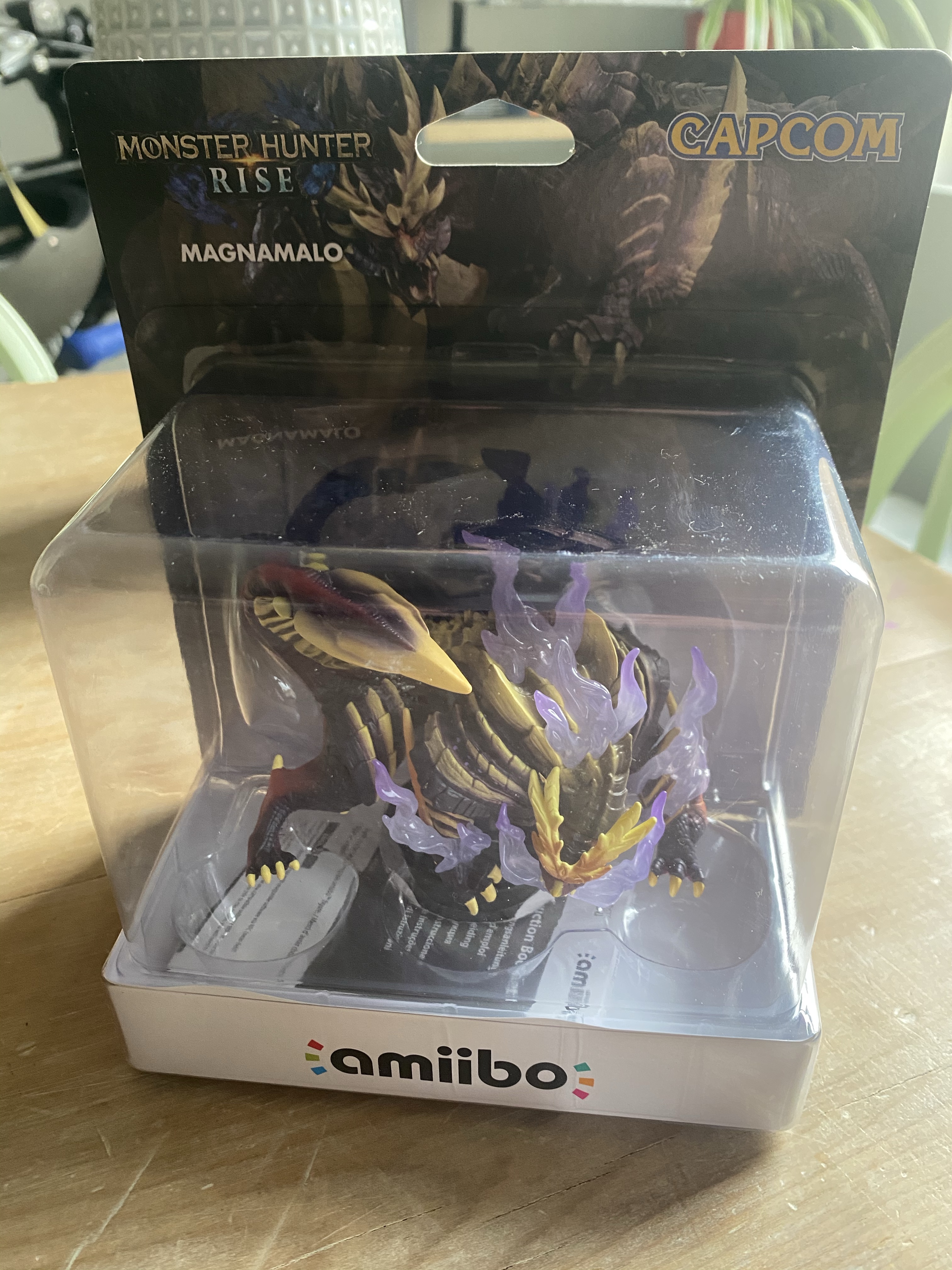
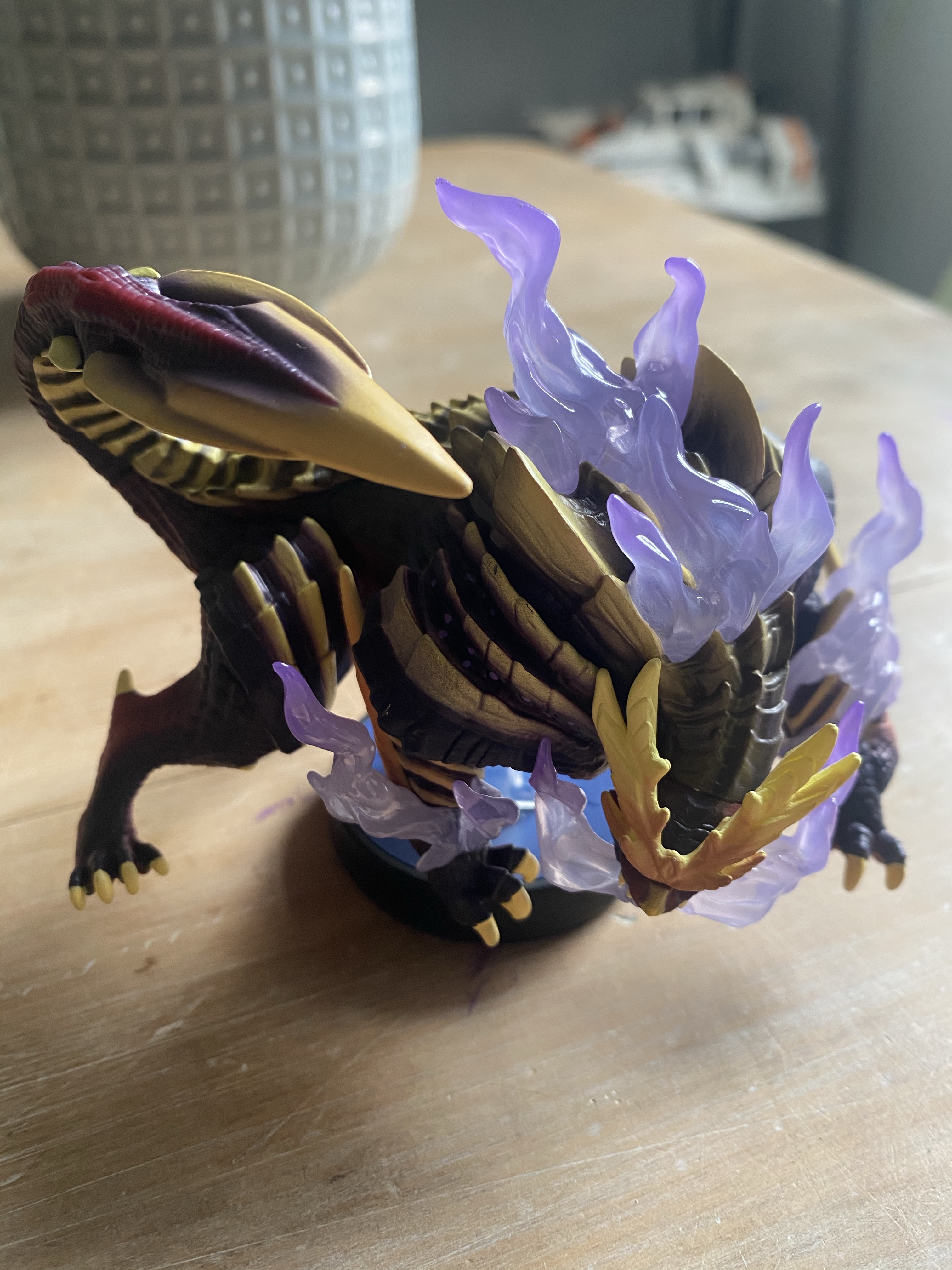
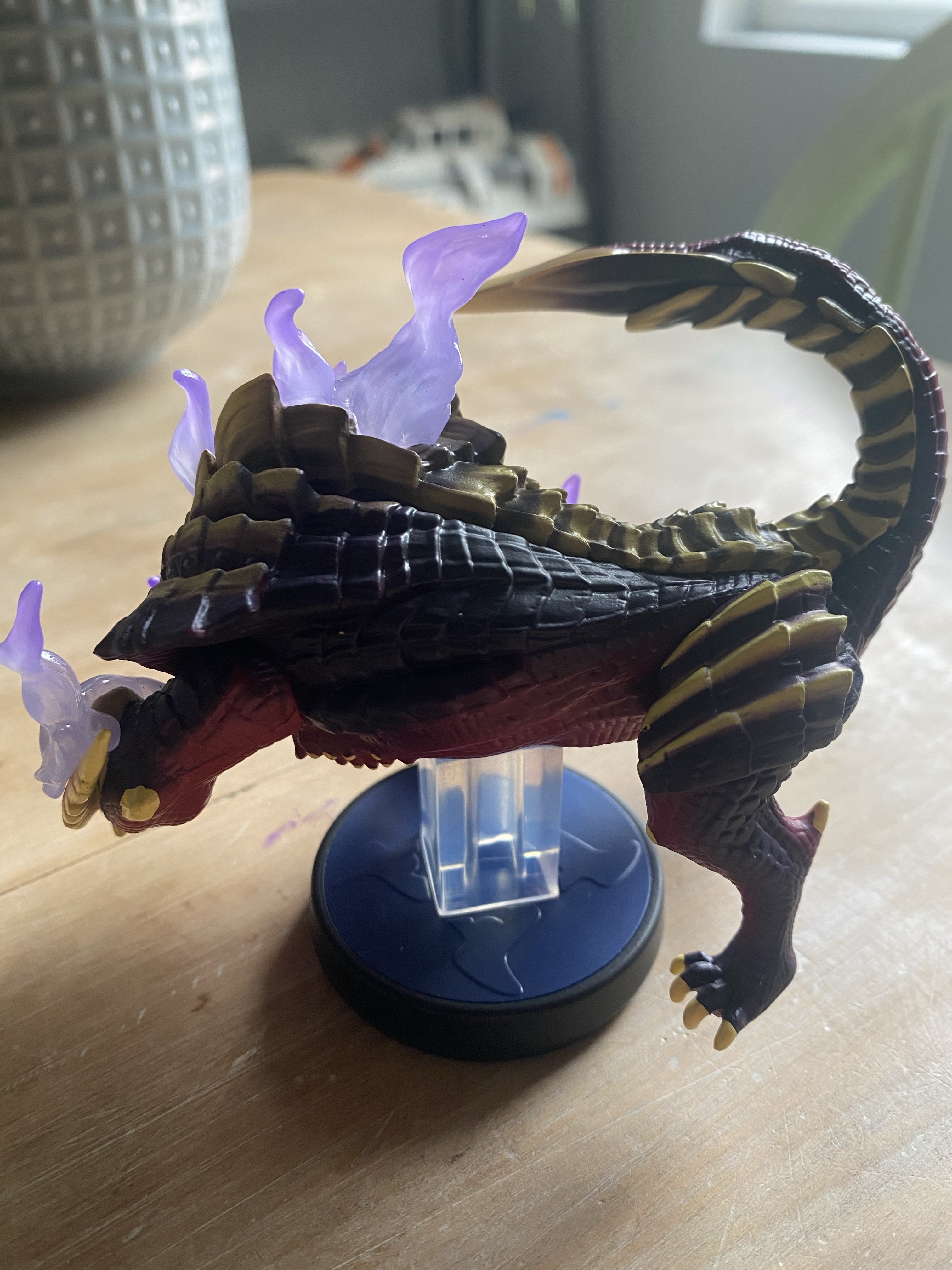


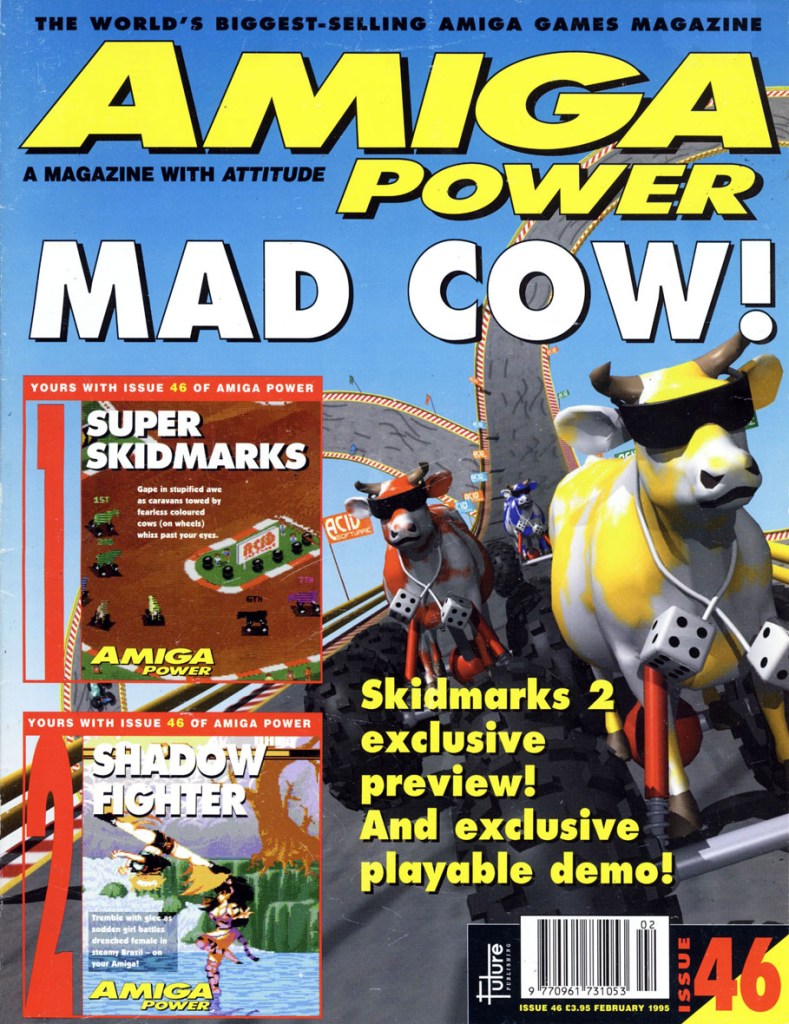





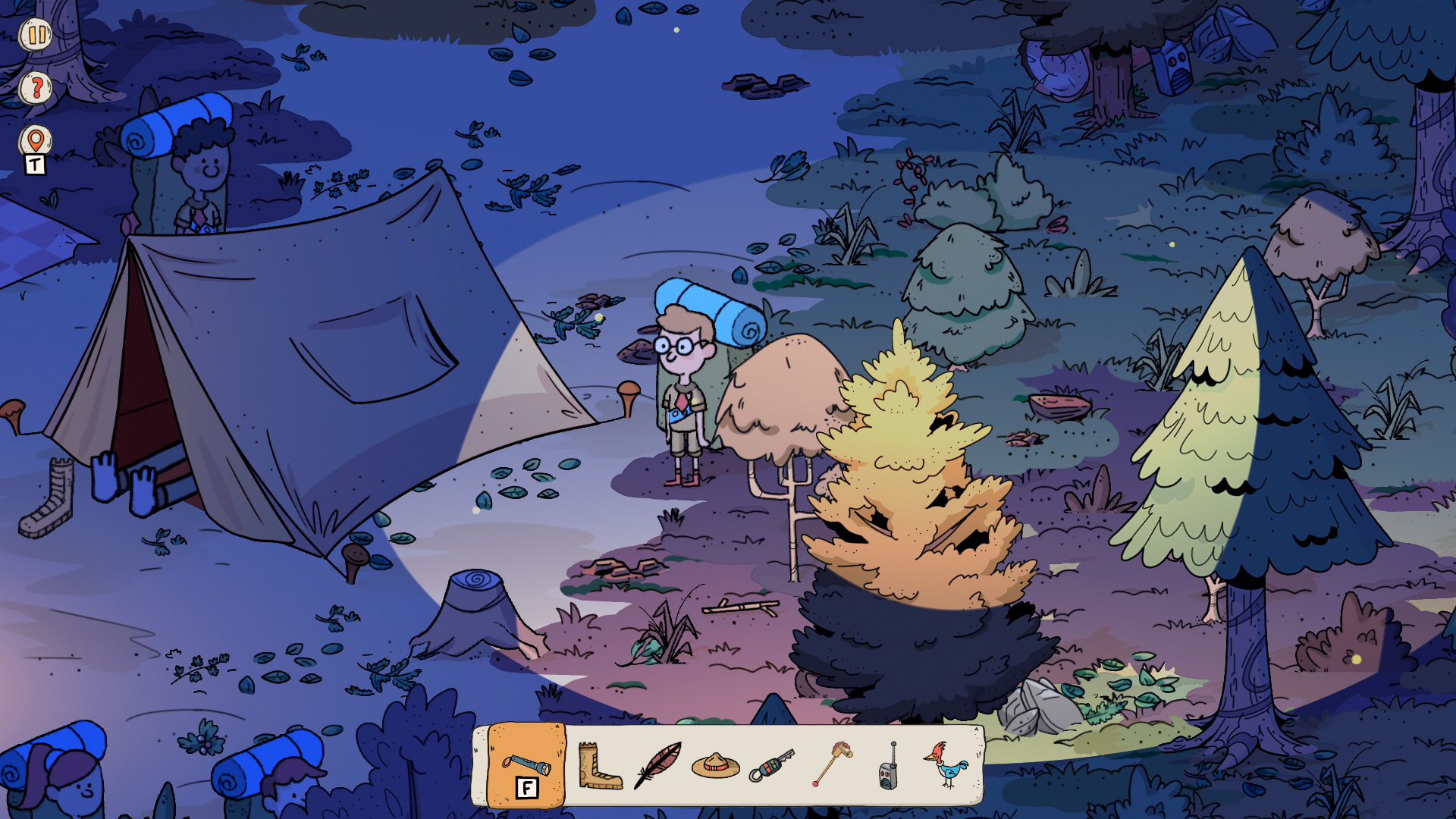

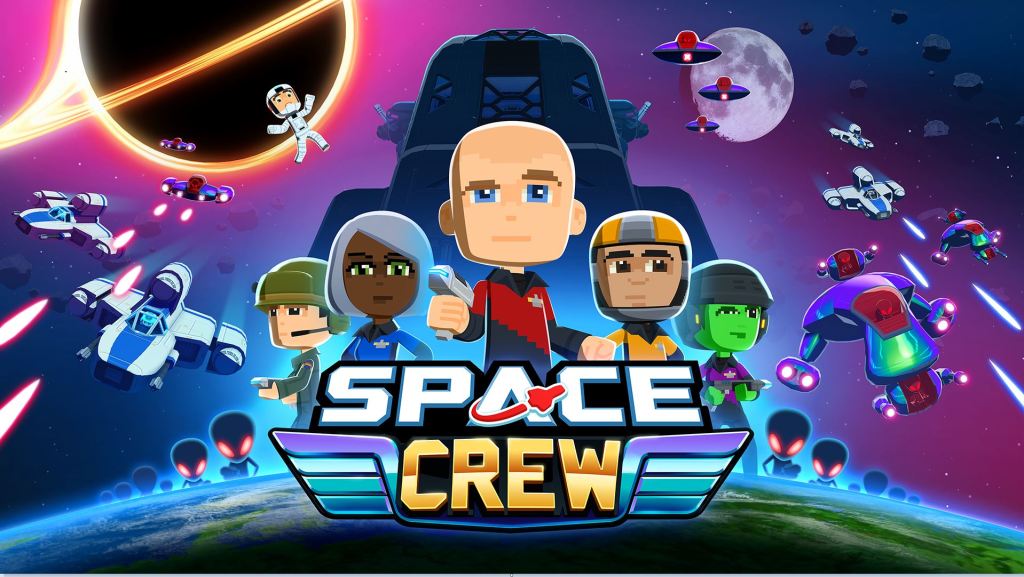


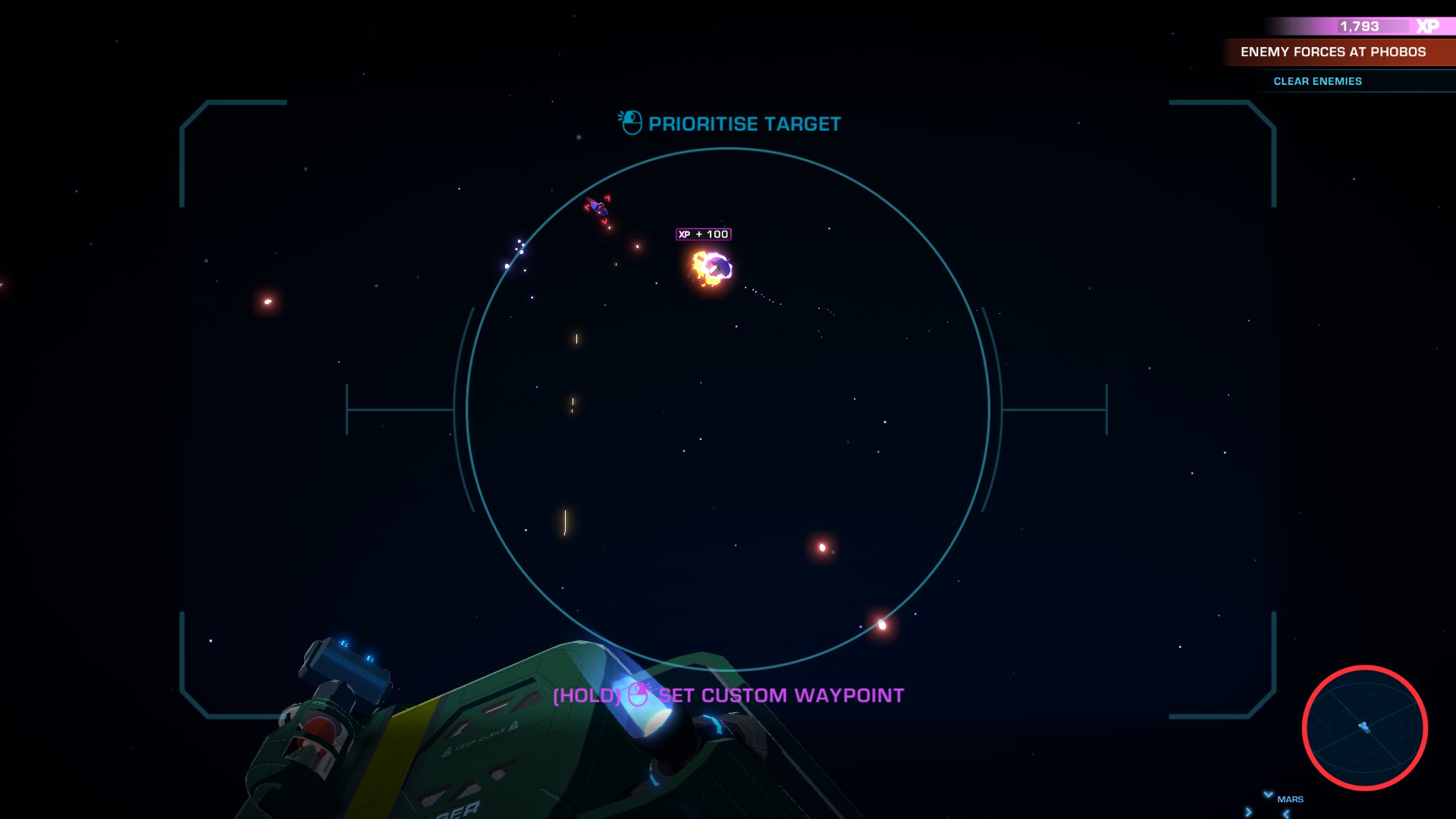


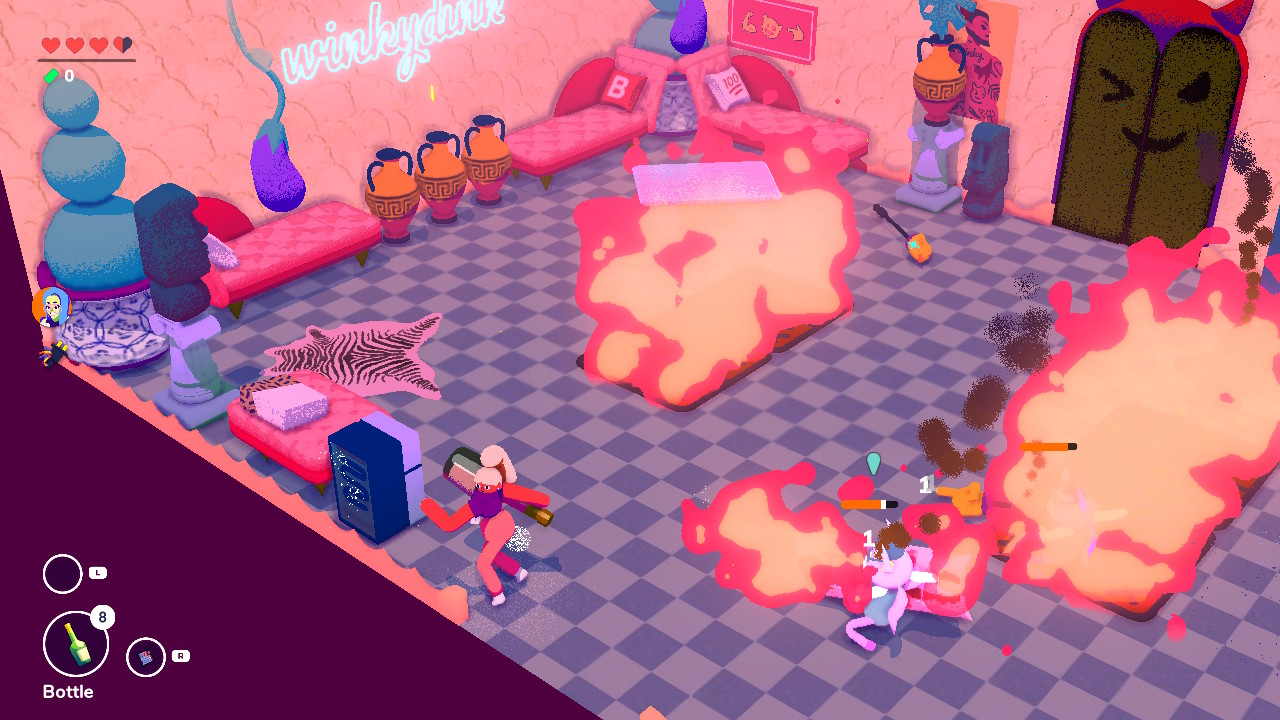

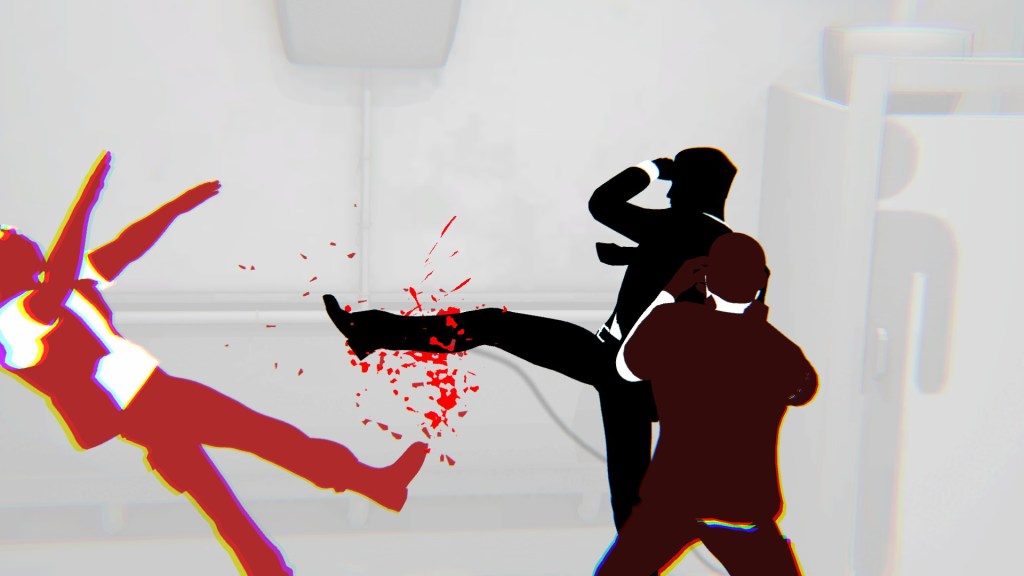

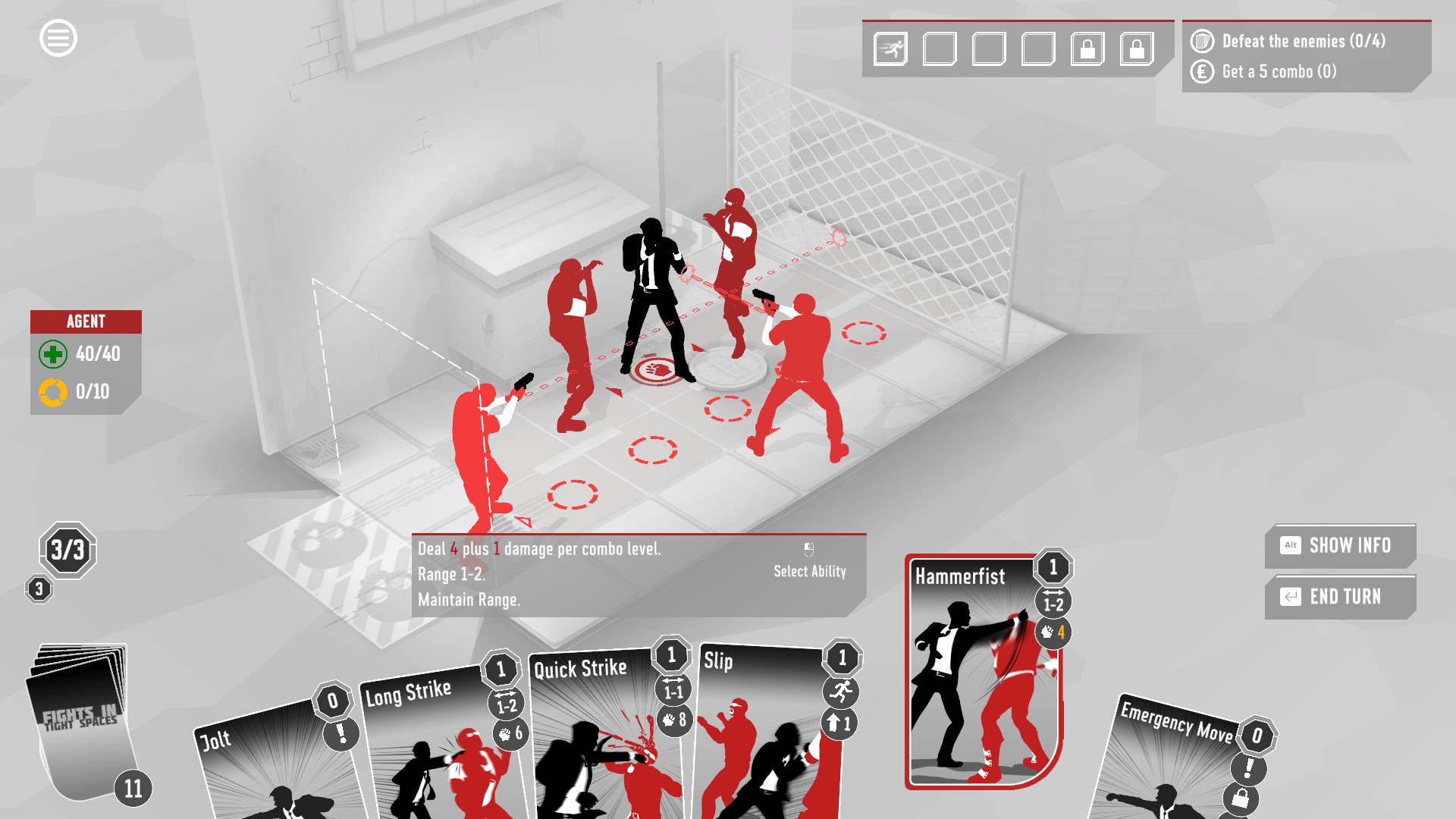

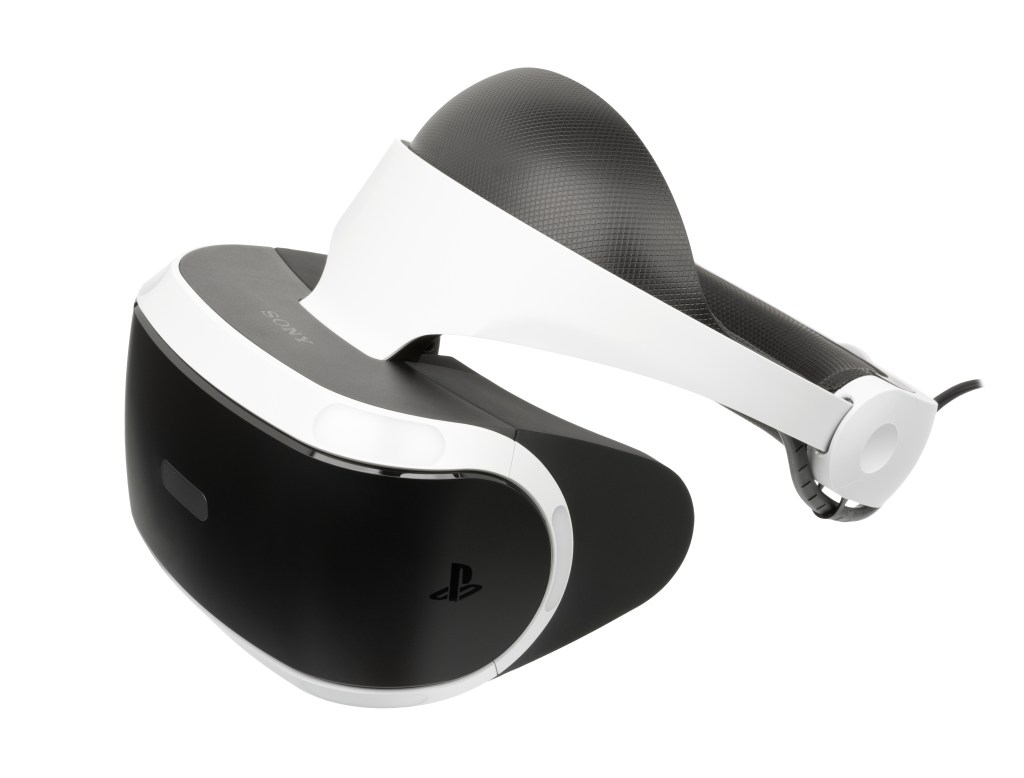

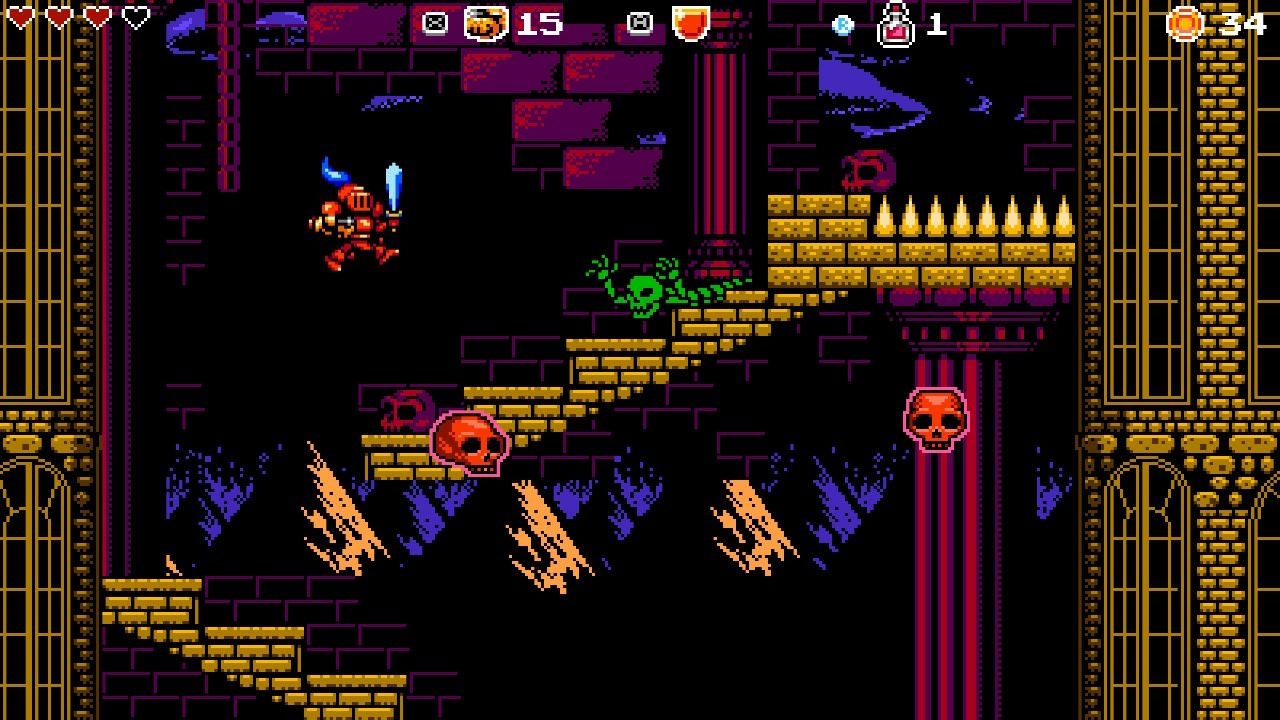


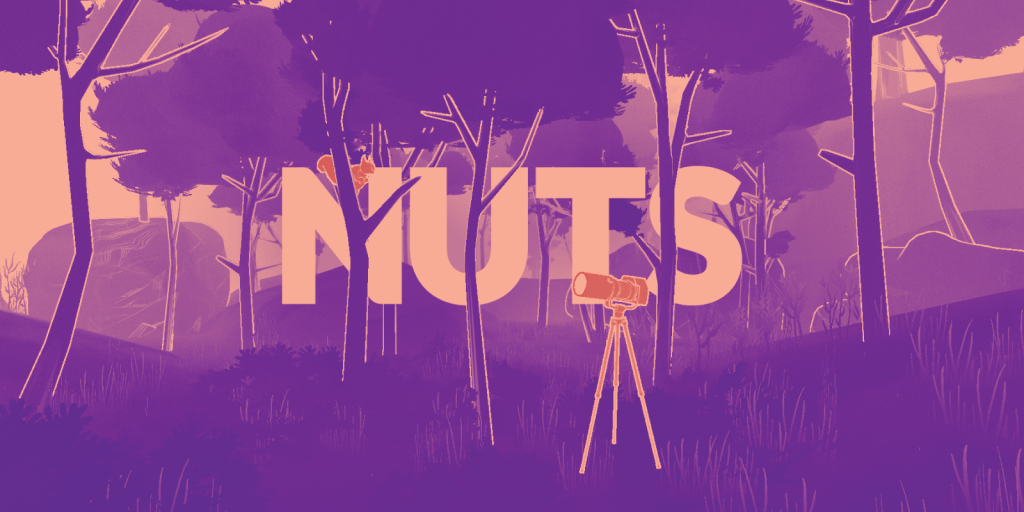
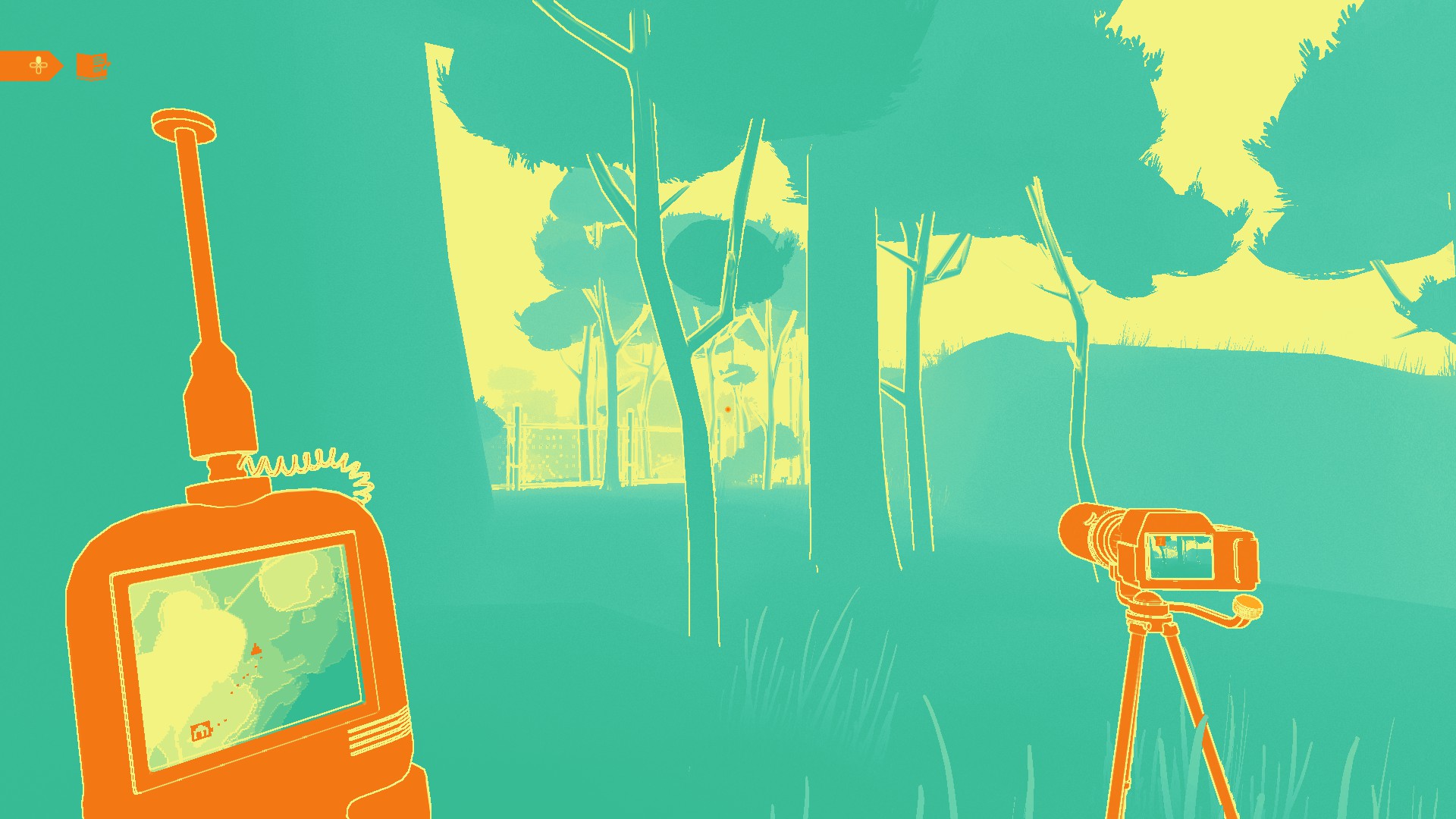


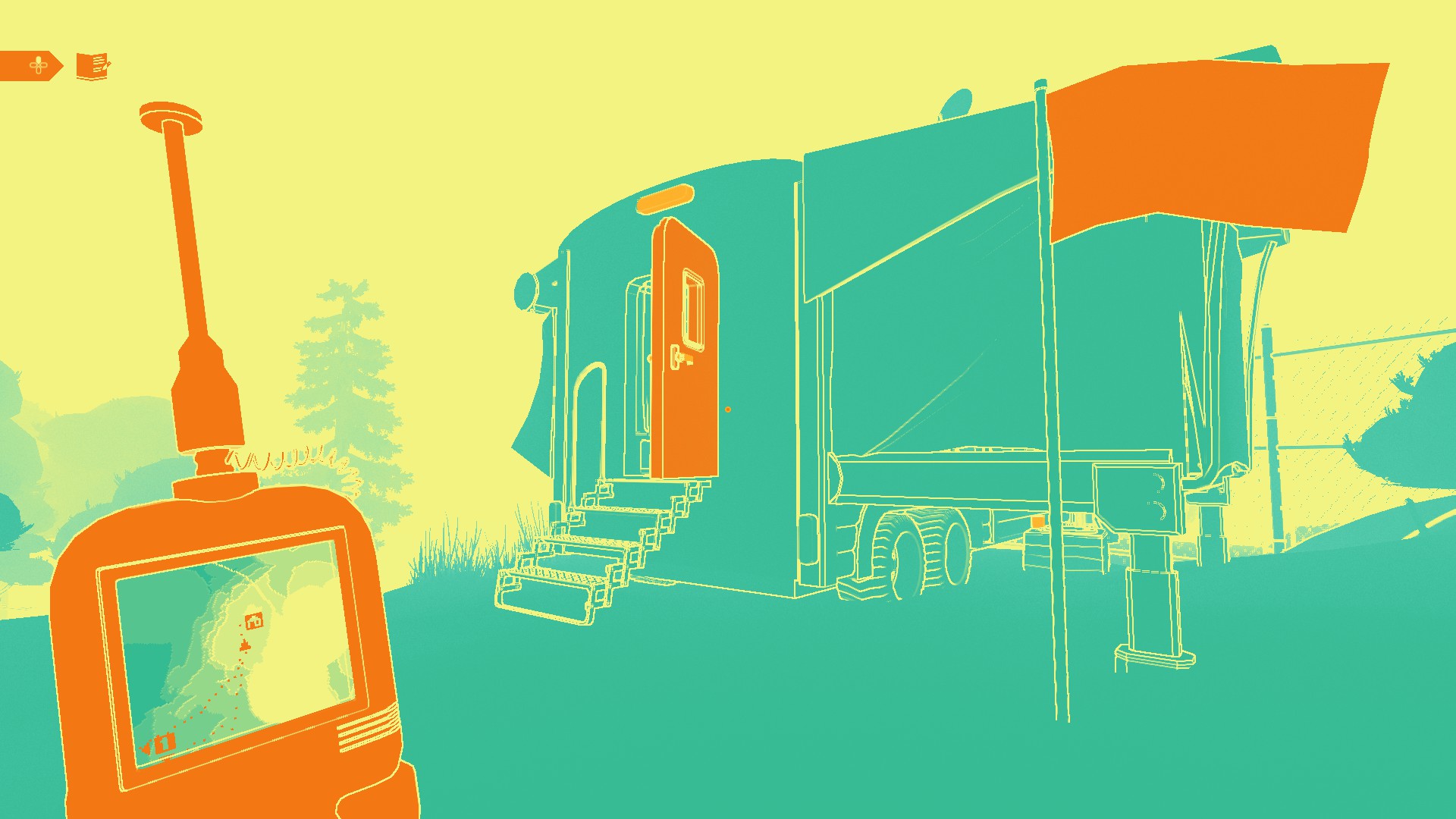

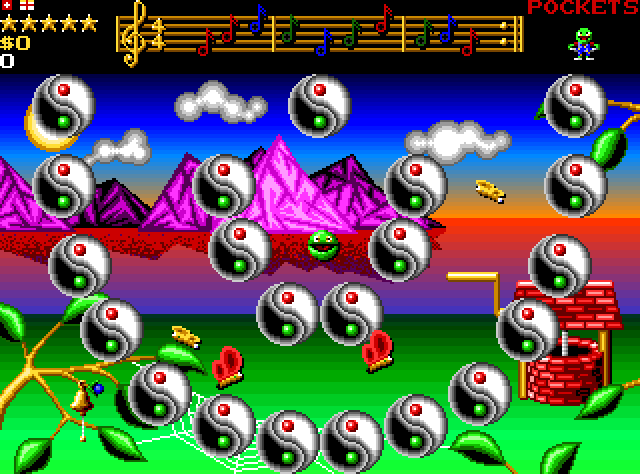


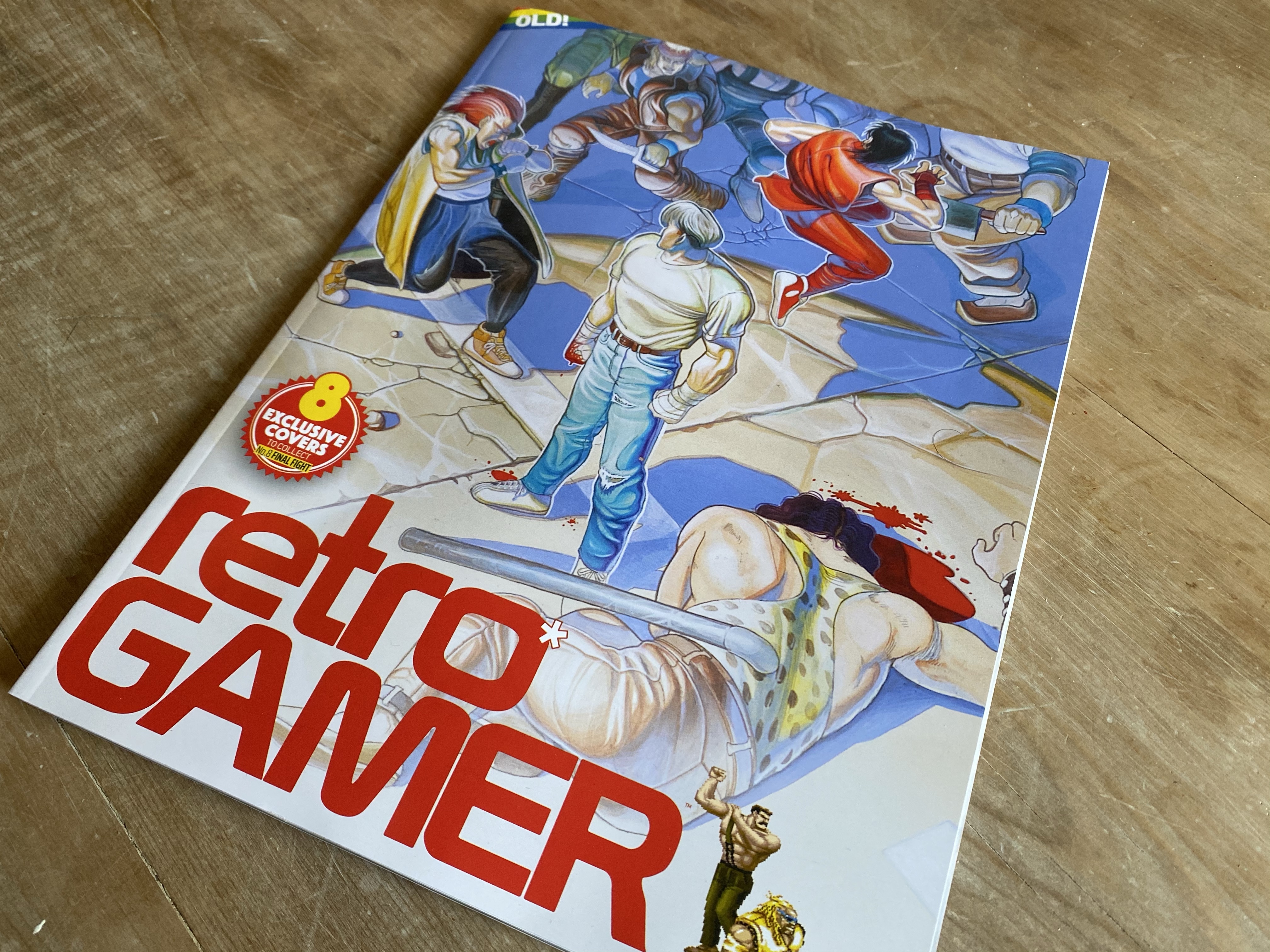
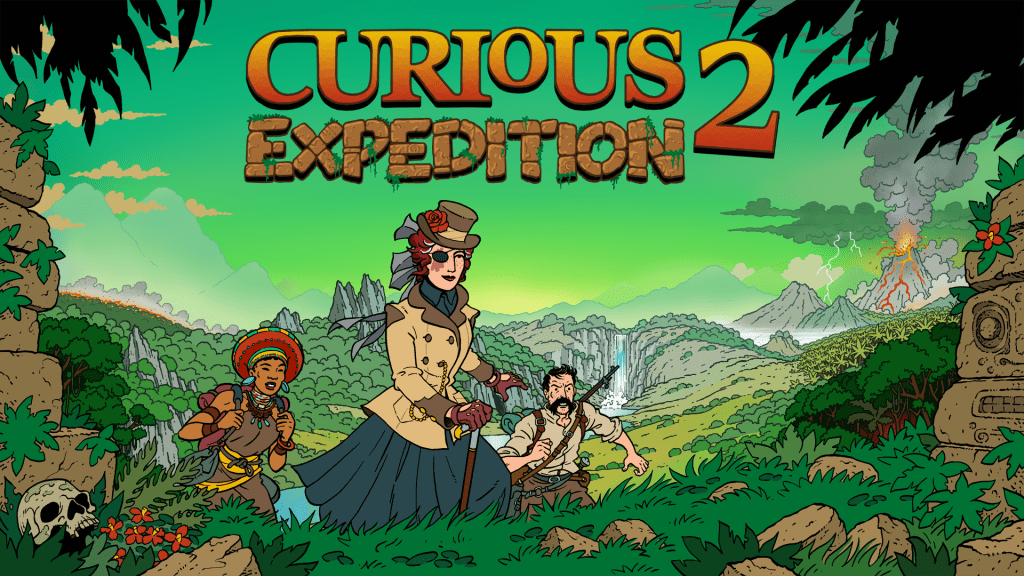
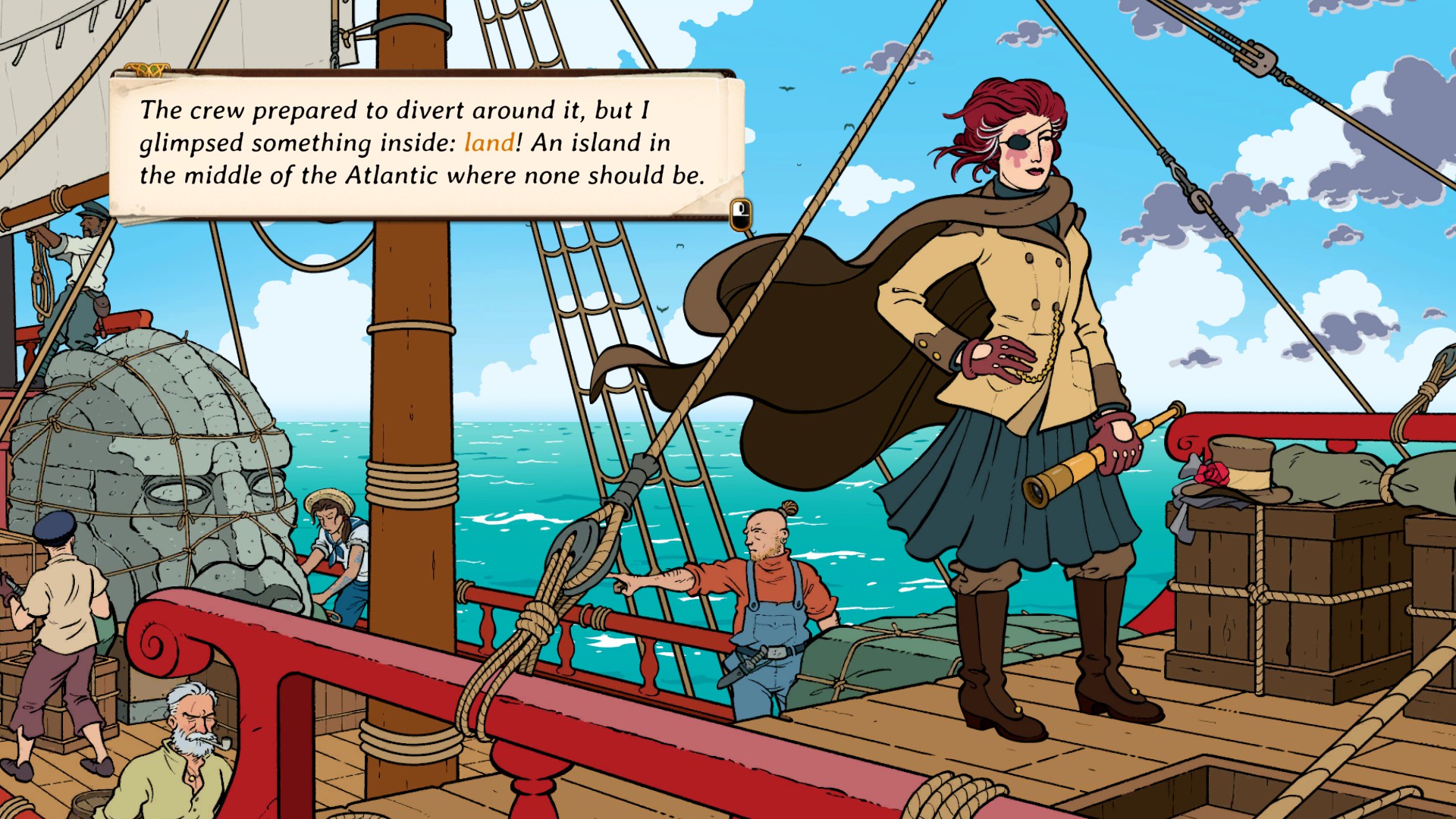


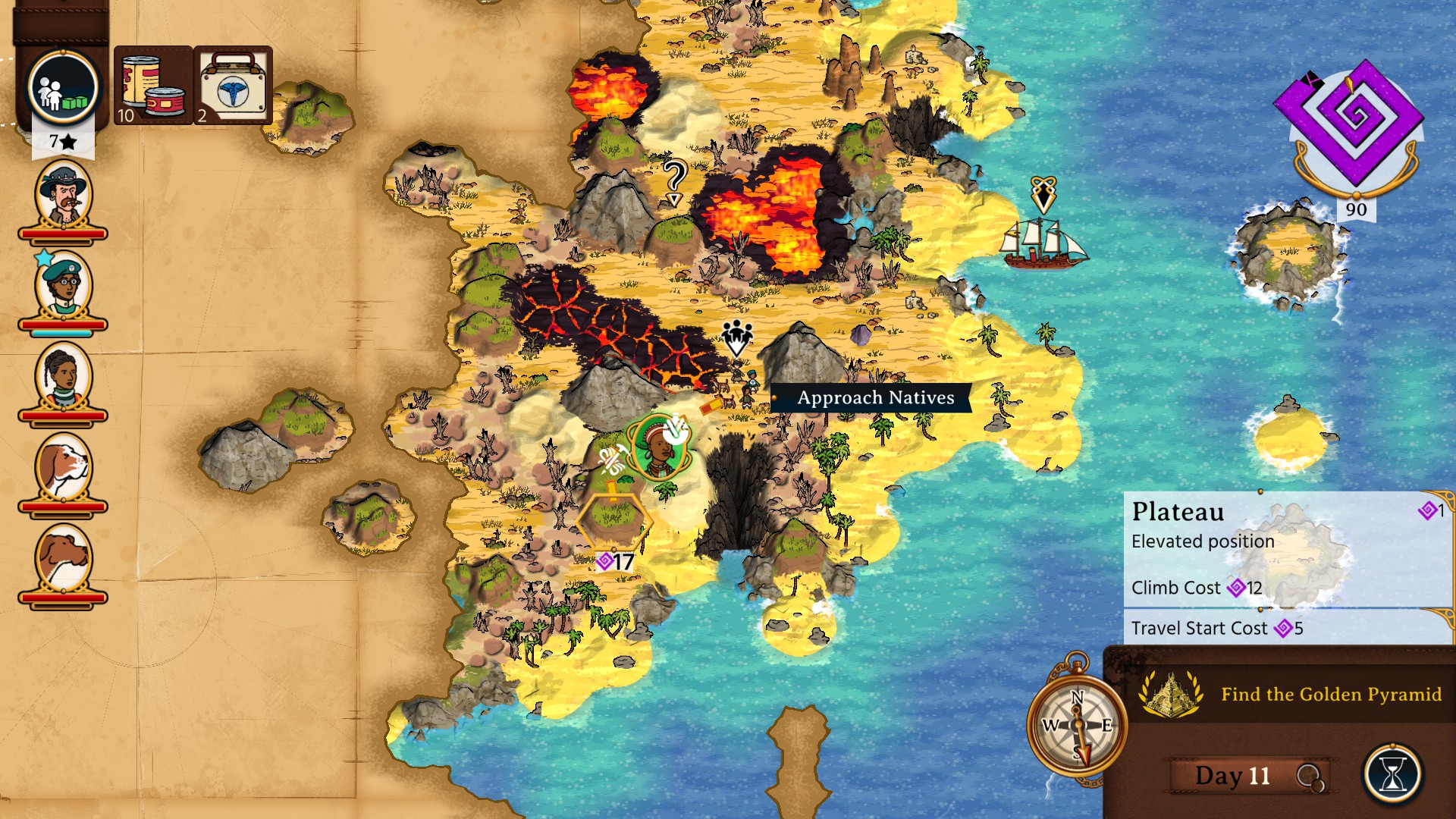








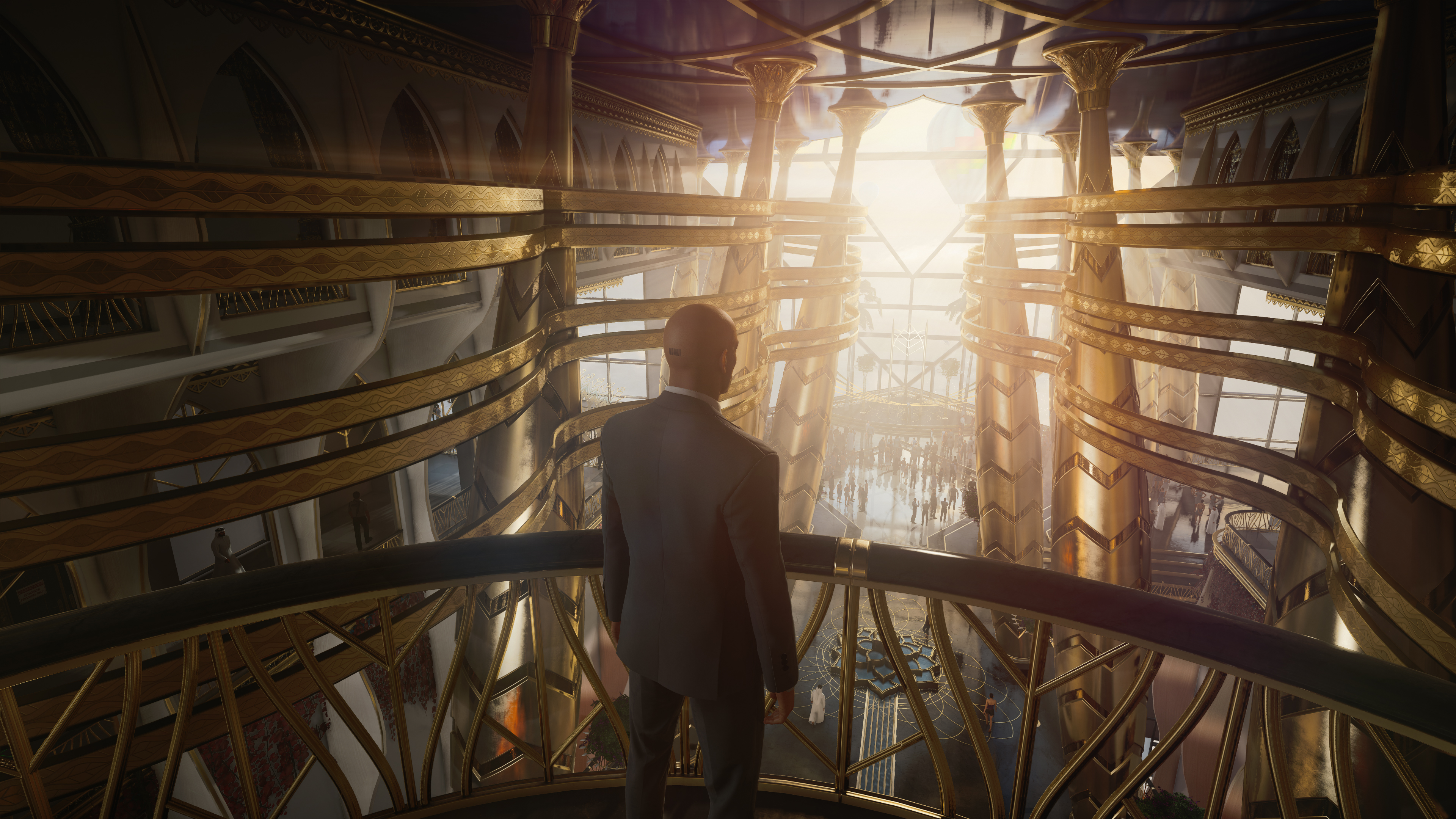









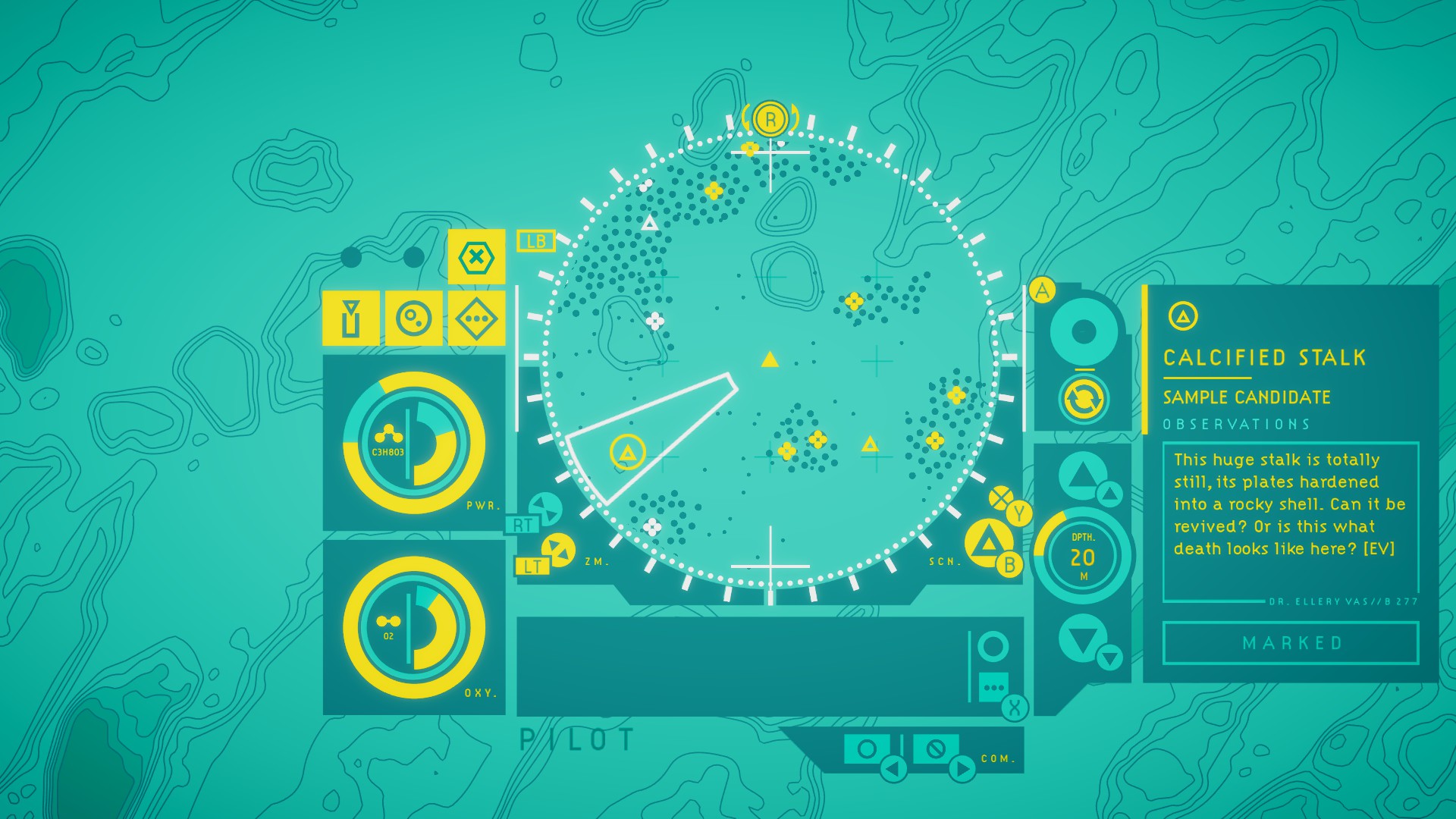


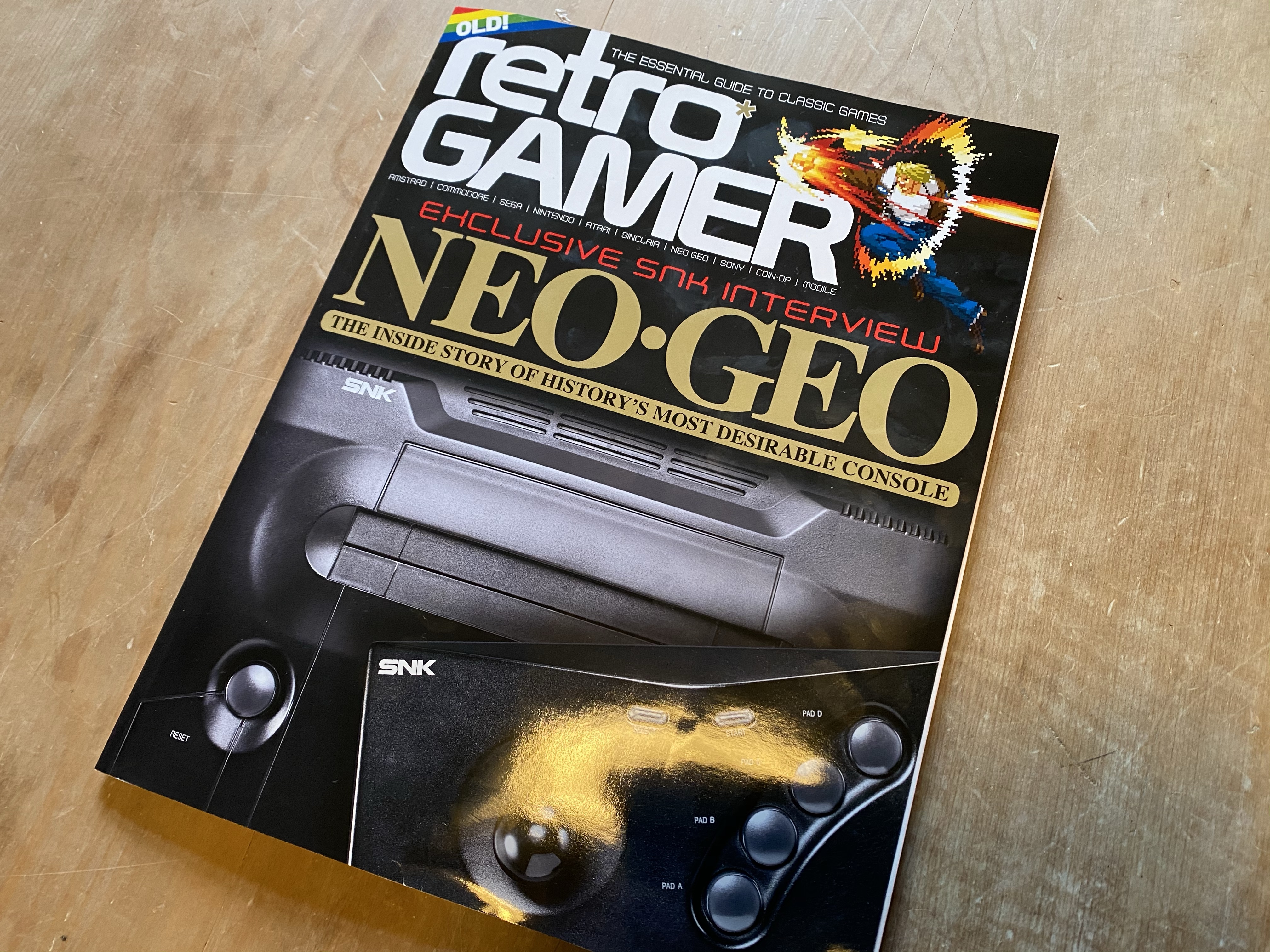
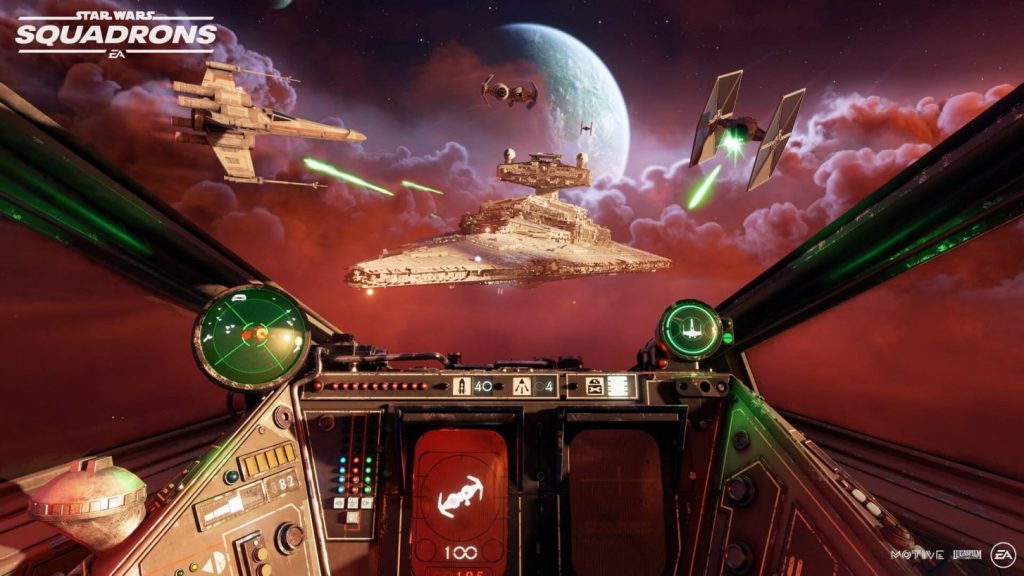

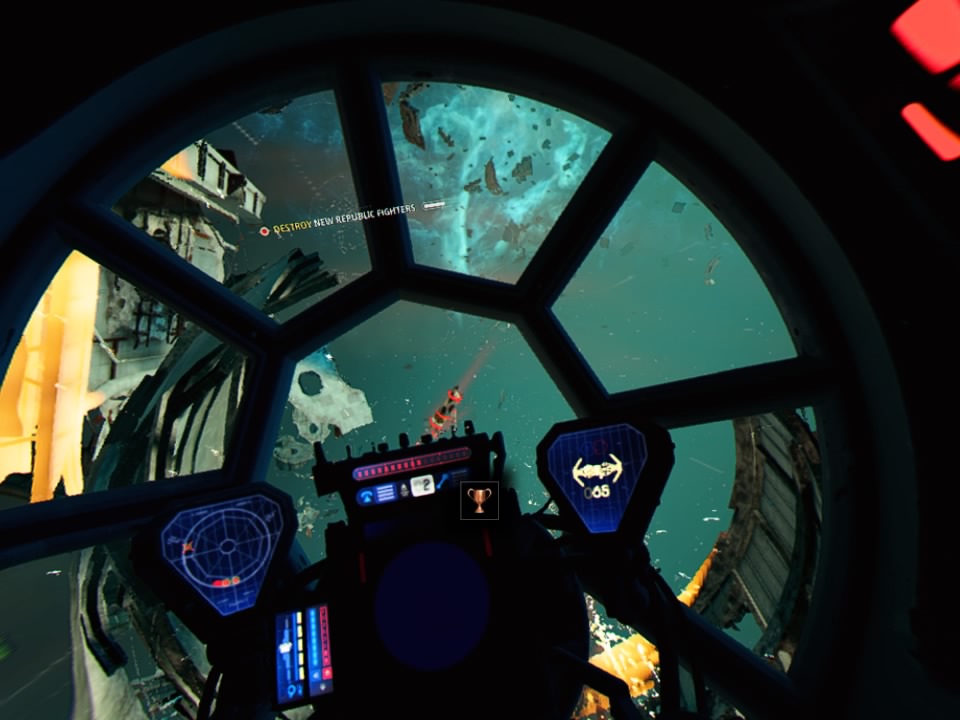

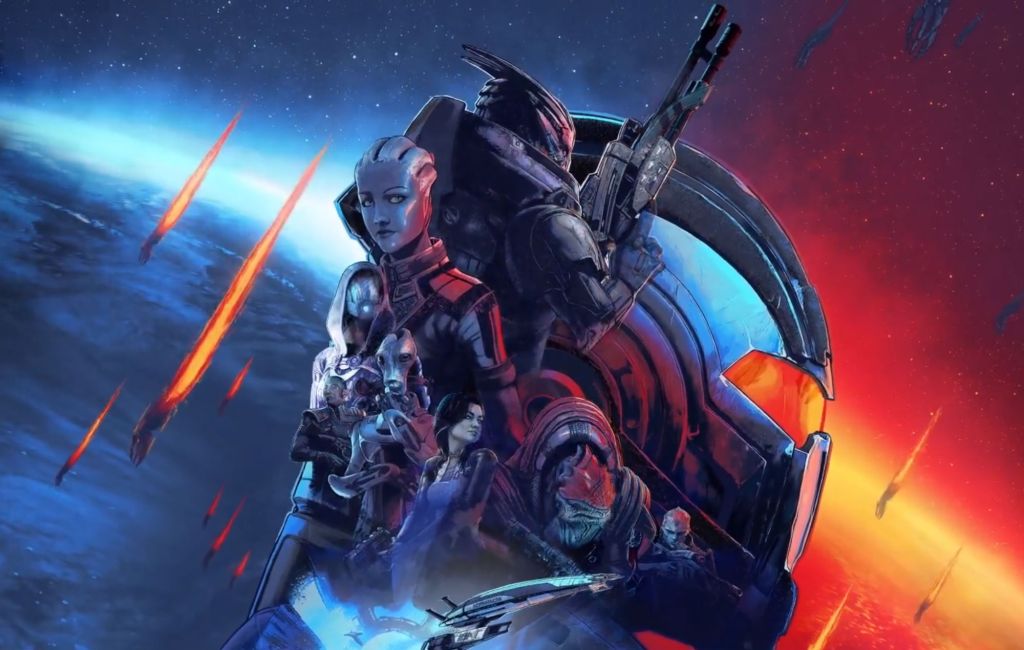


_(Rev_A)-1459896454.jpg&f=1&nofb=1)


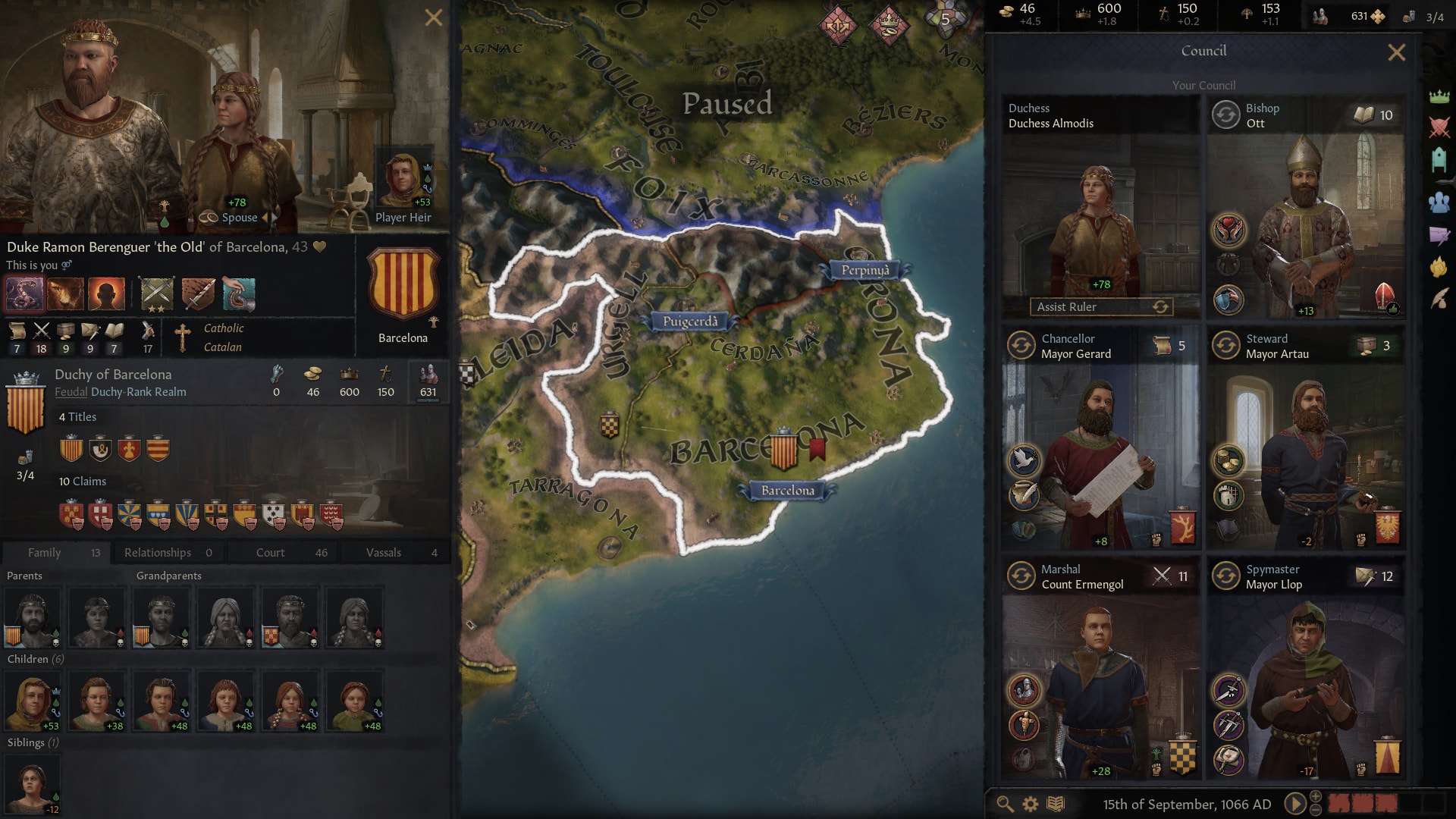

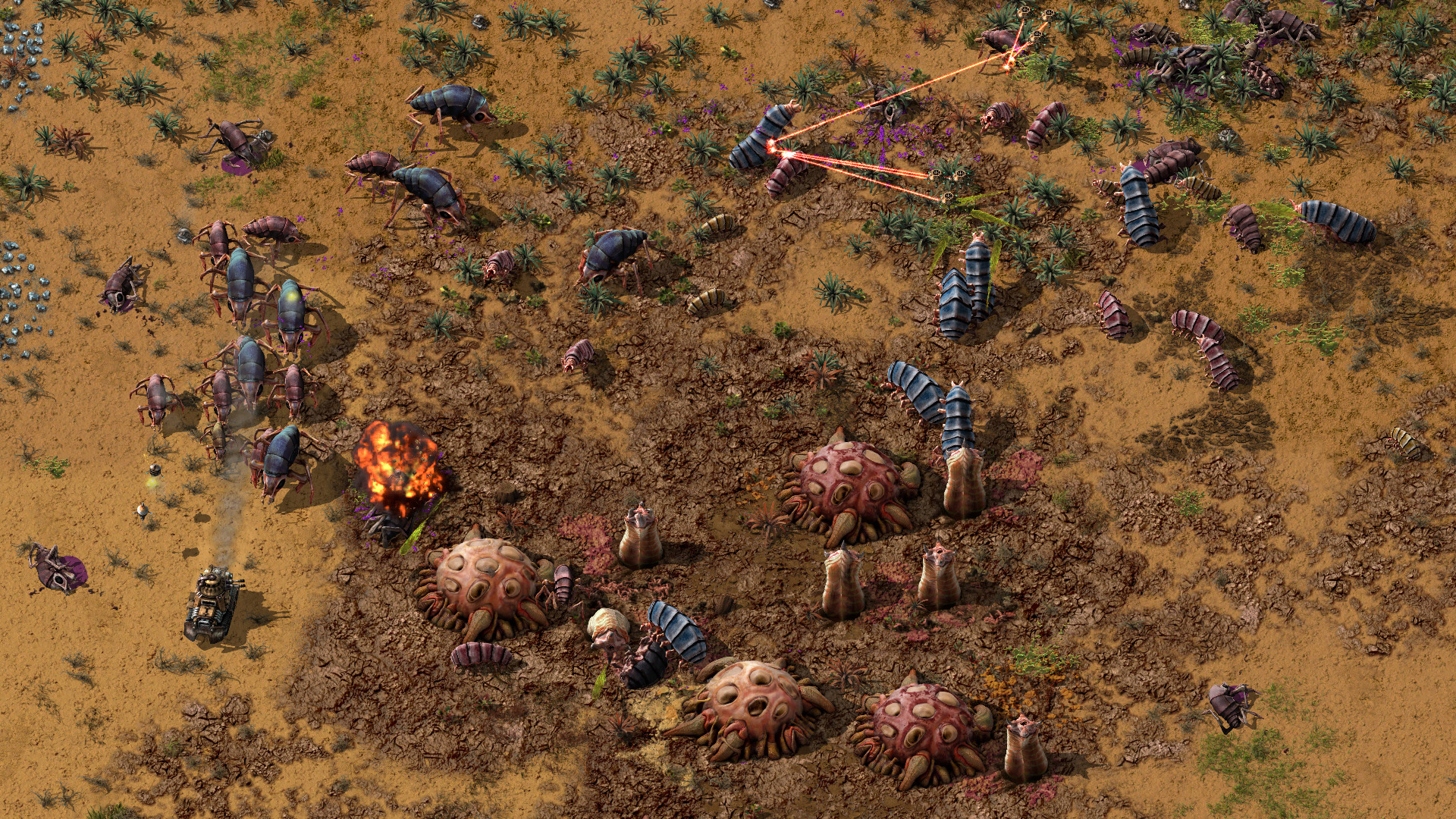


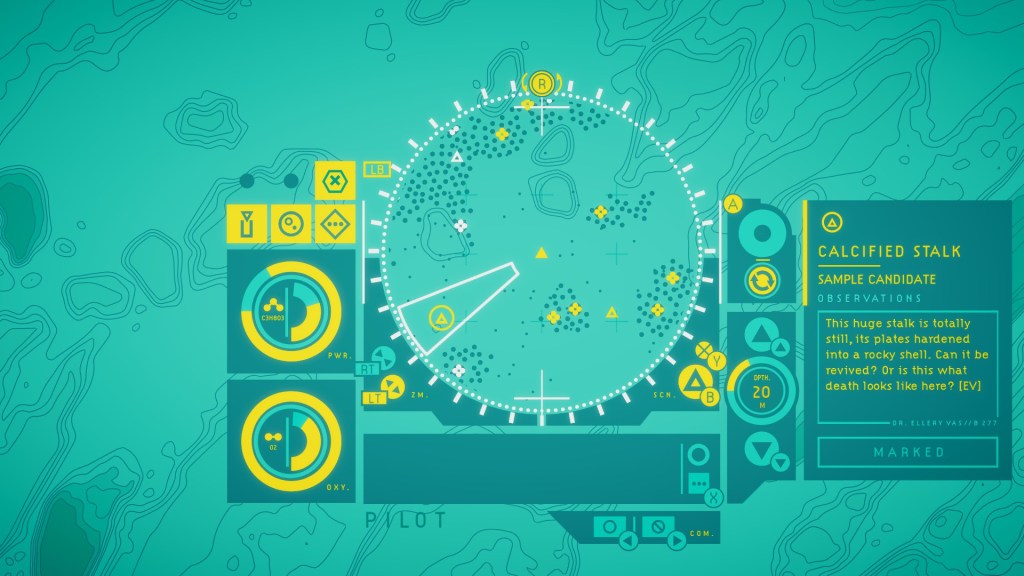







 A MOST AGREEABLE PASTIME