I don’t play tabletop Warhammer, but whenever I walk past a Games Workshop retail store, I feel like I’m never more than a well-aimed fart away from blowing in there and blowing my money away. Not that it’s really my cup of tea mind, what with all the painting small figurines and general socialising with people who aren’t really my crowd, required to get the most from the experience. But strategy games absolutely are my cup of tea and there’s an ever-present part of me that fears what would become of me if I were to accidentally He-Gassen my way into the store.
Which is why I’m so fond of the Blood Bowl video games, satisfying my innate fascination with and curiosity for Warhammer, without the need to set foot into the world of Warhammer proper. Plus, you know, I quite like sport in case you haven’t noticed. But the main problem with Blood Bowl and its sequel are that they’re just not cricket.
Thank god, I hear you all say. Bear with me.
Whenever I mention cricket to people who don’t watch or play it, the conversation invariably turns to how boring it is. “It’s just a load of graphs and numbers” people say “they spend more time looking at field placements drawing arrows and circles than they do playing”. That is partially right, too. On any given day of a five-day test match, hours are probably spent analysing everything from batting averages to strike rates to average bowling speed, permeated throughout the 7 or so hours of a day’s play. Sport is almost always a game of numbers, but cricket is more than most, which is precisely one of the reasons I can spend hours watching, reading about and talking about the greatest professional sport in the world, and even now and then write about the statistics of cricket.
If you take a look at the three aspects of cricket the game – the bowling, the batting and the fielding – is a venerable cornucopia of interacting numbers. Taking just the smallest passage of play in the game, that is a single ball of an over, there are numerous factors that determine the outcome of that interaction. The speed of the ball, the length of the ball down the pitch, the reaction speed of the batsman, the power of the batsman and the size of his/her bat, and a proxy determining the judgement of the batsman in shot placement all play a part in the outcome of that ball. If the ball has been hit, distance travelled by the ball, the distance and speed of the fielders and the speed of their throw, and the speed of the batsmen between the wickets. Cricket is a machine, an unpredictable one at times, but a machine nonetheless. It is a beautiful mathematical equation that starts the moment the selectors choose their best XI and ends with the last ball or wicket. It is the place at which the beautiful meeting of leather and willow occurs and the numbers governing our fair game start to do a little cosmic dance to determine the outcome of each ball, each over, each inning, and each game. I honestly just cannot get enough.
Wagon-wheel graph: runs scored per shot placement
And then of course there’s the field placement, which in and of itself, is its own game of chess. Where the captain puts their fielders is according, again, to numbers, as they try to coax the batsman into knocking the ball to the man. It is part preventative and part psychology, as the bowler bowls to his field, balancing aggression and defence. They’ll be willing to balance out give and take, to give away a few pawns just to claim the queen, and get one step closer to check-mate.
Perhaps unsurprisingly then, my fondness for videogames in most cases, is based largely on the same basic factors as what makes chess and hence cricket such an appealing proposition. Sure it’s a game of athleticism, but perhaps more so a game of strategy, and a game of wits and brains. And when you consider this aspect, along with the battle out in the middle between bowler and batsman, cricket in and of itself isn’t terribly different from a turn-based strategy game.
Sending your best off-spin bowler in? Why not move someone to silly point or silly mid off in the hopes of a Boon-esque moment? Have a left arm bowler bowling around the wicket at a right hander? Why not have a few blokes in the slip cordon and a gully to catch that a thick-edge from a seaming ball. It’s this rock-paper scissor mechanic that, if you’ve played a sneaky game of Disgaea or Final Fantasy Tactics – even Pokemon – you should know exactly what I’m on about. You understand the importance of having your team in the right positions, of exploiting weaknesses, and of doing your numbers to maximise your chance of victory. Sure, some of you may scoff at the ‘yobbo’ nature of Australia’s favourite pastime, but know that at its most basic level that video game you’re playing isn’t that different from padding up and heading out to the middle of your local cricket oval.
But cricket video games have never really captured the strategic side of the ‘gentlemen’s game’. Sure, they have attempted to simulate the ‘game’ of cricket, in much the same way as the Football Manager series, for as long as I can remember. I could lose hours to setting my batting order, juggling my bowlers, and setting my field. But somehow despite the hours flying by, it never felt like anything more than chance, despite the serious number-crunching that I’m sure was going on behind the scenes. It was strategic, sure, but it didn’t really capture the magic of the game.
Which is why Blood Bowl is the perfect template for a cricket strategy game. If cricket is a game of rock-paper-scissors, and is basically an interaction between numbers, there is no reason it couldn’t take a leaf out of Games Workshop’s famous table-top fantasy sport. If cricket is a fight between bat and bowl there is no reason it couldn’t take the form of a turn-based battle. Imagine balancing out your batting order according to strengths and weaknesses, finely tuning your line-up according to on side and leg side ability, or ability to play shots off the back of front foot. Or conversely bringing in a bowler whose strengths are bowling fast and full at a player who has a low ability to play defensive shots on the back foot. And when it comes to fielding, well that’s just about as suited to a grid-based strategy game as you get, just add a sprinkle of player movement and the roll of a dice and you’ve got yourself a game.
“But I hate cricket” I hear you say. Well superimpose mechanics found in traditional turn-based strategy games on top and you’ll start to see that not a lot separates cricket from the your favourite interactive electronic fare. Remember the Judges from Final Fantasy Tactics Advance? You’ve got your field restrictions. Remember the ‘burning aura’ mechanic from Jeanne D’arc? You’ve got your perfect batting partnership. Many constructs in videogames are designed to mimic human relationships and dynamics, the likes of which are applicable to sports team cohesion and even adversarial relationships. They may seem as disparate as Vegemite and jam, but it doesn’t take an enormous logic leap to see that underneath the difference in audience, cricket and your turn based strategy game aren’t that different.
So try as you might to distance yourself from that loathsome outdoor activity known as ‘sport’, you may be surprised to know that the delta between the two socio-cultural structures isn’t as large as you’ve always thought. In much the same way as Blood Bowl bridges the gap between sports fans and Warhammer fans, a thin aesthetic or thematic veneer would be all it would take to make strategy game fans into cricket fans and vice versa. And If I can satiate my innate thirst for games driven by numbers, then I can safely walk past Games Workshop without the pervasive fear that those Heinz Baked Beans will betray me, and send me into a world I’m just not willing to be a part of.
Exactly what it says, complete with many, many snarky comments. Particularly about Star Wars Kinect.
It seemed a simple enough pitch, an article that would involve a fun stroll down memory lane in a similar way to the ‘best of Konami’ article I wrote a while back. Unfortunately, when I made the pitch, I hadn’t quite realised just how many Star Wars games there are…
Despite excluding handheld games, mobile games, browser games, pinball and ‘edutainment’ games, my list still featured around 70 titles, all of which needed pics or videos, and all of which needed to be reviewed and rated. It took FOREVER.
Still, it was quite fun to write it up, and I even came across one or two Star Wars games I’d never even heard of before – the ‘strap-on’ Star Wars Millennium Falcon CD-Rom Playset springs to mind as a particularly weird and obscure one.
Inevitably, I got a couple of details wrong, as readers were more than happy to point out in the comments (it turns out that World of Warcraft came out the year after Star Wars Galaxies, not just before, which is how I remembered it), but all in all I’m pleased with the result. See what you think for yourself:
Better late than never. Following Sir Gaulian’s rundown in the middle of December, here’s my list of the creme de la creme of 2015 – a year in which I found myself playing my 3DS and Wii U more than anything else, despite all of the exciting goings on elsewhere. Indeed, 2015 felt like the year that the ‘next-gen’ consoles really got going, with games like Fallout 4 and Arkham Knight finally providing bona fide reasons to invest in a PS4 or Xbox One.
But having said that, I’m still working my way through tons of brilliant games from yesteryear, and if any game defined my 2015, it was Xenoblade Chronicles, a Wii game from 2011. I reviewed it back in September after spending well over 100 hours playing through its enormous campaign, and it’s easily the game I played the most last year. Other notable games I finally got around to playing included Alien: Isolation and Heavy Rain, along with the brilliant Remember Me (which I’m currently playing through and loving every minute). But in terms of games that actually came out this year, this little lot have been keeping me busy…
The Best Games of 2015 That I Actually Played
Monster Hunter 4 Ultimate
After being introduced to the series with Monster Hunter 3 Ultimate, I couldn’t wait to get my hands on the fourth game, and I even got a snazzy limited edition New Nintendo 3DS XL to play it on. The latest entry is a big improvement on its predecessor in terms of the single-player campaign, and I love the new verticality to the levels. Basically, when I wasn’t playing Xenoblade in 2015, I was playing this.
Affordable Space Adventures
Few games have really taken full advantage of the Wii U’s idiosyncratic control system, but this game used every facet of the console’s quirky controls to brilliant effect. As a single-player game it’s fine, but with two or three people it becomes an absolute riot. Who’d have thought that being an engineer could be so much fun? Don’t answer that if you’re an engineer.
Code Name: S.T.E.A.M.
I’m a sucker for turn-based strategy games, and the 3DS is perfect for them – Ghost Recon: Shadow Wars is still one of my favourite games on the system, and I loved Fire Emblem: Awakening. So I couldn’t wait to get my hands on this: a strategy game based on H.P. Lovecraft’s monsters along with various heroes from American literature. The lack of a map was initially jarring, but it quickly proved to be an inspired decision that really encouraged careful exploration, and Eurogamer rightfully highlighted Code Name STEAM as one of the great ‘Unsung Games of 2015‘. Yes it’s a little unbalanced, and those chunky visuals are an acquired taste, but it’s still a true gem.
Project Zero: Maiden of Black Water
I was tempted to put Splatoon in this slot, but to be honest I played Project Zero far more, even though on the surface it’s a ‘weaker’ game. It’s repetitive, yes, and it’s hardly revolutionary – but it rekindled my love for a genre that’s almost been forgotten, and now I can’t wait to seek out a few more survival horror games that I missed along the way. Dino Crisis 2? Parasite Eve II? I reckon they might still be worth a punt after all these years… and imagine if they remade them.
The Best Games of 2015 That I Would Have Played If I’d Had The Time
Fallout 4
I tramped around Fallout 3 for what seemed like years. I laid waste to Megaton, discovered creepy skeletons in an abandoned bunker, put a tree man out of his misery and got up to all sorts of larks on a battleship. Fallout 4 looks just as bizarre and wonderful, even if it’s as buggy and clunky as ever. But then again, the bugginess and clunkiness is almost part of the charm. Almost.
Xenoblade Chronicles X
I came this close to buying Xenoblade Chronicles X on day one, having spent a good chunk of my year playing through the prequel. In the end though there are still far too many games on my backlog that I want to get through, and I know this game will be another 100-hour-plus adventure. It does look brilliant though – I’m scheduling it in for sometime in 2016, for definite.
Batman: Arkham Knight
The emerging consensus seemed to be that this game wasn’t quite as good as the first two – but it still looks bloody amazing. I can’t wait to step into the shoes of the caped crusader once again, but I also feel like I should play through Origins first, if only for completeness. That there old Batmobile looks fun though, don’t it?
Guitar Hero: Live
At one point you couldn’t move in my front room for plastic musical instruments: I played my way through about five Guitar Hero and Rock Band games before the genre seemed to fizzle out. It’s been a good long while since that happened, however, and guitar games feel like they’re ripe for a return. Rock Band 4 looked fun, but Guitar Hero: Live had the killer idea of using live concert footage to make you feel like you’re noodling away on an actual stage. I’m looking forward to making a proper tit of myself as I thrash away on this in my living room.
Life is Strange
Dontnod Entertainment is quickly gaining a reputation as one of the hottest game studios in the business. After Remember Me was released to generally great reviews but reportedly poor sales (I can’t find any official figures, but one thread claims it sold just 140,000 copies), it was great to see Dontnod getting a well-deserved hit with Life is Strange – and it also vindicates the developer’s decision to press on with using female lead characters after their previous game was rejected by publishers who whined that “You can’t have a female character in games” (seriously). Life is Strange sounds genuinely different and innovative, and the only thing that stopped me buying it is the nagging guilt that I’m still only halfway through the equally wonderful The Wolf Among Us – a game I’m determined to see through before I start any more episodic adventures.
BUBBLING UNDER:Steins;Gate, The Legend of Zelda: Majora’s Mask 3D, Mario and Luigi: Paper Jam Bros., Resident Evil Revelations 2, Her Story, Metal Gear Solid V: The Phantom Pain, Soma, The Talos Principle, Just Cause 3, Sunless Sea, Everybody’s Gone to the Rapture.
[As written by Lucius Merriweather in the miasma of the New Year back-to-work week.]
One morning just before Christmas I was in full-on pre-Xmas deadline panic. I had a seemingly never-ending article due in and no end to it in sight, plus the usual pre-Chrimbo anxiety about unbought presents and uncooked turkey. But despite being pressed right up against a deadline, I just had to take some time out to write an article that popped into my head almost fully formed during the cycle to my office.
I’d been reading about the plot of the Halo 5 and was thinking about how trite it all was – Master Chief on the run, yadda yadda. I started thinking up where on earth they’re going to go next with this series, and the answer was blindingly obvious – now Master Chief is on the run from his inner demons, like the plot of the sixth series of an increasingly desperate prime-time drama that’s in danger of being cancelled.
Then I started thinking about where other increasingly hackneyed game series could go next, and the answers popped up fully formed: a Fallout game set in Slough, an Assassin’s Creed game all about Desmond, a Call of Duty game set in a playground, a Metal Gear Solid pachinko game on mobile… (sadly that last one is a distinct possibility).
I quickly jotted this all down as soon as I got into the office, then rigged up a couple of amusing screenshots in Photoshop before sending it off to the Kotaku UK ed to see whether she’d be interested in publishing – and to my surprise, she was. It’s not really the kind of thing Kotaku usually go for, but she decided to put it up between Christmas and New Year to “see how it does”.
The jury’s still out on that one, as although the article gathered lots of shares and comments, not all of them were exactly positive. One wag penned this particular bon mot:
what is this trash page? who ever wrote this needs to be slapped
I think that’s the first time someone has ever called for me to be ‘slapped’ on the basis of my writing – but at least the article generated some heated responses. I particularly liked all of the Slough-bashing, e.g.:
If you’ve played Fallout then you already have a good idea what Slough is like
I feel kind of bad for taking the p*** out of Slough so much… but not that bad. I mean, have you ever been there?
Here’s the article, please share and comment, and maybe I’ll be allowed to let loose my dubious humour on Kotaku UK in the future… Or at least be allowed to write for them again.
Forget all of that internet spurred groupthink nonsense about whether Killer Instinct was actually a good game or not for a minute and you’ll see the game as a fantastic insight into the wonderful decade that was the 1990’s. At a time where the arcade was a king (about to be dethroned) and arcade conversions were the best thing since a hot Milo on a rainy day, Killer Instinct was, for a couple of years there, the biggest thing on the planet within the confines of the schoolyard. And at a time of Mortal Kombat and Street Fighter that’s really saying something.
To anyone that wasn’t there in the 90’s, it’s hard to describe how rabid all the kids were for fighting games, but trust me when I say the arrival of a new game at the arcade somewhat resembled bunch of Korean teenagers at a Got7 concert. And in the 90’s Killer Instinct was exactly the sort of killer combo that sent the British Knights sneakers and Klue Jeans wearing youth hog wild. It came with a killer CD, it had ultra-combos, an inference to boobs, and some of the most creative finishing moves since the still-fresh Primal Rage. Killer Instinct quite simply is about as 90’s as it gets.
And as a child of that particular decade Killer Instinct will always hold a special place in my heart. Entire days at friends’ houses were planned around Killer Instinct. We’d trickle into any one of our houses in the Northern suburbs of Adelaide as early in the morning as possible, leaving our bikes in a pile in the front yard, and get ready for a day of fun and frivolity. As an adult I find it hard to imagine anything, let alone a 2D fighting game, holding my attention from sun up until sun down. But the hundreds upon hundreds of bouts of not just Killer Instinct, but any game where we could punch each other in the face, are testament to just how engaged we all were with the genre. Win or lose we just couldn’t get enough of the genre that practically defined a generation of kids.
But perhaps most importantly Killer Instinct was a conduit for the boyish shenanigans that would ensue throughout the course of the day. There were copious punches in the arms, wrestles to the ground, an even the spontaneous game of British Bulldog in the backyard that would invariably end with someone having to seek parent-administered first-aid for a blood nose. Of course there was also copious amounts of talking absolute shit, calling each other dickheads at every available opportunity, and telling nonsense stories that I’ve come to learn are only funny to boys under the age of 20.
I even distinctly remember one of our mates, Daniel, painting a rather graphic picture of the time he walked in on his mum and stepdad having a good old fashioned root on the kitchen bench. Much to his disgust, we had a field day with it, adding tiny but vivid details that I’m sure to this day haunt him, particularly at family gatherings. But as near-teenaged boys we thought it was a right bloody laugh rubbing his nose in the fact that his mum still had a vagina. Needless to say it was hard to keep a straight face talking to her at that very kitchen bench, while we all stuffed out faces full of Vegemite sandwiches. It was awkward, yes, but bloody hell it made for a great memory.
Killer Instinct was great, but it always played second-fiddle to shooting the shit with the kids from school, the friends I’d grown up with. We weren’t friends because we played videogames, we were friends who just happened to play video games.
And that’s the natural order of things. Friends first and video game foes second. Anyone that has followed my writing would know that I don’t necessarily buy into the idea that online multiplayer makes video games great. And from my experience most of the fun of playing video games together comes from the familiarity of the people you’re playing with. Whether it’s knowing that they got dacked at school that day by the kid we affectionately call “Chubbs”, or taking the piss out of a bloke for being rejected by Cara, it was these personal relationships that made playing these games together fun. Whether Cinder beat Glacius was neither here nor there in the grand scheme of things.
Killer Instinct will always be a fond reminder of a pivotal time in my youth. Orchid’s endowment is a reminder that puberty had hit me hard in the mid-nineties. Fulgore is a reminder of the ultimate male power trip that hits every boy in his teens. And Spinal is a reminder that skeletons are really easy to draw once you get the hang of it. But more importantly it is a reminder that playing with games with friends makes for some amazing memories. Was Killer Instinct a good game? Well for starters I don’t think that’s a question that should be answered by committee. But from where I stand it’s an amazing piece of video game history, an example of the ingenuity of British developers, but most importantly a time machine to my childhood. Killer Instinct was the talk of the town for so long that it feels like friendships were practically forged while playing it. But that’s not the case, and if anything going back and playing it as a disgruntled adult, reminds me of all the friends I no longer have. And you know what? Playing Killer Instinct online would never fix that.
What a cracking year 2015 was. One for the ages I reckon. Marriage of course, topped that for me, as I was lucky enough to marry my teenage sweetheart. But hey, those video games really came to the party this year didn’t they, and in timely fashion too as both the Xbox One and the Playstation 4 hit their respective strides in a big way. And the Wii U, well that just continues to bubble along and make itself a welcome presence in every household it has touched to date. All 10 million of them. Good bloody times all ’round, really.
But as has become a bit of a trend for this ageing chap, video game time is but a portion of what it once was, and I’ve played only a handful of games I’d have liked to have. But the games that I did play, well they were all for the most part, great. And from that selection, there were a handful that stood a head above the rest, that were so fantastic in fact that you’d be as silly as a bum full of Smarties to miss out on.
Hatsune Miku: Project Mirai DX
I’m not sure I was ready for just how adorable the 3DS incarnation of Hastune Miku is. I liked the vocaloid rhythm game shenanigans of Hatsune Miku on the Playstation 3, tapping along to the weird electronic pop music complete with weird synthetic vocals, all the while enjoying the music more than I know I ought to. Enough to buy two games of it in fact. But the last thing I thought I’d want from these fun, challenging music games, is a virtual live-in diva of my own to look after and simply just hang out with and share a drink or two. After all, it’s all about the music.
Well as it turns out it’s exactly what I needed from a Hatsune Miku game, because over the last handful of months, Hatsune Miku: Project Mirai DX has been at my side practically everywhere I go. I’d replay songs not to get higher scores, oh no, but to buy premium sushi to share with my roommate Meiko. “How about we share some sushi?”, I’d say out loud to my virtual on-screen buddy, garnering odd looks from my wife sitting not one metre away. “How about we play some Reversi now?”, I’d ask, much to her excitement.
I’m embarassed to admit just how attached I became to my live-in buddy Meiko. But the ‘relationships’ I developed with the adorable bunch of characters made the music that much better, and watching Meiko bust a few of her own choreographed moves on the dance floor, well that made me feel like a proud as punch parent.
Did I mention the music is also pretty good?
Rise of the Tomb Raider
For twenty years I’ve been a loving and committed travelling companion in Lara Croft’s adventures, accompanying her from the mountainous heights of Peru to the Arctic Sea, and beyond. Her exploits on Yamatai in 2013 were a favourite of mine, offering a lush and stunning world to traverse explore, with a nice glaze of combat to add just a tad more flavour. As much as I loved that game, I’m in no way afraid to admit that Rise of the Tomb Raider is a shitload better, even if it is just a bigger, prettier and more refined version of what came before.
There’s also a lot more tomb raiding in Rise of the Tomb Raider, which serves as a nice reminder that Lara Croft is a seasoned antiquarian, and conservator of anthropological history. Something that’s easy to forget amidst her seeming wanton destruction of artefacts and historically significant structures.
Rise of the Tomb Raider may not throw Lara into completely uncharted territory, but when the core experience is as good as this latest series reboot, sometimes bigger is just better.
Steins;Gate
Steins;Gate is a beautiful visual novel masterpiece. Although at times it hides it behind a thin veneer of whimsy and goofiness, Steins;Gate is the greatest time travel story I’ve ever read, bar none. Its characters are endearing, its dialogue funny, and its premise at times ludicrously Japanese: but its all in service of a story that is more ambitious and grounded than almost every other video game on the market. Spoiling any element of Steins;Gate beyond telling you it’s about the accidental discovery of a method of time travel by a bunch of teenagers would be doing it, and your own journey through its narrative, a disservice. But rest assured if you can read, and you have the means by which to experience Steins;Gate, it is should be bloody-well compulsory to do so.
Forza Motorsport 6
Forza, Forza, Forza. It’s become my rock at this time of year. It is the series that keeps me out of the sun, stuck to the lounge, and glued to the screen over the summer months. It’s the game that I’ll sneak in a race or two whenever I get the opportunity. But most importantly for me it’s the game that just gets better and better with every entry. Forza has quite simply never been better and it’s the little things like night racing and wet weather that make it so.
Wet tracks may not seem on the surface to be a game changer, but the first time you experience aquaplaning at high speed, you’ll appreciate just how advanced Forza’s physics engine has become. And feeling your tyres rapidly lose grip through the controller’s haptic feedback is a very special experience indeed. But it’s also a brilliant feedback loop that makes regaining control of your car, or easing off of the accelerator to avoid a loss of traction, intuitive. The game may have driving aids for inexperienced drivers, but with the way the car communicates with the player through various sensory devices, it practically implores everyone to experience driving at its purest.
Racing is the one genre I just couldn’t live without. But we’re almost at the point now where Forza is the only racing game I need.
Until Dawn
It’s very nearly 40 degrees celsius outside, but while surviving the terror unfolding at a snow-covered Blackwood Pines lodge, I’d have sworn it was as cold as ice. Until Dawn sucks you in with its premise, holds you with its story, and strangles you with its atmosphere. Words alone quite simply cannot describe how expertly and lovingly crafted the game is, not only as an homage to the slasher genre, but as a progressive and revolutionary piece of interactive fiction.
Until Dawn is exponentially greater than the sum of its parts. As a horror game it was effective, playing on the tropes of the slasher film in a way that kept me second guessing myself and what the genre would expect me to do, desperately trying to keep my ragtag bunch of teens alive. The first time your decisions lead to the death of a character is traumatising, matched only by the relief at a split-second decision that saved another’s life. It’s a fine line between life and death for these characters, and knowing that any one of them can die at any moment, creates a tension unmatched in the medium let alone the genre.
But as an experience it was something really, really bloody special, certainly unmatched in its medium irrespective of genre. Until Dawn wasn’t just unnerving owing to its sense of dread and terror, it filled me with a sort of psychological unease, convincing me at times that I was somewhat sociopathic and that my irrationality was playing out within the game. In Until Dawn, Supermassive Games has not only made the best cinematic video game experience to date, but it has raised the bar for video game psychological horror, and in doing so outplayed all but the very best in silver-screen slasher flicks.
It was immersive, it was beautiful, and it was compelling. Until Dawn is, quite frankly, a future of video games I’d be more than willing to accept.
Simply put it’s my favourite game of the year.
While 2015 draws to a close, there are still a handful of choice cuts from the year I’d love to sink my cleaver into, from blockbusters Assassin’s Creed: Syndicate and Fallout 4, to a few smaller but just as tender pieces of meat such as Nobunaga’s Ambition and Wasteland 2. But before we get carried away with next year, why don’t you let us know in the comments what your favourite games of the year are, and why everything I’ve written above is absolute nonsense. It is the internet, after all.
I miss the survival horror genre. Once upon a time, no console worth its salt would be seen dead without a clutch of survival horror titles to its name, but nowadays they’re as rare as praiseworthy tweets about Konami. I remember happily spending hours watching my housemate Ian complete Resident Evil 2 while I was at university – watching, not even playing. That’s probably a good indication of how much of my time was wasted at university, but it’s also a good indicator of how fascinating these games are to watch. It’s the tension that makes it interesting, the dread of being low on ammo and not knowing what lies around the next corner.
After playing through ZombiU – essentially a first-person survival horror game – I realised there’s a massive survival-horror-shaped hole in my life. Since Resident Evil headed off to reinvent itself as a brodude shooter, there’s been a noticeable lack of traditional survival horror games around, so I was suitably excited about the launch of Project Zero: Maiden of Black Water.
From the general buzz about the game, it seems that it’s not the best in the Project Zero series (it’s game number five), but it was the first Project Zero game I’ve played and I have to say I thoroughly enjoyed it. At first, anyway. But more on that in a minute.
For a start, the graphics are superb – I loved the beautifully drawn backgrounds, featuring suitably grotty and dank Japanese shrines, and the character models are superb. Plus the plot is brilliantly eerie – the full horror that’s been unfolding on the mountain is revealed slowly, with many a gruesome turn. Sadly, the dialogue is very much in keeping with that of traditional survival horror games – i.e. it’s not very good. We don’t quite reach the ‘Jill sandwich’ level, but the option to switch from English audio to Japanese was a welcome one.
The start of the game is excellently scary, as all sorts of horrid-looking ghosts leap out on you from all angles while you do your best to bat them away. But unfortunately we end up seeing the same old spirits a bit too often, and they gradually lose their power to scare as you encounter them again and again. Not only that, it’s pretty easy to avoid their attacks once you’ve mastered the ‘dodge’ button, so by the end, each encounter felt more like a slow dance than a battle to the death. The sheer number of shots needed to down a ghost is also a bit of a bind – it strikes me that a much better idea would be to have much quicker, deadlier ghosts that only need one shot to ‘kill’. This would have made for a much more tense game, forcing you to be wary as you explore but also quick off the draw.
Repetition is what sucks the life out of the game in the end. For example, there’s a great sequence where you flick between security cameras to keep an eye on your slumbering companions and then head off to attack any ghosts that show up (complete with scary static and ghosts suddenly appearing in front of the camera). But later on this idea is recycled again almost verbatim, which rather takes the shine off the concept.
Similarly, there’s rampant reuse of locations – we’re not quite talking the police station in Resident Evil 2 here, but it does begin to get a little wearisome towards the end when you’re stumbling through the same old places. More importantly, the reasons for revisiting the mountain begin to border on the absurd. The three main characters all have to venture onto the peak to rescue (and sometimes re-rescue) various people as the game goes on, and by about the sixth time they’ve been up and down the mountain it starts to get a bit ludicrous. Rather than all staying up there until their business is done, they keep jogging back home for a snooze at the end of each episode. And then the next morning they head back under some flimsy pretext, despite having encountered dozens of horrific, blood-sucking ghosts the day before. Either the characters are all eternal optimists or they’re enormous gluttons for punishment – it would make more sense if there was some sort of evil force that trapped them on the mountain.
I enjoyed the game whole-heartedly until about two-thirds of the way through, but by that point the repetition became a bit wearing – and the extra mission at the end featuring Ayane from Dead or Alive was pointless fluff. There’s a great game here, but it’s stretched a bit too thin – it’s still good, but if it was half the length it would have been far punchier and more memorable.
[타블로] If you’ve never heard of Korean artist and author Tablo, then I suggest you acquaint yourself quick-smart. For mine he’s one of the most versatile composers around, with an incredible range that spans from out and out bass-heavy hip hop, to beautiful duets backed by melodic piano scores. And that’s just his solo work. His work as one-third of the hip-hop group Epik High has become increasingly diverse, with the 2012 release “99”, which plays almost like an ode to every music genre they’ve ever been inspired by in the 90’s and beyond. The lyric driven hip-hop is still there to be sure, but it’s dominated by everything from Surf Rock ballads of “The Bad Guy” to the heavy bass drops of “Kill This Love”. If you played the album to someone blind, I’d be surprised if they’d pick it as the same artist, let along the same album. It’s a mighty good album, by a mighty good group, that just happens to feature Tablo.
But for mine, the most interesting compositions from Tablo arise when he’s left to his own devices, as he was in 2011 for his first solo project. Taking the form of two EPs, Fever’s End Parts I and II, these works are amazing demonstrations of a musician who can tell a story through his compositions. From the first track featuring the unforgettable voice of Korean mainstay, Lee So-ra, Tablo makes his intentions clear – Fever’s End is an album that is written from the heart. And it shows. His solo journey starts off with the hopeless despair of “Home”, to the hopeful promise of “Try”, and to the regretful and somber “Expired”. It is 40 minute journey through what can only be described as the human condition. It is a work of art that works just as well as a collection of 10 songs as it does as an exploration of the emotional peaks and troughs of existence. And then there’s “Tomorrow” featuring BigBang’s Taeyang, wedged right in the middle at the start of the second EP, which shows just how effective Tablo is as a composer of popular music.
It’s this diversity, and the perfectly paced and structured flow of the two EPs when listened in sequence, that makes Tablo a great storyteller. Even the music itself in absence of the lyrics are so rich in emotion, that it’s something of a window into if not the soul, definitely his mind at the time. His compositions create a thick atmosphere that surrounds you as you listen to them. Video games, which often need no lyrical cues to accompany what appears on the screen, are the perfect medium for someone with the ability to create and convey feelings and emotions through music however understated its context or presence.
The Korean music scene is a diverse and wonderful place that surprises as much as it satisfies. If you’ve followed the career of K-pop and hip-hop stalwarts like G-Dragon or Mad Clown you’ll know exactly what I mean. Sitting right up there though is Tablo. For mine, Tablo is a modern musical genius, displaying versatility and range so few artists can. His innate ability to create catchy pop songs, as well as those that linger in the mind and that force you to contemplate their meaning, is in my opinion almost unmatched across the world. He creates a presence about his music when he needs to, but balances it out with music that works just as well as an ambient accompaniment to life as it does as something to sit down and contemplate, which makes him a significant creative force in the music world. It also happens to be what would make him the perfect composer for an active and dynamic medium like video games.
It was a bit sad when F1 2014 didn’t make its way to the then next-generation consoles. Firstly because the more racing games the better, but mostly because the first Formula 1 game on any console has always been cause for celebration often based on graphics alone. There are quite literally hundreds of ways you can prove your system has graphical chops, but for me, seeing virtual representations of the top tier open-wheeled racers just cannot be topped. From Formula One on the Playstation, right through to Formula One: Championship edition on the Playstation 3, F1 games are usually the first games to really demonstrate what the hardware can do. So having to wait so long for Codemasters’ F1 2015 was a tad painful.
But bloody hell it was worth it. Although perhaps not as striking as its steep competition – Microsoft’s Turn10’s own Forza Motorsport 6 also released this year – F1 2015 definitely manages to set the screen alight in motion and carry the time honoured tradition of beautiful Formula One video games forward.
And you know what, it’s not too shabby in still shots either. That Lotus E32 Hybrid sure is a thing of beauty, isn’t it?
Well there you go! 32 days and 32 games later we’re up to 2014 and the last post in the series. Thanks for joining me, I hope you’ve had as much fun as I have. Happy November, everyone, it’s been a blast!
Etrian Odyssey Untold: The Millenium Girl (2014) – I like the Etrian Odyssey series more and more the longer it goes on, but to be honest I’ve never really much cared for the art style. I have nothing against anime per se, but the design is that ultra anime look, the sort of dime-a-dozen look that I associate with stuff coming from Japan that I don’t care about. Disgaea too is a series that, if it weren’t so damn well brilliant, I’d have a hard time sticking with for all the gravity-defying hair and what not. It’s the sort of art that I appreciate artistically, and don’t actively deride, but it just doesn’t do anything for me. No dramas, I’m the kind of bloke who knows what I like, and doesn’t hate what I don’t. So good times all around. And so being the refined gentleman I am, I refused to judge the books by their cover, and let the games draw a map to my heart. So to speak.
Now I don’t know what it is about the Etrian Odyssey: The Millenium Girl box art that does do it for me, whether it’s more refined or it just has an intangible quality about it that tickles my fancy, but by my reckoning it’s a bloody masterpiece. I wish I could be more specific, but all I can come up with is that it is more, well, elegant.
Elegant. That’s it. No comparing it to some classical art movement. No mention of juxtaposition. No pontification over colour palettes. It is a mere undefined subjectivity and personal taste that make me appreciate the box art to this game over any of its predecessors. It isn’t a science, it is an art. And that’s a nice way to end the countdown because, like any good art, beauty and opinion are in the eye of the beholder.
Another year, another countdown, another birthday. And I’m boxing it all up, tying a nice little bow around it, and turning the ripe old age of 32 with a celebration of 32 BRILLIANT examples of FANTASTIC video game box art. Join me, won’t you?
Dragon’s Crown (2013) – Dragon’s Crown looks like a painting. It’s the sort of turn of phrase I hate, bred into me from years of commentary claiming “this” and “that” game during the Playstation 2 era, looks like a bloody painting. But in the case of Dragon’s Crown, it also happens to be the most accurate description. Giant appendages of both the mammary and muscle persuasion aside, Dragon’s Crown is beautiful enough to hang on a wall, and perhaps more jaw-dropping is that it looks just as good in motion.
But perhaps the more fascinating part about Dragon’s Crown’s box art, and the game by association, is that it is a very Japanese take on a distinctly Western style. Dungeons and Dragons style Sword and sorcery isn’t the sort of thing one would generally associate with Japanese animation, the type of art that typically depicts hyper-masculine male figures alongside dwarves and (usually) beautiful elvish female characters rooted in mysticism or witchcraft. It’s no secret that modern Japanese-produced anime was profoundly influenced by Western animation – particularly the work of Walt Disney – in the early days. But to see a Japanese artist tackle a traditionally Western style, and with such impressive results, is unique indeed. There’s been plenty of cross-pollination from Japan to the United States, with anime having a profound influence on Western animation, however it’s been rare to see the reverse flow in recent times. Racjin’s Wizardry: Tale of the Forsaken Land is the only exception that comes to mind. If George Kamitani’s art in Dragon’s Crown is the direct result of a Japanese take on Western fantasy art, well I’d definitely put my money where my mouth is and throw down a pretty penny or two to see it continue.
Another year, another countdown, another birthday. And I’m boxing it all up, tying a nice little bow around it, and turning the ripe old age of 32 with a celebration of 32 BRILLIANT examples of FANTASTIC video game box art. Join me, won’t you?
Darksiders II (2012) – On 1 April 2013 I called Darksiders II ” …the best video game of the generation.” Perhaps I was a being more than little hasty when i wrote that but there’s just something about the look of Darksiders II that gets me excited – giddy even – whenever I see the game either in motion or in still image. I’m surprised too, because hulking great big characters reminiscent of the Todd McFarlanes and yours “too numerous to name video game artists hailing from the United States” normally aren’t my shtick, instead I prefer a more highfalutin art style that favours elegance and beauty over ugliness and grit. But Darksiders II manages to get me over that hurdle by filling its characters with such personality and individuality that the fact that they look like they’ve all been pumping iron and on the ‘roids while waiting for the apocalypse didn’t trigger my gag reflex. The world too is a bleak world full of chaos and decay, almost all of which looks like it could collapse into a hellfire filled chasm at any point. Even when it is beautiful it feels as if that beauty is a front for something more sinister.
And sitting right at front and centre amongst all of this great design are the stars of the show, the aptly named Death and his horse Despair, who also feature prominently and ominously on the box. A short glimpse and it seems almost like a Rorschach test, a symmetrical inkblot for you to interpret, and give an insight your mind
But look closer and it’s a more ominous sign, as Death and Despair stare you right in the eyes, inviting you to join them on a journey to the Well of Souls.
Another year, another countdown, another birthday. And I’m boxing it all up, tying a nice little bow around it, and turning the ripe old age of 32 with a celebration of 32 BRILLIANT examples of FANTASTIC video game box art. Join me, won’t you?
Warhammer 40k: Space Marine (Collector’s Edition) (2011) – I tend to think that Collector’s Editions are a little bit shithouse, if I’m honest, usually cobbling together useless trinkets and art-books and whacking a great big whopping price tag on it to make it feel a little bit special. Build it and they will come, as they say. But there’s something about the whopping great big collector’s edition of Relic’s excellent third person slasher-shooter, Warhammer 40K: Space Marine, that had me handing over the big bucks to the cashier on a whim way back in 2011.
In-line with most military iconography throughout real human history, the Warhammer 40K universe is a collection of some of the best design around, with the chapters in the Space Marines providing more than enough of a vehicle for some great fantasy military insignia. And I reckon that Ultramarines logo may just be one of the best, not just in the Warhammer universe, but across popular culture full stop.
Another year, another countdown, another birthday. And I’m boxing it all up, tying a nice little bow around it, and turning the ripe old age of 32 with a celebration of 32 BRILLIANT examples of FANTASTIC video game box art. Join me, won’t you?
Final Fantasy: the 4 Heroes of Light (2010) – Oh to be angst-y again. I was at that perfect age where the Final Fantasy series almost grew up with me. When I was listening to hardcore punk and hating the world, there was Squall to mirror my feelings in the television. When I was a pining for lost love, there was Tidus to pine with me. But then when I grew up, and my edges softened, Final Fantasy didn’t take that step with me. It matured with Final Fantasy XII, and became (far too) academic in Final Fantasy XIII, but by that point I was settled down and looking for enjoyable escapism not War and Peace.
Then something magical and wonderful happened, and Final Fantasy took a turn for the adorable. With Takashi Tokita at the helm, that admittedly lovely fairy-tale style from what many consider the heyday of the genre returned, and finally Final Fantasy was back on the same life trajectory I was. All it took was one look at the beautifully sketched and water-coloured box art, in all its fantastical glory, and I was back on the series train. Call me a wimp, but for me, adorable is the new angst.
Another year, another countdown, another birthday. And I’m boxing it all up, tying a nice little bow around it, and turning the ripe old age of 32 with a celebration of 32 BRILLIANT examples of FANTASTIC video game box art. Join me, won’t you?
Magna Carta 2 (2009) – While everyone is fawning over Japanese art, there’s a whole world of great stuff being produced just a small boat ride away. Korea is not only a great producer of pop culture, exporting music, film and television not only to Asia but increasingly across the world, and it’s visual artists like Hyung-Tae Kim that show why the nation is such a cultural force. The box art for Magna Carta II is a great example of his work, and is typical of his beautiful character designs, injecting a certain effeminate sexuality to both genders that makes it rather easy on the eye. The way in which he captures the beauty of the human form – as exaggerated as it is – and the striking detail on the characters’ is what makes this such a striking piece of visual art and him such a special talent. Korean “Manhwa” art isn’t as pervasive as its Japanese counterpart throughout the video game industry, but it’s a desire for inspired pieces like this that make me hopeful that Korea continues to expand its influence and its cultural reach through the video game medium.
Another year, another countdown, another birthday. And I’m boxing it all up, tying a nice little bow around it, and turning the ripe old age of 32 with a celebration of 32 BRILLIANT examples of FANTASTIC video game box art. Join me, won’t you?
Command and Conquer: Red Alert 3 (2008) – There was a time in the late 90’s that I wasn’t sure if Westwood and Electronic Arts knew how ridiculous the Command and Conquer series was. Sure, Red Alert was almost the whacky spoof version of vanilla Command and Conquer, but even then there was something about it that felt that everyone was in on the joke but the developers themselves. The 2000’s increased the broodiness, introduced a first person shooter, and then in 2007 Command and Conquer 3 shut the door on its brief dalliance with clever self aware humour. And so the joke was on us.
Which is why the box art for Command and Conquer: Red Alert 3 is so great. One look at this magnificent piece of art and there are no ifs buts or maybes, this game is one enormous bloody piss-take. If the Armoured bears and the ridiculously cliched Russian femme fatale on the cover aren’t enough to convince you that, hey Red Alert is one big f**k off joke, wait until you start producing weaponised bottle-nosed dolphins. The fact that it so perfectly captures that Soviet propaganda art of the cold war period is just icing on the cake really. I love it.
Another year, another countdown, another birthday. And I’m boxing it all up, tying a nice little bow around it, and turning the ripe old age of 32 with a celebration of 32 BRILLIANT examples of FANTASTIC video game box art. Join me, won’t you?
Shin Megami Tensei: Digital Devil Saga 2 (2007) – The Shin Megami Tensei series has a lot of things going for it, but by far and away my favourite thing about them if I had to choose, is the art style. If Kazuma Kaneko is at the helm, well that’s double thumbs up from me. There’s something surreal about his work, an ability to perfectly meld beauty with an otherworldly quality, that makes them about as unique as you get in video games. Digital Devil Saga 2, in much the same way as its predecessor is for mine the pinnacle of his character art, melding the fantastical with the futuristic in a way that isn’t done enough. By eschewing the more fantastical and exaggerated features usually associated with Japanese character design and his ability to breathe an aura of elegance into the grotesque makes the box art for Digital Devil Saga 2 a thing of almost impossible appeal.
Another year, another countdown, another birthday. And I’m boxing it all up, tying a nice little bow around it, and turning the ripe old age of 32 with a celebration of 32 BRILLIANT examples of FANTASTIC video game box art. Join me, won’t you?
We Love Katamari (2006) – It’s a bit strange that whenever I hear the much overused phrase “games as art”, the first game series that comes to mind is Katamari Damacy. My first experience with the series was with the sequel, We Love Katamari, which in a year where the world was all gung-ho for high definition there is a certain level of audacity in going for the very stylised and minimalist art style that the series became known for. Something about it just draws many parallels to the time at which both the impressionist and cubist art movements bucked the respective art trends at the time, by rejecting the hyper-detail and realism of the movements of the time. We Love Katamari was if anything a rejection of the assumption of monotonicity of graphics in video games. At the most the crayon-art box is practically rubbing graphical fidelity in the world’s face. At the least it’s a damn smile inducing happy machine – with or without the game.
Another year, another countdown, another birthday. And I’m boxing it all up, tying a nice little bow around it, and turning the ripe old age of 32 with a celebration of 32 BRILLIANT examples of FANTASTIC video game box art. Join me, won’t you?
DK: King of Swing (2005) – I have to admit thatI absolutely love the redesign of Donkey Kong that Rare did for Donkey Kong Country. Obviously Nintendo did too, because despite having their own Donkey Kong game released that same year featuring a dramatically different looking Donkey Kong, it’s Rare’s version that won Nintendo’s war of the Apes. At a time when Nintendo risked being left behind by the 32-bit consoles, the lure of the three dimensional sprite was just too hard to resist, and so the modern image of Donkey Kong was born. After all, who needs two dimensions when you can have three? And the world agreed, because Donkey Kong Country was an enormous success.
Which is why I love the box art of DK King of Swing so much, because Nintendo have taken the design of the 3D sprites of Donkey Kong and Diddy Kong, and redrawn them in the two dimension form they took 10 years before. It’s an awesome time paradox, and DK: King of Swing is almost an admission that like fashion, technology is a fickle and cyclical beast.
Another year, another countdown, another birthday. And I’m boxing it all up, tying a nice little bow around it, and turning the ripe old age of 32 with a celebration of 32 BRILLIANT examples of FANTASTIC video game box art. Join me, won’t you?
Warioware, Inc.: Mega Microgames! (2004) – If I were asked by a couple of muckrakers in the streets what my favourite box art of all time is, I’m not sure there’d be a moment’s hesitation before I belched out the word Warioware. For mine Warioware, Inc. contains the greatest ensemble cast ever put to cartridge and so to feature them all on the cover in a Brady-Bunch like way already wins my heart. But it’s the appearance of a new-look Wario, the very same design that has evolved over the years to become modern Wario in fact, that makes me giddy with excitement. Gone is the joke play on words Wario who dons a plumber’s outfit just like his arch-rival Mario, and in is evil maniacal industrialist Wario who has taken his thirst for riches to the next level. Wario is for me is Nintendo’s strongest property, and while the games were always fantastic, it’s in Warioware for me that his character really hit its stride. And so if those very same muckrakers asked me what the greatest game ever made was, my answer would likely be one and the very same. Yes. Warioware, Inc.: Mega Microgames! is that good.
Another year, another countdown, another birthday. And I’m boxing it all up, tying a nice little bow around it, and turning the ripe old age of 32 with a celebration of 32 BRILLIANT examples of FANTASTIC video game box art. Join me, won’t you?
Project Zero 2: Crimson Butterfly (2003) – For a game series that I think has been the most consistent in delivering effective and lingering horror, it’s a damn shame that the box art has largely never really lived up to just how amazingly terrifying the games contained within are. But boy when it got it right, it got it bloody-well right. The image of the Twin-shrine maidens from Project Zero II is one of the most iconic and for mine terrifying in the genre. Deeply disturbing, but oddly beautiful, the box perfectly captures the duality of horror and tragedy of what I think it the best in the series. It may rely on that old J-Horror trope of “girls with long black hair in their face”, but what an effective image that is, and one glimpse of the almost ethereal girls tied by a single red rope awaiting their untimely fates is enough to send me right back to the vivid horrors of Minakami Village
Another year, another countdown, another birthday. And I’m boxing it all up, tying a nice little bow around it, and turning the ripe old age of 32 with a celebration of 32 BRILLIANT examples of FANTASTIC video game box art. Join me, won’t you?
Gitaroo Man (2002) – The box art for Gitaroo Man reminds me of the sort of bananas and nonsensical sketch I would’ve drawn as a kid. It’s the sort of thing that as a parent you’d have to probe the child to explain just exactly what’s going on, and I can imagine just how that conversation goes:
“So, why is that guy holding a guitar that looks like a spaceship”
“He fights with the guitar you say? It’s a “gitaroo” is it?”
“Right then. So who is the guy wearing the panda suit? He plays cymbals in the streets does he?”
“Okay then, that dog, he’s a boom box as well? He’s a normal dog that turns into a boom box?”
“And so those giant eyes are the bad guy? Right, I think I get it now”
So it’s fitting that if you play the game you’ll have those exact same questions. Is it the result of trying to fit a narrative around an amazing music game, or is it perhaps that Keiichi Yano and his team at iNiS were fair dinkum crazy. I guess we’ll never know, but in any event, the box art for the game perfectly captures the music-based mayhem of what is my personal favourite rhythm game.
BONUS!: Obviously not released in 2002, rather just under half a decade later, the Playstation Portable port of the game (Gitaroo Man Lives!) was a pretty great version to have for Gitaroo Man on the go. So good in fact that I probably actually spent more time with this version than the original. Oh, and it had pretty great box art too, unsurprisingly. In fact I think it’s better – and perhaps more manic – than the original *bites fist*.
Another year, another countdown, another birthday. And I’m boxing it all up, tying a nice little bow around it, and turning the ripe old age of 32 with a celebration of 32 BRILLIANT examples of FANTASTIC video game box art. Join me, won’t you?
Soul Reaver 2 (2001) – By the time you’d made it through the first Soul Reaver, if you were anything like me, you’d come to know what devourer of souls Raziel was all about, and perhaps even more importantly what he was capable of. And where the PAL box art for the first game did nothing to convince me of just how great of a character he was, what with his skinny rotted torso and rather scant appendages, its Playstation 2 sequel perfectly captured both the look and feel of the former Vampire. Rather than drawing the attention to what he’s lacking, it cleverly accentuates his more striking and powerful features like his enormous clawed-hands and his intense glowing eyes, to create the image of an all-powerful being capable of revenge and retribution on the grandest scale. It may read like a lover-letter -and in some ways it is – but it’s almost as if the box to the game’s sequel is Crystal Dynamics acknowledging that they fully understand the power behind the character they’d created and built in the first game. It’s as if it’s they’re saying, “Raziel is no longer the tragic hero”, but rather the “all-powerful saviour”. And if you’ve played through its sequel, Defiance, you’ll know just how accurate that is.
Another year, another countdown, another birthday. And I’m boxing it all up, tying a nice little bow around it, and turning the ripe old age of 32 with a celebration of 32 BRILLIANT examples of FANTASTIC video game box art. Join me, won’t you?
Gran Turismo 2 (2000) – If there’s one thing you can say for Polyphony Digital’s approach to Gran Turismo, it’s that it aims to capture the beauty and elegance of motorsport. The way it presents the most beautiful of machines spinning as if on a rotary display stand, illuminated by down lights which reflect off of the immaculate paintwork, all the while classy muzak plays in the background, is as luxurious as it is classy. The way they turn the gritty world of motorsports, complete with the grunt of some of the biggest engines spewing exhaust into the air, all of which is pushed to the tyres which screech on the asphalt as they struggle to get traction, into a thing of beauty was not only miraculous but ahead of the curve. And the games set that tone early on, with both the iconic blue and red GT logo juxtaposed again the tread of a tire, and then in the second game against an engine cover, juxtaposing class against power. But for mine the symbolism of an engine cover hiding the power within, on the cover of a racing game that carried so much expectation on its shoulders, is just pure genius. Because I know from experience that walking home from the shops staring at the beautiful cover art for the sequel to what was at the time my favourite video game of all time, it was the not knowing just how good the game was that made that walk the longest 20 minutes of my young life.
Another year, another countdown, another birthday. And I’m boxing it all up, tying a nice little bow around it, and turning the ripe old age of 32 with a celebration of 32 BRILLIANT examples of FANTASTIC video game box art. Join me, won’t you?
Formula One ’99 (1999) – While for at least a couple of decades Formula One games have been one of the highlights of my gaming year, the box art usually is nothing to write home about. But for me rather than examples of great art, they’re time machines, taking me back to great moments in times past. While in my living memory the period spanning from the late 80’s to early 90’s is widely accepted as one of the golden eras of Formula One, I posit that the late 90’s was just as iconic and in many ways paved the way for the sport it has become today. The 1999 season in particular was a fantastic year for the sport, a season thats drivers’ championship wasn’t dominated by one man from Albert Park to Suzuka, and that of the 24 drivers at least half would go on to become household names. Three of those legends of the sport feature on the box art. It’s perhaps an indication of just how big these guys were that it is one of only three officially FIA licensed games since the first Playstation game in 1996 to feature pictures of drivers; with F1 Career Challenge and this year’s F1 2015 being the only other two in modern times. Add to that one of Ferrari’s more iconic cars, the F399 which brought on the era of Ferrari competitiveness, and you’ve got a great piece of both racing and video game history.
(Points for anyone that can name them, and extra points if you can name who won the drivers’ championship that year).
Another year, another countdown, another birthday. And I’m boxing it all up, tying a nice little bow around it, and turning the ripe old age of 32 with a celebration of 32 BRILLIANT examples of FANTASTIC video game box art. Join me, won’t you?
Resident Evil 2 (1998) – Honestly, the North American box art for Resident Evil 2 is complete rubbish on its own, but when you compare against what was sitting on store shelves in PAL territories, it’s a travesty. You don’t tend to associate the Resident Evil series with class, but that’s exactly what the cover for the second (and best) game exudes, pure bloody class. It does what all best horror films do, giving just enough of a glimpse of why you should be on edge, without telling you what should be putting you there. It’s what makes Japanese horror films so effective while their (largely American) english-speaking counterparts fail. The fear of the unknown is half the terror, and that’s something that Resident Evil 2’s stunning box art is a masterclass in. Sadly no game in the series since has reached such dizzying heights.
And that colour scheme, well, that would send young modern-emo kids into a fit of orgasmic pleasure. But seeing it it here, I can almost understand why.
Given the sheer number of enormous games that have hit consoles this year, you’d be forgiven for letting a few of the smaller more niche titles slip through the cracks. But if you have any interest in the old style of point and click style adventure games, and haven’t already picked up the newly released console versions of Book of Unwritten Tales 2, I reckon it’s at least giving a moment’s thought to. If you’re a fan of the more traditional adventure games of yore, there’s a lot to like in King Art Games’ fantastical comedy.
Despite a slow start I’m finding it an endearing and witty adventure that has managed to keep me away from the biggest releases of the season so far. While it started off slow, and I wasn’t quite convinced for a while there, a cleverly placed Scrubs joke involving a troll janitor won me over.
After initial scepticism when it first aired, I consider Scrubs to be one of the best sitcoms ever made, and so spotting a long-running joke from the series filled my heart with joy. Sure it’s not the only laugh-out-loud moment (in fact there’s a certain sequence just after this that is clever in a different way), but it was definitely the moment that convinced me to stick with it.
Another year, another countdown, another birthday. And I’m boxing it all up, tying a nice little bow around it, and turning the ripe old age of 32 with a celebration of 32 BRILLIANT examples of FANTASTIC video game box art. Join me, won’t you?
Theme Hospital (1997) – There is nothing I like more than clean and tidy design. I like unused space with contrasting colours in the form of flat shading objects or logos, with straight and perpendicular lines, and if there is a colour just enough to really make it pop. Theme Hospital is just that. The logo is a beautiful use of a inverted colours, bringing out the whimsy of the Theme series, and contrasting it to the pedestrian and corporate nature of the game’s hospital management. But it’s the striking use of the green medical cross sitting atop the white of a sterile white-tiled wall that really draws the eye, so much so that it’s easy to miss the dated and rather ugly plastic shaded model of the doctor and his giant syringe sitting right plumb in the centre of the box. It is the one blemish on an otherwise stunningly simple piece of box art, but with a bit of corrective surgery, it could be near bloody perfect.
“As human beings in the 90’s we are catapulted headlong into a brave new world which at times seems decidedly stupid” – Woroni, 21 February 1997
Trawling through Australian newspapers, the first reference I can find of the term “virtual reality” in relation to videogames is in a 1990 issue of the Canberra Times, in an article titled “Fantasy Made Real”. In big bold text the pull quote in the middle of the article reads “It Will Be Possible To Enter Great Synthesised Universes”. It was a time of lofty goals and even loftier expectations, but with virtual reality firmly back on people’s radars, I set out to get my head around the origins and quarter of a century genesis of what Oculus and PlayStation VR are seeking to popularise. And after reading dozens upon dozens of articles, and trying to track where popular media thought virtual reality in video games was heading, here is a brief and abridged timeline of sentiment toward virtual reality in the Australian mainstream print media in the 1990s.
The futurist, (Nolan Bushnell), 29 April 1990
It wasn’t long before virtual reality was being touted as the next big thing, and technology pioneer and businessman Nolan Bushnell, was at the forefront of the VR evangelist movement.
“We can walk through historic reconstructions of 1066 London, with all the sights, smells and side streets. It’s like that old Freshman philosophy where everybody used to say ‘Yeah, reality is just a vivid dream’ — it’s creating that dream anew. In three years it’ll be right out on the market,in five years it’ll be rampant.”
If that raises alarm bells for you now, well in 1990 the response was no different. In response to the article that contained the above quote, “Fantasy Made Real”, a reader of the Canberra Times wrote in their concerns about the implications on perception of the real world to the editor:
“…[if] even “a kid from the ghetto”…[had]access to “all recordable knowledge…after you’ve been basking in the ministrations of the Triple-Breasted Whore from Eroticon VI for five minutes or more – and what ghetto kid could afford more? Doubtless the ghetto will look even worse than it did five minutes before.”
The Lawnmower Man effect, 1992
It wasn’t long until Hollywood was hot on the tail of the narrative potential of the social impacts of virtual reality, and while Lawnmower Man wasn’t a great film, it was a great segue into broader social conversation about virtual reality. The Canberra Times dubbed the film “virtual virtual reality”, saying that:
“We are witnessing the development of a new industry based on deceiving the brain. By the end of the decade, virtual reality will be invading our homes, just as the personal computer did in the early 1980s. The Lawnmower Man, a film based on the Stephen King short story of the same name is…[a] preview of the ersatz experiences that will be available to us all in the early years of the new millennium.”
If it’s any indication of how people viewed the ‘virtual reality’ revolution, a television programme on ABC on Sunday May 30 1993 dealing with virtual reality was titled, “Cyberpunk” and carriers the description “examination of virtual reality computers”. There is no doubt that, while many people feared the worst, the societal changes that people thought virtual reality would bring about were Blade-Runner in scale.
The business, (Seamus Morley) 1 February 1993
The early days of virtual reality was far from all fun and games, and by 1 February 1993, there was plenty of chatter about the humanity-advancing potential for virtual reality. “Virtual Reality is no mere game, it’s serious business”, an article in the Canberra Times posits as it urges how important virtual reality is to the future of mankind, recounting the experience of a “space walk” VR demo. This is a pervasive theme in the early days of the technology’s presence in the mainstream press, and while video games are a framing device in many occasions, in most cases articles returned from searching for “Virtual Reality” and “VR” make reference to far more practical uses of the technology.
“We don’t want to hype this stuff up and set expectations at too high a level…[but] getting the thoughts out of my brain directly onto computer. This stuff is the future”
Midweek Magazine (The Canberra Times), 13 May 1992, National library of Australia
…and games, 1993
But it wasn’t long before the talk of advancing humanity was put on the back burner -at least in the mainstream sense – and talk of its applications in the games industry jumped right back into the spotlight. An article on SEGA’s arcade game G-LOC describes the exhilaration of the game, almost pitched as the ‘end of the non-VR era’, Written almost as a “one we prepared earlier” eulogy for traditional arcade games:
“The realism and excitement of most of these games can’t be faulted and with VirtualReality just around the corner who knows how advanced they will get in the next few years.”
Mere months later the virtual reality hype had hit in earnest and on 12 May 1992 the first ‘Virtual Reality Cafe’ opened its doors with “Dactyl Nightmare” the main attraction. “This Is Close To The Real Thing” the headline in the Canberra Times read the following day, eschewing the years of research and application of virtual reality technology in science and industry for a thoroughly video-game focused perspective:
“This is what virtualreality is all about— flooding the primary senses, sight and hearing, to trick the brain. And it is typical that the technology has hit the games arcade long before the scientific laboratory.”
The favourable and sensational coverage of the cafe’s main event continued throughout May 1993, echoing the death knell sentiment of ‘traditional’ video games from other articles:
“Put away your old video games, your joysticks and even your Power Gloves, their time is over — a brave new world of entertainment has arrived in Canberra. Yes, it’s time to stop looking at the screens of arcade games and take the mind boggling step through the perspex to be inside one yourself.”
Months later in August 1993, all eyes were still on that virtual reality café in Canberrra, and the hopes and dreams that VR brought with it were still firmly in the sights of the mainstream media:
VR is an experience to which words do little justice. Imagine be ing able to’play a game of hide and seek in a recreated medieval castle, complete with ghosts and ghouls, where your opponent is just as imaginary as the walls, floors or monster population. Or try to grasp the concept of being able to play against an opponent you have never met in person, because they live in Finland. International Cyber sports, via optic fibres and VR technology, may be the future of armchair sport.
Had this manifested itself, the term e-sports would carry a very, very different meaning. It’d be c-sports for starters.
The blame game and alarmism, 1993
Just as we blame convergence for the systematic commercial failure of many of our traditional media content providers – broadcast free-to-air television in particular – virtual reality was one of the go-to reasons the media blamed for collapses of entertainment institutions. One of those was the closure of the Starlight Drive-In in Canberra, which screened its final film on 30 May 1993, after which an obituary was published:
“Time had caught up with the Starlight, its continuing existence an anachronism in the age of the video, Walkman and virtualreality.”
The mainstream media seemed to think virtual reality was here to stay, and sentiment was overwhelmingly positive, something that’s hard to reconcile with what we know about the life and times of virtual reality as a consumer product. Strangely both have since largely passed on in the form they were in at the time.
But the concerns around virtual reality, similar to that of games, remained a consistent theme in the early 1990’s. As the aforementioned Canberra Times reader observed way back in 1990, there were broader social issues at stake. Fuelled in some part by the then recent release of Night Trap, in an article titled Danger of Real Life Violence Emerging from Video Game Fantasy appearing in the paper on 4 July 1993, the issue of the real world becoming foreign was again raised:
Broader issues leave this observer at least as uneasy…will it provide the temporary relief of healthy catharsis, or the permanent refuge of illusion, and, in the end, alienation from others and from their waking self?
A month before, at the second national conference on violence, then Governor-General Bill Hayden made comment on violence in society, with particular mention of “virtual reality”:
It is hard to believe that some of these films do not desensitise the viewer to violence, to say nothing of those interactive computer games — if that is the word — that engage young players in “virtual reality” contests of the most degrading and violent sort. Are we in fact becoming a more violent society? I suspect the answer to that is generally “no”…contemporary Australia is not a violent place… “
At a time where concerns over video game violence were at fever pitch, and thoughts turned to how virtual reality may exacerbate the perceived problems, the views of the Australian Governor-General were particularly progressive.
Virtual reality is DOOMed, 1994
We see early in 1994 the definition of ‘virtual reality’ – specifically in reference to video games – start to blur. Following the release of DOOM in late December 1993, the print media begins its razor sharp focus that would later be at the centre of controversy. In an article published in on 14 February 1994 titled Doomed to play a killer of a game, numerous references are made to it as “…virtual reality style of play”. By December 1994, an exhibition was held at the National Gallery of Australia dealing with the subject of living in the 90’s titled Virtual Reality, with DOOM being amongst the exhibits. Already by 1994 virtual reality had begun to move on, and the expectations were being tempered by the media, who had already started to speak of it in a somewhat mocking tone. On the matter of the economy and the official cash rate, on 29 June 1994 a journalist wrote of the “gamesters”:
“Government,Opposition, media, financial markets, and private commentators —are playing a virtual–reality game. Imagine them all turning up at the amusement parlour, strapping on their headsets and handles, walloping each other in the imaginary battle on their screens…”
It took three years, and already popular opinion and anticipation for the impact Virtual Reality would have on society, was beginning to wane. Even consumer sentiment was down, with a report on 23 July 1994 reporting on a survey that found only 20 per cent of American consumers were “…prospective subscribers for emerging technologies such as…virtual reality”.
So diluted had the term become, that I even found a reference a year later in 1995 to “virtual reality” in terms of a phone sex line:
“VIRTUALreality on your phone, live erotic chat, casual affairs, computer matching.”
By 1995 virtual reality was merely a shadow of, perhaps a world away from what it was touted to be in the early 90’s.
Backing away from virtual reality, 1994
What begun in the middle of 1994, continued throughout the year, and by December the limitations of virtual reality were beginning to shine through the mainstream. In the article Something To Remember covering the then troubled Australian War Memorial in Canberra, the then Director of the cultural institution Brendon Kelson, rejected the use of virtual reality technology in the gallery:
“The strength of museums is in their collections…when people can actually go to a book or computer and get a superb image of the Mona Lisa, why is it that they still want to go to the Lourve…? Because it’s the experience, the communion, the contact that they have with the real object.”
Public opinion was becoming similarly sceptical, and in a letter to the paper (although I suspect it’s satire), someone recalled trying a virtual reality headset for the first time:
“I tried one of those new virtualreality headsets, and it was just like being at work when you have had 10 schooners for lunch”
Industry moves away from VR, 1995
With video games forging ahead without it, with potential users losing interest, and with public interest waning rapidly, the last nail in the coffin for that first wave of virtual reality was for the engineers themselves to abandon it. The first evidence of this begins to appear during the middle of 1995, when in an article prominently featuring Silicon Graphics, the admission is made that:
“virtualreality with head sets is proving too clumsy and restrictive. Instead high quality virtualreality graphics running at 30 frames a second will be more likely to display on monitors in future.”
Throughout the mid-to-late 90’s, the incidence of the word “virtual reality” in its now-common use drops off.
A “decidedly stupid” brave new world, the end… 1997
By 1997 virtual reality had all but dropped off. But in place of sincere discussion and aspirational propositions, came mockery of the highest-order. My favourite quote comes from an Australian National University newspaper, Woroni, which writes on virtual reality:
Could it be that ‘leisure’ is just a euphemism for ‘sitting on your arse doing bugger all? When we do invent new technology, we generally use it to increase our existing vices. How long can it be before virtual prostitution, virtual gambling and virtual Celine Dion invade our leisure hours? How long before fumbling teenagers on universal back seats assure their worried partners, ‘It’s okay baby, I’m wearing a virtual condom.’
And so after seven years of pontification and (at times self) gratification, the 1990’s virtual reality experiment had come to a grinding halt, culminating in a less than flattering observation about the human condition. It may not have happened in the 90’s, but the one thing perhaps that first Canberra Times article in April 1990 did get right is that “…”VirtualReality“, a revolutionary technology that, it is confidently predicted, will change the face of the 21st century…“, because 25 years on and we’re still no closer to those entering those great synthesis universes. Perhaps if Nolan Bushnell’s assertion that “…In 30 to 50 years’ time you simply won’t be able to tell the difference” between reality and its virtual counterpart is true, perhaps we’ve thus far dodged a bullet. But who knows what this next wave of virtual reality will bring, and whether it will be the ‘game changer’ people expect it, like its predecessor, to be. But given the same clumsy and restrictive physical nature of VR, it is entirely possible that history will indeed repeat itself.
Image: Australian National University ‘Woroni’, 21 February 1997, National Library of Australia
[Author’s note: While I searched all Australian newspapers, most of my search yielded Canberra Times articles, which may indicate flaws in my search methodologies. I plan on continuing this research so if I can rectify the narrow sample I will seek to do so.]
1992 ‘MIDWEEK MAGAZINE Throw out the TV, it’s time for virtual reality.’, The Canberra Times (ACT : 1926 – 1995), 13 May, p. 22, viewed 6 October, 2015,
1993 ‘No snickers please, virtual reality is serious business.’,The Canberra Times (ACT : 1926 – 1995), 1 February, p. 16, viewed 1 November, 2015, http://nla.gov.au/nla.news-article126973178
1993 ‘Take your seat for action.’, The Canberra Times (ACT : 1926 – 1995), 14 February, p. 1 Section: Junior Times, viewed 24 October, 2015, http://nla.gov.au/nla.news-article126976054
1993 ‘Lacklustre passion pit driven out by time.’, The Canberra Times (ACT : 1926 – 1995), 31 May, p. 3, viewed 4 November, 2015, http://nla.gov.au/nla.news-article126992102
1993 ‘Danger of real-life violence emerging from video game fantasy.’, The Canberra Times (ACT : 1926 – 1995), 4 July, p. 10, viewed 12 November, 2015, http://nla.gov.au/nla.news-article127237025
1994 ‘Lee’s lust for art a virtual reality.’, The Canberra Times(ACT : 1926 – 1995), 10 December, p. 3, viewed 12 November, 2015, http://nla.gov.au/nla.news-article127259607
1994 ‘Market turmoil results from gamesters’ play.’, The Canberra Times (ACT : 1926 – 1995), 29 June, p. 19, viewed 12 November, 2015, http://nla.gov.au/nla.news-article118174868
Another year, another countdown, another birthday. And I’m boxing it all up, tying a nice little bow around it, and turning the ripe old age of 32 with a celebration of 32 BRILLIANT examples of FANTASTIC video game box art. Join me, won’t you?
Wipeout 2097 (1996) – 20 years on and the box art and all around design of Wipeout 2097 still feels like the future. As a series I don’t think I could overestimate just how important it was, both in terms of its approach to the game itself, and in the way it presented itself. It wasn’t a game, it was a product, and it was art. Last year I wrote about how Wipeout helped legitamise games as an artistic medium, and the very same applies to the superior sequel:
Wipeout took the first steps toward games as art, with everything that padded the simple act of interacting with the screen, feeling like it had come from the advertising campaign for only the hippest of brands…[And] it was the game’s heavy focus on graphic design both inside and out of the game that made Wipeout such a unique and game-changing proposition. From the design of trackside banners in the game, to the packaging and marketing material, the designers of the game had a very consistent message to send. And Psygnosis hadn’t just thrown together polished concept art to plonk of the cover, they had notable hired guns the Designers Republic developing the look and feel of the Wipeout brand. It was a campaign with a message, and that message was that the release of Wipeout was the beginning of the future. Wipeout may not have been the first game to employ graphic design in conjunction with its art, but it was certainly the first game to put it at the front and centre of its brand identity.
What more is there to say. Wipeout was and still is the coolest game brand around, and I’d posit that Playstation owes a hell of a lot of its brand cachet to that little studio in Liverpool, and its willingness to make gaming modern.
Have you bought your ticket for The Force Awakens yet? I’ve got mine, of course – I’ll be at the 00.01 showing on 17 December, lapping up the film that I hope will banish all memories of The Phantom Menace. And that possibly might reveal Jar Jar Binks to be a Sith Lord. I’m not holding out for that last one, mind you.
I was obsessed with Star Wars as a child in the eighties. I had dozens of Star Wars figures, harboured insane jealousy over my best friend’s AT-AT (he had the Millennium Falcon too, the jammy bastard), and I watched all three films on VHS until the tapes wore out.
Then The Phantom Menace happened.
I tried to convince myself it was good, I really tried. But in the weeks and months that followed, it became increasingly clear that this CGI mockery of a film had hit so wide of the mark that it actually tainted my love of Star Wars. I’m sure I’m not alone in feeling that.
The release of Attack of the Clones and Revenge of the Sith only served to distance me from the Star Wars universe even further. Not only that, a dreadful run of Star Wars video games through the 2000s – culminating in the horrific Star Wars Kinect dancing game – did a thorough job of dragging the franchise’s name through the mud. “Star Wars isn’t Star Wars any more,” I thought. The original trilogy was something of its time, something from my childhood that cannot be recaptured now. Conversely, some of my younger relations loved The Phantom Menace and enthusiastically purchased Jar Jar toys, which simply made me think that I’d outgrown Star Wars. “I guess it’s just for kids,” I thought.
But then the trailer for The Force Awakens dropped and suddenly I was a five year old all over again. I think I actually punched the air.
Finally, someone has remembered what made Star Wars great in the first place. Not only that, they’re making a movie that respects the original films along with the fans like me who grew up watching them. I’m in my thirties now and have a child of my own, but buried beneath all that dire adult responsibility is the still the excited, air-punching, Star Wars-loving child. And then in April this year, at about the same time that the second trailer dropped – when Han Solo said “we’re home” and half the geek world nearly vomited in excitement (me included) – some gameplay footage emerged that indicated someone has also remembered what made Star Wars video games great in the first place. (Hint: It’s not Princess Leia dancing to Christina Aguilera.)
The new Star Wars: Battlefront looks utterly astonishing. The highly detailed recreation of the planet Hoth and the mayhem of the Rebels’ last stand is something that the nine year old me could only dream of. I know that this game was made for me because I’ve already played it hundreds of times – except that the first time around the lightsabers and blasters were all imaginary, the planet Hoth was my school playground and the AT-AT was the big oak tree at the corner of the playing field.
Even now it astonishes me how good this game looks – a game that is essentially a re-enactment of the inside of my nine-year-old brain. It reminds me why video games are so bloody amazing.
But it also makes me very sad.
There’s been a surprising amount of negativity surrounding the new Star Wars: Battlefront, most of which has been of little concern to me. Some moaned that the Xbox One version was only 720p. I literally couldn’t give a crap about this. My telly is only 720p anyway, chiefly because most of my disposable income now has to be spent on boring grown-up things like pensions and childcare arrangements rather than expensive audio-visual set ups (although some meagre funds are quietly siphoned off for the odd video game purchase).
Some have complained that the new game doesn’t feature space battles like the original Star Wars: Battlefront did. Again, I couldn’t give a crap. And to be honest, I didn’t even know there was a previous Star Wars: Battlefront – the game came out during the post-Phantom Menace malaise when I had forsaken all things Star Wars, and it utterly passed me by. Also, it strikes me as ludicrously ambitious to attempt to sculpt a decent FPS and a decent space sim in one package – one of the genres is bound to lose out in quality.
Others have opined that the player cap is limited to 40. To be honest, 40 people sounds like a lot to me. But then again I don’t care how many people are playing at once because I’m not really into online multiplayer anyway.
And here we get to the crux of the matter.
I’m the person who bought Call of Duty: Modern Warfare for the single-player campaign and then traded it in when I’d finished without ever playing online. I’m the guy who plays 100 hour+ JRPGs and then discusses the storylines with friends. I’m the guy who raves about the clever plots in Spec Ops: The Line and Wolfenstein: The New Order and doesn’t give two hoots that those games don’t have a multiplayer component. I’m not the bloke who spend his evenings and weekends compulsively fragging teenagers and then teabagging them.
Yet Star Wars: Battlefront doesn’t have a single-player campaign. It turns out that despite looking like the wallpaper of my nine-year-old brain, this game wasn’t designed with me in mind after all.
For a start, I’m utterly shit at playing first-person shooters. I sometimes partake in lunchtime rounds of Half-Life 2 Deathmatch with my co-workers, and despite playing hundreds and hundreds of games, I’ve only ever won six. And the stats show that, if anything, I’m actually getting worse the more I play.
Now, this ineptness is no biggy when it comes to single player. I blundered my way through the campaign of Half-Life 2 quite happily, getting to know sections and how to overcome them gradually as I slowly made my way through. This gentle pace doesn’t apply to online multiplayer, however: no amount of matchmaking could ever account for my cackhandedness, which means I’m forced into a cliff-like learning curve, destined to die over and over again for naught.
Then there’s the fact that online games just don’t fit my thirty-something lifestyle as a new parent. Games that you cannot pause do not go with gameplay sessions that have to be snatched between naps and nappy changes, or that have to be interrupted to soothe crying infants.
But most importantly of all, the lack of a single-player campaign just makes it all seem so… shallow. In this universe, in this battle, I am NO-ONE. My character has no background, no character arc, no purpose other than to join battle. This is Star Wars reduced to nothing more than brawling. The gigantic story arc and the thousands of characters in this space opera are simply a backdrop to shooting each other in the face. I want to be a brave Rebel messenger fighting through enemy lines to deliver the plans to the Death Star. I want to be a plucky TIE Fighter pilot from a broken home who wishes to prove himself to Darth Vader and turn around his fortunes. I don’t want to be an extra in someone else’s war.
It’s a shame, because Star Wars: Battlefront looks utterly amazing – my childhood imagination made tangible, authentic blaster noises ‘n’ all. But this game hasn’t been made for me, it’s been made for trigger-happy teens with time to kill.
Another year, another countdown, another birthday. And I’m boxing it all up, tying a nice little bow around it, and turning the ripe old age of 32 with a celebration of 32 BRILLIANT examples of FANTASTIC video game box art. Join me, won’t you?
Primal Rage (1995) – Dinosaurs are never bad. That’s pretty much the way I approach everything in life, with some exceptions, a list that in fact that grows longer as I get older. But as a keen follower of all things dinosaur as a kid, it was a mantra I observed closely, all the while imagining a world where we’d live side by side by the lumbering beasts. Blame Jurassic Park for that delusion, what with all the amber and the DNA, and of course the whole god creating dinosaurs and people killing god malarky. So needless to say, when Primal Rage hit the arcades in 1994, I was ready and rearing to go. And I absolutely loved it. It looked great, it played great for the time, and even when better options came along, the novelty of dinosaurs tearing into each other with tooth and claw was too hard to resist. So when I spotted its looming release for home consoles – namely the Game Boy – in a catalogue I was quite simply giddy with excitement. For what seemed like years I’d stare at the maniacal face of Blizzard, dreaming of playing that arcade superstar at home, recreating that beautiful logo in detail on any piece of scrap paper I could find. Was it blood, was it fire, was the “E” a talon? I didn’t care, all I knew was that one day I’d be watching the logo on my own screen in the comfort of my own home. It may have been fuelled by hype and anticipation, but despite two decades passing and time tearing shreds out of the game, looking at that Game Boy box still makes my heart speed up just a little bit.
 I don’t play tabletop Warhammer, but whenever I walk past a Games Workshop retail store, I feel like I’m never more than a well-aimed fart away from blowing in there and blowing my money away. Not that it’s really my cup of tea mind, what with all the painting small figurines and general socialising with people who aren’t really my crowd, required to get the most from the experience. But strategy games absolutely are my cup of tea and there’s an ever-present part of me that fears what would become of me if I were to accidentally He-Gassen my way into the store.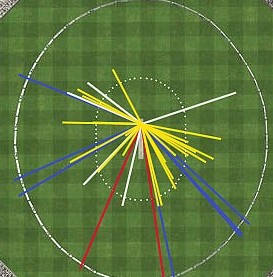


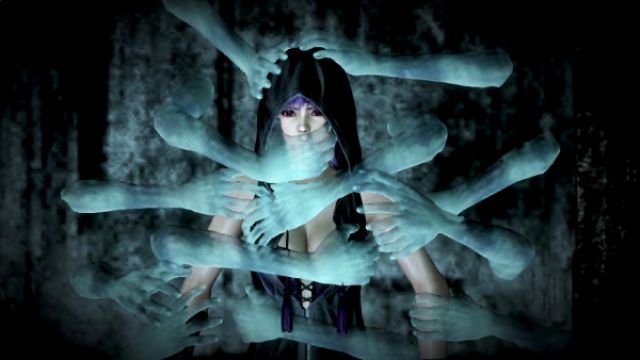

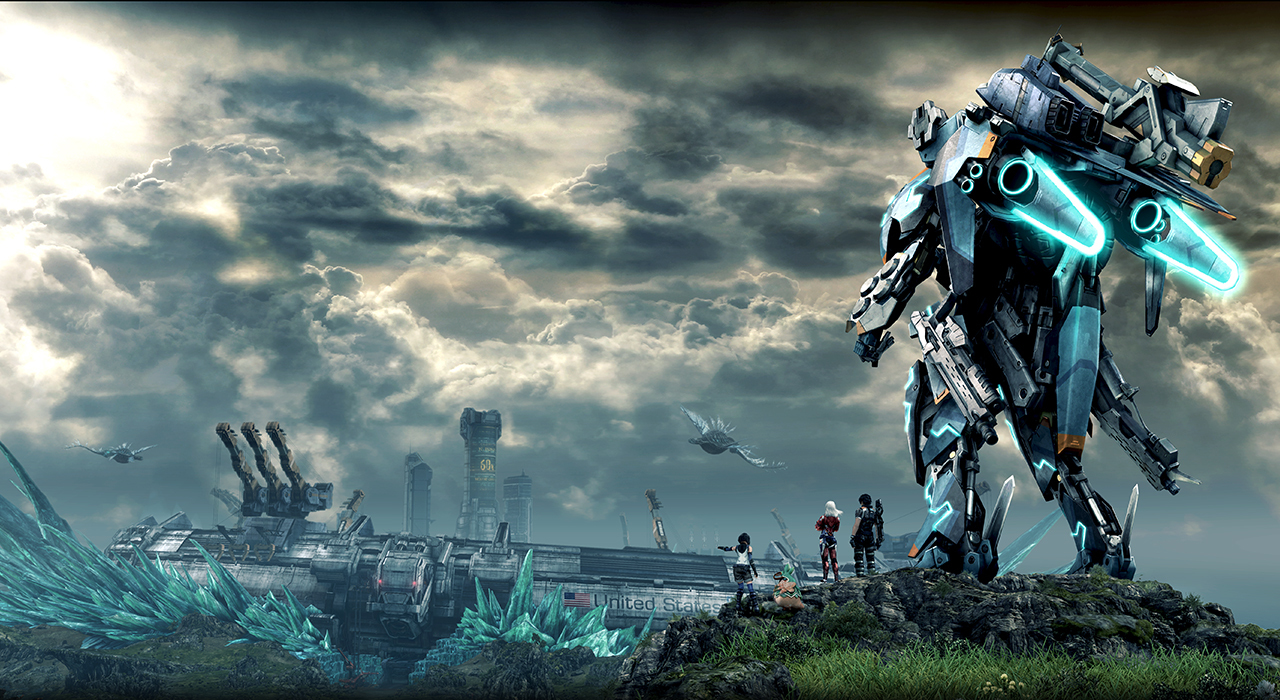
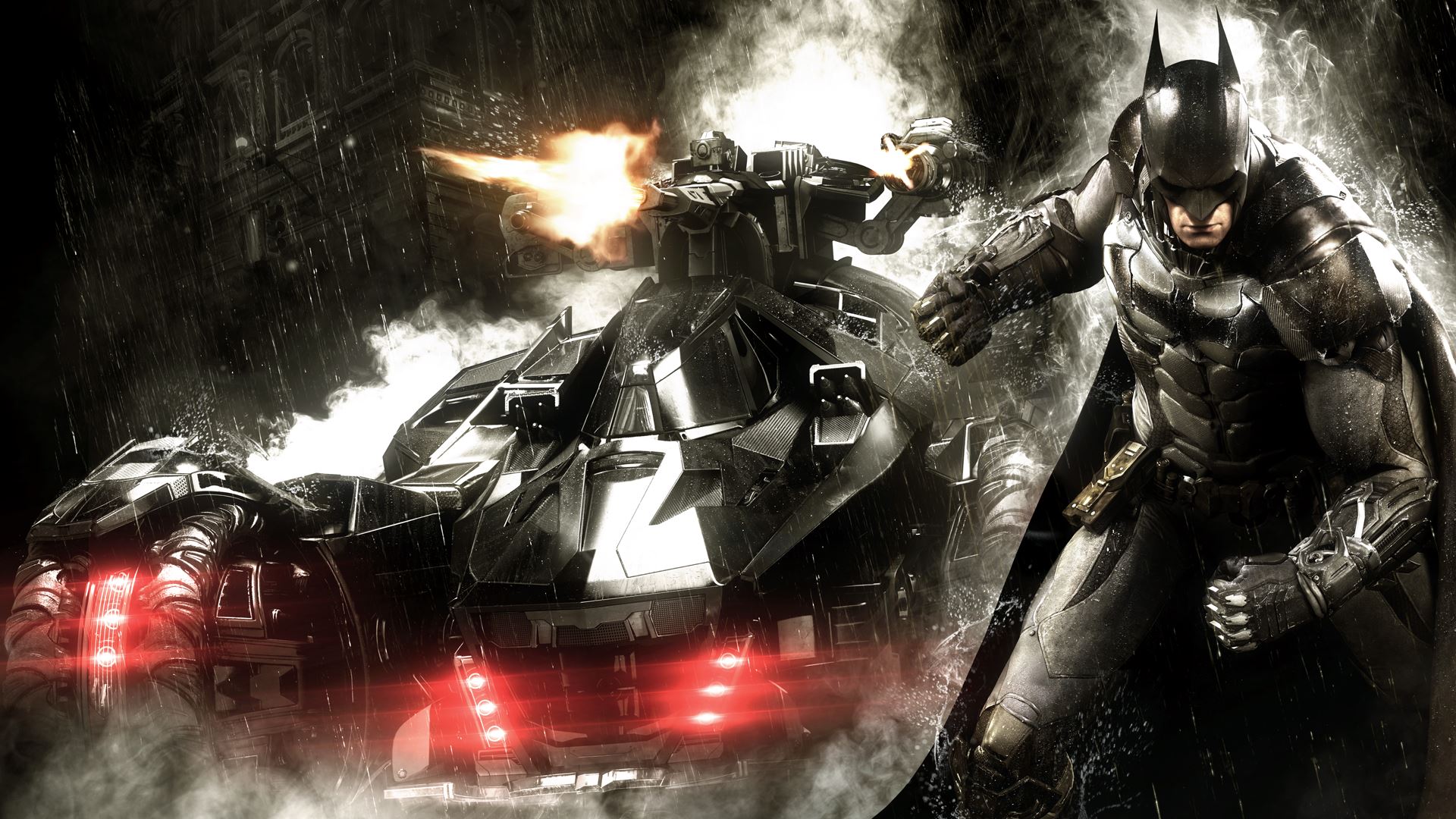
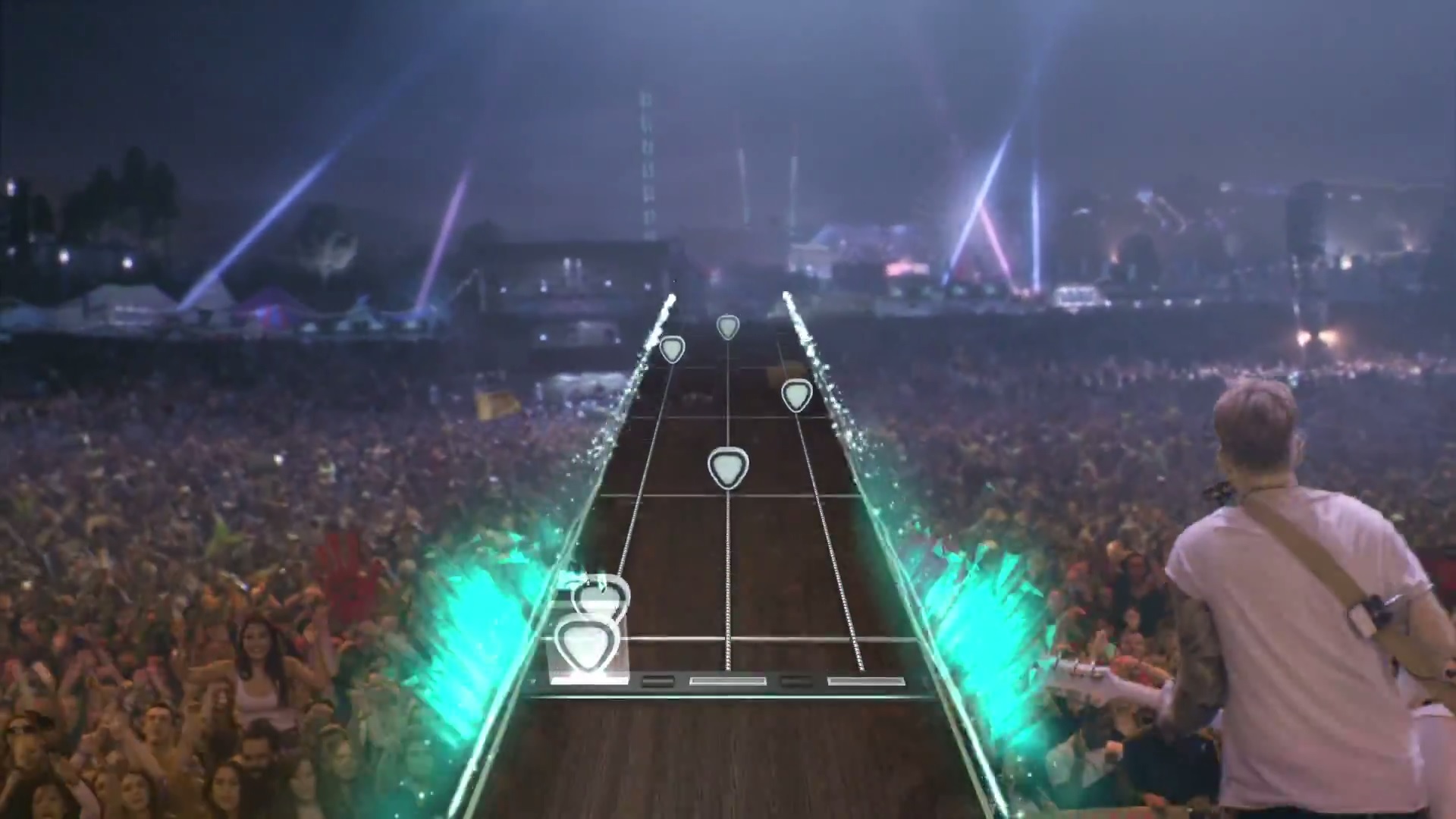
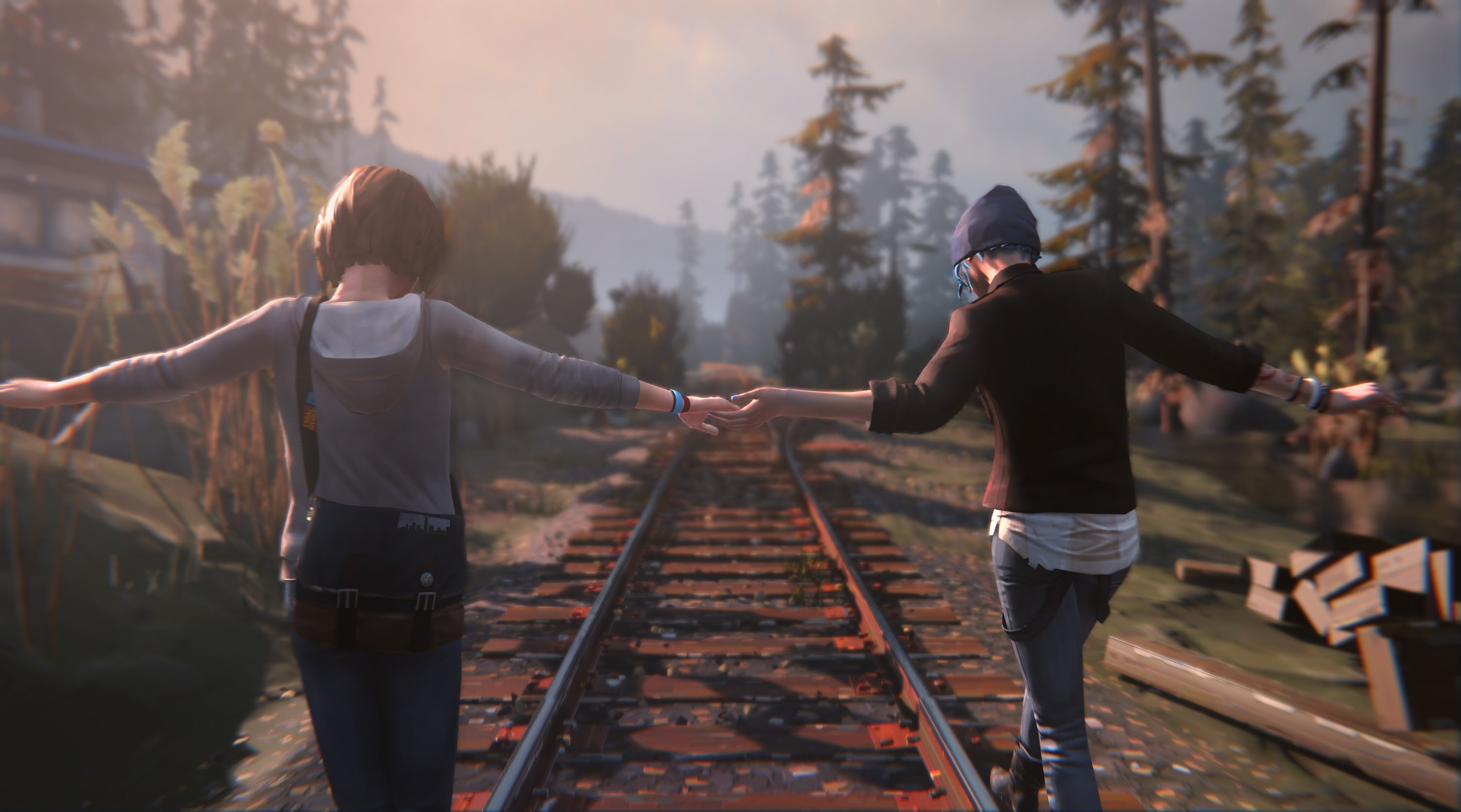


 [타블로] If you’ve never heard of Korean artist and author Tablo, then I suggest you acquaint yourself quick-smart. For mine he’s one of the most versatile composers around, with an incredible range that spans from out and out bass-heavy hip hop, to beautiful duets backed by melodic piano scores. And that’s just his solo work. His work as one-third of the hip-hop group Epik High has become increasingly diverse, with the 2012 release “99”, which plays almost like an ode to every music genre they’ve ever been inspired by in the 90’s and beyond. The lyric driven hip-hop is still there to be sure, but it’s dominated by everything from Surf Rock ballads of “The Bad Guy” to the heavy bass drops of “Kill This Love”. If you played the album to someone blind, I’d be surprised if they’d pick it as the same artist, let along the same album. It’s a mighty good album, by a mighty good group, that just happens to feature Tablo.


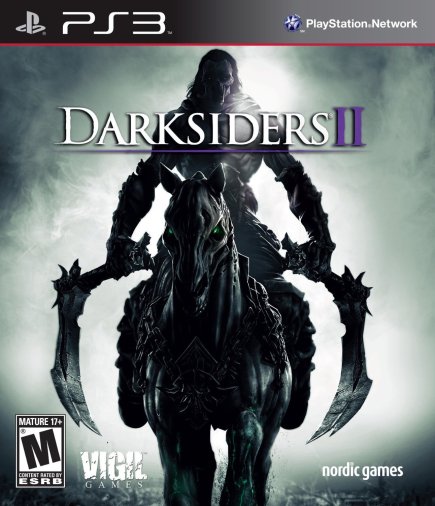


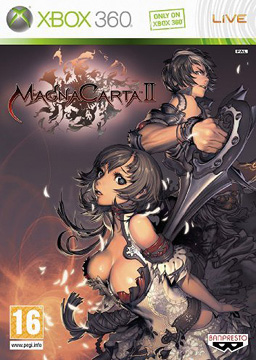


 DK: King of Swing (2005) – I have to admit that I absolutely love the redesign of Donkey Kong that Rare did for Donkey Kong Country. Obviously Nintendo did too, because despite having their own Donkey Kong game released that same year featuring a dramatically different looking Donkey Kong, it’s Rare’s version that won Nintendo’s war of the Apes. At a time when Nintendo risked being left behind by the 32-bit consoles, the lure of the three dimensional sprite was just too hard to resist, and so the modern image of Donkey Kong was born. After all, who needs two dimensions when you can have three? And the world agreed, because Donkey Kong Country was an enormous success.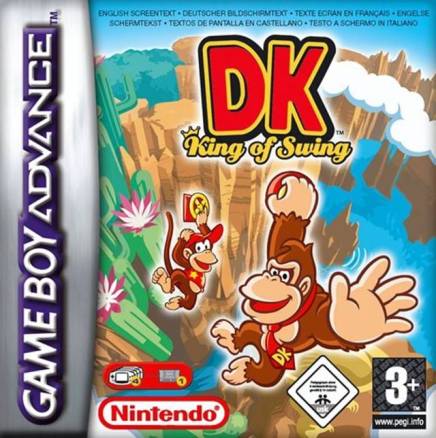
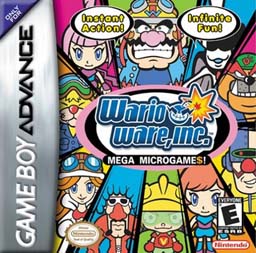
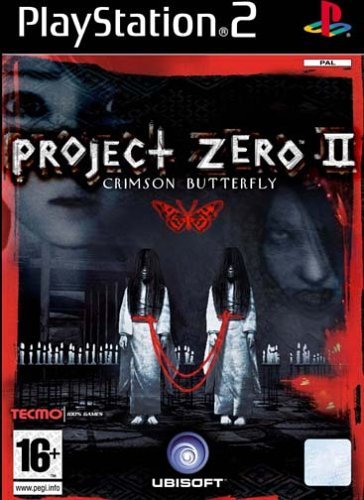


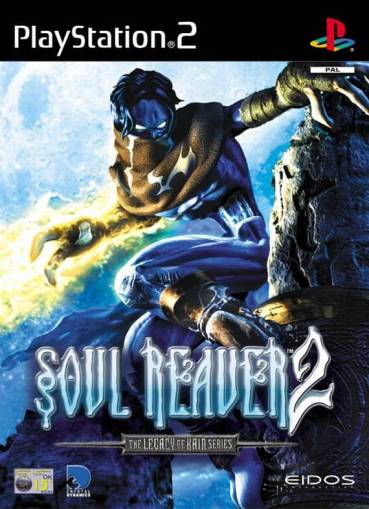
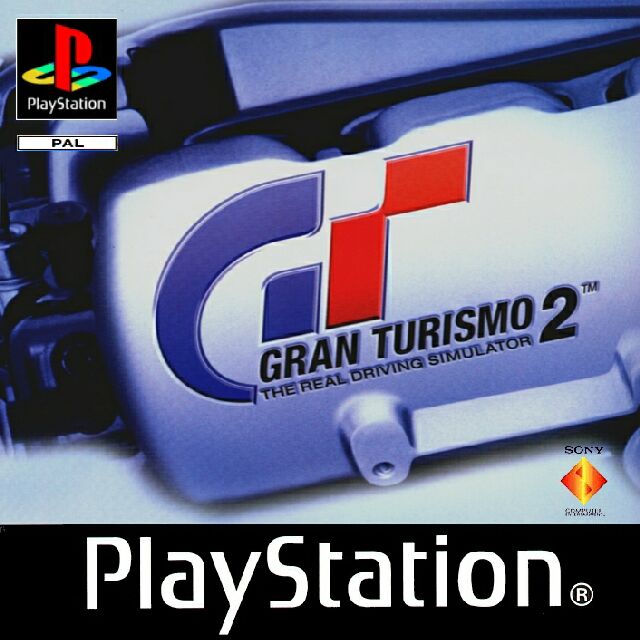

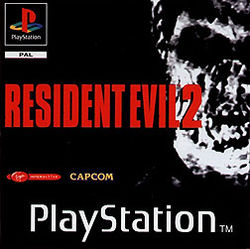
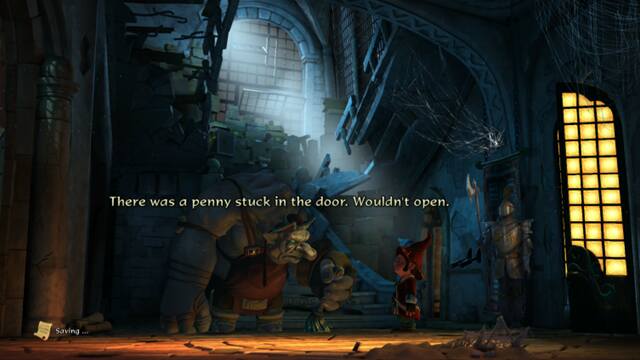
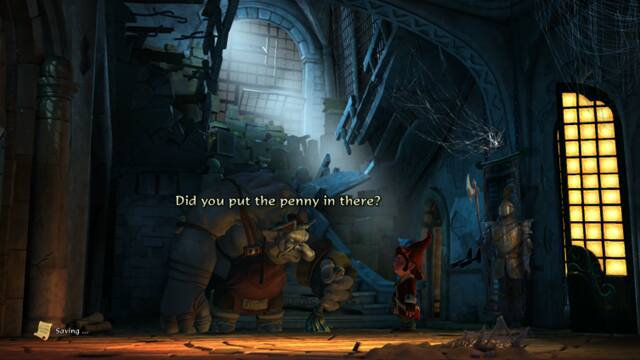
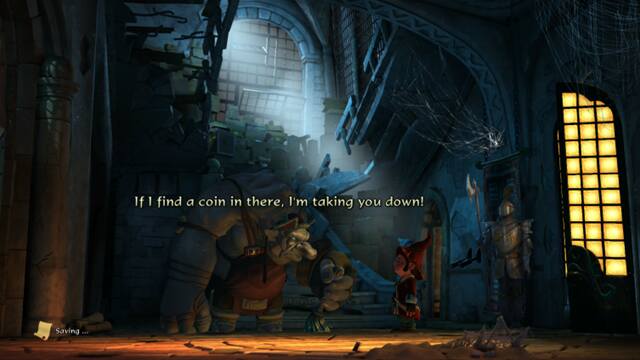


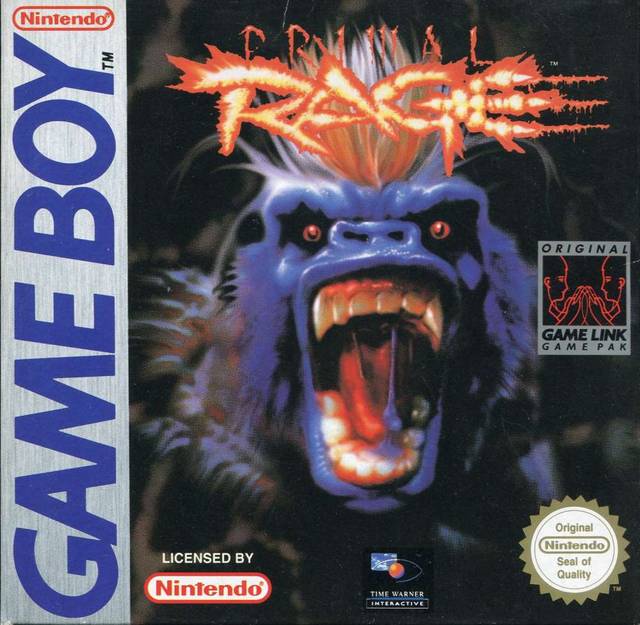
 A MOST AGREEABLE PASTIME