Get ready for a rant about retail: So there I was at my local CeX browsing the PS2 section when I spotted it – a copy of Le Mans 24 Hours. Being a bit partial to the now defunct developer Melbourne House’s other racing game for the platform, Grand Prix Challenge, I picked it up and without further hesitation headed for the counter. After some harmless banter about the guy’s back hurting I had paid the paltry sum of five dollars and was on my way.
A few hours later I open the case, go to put it in the PS2, on the way to which I catch a glimpse of the bottom of the disc:
Obviously the disc was never going to work which is probably why I was so outraged that the store clerks had firstly not bothered to check it before selling it, but also that they allowed someone to trade it in in the first place. At $5 I’m not losing sleep but whatever happened to respecting your customers?
And buddy if you ever read this, that back pain, that’s called being a massive w@nker.
Had bad retail experiences yourself? We’d love to hear them! Leave them in the comments below.
Wow, what an E3 it’s been this year. Revelation after revelation. It’s been so exciting I even tried to engage some of my non-gamer friends in conversation about DRM policy, with predictably unsuccessful results.
I think we can safely say that the show has been a complete PR disaster for Microsoft. After confusing the hell out of everyone with their bizarrely TV-focused console reveal, then generating the kind of internet hatred usually reserved for paedophile hunts by announcing Draconian rights restrictions and shipping an always-on spy camera with every console (read this, it beggars belief), they’d set themselves up for an almighty smack in the face from Sony. If you missed it, just check out the video below and listen to the roar of the crowd.
That was revelation enough, but then Sony kept piling it on, refusing to pull any punches even though their opponent was on the ropes. Next came the price – the PS4 will launch at £349, £80 cheaper than the Xbox One’s £429.
SMACK!
Oh, and the PS4 will be region free, unlike the Xbox One, which will restrict users to a geographic region for their user accounts. Considering that it’s only going to launch in 21 countries initially, this has resulted in the farcical situation whereby people in, for example, Portugal, won’t be able to buy an Xbox One until 2014, even though their neighbours in Spain will be getting their consoles this Christmas.
BIFF!
Then there’s the seeming contempt Microsoft has shown for indie developers, forcing them to find a publisher rather than publish games themselves, and charging them huge fees to make any updates to their games. By contrast, Sony has been courting the indies, and devs like Oddworld Inhabitants have been flocking to them and bad-mouthing Microsoft as a result.
WALLOP!
Then there’s the cringeworthy sponsorship deal with Mountain Dew and Doritos. Which, let’s face it, is just a bit embarrassing.
BAM! And so on and so forth.
I have no great allegiance to either Sony or Microsoft, so it’s not like I’ve been joyously revelling in Microsoft’s discomfort, but my god, what an entertaining fight. The console wars have begun in earnest again, and it’s shaping up to be a cracker. I’ve no doubt Microsoft will haul themselves off the ropes and come out swinging sometime soon, but it’s going to take a lot for them to come back from this one.
Away from the PR ring though, the things that matter – the games – are sadly just a bit disappointing. A couple of games look vaguely interesting (Quantum Break, The Order), but I’ve been shocked by the lack of imagination out there. Sequel after sequel, shooting game after driving game has been shoved in out faces, with little to differentiate them, and certainly very little to suggest that the power of the next generation of consoles is being used in a new and interesting way. Even Nintendo, who usually provide a surprise or two, have put out a hugely conservative line up, and there’s little evidence of new and inventive uses of that trademark Wii U gamepad.
Perhaps the most interesting games have come from the indie developers – they might not have the graphical oomph, but they’ve certainly got the imagination. Maybe this is the way the games scene is going – the uninspired, meat-headed, spectacular blockbusters steal the limelight, but the interesting stuff goes on in the little games.
All of this does raise an important question though: why should you spend 400-odd quid on a new console that provides a broadly similar experience to the one you already have? I’ve seen very few compelling reasons to invest so far.
It is unbelievable how many developers always seem to be closing due to financial difficulties. With so much riding on each title because of increasing production values, some developers and publishers are seemingly always just one game away from financial ruin.
Jester Interactive was one such company, going into administration in 2003, before a brief return in 2007 under a new name. The return seemed brief however with its last title, TT Superbikes Legends, hitting the Playstation 2 just over a year later. It wasn’t enough, and while its unclear exactly what happened to the reincarnated Jester Interactive Publishing Limited, it seems that the developer-publisher hit financial trouble and folded once again.
Well apparently if its Wikipedia entry is to be believed Jester still had some outstanding financial liabilities in the form of unpaid work for art assets. Not willing to sit down and let their hard work go unpaid, this ‘creditor’ has taken to Wikipedia to make it known of this outstanding debt, namely for his work on the 2007 titles TT Superbikes for the PS2. The screen capture below is from the Wikipedia entry for Jester Interactive.
EA Sports has pretty much a cart blanche when it comes to its stranglehold over key sporting licences – now more than ever with it extending its FIFA licence through to 2022. Ask anyone and they’ll tell you what a bloody outrage it is, that competition pushes innovation, and that NFL 2K for the Dreamcast was the greatest thing mankind has ever achieved. Competition is good. In Europe they’ll tell you how they played Pro Evolution Soccer exclusively until it went off the rails and FIFA started to become competitive. Competition is good. And across the world they’ll tell you great NBA’s open approach to licensing video games has been because EA’s complacency over its NBA Live franchise pushed developer Visual Concepts to step up to the plate and make massive improvements year on year to continue to leech EA’s consumers. Competition is good.
This competition though, and an open approach to licensing can lead to marketplace confusion, damage the brand and prevent consumers from making otherwise rational decisions.I can think of no better example of this than the Moto GP series at the beginning of this generation. Licences for games based on the popular Moto GP racing series, which at one point had games being released over a 12 month period by three developers over three consoles. Sure you and I, informed consumers, can tell the difference by a simple glance at the logos on the box, but for everyone else it was almost impossible to understand what was going on. This confusing correlates directly with Black Bean Games’ entry into the two-wheel racing market, swooping in to capitalise on market confusion with the release of SBK-licensed games in direct competition with Moto GP. The licence was previously held by EA, with its last game based on the competition published in 2001.
SBK 2008 (Black Bean, 2008)
In 2006 THQ and NAMCO held platform specific licences to develop and publish MotoGP games. While they held exclusive rights to publish on Xbox 360 and PC; and Playstation respectively at a time where consumers were more likely to be platform-agnostic the arrangement likely served to cannibalise respective sales, as both publishers doing little to differentiate their games from one another in order to maximise their market share (Hotelling’s Law).
MotoGP 06 (THQ, 2006)
MotoGP 4 (Namco, 2006)
In 2007 licences changed hands, but didn’t make it any less confusing. Rather than NAMCO, the 2007 game was again split across consoles with Playstation duties this time being handled by Capcom.
MotoGP ’07 (THQ, 2007)
Moto GP 07 (Capcom, 2007)
It is worth nothing that in 2008 Capcom signed an exclusivity agreement with MotoGP to develop and publish games based on the racing series until 2013.
So while the Electronic Arts strategy of tying up exclusive licences for extended periods may not look, on its surface at least, to be in the best interest of the consumer, there are clear benefits for the licensor, the publisher and the consumer in granting exclusivity. Profitability and certainty amongst them. But it also provides for product differentiation. The Pro Evolution Soccer experience shows that licences alone do not win consumers, as it took the fight to EA’s FIFA series without the full FIFA licence and won, based on a superior gameplay experience. This is worlds apart the situation where multiple licence holders have a level of certainty over at least covering the costs of their licence if not returning a return without innovation by sticking as close to their competitors and possible and therefore have no real incentive to take the risk and pursue a product differentiation strategy.
As simplistic as the above example may seem, assuming that the existence of an official license is only one factor that a consumer takes into account in making a decision to buy, an argument can be made that granting exclusive licences to a publisher in a market with more than one player targeting the same consumer base may maximise the choice of potential purchasers by encouraging innovation by developers.
Competition is good. Just not exclusively the way the video game industry characterises it.
Today I bought myself a brand spanking new Nintendo DSi XL to add to my seemingly ever growing stable of Nintendo handhelds for a paltry sum of A$40. As someone who still owns the original 3DS with its small screens, and retain my DS Lite for all things 2D, holding the XL in my hands for the first time simply blew me away. So 2009 you say. And yes I am a little late to the party on this but that doesn’t lessen the impact of that seemingly cinema size screens combined with a form factor that is almost befitting a super car.
Of course the first thing I did when I got home is look for a game that would do the screen justice. That would make my eyes burst out of their sockets just to be closer to the screen. Or at least be closer than my jaw that had dropped just seconds before. I wanted to firstly justify my purchase but also to be convinced that the way I would play DS games was going to change forever.
Strangely though in looking through my collection I fell back into old habits. I was suddenly looking at my collection through the eyes of the 12 year old me that spent time in arcades, that thought Donkey Kong Land on the Gameboy was the work of magicians and that played Killer Instinct on the SNES just to hear that ‘amazing’ soundtrack. And almost as if driven by primal instincts I pulled out Ultimate Mortal Kombat 3, the rather amazing port of the 1995 arcade game. A good game? Absolutely. But the a showcase of my brand spanking new handheld screen? Not bloody likely.
Nevertheless it is a beautiful piece of industrial design that I encourage you all to hold for yourself at least once.
I loved the original Luigi’s Mansion – I bought a GameCube at launch, and Luigi’s Mansion was one of the first games I got for it (along with Bloody Roar: Primal Fury, in case you’re interested). I can’t believe that was all the way back in 2002 – Nintendo sure took their sweet time in making a sequel. And come to think of it, when’s the next Bloody Roar game coming out? I loved that game. I mean you could turn into a giant metal mole. A metal mole. Just think about that for a second and tell me you don’t want to play it.
Anyway, I’m glad Ninty finally got round to revisiting Luigi’s Mansion, and I’m pleased to say it’s a brilliant update. The major problem with the original – i.e. its brief length – has been fixed with the addition of a clutch of new mansions, and the rest of the game has been polished to a brilliant shine. Best of all it simply oozes personality, from Luigi’s cowardly shivering to the ghosts’ cheeky behind-the-scenes shenanigans (I’m glad I managed to get the word shenanigans in here at some point). It’s like Nintendo termed the charm factor up to 11 for the sequel, and if the game doesn’t make you smile then you clearly don’t have a soul.
Yep, that’s right, an ice mansion. Sort of.
Yet again, Nintendo have shown the way when it comes to 3D visuals – the 3D is fairly subtle, but it really adds to the atmosphere, giving you a reason to keep that slider turned up to full throughout. It’s a shame that so few other developers have managed to get as much out of the 3DS as Nintendo – the 3D really does add to games when it’s done well. Bodes well for the new Zelda at least.
One thing that Luigi’s Mansion 2 does really well is encourage exploration – every new room presents curtains that can be sucked up, paintings that can be zapped or carpets that can be rolled back, and half the fun is just poking into every corner of the mansions to see what’s there. It’s just a shame that the fiendishly hidden collectible gems give you so little in return for hunting them down – collect every gem in a mansion and you receive… a statue. Great, thanks Nintendo. Still, the hidden regular cash lets you save towards upgrades for your Poltergust 500, so that’s reason enough to hunt it out.
The graphics look fantastic – definitely one of the best-looking 3DS games so far.
Speaking of disappointments, the bosses are a bit all over the place. In particular, the final boss of mansion two is a dull affair at the end of a stinker of a level, although other bosses show a real flair of imagination. Thankfully, the meat of the game – the mansion levels themselves – are brilliant fun, and I happily chugged my way through them with a big ‘ol grin on my face.
Now we start the wait for Luigi’s Mansion 3… try not to keep us hanging on so long this time Nintendo: with games this good, Luigi deserves an outing a bit more often than once a decade. More shenanigans from the man in green please, and make it snappy.
The successes of the last generation of Nintendo hardware, both handheld and home console, had the effect of bringing to the forefront of peoples’ minds how far gaming has come and just how deep it runs in everyday culture. At one point everyman and his grandmother had a DS and was enjoying the trials and tribulations of Phoenix Wright; or the mind boggling puzzles of the Professor Layton series. Video gaming had well and truly penetrated the ‘niche’ wall and made its way firmly into the mainstream park sitting proudly alongside film, literature and television. It was a transition that had been permeating for nigh on a decade, but somehow we were all taken by surprise on the growing popularity of one of our favourite pastimes.
For many it was the threat of the ‘casual’ gamer. Like they were somehow going to saturate the market and we would all be forced to choose between Bejewelled, Bejewelled, Bejewelled and Farmville. It was for many a clear and present danger, and for a long time there traditional consumers of video games felt the need to clearly differentiate themselves from the pack, particularly on the internet, where a majority of the pseudo-patriotic activity was occurring. Terms like ‘hardcore gamer’, ‘casual gamer’ and ‘NOOB’ became prevalent, with the newer and less dedicated or informed consumers being arbitrarily put into stocks and having vitriol thrown incessantly at them. Meanwhile the traditional video game consumer stocked up on technical terms, lingo and slang in a bid to fight these aliens and save their land from what they considered an invasion.
For these ‘elite’ it was all about the progressive scan, the HDR-rendering and the min-maxing. Suddenly people who went from enjoying video games as their primary hobby became soldiers in an ongoing battle against the mainstream, one that if console manufacturers had, and continue to have their way, they would never win. Naturally the bigger the market, the higher the earnings potential. And of course the higher the earnings the more capital businesses have to put back into development and more often than not the more likely that risky investments will occur, the caveat being this in addition to those investments that are guaranteed to provide a return on investment. In short, and based on a number of over simplified assumptions, the ‘casual’ games were in many cases likely funding development of larger, more costly and more risky projects. A fact that many of the more belligerent of the gaming audience conveniently ignored.
The phenomenon of gaming reaching audiences outside of its core audience isn’t new. In the 1990’s parents were bombarded with marketing aimed at getting them to increase their spending to fund their children’s habits. Mario, Sonic, Lara Croft, Alex Kidd, Donkey Kong and Kirby were all easily identifiable mascots that vied for the money of the children whose demand for video games was seemingly insatiable. These people weren’t actively consuming video games, but they were intimately aware of what was being inserted into cartridge slots right around the world. Video games were an important part of mainstream culture even then – despite many of the people buying them not actively partaking in the hobby.
There were of course those titles that bucked the trend and made the transition from niche trinket to mainstream obsession, with Tetris coming immediately to mind as something I remember everyone not only knowing, but playing. I had a friend in primary school who was about as obsessed with video games as your average pre-teen boy was in the 90’s. Like mine, his parents smiled and nodded every time he would regale them with tales of his latest Super Mario conquest or how Nintendo was vastly superior to SEGA. They knew exactly what he was talking about, humoured him, and went about their days without feeling the need to get hands on with this thing his son was mildly obsessed with. That was until his Dad played Tetris. Suddenly this was something the family could talk about, obsess over, and compete against one another in. Leader boards were stuck up on the fridge and they were constantly leapfrogging one another in pursuit of the highest score. This game had well and truly broken out of gaming’s traditional audience and into the hands of parents – and not just in his house – but in millions of households across the world. This was a mass influx of ‘casuals’ – and it happened in 1989. And it was happening outside of the traditional channels, with games pouring out of seemingly every medium. Film, books and television all had brushes with video games either in marketing them to open ears, or in using them in pursuit of narrative or even satire. In a true show that video games were a permanent and broad reaching fixture in mainstream culture, the Australian Broadcasting Commission’s short-lived live sketch show from the early 1990’s, TheLate Show, used video games on a number of occasions to punctuate cultural stereotypes of make political statements.
Video games have a long and storied history outside of its core. It didn’t happen with the DS. It didn’t happen with the Nintendo Wii. It has always been there in one way or another. The only difference is how console manufacturers and developers treated this perhaps latent demand. We are entering an era where video game consoles aren’t just for the traditional consumer of video games. The XBOX ONE is targeting the consumer of television. The PS4 seems to be targeting the social player. And Nintendo are continuing their unfettered courting of the non-core. These are all ways that the manufacturers are trying to grow demand for their products. Games are big business and growing the industry is in the best interests of everyone. And resistance is futile.
So Sim City wasn’t all it was cracked up to be. I feel so sorry for all those budding town planners and socialites hoping to get to know their citizens and build the utopian dream. Where will they go now to fullfil their dreams?
Well dreamers, you’re in luck because the PS2 has just what you’re looking for. Metropolismania and its sequel were nifty little Japanese budget titles where you are a town planner tasked with the ultimate goal of building a ‘metropolis’ that befits its citizens. Sound pretty standard so far? That has Sim City and Cities in Motion written all over it right? Well in Metropolismania the town planner is a pretty hands-on kind of character.
Let’s pretend you live in a typical Metropolismania city. You want a school for your adorable cartoon children? Just let him know when he waltzes into your house unannounced. Working with stakeholders is a key part of his job and he takes it very seriously. In fact he spends most of his day calling and visiting his peeps, the ones written in his contacts book, just to make sure they’re okay. And it is in this little black book, if you will, that he will find someone who happens to know someone in an adjacent town who is an expert at opening schools. Even better she is looking at moving anyway and would just LOVE to help you grow your town! How serendipitous! At its heart and soul Metropolismania is a social networking game disguised as a town building game. Sure you place houses, public spaces and business. But you also obsessively visit people, gossip, inquire, and generally build up rapport with folk in the hopes that they will refer you to someone who can solve your problems. And its this very strange gameplay that makes Metropolismania a strangely addictive experience.
Interacting with your citizens in Metropolismania isn’t complex. There is no dynamic dialogue system. No measure of moral choice. It is just a simple questions and answers gig. But it is the things that come out of these whacky characters that makes it so darn charming. They will regale you with such detailed descriptions of their lives – the way their wives spend all of their money, the way they love eggplant and how they are just so bloody fashionable. Often inappropriate, the things that come out of these virtual people’s mouths are akin to something you’d hear from come from a politically incorrect uncle who thinks that a woman’s place is in the kitchen. But they are so cliche and often so ‘wrong’ that its is almost compulsive.
Metropolismania and its sequel are budget titles that are almost indistinguishable from one another from a gameplay standpoint. The second certainly looks prettier, sporting a cell-shaded aesthetic over the horrendous 3D models of the first game. By in large though they are exactly the same game. I’ll flat out say that they are not good games. But they are entertaining games that will evoke a strange voyeuristic streak in you that compels you to disentangle the complex social weave that these virtual people have. Consider it a way more fun and less pointless Facebook where you get to build a town while listening to stupid people complain. Thats definitely one-up on Facebook.
Max Payne (Xbox) review – In an age where it is all about the cover and simply rushing head on to take the battle directly to the enemy is out of fashion, it blows my mind that Max Payne holds up so well. Both from a narrative standpoint and gameplay this decade-old game feels every bit as old as it is and most certainly shows up some of the limitations of the previous generations of hardware. But amidst the dull visuals sits a gem of a game. A blast from the past. A reminder of a time when games were more about the fun than the message. Max Payne has adrenaline fuelled action by the bucket and I loved every pulp-filled minute of it.
Released originally on PC in 2001, and on both PS2 and Xbox a couple of years later, Max Payne was a revolution in no-holds-barred shooting, introducing bullet-time to the world of video games and effectively changing how they approached gunplay forever. No longer was having the greatest reflexes or the best memory the key to succeeding in a gun fight, rather it was about slowing down time strategically to give you an edge in battle, and look pretty damned cool in the process. On the surface bullet-time was a gimmick that made for some spectacularly cinematic action sequences in the vain of John Woo’s films, but beneath the glitz and glamour Max Payne’s gunplay subtly changed the way that we all thought about third person action games. It was arguably the first step in the direction toward full cover-based third person action employed by Kill.Switch (PS2) and more popularly Gears of War (Xbox 360), with developers Remedy employing a game mechanic that gave players a defensive option to approach any given battle. Shooting didn’t need to be a chaotic random walk dictated by equal parts chance and reflexes. Rather it could be a dance that allows the player to be in full control of how they approach the battle at all times. And it made battles dynamic and exciting.
Max Payne made similar strides in how it told the story. While not necessarily having such a lasting impact or impression on games into the future, it did create expectations for how Remedy approached narrative and storytelling for the games that followed. On the surface Max Payne was a serious story about love, loss and one man’s tale of redemption and revenge. It employed noir and classic crime novel conventions to tell its story, punctuated by cheesy but suitable pulp comic panels featuring real actors. But at the same time there was a certain ham-fisted, piss-taking feel about it all that made it hard to not laugh at even the most inappropriate times. And it all worked. Max Payne felt every bit like a piece of pulp media than it did a serious video game, something that made it stand out from its brethren way back in the early 2000’s, and something that makes it stand out even more today.
Games have changed fundamentally since 2001 and Max Payne is undeniably a relic firmly cemented in a very different time. But that certainly doesn’t mean it isn’t worth revisiting, or visiting for the first time. It feels like an older game, but in some ways that adds to its charm. Max Payne’s action is non-stop, the story decent and the visual and narrative style of the game is unmatched even today. More than the sum of its parts, Max Payne will undeniably go down as one of the great video games of its era and possibly all time, making it something you should experience.
Spec Ops: the Line (Xbox 360) – This is actually the first time that Lucius and I have written something on the same game and honestly I couldn’t think of a better game to have two separate pieces about so if you haven’t already check out his. excellent and comprehensive review of Spec Ops: The Line from late last year.
Spec Ops: the Line is a brilliant piece of narrative driven game design that in my opinion rivals some of the best in the genre. And the best thing is it doesn’t collapse in a heap under the weight of its lofty goals at the end unlike other stalwarts, with Bioshock specifically coming to mind. From start to finish Spec Ops delivers a thoroughly thought provoking narrative while still managing to keep the shutters on your eyes as to what is really going on.
I want to remain firmly in spoiler free territory, but I think its safe to say watching the mental and physical deterioration of your character Martin Walker, expertly voiced by the everywhere man Mr Nolan North, has to be seen to be believed. The game doesn’t try and tell a story of a utopian idea gone horribly wrong, nor does it rely on the old ‘the United States are the tyrants’ trope, rather is an exploration of character and the frailty of the human mind. It would be easy to sit down and draw comparisons between Spec Ops and the defining moment in films exploring the nature of war and the human condition that was Apocalypse Now, but that wouldn’t be giving Spec Ops the credit it deserves. Having you play as a character and experience the things that you do, along with the feelings he has when all is revealed later on in the game makes it all that much more relatable.
For the first time in a modern-combat themed video game, the outright slaughter of hundreds of enemies doesn’t feel out of place either – rather it all culminates into the powerful impact that the narrative twists and turns the game takes the player on towards the end of the game. So not only is the shooting itself an extremely satisfying exercise in staying in cover, taking opportune shots at the enemy and managing the surprisingly scarce ammunition supplies, it serves a narrative purpose to justify it all. It’s not revolutionary in how it plays as a third person shooter but the way the combat weaves itself intrinsically into how the story the game is telling unfolds truly is inspiring.
Spec Ops: The Line is the Bioshock of war-based shooters. It is thought provoking, the game’s environments invite curiosity and there is always that lingering feeling that something just doesn’t feel right. Unlike that game it doesn’t grasp at straws toward the end to try and draw conclusion to an amazingly ambitious narrative. The way it tells its story from start to finish feels organic and natural and most of all satisfying. If you don’t play Spec Ops you are simply missing out on what I hope is held up as a benchmark for how video games can approach narrative but even more importantly, without compromising gameplay.
So let’s get this out of the way first: Xbox One is a stupid name. I’m vaguely aware that the idea behind it is probably that there should be ‘one’ box under your telly that does everything, but it just sounds like it’s the first ever Xbox. I’ll bet they spend AGES thinking it up too, which just makes me sad. Still, Xbox 360 was a stupid name too, but that never hurt its chances.
One of the most exciting design features of the Xbox One is that it floats.
Second, my god it’s fat. Seriously, that box is MASSIVE. The fridge school of console design. Perhaps it’s the ‘one’ box under your telly because it ate all of the other ones. Where’s the form factor? Where are the ergonomic curves? Why have they made an enormous two-tone desktop PC? And then you’ve got to find somewhere to put that bloody huge Kinect sensor as well.
Speaking of which, why does everyone at Microsoft think that talking and waving at your telly is the future? I’ll be the first to admit that Kinect is clever, but is it any more than a novelty? As I was watching the reveal last night, one of a series of anonymous men in suits walked onto the stage and started barking commands into thin air: “Xbox! Trending!” “Xbox! Go home!” All I could think was: “My god he sounds like a tit.” But thanks to Xbox One, now I can sound like a tit in the comfort of my own home.
Speaking of that reveal, there was an awful lot of talk about using your Xbox to watch TV… but can’t we just, you know, use a TV to watch TV? I’m still not entirely clear on what the benefits of watching TV through an Xbox actually are. There was talk of ‘instant switching’ between movies, games and TV, like we’re all ADHD children with an attention span of 10 seconds. I can’t think of a reason I’d want to instantly switch back and forth between all of these things, unless perhaps I was watching a porn movie and my girlfriend walked in.
Apparently the control pad has “40 new design innovations”, although we have to guess what they are. Perhaps it’s made of cork so it floats if you drop it in the bath?
I’m aware that all of this sniping just makes me sound like an Xbox hater, but the truth is that there was nothing in the presentation last night that made me get excited about the new console. I don’t care about Kinect, I hardly ever watch TV and I never play online, so there was very little that appealed to me. Then when they finally, FINALLY got round to talking about the games, they were just the same old bombastic blockbusters – Forza, Call of Duty, Battlefield, etc. Not only do these types of games leave me cold, they’re also available (for the most part) on the PlayStation 4, so where’s my reason to buy an Xbox One?
Then there’s the really irritating stuff. Details are still a bit sketchy, but it seems that any games you buy will be downloaded to your machine and tied to your Xbox Live account, which puts a big question mark over the whole pre-owned market. It seems that Microsoft will ‘allow’ (huh!) second-hand games to be played on your console, but you may have to pay a fee for the privilege. Then there’s the question of lending games to friends – apparently you can play your games on a friend’s Xbox One if you sign into your account on their machine, but presumably this isn’t an option if you want to lend it to them long term. It all sounds a bit Big Brother to me, and these innovations benefit only Microsoft and the big publishers, not the consumer.
Oh, and it’s not backwards compatible with the Xbox 360 either. So that’s a bit shit. Looks like you’ll have to keep two big boxes under your telly for the time being.
So all in all, rather than being excited, I just got a bit annoyed by the new Xbox One. Aside from fancier graphics, I’m not entirely sure why it’s better. Feel free to enlighten me.
For me Lemmings is video games. Put a picture of a little man with flowing green hair and a blue body suit in front of anyone on the street that doesn’t remember the end of World War II and in all likelihood they’ll know what it is. That’s not just because it’s wonderful. It is, wonderful that is, but it also represents one of the many moments in video games where game designers just got it. They got how to design games so that they aren’t impenetrable, so that they aren’t obscure or immature, and so that they’re appealing to everyone. In short it could easily be argued that Lemmings was really the first game to be targeted at a mass market. Call it casual, call it non-hardcore, call it dumbed down. I don’t really care. But it was an amazing piece of software that appealed to hordes of people and as a result has had an enduring run appearing on PC after PC and console after console. The little men with green hair and blue suits were unstoppable and getting them to the exit was all the rage through the early to mid nineties.
But what if I told you that Lemmings in fact have green hair, green suits and green skin.
At least that’s what a Lemming looked like on the humble green-scale Game Boy as all of the life and colour were sucked out of the sprites in order to fit them into the humble handheld, along with the graphical detail that made Lemmings so charming. Despite this though – and some other shortcomings such as all too frequent sprite flicker – Lemmings was an impressive technical feat all things considered. Some fantastic and creative use of the four shades the Game Boy was technically capable of made the game look far more advanced than it was, and although the port made obviously concessions in frames of animation and detailed backgrounds, the places where the developers did focus their attention show an incredible attention to detail.
Some of the design choices just suit the system. The zoomed in Camera for example allowed for far more detail in the Lemmings sprites themselves than would’ve been possible if it was having to animate more sprites at any one time. The result of such concessions is that Lemmings on the Game Boy is a far more attractive and impressive game than would’ve been the case had no thought been put into accommodating the lacking hardware. The version is far from perfect, but despite having access to the Amiga 500 version of Lemmings and its sequel the Game Boy version won out by virtue of its convenience. I wouldn’t recommend you play this version over the incredibly pretty PSP remake released in 2006, but as far as handheld curios go, Lemmings is certainly up there. Just get a pen and paper ready because you will be writing down plenty of passwords.
Seeing as a sequel to The Legend of Zelda: A Link to the Past was announced for the 3DS just the other day, it seems like a good time to write about that other great portable Zelda game, Phantom Hourglass. I only played it for the first time very recently, but I was immediately struck by how well it suited being played on a handheld console – unlike the 3DS version of Ocarina of Time, which tried to squeeze a console game to the size of a tiny box. Phantom Hourglass is designed to be played on the go for short stints, and it’s all the better for it.
I was also impressed by how well the controls have been mapped to the DS stylus. I wasn’t sure how combat would work, but it quickly became second nature, and the boomerang works particularly well with the touch screen. In fact I reckon that the Phantom Hourglass boomerang is the definitive version in the Zelda canon. I love the way you can scribble all over the maps too: it reminded me of making my own paper maps for Head Over Heels back in the old days.
It was great to see the return to the Wind Waker cel-shaded version of Link as well: I love this design, with his big ol’ head and tiny little feet. I remember how controversial it was when it was first revealed, so it’s funny how now cel-shaded Link is now as readily accepted as the Ocarina of Time version. I think I prefer him, to be honest.
Having said that, I’m very much looking forward to returning to the top-down Link of A Link to the Past 2 later this year, but before then I still have loads of Zelda to catch up on: Skyward Sword is still waiting on my shelf to be played, and Spirit Tracks sounds worth a look, plus I never got around to playing The Minish Cap or Oracle of Ages/Oracle of Seasons when they came out. So many Zelda games, so little time…
[As dictated by Lucius Merriweather. Another game falls from The Mantelpiece.]
Licensed videogame toys can range from good to bad to ‘don’t open me I’m horribly collectable‘, and they only seem to be becoming more and more prevalent accompaniments to big game releases. Like their film counterparts, sometimes they even start to show up in stores well before the product on which they are based is a twinkle in the retailer’s bottom line, with the local EBGames retail chain selling Bioshock Infinite figurines seemingly eons before the internet had a collective orgasm over the game (including our very own Lucius Merriweather).
Me, I’ve never been particularly interested in the videogame toys. But browsing in the toy section of a nearby department store for My Little Pony figurines of all things (why no Applejack guys, she is clearly the best of the bunch, what with all the sass) I stumbled upon these little gems of Meccano sets based on the latest entry in the Gears of War series, Gears of War Judgement.
Pretty awesome, right? For mine Meccano was always the superior of the ‘build stuff’ toy genre and recreating some of the art assets from the brilliantly designed Gears of War universe is something I think I’d like to do on a rainy Saturday afternoon. And coming up to Winter I am sure there are a few of those on the way. Worth a purchase to put away for a rainy day? I think so.
I just forgot I owned a video game and the worst part was I was about one mouse click away from purchasing it again. That game was the Heroes of Mana, the Brownie Brown developed Real Time Strategy/Role-playing hybrid released in 2007 for Nintendo’s DS. It was one of the many games of its type released for the jack-of-all trades handheld in what was to be a short lived phenomenon – including Blue Dragon Plus and Final Fantasy XII: Revenant Wings. It was small-scale Real Time Strategy done right in a way that suited the handheld almost like a glove, and is almost the epitome of the types of risks developers were taking when developing seemingly niche titles for the phenomenon that was the Nintendo DS, a console that sold over 150 million units worldwide. Needless to say even if you manage to capture a small proportion of that market, you’re still well on the way to turning a profit on the title.
I will get around to playing Heroes of Mana one day. Games like it are few and far between in the current handheld environment, with things not looking to improve any time soon. The Japanese video game industry is still a strong behemoth that rules the roost in many areas of the vast market we call video games. But it isn’t as strong as it once was and the once steady stalwarts of the industry like Square-Enix, the very company responsible for Heroes of Mana, are continuing to struggle to find their feet. But for time being we can’t rely on it to deliver these unique experiences en-masse, and because of that I will be foraging through my shelves to see what other treasures I’ve pushed to the back of the shelves as the new shinier consoles have come into my life.
Heroes of Mana has been added to the ‘Mantelpiece‘ along with far too many other dusty discs, cartridges and cards.
Grand Theft Auto – The Ballad of Gay Tony – I never much liked Grand Theft Auto IV. I bought it at launch, the ‘special’ edition I might add, played it for a few hours, thought it was a bit average and then put it on the shelf. A year later I forced myself through it in an influenza haze and it wasn’t until the last hour or so that I felt any semblance of enjoyment in what GTA IV offered, but even then I came away thoroughly underwhelmed. I felt the narrative was broken, the characters schizophrenic in their motivations and a story that was punctuated by a few key moments strung together by stochastic interactions with a whole bunch of randoms. Couple that with the fact that the game was just no fun to play and you have a game that I feel is highly, highly overrated.
The Ballad of Gay Tony, the second expansion for Grand Theft Auto IV, is big, bright and bombastic. It is filled to the brim with interesting characters and relationships that feel real, with personal problems that we can all relate to on some level. Cut scenes are well-written making it a compelling proposition to see through to the credits. You take the role of Luis, a dominican ex-con who has found his feet in business with night-club owner and socialite Tony Prince (Gay Tony). Torn between the demands of the high-rolling lifestyle and actually having to earn a living, Tony gets ‘in bed’ with some not-so-wholesome types and it is naturally up to Luis to clean things up. It is a legitimately interesting premise that while it doesn’t deliver any earth-shattering moments, does the job and gives you enough investment in the plights of this odd couple to keep you interested.
And this really is one of the main strengths of Gay Tony. Tony Prince is the star of the show and is one of the more interesting characters to come from the GTA franchise in quite some time. He isn’t an all-bravado member of a crime syndicate, an all too common trope on the series, but rather a vulnerable character whose reliance on drugs and alcohol at tough times makes him helpless and able to be taken advantage of. A thesis could be written on how Tony Prince both adheres to and breaks simultaneously the gay stereotypes that are used in popular culture, but it isn’t his homosexuality that defines him. It is his weakness and his self-destructive behaviour that makes him an interesting case for how Rockstar should take character development forward in Grand Theft Auto V. He is driven by vanity rather than criminal intent, and that makes everything far more complicated in how he interacts with your character – and in turn strains the relationship between the two in a far different way to the usual ‘go here, steal this, give me a cut’ way.
But like everything Grand Theft Auto IV, the Ballad of Gay Tony is really just no fun to play. Driving around the city forms a major part of the game but the cars handle too loosely to ever feel like you are in control. Watching the suspension bear the weight of the car’s chassis as it takes a corner looks the deal, but it never feels like the weight is shifting as it should resulting in every car feeling like it is a top-heavy 4WD all too-eager to turnover. All of this makes car chases that should be exhilarating, frustrating, and traversing the world more of a chore than anything else. And the other half of the story isn’t much better with the cover and shoot system leading to far more accidental deaths and failed attempts at murder than should be the case in a big polished AAA title. Don’t get me wrong, GTA IV and as such this expansion made huge strides from the utter frustration that was the last-gen GTA series, but it certainly isn’t as good as other similar structured games. The good news is Rockstar seemed to get it right with the stellar Red Dead Redemption so GTA IV may signal an end to the combat woes that have plagued the series since it went 3D way back in the PS2 era.
And the problem all seems to stem from a serious case of identity crisis. The Grand Theft Auto IV never really knew whether it was trying to be a serious crime epic, or an over-the-top video game experience, and as a result feels like it is constantly trying to find its feet. It wants you to be an almost superhuman driver, shooter and flyer, but gives you simulated real world powers and physics to do them. It would be like asking Spiderman to climb a building using only suction cups.
All of this said I think that the Ballad of Gay Tony, like the first expansion the Lost and Damned before it, is streets ahead of their namesake title. The characters aren’t as inconsistent in their actions and Niko Bellic was and it is more ambitious in its mission design despite fundamentally being a go-here and do-this structured game. It doesn’t break the mould in any meaningful way but the Ballad of Gay Tony is a decent distraction that more than anything is a reminder that developer Rockstar has a long way to go before it perfects the popular series. I just hope a whole lot of those strides toward perfection come packaged in Grand Theft Auto V.
It’s not often that a video game makes me laugh out loud, but Far Cry 3: Blood Dragon had me giggling like a schoolgirl. It’s ridiculous, it’s funny, it’s lewd, but most of all it’s bloody good fun.
What I like most is that the game doesn’t take itself seriously for a moment, and it’s not above poking fun at other games too. My favourite moment was when Rex, the ‘cyber commando’ you play, finds one of the many collectible TVs scattered across the island and remarks “At least it’s not a f**king feather” in a sly dig at a certain other Ubisoft franchise with a penchant for inane collecting. There are plenty of other amusing quips from Rex throughout: at one point he’s tasked with a ‘mission’ to kill a mutant cassowary with only a pistol, prompting the remark “That doesn’t even make SENSE!”
That’ll be a blood dragon with lasers for eyes then.
However, despite the clear aim at humour throughout, the game is excellent in its own right. Being built on the Far Cry 3 engine it looks stunning, and the combat is varied, giving you the opportunity to go for an all-out attack or use a bit o’ the old stealth. Another option is to lure one of the titular blood dragons into the lair of your enemies, providing suitably grisly and morbidly hilarious results.
Speaking of the blood dragons, your first introduction to them is one of the game’s high points. Left to die in a cave full of the blighters, your only option is to sneak past the beasts in a tense game of hide and seek. They prove to be formidable, almost invincible opponents, but in a satisfying turnaround, by the end the game provides you with enough firepower to make mincemeat of their scaly hides.
Holding down the trigger of the minigun prompts Rex to scream a Rambo-style “AAAAAAAAAAAHHH!!”
Speaking of firepower, one of the reasons the game is so fun is that it ramps up your powers to ridiculous levels. Being a cyber commando, from the very beginning you have the power to survive falls from any height and sprint endlessly, but you unlock more and more abilities as the game progresses that only add to the mayhem. The various ‘takedown’ manoeuvres are a blast, and the final mission takes the firepower up to ludicrous levels… although I won’t spoil it for you here.
I love the 16-bit-style cut scenes that pop up before each mission. Nice touch.
It’s the perfect length too: I finished it in around 8 hours, although that time included a bit of fannying about to get some Achievements (normally I wouldn’t bother with Achievements, but I was enjoying myself so much I decided to dabble). Eight hours is just about right for a game I reckon – long enough to provide good value for money, but not long enough to outstay its welcome. One of the reasons I put off playing Mass Effect for so long was that I knew I’d end up sinking 30+ hours into it, and the thought of starting something that might end up taking a month to complete was just too draining. I find this with a lot of games these days – I’m tired of enormous, bloated games with ridiculous running times. Give me a game like Enslaved any day – 8 hours of solid fun and quality, not 30 hours of padding.
The only slight problem I had with Blood Dragon is that the difficulty curve goes in the wrong direction. It starts off quite hard – indeed, the hardest part is probably the first mission – but as you unlock more of Rex’s abilities, the game gets easier and easier. But to be honest, I was having too much fun blowing up neon dinosaurs with laser eyes to care.
[As dictated in a suitably gravelly voice by Lucius Merriweather.]
I cringed when I spotted this – I mean a game about Wedding Planning? Those Germans do they ever rest in their quest to develop the PERFECT video game? But wait I hear you say, give it a chance. It may be a really great business simulator – the Football Manager that we can all relate to I hear you say. You may be making important investment decisions, mediating cost conflicts with your suppliers and trying to navigate the poison chalice that is inflation and falling wages in a strained economy. Well let me just tantalise your senses with a little description from the publisher:
Charlotte is thrown into business – her pregnant sister Mary must go preliminary [Sic] to hospital and she asks Charlotte to finish the wedding preparations for one of her clients.
With the help of Mary, Charlotte organizes the wedding. In the beginning Charlotte is asked to visit just three places (the rest was already done by Mary) and make proper decisions. Later on she decides to become a wedding planner herself.
In a role of the wedding planner Charlotte the player prepares lots of beautiful weddings. She will first meet the couples in her office, where the style of the wedding is defined. Then she needs to prepare the wedding – this includes visiting different places and people, like the printing office, the jewelry, the dressmaker, the florist … and much more! She will have to design a wedding invitation, dress up the bride and the groom, decorate and prepare the party.
In the grand finale, the wedding planner herself will become the bride. Finally she can design the wedding of her own dreams…
3 wedding parts: preparations, wedding ceremony and wedding party
25 different weddings
Story mode and free mode (accessible when story mode is over)
Business simulation combined with the topic every girl dreams about
Integrated love story (own marriage at the end)
Many different minigames integrated in the story (meeting the couple, invitation cards, rings, dress…)
Wow I hope her sister and the baby are okay (play this spin-off game and you find out exactly what happened to the sister, Mary). But what a conundrum Charlotte has on her hands. Not convinced? I wasn’t either until I sought out the trailer.
Of course once you’ve planned the wedding, you should play the spiritual successor which allows you to actually play out the wedding reception. Rule number 8: Be the life of the Party.
I was sitting in my underwear playing Forza 4 the other night, and when I say playing I mean virtually exploring some of the world’s most exotic super cars in the rather cool autovista mode, when I realised something about myself. First thing was that I needed a shower, it had been while and I’d just exercised. But the second, and most important one, was that I really like racing sims, and– now don’t judge me for this – cars.
I sat there pondering what this meant for me moving forward, frozen in terror, fearing for what my future may have in hold. Staring at grid-girls? Talking about pistons and transmissions? Spending more money on my car than the damn thing was worth when I bought it? Did I have to start slurring my speech, drinking beer, suddenly forget how to spell? My mind spun at the possibilities. Was I going to become that horribly inaccurate stereotype above? I mean I don’t even really like beer.
Still frozen in terror I turned up the volume and virtually started the ignition of the Mercedes-Benz SLS AMG again, it roaring as it reached maximum revs. The sound was sweet in that way that makes the hairs on the back of your neck stand on end.
I slapped myself across the face and turned the television down, fearing that I was perpetuating it all. ‘I went to university’ I told myself, ‘there is no way I can be a rev-head, a petrol-head, a bogan’. I suddenly felt calm. I turned the game off, had a hot shower and went to bed.
I grew up in suburban middle-class Australia where car ownership is a way of life due largely to the sprawl of our cities (particularly Adelaide and Melbourne where I grew up) but I think some part due to the car being ingrained into the country’s collective psyche. Documentaries have been made about Australia’s love affair with the car, first in 2009 by Hollywood star Eric Bana in ‘The Beast‘ which tells the tale of his love affair with the 1974 Ford XB Falcon, and then again in the 2011 in the Australian Broadcasting Commission (ABC) multi-part documentary series ‘Wide Open Road‘.
As a teenager car ownership was a right of passage. At 16 kids could get their learners permit, and by the age of 18 they were out on their own causing havoc on the roads. In Adelaide it was all about the Australian born and bred Holden, with used 80’s model Commodores and stock-standard LC, LJ and LX Toranas being favourites amongst the kids I grew up with. The louder the better was the general sentiment, and some of those cars, particularly the V8 variants of the Commodores, were powerful little sedans. A friend of mine was the proud owner of many cars over the course of a couple of years, but nothing was anywhere near as special as his ownership of an LJ GTR-XU1 Torana. This car was a beast – a 2-door compact sporting one hell of a visual style and a straight six engine, which for a car of its size made it fast, furious and dangerous.
I was a bit late to the drivers licence party, not getting my provisional licence until I was 21, but eventually I too was the proud owner of a used car. While I enjoyed being in the company of these cars, I never really had the interest to own them and so opted for something slightly more modest, and for a cool A$2500 I purchased a Green 1982 Nissan Pulsar hatch complete with AM Radio, light brown interior and the most comfortable car seats you’d ever sit in. Sure it was older than me, but it was mine. So I purchased a car stereo worth half the value of the car, affixed a NO USE FOR A NAME sticker on the dash and away I went, a proud car owner. I loved that car and had it up until 2008 and it served me well. It drove me to and from work, to and from friends houses and on dates with my girlfriend who I am still with to this day. It was more than just a car, it was memories. It didn’t go very fast, it wasn’t great to look at, and it sure as hell didn’t turn heads driving around the streets of Adelaide – but it was my car and I freaking loved it.
My affection for cars is nowhere near as romantic as deep as what you see in film, or as obsessive as most people I know. But it is there nonetheless, as superficial as it is. I have memories of the hysteria that surrounded the Adelaide Formula One Grand Prix, which being a street circuit, closed off half the city making it almost impossible to ignore. I distinctly remember hearing the roar of the V12 engines from home – 25 kilometres away from the circuit – as they reached top speeds of over 300km/h. I have followed Formula One and Formula One video games ever since, starting with Microprose Grand Prix and ending with the most recent Codemasters effort F1 2012. Six years later I became obsessed with the first Gran Turismo. And today it is Forza 4 which I have poured dozens upon dozens of hours into.
And so a week from my revelation I sit here now comfortable in the knowledge that, sure I wear a suit during the day, drink fancy teas and talk about politics, but I am really just a car-loving bogan in disguise. And I am okay with that.
I caught up with the rest of the gaming world this week by finally, finally finishing Mass Effect. Loads of people, not to mention my co-blogger Sir Gaulian, have recommended that I play it, and it’s not hard to see why: the story is up there with the best I’ve seen in a video game. It’s just a shame that the rest of it feels… well, a bit unfinished.
For a start, the side missions are absolute bobbins. I’m generally somewhat of a completionist, so initially I set out to finish every single one of the missions on offer… until I realised that they’re all the same. In fact, they actually re-use the same game assets – it was something of a surprise to discover that every single planetary base on every single world comprises the same set of rooms and corridors. I imagine that they’re made from some sort of off-the-shelf base construction kit from the galactic version of IKEA. Even worse, finishing one of these many side missions doesn’t reward you with a slice of plot development, a juicy new upgrade or even a cut scene, just a paragraph of bland text saying something like: “Well done, you defeated the smugglers, the man/woman/alien who asked you to do it is pleased. Press A.” Rubbish.
“Watch out! The robot donkey’s escaped!”
Then there’s the bafflingly bland nature of the many unexplored systems that make up the galaxy. The game traps you on the Citadel (the government space station) for the first couple of game hours, so by the time you’ve successfully negotiated the political wranglings to become a Spectre agent, you’re itching to start exploring the universe and possibly do something other than stare at conversation trees. Unfortunately, it turns out that the universe is remarkably dull.
Every system consists of around four or five planets, but usually only one of these planets has something you can actually do on it. Travelling to the rest of them just elicits a screen full of technical information about the planet’s orbit and what it’s made of. Now I don’t know about you, but I couldn’t give a rat’s arse about how long a fictional planet takes to orbit its parent star – imagine if every episode of Star Trek just featured the crew cataloguing planet orbits and surveying for metal content. Granted, it might be a more realistic in terms of what space exploration is actually like, but all the audience wants to see is Captain Kirk laser the face off some angry hairy dude and lock mouths with an alien chick.
I was a bit surprised when Cortana showed up. Wrong game, surely?
Even when you find a planet you can actually land on, exploration proves surprisingly tedious. Aside from the aforementioned identikit bases, there might be a crashed probe or a hunk of mineral to survey, and that’s it. Even worse, the game insists on you completing a QTE event every time you want to salvage something, as if pressing buttons quickly in a random order is in some way akin to stripping a probe of its innards or taking a geological sample. I blimmin’ hate QTE events at the best of times – God of War was almost ruined by them – yet Mass Effect insists on giving you one almost every time you want to interact with anything. Gah.
Then there’s that bloody Mako. Towards the end of the game my heart sank every time I was asked to pilot that damn planetary rover. It handles dreadfully, it’s slower than a snail crawling up a treacle hill, and trying to attack anything with it results in a farcical stand-off where you park directly in front of whatever you want to shoot and then hammer the fire button until one of you blows up. You can’t upgrade it either, so it remains shit for the whole game, and my heart sank when I realised I’d have to use it in the final mission (thankfully the godawful Mako section didn’t last long).
Does anyone remember Big Trak? Clearly Bioware does.
Speaking of the Mako, there was one point when I actually encountered something interesting when I was driving around on a planet – a rare Thresher Maw (think the spice worms in Dune) popped up in front of me and started having a go. After a few restarts and lots of frantic wrestling with the Mako’s piss-poor controls, I managed to defeat it, and it just disappeared. My girlfriend even commented on it, saying: “Is that it? I thought it might explode or something.” There is no excuse for the shoddiness of not bothering to include a death animation for such an enormous creature in what purports to be a triple-A title.
It was at this point that I realised Mass Effect just hasn’t been finished – there’s no other excuse for the ludicrous amount of padding the game gets away with. Don’t get me wrong, there is some quality gaming to be had in the main missions, but it feels like the design team just ran out of time, ideas and motivation when it came to creating the rest of the galaxy. If you’ve never played the game before, my advice would be to avoid the side missions completely and just concentrate on the main story – you won’t be missing out. I ended up doing around half of the optional quests before giving up in exasperation – I even shirked the Asteroid X57 DLC, which came free with my version. By that point I was thoroughly pissed off with the game after finishing the hellish ‘Geth Incursions’ side mission and I just wanted to get to the end.
The magical disappearing Thresher Maw.
From all of my moaning, you may think I didn’t enjoy my time with Mass Effect, but that’s not the case. Sure, the side missions are terrible, but the main missions are generally very good and genuinely exciting. There are also a few points where you have to make momentous decisions that have lasting outcomes, so it feels like you have a suitably weighty presence in the game world. On top of that, the amount of background information on the Mass Effect world is truly staggering: the designers went above and beyond the call of duty when it came to creating a believable galaxy made up of complicated politics between sentient races. I loved finding out more and more about how this world functions and seeing my actions change the fate of the galaxy – it’s just a shame that so much of the game is, frankly, a bit rough around the edges.
I have Mass Effect 2 waiting on my shelf, ready to be played next: I’ve heard that the sequel does a lot to iron out the flaws in the original (thank god). But tell me, should I bother with the side missions this time or give them a wide berth?
I really wasn’t a fan of Far Cry 2 (see my review) – it was a pretty game with high-falutin’ ideas about player agency, but what it actually delivered was mindless slaughter and repetitive cookie-cutter ‘missions’. In short, it was dumb. Therefore I wasn’t particularly interested when Far Cry 3 came around earlier this year, as by all accounts it offers up pretty much the same fare as its prequel – high-falutin’ ideas papering over mindless slaughter.
I can’t tell you how excited I am about Far Cry 3: Blood Dragon though – finally the designers have seen sense and binned all their high-falutin’ story nonsense in favour of neon dinosaurs and quadruple-barrelled shotguns. It turns out that there’s nothing wrong with mindless video game slaughter, as long as all of the dials are turned up to 11 and tongue is placed firmly in cheek.
Neon dinosaurs? YEEEESSSSSSSSS!
I’m all for games having complex narratives, but sometimes games designers seem to forget that a game should be fun too. I’ve just finished Mass Effect (review coming soon), and although the story was excellent, about half of the game’s missions were basically padding with zero fun content. If something isn’t fun or isn’t pushing the narrative forward, it shouldn’t be in the game. All games designers should have a post-it note pinned to the top of their monitors saying: “Is this fun? If not, bin it.”
Clearly the designers of Blood Dragon have ‘FUN!!!’ tattooed across their eyeballs. It’s refreshing to see a game that has nothing on its agenda except being totally outrageous: I bet it was a riot to make. You can imagine the meetings: “Let’s make an eighties-style action game about a cyber commando! With neon dragons! And Michael Biehn!”
Yep, it’s so eighties-authentic that it even stars Michael Biehn off of Aliens and The Terminator. Man I can’t wait to play it.
Check out the trailer below, it’s PHENOMENAL.
Then have a look at this brilliant live-action teaser by CorridorDigital:
Michigan: Report from Hell is the worst good game of all time. Wait you say, don’t you mean best worst game? No, I don’t and let me explain why. Michigan is full of far too many good ideas executed brilliantly for it to be a steaming pile of excrement. By the same token though, it has too many flaws that hold it back from being a great, arguably even playable, game. After a week playing the game I took to twitter in an attempt to describe my feelings on the game – poorly I will admit, because all I could come up with was “Michigan: Report from Hell is like a less accidentally intelligent and more intentionally shit version of Deadly Premonition“. People that love Deadly Premonition should at a minimum appreciate what developer Grasshopper Manufacture did in creating Michigan: Report from Hell. But throughout the entire experience I couldn’t help but feel that the game’s designers, including Suda 51 to the extent that he was involved, were fully aware of the game’s limitations, and embraced them fully to create a commentary on the absurdity of survival horror – and perhaps video games as a whole – and how they are as genres and mediums slaves to a small number of all to familiar tropes. The perfect highs and bottoming lows are too perfect to be accidents – Michigan is the perfect cult game in that people that love it, will defend it to the death. But for anyone else the barriers to enjoyment are so high you’ll want to rip your own face off before getting any sense of enjoyment from the game.
For every thing Michigan does well, it does something abhorrently. Getting through the game requires persistence and strong will. There will be times where it feels like a chore and throwing the PS2 controller, the PS2 and the disc seems like the best thing to do. Push through that wall because on the other side is a refreshing, if antiquated, ‘horror’ experience full of deep meaning and social commentary. Michigan is unashamedly an adult game. Whether the designers intended it or not, Michigan presents a stark commentary on the role of the media, sex, gender roles and most importantly the role that video games have in discussing all of these themes. It is game that is as confronting as it is ridiculous, but one that definitely strives to be more than just ‘that scary game’.
The premise of Michigan isn’t a unique one, Chicago is besieged by fog, faceless monsters, dead bodies, blood stained walls. Standard survival horror fare. But the way it inserts you into that story and environment is splendidly original. Rather than playing the gun-toting every-man who has found himself in a less-than-perfect situation, you play the guy filming that guy. You are the cameraman that is part of a ZaKA TV news crew looking for a ratings inducing scoop along a trail of dead bodies, filming the city of Chicago unravel from behind the lens. It wouldn’t be a far stretch to say that you are a bystander rather than a participant. And it makes for a rather compelling experience as you make decisions as to what kind of story you want to tell: the honest story of a brave man looking out for his team; or the story of a man who would stand idly and sacrifice peoples’ lives for the sake of a scoop. Once you get to the end you will wonder why more games haven’t stolen the better of Michigan’s game design ideas and taken them for their own.
These decisions are woven perfectly, and fundamentally, into the game’s core mechanics. You choose what to film and where. Who to save and who to let die and film their grissly end. When to pursue a more risque, erotic shot up a reporters skirt, or just simply focus on their face. These decisions are captured by scoring in one of three categories depending on what you film – Suspense, Erotica or Immoral. All of these decisions, while not tending to have an instantaneous impact on the game you’re playing, shape the ending you will receive. It is a rather good example of how Michigan, despite its overly budget feel, its horrible english dialogue, its terrible graphics and its poorly written scenario, really was ahead of its time. It doesn’t compel you to take a moral stance by presenting you with a binary decision point, but with almost every action you are determining the type of character you are, and perhaps provide you a reflection of the type of person you are in real life.
Honestly though, Michigan: Report from Hell is an essential video game experience. Not because it is haunting or clever. And it doesn’t score marks in the graphics, sound design or control departments. But it is a game that can be discussed, pulled apart and hypothesised on endlessly. It is the sort of game that begs to be understood but never really leaves itself open to interpretation. Every sense of wonder you get playing the game is marred by frustration, largely around the game itself. It is the antithesis of modern thinking on what good game design is, but somehow manages to be one of the most compelling and thought provoking games I have played. Michigan: Report From Hell isn’t fun to play, but after playing it I’m not sure that’s what it was aiming for.
Of course I could be imagining the depth and it could just be a terrible, terrible game.
Need For Speed – The Run (PS3) – I think we as consumers of video games, in general, are getting greedy. We want more for less. We want perfection. And worst of all we want innovation with no concessions made in what we known and love. In short being a developer would suck because there is no pleasing the audience – which unfortunately can often lead to less than stellar commercial returns on investment and unfortunately, job losses.
And it’s largely because we have so much critique of a game before it even hits our stores. Online reviews, whats left of magazines and snarky podcasts all influence how we view the games we play, and what we expect from them.
Take Need for Speed: The Run . It is a well put together, content packed entry into the long running series that has an impressive premise and enjoyable racing action. Critics were cool on it at best, and scathing at worst. On average it was a luke-warm response to what I consider to be a pretty enjoyable racer. But that doesn’t mean it’s not without its problems.
Those problems are mostly in the handling of the cars. The driving mechanics in the Run are more grounded than we saw in both Hot Pursuit and Most Wanted. Drifting is entirely optional you can feel the immense friction between the tyre and the road and unlike those games knowing where the apex of a turn will help in getting through it as quickly as possible. Slow in fast out prevails. So you can guess from all of this that the cars handle like, you know, cars. The cars are fast, but the last thing I would describe them as is ‘nimble’. Driving doesn’t seem to have any subtlety, and at times steering can feel like it’s either full tilt in one direction, which still doesn’t change your trajectory like a real car would, or straight. Which is a problem. The game often requires precision beyond what the handling model is capable of. Steering a lumbering piece of metal through a gap slightly larger than its own width can at times only be achieved through sheer fortune. Which will inevitably lead to a pervasive sense of frustration when the game gives you a task but not the tools to complete it. Not a terminal problem, but one that you can never quite shake throughout your few hours with the game.
One of the main criticisms of the game was that it was short, which at face value is a fair assessment. “The Run” aspects of the game, which see you driving from the West coast of the United States to the East, last little more than two hours. Not a long time even when compared to an ever-shrinking Call of Duty single player campaign. But that’s not all there is, and while it is the main innovation of the game, there is plenty of racing to be had elsewhere through the racing challenges that open up after every stage of the campaign mode. They may be conventional point to point races without a premise, and sure it’s not why you came to the pool party, but seeing you’re here you may as well make out with your friend’s sister in the pool room. Who knows you might just like that a bit more.
There is no doubt that Need for Speed: The Run is pretty good, and while there is always a feeling that there is a better game sitting underneath somewhere in there, its not worth taking marks off for what it isn’t. I’d rather add them on for what it is. In a nutshell The Run is a modern take on outrun, that while not quite as good as Outrun 2 and related properties, is still a rollicking good time.
MTV’s Daria may be long gone, but it’s perfect representation of growing up as a teenager in the late 90’s continues to be the most accurate depiction of that time around. The music, the attitude, the fashion and the general disdain for the cool people, younger people and older people -for humanity basically- viewed through the alternative sub-culture that spawned from the post-grunge movement is memorable, nigh on essential, viewing for people of my age. The observations of the character of Daria are dry, cynical and jaded and provide for more than a few hilarious but accurate commentaries on growing up and the world around her. To say I see almost every aspect of my youth at some point in one or more of the episodes that spanned five seasons would not be far off of the truth. Daria is quite simply brilliant.
“Trent” – MTV’s Daria
Which is why it is a damned shame that there isn’t an adventure game based on the show. A point and click adventure game is admittedly not the most creative choice, but it would provide the opportunity for great writing to really evoke the feeling of the show, from the witty observations of ordinary life, objects, social phenomena and the arts, to the dialogue as Daria interacts (and judges) with her peers. And of course it would allow people like me, those on the verge of being old but resisting that fact by living solidly in the past, to relive the days where the alternative sub-culture was almost the defining feature of a generation. Nirvana may have been long gone by the time I was spending my teenage years emulating the attitudes of Trent in Daria, but the spirit of the band certainly prevailed, something that the show captures perfectly and that a video game could nail and immortalise if written properly.
The problem is the late 90’s aren’t fashionable. Yet. Not old enough to be nostalgic or retro, but not modern enough to be relevant to the burgeoning youth video game market. In a world where it’s all about hitting as many demographics as possible to reel in the dough, the late 90’s is an era that we probably just won’t see appearing as a setting in video games very often if at all. Until it’s retro chic, that is.
I finished Bioshock Infinite last week and boy, what a ride it was. It’s not often there’s a video game that keeps me playing just to see what happens next, but for those few days I raced home to pick up the controller and find out where it would take me. It was like being a kid again. But with a complicated meta-narrative.
For one thing it’s easy to see where all those years of development went – the game looks stunning, to the point where I’d often stop just to gawp at the skyline. It’s the attention to detail that really pulled me in though – the fact that all of those bystanders have unique lines of dialogue and react to your presence. One of my big complaints about the previous Bioshock games (see my review) was that the inhabitants of Rapture always reacted murderously to your presence, so it was refreshing to find some inhabitants of Columbia who didn’t have homicide on their mind. Eavesdropping on their conversations turned out to be one of the game’s unexpected pleasures and, as in Dishonored, the city felt like it had a weighty history that you could choose to explore or ignore at your leisure.
It’s the story that’s the big draw though – the game isn’t afraid to keep you in the dark about what’s going on, and that’s the main reason I wanted to pick up the controller every night. It showers you with questions – “Where do the Vigors come from?” “What’s inside the tower?” – but keeps the answers close to its chest for as long as possible, drip feeding information like a stingy hamster bottle. It all ends in a final reveal that’s truly jaw dropping – I actually mouthed the words “No way!” at one point. I’d love to discuss it at length here (maybe that’s something for a future post), but in the meantime I’d recommend you head over to this spoiler-tastic Eurogamer article (DO NOT CLICK if you haven’t finished the game!).
Earth-shattering ending aside though, there are a few things that niggled me about the game – it’s certainly not the ‘perfect’ achievement that some reviews would lead you to believe. For a start, when the tear-jumping begins about a third of the way through, there are a few things that don’t quite add up – again, I might save these for a later, spoiler-filled post. More important than the odd plot-hole though, the game itself feels like it’s trying to be two conflicting things at once. I agree with the Brainy Gamer that the central shooting mechanic jars horribly with the rest of the game, which invites exploration and thoughtful contemplation of the skewed world of Columbia. The game takes pains to shape Elizabeth as a believable character set in a densely storied world, but at its heart it’s a dumb shooter. By the end you’re simply gunning down hordes of goons with gay abandon.
It struck me early on that Bioshock Infinite‘s intense focus on narrative and place would make it much better suited to being an RPG than a shooter. I think there was talk of making a Bioshock RPG at some point, and it strikes me as a logical next step: probably the most enjoyable part of the game for me was just wandering around Columbia at the beginning, listening to conversations and learning about this bizarre flying city. In many ways the shooting was superfluous – I’d much rather have been able to explore the city at my leisure, talking to its denizens and only entering a firefight when it was absolutely necessary or when it had a clear purpose.
The game is also intensely linear. Infinite adds in a few new ‘side quests’ along the way, but these simply amount to finding keys for locked doors, and if you miss one there’s no way to return to a previous area. I suppose the linear nature of the game is there for a reason: to propel the central narrative along. However, Fallout 3 showed that you could have a powerful central narrative that also gave you the flexibility to explore of your own free will, and I would have dearly loved to nose around the streets and corridors of Columbia without being shunted along a certain path.
The Vigors also seem a little out of place – despite apparently being freely available throughout the city (you see a salesman flogging them at the beginning), only you and a few hardcore policemen seem to be using them. It’s a little odd that whereas Plasmids led to the eventual downfall of Rapture, Vigors seem to have barely made an impact on Columbia – apparently Columbia’s citizens are immune to the lure of conjuring fire from their bare hands.
These are generally very minor niggles though, and I rush to say that Bioshock Infinite is truly a joy to play – it’s certainly the most memorable game experience I’ve had in a while. I’ve barely mentioned Elizabeth too, who turned out to be remarkably good company throughout – all memories of the wooden, suicide-happy Natalya in GoldenEye have now been banished. In fact, when at one point Booker is separated from Elizabeth, I really found myself missing her. You don’t hear that said about a game character very often.
All in all, I can’t hesitate to recommend Bioshock Infinite – it’s a truly astonishing game and a definite must-play. At the same time though, it feels like a step along a path – an important step no doubt, but a step nonetheless. There is so much more that could be explored in the Bioshock universe, and this is just the tip of the iceberg.
I really don’t enjoy mobile (or cell) phone games. You see there are times, believe it or not, where games just aren’t at the forefront of my mind. Job interviews. Exercising. Telling people they are stupid and retarded and that it ‘just isn’t that hard’ at work. And taking a crap. These are just not times where I think I should be whipping it out and having a play. Take the bathroom for example. That three or four minutes at a maximum (and I mean maximum) I may have while relieving myself isn’t time I consider ‘leisure’, and so while it can get rather boring – what with all the contracting and expelling – it isn’t a time where I think “actually while I’m here I could go a spot of Kentucky Route Zero“. I’m an in-and-out kind of guy in the bathroom and the prospect of spending anymore time in there than necessary makes me feel like less of a human-being and more of a monster. We aren’t designed to enjoy the bathroom, and if you’ve ever seen your own face in the mirror while feeling the aftermath of a very large and meaty meal, you understand that. And on hygiene grounds alone, surely we should be touching as little as possible on the way to the closest basin and anti-bacterial gel. The phone is the last thing I want to be touching and rubbing. Call me pedantic but I may have to put that thing up to my face at some point.
I guess mobile games are designed to fill in time I just don’t feel need to be filled by video games. Or anything else for that matter.
On 31 July 2012 Tony Sly, frontman for the punk band No Use For a Name, passed away in his sleep. He was 41 years old. Death is an inevitable part of life and as humans we are cursed with knowing that some day we are going to cease being. It sucks.
The death of Tony Sly was a tragic loss for I’m sure not only his family, but also those people who listened to his music. As an avid music fan, particularly punk rock as a genre, I was of course devastated. No Use were there with me as I grew up. For everything that happened in my life there was a No Use song to match. The band brought me lifelong friendships and some of the best memories I have through their music, their words, and the ridiculous ability to connect with their fans. As a result I have a very emotional tie to the music of the band, and in particular, the words of the brilliant wordsmith that was Tony Sly. For a man I never knew it is strange how much he touched my life in so many ways.
I spend as much time with video games these days as I do listening to music. I have written in the past about how video games have in some ways defined significant times and places in my life. But video games as a medium don’t affect me in the same way that a good piece of music does. They are there when things happen, and I remember them, but I seldom connect with them in the same way I do other mediums. That’s not to say that there is not a significant level of craftsmanship involved in making video games, to the contrary, they are a legitimate art-form in many ways. There is never a personal attachment though, I never look at a video game and see myself, a situation I’ve been in or someone I know. And for that reason, while I have a tremendous amount of respect (and at times worship) for the developers of the games I love, I don’t feel like I know them as people. Their impact, at least some of the more visible and notable personalities, has been huge on the industry. The question is how have they directly affected YOUR life? Obviously the death of any of these people would be a sad affair, but would it bring the same kind of sadness that the death of your favourite musician would?
Bioshock 2 (Xbox 360) Review – I was not much of a fan of the original Bioshock. I thought that the story was interesting enough but I couldn’t help but shake the feeling that I wasn’t actually enjoying playing the game. Add to that that I was never invested in the plight of the characters and I had an experience that I just pushed through for the sake of it – to say I had -rather than because I was having a good time. The world of Rapture was a fascinating and interesting place to be in an explore, it just sucked that I had no compelling reason to enjoy my time there.
Going in to Bioshock 2, set almost a decade after the events of the first game, I wasn’t expecting to be grabbed by the balls and pulled through Rapture once again by an amazing story. And for the most part I wasn’t – the story felt like a ‘tales of Bioshock’ pulp novel and never really came together as a cohesive narrative. Because the first game had slammed home the ‘unreliable narrator’ thing it was almost impossible to trust anyone on their word in Bioshock 2 meaning that deceptions that otherwise may have made for a couple of interesting moments were easy to just take in your stride. Combined, it made Bioshock 2 feel derivative, from a narrative sense, of the original game. An over reliance on audio journals did little to soften the blow as it becames pretty clear that the broader world of Rapture is more interesting than the one you’re in. The Journey to the Surface amusement park ride was a particular highlight, showing just how deluded Rapture’s founder Andrew Ryan actually is. Unfortunately ‘the past‘ is the only real narrative highlight in the game. Even significant story beats felt rather lacklustre, resulting in a game that felt like it was searching for a reason to exist and just not coming up trumps in the process. But I did nonetheless have my balls grabbed from a very unexpected place.
Luckily playing as a Big Daddy, in this case Subject Delta, saves the game from its narrative shortcomings and makes Bioshock 2 actually a game worth playing. Subject Delta, like Jack in the first game, has control of both conventional weaponry and plasmids both of which can be upgraded over the course of your play through. The dual wield mechanic improves using both in conjunction much easier by mapping plasmids to the left trigger and weapons on the right, making the old ‘electrocute melee’ routine much easier to pull off. The weapons are pretty diverse too and you’ll find yourself using all of them equally throughout the course of the game. Toward the end of the game though I found that I was so powerful with the drill that I wasn’t using anything else, even against the boss-like Big Sister characters. Either way whatever course you take in upgrading your character, you will be sure to find a combination of plasmids and weapons that will suit your play style. The upgrades to the combat from Bioshock to this game make are sensible and make Bioshock 2 on the whole a much better game to actually play. It is just unfortunate that all of the killing and being all super badass and what not wasn’t driving toward a better punchline.
So I didn’t come away loving Bioshock 2. The world of Rapture was still as interesting as it was the first time around. The design, the ambiance and architecture of the world made for an interesting and cohesive setting for the game, even if it isn’t entirely believable. Despite not being the most technically brilliant game in the world, the art style and direction make Bioshock 2 one of the most stunning games of the generation. What surprises me the most is how much I enjoyed the combat in Bioshock 2. Everything felt smoother and more refined than the first game, and I never felt I was in a situation that I didn’t have the tools to approach. Where the game did falter unfortunately though was its narrative. It wasn’t abhorrent but I wish that they’d found a better way to explore the many failures of Rapture. Weaving the protagonist into the story of Rapture again felt a little contrived and I just couldn’t shake the feeling that in some ways I’d rather have played a character who was just an innocent bystander experiencing the madness of Rapture. At least then there may have been time for sightseeing.
My lovely girlfriend bought me Bioshock Infinite as a surprise present the other day, and I’ve been happily exploring Columbia for the last couple of days. It’s an amazing game – the attention to detail is stunning, to the point where I’ve been dawdling through most areas just to eavesdrop on the citizens’ conversations and read all of the posters.
One thing I was particularly pleased to discover is that the cover is reversible, so you can flip over the slightly disappointing emo Nathan Drake-alike cover:
To reveal a magnificent Victorian steam punk alternative:
It’s a great idea – why don’t all games do this? Of course, I switched mine to the Victoriana version immediately.
Primal Rage is pretty awesome. I admit that it’s not the deepest, most playable, best designed, best looking, best sounding game in the world. It’s not even really that great of a fighting game when all is said and done. But that doesn’t stop me from having a bit of a laugh from loving it. I would even go as far as to say that Primal Rage 2 is the unreleased game I want to play the most.
Primal Rage came at the height of 2D fighters in arcades and was, next to Mortal Kombat II, the game everyone lined up to play at arcades. Then came the home releases. All of the home releases. Super Nintendo, Mega Drive, Jaguar, Game Boy, Game Gear, 3DO, Saturn, Sega 32X, Amiga, PC and PS1 all saw official ports of Primal Rage. People loved their Primal Rage. And why wouldn’t you, dinosaurs are cool.
The beauty of the Primal Rage logo really though is that it is so easily adapted for the ports that saw characters omitted from the roster. While some consoles saw the complete arcade versions of the game, like ports of other fighting games in the past characters had to be omitted in the Game Boy and Game Gear versions to cater to the vastly the inferior technology. Of course to avoid false advertising the logo was amended accordingly.
The original Primal Rage logo (L-R): Talon, Sauron, Chaos, Armadon, Diablo, Blizzard, Vertigo
The Game Boy logo: Excludes Vertigo
And for the record the Game Boy version was awesome even with the reduced roster. Honestly, who cared about the voodoo-themed Vertigo anyway? Consider me a conspiracy theorist, but tell me that the logo doesn’t look better without Vertigo tacked onto the end anyway.
Tomb Raider (PS3) Review – Some of my favourite gaming memories were formed playing the original Tomb Raider. Everything about it resonated with me to a point where I could overlook its flaws and just focus in on what made it so special. It is fitting then that the origin story of Lara Croft in Tomb Raider captures that same special feel. But for very different reasons. Tomb Raider of old this isn’t.
The story surrounds the secrets of a lost Japanese kingdom, but while this serves to drive Lara’s objectives on her adventure, her growth as a character is most certainly a deliberate focus for the developer. From her first kill to her last, Lara is taken on a journey from young inexperienced academic to battle-ready hardened adventurer. And the transition is handled incredibly well for the most part. She struggles against nature, against stronger, faster enemies and against the realisation that being a killer comes all to easy once a weapon is in your hand. While most definitely not a weak character at the beginning, it is easy to come away feeling like you’ve experienced a life-changing passage in Lara’s life. Of course this is all caveated by the fact that some of this genesis has to be sped up for the benefit of crafting a decent gameplay experience. But what you come away with is an understanding of the human will to survive.
Tomb Raider simply delivers one of the best gameplay experiences you’ll find. Everything about the game just felt like it had been crafted just for me. The exploration, while not featuring as heavily as it had in prior games, is addictive and encourages you to look in every nook and cranny of the environment. It even encourages revisiting areas once tools and abilities are acquired later in the game to get to areas that can’t be reached earlier in the game. And with the very basic levelling system collecting relics, journals and scrap all help to level both Lara and her weapons up, giving you that added incentive to keep an eye out for hidden nooks. Not that I needed that extra push – as a fan of Japanese folklore and architecture, the game’s environments were a real treat, and felt organic in a way that most games just don’t. The natural features were as stunning as the derelict man made wreckages to form a strangely beautiful and functional world, and the handful of optional tombs were suitably atmospheric and felt stale and untouched. All of this led to the sense that the game was taking place in a real location that over the course of the game you will come to know intimately, making you want to stay in the world as long as possible just to soak it all in. While moving forward was always the objective it wasn’t without stopping to smell the roses along the way.
Exploration has always been a key part of what makes Tomb Raider games so enjoyable and so while it is fantastic that it does this better than almost every game out there, including its own lineage, it is the combat that is truly the star of the show. It may seem high praise, like I’m riding the Lara Croft high, but I feel that the latest Tomb Raider game outshines every other third person shooter I have played. The limited set of upgradeable weapons carry a decent weight to them and prove satisfying to use throughout the duration of the game, and enemies don’t take super human amounts of damage before going down. The cover system is equally intuitive, which automatically moves Lara into any cover to avoid incoming fire but doesn’t ‘stick’ Lara to any surfaces making it incredibly easy to move in and out of cover while taking opportunistic shots at the enemy. The melee combat, particularly the counter system, is also simple but effective, and later in the game becomes vital to seeing off stronger well-armoured enemies. In tandem all of these mechanics make each and every enemy encounter something special. Lara is still the adventurer she was in games of old, but don’t be fooled, Tomb Raider is essentially a very well-polished third person shooter.
The new Lara is younger, more naive and more innocent. But she is also more interesting and I can’t wait to see where Crystal Dynamics take the character next. I never really completely fell off of the Tomb Raider wagon, but the new game has lifted my expectations and excitement for future games featuring Lara Croft to new heights. How long has it been since you’ve been able to say that?


 It is unbelievable how many developers always seem to be closing due to financial difficulties. With so much riding on each title because of increasing production values, some developers and publishers are seemingly always just one game away from financial ruin.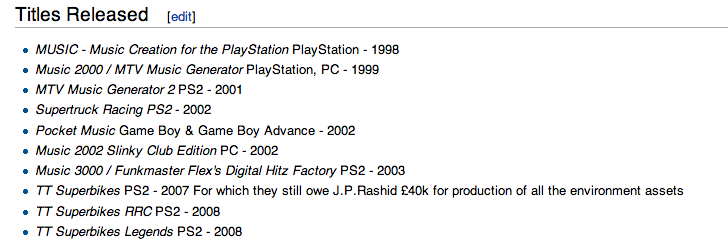
 EA Sports has pretty much a cart blanche when it comes to its stranglehold over key sporting licences – now more than ever with it extending its FIFA licence through to 2022. Ask anyone and they’ll tell you what a bloody outrage it is, that competition pushes innovation, and that NFL 2K for the Dreamcast was the greatest thing mankind has ever achieved. Competition is good. In Europe they’ll tell you how they played Pro Evolution Soccer exclusively until it went off the rails and FIFA started to become competitive. Competition is good. And across the world they’ll tell you great NBA’s open approach to licensing video games has been because EA’s complacency over its NBA Live franchise pushed developer Visual Concepts to step up to the plate and make massive improvements year on year to continue to leech EA’s consumers. Competition is good.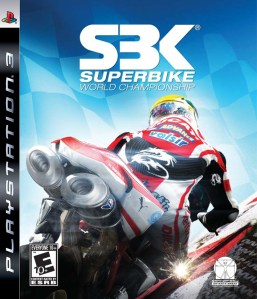
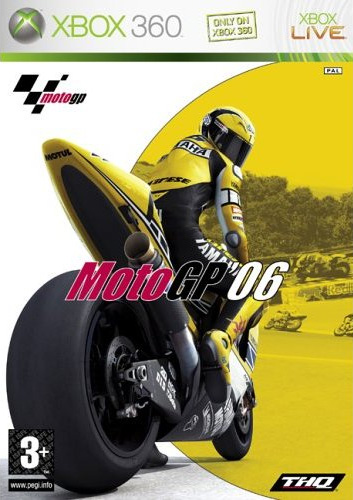
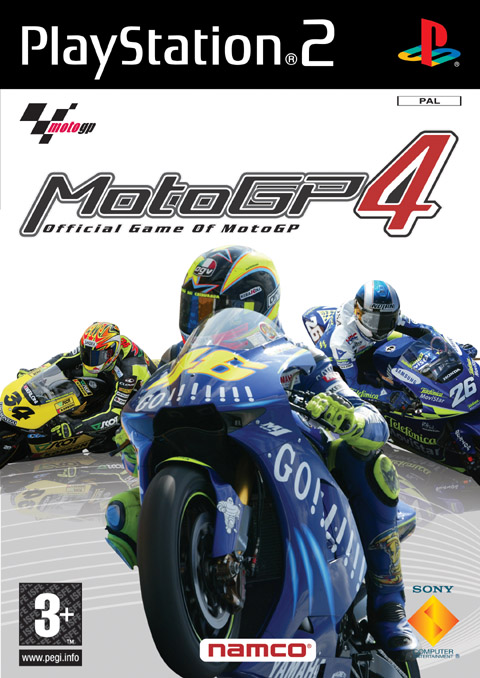
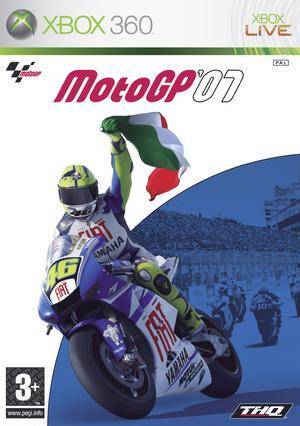

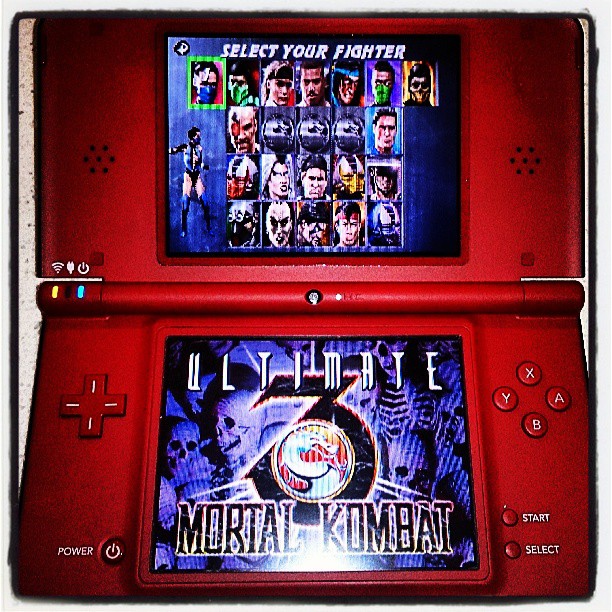
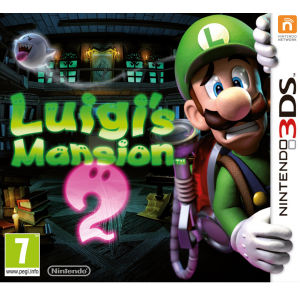
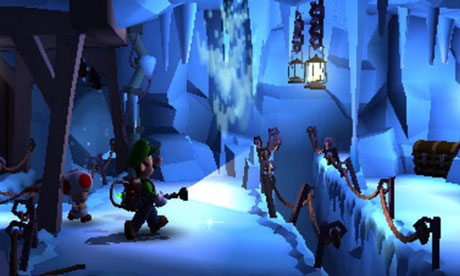
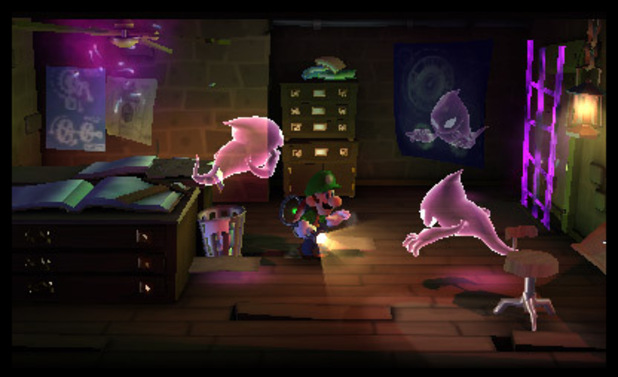
 The successes of the last generation of Nintendo hardware, both handheld and home console, had the effect of bringing to the forefront of peoples’ minds how far gaming has come and just how deep it runs in everyday culture. At one point everyman and his grandmother had a DS and was enjoying the trials and tribulations of Phoenix Wright; or the mind boggling puzzles of the Professor Layton series. Video gaming had well and truly penetrated the ‘niche’ wall and made its way firmly into the mainstream park sitting proudly alongside film, literature and television. It was a transition that had been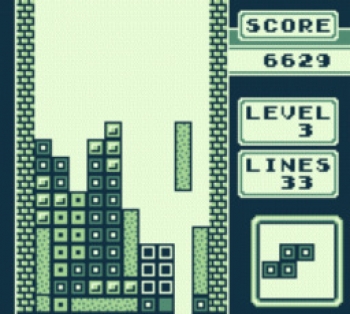
 So Sim City wasn’t all it was cracked up to be. I feel so sorry for all those budding town planners and socialites hoping to get to know their citizens and build the utopian dream. Where will they go now to fullfil their dreams?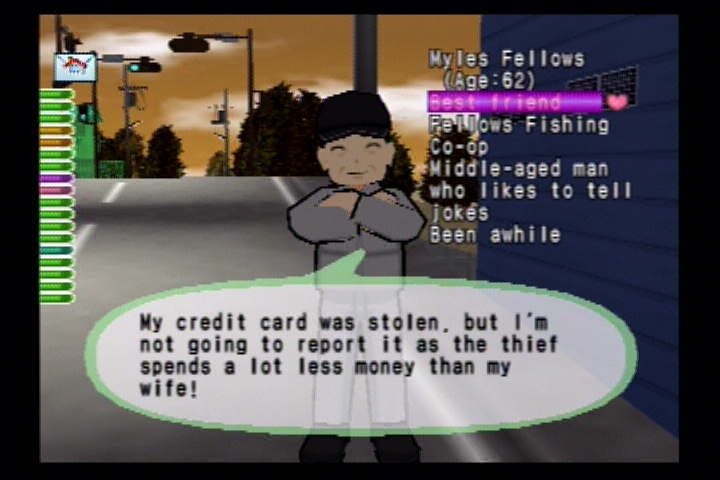
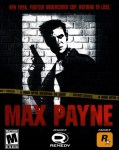 Max Payne (Xbox) review – In an age where it is all about the cover and simply rushing head on to take the battle directly to the enemy is out of fashion, i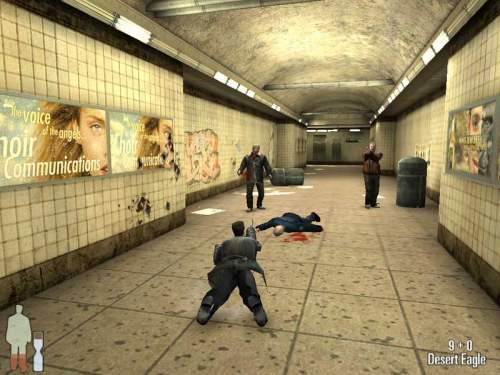

 Spec Ops: the Line (Xbox 360) – This is actually the first time that Lucius and I have written something on the same game and honestly I couldn’t think of a better game to have two separate pieces about so if you haven’t already check out his.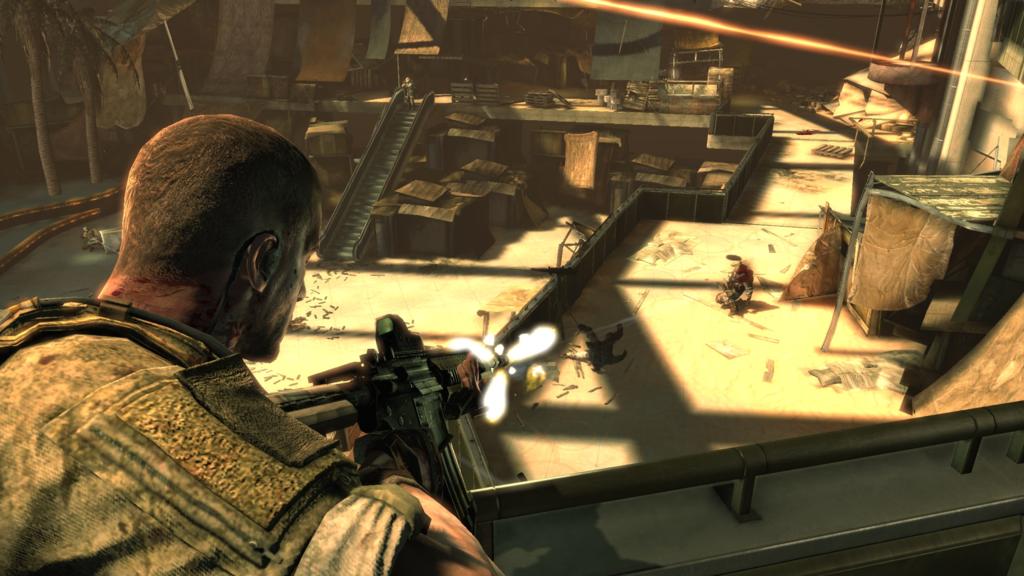

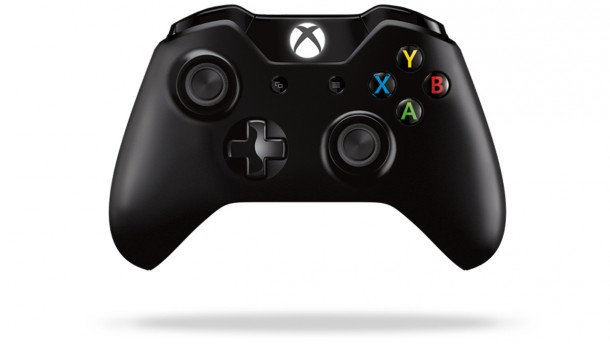
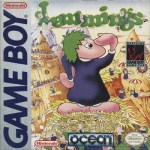 For me Lemmings
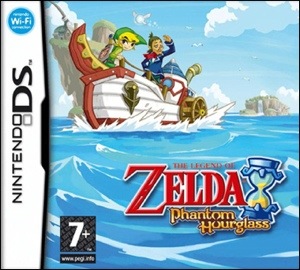

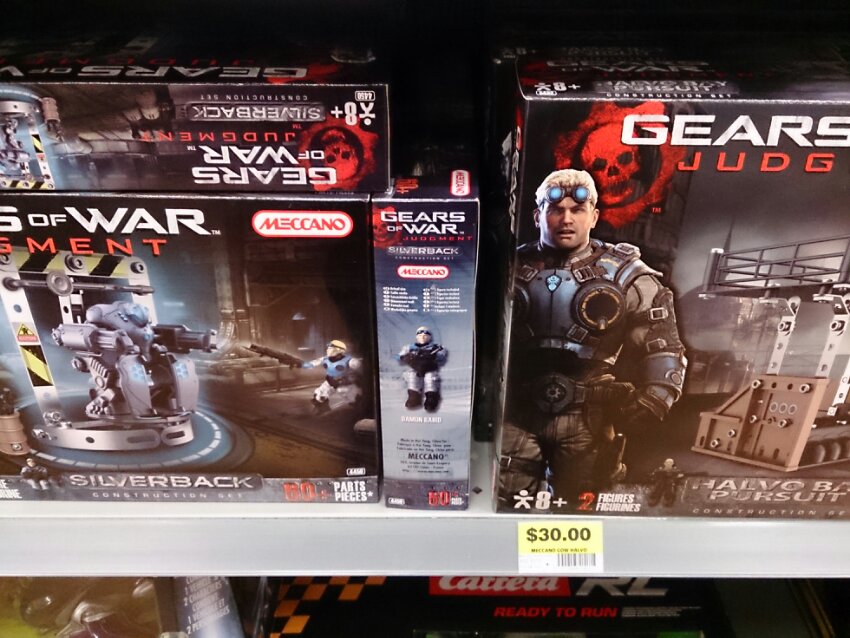



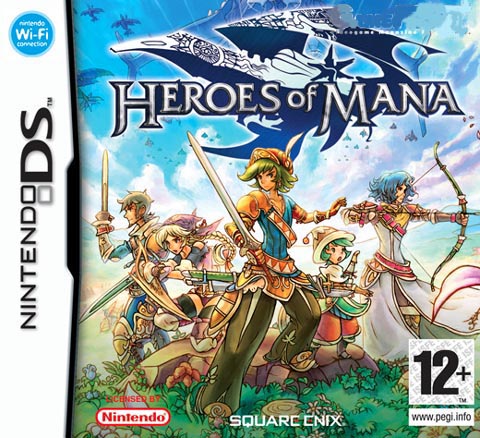
 Grand Theft Auto – The Ballad of Gay Tony – I never much liked Grand Theft Auto IV. I bought it at launch, the ‘special’ edition I might add, played it for a few hours, thought it was a bit average and then put it on the shelf. A year later I forced myself through it in an influenza haze and it wasn’t until the last hour or so that I felt any semblance of enjoyment in what GTA IV offered, but even then I came away thoroughly underwhelmed. I felt the narrative was broken, the characters schizophrenic in their motivations and a story that was punctuated by a few key moments strung together by stochastic interactions with a whole bunch of randoms. Couple that with the fact that the game was just no fun to play and you have a game that I feel is highly, highly overrated.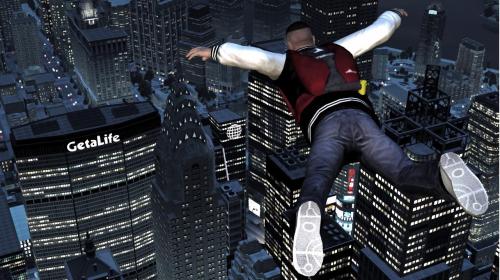

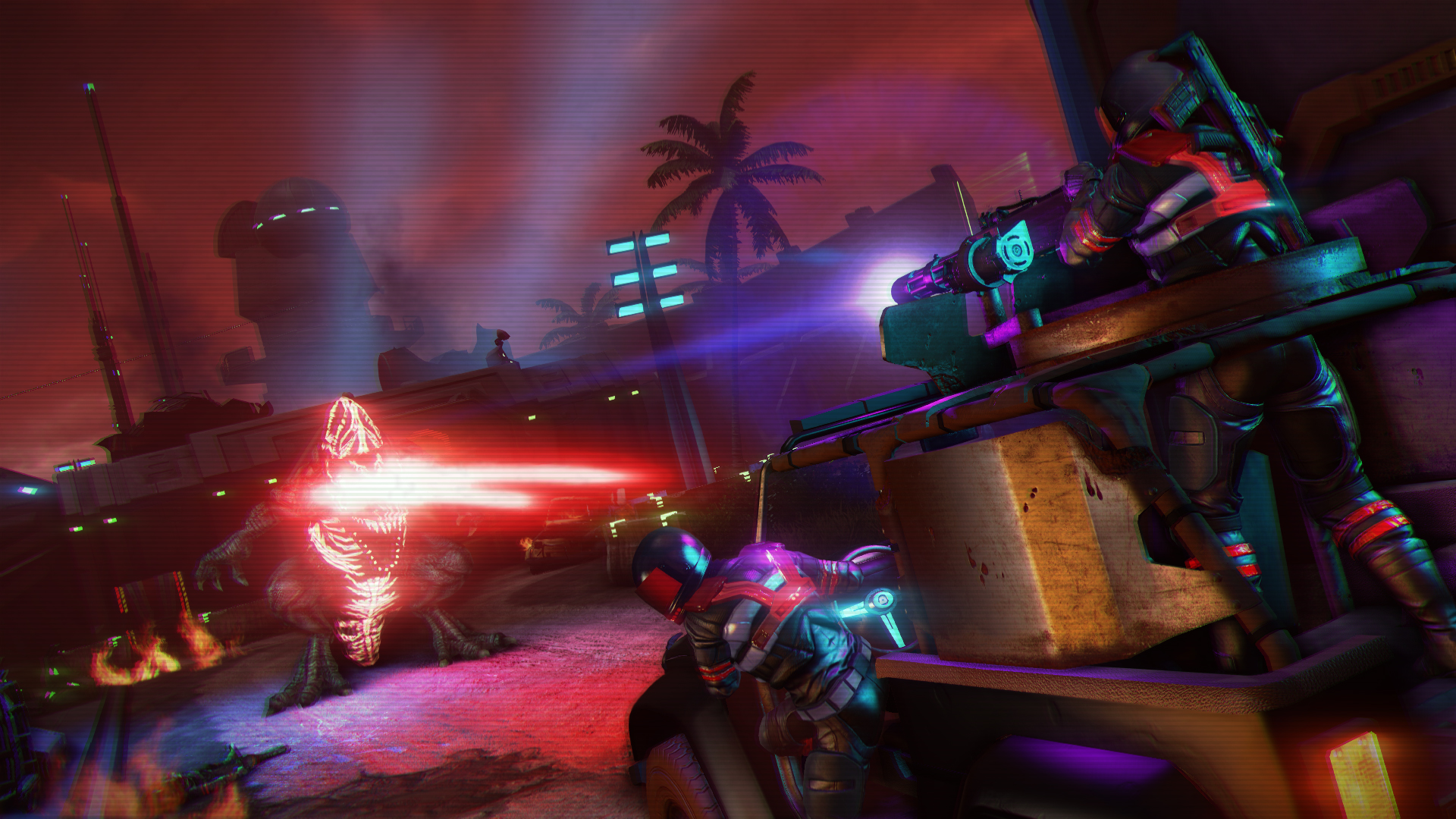
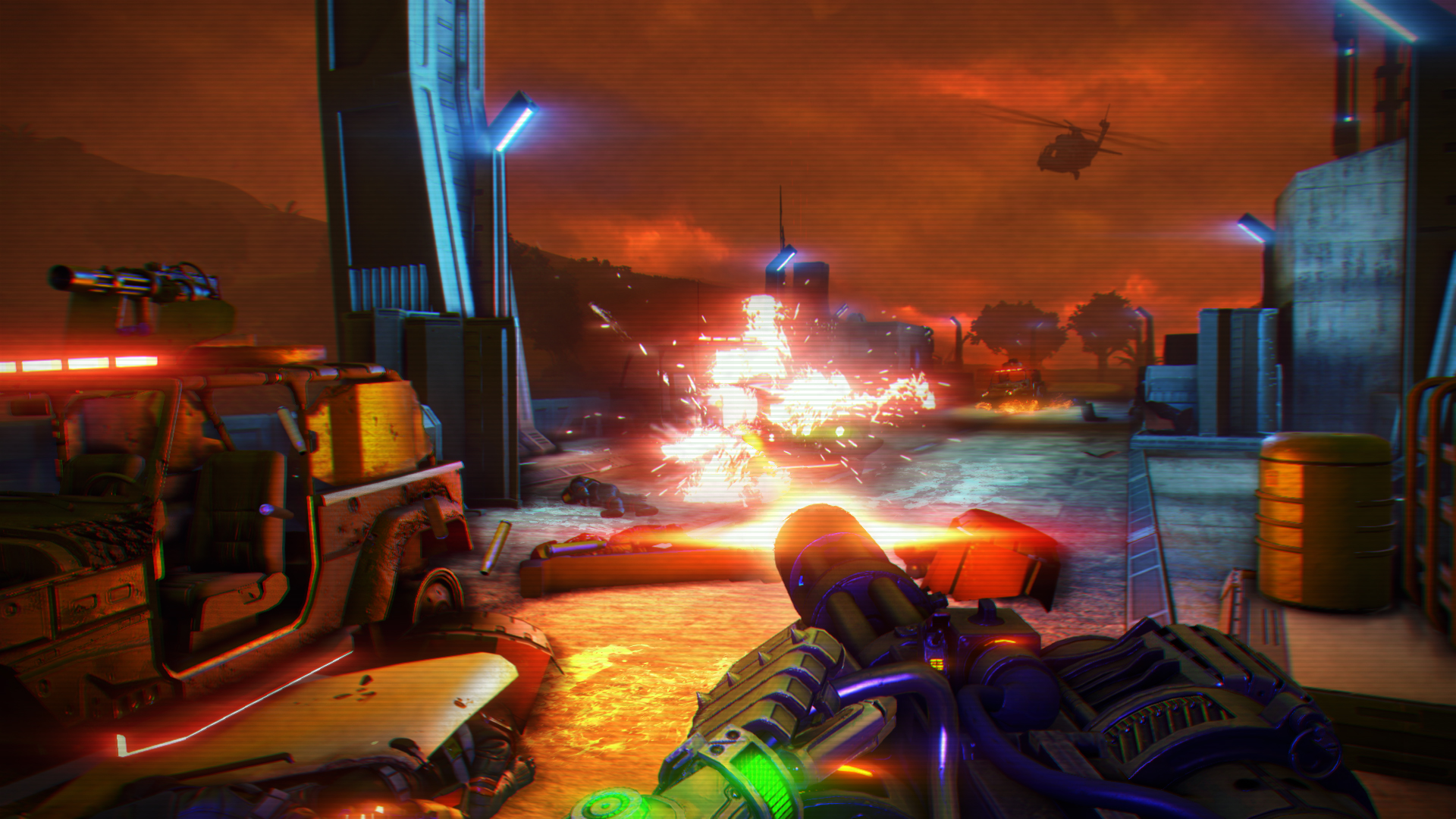





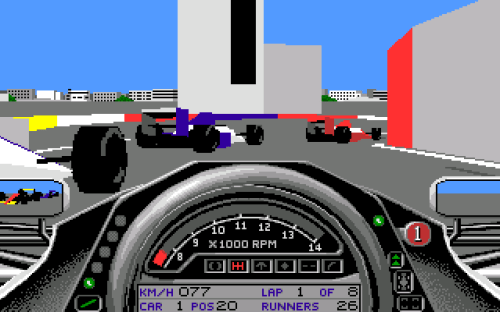

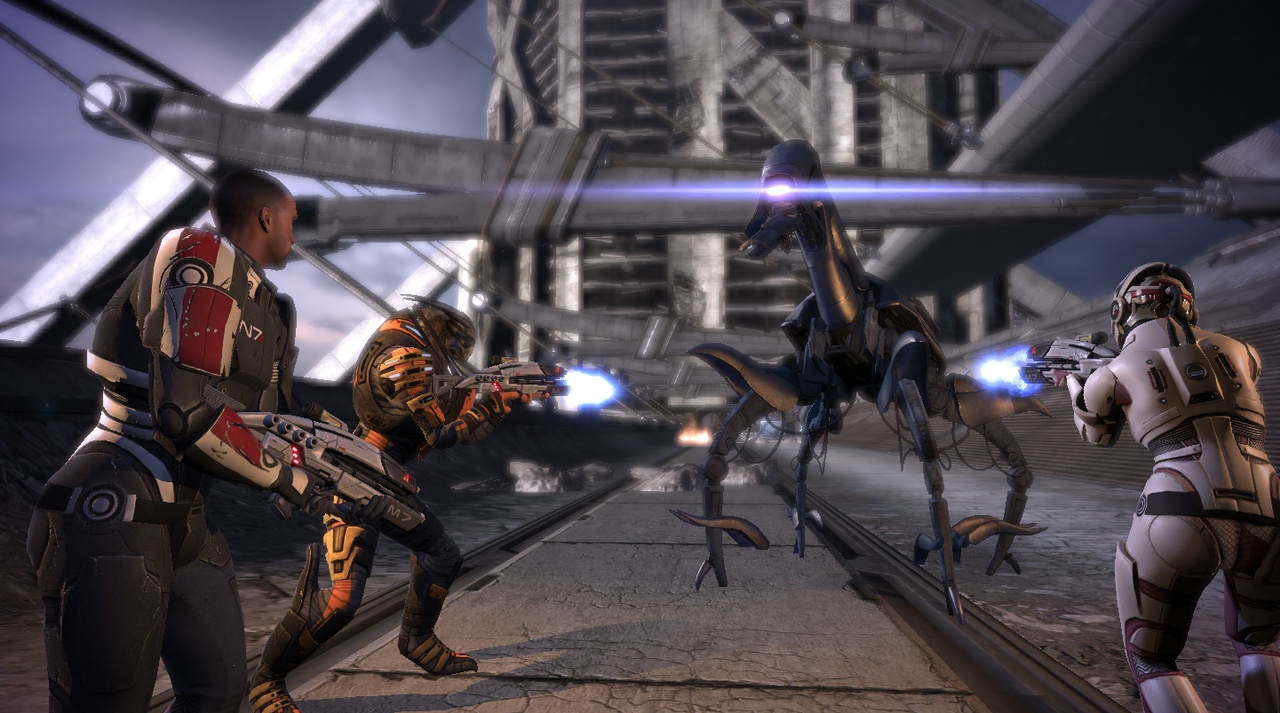
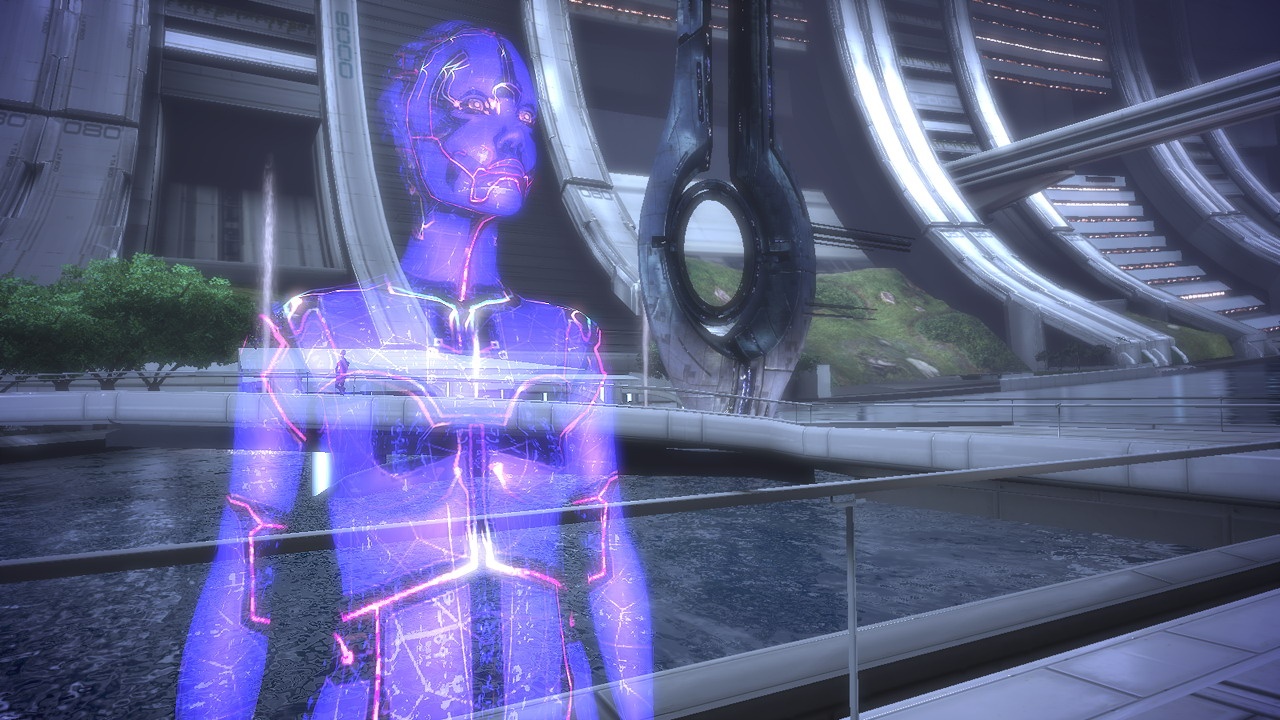
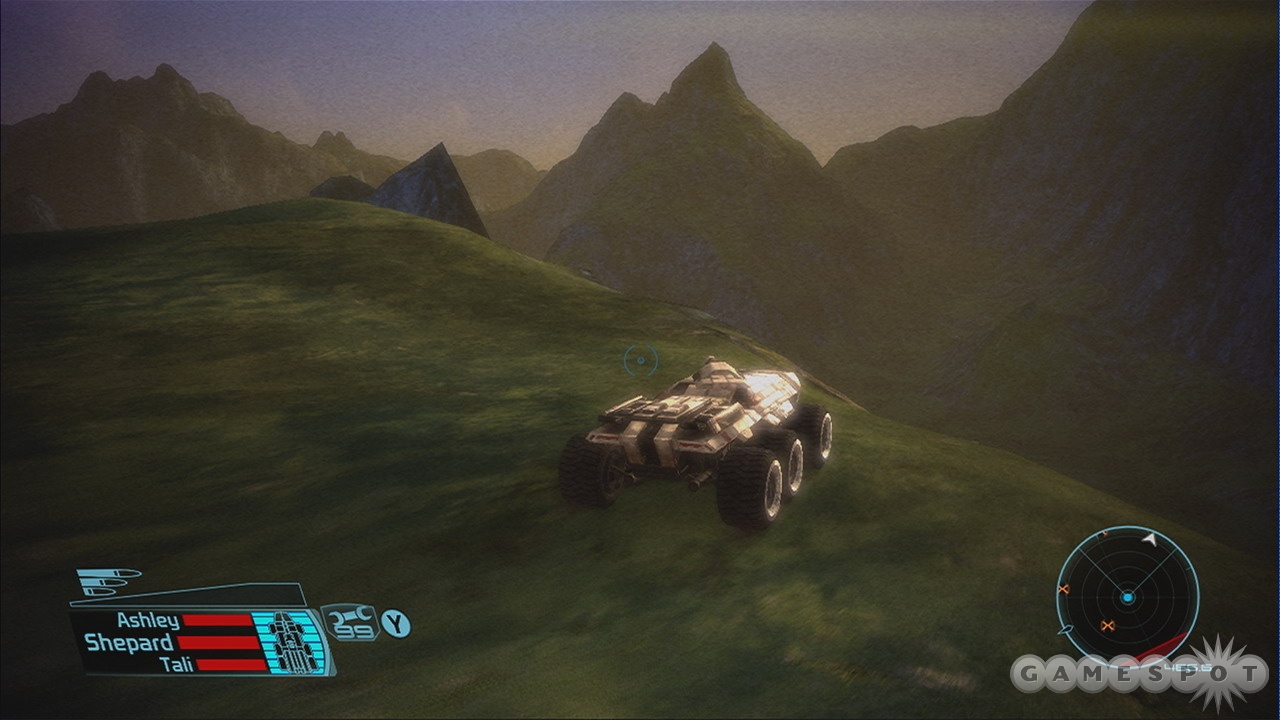
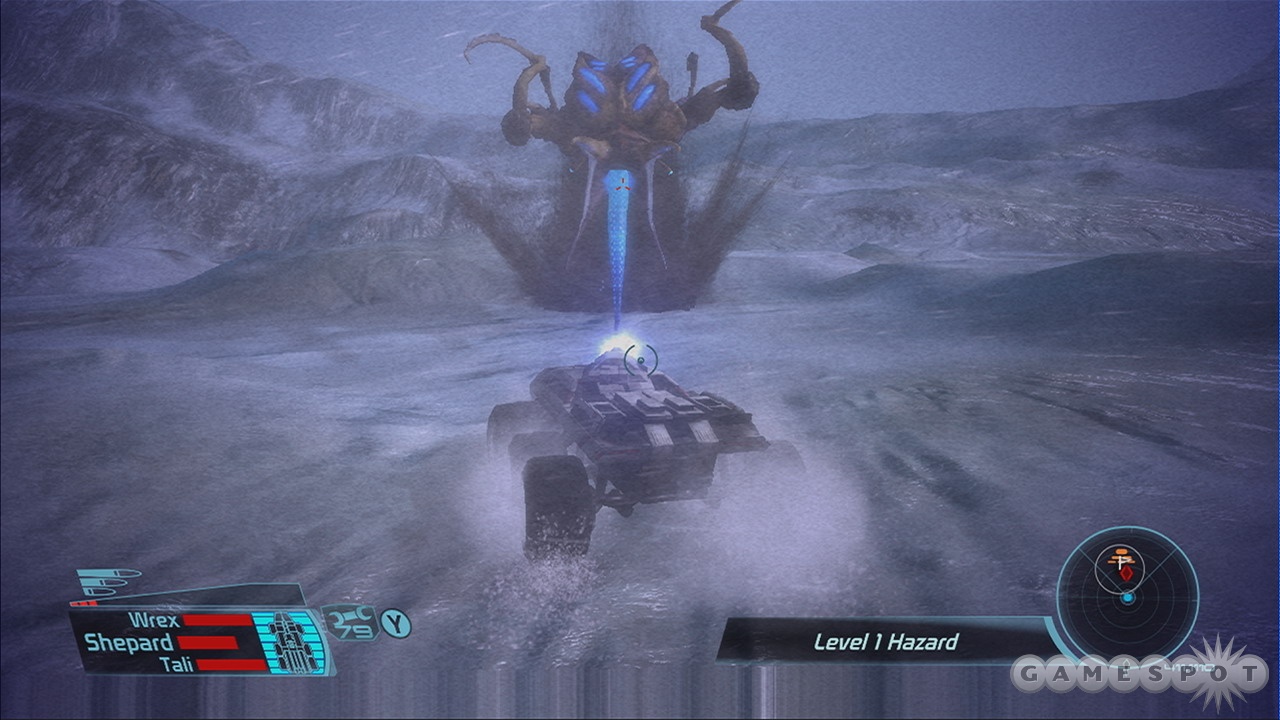
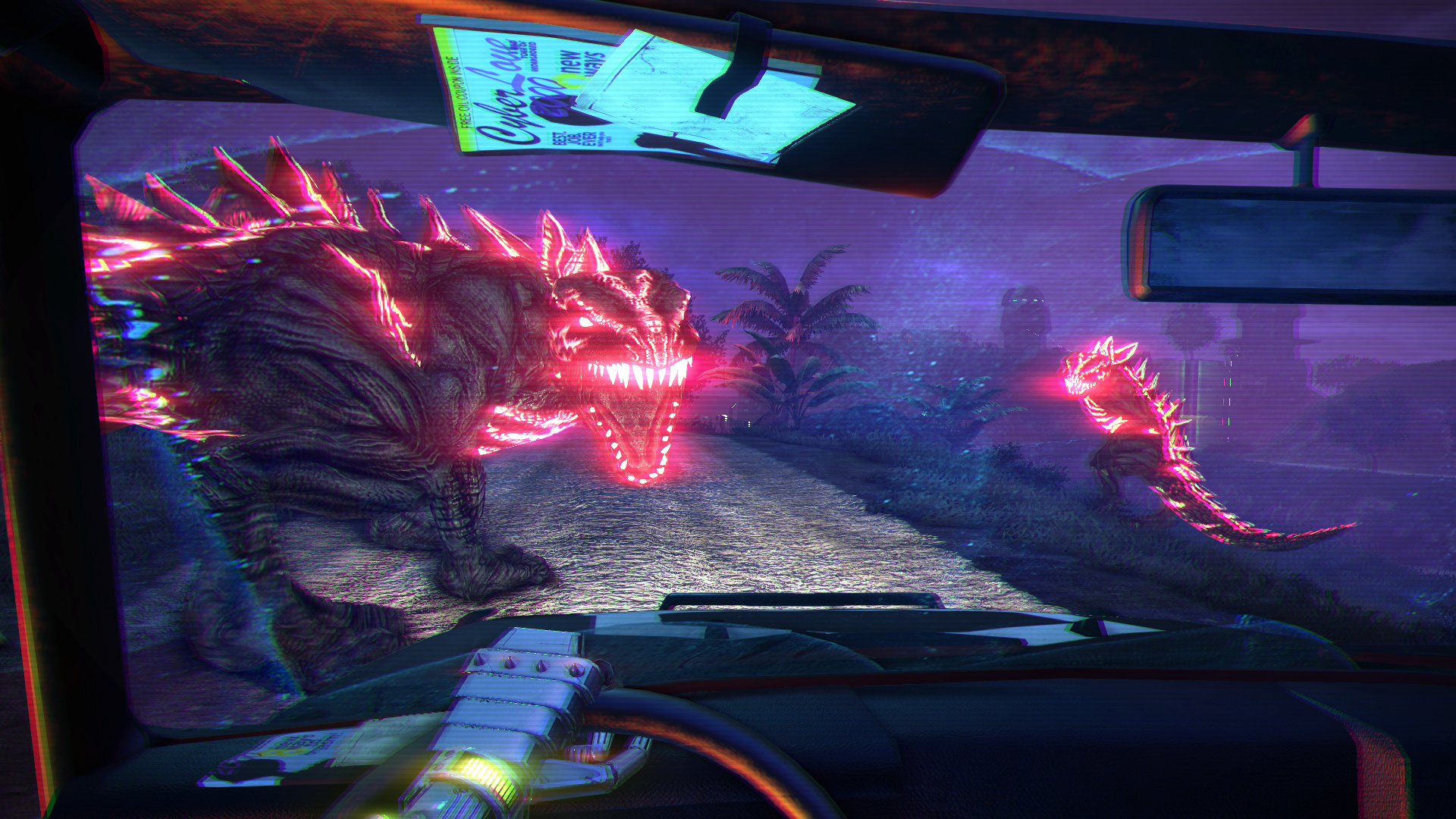
 Michigan: Report from Hell is the worst good game of all time. Wait you say, don’t you mean best worst game? No, I don’t and let me explain why. Michigan is full of far too many good ideas executed brilliantly for it to be a steaming pile of excrement. By the same token though, it has too many flaws that hold it back from being a great, arguably even playable, game. After a week playing the game I took to twitter in an attempt to describe my feelings on the game – poorly I will admit, because all I could come up with was “Michigan: Report from Hell is like a less accidentally intelligent and more intentionally shit version of Deadly Premonition“. People that love Deadly Premonition should at a minimum appreciate what developer Grasshopper Manufacture did in creating Michigan: Report from Hell. But throughout the entire experience I couldn’t help but feel that the game’s designers, including Suda 51 to the extent that he was involved, were fully aware of the game’s limitations, and embraced them fully to create a commentary on the absurdity of survival horror – and perhaps video games as a whole – and how they are as genres and mediums slaves to a small number of all to familiar tropes. The perfect highs and bottoming lows are too perfect to be accidents – Michigan is the perfect cult game in that people that love it, will defend it to the death. But for anyone else the barriers to enjoyment are so high you’ll want to rip your own face off before getting any sense of enjoyment from the game.
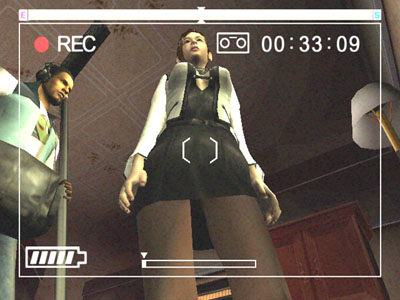
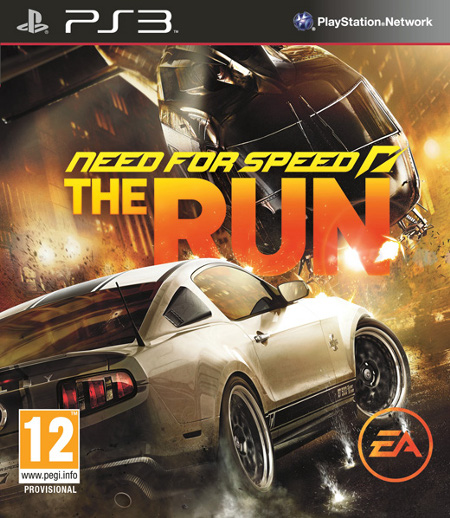

 MTV’s Daria may be long gone, but it’s perfect representation of growing up as a teenager in the late 90’s continues to be the most accurate depiction of that time around. The music, the attitude, the fashion and the general disdain for the cool people, younger people and older people -for humanity basically- viewed through the alternative sub-culture that spawned from the post-grunge movement is memorable, nigh on essential, viewing for people of my age. The observations of the character of Daria are dry, cynical and jaded and provide for more than a few hilarious but accurate commentaries on growing up and the world around her. To say I see almost every aspect of my youth at some point in one or more of the episodes that spanned five seasons would not be far off of the truth. Daria is quite simply brilliant.

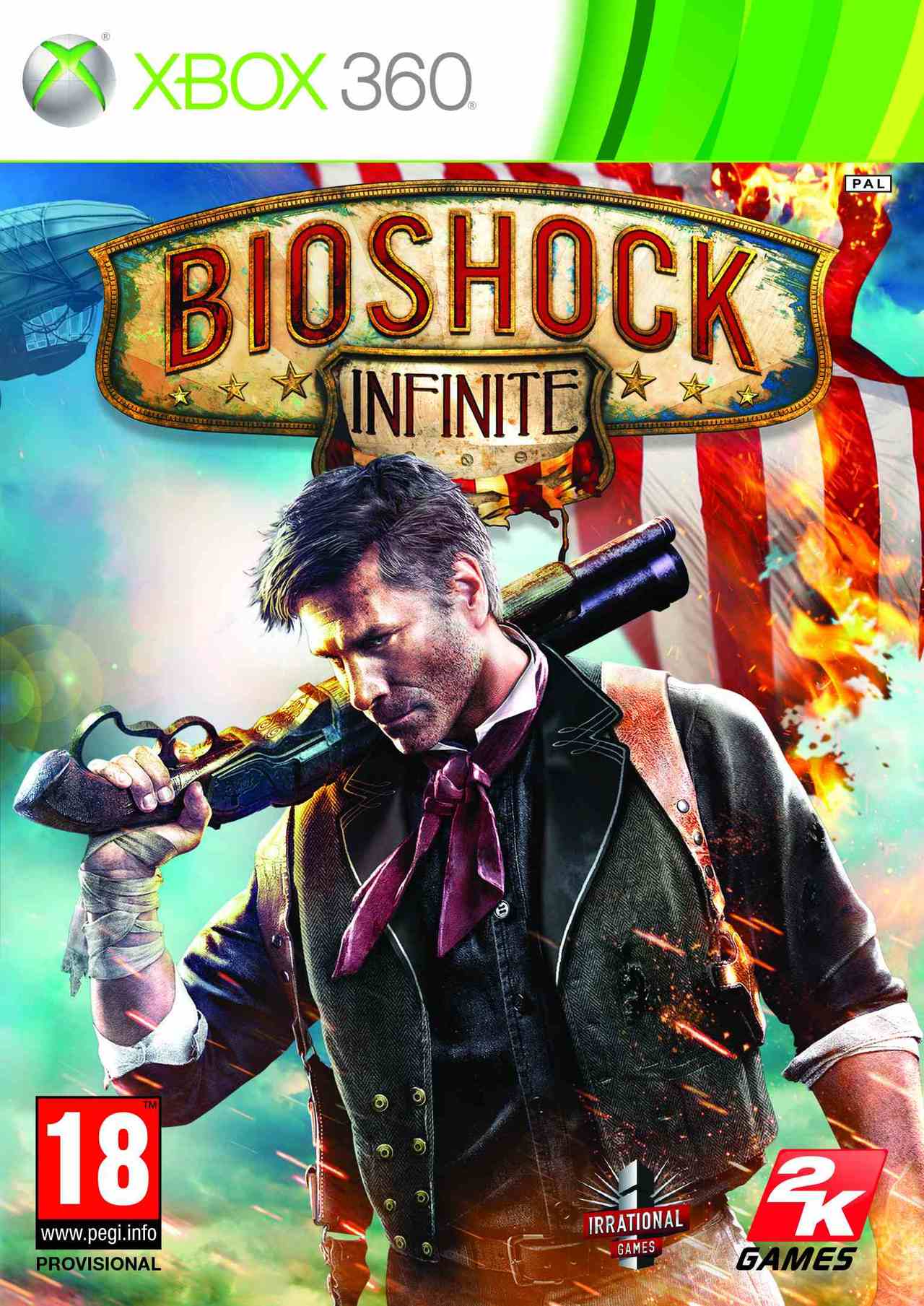


 I really don’t enjoy mobile (or cell) phone games.
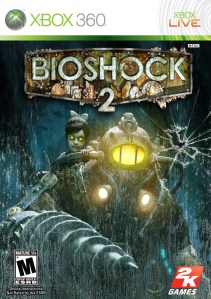 Bioshock 2 (Xbox 360) Review – I was not much of a fan of the original Bioshock. I thought that the story was interesting enough but I couldn’t help but shake the feeling that I wasn’t actually enjoying playing the game. Add to that that I was never invested in the plight of the characters and I had an experience that I just pushed through for the sake of it – to say I had -rather than because I was having a good time. The world of Rapture was a fascinating and interesting place to be in an explore, it just sucked that I had no compelling reason to enjoy my time there.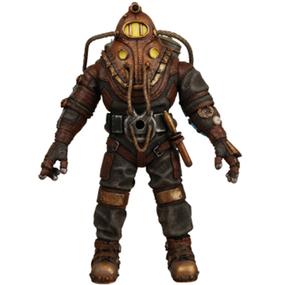

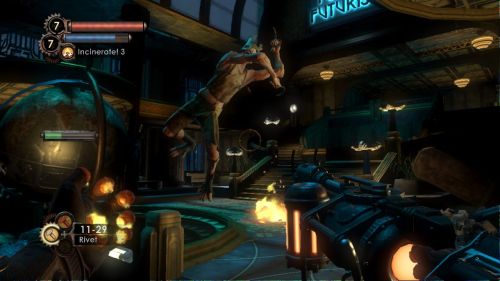
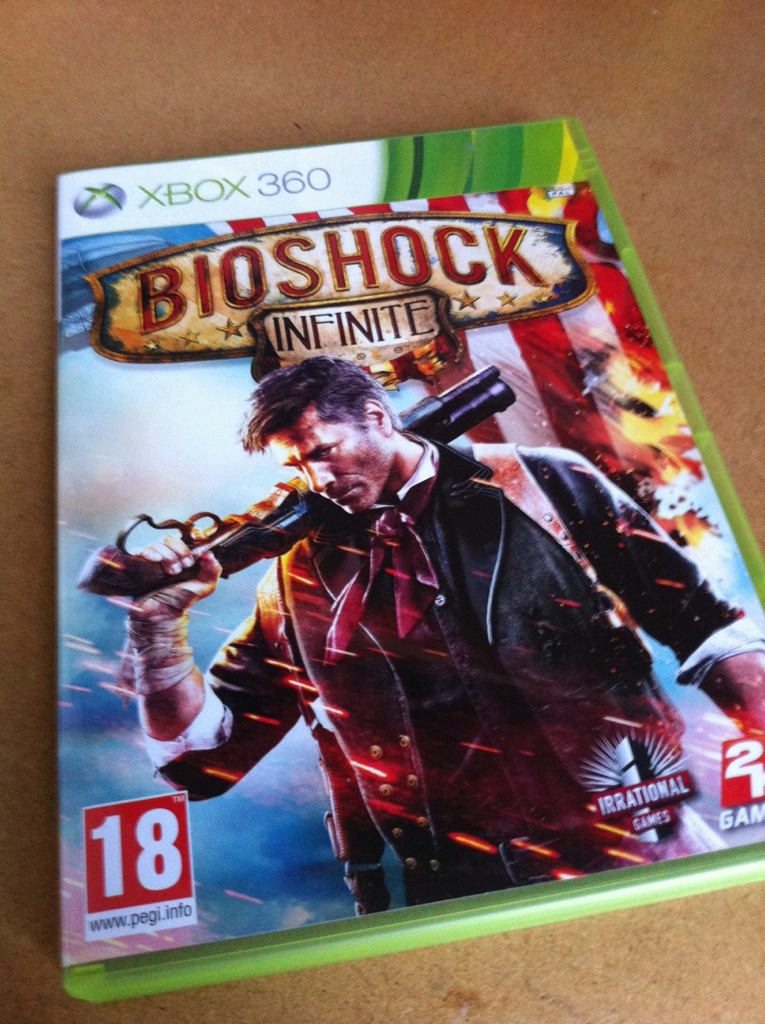
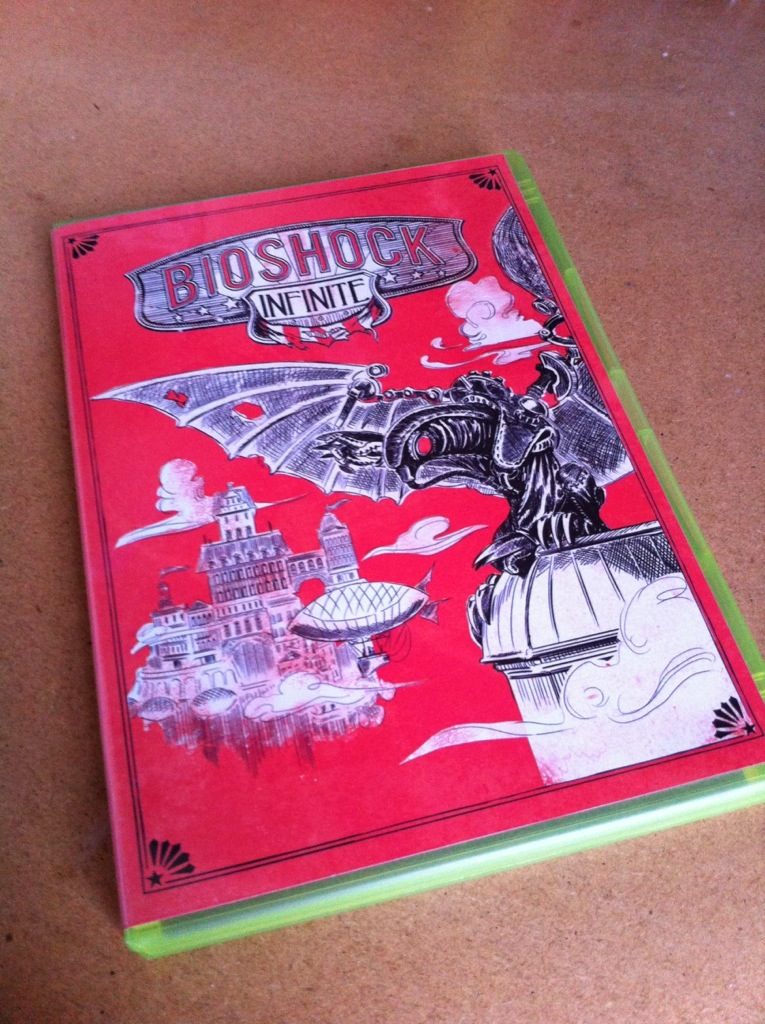

 Tomb Raider (PS3) Review – Some of my favourite gaming memories were formed playing the original Tomb Raider. Everything about it resonated with me to a point where I could overlook its flaws and just focus in on what made it so special. It is fitting then that the origin story of Lara Croft in Tomb Raider captures that same special feel. But for very different reasons. Tomb Raider of old this isn’t.
 A MOST AGREEABLE PASTIME