Pode is a game that doesn’t hold your hand in the slightest. Well, OK, so there’s a button that lets you hold hands, but the game’s sweet veneer masks obtuse puzzles that are a harsh reality check for the unprepared.
Pode tasks you with taking a cute, sentient boulder and its fallen star friend up a mountain in the hope of returning the starlit one to its natural home. The path up is a series of intertwined caverns that flow in thematic sets, with each new room offering a new puzzle to solve. The characters control similarly, but each has its own unique move set that complements the other character in a way that feels natural. Glo, the bright starry hero, brings light to any situation and feels floaty and ephemeral. It also raises flora wherever it walks. Bulder, the, uh, boulder, etches rock formations on nearby walls and has a weightier feel. They each play a part in moving forward in a very natural and instinctual way.
The game is best played cooperatively, which, full disclosure, I did with my more gaming-minded 8-year-old son. As if you haven’t heard this pull quote from a million other Switch reviews, Pode feels built for the system. The game has a simple control scheme that fits naturally on a sole joy-con, which means you can bust Pode out at any given moment. While playable solo, I feel that my core hang-up with the game – its obtuseness – was waylaid in those moments when you can bounce ideas back and forth with your partner (and occasional onlookers as well) in situations that could otherwise end in frustration.
You need to be in a certain mindset while playing Pode, because it is what I would refer to as “Nintendo-hard™”. The game feels organic because the it never tells you what you should be doing. No guiding light, no obnoxiously placed signposts, no tips. This can lead to a lot of random wandering and, in the case of my son, bouts of boredom, as we used trial-and-error and reasonable deduction to suss our way out of tricky pickles. While I’ll admit to getting flustered every now and again, the gratification in figuring out solutions was more than enough to egg me into playing further.
And really, a more deliberate approach is needed for Pode; the game is meant to be kind of relaxing, with this wonderful painterly look and subtle soundtrack that gives the whole thing a very naturalist vibe that I most definitely dig. Manipulating the environment is as much a part of the experience as the various puzzles you stumble across along the way. This helps to assuage the fact that there isn’t much experimenting you can do, and as far as I can tell there’s only one solution to each room.
To a broader audience I’d recommend Pode with a grain of salt; it can be a lot tougher by yourself, especially knowing the game isn’t going to help you beyond its naturally instinctive way. But it’s worth taking the adventure because I just can’t get enough of watching the cute little bobbins plucking beauty from the earth. To those who will be playing with a friend, I can’t recommend it enough. At the very least you can push the “hold hands” button and lament the challenge together.
Pode is available for Nintendo Switch.
Disclosure statement: Review code for Pode was provided by Henchman & Goon. A Most Agreeable Pastime operates as an independent site, and all opinions expressed are those of the author.
I wrote a huge feature for GamesRadar this week on gaming disorder, which has just been formally recognised in the latest edition of the World Health Organization’s International Classification of Diseases (ICD-11). I spoke to scientists on both sides of the debate over whether gaming disorder should have been put in ICD-11 – Professor Mark Coulson co-authored a paper arguing that it was premature to formally recognise gaming disorder, whereas Professor Mark Griffiths was part of the WHO working group that advocated to include it.
I asked Professor Griffiths whether inclusion of gaming disorder in ICD-11 will mean that games will have to carry warnings about addiction, and he was pretty adamant that they would. He pointed to the furore over photosensitive epilepsy in the 1990s, which led to the now-ubiquitous warnings about epilepsy in games. Soon those warnings could be joined by labels saying that a small proportion of gamers could end up so addicted they need professional help.
It was interesting that academics on both sides of the debate both agree that gaming addiction is very much a thing for a small number of people – people who have no control over their habit, which causes huge problems for their health, work and social life. Gaming addiction is very much a thing – the only argument is whether it should be formalised as a disorder.
It will be fascinating to watch this story evolve over the years to come – and particularly the games industry’s reaction to it. Currently, the industry is basically denying the problem – but it does exist, and dodgy practices like loot boxes may well have exacerbated it.
E3 2018. Well that’s all done then. So let’s gather ourselves up and look back on what the hell just happened.
First thoughts? I’m a bit underwhelmed, to be honest. There was the usual thoughtless parade of guns and violence, something that I’m almost inured to now, although the occasional bit of ultra violence still makes me wince. I’m thinking of the trailer for The Last of Us Part II – in between the lovely kissing – and pretty much everything shown of Dying Light 2, including someone stamping on a person’s head like its a watermelon. I’m still not sure why publishers want to showcase their games like this, as if they’re trying to outdo each other with brutality. In the case of The Last of Us Part II, it’s actually put me off playing the game. But hey ho, it’s like this pretty much every year. I’m starting to feel that as I get increasingly more ancient, I’m slipping further and further away from the target demographic that E3 is aiming for, which still teems to be teenage boys. Clearly the organisers haven’t quite got the message that other demographics also play games these days.
First kissing, then horrible, horrible ultraviolence. Such is the way of video games.
Still, violence moan aside, there was little to get me hot under the collar at this year’s presentations. All I saw was an endless parade of samey sequels, mostly to games that I’ve either not played or that I gave up on several entries back. It’s very difficult to get excited about the ELEVENTH Assassin’s Creed game (not including spinoffs), especially if you stopped playing them after the fifth one because they are basically all the same. Likewise Doom, Tomb Raider, Fallout and basically every single AAA game that’s in its Nth iteration and struggling to find new bullet points to put on the back of the box.
Even Nintendo, who can usually be relied upon to drop something zany and offbeat into their presentation, showed little that was actually new. Another Mario Party? Really? It was never that good anyway, and now the sequels must be in double digits… [checks online] yep, this is the eleventh one. And don’t get me started on that ridiculously detailed Super Smash Bros. Ultimate deep dive. Has anyone noticed that, once you get past the novelty factor of beating up popular characters, it’s [whispers] not actually that good?
Still, thank god for the indies, I say. Away from the tadger-waggling press conferences, there was some wonderful innovation from relatively tiny developers. I’ve picked out my favourite games of E3 2018 below, and almost all of them are indie games, which are pretty much the only titles that seemed to show much innovation this year. And yes, that includes Cyberpunk 2077. Hey, I was there for cyberpunk when it happened first time around.
This is without doubt the game I’m most excited about after E3. The sublime graphics are clearly inspired by the wonderful artwork of French comics genius Moebius (aka Jean Giraud), and it really looks stunningly beautiful – despite being made in a shed. The titular Sable is tasked with exploring an alien desert full of crashed spaceships and ancient monuments, and everything about that sounds wonderful.
This one sounds really intriguing – a film noir-style game in which you make a living as a taxi driver, while simultaneously attempting to solve a murder mystery with the clues you pick up from your passengers. Bizarrely, Night Call wasn’t the only mystery-solving, cab-driving game featured at E3 2018 – Neo Cab features a very similar set-up, but with neon instead of neo-noir.
Ghost of Tsushima
One of the few new IPs announced at the main publishers’ press conferences, Ghost of Tsushima has a wonderful Akira Kurosawa vibe to it, and I was pleased to hear that there’s also an option to have Japanese dialogue for extra authenticity. I love the bit where there’s a classic samurai standoff, following by a flashing blade and one person keeling over. Also, I could ride that horse through fields of grass all day and not get bored. Hmm, that sounded weirdly sexual, but I’m just going to leave it. No release date announced for this though, so we probably won’t get it until at least 2020 – and probably on PlayStation 5, at that.
Wolfenstein Youngblood
OK, it’s a sequel, but it’s also a sequel to a series that I’ve thoroughly enjoyed – and it gets bonus points for having the guts to sideline BJ Blaskowicz as the lead in favour of his twin daughters. Looking forward to gunning down Nazis in Paris.
The next in the EA Originals line after the excellent Fe, Sea of Solitude looks wonderfully odd. This time around, rather than aliens, zombies or Nazis, the true enemy is LONELINESS – which in this case means feathers and red eyes, apparently. Colour me interested.
I love the way they worked “handcrafted Solar System” into the presentation to fend off any comparisons to No Man’s Sky – no procedural generation jiggery pokery here. Outer Wilds takes place in a Solar System caught in a time loop, with everything resetting every 20 minutes and the same events happening again and again, like a city being swallowed by sand. Your job is to unravel the mystery of why the time loop is happening, with some of your actions causing elements to change the next time the loop is repeated. So Majora’s Mask in space, then? Sign me up.
OK, OK, this game has been out for about a year now, but at E3 Nintendo dropped the bombshell that it’s available for Switch RIGHT NOW, so I’m allowed to include it here. It’s a beautiful metroidvania with bugs, and we’re really excited about reviewing it as soon as we can. Until then, there’s a great Hollow Knight review over on The Maximum Utmost.
Published by Double Fine Productions, Ooblets was a wonderful antidote to all the guns and killing and BOO-RAH macho stuff over on the main stands. I want to make friends with mushrooms, it all looks so lovely. It’s like a cross between Pokemon and gardening and ice cream and soft woolly jumpers. Mmmm, soft.
So, those are my picks for the best games of E3 2018 – but what titles got your nethers all aflame? Let me know in the comments!
Back at EGX Rezzed back in April, I was lucky enough to catch up with Suda51 – aka Goichi Suda, the superstar designer behind games like No More Heroes, Killer7 and The Silver Case. To be honest, it was a complete surprise – I’d booked in to play a demo of Travis Strikes Again – No More Heroes on Nintendo Switch, but the PR didn’t mention that I’d also have time with Suda51 himself afterwards. Once I’d finished playing I was ushered off to the press room, and there was the great man himself – cue much panic on my behalf as I desperately tried to think of questions for an interview that I was totally unprepared for.
Suda51 and me at EGX Rezzed. Can you see the panic in my eyes?
All in all, I think it went quite well, considering – and it was particularly interesting to find out about the upcoming remakes of Killer7 and Flower, Sun and Rain (and possibly Michigan). Definitely the longest 15 minutes of my life, though. And of course there were about a million questions that occurred to me after I’d wandered off in a complete daze – hey ho.
Why did you want to return to No More Heroes?
When Nintendo first showed me the Switch hardware, I had this instinctual urge. I felt like this is where Travis will make a comeback.
What made you decide to set Travis Strikes Again in a computer?
There are multiple reasons for that. The first is that it’s Grasshopper’s 20th anniversary, which is a great chance to look back on the past, look back on the history of video games themselves. I’ve lectured for about five years, teaching students about video games, and it’s made me think more and more about video game history. Another reason is that the last game before this was Let It Die, and a different version of the Death Drive appears in that game. I wanted to explore more of that fictional console’s history.
Concept art for Travis’s trailer in Travis Strikes Back.
Are you using Travis Strikes Again as a way to poke fun at video games themselves?
Those references are the just sort of thing that come out when I’m literally writing the script. Much like Travis is going into the games, writing the script is like a journey in itself. This game is really a way for me to look face to face with video games just to see what comes out of that. The other thing is that I’ve only written part of the script so far – once this [show] is over I’m going to go back to Japan to write the rest of it. I won’t be able to give a true answer until I finish the script.
The game itself is based on different mini games – can you tell me more about the play styles in the game?
There will be side-scrolling portions, racing portions, basically each of the six games will be unique.
The glove that allows Travis to move between different games. You can probably guess what this is a homage to…
Are there parts that will be tributes to older games? Particularly side-scrolling beat ‘em ups?
The roots for this come from the games that I played back in the day. As far as the worlds go, there’s not one specific game that inspired each world, it’s more like the history of side-scrolling.
It’s great to see the return of Travis Touchdown, what made you return to this character?
I always feel like Travis is somewhere close to me. I feel like 51% of myself is inside Travis – we’re synchronised in a very special way.
Going back to the demo, I noticed it was quite samey in terms of the enemies I was fighting – they all attacked in similar ways. Do you plan to include more variety in the final game?
Yes, there will be more variations in attacks.
You’ve made some amazing games, like Shadows of the Damned and Lollipop Chainsaw. What’s your favourite game that you’ve worked on?
They are all my children, I couldn’t choose between them! They’re all number one, I couldn’t order them. I’m a parent who loves all my children.
You mentioned it’s the 20th anniversary of Grasshopper, and there’s been talk about doing remakes of some older games. Which of these games would you like to return to and remake?
I want to do remasters. In Japan I recently promised fans that I’d do a remake of Killer7 and Flower, Sun and Rain, those are the two I want to focus on first.
Do you think there might be a remaster of Michigan: Report From Hell in the works?
I want to do that too, of course.
It’s one of the most underrated games…
It’s a crazy game!
Michigan: Report From Hell on PlayStation 2. Craziness.
How has it been working on the Nintendo Switch? You mentioned that it was the Switch that made you want to return to No More Heroes, what is it about the Switch that you like?
First, it’s easy because Unreal and the Switch fit together very well. And Switch is just a piece of hardware that’s kind to developers.
What do you mean about kind to developers – is it support from Nintendo that makes it easy, or is it the development system itself?
It’s both really. When it comes to Switch it’s the fact that you have so many choices as a developer – if you make an indie game separately and then decide to port, it’s really easy. I love the fact that Nintendo has its own Nindies brand, that’s important.
Travis Strikes Again itself is something of a spinoff from the main No More Heroes series – as Suda51 mentioned, it’s composed of six different minigames, each with a different style. The demo was a third-person beat ’em up that I played in co-op with another attendee, and it included some charming fourth-wall-breaking references. I particularly liked the decidedly meta boss battle at the end.
Then again, the demo itself was fairly repetitive, hence why I asked about more variation in the final game. All of the enemies I faced basically just ran at me while I flailed Travis’s beam katana, although there was also a neat power move that you could perform with your co-op partner.
It was a little underwhelming, then, but this is also just a tiny slice of the game – and we still don’t know exactly how the other five minigames will play. But the idea of Travis being transported into a video game console – the Death Drive Mk II – is a good one and will no doubt make for some amusing in-jokes at the very least.
Travis Strikes Again – No More Heroes is scheduled for release sometime in 2018 on Nintendo Switch.
All of the E3 press conferences are now over, and I have to say I’m a little underwhelmed. For the most part I saw parades of samey sequels to games I still haven’t yet played, with nothing really leaping out to grab my attention. The most interesting game announcements tended to be indie titles, but as usual these were flashed through in montages so dense that I barely had time to read the name of the game before the hyperactive video stream whizzed onto the next one.
But the thing that really got my goat this year was when Bethesda announced a brand new game with nothing but a title and a ridiculously short teaser trailer that tells you absolutely nothing about the game. I mean, what on earth is the point? I think Behold The Kickmen creator Dan Marshall nailed the ridiculousness of this phenomenon in the below tweet:
Nintendo managed to get away with this malarkey last year, but only because they did it with an established IP. Fans have been clamouring for new Metroid titles for years, so the news that Metroid Prime 4 is in development sent the internet into throes of ecstasy. The main point here is that gamers know what to expect – they know what Metroid games are like, so they can build their anticipation accordingly. But how they hell are they supposed to react to a title of a new IP, with absolutely no other information to go on?
Bethesda announced Starfield with the above trailer, yet we have absolutely no idea what this game is about, apart from guessing it’s probably set in space. Why even bother announcing it at all if you don’t have any gameplay to show, or even a CGI trailer to give an impression of what to expect? All we have is a fancy logo. THIS WAS A WASTE OF EVERYONE’S TIME.
Ack, but wait, is this just a case of brand awareness? Of getting a name out there into people’s thoughts?
Wait a minute, I’ve just realised I’ve written a whole blog post about Bethesda’s new game, even though they’ve thrown out nothing but a logo and a picture of space. I’VE FALLEN INTO THEIR TRAP.
I love West of Loathing because it took what few expectations I had of it, scooped them up and whisked me away to the realization that it is more than the sum of its parts. At first blush it is a Western (as in the theme, not the genre) role-playing game with stick figures and a healthy sense of humor. At second blush… well, it’s still all those things, but it’s also endearing, clever and quick-witted. It’s a game I didn’t realize I wanted to play until I played it, and I have an inkling it might charm you as well.
You play as a customizable (well, up to a point, obviously) stick person who sets off from their family farm to strike it rich out West. And… that’s kind of it. This isn’t some sweeping adventure of derring-do or self-discovery; it’s about a bumbling and goofy cowpoke doing what they think they’re supposed to because nobody tells them otherwise. West of Loathing focuses on the person-to-person interactions to tell its irreverent story – it’s all about the journey and not the destination… and stuff.
So, you meander to various areas and explore admittedly neat locales that all look like they fell out of your high school Trapper Keeper™ – child-like representations of snake-filled canyons and rustic old west towns. The presentation definitely complements the wackiness, and vice versa. The best way to describe your interactions with people, places and things is ‘goofy’. There’s nary a moment of seriousness to be found, and in this case that’s a great thing. The writing is superb and pithy, with your character being able to dish out the jokes as quickly as they become the butt of them. Dialog is an important part of West of Loathing, as you can often earn experience or work your way out of fights with the right comeback.
Speaking of combat, it is of the typical turn-based, “you stand on one side of the screen while the bad guys stand on the other” type, and never veers towards anything I’d call deep. In this day and age there’s a lot of new and sometimes complicated systems for gamers to wade through, so something this simple is tantamount to a breath of fresh air. Indeed, it helps to put the focus on other areas of the game – since I knew what I was doing in combat without putting a terrible lot of thought into it, I could focus on the funny parts. Even so, the fights were still fun enough that I usually jumped into battles when given the chance.
The most rewarding aspect of West of Loathing is in the minutia; those moments where you interact with just about everything and get a joke out of it. In the very opening minutes of the game you collect needles in haystacks, find that your mom has a pie safe (to keep the pies safe, obviously!) and a book that teaches you how to “walk stupidly.” Which you can actually do if you choose to. Watching a stick figure do the worm across the screen rarely gets old.
If you look at each element of West of Loathing on its own, there’s nothing that would necessarily carry an entire game. Put together though, they provide an experience worth having because there’s just enough exploration, combat and witty banter to go around, and even hours in it doesn’t get stale. So get on your googly-eyed horse (I know you’ll pick the googly-eyed horse!) and ride into the sunset, er, eShop and give West of Loathing a go.
West of Loathing is available for PC, Mac, Linux and Switch. We reviewed the Switch version.
Disclosure statement: Review code for West of Loathing was provided by Asymmetric. A Most Agreeable Pastime operates as an independent site, and all opinions expressed are those of the author.
I already have more amiibos than I can display – currently about half of them are stashed in a cupboard for various reasons of space management/moving house and not bothering to unpack/Mrs. Merriweather complaining that the house is being taken over by a middle-aged man’s toys. But now Nintendo have only gone and announced a Ridley amiibo at E3 2018. God damn them. For now I must have it.
I may have to sneak this one into the house though.
This beautiful hunk o’ plastic is due out at the same time as Super Smash Bros. Ultimate 7th December 2018. Having barely played the last two instalments of Smash Bros., I will be skipping the game, but I will be bearing down on this Ridders amiibo waving handfuls of cash.
Oh, and Nintendo announced another Inkling amiibo and a Princess Daisy amiibo, too. Yeah boring whatever RIIIIIIDLEEEEEEYYYY! WHOOP!
One of the most surprising announcements of E3 2018 so far came at the Microsoft press conference, when the American giant said it had acquired the British studio Ninja Theory, makers of Hellblade: Senua’s Sacrifice, DmC: Devil May Cry and Enslaved: Odyssey to the West. Good news for game-starved Xbox fans, but how will Ninja Theory fare under this new arrangement?
Ninja Theory said in a video (embedded above) that Microsoft has promised them unprecedented creative freedom as well as generous support – but I wonder how long that promised freedom will last. Will it survive a commercially underwhelming game, for example?
I wrote down my thoughts in an article for Kotaku UK, linked below. But what do you think? Let me know in the comments!
The Banner Saga is more than a game – it’s a story.
OK, so it’s still a game, but whereas most would try to quantify the experience by labeling it as a “turn-based tactical role-playing game” (which I wouldn’t refute, either), those moments feel like a small cog in a much bigger machine. The Banner Saga is a game about decisions, your decisions, and their consequences. Those decisions are made on different fronts: conversations you have with folk around you, the choices you make as you lead your caravan away from a returning evil and the battles you partake in all bear the weight of the compromises you make.
Told in a lovingly animated style, The Banner Saga has a weaving and meandering plot set in a Norse inspired world in which you follow a set of disparate characters, both human and giant, at the cusp of the return of the Dredge, a soulless and merciless evil that was thought to have been long gone. Occasionally there are well-voiced cut scenes, but for the most part you’ll be reading and choosing dialog options that set in motion what happens next in your story. The writing is phenomenal, with each character given a distinct personality.
What I was truly surprised by was just how important your choices are. Towards the beginning of the game there’s a moment where a father is given distinct choices on how to potentially save his daughter from a sneak attack, from yelling a warning to just straight up shooting an arrow at the beast in the hopes that you’ll distract in long enough for her escape. Even though it wasn’t conveyed on screen and only through text, the scene was intense. I made a decision that ended up saving her, but I soon realized that even the best laid plans and good intentions mean nothing, and loss will come to you no matter what you do. It’s rare for a game to hold such high stakes and make the player feel them, for which I applaud The Banner Saga.
When you aren’t weighing your options through dialog, there’s a lot of simulation management going on while your convoy is on the move. Saying it’s like The Oregon Trail but with Vikings is not an exaggeration. I really enjoyed watching my small processional march across painterly lands and felt much invested in their well-keeping at all times. To further fill the ambiance, there’s a lore-heavy map you can peruse to fill you in on the world and why what’s currently going on is such a big deal. You don’t have to invest any time into this if you don’t want to, but it helped endear me to everything that was going on.
Lastly, I’d like to point out that the turn-based grid combat is a lovely piece of the trifecta that makes The Banner Saga so special. It feels very familiar in its trappings, but has its own personal layer of depth to make it feel wholly original. There’s everything from various jobs to customizable skill sets and good ‘ol turn-taking, but there’s also two different attack values that you need to take into account, and an expendable resource you can use in a pinch to turn the tides of a battle. You’ll mull over your options time and again in the hopes of not screwing yourself over, either cheering in excitement as your Hail Mary works or muttering curses in defeat at a failed operation. The combat never feels jarring in the slightest, merging seamlessly with the rest of your adventure.
The Banner Saga runs smoothly and feels great on the Switch, feeling at home on either your television or in your hands. Furthermore, the game is just the beginning of a trilogy that will run its entire course on the system, and your actions in this game will carry on in the next chapter as well as the final one, so you need to make every move count. I’m super excited about The Banner Saga in a way I haven’t in a while, because it feels malleable and consequential in a meaningful way. With such a blazing opener, it’s hard not to be stoked about The Banner Saga 2. Bring on the Dredge, I say!
The Banner Saga is available for Switch, Xbox One, PlayStation 4, PC, Mac, Linux, iOS and Android. We reviewed the Switch version.
Disclosure statement: Review code for The Banner Saga was provided by Plan of Attack. A Most Agreeable Pastime operates as an independent site, and all opinions expressed are those of the author.
They say that a sure way to ruin something you enjoy is by doing it for a living.
One of my first jobs out of university involved reading the first editions of national newspapers every night and then, first thing in the morning, letting various companies know what that day’s papers were saying about them. Looking back, it was a really strange job, not least because of the odd hours.
I worked seven days on, seven days off, heading in to start my shift at around 10.30pm and finishing at about 6am. On Sunday nights/Monday mornings we all headed off the pub underneath Smithfield Market (the office was in Holborn, London) – it was just about the only drinking establishment open at 6am, since most of the market deliveries took place during the wee small hours. The Cock Tavern, it was called – it felt like a secret place, known only to meat market workers and select denizens of the night, a place out of sight and out of time. In fact, I felt out of place and time for that year and a half spent working nights – it was an odd twilight existence, like I’d been nudged slightly off the track of human life and was now living in parallel to it. As I took the tube home on Monday mornings, slightly sozzled after a pint or three of Guinness, and heading in the ‘wrong’ direction as coachloads of business suits piled in to Bank for the 9am meeting, I felt like a ghost, floating through a shadow London.
Smithfield Market, home to a secret underground tavern…
But I got to read the papers for a living, and how many people can say that? Something I did for pleasure I could now do for money. Admittedly, I did have to read The Daily Mail now and again, which always, ALWAYS, left me with a feeling of incandescent outrage – no doubt the ‘high’ that its readers pay for. Although in this case, my outrage was at the unbridled bias of the thing, the shameless manipulation of the truth, rather than how immigrants with cancer are using up ‘our’ NHS, or some such other sanctimonious twaddle. Still, it was genuinely eye-opening to read the full breadth of the papers, to see how different press rooms reported the same news with their own spin aligning with their owners’ opinions – and their readers’ mores. No matter what the people reporting it insist, ALL news is biased in some way or another.
I finally left that job when I got a placement with the JET programme and headed off to teach in Japan for two years. But for a long while afterward, I struggled to enjoy reading newspapers. My brain had become so used to skimming articles for keywords that I found it difficult to switch off and just absorb the writing. I’d see a mention of a drug company or finance firm or some other client who paid to be told what was being said about them, and then a little alert would go off in my brain, readying my fingers to type in a record of the story. I kept being pulled out of what I was reading, poised to note something that no longer needed to be noted – it was as if my brain had yet to catch up with the fact that I’d left that particular job some months previously.
Fast forward a decade or two, and I now find myself as a freelance writer and copy-editor. I do all sorts – science copy-editing, travel writing, finance copy, even proofing card games – but the part I most enjoy is writing feature articles for the likes of Kotaku, Eurogamer and GamesRadar. And on top of that, I have A Most Agreeable Pastime, this very website, which I started with Sir Gaulian back in 2011.
I love writing about games, but it can also be tough. Coming up with original feature ideas is difficult, not to mention the fact that the pay is comparatively low for the sheer amount of work in terms of research that goes into each article. Reviews and previews are even more tricky, mostly because of the hard deadlines – if a website wants to see any significant traffic come its way, it needs to post its review as soon as the embargo lifts. If you post your review a day later, chances are that many people won’t bother reading it, as they’ll have already read a review of the game elsewhere.
What this means is that playing a game for a review is very different from playing it for pleasure. You’re always aware of that ticking clock, that countdown to deadline. Even if you’re really enjoying just messing about in the game, you might have to rush through some parts in order to see the story through to the end, or to sample other modes to get a feel for the full scope of the game. In short, it can feel like work – because it is work.
Games writing is only a small part of my workload – last month it accounted for about a third of my income, although often that percentage is a lot lower (you can see some of my recent work here). When I went freelance five years ago and got my first article published on Eurogamer, I thought how wonderful it would be to write about games full time. Perhaps, I thought, I could gradually phase out all of the other stuff and just do games articles. How wonderful would that be?
Nowadays, I think a little differently. The trouble comes when what you do during your work time and your spare time end up being the same thing – which inevitably means your brain struggles to differentiate between the two. Like when I found I couldn’t see past keywords in the newspaper, I often find myself ‘reviewing’ games in my head when I’m supposed to be playing them for pleasure. Or idly thinking about how that game might tie in to a feature, or how it relates to some other game, or what the developer is doing now, or what games they did before that, or maybe there’s an article on the representation of guns in this game, I wonder who I could pitch that to?
At the moment, it’s manageable. Games writing is something I do more as a treat than anything else, so it’s relatively easy to separate work from fun. But I wouldn’t want to do it full time. I can imagine that you could quite easily end up absolutely hating video games if all you did was write about them all day. With no separation between your work life and home life, suddenly playing ANY video game would become work.
About a year and a bit ago, a while after Sir Gaulian left AMAP, I had the notion of collaborating with some other writers, of boosting the number of posts, of reviewing more games, upping the hit rate, and generally putting a lot more effort into making it a bit more polished and professional. I’m pleased with the results. In particular, I’ve loved reading the stuff that regular contributors like Matt and Mr Percival S.-P. have come up with. But there’s also the danger of AMAP becoming more like work than fun.
What this basically means is that I don’t feel obligated to write something very week – that way it becomes more like work than a fun way to talk about games, which is why I started this website in the first place. I write things when I feel I’ve got something I want to say – which means there might be several posts one week and none the next. And when it comes to reviews, they might not always be posted when a game is released. At the end of the day, we write this website for fun, and if reviewing games starts to feel like work because we’re desperately trying to meet a deadline, then it’s not fun any more.
And writing, like playing games, should be fun – especially if you’re not getting paid for it.
The puzzle adventure genre suffered from a bit of a downward spiral throughout the 2000s. The heyday of Grim Fandango, The Beast Within and Myst gave way to a barren period that offered little but an array of increasingly uninspired sequels and, God help us, Leisure Suit Larry. The reason for this decline can probably attributed, at least partly, to a couple of minor developments in the market called the PS2 and the Xbox. After all, puzzle games are fun, but pointing and clicking and WASD could hardly compete with bombing a Warthog around Halo, or getting over a tough day in the office by becoming one with Kratos. However, times change, and a surge of indie developers and publishers are breathing new life into old genres with new IP for those with a case of AAA fatigue. Enter Lake Ridden.
The game presents us with a standard, tried and tested formula for this genre; you play in first person, following a predetermined path throughout the game world, uncovering clues and solving puzzles to further the story. At points you have a fair amount more freedom of movement, like when exploring a large garden or house, but you are very much led to those places. This is a bit of a step change for me, being an open world worshipper, but while following the path of the game is very much compulsory, it manages to not come off as too heavy handed. Background and information are provided by a narrator, yourself, and character audio along with the info gleaned from puzzles and scattered letters and the like. The narration is key to progression, and it will often provide clues to keep you moving, such as saying that a door handle is missing a piece when you find yourself unable to go through a door.
You play as Marie, who is hunting for her little sister Sofia. Sofia has got lost in the forest after wandering off during a camping trip – said forest is very ethereal and, to start with at least, a bit creepy. However, the dark misty paths that steeply wind up and down are offset by the fact that you are almost always able to see the night sky and stars, not to mention that light fixtures of varying types are scattered along your route, e.g. candles, lamps, oil burners etc. This generous illumination also acts as a handy trail of breadcrumbs should you become lost. The artwork is very pretty, in a glowy, Galadriel sort of way, and has a slightly washed out look that reinforces the fantasy of the setting. There’s also a hint of Blair Witch about the clues you find, and a slightly unsettling vein of ‘eccentricity’ running through diary entries and letters. It adds up to be very atmospheric, and quite engaging.
However, it was partially spoiled for me fairly early on. Why, you ask? Well, any motifs and inferences channeled from Outlast or Amnesia, or even Myst, are disintegrated totally by the narration and the voice acting. As far as I can tell, it’s all performed by the same actor playing a variety of different parts, some disembodied or distant memories, such as when reading a diary. The characterisation seems way off to me, and pulls the game in a completely different direction from the atmospheric puzzlers of yore. Not a bad direction necessarily, but not one I’m a big fan of, as for me it just makes it feel a bit ‘childish’ – a case of unnecessary handholding. It’s a small gripe, but a jarring one.
All in all this is a fun game, benefiting from its light touch and gentle setting, which I think will serve it well in a market currently overflowing with intense FPSs/battle royales, complex simulations and endless RPGs. You can dip in and out here and there when you have time and still enjoy the story, without having to worry about your skills becoming dulled with unfamiliarity, dooming you to death after death at the hands of militant 12 year olds who should be doing their maths homework. I’d advise definitely giving it a go if puzzles and mystery are your type of thing.
Lake Ridden is available on PC via Steam, GOG and Humble Store.
Disclosure statement: Review code for Lake Ridden was provided by Indigo Pearl. A Most Agreeable Pastime operates as an independent site, and all opinions expressed are those of the author
Platforming games of yore tended to be more memorable if they did something off the cuff that tackled the genre in unique and interesting ways. Bionic Commando took away your ability to jump by giving you an extendable arm with which to swing from; Metroid subverted your expectations by letting you go anywhere your nimble bounty hunter could reach. Those that toed the Super Mario Bros. line had success; those that waylaid expectations became legends.
Super Chariot reminds me of these trailblazers, taking a tried-and-true formula and making it its own. In it you play as a Princess (and her fiancée, in co-op mode) who needs to push, pull and drag her dead father’s coffin (on wheels!) to a sepulcher worthy of his magnificence. He also happens to be a ghost, forever haunting his daughter until she gets the job done. His demeanor is loveable and abrasive in equal measure. With his guidance (which is actually more like his determinability to not get buried somewhere lame) you push forth through ancient temples, dusty caves and lava-filled caverns.
Not one to go out like a chump, the road to a higher plane is fraught with challenge. The king doesn’t just want to be buried – he wants to be covered in opulence. This means our dynamic duo must gather treasure and baubles to meet that end, as well as blueprints to get new gear that helps you on your journey. As a solo experience this game is amazing, but the stages are set up so that you can take more challenging routes and gather more expensive riches if you have a partner to help you tow daddy.
Your character plays like your standard mascot hero, replete with a jump, a small attack and a surfing stance in case you need to skateboard down a hill. Where things get interesting is in trying to maneuver the coffin over platforms, under tricky wickets and through various goodie-stealing monsters. The physics of your mobile sarcophagus is air-tight: the king’s chariot moves and bounces like you’d think it would. At any moment you can hook or unhook a rope to pull it up, slide it over and get it to where it needs to go. The controls are lovely as a whole, and after a while you feel magnificent in the way you can push and pull your father to where he needs to go. There’s a sense of daring to the proceedings that builds thanks to your own arrogance. In short, this game is far more fun than it has any right to be.
The “Super” in Super Chariot comes from the addition of new gear that’s given to you at the outset that will help you along your way if you so choose. Things like a shield, a stronger attack and crampon-heeled boots for slippery situations. These make the game even more accessible than it already is, but can also be ignored if you’re looking for a stiffer challenge. The visuals have a painterly look to them that’s also inviting, with clever yet simple animation to go along with the wonderful narration. Both the writing and the voice acting are on point, making for a memorable experience. Add to this a beautiful and haunting soundtrack and you’ll never want to stop finding the right mausoleum for your da no matter how obnoxious he gets.
In general I’ve found that most ports to Switch fit the system perfectly, and this is no exception: the fact that the console has two controllers built in really helps out your ability to play Super Chariot in co-op. Although this is my preferred way to play it, this game does a brilliant job as a solo experience as well. It feels perfectly adjustable to any situation, which is why I give Super Chariot a most hearty recommendation. This is the most fun you’ll ever have trying to bury a parent, I promise!
Super Chariot is available for Switch and (as Chariot) for Wii U, Xbox One, PC and PlayStation 4. We reviewed the Switch version.
Disclosure statement: Review code for Super Chariot was provided by Microïds. A Most Agreeable Pastime operates as an independent site, and all opinions expressed are those of the author.
The Fall begins aptly, with a spacesuit-clad soldier hurtling so quickly from the sky that they burst through the Earth into a cavern. Unconscious, the marine’s A.I., called A.R.I.D., takes control of the suit in the hope of finding the medical attention its pilot needs. Thus begins a hard-boiled science fiction tale of an A.I. doing whatever it takes, perhaps even skirting its own programming, to complete its sole directive.
The Fall plays out like a 2D adventure game; trying to reach your goal involves a careful study of the environments you find yourself in, with a lot of cause and effect puzzles to propel you further. A.R.I.D. uses a flashlight to focus on the dank landscape, causing certain points of interest to be highlighted for further investigation. It’s not as scripted as you might think, but at the same time it’s also a welcome quality of life addition that makes the usual “click on everything” mentality feel even more archaic than it already does.
What also makes The Fall stick out in the adventure genre is that the flow of discovery feels very organic and logical. Instead of throwing everything at the wall and hoping something sticks, The Fall kind of sets you on the right path if you stop and think about what you’ve seen and read, as well as what you’ve gathered on your journey. An early example has A.R.I.D. trying to nab a working firearm from a space rat tucked away in a hole. The solution involves using a pan you confiscated to gather blood from another dead soldier you came across to lure it out, then interfacing with the gun while it’s outside the nest to cause it to remotely blast the rodent.
The game definitely requires a high level of observation, but it does a good job of teaching you what to look for in a very subtle manner. If you find yourself stumbling (as I often did), the game will also make its hints a little less subtle and more direct. I still found myself frustratingly stuck every now and again, but it was often because I missed a clue along the way. Design-wise, some of the puzzles felt a bit padded out, but the logic was still there and I just chose to follow the wrong breadcrumbs.
Where The Fall falters is in moments where it decides to add combat to the proceedings. Switching your flashlight for a laser sight, there are occasions where you need to fight your way through corridors to get to where you need to go. You can take cover in various ways and, as is the norm for shooters, headshots garner a quicker end. The combat is a bit stiff and unexciting, but it’s manageable… at first. Towards the end you’ll find yourself fighting in a few gauntlet-like scuffles where you might struggle with the controls and perhaps even see a reload screen or two. It’s not enough to damn the game, but the combat is definitely a wobble instead of the welcome change of pace it was probably supposed to be.
What really makes The Fall interesting though is its story – and it’s the kind that the less I tell you about it, the more you’ll enjoy it. It’s a play on Isaac Asimov’s I, Robot, and it asks a lot of hard questions about what’s kosher for an A.I. to do in order to serve its master, both moralistically and logically. Certain interactions further drive home what purpose A.R.I.D. has in the world at large. The ending is surprising and a bit befuddling – but the sequel, The Fall Part 2: Unbound, has already been released on Switch, so it’s clear that this is supposed to be an episodic story that the developers hope you’ll follow.
As someone who isn’t into the head-scratching nature of adventure games, The Fall came across as a breath of fresh air for its environmental storytelling and logical progression. If I found myself taking shots in the dark it was because of my inability to grok what I knew and not because of arbitrary obtuseness on the part of the developer. What’s nice is that the next chapter is readily available for those who seek more answers, but what’s nicer is that there is a story here that makes you want to seek those answers. As a singular experience it works well too, assuming you take the ending at face value and leave at that. Regardless, The Fall is an intriguing blend of short story and adventure game that takes a welcome hard sci-fi slant.
The Fall is available for Wii U, Mac, Linux, Xbox One, PC, PlayStation 4 and Switch. We reviewed the Switch version.
Disclosure statement: Review code for The Fall was provided by Plan of Attack. A Most Agreeable Pastime operates as an independent site, and all opinions expressed are those of the author.
Gamers often look at nostalgia in the most straightforward way – reliving those moments from long ago. However, what we forget is the ambiance surrounding those experiences. The sights, the sounds and, yes, maybe even the smells. I get wistful about it rather frequently, often able to pinpoint moments in time based on the games I was playing during them. I wonder whether this is some kind of weird savantism or whether I’m just really, really odd.
The Adventures of Elena Temple is not an old game. If you think too hard about it, it’s not really a new game, either. Well, not in the respect that it pushes any kind of boundaries or innovates in a technological way. Rather, it’s a game that is meant to elicit a feeling of playing something that could have been made during gaming’s Wild West years. The fact that it’s made by a sole developer (Catalin Marcu, aka GrimTalin) only adds to the impression that the game could have come from the bedroom-coder days of the 1980s.
Elena Temple plays like a semi-open-world platformer in which you take our little heroine and plumb the depths of a tomb in search of riches. She lives in an intentionally monochromatic world, where each new room plays out like its own little puzzle in an interconnected whole. There are coins just out of reach, tantalizing treasures hidden away and enemies befitting of a hidden temple. There are moving and disappearing platforms, walkways covered in vicious animals, and spikes galore. It feels familiar because it’s meant to. It’s a game built in 2018 that’s meant to feel like a game from 1982. It’s definitely a comfort food experience that, while not mind-blowing in any respect, is a joy to play. It’s like a lost gem from a forgotten time.
What really drills the experience home is how The Adventures of Elena Temple is presented. You have the option of playing it in seven different ways, from mock-ups of an Apple II (fittingly called the Maple, replete with multicolored leaf logo) to a green-screen Game Boy (well, Some Toy). The game itself is always the same, and changing the template doesn’t erase your progress in any way, so you’re able to experiment with different settings. Furthermore, the backgrounds of these borders are blurred living areas or bedrooms, which create memories of playing the game in a specific location that you’ve never actually been to, but feel like you did by association. It’s a neat hook, and one that complements the solid game that the images surround.
For the price of a cup of coffee, you can experience (and re-experience) a game in which you’re playing something new that still feels familiar in interesting ways. The Adventures of Elena Temple is a simple but engaging game that’s been fun to play and replay because it’s a good reminder of what video games can be about. In this case, it’s the memory of them in a more sensory capacity than a superficially obvious one. If you’re looking for a new hit of nostalgia, The Adventures of Elena Temple can’t be beat.
The Adventures of Elena Temple is available for PC, Mac and Switch. We reviewed the Switch version.
Disclosure statement: Review code for The Adventures of Elena Temple was provided by GrimTalin. A Most Agreeable Pastime operates as an independent site, and all opinions expressed are those of the author.
Steel Rats is ludicrous, and all the better for it. Basically, you ride a motorbike with a chainsaw wheel, which you can use to mow down robot baddies. And if that sounds like really good fun, that’s because it is really good fun. As soon as I sat down to play the demo at EGX Rezzed, I had a massive grin plastered across my face – and it didn’t fade until I reluctantly passed back the controller to the developer.
Think Trials HD but set in an old biker movie with Terminator-style robots and you’re not far off the feel of this game. The levels are 2.5D, so it’s a left to right affair but with nice 3D backgrounds and some limited movement into and out of the screen. But the real joy of the game is in the bike controls. You can fling your motorbike every which way with abandon, spinning it in circles to take out the smaller robots and ramming head on into larger ones to cause carnage with your chainsaw wheel.
The controls are brilliantly precise, which is what makes it all so much immediate fun – it’s clear that the Polish developer Tate Multimedia has spent years honing its bike-recreation skills with its series of Urban Trial bike games. The handling feels spot on, and hurling your steed around the dieselpunk levels is pure joy. I also particularly love that slow motion is activated by default whenever you leap into the air from a ramp, so you can watch the glory unfold as you ram your chainwheel into an unlucky robot’s head, or make a daredevil leap across the rooftops with centimetres to spare. The chainsaw wheel isn’t just useful for mashing robots, either – you can also use it to drive up sheer walls. Which is obviously very cool indeed.
The game takes place in an alternative 1940s in which robots have invaded for some reason or other (the devs are keeping the precise plot details under wraps for now). The upshot is that your biker gang has decided to take on the invaders by souping up their bikes with advanced technology – each biker has a special weapon, which include missiles and shields, and you can swap between the four characters on the fly. Each character also has specific stats, so one, for example, is much speedier and can make huge leaps to get to parts of stages that the others can’t. But if one character dies, then they become unavailable for the rest of the level – if all four die, you have to restart.
Overall, Steel Rats is shaping up to be a really fun and totally over the top game, with a pretty unique take on motorbikes. I liked the way that the levels I played had different routes through them, so it seems that exploration is as much a part of the game as chainwheel carnage – my only worry is that chewing through baddies with your wheel o’ death could get a little repetitive. Hopefully the game will introduce different ways to take on enemies as the game progresses.
The Witch and the Hundred Knight was released in the dying days of the PS3, and although I never played it, the game stuck in my memory thanks to its odd name and over-the-top gameplay. The reveal trailer showed the titular Hundred Knight smacking around dozens of enemies at a time, the screen a riot of rising numbers, status changes and god knows what else – glorious chaos, in other words. It looked fun.
And now here we are with The Witch and the Hundred Knight 2, which I can confirm IS fun – if also massively flawed. I can also confirm that there’s no need to have played the original before you dive in – the mechanics have barely changed for the latest instalment, but plot-wise, the first game seems to have absolutely no connection with this sequel apart from featuring witches and the Hundred Knight. And even the knight itself might not be the same one from the previous game. Having said that, I haven’t completed it yet, so there’s a chance there might be some end-game revelations – I’m currently about 26 hours in and I’ve explored around two-thirds of the map. Considering that the gameplay has varied very little over the past 26 hours, I don’t think there will be anything in the final third that will significantly change my opinion of how the game plays.
That might sound like a criticism, but it isn’t. In a nutshell, The Witch and The Hundred Knight 2 is about beating up hundreds and hundreds of nasty creatures in the hope that they drop rare weapons and armour, then equipping and upgrading those weapons and armour, then going back out and fighting even nastier creatures in the hope that they drop even rarer weapons and armour. It’s hardly original, but it’s still a compelling loop – and I must admit I love it. Yes, roving through the woods while swinging a sword at everything in sight is repetitive, even mindless, but I also found it quite soothing. It’s a great game to just unwind with at the end of a long day, a game that lets you switch off your brain and smack buttons. If you like the Dynasty Warriors series, you’ll know what I mean.
The plot opens with a girl called Milm, who is being treated for ‘witch disease’. This malevolent syndrome affects young girls, causing them to grow a third eye on their forehead. Once the eye opens, these girls become pure evil and gain extraordinary magical powers. A group known as the WR is trying to stop the spread of witch disease by taking down fully fledged witches and cutting out the unopened third eye of ‘latent witches’ – but as they try to operate on Milm, her third eye opens and she becomes the witch Chelka. At the same time, Milm’s doll is transformed into the Hundred Knight – a powerful ‘manania’ (a sort of witch’s puppet) that you take control of for the rest of the game.
The story sees Milm’s sister Amalie trying to find a cure for Milm’s witch disease, as well as trying to hide Milm/Chelka from the WR, which is trying to take her down. And as the game progresses, the story goes to some very dark places indeed. Don’t be fooled by the cute anime styling, it won’t prepare you for when the plot explores vivisection, rape and infanticide. There are also some overtly sexualised characters and outrageous boobage that might make players squirm uncomfortably – I’m thinking of Lisa the sexy bum-drill nurse in particular. And what’s going on with Chelka’s costume? She’s meant to be about 9 years old, but she seems to be wearing a zig-zag bikini and micro skirt.
Whether you view all this as charmingly quirky or simply distasteful will give you an idea of how much you’ll enjoy this game. For the most part I quite enjoyed the weirdness of it all – but there were a few cringe-worthy moments, mostly involving Lisa, that had me praying no one else would walk into the room and ask what the hell I was playing.
The cut scenes are fully voiced but play out like a visual novel, with very little animation – something I didn’t mind, but that might put some people off if you’re used to fancy CGI interludes. (Having said that, the awkward English voice acting started to grate after a while, but thankfully there’s the option to switch to the much better Japanese voice artists.) The limited animation, along with the pretty but frequently reused level backgrounds and the endlessly recycled enemy templates, indicate that this is very much a mid-tier game – and perhaps something of a rarity as games increasingly become polarised between indie experiments and multi-million dollar AAA blowouts. Mid-tier, or AA, games like this were ten-a-penny on the PS2, but you rarely see them these days. Which is a pity, as I have a bit of a soft spot for them – I’m the guy who loved Dark Void, after all. (Note, however, that The Witch and the Hundred Knight 2 launched as a full-price $49.99 game back in March, rather than at a mid-tier price point; yet already it’s seen some deep discounts, so you can easily scoop it up for much less than that.)
In terms of the actual gameplay, you’re given a destination on the world map and then its up to you to hack and slash through corridors of enemies until you reach the marker – at which point there’s almost always a boss for you to fight. The bosses act as skill/level checks – if you’re not sufficiently powerful, you’ll have a tough time and might have to go back and grind a bit to level up before you face them again. Or more likely, you’ll have to spend a considerable amount of time in the atelier room (alchemist lab), boiling down your unwanted or less powerful weapons and armour to improve your best bits of kit. In fact, you’ll spend a huge amount of the game in this room, carefully crafting the best gear. In essence, this is a game about making numbers go up – which might sound boring to you, but which I just can’t get enough of. There’s a real satisfaction to be had in creating the perfect combination of ultra-powerful weapons.
Crafting is enormously important because you’ll need at least 15 decent weapons on hand at all times. This is because you need to switch between three ‘facets’, or different versions of Hundred Knight, each with different stats and skills – one is focused on magic, for example, so you’ll need to use that facet if you’re fighting foes that are weak to magic. Each facet has five slots for weapons, with each weapon filling a different position on your basic five-hit combo. What this basically means is that you’ll be spending a long time levelling up and swapping around weapons for these slots to keep them in tip-top shape as the difficulty increases. I really enjoy this kind of nitty-gritty inventory fiddling, but I can also see that such intense admin will put off a lot of players.
Going back to the bosses, these are generally the game’s pain points – some are infuriating to fight, requiring numerous retries, and many are frankly uninspired. One in particular, Matra, is simply an annoyingly overpowered version of a regular baddie, and confronting her was the closest I came to simply giving up on the whole shebang. More infuriation comes from the GigaCalories system – this meter ticks down as you fight, and when it reaches zero you’re in trouble. If you end up wandering too far from a save point and die with no GigaCalories left, all of the items you’ve collected on that run will be lost. This led to actual howls of frustration on my part, as I watched legendarily rare items go up in smoke during some ill-judged and overstretched bout of exploration. Having said that, it does provide a nice risk/reward mechanic – and you can top up your GigaCalories with well-timed combos, so it rewards technical play.
Overall, I’ve really enjoyed The Witch and the Hundred Knight 2, mostly because I love tinkering in menus and ploughing through fields of enemies with a big hammer. But I can also see that this game will only appeal to a very small niche of players – the repetitiveness, excessive admin and divisive weirdness of it all will no doubt put most gamers off. Still, if you’re a fan of Japanese kookiness and relentless button mashing, you might find something to like here.
The Witch and the Hundred Knight 2 is exclusive to PS4.
Disclosure statement: Review code for The Witch and the Hundred Knight 2 was provided by Koch Media. A Most Agreeable Pastime operates as an independent site, and all opinions expressed are those of the author.
Nintendo has finally announced the details for its paid online service – and it seems a little underwhelming, to be honest. In a nutshell, you now have to pay £18 a year to play games like Splatoon 2 online, and for that money you also get access to cloud saves, a library of NES games with added online features, some extra bits and bobs for the Nintendo Switch Online smartphone app, and access to ‘exclusive offers’.
The Good News
So, to start with, the pros. Well, £18 a year is a lot cheaper than the comparable deals from Sony (PS Plus for an RRP of £49.99 per year) and Microsoft (Xbox Live Gold for an RRP of £39.99). It basically works out as £1.50 a month, so small change really. And the £31.49 ‘Family Membership’ could potentially make it even cheaper, as you get eight accounts – it looks like you might be able to split those accounts between all your Switch-owning friends and relatives and so pay as little as £3.94 each per year, if I’m reading it correctly. That seems a little too good to be true though – I wouldn’t be surprised if there was a limit to the number of Switches you could split the accounts between.
The other pro is those online-enabled NES games. Finally the Switch gets some Nintendo classic games to fill the gaping void left by the lack of a Virtual Console – which incidentally, Nintendo has now confirmed won’t be happening on Switch. That’s right, there will be no Virtual Console on Switch – it seems that Nintendo Switch Online will be the only way to play Nintendo games from yesteryear, at least for the time being, anyway.
The Bad News
The massive elephant in the room is that Nintendo’s online service has always been free – and now it suddenly isn’t. Nintendo said they were going to introduce a fee for online games before the launch of the Switch, but that doesn’t take away from the fact that the company is making something that was free… well, not free any more. Persuading people to pay for something that they’ve previously had for gratis is always going to be a hard sell.
It will be free to play Splatoon 2 online until September. And then it won’t be.
Even worse, Switch owners have already had a year to get used to playing online for free. Perhaps if the online service was paid-for from the launch of the console, it would be different. But right now, Switch owners are basically having something taken away from them – and having something taken away is far more painful and frustrating than paying for something you never had in the first place.
To make that frustration tolerable, you really need some honey to soothe the pain of transition. And frankly, a few crumbly NES games isn’t really much of a sweetener. Here’s the initial ten, and there are another ten to be announced before launch:
Ice Climber
The Legend of Zelda
Balloon Fight
Soccer
Tennis
Mario Bros.
Super Mario Bros.
Dr. Mario
Super Mario Bros. 3
Donkey Kong
Did you leap out of your seat, punch the air and shout ‘YES!’ after reading that list? No, neither did I. Yes, Super Mario Bros. 3 is a classic game that I loved back in the day, along with pretty much everyone who owned an NES. But that was nearly 30 years ago. And since then I’ve owned it least three times on different systems. It strikes me that these ancient games are really the bare minimum that Nintendo could get away with.
It’s-a-me, Mario! Again.
Kotaku asked Nintendo whether games from other platforms will appear on the Nintendo Switch Online subscription, to which the reply was the company had “nothing to announce on this topic.” So there’s a possibility that we might see SNES, Nintendo 64 or – please, please, please – GameCube titles on the service. It might be that in a couple of years’ time, when the list of playable titles has grown considerably, Nintendo Switch Online will easily justify its asking price to gain access to an enviable library of games.
But right now, the announcement may as well have been accompanied by the sound of a deflating balloon for all the excitement it has generated.
It’s grim up north. Such is the world of Frostpunk, a new and novel take on the classic city-builder genre from 11 bit studios, who brought us This War of Mine in 2014. The novelty comes from the uniqueness of and the setting and the gameplay, both of which are equal parts profoundly engaging and grim. It really is quite grim.
In an alternative 1886, the rise of the British Empire is stopped in its tracks by the unexpected arrival of a second ice age. Snow and frost cover everything everywhere by the foot, and civilization as we know it is on the edge of collapse. In response to this threat, a team of intrepid explorers lead by a stoic captain (guess who), leave the decaying and anarchy-ridden city of London to head far to the north and start afresh. Why you would do this during an ice age is beyond me to be honest, but that’s not really why we’re here, so we’ll park it for now.
Your overall task throughout Frostpunk is pretty simple: survive. Which is not as simple as it sounds. To do this, you will need to power-up – and then keep on powering – The Generator, a spectacularly steampunk pile of gears and valves and fire that lives smack in the centre of your new city. From fire does all life begin, and from the lack of it does all life rapidly snuff right out. Essentially, this means you have to feed it coal, and there isn’t much of it.
You also need to build a shelter for your people so that they can survive the -70°C (yes that’s right, -70°C) days and nights. Well, there isn’t much wood either. Oh, and of course they’ll also need food. Er, -70°C days? Well, you shouldn’t have to watch a lot of Gardener’s World to know that’s not an optimum growing condition for your kumquats. I tell you without shame that I am on my fifth try and that I am still not doing very well.
A significant reason for this is that your principal resource, your population, is apt to die very quickly and easily. Members will also get sick in droves, requiring hospitalisation, or they might lose limbs to frostbite, meaning they can’t work but will still need food. All things considered, this is probably pretty realistic. The game marks time in days, which can vary widely from one to the next. Using this for a measure also means that there is no scope for natural population growth. This only comes when you become advanced enough to venture out into the wastes to search for survivors.
Any new citizens are immediately welcome for their ability to do a job, but not so welcome for their need of shelter, warmth, and yet more food. Keeping them all happy is key for generating Hope, a passive resource that, unsurprisingly, measures the feeling of the population. This indicator shows how likely they are to keep on going, or simply give up and walk into the snow to die. Yes, really.
Hope, and it’s evil twin Discontent, give you zero chance to forget about the people and focus only on your obsessive town planning. They’re not as easy to deal with as a dip in coal or wood, and will make or break your game. They can be influenced by a variety of factors, such as building area effect, but most directly by using The Book of Laws. Oh boy. The laws form a sort of alternative tech-tree, a partner to one found in your engineer workshops. The Book of Laws doesn’t deal with the efficiency of your coal mining, etc., but is instead a gateway to social engineering.
Within the first five minutes, you’ll find yourself being asked to sign in legislation that will force people to work 24 hours. The next progression is the option to extend all working shifts by four hours, either universally or building by building. There are, of course, pros and cons aplenty to be found. These two particular laws will lower Hope and also increase Discontent, the double whammy of bad times in Frostpunk, with the 24-hour boost doing so every time you use it.
There are many more laws, and they can make significant changes to the way your game pans out. They will also dig right into your soul and twist it a bit. Hearing my daughter cry on the baby monitor just after I’ve sanctioned the use of child labour isn’t something I like to work into my average weekday evening. Similarly, I didn’t feel too good about forcing my workers who got frostbite to have amputations and undergo experimental treatment. Pushing the addition of ‘food additives’ (sawdust) to make rations go further was also not fun.
Each choice of law will give you short, medium and long-term effects to deal with. Here’s the fun part; once they’re committed to, they cannot be undone. Let’s take child labour as an example (sorry Piplets). Sign the law, and you will find that you get an immediate worker boost. Early on this is extremely helpful, but in turn it means that children are more likely to die. You can blame those pesky industrial accidents all you want, but you’ll get the blame.
Seeing their little ones slaving away will generally lower Hope, and any deaths or injuries will increase Discontent. The alternative option is the introduction of children’s shelters, which keep the kiddies safe and secure and out of mischief. This path leads to the possibility of apprenticing those in the shelters to the workshops or medical posts in future, increasing the efficiency of those building by a fair amount. Each opposing choice locks you out of the opposite’s branch of the Law tree and can’t be undone, making it final for the rest of the game. This is infuriating but removes the option of any back peddling and forces you to stay on course.
It all adds up to be incredibly compelling. The difficulty and complexity of play lead to a real sense of achievement. You feel a real morale boost when you survive a sudden cold snap or even just the day. However, the general difficulty and pace can come at the expense of enjoyability. It’s not something you can pop in and out of while you wait for the dinner to cook. The main game story is also completely linear, with the same events and choices occurring at the same point each time.
This, to be frank, is a bit boring. I found myself able to get through the first hour or so with increasing ease. Eventually, it was only challenging when I encountered something new for the first time. However, there’s a couple of additional scenarios to break things up if you yawn too much. Furthermore, the game’s success, shifting 250k copies in its first week, means it’s now profitable. This has freed the developers to work on all of their planned additional content and expansions.
This a game that I have enjoyed and would recommend to anyone who likes city-building and strategy. Having a secret and shameful vein of masochism will probably help as well. It’s a welcome change from the often characterless variations on a theme that litter this genre. When any new content does arrive, I’m sure I’ll be tormenting myself further.
Disco Elysium – formerly known as No Truce With the Furies – was one of the standout games at EGX Rezzed 2018. This fiendishly complex isometric RPG promises some quite astonishing depth and customisation, along with some sublime painterly graphics.
(Incidentally, I asked ZA/UM’s Chief Marketing Officer why they changed the game’s name from the brilliant No Truce With the Furies, and in the process of asking I couldn’t quite remember whether it was ‘With’ or ‘For the Furies’. He said that’s exactly why they decided to change it – they found people couldn’t remember the name properly.)
Disco Elysium is set in the corrupted city of Revachol, and the start of the game perfectly sums up it’s ambition and refreshingly alternative take on reality. It begins with blackness, followed by a conversation between the various dark parts of your brain. Your lizard brain suggests that everything is too awful and that you really should probably give up right here. But if you persevere with the struggle, you open your eyes and wake up into the worst hangover of all time.
The tutorial is essentially you trying to find your clothes and remember what on Earth happened in your apartment the night before. The introduction to the game’s deduction system sees you attempt to work out what happened to your other shoe by analysing the smashed glass on the window and tracing back the trajectory of the thrown object. Conclusion: you lobbed your shoe out of the window from the other side of the room for reasons unknown.
There’s an extremely strong Fear and Loathing in Las Vegas vibe to the whole thing, with a heavy emphasis on drugs and drink, along with plenty of deep, dark introspection of the soul. You play a washed- up detective who’s been sent to investigate a murder – but at the start it’s revealed you’ve been doing very little investigating and quite a lot of drinking.
The focus of the game is on the dialogue, which is wonderfully written and laugh out loud funny at times. Every now and then you’ll be given a dialogue option that has a percentage chance of activation, with the percentage reflecting your skills in certain areas. If you focus on ‘Electrochemistry’ for example, you can basically become an addict, and might end up swigging from a bottle during conversations – with characters reacting to you differently as a result. You’ll also get different insights to help you with the case.
The sheer number of dialogue options is what makes this game so ambitious. With so many different skills you can alter, there’s the potential to have a very different playthrough by levelling different skills and unlocking different dialogue trees. The developers emphasised that it’s really up to you how you develop your character – you could choose to be a reformed cop in a desperate quest for the truth or a bumbling drunk who jokes his way out of every situation.
I also really like the Thought Cabinet. Sometimes examining objects or having conversations might cause you to make a connection or observation, which you then place in your Thought Cabinet. Then when you’re having later conversations, you might bring up the observation from your Thought Cabinet and unlock new lines of dialogue. It’s basically an inventory for ideas rather than objects.
Overall Disco Elysium is shaping up to be a wonderfully complex and ambitious detective RPG with a really astonishing scope for customisation and freedom. I can’t wait to properly get stuck in when it’s released later this year. Currently it’s just slated for PC, but hopefully we’ll see console versions later on.
PCGamesN asked whether I wanted to review A Total War Saga: Thrones of Britannia the other week, and I jumped at the chance. I love the Total War series, and playing an instalment set in my own back yard was an opportunity too good to pass up. Although admittedly my first attempt to unite England under Alfred the Great was a spectacular failure – and I actually had a bit more fun playing as the Vikings. (So much for patriotic spirit.)
I’m still plugging away on the campaigns, and I love the way there’s a lot of variety between the different factions in terms of how you play the game. It’s even inspired me to finally upgrade my pathetic PC so I can enjoy dear old Blighty in slightly higher fidelity!
Board game conversions are tricky things – one big plus of the video-game version of Terraforming Mars is that you don’t have to deal with the dozens and dozens of cubes that keep track of your terraforming, cubes that have a habit of sliding all over the place with the slightest nudge. But then again, those tactile cubes are also part of what gives the game its appeal, with the satisfaction of tip tapping them up and down the board.
I’m also divided over the hilariously bad artwork on the game cards. Objectively, the cards are clearly naff, populated with public-domain stock photos that sometimes look like they’re from different games entirely. I mean, just check out the cards below to see what I mean.
BUT, they do kind of have a wonky, charming brilliance, so the inclusion of the same pictures in the video-game version isn’t necessarily a bad thing. That said, the game could do with a bit of spit and polish all over to really capitalise on its digital nature – a few whizz bangs when you crash an asteroid into the Red Planet wouldn’t go amiss, for example.
Still, the version I played was pre-alpha, so there’s plenty of time for improvements to be made. Terraforming Mars is due out on PC later this year.
When I was young, there was something about boss fights in video games that raised my anxiety to what could perhaps be called an unhealthy level. I really enjoyed figuring out levels, mastering controls and feeling damn near omnipotent in the face of arbitrary adversity. Then I’d walk through that final door, that gate to the culmination of your studies – the hardest obstacle you’ve met with yet.
While I’ve since grown to understand and for the most part enjoy a proper boss battle, there are still those moments when I get stressed out or angry at the situation – especially when I’ve spent what little video-gaming time I have basically screwing up and having to start over. It’s a first-world problem in adulting to be sure, but time is a precious resource I just don’t have large amounts of these days.
Jotun: Valhalla Edition is built around those epic, awe-inspiring battles that struck fear into me, and it’s all the better for it. While playing it I’ve built an understanding that practice doesn’t necessarily mean perfect, but mastery is knowing enough to survive. Which is a nice analogy to the story of Thora, the game’s protagonist, as she scraps her way through Norse hell in the hopes of returning to the land of the living. Every inch of ground you make feels earned; the type of thing that reminds you to take pride in the act of doing something rather than seeing some credits roll.
The game’s areas are separated out in a hub known as Giggungagap (personally one of my favorite words of all time!) that branches out into the realms of the various gods you must topple in order to push through. Before tackling one of the titular Jotun, you must first traverse two areas and activate a rune in order to open up the gate to your impending battle. While a lot of the emphasis of Jotun is definitely on the defining boss battles, you can help yourself along by searching out life-bar-raising apples and new powers bestowed upon you by Norse legends. These can tip the scales just enough for you to topple the immense monsters you must face. At the very least you’ll find sweeping vistas that are often accompanied by narration letting you know where you are and why it’s important to your heritage. It’s a nice touch, and I found these snippets well worth seeking out because I’m a sucker for lore.
Each area is like an arduous puzzle, whether it’s trying to find shelter in bitterly cold winds in a frost-laden land or trying to navigate the branches of a colossal tree. Figuring out your path is a pleasure and a necessity, as the map is just as it is; there’s no mark of where you are or where you need to go, just a small imprint of the lay of the land. There are plenty of quiet moments punctuated by surprises of both the combat and puzzle ilk. The levels also smartly train you in how to use the new powers you uncover in preparation for tackling a Jotun. And you’re free to roam: you could even complete all the open areas and gain everything before tackling a single Jotun. The game guides you in a certain direction, but it is by no means a necessity to take this route.
As for the boss battles themselves, they are elongated, challenging and epic. The gods feel like gods; huge, imposing and capable of finishing you off in a few swipes. Charging in full tilt will end in your immediate demise; your best (and only) bet is to look for tells, patterns and openings to whittle away their equally large life bars. Just as you think you’ve figured them out, they’ll change tactics mid-battle as you get ever closer to felling them. Jotun smartly starts you right back in the thick of it if you fail, as this is the best teacher. Few things in gaming are as satisfying as watching the gods crumble before your might.
The bells and whistles to this Switch port are minimal. Things are supposedly remastered, but I couldn’t honestly tell you if that’s true unless I bothered to take the time to compare this with the Wii U version. All you need to know is that the animation remains beautiful, with a unique aesthetic that brings things to life in unexpected ways. The true uptick of the Switch version is the handiness of having a port of Jotun that’s both portable and capable of being played on a television. I’d often throw myself at a Jotun just before bed – and then put my Switch calmly next to the nightstand when things didn’t go my way.
I can’t recommend Jotun: Valhalla Edition highly enough, and to be honest it’s on enough platforms that even if you don’t have a Switch there’s a way for you to help Thora in her journey of redemption. From its painterly world to its odd puzzles and its solemn but massive boss battles, Jotun: Valhalla Edition is absolutely worth a try. The gods are impressed indeed!
Jotun is available for PC, PS4, Xbox One, Wii U and Switch. We reviewed the Switch version.
Disclosure statement: Review code for Jotun was provided by Thunder Lotus Games. A Most Agreeable Pastime operates as an independent site, and all opinions expressed are those of the author.
Starting The Swords of Ditto was an absolute joy. The whimsical cartoon world of Ditto is beautiful and packed with playful touches, like stickers that give you new abilities and a fairy dung beetle that acts as your guide. But by about three hours in I wanted to tear my own face off in frustration. This game may look cute, but it has a beating heart of pure evil.
Full disclosure: I’ve played around 8 hours of The Swords of Ditto and I haven’t managed to finish it in that time. But I also can’t face going back and playing it any more, for the reasons I’ll explain below.
The main conceit of the game is that a witch called Mormo arrives in Ditto every 100 years to cause mayhem. And every 100 years, a chosen hero becomes the Sword of Ditto and tries to defeat her. But, and here’s the killer bit, if you die on your quest to face down Mormo, then that’s it. Mormo has won that time around, and the game picks up 100 years later with another hero. Most importantly, you lose all of the items you’ve gained – and you have to start right back at the beginning.
It’s not quite that simple though. For a start, the world is apparently randomly generated each time, so although there will always be a town, for example, it might be in a different spot or called a different name. Each time you start your quest, the aim is the same – retrieve a toy from a toy dungeon, then use that toy to complete two more dungeons that will destroy Mormo’s magic ‘anchors’ and weaken her for the final fight. Or if you want, you can just fight Mormo straight away when she’s at full strength.
The random generation means that nothing is quite the same thing each time – although generally it’s pretty similar. You might end up with a different toy each time as well, like a laser ring or a fun little drone that you can use to ambush enemies. But if you die, you lose everything.
Well, almost everything. The sword itself gets stronger, so you keep the experience points you’ve accrued. But every time you die, the enemies all level up, too, so overall there’s no real effect. You also get to keep the money you’ve collected, which you can spend on food (health), stickers (perks) and toys (additional weapons). But after a while I gave up on purchasing items from the shops – there seemed to be little point in doing so when everything I owned would be lost the next time I perished.
Eventually you do unlock the option to keep hold of a few things after you die. If you deliver eight celestial tokens to a whale statue, which represents the goddess Serendipity, enemies start dropping celestial fragments as well as coins when they die. Then the next time YOU die, you can trade the celestial fragments you’ve collected for the option to keep some of your items.
But the rarer or more powerful the item, the more fragments it costs to keep it. At one point I discovered a cave with the PS4-exclusive LocoRoco crossover quest, which yielded a cool sticker that let me roll around continuously. But when I died I discovered that limited sticker cost a whopping 2,000 fragments to keep, and I had to give it up. As you can imagine, that was immensely frustrating.
You can unlock what are essentially extra lives by collecting enough celestial fragments – but you need to gather a lot of them. And to be honest, by the point that this ability was unlocked, I was utterly fed up.
Which is a shame, because at its heart, The Swords of Ditto is a charming, fun, witty RPG, and I really thought I’d love it. The swords and other weapons are fun to use, the dialogue made me laugh, the art style is gorgeous, and the enemies are imaginatively designed. But that rule about losing everything when you die feels so incredibly punishing that it taints the whole game.
Basically, after eight hours of play, I felt like I’d got absolutely nowhere. I was still attempting the same thing – beating the toy dungeon and destroying the anchors – that I was trying to do on my first go. And with every death, all of my progress was undone. I actually felt like I was making things worse – the land of Ditto corrupts or improves according to how well you do on your quest, and it was a miserable place by the time I decided to stop throwing good hours after bad.
If only you could just keep the things you collect, simply as evidence of some kind of progress! If only you weren’t locked into some endless Groundhog Day of attempting the same mission again and again! I kept imagining better, less punishing ways of using the same system. Perhaps there are eight toy dungeons on the map, and you keep the things you retrieve from each, meaning there’s no need to return to one – and if you’re very good, you could nab all eight toys in one life. Perhaps Mormo has castles that can be attacked and weakened to reduce her power, but that can also be repaired over hundreds of years, so there’s a constant back and forth between the influence of good and evil. Anything but this brutal cycle of despair. After a couple of hours, I knocked the difficulty down to ‘Relaxed’ to see whether that helped, and certainly there’s a marked increase in health-giving items – although even then, they’re nowhere near as plentiful as, say, the hearts in Zelda games. Yet still you get this steel gauntlet slap around the face every time your health drains to zero. DO OVER.
Things might improve in the two-player mode, but sadly I can’t vouch for this. I attempted to persuade the games-averse Mrs Merriweather into joining me for a bit of couch co-op ‘merely for evaluation purposes’, but she was having none of it. So the two-player mode remains a bit of an unknown for me I’m afraid, although apparently you can revive your fallen teammate with a hug, which sounds very cute and could help with the difficulty. For what it’s worth, I love the idea of a two-player mode – Secret of Mana back on the SNES showed how great RPGs like this can be in local multiplayer, and it’s a shame the format has been used only very few times since.
Actually, I love the IDEA of The Swords of Ditto as a whole. The different generations of heroes is a nice touch, and the world itself is beautiful. But the balance between risk and reward is all wrong. It was bad enough dying at the hands of a tricky boss and realising that all my hard won progress had been undone. But other times I’d die by stupidity or seeming chance, not realising how low my health was as I blithely took on a hoard of low-level enemies, or getting poisoned and only noticing when my health bar petered out. Those times were REALLY infuriating. Considering how colourful and kid-friendly it is, The Swords of Ditto has stirred some surprisingly robust, archaic and adult-only words from my usually coy throat.
In short, The Swords of Ditto plays beautifully, but only approach this game if you’re prepared to take on a stern challenge – and you have the patience of a saint.
The Swords of Ditto is available for PC and PS4. We reviewed the PS4 version.
Disclosure statement: Review code for The Swords of Ditto was provided by Indigo Pearl. A Most Agreeable Pastime operates as an independent site, and all opinions expressed are those of the author.
I got to play State of Mind at EGX Rezzed and came away impressed. The game has been in development for around 3 years with a release date set for this summer – and it could be something very special indeed.
The German developers Daedalic Entertainment are more well known for their hand-drawn, 2D point ‘n’ click adventures, like Deponia and The Whispered World, so the 3D State of Mind is something of a departure for them. They’ve gone for a distinctive low-poly art style, with stretched, lanky-limbed characters, and it really helps to make the game stand out from its contemporaries.
State of Mind is set in 2048, when the world has really gone to rack and ruin. In this dystopian future, citizens seek refuge by uploading their consciousness into a paradise-like virtual world – but of course, all is not well in paradise. Cue a massive corporate conspiracy and plenty of Black Mirror-style tech horror.
You take control of four different characters over the course of the game, and at certain points they’ll have to help each other out. In the demo I played as Lydia, who was infiltrating a corporate headquarters in order to free a chap called Richard by disabling the robots that were guarding him. Speaking of the robots, I loved the look of these things – all angled metal and hollow spaces, menacing in their obvious otherness.
The game plays out in a similar way to the point and click adventures that Daedalic is famous for – each section requires you to scour the area for objects, which then need to be combined in a certain way to help you get past an obstacle. Nothing particularly groundbreaking here, but there were some neat ideas on show – I particularly liked the part where you had to use a remote drone to move crates and block the view of security turrets. And overall, I found the techno-thriller plot to be intriguing – I certainly wanted to find out what happened next, after the demo finished on a disturbing cliffhanger.
The only major concern I had was about the movement of the characters themselves – the control is a bit floaty, and running around felt a bit like trying to wrestle a runaway boat into submission. I’d often sail past my intended destination and have to awkwardly double back. I mentioned this to the devs, and it’s something they say they’re looking to fine-tune before release.
State of Mind is due out for PC, Mac, Linux, PlayStation 4, Xbox One and Nintendo Switch imminently. You can wishlist it on Steam here.
Back in 2008, Tom Clancy sold his name to Ubisoft. That is, he gave them the right to use his name for any video game or related product, royalty-free, FOREVER, in exchange for an undisclosed sum of money.
That’s kind of an odd situation. Usually if a celebrity licenses their name for use on a product, there are strict limits on what they can do, and the company will have to renew the license for subsequent products… but that’s not what happened in this case.
Even stranger, we’re still getting brand new Tom Clancy games right now – even though he died back in 2013.
I wrote about the saga of the Tom Clancy brand in PCGamesN, take a look:
One of the most interesting aspects is that a generation is likely to grow up not really knowing who Tom Clancy is – except for the fact that his name is on their favourite video games. I wonder how many teenagers think Tom Clancy is a developer at Ubisoft?
There’s free shipping on Most Agreeable T-shirts and mugs! Simply type in the coupon code 20APRIL18 – the offer only runs until midnight on 18th April, so hurry! Click on the links at the bottom of the page to go to the shop for your region.
Also, check out Mr. Biffo’s Spreadshirt Shop for some brilliant designs inspired by Digitiser: https://shop.spreadshirt.co.uk/MRBIFFO/. The code works over there, too!
I’m back from three chaotic and wonderful days at EGX Rezzed, and oh, I have so much to tell you. So many wonders! First of all, I wanted to share the games that really stood out for me, with the important caveat that I was only able to play a tiny fraction of the games on show. Even after three solid days, I could only scratch the surface of what was there.
I’ll be doing in-depth looks at State of Mind, Steel Rats, Disco Elysium, Another Sight and Travis Strikes Again: No More Heroes later in the week, hence why they’re not listed below despite all being very promising. Anyway, onwards!
Dead Cells
I’d never heard of Dead Cells before arriving at Rezzed, but it ended up being my favourite game there – to the point where I went back to play it more than once. It’s a sort of 2D pixel-art metroidvania crossed with Rogue elements – so the aim is to explore the huge levels and find scrolls and weapons that will power up your character, but if you die you end up being sent back to the start. The idea of having your progress reset sounds intimidating, but the game is so much fun to play that I just couldn’t wait to plunge into the levels again and again.
I spoke to the developers Motion Twin, and they said one of the elements they were keen to include was that walking into enemies doesn’t cause damage – you only get hurt if you’re attacked. This translates to really fun fights where you’re not afraid to get up close and personal with the bad guys, rolling out of the way at the last second before they attack. Dead Cells is out on Steam Early Access now, and it’s heading to Xbox One, PS4 and Switch later this year.
Hyper Sentinel
What a joy this was to play. Produced by Rob Hewson and team, Hyper Sentinel is a reimagining of Uridium, the C64 shoot ’em up published by Hewson Consultants, which was run by Rob’s dad. As in Uridium, the game is focused on destroying all of the gun emplacements on a huge starship battlecruiser, after which you’ll face a boss. Hyper Sentinel also borrows elements from Defender, and the power ups are particularly satisfying, including a giant twin-beam laser that wipes out everything in its path. Rob says they’re aiming to release simultaneously on Steam, PS4, Xbox One and Switch on 11th May. The Switch version is the best of the lot – the frantic gameplay is perfectly suited to handheld mode.
Regular Human Basketball
This game was an absolute riot with four players. It’s essentially robot basketball, and you control a tiny alien thing that manipulates the controls of the robot from the inside. One button activates rocket boosters, for example, and another extends the robot’s legs. But it’s all delightfully imprecise, and trying to coordinate the hulking robot leads to constant hilarity, especially with two or more of you trying to work the same machine. Imagine a slow-motion ballet of the absurd.
Regular Human Basketball is available at itch.io for whatever price you want to pay – even free. But a new, updated version is apparently heading to Steam in the very near future.
Smoke and Sacrifice
This survival RPG bears a strong resemblance to Don’t Starve, but with a much stronger focus on story. You play a mother on a search for her child, a quest that sees you gradually learning how to craft a variety of objects that will help you traverse a dark fantasy world.
I found Smoke and Sacrifice utterly compelling, to the point where I didn’t want to put down the controller, and I love the art style. Definitely one to watch. The game is headed to PC, PS4, Xbox One and Switch later this year.
Unforeseen Incidents
The point and click adventure is alive and well in Germany, it seems – studios over there are churning them out, and the publisher of Unforeseen Incidents assured me that the country sees healthy sales of the genre. And a good thing, too, as I love a good point and click – and Unforeseen Incidents looks particularly special. For a start, the art of the game is captivating. This comic-book-style world is filled with lovely little details, and the character models in particular are endearing. The plot also sounds interesting – here’s the blurb from the official site:
“When small-town handyman Harper Pendrell meets a dying woman in the street, he unwittingly stumbles into a diabolical conspiracy – a mystery only he can solve. An unknown disease is spreading across the country, and between them a scientist, a reporter and a reclusive artist hold the key to stopping it.”
The game is scheduled for release on PC on 24th May.
Hipster Cafe Simulator
Hipster Cafe Simulator made me laugh more than any other game at Rezzed – as a piece of satire, it’s perfect. It was created by a couple of developers who used Loading Bar in Dalston, London, as their coworking space – and Loading have also helped them to promote it, even though essentially the game is taking the piss out of bars and cafes just like the one it was created in.
The game is basically The Sims, but in a cafe – and to attract more hipsters to your cafe, you need to make it more and more hipsterish. My favourite detail is that there’s a tech tree to unlock music for your cafe that starts with a free Spotify playlist and then goes back in time through CDs, cassettes, eight-tracks and vinyl, before ending in an organ grinder and monkey. Apparently the monkey attacks the patrons, too – the ultimate in hipster cool. There’s a tech tree for coffee as well, with the coffees becoming more and more elaborate and ludicrous as you go on.
You can create food to serve at the cafe, and whatever you create is automatically given a hipster name. I made a ‘Non-mainstream deconstructed burger’ that was essentially a beef patty on a plate. Genius. There’s no release date for this yet other than ‘2018’ (it’s only been in development for three months), but you can wishlist it on Steam.
Phogs
Phogs! What an amazing game this turned out to be. The editor of Eurogamer recommended I should check it out, and he was spot on – it really is fantastic.
You take control of a stretchy dog with a head at each end, with the left analogue stick controlling the left head and the right one controlling the right head. The left trigger stretches the left head, and the left bumper makes the left head grab with its jaws – and vice versa for the right. Brilliantly, two players can share a pad to play cooperatively.
The puzzles are simple but ingenious – my favourite was discovering that one head could clamp hold of a water spigot, causing the water to flow through the dog’s body, effectively making it a doggy hose, thus enabling you to water some plants on the other side of the screen. Each level is nice and compact, too, so there’s no time to get bored. Solve a couple of fun puzzles then whoosh, you’re onto the next stage and there are all new things to get your head(s) around. A real cracker. Phogs is currently set for release across ‘multiple platforms’ in 2019.
Metamorphosis
This one came out of nowhere and was an unexpected delight. I can’t think of many 3D games that show life from a bug’s point of view – Deadly Creatures on Wii is about the only one that springs to mind* – and there’s something strange and unnerving about seeing an ordinary room from an extraordinary perspective.
Metamorphosis is loosely based on Franz Kafka’s novel of the same name, so you play the unfortunate Gregor, who has mysteriously been turned into a beetle. Meanwhile, the plot of another famous Kafka novel, The Trial, plays out in the room around you, as Joseph is arrested for an unnamed crime, much to his confusion. I asked the developers about how they plan to dramatise these Kafka stories, as essentially the tales lack a traditional narrative arc and are almost nihilistic. In response, they showed me a sneak preview of some of the later levels, and it seems it all gets much more metaphorical and much less realistic later on – can’t wait to see the finished game.
Metamorphosis is from the Polish studio Ovid Works, and it’s in the very early stages at the moment – no confirmation of a release window or platforms yet, but you can follow their dev blog for more.
*And now I’ve just remembered the bizarre Mister Mosquito on PS2.
Honorable mentions
Bushy Tail is a beautiful storybook-style game about a three-legged fox that certainly is definitely worth keeping an eye on, although unfortunately I didn’t get to play it at Rezzed – what I saw looked intriguing though.
Double Kick Heroes is a rhythm-action game that combines heavy metal, guns, zombies and Cadillacs, so plenty to like there.
Everspaceis already out on PC, but I played the PS4 version and it’s very lovely indeed, and well worth a look if you’re into space shooters – I particularly liked the way each of your ‘lives’ is actually a different one of your clones.
This Dead Winter also stars a fox – the dev lamented that there were no fox games when he started making it three years ago, and now about half a dozen games starring furry forest creatures are coming out. The game sees a fox cub being kidnapped by evil spirits, causing the fox dad to head out to face said spirits and some weird old robots. It looks stunning, which is all the more impressive considering it’s the work of basically one guy.
I’m sat in the press lounge at EGX Rezzed, and Suda51 just walked right by me. Suda51! The creator of No More Heroes and Lollipop Chainsaw! My heart skipped a beat, and suddenly I knew how teenage girls must feel when they hang around the stage doors for a glimpse of their favourite boy band, and then swoon when the superstars emerge and are suddenly sharing the same patch of air as them.
Suda51! He had really cool trainers!
But this is just one of the gaming celebrity encounters I’ve had this weekend. Not too long ago, Julian Gollop, creator of X-COM and Phoenix Point, was just casually existing in a chair on the other side of the room from me. Unfortunately, I didn’t see what trainers he had on.
And yesterday I was at the Hyper Sentinel stand, taking a look at the really cool cassette-style USB sticks the game was sent out on to early backers, when I ended up detaching part of the cassette case as I was trying to put it back. “Don’t make ’em like they used to!”, I joked to the man standing next to me, to which he replied that it was a hell of a job trying to find companies who made cassette cases these days. That’s when I suddenly realised I was talking to Andrew Hewson, founder of Hewson Consultants, the hugely influential publisher behind Commodore 64 classics like Uridium, Paradroid and Nebulous. I think my brain exploded.
But the most epic superstar moment of Rezzed had to be encountering Tim Schafer, head of Double Fine and creator of Psychonauts, Grim Fandango, Broken Age and about a dozen other amazing games. After seeing his developer talk on Friday, I wandered past him about three different times at the show, and each time I fought back the urge to kneel down and touch the hem of his robe (well, T-shirt) or prostrate myself before his brilliance. Tim Schafer was my boy band, and I was a teenager fainting in his front row.
And before you ask, no of course I didn’t actually speak to him. What an absurd notion.
I’m at EGX Rezzed, and I’m shattered. I got up at 5am this morning in time to catch a train down to London – it’s now midday and the early start is catching up with me. But I’m hoping I can stay awake long enough to enjoy Tim Schafer’s talk at 1pm, or at least avoid yawning at him for an hour. Why oh why doesn’t the press lounge have beds?
It’s my first time at Rezzed, and I’m impressed. The Tobacco Dock venue is a warren of corridors that feels quite intimate, and the perfect setting to showcase more-intimate indie games. I’ve only managed to catch one game so far, State of Mind, but I liked what I saw. Expect a proper preview soon.
Nintendo has a pretty huge presence, with a big old demo pod area showcasing upcoming Nindies, while the PlayStation bolthole is a little more restrained, a dark cave of glowing neon. I haven’t found the Microsoft booth yet, but to be honest I’ve barely had a chance to walk around and explore the place. I have managed to get a coffee though. My third today. I’m hoping it will kick in for Tim.
When I reviewed the excellent metroidvania game Dandara a couple of weeks ago, I was bowled over by how good it was – but I also felt like there were layers of meaning that I was totally missing. The game is heavy with symbolism and references to Brazilian culture, so I got in touch with the developers, Long Hat House, to find out what it all means.
Long Hat House is basically two people – João Brant and Lucas Mattos – both based in Belo Horizonte, Brazil. They were joined during the development of Dandara by musician and sound designer Thommaz Kauffman, who did pretty much everything you hear in the game, and artist Victor F. Leão, who joined in the middle of development to re-do and improve the art. Lucas kindly agreed to answer my questions – here’s what he had to say.
Q: Could you tell us a bit more about the real-life Dandara and why you wanted to feature her in the game?
Lucas: Dandara dos Palmares was a key person in Quilombo dos Palmares (Quilombos were places that housed runaway slaves, sometimes thousands of them, and the Palmares one was the biggest we had in Brazil). There is not much known about Dandara, and it is hard to tell what is fact and what is legend, but it is said that she fought alongside her partner Zumbi, a more well-known figure and leader of the Quilombo. It is also said that she not only fought to protect the Quilombo and bring more freed slaves to it, but she was also an important strategist and had a leadership role, too. For those who know her, mainly in Brazil, she became a symbol of the fight for freedom against oppression.
There are many reasons why she is in the game, even though it is not about her real life. She became an inspiration for us early in the process, when we started writing the narrative, and she helped us build our main character, even though Dandara was at that time the not the final name of the project. As the project evolved, the narrative changed a lot, but her name became part of it. Instead of the game telling the story of Dandara dos Palmares, her name brought meaning to the game, becoming part of the narrative itself. The references in the game are there to bring meaning, concepts and explanation to the universe we built, and Dandara is clearly the main reference in there.
Q: What was the inspiration for the first boss, Augustus? Is he a reference to the military who went after Dandara?
Augustus is a mix of inspirations, and actually M. Bison wasn’t one of them, despite the similarities! He is not directly inspired by those who fought the real Dandara dos Palmares, but he represents an authority image, which makes sense, as he is the general responsible for occupying the Village and bringing the army with him. But I think the next question and answer better explain the design thoughts behind him!
Q: Could you tell us more about the other bosses and the thinking behind them?
We don’t want to give away too much information about the narrative, since understanding and open interpretation are part of the game. But as Dandara clearly fights oppression in the universe of Salt, I can say that we bring different forms of oppression to figure, and the bosses are one of the obvious ways we do it. Each boss oppresses the Salt somehow, and we have thought about each of them, from art to gameplay, so they speak to the player how they do it. Thus Augustus, the giant conservative general, who is able to smash you with his hands, who fights for authority and control, and resorts to brute force and his army to achieve his goals.
Q: What exactly is the odd thing you see after beating the final boss?
Basically that’s still the boss’ remains. Sorry, I can’t explain too much…
Q: Some people have suggested that Dandara’s movement is reminiscent of capoeira, was this deliberate?
We did have the intention of making capoeira-like movements for Dandara! One of the reasons is that the legends about Dandara dos Palmares say that she was skilled at capoeira, and [the game character] Dandara’s dance-like/gracious movements, like entering the doors, are heavily influenced by this idea. Also it’s one of the influences for her design (pants, barefoot, etc). And those also helped us to convey the idea of the humility and humbleness of her character.
In the end, it’s awesome and surprising that people actually noticed that though – because of her movements being so unique for the gravity-less gameplay, it was really hard to bring capoeira into it.
Q: What exactly is the Salt that’s referred to throughout the game?
Salt is both the World and the God for those who live in it. It is strongly influenced by the actions of the entities present in the world.
Q: Finally, the story of Dandara the game seems to be highly allegorical, what inspired this conflict between creation and order?
Well, going back to the beginning of development, you would find João and I with a great idea in our hands for building a really interesting universe, but without the writing skills to pass it through dialogues and texts. So we went for designing a richer universe in a gameplay-focused game. We did put a lot of effort into making sure that there’s more into the game than there is at its surface! I would say that there are more than two sides, and it is also a very thin line. But, in short, aren’t creation and order often put on conflicting sides? How? And, maybe more importantly, why? Those questions inspired us.
Huge thanks to Lucas Mattos for taking the time to answer my questions – and we can’t wait to see what Long Hat House comes up with next.
EGX Rezzed is just a day away, and I’m excited but already somewhat overwhelmed. I’ve been bombarded by emails from PRs telling me about what games they’ll be showing, and it’s been tough working out which ones to go and see. The fact that it’s mostly about indie titles at the show makes it even harder – many of the games there are totally new to me, and some haven’t even been shown in public before, so I have little to go on.
But based on my research, and in some cases just an interesting release video, I’ve made appointments to see State of Mind, Steel Rats, Everspace, Disco Elysium (formerly No Truce for the Furies, a much better name IMO, ah well) and Another Sight. I’ve added trailers for each below – they look good, don’t they? I’m also hoping to catch the following on the show floor: Strange Brigade, West of Loathing, Bad North, Cultist Simulator, Travis Strikes Again: No More Heroes, Forgotten Anne, Knights and Bikes, Phoenix Point, Shaq Fu: A Legend Reborn and The Swords of Ditto.
That’s already a big list, and it doesn’t even factor in the talks and other events dotted around. I’m definitely going to make a beeline for Tim Schafer’s talk at 1pm on Friday – I’m always eager to listen to the mind behind Psychonauts and Grim Fandango. And on Sunday, Alexis Kennedy, who’s behind Sunless Sea, is going to be talking about his new game, Cultist Simulator, so that will certainly be worth a look. His writing is just fantastic – check out some of his brilliant old Eurogamer articles.
And of course, there are board games there, too. God knows how I’m going to find the time to fit a board game in. But having said that, I wouldn’t mind playing a game of Azul if I have a spare second or two, it looks really fun.
If you’re going to the show and want to meet up, email me at chiefed at amostagreeablepastime dot com, or look me up on Twitter – @lewispackwood. See you there!
Rumours are flying around that Sony has started sending out PlayStation 5 dev kits to developers, and some have even suggested that the PS5 will launch this year. A report by Kotaku reckons this is far too soon though – insiders they spoke to have suggested 2020 might be more likely for the debut of Sony’s next console.
And all I can say is nooooooooooo, not yet! Too soon! Even 2020 feels like it’s too near.
I actually don’t give a rat’s arse about upgrading to a more powerful console. I couldn’t care less. Thirty years ago it was different – the gap in processing power between the SNES and PlayStation 1, for example, was enormous, and the advent of 3D gaming was, if you’ll forgive the pun, a game-changer.
But nowadays the difference between console generations is much more subtle. I can barely tell the difference between PS3 and PS4 titles most of the time, and many of the indie games I like to play, such as Dandara and Axiom Verge, don’t require beefy CPUs anyway.
All I want is a box that I can play games on. I’ve built up a pretty big library of PS4 games, many of which I haven’t played yet, and there are still dozens and dozens of PS4 titles I’d like to get. I’m more than happy with the way things are.
What I don’t want is a new console that will suddenly sweep up all of the new games, eventually forcing me to shell out and upgrade if I want to play the latest titles. I only got my PS4 a year and a half ago, and already there’s talk of it being superseded. It feels ridiculous.
Hopefully Sony will make the PS5 backwards compatible with all PS4 games. Right now that’s the only thing I really want from the new system.

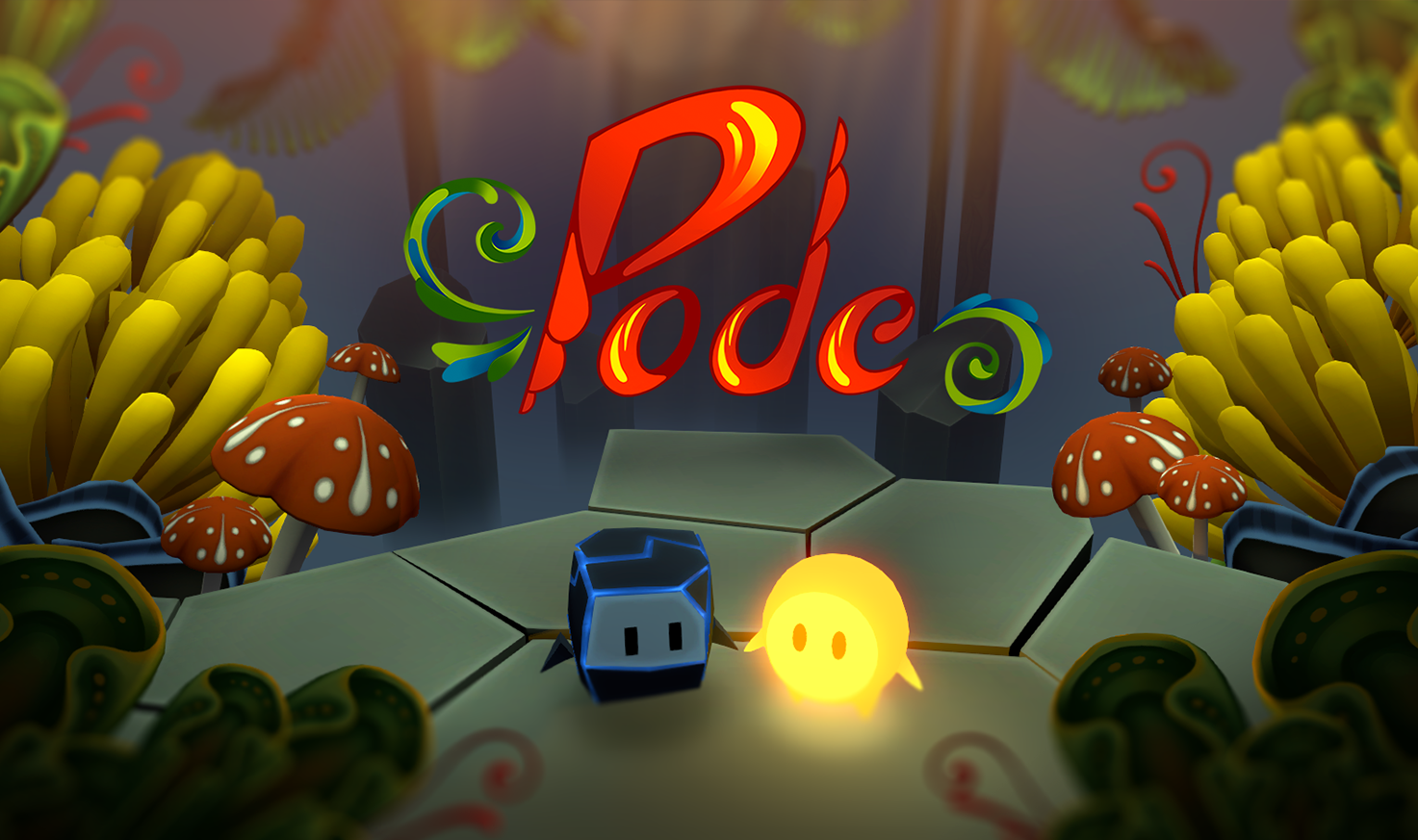





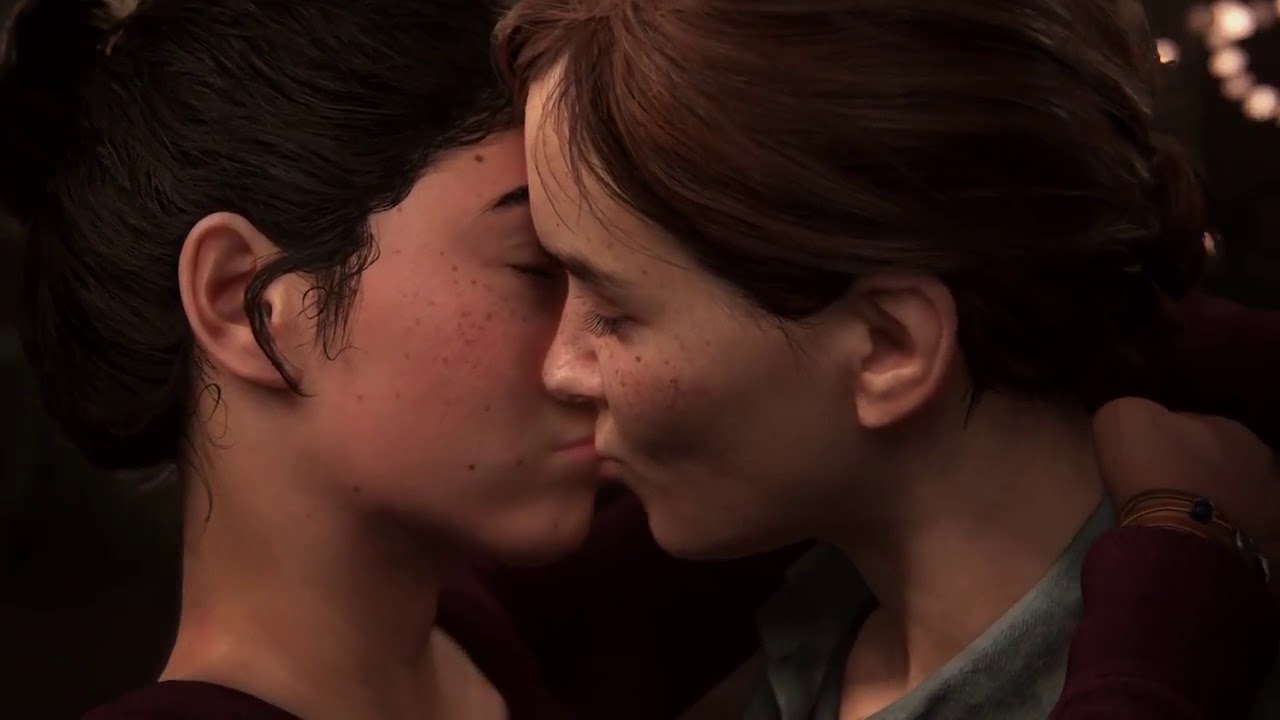

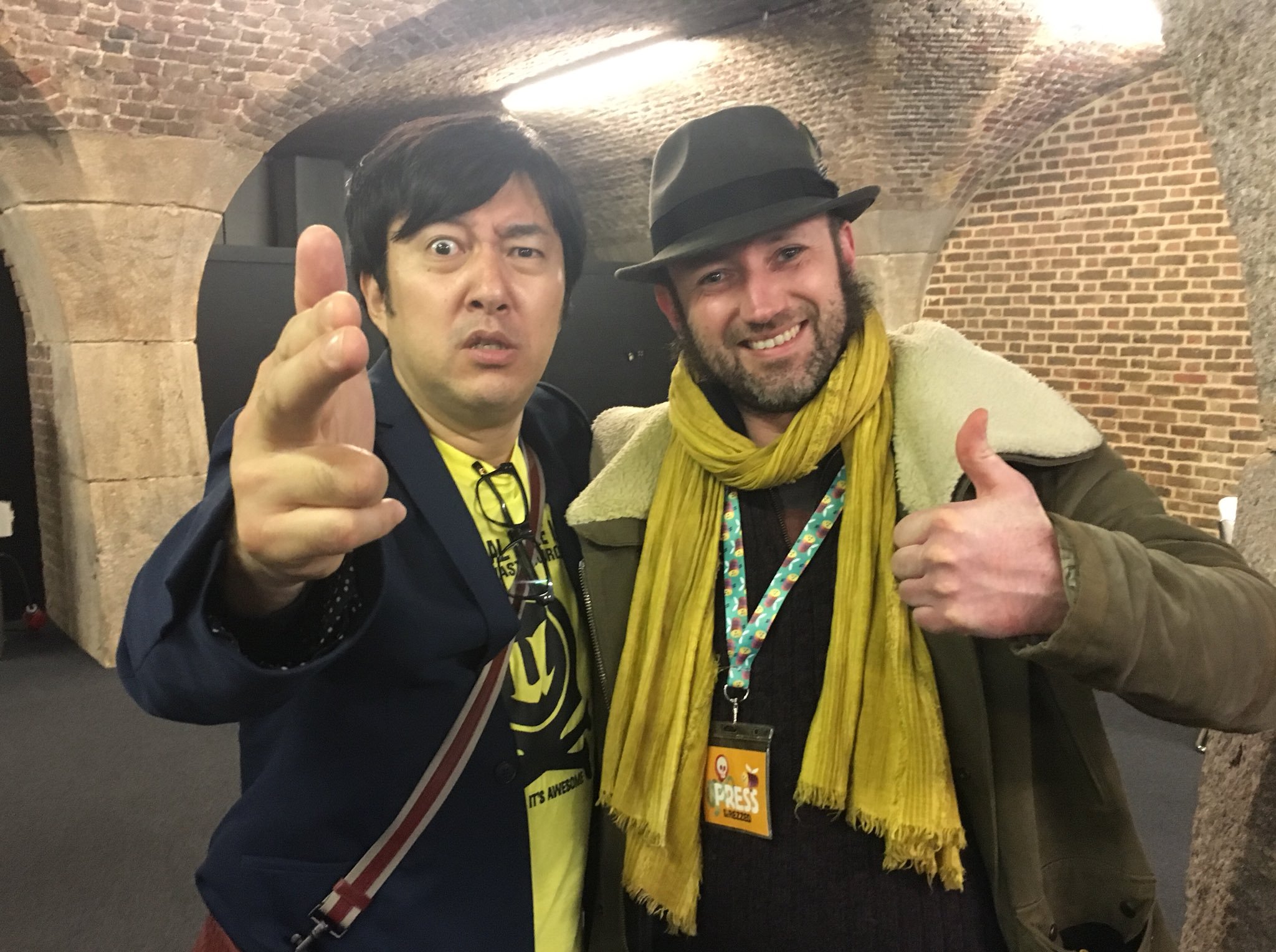
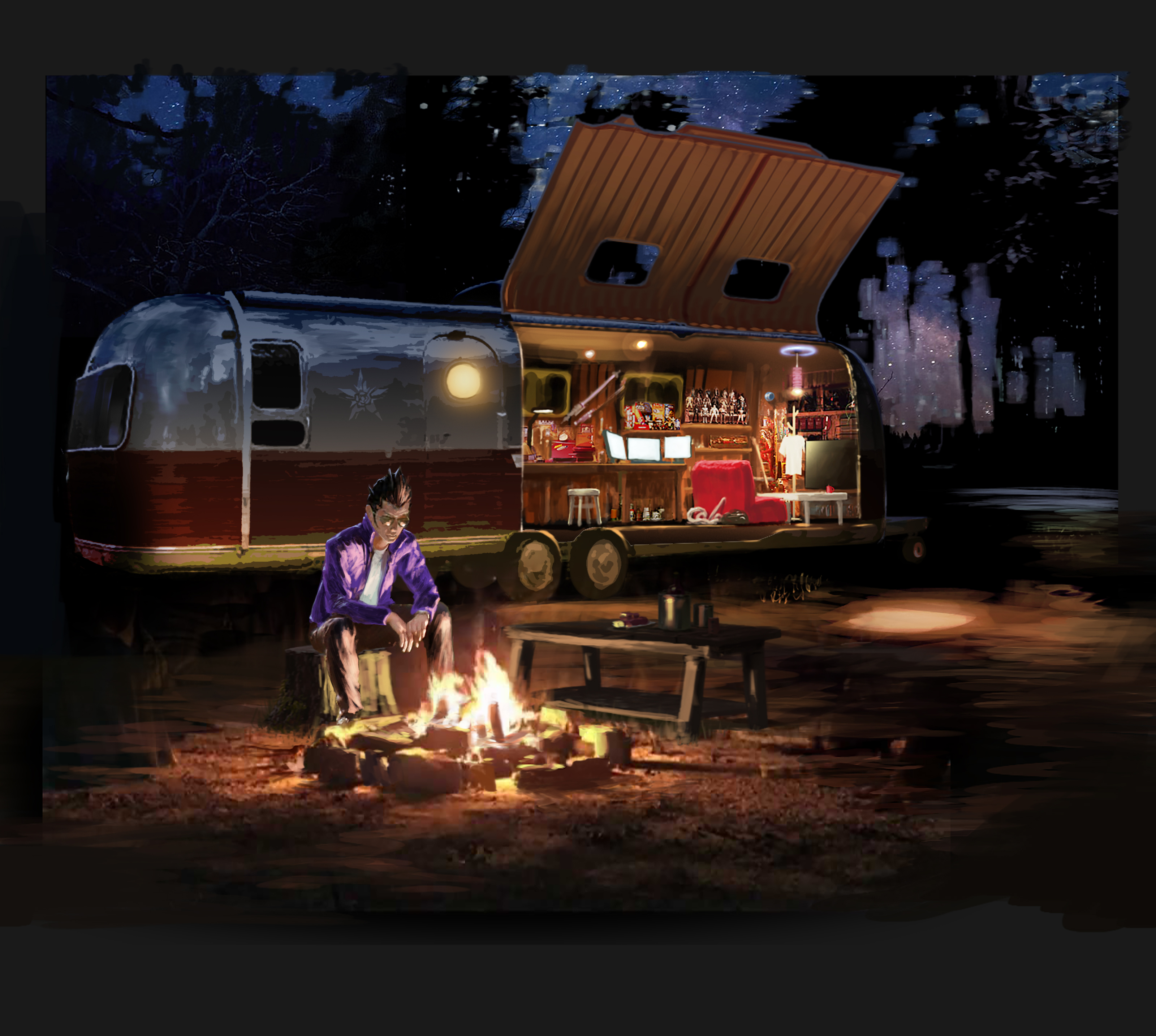
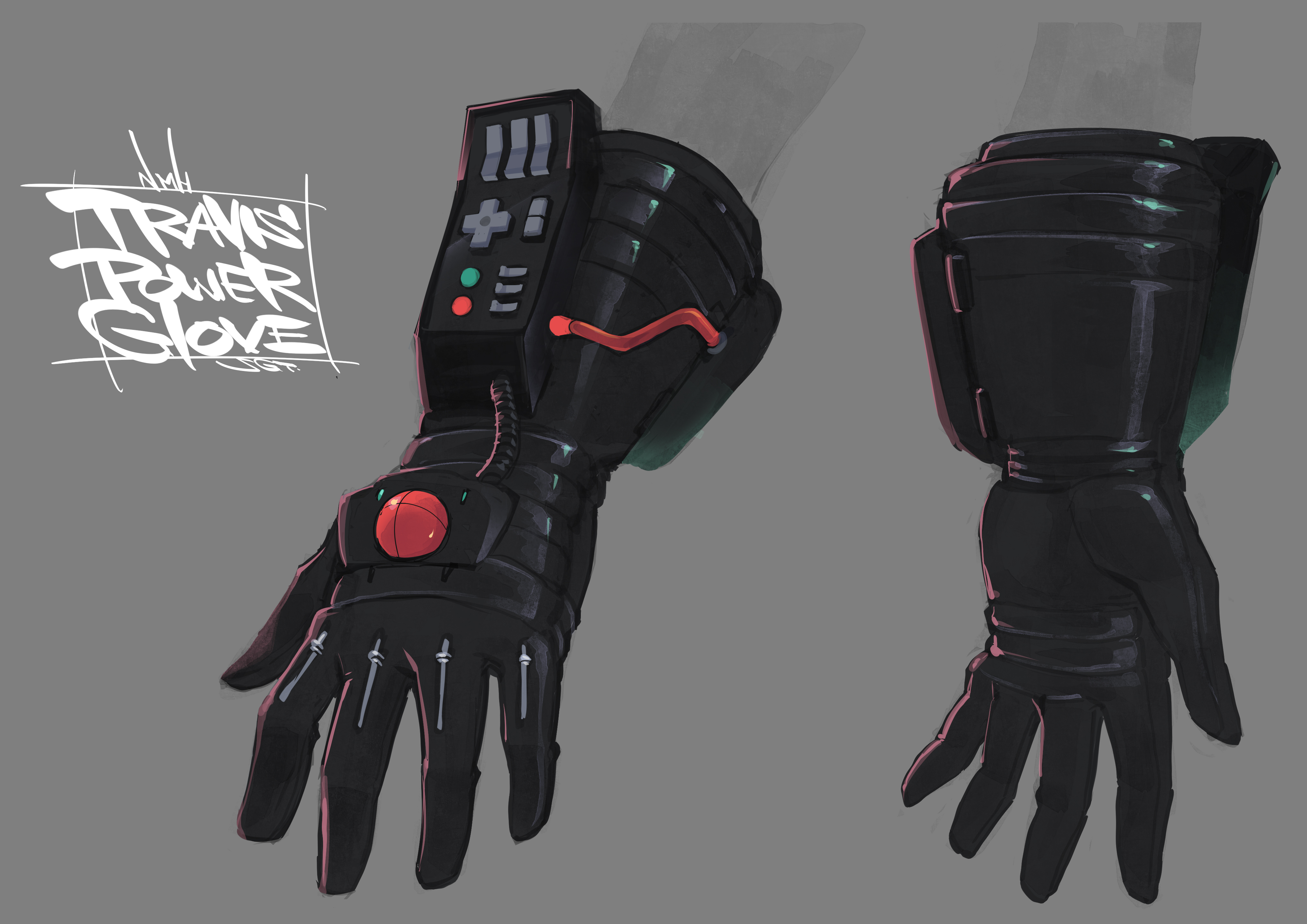

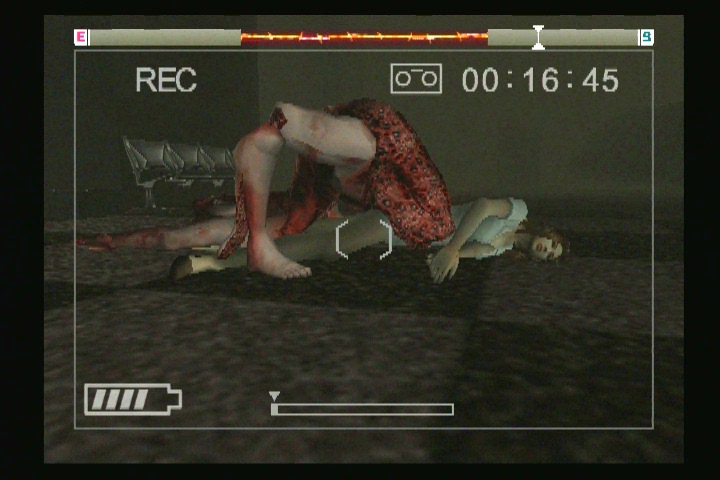
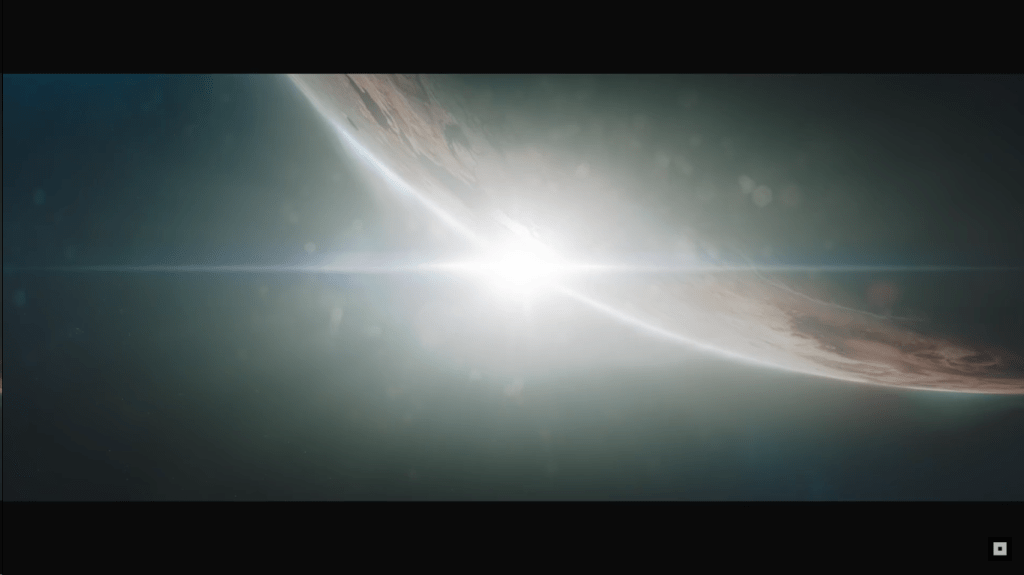



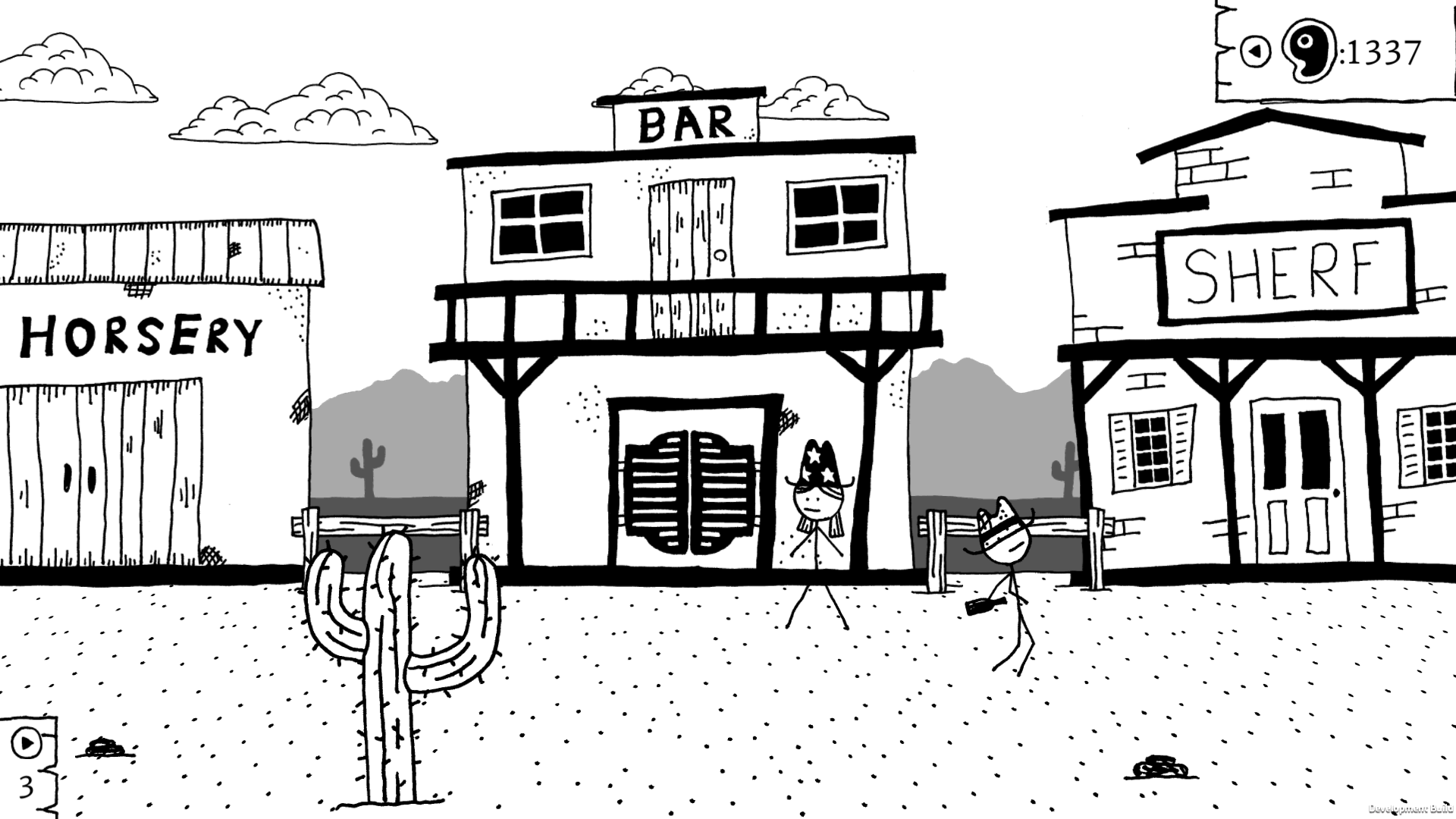
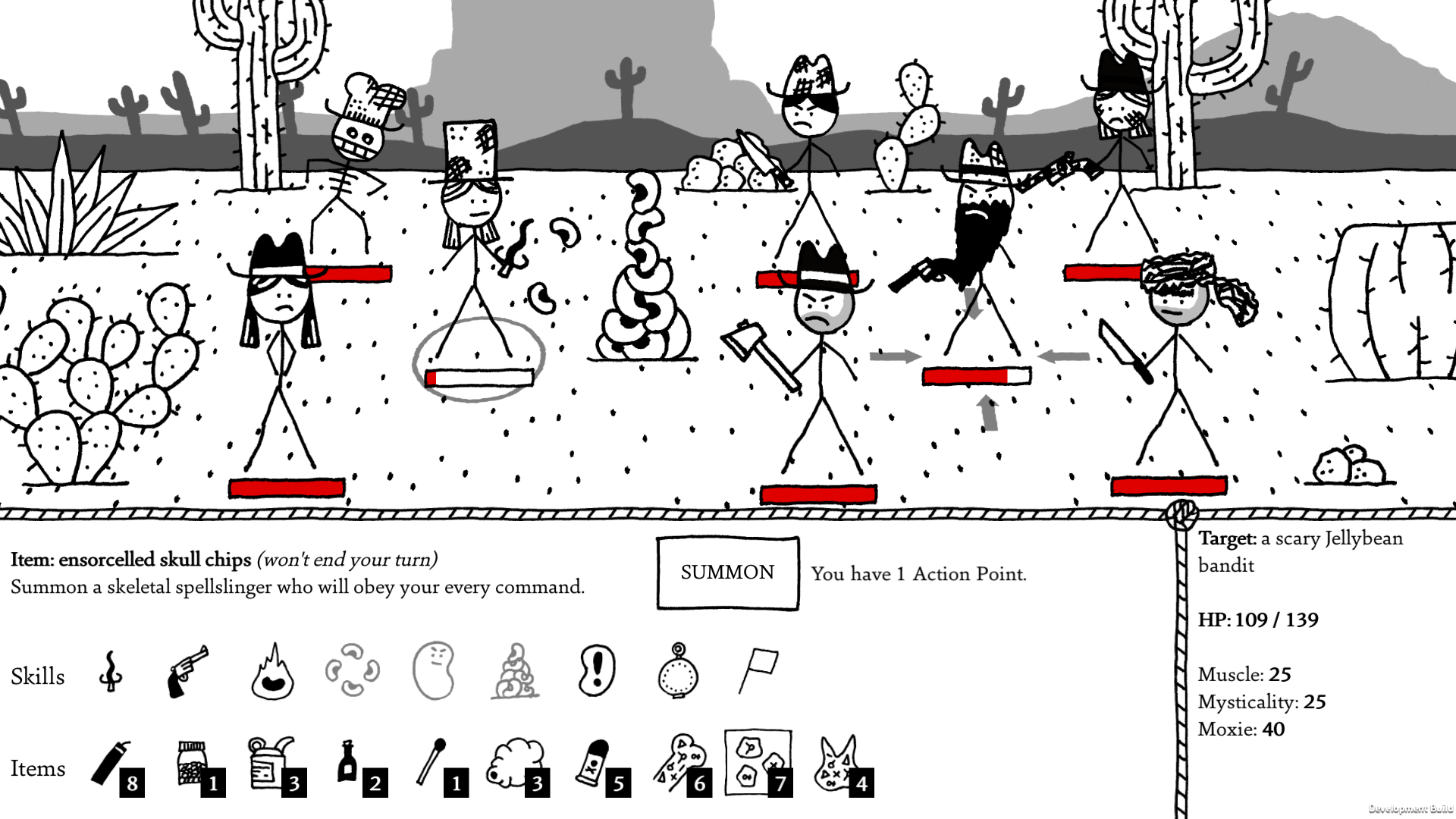
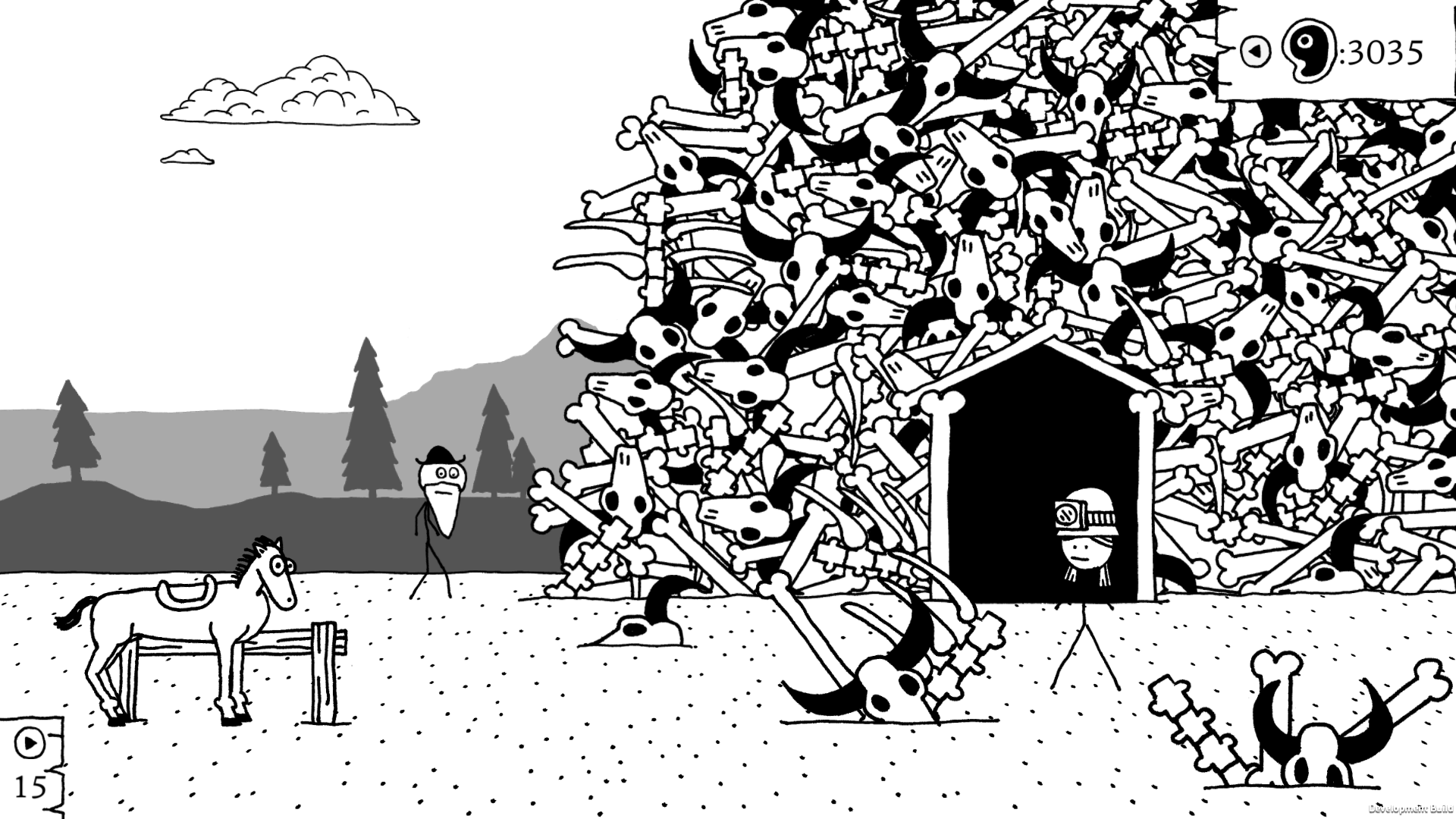




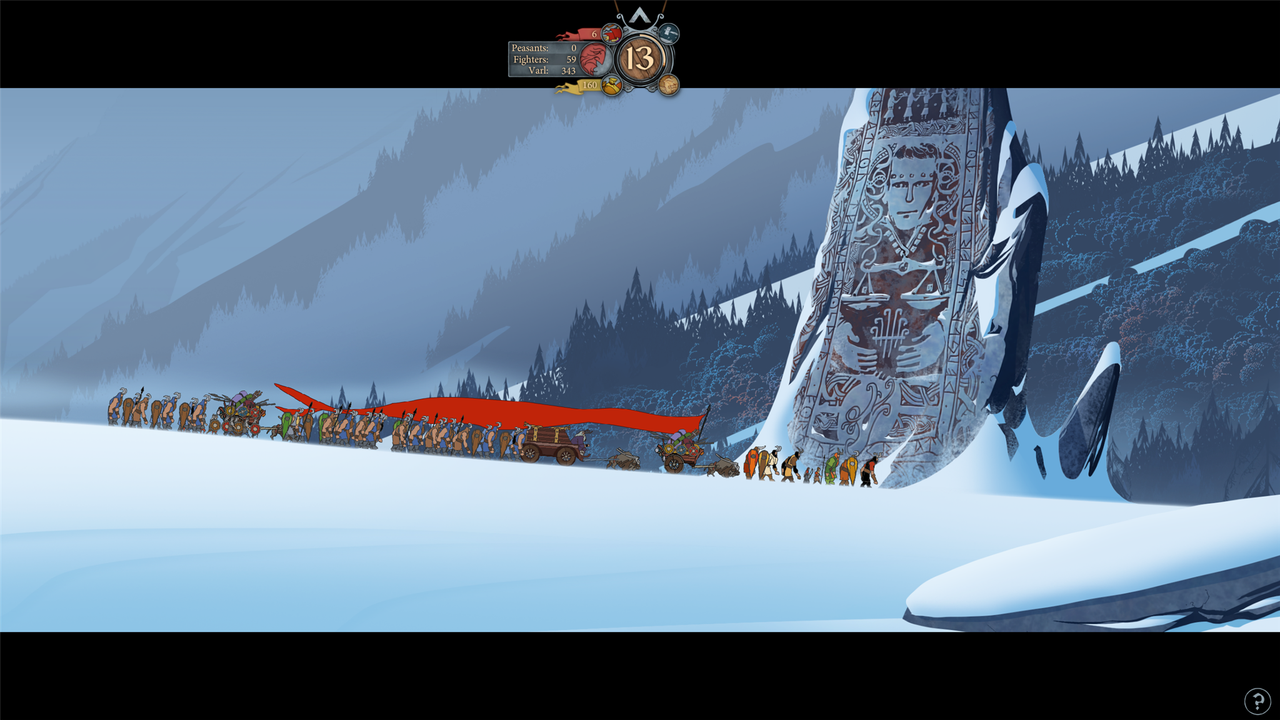





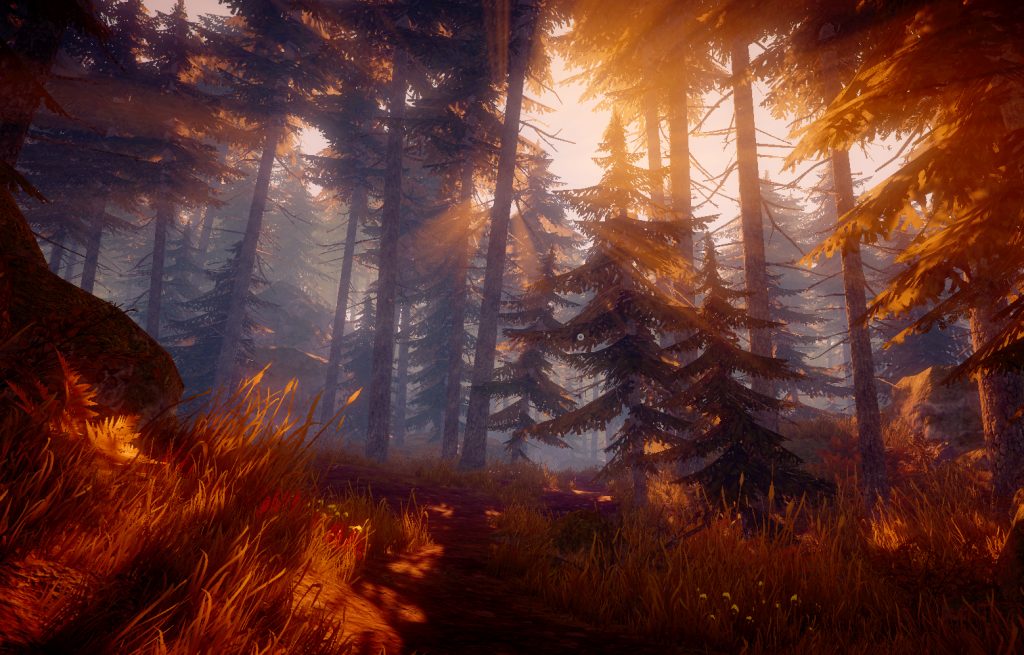

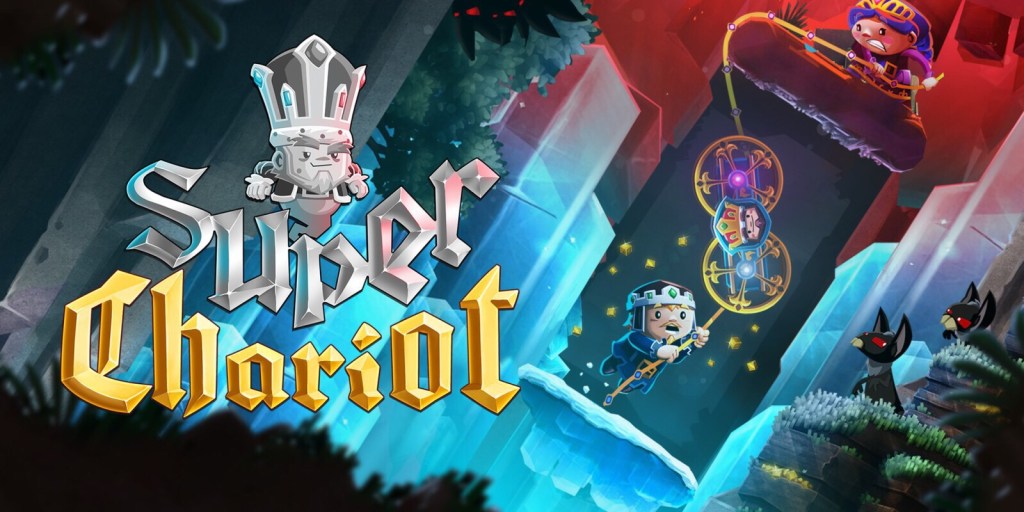
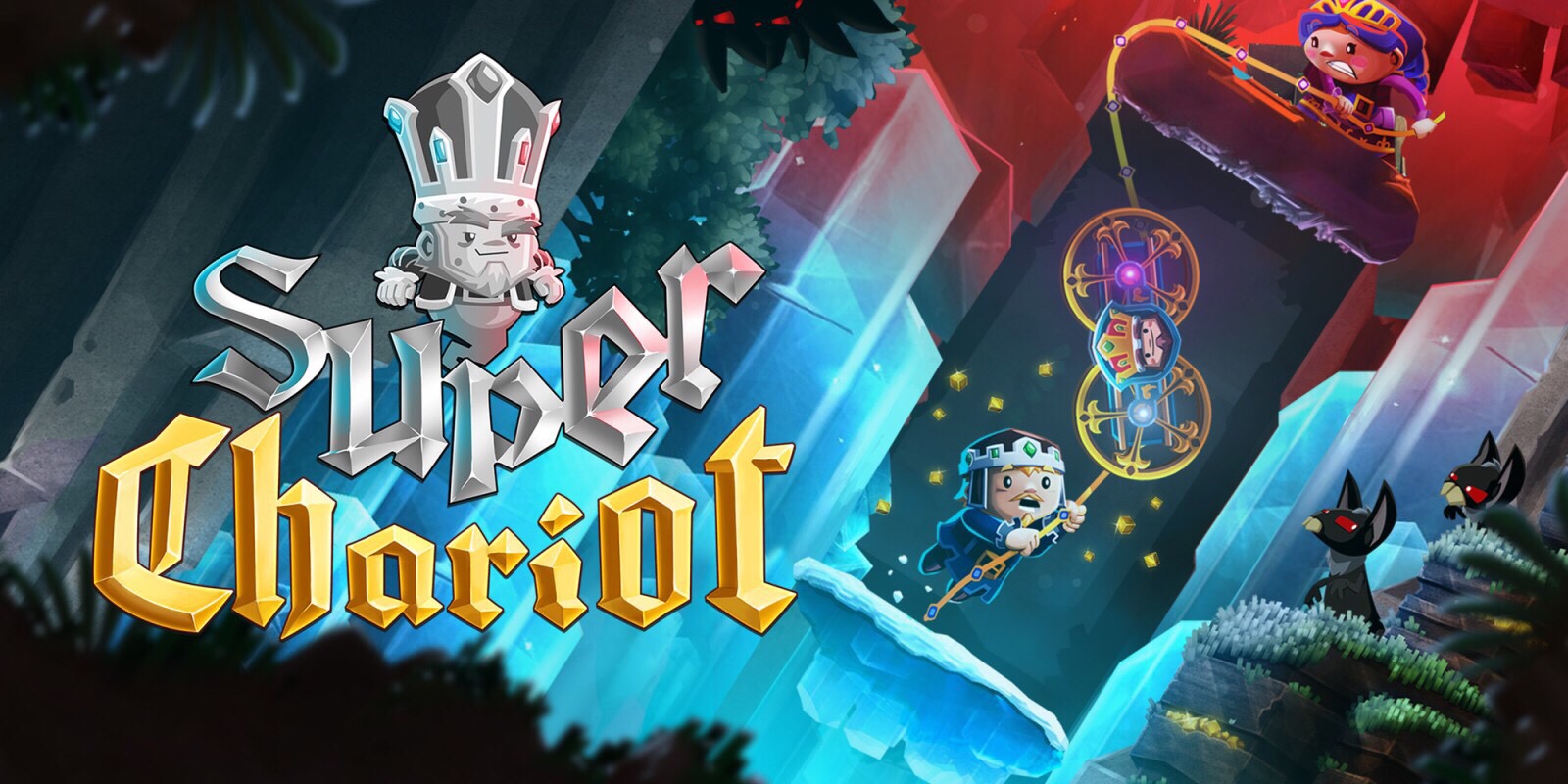


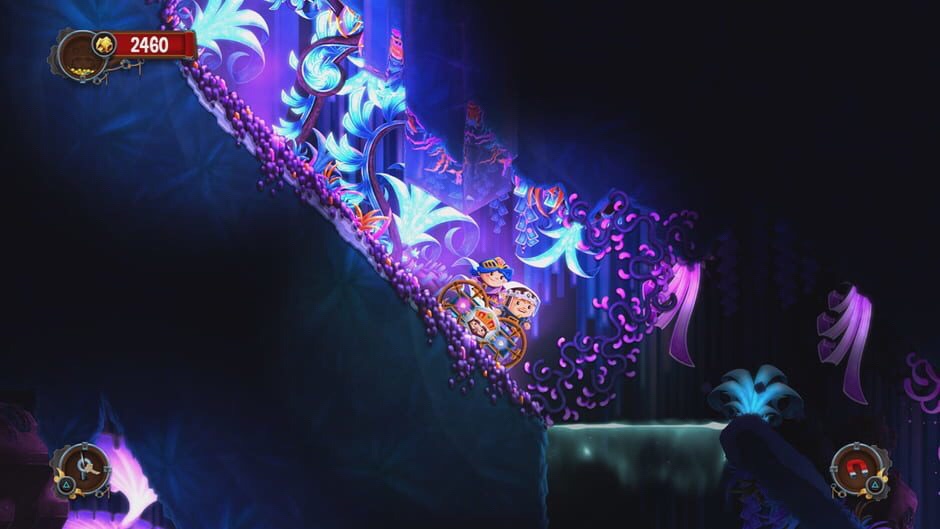


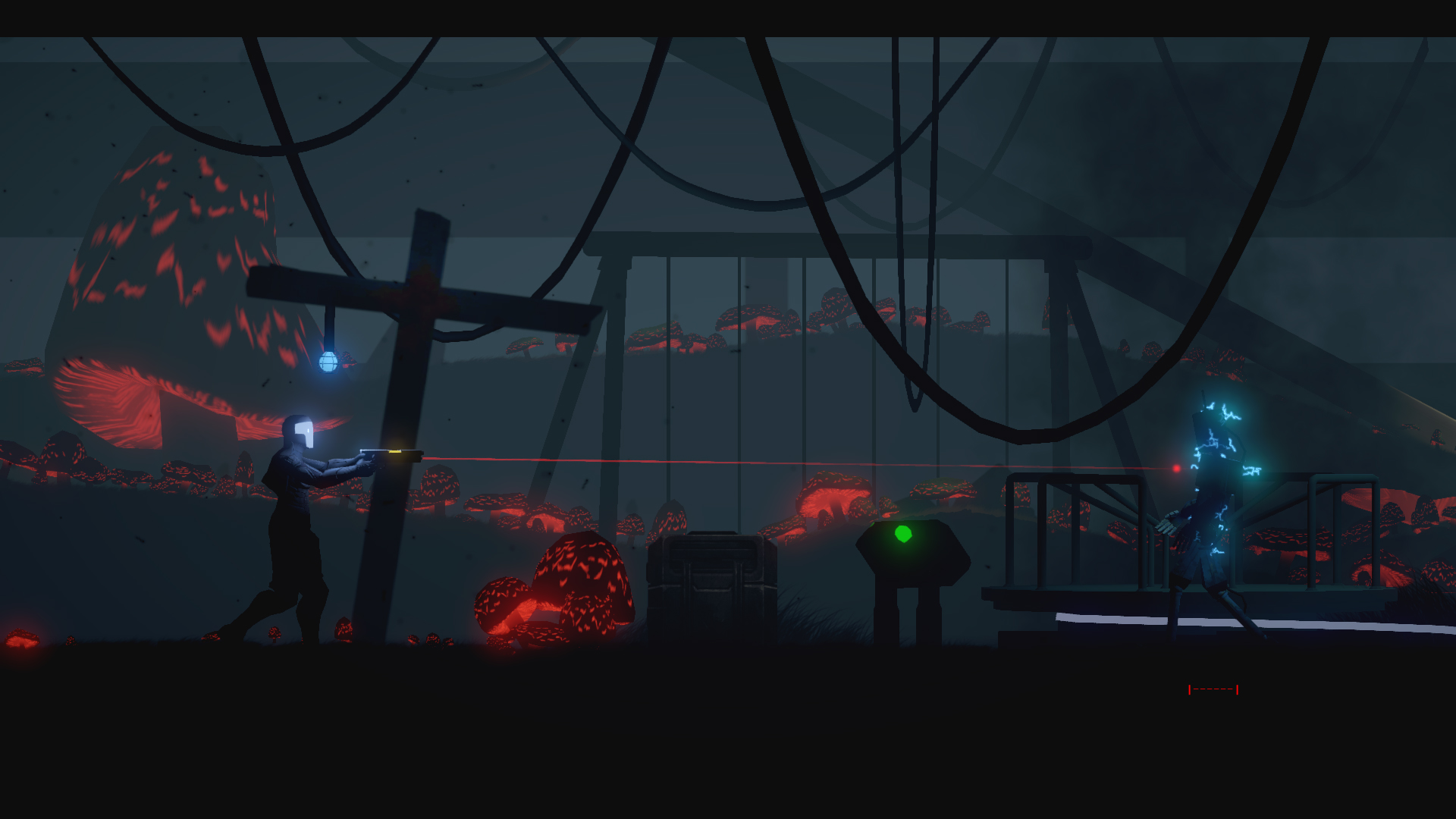

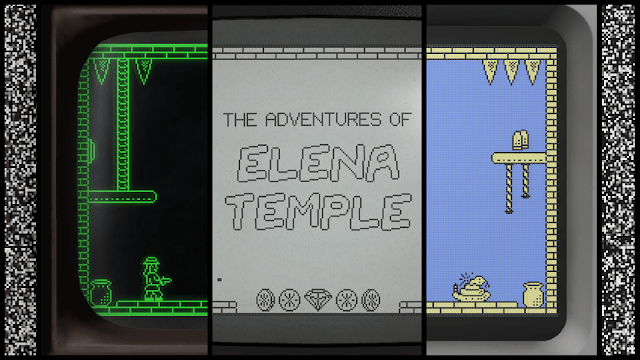


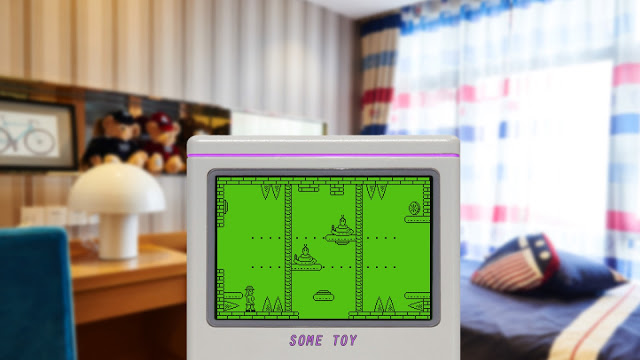


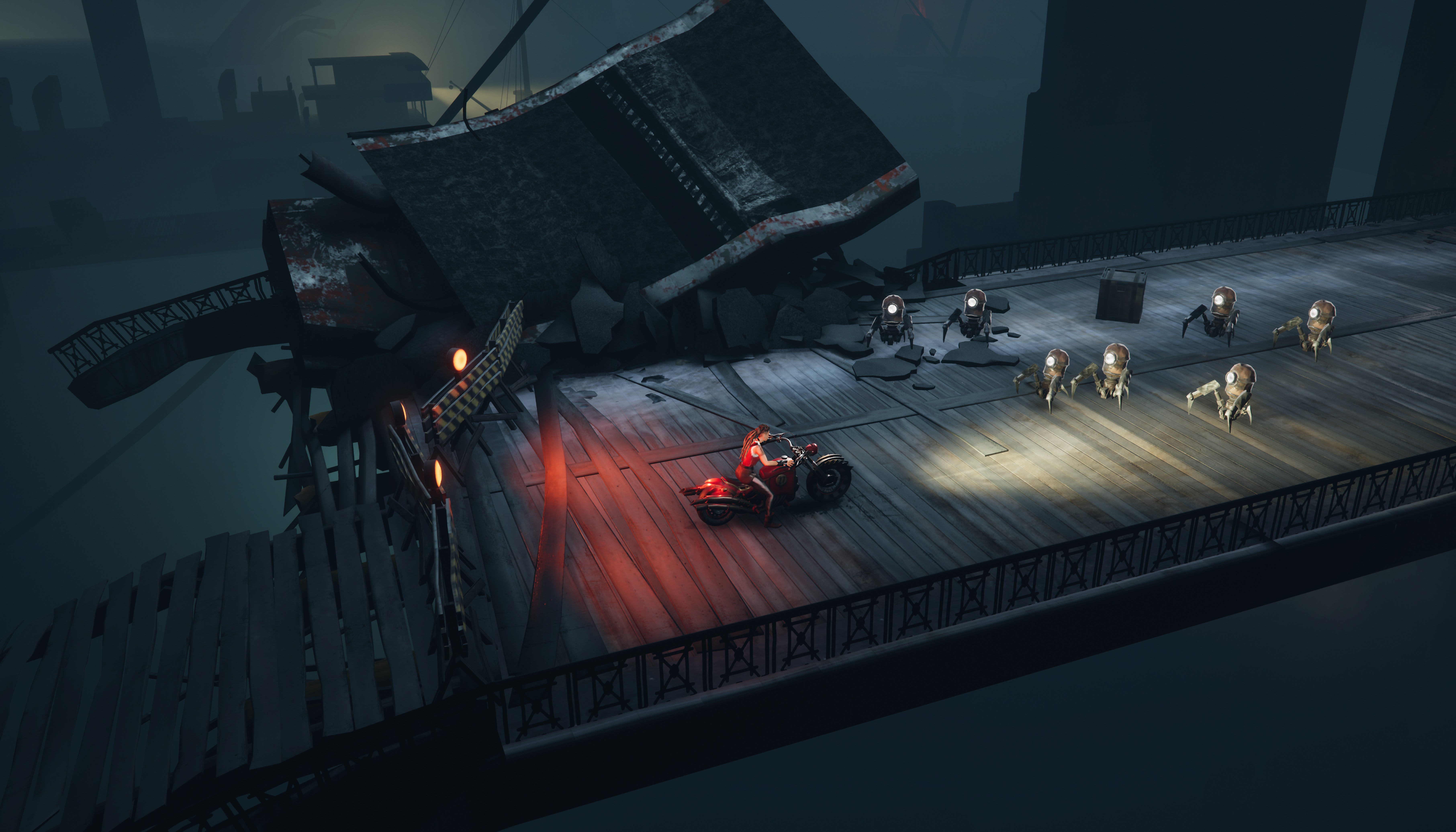
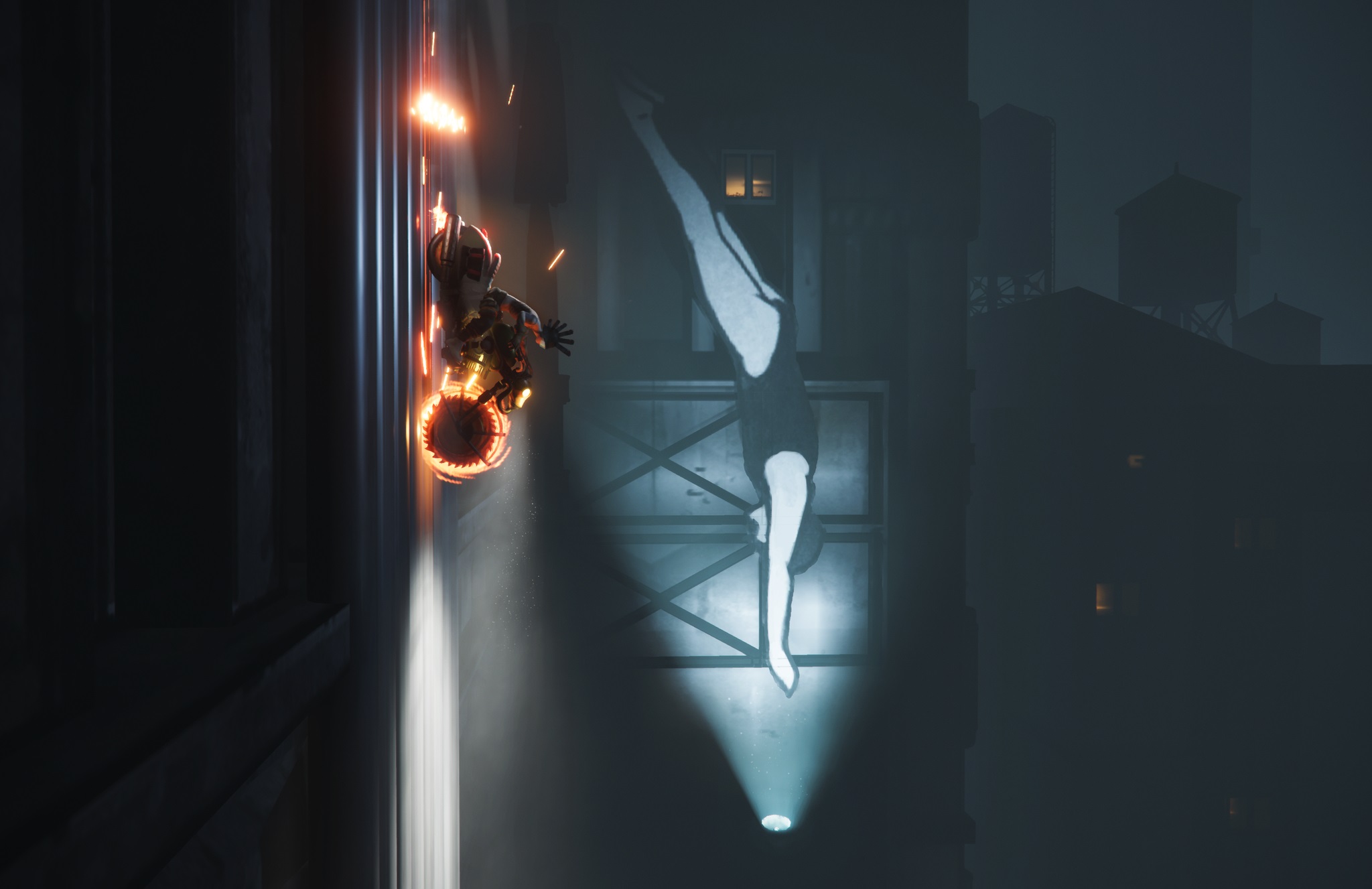


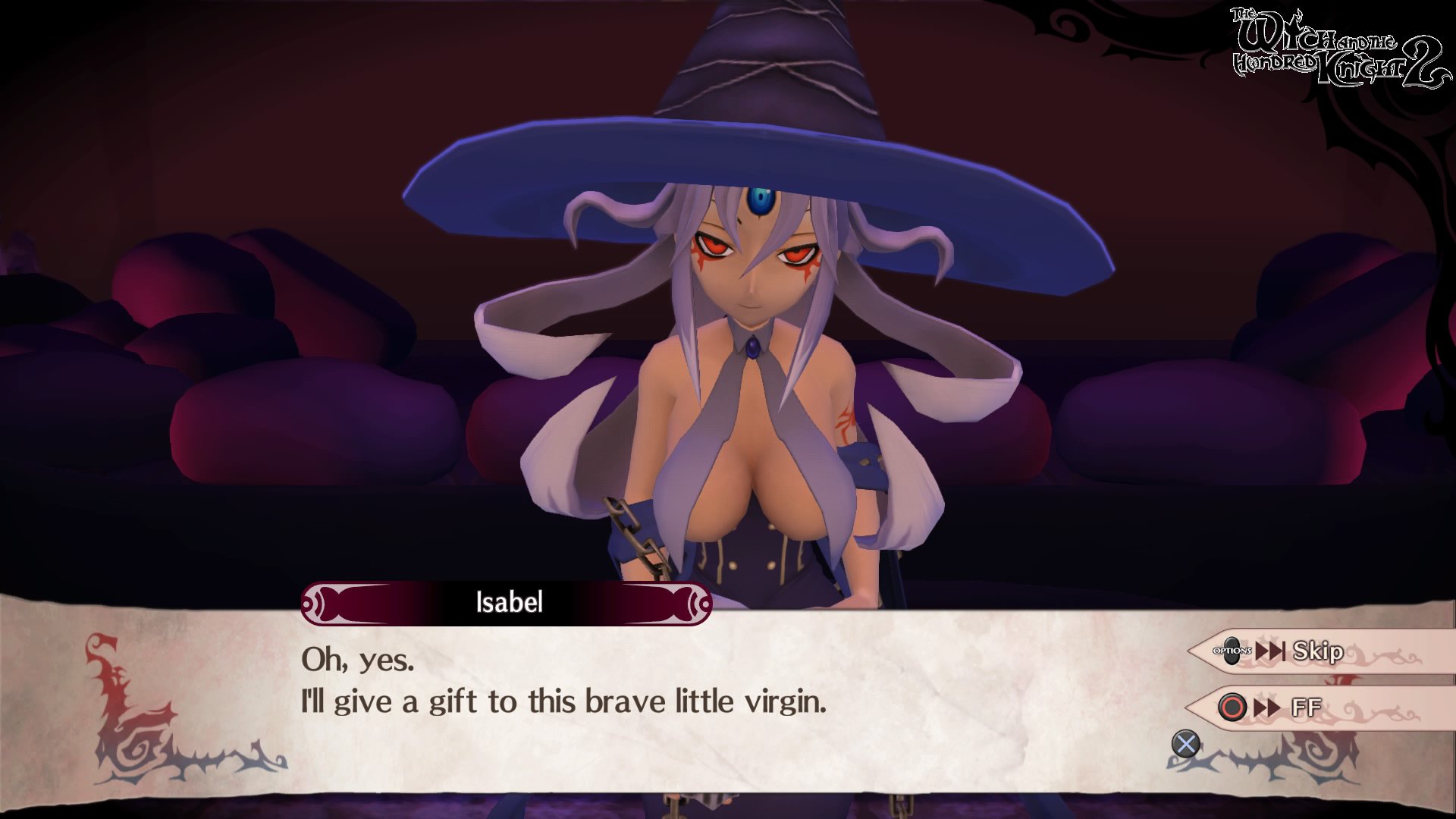


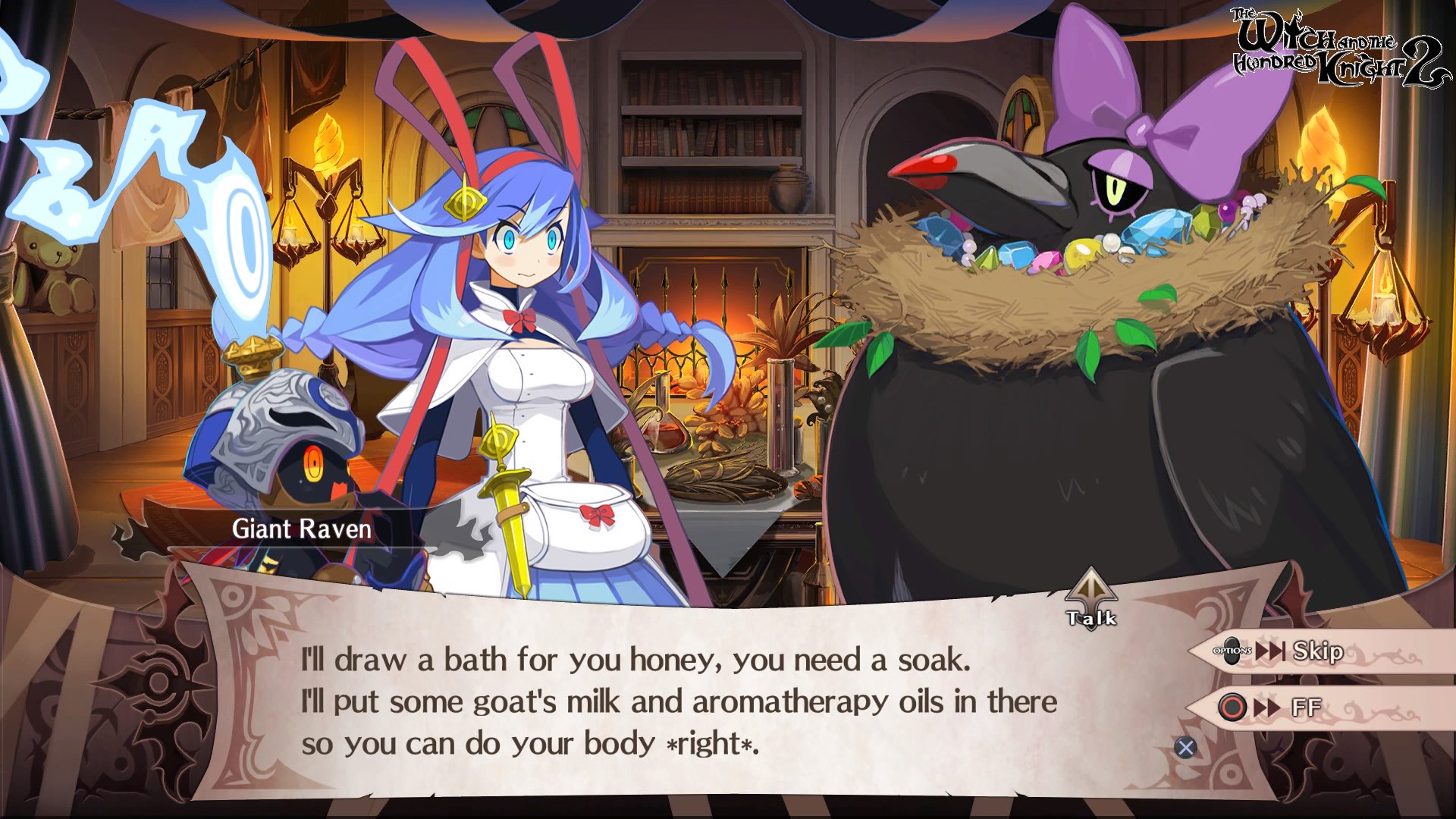


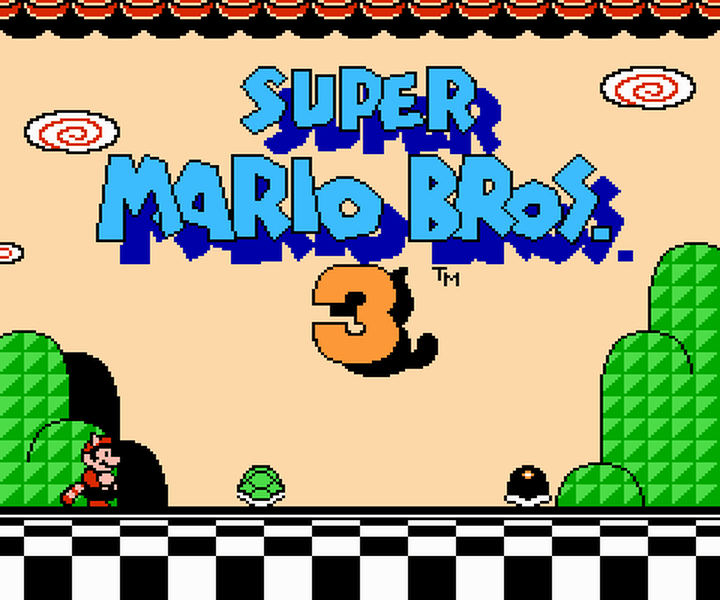

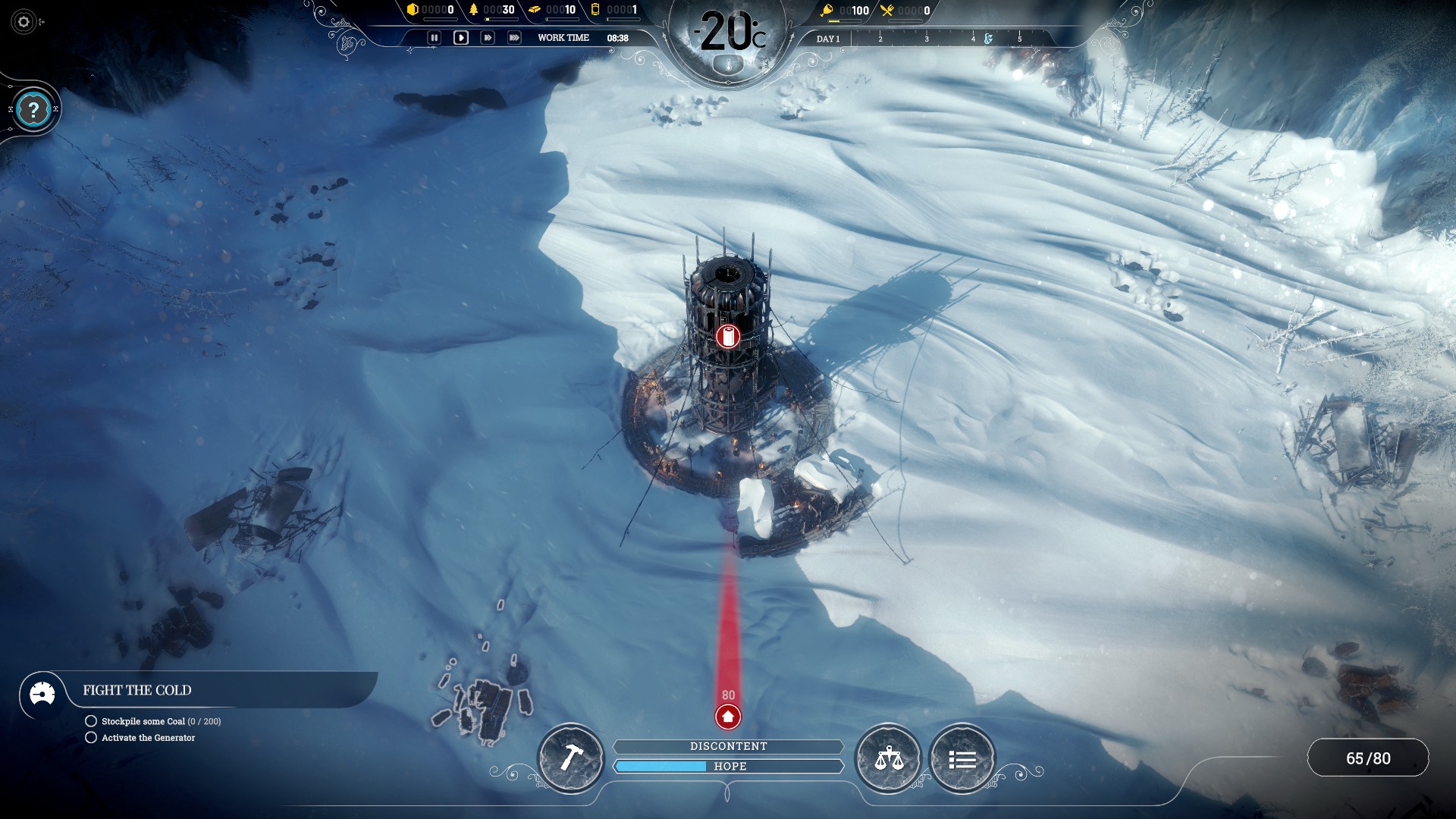
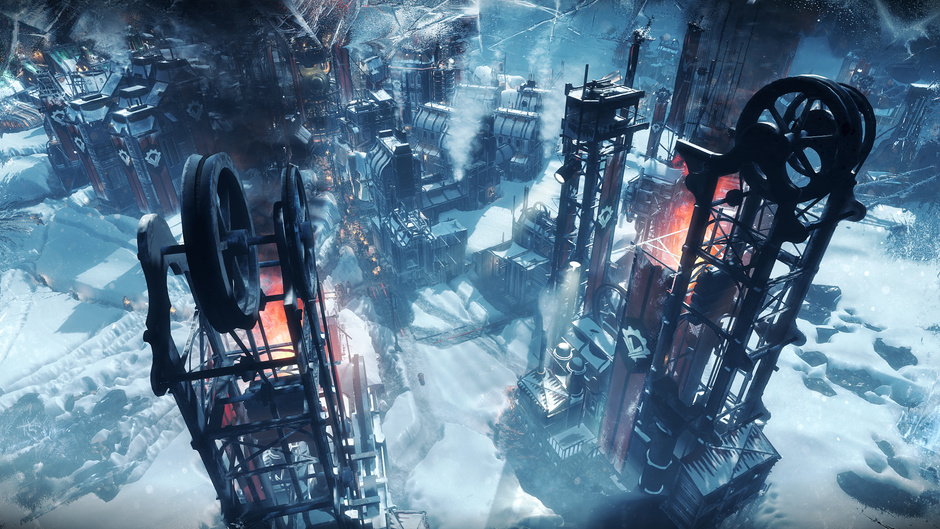



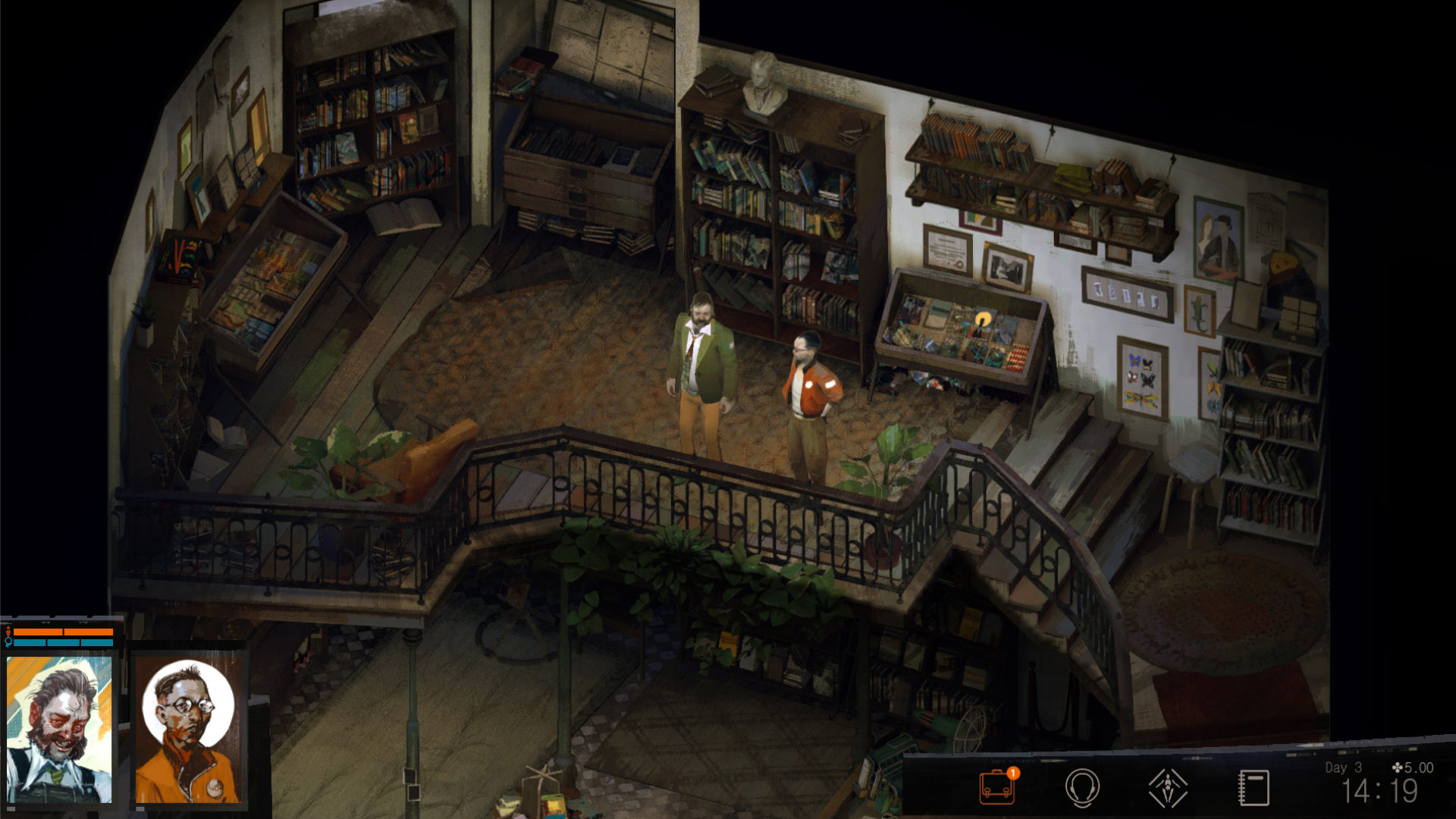
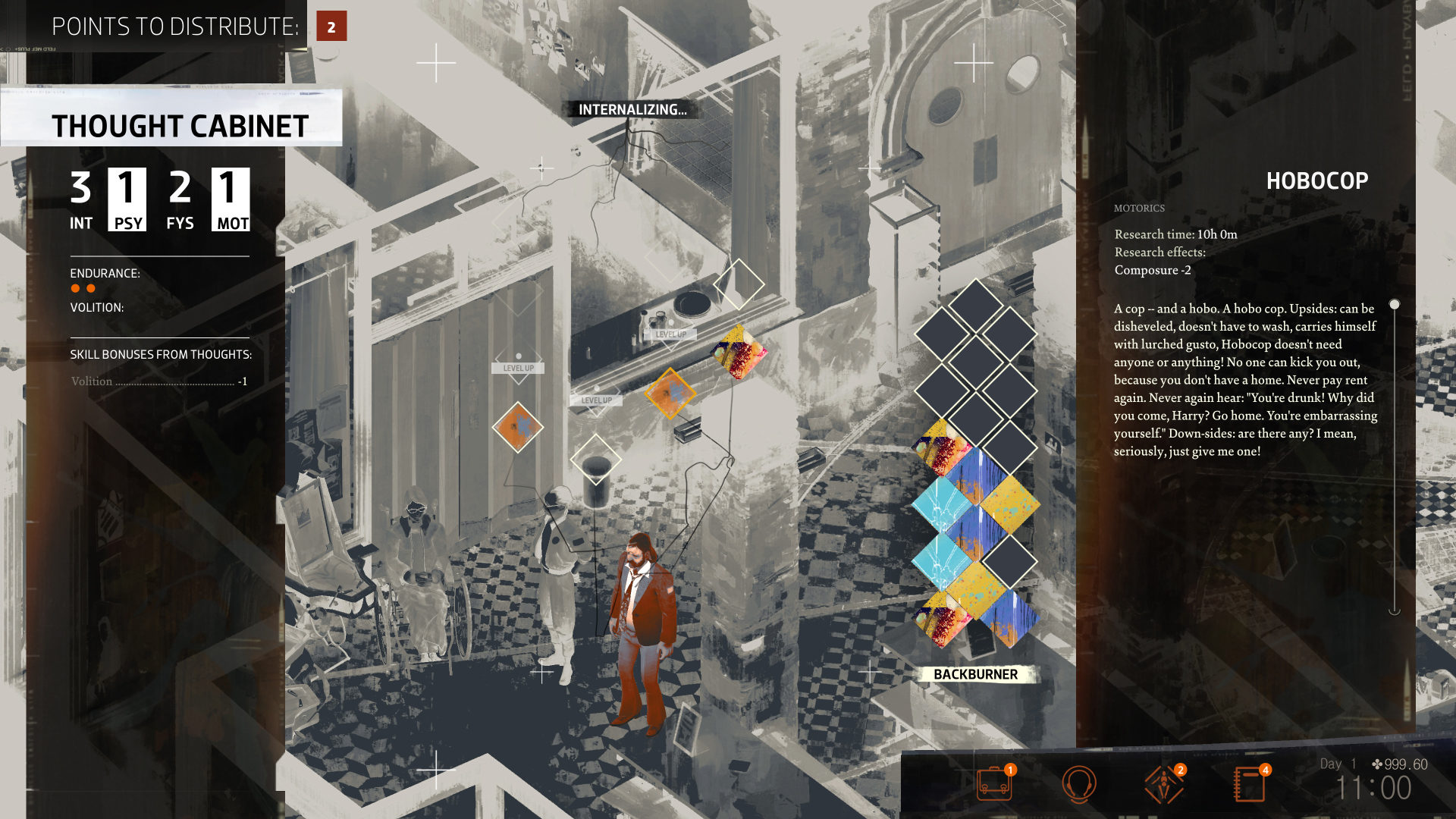
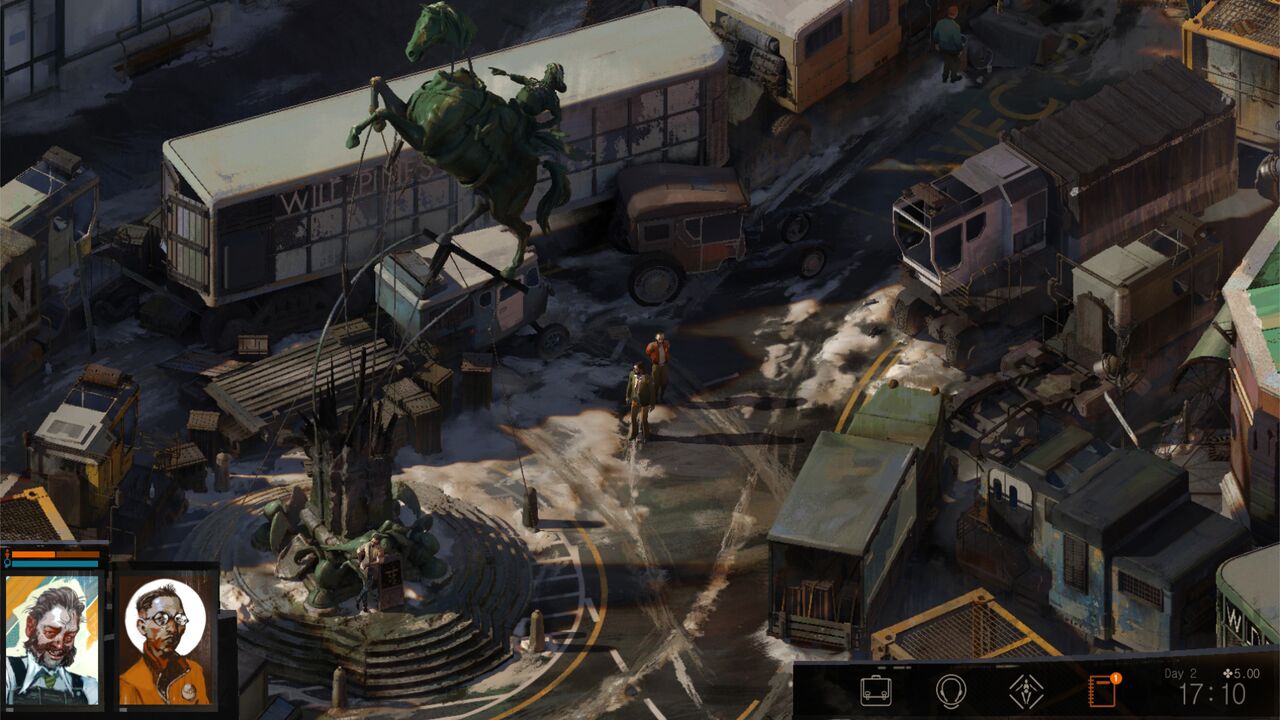


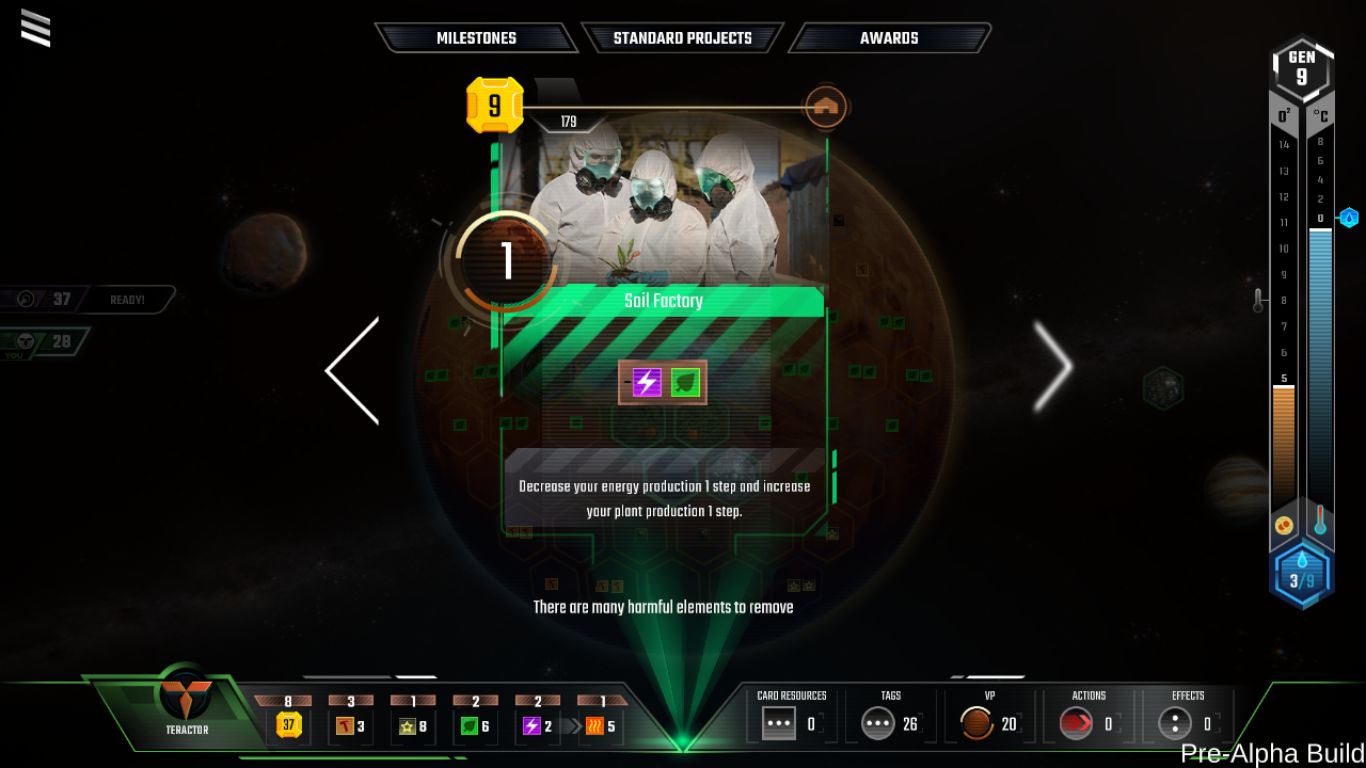







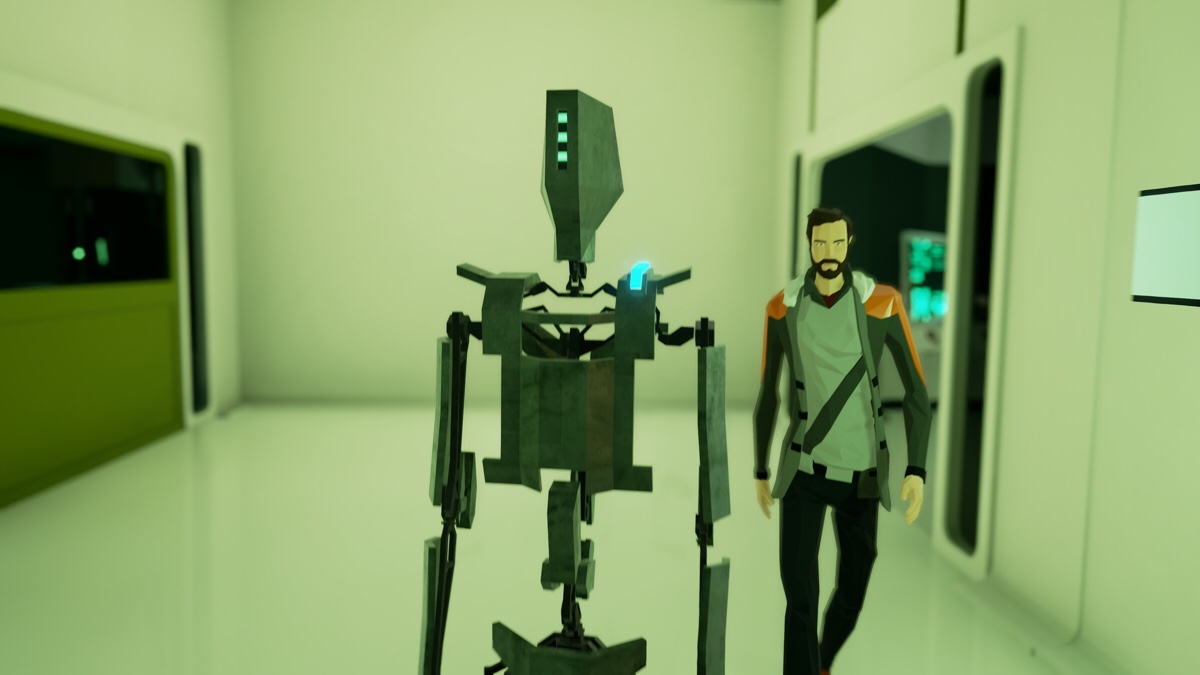













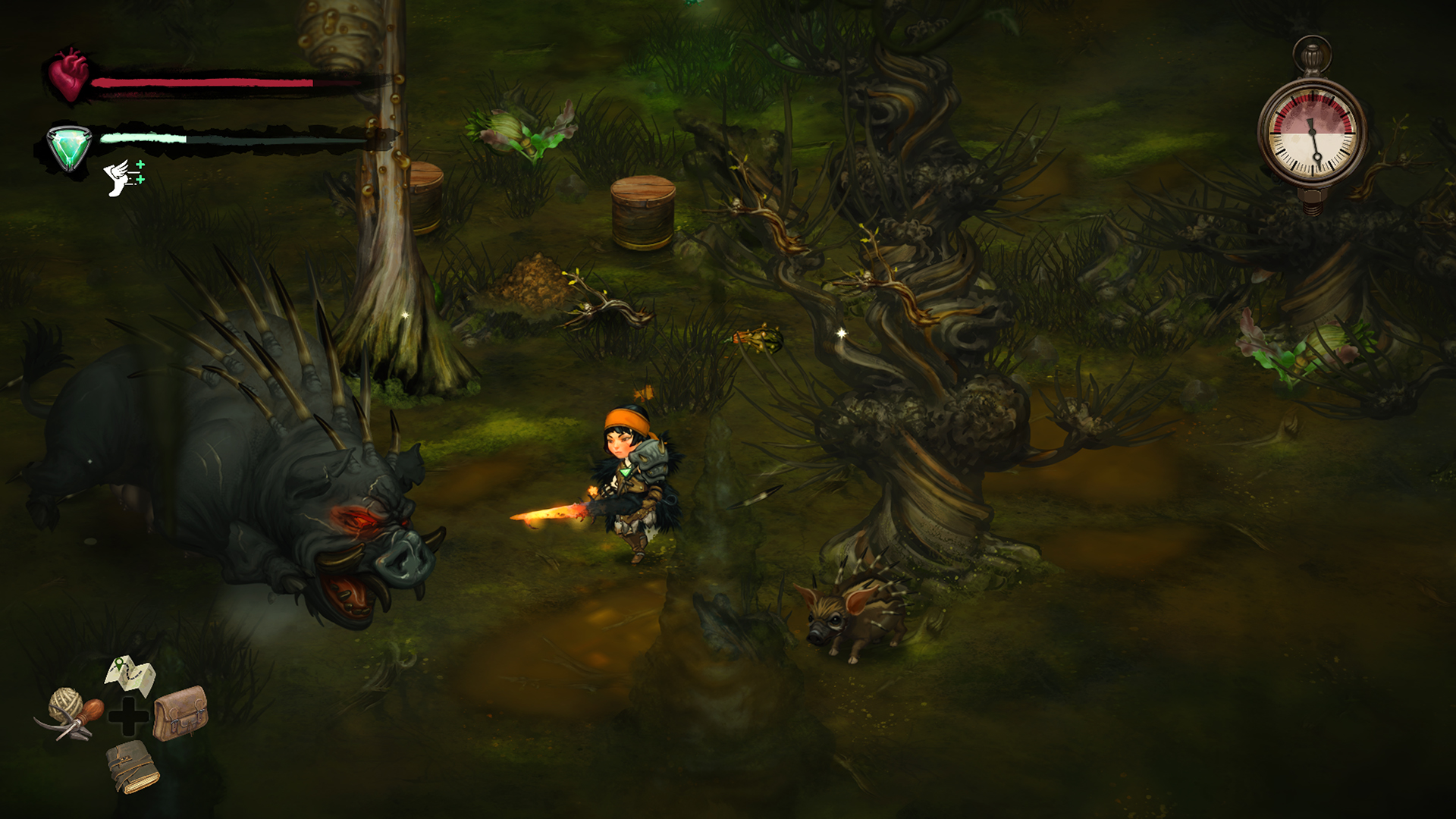
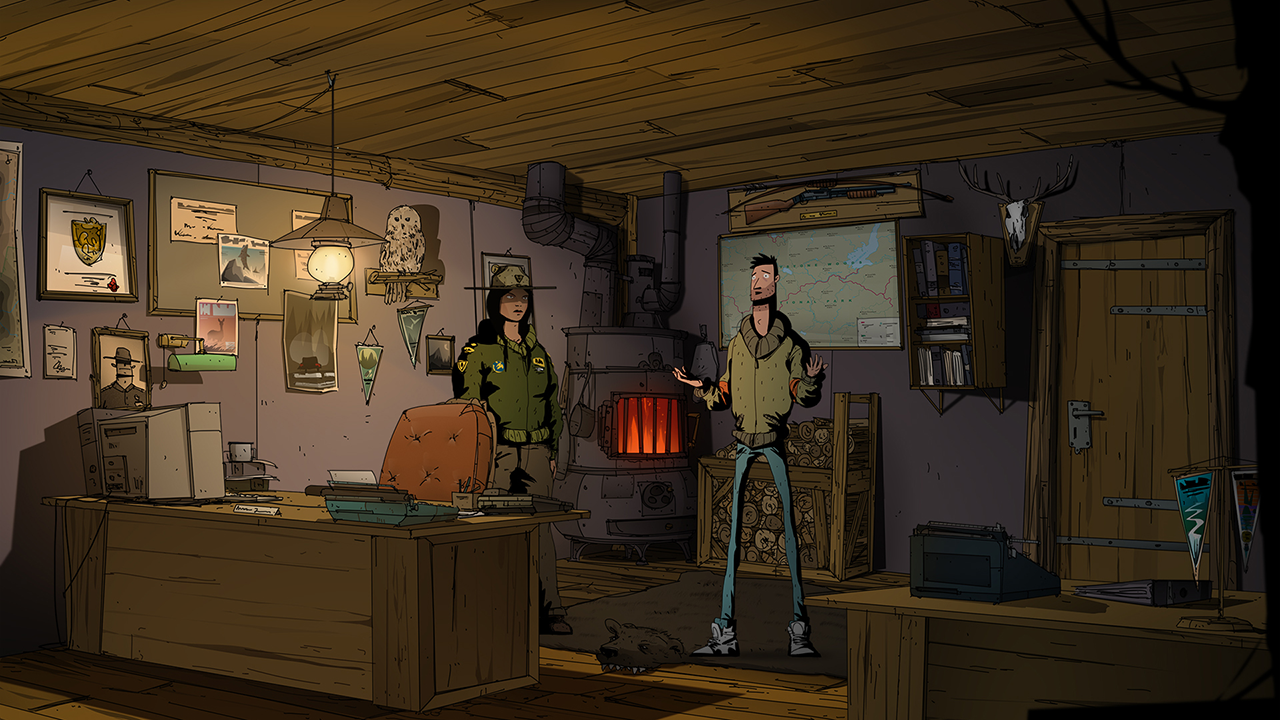


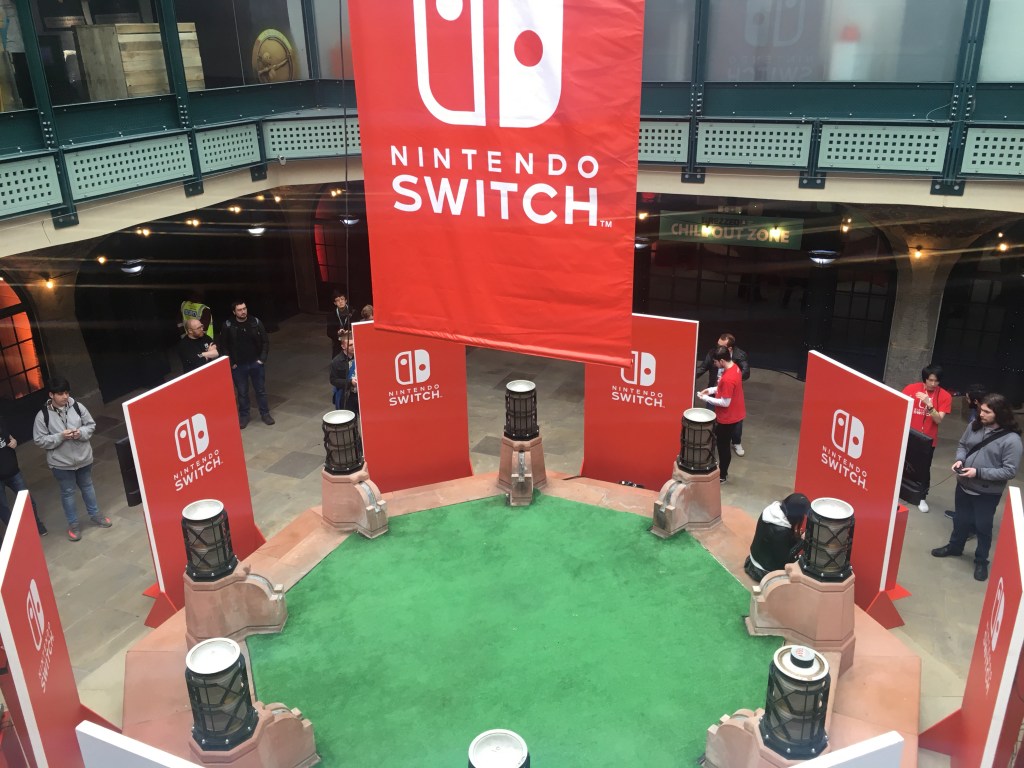

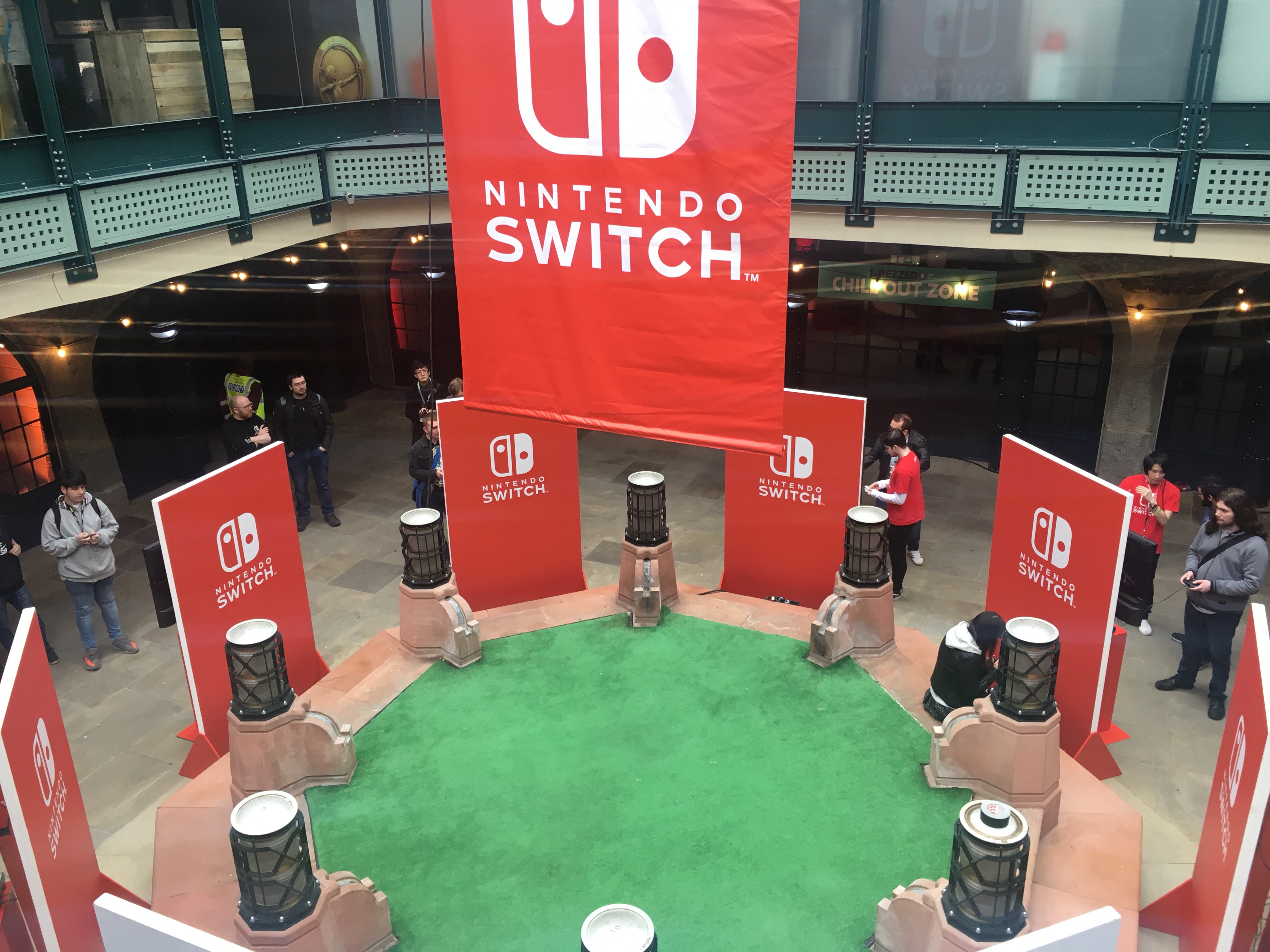

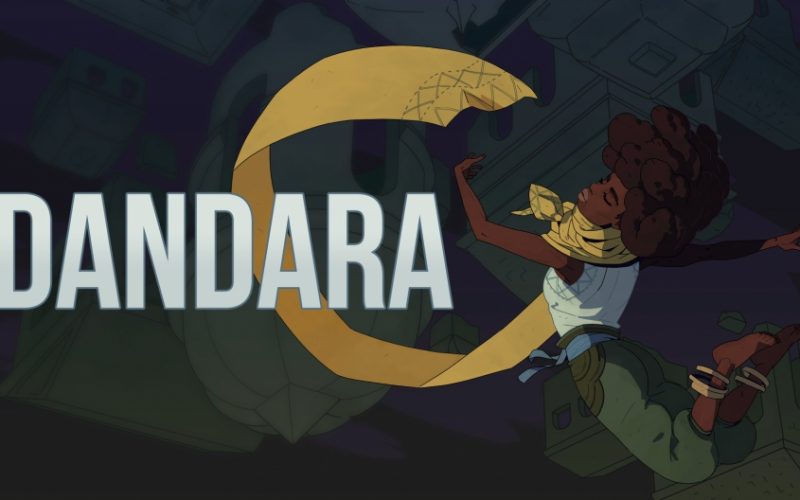

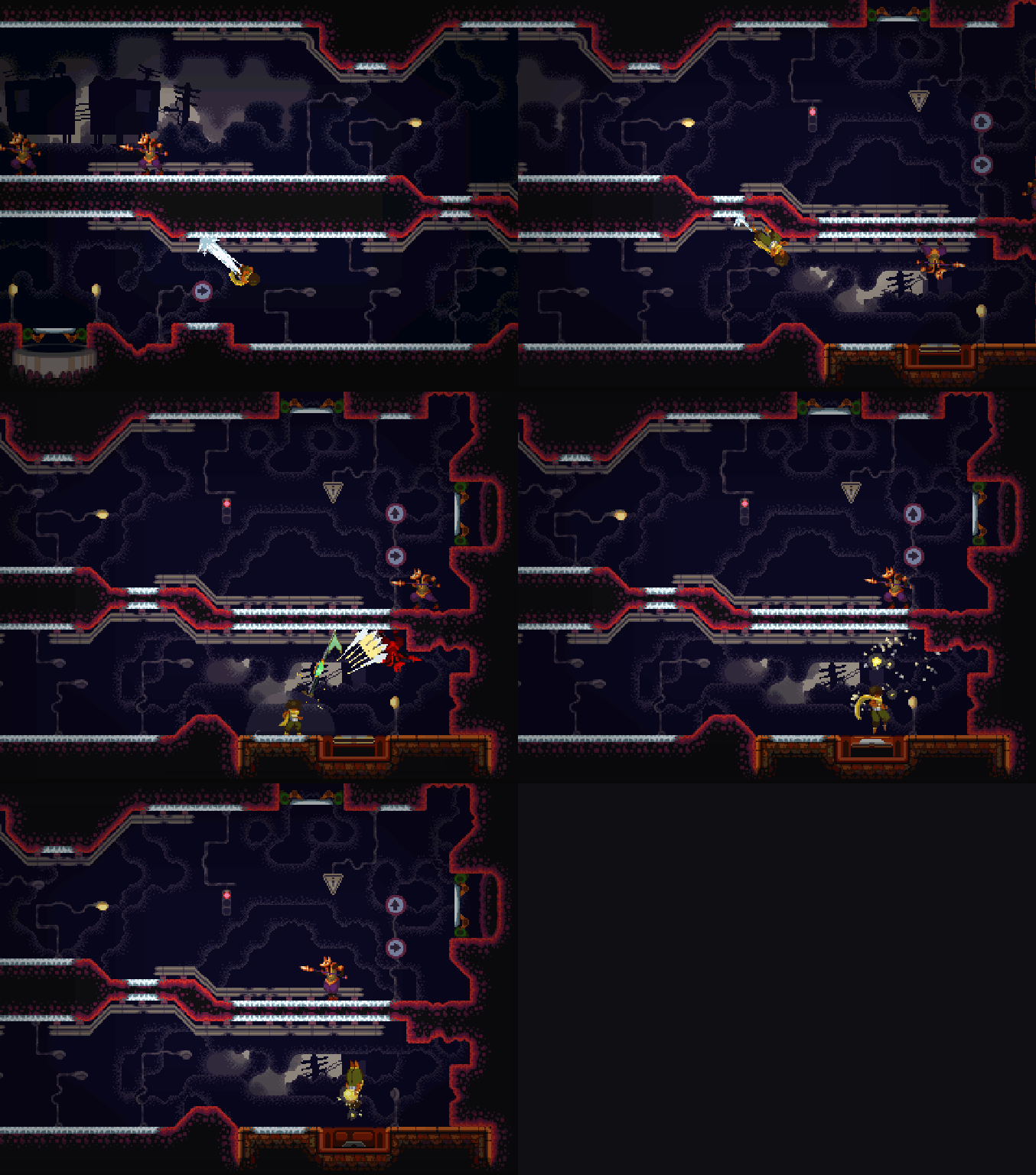


 A MOST AGREEABLE PASTIME