• They’re finally here! And a day early in fact – I found Samus Aran and Squishy Metroid on my doorstep a whole day ahead of the street date, which was a lovely surprise. Let’s tear these things open!

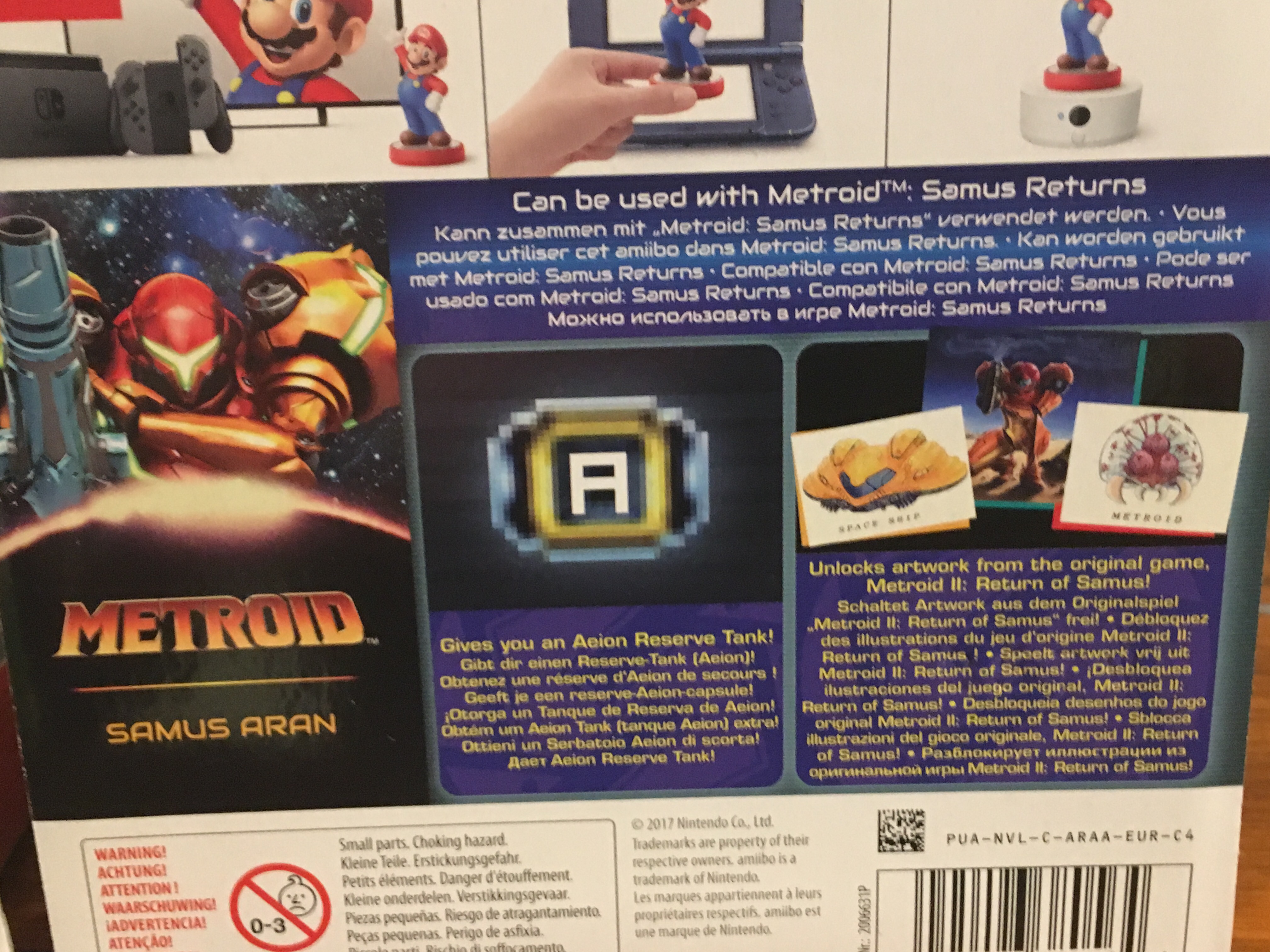
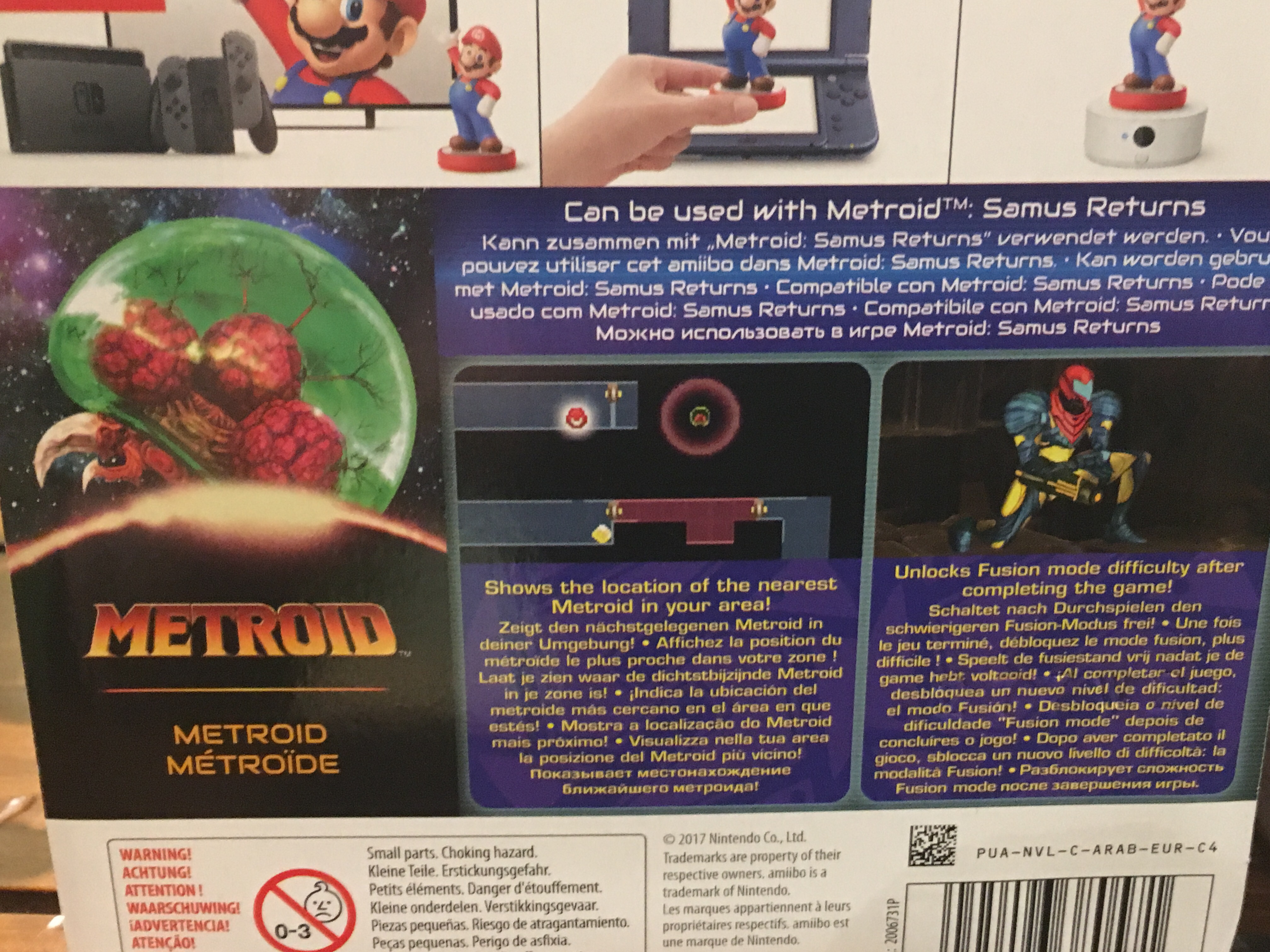
    But first, what do they actually do? Here’s the back of the box to tell us:


    So Samus gives you an Aeion reserve tank and unlocks some Metroid II artwork in Metroid: Samus Returns, which seems pretty nifty. But Squishy Metroid let’s you find nearby Metroids (makes sense) and unlocks Fusion mode when you finish the game, which sounds even niftier. Anyway, let’s see what the amiibos look like up close.


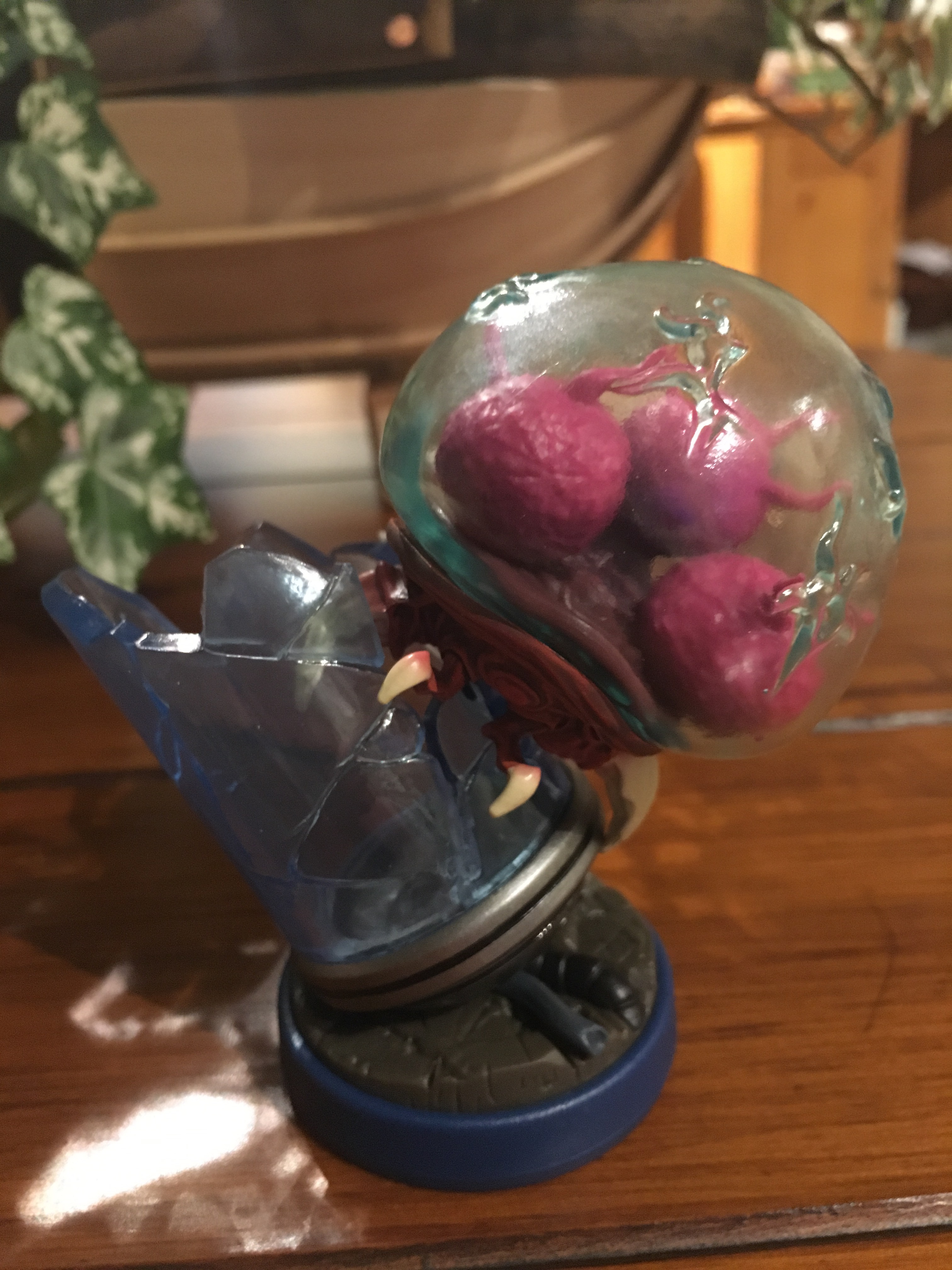
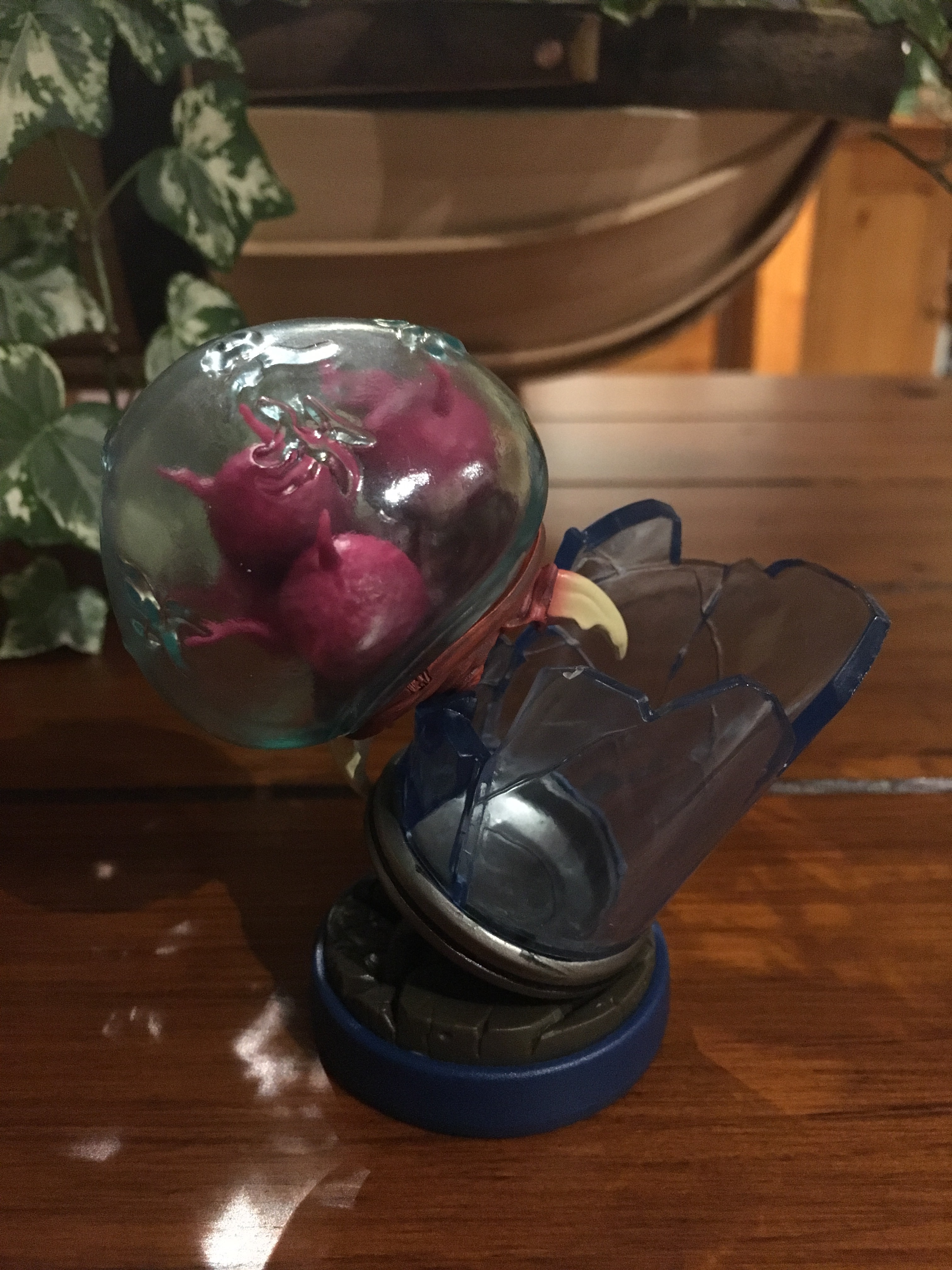
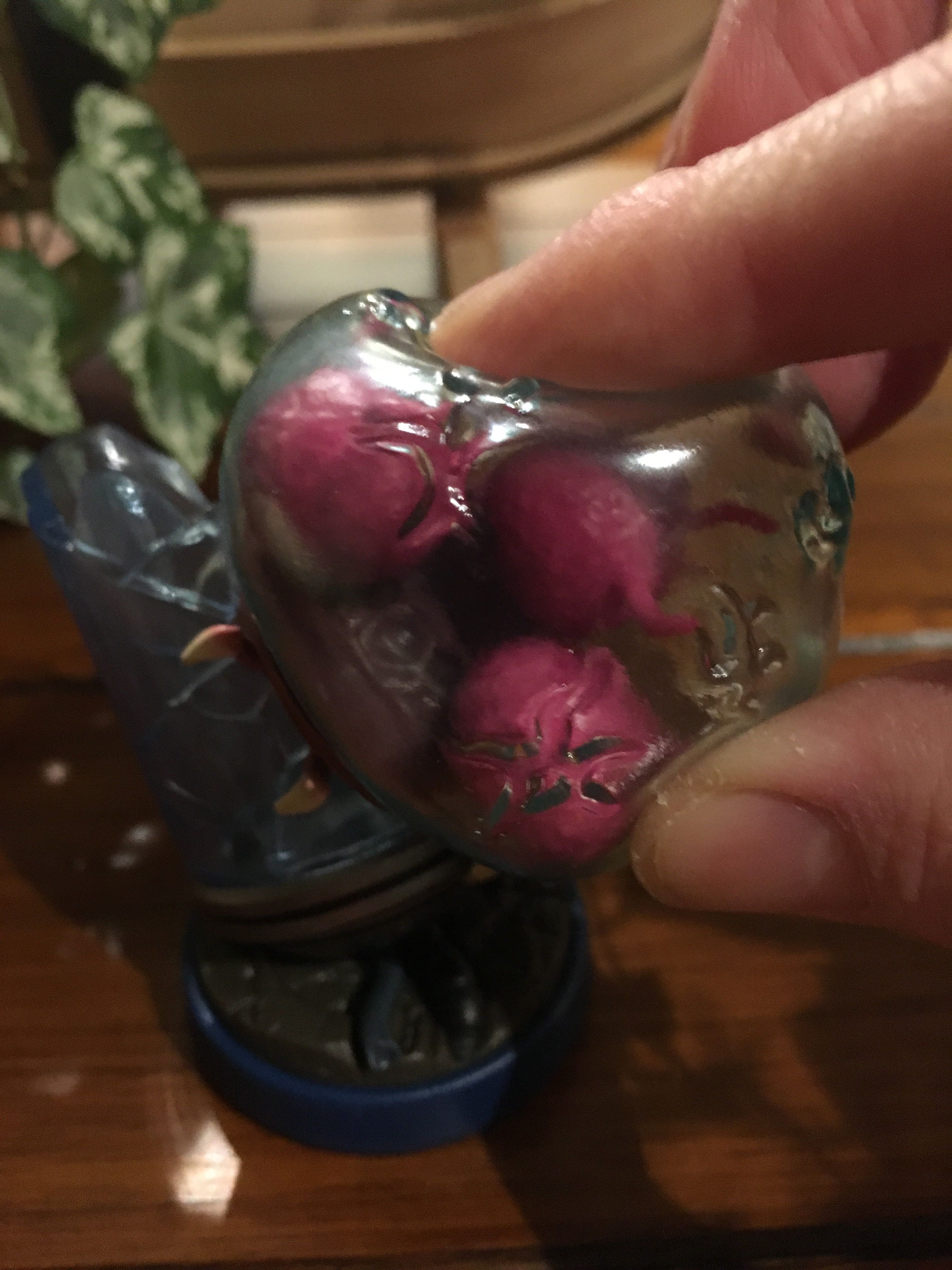
    There’s some fantastic detail on the Metroid – I particularly love its gruesome claws. The veins all over its head are pretty neat, too. But most importantly, does it squish?


    YES IT DOES! Best. Amiibo. Ever.

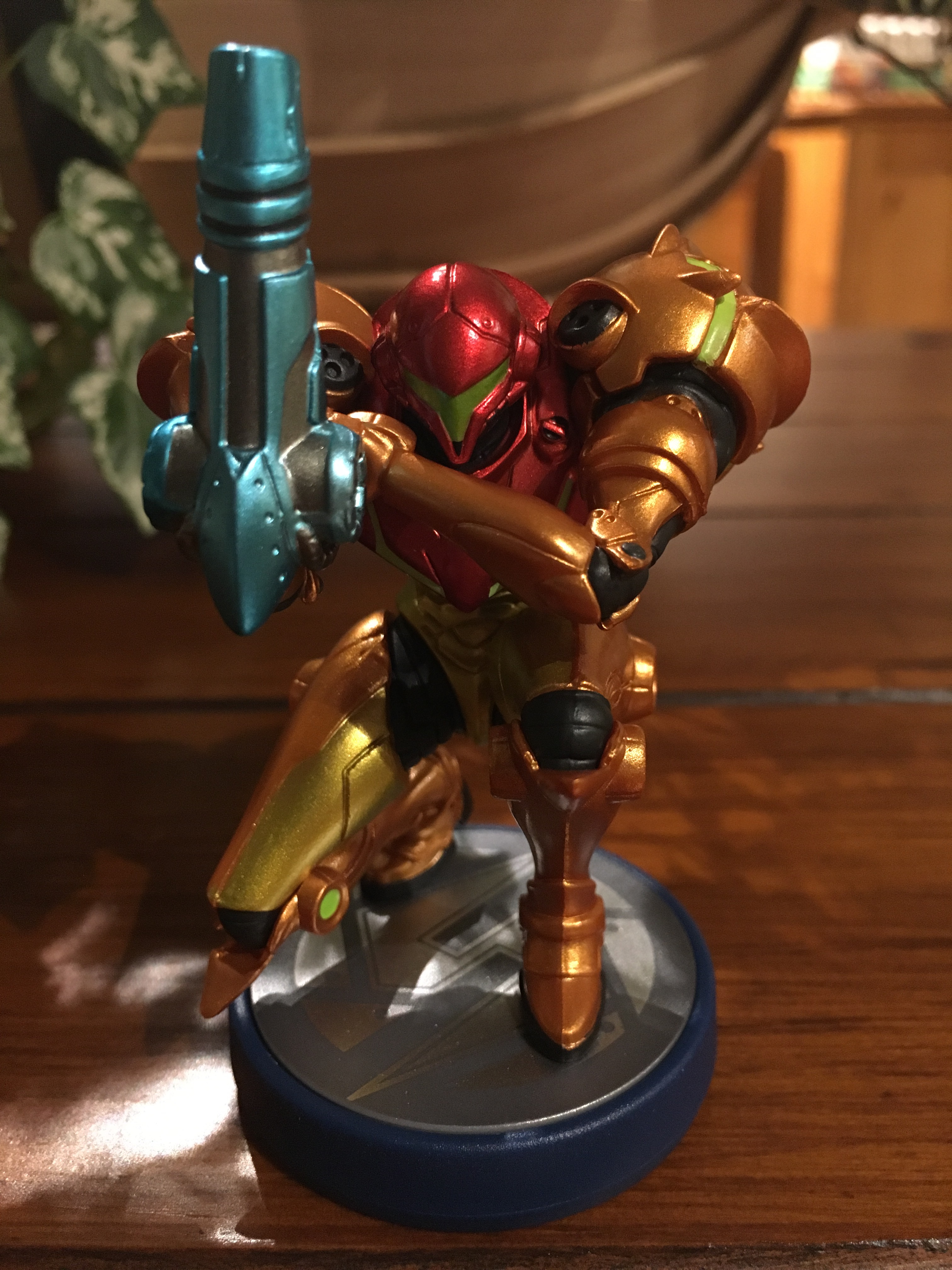
    Anyway, let’s take a look at Samus…


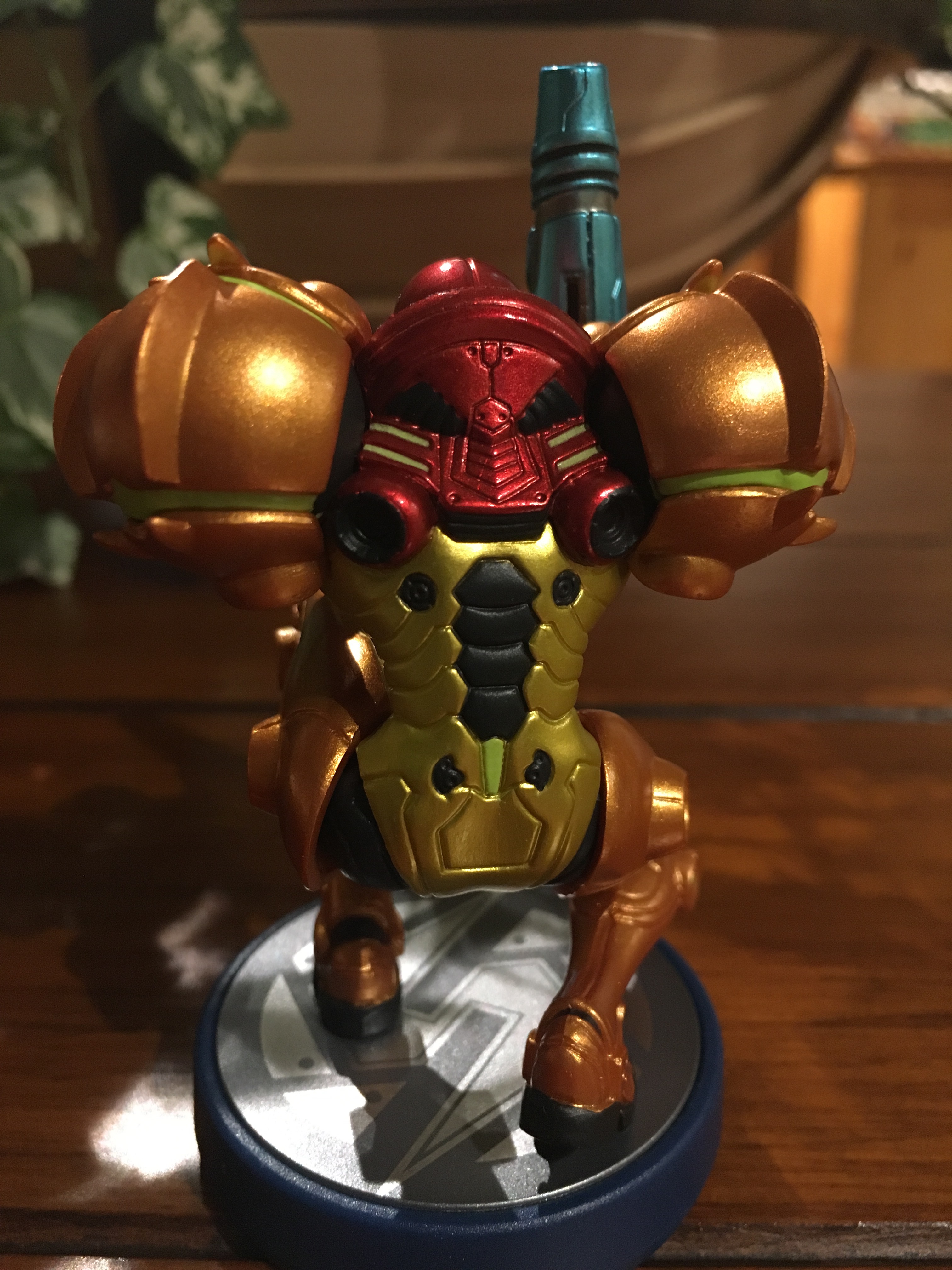
    Again, a phenomenally good looking amiibo, and I love how vibrant the colours are. Fantastic detail, too – look at all that fancy gear in her back. Wonderful.

    Seriously,  these have to be the best two amiibos so far – sorry Chibi-Robo. They look utterly amazing, good work Nintendo!

    Now, if only they could make a Ridley amiibo to go with them…

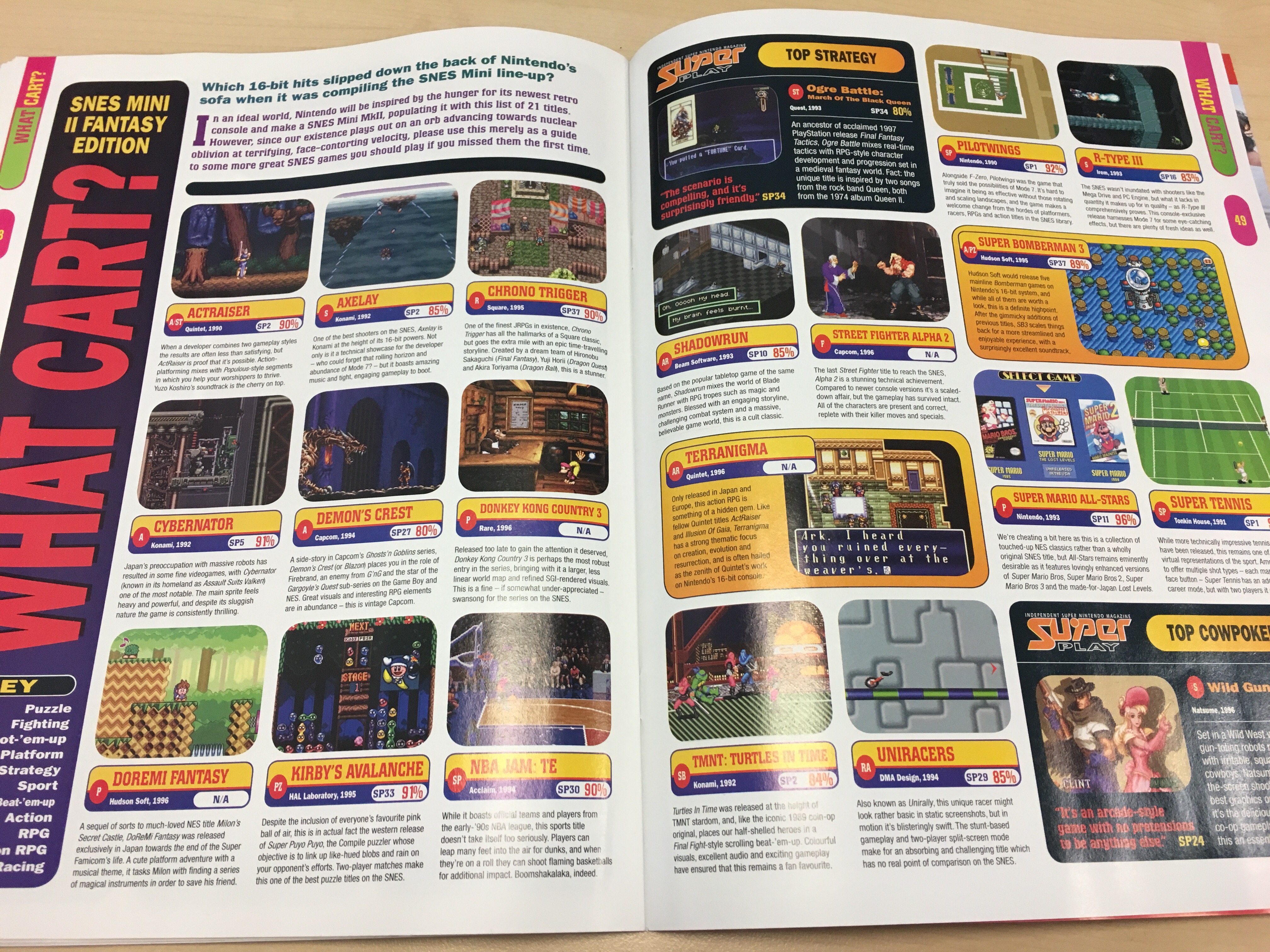
  • Well this is a lovely thing. Bundled with the latest issue of Retro Gamer is a 52-page, one-off issue of Super Play the nineties UK magazine dedicated to the Super NES.


    It’s a wonderful recreation, and you can tell it’s been a labour of love for its creators. A number of the original staff got back together to work on it, and there’s even new cover art by Wil Overton. Super Play was famous for Wil’s anime-inspired covers back in the early nineties, when anime was really starting to take off in the UK.

    The main reason for this surprise resurrection of a classic gaming magazine is the impending launch of the SNES Mini – the Super Play staff have gone through all of the games on the new system and re-reviewed them, giving them new ratings based on how well they hold up in 2017. The original scores from the magazine are displayed for comparison, and interestingly only two games achieved higher scores this time around: Mega Man X and Super Metroid.


    There’s also a round-up at the back that features games the staff think should have made it onto the SNES Mini. Interestingly, it tallies pretty closely with our own list – great minds think alike.


    The Super Play mini-mag is bundled with the current issue of Retro Gamer, which has just gone on sale. If you can’t get to a newsagents in time, you could always try getting back issues here.

  • I’ve just caught up on the iPhone X reveal, and I’m impressed. The chutzpah needed to get away with charging £999 for a phone ($999 in the US) is seriously impressive.

    I mean, it looks nice. It’s got a fancy screen. And the face recognition is a clever touch. It’s a bit faster, too. But do we actually need any of that stuff?

    I wouldn’t describe myself as a die-hard Apple fan, but I’ve had a couple of iPhones over the years, and I really like them. They’re easy to use, with an intuitive operating system, and they tend to just work with the minimum amount of faffing about, which is the most important thing for me. The build quality is great, and I’ve never had any problems with any of them. I’m pretty happy with my current iPhone 6S. I’m also not in a hurry to upgrade it.

    It seems to me that we’ve reached the point where there’s very little that the tech companies can add to phones to make them significantly better. The major milestones have all been passed: having maps, cameras, emails, and so on all in one neat case genuinely changed my life for the better. The dawn of the smartphone was a genuine revolution. The smartphone has changed the way people work and live. But the revolution is long past – now we’re just tinkering.

    And I balk at paying nearly a grand for what amounts to tinkering with an object that was pretty much perfected years ago – there’s nothing the iPhone X does that I want or, more importantly, actually need.


  • I’m not one to start bragging about my toys unsolicited, but Sir Lucius was kind enough to ask, perhaps not realizing that like some nerdy vampire, once invited, I will be all up in your business.

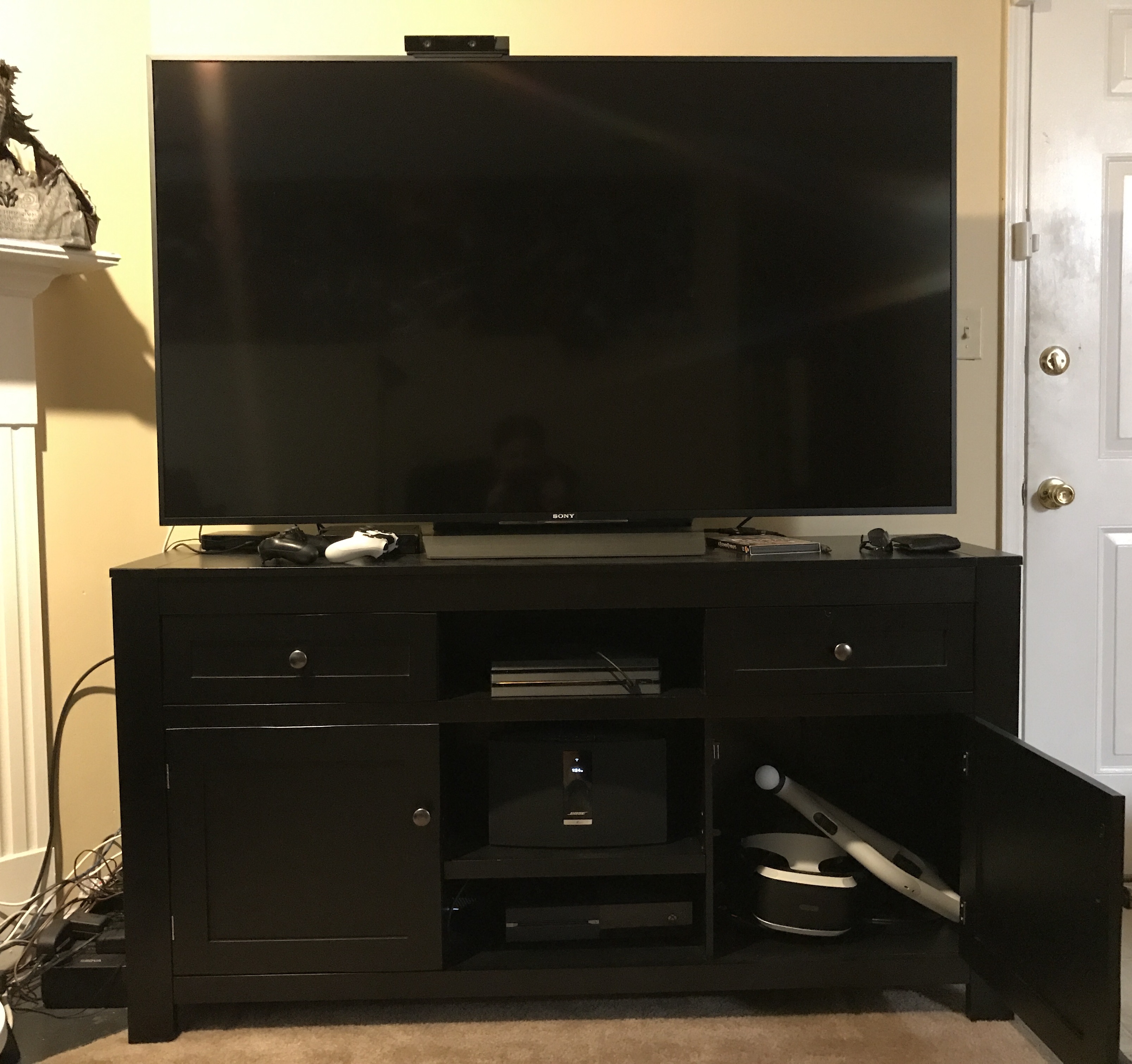
    Today’s tour begins with the living room. Here we have the PS4 Pro, PSVR, Xbone, and disgustingly excessive 4K HDR smart TV.

    FullSizeRender
    It was this or have children, so we went for the TV.

    This particular TV has an Android OS capable of emulation and external flash and hard drive use so just about all my old-timey console games are now playable directly on the TV, which is good because there doesn’t seem to be any room left in here to plug any more consoles into this thing!

    Let me also add, for anyone wondering, that the 4K hype is absolutely true (especially if you have HDR too). It’s a costly transition, but it’s a bigger difference than you might think. Going from HD to 4K felt just like going from SD to HD. Once you get there you’ll never want to go back.

    Across the way is the console game cabinet, which is holding most of our console games from the last decade or so. Anything else older than Xbox 360 is either in storage or converted to digital because there just isn’t room for all this stuff. Looking at it now, I guess it’s almost time to stick these 360 games in storage since this thing seems to be about full again.

    IMG_2208.JPG
    Console games 2005-present

    And while I do tend to prefer having the physical versions, there’s just so much stuff coming out in digital-only form or on sale for much cheaper in the digital version that our library has been becoming increasingly digital over the last year or two. I don’t know the exact number, but at this point there are just as many, if not more, digital games on the most used system (PS4) than there are physical ones on our shelves.

    We do still have the Wii, Xbox 360, and PS3 on the old TV in the bedroom, and I even dug out the old PS2 a while back, but they don’t see as much use as they used to.

    FullSizeRender_1
    99% of the time this one is just used for Netflix in the background while I play Vita, but YOU NEVER KNOW!

    Like Professor GreilMercs, we prefer to hoard all our old systems and games and never get rid of any of them except in the rare cases that a system becomes redundant or when something is so awful it needs to be removed. There are a bunch of older things in boxes in closets that we’d like to have displayed, but there just isn’t room for them in this place. Someday…

    FullSizeRender
    Sudden gratuitous handheld shot

    I wasn’t always that way though. When I was a kid my family was semi-poor, so I’d usually have to end up selling my previous system and games any time I wanted a new system. I ended up losing almost every system and game I ever had, which I regret, but on the other hand, it did give me a wide range of experiences that I wouldn’t have been able to afford otherwise. Maybe this was why I started to gravitate more towards PC gaming in my teen years, because there wasn’t much of a resale market for those games, so you were usually stuck with them forever once you had ’em, and boy was that eternal (at least it seemed eternal at the time) backwards compatibility capability great.

    IMG_2213
    PC MASTER RACE! I BET YOUR CONSOLE DOESN’T EVEN HAVE DOS!

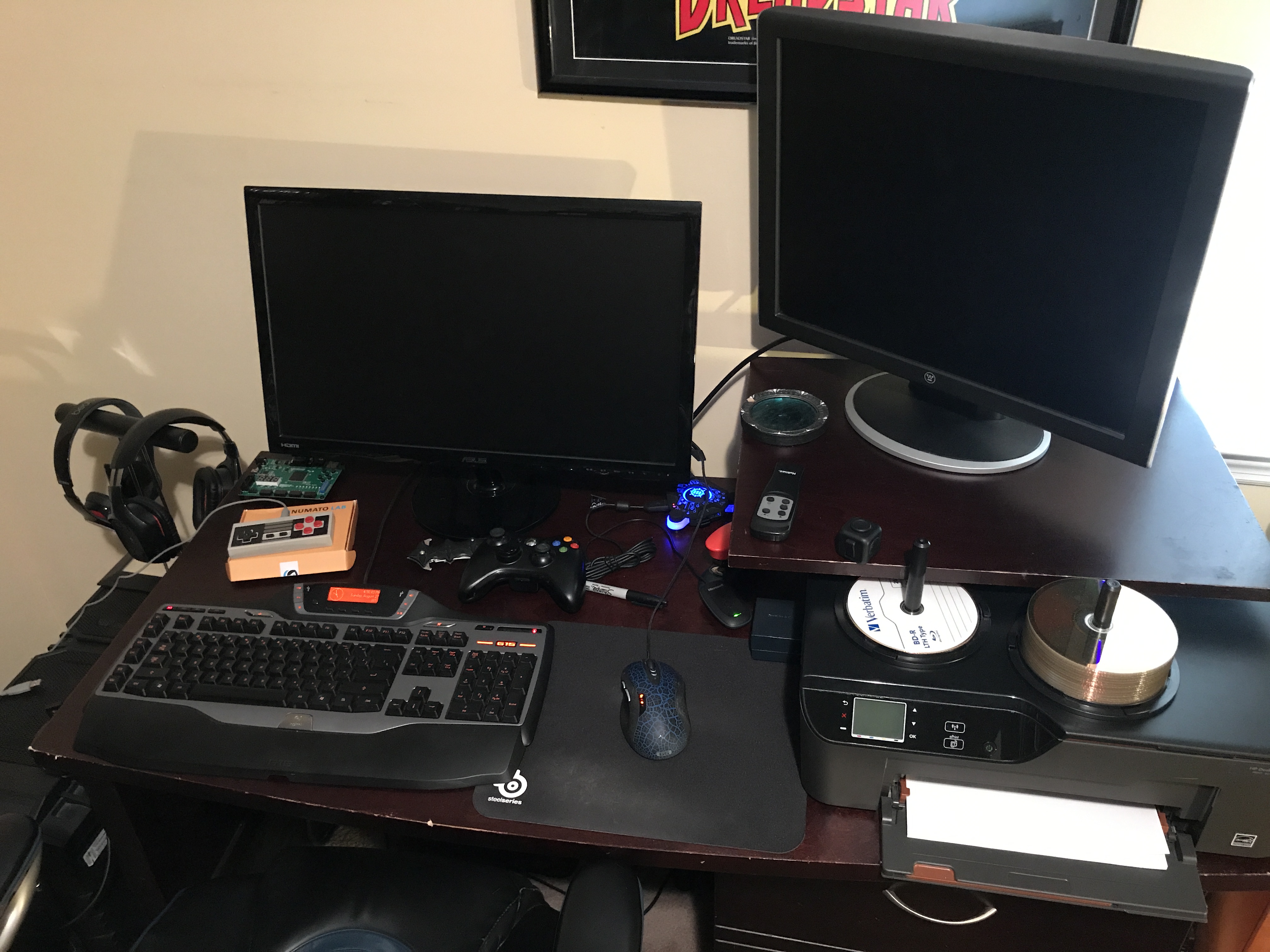
    Here is my desktop PC in my office. Around 5 years ago it was a top of the line super gaming machine. Around 4 years ago it became obsolete. I used to be heavily into PC gaming for the longest time, but the older I get, the less patience I find myself having for all the PC gaming troubles. Constant need for upgrades, frustrating incompatibility issues between games and your hardware or software, Windows getting worse and worse (and less and less compatible with older games), and other random problems that seem to keep popping up all the time.

    These days I only fire it up to play old DOS games or those few increasingly rare PC-exclusive indie games, but I do enjoy those old DOS games quite a bit…

    Speaking of my office, I’m going to go ahead and show off the rest of it, despite it not being particularly video game related, because I so rarely get the opportunity to do so (it’s hard to show off and be a misanthropic hermit at the same time).

    IMG_2216
    Guess who my favorite publisher is?

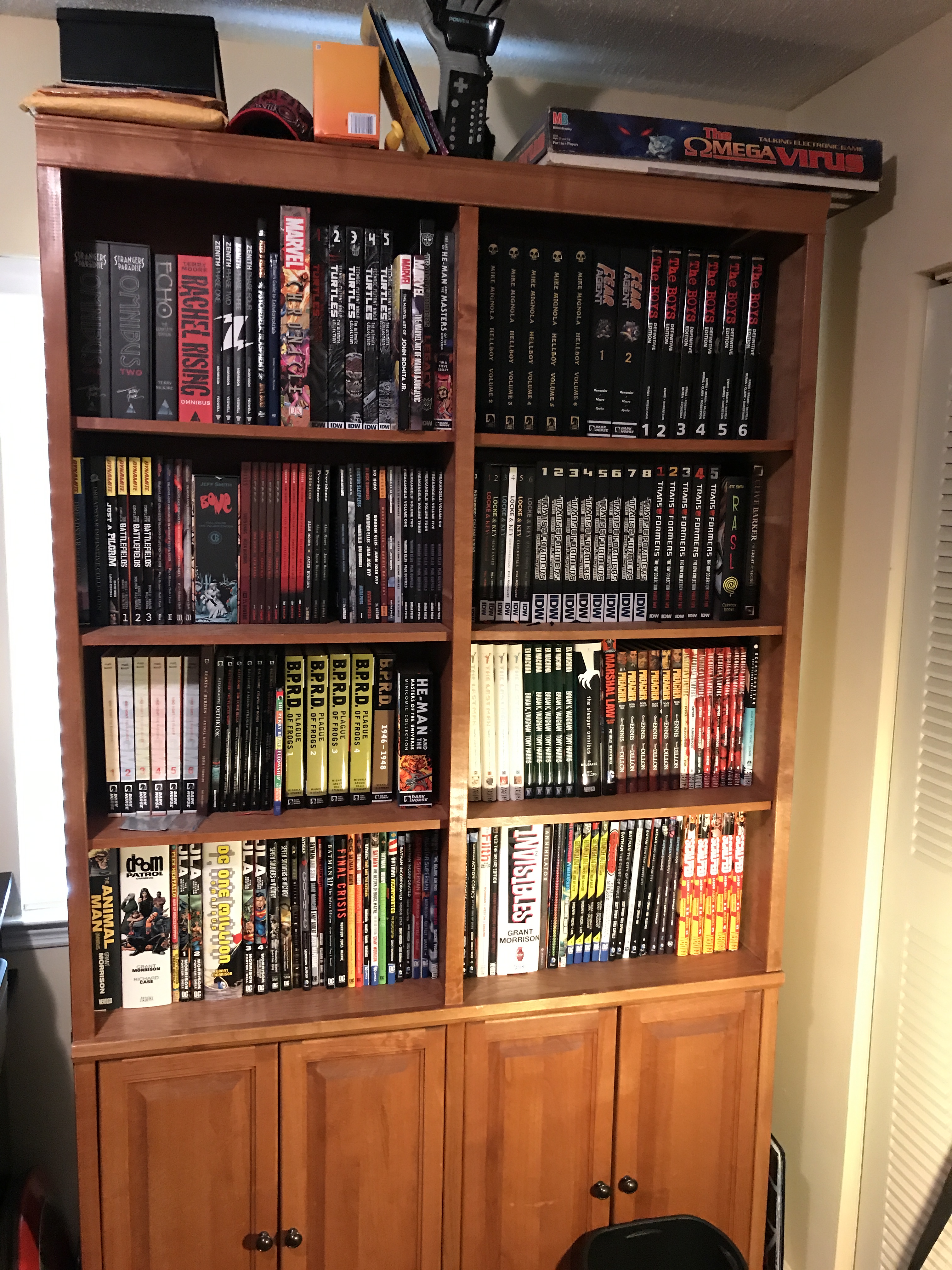
    Some of you may already be aware that I have something of a comic addiction, but I CAN STOP ANY TIME I WANT (I so can’t)!

    IMG_2217

    I remember when it was just this one bookshelf, then I had to get three more (which are actually cheap-o Wal-Mart bookshelves that we built some homemade reinforcements onto because they would have fallen apart long ago otherwise).

    Now those three are running out of room so I got another large one a year or so ago.

    IMG_2215

    Hopefully this will last another two years, by which time we’ll hopefully finally be moving someplace much bigger.

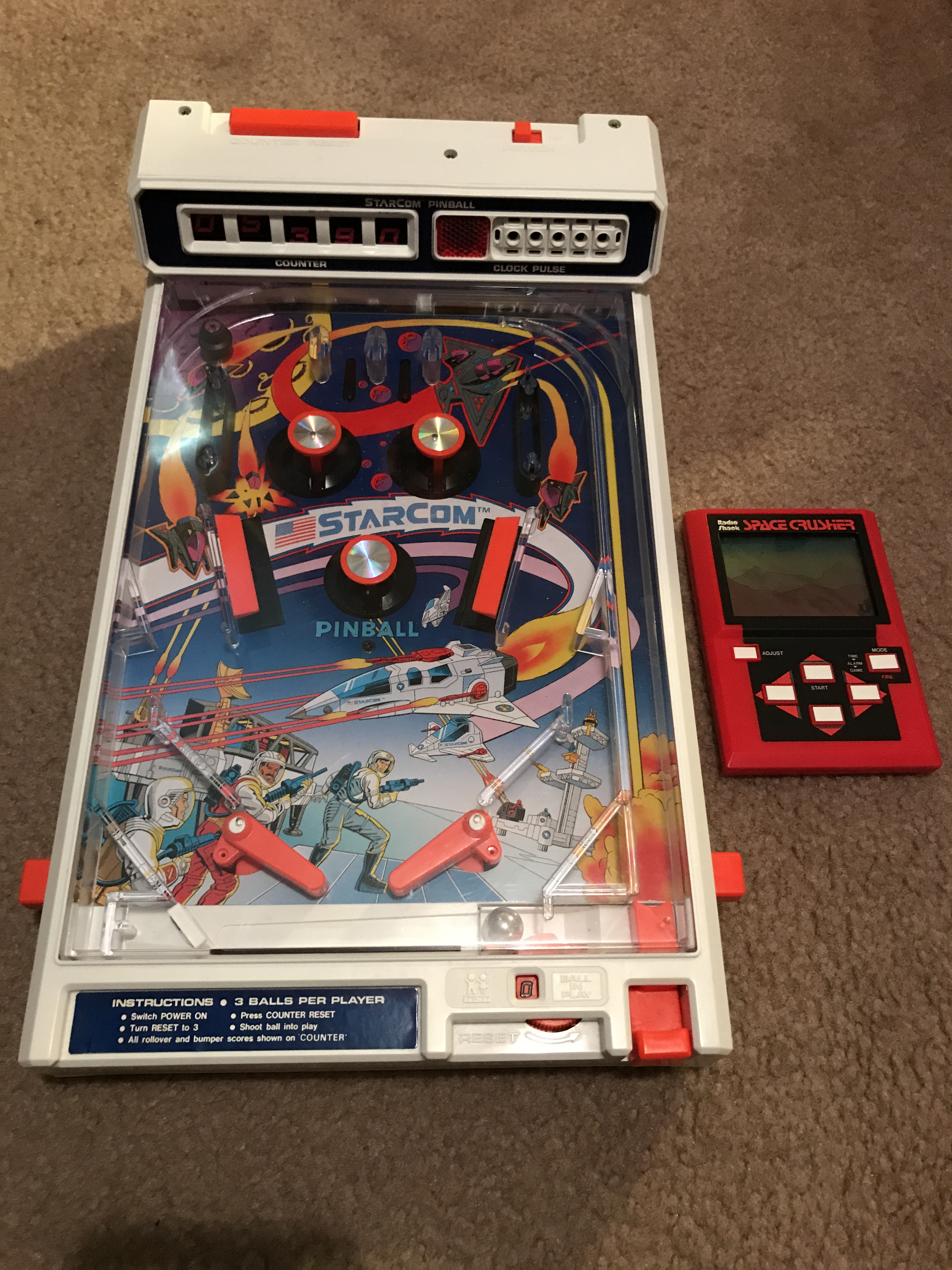
    I’ll finally conclude this by showing you a few quick retro oddities. IMG_2214

    That is a genuine StarCom mini-pinball machine from the 80’s. Amazingly it’s in brand new condition and still works perfectly, though it’s unbelievably noisy (which is apparently normal for these old mini-pinball devices). I tend not to use it too often because of the noise, hassle of inserting and removing the batteries every time, and fear of breaking it because they seem semi-fragile. At least it sure is nice to look at though (at least it is to an 80’s-obsessed fellow like myself).

    Next to it is an old Radio Shack Space Crusher LCD game. Another one that I managed to find in new and working condition. I remember this being my favorite portable game as a child until some jerk stole it and I kind of always wanted to play it again so I looked around and found it because that’s the kind of thing I can do now as an adult man-child. Honestly, if I had more room and money I’d build an entire room full of 80’s junk like this. I’d even get one of those 80’s robot butlers in there. Someday I’ll make that dream come true…

    Anyway, that brings this tour to a conclusion. Thank you for indulging me. Maybe I’ll do a sequel in five years when we have a house and I’ve built that ridiculous 80’s room of my dreams!

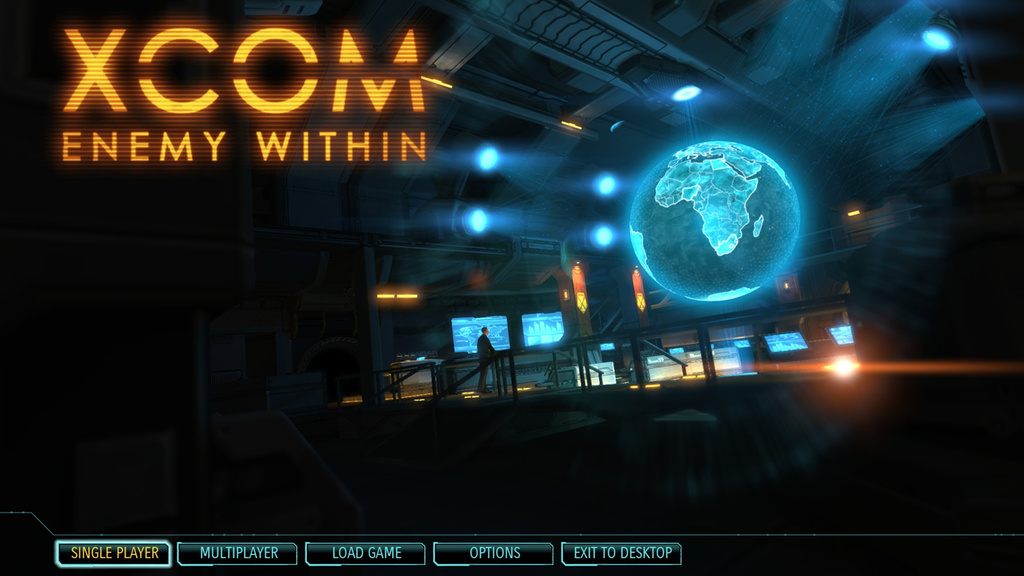
  • I’ve been playing through XCOM: Enemy Within recently, and I’ve been struck by just how closely it resembles the sense of anxiety that pervades gaming in the modern era. I’m not talking about the turn-based combat – although perhaps that’s a good analogy for facing off against Twitter trolls. No, I’m talking about the incredibly tense and finely balanced resource management side of things.

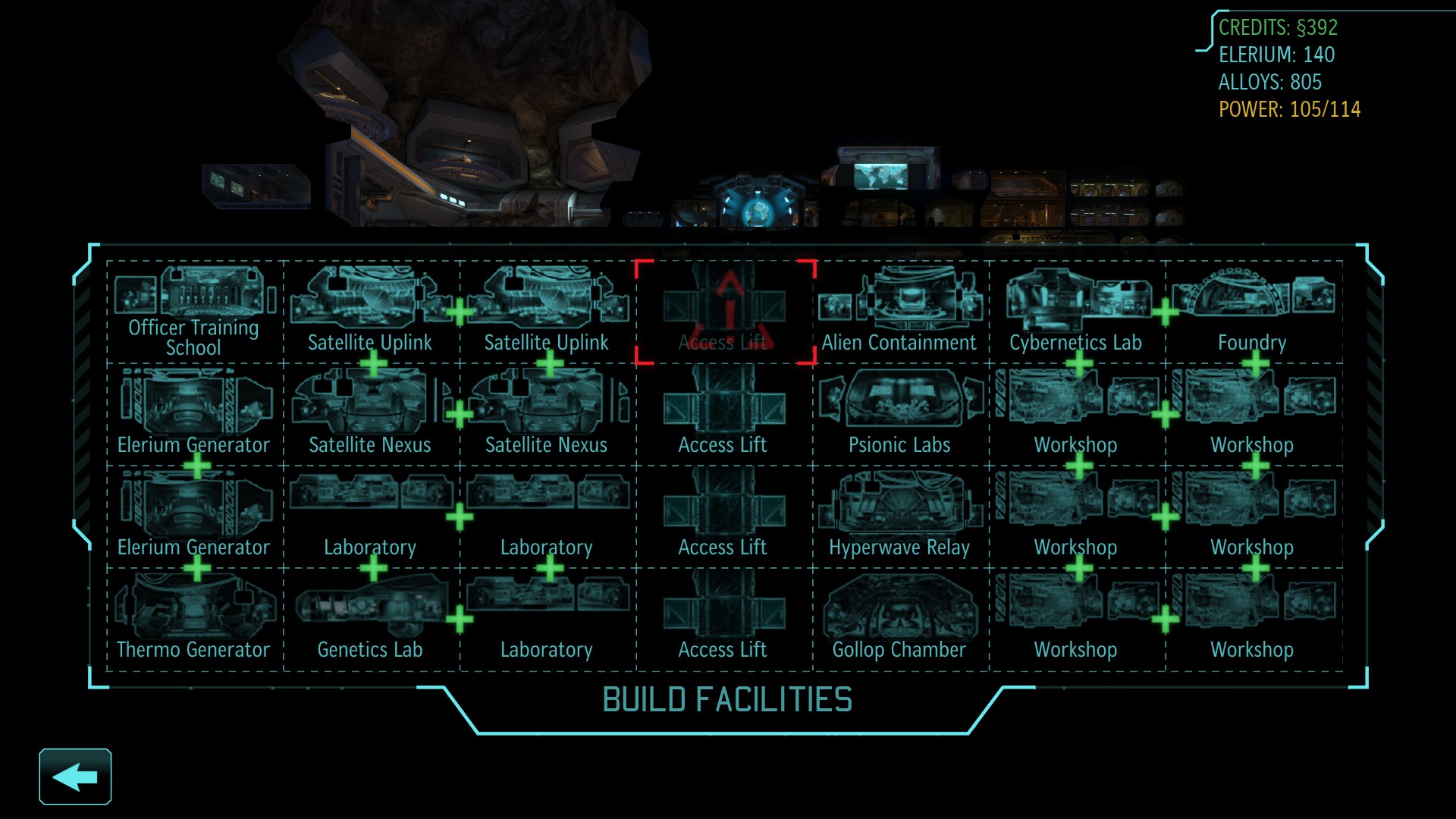
    There’s always stuff to do in XCOM. Whether it’s building facilities, interrogating aliens, constructing new weapons, beefing up your interceptors or genetically modifying your troops. But all of this requires resources – and you only have so many scientists and engineers, only so much money and – most important of all – only so much time. The clock is ticking from the moment you start the game, and with every passing moment panic is spreading while the aliens throw bigger and badder meanies at you. You can’t afford to sit back and take it easy – you NEED those bigger guns, those satellites, those mechs, if only to hold back the tide of alien invasion for just a moment.

    The game is like a Russian doll of nested, anxious choices. Do I research genetic engineering or go for cybernetic troops? It’s hard to have both. Once I’ve picked, I’ll need to build the corresponding facility – but I need more engineers. And now I’ve built a workshop for more engineers, I need more power. But building a power generator will use all of my elerium, and I want to research plasma weapons. But then there’s this alien interrogation that looks promising and… oh! Now there’s panic in Argentina! I need more satellites, but they’re going to take 20 days and, oh crap, I need another satellite uplink, and now I’ve run out of cash and the aliens are coming aaaaaaaaaaaaaaaaaargh.

    Alien autopsy or experimental warfare? The choice is yours!

    As I was surveying my chaotic but beautifully interconnected underground base, I couldn’t help but glance across at my game collection when I realised I was feeling the same kind of anxiety that I get when deciding which games to buy or play. Like in XCOM, there’s an absurd variety of choice. I’ve written before about the tyranny of too many games – the plain fact is that there are too many games out there, too many GOOD games, for anyone to be able to play them all in their lifetime. Even playing all of the new games released in just one month is nearly impossible, especially as games get bigger and bigger. Like in XCOM, you have to prioritise the most important things, knowing that by doing so, some choices will be forever closed to you.

    In the same way I end up focusing on one tech track in XCOM, I also tend to focus on certain game genres at the expense of others. I love JRPGs and strategy titles, but I also like racing games and action games. Yet I haven’t played a racing game in yonks, simply because there isn’t the time to do everything.

    I wish my base was half as organised as this one. In fact, after finding this screenshot I’m tempted to delete my save and start all over again.

    I’ve tried to focus on single game series, setting myself an achievable goal, like with The Year of Zelda. But even then, there are always other games vying for my attention. There’s always something newer and better coming out, and yet I only have so much time and money. Every time I choose a new game to play, there’s the nagging feeling that there’s a dozen other games that might be a better use of my time.

    Should I research the Plasma Cannon or the Archangel Armour? Should I play Skyward Sword or Tomb Raider?

    There’s a certain anxiety in making those kinds of choice, an anxiety that I think is – for better or worse – part and parcel of being a modern gamer. In some ways, I wish I could I could be one of those people who just buys one game annually, a Call of Duty or FIFA, and happily plays it all year without knowing or caring what else is out there. The trouble is, as a dedicated, lifelong gamer, I know enough to know I’m missing out.

  • 9f011b55c65d9aab9c7b4cc958bc25ecShadow Warrior 2 is one unusual game. It’s the sequel to a reboot of a game that never originally had a sequel. It’s also been greatly expanded compared to its predecessor, so…when you take a basic mindless action fps and double it in size with a hub world and a bunch of borrowed action-rpg elements, what do you hold it all together with when the previous games contained little to no story? Well, it seems the answer to that question is a massive amount of content recycling and some truly appalling story and dialogue.

    21246207_10154736579201366_6597922445260091379_o
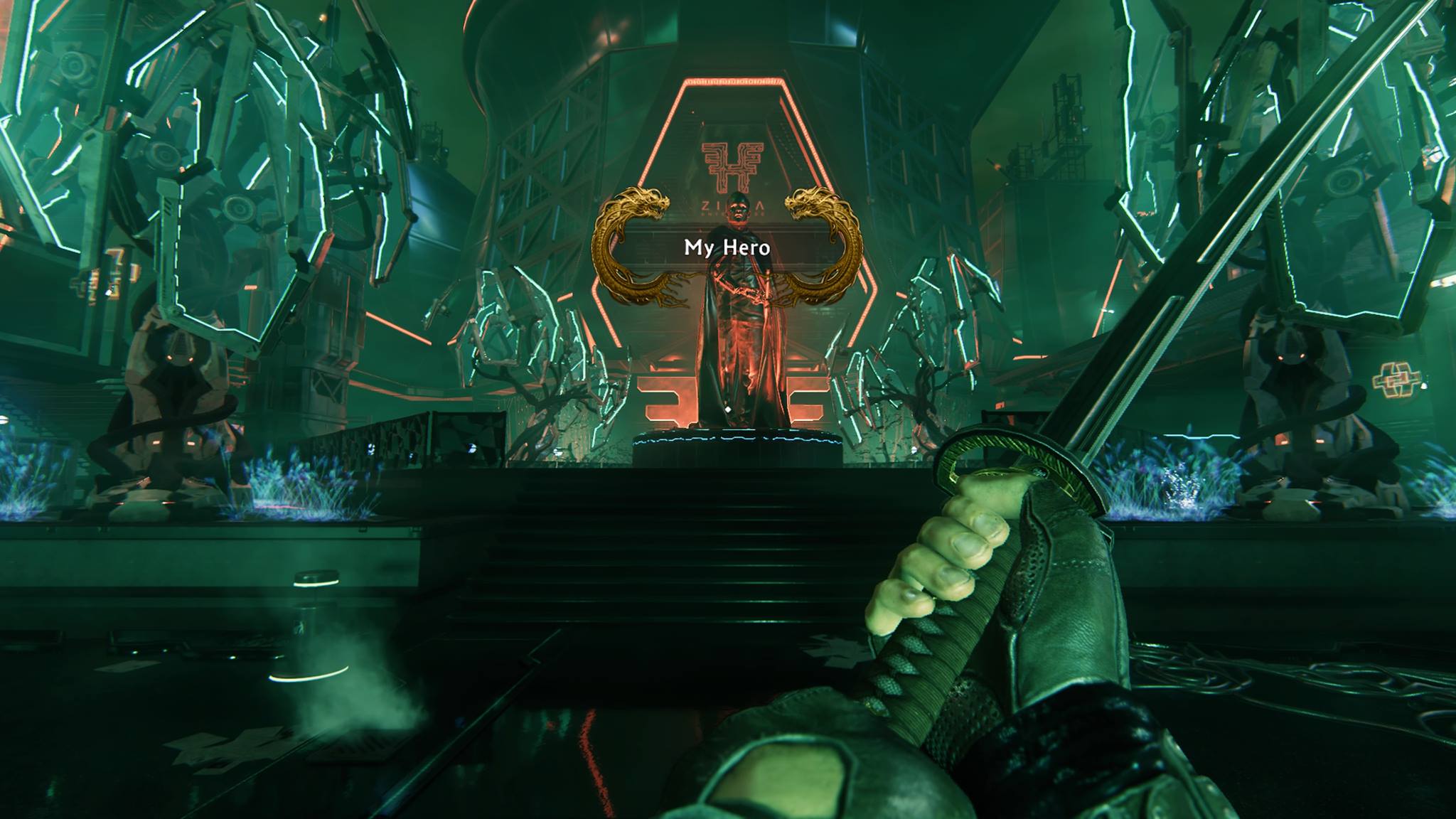
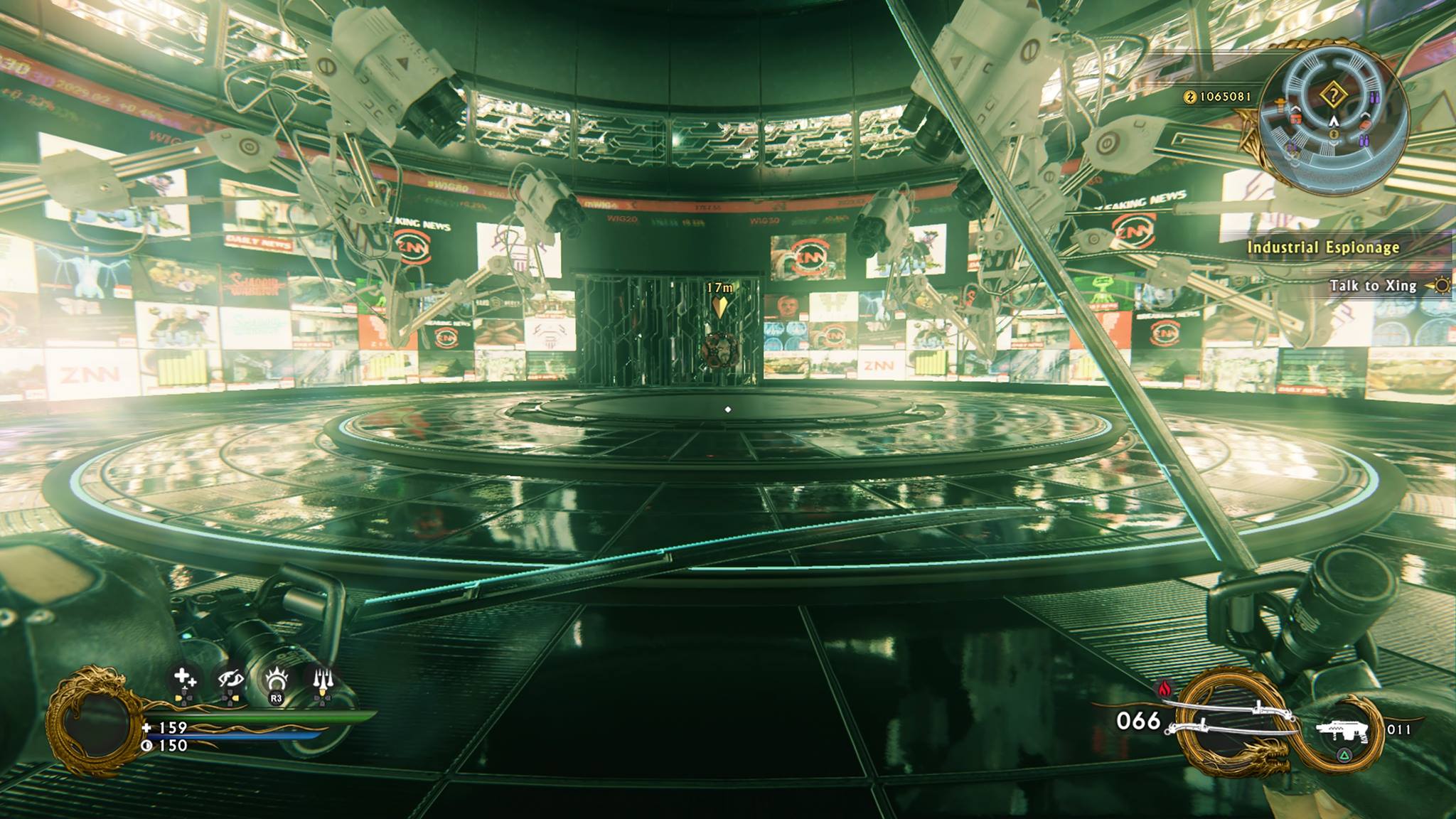
    Just shut up and look pretty, Shadow Warrior 2…

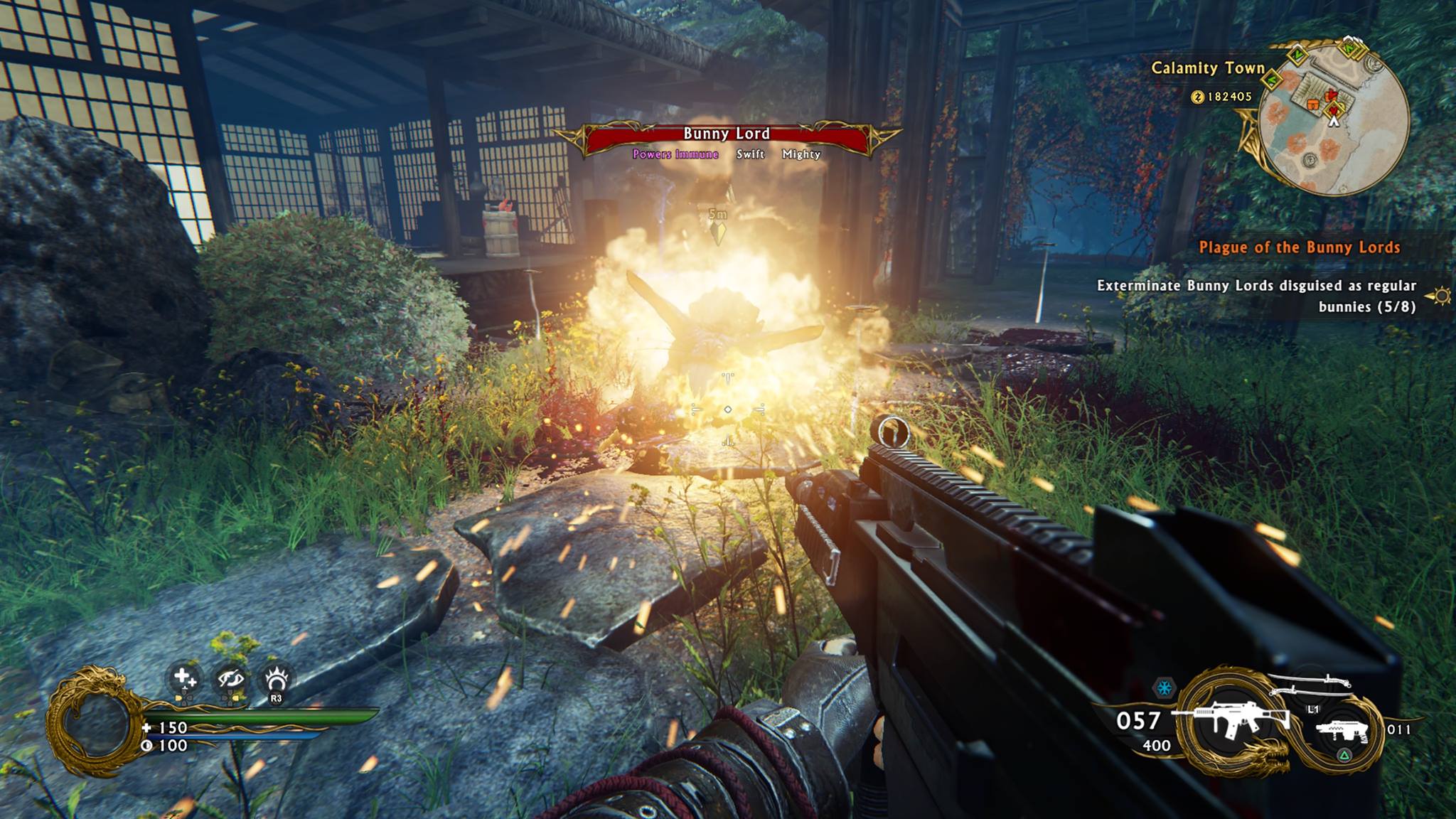
    Let me take a step back here though, before I start getting into those serious issues. Shadow Warrior 2 plays much like the first game, with a lot of fast-paced combat where you find yourself up against medium-sized groups of enemies (not the massive hordes you see in games like Serious Sam or Painkiller, but usually of a larger than average size) that tend to require some quick thinking and acting as you’re often forced to switch between various melee, ranged, and magic types of attacks mid-fight in order to succeed.

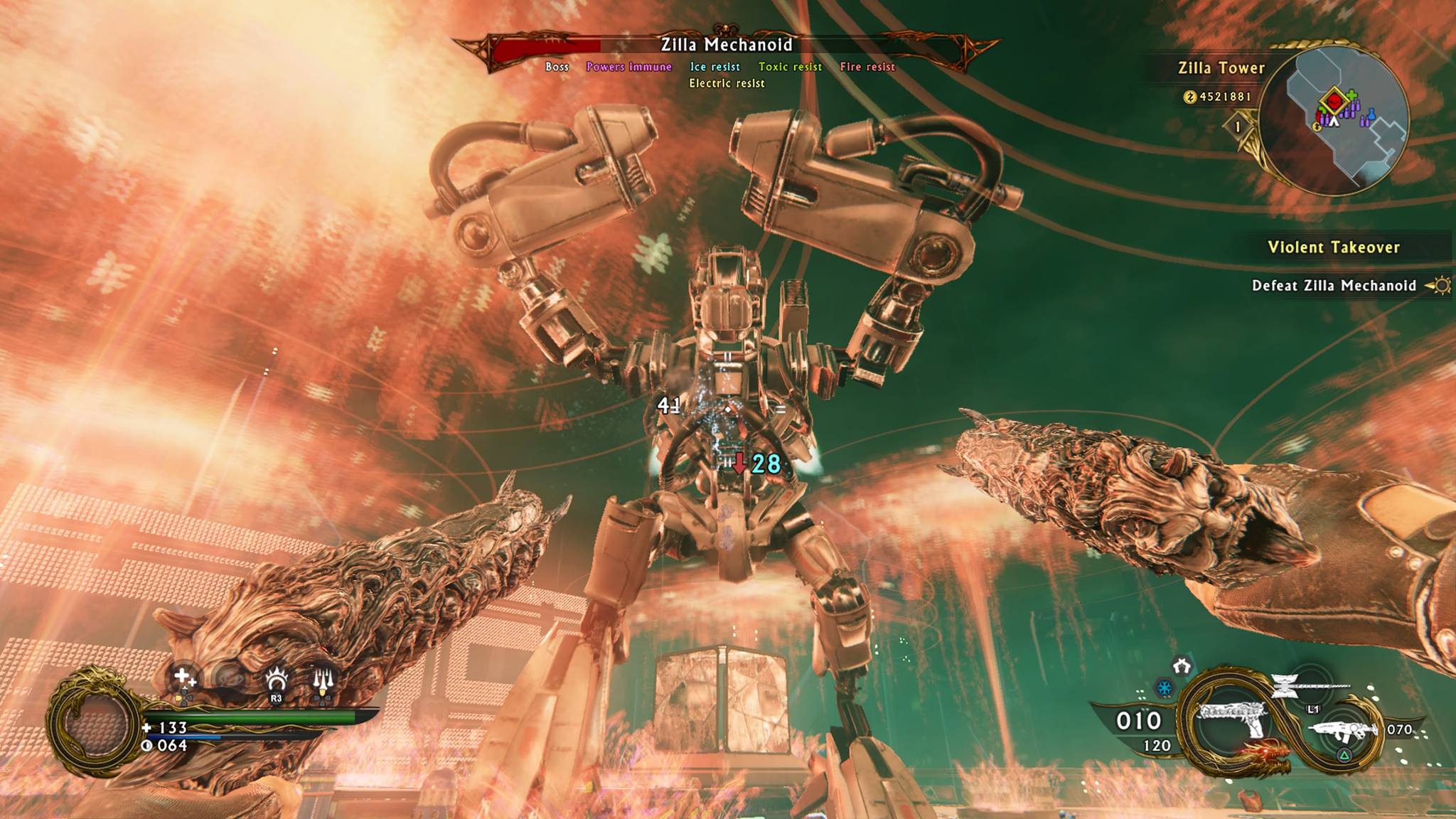
    This is where the game excels, because if there’s one thing that Flying Wild Hog knows how to do well it’s definitely combat. Battles are flashy and fierce, the weapons look and feel great, the enemies are well-designed and come at you in interestingly aggressive ways that often force you to switch tactics or elemental damage types on the fly. No, I have no complaints at all about the combat. It literally carries the entire game through some really unpleasant design choices (I’m getting there!).

    21246486_10154736578516366_5949563409136652716_o
    Just fighting another Bunny Lord…

    The combat feels much the same as it did in the first one for the most part, but there have been some well-intentioned additions. For one, there are now dozens of weapons to play with, so many that you don’t even have enough room to equip one of every single type, and they’re all customizable by way of special gems that you find and create. You’re going to need to fill some slots with specific elemental damage types too, as you’ll start running into a lot of element-specific enemies, the larger of which will really need that extra damage the opposing element can bring. The visual design is also quite nice. The environments are very easy on the eyes and the levels themselves are large and well designed, but alright, let’s finally get to that bad news.

    Ok, for starters this sequel has also added a huge number of optional side quests along with its other action-rpg additions. There must be a good 100 or so various side quests and bounties to do, making this quite the content filled game. This probably sounds like pretty great news so far, but wait, remember those pretty levels I just mentioned? Well there’s only about 6 of them and most of the game is made up of you visiting the same 3-4 of them over and over and over and over again. To make matters worse, every single quest takes place in its own instance of the same level. Yes, this means even though you may have 25 things to do in the exact same map, you cannot do any of them simultaneously. You can only visit that same map 25 times, all nice and refilled with enemies every time.

    21199671_10154736577606366_8195099909506190688_o
    Basically it’s like the shooter version of Dragon Age 2.

    Now, these side quests are all entirely optional so you can cut a lot of this nonsense out if you want to and just stick to the main quests, although even then you’re going to find yourself revisiting those same places more than once. I remember two story missions in particular were almost identical. They both needed you to fight through the same level, following the same general path, fighting the same enemies, all to get to and talk to the same character at the end. I’m sorry, but that’s just lazy design.

    Then there’s the story and the characters, which are just downright offensive, and I don’t mean offensive in the sense that it’s too vulgar (though it does try painfully hard to be edgy and lewd in the most juvenile ways possible), no, it’s just offensively badly written. I get that this must be trying to re-capture that same 90’s feel of the original game, with its endless fountain of ultra-cheesy (and casually racist) quips, but it’s just not funny this time. I suppose I should give you at least one example: “Want a little Wang? Well too bad, it only comes in XL!” Get it?? Because he likes to talk about his dick incessantly?!? HAHA! GET IT?! Yeah. It doesn’t get any better than that. In fact, most of it’s much, much worse. Main character Lo Wang wears out his welcome somewhere around the 50th bad dick joke and the people he encounters are usually equally miserable and repulsive, making me really, really want to just start skipping all the cutscenes to escape the pain of it all.

    There are a LOT of cutscenes in this game too, and they’re all barely tolerable and completely insignificant. That was maybe why the original Shadow Warrior didn’t come off this same way, because for all its stupidity it didn’t even try to pretend that there was an actual story behind all the ridiculous jokes and destruction, it just let you get on with the action because it knew that that was all it was good for.

    21167865_10154736576156366_4949147214558099665_o
    Conundrum: how do I make a dick joke about a genderless automaton?

    So…we have here a shooter with some great combat, nice graphics, and a valiant attempt at becoming an rpg hybrid , but one that’s padded out with a massive amount of filler content and some really atrocious writing. Personally, despite these pretty huge flaws, I actually enjoyed it more than I didn’t. The quality of the combat and the weapons carried this mess of a game further than I would have thought possible.

    This is definitely not a game for everyone though. Anyone wanting any semblance of story or substance isn’t going to find them here, and should probably explore other, better options. However, if you want some challenging high quality ultra-violent (and ultra-braindead) action and don’t care at all about what that action is wrapped up in, then this certainly has plenty of that to go around, though even then you probably don’t want to go out of your way to pick this one up unless you catch it in a good sale.

  • 9f011b55c65d9aab9c7b4cc958bc25ecShadow Warrior 2 is one unusual game. It’s the sequel to a reboot of a game that never originally had a sequel. It’s also been greatly expanded compared to its predecessor, so…when you take a basic mindless action fps and double it in size with a hub world and a bunch of borrowed action-rpg elements, what do you hold it all together with when the previous games contained little to no story? Well, it seems the answer to that question is a massive amount of content recycling and some truly appalling story and dialogue.

    21246207_10154736579201366_6597922445260091379_o
    Just shut up and look pretty, Shadow Warrior 2…

    Let me take a step back here though, before I start getting into those serious issues. Shadow Warrior 2 plays much like the first game, with a lot of fast-paced combat where you find yourself up against medium-sized groups of enemies (not the massive hordes you see in games like Serious Sam or Painkiller, but usually of a larger than average size) that tend to require some quick thinking and acting as you’re often forced to switch between various melee, ranged, and magic types of attacks mid-fight in order to succeed.

    This is where the game excels, because if there’s one thing that Flying Wild Hog knows how to do well it’s definitely combat. Battles are flashy and fierce, the weapons look and feel great, the enemies are well-designed and come at you in interestingly aggressive ways that often force you to switch tactics or elemental damage types on the fly. No, I have no complaints at all about the combat. It literally carries the entire game through some really unpleasant design choices (I’m getting there!).

    21246486_10154736578516366_5949563409136652716_o
    Just fighting another Bunny Lord…

    The combat feels much the same as it did in the first one for the most part, but there have been some well-intentioned additions. For one, there are now dozens of weapons to play with, so many that you don’t even have enough room to equip one of every single type, and they’re all customizable by way of special gems that you find and create. You’re going to need to fill some slots with specific elemental damage types too, as you’ll start running into a lot of element-specific enemies, the larger of which will really need that extra damage the opposing element can bring. The visual design is also quite nice. The environments are very easy on the eyes and the levels themselves are large and well designed, but alright, let’s finally get to that bad news.

    Ok, for starters this sequel has also added a huge number of optional side quests along with its other action-rpg additions. There must be a good 100 or so various side quests and bounties to do, making this quite the content filled game. This probably sounds like pretty great news so far, but wait, remember those pretty levels I just mentioned? Well there’s only about 6 of them and most of the game is made up of you visiting the same 3-4 of them over and over and over and over again. To make matters worse, every single quest takes place in its own instance of the same level. Yes, this means even though you may have 25 things to do in the exact same map, you cannot do any of them simultaneously. You can only visit that same map 25 times, all nice and refilled with enemies every time.

    21199671_10154736577606366_8195099909506190688_o
    Basically it’s like the shooter version of Dragon Age 2.

    Now, these side quests are all entirely optional so you can cut a lot of this nonsense out if you want to and just stick to the main quests, although even then you’re going to find yourself revisiting those same places more than once. I remember two story missions in particular were almost identical. They both needed you to fight through the same level, following the same general path, fighting the same enemies, all to get to and talk to the same character at the end. I’m sorry, but that’s just lazy design.

    Then there’s the story and the characters, which are just downright offensive, and I don’t mean offensive in the sense that it’s too vulgar (though it does try painfully hard to be edgy and lewd in the most juvenile ways possible), no, it’s just offensively badly written. I get that this must be trying to re-capture that same 90’s feel of the original game, with its endless fountain of ultra-cheesy (and casually racist) quips, but it’s just not funny this time. I suppose I should give you at least one example: “Want a little Wang? Well too bad, it only comes in XL!” Get it?? Because he likes to talk about his dick incessantly?!? HAHA! GET IT?! Yeah. It doesn’t get any better than that. In fact, most of it’s much, much worse. Main character Lo Wang wears out his welcome somewhere around the 50th bad dick joke and the people he encounters are usually equally miserable and repulsive, making me really, really want to just start skipping all the cutscenes to escape the pain of it all.

    There are a LOT of cutscenes in this game too, and they’re all barely tolerable and completely insignificant. That was maybe why the original Shadow Warrior didn’t come off this same way, because for all its stupidity it didn’t even try to pretend that there was an actual story behind all the ridiculous jokes and destruction, it just let you get on with the action because it knew that that was all it was good for.

    21167865_10154736576156366_4949147214558099665_o
    Conundrum: how do I make a dick joke about a genderless automaton?

    So…we have here a shooter with some great combat, nice graphics, and a valiant attempt at becoming an rpg hybrid , but one that’s padded out with a massive amount of filler content and some really atrocious writing. Personally, despite these pretty huge flaws, I actually enjoyed it more than I didn’t. The quality of the combat and the weapons carried this mess of a game further than I would have thought possible.

    This is definitely not a game for everyone though. Anyone wanting any semblance of story or substance isn’t going to find them here, and should probably explore other, better options. However, if you want some challenging high quality ultra-violent (and ultra-braindead) action and don’t care at all about what that action is wrapped up in, then this certainly has plenty of that to go around, though even then you probably don’t want to go out of your way to pick this one up unless you catch it in a good sale.

  • Back in 2014, I got all excited about the launch of Destiny, saying it was one of the games that finally convinced me to upgrade to the latest generation of consoles. It looked (and still looks) utterly stunning, and despite some early wobbles, Bungie seem to have done a good job of crafting and maintaining an interesting universe with some compelling gameplay loops. It’s more of a spiritual successor to the phenomenal Halo games than Halo 5 ever was.

    On paper, it seems I should be all over Destiny like a rash. I loved the early Halo games, and I’m a sucker for loot collecting – I’ve spent countless hours on Phantasy Star Online, Monster Hunter 4 and Xenoblade Chronicles X just slowly building up my characters and getting all hot under the collar when some rare weapon pops up. I’ve been following updates on Destiny and Destiny 2, and the whole thing sounds like an absolute blast, with a dedicated and passionate community behind it. It seems like a lot of fun, and in many ways I feel like I’m missing out.

    But then I also know that if I did get Destiny 2, there’s a very strong chance I will never play it. For a start, my taste in games has changed a lot over the years. I used to love first-person shooters when I was in my twenties, spending inordinate amounts of time playing DOOM, GoldenEye 007, Quake III Arena and their ilk. But nowadays I just don’t enjoy them so much. In a nutshell, they feel like too much hard work.

    As I’ve got older, and especially since I became a father, my free time has dwindled away. There’s just so much stuff I have to do now, whether it’s paperwork, nappy changing or overtime. When I do get a bit of time to myself, I want to use games to relax and escape, and I’ve found that turn-based strategy games like Fire Emblem, Valkyria Chronicles and XCOM are perfect for that. There’s plenty of complicated systems to get my teeth into and to give my brain a workout, but I can do everything at my own pace, without the need to rush. I can escape from the anxiety of work. But in Destiny, running around an alien planet dodging sniper fire seems like the absolute definition of anxiety to me.

    Then there’s the online aspect. I’ve tried playing online multiplayer FPSs several times before, and each time I’ve found it frustrating, stress-inducing and sometimes even humiliating. There’s usually one or two players who are miles better than everyone else, and being constantly mown down by them as a newbie is teeth-grindingly annoying. Many would just come back with the response ‘git gud’, but in order to ‘git gud’, you would have to spend many hours practising, and dying repeatedly, before being able to hold your own. Hours that, in the face of it, are unlikely to be that enjoyable, and will probably be highly frustrating. Considering I don’t have that many free hours to start with, spending them on dying repeatedly seems like a waste.

    Then there’s the practical aspects of online play. Not being able to pause the game is a big problem – what happens when my child wakes up halfway through a deathmatch? Having hours and hours of unbroken time to play match after match is a luxury that I’m rarely afforded.

    Finally, there’s the whole ‘games as a service’ thing. Bungie want you to buy Destiny 2 and pretty much play it non-stop for months. The whole game is designed that way – the constant updates and levelling changes are there to keep players locked in, and mean that it’s easy to get left behind if you stop playing for any length of time. But I don’t want to commit myself to playing one game for months or years. There are just SO MANY other games I want to play out there – not least the ones in my collection that I haven’t got around to yet – and it seems crazy to me to dedicate my life to a single game. There are hundreds of varied and interesting experiences in gaming that I can’t wait to sample, from the intriguing stories of Firewatch and Life is Strange to the immersive wonderlands of Fallout 4 and Nier: Automata.

    So all in all, Destiny 2 isn’t for me.

    But it does look fun though, doesn’t it?

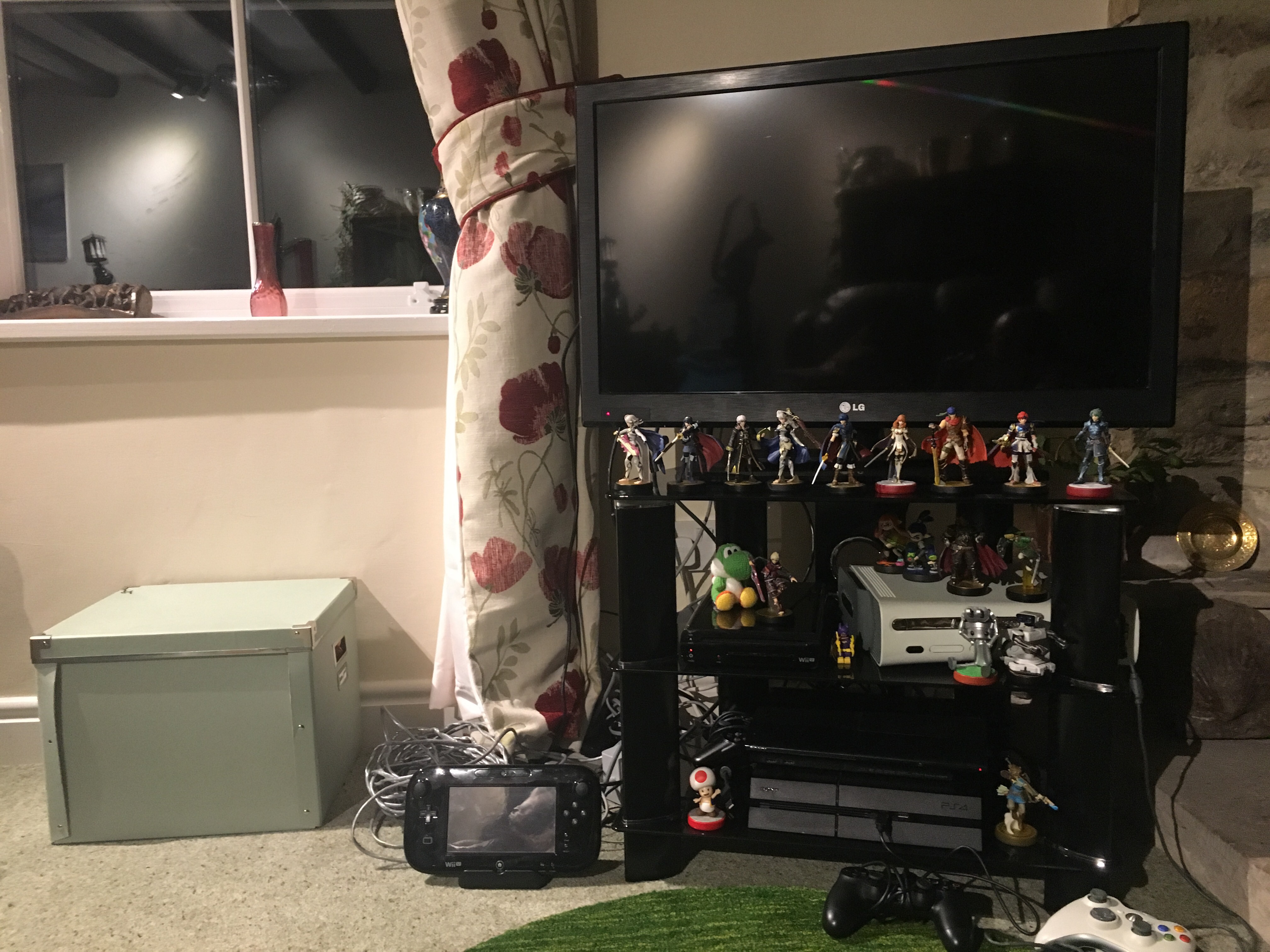
  • We thought it might be interesting if the Most Agreeable writers gave guided tours of our game collections. It’s always interesting to have a peek inside someone else’s collection, and we’re all quite different in terms of what games we like to collect, and what things are important to us. The other members of The Manor will be giving their own guided tours over the following weeks, but first up, here’s my game collection…

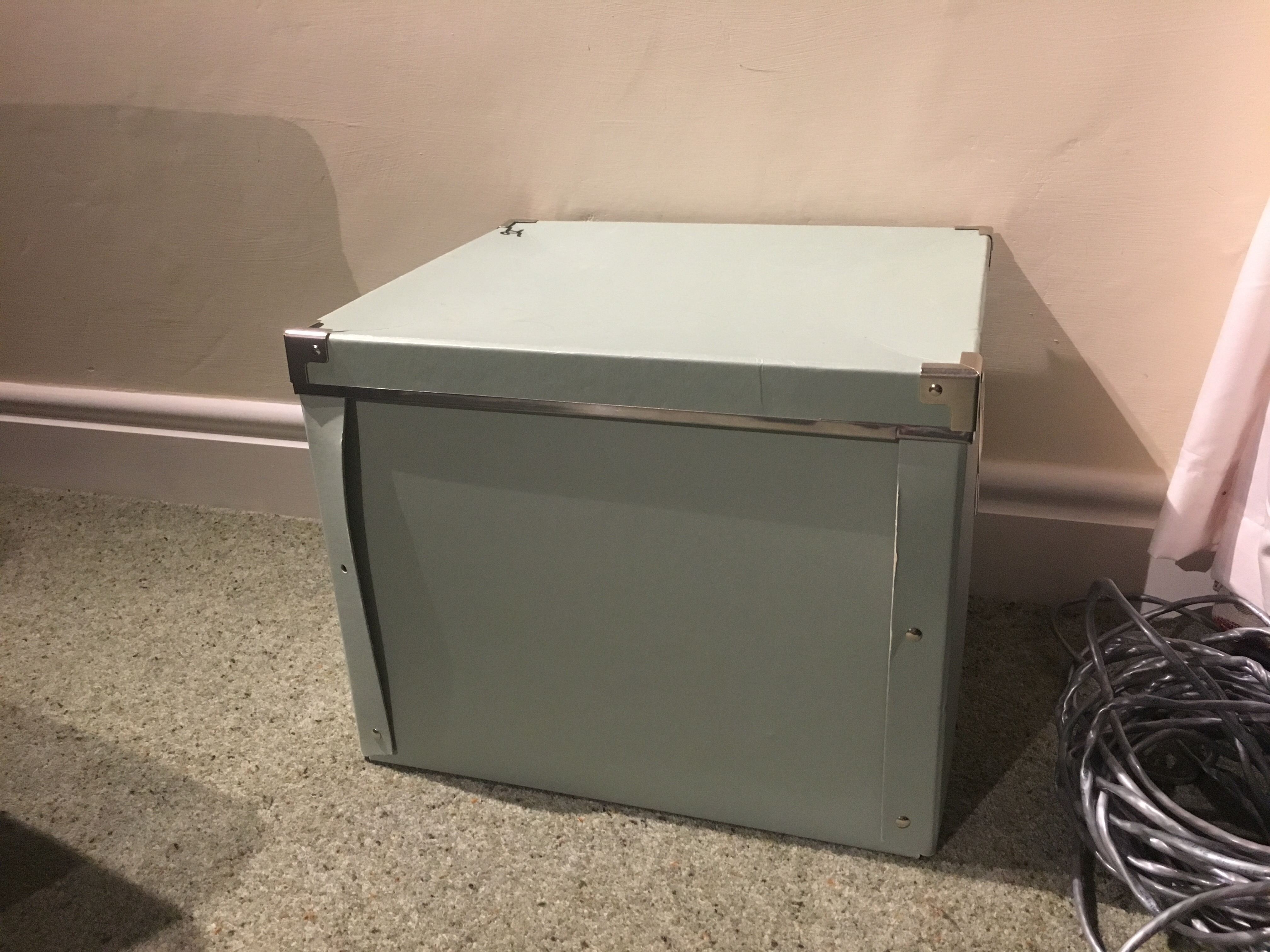
    Can you spot it? I’ll give you a hint – look to the left…

    Yep, there we are, that unassuming green box. Let’s take a look inside…

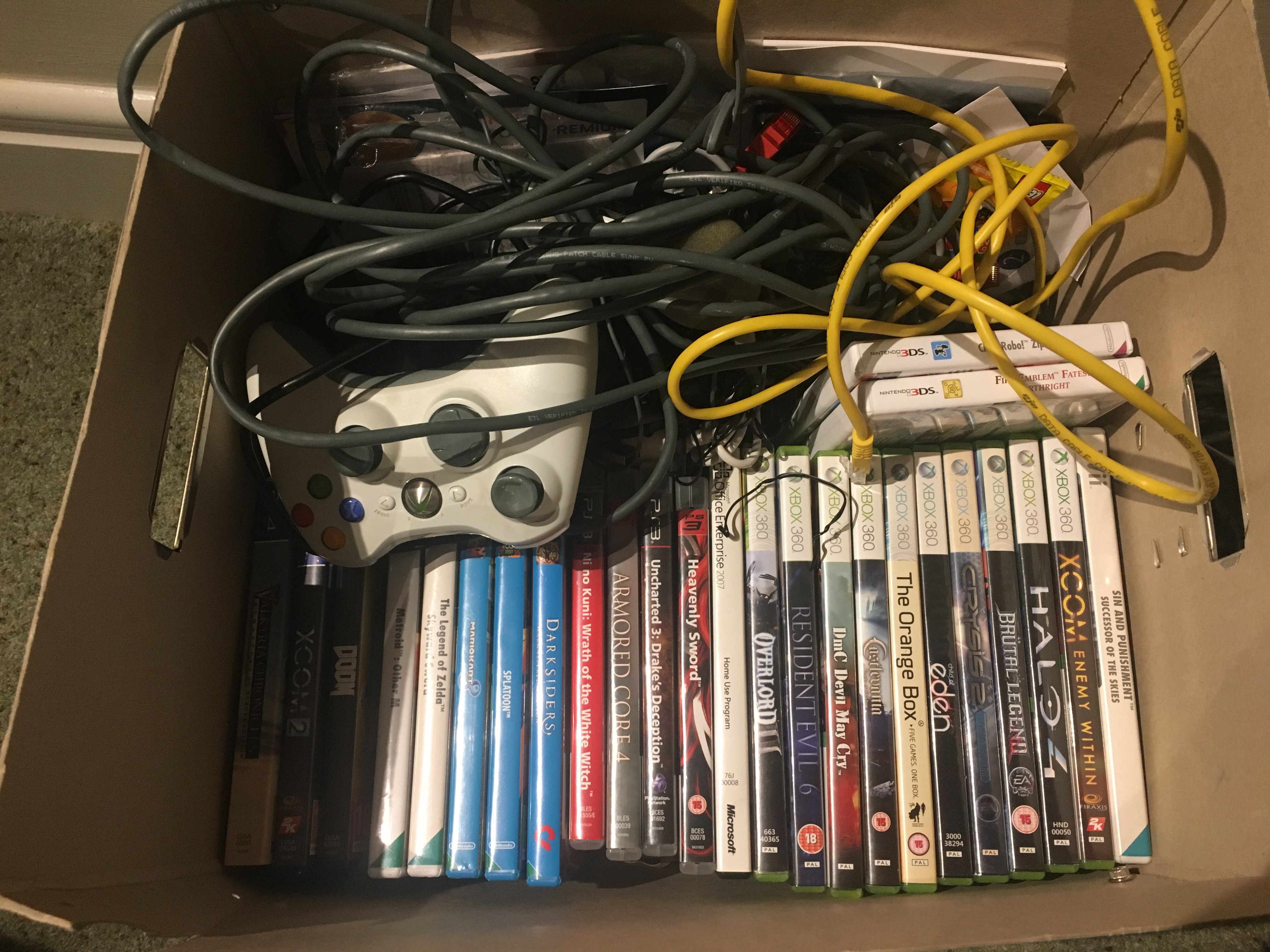
    Here we go – just about visible under the tangle of cables is my humble game collection. Considering I’ve been a serious gamer since I was about 9 (and I’m now 38), you might be surprised at just how few games I’ve got. Well, I used to have a lot more, but since about my mid-twenties I’ve tended to sell games as soon as I finish them. This is partly due to the realisation that once I’ve finished a game, I never go back to it – with so many amazing titles out there, it seems strange to me to play the same game again and again. Also, I tend to move around quite a bit, never staying in the same place for longer than a couple of years, so I’ve grown tired of lugging stuff from house to house. It’s the same reason why my book, DVD and CD collections are now just a tiny fraction of what they once were.

    Anyway, let’s take a closer look…

    Here are my most current titles – the rest of the box mostly contains games from several years ago, waiting patiently for their turn to be played. But XCOM 2 and DOOM were only released in 2016, making them practically cutting edge in terms of my game collection. (I’ve already traded-in Valkyria Chronicles Remastered since this photo was taken – it’s now been replaced by Tomb Raider on PS4.) Valkyria has quickly become one of my all-time favourite games (review coming soon), but now I’ve finished it, I know I’ll never go back to it again.

    I tend to wait several months until games have come down in price before I take the plunge and buy them – I’m not in a hurry to play the latest games straight away, and since I don’t do online multiplayer, I don’t have to worry about online player counts dwindling in the months after launch. I picked up DOOM for just a tenner a couple of weeks back. First-person shooters generally aren’t my cup of tea, but I had to make an exception for DOOM – I played it non-stop on the original PlayStation, back when FPSs were brand new and my reaction times weren’t as hobbled as they are now.

    Here’s my current Nintendo game collection. The Wii U has been my most-played console for the past few years, but now I’ve pretty much gone through every game on it that I want to play. I’ve kept Mario Kart 8 for the multiplayer, although it hasn’t seen an outing for a while now, so it might be time to sell it on. Splatoon was a beautiful mistake – I was so entranced by the idea of Nintendo doing an off-kilter online shooter that I snapped it up not long after launch. But once I got it back home, I remembered that I really don’t like online shooters, and it’s been sat in the box ever since. I’ve played through about half of the single-player game, but I’ve never been online with it – although I plan to give it the ‘Better Later Than Never‘ treatment one of these days, when the mood takes me. Darksiders is a game that I’ve been meaning to play for a long time, and since the remaster was the last boxed title to be released on the Wii U, I’ve decided to make it the last title I play on my Wii U before I finally sell it.

    Speaking of games that are a bit like Zelda, I’ve still yet to finish The Legend of Zelda: Skyward Sword, despite getting it at launch in 2011. I’ve made a start on it though, and hope to get it finished in time for the end of The Year of Zelda. Zelda and Metroid are probably my all-time favourite game series, and I’ve played most of the titles in both, although Metroid: Other M is a notable exception. I’ve heard it’s probably the weakest Metroid game, but I need to play it, if only to sate the completist in me.

    My 3DS collection is looking pretty weedy at the moment – and I’ve finished both of the games pictured here, so they’ll be off to the trade-in store soon enough. But I’ve got Metroid: Samus Returns on pre-order, so there’ll be fresh blood coming in soon. Plus I’ve got my eye on Ever Oasis – the reviews were a little lukewarm, but I loved the demo, and it’s a game that looks right up my street.

    (By the way, if you spotted Sin & Punishment 2 in the shot above and are wondering why I haven’t talked about it, it’s because it’s just an empty box. The disc was lost in a house move many years ago, but for some reason I just can’t bring myself to throw the box away…)

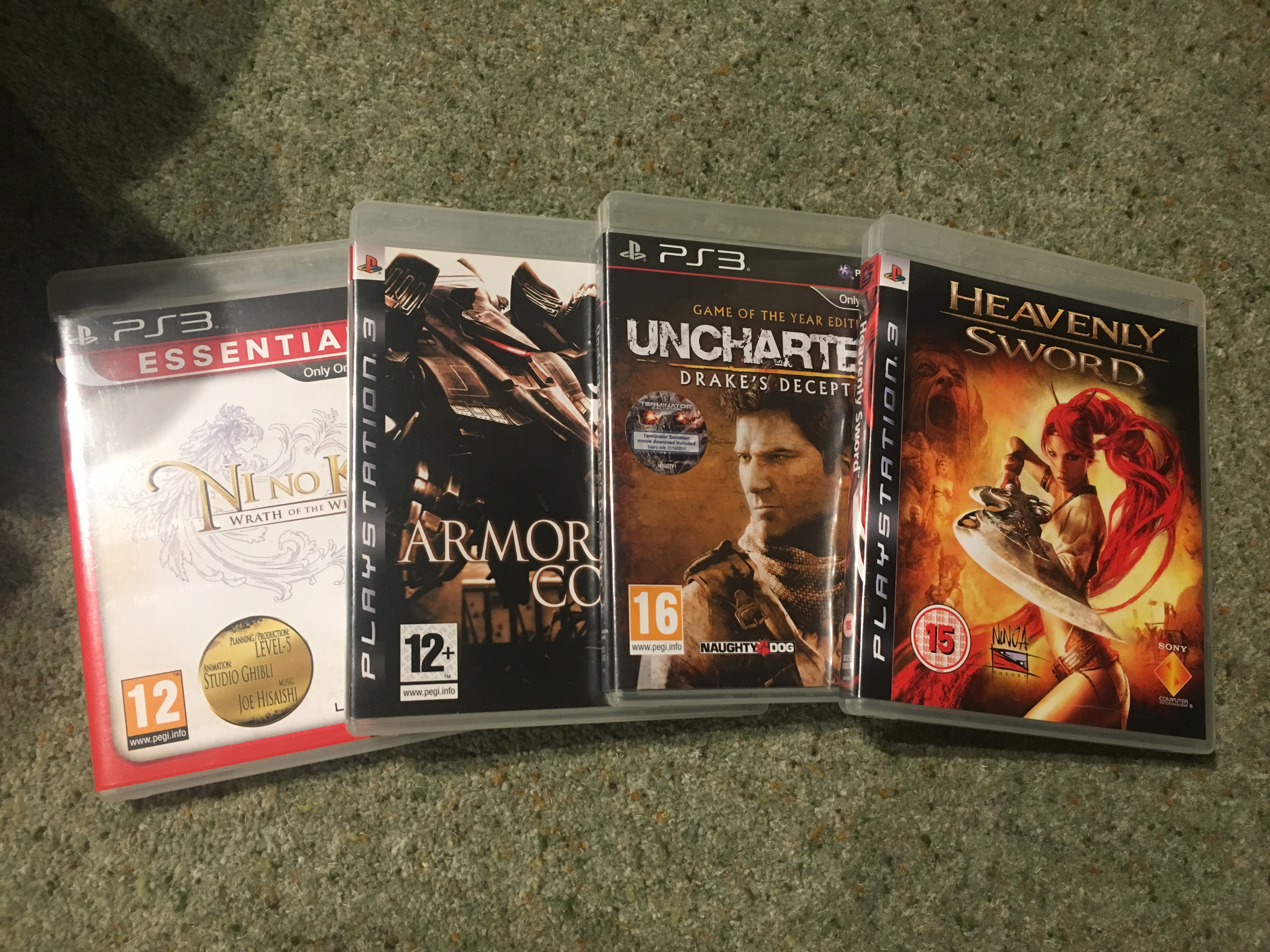
    Onto the PS3. Ni No Kuni is a game that’s been on my radar for years, and I finally picked it up early last year. I know I’m going to love playing this Studio Ghibli inspired RPG with added Welshness, but I keep passing over it simply because I know it’s a big game, and my gaming time is so limited these days. Armored Core was a gift – I’ve never played a game in the series before, and I’m not sure what to expect. I’m sure I’ll eventually give it a go one of these days.

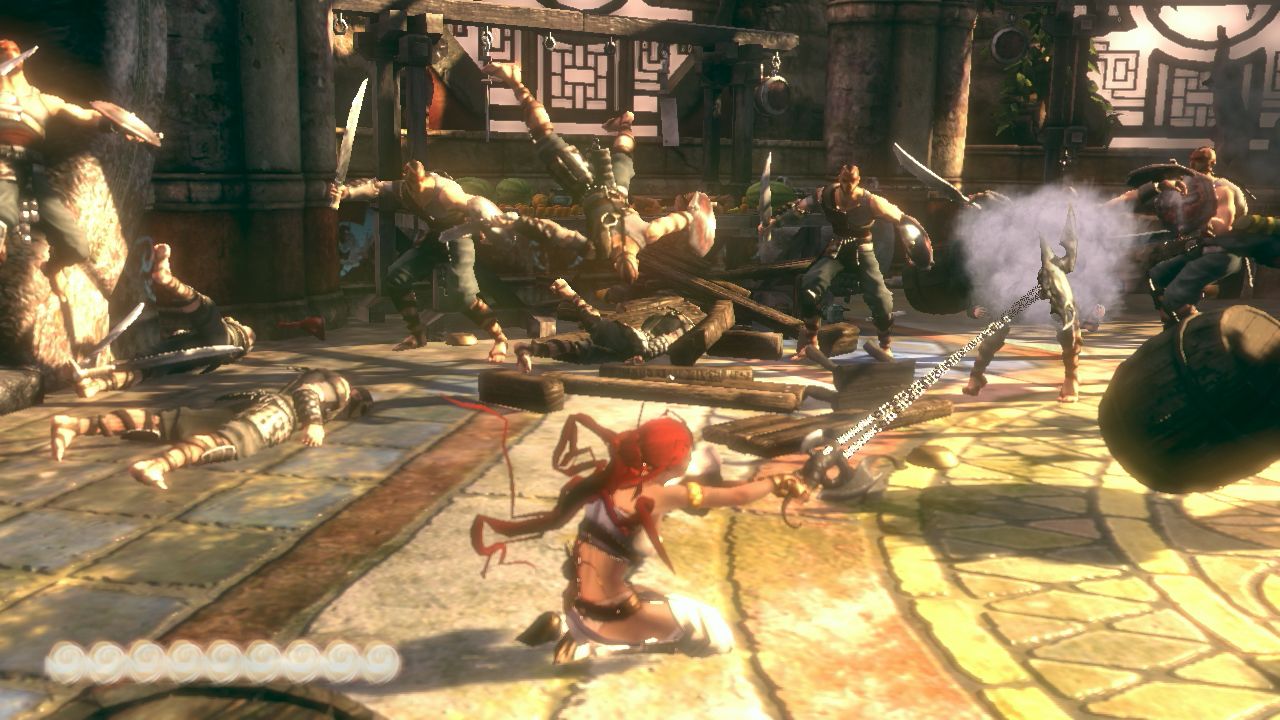
    Uncharted 3 will be another entry in my ‘Better Late Than Never’ series of posts – I enjoyed the first two, even if they’re essentially popcorn action flicks with absurd body counts. Hmm, actually, perhaps that’s why they’re so enjoyable? Anyway, the final game is Heavenly Sword, which I wrote about recently in my Ninja Theory post, and which I’m thoroughly enjoying (even if some parts are frustratingly difficult).

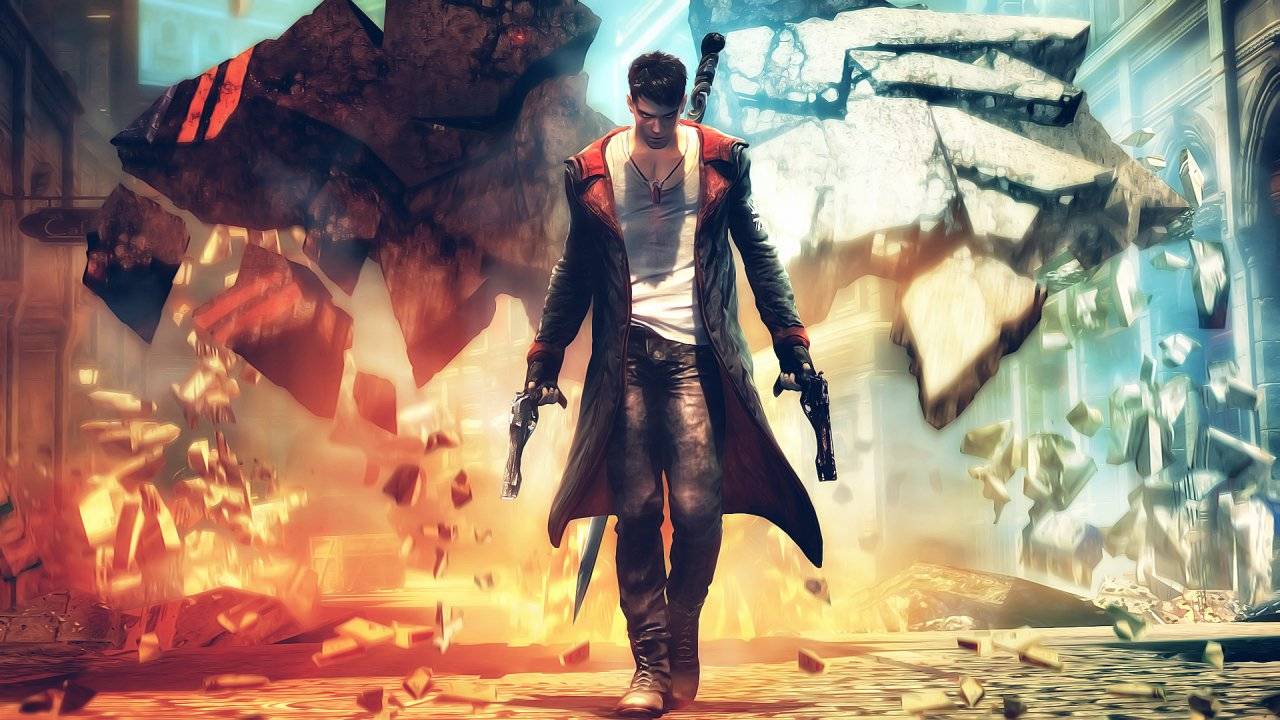
    And finally, here’s my Xbox 360 collection, many of which have sat unplayed for years. However, I bought Overlord II, Resident Evil 6, DmC: Devil May Cry and Castlevania: Lord of Shadow just recently, and I’m looking forward to playing through all of them. Well, maybe Resident Evil 6 is the exception – I’ve heard it’s one of the weakest titles in the series, but I’m keen to try it anyway, even if I don’t bother finishing it. Child of Eden is a fun, trippy, on-rails shooter from the creator of Rez, but annoyingly your progress is linked to your score – which usually means playing through the same level multiple times in order to unlock the next one. It felt like a frustrating way to artificially extend the lifespan of the (short) game in my opinion, although I may eventually go back and try to finish it.

    The Orange Box is my secret shame – I got given this YEARS ago, and I’ve still only played one of the games in this compilation (i.e., Portal). I’ve been meaning to play Half-Life 2: Episode 1 and 2 for ages now, having finished Half-Life 2 on the Xbox, but I just haven’t gotten around to it for whatever reason. Then there’s Crysis 2… I don’t know why I bought Crysis 2. I’ve a strong feeling that I won’t enjoy it, but I keep it around on the off chance that I might play it and like it.

    Brutal Legend is from the legendary Tim Schafer, designer of Psychonauts and many other wonderful games, and I have no idea why I still haven’t played it after all these years. Maybe I’m worried that it might not be any good? Whatever the reason, it’s been languishing in my green box for eons now. Then there’s Halo 4, a.k.a. the least interesting Halo game I’ve played so far. I played through the first three Halo titles and ODST in coop with a mate, and we had a whale of a time. But we got about halfway through Halo 4 and just… well, we just got bored. Maybe it was the unfathomable plot? The tsunami of uninteresting lore? Whatever the reason, it just didn’t grab us. I’ve been meaning to revisit the game for a while to finally get through to the end… but if I’m honest, I doubt I’ll ever go back to it.

    The last game is XCOM: Enemy Within, which is UTTERLY BRILLIANT AND YOU SHOULD BUY IT. I finally got around to playing it last week, having bought it years ago at launch, and it is just phenomenally good. BUY IT!

    Of course, this is only part of my full collection – I also have 20 or so digital titles. I tend to shy away from buying digital, simply because I usually sell on my games after finishing them, and digital copies can’t (currently) be resold after purchasing them. But there are quite a few games in my collection that are digital only, like Sundered and To The Moon.

    So that’s my game collection, what do you think? How does yours compare? Let me know in the comments!

  • We’ve already waxed poetic on this site about our love of Fire Emblem Heroes, the surprisingly fun and super addictive smartphone addition to one of our favourite series. As Fire Emblem Heroes celebrates its six-month anniversary (well, technically its six-month mensiversary if you want to get pedantic), we thought it would be a good time to look back on some of our favourite characters so far. [Warning: Full-on Fire Emblem Heroes geek speak ahead. And if you haven’t tried out the game yet, what are you waiting for? ;)]

    Before we begin, we’ll also have to give a shout-out to Nintendo Wire for beating us to the punch, and giving us an interesting additional view for comparison. It’s worth noting that between the three of us we picked all different characters as our top favourites. This is a good indication that Intelligent Systems’ absolutely succeeded at coming up with a flexible and robust game design where virtually all the characters included are worth using, and you can build teams to suit your own playstyle and with your favourite characters from the mainline games.

    Now, on to the heroes!

    Lucius’s favourites

    I’m all about ‘Horse Emblem’ right now; in other words, fielding a team made up entirely of cavalry units. Whereas infantry units can only move two spaces, horse riders can cover up to three spaces in one turn, making it easy to quickly overwhelm and surround opponents, or move characters away from harm. Their main downside is that they can’t move through forests, which can be a bit of a pain on some maps as mages take potshots at you from the other side of a wood, out of reach of your attacks. But cavalry units have a huge advantage when it comes to passive skills: Ward Cavalry, Hone Cavalry, Fortify Cavalry, and Goad Cavalry give stat boosts to allies (either ones that are adjacent or in some cases up to two spaces away), and equipping a whole team with these skills gives you a crew with ridiculously high defence and devastating attack.

    Xander

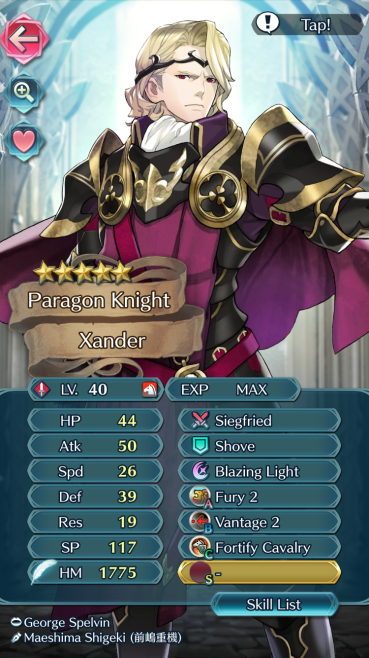
    Xander was only available for a limited time through a Grand Hero battle, and he’s been one of my go-to heroes ever since I obtained him. His main boon is his sword, Siegfried, which can counterattack regardless of distance. His main weakness is his fairly weedy resistance (i.e. defence against magic), but if he does get jumped by an enemy mage, his distant counter means that at least he can put up a bit of a fight.
    1

    Xander’s high defence stat is one of his best traits; my version has a defence stat of 39, which is higher than most maxed out armoured units. And with buffs from adjacent cavalry units, that stat can go higher still. Basically, nothing much can touch him.

    I’ve currently kitted out Xander with the skills Fury, Vantage, and Fortify Cavalry. Fury pushes his attack, speed, defence, and resistance up by a maximum of 3 points each, at the disadvantage that he loses health each time he attacks; but considering his very high HP and defence, it’s an easy sacrifice to make. It also ties in well with Vantage: as Xander’s health gets lower, he actually gets more dangerous as Vantage kicks in, meaning he can strike first when attacked. And Fortify Cavalry gives a massive 6 points of resistance and defence to adjacent cavalry units, meaning Xander can effectively build a human wall if he’s placed next to similarly beefy horse-tanks. Speaking of which…

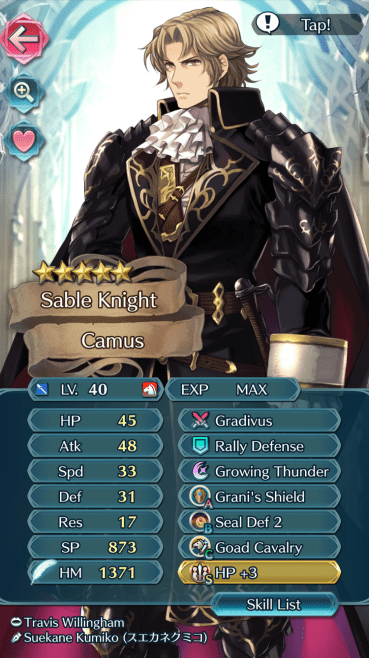
    Camus

    Another character who was only available through a Grand Hero battle, Camus has high defence but even higher speed. Combined with his formidable attack stat, this means he can double hit many enemy characters for an instant knockout. Gradivus, his lance, also has distant counter built in, so he can counterattack regardless of distance. With Camus and Xander leading the charge, there’s little that can stand in my way.

    2.png

    Having said that, he does share Xander’s one weakness – a fairly puny resistance stat. But sticking him next to Xander means he gains +6 to resistance thanks to Fortify Cavalry, so he’s still able to survive most mage encounters (and hit them back too, thanks to Gradivus).

    Camus is still a bit of a work in progress for me in terms of inheriting skills. He’s currently kitted out with the default Grani’s Shield and Goad Cavalry, both of which are pretty useful. Grani’s Shield neutralizes ‘effective against’ bonuses, so he’s immune to characters like Raigh who have special horse-killing powers. Goad Cavalry boosts the attack and speed of cavalry units by 4 if they’re within two spaces, which is perfect for my Horse Emblem strategy.

    The B slot is a bit of a work in progress though. I’ve currently got Seal Def 2 in there, which reduces enemy defences by 5 after you attack them. But Camus is so powerful that most enemies end up dead after the first attack, so it’s not that useful. I’m thinking of trading it in for Blue Tomebreaker, which will give him a fighting chance against blue mages – although that does mean sacrificing my Female Robin, who is the only character with this skill. Decisions, decisions…

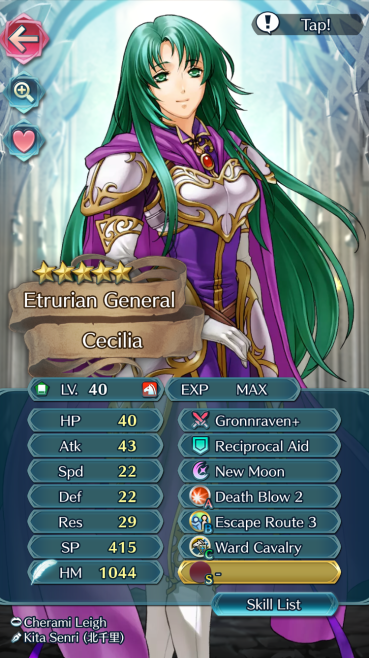
    Cecilia

    I know what you’re thinking: “Cecilia? Are you mental?” But hear me out.

    I ignored Cecilia for a long while, as she’s widely available and her stats weren’t too impressive at first glance. But she has a few qualities that really make her stand out. First, her attack is pretty damn high; my build has a base attack of 43. Then there’s her weapon, Gronnraven, which has the nifty ability of granting a weapon advantage against colourless foes. This means she can make short work of enemy healers, archers, and thieves, and she makes a pretty handy counter to Takumi.

    3.png

    There’s also the fact that she’s the only green cavalier mage in the game (so far), and seeing as the blue cavalier mages Reinhardt and Olwen crop up fairly regularly in the Arena, she makes a good counter. In fact, blue characters in general tend to crop up fairly regularly in the Arena, presumably as a counter to the fairly high number of red sword users, so Cecilia has been key to rounding out my team.

    I’ve kitted out Cecilia with Death Blow, which when maxed out adds another 6 points to her already high attack stat, meaning she can one-hit KO most blue and many green enemies (even Nino). I’ve kept her default skill, Escape Route, which means she can warp out of danger when her health gets low. This also works quite well with Reciprocal Aid (which allows her to swap her health for an ally’s), as she can warp around the map healing other units or healing herself. Ward Cavalry rounds out her skills, adding +4 to the defence and resistance of allies up to two spaces away. Positioning her behind Xander and Camus is the perfect way to fix their low resistance stats.

    So there you go – Cecilia turns out to be an excellent character for improving an already strong Horse Emblem team.

    Professor GreilMercs’ favourites

    Azura

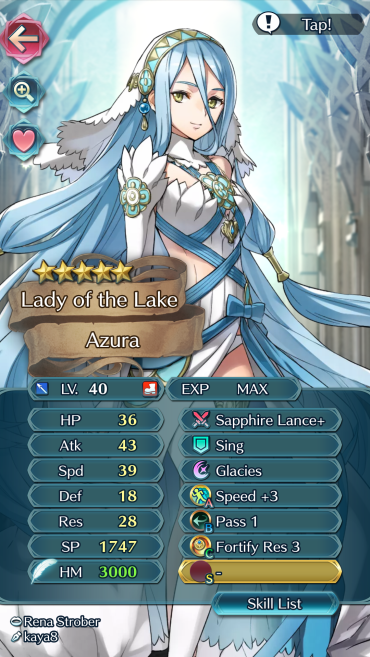
    At the top of my list by far has got to be Azura, absolutely no question about it. Azura is one of only three characters currently in the game who have the “dance” ability (although in this case, it’s actually “sing”), which allows her to give up her turn to someone else. In the mainline games I use dancers a lot because they let you use your strongest characters twice in one turn, although they tend to be quite frail themselves with very low attack. Not so in this game, however. In this game, Azura is a powerhouse with a solid attack stat, and she has great speed as well.

    Screenshot_2017-09-03-11-18-02.png

    Azura uses a sapphire lance, which gives her an extra 10% attack and defence bonus on top of the standard 10% bonus attack and defence granted by the regular weapon triangle bonus (red beats green, green beats blue, and blue beats red, e.g. swords beat axes, axes beat lances, and lances beat swords). Ruby, emerald, and sapphire weapons are a double-edged sword (or rather, lance in this case, haha) because although they provide a great advantage when battling with the triangle advantage, you really get screwed when you’re on the losing side of the triangle. With careful planning and a well-balanced team this shouldn’t happen, and in Azura’s case it’s worth the risk since there are a disproportionately large number of red characters in the game (mostly because there are a lot of swordfighters in the mainline games).

    Azura definitely outshines the other two dancers in the game, and the maxed out “HM” you can see in the screenshot above is an indication of just how much I use her (basically all the time), as you earn Hero Merit for every battle a character is used in and survives. Don’t leave home without her. 😉

    Ike

    Ike is one of my favourite characters in the mainline games (my nickname is the name of his mercenary group in the games), and he’s also a great character to use in this game as well, even when considering him outside of my personal bias. Like Lucius’s favourites Xander and Camus, Ike’s unique weapon also lets him counter enemies attacking from two spaces away. Ike has a stat spread quite similar to Xander’s, i.e. high attack and defence, but quite low speed and resistance. Ike comes with Swordbreaker, which lets him attack twice against sword users. This is a quite useful skill since there are so many sword users in the game, but as with other characters with low speed and high defence I find it more useful to give him Quick Riposte, which allows him to attack twice when attacked.

    Screenshot_2017-09-03-11-18-43.png

    Ike has an added advantage over Xander, which is his special, Aether. This is another fairly unique ability in this game, and as in the mainline games it not only gives Ike added attack power when it triggers, but it also restores 50% of the damage back as health. Ike also comes with the completely unique skill Heavy Blade, which makes his special trigger more quickly if his attack is higher than his opponent’s. Aether usually takes 5 turns to trigger, but with Heavy Blade it ends up triggering pretty often which makes it so that Ike can pretty much be his own one-man army. Ike is a popular character in general so it’s not surprising that IntSys made him top tier in this game, but I’m definitely glad they did.

    Titania

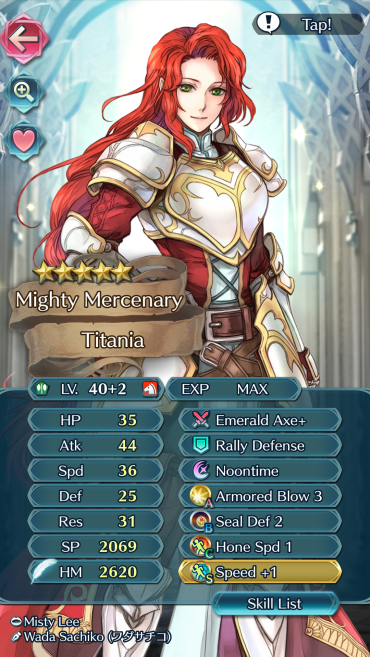
    I debated about who to pick as my third, but Titania has more than earned her spot on my list. I like Nino, a powerful green mage, as well, but I had to give credit where credit was due, and I’ve ended up using Titania a lot as she’s a powerful green unit. In the mainline games she’s actually another member of Ike’s Greil Mercenaries, but although I liked her before, I was surprised that I liked her as much as I did in this game.

    Screenshot_2017-09-03-11-20-50.png

    As with Lucius’s picks, Titania is a cavalry unit, and so she can get around the map easily. Similarly to Azura, Titania has an emerald axe which can be risky, but for me the benefits outweigh the risks. On a team with characters like Ike and Azura who can cover the green and red enemies, Titania can focus on doing what she does best, which is completely dominating the blue enemies.  With her high resistance she can also reliably take on green mages and colourless staff users, and she can also help take down colourless bow and dagger users. Titania can’t usually go head-to-head with other axe users, but she shines when part of a team that includes strong sword and lance users.

    Titania comes with Reciprocal Aid, which along with her good mobility helps her heal her teammates. I trade it for the skill Rally Defense, which lets her boost an ally’s defense, when needed for certain challenges. I could also give her a special move like Moonbow which would give her added attack when it triggers and help her against axe and colourless users, but even without those upgrades she’s still been one of my most-used units.

    The future?

    Well, there you have it. Both of us have many other favourites, and the game keeps evolving, so our early favourites have been superseded, and these favourites may be supplanted as well. We’ll have to check in again sometime in the future to see how our top three changes, or not… maybe in another six months!

  • Stay a while and listen while I break from my usual M.O. of reviewing hoards of games to recount an offbeat tale of railguns and romance.

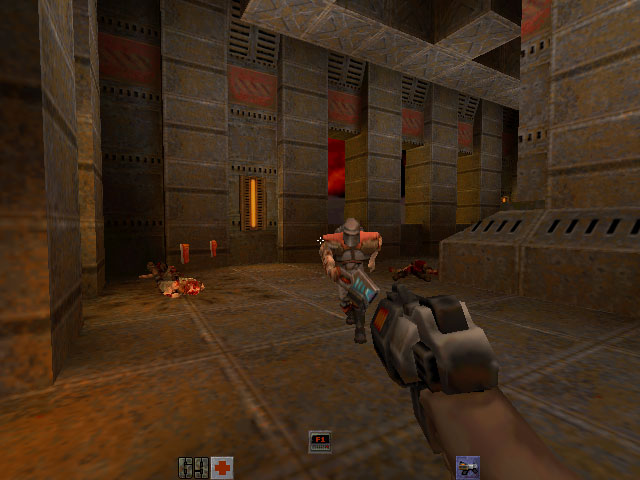
    It was some time ago, so far back that I can’t quite recall the exact year, but I can narrow it down to near the end of the previous century. I was wasting time on mIRC, which is technically a program designed for chatting, but in reality is a filthy cesspool of illicit activity and depravity. It must have seemed so idyllic to all us poor, angry youths with emotional issues and flexible morals, but that’s a tale for another time. The point is that I was speaking to an associate from an industrial music room and in the throes of our collective boredom we decided to try our hands at an online deathmatch game of Quake 2.

    quake2chick
    and I don’t mean these chicks

    A deathmatch game with only two players in pretty large maps isn’t a whole lot of fun so my associate, let’s call him Fatso, helpfully suggested that he bring along two friends to make things more interesting. Fatso introduced me to, let’s call them What’s-his-face and Raspina,  and so began the most historic match of Quake 2 of all time (which is technically not an exaggeration from my perspective).

    I don’t want to toot my own horn again, but I was pretty good at Quake 2 back in the day, and so it ended up being a pretty one sided affair. What’s-his-face was so average and entirely devoid of interesting features that I can’t recall a single detail about his involvement. Fatso was at least bad enough to be memorable, as I had to find strange, annoying new ways to kill him just to amuse myself. I remember literally running around him in circles, slowly shooting him to death with the pistol as he flailed helplessly, missing every blubbery shot.

    quake2pistol
    OH NO, NOT THE BLASTER!

    And then there was Raspina. Raspina, who I found hiding in a ceiling vent, not to be in a good sniping position or anything like that, but in the hope that no one would find her there because she was not an fps fan and had no idea what she was doing. I saw her cowering up there like a frightened cat and just couldn’t bring myself to shoot her in the face. We then agreed to a truce, where I wouldn’t kill her unless she attacked me first. Apparently this act of virtual chivalry left an impression on her, as we ended up staying in touch after that, even long after I stopped talking to Fatso (who turned out to be quite a jerk).

    Raspina and I found ourselves taking quite a liking to each other, but being young, poor, and living thousands of miles apart, there wasn’t a whole lot we could do about it other than to remain friends. We continued to talk online and on the phone for something like seven years, occasionally playing other online games like TetriNET or World of Warcraft, before circumstances changed enough that we could meet.

    10 years ago, on this very day actually, we finally did meet and we’ve been inseparable ever since, and even married for almost 5 years now too. Our only real problem (at least in terms of our relationship) these days is fighting over whose turn it is to play their game on the big screen each night and which kind of ridiculous nerd thing we’re going to buy for our place next.

    IMG_2176
    SHE picked this amazing new rug! No, you can’t have her! OR THE RUG!

    So clearly the moral of this story is that if you learn how to Quake 2 properly then you too can find happiness! But seriously, I tell you this not solely to ramble on in a semi-bragging manner about my personal life, but also to extend what I suppose is a message of hope to any lonely gamers out there:

    Don’t listen to any close-minded luddite that condescendingly tries to tell you that video games are pointless or unimportant or not real art or whatever painfully stupid thing they say to you right before they turn around and go watch television or sit in a chat room or whatever other hypocritically similar hobby they fill their nights with. Those people can go eat a…pickle.

    And don’t settle for anyone that isn’t the best for you or anyone who treats the things you love like they’re a nuisance that they have to put up with or something that should be hidden from them, because let me tell you, being with someone who actually enjoys almost all the same things, who you don’t have to go hide from in another room when you want to do something you like, is well worth the time and effort.

    Do what you love and stick with it no matter what and eventually you’ll find that perfect person for you like I finally did.

    • This article is dedicated to Baroness Fotchenstein, player of games, bringer of happiness.
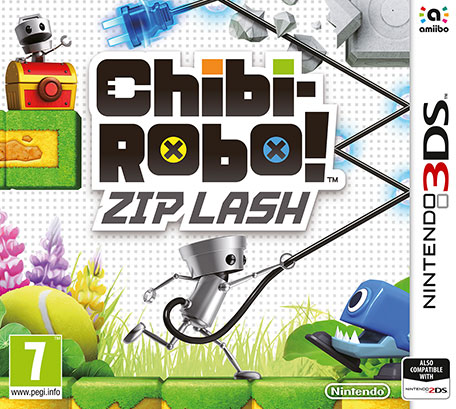
  • If I’m honest, the main reason I bought Chibi-Robo! Zip Lash was for the sweet, sweet amiibo that came with it. I love Chibi as a character, but Zip Lash released to mediocre reviews, and I’m not that big a fan of 2D platformers anyway. Still, I thought that I may as well give the game a go, seeing as I’ve got it.

    My first impressions seemed to confirm my initial suspicions. Adorable as Chibi-Robo is, even his stratospheric levels of cuteness can’t disguise the fact that he’s trapped in a bland and uninspired platformer. The main draw of Chibi as a character is that he’s only 10 centimetres tall, which means that from his perspective, ordinary domestic settings like a kitchen become enormous caverns packed with dangerous and impassable objects. Yet Zip Lash barely gives any sense of scale – aside from things like towering beach balls or chairs in the background, there’s no sense that you’re playing as a tiny robot, especially as the levels are often made up from big grey and orange blocks.

    The plot is also wafer thin. Chibi is cleaning the International Space Station when suddenly reports come in of stuff being stolen from tiny red aliens back on Earth. We’re not sure why they’re taking it, they just are. Anyway, it’s apparently reason enough for 6 worlds of platforming and coin collecting. Oh, and rescuing ‘Chibi-Tots’, tiny robots that need saving… for some reason. There’s three of them on each level, and if you get all three, you get a… well, you get a badge to say you’ve rescued them. Neat, huh?

    That was sarcasm, by the way.

    The point is that like many 2D platformers, Zip Lash commands you to gather up various varieties of collectibles on each level, but also like many platformers, it doesn’t give you much of a reason to actually collect them. I need more inspiration to replay a level than simply gaining the knowledge that I’ve collected all the stuff it has to offer. Why can’t collectibles be linked to ways to level up your character? Or used to unlock costumes or other extra stuff? Or even linked to some sort of Animal Crossing-style house, where the things you get can be used to buy things for your home and the Chibi-Tots you rescue start populating its rooms? There’s loads of ways you could make collecting things more interesting than simply handing out a badge to say you’ve got three of whatever.

    There are unlockable costumes in the game, and they’re some of the best bits about it. Seeing Chibi dressed as a chicken was one of the highlights of my week. But the way you unlock the costumes is, frankly, stupid. You can only find them on your second playthrough of a level, by rescuing a lost alien. But even if you do successfully manage to rescue the alien, there’s only a CHANCE you might unlock that level’s costume. The only way to get a 100% chance of getting a new costume is to input the code for that level – each time you successfully get a costume, you get one digit of a five-digit code, and the idea is to share the digits on Miiverse, so that the community as a whole can work together to get the full code.

    It’s a stupid, infuriating system. Of course, I simply looked up all the codes on GameFAQs and put them all in straight away, which was tedious in itself. But I still resented having to go back and play the levels again just to do one tiny bit of them to get a costume.

    All the way through playing this game, I rubbed up against gameplay systems like the one above that seemed poorly thought out. Why put costumes behind admin barriers? Why not hand them out as rewards for challenges? I’m thinking of the Super Mario Galaxy games or even Super Mario Run, where finishing a level unlocks challenges such as completing it in a certain time limit, or collecting a set number of coins, or even racing against a doppelganger. Make it fun to replay a level, rather than a chore.

    The roulette wheel that appears at the end of each level is another example of one of the game’s systems that seems to be incredibly poorly thought out. Rather than finishing a level and going straight to the next one, you instead have to spin a roulette wheel to see how many levels you advance. You can ‘buy’ numbers to add to the wheel to improve your chances of going to the level you want, but I’m baffled as to why the wheel is there in the first place. Each world has six levels, and you have to finish all of them to unlock the boss for that world. So why would you want to advance, say, three levels? You’ll still have to go back and play the two you passed over, and if you don’t get the number you want on the roulette wheel, you might end up playing a level you’ve already completed. It’s infuriating and pointless – especially as when you finish a world, you can go back and select any level you want at any time. Why not just let you choose any level in the first place?

    Then there’s the incredibly slow loading screens, pointless transition animations when switching levels, tedious scrawls of repetitive text whenever you want to select anything in your ‘Chibi-House’… the list goes on. It feels like the game is packed full of systems that are designed to irritate the player.

    And yet.

    AND YET.

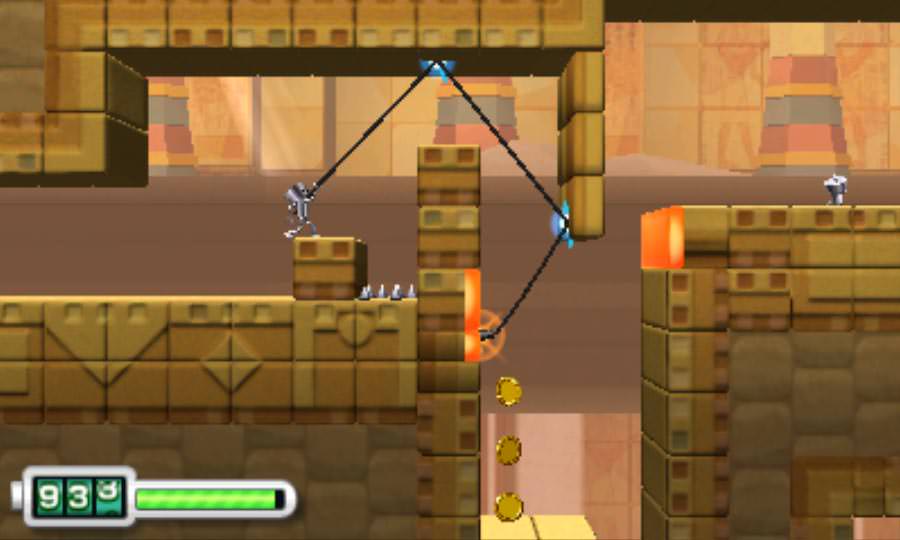
    I did find myself quite enjoying Zip Lash once I’d got past my initial frustrations. The zip lash mechanic – using your plug ‘tail’ as a whip to swat enemies and attach to panels – is clever and satisfying to use. Plus the difficulty is pitched just right, and there are some really clever design ideas, especially in the later levels. Setting Chibi on fire to smash through ice, swinging across gaps like Tarzan, the occasional wakeboarding level.. it’s all good stuff. It’s fun.

    Which makes it all the more frustrating that the game is hog-tied by systems, like the roulette wheel, that seem to drain all the enjoyment out of it. I found myself wishing that towards the end of the game’s development, some Miyamoto-style producer could have swooped in and said “get rid of this system, chop that bit out, put this bit in” and generally rearranged what’s there to make this a 9/10 game, rather than the 6/10 game it currently is.

    I mean, the amiibo integration is great. You can tap your Chibi amiibo to level it up with the points you’ve accrued and then gain access to better toys from an in-game ‘gatcha’ machine. And I love the real-life snacks you can collect – things like Mr. Tom peanut bars, and weird sweets from around the world that I’ve never heard of before. I wanted to collect them all – but it was infuriating that the description of each snack was locked until you presented the right snack to the right toy on each world, and even then you’d have to sit through another boring animation. A further example of a great idea that’s somehow rendered slightly tedious.

    It’s all there. The makings of a truly great game are all there, they’re plain to see. But somehow they’ve been obfuscated with pointless systems and busywork. It’s such a shame, because for the most part, if you can put up with the frustrations, there’s a lot of fun to be had in Chibi’s world.

  • If I’m honest, the main reason I bought Chibi-Robo! Zip Lash was for the sweet, sweet amiibo that came with it. I love Chibi as a character, but Zip Lash released to mediocre reviews, and I’m not that big a fan of 2D platformers anyway. Still, I thought that I may as well give the game a go, seeing as I’ve got it.

    My first impressions seemed to confirm my initial suspicions. Adorable as Chibi-Robo is, even his stratospheric levels of cuteness can’t disguise the fact that he’s trapped in a bland and uninspired platformer. The main draw of Chibi as a character is that he’s only 10 centimetres tall, which means that from his perspective, ordinary domestic settings like a kitchen become enormous caverns packed with dangerous and impassable objects. Yet Zip Lash barely gives any sense of scale – aside from things like towering beach balls or chairs in the background, there’s no sense that you’re playing as a tiny robot, especially as the levels are often made up from big grey and orange blocks.

    The plot is also wafer thin. Chibi is cleaning the International Space Station when suddenly reports come in of stuff being stolen from tiny red aliens back on Earth. We’re not sure why they’re taking it, they just are. Anyway, it’s apparently reason enough for 6 worlds of platforming and coin collecting. Oh, and rescuing ‘Chibi-Tots’, tiny robots that need saving… for some reason. There’s three of them on each level, and if you get all three, you get a… well, you get a badge to say you’ve rescued them. Neat, huh?

    That was sarcasm, by the way.

    The point is that like many 2D platformers, Zip Lash commands you to gather up various varieties of collectibles on each level, but also like many platformers, it doesn’t give you much of a reason to actually collect them. I need more inspiration to replay a level than simply gaining the knowledge that I’ve collected all the stuff it has to offer. Why can’t collectibles be linked to ways to level up your character? Or used to unlock costumes or other extra stuff? Or even linked to some sort of Animal Crossing-style house, where the things you get can be used to buy things for your home and the Chibi-Tots you rescue start populating its rooms? There’s loads of ways you could make collecting things more interesting than simply handing out a badge to say you’ve got three of whatever.

    There are unlockable costumes in the game, and they’re some of the best bits about it. Seeing Chibi dressed as a chicken was one of the highlights of my week. But the way you unlock the costumes is, frankly, stupid. You can only find them on your second playthrough of a level, by rescuing a lost alien. But even if you do successfully manage to rescue the alien, there’s only a CHANCE you might unlock that level’s costume. The only way to get a 100% chance of getting a new costume is to input the code for that level – each time you successfully get a costume, you get one digit of a five-digit code, and the idea is to share the digits on Miiverse, so that the community as a whole can work together to get the full code.

    It’s a stupid, infuriating system. Of course, I simply looked up all the codes on GameFAQs and put them all in straight away, which was tedious in itself. But I still resented having to go back and play the levels again just to do one tiny bit of them to get a costume.

    All the way through playing this game, I rubbed up against gameplay systems like the one above that seemed poorly thought out. Why put costumes behind admin barriers? Why not hand them out as rewards for challenges? I’m thinking of the Super Mario Galaxy games or even Super Mario Run, where finishing a level unlocks challenges such as completing it in a certain time limit, or collecting a set number of coins, or even racing against a doppelganger. Make it fun to replay a level, rather than a chore.

    The roulette wheel that appears at the end of each level is another example of one of the game’s systems that seems to be incredibly poorly thought out. Rather than finishing a level and going straight to the next one, you instead have to spin a roulette wheel to see how many levels you advance. You can ‘buy’ numbers to add to the wheel to improve your chances of going to the level you want, but I’m baffled as to why the wheel is there in the first place. Each world has six levels, and you have to finish all of them to unlock the boss for that world. So why would you want to advance, say, three levels? You’ll still have to go back and play the two you passed over, and if you don’t get the number you want on the roulette wheel, you might end up playing a level you’ve already completed. It’s infuriating and pointless – especially as when you finish a world, you can go back and select any level you want at any time. Why not just let you choose any level in the first place?

    Then there’s the incredibly slow loading screens, pointless transition animations when switching levels, tedious scrawls of repetitive text whenever you want to select anything in your ‘Chibi-House’… the list goes on. It feels like the game is packed full of systems that are designed to irritate the player.

    And yet.

    AND YET.

    I did find myself quite enjoying Zip Lash once I’d got past my initial frustrations. The zip lash mechanic – using your plug ‘tail’ as a whip to swat enemies and attach to panels – is clever and satisfying to use. Plus the difficulty is pitched just right, and there are some really clever design ideas, especially in the later levels. Setting Chibi on fire to smash through ice, swinging across gaps like Tarzan, the occasional wakeboarding level.. it’s all good stuff. It’s fun.

    Which makes it all the more frustrating that the game is hog-tied by systems, like the roulette wheel, that seem to drain all the enjoyment out of it. I found myself wishing that towards the end of the game’s development, some Miyamoto-style producer could have swooped in and said “get rid of this system, chop that bit out, put this bit in” and generally rearranged what’s there to make this a 9/10 game, rather than the 6/10 game it currently is.

    I mean, the amiibo integration is great. You can tap your Chibi amiibo to level it up with the points you’ve accrued and then gain access to better toys from an in-game ‘gatcha’ machine. And I love the real-life snacks you can collect – things like Mr. Tom peanut bars, and weird sweets from around the world that I’ve never heard of before. I wanted to collect them all – but it was infuriating that the description of each snack was locked until you presented the right snack to the right toy on each world, and even then you’d have to sit through another boring animation. A further example of a great idea that’s somehow rendered slightly tedious.

    It’s all there. The makings of a truly great game are all there, they’re plain to see. But somehow they’ve been obfuscated with pointless systems and busywork. It’s such a shame, because for the most part, if you can put up with the frustrations, there’s a lot of fun to be had in Chibi’s world.

  • First of all, I should introduce myself.  My name is Alexander.  I’m an attorney by day and a video game enthusiast/freelance writer by night.  I’m also an attorney by night. There’s no escape from being an attorney, ever. It’s a special kind of hell.

    Anyway, I’m both honored and happy to be here, and I hope I can contribute to this site, even if only in a small way.

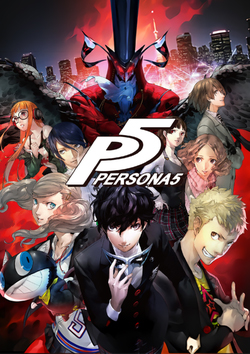
    Persona_5_cover_art

    My very first post here obviously has to do with Persona 5. As a serious fan of the Shin Megami Tensei series, of which the Persona series is a spinoff, I was anticipating Persona 5 for years. I, along with many other fans, endured a series of release date delays stretching from Winter 2014 all the way to April 4, 2017, when I finally received my preorder.

    Atlus didn’t let me down. Persona 5 was the only game at all that I played during the little downtime I had throughout April and May. I even ended up neglecting the brilliant NieR: Automata to finish this thing. After completing the game, I had to conclude that Atlus had topped their previous efforts: while Persona 3 and 4 were both great games, Persona 5 is arguably better in every way than both of them. It’s so good, in fact, that I wouldn’t just recommend it to the typical JRPG fan, but even to people who wouldn’t normally get within ten miles of a typical JRPG. Why?

    1) The combat system

    Persona 5, like its predecessors, is a turn-based JRPG.

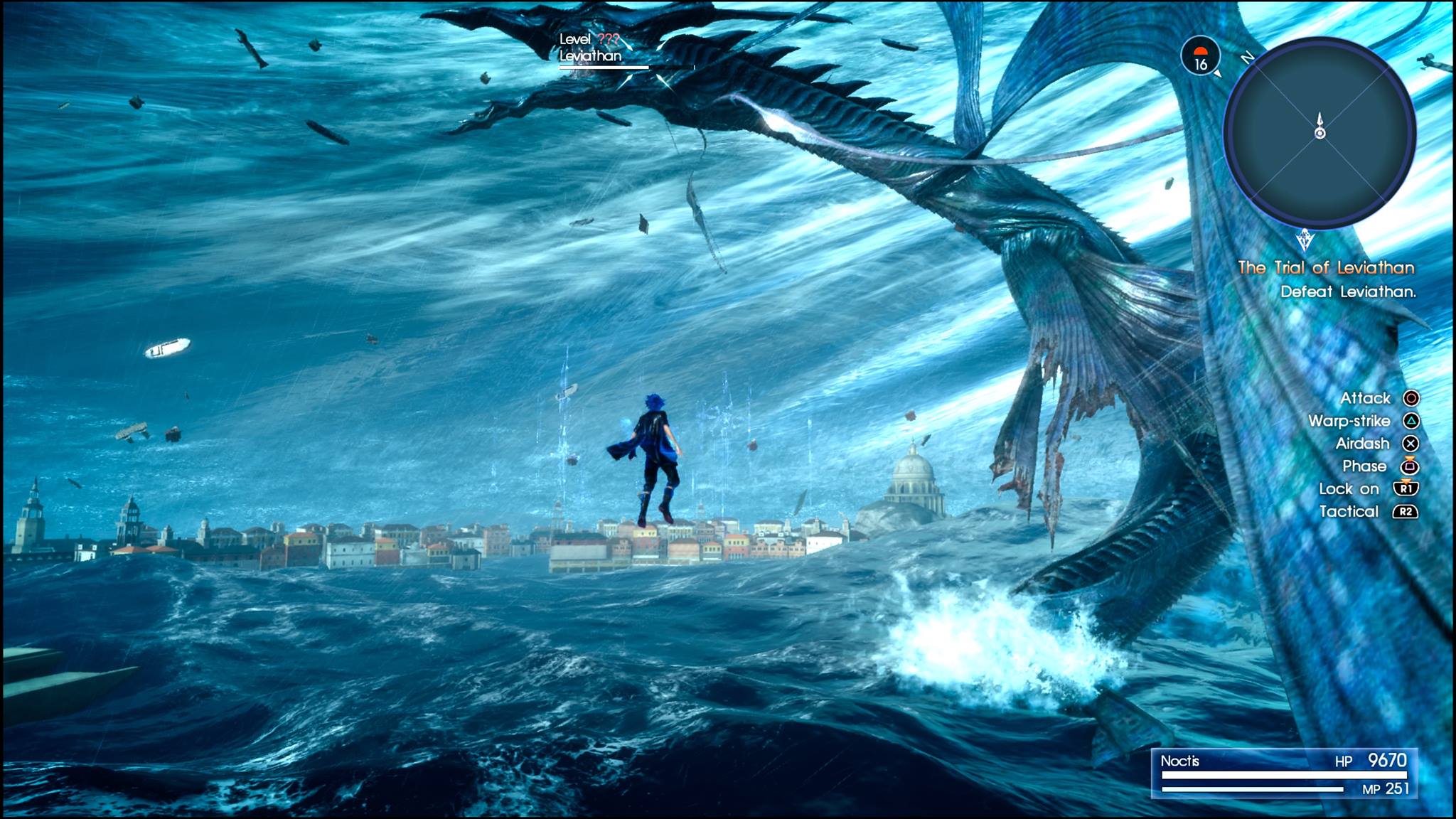
    Do you remember all the buzz surrounding the release of Final Fantasy XV last year? Remember how a lot of it praised the real-time combat system as an improvement over the old turn-based system, which some dismissed as dated?

    Persona 5 is the answer to claims that turn-based combat is dated. It uses the “one more turn” battle system established by Persona 3 that rewards the player for finding and exploiting enemy weaknesses. It also adds in the demon negotiation mechanic from the mainline Shin Megami Tensei games by letting the player make highwayman-style demands of enemies whose weaknesses have been hit when they’re all down. Enemies can even be recruited in this way – a key element to fusion, in which recruited enemies-turned-Personas can be merged into entirely new Personas with skills inherited from their “parents”. This combination of Persona and mainline SMT-style battle mechanics works well and keeps combat exciting throughout.

    All_Out_Attack_P5
    You and your allies can also perform an All-Out Attack when you’ve cornered an enemy for massive damage.

    2) The story and characters

    Persona 5 is about a group of misfit Japanese high school students with magical demon-summoning powers who use said powers to fight corruption as the masked “Phantom Thieves”. Specifically, they’re able to invade the minds of certain people with evil, twisted desires by entering and fighting through their “Palaces”, symbolic representations of their desires which exist in a dream world accessible through a mysterious app that the protagonist and friends have on their phones. By doing so, our heroes are able to force their targets to have a change of heart in the real world, where they admit and atone for their crimes by turning themselves into police custody. All the while, the protagonist has to live like a normal high school student by day, building relationships with his friends in the real world through the Social Link mechanic that strengthens his Persona fusion capabilities.

    If you’ve played Persona 3 or 4, this should all sound familiar. Many of the elements that make Persona 5 special are carried over from its PS2 predecessors.  But the story in Persona 5 is even more compelling, despite how outlandish it might seem at first. Every one of the Phantom Thieves’ targets has committed abuses that directly affect the protagonist or one or more of his friends, so they’re all emotionally invested in what they’re doing, both as a means of payback and to help other people who have suffered at their targets’ hands. The cast of characters also has great chemistry, and it’s a lot of fun to watch their relationships unfold.

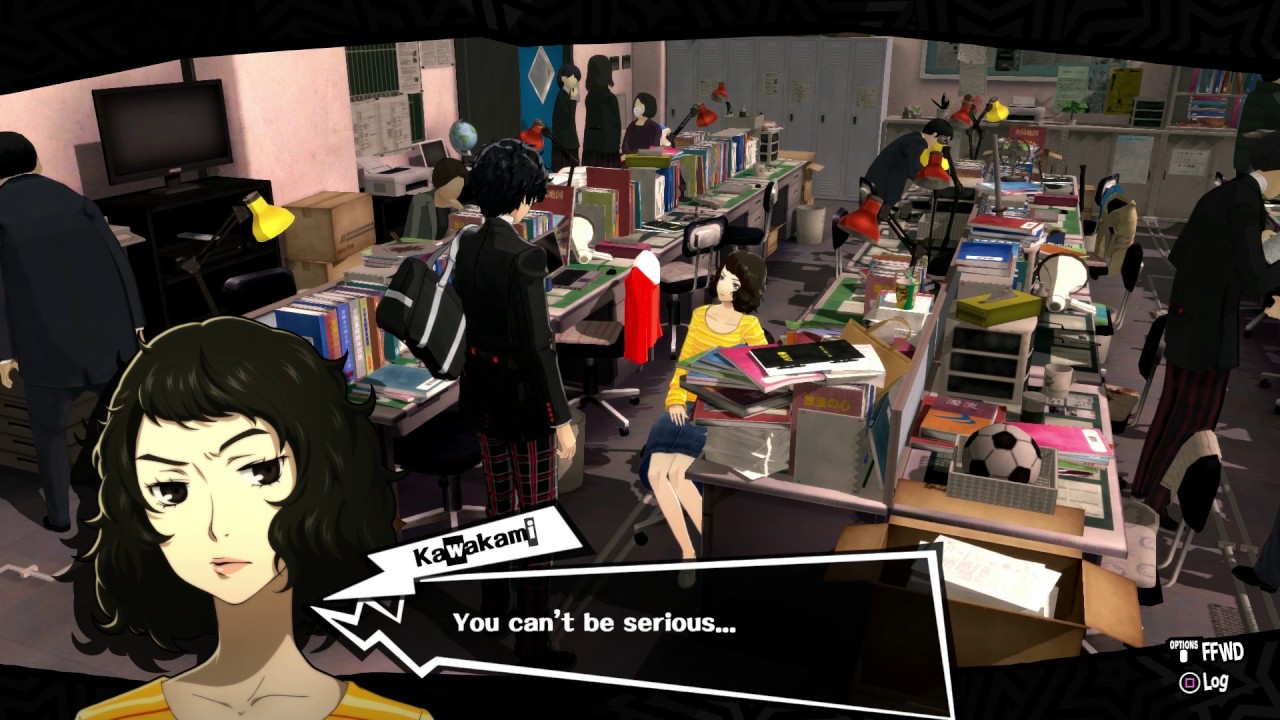
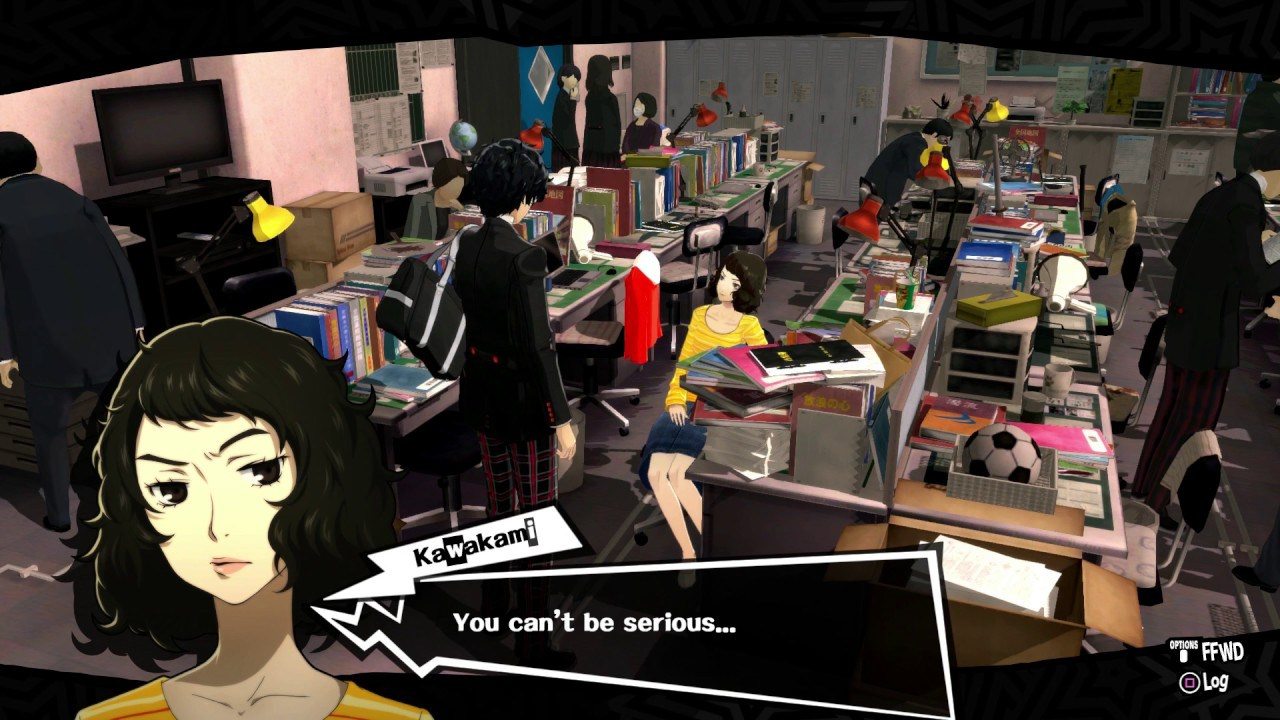
    p5-kawakami
    You can even establish a Social Link with your homeroom teacher – one of the strangest Social Links in a Persona game.

    3) The length and sheer amount of content

    Persona 5, at least as I played it, is something like 25 to 50 percent longer than Persona 3 and Persona 4 were. My two-month playthrough of the game took over 130 hours to complete. If you’re not as obsessive about filling up the Compendium with Personas as I am, your playthrough might last 90 to 100 hours, but that’s still pretty long, even for a JRPG. The truly insane may even choose to pursue a second playthrough to complete social links they missed out on the first time around and to enjoy the benefits afforded by the New Game+ option (such as the ability to immediately summon a level 86 Alice that can kill most of the game’s bosses within a few turns.)

    The length of Persona 5 may be a turn-off for some people. The game admittedly has a slow start, and some players may feel the need to grind a few dungeons in order to defeat the more frustrating bosses. However, Persona 5 has a lot more to offer the player than mere grinding. The combat-heavy sections of the game are well balanced with the visual novel-esque social link and plot-heavy sections, and the pacing was good enough to keep me going for well over 100 hours. In other words, Persona 5 doesn’t drag and it offers a lot of bang for your buck, even at its original $60 price tag.

    So that’s my review/unpaid pitch for Persona 5. I really loved this game, and you’ll probably love it too. Unless you really, really can’t stand the concept of turn-based combat, in which case you’d better stay as far away from the Persona series as possible.

    [amazon_link asins=’B01GKHJP98,0744017319,B001C6GVI6,B01GKHJPG6,B00YFAIW4C,B007W8S2MG,B01N1HXZLI’ template=’ProductCarousel’ store=’mostagreeable-20′ marketplace=’US’ link_id=’b9f3572d-b590-11e7-ba4e-d1668ec5a662′]

  • First of all, I should introduce myself.  My name is Alexander.  I’m an attorney by day and a video game enthusiast/freelance writer by night.  I’m also an attorney by night. There’s no escape from being an attorney, ever. It’s a special kind of hell.

    Anyway, I’m both honored and happy to be here, and I hope I can contribute to this site, even if only in a small way.

    Persona_5_cover_art

    My very first post here obviously has to do with Persona 5. As a serious fan of the Shin Megami Tensei series, of which the Persona series is a spinoff, I was anticipating Persona 5 for years. I, along with many other fans, endured a series of release date delays stretching from Winter 2014 all the way to April 4, 2017, when I finally received my preorder.

    Atlus didn’t let me down. Persona 5 was the only game at all that I played during the little downtime I had throughout April and May. I even ended up neglecting the brilliant NieR: Automata to finish this thing. After completing the game, I had to conclude that Atlus had topped their previous efforts: while Persona 3 and 4 were both great games, Persona 5 is arguably better in every way than both of them. It’s so good, in fact, that I wouldn’t just recommend it to the typical JRPG fan, but even to people who wouldn’t normally get within ten miles of a typical JRPG. Why?

    1) The combat system

    Persona 5, like its predecessors, is a turn-based JRPG.

    Do you remember all the buzz surrounding the release of Final Fantasy XV last year? Remember how a lot of it praised the real-time combat system as an improvement over the old turn-based system, which some dismissed as dated?

    Persona 5 is the answer to claims that turn-based combat is dated. It uses the “one more turn” battle system established by Persona 3 that rewards the player for finding and exploiting enemy weaknesses. It also adds in the demon negotiation mechanic from the mainline Shin Megami Tensei games by letting the player make highwayman-style demands of enemies whose weaknesses have been hit when they’re all down. Enemies can even be recruited in this way – a key element to fusion, in which recruited enemies-turned-Personas can be merged into entirely new Personas with skills inherited from their “parents”. This combination of Persona and mainline SMT-style battle mechanics works well and keeps combat exciting throughout.

    All_Out_Attack_P5
    You and your allies can also perform an All-Out Attack when you’ve cornered an enemy for massive damage.

    2) The story and characters

    Persona 5 is about a group of misfit Japanese high school students with magical demon-summoning powers who use said powers to fight corruption as the masked “Phantom Thieves”. Specifically, they’re able to invade the minds of certain people with evil, twisted desires by entering and fighting through their “Palaces”, symbolic representations of their desires which exist in a dream world accessible through a mysterious app that the protagonist and friends have on their phones. By doing so, our heroes are able to force their targets to have a change of heart in the real world, where they admit and atone for their crimes by turning themselves into police custody. All the while, the protagonist has to live like a normal high school student by day, building relationships with his friends in the real world through the Social Link mechanic that strengthens his Persona fusion capabilities.

    If you’ve played Persona 3 or 4, this should all sound familiar. Many of the elements that make Persona 5 special are carried over from its PS2 predecessors.  But the story in Persona 5 is even more compelling, despite how outlandish it might seem at first. Every one of the Phantom Thieves’ targets has committed abuses that directly affect the protagonist or one or more of his friends, so they’re all emotionally invested in what they’re doing, both as a means of payback and to help other people who have suffered at their targets’ hands. The cast of characters also has great chemistry, and it’s a lot of fun to watch their relationships unfold.

    p5-kawakami
    You can even establish a Social Link with your homeroom teacher – one of the strangest Social Links in a Persona game.

    3) The length and sheer amount of content

    Persona 5, at least as I played it, is something like 25 to 50 percent longer than Persona 3 and Persona 4 were. My two-month playthrough of the game took over 130 hours to complete. If you’re not as obsessive about filling up the Compendium with Personas as I am, your playthrough might last 90 to 100 hours, but that’s still pretty long, even for a JRPG. The truly insane may even choose to pursue a second playthrough to complete social links they missed out on the first time around and to enjoy the benefits afforded by the New Game+ option (such as the ability to immediately summon a level 86 Alice that can kill most of the game’s bosses within a few turns.)

    The length of Persona 5 may be a turn-off for some people. The game admittedly has a slow start, and some players may feel the need to grind a few dungeons in order to defeat the more frustrating bosses. However, Persona 5 has a lot more to offer the player than mere grinding. The combat-heavy sections of the game are well balanced with the visual novel-esque social link and plot-heavy sections, and the pacing was good enough to keep me going for well over 100 hours. In other words, Persona 5 doesn’t drag and it offers a lot of bang for your buck, even at its original $60 price tag.

    So that’s my review/unpaid pitch for Persona 5. I really loved this game, and you’ll probably love it too. Unless you really, really can’t stand the concept of turn-based combat, in which case you’d better stay as far away from the Persona series as possible.

  • 3098974-sonicmania00.pngIf you’re anything like me and haven’t touched a Sonic game since the Sega Genesis days, then Sonic Mania and its return to the good old days of simple, but effective side-scrolling platforming probably sounded pretty good to you too. I’ve never really played any of the later 3D Sonic games, so I don’t really know if they’re as bad as everyone says and can’t compare this to them, but I know I like good old Sonic games, and that this sure feels like one of those.

    21054970_10154710006596366_9014264898305197465_o
    Pay attention, this is literally all the story you’re going to get right here.

    Sonic Mania is mostly made up of a selection of “best of” classic levels, which are not only remastered for HD, but have also been greatly expanded and improved upon. Each level is now a massive multi-pathed labyrinth (even more so than some of them already were), yet they’re all relatively simple to navigate. There may be an intimidating number of forks in the road (and even more ways to approach things if you play as Knuckles or Tails, but they all lead to the same goal in the end, so there’s a lot of replayability potential there.

    There is also a set of completely new zones added into the mix, each of which feels so fun and natural that they seem like they could have been found in some dusty vault of unused Genesis levels. All together there are 12 zones in the game, with 2 acts each, making for a grand total of 24 levels, making this quite long for a 2D Sonic game.

    20989014_10154710005381366_2443951127019085558_o
    Does anyone even know why Robotnik is so set on turning all animals into robo-animals?

    There is also now a boss at the end of every single stage, instead of just at the end of each zone like the old days. So that’s over 24 bosses to smash your way through, again, being made up of a mix of new and old. Like the new levels, the new bosses are pretty creatively designed for the most part, and make for a lot of fun and memorable moments throughout your relatively long journey.

    There’s also a huge pile of bonus stages and special stages to be found in each level. The bonus stages actually get frustratingly difficult pretty quickly, but luckily the medals obtained from them are entirely optional and only serve to unlock some basic bonuses in the extras menu. The special stages though, they’re the usual bit of tricky chaos emerald hunting, which of course you’ll need to collect all of if you want to get to the real ending of the game. This is going to seem stressful at first, as these stages can be a bit difficult to find sometimes and you only get a single try before that particular portal is closed off for the rest of your playthrough. Luckily, once you beat the game once normally you unlock the option to select stages and infinitely replay special stages so you can just jump back to an earlier level to get what you’re missing and then quickly jump back to the last zone.

    21013908_10154710003631366_9139526197434995430_o
    Bosses, bosses, and more bosses!

    Although…it’s not going to be quite THAT easy. Getting all 7 chaos emeralds unlocks the ability to change into Super Sonic, and what you’ll need to do to get to that real final boss fight is get to the normal final boss and beat him while you’re in Super Sonic form. Getting to him at the end of the stage with enough rings to power up and then beating him before your rings run out is tougher than it sounds, and once you do that you’ll still have to deal with a pretty nasty real final boss. It’s a tough feat to accomplish and it’s kind of a strange jump in difficulty compared to the rest of the game, but again, it’s also optional so it’s up to you whether you want to deal with that frustration or not.

    20933914_10154710003946366_1573404955990215524_o
    Something something chili dogs.

    Overall, it’s exactly what I wanted from this game though. A revisiting of happier Sonic times, with heaping helpings of everything that made the classic games so great, that I thought would scratch that Sonic itch I’ve been feeling lately, but has actually just made me want to go back and play all the old ones again even more.

    P.S. where was the Sonic Spinball tribute level though?!? (Was I the only one that really liked that game?)

    [amazon_link asins=’B072JG8SWH,B074FF955H,B00ZQC73O8,B00D3RBZHY,B071QY1WLY,B01NAGTKX3,B00JK00S0S,B00WOK8YX4′ template=’ProductCarousel’ store=’mostagreeable-20′ marketplace=’US’ link_id=’eb2427b3-b591-11e7-b9ef-39ba8b4fc7ea’]

  • 3098974-sonicmania00.pngIf you’re anything like me and haven’t touched a Sonic game since the Sega Genesis days, then Sonic Mania and its return to the good old days of simple, but effective side-scrolling platforming probably sounded pretty good to you too. I’ve never really played any of the later 3D Sonic games, so I don’t really know if they’re as bad as everyone says and can’t compare this to them, but I know I like good old Sonic games, and that this sure feels like one of those.

    21054970_10154710006596366_9014264898305197465_o
    Pay attention, this is literally all the story you’re going to get right here.

    Sonic Mania is mostly made up of a selection of “best of” classic levels, which are not only remastered for HD, but have also been greatly expanded and improved upon. Each level is now a massive multi-pathed labyrinth (even more so than some of them already were), yet they’re all relatively simple to navigate. There may be an intimidating number of forks in the road (and even more ways to approach things if you play as Knuckles or Tails, but they all lead to the same goal in the end, so there’s a lot of replayability potential there.

    There is also a set of completely new zones added into the mix, each of which feels so fun and natural that they seem like they could have been found in some dusty vault of unused Genesis levels. All together there are 12 zones in the game, with 2 acts each, making for a grand total of 24 levels, making this quite long for a 2D Sonic game.

    20989014_10154710005381366_2443951127019085558_o
    Does anyone even know why Robotnik is so set on turning all animals into robo-animals?

    There is also now a boss at the end of every single stage, instead of just at the end of each zone like the old days. So that’s over 24 bosses to smash your way through, again, being made up of a mix of new and old. Like the new levels, the new bosses are pretty creatively designed for the most part, and make for a lot of fun and memorable moments throughout your relatively long journey.

    There’s also a huge pile of bonus stages and special stages to be found in each level. The bonus stages actually get frustratingly difficult pretty quickly, but luckily the medals obtained from them are entirely optional and only serve to unlock some basic bonuses in the extras menu. The special stages though, they’re the usual bit of tricky chaos emerald hunting, which of course you’ll need to collect all of if you want to get to the real ending of the game. This is going to seem stressful at first, as these stages can be a bit difficult to find sometimes and you only get a single try before that particular portal is closed off for the rest of your playthrough. Luckily, once you beat the game once normally you unlock the option to select stages and infinitely replay special stages so you can just jump back to an earlier level to get what you’re missing and then quickly jump back to the last zone.

    21013908_10154710003631366_9139526197434995430_o
    Bosses, bosses, and more bosses!

    Although…it’s not going to be quite THAT easy. Getting all 7 chaos emeralds unlocks the ability to change into Super Sonic, and what you’ll need to do to get to that real final boss fight is get to the normal final boss and beat him while you’re in Super Sonic form. Getting to him at the end of the stage with enough rings to power up and then beating him before your rings run out is tougher than it sounds, and once you do that you’ll still have to deal with a pretty nasty real final boss. It’s a tough feat to accomplish and it’s kind of a strange jump in difficulty compared to the rest of the game, but again, it’s also optional so it’s up to you whether you want to deal with that frustration or not.

    20933914_10154710003946366_1573404955990215524_o
    Something something chili dogs.

    Overall, it’s exactly what I wanted from this game though. A revisiting of happier Sonic times, with heaping helpings of everything that made the classic games so great, that I thought would scratch that Sonic itch I’ve been feeling lately, but has actually just made me want to go back and play all the old ones again even more.

    P.S. where was the Sonic Spinball tribute level though?!? (Was I the only one that really liked that game?)

  • What do you get if you cross the iconic Sonic Youth album Goo

    …with the similarly iconic PlatinumGames JRPG Nier: Automata?

    This utterly awesome T-shirt, that’s what:

    I. Love. It. It arrived from the US yesterday, along with a whopping customs charge – but it was worth the money. If you want one of your own, head here.

  • Prey_ps4_frontcover-04_1465777150The latest offering from Arkane Studios brings us yet another spiritual successor to System Shock and Bioshock, this time falling under the previously established brand of Prey, for what seems to be no other reason than for Bethesda to renew the rights to a series that was never all that popular to begin with. Despite the fact that it has absolutely nothing to do with the previous Prey though, it manages to more than live up to the reputation of the name (I guess? I liked the old Prey, but I was always under the impression that it wasn’t actually very well received at all), and I would even say that it surpasses its predecessor in many ways.

    They are certainly two very different games. Where the original more closely resembled a 90’s FPS, with a heavy reliance on over-the-top action and very graphic violence (not that there’s anything wrong with that!), the new model moves at a much slower pace, often feeling more like an RPG with a dash of survival horror than a standard shooter.

    20785870_10154685173616366_1974361672535049373_o
    Neuromods are the new Adam

    Where the plot of the original was literally just “Aliens just abducted you and your girlfriend. Go kill them all now.”, the new version has you playing the role of an amnesiac scientist who has to search for answers regarding their identity and their role in a complex conspiracy involving strange psychological and genetic experimentation and mysterious bunch of creatures, the Typhon, that just so happen to be invading the space station you’re stranded on right now.

    Neuromods are what tie all these things together, as they are the highly sought after self-enhancement items that the conspiracy and experiments seem to revolve around, as well as having some kind of mysterious connection to the Typhon. On one hand, their use may have been responsible for your memory loss, but on the other hand, they serve as skill points in the game and well…your memory’s already gone anyway and you need more powers right?

    20690191_10154685173871366_1922769486455087140_o
    How am I supposed to kill all these strange new lifeforms without more brain powers?

    As is usually the case with an Arkane game, freedom of choice and having a ton of options is a big part of it all. To get the answers you’re looking for you’ll have to explore the Talos I station, which is a pretty huge place that’s packed full of multiple routes and secrets areas for you to find in various ways, depending on how you decide to approach things. Many areas will be closed off in different ways that may require you to obtain a passcode or have a high hacking ability, find a way around/through a hazard or have a high enough mechanical skill to repair the cause of the problem, find a weapon that can destroy some pesky crates blocking your way or have a high enough strength level that you can just pick them up and throw them aside, and etc.

    Naturally, this means you’re going to have to make some choices about your character’s build too. Do you want to be a hacking scientist with special surgical skills or a mechanically inclined engineer with repair and weapon modification skills or a security specialist that focuses on pure brute force? You can even try your hand at stealth if you want, though being a stealth specialist who backstabs everyone using a wrench may feel a bit silly.

    20689901_10154685173991366_3900521744337014386_o
    In space, no one can hear you inject chemicals into your brain through your eye so that you can swing a wrench harder.

    In time, you’ll also gain access to a scanning device that lets you scan all the various types of Typhon and start implanting their abilities into yourself. This brings up one of the most important (of many) moral choices you’ll find yourself faced with, do you or do you not want to start injecting large doses of completely unknown alien material into your brain to gain more power? You are warned that doing so enough times will start changing your body so much that the station’s security systems will no longer recognize you as human and the defenses will start targeting you and that other, even more serious consequences may arise down the line, but oh man THE POWER!

    Let me tell you, the psi-powers are incredibly helpful and fun. There are so many different kinds that even with my approach of overly-thorough exploration and item hoarding, I only tried out maybe 1/3 of the various powers available, but that 1/3 gave me a massive power boost that changed my approach from sneaking around and stunning guys with a wrench just to get the jump on them so they didn’t kill me in 5 seconds to pretty much just annihilating everyone. They range from various overtly destructive powers, to more subtle abilities the likes of mind control/possession/summoning, to copying the weird mimicry powers of the smaller enemies.

    20746159_10154685175126366_6656853684159231953_o
    Zippin’ around in zero-g

    I wish I could tell you more about the plot too, but it’s pretty difficult to get into without spoiling any of the many surprises the game has in store. I will only say that it’s a surprisingly deep and complex story that contains many thought-provoking moral conflicts and some impressive and unpredictable twists. I would advise doing a lot of exploration if you want to fully uncover all the gory details of everything that’s going on, but it’s not strictly necessary.

    I will also say that while there was room left for sequels, this is still a single complete story that can stand fully on it’s own without leaving you hanging anywhere, which is good because judging from the sales, I seriously doubt that we’ll ever be seeing any sequels. It’s a shame, because despite the issues surrounding this game’s confused identity, it’s really an incredibly solid sci-fi action-adventure with a fascinatingly memorable plot that will surely prove to be very satisfying to fans of System Shock and/or Bioshock. 

  • I just watched the trailer for Iron Harvest, and oooooh it looks good. Take a look at the video below to see what I mean:

    I love all those little machine-gun robots scuttling about like metal crabs, steam pouring out of their tin heads. There’s something about the depiction of primitive versions of high technology that just feels so right – it makes me think of Nicola Tesla and his crazy inventions that seem like something from a sci-fi novel. I mean, he came up with a wireless lighting system back in 1890. And just look at this picture of him sitting next to his ‘magnifying transmitter’ and tell me it doesn’t look damn cool:

    Anyway, Iron Harvest is based on the artwork of Jakub Rozalski, who specialises in peaceful pastoral paintings with incongruous pieces of technology or weird beasties parading through them. Like this amazing picture:

    I love the idea of a video game that can capture the wonderful feeling of his artwork, and Iron Harvest seems to be doing a grand job so far. Incidentally, you may already have seen some of Rozalski’s work in the fantastic board game Scythe, which was also inspired by his paintings. Check out more of Rozalski’s artwork here.

    With its chunky, primitive mechs, Iron Harvest also reminds me of Ring of Red – which can only be a good thing, seeing as that PS2 title was one of my favourite ever games. I’m looking forward to seeing how this one evolves.

  • Free-to-play (aka F2P) gaming has been around for almost 20 years, and it’s clear that it’s here to stay. By now many categories of monetization have been firmly established. There was a time when free-to-play games were synonymous with shallow games with super sleazy money-making tactics, and the various app stores are still littered with thousands of such games. But even though you could avoid free-to-play games completely, doing so would be missing out on many games that are actually worthwhile.

    The gentlemen of the manor have teamed up to discuss the good, bad, and the ugly of free-to-play games, and pick out a few games you should definitely check out, as well as those you should avoid at all costs (literally!). We’ve discussed the games by monetization type, although keep in mind that many games adopt multiple monetization types.

    Free to play, but pay to unlock more content

    Professor GreilMercs: “Shareware” was a term for games released in the early days of computer games that basically amounts to a demo and you pay to unlock the rest of the game or additional levels. A number of modern games have adopted this strategy, although Nintendo in particular got a lot of flak for releasing Super Mario Run this way.

    Lucius P. Merriweather: But I loved Super Mario Run! Although Nintendo definitely didn’t make enough of the game free to play at the start. I probably wouldn’t have gone on to pay for the full game based on those three short levels unless I’d read the glowing reviews. I guess that’s the dilemma with this model – how much of the game do you give away for free?

    PGM: I’m okay with paying for extra levels in general (although Super Mario Run took it to an extreme), and in some cases the extra content is more like DLC to a full release of a game. But for me, with a lot of free-to-play games like this that I’ve tried, by the time I get to the end of the free levels I’ve had enough since the games tend to be pretty shallow.

    Another variation is to release the first game in a series for free, with the hope that you’ll get hooked and you’ll buy the sequels. In particular, there have been a lot of games that have adopted a TV-like approach where the game is broken up into chunks and released as “episodes”, and making the first episode free seems like a reasonable way to draw people in. The adventure game Life is Strange is a good example of this and has gotten a lot of good reviews, although I haven’t played it myself yet.

    LPM: Ghost Trick was an excellent game that went with this type of model , and which I’d thoroughly recommend [although it was also released on DS as a complete game].

    PGM: League of Legends, which I’ve played a bit of, also has a similar setup. They rotate free characters and you can play with them as much as  you want within that specific time period, but you have to pay to keep one permanently. This seems smart and fair, since that lets you try out all the characters before committing to one in particular.

    Free to play, but so many !@#$ ads!

    PGM: Most of the games that adopt this strategy are pretty shallow, but I have played and enjoyed free versions of the various Cut the Rope games that presumably make their money from the ads or inviting friends to try it (although that mechanic seems to be less common these days). The gameplay is simple but fun (swipe or touch various parts of the stage in order to get candies into the mouth of the cute green monster), and the ads aren’t too intrusive.

    LPM: Yeah, this one seems fairly innocuous to me. Many games that feature ads have an option to pay to remove them, a bit like Spotify. Really Bad Chess, described as “chess with totally random pieces”, was an excellent game from last year that went with the pay-to-remove-ads option, and I happily stumped up the paltry amount of cash to get rid of them. I find it difficult to argue with this kind of model; the game is free, so the developers have access to a huge audience but still make cash from the ads. But if you find them too irritating, it’s usually pretty cheap to get rid of them. Win/win, I reckon.

    Free to play, but pay for unique items or gear

    PGM: In the earlier days of free-to-play games, it seems like a lot of games fully embraced “pay to win” mechanics, i.e. pay for the best weapons, armor, etc. Nowadays, probably due to strong negative feedback of pay-to-win mechanics, developers avoid such grubby monetization, or at least make it much less obvious. Instead they focus on selling unique but not overpowered gear, which oftentimes have purely cosmetic differences such as alternate costumes.

    LPM: These types of games can suck you into a money-draining black hole, where you can only really progress by investing in the latest gear. But it looks like developers have generally realised how unpopular this model is with players, and lots of modern games just offer purely cosmetic items for sale to avoid ruining the balance of the game. Buying new skins in Overwatch is a good example. If people want to buy fancy hats, then let them – just don’t let them buy a massively overpowered gun.

    overwatch

    PGM: This type of monetization seems like a happy medium to me, as long as the items for sale are purely cosmetic or don’t give a significant advantage.

    Baron Richenbaum Fotchenstein: I’m told that Path of Exile is one of a small group of benign F2P games that only offer entirely optional cosmetic items for purchase, but I have yet to try it out for myself.

    Free to play, but pay to progress more quickly

    PGM: Another way game developers have incorporated monetization is to only let you play for  limited amounts of time each day unless you pay up, or have you pay for items that you could earn by playing for free, but at a much slower rate.

    A lot of great Nintendo games, such as the Animal Crossing series and the Brain Age games, had gotten me acclimated to the idea of only playing games for a few minutes per session, so I was well prepared for slower-paced games such as Neko Atsume and Pokemon Go when they rolled around. I was addicted to Neko Atsume, a game in which you buy objects in the in-game shop to put in your yard to attract cats, for a while. But since the game has such a leisurely pace to begin with (and the cats you attract are based largely on luck), I never felt any need to pay any real world money.

    20150822_235450.0.0

    Similarly, Pokemon Go is fun and also a game designed to be played over a long span of time. Living in a city it’s easy for me to stock up on Pokemon Balls and other items for free by visiting PokeStops, but the one item that would speed things along but that you have to buy is the incubator. Incubators let you hatch Pokemon eggs after walking a certain distance in the real world. The game gives you one incubator with infinite uses, but being able to incubate many eggs at once to hatch rarer or more powerful Pokemon is a little tempting.

    pokemon-go-revenue-per-download.png

    There are a number of other Pokemon games that have been released that take the “pay to continue playing” monetization to more distasteful levels. Pokemon Shuffle is a match-three game in which you catch Pokemon, and basically the Pokemon Company’s version of the Candy Crush games. Like those games you’re given a number of free plays that slowly recharge over real-world time. The gameplay is so luck-based and includes so many Pokemon that are only available for a limited time (including what seems like hundreds of variations of Pokemon, like a Pikachu with a hat or whatever) that it’s impossible to “collect ‘em all” without ponying up money on a regular basis. Although I got hooked on the game for a while when it first came out, this was one I was happy to abandon.

    Alexander Connington: I’m ashamed to say that I’m an avid player of Puzzle & Dragons, better known as PAD, a mobile game that falls into this category. The game itself is both free to play and quite casual – just a simple match-the-colors puzzle game at its core that only takes a few minutes out of my day to play. However, you can also roll for “eggs” that contain new monsters with special skills that affect the board in various ways, and I’m convinced that this feature has caused players to go bankrupt, because rolls require that the player spend “magic stones.” These stones can be earned through playing the game and are even given away all the time, but extra stones can also be bought with real money. And the nature of the game is such that some players, popularly known as “whales”, spend ridiculous amounts of money on stones to chase after rare monsters.  

    PDSS_New7.png

    It’s entirely possible to play PAD without spending a dime – I’ve done so myself – but the developers of this game know exactly what they’re doing, and I’m positive they wring an enormous amount of money out of their player base every month. If you have an addictive personality, don’t get within ten miles of this game.

    BRF: I used to play Marvel Puzzle Quest, which is basically the exact same game as the one Alexander just described, just with different art, and it seems like there are quite a few variations of this exact same money-trap. My assessment is much the same, that these particular types of free to play games are very meticulously designed to herd the player towards spending money at every possible opportunity. While you can get some free play out of it, you will always hit that wall eventually, where the need for various in-game resources just keeps rising and rising and you just cannot possibly keep up with it and remain a free player at the same time. Once you’ve convinced yourself it’s okay to spend money on something like this once, it almost certainly won’t be the last time, and that’s what these companies are praying for.
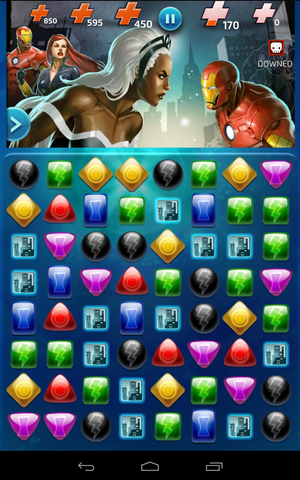
    marvel puzzle quest dark reign screen-thumb-300x480-95040.png

    I started out as an entirely free player myself, then found that eventually you need to get in a guild (or alliances as they were called in MPQ) if you want to keep going, and we all kept telling ourselves “we don’t need to spend any money on this. It’ll be fine!”, but we all ended up doing it eventually. I stuck around for so long that I actually ended up taking over the group and things just got more and more complicated from there, to the point that I started re-arranging my schedule so I could make it to the end of important puzzle events in time. I finally realized how ridiculous it was that I was spending so much time, effort, and stress on a silly phone game that essentially just has you running in place for eternity under the illusion that you’re making some kind of progress, and quit before I became one of those dreaded whales myself.

    And man, Alexander isn’t kidding at all about those whales. It can become basically like a full-on gambling addiction to some people. I talked to people that were spending literally HUNDREDS of dollars PER WEEK to maintain their perpetual status as one of the top groups in the game. This is not healthy behavior and companies that run these kinds of games are specifically targeting these people, which looking back on it all, is really pretty damn disgusting.

    LPM: I must admit, I was pretty sceptical of Pokemon Shuffle and its slowly recharging hearts when it first arrived. Paying to play for more than 15 minutes or so at a time or stumping up for powerful, game-breaking power-ups seemed a particularly egregious form of free to play – why not let me just buy the damn game and play as much as I want?

    However, the game dropped at about the same time my son was born, and it turned out to be the perfect short-break gaming experience at a time when the idea of hours-long gaming sessions was but a distant memory. I would happily drop in and play for a few minutes during breaks between crying/nappy-changing/more crying, and I progressed pretty far.
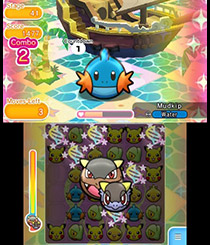
    pkmn-shffle

    In the end though, I came up against that brick wall so frequently encountered in these types of game – the point where it becomes too hard to progress for free, and paid-for power ups became pretty much essential. I put it down at that point, but that’s also the point where the “whales” would keep going – and the idea that a game’s model relies on small numbers of individuals paying huge amounts of cash is pretty distasteful. It’s essentially targeting the people who enjoy your game the most and rinsing them down for all they’re worth.

    Free to start, but subscriptions required

    PGM: In my mind committing to a game that requires a subscription is almost like deciding to get married: once committed, you’ve invested so much into it that abandoning it would be unthinkable. I’ve been so commitment averse that I haven’t gotten into any games that require subscriptions, especially since a large chunk of games of this genre are MMOs and I prefer to play solo in general. If I had a regular group of gaming buddies I could see myself getting into MMOs, but haven’t thus far.

    BRF: I’m generally a solo-only player too, but back in the day some friends talked me into trying World of Warcraft and whoaaaaaa into the downward spiral of MMO disappointment I went! They’re actually really fun if you do happen to know people to team up with, but in my case, all my friends would end up quitting until I was the last one remaining, and then I’d just be stuck there alone. I’d try to carry on with strangers, but it was never the same. I actually went through this same cycle through several more games after that, from Dungeons & Dragons Online to Lord of the Rings Online to Age of Conan and finally Warhammer Online, where I finally had enough of the cycle of disappointment and swore them off forever. Personally, I came to think of these games as temporarily fun, but ultimately disappointing time sinks. I have to give them credit for offering a lot more content and variety for your money than you get for dumping the same into some soul-sucking match-three phone game though.

    Combat1.jpg

    Percival Smythe-Pipton: My experience of F2P has been pretty much contained to MMOs, with the occasional exception of the odd iPhone app and browser-based time waste. In games whose very point is to create an expansive and immersive environment, the concept of advertising is something that doesn’t really sit well; after all, no one wants their foray into a top-end dungeon interrupted by a pop-up for Wonga. With my choice of games having started with the classic pay-to-play model followed by subscription (a la World of Warcraft), the others have moved to F2P with a couple doing it fairly soon after release. The reason for this conversion is usually along the lines of, “We want to reach a wider audience”, which in translation means, “No one wants to pay.” After all, there aren’t a great many people who’ll shell out £40-odd on a game only to pay a tenner a month to keep it running.

    The seemingly unique exception to this rule is the the pervasive World of Warcraft, which at its height had a subscription base of over 12 million Azeroth-loving souls. That’s an awful lot of tenners per month. Still, even this mighty bastion of gaming has taken a hit in this area, with the most recent figures from creator Blizzard giving the numbers at somewhere around 5.5 million. Since this announcement in 2015, Blizzard have stopped making them, but estimates from around the interwebs give the current total at about 4-5 million, which is still very respectable by itself, let alone adding the fact that that’s millions of people paying every month.

    People moan, and lord they do moan, about WoW as a model and how much they hate Blizzard, wishing upon them boils, locusts, and the common cold. And yet it’s almost completely microtransaction fee. I mean, if you must have that one fancy mount, or that shiny new pet, then you can pay a little bit of money and it’s worth noting that said little bit of money often goes on to charity. With your sub comes the fact that nearly everything is achievable in game: every item, every mount, every weapon, all of it. Sure some are restricted to certain events etc. but the point is you don’t have to pay any additional fees, and when you consider that a measly amount of tokens or gems or whatever in another game can start at around £4.99 per pack, this is actually a pretty nice deal in my opinion.

    Have fun, but don’t be a whale! 

    BRF: It seems that it is possible to be free-to-play without being a soul-sucking pit of despair. I think that the best thing is for players to do some research before jumping into any of these games so you know exactly what you’re getting yourself into before it’s too late.

    PGM: I definitely agree. Despite all the negative experiences we’ve described, there are still plenty of worthwhile free-to-play experiences to be had, especially if you take the time to do a bit of homework beforehand. One of the key points is to always remember that these game developers are in this business to make money, so if you can see yourself getting addicted to a game and getting roped into spending large sums of money on a regular basis and not being able to let go, you should definitely avoid games that are pay to win. Be on the watch for the warning signs of greedy mechanics that are clearly designed to make money, and read reviews and user comments about games you’re interested in before committing, especially for games that require regular payments to stay current. Have fun, but make sure that your free-to-play experience doesn’t leave your wallet hurting!

  • sunderedAfter I tried out Jotun on Sir Merriweather‘s recommendation, I knew I had to get this game too. Sundered, the latest entry from Thunder Lotus Games, promised to be a fast-paced, extra-challenging Metroidvania with some amazing looking hand drawn animation and environments, all set in a bizarre world that seems to be the product of dumping sci-fi, fantasy, and Lovecraftian horror into a blender, and I think it delivered quite well on that promise.
    What really sets Sundered apart from other Metroidvanias, I mean aside from the amazing visual design, is the difficulty. Combat is pretty difficult early on, there are a good deal of nasty traps and hazards lying around, and health potions are extremely limited. You can only survive by gathering enough shards to increase your stats and become tough enough to survive the increasingly difficult enemies in your way. It may sound a little bit like a Dark Souls type of game, and sometimes it does kind of feel that way, but it differs from that formula in a few significant ways.

    20626907_10154666381981366_8948053386145876303_o
    Not very friendly looking, but this is actually a beneficial ability shrine

    There’s good news and bad news about the shards (not souls!). The good news is that you never drop or lose the ones you’ve collected in any way. You always keep everything you earned, so dying doesn’t feel quite as painful as a Souls game. The bad news is that there are no checkpoints, save rooms, bonfires, etc, of any kind. Each time you die you’re sent back to the starting room, which is also where you can spend your shards, and you’ll have to run all the way back to where you were, with the only help being any shortcuts you may have unlocked along the way. Oh, and did I mention that the environments partially randomize every time you die, so that a good chunk of the rooms you visit are never the same? Well, now you know.

    20615696_10154666379031366_7710992356372411260_o
    NOW WE KNOW!

    The combat is very different from your standard Metroidvania or Souls game too. There’s no time for taking it slow and cautious here. Enemies come at you at completely random times and in massive, aggressive waves, leaving you no time to think. You’ll need to act quickly, staying in constant motion to avoid the many incoming attacks and to make your way towards the higher priority targets, which are usually some kind of deadly long range types like laser snipers or wizards. I won’t lie to you, it is extremely difficult at first, especially when you get to the first major boss, who absolutely is going to slaughter you many times. You’re going to die a lot for a while and it will probably become a bit frustrating.

    However, if you can make it through the first 1/3 of the game, you will have pretty much climbed to the top of the learning curve and once you’ve finally gotten into the rhythm of things and begun to pick up some of the more advanced abilities, you finally start feeling more powerful and confident, and you will likely find it all becoming easier and easier from there on. Don’t get me wrong though, you’re still going to have to work for that win, with all the furious finger power you can muster.

    20544041_10154666378311366_6903756631755229498_o
    You’re already dead

    Another feature worth mentioning is the ability upgrade system. Throughout your journey you’ll find these elder shards which you can either bring to an ability shrine to corrupt an active ability, which gives you a fancy upgraded ability, or you can bring them to the furnace and destroy them, which will give you a large reward of regular shards and unlock a small new branch on your skill tree that contains some extra stat increases and a single new passive ability that can be unlocked.

    Not only does this offer some interesting options in terms of character ability and playstyle, but this choice will also end up changing not only your ending, but which of three final bosses you’ll face too (one for going all corrupt, one for going all resist, and one for a mix of the two). This is a pretty good incentive to replay it again someday and in new and different ways as well.

    20545360_10154666378071366_6555918063063607595_o
    Sorry for the lack of action shots. It’s hard to take a screenshot when 20 guys are biting your face.

    Now, there are some performance issues going on here, though there has already a patch that seemed to help with them a bit. The game has pretty long load times and you may experience the occasional stutter or even a few crashes. This is unfortunate, but ultimately it doesn’t change the fact that this is an extremely fun and well-produced game.

    The only thing that would potentially stop anyone from enjoying this game is that nasty difficulty level. This is something that’s going to turn a lot of people off and probably prevent it from being any kind of mainstream blockbuster, but…if you’re someone that’s up for a challenge, this is absolutely one worth seeking out and conquering.

  • coverThe Last Door is actually technically two games, as it was released episodically over the course of two separate standalone seasons, but as they both make up a single complete story, let’s just call it all The Last Door for simplicity’s sake.
    Anyway, The Last Door is a point and click adventure game by The Game Kitchen (developers of the upcoming game Blasphemouswhich you may have heard of by now).

    TLDCE2 2017-07-31 01-05-15-795
    Alone in the dark! Wait, wrong game.

    This is a very Lovecraftian adventure, where you end up having to do a good deal of detective work in order to unravel the mysterious circumstances surrounding the death of an old friend, which naturally involves a bizarre cult and unspeakable supernatural beings. In typical Lovecraftian style, it focuses more on building an atmosphere of dread over what strange things lie waiting for you in the various dark and treacherous locations you explore, rather than jump scares or overt images of creatures and gore.

    TLDCE2 2017-07-31 21-37-43-968
    Come on. What’s the worst that could happen?

    You’ll be told many haunting stories, investigate many scenes of terrible death and destruction, and hear many discomforting noises coming from writhing things hiding in the shadows, but you almost never actually witness any of it directly. It’s a credit to the designers and writers that these methods are so effective at creating a creepy atmosphere, especially when the graphics look like they’re straight out of the VGA era of PC adventuring (not that there’s anything wrong with that).

    TLDCE2 2017-07-31 23-29-50-929
    HAIL RABBIT LORD, ALL-MIGHTY RABBIT LORD!

    However, while there are many well-made set pieces and scripted events, more than enough to keep things interesting throughout the eight episodes, I must say that I didn’t find the characters or the core plot particularly memorable. The two characters you play as do a lot of questioning and listening, but don’t have much substance themselves, and the motivations of the secret cult are nothing you haven’t already seen before. Still, it manages to be a compelling game anyway. The well-crafted atmosphere manages to carry it surprisingly far. Not far enough that it will become one of my new favorite horror and/or adventure games, but enough to make the experience a satisfying one that makes me look forward to Blasphemous even more.

  • boxcoverOh, I have been waiting seven years to finally play this game. The Dream Machine is a point-and-click adventure that was released on an episodic basis, with its first episode coming out in 2010 and the conclusion finally just arriving in 2017. It features a fascinating plot about the physical exploration of dreams, but the really interesting thing about it is that not only were the characters and environments entirely made up of clay, cardboard, and some other assorted household items, but this was all done with just a two man design team and only using Adobe Flash.
    the_dream_machine 2017-07-26 19-19-50-898
    I wish my dreams looked this good.

    This is another of those games where screenshots can’t even do it justice, because as nice as it looks in a static image, that’s nothing compared to how impressive it all looks in motion. The sound design is very impressive too, with so many little aural details that help breathe even more life into these already amazing environments. You can really tell why this ended up taking 7+ years to develop. The level of artistry on display here is breathtaking, really.

    the_dream_machine 2017-07-26 19-19-07-603
    What could possibly go wrong?

    The writing is quite nice as well. You play the part of Victor Neff, who discovers strange goings-on in the new apartment building that he and his pregnant wife just moved into. The kind of strange goings-on that are soon found to be the result of the landlord’s strange experiments with a machine that allows people to enter and explore other people’s dreams. This is a bizarre enough premises as it is, but the further you get into The Dream Machine, the deeper it starts digging into some deeply personal and twisted aspects of the human psyche in some surprising and complex ways, to the point where it starts ever so slightly tipping over the line into psychological horror territory.

    the_dream_machine 2017-07-27 19-23-00-752
    Guess where you’re about to go?

    It almost never actually displays outright graphic content though. For the most part, it manages to create enough tension and unease through ideas and the outlandish dream environments (although…there were one or two little parts near the end that people will probably find a bit gross).

    Speaking of those environments, again, they go far beyond being just pretty little pictures. The level and puzzle design also becomes increasingly surreal and complex in their design. You may find yourself in a dream world whose physical locations can be entirely re-ordered and altered by finding and placing photographs in different places on a wall, or a world that requires you to change to different sizes to enter and/or solve certain areas in it, and you might even have to find a way to cross over to one person’s dream from inside another’s.

    the_dream_machine-2017-07-27-00-40-09-983.jpg
    Quick, figure out how to stop dream-tentacle-mom!

    It’s not as tricky as it sounds though. Sure, there will be a few parts that you’ll almost certainly end up having to look up help for, because it wouldn’t really be a point-and-click adventure game without at least a couple overly obscure puzzles. Most of the time the solutions feel very intuitive and natural though. It may start to feel a bit intimidating in the later chapters, which are noticeably larger and more complex than the previous ones, but their tasks are perfectly manageable with enough time, patience, and thoroughness.

    the_dream_machine 2017-07-27 16-49-46-249
    Oh, this place looks nice and peaceful. I’m sure it’s fine.

    Anyway, The Dream Machine is just a truly impressive feat of video game storytelling and design that somehow manages to be simultaneously charming, disturbing, and thought-provoking. It’s an absolutely top-notch adventure game that I would go so far as to call entirely essential for any fan of the old point-and-click genre, so…check it out!

  • Do you have a favourite developer? I have quite a few – I’ll always be interested in new games by Intelligent Systems, Dontnod and PlatinumGames to name but a few. But I’ve been intrigued by Ninja Theory ever since I played the incredible Enslaved: Odyssey to the West back when this website was in short trousers.

    Enslaved was one of a few games that actually made me really care about its characters, partly thanks to the excellent script and phenomenal motion capture work. Andy Serkis (who played Gollum in The Lord of the Rings) was one of the actors involved, and the whole thing reeked of quality.

    Enslaved was an absolute corker of a game.

    I also discovered just the other week that Ninja Theory developed another of my favourite games, back when they were called Just Add Monsters. Kung Fu Chaos for the original Xbox was their first title, and it was a wonderful maelstrom of chaotic four-player fun, with a wry sense of humour. I named it as one of the 10 games that Xbox One owners should pick up when Microsoft introduces backwards compatibility with the OG Xbox.

    The wonderful Kung Fu Chaos.

    But Kung Fu Chaos and Enslaved have very little in common, apart from perhaps a shared knack for comic timing. However, Enslaved is more representative of the style that Ninja Theory has become known for – high-quality motion capture, third-person combat, and a focus on bringing out the feels. Their upcoming game – Hellblade: Senua’s Sacrifice, which is due out next week – is very much in the same vein, but this time they’ve really taken the motion capture to the next level.

    Astonishingly, they’ve come up with a way to do motion capture in real time – so cut scenes can be performed ‘live’ by the actor, with their performance appearing in the game engine. Check out the video below to see what I mean:

    From first impressions, Hellblade looks to be very much in the vein of Ninja Theory’s earlier work on Enslaved, with a strong focus on convincing performances and emotion. I can’t wait to play it.

    But in the meantime, I’ve been hunting down some of Ninja Theory’s back catalogue. They’ve worked on a couple of Disney Infinity games over the past couple of years, which aren’t really my cup of tea, but in 2013 they released DmC: Devil May Cry, the reboot of Capcom’s series. I seem to recall that the game caused a bit of controversy with players owing to its ’emo’ depiction of Dante, although it went down well with reviewers. I’ve yet to play it myself, but I’m keen to see Cambridge-based Ninja Theory’s take on the very Japanese Devil May Cry games.

    “Don’t call me emo.”

    I also managed to find Heavenly Sword in a secondhand shop last week for the princely sum of £1. It was Ninja Theory’s first release after they renamed their studio, and one of the first titles released for the PS3.  I can’t remember much about the game from the time, except that everyone was fascinated with the main character’s flowing hair – an early sign of Ninja Theory’s growing obsession with the realistic depiction of people in games, which has culminated in the live motion capture of Hellblade. If they ever make a documentary about Ninja Theory, they should definitely call it ‘From hair to Hellblade‘.

    Oooooooh, nice hair.

    I’ve no idea whether Heavenly Sword still holds up as a game, or whether Hellblade will be any good. But following a developer is a lot like following a football team – they might not be dazzling all of the time, but they’ll always have some intrinsic quality that attracted you to them in the first place. For Ninja Theory, that attraction is undoubtedly their obsessive attempts to capture the nuances of human performance, coupled with their knack for storytelling.

  • 81WyEyShisL._AC_SL1500_The previews and the demo for the long-awaited Final Fantasy XV made it one of the most anticipated Final Fantasy releases in quite some time (even if I didn’t actually get around to finally playing it until eight months after it came out), but could it possibly live up to all the hype that seemed to promise a return to greatness for the series? Unfortunately, there’s no simple answer to that question. This is one of those divisive games that you’ll either love or hate depending on what you want from your games, so I’ll just tell you what I took from it and maybe it’ll help you figure out which side of that fence you think you’re going to fall on.

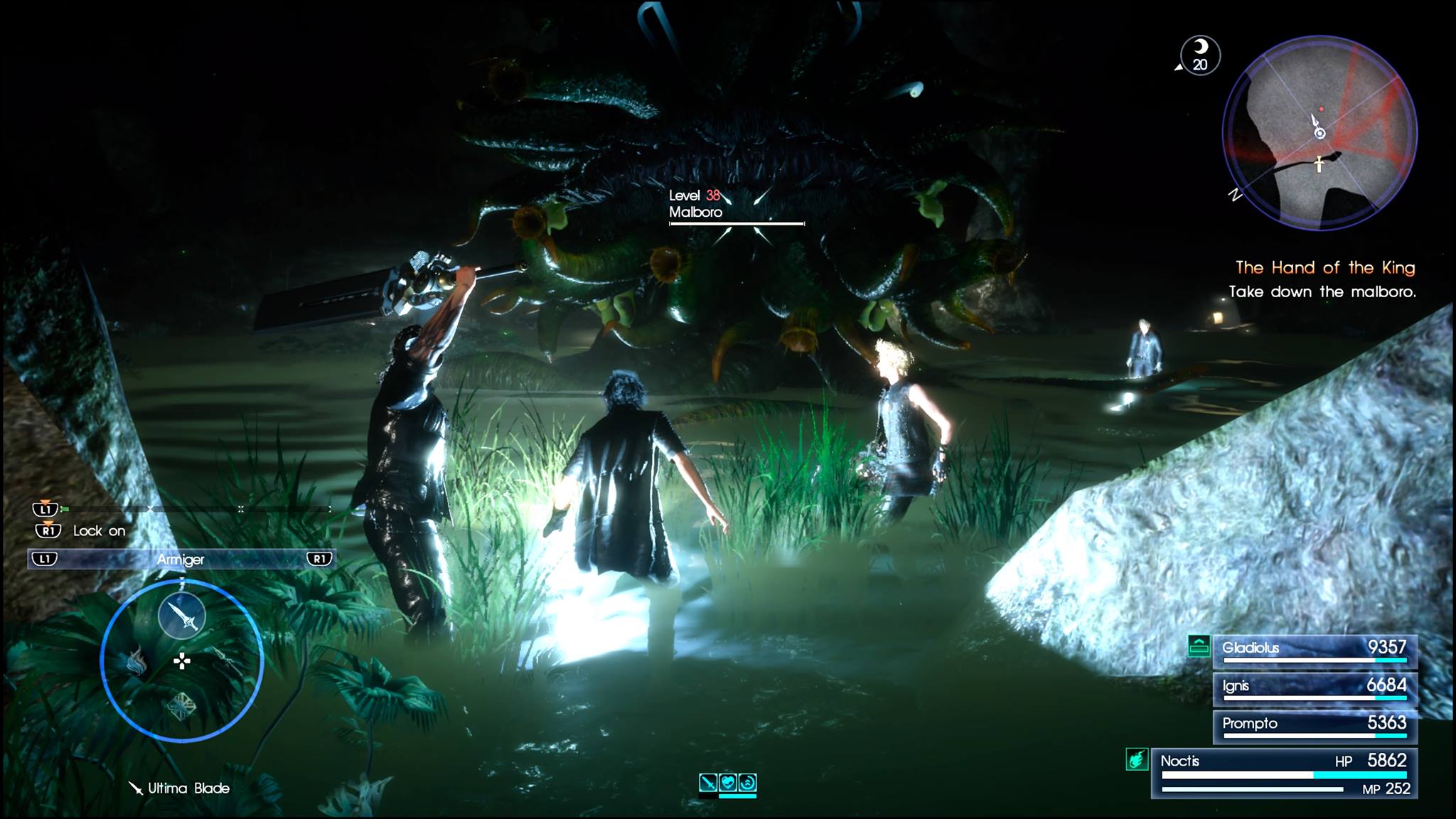
    So let’s start with the bad news. The bad news is that the story and the story-based missions, with a few rare exceptions, are pretty uneven and undercooked. You should know that something’s wrong right off the bat when the game starts by telling you that your father, the king, was killed and your country was overthrown by an evil empire, and conveys this information to you through a phone call and a newspaper. Oh, did you want to know exactly how this took place, or who this evil empire is, or who this Cor fellow is, or what the deal with your fiancee Lunafreya is and how and why she has the vitally important magic ring you need, or why her brother is apparently the commander of the military for the evil empire and has it out for you, or what all this business with royal magic, the crystal, and the demons plaguing the planet are? Well, too bad. You should have watched the prologue movie, Kingsglaive (not included)!

    20280635_10154640177891366_1574994293864391532_o
    Just try not to think about the details while you’re out there stabbing horses and stuff.

    Luckily I had heard about this movie and watched it beforehand, so I knew most of the answers to these questions (although apparently I missed the fact that there was also a free anime mini-series released online that I was supposed to have watched beforehand too), but I can only imagine how vague and thin the plot must seem to anyone who jumped in without that introductory info dump. The game continues on in this fashion for quite some time, with barely a trace of a story in sight, which even then only really continues the same notion that you just need to keep gaining more power so you can go back and beat up that pesky evil empire, who is really evil because…reasons. You’re eventually clued in to the motivations of the villain, but not until the game’s just about over, which is about the only time there starts to be any new plot movement again.

    The story missions themselves are one of the weakest aspects of the game too, most of them feeling very basic and restrictive compared to your adventures in the open world. You may have heard stories of the dreaded Chapter 13, where you’re trapped in an area without your standard weapons and your team, and end up running down dark, empty corridors and dealing with unpleasant forced stealth sections for so, so much longer than is at all necessary. Supposedly this section has undergone massive patching since release after so many fans complained about it, and even now it’s still the worst part of the game by far.

    20368987_10154640175881366_1636318111770759265_o
    The few story missions that had big boss fights against summons were nice though.

    The characters are as hollow as the plot too. While your team isn’t outright unpleasant, and is certainly more likable than some previous Final Fantasy characters (Tidussssssssss!), they aren’t much more than flimsy anime stereotypes. There’s the semi-brooding leader, the strong one, the brainy one, and the dumb, kind of annoying one. There really isn’t much in the way of character development beyond that for anyone until the very end.

    The many side quests throughout the game are also almost entirely lacking any kind of story to them. They are as basic as can be, and it was clear that no effort whatsoever was put into giving any of them any real purpose, other than to continue to help boost your power and wallet. It’s just a bunch of “Go here, kill this”, “Go here, pick this up”, and then “Ok, now do that thing ten more times until this quest chain arbitrarily ends”.

    20286849_10154640171536366_8138006619712186568_o
    “Smokers are jokers!”

    So…at this point it probably sounds like I really hated this game, doesn’t it? Well, don’t be so hasty, I still have to tell you the good news! The good news is that the open world section, which makes up the majority of the game, is absolutely amazing. It’s one of the most beautiful looking game worlds you’ll ever see and is just bursting with a huge variety of exotic locations to explore. You will most likely forget all about that big red story mission marker on your map, because you’ll be too busy scouring the map for all the little towns full of new shops and side quests, and deciding whether or not you should try to fight all these strange new creatures you keep coming across, and finding new fishing spots and getting lost in a frenzy of surprisingly fun serial fishing, and clearing out one of the various dungeon areas, and so on and so on.

    There’s just so much ground to cover, so many sights to see, and so much content filling it all that even the most thorough of explorers will probably still never see quite everything there is to see. Whether you’re walking, riding a chocobo, or driving your fancy multi-mode car around, there’s always something to do, even if you weren’t looking for something. It’s a truly impressive feat of both visual and world design, even by Square-Enix standards.

    20248081_10154640174181366_5470385076034413670_o
    Can you overcome the ultimate fishing challenge?

    The combat system is also extremely fun, so much that I didn’t even mind the lazy design of the piles and piles of side quests, because I was just having so much damn fun slaughtering my way across the countryside (though I understand that this may not be enough for some people). From the point warping system, to the various limit break powers, to the huge variety of weapons and gear, to the surprisingly complex magic creation system, it just never got old to me. In fact, I got so wrapped up in things that I went through over half the game without even really exploring just how detailed the magic system was, finally realizing that I could have been creating much crazier spells if I’d been using all those catalyst items I’d been hoarding.

    The day/night and sleep cycles help add even more variety to things too. Creatures that are extremely difficult for lower levels start coming out at night, so until you’re much more powerful, you’ll have to take care in how you go about your journeys and carefully plan when and where you’ll be sleeping. Resting not only entirely heals your party and moves the clock to morning time, but it’s also when your gathered experience will be added to your character so you can level up. This is where you’ll find you have to make some choices, as you can decide to head to a nearby campsite to sleep out in the wild, which is free and gives you the option of cooking special meals that’ll give you various buffs and bonuses the next day, or you can find a town with a hotel, which cost money, but give you a bonus experience gain multiplier that rises depending on how fancy the place you stay is.

    20414346_10154640181176366_3378621903465943782_o
    Or you can just wander around on top of random rock formations finding hidden treasures. Whatever.

    The game is also nice enough to let you come back to the open world at almost any time, even when you’ve found yourself whisked off to a strange new country by a story mission, you still have the option of teleporting back to carry on with your open world business. You can also continue on after the main campaign is over too, if you want to wrap up anything you left unfinished or tackle some of the crazy post-game content.

    There’s actually quite a lot to do even after you’ve beaten everything in the main story and done every single quest you could find during that time. There are the high level hunts, including the mountain-sized Adamantoise, who is hyped as the most difficult enemy in the game (but really just has the most health and takes the longest to kill), as well as another new quest chain that makes you face off against some really tough new bosses to win some fancy new weapons.

    There’s also a series of eight “super-dungeons” that are locked away inside a bunch of the dungeons you visited during the main game, which you can only get into afterwards. Each one gets increasingly difficult, leading up to a rough 100-floor dungeon packed full of nasty Tonberrys and such, and an even nastier final dungeon with only 60 floors, but no usable items allowed.

    20369558_10154640172681366_4383955744385544793_o
    Hanging out with Leviathan

    AND there’s also an extra super secret dungeon that you can only get to with some tricky flying, which has no enemies in it and is just an insane puzzle/platforming maze of doom that I never would have expected to see in a Final Fantasy game.

    Point being, there is a hell of a lot to do in this game. I finally finished, having cleared out the majority of things to do (aside from the extra obsessive stuff like catching all 100 different types of fish, even though none of the fishing quests require it), at around 112 hours. I don’t think I’ve spent so much time on a Final Fantasy game, and had so much fun doing it, since the original PlayStation days. While the story issues will most likely keep Final Fantasy XV from replacing anyone’s pick for “favorite Final Fantasy game”, it’s still a step in the right direction and it gives me hope for the future of the series.

    Before I go, let me drop a few closing tips regarding this fine game:

    • For you 4K people out there, be aware that you have to manually enable HDR (and possibly change the performance selector) in settings to get the full power of the crazy graphics.
    • Also, you can download A King’s Tale – Final Fantasy XV, a pretty fun little retro themed beat-em-up, for free on PS4 and Xbone
    • Finally, if you’ve already played FFXV, check out my spoiler-packed rant about the meaning of the controversial and unusual ending of the game HERE and let me know what you think!
  • bandicam-2017-06-29-23-56-48-914.jpgMonster Bash was one of those early 90’s games by Apogee, former king of weird PC platformers and shoot-em-ups. I think this was about the last game like this that they did before they became 3D Realms and started doing nothing but first person shooters (not that there’s anything wrong with that!). Monster Bash tells the thrilling story of Johnny Dash, whose dog has been stolen by the evil Count Chuck, a powerful, vampiric leader of the undead who I guess has nothing better to do but kidnap all the local cats and dogs for…reasons.

    bandicam-2017-06-29-23-57-51-209.jpg
    Who exactly put these signs here?

    You’ll have to slingshot your way through a slew of creepy locations, none of which you can escape from without finding and rescuing every pet first. This is all looks and sounds rather simple, but don’t let Johnny‘s silly pajamas fool you, this game actually gets pretty difficult pretty quickly. There are a lot of strange and deadly enemies trying to stop your progress, but that’s not really the biggest problem for Johnny. No, the greatest challenge is making your way through the maze-like levels without killing yourself on the many, many spikes, water pits, and various other traps, all of which deal out pretty heavy amounts of damage.

    There are occasional health refills and extra lives to be found if you take the time to find them in the many well-hidden secret areas scattered throughout each stage, but you’ll need to be careful here as well. Health refills give you your entire life bar back, but their rarity means that you have to be careful to not touch them if you don’t need them yet, or you might end up in trouble later down the line.

    bandicam-2017-07-12-01-39-23-059.jpg
    Just a quick trip to hell to save a few cats and dogs.

    Oddly enough, there’s no way to see how many lives you have left either. You just have to assume that you’re always on your last one and try to get through each level without losing any lives that you haven’t regained before the exit. In fact, you really should probably just play this on Easy and/or use the +5 lives cheat (press Z+F10!), or you’re going to be replaying levels a lot later on, to the point that you may become too frustrated to continue.

    Also to be found in the many secret areas are many secret skulls and candy pick-ups. These are all entirely optional and only serve to add to your score (which is also strangely absent from the UI). Don’t be surprised if you find yourself hunting these things down anyway though. Finding all the cleverly hidden secrets in this can be pretty fun and satisfying, despite the lack of any real rewards.

    bandicam-2017-07-12-01-40-03-126.jpg
    I don’t even know what this place is. Some kind of evil lumber mill?

    Also worth mentioning are the interesting backgrounds and monster designs/animations (disclaimer: the screenshots here appear a little smoother than the game actually is due to me using the high quality filter in DOSBox, which does some automatic edge smoothing). The sound and music are also very nice for their time, with fittingly satisfying monster and monster death noises and some really catchy midi tracks.

    Overall, it’s not exactly an essential title that everyone should immediately rush out and play, but it’s a nice little classic DOS platformer that is quite effective at scratching that particular nostalgic itch, should you ever find such a need arising.

    bandicam-2017-07-05-22-00-06-619-e1499924511975.jpg
    “Now I’m in the stew. Oh poo.”


  • Hooray! Oh happy day! Two more amiibo have plopped through my door!


    This time it’s some double Corrin action – the Fire Emblem Fates protagonist in both male and female forms. Which one do you like best?


    I think I prefer Lady Corrin. That pose just shrieks carefree cool. It’s like she’s doing an interpretive dance with a flaming sword.

    Also Man Corrin’s hair is weird. Just look at it.


    It sort of ends in reverse Triceratops horns at the back. Still, brave look.

    Anyway, the important thing is that my set of Fire Emblem amiibos is complete – at least until Chrom and Tiki are released in the autumn, anyway. Check them out.


    Obviously capes are very in right now. Although clearly Alm didn’t get the memo.

  • Super_Castlevania_IV_North_American_SNES_box_artSuper Castlevania IV finally brought Castlevania to the 16-bit world and did quite a fine job of it. Konami really went all out with this one, taking advantage of every bit of the Super Nintendo’s new technology. The backgrounds are highly detailed, animated, and often multi-layered. The vaunted parallax scrolling is also applied to the level in some interesting ways, making for some great background effects and that one very cool, but very short, level where the rooms start rotating.

    castlevania4.jpg
    Manual whip control. The greatest new feature that you’ll never use.

    Once again there’s a killer soundtrack too. I probably say that about just about every Castlevania game, but man, they just have some really good soundtracks, and this one is one of my favorites out of all of them.

    Beware though, this game gets ferociously difficult in the later levels, with some very nasty platforming segments, and a final level that throws four super tough bosses in a row at you. At least they give you a password system though, so you don’t have to do it all in one sitting.


    21305_frontCastlevania Bloodlines is an unusual, but enjoyable entry in the Castlevania series. This time you’re in the early 1900’s (over 100 years after the previous games…and all of the sequels, which went right back to the 1800’s), facing off against…Dracula’s niece? I didn’t know Dracula even had a brother. He isn’t mentioned at all here, but I’m just going to assume that his name is Giuseppe the Impaler.
    Anyway, it’s a decent game, with some nice visual design and music like usual, but I can’t help but get that feeling that this was another outsourced title. There are so many weird little changes and so few recognizable enemies that it feels slightly out of place.

    bloodlines
    LOOK WHAT YOU DID TO THE CARPET! BAD DOG!

    It feels like an odd step backwards too, after Super Castlevania IV. While it’s still a perfectly enjoyable and well made game, it can’t help but feel a little clunky and clumsy compared to all the fancy enhancements in the previous game. You can also choose to play as some random new guy with a spear, but I don’t know why you would really want to do that in a Castlevania game.


    250px-Dracula_x_(j)_frontThe next game in the series was Akumajō Dracula X: Chi no Rondo, a.k.a. CastlevaniaRondo In Blood. This one only came out for the PC Engine, a.k.a. the Turbografx CD, and only in Japan. An English port was released overseas, Castlevania: Dracula X, but our filthy Eastern consoles hadn’t quite reached that level of CD-ROM gaming yet, and so we ended up with a pretty dumbed down version of the game.

    Many years later we would see The Dracula X Chronicles on PSP, which was much more similar to the original version, but was still very different, having been completely remade using 3D graphics. I had always heard that the original was the ultimate version, but never had a chance to play it until the modern wonders of the internet once again graced us with a translated copy.

    draculax
    Because you won’t be able to understand the complex plot otherwise.

    Now I finally understand. You can really see the resemblance to Symphony of the Night here (which was a direct sequel to this game, not Bloodlines, as the incorrect translation in the beginning of Symphony claims). The visual style and CD music are both amazingly similar to Symphony, though slightly less polished. The gameplay is a lot more complicated than the linear SNES version, with multiple secret paths to be found in each level, that lead to alternate levels and bosses, and a few secret maidens to rescue. There are also some anime-style animated cutscenes with full voiceovers, though these are a bit goofy.

    I must say, I really do much prefer this version to either the port or the remake. It’s no Symphony of the Night, but it was a much more exciting next step for the franchise than the Super Nintendo port had led us to believe back in the day. It’s definitely a version that’s worth playing if you can get your hands on it one way or another. Turns out that the full Rondo in Blood is actually unlockable on the PSP game, so I guess I’ve actually had it right here and ready to play since uh…*looks it up*…2007?!? Oops!


    Thus ends another episode of You like Castlevania, don’t you? Tune in next time for Symphony of the Night with a twist, trying to force myself to play and enjoy Castlevania 64, and more!

  • IMG_1980Another mobile game? Has the world gone topsy-turvy? Slayaway Camp suckered me in by promising me piles and piles of puzzles, all with the theme of being goofy eighties slasher movies, and I’m pleased to say that it did not lie.
    IMG_1965
    Just like that Game Boy game where you moved the boxes around! You know…the one with the boxes!
    Underneath all the blood and guts lies a very classic slide-the-block-around puzzle, the likes of which we’ve seen many times before, though I can’t seem to actually think of the names of any that I’ve really played and enjoyed.  Things start off relatively simple, with you having to navigate your killer through little mazes in order to pick off all the victims and then slide into the exit, but things get surprisingly complex the deeper you get into the game.

    IMG_1973
    JUST CLOWNIN’ AROUND!
    You’ll soon find yourself having to deal with fires, pits, police, cats, victim escape doors, teleporters, and many more tools, traps, and obstacles, which turn these little maps into really complicated procedures. Things can get pretty nasty in the later levels especially, but there’s a rewind button that lets you avoid having to redo whole levels from scratch, as well as a built in hint system to exploit if you need it. You’ll have to spend a little gold for a hint, or a bit more cash if you want to be shown a full solution, but don’t worry, it just uses regular old earned-in-game currency and not some kind of awful special dollars that you have to pay real money for. Or you can just blow all your gold on unlocking new killers and kill animations, all of which are entirely cosmetic and optional.

    IMG_1978.PNG
    Even space isn’t safe from your wrath!
    All of this takes place across ten “videotapes”, the game’s version of chapters, each with a different theme and killer, ranging from a summer camp, a theme park, high school, and even outer space. Each tape has around 10-13 normal levels and 3-5 “deleted scenes” bonus challenge levels that open up after you’ve completed a tape, for a combined total of almost 200 levels. That’s a hell of a lot of puzzles for only $2. It’s not the most mind-blowing gaming experience, even by mobile standards, but it’s a solid bit of fun with a pretty huge amount of content for its humble price (and It’s also available on Android and PC too).

  • I only just found out about JRPG July, and it turns out I’m already participating in it – quite by accident.

    The other week, after reading reviews of the just-released Valkyria Revolution, I decided to have a go on Valkyria Chronicles Remastered, the first game in the series. I got it for my birthday last year, but this is the first time I’ve played it. And whereas Valkyria Revolution has met with generally terrible reviews, Valkyria Chronicles is already shaping up to be one of my favourite games ever.

    I was delighted to discover that it’s a tactical turn-based game, which happens to be my favourite genre – games like XCOM (review), Ghost Recon: Shadow Wars (review) and Fire Emblem are some of my most played. I was also delighted to find that Valkyria Chronicles stars Vyse and Aisha from Skies of Arcadia among its cast, which was a lovely throwback to that fantastic Dreamcast RPG. Seeing them again has made my yearning for a Skies sequel all the more keener.

    I’ll post a full review of Valkyria Chronicles when I’m done – I’m over halfway through now, so I should be able to get it finished in time for the end of JRPG July. But it’s not the only JRPG I’ve been playing.

    Valkyria Chronicles is astonishingly good.

    I finally finished Fire Emblem Fates: Conquest the other day. To be honest, it was a bit of a slog after Birthright, thanks to its much greater difficulty – even playing on Casual, it got really tough towards the end. I’m glad I didn’t play it with permadeath on, like I did with Birthright, as I’d probably only have half a dozen characters left by the final level. I’m interested to play the third and final Fates game, Revelations, if only to fill in some of the plot holes, but I’ll leave it for a while – I’m a bit Fire Emblemed out right now.

    I also started playing The Legend of Zelda: Skyward Sword. First impressions? Link is surely at his most beautiful in this game. What a handsome youth he is, in all his cel-shaded glory – the game seems to hit a perfect sweet spot between Toon Link and the more gritty Ocarina Link. But aesthetics aside, I’ve loved what I’ve played so far, particularly when the cook scolded me for breaking pots. Nice subversion of expectations there, Nintendo. I’m going to get straight back into it when Valkyria Chronicles is done and dusted.

    So how about you lot? What have you been playing for JRPG July?

    What a good-looking chap.
  • There’s a sale on! Use the code 15OFF717 and get 15% off Most Agreeable T-shirts until 23rd July!

    Blue Most Agreeable T-shirtGreen Most Agreeable T-shirtRed Most Agreeable T-shirtWhite Most Agreeable T-shirt

    To order, simply click on one of the options below, according to the corner of the world in which you currently reside:


    EU flagCLICK TO VISIT THE MOST AGREEABLE EU SHOP

    1024px-Flag_of_the_United_States.svgCLICK TO VISIT THE MOST AGREEABLE US SHOP

    Flag_of_Australia_(converted).svgCLICK TO VISIT THE MOST AGREEABLE AUSTRALIAN SHOP